Stanza · Audio guide
Ľubovňa Castle Audio Guide
A place to remember. A story to take with you.
Ľubovňa Castle is a medieval castle located in the city of Stará Ľubovňa in Slovakia. It is historically significant as the site where King Sigismund of Hungary and King Władysław Jagiellon of Poland signed a…
Download Stanza, then search for “Ľubovňa Castle”.
About the tour
One guide. Your kind of visit.
Ľubovňa Castle is a medieval castle located in the city of Stará Ľubovňa in Slovakia. It is historically significant as the site where King Sigismund of Hungary and King Władysław Jagiellon of Poland signed a pact of friendship and peace in 1412.
Ready when you are.
- 01Get the free Stanza app.
iOS & Android
- 02Find your guide.
“Ľubovňa Castle”
- 03Download before you go.
Works offline
Audio guide / 14 narrated stops
Inside the guide
Get to know a few of the stories before you go. Open a stop to read more.
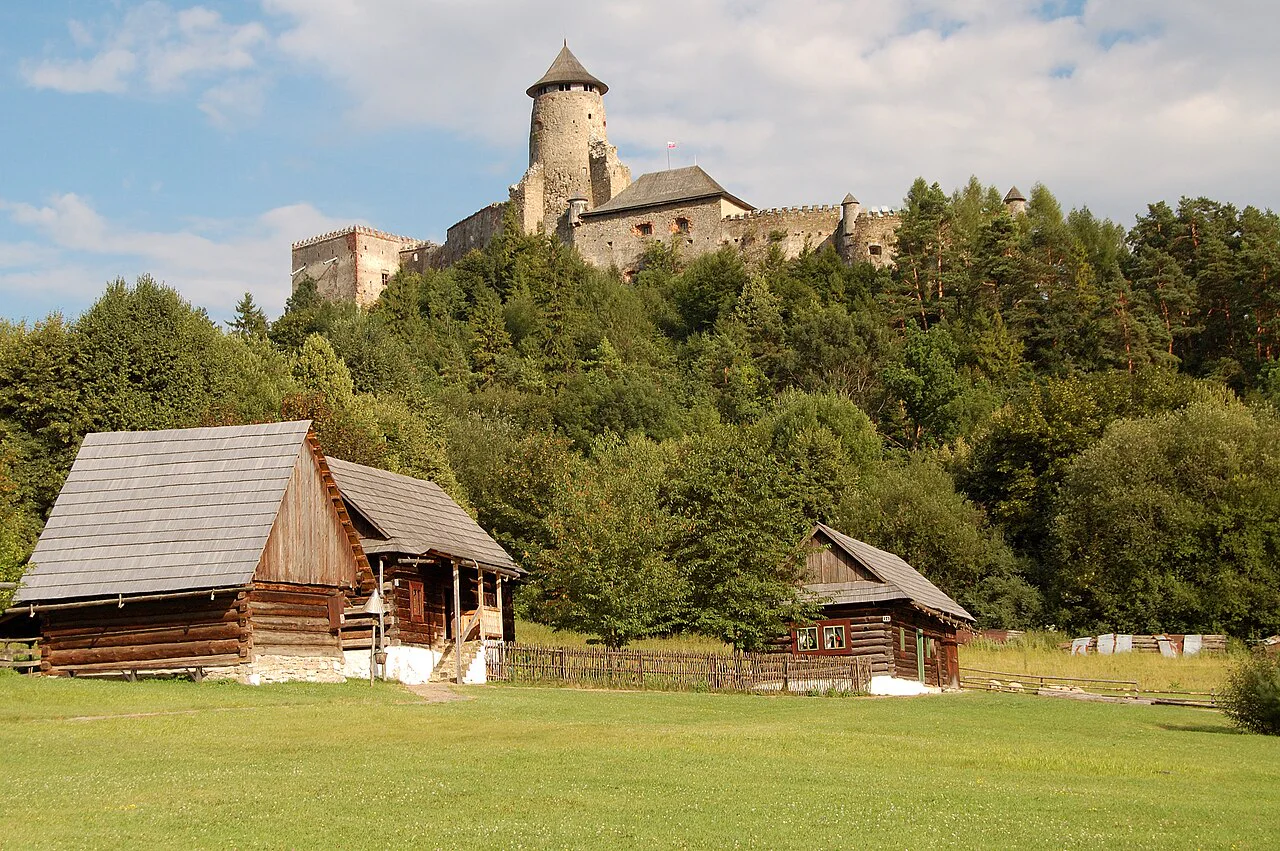
01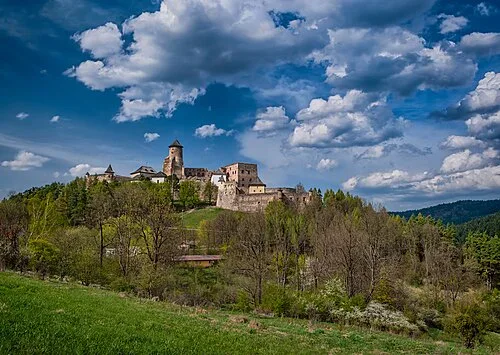 Visual Approach and Southern Gate
Ľubovňa Castle on its Limestone Hill
Welcome to Ľubovňa Castle, a medieval fortress on a limestone hill above the town of Stará Ľubovňa in northern Slovakia. The hill rises about 548 metres above sea level, over the left bank of the Poprad river. From up here the whole Ľubovňa Basin opens out, with the routes toward Poland in view. That position explains the castle. It was built in the late 13th or early 14th century, when this land belonged to the Kingdom of Hungary, to guard the kingdom's northern border. The first written mention calls it castrum Liblou and comes from the year 1311. Who raised the first walls is genuinely uncertain. Some accounts credit a Polish prince around 1280; others a Hungarian king a few decades later. Local legend prefers a nobleman called Ľubovenský, and legend is what that story remains. From 1312 the castle was royal property, run for the king by his own castellans.
Kateryna Baiduzha · CC BY-SA 4.0
02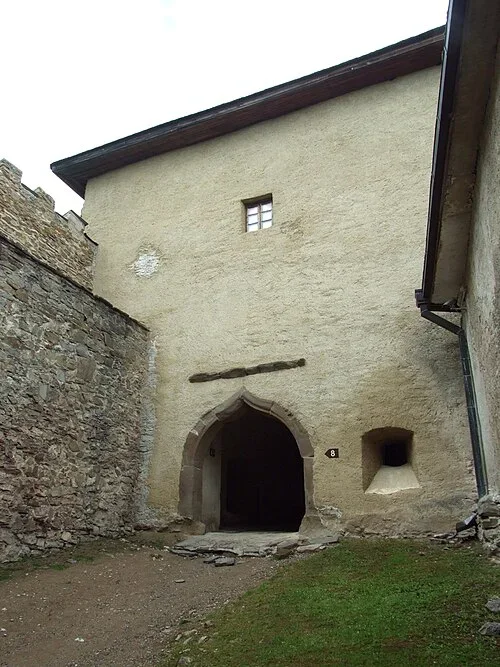 Visual Approach and Southern Gate
Outer Southern Gate
Two kings met at this castle in 1412. Sigismund of Hungary and Władysław Jagiełło of Poland signed a pact of friendship and peace here. What followed was remarkable even by the standards of royal deals. Sigismund raised money by pledging territory to Poland, and this castle was part of the security. Along with thirteen towns of the Spiš region, it passed into Polish pledge. For 360 years the castle served as the seat of the Polish starosts, the administrators of the pledged towns. Their domain reached well beyond the walls, taking in villages like Chmeľnica, Jakubany and Litmanová. The approach to the gate keeps its historic framing even now. A protected avenue of twenty-three horse chestnuts lines the old road up to the entrance.
Photo: Investigatio · CC BY-SA 3.0
03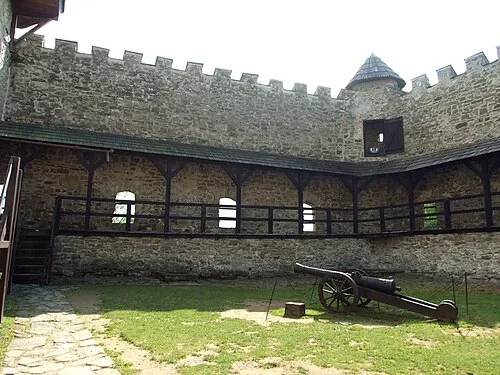 Castle Courtyard and Renaissance Ramparts
Second Courtyard Defences
Cannons changed how every fortress had to be built, and this castle adapted. Its courtyards climb the rock in terraces, each level defended in turn. A large cannon bastion guards the eastern side. On the west, under the gate, sits an ear-shaped gun bastion, named for its curved form. Along the walls runs a covered timber gallery, the walkway where defenders once patrolled under cover. An old cannon rests on the grass of the courtyard, a quiet reminder of the artillery age. The grounds hold gentler company too. Within the walls grows a small-leaved lime of enormous size, between three hundred and fifty and four hundred years old. Its whole life has unfolded inside the castle's most eventful centuries.
Listen in the appPhoto: Investigatio · CC BY-SA 3.0
04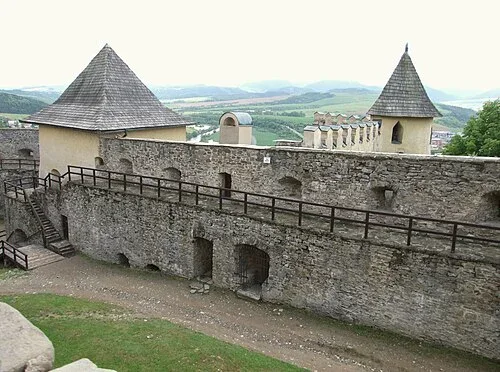 Castle Courtyard and Renaissance Ramparts
Renaissance Ramparts after the Great Fire
Fire nearly ended this castle in 1553. The blaze swept through the buildings and left the fortress close to ruin. Renewal began in 1555 under the starost Ján Boner, the Polish administrator of the pledged towns. Within a few years the castle had gained Renaissance form, rebuilt and expanded at great expense. Much of that effort went into modern fortification, designed against the threat of Turkish attack. The strong ramparts and the shingled roofs over the bastions carry the sense of that work. The Polish pledge ran on through all of this rebuilding.
Listen in the appPhoto: Investigatio · CC BY-SA 3.0
05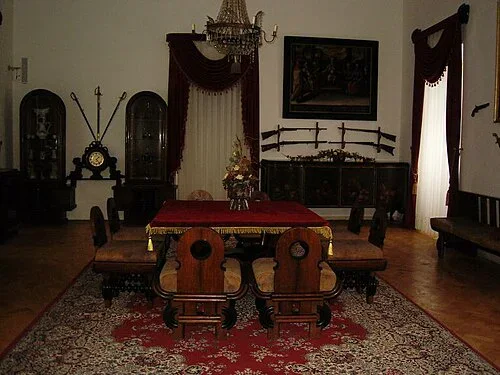 Baroque Palace and Polish Starosty
Baroque Palace Interior
A chandelier, a table laid with red cloth, dark carved furniture and old weapons on the wall. Rooms like this show that the castle was a residence as much as a fortress. The starosts of the pledged towns lived here as they governed. From 1591 the starosty passed into the hereditary hands of the Lubomirski family, Polish princes. They held it until 1745, repairing the buildings and crowning many of them with decorative atticas, the ornate roofline parapets of the Renaissance and Baroque. Much later the castle passed to its final private owner, Jan Kanty Zamoyski. He married the Spanish infanta Isabel Alfonsa of Bourbon-Two Sicilies, and his family lived in the castle until 1944.
Listen in the appPhoto: Fenos · CC BY-SA 3.0
06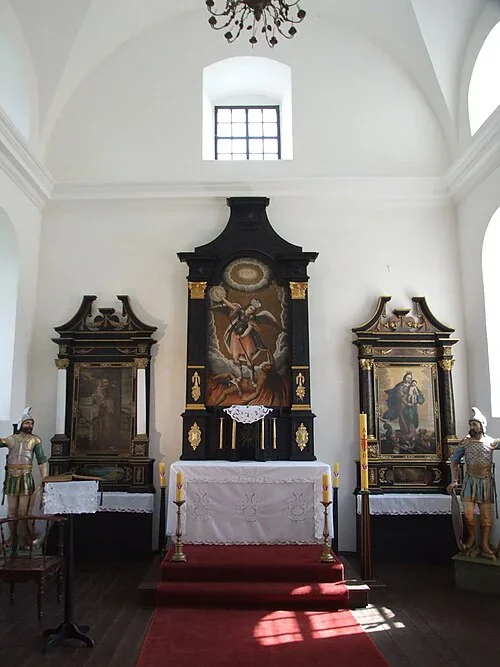 Castle Chapel and Polish Crown Jewels Vault
Castle Chapel
White vaults and three gilded altarpieces give this chapel its calm, symmetrical face. It was built in 1647, in the Baroque style, on one of the castle's terraces. For the Polish starosts and their households it served as the sacred heart of the castle, a place of worship without leaving the walls. The chapel outlived the pledge era and the noble families alike. In 1930 the Zamoyskis, the castle's last private owners, had it repaired. A glass case stands here now, holding one of the most surprising stories the castle keeps.
Listen in the appPhoto: Investigatio · CC BY-SA 3.0
07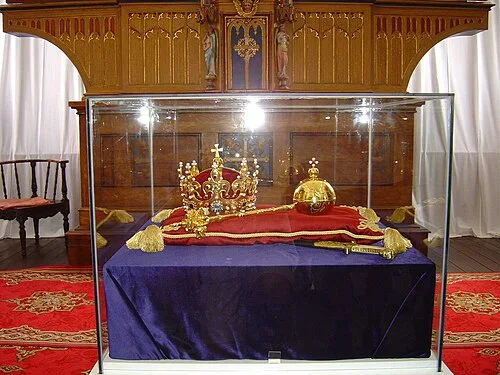 Castle Chapel and Polish Crown Jewels Vault
Polish Crown Jewels Display
Swedish armies were winning battle after battle in 1655, in the invasion Poles call the Deluge. When they reached Kraków, the crown jewels of Poland lay in the treasury of Wawel Castle, together with royal documents and treasure. Moving them became a matter of urgency. The administrator of the royal treasury opened the Wawel vault in the presence of seven senators. The mayor of Spiš and the Polish crown hetman then saw to the transport of the jewels to Ľubovňa. Here they stayed, hidden and safe, for six years. In 1661 the treasury returned to Poland. The originals were later lost forever, melted down by the Prussians early in the 19th century. What the glass case holds are replicas, made in 2003, commemorating the castle's role as a royal safe haven. No one knows exactly which chamber held the real crown.
Listen in the appKristo · CC BY-SA 2.5
08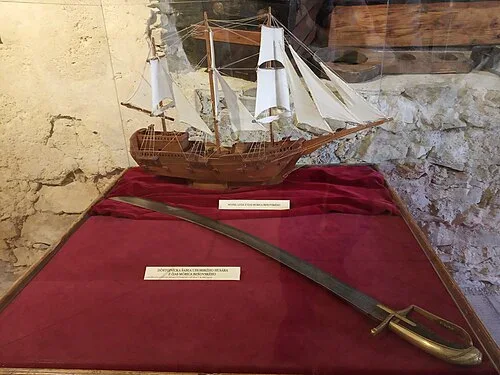 Keep Vaults: Armory and Dungeons of Maurice Benyovszky
Móric Beňovský, Prisoner of the Castle
Few prisoners of this castle led a life like Móric Beňovský. He was an adventurer and diplomat, a globetrotter of the 18th century, and in 1768 he found himself imprisoned here. His story did not end in these vaults. He later made his way to Madagascar, where he was proclaimed king of the island. The exhibit in the keep's ground floor keeps his memory. A model sailing ship evokes the ocean travels that made his name, and beside it lies a historical sabre. The dark stone vaulting around the display gives a fair sense of the setting of his captivity.
Listen in the appPhoto: ZemplinTemplar · CC BY-SA 4.0
09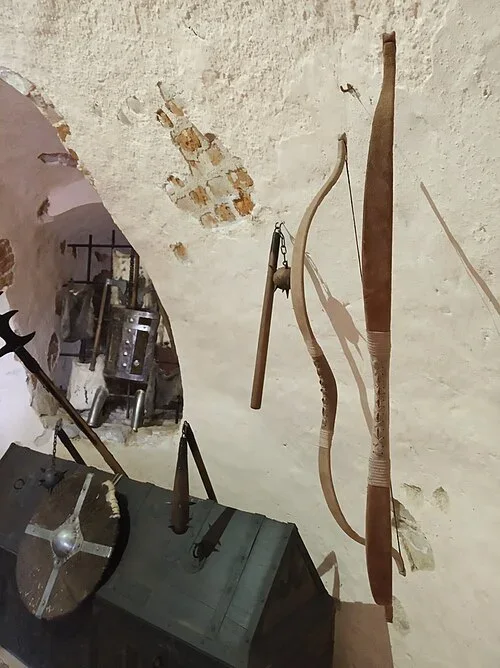 Keep Vaults: Armory and Dungeons of Maurice Benyovszky
Vaults, Chains and Cold Weapons
These vaulted rooms show the castle's harsher face. Among its conserved spaces is an underground torture chamber, kept as it survived. The ground-floor vaults of the hold now display the museum's collection of cold weapons. Bows and crossbows hang on the whitewashed wall, beside maces, shields and a flail. Irons and restraints speak plainly to the purpose some of these rooms once served. It was in rooms like these that prisoners such as Móric Beňovský were held in the castle's later centuries.
Listen in the appPhoto: ZemplinTemplar · CC BY-SA 4.0
10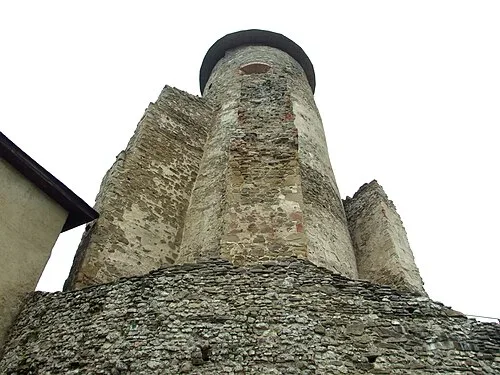 The Circular Keep (Nebojsa) and Summit Viewpoint
The Circular Keep
The great round tower is the oldest surviving structure on the rock. It was built in the era of the castle's founding, and it still carries enormous buttresses at its base. It stands with the Gothic palace at the highest point of the hill. Originally it was ringed by its own curtain wall, entered through a gate in that wall. When danger came, the keep served as the stronghold's final refuge, the place defenders could fall back to and hold. From its height the watch kept an eye on the whole Poprad valley. Its recent roofing and gradual repair are the newest chapter in the castle's long restoration.
Listen in the appPhoto: Investigatio · CC BY-SA 3.0
- 11
View from the Castle Heights
Reading the border landscape from the castle heights, including the hill where medieval justice was carried out.
- 12
Castle Brewery Cellar
A vaulted cellar under the ramparts, fitted out with the copper kettles and casks of the brewer's craft.
- 13
Shoemaker's Workshop
A shoemaker's corner in the castle vaults, with lasts, awls and heavy boots laid out on the bench.
- 14
Open-Air Museum at the Castle Foot
The open-air museum of Spiš folk architecture at the castle's foot, where wooden farmsteads stand beneath the fortress walls.
Ľubovňa Castle
Frequently asked questions
How much does the guide cost?
Free app download. Listed guide price: $0.99. Guide price shown in the app. Audio guide only. Venue admission is separate.
Can I listen without internet?
Yes. Download the guide’s audio, images, and maps in the app before your visit. Your downloaded content is then available offline.
Can I listen in my language?
This audio guide is available in 15 languages, including English.
Do I need to follow a schedule?
No. This is a self-guided experience. Choose your stops, pause whenever you like, and return to a story at your own pace.
At your own pace
Explore Ľubovňa Castle.
Download Stanza, then search for “Ľubovňa Castle”.
Free app download · Guide price shown in the app
Keep exploring
Nearby audio guides
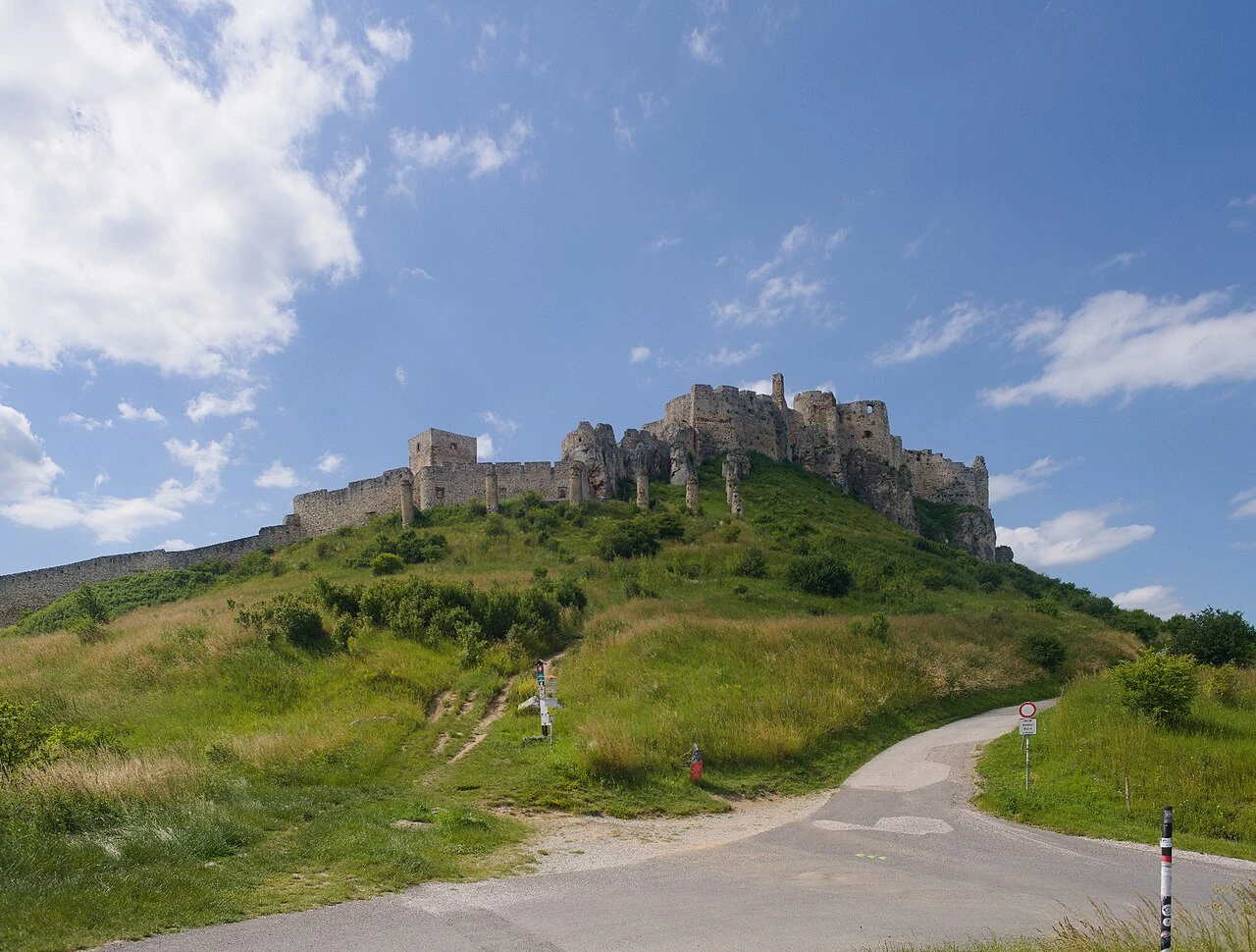
Spišské Podhradie · 35 km
Spišský hrad
Content & sources
Photo: Andrei Stroe · CC BY-SA 4.0
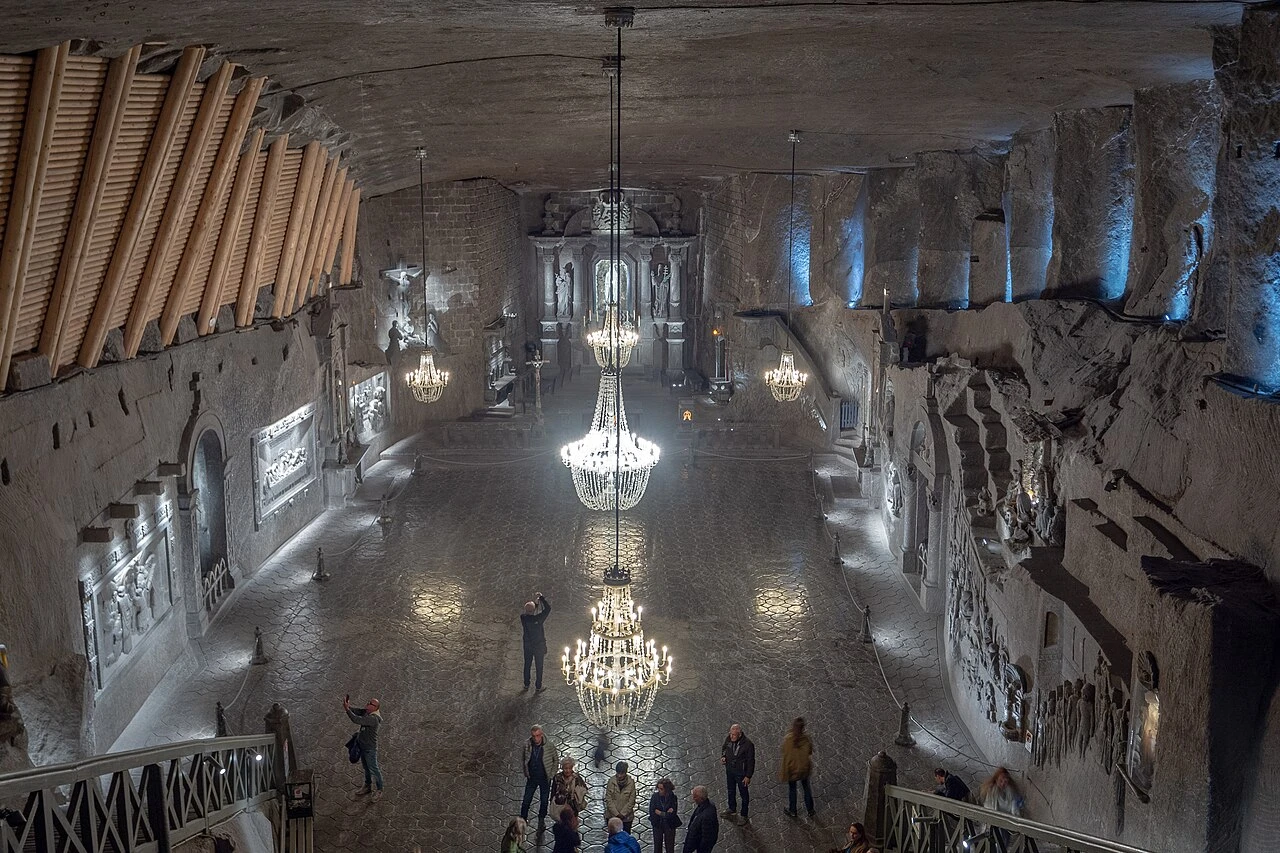
Wieliczka · 88 km
Wieliczka Salt Mine
Content & sources
Photo: C messier · CC BY-SA 4.0
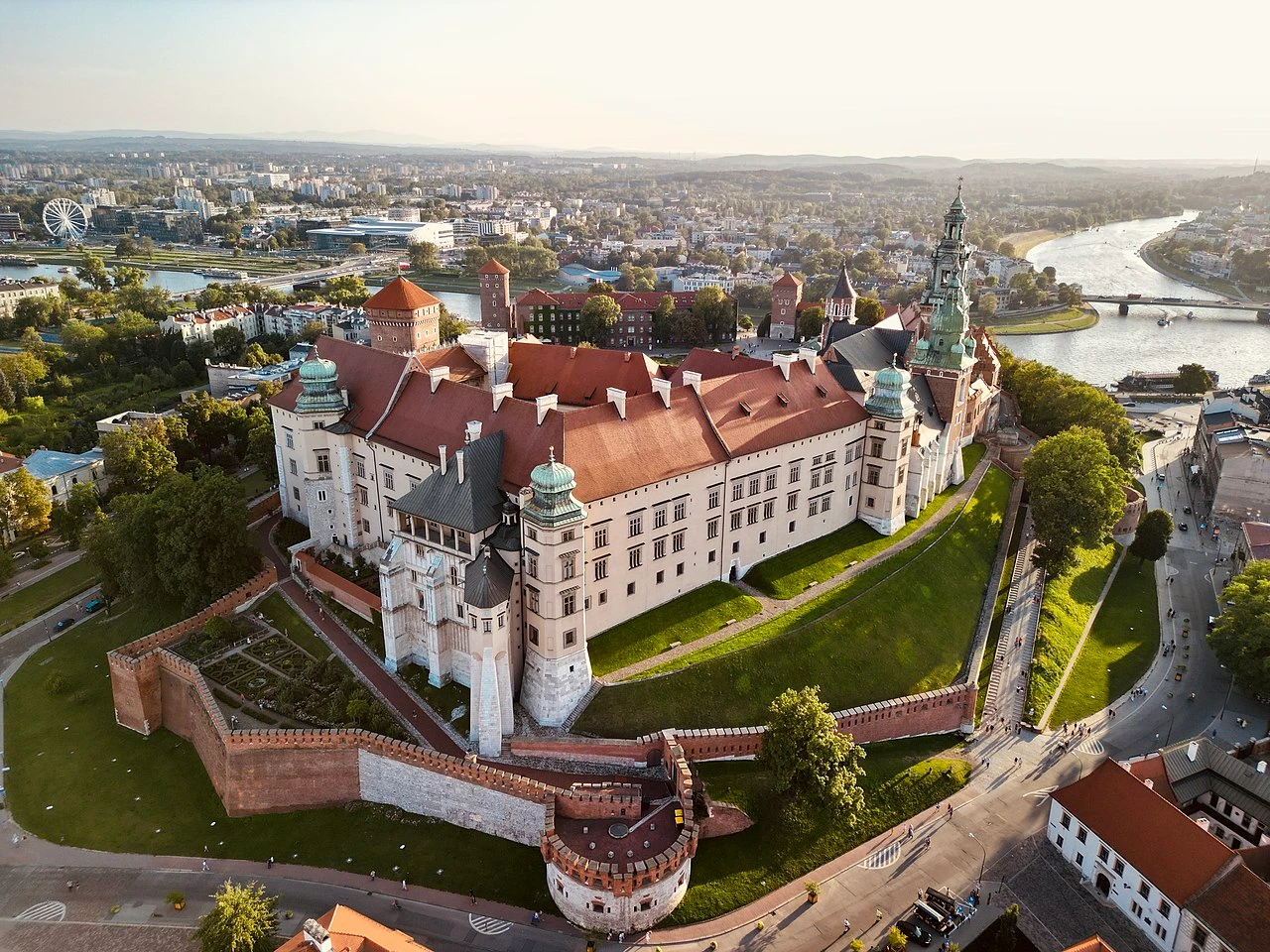
Krakow · 99 km
Wawel Royal Castle
Content & sources
Photo: Monika Towiańska · CC BY-SA 4.0
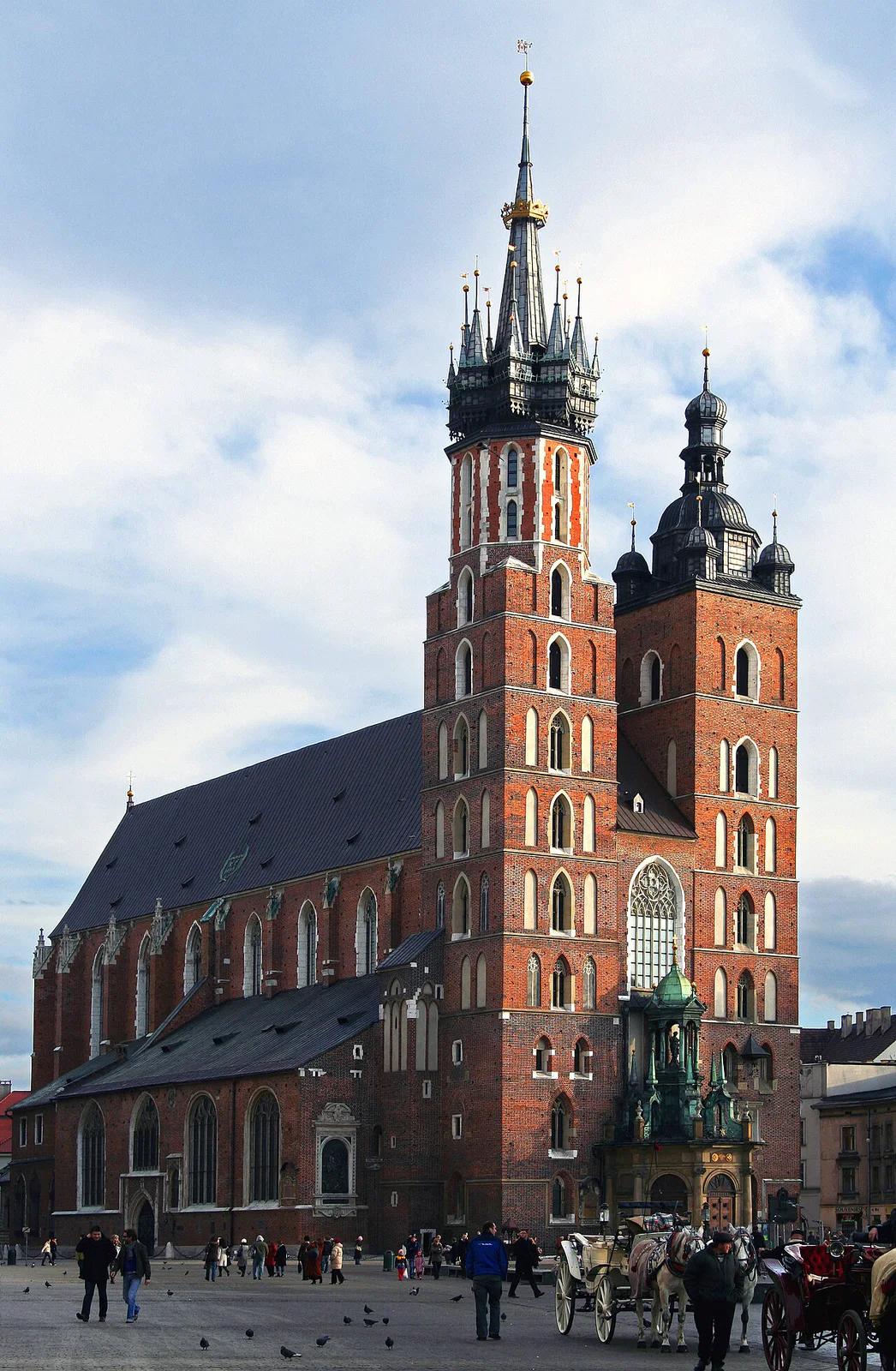
Kraków · 99 km
Kościół archiprezbiterialny Wniebowzięcia Najświętszej Marii Panny w Krakowie
Content & sources
Pgkos · CC BY-SA 4.0