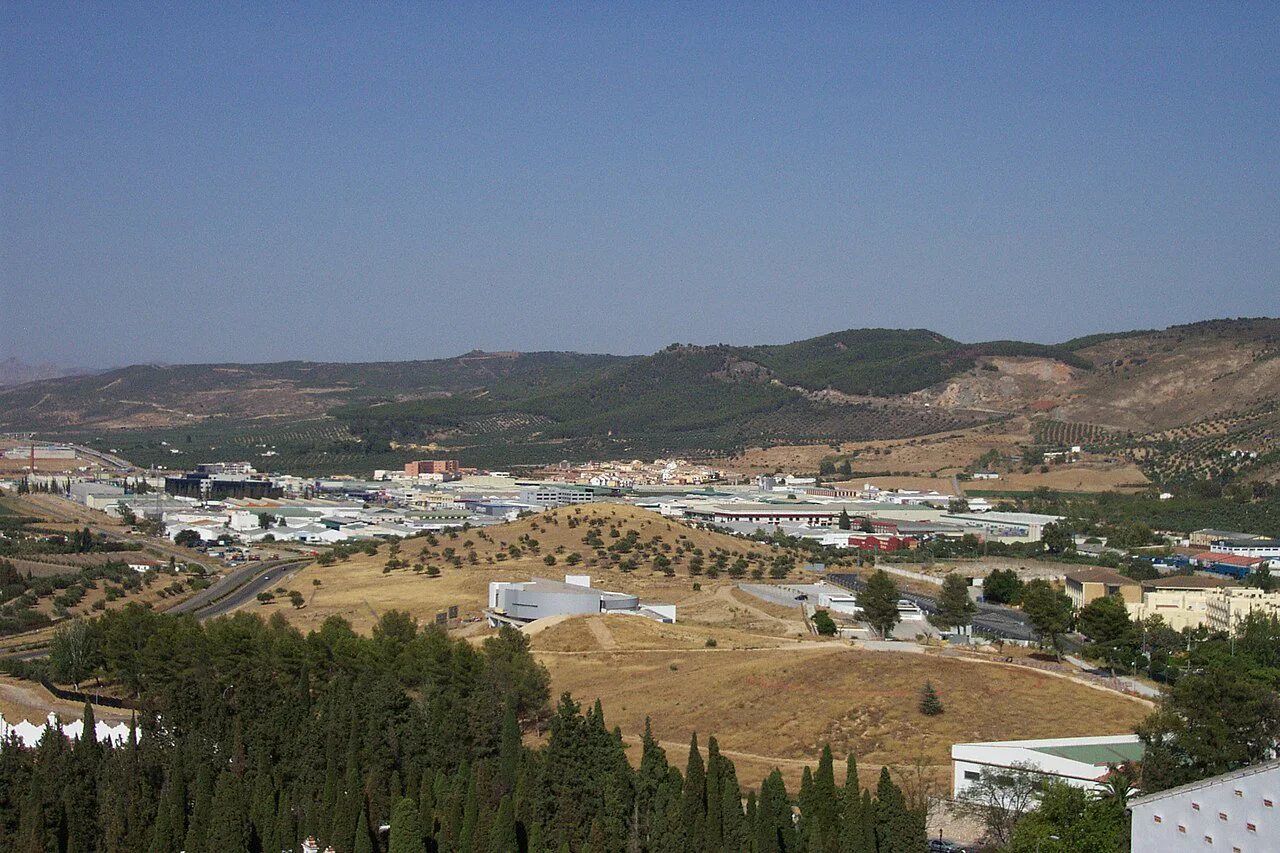
Stanza · Audio guide
Sitio de los Dólmenes de Antequera Audio Guide
A place to remember. A story to take with you.
The Antequera Dolmens Site is a cultural heritage ensemble comprising three cultural monuments and two natural mountain features in Spain. It was declared a World Heritage Site in 2016.
Download Stanza, then search for “Sitio de los Dólmenes de Antequera”.
About the tour
One guide. Your kind of visit.
The Antequera Dolmens Site is a cultural heritage ensemble comprising three cultural monuments and two natural mountain features in Spain. It was declared a World Heritage Site in 2016.
Ready when you are.
- 01Get the free Stanza app.
iOS & Android
- 02Find your guide.
“Sitio de los Dólmenes de Antequera”
- 03Download before you go.
Works offline
Audio guide / 23 narrated stops
Inside the guide
Get to know a few of the stories before you go. Open a stop to read more.
01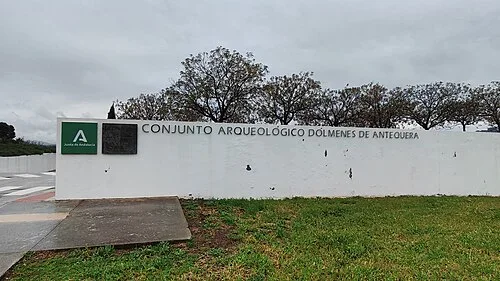 Antequera Dolmens Site Visitor Center
Archaeological Ensemble of Antequera Dolmens
Long before Antequera had its name, people here were raising stones that still stand. The site holds three prehistoric tombs — Menga, Viera and the tholos of El Romeral — and two natural landmarks, the Peña de los Enamorados and the mountain of El Torcal. All five were inscribed together on the UNESCO World Heritage List in 2016. The listing is unusual because it treats the tombs and the mountains as one thing: a dialogue between megalithic architecture and the landscape around it, rather than monuments with scenery attached. The tombs are great collective burial chambers, built from the Neolithic into the Copper Age, in the era when the first ceremonial monuments of Western Europe appeared. They represent the two main building traditions of the megalithic world — one of upright stones and lintels, the other of false domes. The institution caring for the ensemble today is the Conjunto Arqueológico Dólmenes de Antequera, whose name runs along the entrance wall.
Photo: Mentxuwiki · CC BY-SA 4.0
02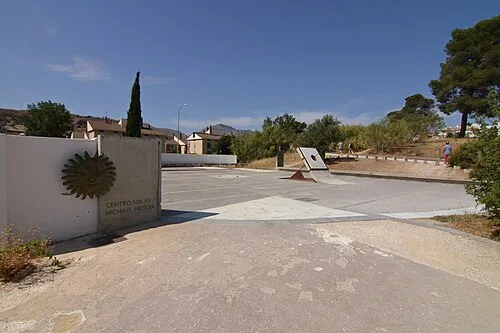 Michael Hoskin Solar Center
Centro solar Michael Hoskin
Michael Hoskin was a British archaeoastronomer, and he asked the tombs a simple question: where does the corridor point? He surveyed megalithic tombs across the whole Mediterranean, measuring the axis of each one. The answer held almost everywhere. Nearly every dolmen in the Mediterranean arc — he put it at ninety-nine point nine nine percent — faces a feature in the sky, most often the sunrise at dawn on the equinoxes. To the builders, the direction of the dead pointed upward, toward the heavens. Then came Antequera. Here, two of the three tombs face features of the land instead, something Hoskin's measurements made impossible to dismiss. It is the reason the site's solar center carries his name.
Photo: Malopez 21 · CC BY-SA 4.0
03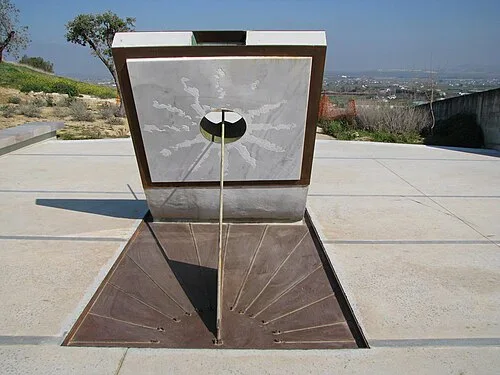 Michael Hoskin Solar Center
Solar Observation Instrument
A slender rod rises from a fan of engraved lines, and its shadow does all the work. The rod is a gnomon, a shadow-casting stick and the simplest of astronomical instruments. As the sun crosses the sky, the shadow sweeps over the graduated surface like the hand of a clock. The lines mark the sun's daily path through the year, which creeps north and south with the seasons. Twice a year, at the equinoxes, the sun rises exactly due east. That is the reference point behind most tomb alignments: a corridor aimed at the horizon catches the first light of the equinox sun straight down its length. Archaeoastronomers read a monument by the same geometry — measure the axis, allow for the horizon, and see what rises along it.
Listen in the appIMBiblio · CC BY-SA 2.0
04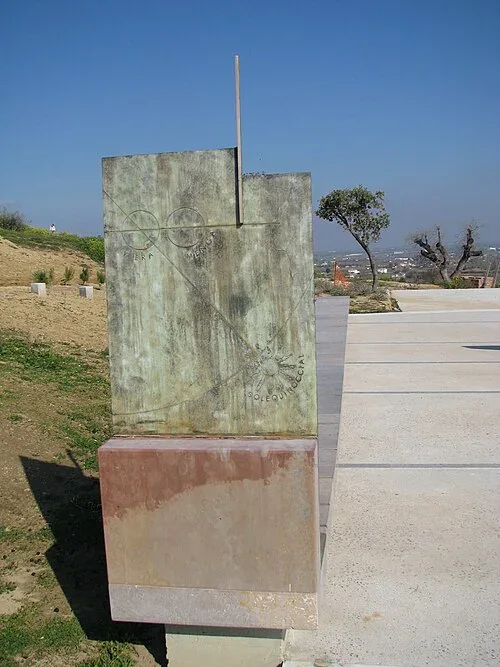 Michael Hoskin Solar Center
Solstice Alignment Marker
Engraved on the weathered slab are circles, a horizon line and the sun's path, with the words for solstice and equinox cut into the metal. It marks the one solar date built into this site. The tholos of El Romeral, the youngest of the three tombs, points not only to a mountain but also to the noon sun of the winter solstice. On the shortest day of the year, the midday sun stands at its lowest, and the tomb's axis meets it. Everywhere else in Antequera, the sky's part is played by the equinox sunrise or by the landscape itself. The winter-solstice noon is the single moment when the sun takes a leading role. The slab sets that geometry out where it can be read.
Listen in the appIMBiblio · CC BY-SA 2.0
05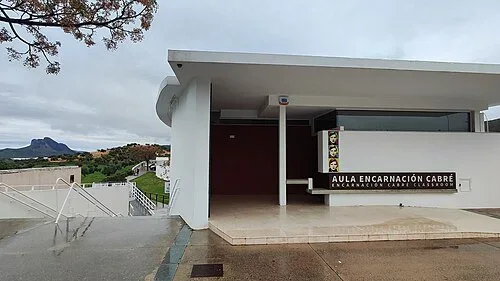 Encarnación Cabré Hall
Aula Encarnación Cabré
The site's teaching and events room carries a name worth knowing: Encarnación Cabré. She is remembered as a pioneer of the study of Iberian prehistory, and as a milestone for women in Spanish archaeology. The room named for her keeps the site alive as more than a monument. School groups, courses and research meetings pass through it, so the tombs remain part of an ongoing conversation about the deep past. Naming the hall for Cabré ties that living work to the person who helped open the field.
Listen in the appPhoto: Mentxuwiki · CC BY-SA 4.0
06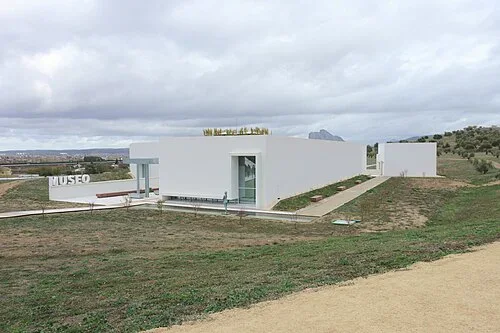 Antequera Dolmens Museum
Museo de los Dólmenes de Antequera
A low white building with grasses growing on its roof, set into the hillside: the site museum of the Antequera dolmens. Its job is to gather the story the excavations have yielded — the finds, the models, the explanations of how the tombs were built and used. The tombs themselves show one thing at a time. The museum assembles the whole account in one place. It is the interpretive heart of the ensemble, the point where the monuments, the landscape and the people who built them are fitted together.
Listen in the appPhoto: Rodelar · CC BY-SA 4.0
07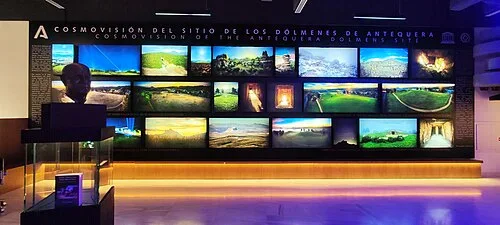 Antequera Dolmens Museum
Cosmovisión Display, Dolmens Museum
One wall of the museum holds a grid of screens under the title 'Cosmovisión del Sitio de los Dólmenes de Antequera' — the worldview of the dolmens site. The panels run through landscapes, tombs, skies and cave art, and the idea behind the title is the point. The people who built these monuments did not separate their dead from their mountains, their sun or their painted caves. Burial, landscape and sky formed one system of meaning, a symbolic geography in which each element took its place. That is how the site asks to be understood: a whole way of seeing the world, of which the stone chambers are the part that has survived.
Listen in the appPhoto: Mentxuwiki · CC BY-SA 4.0
08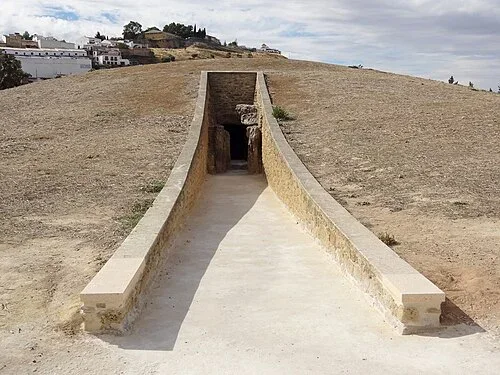 Dolmen of Viera
The Dolmen of Viera plays by the rules. It is a classic corridor tomb of the Neolithic: a long passage of upright slabs running into an earthen mound, with low masonry walls guiding the approach. Its defining trait is written in its axis. At dawn on the equinoxes, the rising sun shines straight down the corridor into the tomb. Viera follows the usual pattern exactly. That conformity matters here, because Antequera's other monuments are famous for not following it. The modest mound and quiet approach make Viera the yardstick of the ensemble: the tomb against which the surprises are measured.
Listen in the appOlaf Tausch · CC BY 3.0
09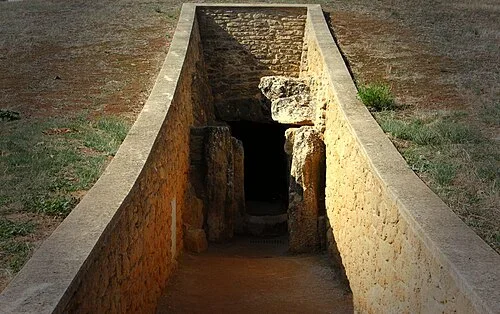 Dolmen of Viera
: Entrance
The entrance cuts down into the mound like a trench: a sunken passage lined with masonry, sinking toward a dark doorway framed in stone. This threshold also anchors the dating of the site. Menga and Viera, the two dolmens, both belong to the Neolithic — centuries earlier than the tholos of El Romeral, which is Chalcolithic. The dolmens were already ancient monuments when El Romeral's builders set to work. Burial in this enclosure stretched across millennia, in two different building traditions.
Listen in the appPhoto: Auzkiza · CC BY-SA 3.0
10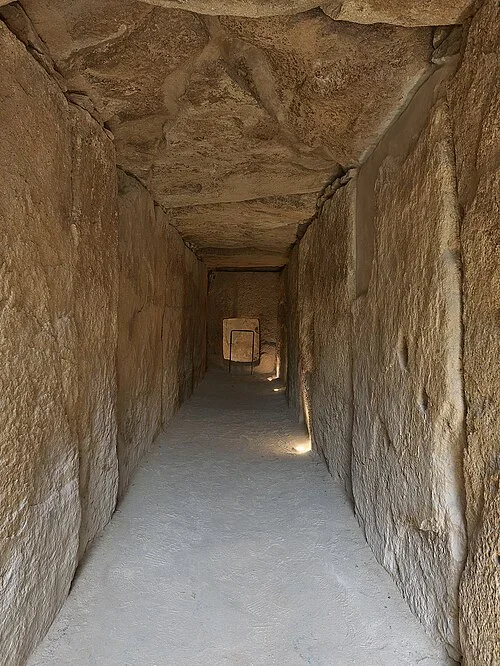 Dolmen of Viera
Corridor of the Dolmen of Viera
Two building tricks hold this corridor up, and both are visible at once. Upright slabs — orthostats, in the archaeologists' word — stand on either side like posts. Across them lie horizontal capstones, the lintels, bridging one pair to the next. That is post-and-lintel construction, the simplest way to make a roofed space out of stone, and the signature of what is called the Atlantic tradition of megalithic building. No arch, no mortar, no dome: weight carried straight down through stone onto stone. The corridor makes the principle readable at human scale, because every joint and every slab is within arm's reach.
Listen in the appJosé Luis Filpo Cabana · CC BY-SA 4.0
- 11
Chamber of the Dolmen of Viera
What the chamber was for: a shared house of the dead, entered again and again.
- 12
Dolmen of Menga
The giant of the ensemble: a masterpiece disguised as a hill.
- 13
Dolmen of Menga: Interior and Pillars
Inside the giant: the pillars that hold up Menga's enormous roof, and how Neolithic builders moved stones this size.
- 14
Dolmen of Menga: View to the Peña de los Enamorados
The tomb that ignores the sunrise and points at a mountain with a human face — and the lovers' legend behind its name.
- 15
Dolmen of Menga: Central Pillar and the Deep Well
A railed hole in the chamber floor: the deep well cut into the rock inside Menga, still unexplained.
- 16
Weights from Cerro Marimacho
Small perforated clay weights from the settlement hill beside the tombs — proof that people lived and worked within sight of them.
- 17
Tholos de El Romeral
The Copper Age beehive tomb where megaliths gave way to masonry, and the roof learned to curve.
- 18
Corridor of the Tholos de El Romeral
Down the long passage, where big megalithic slabs slowly give way to coursed masonry.
- 19
False Dome of the Tholos de El Romeral
Looking up into the false dome: how small stones, stepped inward ring by ring, close a round chamber.
- 20
El Torcal de Antequera
The otherworldly karst mountain that the tholos of El Romeral faces — a natural ridge treated as a monument.
- 21
El Tornillo del Torcal
El Tornillo, the famous screw-shaped rock, and the simple geology that stacks limestone into such forms.
- 22
Balancing Rocks of El Torcal
Boulders that seem balanced by hand — the forms that gave El Torcal's summit its otherworldly reputation.
- 23
Cueva del Toro
The Cave of the Bull, high on El Torcal, where the whole inhabited prehistoric landscape comes into focus.
Sitio de los Dólmenes de Antequera
Frequently asked questions
How much does the guide cost?
Free app download. Listed guide price: $2.99. Guide price shown in the app. Audio guide only. Venue admission is separate.
Can I listen without internet?
Yes. Download the guide’s audio, images, and maps in the app before your visit. Your downloaded content is then available offline.
Can I listen in my language?
This audio guide is available in 15 languages, including English.
Do I need to follow a schedule?
No. This is a self-guided experience. Choose your stops, pause whenever you like, and return to a story at your own pace.
At your own pace
Explore Sitio de los Dólmenes de Antequera.
Download Stanza, then search for “Sitio de los Dólmenes de Antequera”.
Free app download · Guide price shown in the app
Keep exploring
Nearby audio guides
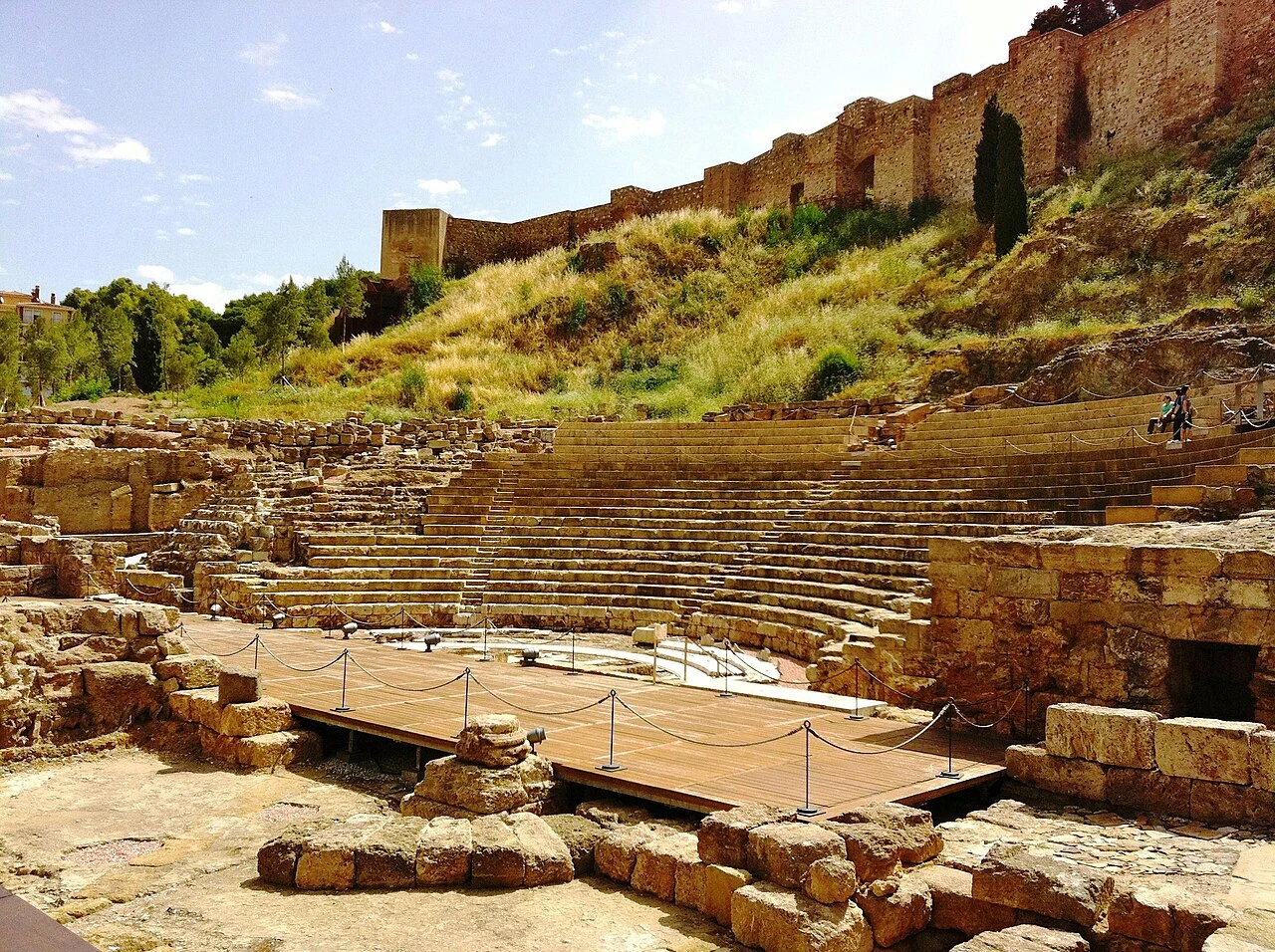
Málaga · 36 km
Roman Theatre of Málaga
Content & sources
andynash · CC BY-SA 2.0
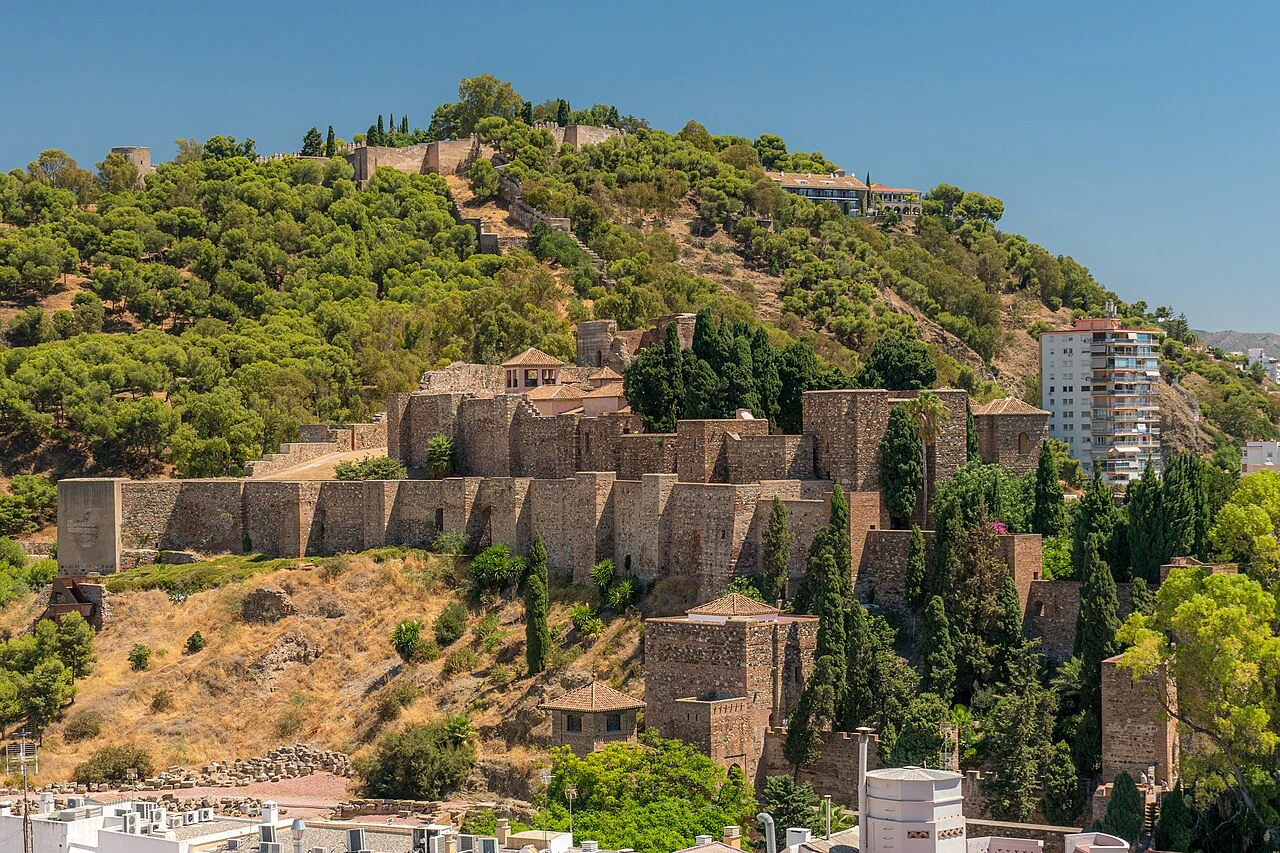
Málaga · 36 km
Alcazaba of Málaga
Content & sources
Photo: Fernando · CC BY-SA 4.0
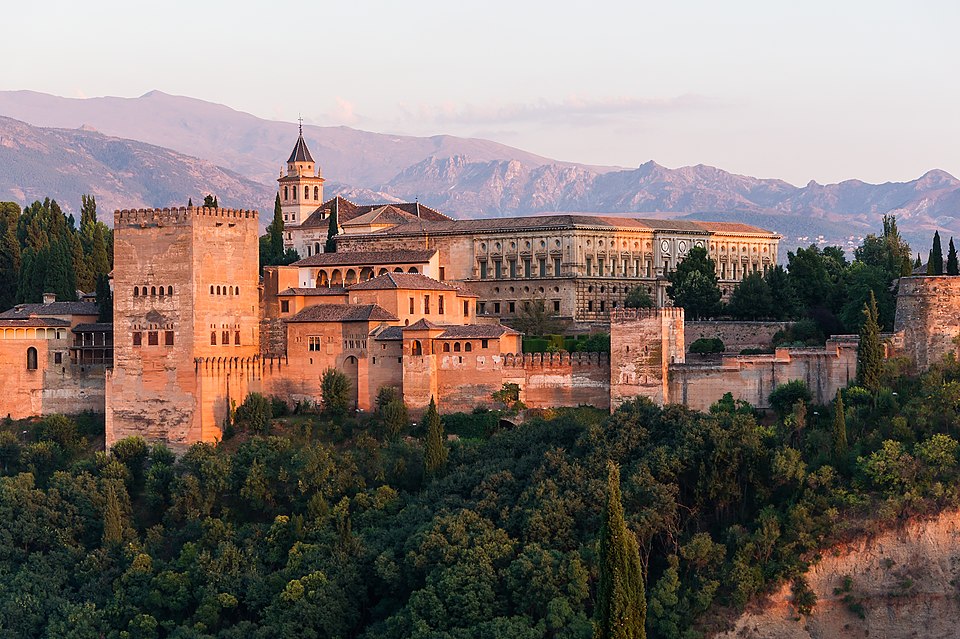
Granada · 87 km
Alhambra
Content & sources
Photo: Jebulon · CC0
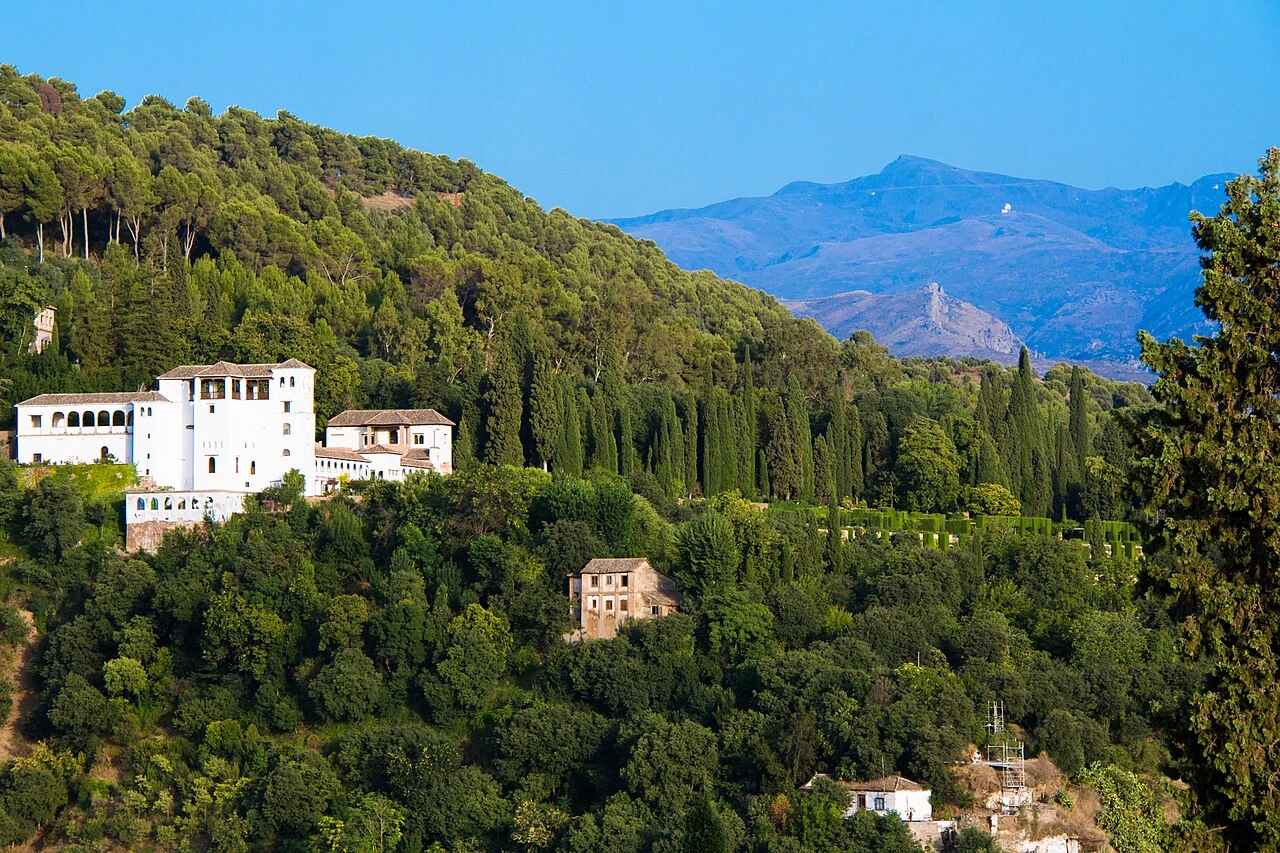
Granada · 87 km
Generalife
Content & sources
Tibor Kovacs · CC BY 2.0