Languages
15Generalife Audio Guide
Generalife is a landmark in Granada, Spain. Explore it with Stanza's GPS-triggered offline audio guide — available in 15 languages.
Quick Facts
12
Stops
15
Languages
100%
Offline
📍 Granada, Spain · 37.1769°N, -3.5853°E
About Generalife
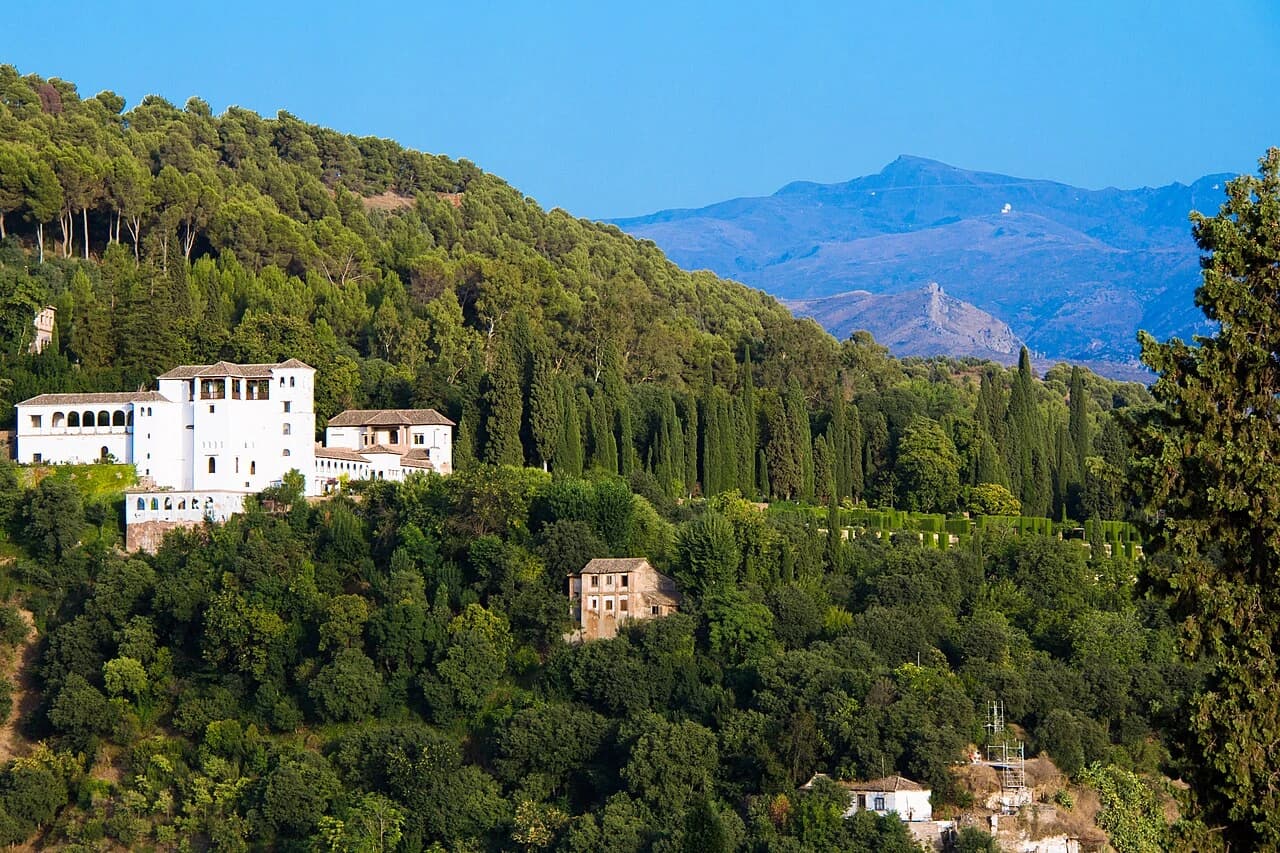
The Generalife is a historic palace and garden complex in Granada, Spain, originally built as a summer palace and country estate for the Nasrid rulers of the Emirate of Granada.
Generalife is also known as Palacio de Generalife, Jardín del Conjunto del Generalife, Jardines del Generalife, El Generalife.
This self-guided audio tour features 12 narrated stops organized across 6 sections, including The Court of the Water Channel, The Royal Chamber and Miradors, The Sultana's Cypress Courtyard, The Water Stairway, The Upper Gardens and Romantic Mirador, The Orchards and Legacy. As a palace, Generalife offers a unique cultural experience in the heart of Granada, Spain.
The Stanza audio guide is available in 15 languages and works entirely offline — download the complete tour including audio narration, maps, and images before your visit. As you walk through Generalife, GPS-triggered narration plays automatically at each point of interest.
Last updated:
What you will hear
The Court of the Water Channel
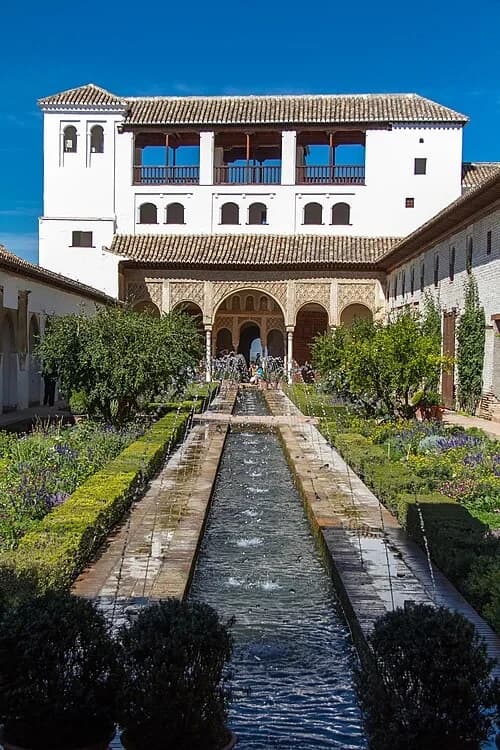
Focusing on the Patio de la Acequia, the soul of the palace and a masterpiece of hydraulic engineering.
Court of the Water Channel
The Patio de la Acequia is widely considered the soul of the Generalife complex. This elongated space measures 12.8 meters wide by 48.7 meters long, creating a corridor of green and blue that draws your eye toward the architecture at either end. The garden follows the traditional Islamic concept of the 'chahar bagh,' or four-part garden, which is meant to represent the four rivers of paradise. Here, that geometry is anchored by the central water channel known as the Acequia Real. This channel is much more than a decorative feature; it is the physical spine of the entire estate, carrying water from the hills to sustain the lush vegetation. The narrow path of water is flanked by colorful flowerbeds and manicured hedges, creating a symmetrical harmony. At the far end, look for the northern pavilion. This structure was designed as a place for the Sultan to sit in the shade and observe the length of his gardens. From that elevated vantage point, the sounds of the water and the fragrance of the blooms would have provided a perfect environment for meditation or private audiences away from the heat of the day.
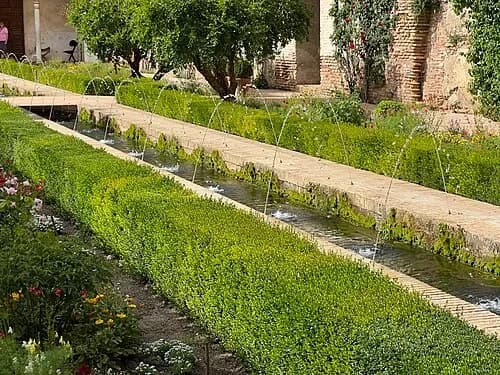
The Music of Water
The arched water jets that crisscross the central channel are perhaps the most famous visual element of this garden. While these specific fountains were actually a 19th-century addition to the original layout, they perfectly fulfill the original Nasrid goal of using water for both cooling and sound. In the intense heat of a Spanish summer, the mist from these jets can drop the local temperature significantly, turning the courtyard into a cool oasis. The sound of the falling droplets creates a rhythmic acoustic backdrop that masks the noise of the outside world. The engineering behind this display is remarkable. This water is not pumped by electricity but arrives here via a sophisticated hydraulic system that utilizes nothing but gravity. The water originates from the Darro River, located several kilometers away. It is diverted through a series of channels and aqueducts that wind along the hillsides to reach this elevated site. By carefully managing the descent and pressure, ancient engineers were able to create these dancing plumes of water. This sustainable system still functions today, demonstrating the mastery of water management that defined the Nasrid dynasty's success in this arid region.
The Royal Chamber and Miradors
Exploring the interior palace rooms where Nasrid stucco work and framed views of the city take center stage.
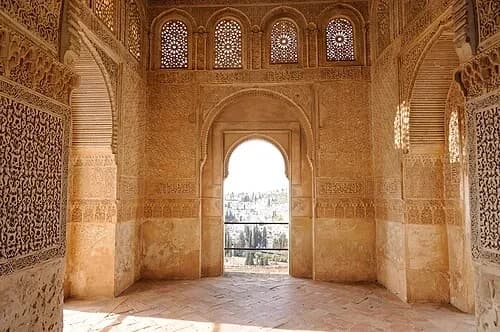
The Sultan's View
This area is known as a mirador, a specialized architectural space designed specifically for the act of looking out. In Nasrid palace design, the view of the external world was as carefully considered as the internal decoration. Here, the architects used the windows and arches to frame the Albaicín district across the valley. By doing so, they turned the white-washed city and the rolling hills into a living piece of art for the royal family to enjoy. The lighting in this space is intentional. The interior is kept relatively dark, which serves two purposes: it keeps the room cool and it enhances the 'aperture' effect of the windows. When you look out from the shadowed chamber, the brilliant white houses of the city below seem to glow in the Spanish sun, drawing the eye directly to the horizon. This design reflects a philosophy where architecture serves as a bridge between the inhabitant and the natural world. Instead of closing the palace off, the mirador invites the beauty of Granada inside, ensuring that the Sultan was always connected to the lands he ruled.
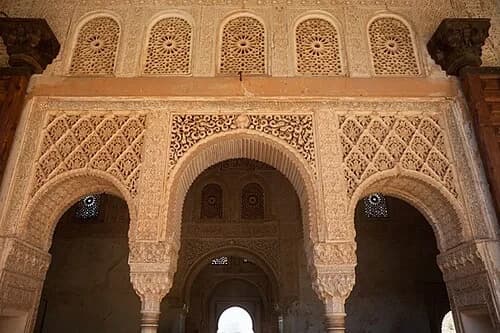
The Royal Chamber
Entering the Salón Regio, or Royal Chamber, you are surrounded by the peak of Nasrid decorative art. The walls are adorned with intricate stucco work and muqarnas—the honeycomb-like 'stalactite' carvings that grace the arches and ceilings. These designs are not merely for show; they represent complex mathematical patterns and religious inscriptions that were central to the Islamic aesthetic. Notice how the light plays across the textured surfaces, creating shifting shadows throughout the day. Much of what you see in the northern section required extensive preservation work following a devastating fire in 1958. However, this tragedy provided a unique opportunity for historians. During the reconstruction, archaeologists discovered earlier Nasrid foundations hidden beneath the existing floor, providing new insights into how the palace was originally configured in the 13th century. This interior luxury provides a sharp contrast to the rugged, agricultural nature of the hillside just outside the walls. While the exterior of the Generalife was a working farm, this room was a sanctuary of refined culture, where the Sultan could enjoy the finest craftsmanship of his kingdom while looking out over his terraced lands.
The Sultana's Cypress Courtyard
An intimate space associated with the legends of the Abencerrajes and the historic cypress tree.
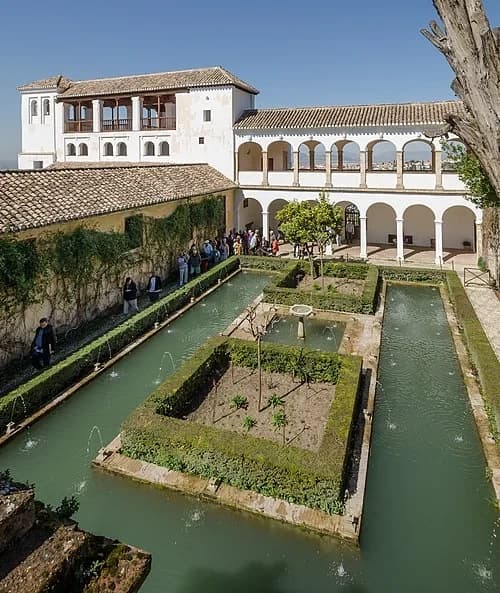
The Sultana's Courtyard
Moving into the Patio del Ciprés de la Sultana, the atmosphere changes from grand views to quiet intimacy. This courtyard was a more private area of the palace, characterized by its U-shaped pool and the high walls that screened it from view. It was designed as a secluded retreat for the royal women, providing a safe and cool space where they could gather away from the public areas of the estate. The stillness of the water in the central basin reflects the surrounding greenery, reinforcing the sense of a hidden sanctuary. After the Christian conquest in the late 15th century, this area underwent significant modifications. During the 16th century, Renaissance elements were introduced to the original Nasrid layout, such as the stone fountain and different styles of planting. You can see the blend of cultures here, where the stark, vertical lines of the walls and the geometric precision of the Islamic pool meet the softer, more varied aesthetic of the later residents. Despite these changes, the courtyard retains its original purpose as a place of rest and reflection, protected by its architecture from the wind and the sun.
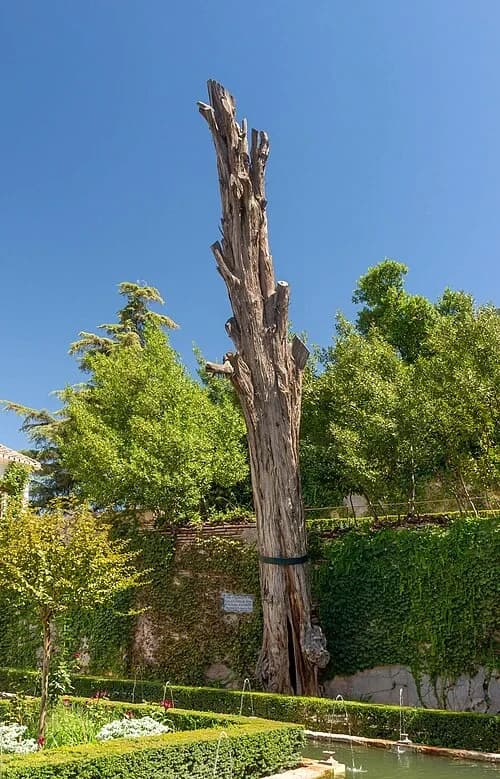
The Legend of the Cypress
In a corner of the Sultana’s Courtyard stands the weathered trunk of an ancient cypress tree, a site steeped in local legend. According to popular tradition, this is where the wife of Sultan Boabdil, the last Moorish king of Granada, was caught meeting her secret lover. Her paramour was said to be a knight from the powerful but rival Abencerrajes clan. The story goes that a member of the court spotted them under the branches of this very tree, an act of betrayal that allegedly led to the brutal massacre of the Abencerrajes family within the Alhambra walls. While historians debate the factual accuracy of this tragic tale, the emotional weight of the legend has made this specific tree a landmark for centuries. It localizes the grand, sweeping history of the fall of Granada into a single, intimate moment of human drama. The trunk itself is now dry and hollow, supported by metal bands to keep it upright, yet it remains a powerful symbol of the palace's past. For many visitors, it represents the intersection of history and folklore, a tangible connection to the romanticized and often perilous world of the Nasrid court during its final years.
The Water Stairway
Highlighting the unique Escalera del Agua, where water flows down handrails to cool the air and soothe the spirit.
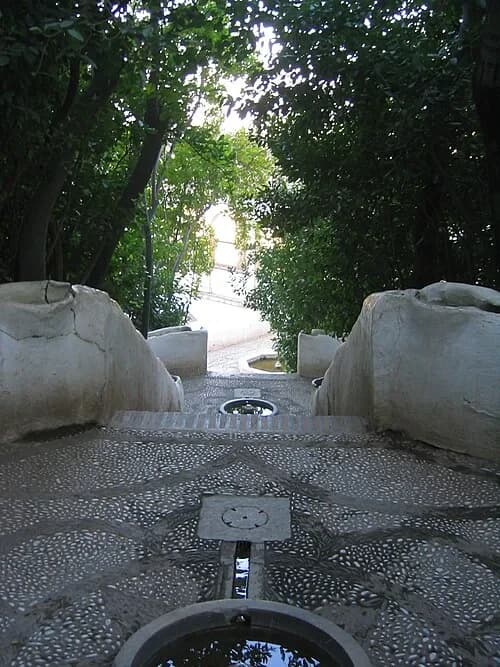
The Water Stairway
The Escalera del Agua, or Water Stairway, is a masterpiece of functional landscape engineering. As you look at the staircase, you will notice it is divided into four distinct flights of stairs separated by circular landings. What makes this structure truly unique are the handrails. Instead of solid stone or wood, the tops of the walls on either side have been hollowed out to create open pipes. Water flows constantly down these channels, following the descent of the stairs. This was not just an aesthetic choice; it was a highly effective form of ancient air conditioning. As the water flows down the hill, it evaporates slightly, which cools the immediate air for anyone climbing up toward the High Gardens. The sound of the rushing water also provides a pleasant auditory experience that drowns out other sounds. The design showcases how Nasrid architects integrated basic elements of nature into every part of the palace's infrastructure. By turning a simple staircase into a water feature, they ensured that even the most functional parts of the estate contributed to the overall sense of comfort and luxury for the royal family.
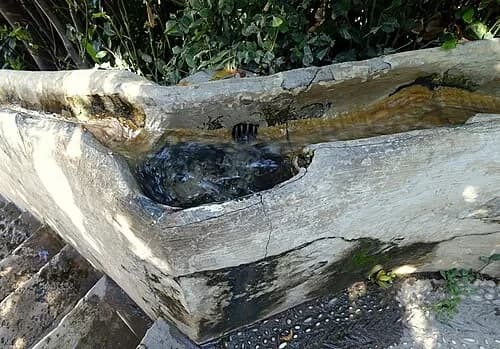
Liquid Handrails
The stone channels running along the top of the Water Stairway provide a fascinating tactile and auditory detail of the Generalife’s irrigation system. The water you see here comes from the Albercones, which are massive reservoirs situated at the highest point of the estate. Because the water is constantly moving and tumbling down the stone steps within the handrails, it becomes highly oxygenated. This process is vital for the health of the garden, as it keeps the water supply fresh and clear before it reaches the lower terraces. As the water flows, it makes a light splashing sound that changes depending on the volume and speed of the current. You can see how the stone has been smoothed over centuries by the constant friction of the stream. This system allowed the gardeners to move water across the steep terrain without the need for complex machinery. Every drop of water used in the fountains and pools below first passed through these upper channels. This highlights the incredible forethought of the estate's designers, who ensured that the movement of water served multiple purposes: cooling the air, pleasing the ear, and nourishing the vast collection of plants throughout the estate.
The Upper Gardens and Romantic Mirador
Reaching the highest elevations of the estate, featuring 19th-century modifications and expansive views.
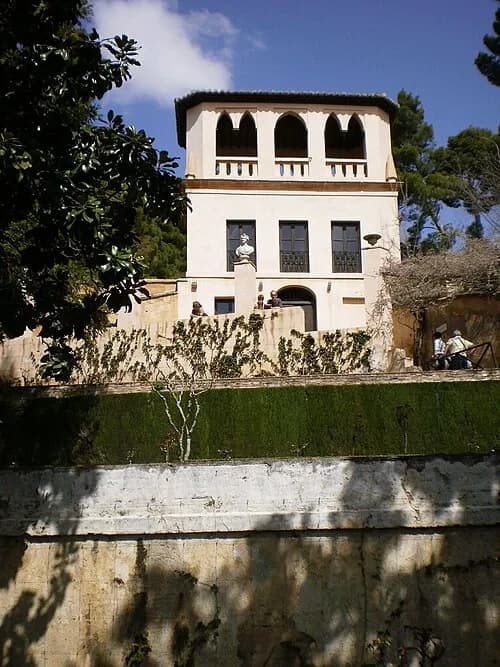
The Romantic Mirador
High above the original palace sits a building that looks quite different from the Nasrid architecture we have seen so far. This is the Romantic Mirador, a neo-Gothic structure added in the 19th century. During the Romantic era, there was a renewed fascination with the Alhambra and Generalife, leading to modifications that reflected the tastes of that time. This building, with its pointed arches and different decorative style, serves as a reminder of the many hands that have shaped this estate over the centuries. To understand what the Generalife looked like before these later additions, historians often turn to the accounts of early travelers. One of the most important was the Venetian ambassador Andrea Navagero, who visited in the 1520s. His detailed descriptions of the gardens, the types of plants grown here, and the original layout of the buildings help us identify what has been lost or changed during the Romantic-era renovations. While this building represents a departure from the 13th-century style, it is now an integral part of the site’s history, showing how successive generations have sought to leave their own mark on this legendary hillside.
The Orchards and Legacy
Reflecting on the original agricultural purpose of the Generalife as a country estate.
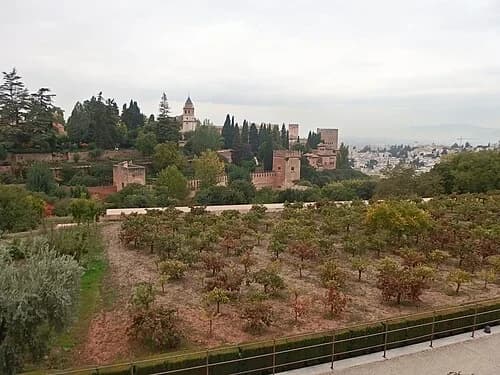
The Royal Orchards
As we conclude our tour, look out over the 'Huertas,' or market gardens, which stretch across the lower slopes of the hill. Despite the luxury of the palace and its ornamental fountains, the Generalife was primarily a working farm. These three large terraces, each measuring roughly 35 meters wide, were used to produce fruits, vegetables, and herbs for the royal court. This agricultural function was just as important as the site's role as a recreational retreat, providing the Sultan with fresh produce throughout the seasons. The agricultural traditions established here in the 13th century continue today. These terraces are still cultivated using methods that would be recognizable to the original Nasrid farmers, including the use of traditional irrigation channels to distribute water across the soil. This functional landscape creates a green buffer between the palace and the city of Granada below. It serves as a reminder that for the people of the Nasrid dynasty, a garden was not just a place of beauty, but a vital source of life. The sight of these productive fields below the palace walls completes our understanding of the Generalife as a harmonious blend of royal residence and sustainable agriculture.
Want to hear the rest?
Download the Stanza app to unlock all 12 stops and full GPS-guided navigation.
Frequently Asked Questions
How long does the Generalife audio tour take?
The Generalife audio guide includes 12 narrated stops. Most visitors spend 45 minutes to 1.5 hours exploring the complete tour, though you can listen at your own pace and skip or revisit any stop.
Is the Generalife audio guide available in my language?
Stanza supports 15 languages: English, Spanish, French, German, Italian, Portuguese, Russian, Japanese, Chinese, Korean, Arabic, Hindi, Polish, Dutch, Hebrew. Check the guide in the app to confirm the languages currently available for this tour.
Can I use the audio guide offline at Generalife?
Yes! Download the complete Generalife tour — including all audio, maps, and images — before your visit. The Stanza app works completely offline, so you don't need WiFi or mobile data at the venue.
How much does the Generalife audio guide cost?
The Stanza app is free to download. The current listed price for the Generalife audio guide is $0.99; app-store region and currency may affect the final price.
How do I use the Stanza audio guide at Generalife?
Download the free Stanza app, search for "Generalife", and download the tour. When you arrive at the venue, the app uses GPS to detect your location and automatically plays the relevant narration as you move between points of interest — completely hands-free.
What makes the Stanza audio guide different from other Generalife tours?
Stanza offers GPS-triggered narration that plays automatically as you walk through Generalife — no need to manually select stops. The tour is available in 15 languages, works fully offline, and includes 12 expertly narrated stops with images and historical context.
What other audio guides are available near Generalife?
Stanza offers multiple audio guides in Granada, Spain and nearby areas. After downloading the app, browse the map to discover all available tours near Generalife. Each guide can be downloaded for offline use.