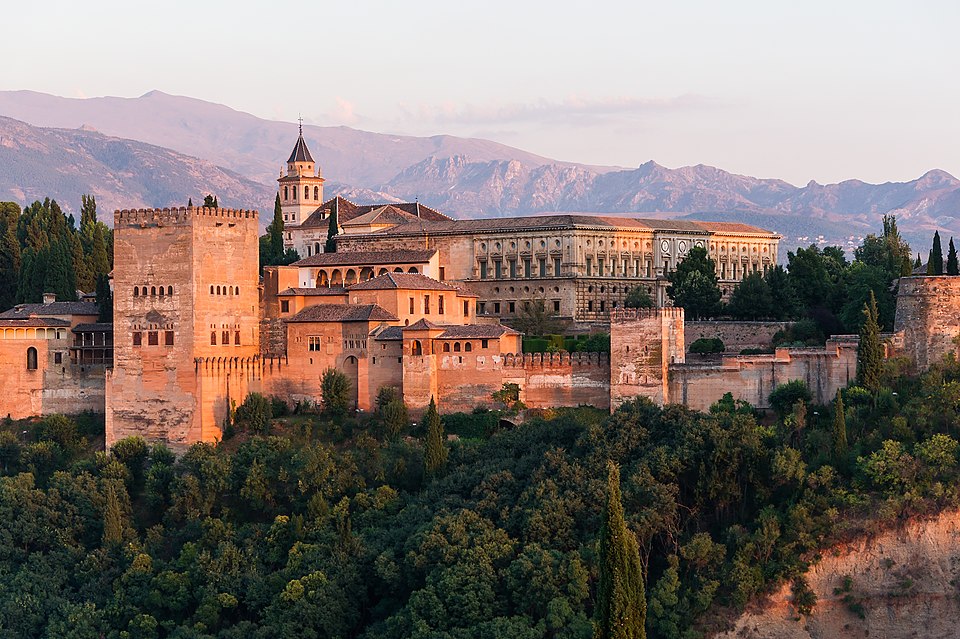
Stanza · Audio guide
AlhambraAudio guide
A place to remember. A story to take with you.
The Alhambra is a palace and fortress complex located in Granada, Andalusia, Spain.
Download Stanza, then search for “Alhambra”.
About the tour
One guide. Your kind of visit.
The Alhambra is a palace and fortress complex located in Granada, Andalusia, Spain.
Ready when you are.
- 01Get the free Stanza app.
iOS & Android
- 02Find your guide.
“Alhambra”
- 03Download before you go.
Works offline
Audio guide / 61 narrated stops
Inside the guide
Get to know a few of the stories before you go. Open a stop to read more.
01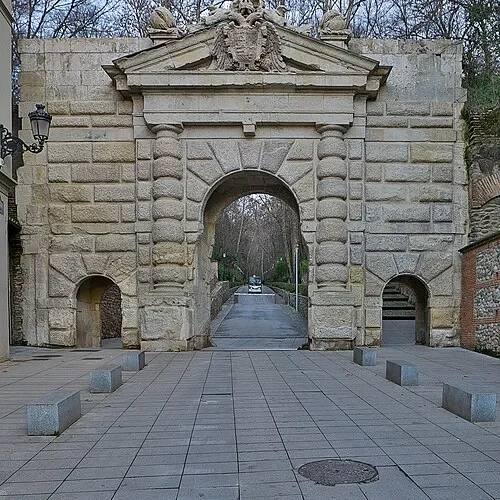 Gate of the PomegranatesArch of Granada
Welcome to the grand entrance of the Alhambra forest. This Renaissance gateway, known as the Arch of Granada, was commissioned by Emperor Charles V around 1536. As you stand here, notice the three carved stone pomegranates crowning the structure; these fruits give the gate its name and remain the enduring symbol of the city of Granada. The design reflects the imperial tastes of the 16th century, marking a clear departure from the medieval structures further up the hill. Passing through this arch signals a shift in atmosphere, leaving the noise of the modern city behind for the quiet, shaded slopes of the Sabika Hill. This was a deliberate piece of urban planning, creating a monumental approach to the palace complex. The heavy, rusticated stone blocks convey strength and permanence, intended to impress visitors arriving at the emperor’s estate. Ahead of you, the path winds through dense groves of elm and poplar trees, a landscape that has served as a buffer between the fortress and the urban sprawl below for centuries.
José Luis Filpo Cabana · CC BY 4.0
02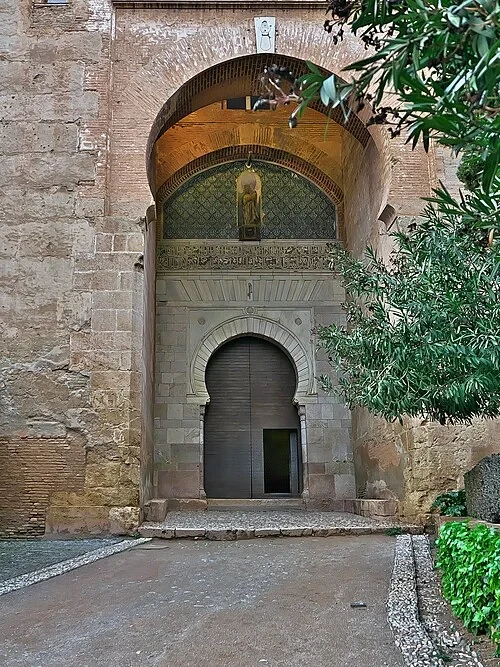 Gate of JusticeGate of Justice
The Gate of Justice stands as the primary symbolic entrance to the Alhambra, completed in 1348 during the reign of Yusuf I. Look for the carved hand on the keystone of the outer arch and the corresponding key on the inner arch. Local legend maintained that the fortress was impregnable, claiming it would only fall if the hand ever reached down to grasp the key. Beyond its symbolism, the gate was a formidable military obstacle. It features a classic 'bent' entrance layout, forcing any potential invaders to make several sharp turns within a narrow, dark passage. This design effectively trapped attackers, leaving them exposed to defenders firing from overhead slots. The massive horseshoe arch and the use of large, rugged stone blocks emphasize its role as a defensive bastion. Despite its intimidating exterior, the gate also functioned as a place of administration and justice, where the sultan or his officials would hear legal disputes. It remains one of the most imposing examples of Nasrid military architecture, designed to balance raw defensive power with the high-status aesthetics of the royal court.
José Luis Filpo Cabana · CC BY 4.0
03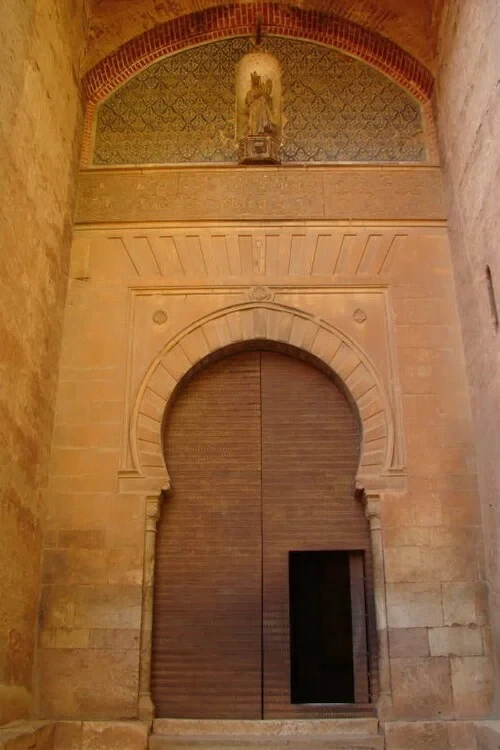 Gate of JusticeInterior of Justice Gate
Moving into the interior of the Gate of Justice, the atmosphere shifts from military functionality toward the decorative elegance of the palace precinct. Above the inner arch, a niche holds a statue of the Virgin Mary, an addition made after the Christian conquest in 1492 to mark the change in sovereignty. This figure stands in sharp contrast to the surrounding Islamic architecture, which traditionally avoids figurative representation. Here, the rough-hewn stone of the exterior walls begins to give way to more refined craftsmanship. You can see the early glimpses of the intricate tilework and delicate plaster that define the interior of the Alhambra. The transition reflects the dual nature of the site: a fortress on the outside and a sanctuary within. While the path remains narrow and defensible, the increasing level of detail in the masonry suggests you are entering a space reserved for the elite of the Nasrid court. The play of light and shadow within these thick walls was carefully considered by the architects to create a sense of mystery and progression as one approached the heart of the complex.
Listen in the appDiego Tirira from Quito, Ecuador · CC BY-SA 2.0
04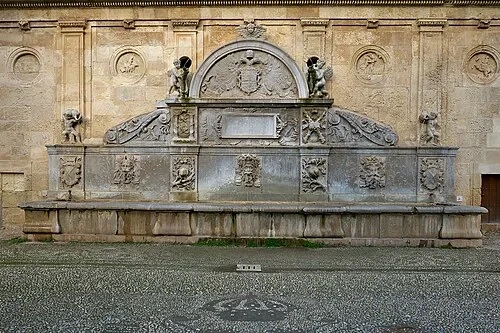 Fountain of Charles VFountain of Charles V
Built in 1545, this Renaissance fountain was designed to celebrate the imperial prestige of Emperor Charles V. It serves as a monumental display of hydraulic engineering, highlighting the complex systems required to bring water uphill to feed the hilltop city. The centerpiece features three expressive masks, which represent the three major rivers that sustain the city of Granada: the Darro, the Genil, and the Beiro. Water flows from these figures into the long basin below, a sound that has greeted visitors for nearly five centuries. The structure is heavily influenced by classical Roman styles, featuring Corinthian columns and elaborate friezes that depict scenes of imperial victory and peace. Its placement near the main entrance served a practical purpose as a watering station, but also a political one, demonstrating the emperor’s ability to master nature and provide for his subjects. This fountain represents a significant shift in aesthetic, introducing European Renaissance proportions and figurative sculpture to a site previously dominated by the geometric and non-figurative traditions of Islamic art.
Listen in the appJosé Luis Filpo Cabana · CC BY 4.0
05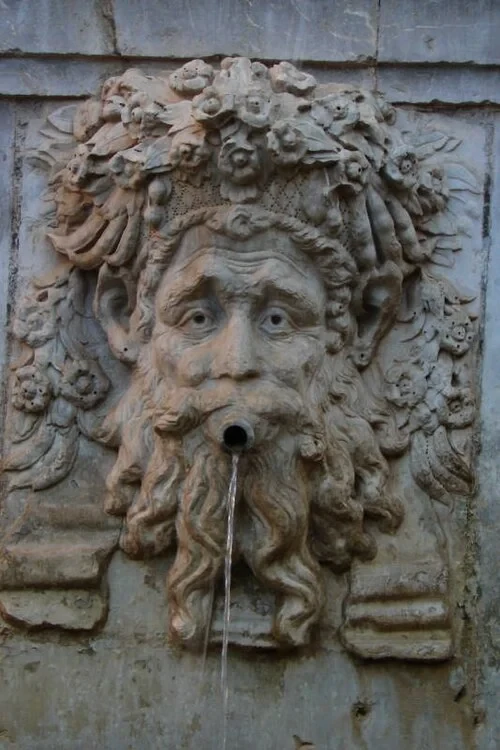 Fountain of Charles VRiver Deity Mask
Examine the expressive stone carving of one of the river deities on the Fountain of Charles V. The figure is depicted with weathered features and deep-set eyes, surrounded by a crown of pomegranate flowers and leaves—a direct reference to the name and symbol of Granada. This type of realistic, figurative sculpture was a hallmark of the Renaissance period and stands in direct contrast to the geometric patterns and calligraphic script found throughout the Nasrid Palaces. The artist used deep undercutting techniques to create strong shadows, ensuring the face remained visible even when partially obscured by flowing water. This mask reflects the 16th-century desire to humanize the landscape, personifying the natural forces of the region. While Islamic art in the Alhambra focused on the infinite nature of God through repeating patterns, these Renaissance carvings aimed to tell stories and glorify the earthly power of the monarch. The contrast highlights the layer of Christian history superimposed onto the medieval Moorish fortress, as the new rulers sought to rewrite the visual identity of the Sabika Hill using the artistic language of Rome and Italy.
Listen in the appDiego Tirira from Quito, Ecuador · CC BY-SA 2.0
06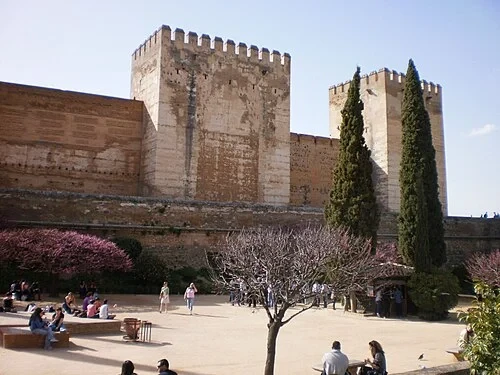 Square of the CisternsSquare of the Cisterns
The Square of the Cisterns serves as the central hub between the palaces and the Alcazaba, the oldest and most strictly military section of the Alhambra. Dating back to the 13th century, the Alcazaba was the first area to be fortified by the Nasrid dynasty. From here, you can see the massive, unadorned defensive walls and watchtowers that protected the sultan’s residence. Unlike the highly decorated palaces, these structures were built for endurance, using thick walls of rammed earth and stone. This area was once a bustling 'military city' within a city. Elite guards, known as the 'jund,' lived here with their families in a network of small houses, workshops, and storerooms. While many of those internal buildings were cleared away in later centuries to make room for the large water reservoirs beneath your feet, the towering perimeter remains largely intact. The sheer scale of the battlements allowed for 360-degree surveillance of the surrounding valley and mountains, ensuring that any approach by an enemy would be spotted long before they reached the gates. It represents the foundation of the Alhambra’s power, providing the security that allowed art and culture to flourish in the nearby halls.
Listen in the appPhoto: Superchilum · CC BY-SA 3.0
07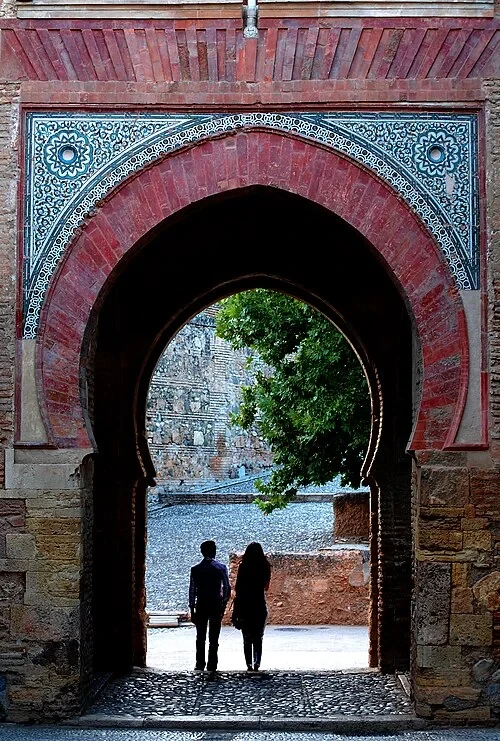 Wine GateWine Gate
The Wine Gate is one of the most decorated gateways in the entire complex. Its unusual name originates from a 16th-century tradition where residents of the Alhambra were permitted to buy wine here without paying certain taxes. Architecturally, it is a masterpiece of the Nasrid period, featuring a classic horseshoe arch framed by vibrant blue and gold tilework, known as alicatado. These geometric mosaics were created by fitting together small, individually cut pieces of glazed ceramic. The gate served an important functional role in the city's layout, acting as a boundary between the strictly military Alcazaba and the civilian medina. Beyond this point, craftsmen, servants, and court officials lived in a densely packed neighborhood of homes and shops. The intricate plasterwork above the arch contains inscriptions of poetry and praise, contrasting with the more utilitarian gateways found on the outer perimeter. It acted as a social filter, controlling access to the more private and prestigious areas of the fortress. Even after the city changed hands in 1492, the gate remained a focal point of daily life, eventually becoming a favorite subject for 19th-century European travelers and painters who were captivated by its well-preserved Moorish details.
Listen in the appPhoto: Magnificus · CC BY-SA 3.0
08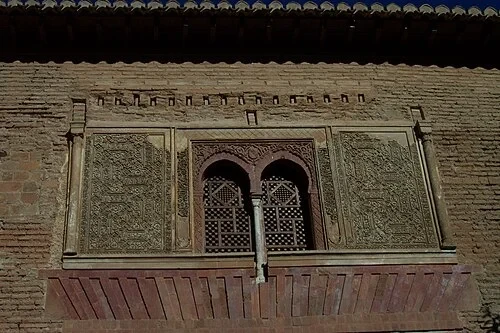 Wine GateNasrid Window Detail
As you look at this window detail, you are viewing what historians call 'talking architecture.' The walls of the Nasrid Palaces are not merely decorated; they are inscribed with a vast library of Arabic script. This intricate stucco work, made from a mixture of gypsum and marble dust, contains verses of poetry, historical records, and constant repetitions of praise to God. Almost every available surface is covered in this delicate 'lace-work' of stone. The script often wraps around window frames and arches, integrating the written word into the very fabric of the building. To the original inhabitants, these were not just patterns, but meaningful texts that reinforced the spiritual and political authority of the Sultan. The craftsmanship required to carve or mold these tiny, repeating letters is extraordinary. Often, the text is woven together with vegetal motifs, known as ataurique, representing a lush, eternal garden. This tradition ensured that the palace walls would perpetually proclaim the values of the court, even when the rooms were empty. The play of light through the window would have highlighted the varying depths of the carving, making the words appear to shift and breathe throughout the day.
Listen in the appPhoto: Juandev · CC BY-SA 3.0
09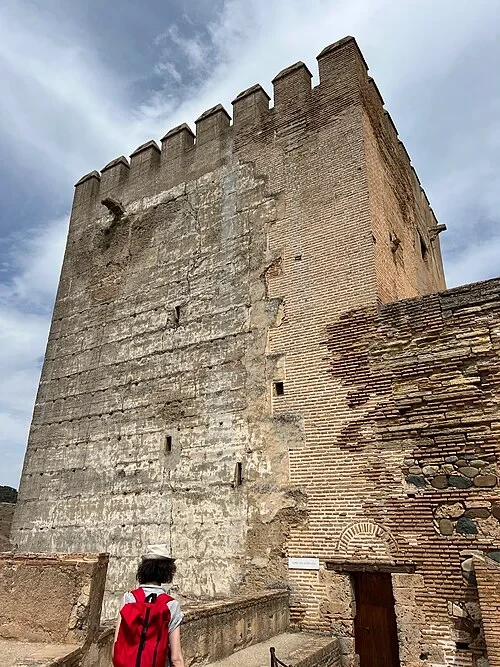 Tower of the HomageHomage Tower
Rising 26 meters above the ramparts, the Homage Tower is the tallest and most formidable bastion of the Alcazaba. In times of siege, this served as the 'keep' or the final place of refuge for the sultan and his elite defenders if the outer walls were breached. The tower is constructed primarily from rammed earth and brick, materials that were surprisingly effective at absorbing the impact of projectiles and resisting earthquake shocks. Its massive square footprint dominates the eastern end of the fortress, providing a clear line of sight toward the Generalife gardens and the mountains beyond. Inside, multiple floors provided storage for grain and weapons, as well as living quarters for high-ranking officers. The plain exterior lacks the ornamentation of the palaces, reflecting its purely defensive purpose. Access to the upper platform was strictly controlled via narrow, easily defended stairs. From its summit, signals could be sent to other watchtowers in the distance, forming part of a sophisticated early-warning system for the Kingdom of Granada. The tower stands as a reminder of the constant threat of conflict that defined life on the frontier between the Islamic and Christian worlds during the Middle Ages.
Listen in the appPhoto: Chabe01 · CC BY-SA 4.0
10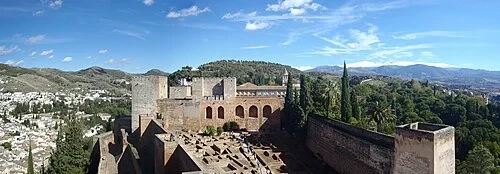 Parade GroundParade Ground
The open space of the Parade Ground conceals one of the most vital features of the Alhambra’s survival: a massive network of underground reservoirs. Built in the late 15th century, these cisterns could hold over 2,000 cubic meters of water. This stored supply was the lifeblood of the hilltop city, allowing a population of thousands to survive during long sieges when enemies might try to cut off the external water supply. The system was fed by a complex aqueduct that brought water from the Darro River, miles away and several hundred feet below. To lift the water to this height, Nasrid engineers employed sophisticated hydraulic wheels and gravity-fed channels. The reservoirs themselves are engineered with thick, waterproofed walls and vaulted ceilings to keep the water cool and clean. Above ground, this area served as a military staging zone where troops could gather for inspection or defense. The juxtaposition of the military parade ground above and the vital water storage below highlights the strategic planning of the Nasrid rulers. They understood that a fortress is only as strong as its resources, and this invisible infrastructure was just as important as the stone towers that surround it.
Listen in the appAntoni Pons Oliver · CC BY-SA 3.0
Alhambra
Frequently asked questions
How much does the guide cost?
Free app download. Listed guide price: $3.99. Guide price shown in the app. Audio guide only. Venue admission is separate.
Can I listen without internet?
Yes. Download the guide’s audio, images, and maps in the app before your visit. Your downloaded content is then available offline.
Can I listen in my language?
Stanza supports 15 languages. Check the app for the languages available for this guide.
Do I need to follow a schedule?
No. This is a self-guided experience. Choose your stops, pause whenever you like, and return to a story at your own pace.
At your own pace
Explore Alhambra.
Download Stanza, then search for “Alhambra”.
Free app download · Guide price shown in the app
Keep exploring
Nearby audio guides
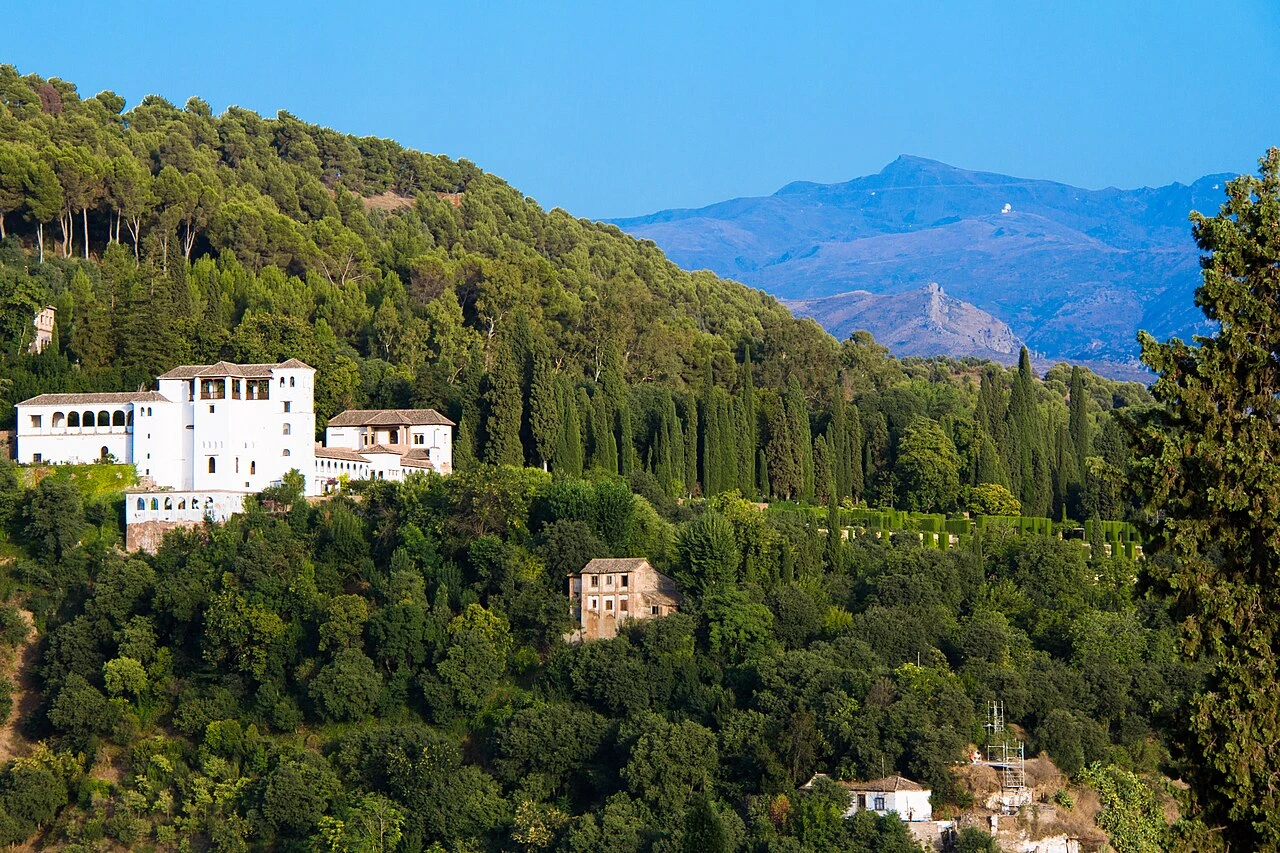
Granada
Generalife
Content & sources
Tibor Kovacs · CC BY 2.0
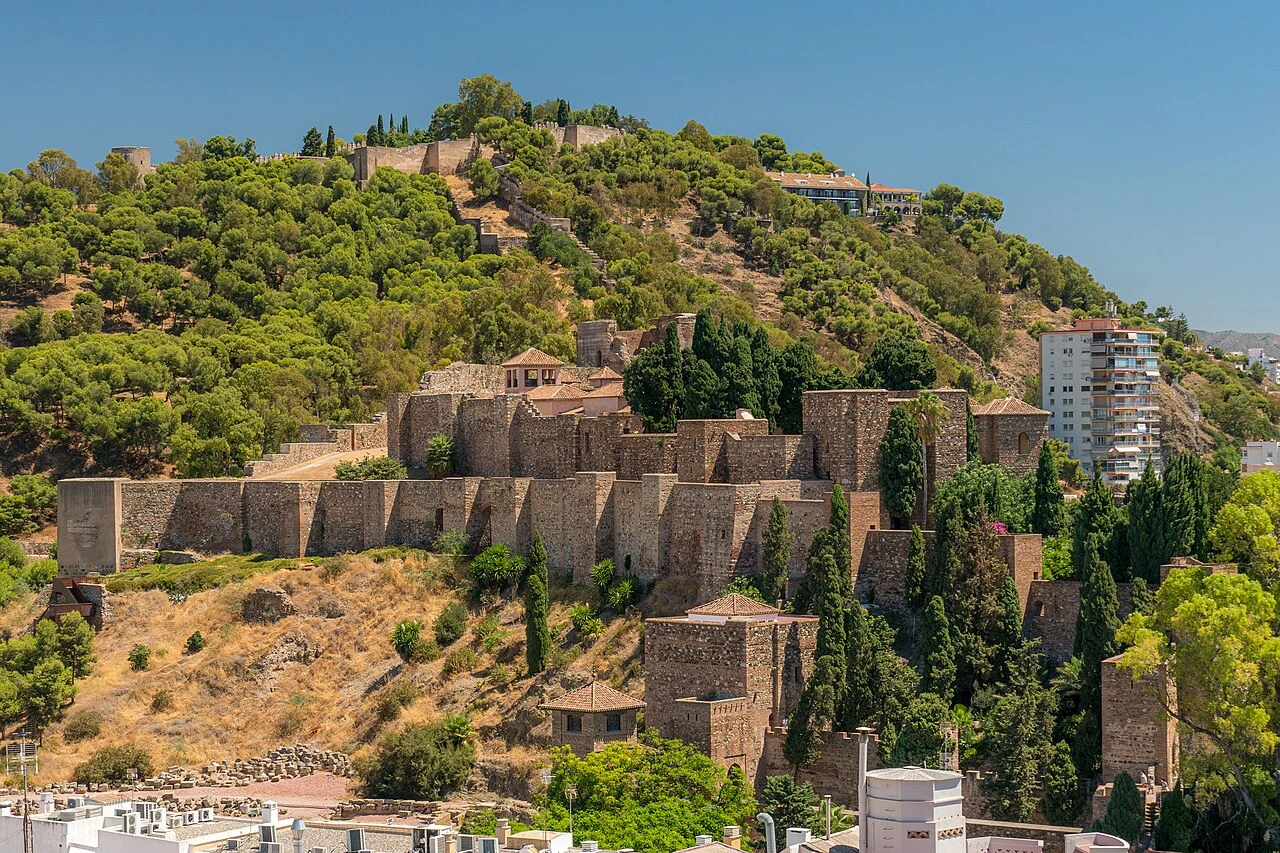
Málaga
Alcazaba of Málaga
Content & sources
Photo: Fernando · CC BY-SA 4.0
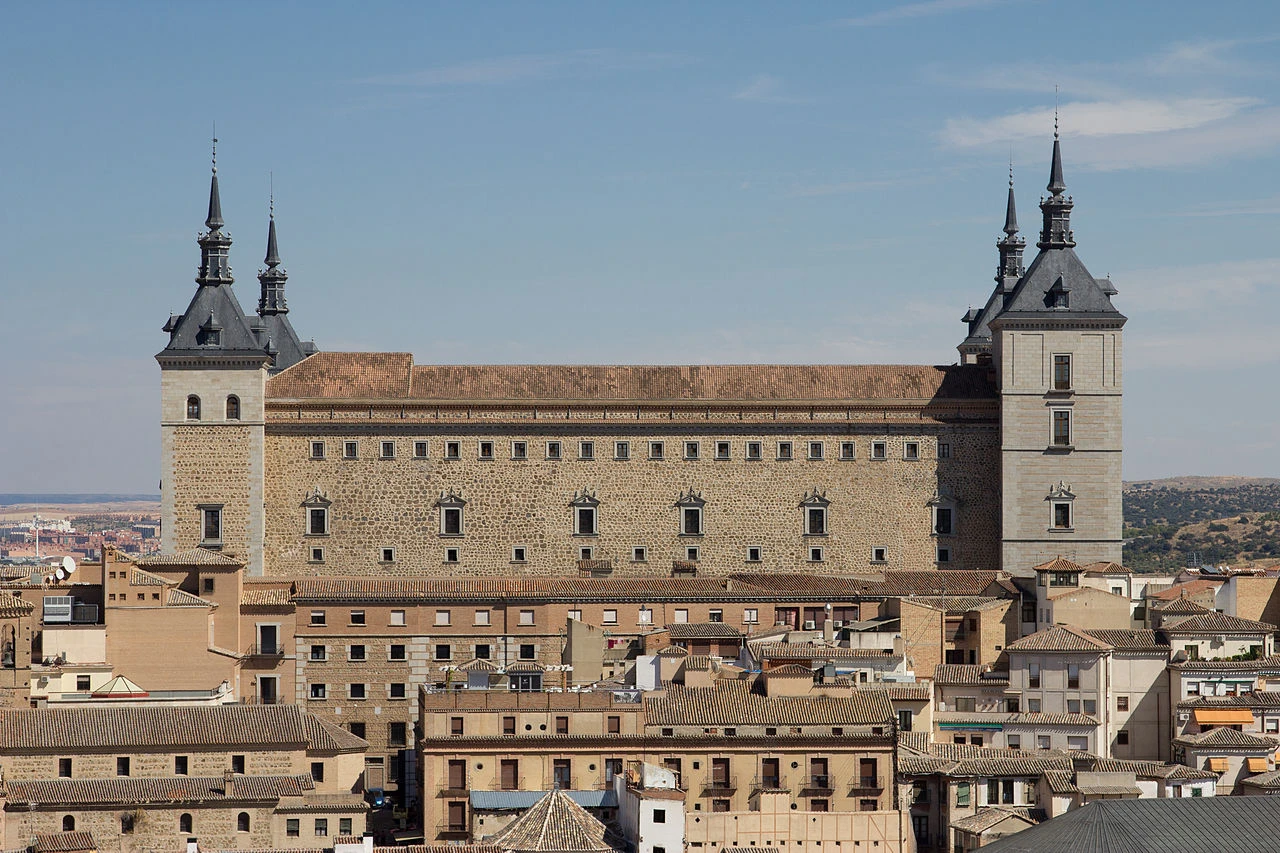
Toledo
Alcázar of Toledo
Content & sources
Carlos Delgado · CC BY-SA 3.0 es
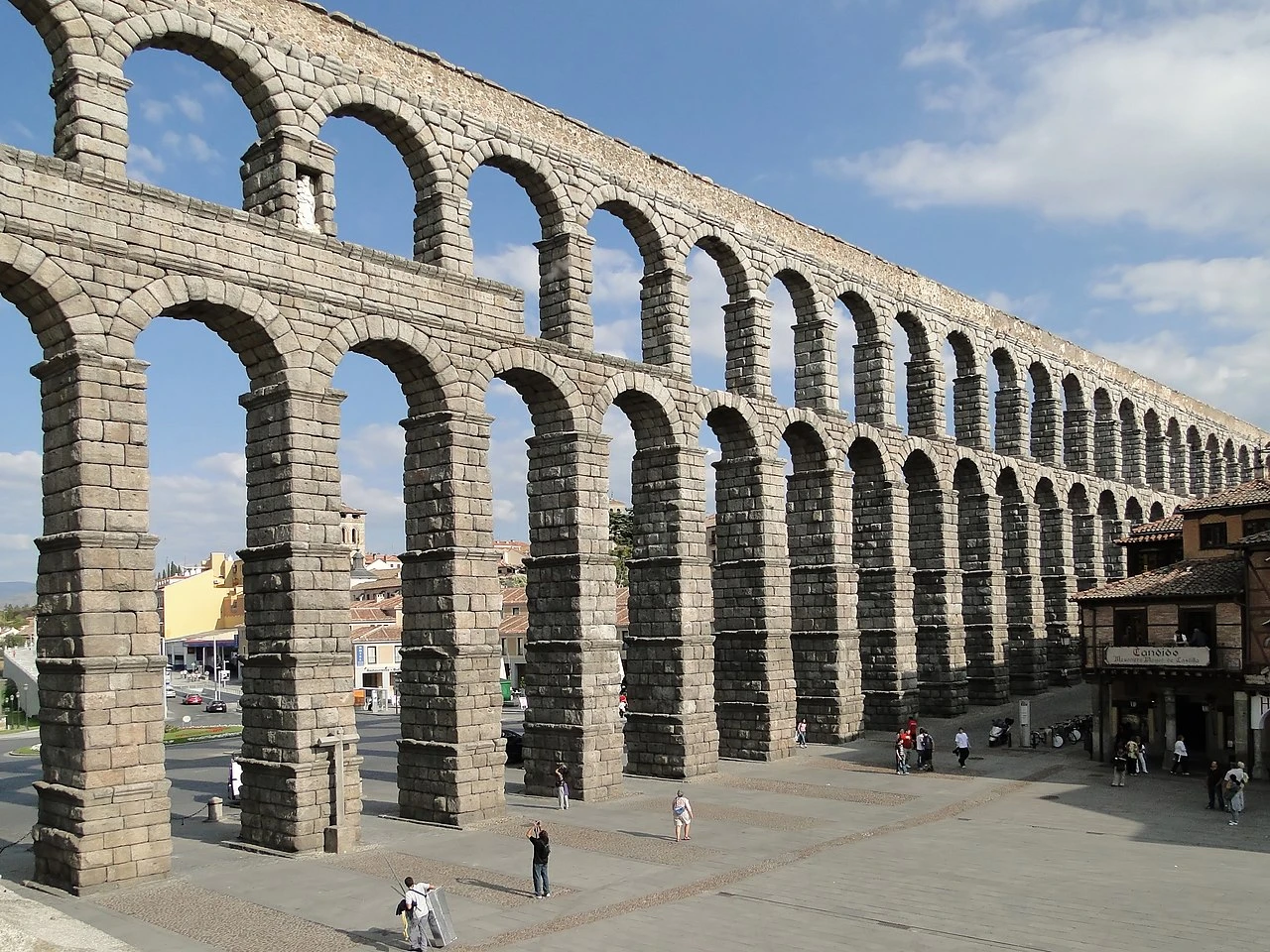
Segovia
Aqueduct of Segovia
Content & sources
Bernard Gagnon · CC BY-SA 3.0