Stanza · Audio guide
Sagrada FamíliaAudio guide
A place to remember. A story to take with you.
The Basilica and Expiatory Church of the Holy Family is an iconic, large unfinished Roman Catholic minor basilica in Barcelona, Spain. Designed by Antoni Gaudí, its construction began in 1882 and continues…
Download Stanza, then search for “Sagrada Família”.
About the tour
One guide. Your kind of visit.
The Basilica and Expiatory Church of the Holy Family is an iconic, large unfinished Roman Catholic minor basilica in Barcelona, Spain. Designed by Antoni Gaudí, its construction began in 1882 and continues today.
Ready when you are.
- 01Get the free Stanza app.
iOS & Android
- 02Find your guide.
“Sagrada Família”
- 03Download before you go.
Works offline
Audio guide / 27 narrated stops
Inside the guide
Get to know a few of the stories before you go. Open a stop to read more.
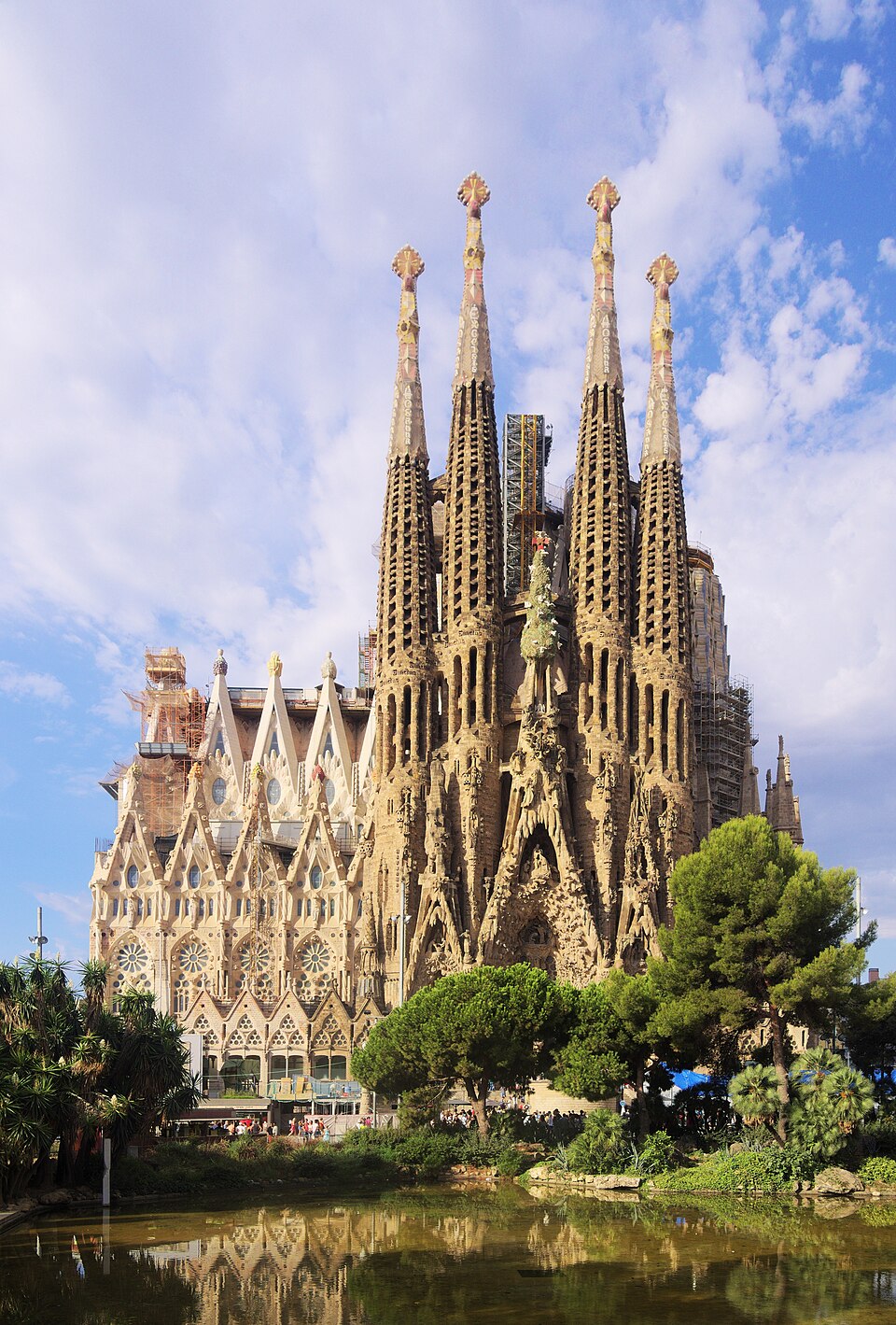
01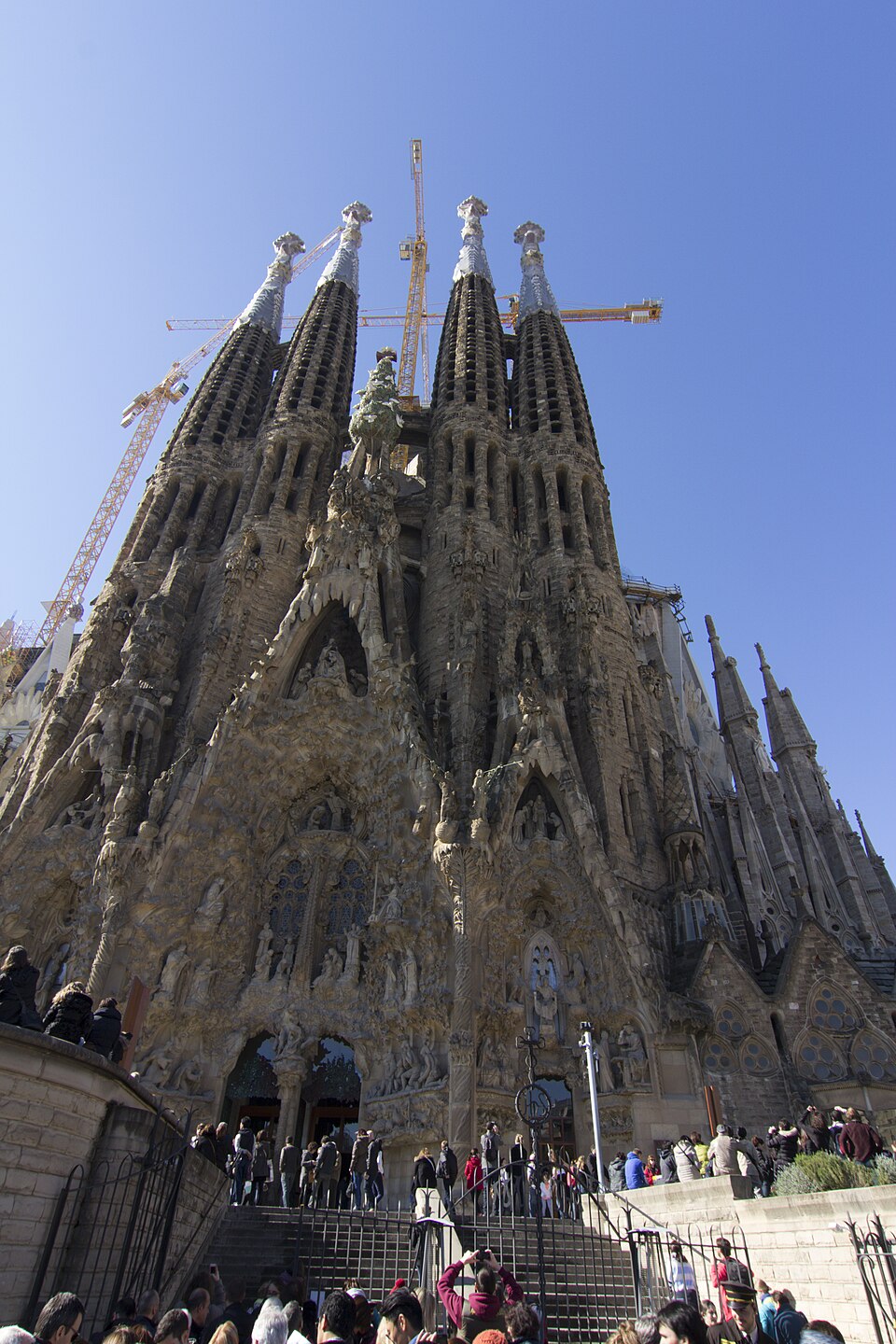 The Nativity Facade: The Celebration of LifeThe Unfinished Masterpiece
Welcome to the start of our journey through the Sagrada Família. This is the largest unfinished Catholic church in the world, a project that has been under continuous construction since 1882. While the first stones were laid by architect Francisco de Paula del Villar, it was Antoni Gaudí who took over the project in 1883. He would eventually dedicate 43 years of his life to this singular work, moving his residence into the workshop on-site during his final years. One of the most remarkable things about this building is that it relies entirely on private donations and visitor entrance fees. This funding model is the reason construction has spanned over 140 years, surviving wars, economic shifts, and the death of its creator. As you look toward the center, you’ll see the Tower of Jesus Christ. Once finished, it will reach a height of 172.5 meters, making it the tallest part of the structure. Gaudí carefully calculated this height to be exactly one meter shorter than Barcelona’s Montjuïc hill. He believed that man's work should never attempt to surpass God’s natural creation, a philosophy that guided every inch of this incredible monument.
Photo: Enfo · CC BY-SA 3.0
02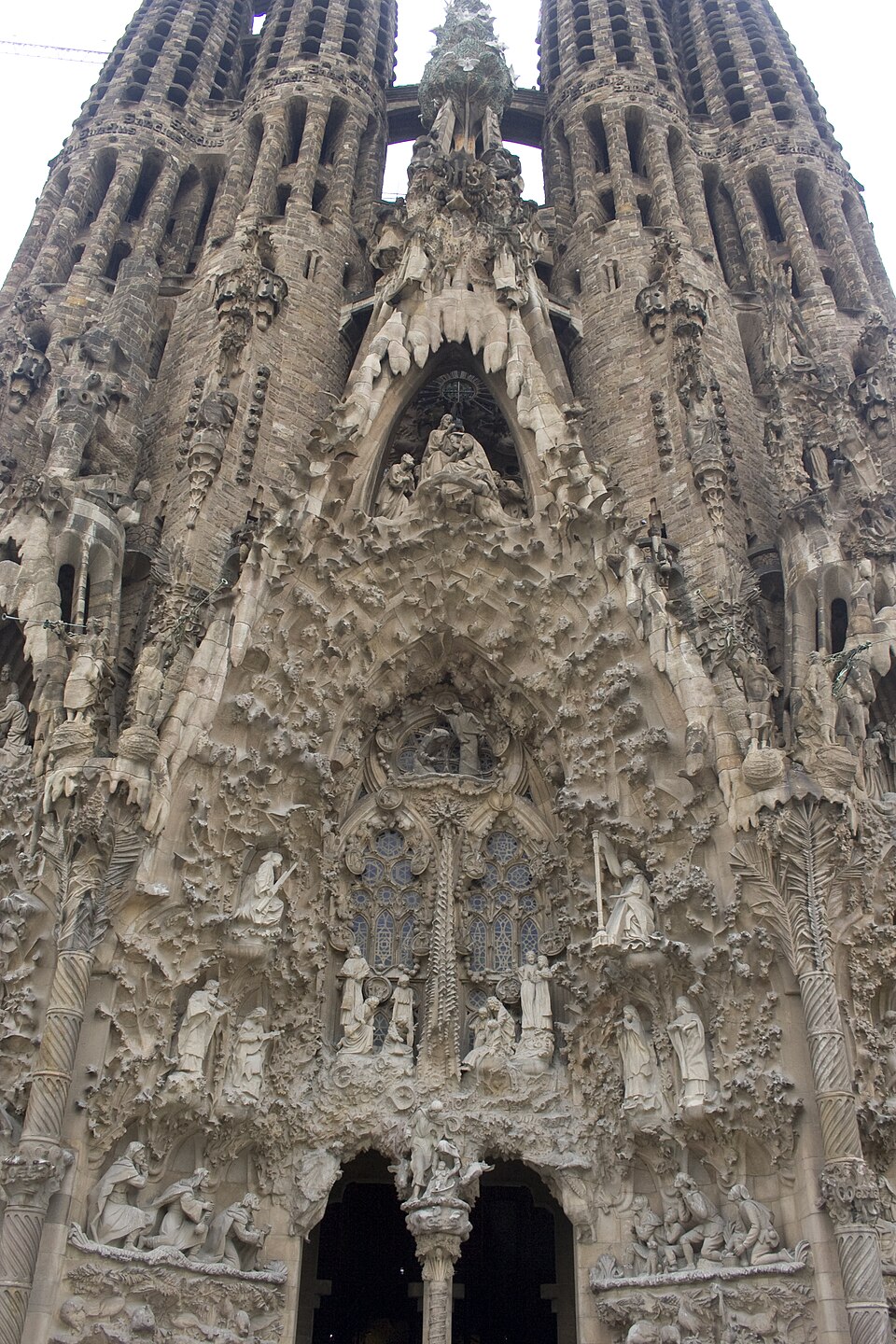 The Nativity Facade: The Celebration of LifeThe Nativity Facade
As you stand before the eastern side of the basilica, you are looking at the Nativity Facade. This exuberant, naturalistic display is the only portion of the exterior built almost entirely during Gaudí’s lifetime. Because it faces the rising sun, Gaudí dedicated this side to the birth and childhood of Jesus, representing the start of life and hope. The style here is a radical departure from traditional church architecture. Instead of flat walls, the stone appears to melt and flow, taking on the forms of plants, animals, and people. It feels less like a built structure and more like a living, breathing part of nature. Gaudí was a master of observation, and he wanted this facade to serve as a visual encyclopedia of the natural world. Every creature and leaf carved into the stone is heavy with symbolism, all coming together to celebrate the arrival of the Messiah in a world filled with the beauty of creation.
Weldon Kennedy from London, UK · CC BY 2.0
03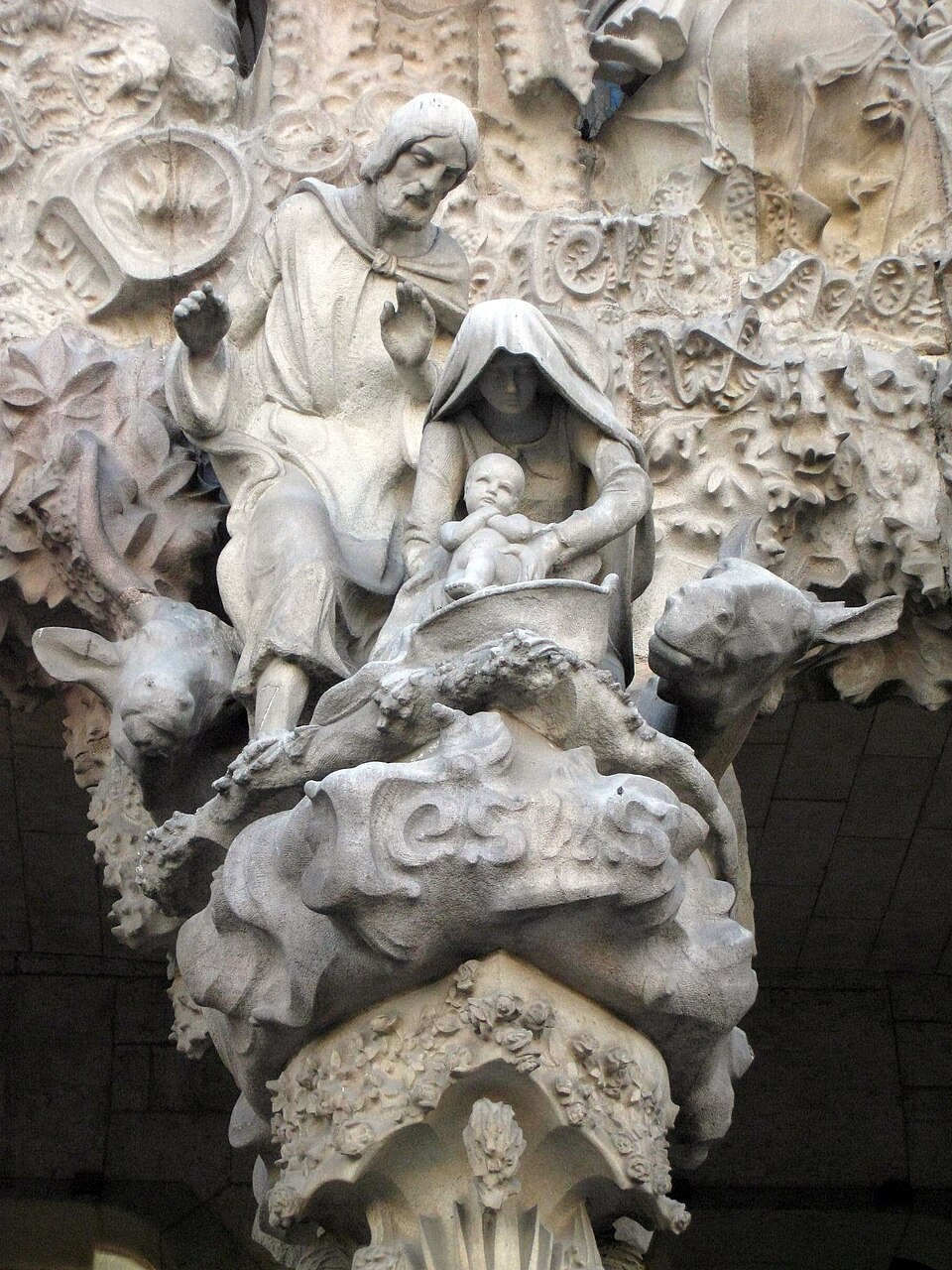 The Nativity Facade: The Celebration of LifeSculpture of the Holy Family
In the center of the Nativity Facade, you will find the depiction of the Holy Family. Gaudí wanted these divine figures to feel deeply grounded in reality, so he chose to use local people as his models. He cast the likenesses of construction workers, their children, and neighbors from the surrounding district of Eixample. This human touch brings an incredible sense of authenticity to the scene, as if the sacred story were unfolding right in the streets of Barcelona. Take a moment to observe the details surrounding the figures. You can clearly see the ox and the donkey, traditional elements of the manger scene, nestled within a frame of intricate stone flora. Gaudí studied the plants of the Mediterranean closely, and here, he replaced typical Gothic ornaments with realistic carvings of local greenery. This blend of the ordinary and the divine serves to emphasize that the miracle of the birth happened within a real, living environment, making the story accessible to everyone who passes through these doors.
Listen in the appPhoto: Enfo · CC BY-SA 3.0
04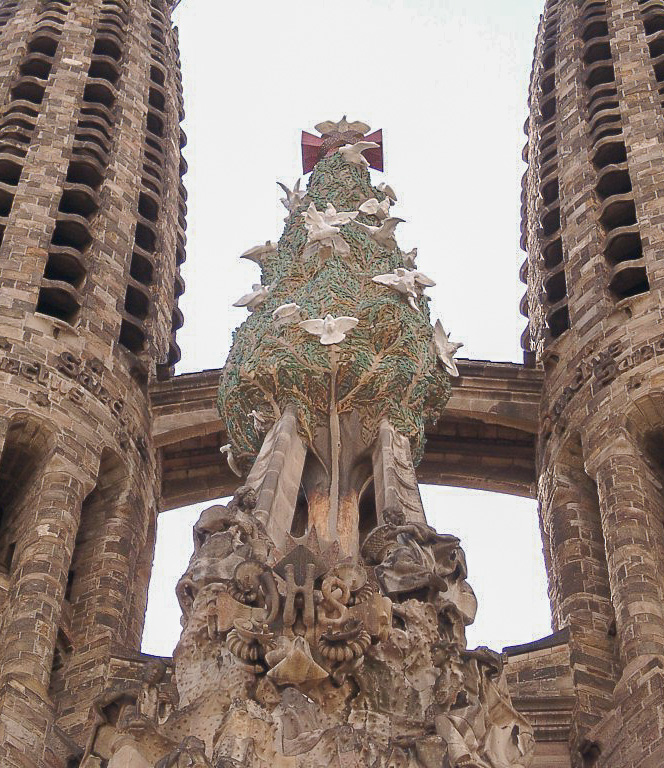 The Nativity Facade: The Celebration of LifeThe Tree of Life
Cast your eyes upward to the green cypress tree standing prominently between the two central towers of the Nativity Facade. This isn't just a decorative flourish; it is a ceramic representation of the Tree of Life. In a building filled with earth-toned stone, the splash of green serves as a powerful symbol of eternal life and resurrection. If you look closely at the branches, you’ll notice many white birds resting there. These are doves, which symbolize the souls of the faithful returning to God. At the very top of the tree, there is a red Tau cross and a white dove with spread wings, representing the Holy Spirit. This element is one of the finest examples of how Gaudí merged his deep religious conviction with his love for natural forms. By placing the Tree of Life at such a height, he created a bridge between the terrestrial world of the facade below and the celestial height of the towers above.
Listen in the appEckhard Henkel · CC BY-SA 3.0 de
05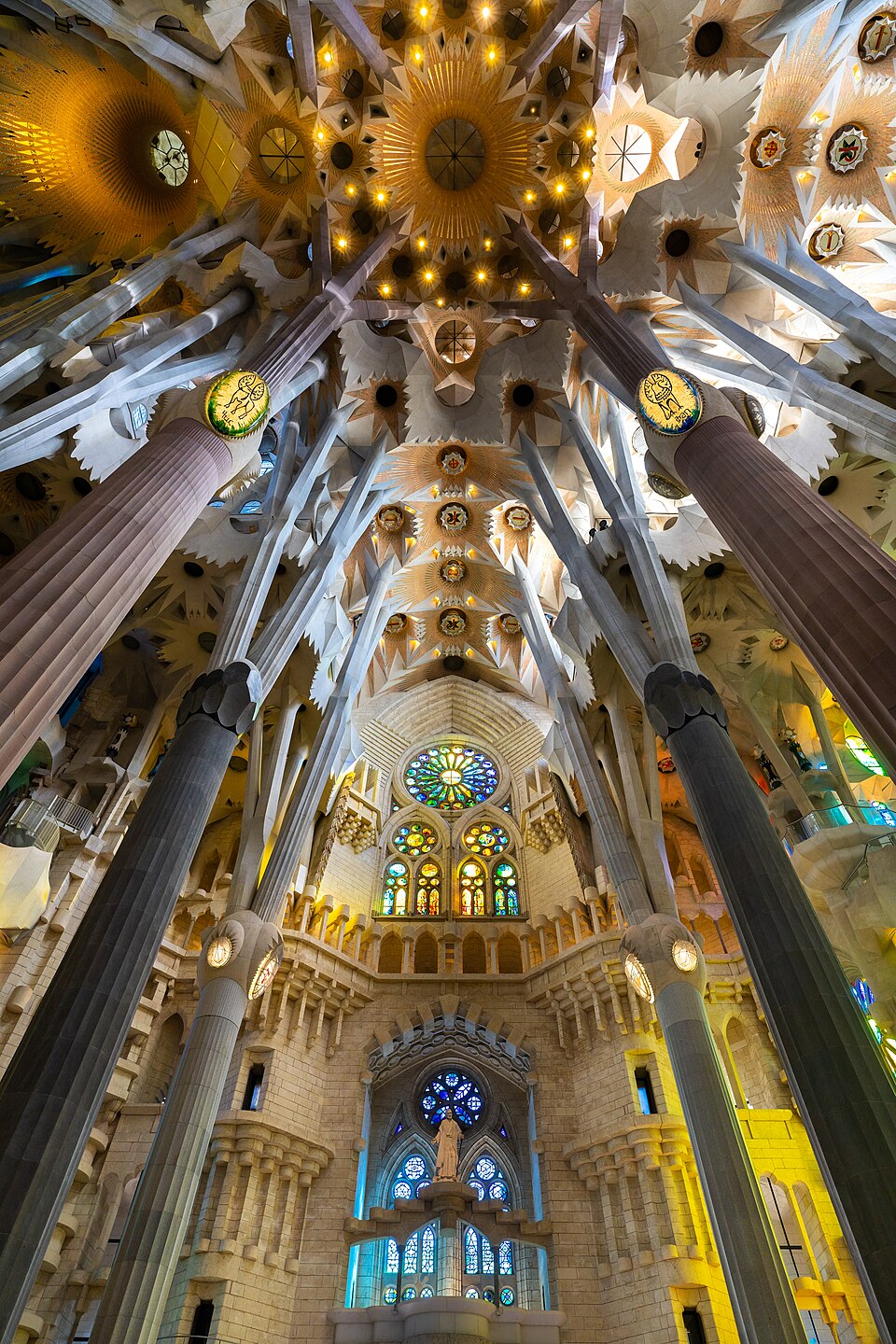 The Interior Nave: A Forest of StoneThe Stone Forest
Step into the nave, and you will find yourself inside what Gaudí called a 'spiritual forest.' His revolutionary architectural concept was inspired by the way trees stand in nature. Instead of using traditional Gothic flying buttresses to keep the walls from collapsing outward, Gaudí designed these massive columns to branch out near the top. These tree-like, or arborescent, columns serve a vital structural purpose. Just as a tree's branches distribute the weight of its canopy, these stone branches spread the massive load of the roof down through the trunks to the foundation. This allowed Gaudí to create a space that feels open, airy, and vertically soaring. The design eliminates the need for heavy, obstructive external supports, turning the interior into a light-filled grove. The columns aren't just pillars; they are meant to inspire a sense of wandering through a sacred wood, where the architecture itself seems to grow and reach toward the light.
Listen in the appPhoto: Enfo · CC BY-SA 3.0
06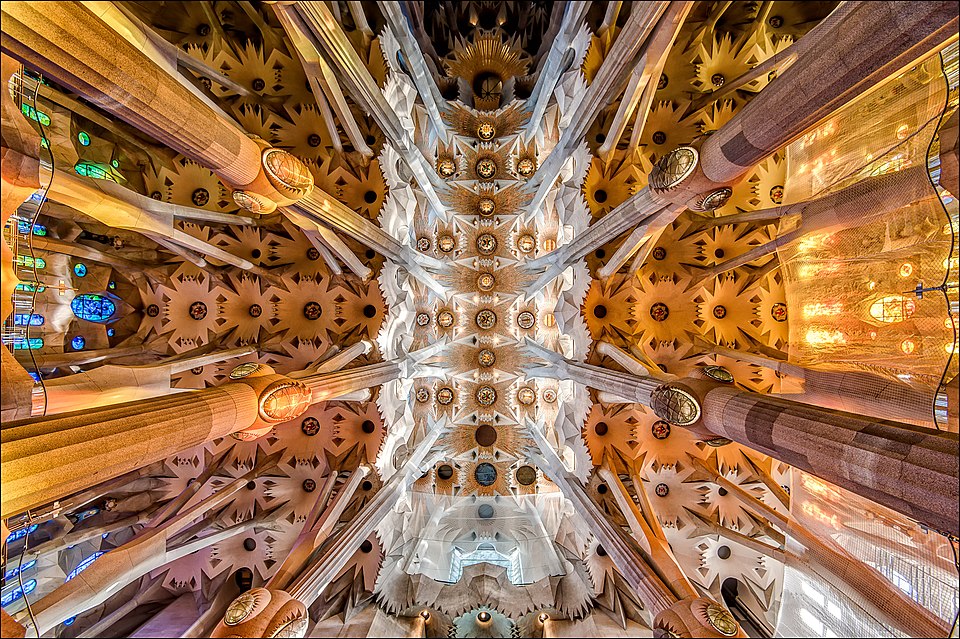 The Interior Nave: A Forest of StoneThe Vaulted Canopy
Looking directly upward, the ceiling reveals the stunning geometric complexity of the vaulted canopy. Gaudí utilized hyperboloid shapes to create these vaults, which resemble stylized stars or suns. These are not just decorative patterns; they are mathematical masterpieces that help to manage the acoustics and weight of the ceiling while providing a unique visual experience. The layout is designed to mimic the way sunlight filters through the upper leaves of a real forest. The small holes and reflective surfaces in the 'leaves' of this stone canopy allow light to dance and shimmer across the ceiling. This effect recreates the dappled light of a forest glade, where the sun breaks through the thick branches above. As the light changes throughout the day, different parts of the ceiling are highlighted, making the entire roof feel as though it is in motion. It is a perfect example of how Gaudí used geometry to bring the feeling of the outdoors into the most sacred of indoor spaces.
Listen in the appTarun Bhushan · CC BY 3.0
07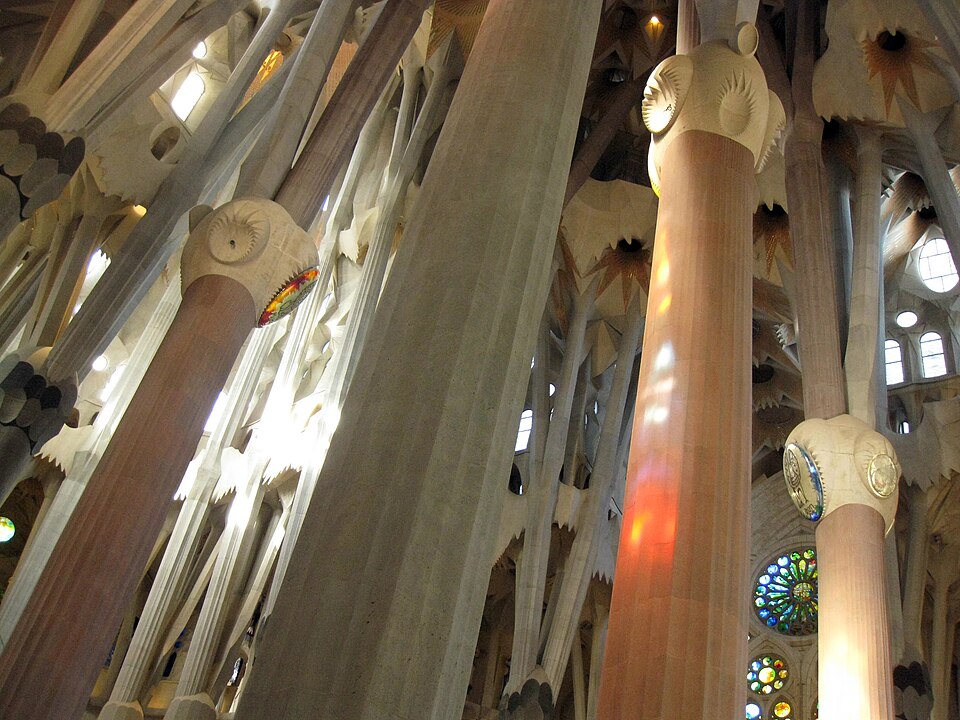 The Interior Nave: A Forest of StoneMaterials of the Earth
As you move through the nave, notice the variation in the columns. They are not all made from the same stone. Gaudí selected materials of varying hardness to handle the immense weight of the structure as it rises. The thickest, most central columns are made of porphyry, a very hard, dark reddish-purple volcanic stone that supports the greatest loads. Others are crafted from basalt and granite, each chosen for its specific structural properties. You can also spot colorful medallions mounted high on the columns. These features represent the four Evangelists—Matthew, Mark, Luke, and John—symbolized by the angel, the lion, the bull, and the eagle. Each medallion is back-lit and corresponds to one of the main supports of the central transept. By using different stones and marking them with these icons, Gaudí created a physical and symbolic map of the church. The very 'bones' of the building are a testament to the strength of the earth and the foundations of the faith.
Listen in the appPhoto: Enfo · CC BY-SA 3.0
08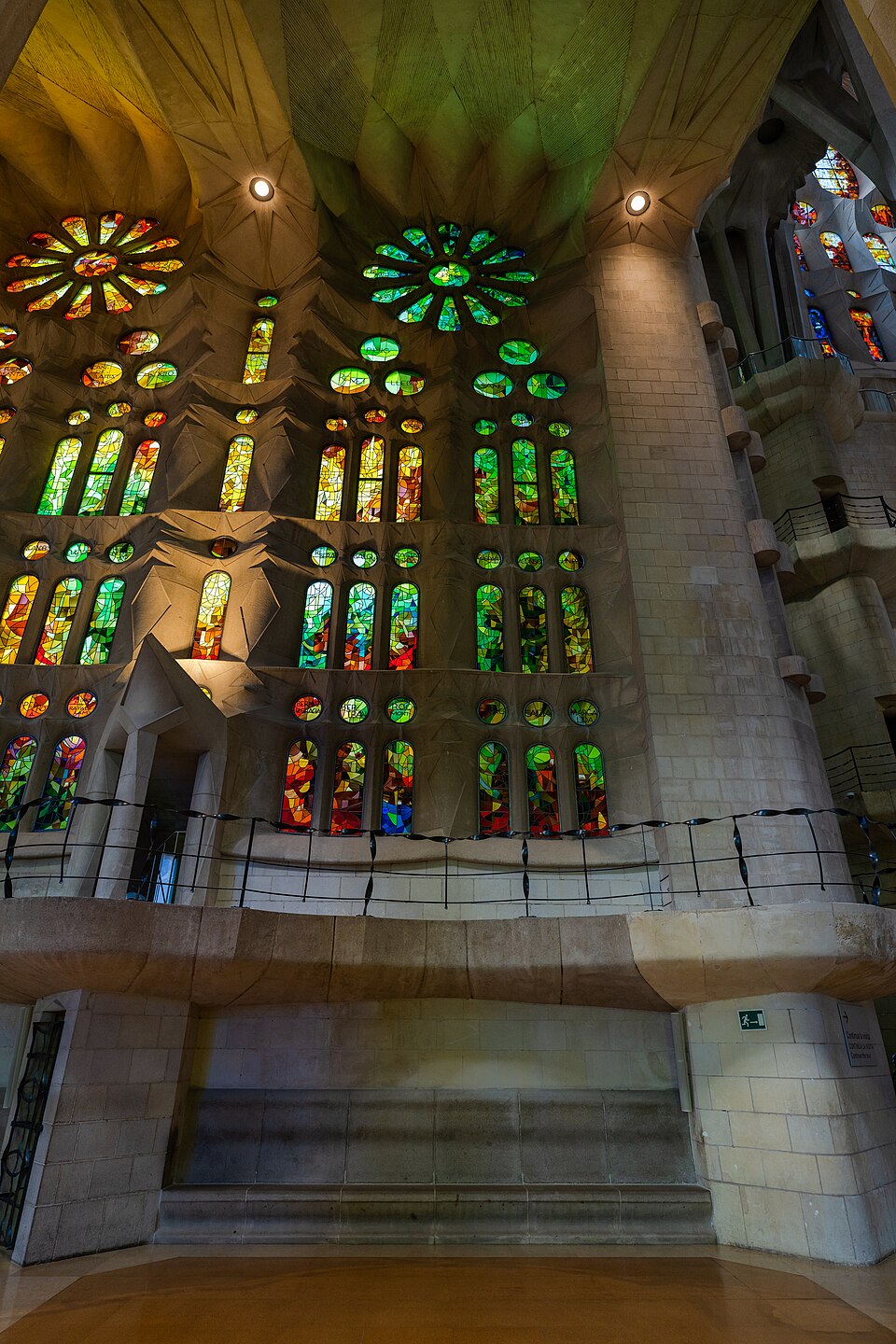 The Stained Glass SymphonyThe Blue Light of Morning
Observe the stained glass windows on the Nativity side, which is the eastern wall of the basilica. In accordance with Gaudí’s master plan, these windows are dominated by cool tones of blue and green. These colors are chosen to represent the light of early winter mornings and the celebration of the birth of Christ. Notice the gradient of the glass. Near the top, the windows are relatively clear, allowing the maximum amount of natural light to penetrate deep into the nave. As your eyes move downward, the colors become more saturated and intense. This arrangement creates a calm, contemplative atmosphere, perfect for a space dedicated to the theme of new beginnings. In the morning, when the sun rises over the Mediterranean, this side of the church is flooded with a soft, ethereal glow that makes the stone interior feel cool and tranquil, setting a meditative tone for the start of the day.
Listen in the appForbes Johnston from Winchester, UK · CC BY 2.0
09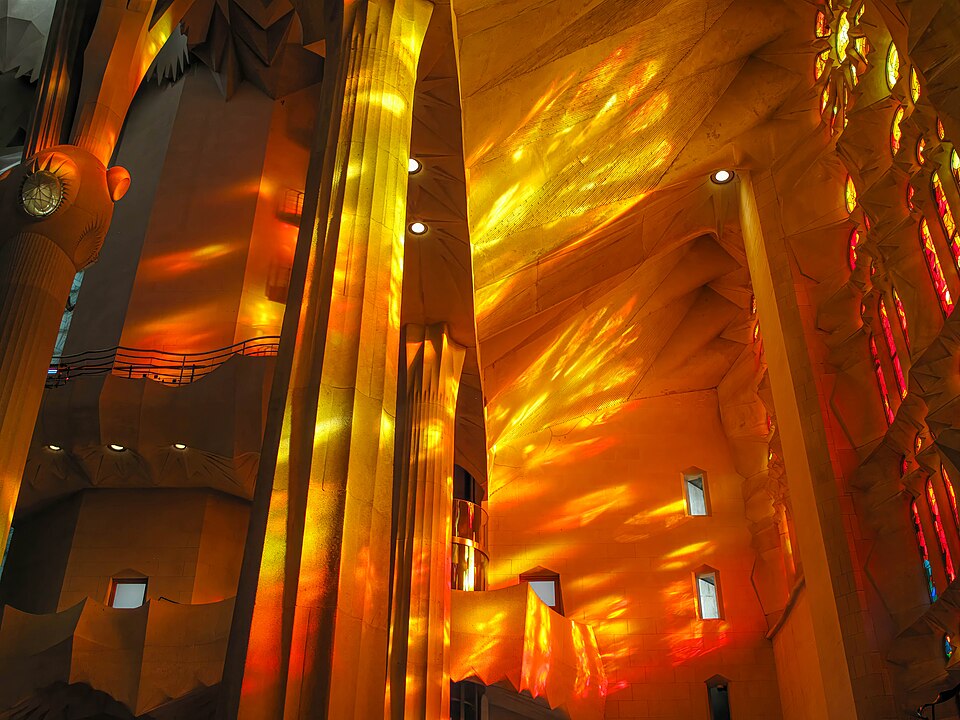 The Stained Glass SymphonyThe Red Light of Sunset
As the sun begins its descent in the west, the light in the basilica shifts dramatically. Turning toward the Passion side, you will see a vibrant array of warm reds, oranges, and yellows. These colors were chosen to symbolize the sacrifice, suffering, and fire of the Passion of Christ. The effect is particularly striking during the late afternoon. As the golden light of the sunset hits these windows, the entire western side of the interior seems to ignite with warm, glowing energy. This creates a powerful emotional shift within the space, moving the observer from the cool tranquility of the morning side to the intense, dramatic warmth of the evening. Gaudí used this color coding to tell a narrative through light alone, ensuring that the physical environment of the church changes in harmony with the passage of the day and the spiritual themes of the two great facades.
Listen in the appForbes Johnston from Winchester, UK · CC BY 2.0
10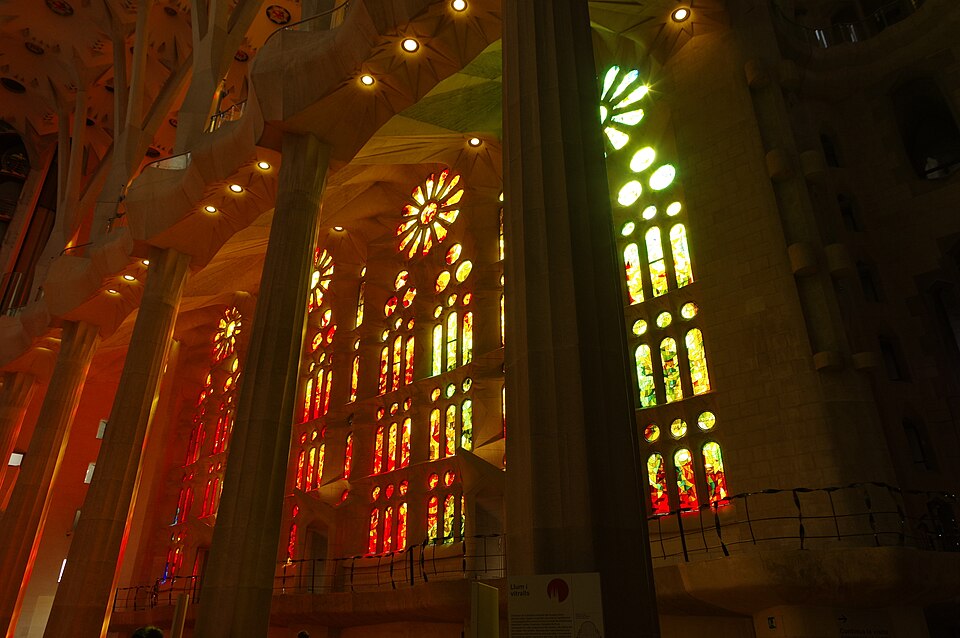 The Stained Glass SymphonyA Symphony of Light
One of Gaudí’s most famous quotes was 'Glory is light.' He designed the interior of the Sagrada Família to be a symphony of illumination, where the architecture itself plays second fiddle to the atmosphere created by the sun. The walls and columns are made of relatively light-colored stone, which serves as a blank canvas for the vibrant patterns of the stained glass to dance across. Throughout the day, the 'forest' of the interior is constantly changing. As the sun moves, the pools of blue, green, red, and orange light shift across the floor and climb up the branching columns. It is a sensory experience that is never the same twice. This play of light was intentional; Gaudí wanted the space to feel alive and dynamic, rather than static and heavy like traditional cathedrals. By using light as his primary decorative tool, he achieved a sense of glory that feels both divine and deeply connected to the natural rhythm of the rotating earth.
Listen in the appPhoto: Berthold Werner · CC BY-SA 4.0
Sagrada Família
Frequently asked questions
How much does the guide cost?
Free app download. Listed guide price: $2.99. Guide price shown in the app. Audio guide only. Venue admission is separate.
Can I listen without internet?
Yes. Download the guide’s audio, images, and maps in the app before your visit. Your downloaded content is then available offline.
Can I listen in my language?
Stanza supports 15 languages. Check the app for the languages available for this guide.
Do I need to follow a schedule?
No. This is a self-guided experience. Choose your stops, pause whenever you like, and return to a story at your own pace.
At your own pace
Explore Sagrada Família.
Download Stanza, then search for “Sagrada Família”.
Free app download · Guide price shown in the app
Keep exploring
Nearby audio guides
Barcelona
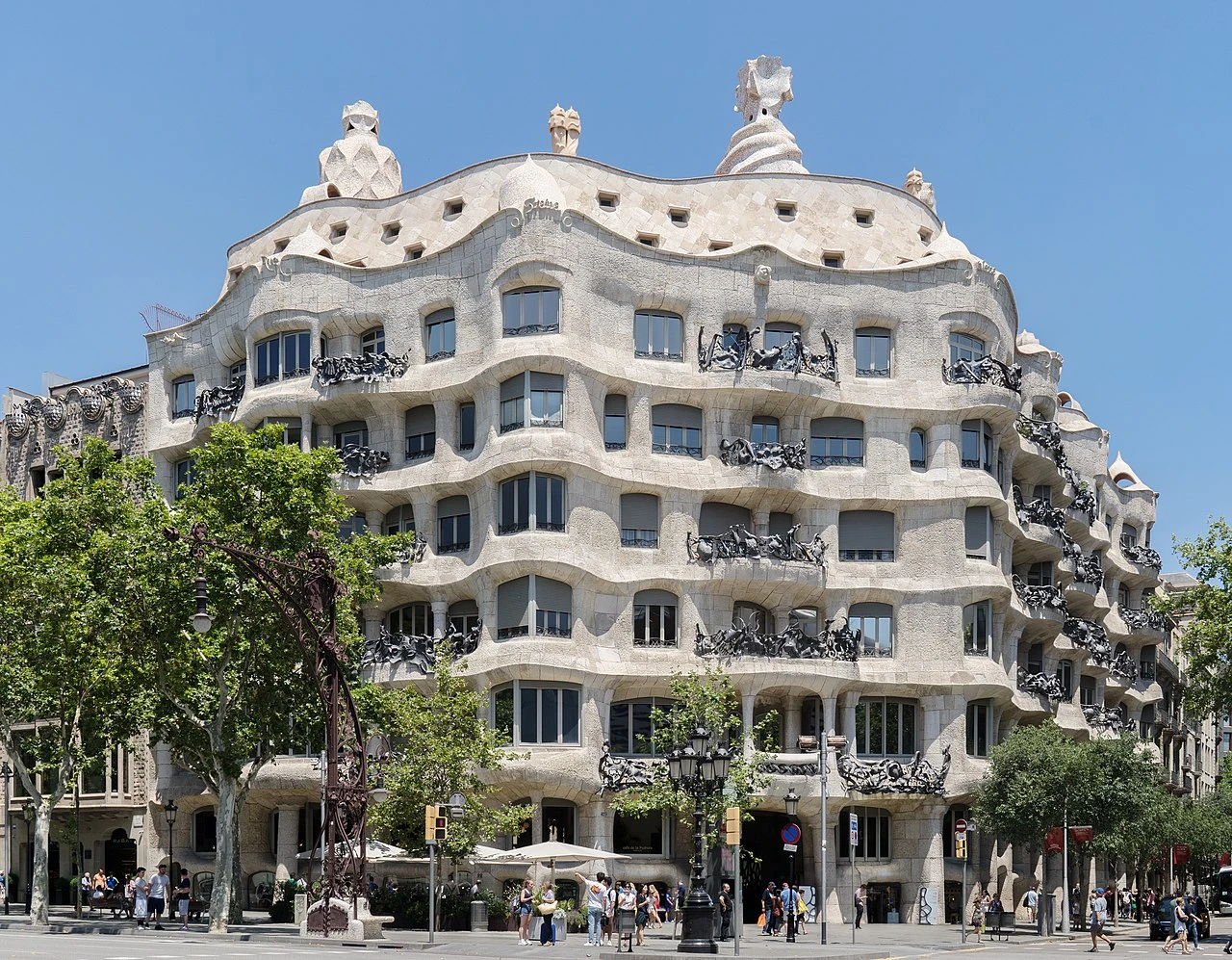
Casa Milà
Content & sources
Thomas Ledl · CC BY-SA 4.0
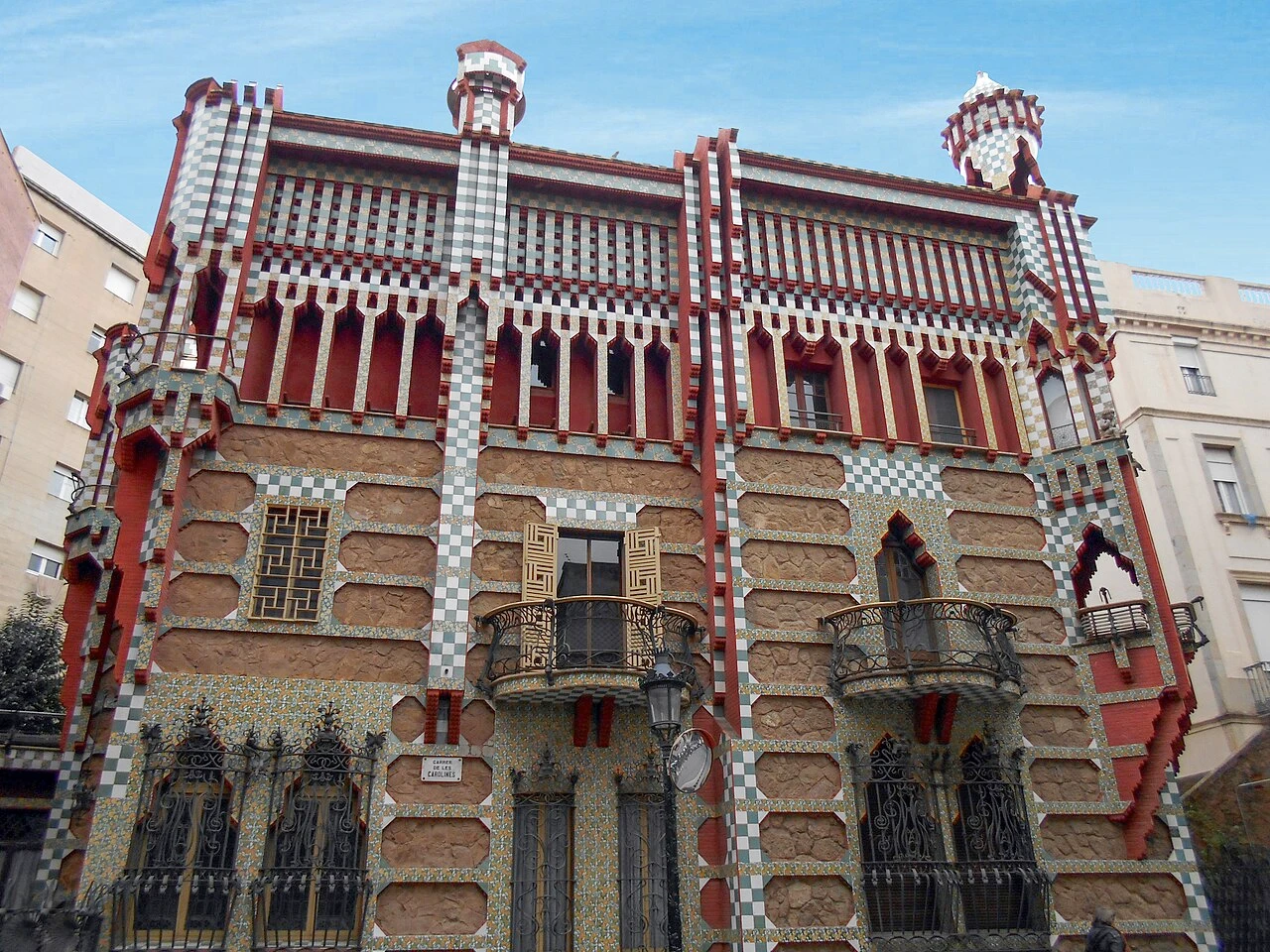
Barcelona
Casa Vicens
Content & sources
Canaan · CC BY-SA 4.0
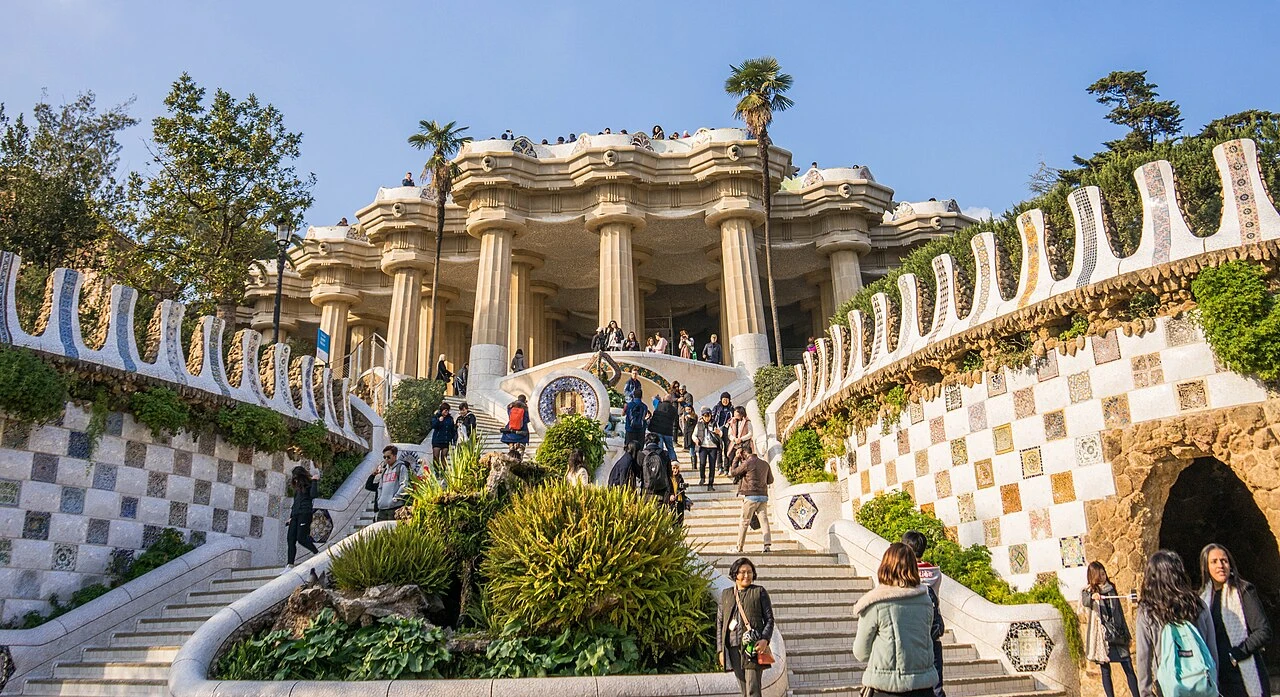
Barcelona
Parc Güell
Content & sources
Unknown author · CC0
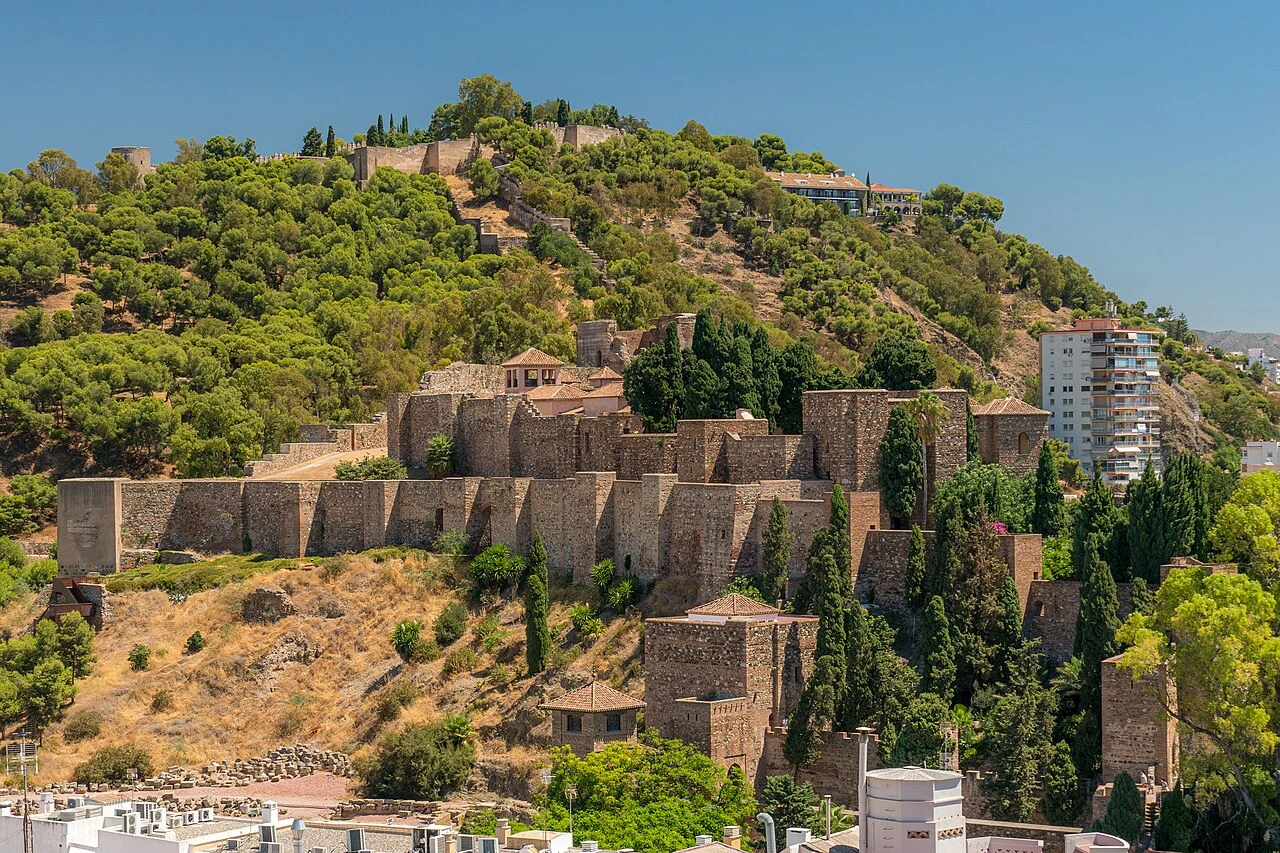
Málaga
Alcazaba de Málaga
Content & sources
Photo: Fernando · CC BY-SA 4.0