Stanza · Audio guide
El Capricho de Gaudí Audio Guide
A place to remember. A story to take with you.
El Capricho is a modernist villa designed by Antoni Gaudí in Comillas, Spain. This architectural masterpiece now functions as a house museum.
Download Stanza, then search for “El Capricho de Gaudí”.
About the tour
One guide. Your kind of visit.
El Capricho is a modernist villa designed by Antoni Gaudí in Comillas, Spain. This architectural masterpiece now functions as a house museum.
Ready when you are.
- 01Get the free Stanza app.
iOS & Android
- 02Find your guide.
“El Capricho de Gaudí”
- 03Download before you go.
Works offline
Audio guide / 4 narrated stops
Inside the guide
Get to know a few of the stories before you go. Open a stop to read more.
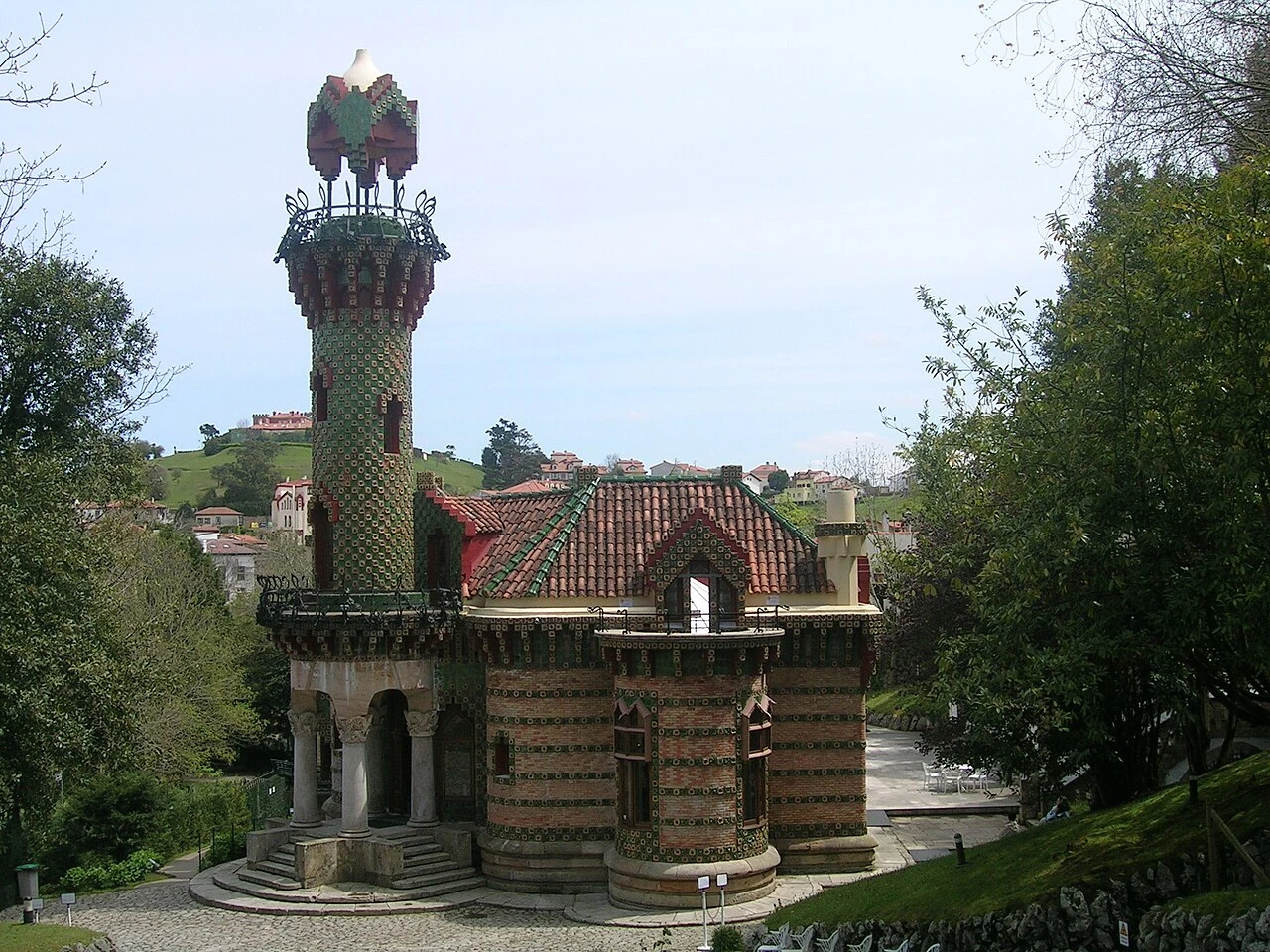
01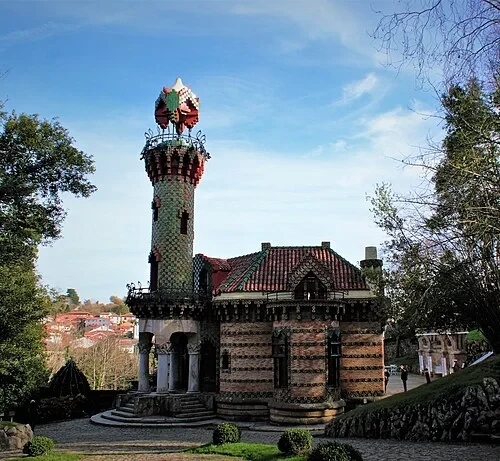 Exterior Grounds and the Minaret Tower
The Villa and Minaret
Welcome to one of Antoni Gaudí’s earliest architectural creations, a building that challenges traditional European styles. When looking at the structure, the eye is immediately drawn to the tall cylindrical tower rising twenty meters high, heavily inspired by the design of an Islamic minaret. This vertical feature contrasts with the main house, which sits on a rectangular footprint measuring fifteen by thirty-six meters. Commissioned in 1883, the villa was built for Máximo Díaz de Quijano, a wealthy patron who earned his fortune in the Americas. His dream of living in this custom-built residence was short-lived, however, as he passed away in 1885, just a few months after construction wrapped up. Despite designing every detail of this early Orientalist masterpiece, Gaudí himself never actually visited Comillas to see the finished work. Instead, he remained in Barcelona and left the day-to-day supervision of the building process to his trusted assistant, Cristóbal Cascante. This unique arrangement produced an exceptional house that laid the groundwork for Gaudí's legendary career.
Photo: Coralma* · CC BY-SA 4.0
02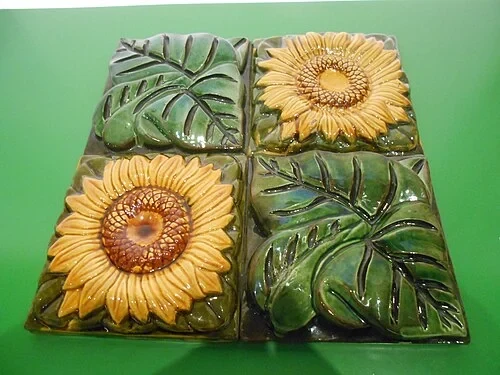 The Sunflower Facade
The Sunflower Tiles
Looking closely at the exterior walls, you can see how the facade is adorned with striking high-relief ceramic tiles. Each individual tile features a raised, three-dimensional sunflower head in rich golden-yellow, framed by thick, textured green leaves. Antoni Gaudí arranged these tiles in long horizontal bands that run all the way around the brickwork of the villa, creating a lively pattern that breaks up the solid weight of the building's walls. These glazed ceramics were manufactured locally in Spain, ensuring that the materials harmonized with the regional building traditions. By using a high-relief technique, Gaudí ensured that the decorative elements would cast deep shadows and reflect the changing sunlight in various ways from morning until evening. This clever play of light and shadow turns the entire surface of the house into an ever-changing canvas, showing how even the smallest decorative details were planned with natural illumination in mind.
Photo: Canaan · CC BY-SA 4.0
03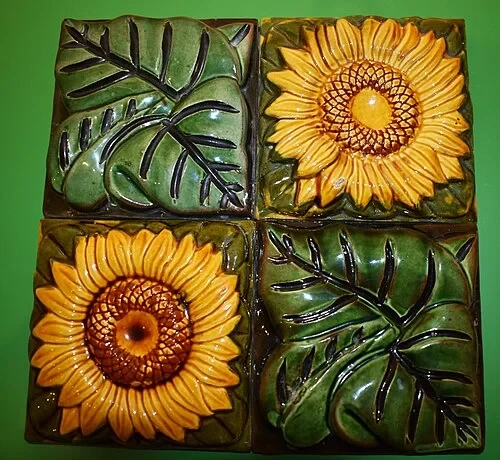 The Sunflower Facade
The Sunflowers and the Sun-Following Plan
These green and yellow tiles serve a purpose beyond simple decoration; they are actually a visual clue to the fundamental logic of the home's layout. In nature, sunflowers follow the sun's path across the sky over the course of the day, a biological process known as heliotropism. Antoni Gaudí adopted this very concept as the architectural blueprint for the interior of the villa. He arranged the rooms in a U-shape configuration around a central greenhouse, aligning the daily activities of the residents with the movement of the sun. The bedroom is situated on the eastern side of the house to greet the morning light, while the common living rooms face south to enjoy the brightest mid-day sun. Finally, the evening salon is positioned on the western side, catching the warm, low light of the sunset. This layout shows how the architect integrated natural rhythms into domestic life, turning the house into a functional solar-powered instrument of light.
Listen in the appPhoto: Canaan · CC BY-SA 4.0
04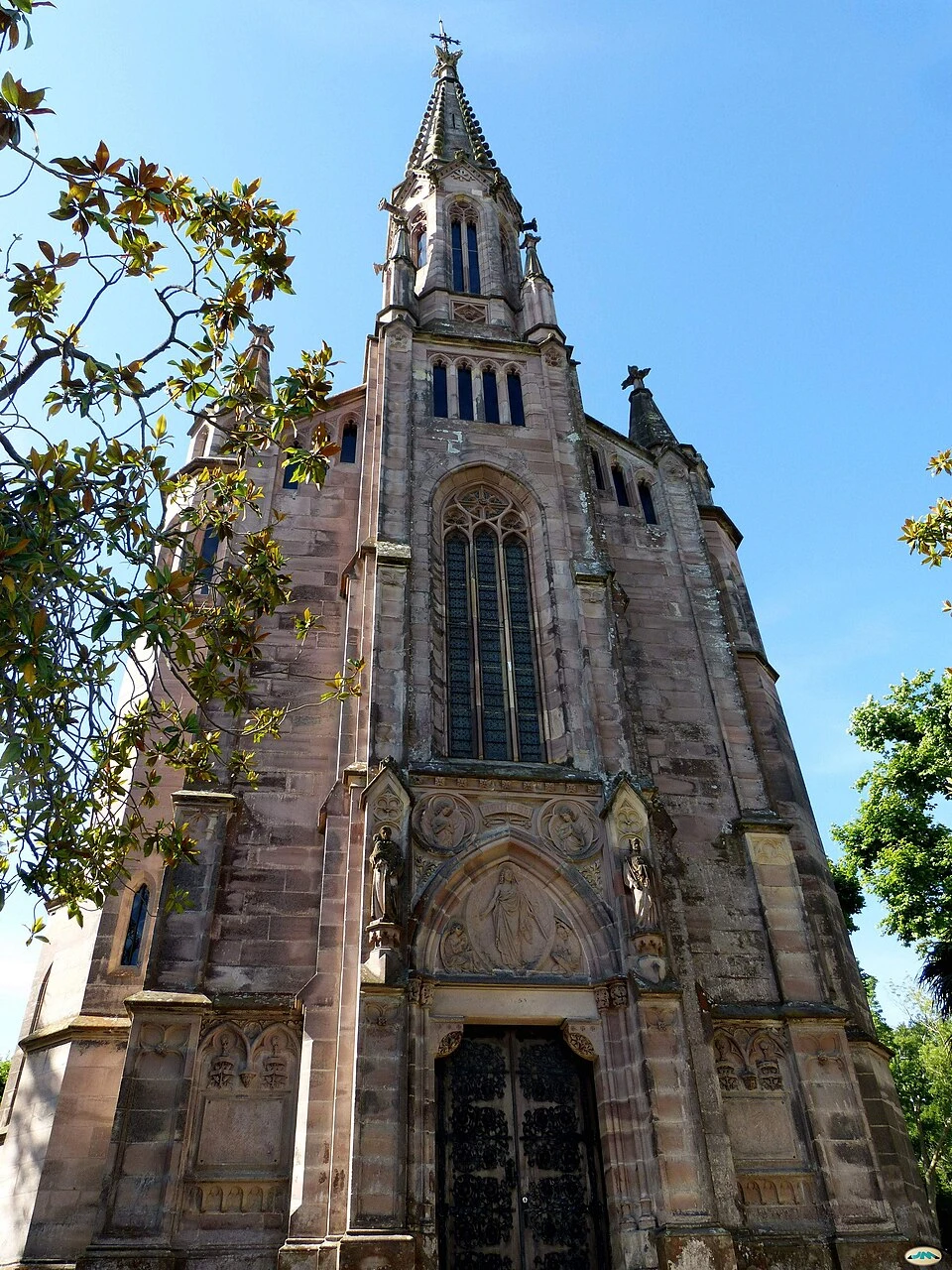 The Sobrellano Chapel-Pantheon
The Sobrellano Chapel
This Neo-Gothic chapel features a soaring stone facade complete with a tall spire, pointed arches, and detailed gargoyles. This pantheon-chapel was built by the prominent architect Joan Martorell for Antonio López, the wealthy Marquis of Comillas. Early in his professional career, Antoni Gaudí worked directly under Martorell on this project. Rather than designing the building itself, the young Gaudí was tasked with creating several pieces of liturgical furniture for the interior. He designed high-backed wooden pews and an intricate prayer desk, showcasing his early skill in working with functional and decorative objects. This initial collaboration in Comillas proved highly beneficial, as it established the professional network and trust that eventually led to Gaudí securing the commission to build his whimsical villa, El Capricho, just a short distance away. It serves as a physical link between his early apprenticeship and his emergence as an independent genius.
Listen in the appjuantiagues · CC BY-SA 2.0
El Capricho de Gaudí
Frequently asked questions
How much does the guide cost?
Free app download. Listed guide price: Free guide. Guide price shown in the app. Audio guide only. Venue admission is separate.
Can I listen without internet?
Yes. Download the guide’s audio, images, and maps in the app before your visit. Your downloaded content is then available offline.
Can I listen in my language?
This audio guide is available in 15 languages, including English.
Do I need to follow a schedule?
No. This is a self-guided experience. Choose your stops, pause whenever you like, and return to a story at your own pace.
At your own pace
Explore El Capricho de Gaudí.
Download Stanza, then search for “El Capricho de Gaudí”.
Free app download · Guide price shown in the app
Keep exploring
Nearby audio guides
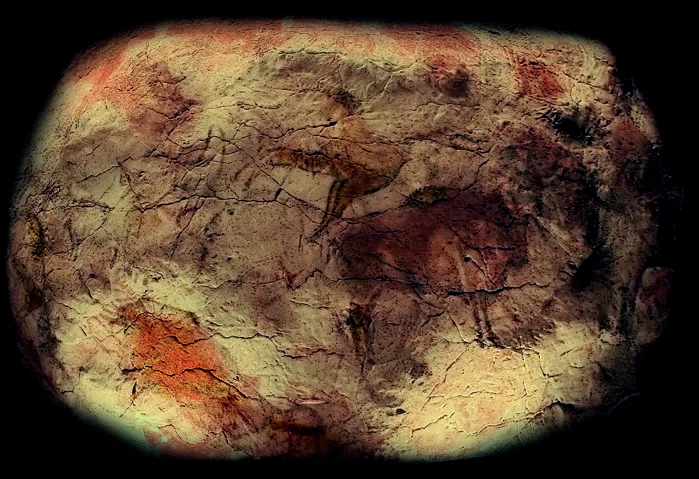
Santillana del Mar · 14 km
Cueva de Altamira
Content & sources
José-Manuel Benito · Public domain
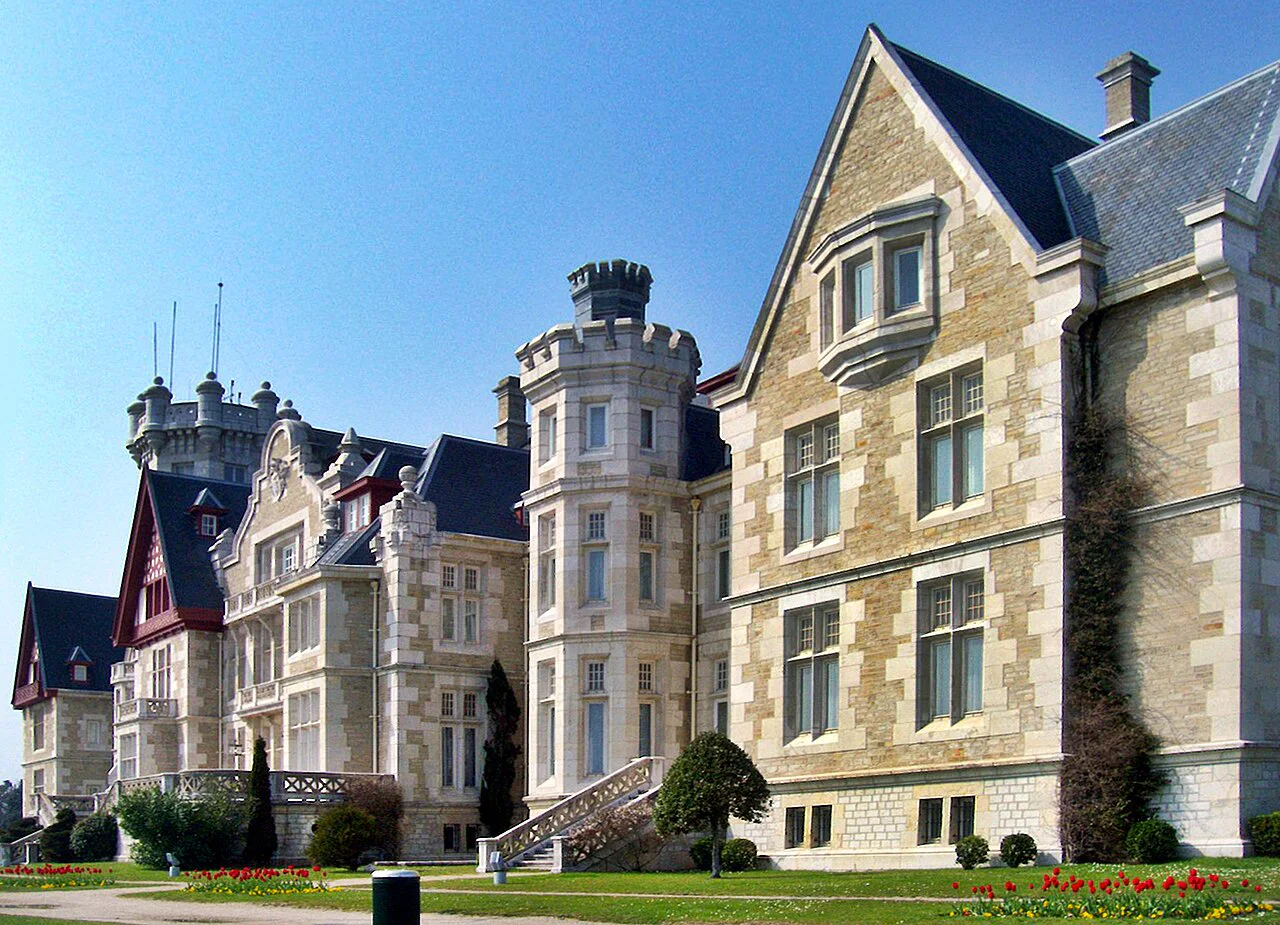
Santander · 44 km
Palacio de la Magdalena
Content & sources
Photo: Fernandopascullo · CC BY 3.0
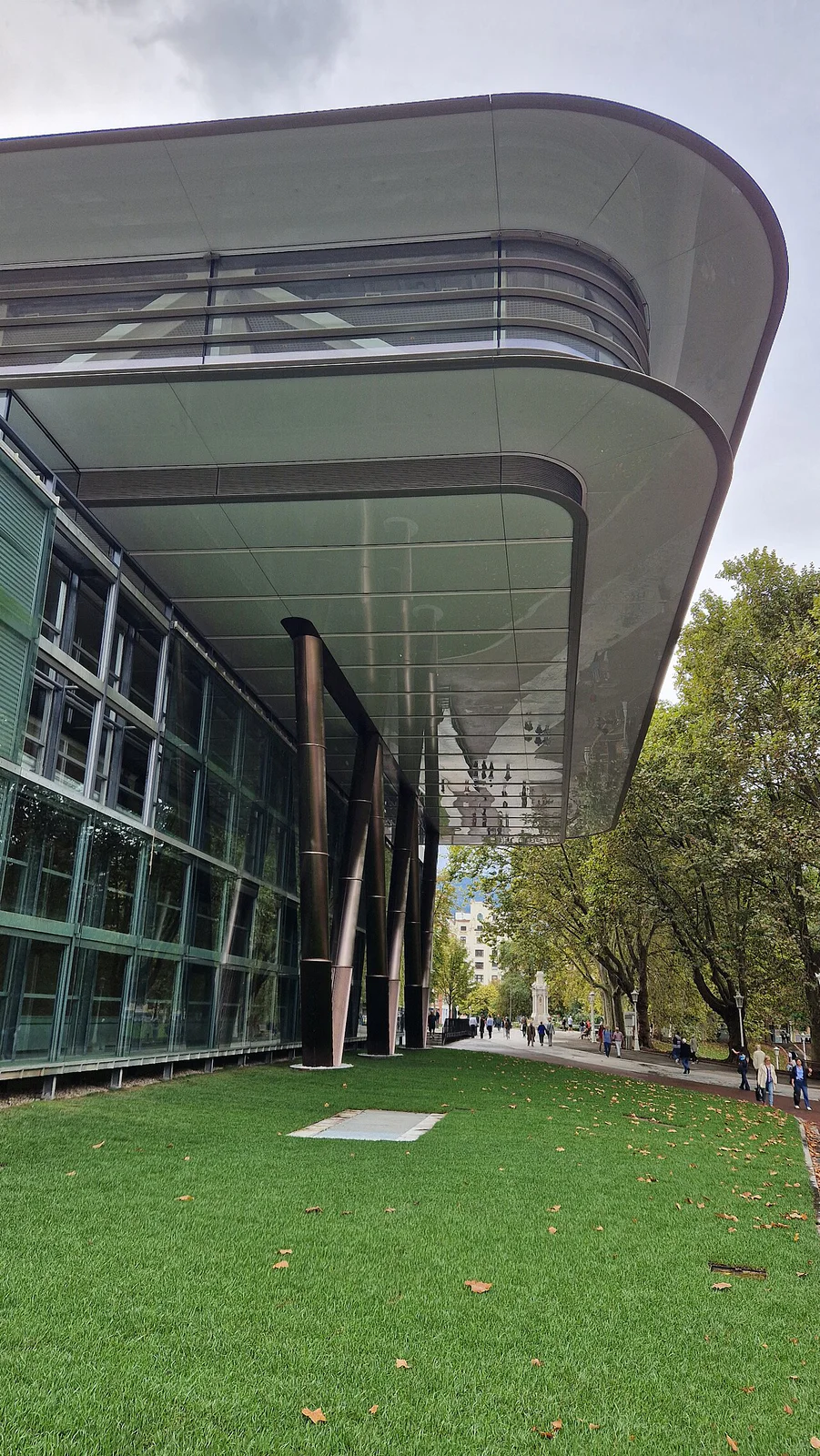
Bilbao · 110 km
Museo de Bellas Artes de Bilbao
Content & sources
Photo: Xabier · CC0
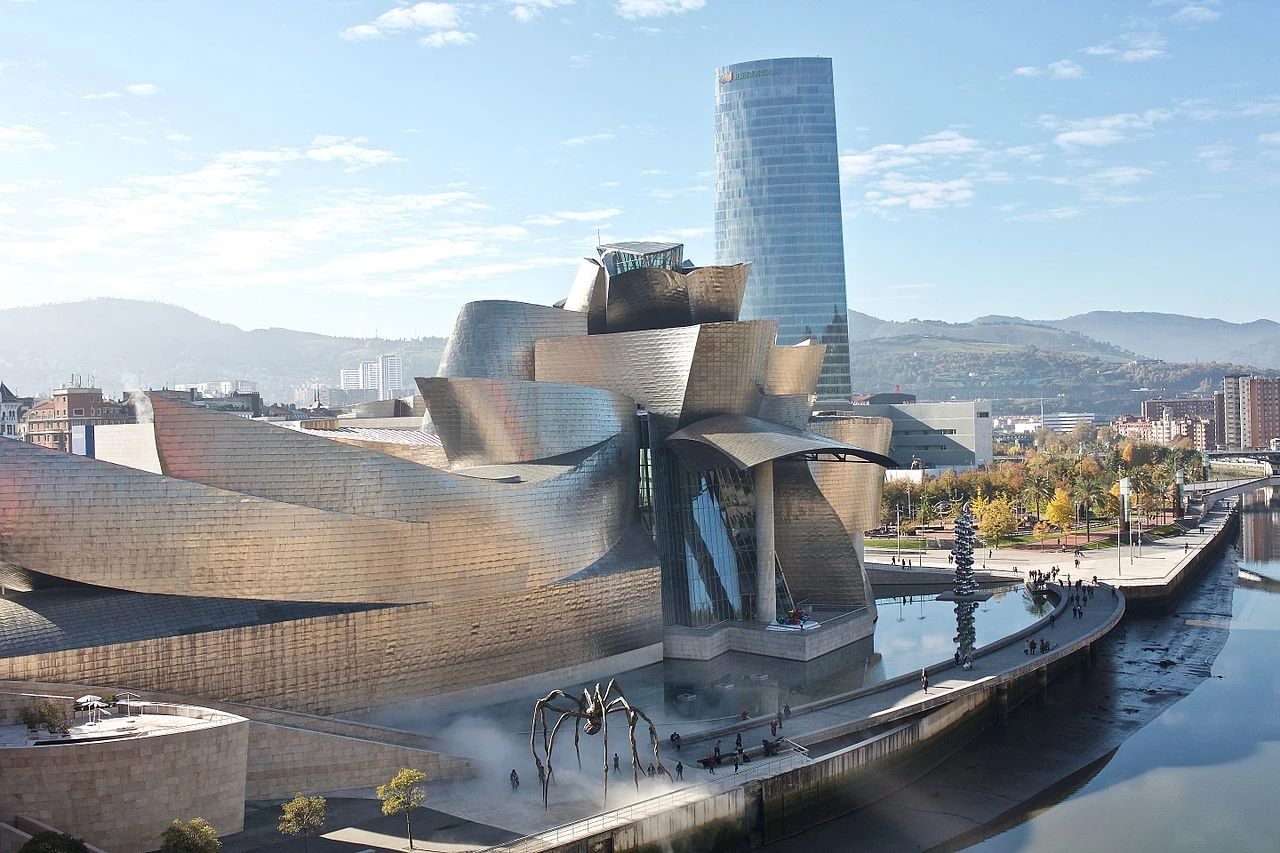
Bilbao · 111 km
Guggenheim Museum Bilbao
Content & sources
Naotake Murayama · CC BY 2.0