Stanza · Audio guide
Museo de Bellas Artes de Bilbao Audio Guide
A place to remember. A story to take with you.
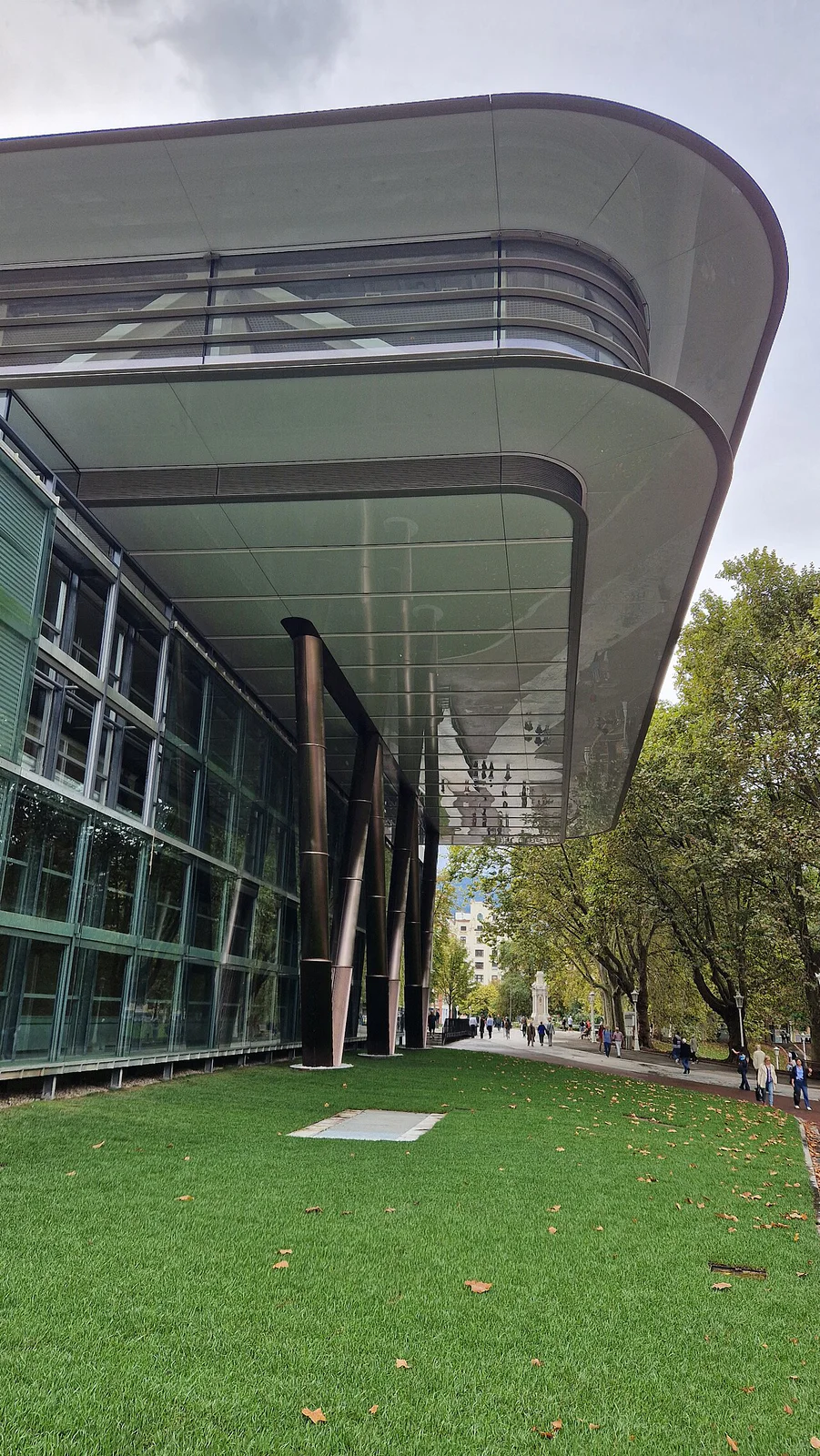
The Bilbao Fine Arts Museum is an art museum located in the city of Bilbao, Spain. The building is situated entirely inside the city's Doña Casilda Iturrizar Park.
Download Stanza, then search for “Museo de Bellas Artes de Bilbao”.
About the tour
One guide. Your kind of visit.
The Bilbao Fine Arts Museum is an art museum located in the city of Bilbao, Spain. The building is situated entirely inside the city's Doña Casilda Iturrizar Park.
The Museo de Bellas Artes de Bilbao guide tells the stories of 43 artworks, including Lot and His Daughters (Orazio Gentileschi), Venus of Poetry (Julio Romero de Torres), The Annunciation (El Greco), Tristan and Isolde (Death) (Rogelio de Egusquiza), Portrait of the Poet Moratín (Francisco Goya), Portrait of Martín Zapater (Francisco Goya), St. Francis in Prayer before the Crucifix (El Greco), and The Agony in the Garden (El Greco). Every artwork is free to hear in the Stanza app until 1 January.
Ready when you are.
- 01Get the free Stanza app.
iOS & Android
- 02Find your guide.
“Museo de Bellas Artes de Bilbao”
- 03Download before you go.
Works offline
Audio guide / 43 artworks
Inside the guide
Get to know a few of the stories before you go. Open a stop to read more.
01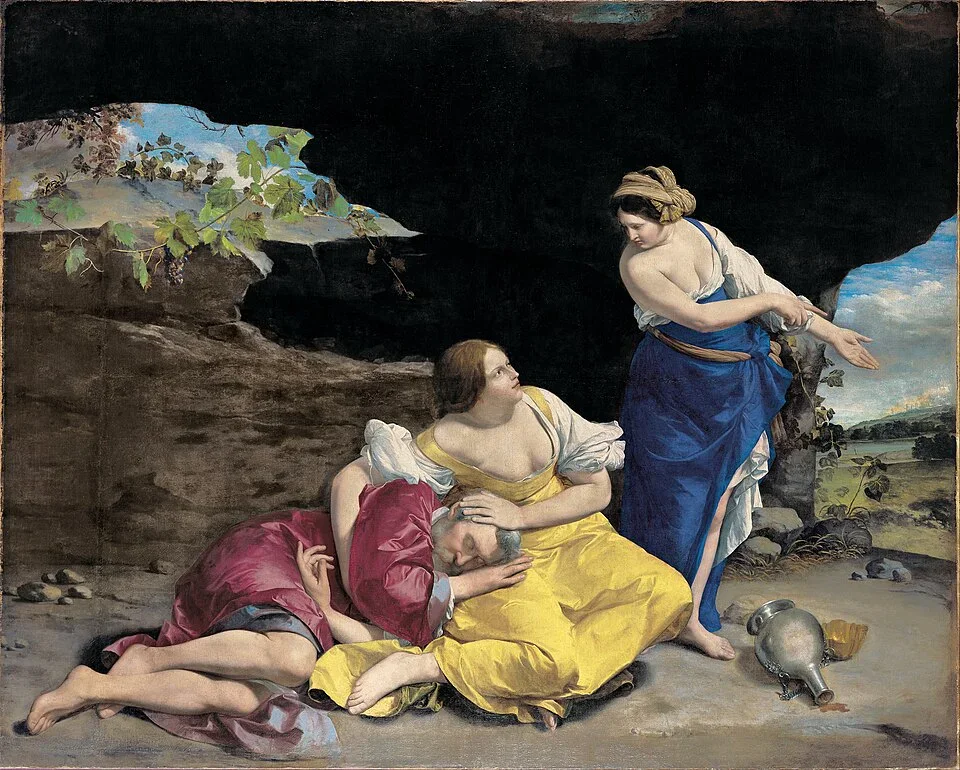
Lot and His Daughters
One of the two women stands and points out of the cave. She is making a case. Her father lies drunk in the other woman's arms. The case rests on what is outside. Their mother has been turned into a pillar of salt, caught as she turned back to watch Sodom being destroyed. Far off, the city itself burns. Lot and his daughters fled when they were warned it would be destroyed. They believe the fire killed everyone else. So if the human race is to go on, it has to be through her and her sister, bearing their father's children. Gentileschi painted this in England, one of the large biblical works Charles the First asked him for. He never shows the act itself. He leaves it in the bare part of their torsos, and in the jar beside Lot, which keeps reminding you how drunk he is. A vine branch runs across the top of the group. Like the jar, it brings the wine back into the scene.
Listen in the appOrazio Gentileschi · Public domain
02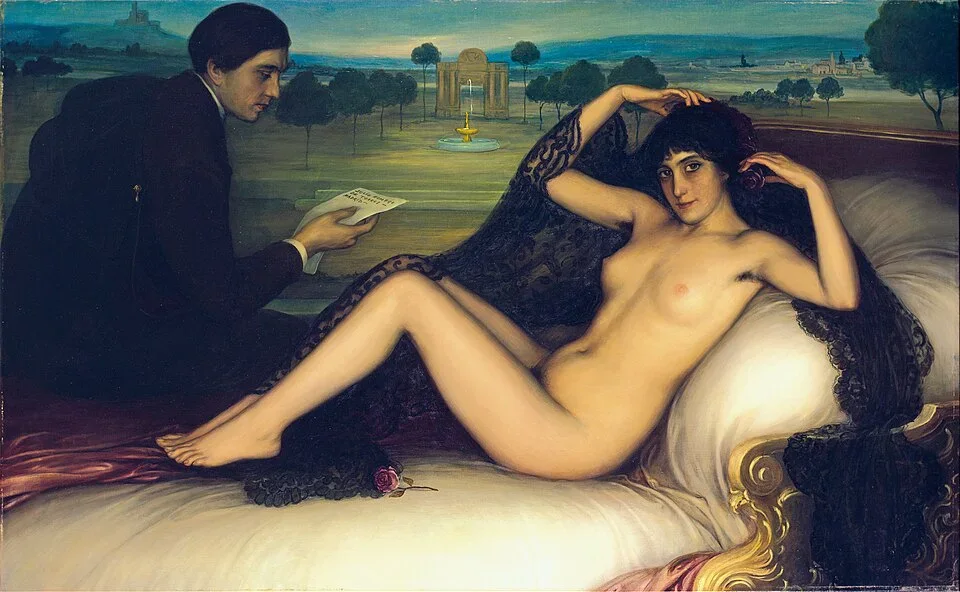
Venus of Poetry
Is this a goddess, or a singer? A woman lies on a bed with white sheets, a black lace mantilla on her head. She looks straight at you and smiles. A rose by her feet stands for beauty and passionate love. The title calls her Venus. But the face is Raquel Meller, a Spanish singer. The man in the picture holds a sheet of paper, and on it Romero de Torres signed his name. He is Enrique Gómez Carrillo, a writer from Guatemala who would one day be her husband. Behind them, a fountain and a Renaissance gate stand between two rows of trees, and further off lie the Guadalquivir and the city of Córdoba.
Listen in the appPhoto: DcoetzeeBot · Public domain
03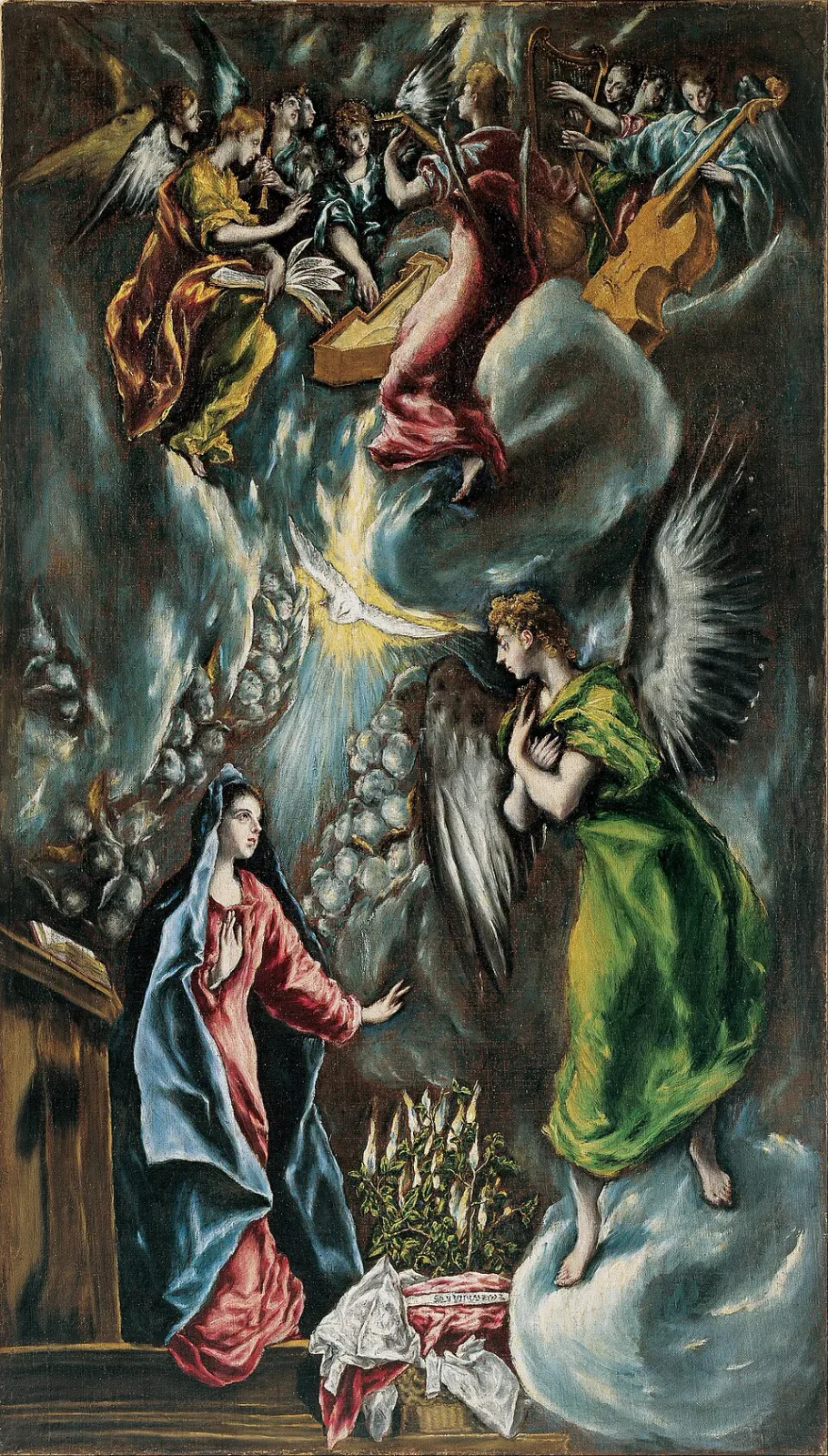
The Annunciation
On a strip of white cloth, a few odd letters. They look as though they should spell a name. But they are not a signature. El Greco signed his paintings with his full name in Greek, often adding the word for Cretan. So you would expect a name here. These letters give none. And still the painting is his. He worked in Toledo, and his workshop probably had a hand in it. Only Luke's gospel tells the scene. The angel Gabriel announces to Mary that she will be the mother of Jesus. What you see is the lower scene of an elongated composition. The colouring follows the same scheme as the large canvas in the Prado, only less brilliant. This canvas is a replica, perhaps a sketch, of a larger Annunciation, the one he made for the Altarpiece of María de Aragón.
Listen in the appEl Greco · Public domain
04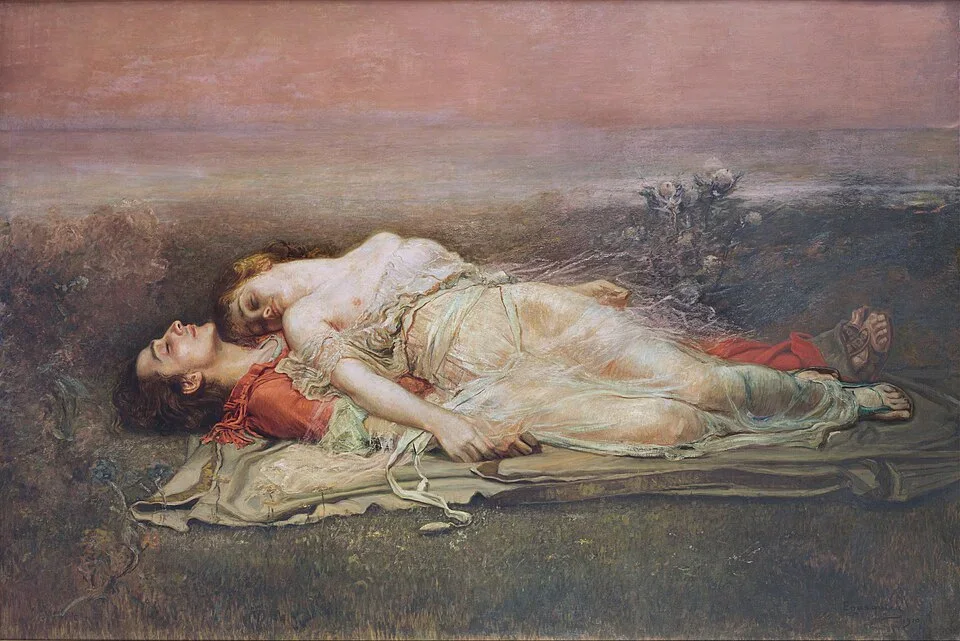
Tristan and Isolde (Death)
One image mattered more than any other to Rogelio de Egusquiza. He wanted Isolde collapsing in death across the body of Tristan, the last scene of Wagner's opera. The music had gripped him from 1879, and he met the composer several times. In Venice in 1880 the two talked about Tristan and Isolde. After that, this one moment became the work of decades. He worked in chalk, trying the two bodies in different positions. In one sketch he gave Tristan his own face. The pose was set by 1901. Still he was not content. He thought his paintings lacked colour, and his former teacher Bonnat agreed. Again and again he destroyed what he had made and began again. The painting was finished in 1910 and shown in Paris the next year as The Death of Isolde. In the background, the sea lies beyond the horizon. Wagner wrote it into his stage directions, and Egusquiza kept it.
Listen in the appRogelio de Egusquiza (Santander, Spain, 1845 - Madrid, 1915) Born in Santander, Spain. Died in Madrid. Details on Google Art Project · Public domain
05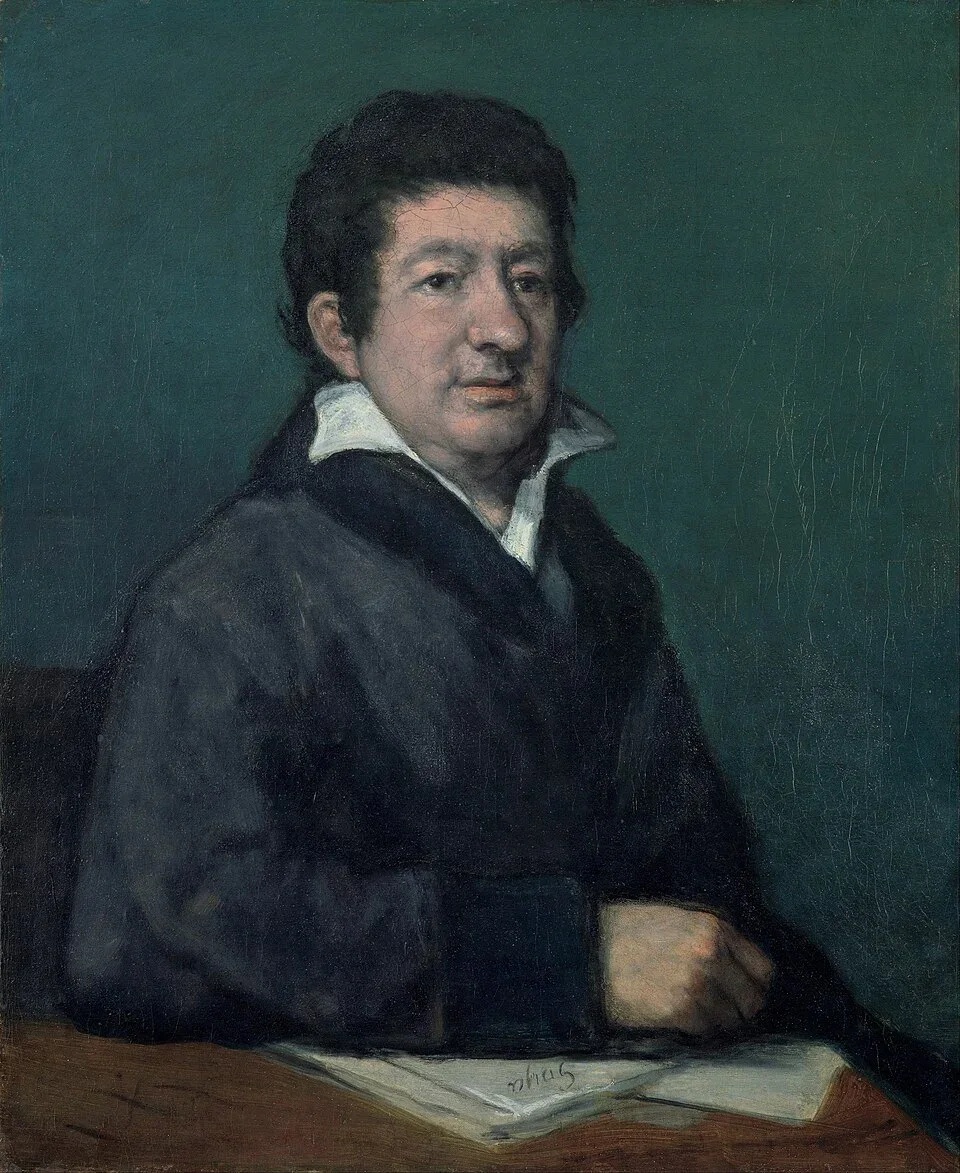
Portrait of the Poet Moratín
Why does this man look away from you? His eyes drop down and to the right, and his body leans and twists a little to one side. The background is blurred, with no point to measure anything against, as though the world outside had no interest in him. Dark tones hang over the whole picture. The folds of his clothes and the fine lines on his face are pushed a little too far, as if to carry a pain he probably felt. Goya painted this in 1824, when both he and Moratín were living in exile. After the war against Napoleon, Spain's restored absolute monarchy persecuted people who had sided with the French. Moratín had been denounced to the Inquisition over a play and forced to give up writing plays. Fearing persecution himself, Goya left Spain for Bordeaux, and there he found his old friend. Goya had painted Moratín once before, in 1799, when he was a young and popular poet. Here he is a mature man in an informal dressing gown, and Goya did not flatter him. Moratín wrote to a friend that his looks must be good indeed if Goya wanted to paint him again. Goya left his signature on a sheet of paper lying under Moratín's hand.
Listen in the appFrancisco Goya · Public domain
06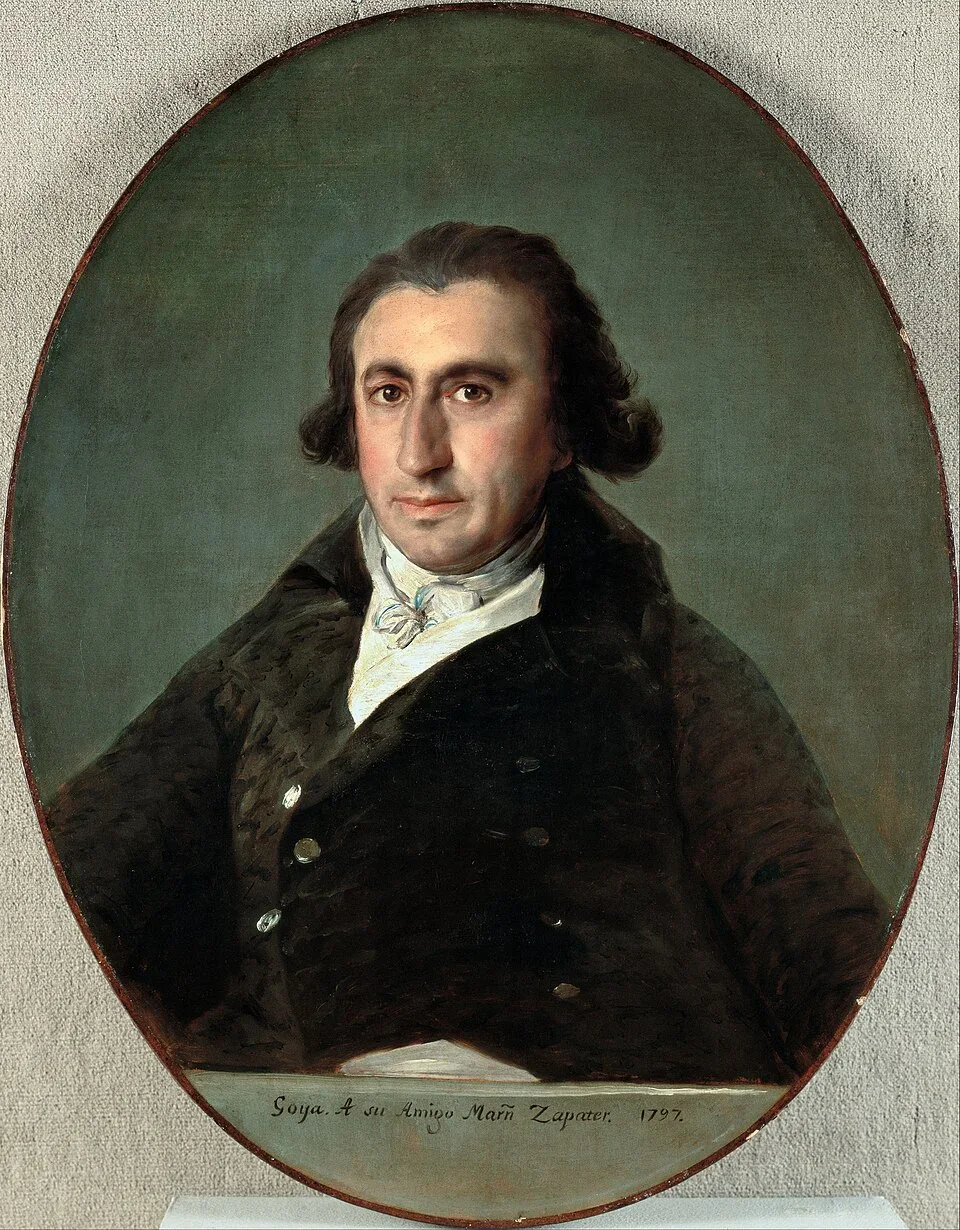
Portrait of Martín Zapater
At the bottom of this portrait, just above the inscription, a letter is painted into the canvas. Goya put it there himself. The words beside it are a dedication, to his friend Martín Zapater, dated 1797. This picture was a gift, and the letter is part of the gift. The two men had known each other since childhood. They met at a school in Saragossa when Goya was seven. Zapater grew up to be a wealthy merchant in Aragon and a patron of art. Yet so much of the friendship lived in letters. About a hundred and fifty that Goya wrote to him still survive, while almost none of Zapater's replies do. The portrait carries that same closeness. Zapater wears a brown velvet coat, a white shirt and necktie, his hair cut short and already going grey, no wig. His expression is mild and friendly. He painted someone he knew well, freely and with no ceremony. What is still not known is whether this canvas was oval from the beginning, or originally rectangular.
Listen in the appFrancisco Goya · Public domain
07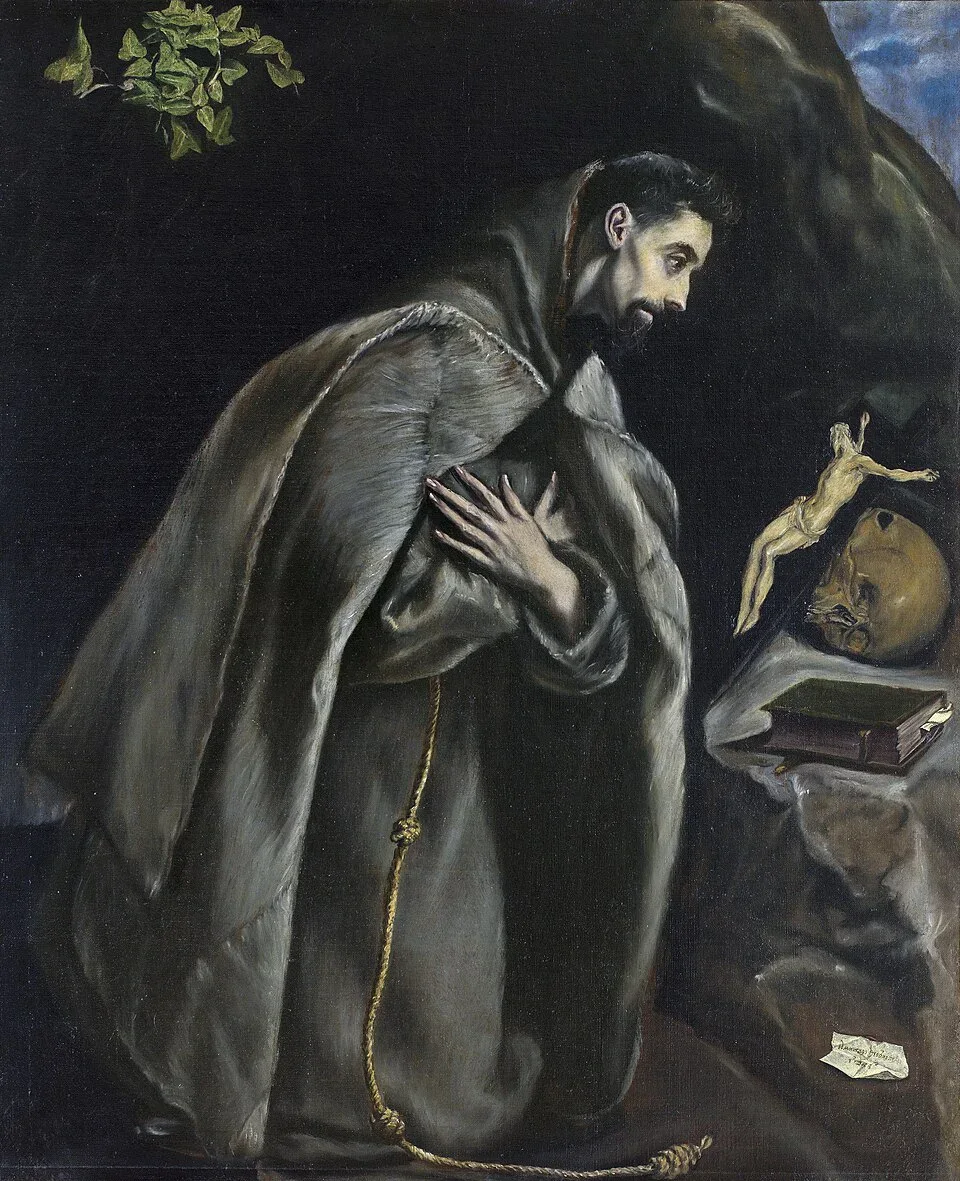
St. Francis in Prayer before the Crucifix
There is a name written on the floor of this cave, and nothing in the scene would make you look for it. It sits on a small piece of paper, in Greek letters far too tiny to read from here. What you can see instead is a man in rough clothes kneeling before a crucifix. His hands are folded on his chest, his eyes fixed on the cross. A skull and a book lie on the rock beside it. The cave is dark, with a piece of sky breaking through at the upper right. That name belongs to the man who painted this. He was Greek, he worked in Toledo, and he is known as El Greco. He signed his paintings in Greek letters. Saint Francis was a subject he came back to all his life, with over a hundred paintings of him leaving his workshops. This one was ordered for a Carmelite convent at Cuerva, founded by doña Aldonza, whose brother was Cardinal Nino de Guevara. It was probably commissioned straight from the painter. On that scrap of paper on the floor, his name reads Doménikos Theotokópoulos.
Listen in the appEl Greco · Public domain
08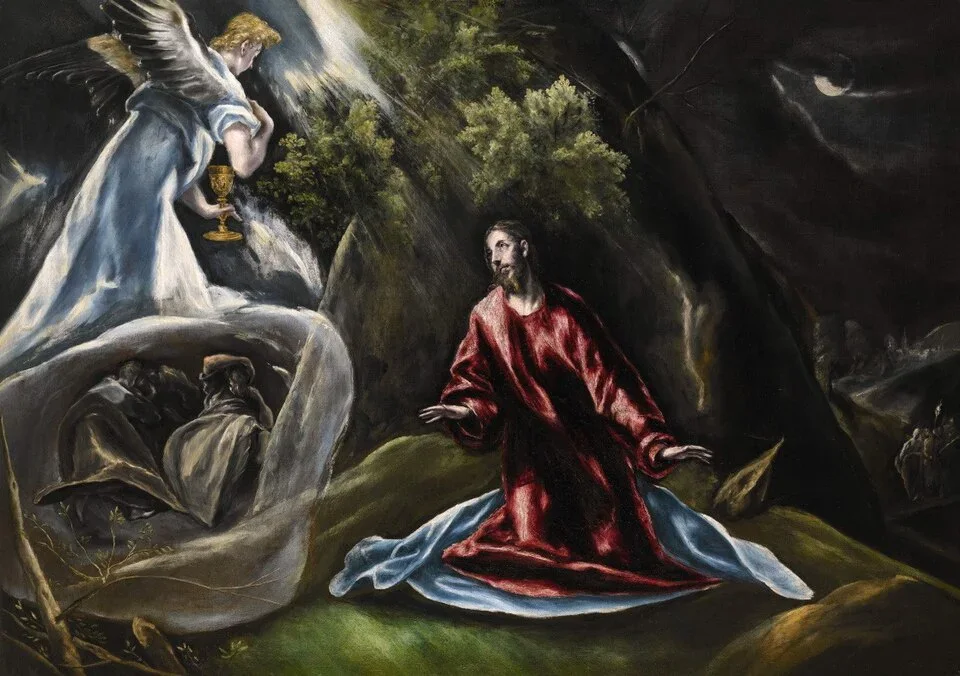
The Agony in the Garden
Jesus has come to the garden of Gethsemane to pray, just before his arrest. He is on his knees. That one detail tells you which of the gospels this scene comes from. All four gospels tell what happened here. John keeps it short. The other three go into detail. And they disagree about how Jesus prayed. Matthew and Mark say he fell face down. Luke says he knelt. El Greco, painting between 1605 and 1610 near the end of his life, followed Luke. The angel's robe is entirely white, with a faint bluish gleam. Christ's garment is a deep red against his blue mantle. At some point the canvas was cut down, and a little of its detail and its depth went with the edges.
Listen in the appEl Greco · Public domain
09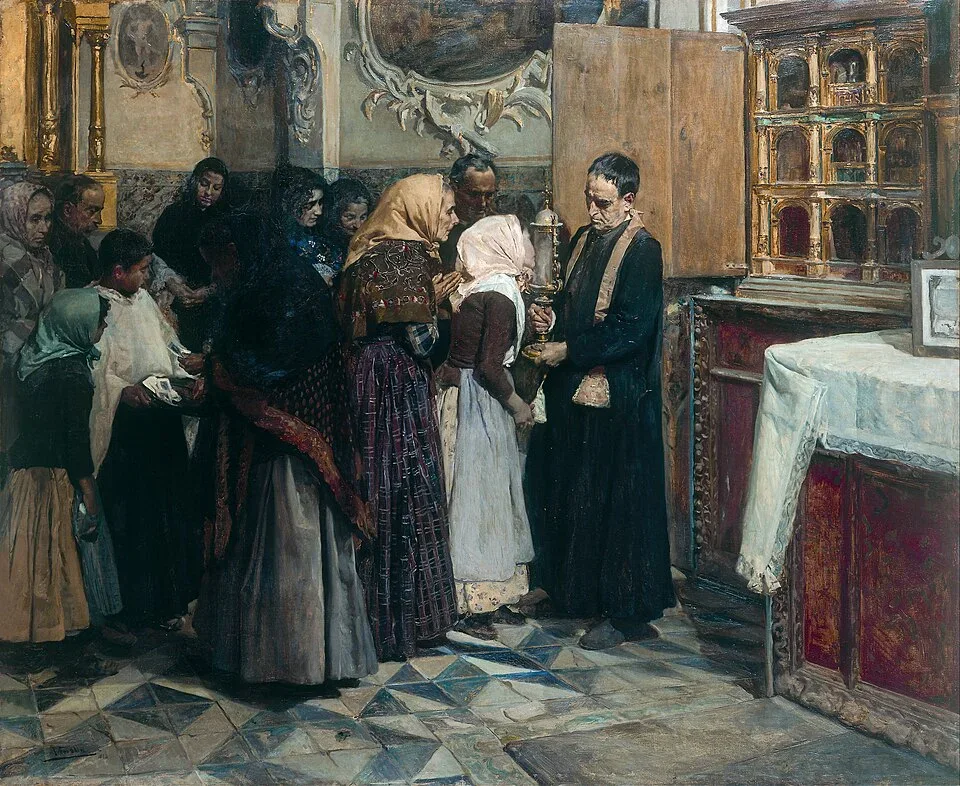
Kissing the Relic
People have gathered in a side chapel to kiss a relic. That one moment is the whole scene. The chapel is in the church of San Pablo in Valencia, a building that now houses the Luis Vives Institute. Joaquín Sorolla painted the picture in 1893, and the medals came almost at once. That year it took a third class medal at the Salon in Paris. In 1894 it won second class at the International Exhibition in Vienna, and the first medal at the Exhibition of Spanish Art in Bilbao. That last prize was won here, and the painting is now on display in this museum.
Listen in the appJoaquín Sorolla · Public domain
10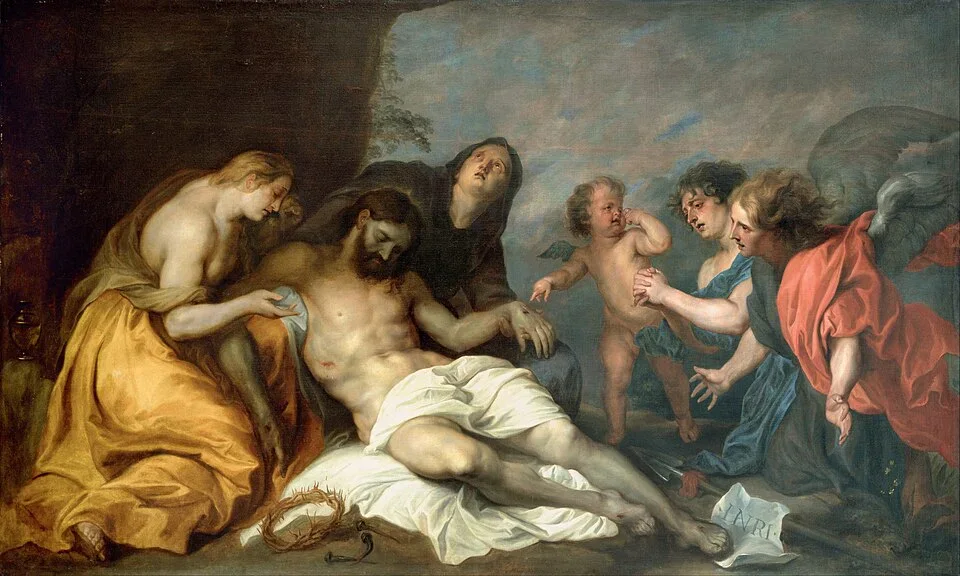
Lamentation over the Dead Christ
The whole scene sits in the fading light of sunset. The light falls full on the Virgin's face, while Christ's face is left in shadow. That contrast is where the drama comes from. This was painted near the end of van Dyck's time in London, while he was working for King Charles the First. The grace of the figures and the softness of the colour were just what the king wanted in a painting. It comes from van Dyck's workshop, and no one is quite sure who painted it. The two groups of figures are joined by a child angel who weeps without stopping. Even at the edges, the figures bend toward the middle, so the whole thing holds together. Christ's body is barely covered by a white cloth, and in that last light it seems to give off its own glow.
Listen in the appAnthony van Dyck · Public domain
- 11
Saint Elizabeth of Thuringia
Francisco de Zurbarán · 1640
- 12
Monument to Arriaga by Francisco Durrio
Francisco Durrio de Madrón · 1906–1933
- 13
Still Life with Fruit and Jug
Luis Egidio Meléndez · c. 1773
- 14
The Sacrifice of Isaac
Pedro Orrente · c. 1616
- 15
The Little Village Girl with Red Carnation
Adolfo Guiard · 1903
- 16
Unamuno
Joaquín Sorolla · 1910
- 17
Samson and Delilah
José Echenagusia Errazquin · 1887
- 18
The Rape of Europa
Maerten de Vos · 1590
- 19
Saint Peter in Tears
Bartolomé Esteban Murillo · c. 1650–1655
- 20
Christian!
Anselmo Guinea · 1897
- 21
At the Pilgrimage
Aurelio Arteta Errasti · c. 1917–1918
- 22
Ascent of a Balloon in the Presence of the Court of Charles IV
Antonio Carnicero · 1783
- 23
Architectural Caprice with Figures
Hans Vredeman de Vries · 1568
- 24
The Wrong Moment
Eduardo Zamacois y Zabala · 1868
- 25
Miren Pilar Gutiérrez de Zubiarre
Ramón de Zubiaurre · c. 1911
- 26
Preparations for May 1st
Vicente Cutanda Toraya · 1894
- 27
Idyll in the Sports Fields
Aurelio Arteta Errasti · 1913–1917
- 28
Lucretia
Lucas Cranach the Elder · 1534
- 29
View of El Arenal in Bilbao
Luis Paret y Alcázar · 1783
- 30
Judith and Her Maidservant, by Orazio Gentileschi
Orazio Gentileschi · c. 1612
- 31
View of Bilbao, c. 1700
Unknown Artist · c. 1700
- 32
Burtzeña bridge
Aurelio Arteta Errasti · c. 1926
- 33
Portrait of Prince Philip Emmanuel of Savoy
Juan Pantoja de la Cruz · c. 1604
- 34
Teresa Francisca Mudarra y Herrera
Claudio Coello · c. 1690
- 35
The Assumption of the Virgin
Juan Carreño de Miranda · c. 1657
- 36
Saint Sebastian Tended by the Holy Women
Jusepe de Ribera · c. 1621
- 37
Portrait of Queen Mariana de Austria as a Widow
Juan Carreño de Miranda · 1678
- 38
Assumption of Mary
Antonio Palomino · 1695–1696
- 39
Portrait of Maria de’ Medici
Frans Pourbus the Younger · 1606–1607
- 40
The Adoration of the Shepherds
Juan Ribalta · c. 1620
- 41
Landscape with Figures
Ignacio de Iriarte · c. 1660
- 42
Scene with Villagers (fragment)
Luis Paret y Alcázar · 1786
- 43
View of Fuenterrabía (fragment)
Luis Paret y Alcázar · 1786
Museo de Bellas Artes de Bilbao
Frequently asked questions
How much does the guide cost?
Free app download. Free until 1 January. Listed guide price: $1.99. Audio guide only. Venue admission is separate.
Can I listen without internet?
Yes. Download the guide’s audio, images, and maps in the app before your visit. Your downloaded content is then available offline.
Can I listen in my language?
In English for now. More languages soon.
Do I need to follow a schedule?
No. This is a self-guided experience. Choose your stops, pause whenever you like, and return to a story at your own pace.
Which artworks are in the Museo de Bellas Artes de Bilbao audio guide?
43 artworks, including Lot and His Daughters (Orazio Gentileschi), Venus of Poetry (Julio Romero de Torres), The Annunciation (El Greco), Tristan and Isolde (Death) (Rogelio de Egusquiza), Portrait of the Poet Moratín (Francisco Goya), Portrait of Martín Zapater (Francisco Goya), St. Francis in Prayer before the Crucifix (El Greco), and The Agony in the Garden (El Greco). The full list is on this page.
Is this the museum’s official audio guide?
No. Stanza is an independent audio guide app and is not affiliated with Museo de Bellas Artes de Bilbao. Museum admission is separate.
At your own pace
Explore Museo de Bellas Artes de Bilbao.
Download Stanza, then search for “Museo de Bellas Artes de Bilbao”.
Free app download · Guide price shown in the app
Keep exploring
Nearby audio guides
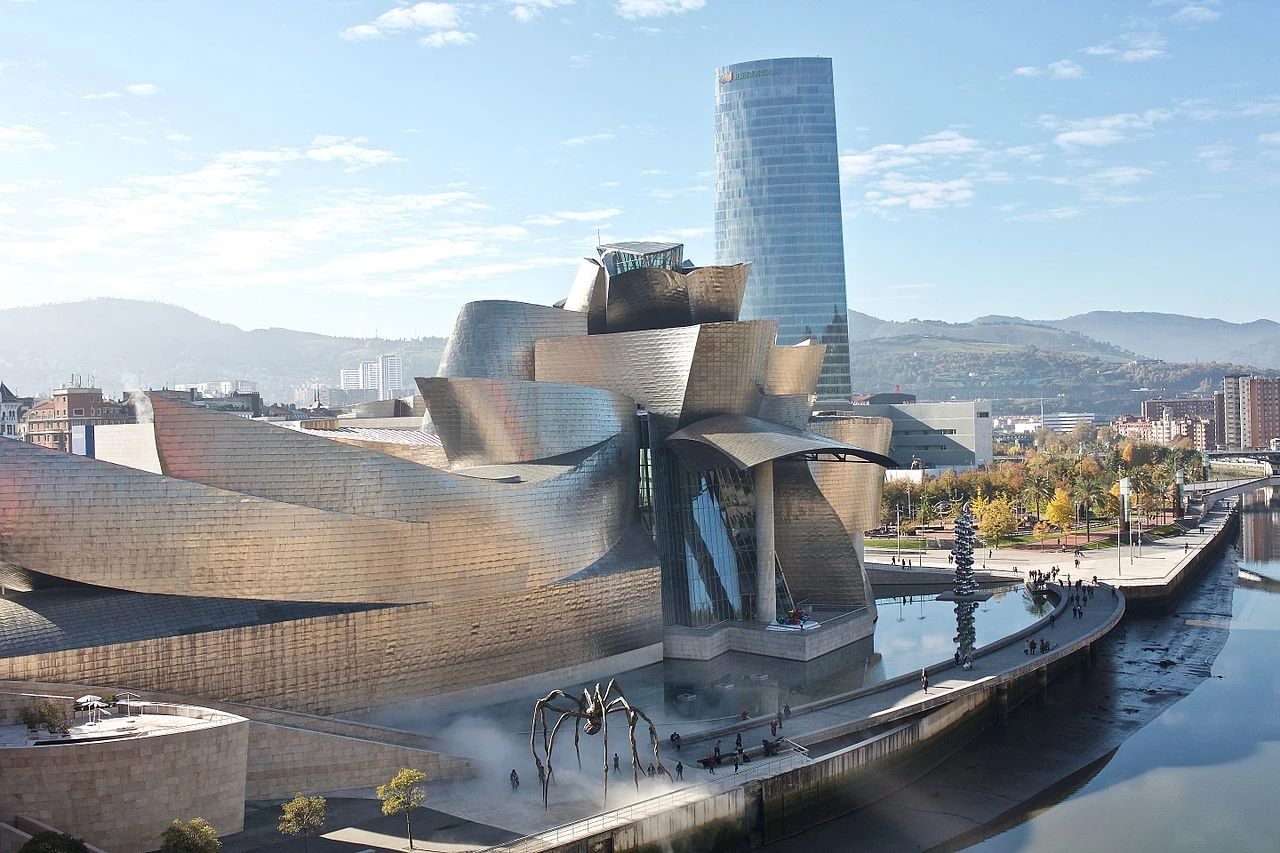
Bilbao · 1 km
Guggenheim Museum Bilbao
Content & sources
Naotake Murayama · CC BY 2.0
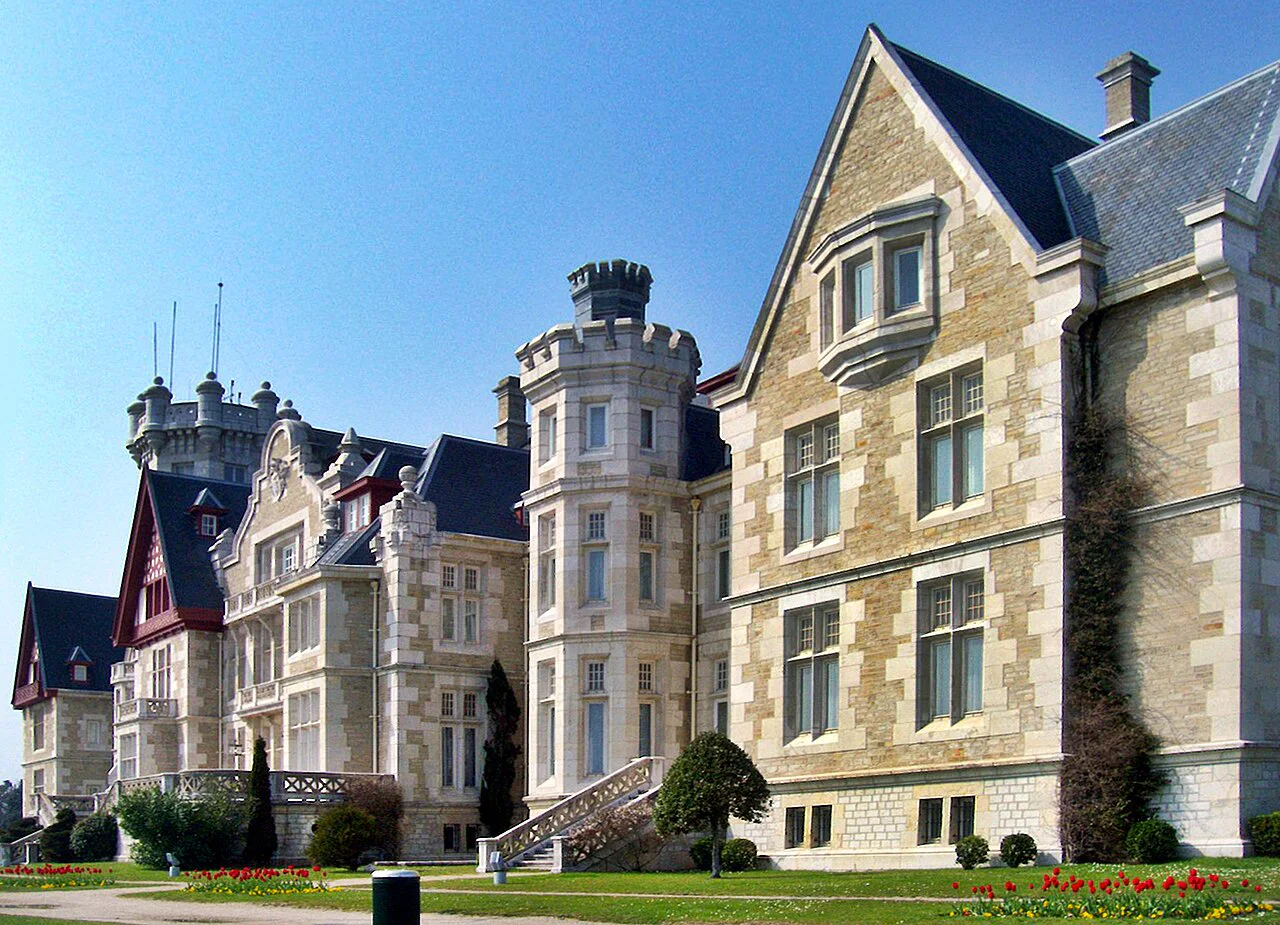
Santander · 71 km
Palacio de la Magdalena
Content & sources
Photo: Fernandopascullo · CC BY 3.0
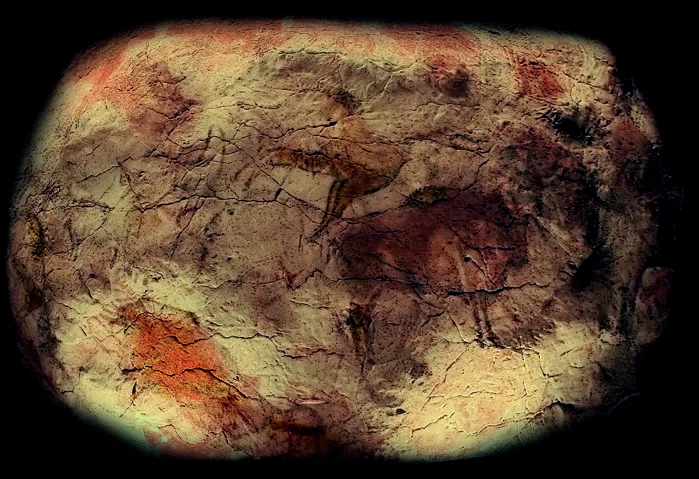
Santillana del Mar · 96 km
Cueva de Altamira
Content & sources
José-Manuel Benito · Public domain
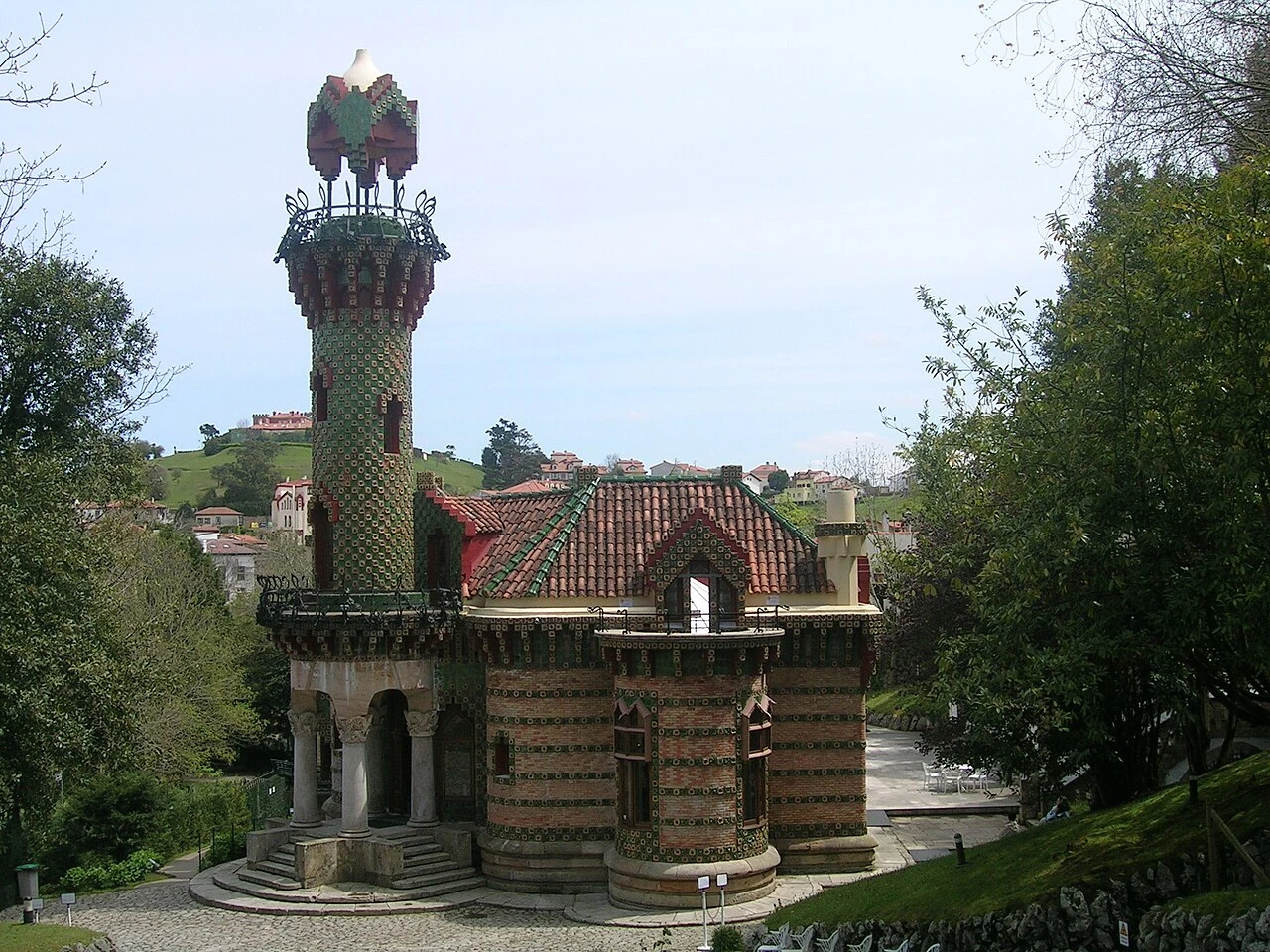
Comillas · 110 km
El Capricho de Gaudí
Content & sources
Photo: Cotarelo75 · CC BY-SA 3.0
Art museums
More art museum audio guides
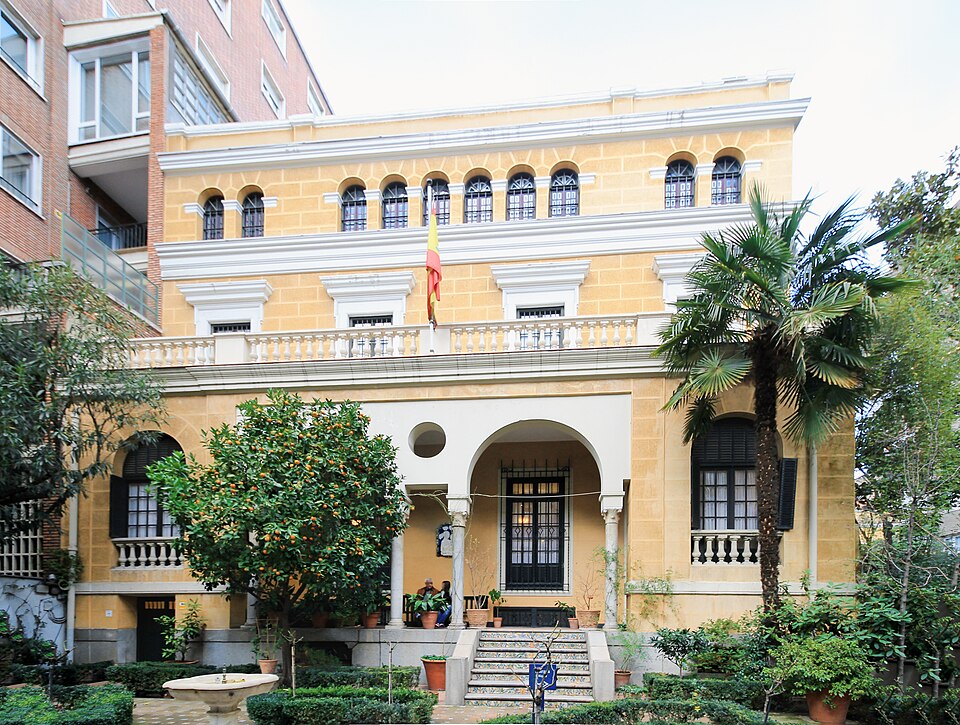
Madrid · 35 artworks
Sorolla Museum
Content & sources
Luis García (Zaqarbal) · CC BY-SA 3.0 es
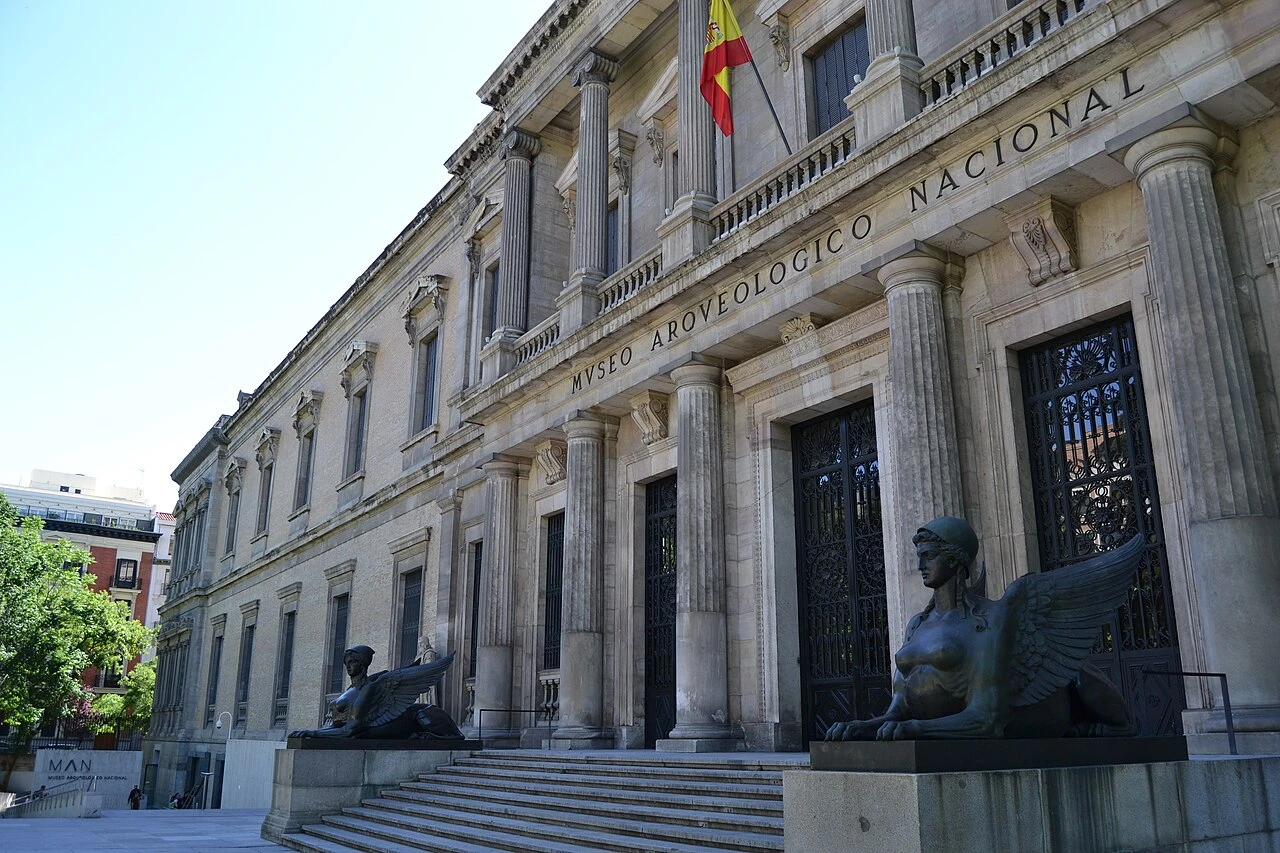
Madrid · 96 artworks
National Archaeological Museum of Spain
Content & sources
Emilio J. Rodríguez Posada · CC BY-SA 2.0
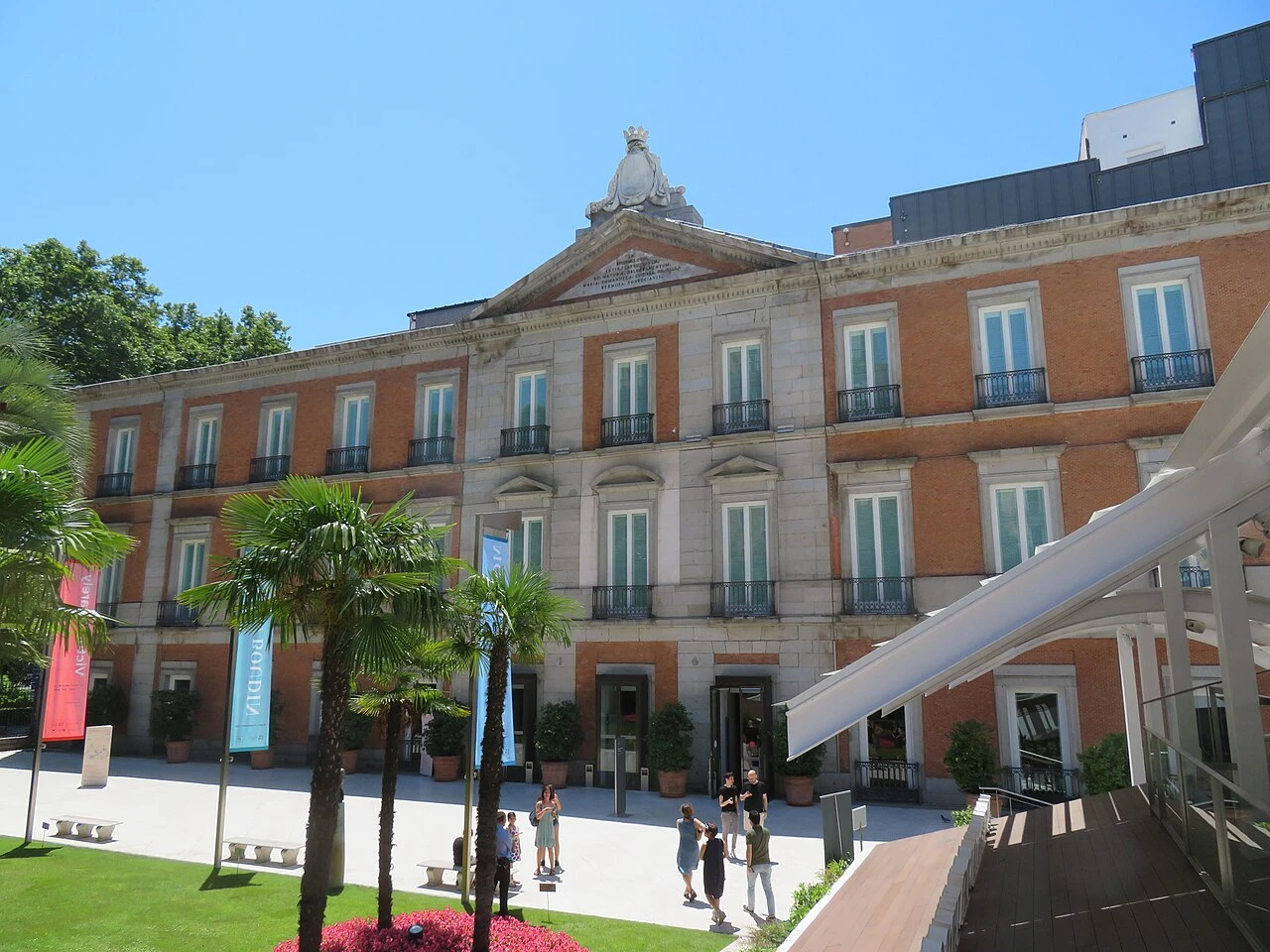
Madrid · 69 artworks
Thyssen-Bornemisza Museum
Content & sources
Kyle Magnuson from Los Angeles, United States · CC BY 2.0
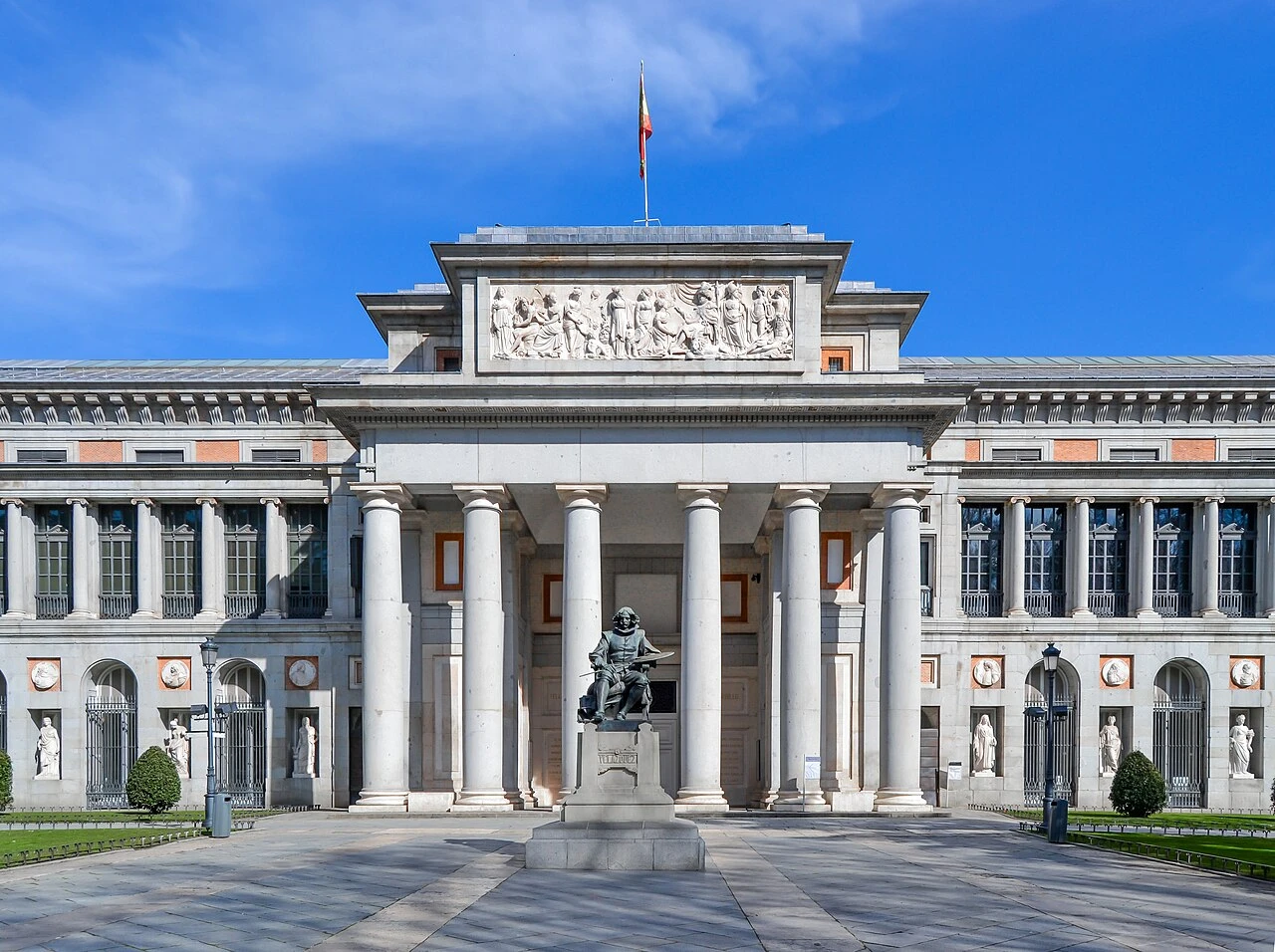
Madrid · 437 artworks
Prado Museum
Content & sources
Emilio J. Rodríguez Posada · CC BY-SA 2.0
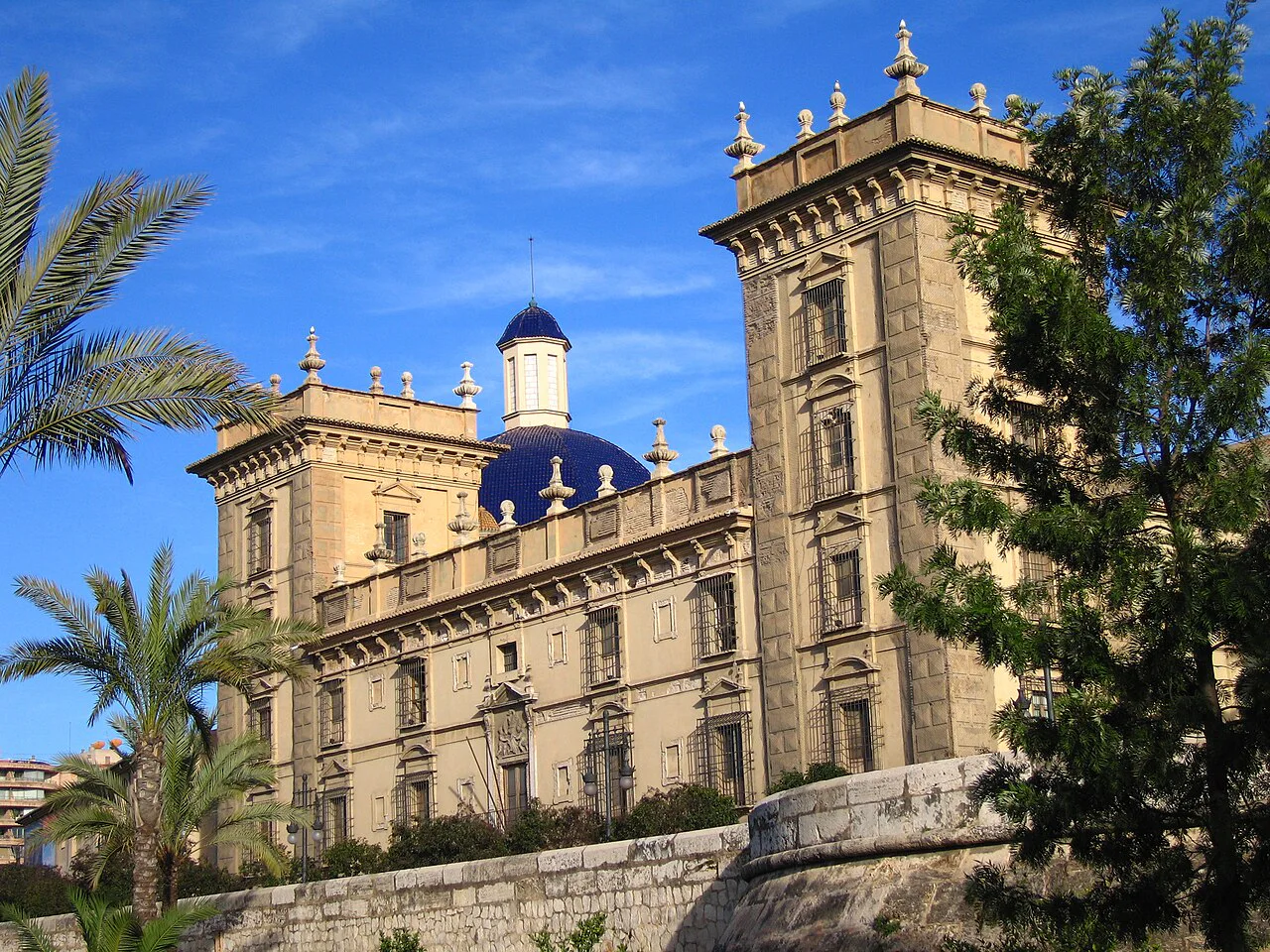
Valencia · 31 artworks
Museo de Bellas Artes de Valencia
Content & sources
Felivet · Public domain
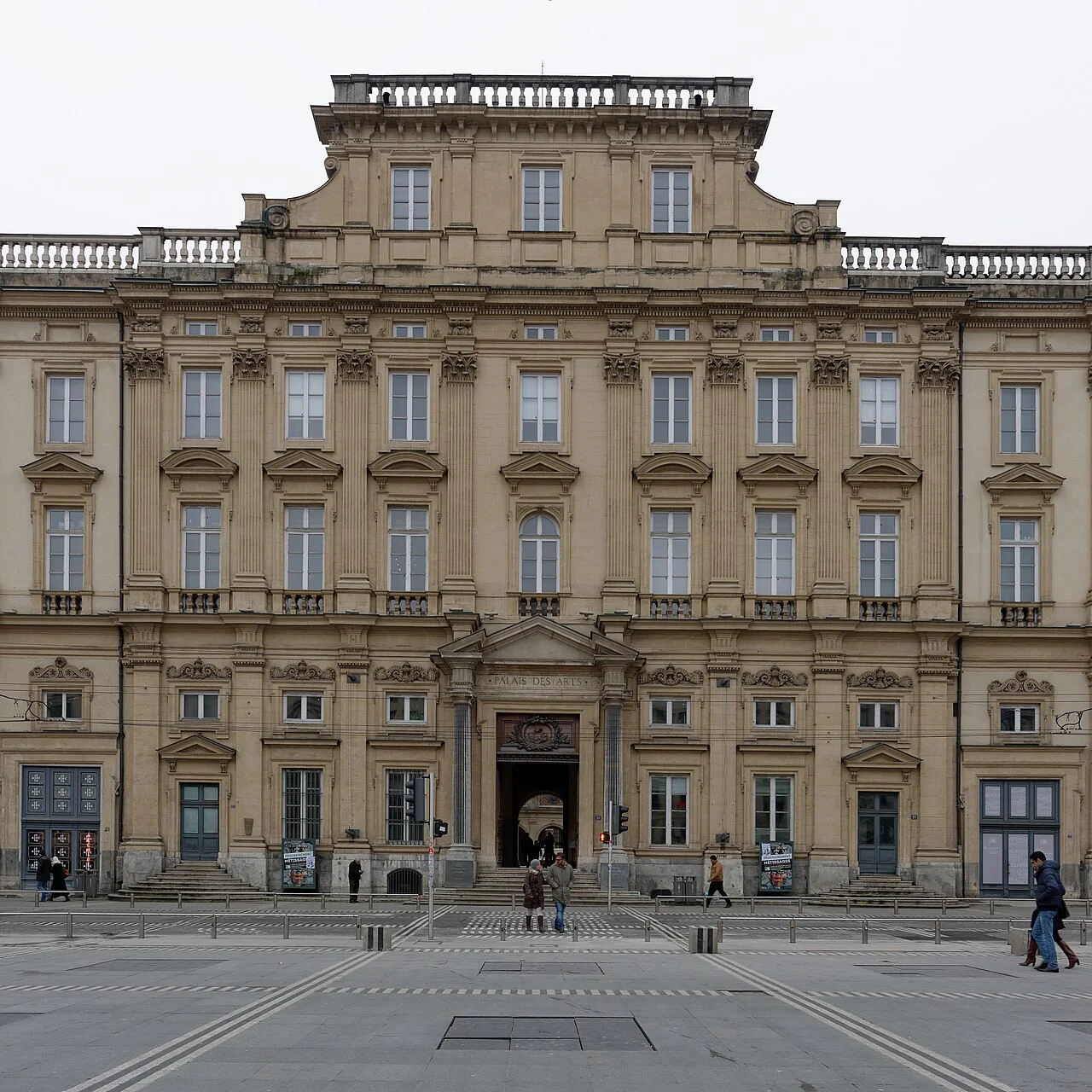
Lyon · 159 artworks
Museum of Fine Arts of Lyon
Content & sources
Photo: Jastrow · CC BY 2.5