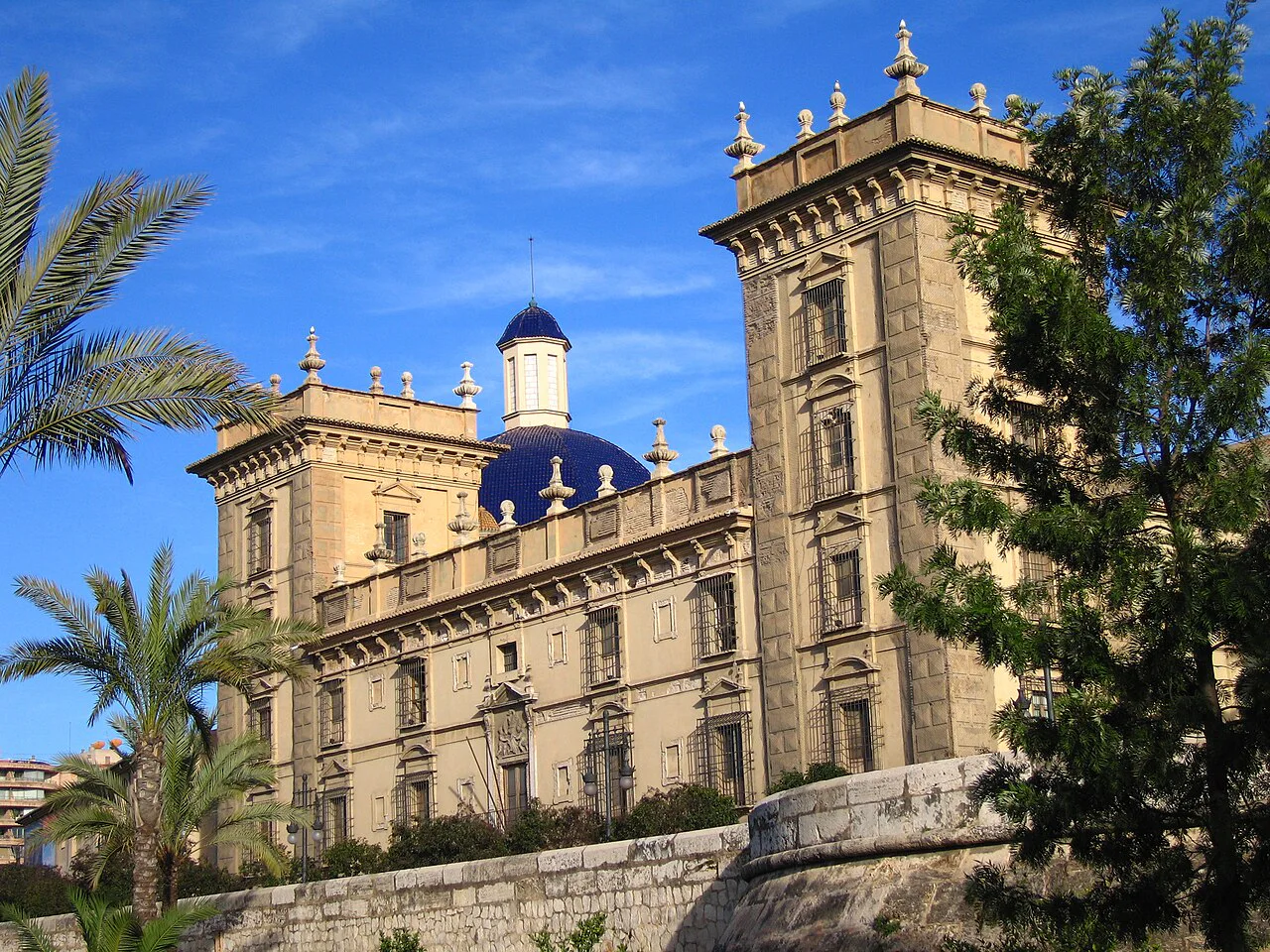
Stanza · Audio guide
Museo de Bellas Artes de Valencia Audio Guide
A place to remember. A story to take with you.
The Museu de Belles Arts de València is an art gallery in Valencia, Spain, founded in 1913. It houses approximately 2,000 works, primarily dating from the 14th to 17th centuries.
Download Stanza, then search for “Museo de Bellas Artes de Valencia”.
About the tour
One guide. Your kind of visit.
The Museu de Belles Arts de València is an art gallery in Valencia, Spain, founded in 1913. It houses approximately 2,000 works, primarily dating from the 14th to 17th centuries.
The Museo de Bellas Artes de Valencia guide tells the stories of 31 artworks, including The Seesaw (Francisco Goya), Self Portrait (Diego Velázquez), Portrait of Francisco Bayeu (Francisco Goya), Portrait of Joaquina Candado Ricarte (Francisco Goya), Portrait of Rafael Esteve i Vilella (Francisco Goya), St. John the Baptist, Valencia (El Greco), Madonna with Writing Child and Bishop (Pinturicchio), and Altarpiece of Saints Ursula, Martin and Anthony (Gonzalo Pérez). Every artwork is free to hear in the Stanza app until 1 January.
Ready when you are.
- 01Get the free Stanza app.
iOS & Android
- 02Find your guide.
“Museo de Bellas Artes de Valencia”
- 03Download before you go.
Works offline
Audio guide / 31 artworks
Inside the guide
Get to know a few of the stories before you go. Open a stop to read more.
01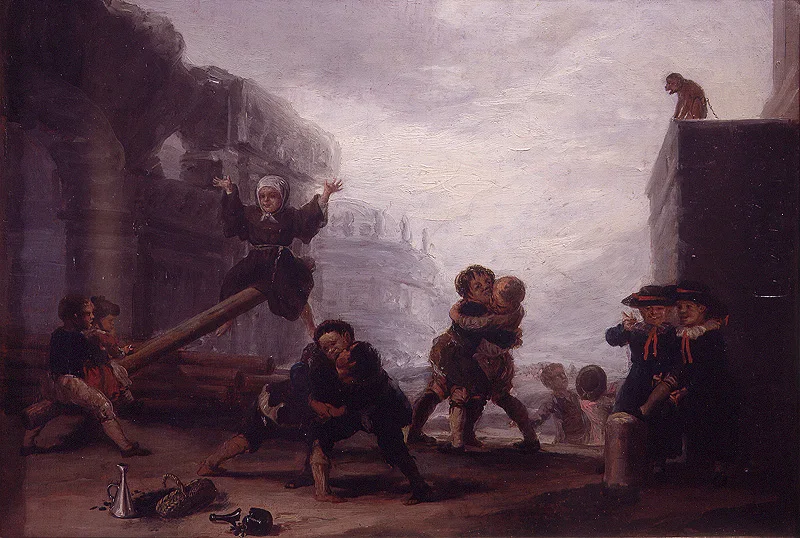
The Seesaw
Are these two children playing, or fighting to get on? Beside a gate in a wall, they are doing both. They are so caught up in the seesaw that climbing aboard has become a struggle. It is a cartoon, a design for a tapestry, made for the bedroom of the Prince of Asturias at the Palace of El Pardo. That prince would one day become Charles the Fourth. Goya delivered the design to the royal tapestry factory. Around the same years, he painted five pictures of children, with details very like this one. One is now in Zaragoza. That is why it was doubted whether this canvas belonged with the tapestry designs. No one knows why he painted them. He had finished his first spell as a cartoon painter and was free. Perhaps he made them for himself, to get away from his duties. But this canvas was kept in a basement of the Royal Palace in Madrid, together with most of the tapestry designs. That suggests it was one of them. Then it was lost, and found again in that very basement. Most of the other designs went to the Prado, but this scene of two children at their game came here to Valencia.
Listen in the appFrancisco Goya · Public domain
02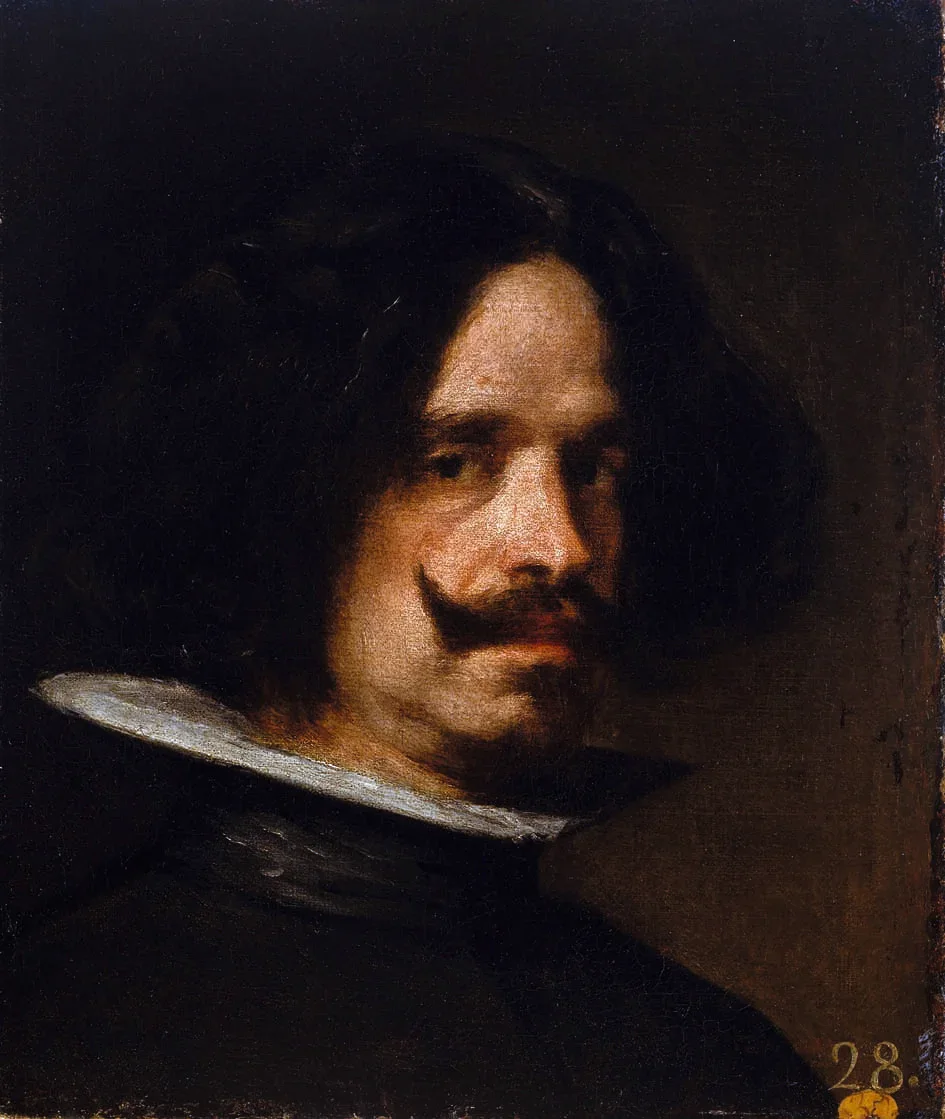
Self Portrait
A man's face and shoulders fill the picture, and the man is the painter himself. He painted himself more than once. Only two self-portraits are known to be from his own hand, and the other is the one in Las Meninas. On the back, a line of Spanish says the picture belongs to Farinelli. Queen Elizabeth Farnese may have bought it in Seville and passed it to him. After his death it went to the Vatican, and Napoleon's troops took it away. A Spanish consul in Livorno bought it and tried to sell it in Madrid. Another consul, in Nice, took it over, and in 1835 he gave it to the academy in Valencia, which is how it came here. For years dirt lay over the paint, and a restoration in 1986 confirmed that Velázquez painted it. The touches of light seem to have been adjusted at different moments. What remains unknown is how much of the original canvas was cut away.
Listen in the appDiego Velázquez · Public domain
03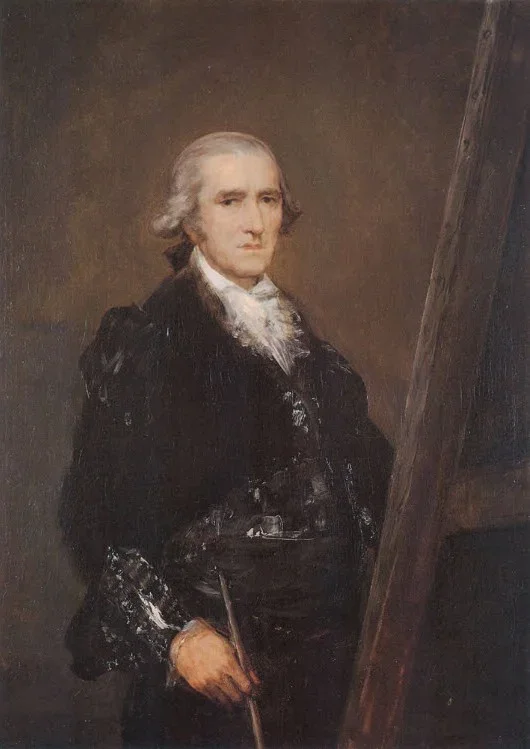
Portrait of Francisco Bayeu
Here is a painter at work, facing a large canvas with a brush in his hand. Everything behind him is the same deep darkness, so nothing else competes with him. He is Bayeu. Goya painted him as a thank you. This was the man who taught him, whose sister he married, who won him his first commission in Madrid. But in 1780 the two fell out badly. Working together on the frescoes in the basilica of El Pilar in Zaragoza, Bayeu could not accept Goya's new style. He demanded changes and in the end made them himself. Peace came in 1786, when Goya and Bayeu's brother Ramón were named royal painters. That appointment owed much to Bayeu, court painter to King Charles the Third. The hand holding the brush is precise and natural, one of the hardest things in a portrait to get right. His white shirt and black jacket have far less detail, the decorations just light white strokes, while elegant shades of gray and black dominate. The face is where Goya gave most of his attention. The gaze is steady and searching, and it tells you of a man of strong character.
Listen in the appFrancisco Goya · Public domain
04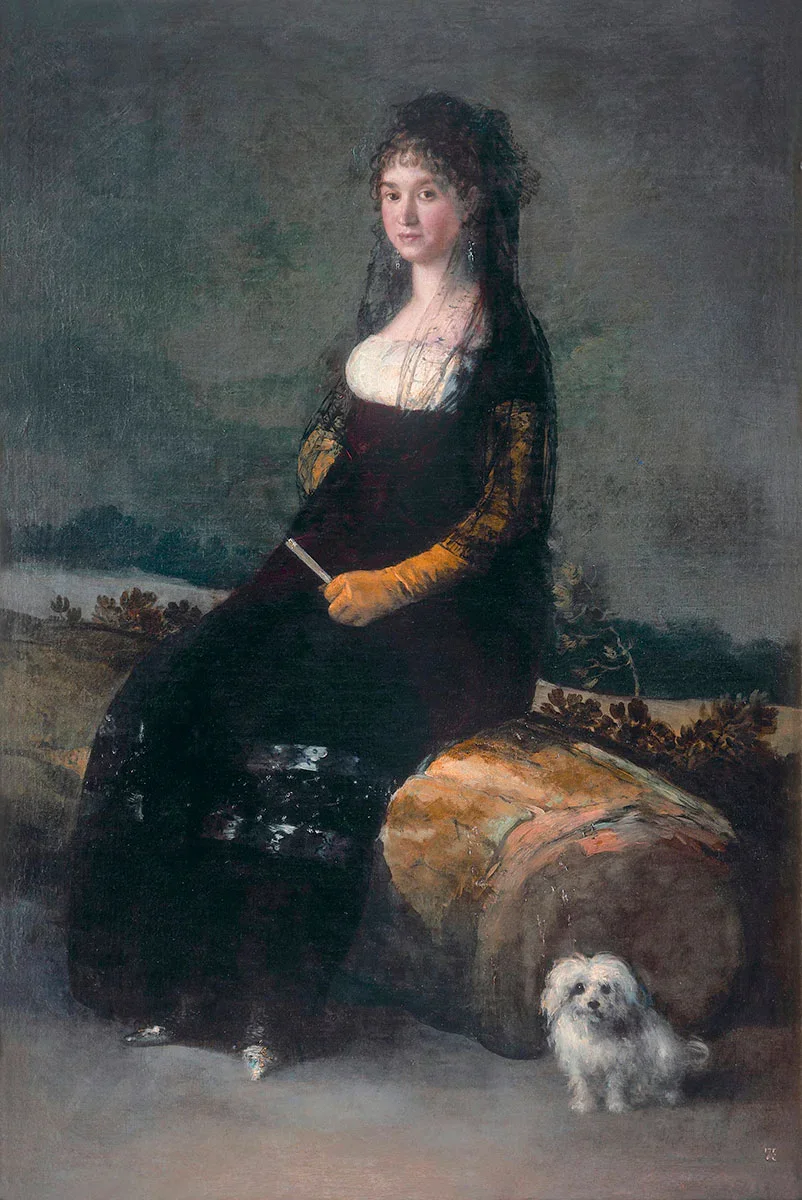
Portrait of Joaquina Candado Ricarte
A young woman sits full length on a great felled tree trunk. Leafy branches rise behind her, and a low band of greenery runs along the back. She looks straight out at you, and her face is rosy and painted with minute care. Goya painted the trunk beneath her and the little white dog on the ground in quick, bold strokes. Whoever she was, the personal way he shows her marks her as someone close to him. Who she was has never been settled. The name attached to her is Joaquina Candado Ricarte, a soldier's daughter from Zaragoza. But Candado may have been only the woman who left the painting to the Royal Academy of San Carlos, not the woman in it. That will brought it to Valencia. Joaquina Candado died in Zaragoza in 1819. On the third of June that year, the portrait entered the collection, while the painter was still alive.
Listen in the appFrancisco Goya · Public domain
05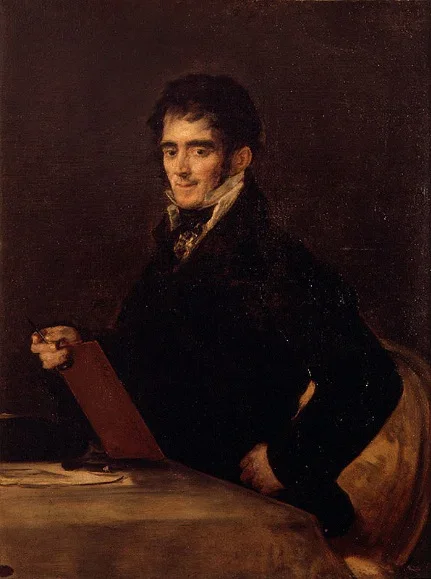
Portrait of Rafael Esteve i Vilella
He holds a copper plate and a burin in one hand, the tool that cuts the lines. The other hand rests on his hip, and he looks straight at you, from slightly above, well pleased with himself. A chisel and some finished prints lie on the table beside him. The back of the plate is visible, and the inscription there reads Rafael Esteve, by Goya, 1815. This is Rafael Esteve, the foremost engraver of his day in Spain. In 1799 he became engraver to King Charles the Fourth. One of his first jobs there was to make prints from portraits Goya had painted of the monarchs. They probably met over that work and became close friends. At that time Goya was working on a set of prints called the Caprichos. In 1803, afraid the Inquisition would seize them, he gave the plates and the unsold copies to the king. Esteve spoke up for him, telling the king the prints had real artistic value. In return Goya received a pension for life for his son. What is still not known is what prompted Goya to paint him.
Listen in the appFrancisco Goya · Public domain
06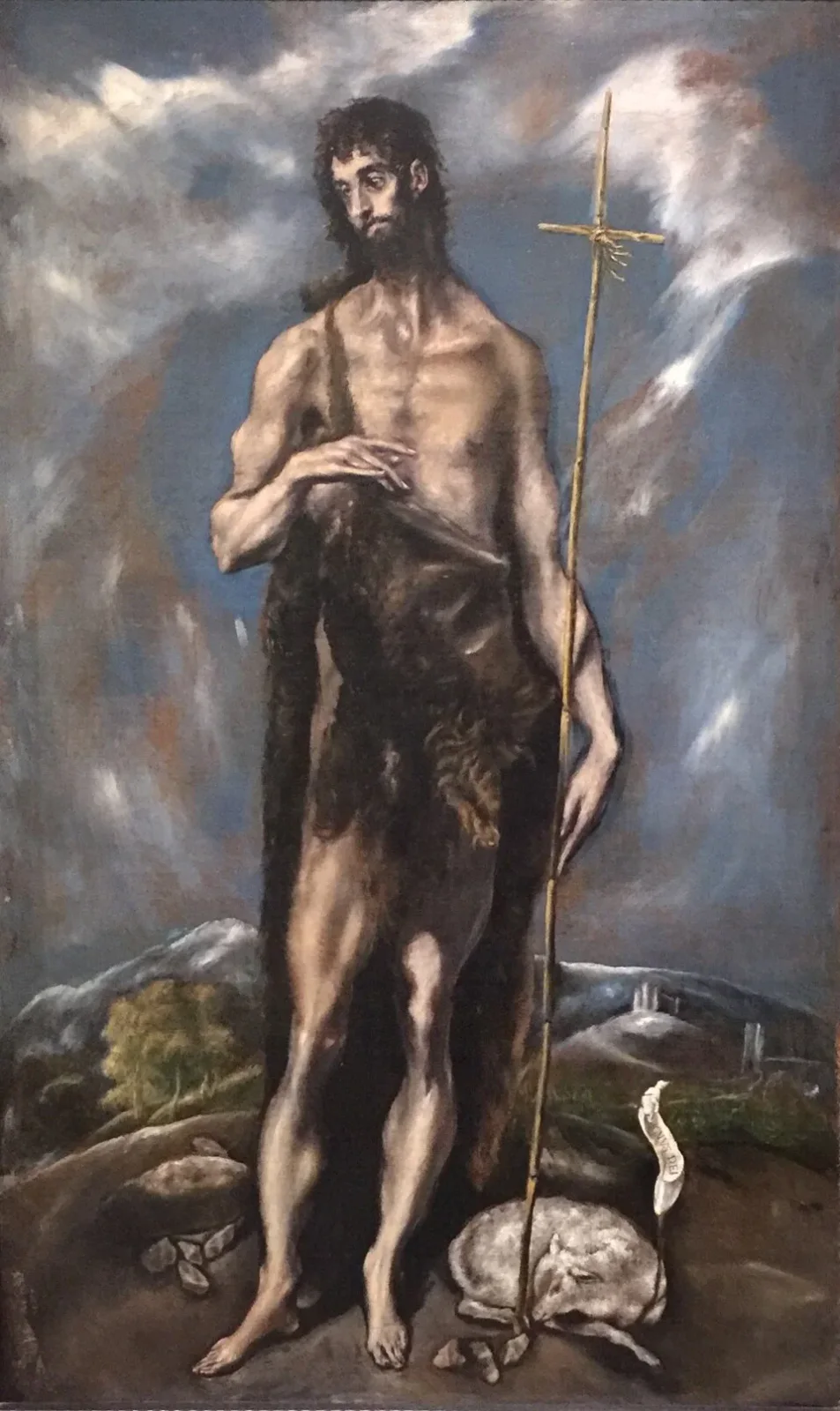
St. John the Baptist, Valencia
One hand tells you what this picture is about. John points with his right hand, using two fingers, the middle and the ring finger. They aim at a lamb resting on the ground at the lower right. His head turns a little the other way as he does it. That lamb stands for the Lamb of God. The gesture takes up the words written about John in Luke. He would go before the Lord and prepare the way for him, and tell his people they were to be saved. For a long time this painting looked quite different. Its color had drained away with the years, and a student's hand seemed to lie behind much of the work. Then in 1991 it was cleaned. The color came back, and so did a light that scatters small bright sparks across the landscape and over John. On the oval rock at the left are large brown Greek letters in cursive. The letters say Doménikos Theotokópoulos made this. It is the name the painter was born with, written in Greek.
Listen in the appPhoto: Codex · CC BY-SA 4.0
07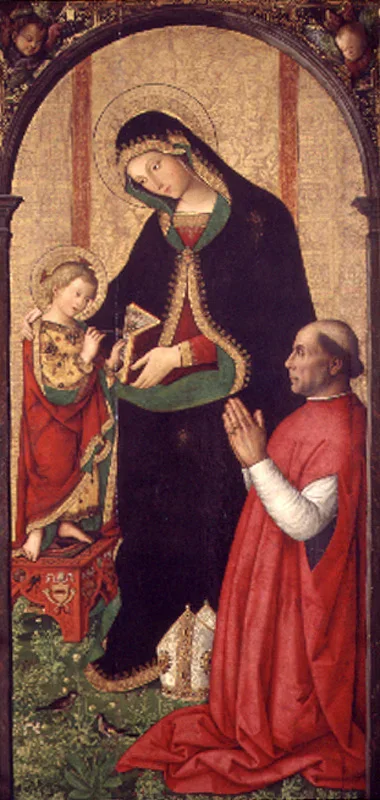
Madonna with Writing Child and Bishop
For a long time, no one was sure who painted this. People gave it to assistants in the workshop. The gold background and the carpet of flowers look old-fashioned. A bishop kneels in profile on the right, painted in detail, while the sacred figures are more idealized. Yellowing and repaints from the nineteenth century made it seem even more like a workshop piece. Then it was cleaned. The repaints came off, and what emerged was delicate, rich painting, the work of a single hand. That hand was Pinturicchio's. He painted this in Rome, while he was the favorite painter of Pope Alexander the Sixth. The pope's cousin and treasurer, Francisco Borgia, ordered it for his family's burial chapel in Xàtiva. Even the gold and the flowers were there to please his taste. The picture was probably made to mark his appointment as bishop of Teano in 1495.
Listen in the appPinturicchio · Public domain
08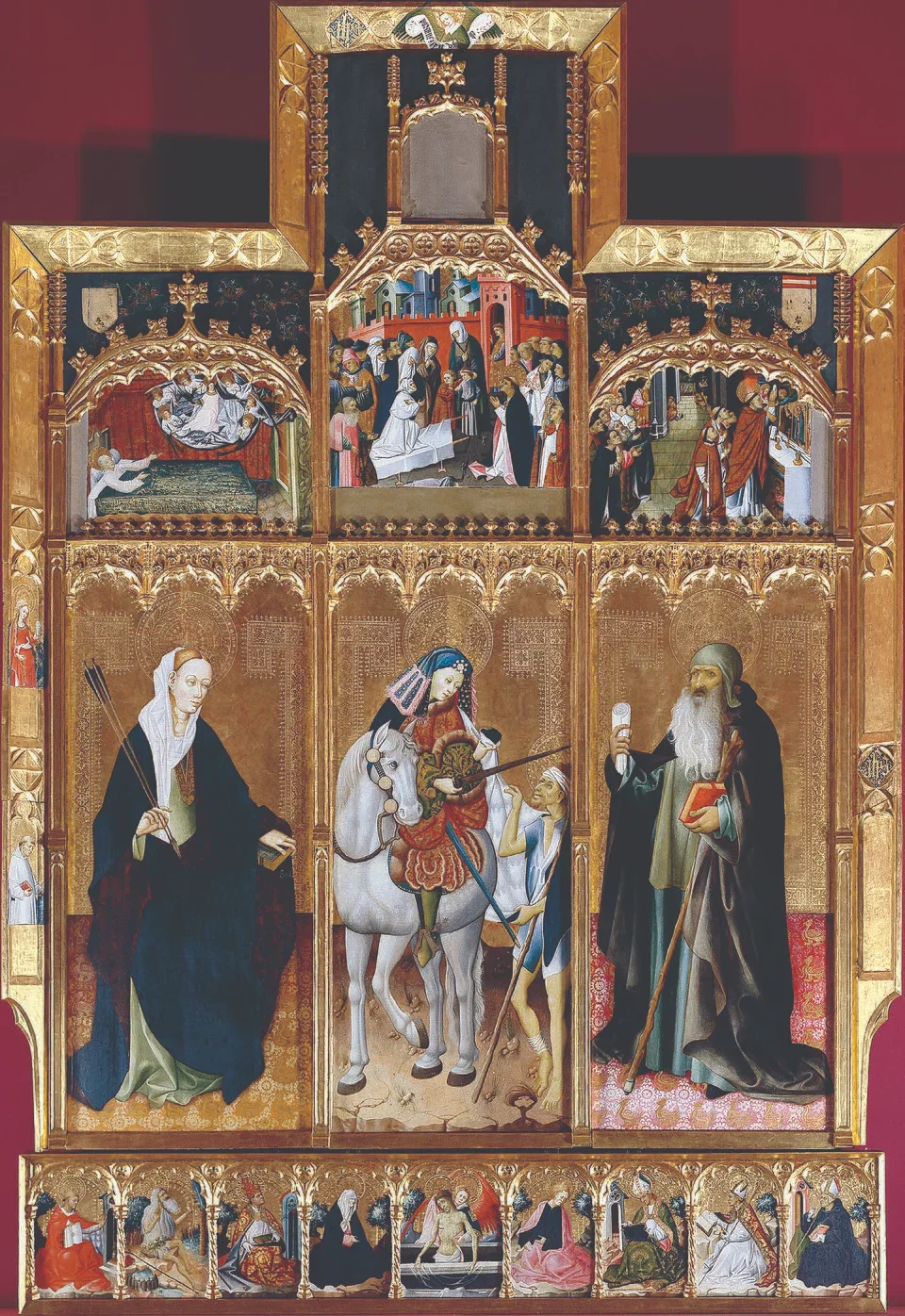
Altarpiece of Saints Ursula, Martin and Anthony
Is the richly dressed figure in the middle a saint, or a nobleman? He is Saint Martin, shown splitting his cloak with a beggar. Yet Gonzalo Pérez gave him delicate, almost feminine features, and wrapped him in fur and gold damask. Even his horse is decked in gold. The other holy figures here share that air. They look like the nobles of their own day. The man who ordered the altarpiece was a Valencian noble, Berenguer Martí de Torres. He had it made for the chapel of Saint Martin at the monastery of Portaceli. After the confiscations, it came here. It is one of the very few works we can say for certain is his, and other paintings have been grouped around it.
Listen in the appGonzalo Pérez · Public domain
09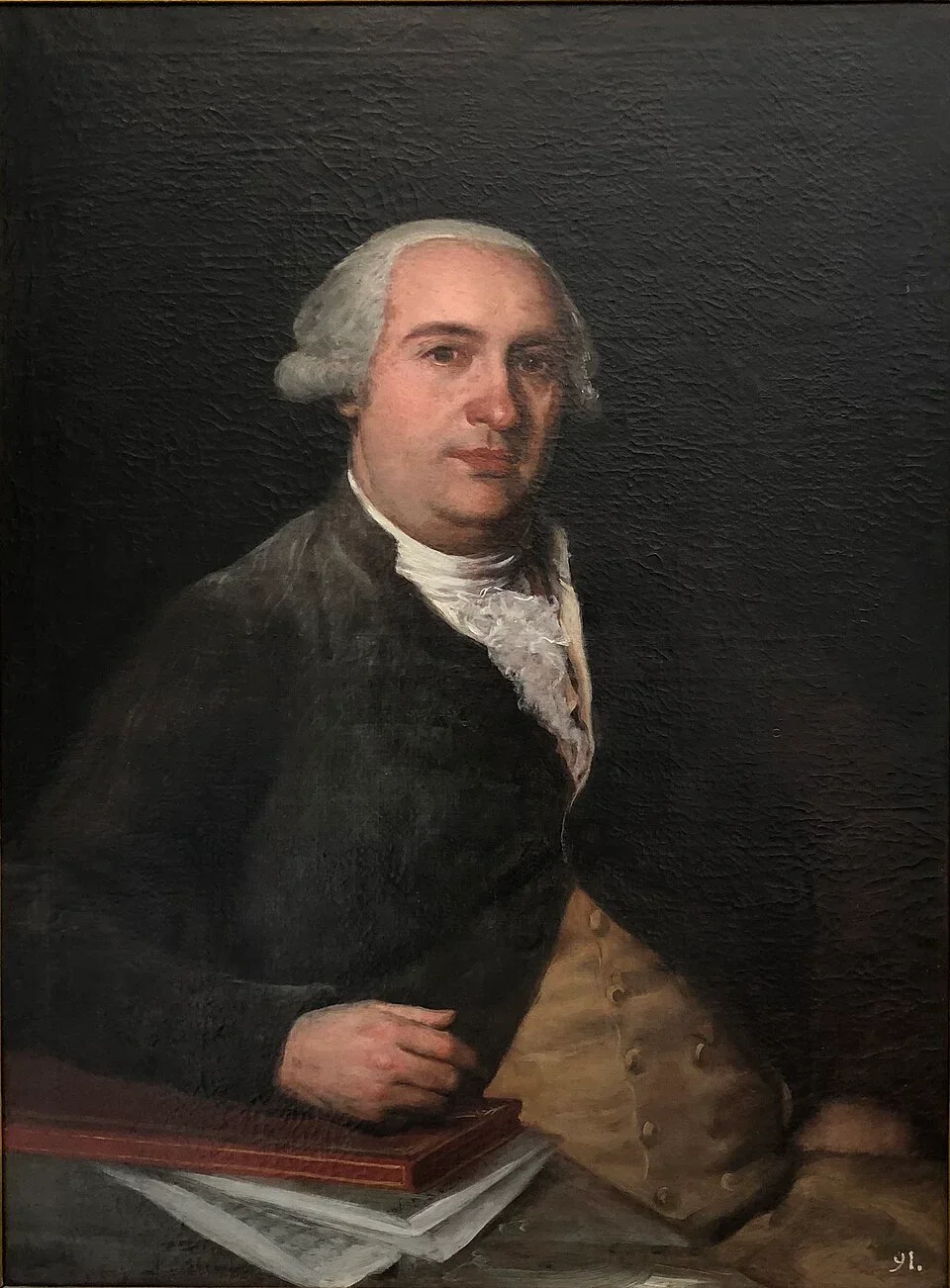
Mariano Ferrer y Aulet
Under his right hand, resting on the table, lie a red folder and a few papers. On one of them you can just make out Goya's signature. He left it on a portrait of Mariano Ferrer, an acquaintance who loved art. In 1783 Goya wrote to his friend Martín Zapater to recommend Ferrer, and mentioned that he had painted him. That was probably during a visit to Valencia that summer. Ferrer became secretary of the San Carlos Academy there in May 1785. Goya was back in August 1790, with his wife and son, and visited the Academy. In 1809 Ferrer gave the portrait to that Academy, and it remains in their collection. The dark green coat almost disappears into the background. The painter did that to focus attention on the face, which seems calm and friendly.
Listen in the appFrancisco Goya · Public domain
10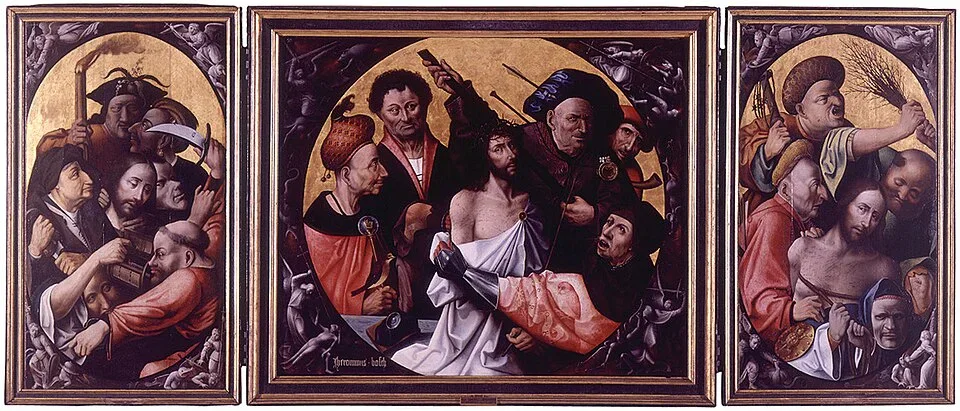
Passion Triptych
Mencía de Mendoza was one of the great art collectors of her time. Her first husband owned the Garden of Earthly Delights, and from him she got her interest in Flemish painting. When she left the Netherlands for Spain, her collection went with her, and this triptych was part of it. The whole triptych claims to be Bosch's work. His signature sits in the lower left corner of the middle panel. On the blade of Saint Peter's knife is a letter read as Bosch's own initial. Look at the sleeve of the executioner taking Christ's tunic away. There is an owl, the same bird Bosch hid in many of his other paintings. Even the middle scene is a copy of his Crowning with Thorns. But Bosch died in 1516, and these panels were painted no earlier than 1528. The two wings were probably added at Mencía's request, turning that copied panel into a triptych. So the hands that made this were followers in Antwerp, whose names we do not know. It hung near her tomb in Valencia's chapel of kings until the convent's goods were seized in 1835.
Listen in the appFollower of Hieronymus Bosch · Public domain
- 11
Última comunió de la Magdalena
Jerónimo Jacinto de Espinosa · 1665
- 12
Equestrian portrait of Francisco de Moncada
Anthony van Dyck · 1634
- 13
Altarpiece of St Vicent Ferrer
Miguel del Prado · 1550
- 14
Madonna and Child with Saint John
Paolo da San Leocadio · c. 1510
- 15
King Hezekiah Showing His Treasures to the Envoys of the King of Babylon
Vicente López Portaña · 1789
- 16
Saint Francis of Assisi Embracing Christ on the Cross
Francesc Ribalta · 1620
- 17
Pietà
Mestre da Família Artés · c. 1510
- 18
Martyrdom of Saint James the Less
Pedro Orrente · 1639
- 19
Altarpiece of the Seven Sacraments
Gherardo Starnina · 1396–1398
- 20
Valencian Group
Joaquín Sorolla · 1906
- 21
Virgin of Hope with Music-making Angels
Juan Zariñena · 1610
- 22
The Mystic Marriage of the Venerable Agnesio
Juan de Juanes · 1553–1557
- 23
Apparition of Christ to Saint Ignatius of Loyola
Jerónimo Jacinto de Espinosa · 1631
- 24
Calavera
Juan de Juanes · 16th century
- 25
The Vision of the Colosseum. The Last Martyr
José Benlliure y Gil · 1885
- 26
I Am the Bread of Life, Joaquín Sorolla 02
Joaquín Sorolla · 1897
- 27
The Wound of James I during the Conquest of Valencia
Salvador Martínez Cubells · 1868
- 28
Sarcophagus of Saint Vincent Martyr, Museum of Fine Arts of Valencia
Unknown Artist · 400
- 29
María convaleciente
Joaquín Sorolla · 1907
- 30
Los abuelos de mis hijos
Joaquín Sorolla · 1905
- 31
Gastó de Moncada
Unknown Artist · c. 1515
Museo de Bellas Artes de Valencia
Frequently asked questions
How much does the guide cost?
Free app download. Free until 1 January. Listed guide price: $0.99. Audio guide only. Venue admission is separate.
Can I listen without internet?
Yes. Download the guide’s audio, images, and maps in the app before your visit. Your downloaded content is then available offline.
Can I listen in my language?
In English for now. More languages soon.
Do I need to follow a schedule?
No. This is a self-guided experience. Choose your stops, pause whenever you like, and return to a story at your own pace.
Which artworks are in the Museo de Bellas Artes de Valencia audio guide?
31 artworks, including The Seesaw (Francisco Goya), Self Portrait (Diego Velázquez), Portrait of Francisco Bayeu (Francisco Goya), Portrait of Joaquina Candado Ricarte (Francisco Goya), Portrait of Rafael Esteve i Vilella (Francisco Goya), St. John the Baptist, Valencia (El Greco), Madonna with Writing Child and Bishop (Pinturicchio), and Altarpiece of Saints Ursula, Martin and Anthony (Gonzalo Pérez). The full list is on this page.
Is this the museum’s official audio guide?
No. Stanza is an independent audio guide app and is not affiliated with Museo de Bellas Artes de Valencia. Museum admission is separate.
At your own pace
Explore Museo de Bellas Artes de Valencia.
Download Stanza, then search for “Museo de Bellas Artes de Valencia”.
Free app download · Guide price shown in the app
Keep exploring
Nearby audio guides
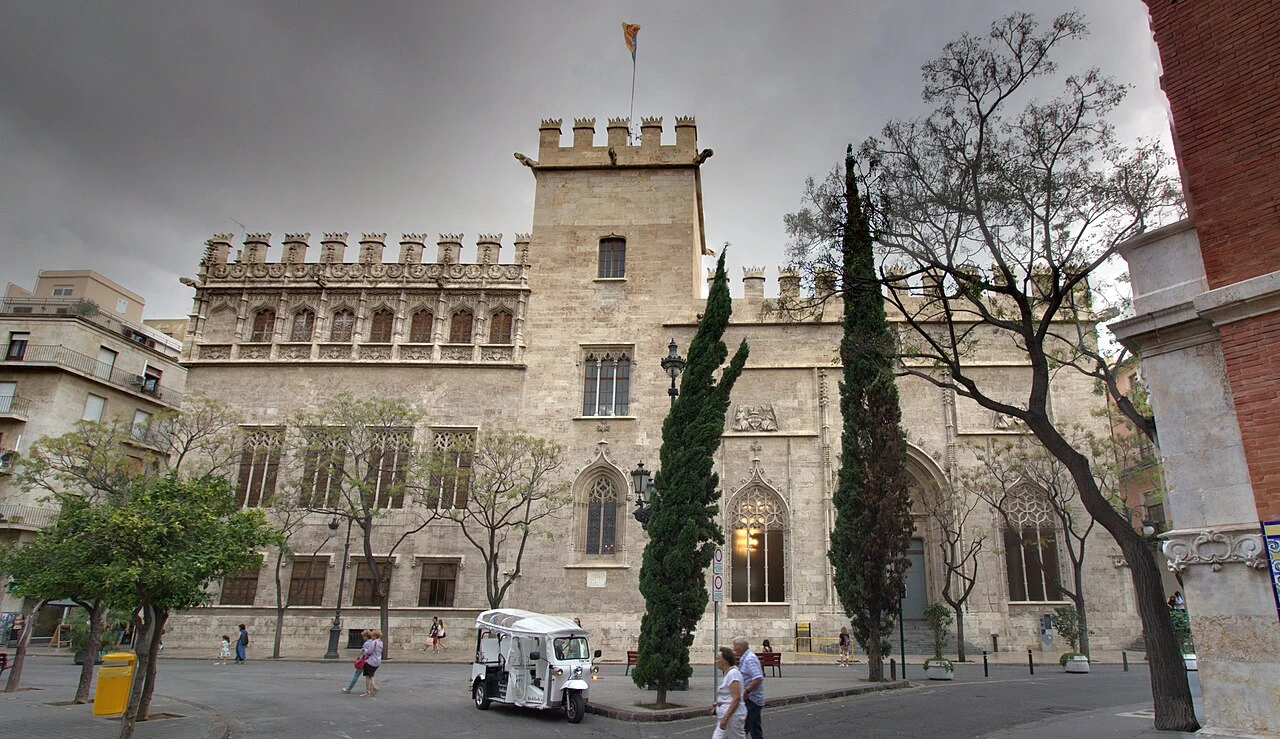
Valencia · 1 km
Llotja de la Seda
Content & sources
Photo: Juan Mayordomo · CC BY-SA 4.0
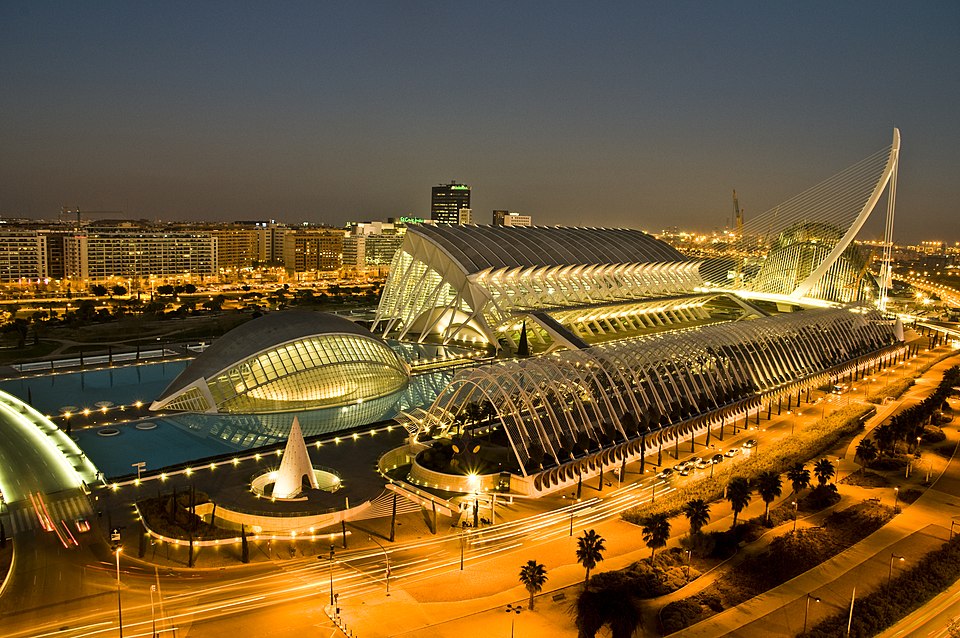
Valencia · 3 km
City of Arts and Sciences
Content & sources
Photo: Jcca76 · CC BY-SA 4.0
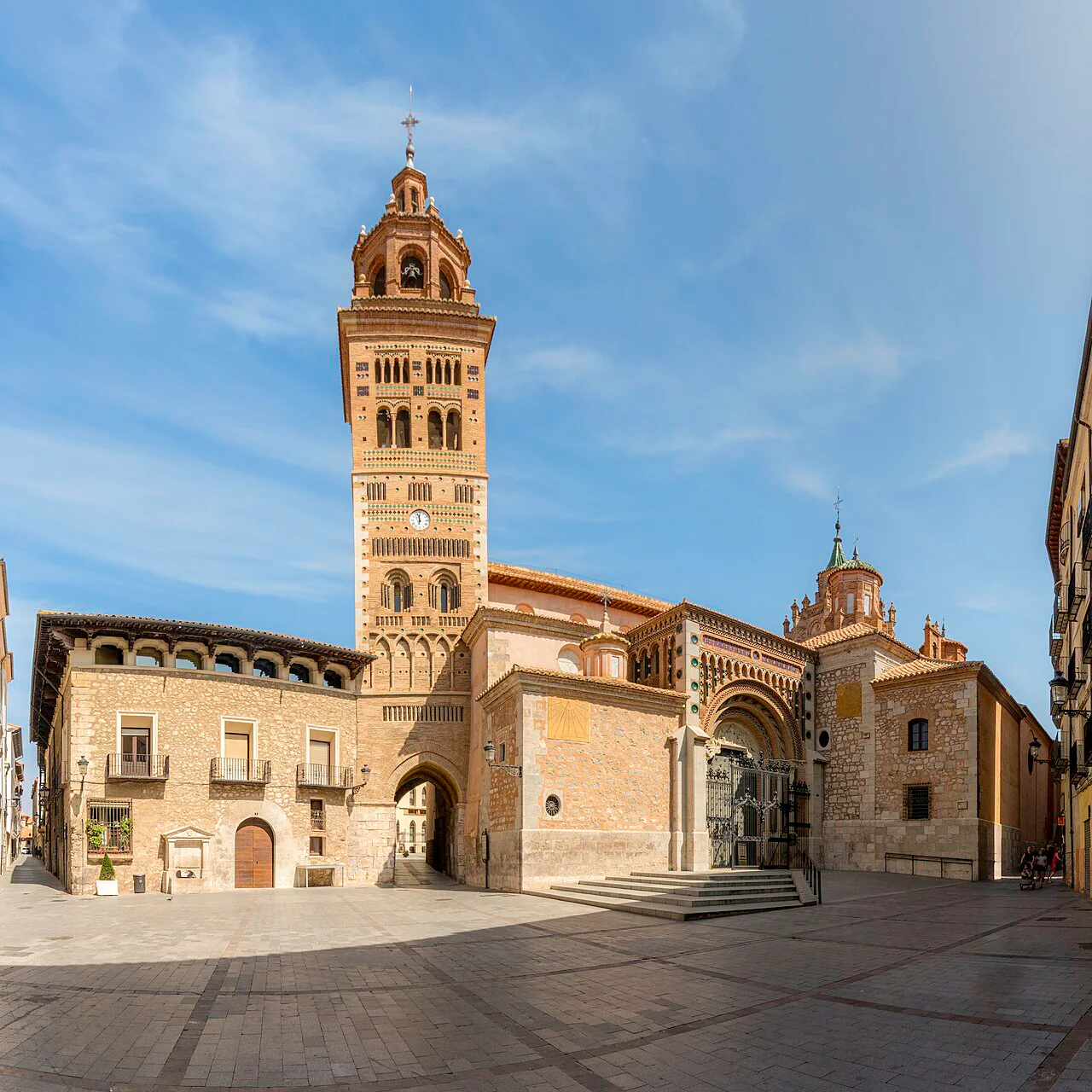
Teruel · 115 km
Catedral de Teruel
Content & sources
Photo: Fernando · CC BY-SA 4.0
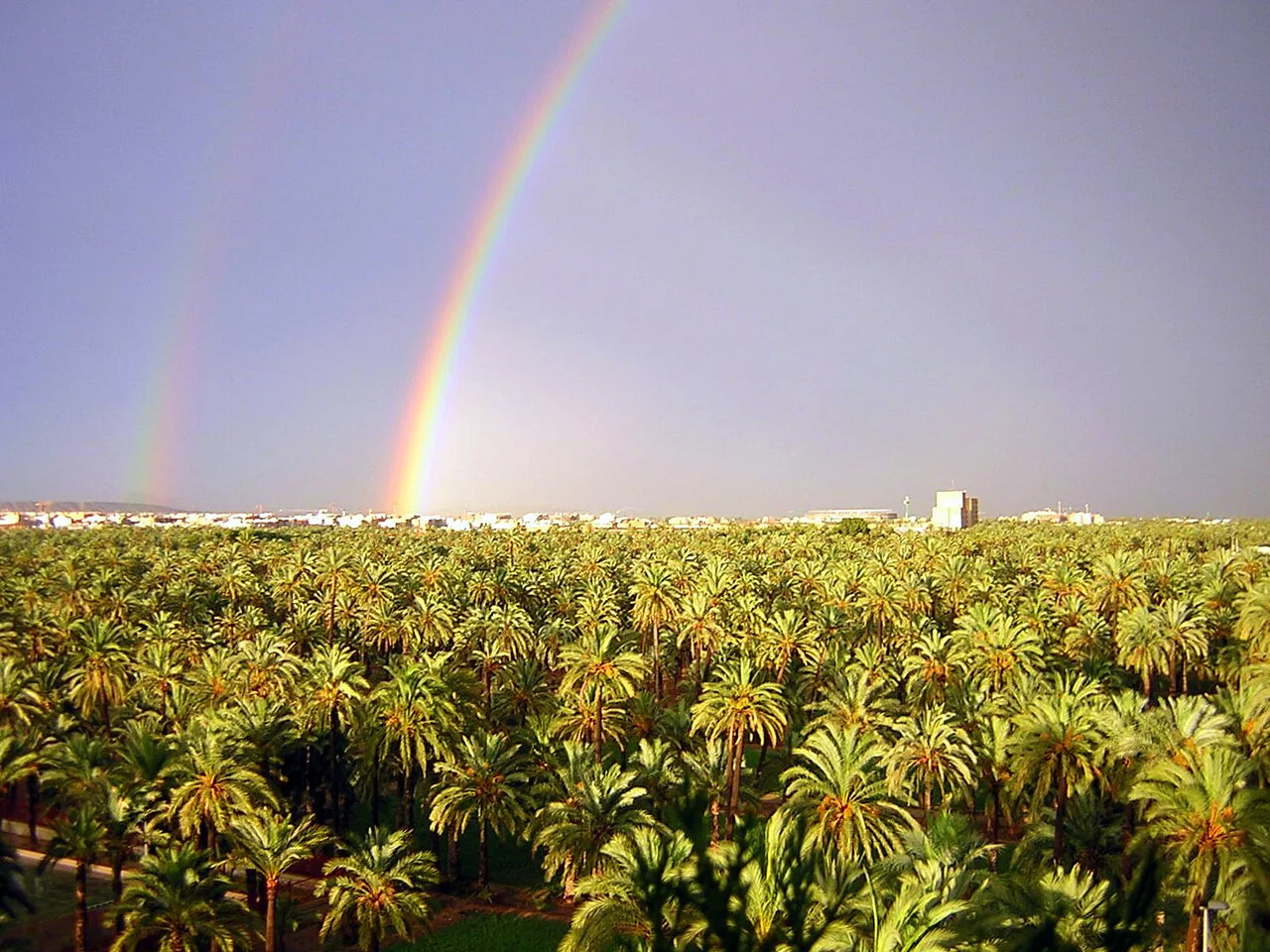
Elche · 137 km
Palmeral de Elche
Content & sources
José Carlos Díez · CC BY 3.0
Art museums
More art museum audio guides
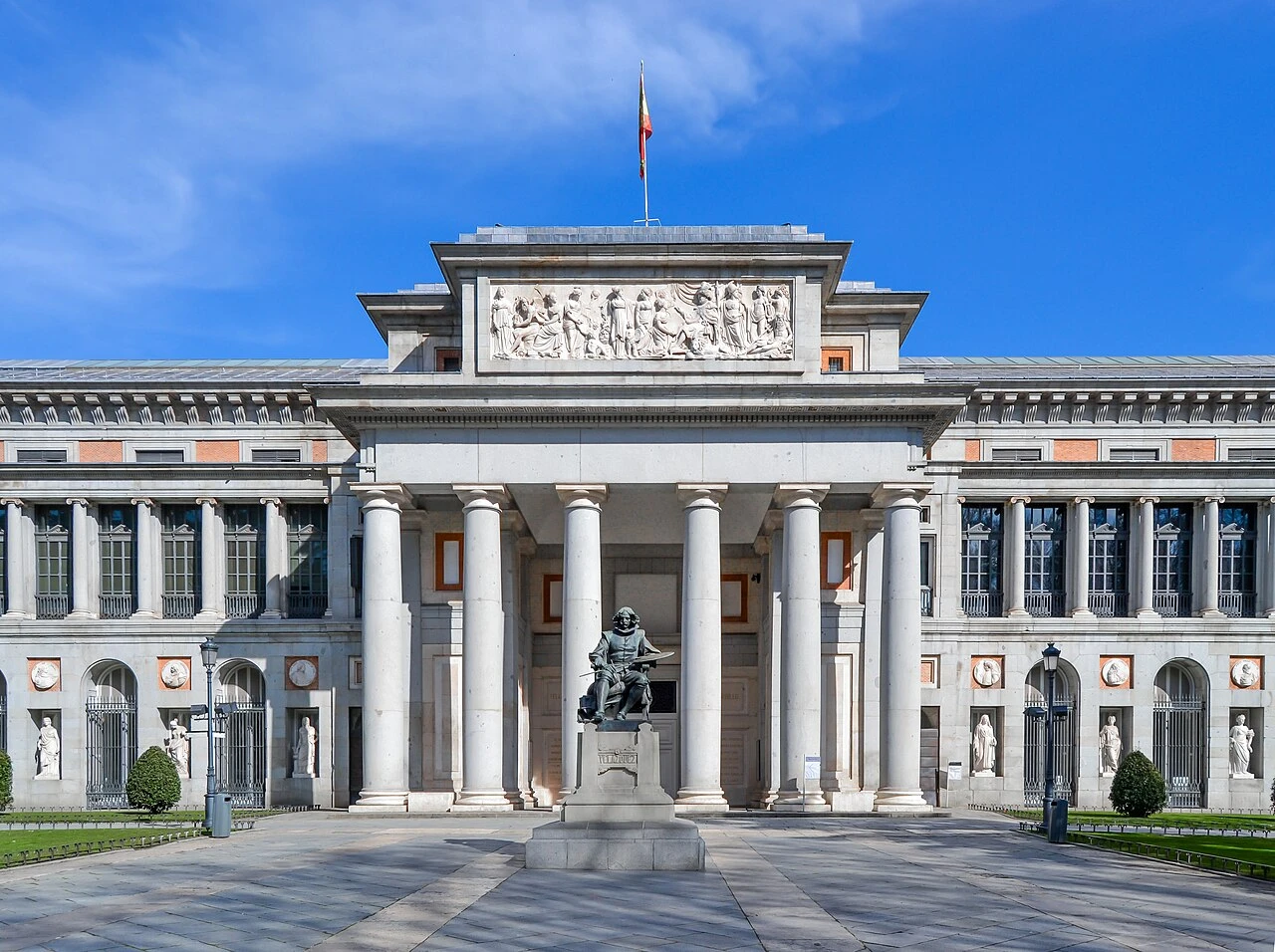
Madrid · 437 artworks
Prado Museum
Content & sources
Emilio J. Rodríguez Posada · CC BY-SA 2.0
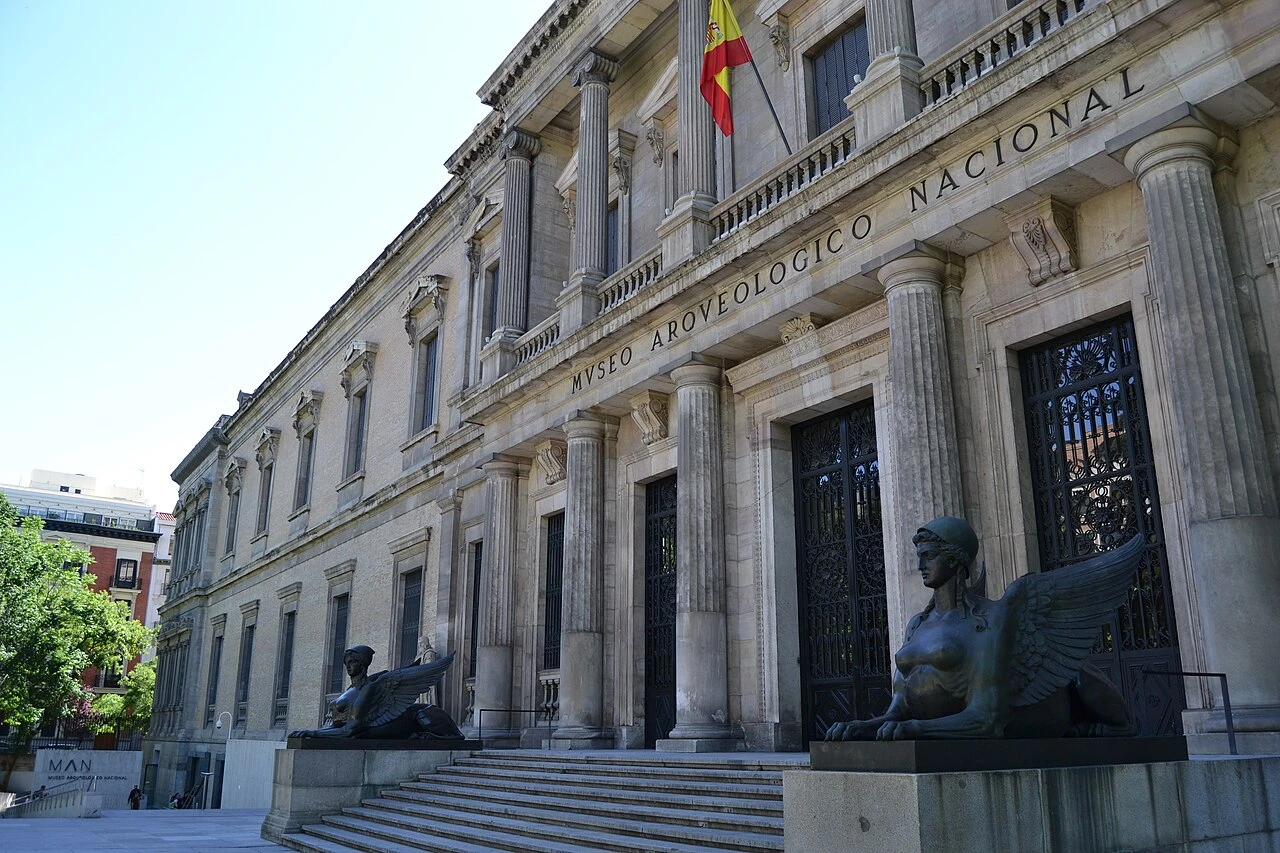
Madrid · 96 artworks
National Archaeological Museum of Spain
Content & sources
Emilio J. Rodríguez Posada · CC BY-SA 2.0
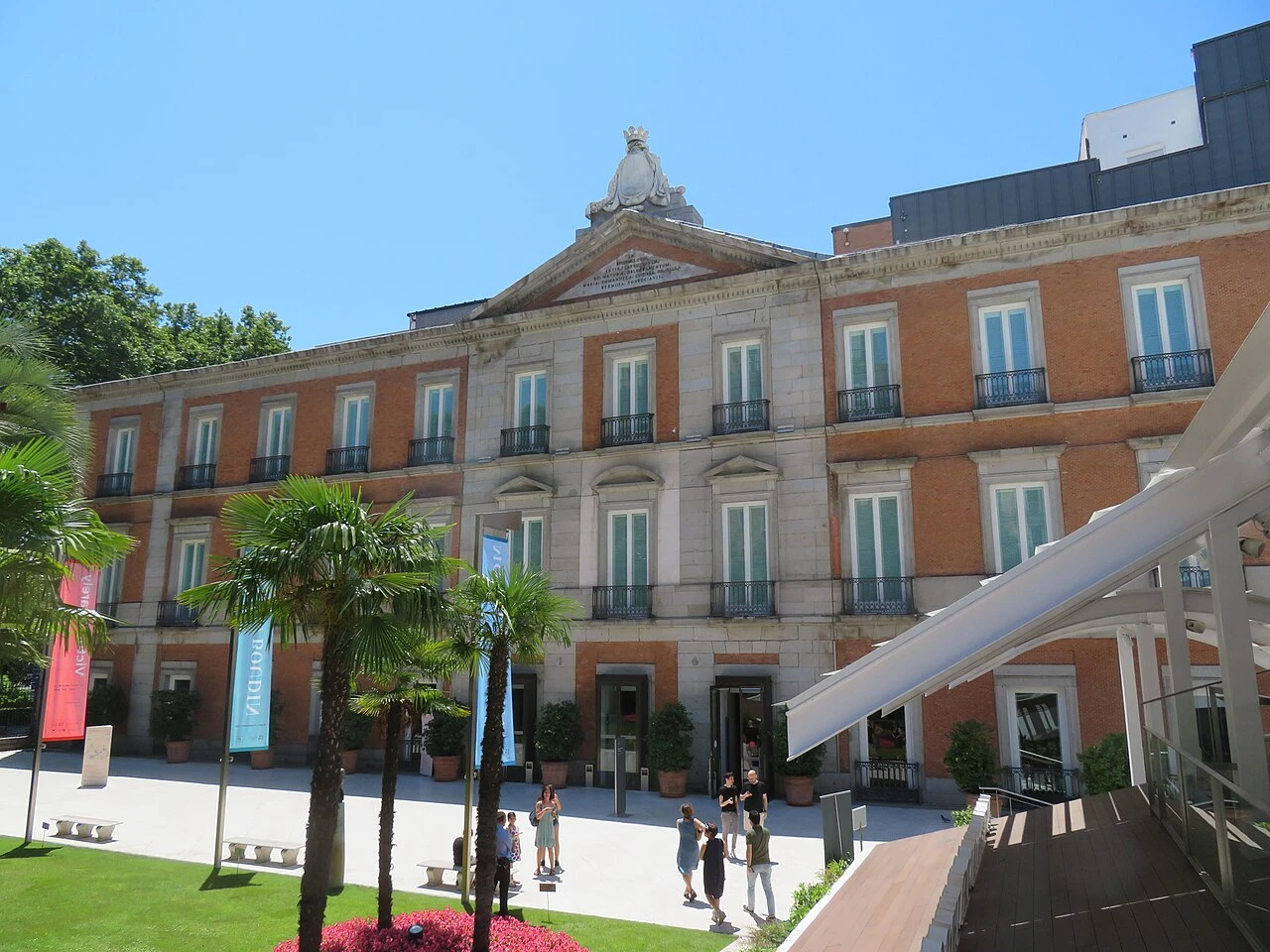
Madrid · 69 artworks
Thyssen-Bornemisza Museum
Content & sources
Kyle Magnuson from Los Angeles, United States · CC BY 2.0
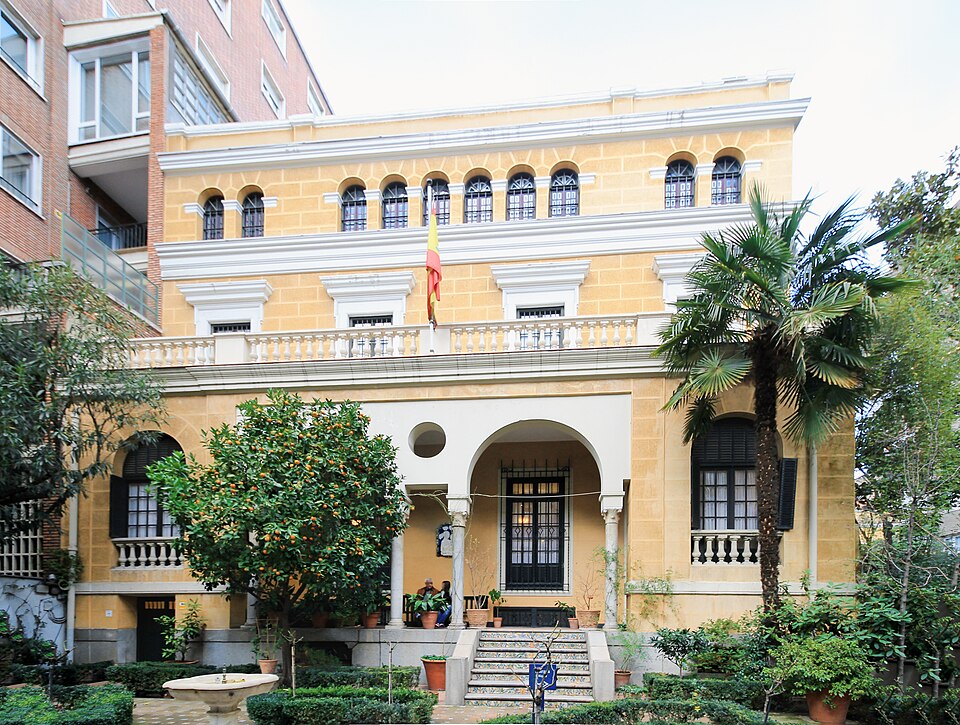
Madrid · 35 artworks
Sorolla Museum
Content & sources
Luis García (Zaqarbal) · CC BY-SA 3.0 es
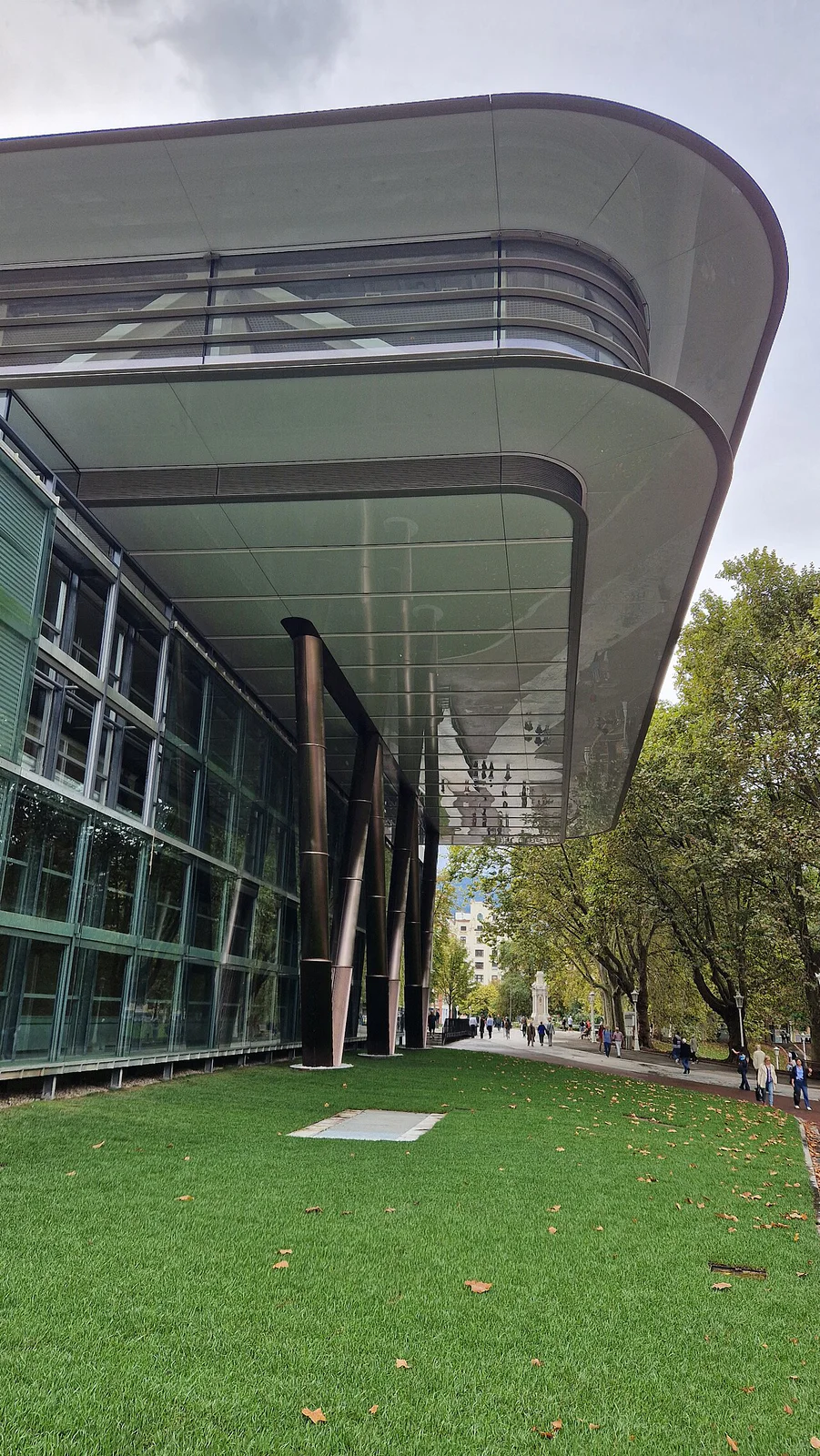
Bilbao · 43 artworks
Museo de Bellas Artes de Bilbao
Content & sources
Photo: Xabier · CC0
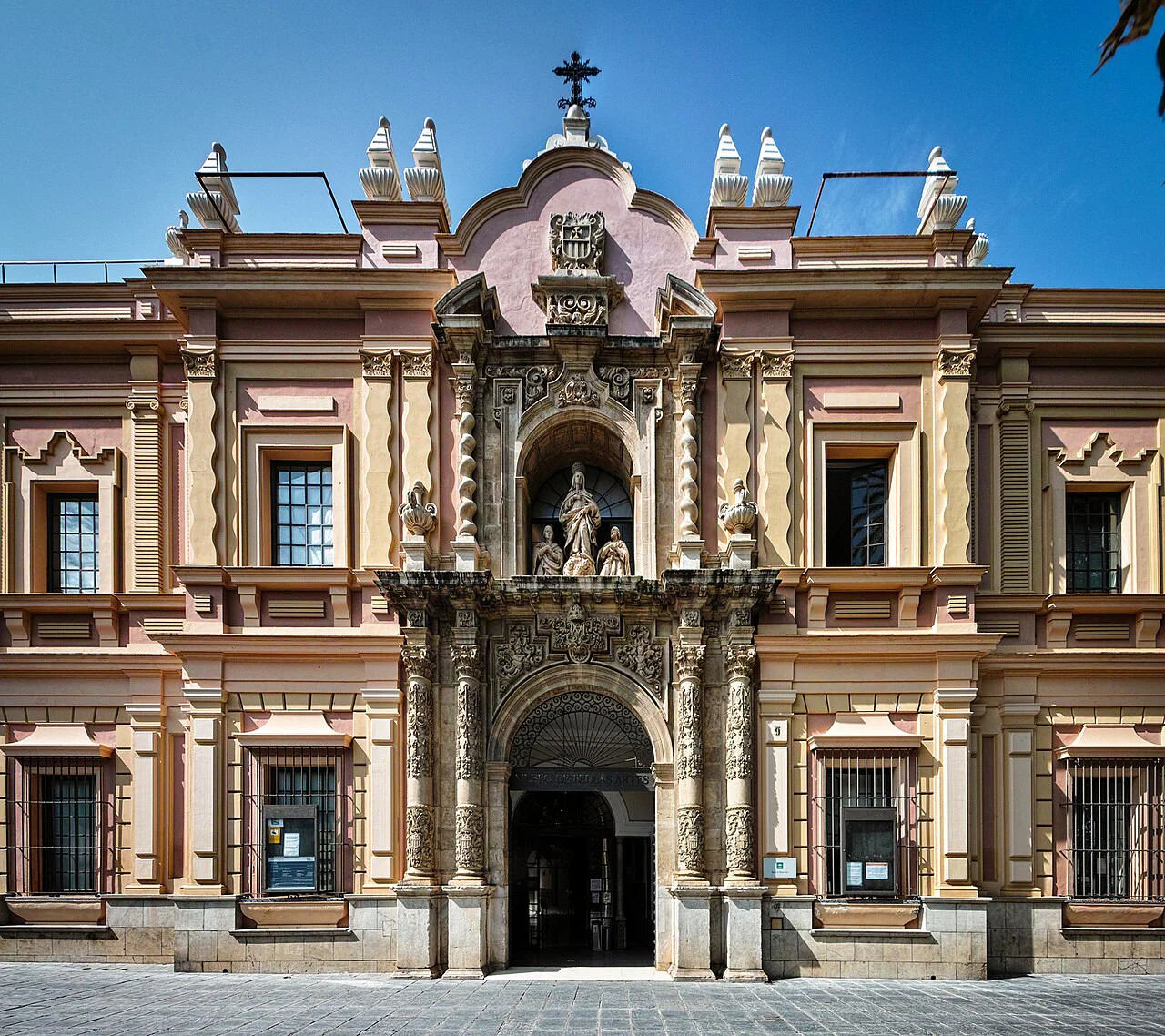
Seville · 24 artworks
Museo de Bellas Artes de Sevilla
Content & sources
Pepe Morón · CC BY 4.0