Stanza · Audio guide
Llotja de la SedaAudio guide
A place to remember. A story to take with you.
A civil building in Valencia, Spain, showcasing late Valencian Gothic architecture. It historically functioned as a market hall for silk trading.
Download Stanza, then search for “Llotja de la Seda”.
About the tour
One guide. Your kind of visit.
A civil building in Valencia, Spain, showcasing late Valencian Gothic architecture. It historically functioned as a market hall for silk trading.
Ready when you are.
- 01Get the free Stanza app.
iOS & Android
- 02Find your guide.
“Llotja de la Seda”
- 03Download before you go.
Works offline
Audio guide / 25 narrated stops
Inside the guide
Get to know a few of the stories before you go. Open a stop to read more.
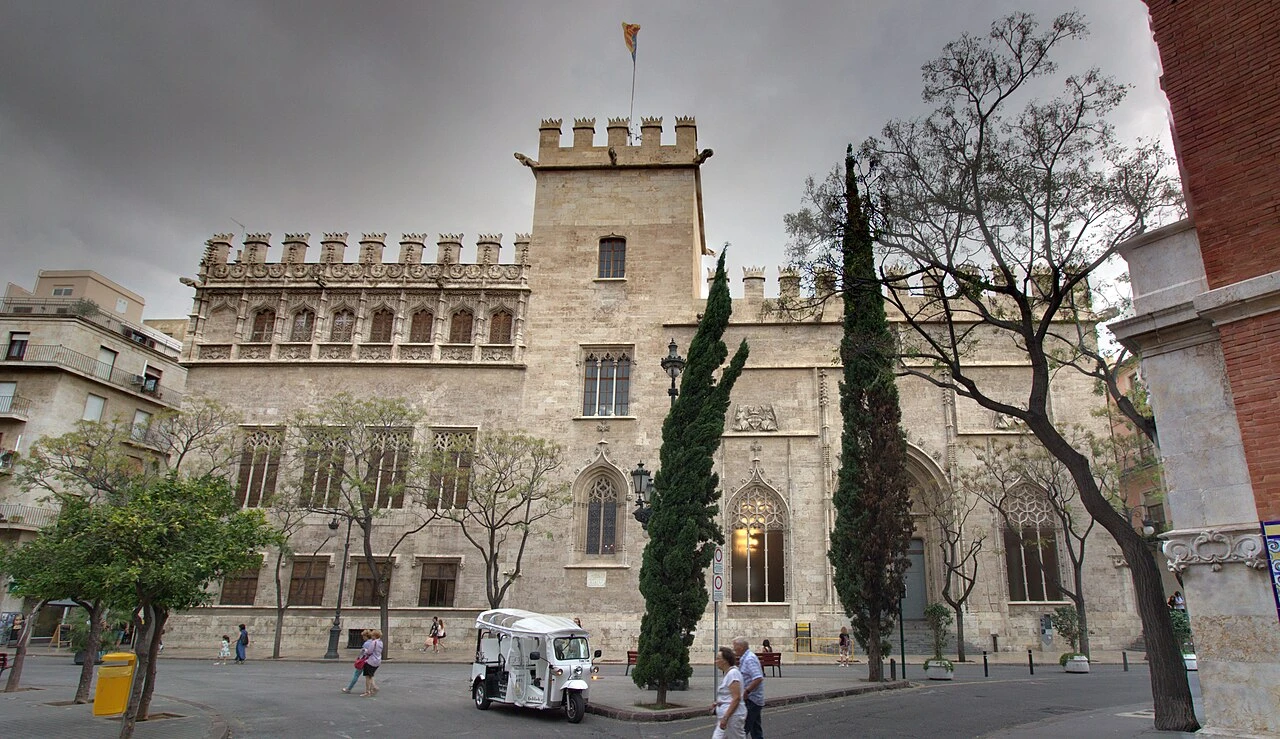
01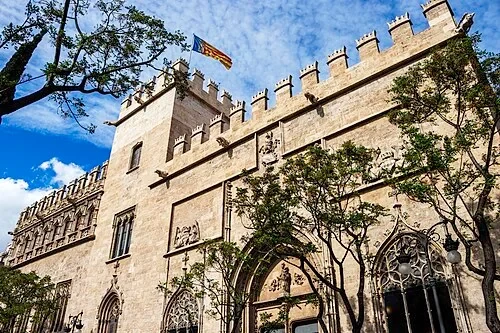 Plaza del Mercado: The Grand FacadeThe Silk Exchange
This grand structure, often called the Silk Exchange, was the beating heart of a booming Mediterranean industry that once supported 25,000 workers. Its construction officially began on February 5, 1483, under the visionary leadership of primary architect Pere Compte. At a time when Valencia was one of the wealthiest cities in Europe, this building served as more than just a marketplace; it was a statement of civic pride and commercial dominance. The fortress-like appearance was intentional, housing the sophisticated financial and legal machinery required for the international silk trade. In 1996, UNESCO recognized its outstanding universal value, citing it as an exceptional example of a secular building in the late Gothic style. As you explore the grounds, you are walking through a monument specifically designed to reflect the prosperity and power of the merchants who shaped the city's destiny.
Bene Riobó · CC BY-SA 4.0
02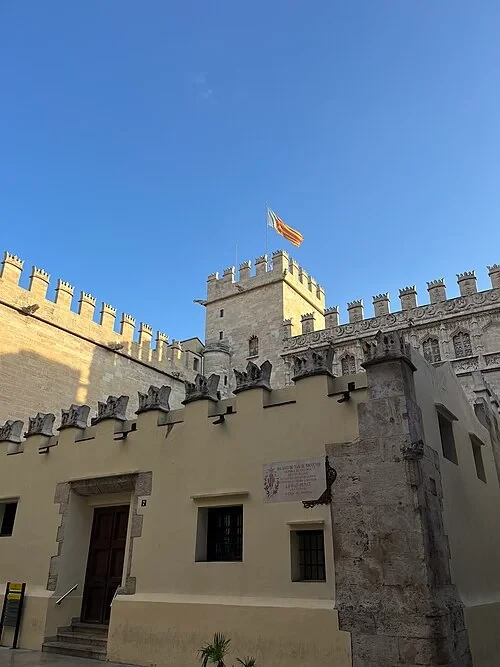 Plaza del Mercado: The Grand FacadeThe Merchant's Fortress
While it looks like a military stronghold built for war, this building was actually a civilian fortress of trade. The defensive aesthetic—complete with a tower, battlements, and those tooth-like crenellations along the roofline—was a symbolic choice. It informed the world that Valencian commerce was stable, protected, and incredibly powerful. Spanning a total area of over 2,000 square meters, the massive scale of the monument was meant to impress visiting traders from across the Mediterranean. This architectural language of defense provided a psychological sense of safety for the high-stakes transactions happening within. In an era where trade routes were often perilous, having such a grand, secure hub was essential for maintaining the city's economic status. The stonework, while elegant in its Gothic detail, remains solid and imposing, ensuring that the wealth generated from silk remained guarded behind these heavy walls.
Photo: Pamdelinaza · CC0
03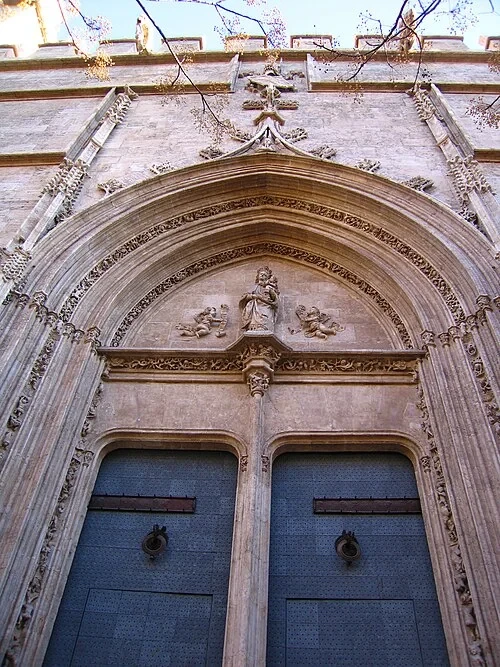 The Portal of SinsThe Portal of Sins
This portal serves as the primary threshold into the exchange and is rich with allegorical meaning. As you look at the intricate carvings, you will find a series of naked figures representing a wide array of human follies and sins. These grotesque and sometimes humorous figures were placed here as a direct warning to the merchants entering the hall. They represented the earthly temptations that could lead a businessman astray—greed, lust, and dishonesty. However, the architecture offers a solution to these base instincts. Directly above the heavy doors sits a religious sculpture of the Virgin and Child. This placement creates a sharp visual contrast: the divine grace of the figures above triumphs over the base temptations of the figures below. It served as a final moral checkpoint for anyone coming to sign a contract, reminding them that while they were entering a house of profit, they must remain honest and upright.
Listen in the appFelivet · Public domain
04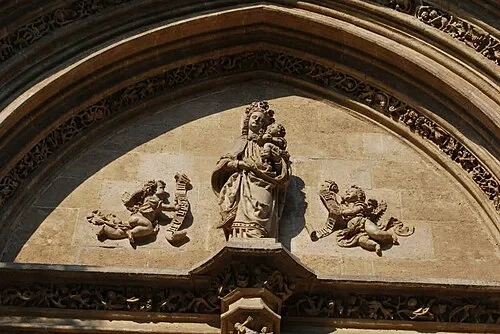 The Portal of SinsThe Virgin and Child
This central figure is the spiritual anchor of the building's facade. In the 15th century, the lines between faith and commerce were often blurred, and this sculpture reinforced the idea that God was a witness to every transaction. By placing the Virgin and Child at the very entrance, the architects set a specific tone for what they called the "paradise of commerce" inside. It was a constant reminder that profit should never come at the expense of one's soul. For the traders of the Golden Age, this wasn't just decoration; it was a reminder of the divine order that governed their world. As they moved from the busy streets into the grand hall, this gaze followed them, encouraging fair dealing and integrity. The presence of the divine at the gateway signified that the wealth of Valencia was a blessing to be managed with wisdom and moral responsibility.
Listen in the appDiego Tirira from Quito, Ecuador · CC BY-SA 2.0
05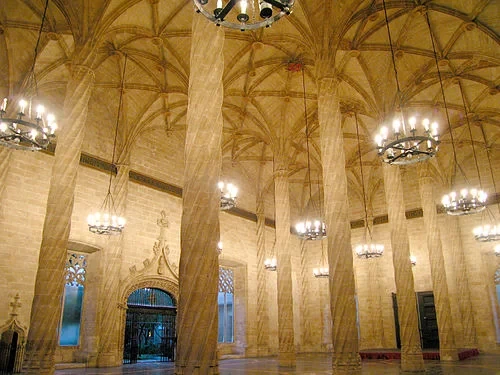 The Trading Hall: A Forest of StoneThe Trading Hall
This massive interior space was the primary hub where silk contracts were negotiated and signed. It is a space of monumental proportions, with the ceiling soaring to a height of 17.4 meters. Despite its complexity and size, the hall was remarkably finished in just 15 years, a testament to the skill and organization of the local craftsmen. The vast, open floor plan was designed to accommodate hundreds of merchants at once, creating a bustling atmosphere of high-stakes negotiation. Large windows allowed natural light to flood the room, illuminating the white stone and highlighting the elegance of the Gothic arches. Every inch of this room was crafted to inspire awe and confidence in the city's financial stability. Standing here, you can almost hear the echoes of the various languages once spoken by international traders who gathered from across the globe to secure Valencian silk.
Listen in the appNo machine-readable author provided. Felivet~commonswiki assumed (based on copyright claims). · Public domain
06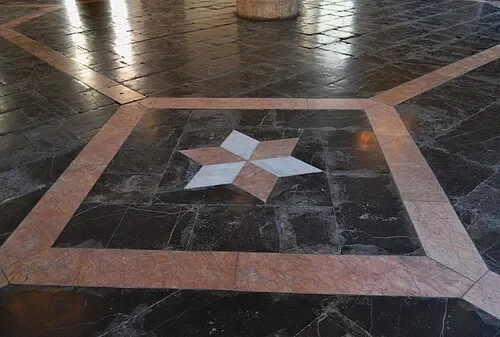 The Trading Hall: A Forest of StoneThe Geometric Floor
The layout of this hall was conceived as a symbolic universe. In this architectural allegory, the columns represent palm trees and the ceiling represents the sky, which leaves the floor to represent the earth. The intricate star-shaped patterns are not merely decorative but help to ground this "paradise of commerce." To make room for this massive and perfectly level floor plan, the city had to undergo significant urban changes, including the demolition of 25 existing houses. This sacrifice of private property for a public commercial space highlights how important the silk industry was to the identity of Valencia. The geometric precision of the tiling reflects the order and logic required in successful merchant activities. Over the centuries, these stones have been polished by the footsteps of thousands of traders, yet the bold patterns remain a clear reminder of the ambitious vision behind the building’s construction.
Listen in the appPhoto: Joanbanjo · CC BY-SA 3.0
07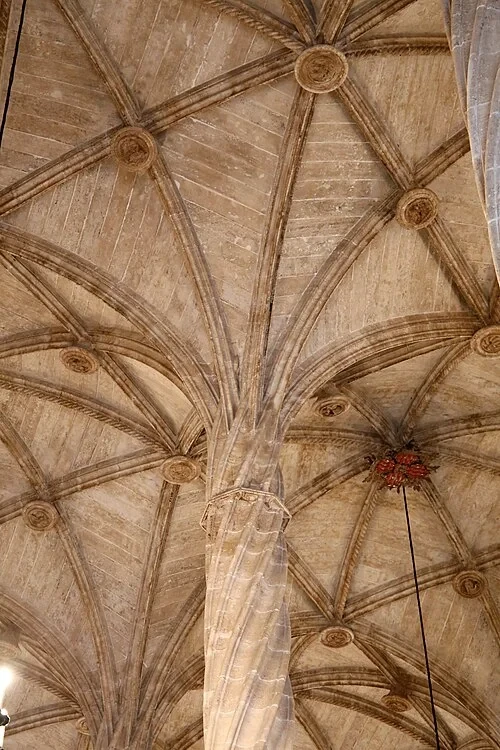 The Helicoidal ColumnsMasterpieces of Engineering
Architect Pere Compte designed this space to create an overwhelming sense of weightlessness. If you look at where the columns meet the ceiling, you can see how the stone ribs branch out seamlessly, spreading across the vault like the fronds of a palm tree. This technical achievement was groundbreaking for the 15th century. Each intersection, or keystone, was carefully calculated to distribute the immense weight of the roof down through the slender columns. This eliminated the need for heavy interior walls, allowing for the vast, open space required for trading. The result is an airy, light-filled environment that feels more like a sacred cathedral than a marketplace. This mastery of stone-cutting and structural logic was intended to showcase the sophistication of Valencian culture to visiting foreign merchants, proving that the city was at the cutting edge of both art and technology.
Listen in the appFrancesco Bini · CC BY-SA 4.0
08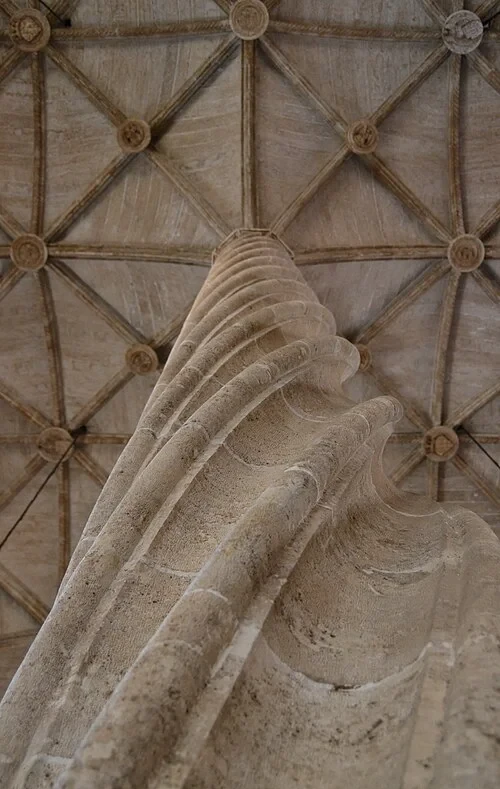 The Helicoidal ColumnsThe Twisted Columns
These unique columns are among the most famous features of the Llotja. Each one stands 11 meters tall, twisting upwards in a helicoidal shape before finally branching out into the ceiling's ribs. This design was purely intentional; the columns were meant to resemble palm trees, transforming the interior of the exchange into a metaphorical "paradise of commerce." By using these organic, flowing shapes, the architect broke away from the rigid lines usually found in traditional Gothic structures. The twisting motion adds a sense of dynamic energy to the hall, as if the stone itself is growing toward the light. This botanical imagery reinforced the idea that the wealth generated here was natural, flourishing, and divinely ordained. These eight central pillars carry the weight of the entire structure with an elegance that belies their strength, standing as permanent symbols of the stability of the Valencian silk market.
Listen in the appPhoto: Joanbanjo · CC BY-SA 3.0
09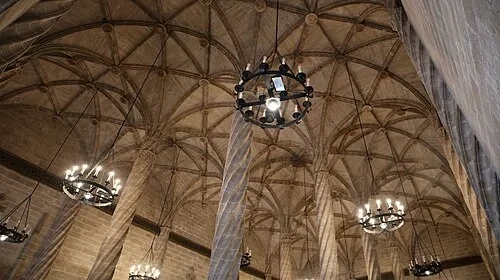 The Moral InscriptionThe Celestial Vault
Looking up, the ceiling of the Sala de Contractació is meant to be viewed as the heavens. Encircling the walls just below this celestial vault is the "Moral Inscription," written in gold Latin characters on a dark background. This text provided a final, unavoidable warning to every person conducting business in the hall. It essentially states that only those who do not practice usury or fraud, and who keep their word even at their own expense, will inherit eternal life. In an era where contracts were often based on a man's word, this religious and ethical threat was a vital tool for maintaining order and trust in the market. It reminded the wealthy elite that their earthly riches would mean nothing if gained through dishonesty. This fusion of architecture and morality ensured that the "paradise" theme of the room had a very real, very serious set of rules for those who wished to stay within it.
Listen in the appFrancesco Bini · CC BY-SA 4.0
10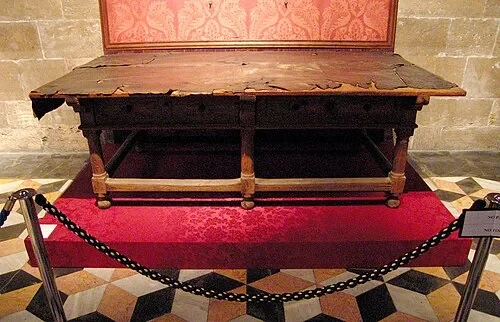 The Taula de Canvis: Medieval BankingThe Banking Table
While the hall was for trading goods, this specific area was for managing money. The 'Taula de Canvis' was a municipal institution that handled deposits and payments, functioning much like a modern bank. At this table, merchants would engage in financial innovations that were revolutionary for the time, such as the exchange of early letters of credit. These documents allowed traders to move large sums of wealth across borders without the risk of carrying physical gold or silver, which was a necessity for the international Mediterranean trade. The table itself is a symbol of the trust and security that the city provided to its merchants. If a banker failed or was found to be dishonest, the city authorities would literally break their bench, which is the origin of the word "bankruptcy." This site was the engine room of the local economy, where the liquid capital of the silk trade was managed with rigorous precision.
Listen in the appNo machine-readable author provided. Felivet~commonswiki assumed (based on copyright claims). · CC BY-SA 3.0
Llotja de la Seda
Frequently asked questions
How much does the guide cost?
Free app download. Listed guide price: $1.99. Guide price shown in the app. Audio guide only. Venue admission is separate.
Can I listen without internet?
Yes. Download the guide’s audio, images, and maps in the app before your visit. Your downloaded content is then available offline.
Can I listen in my language?
Stanza supports 15 languages. Check the app for the languages available for this guide.
Do I need to follow a schedule?
No. This is a self-guided experience. Choose your stops, pause whenever you like, and return to a story at your own pace.
At your own pace
Explore Llotja de la Seda.
Download Stanza, then search for “Llotja de la Seda”.
Free app download · Guide price shown in the app
Keep exploring
Nearby audio guides
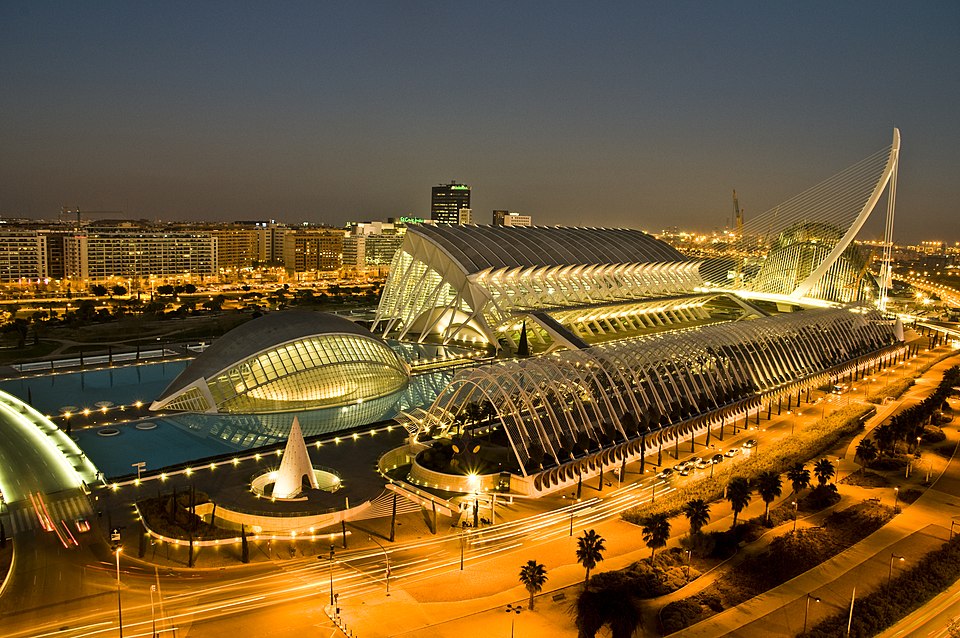
Valencia
Ciutat de les Arts i les Ciències
Content & sources
Photo: Jcca76 · CC BY-SA 4.0
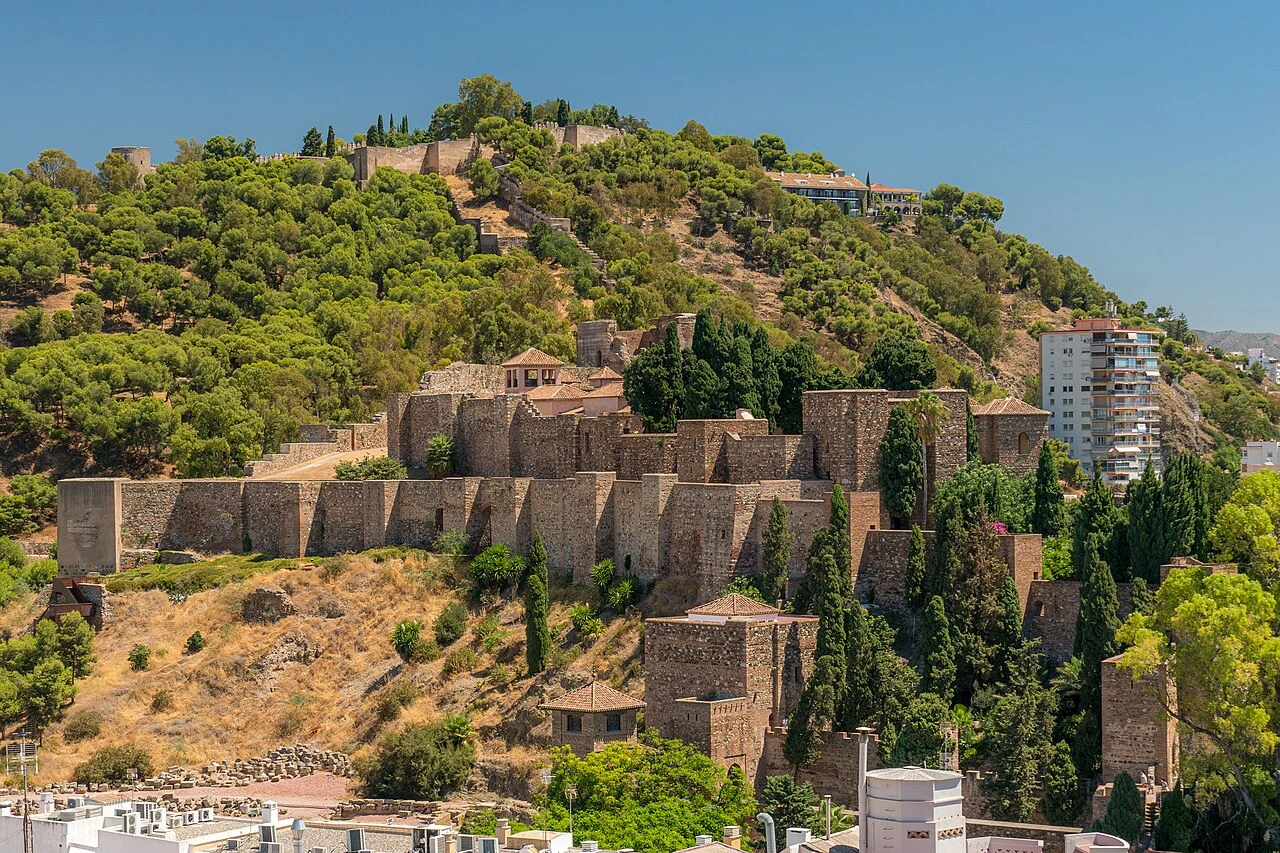
Málaga
Alcazaba de Málaga
Content & sources
Photo: Fernando · CC BY-SA 4.0
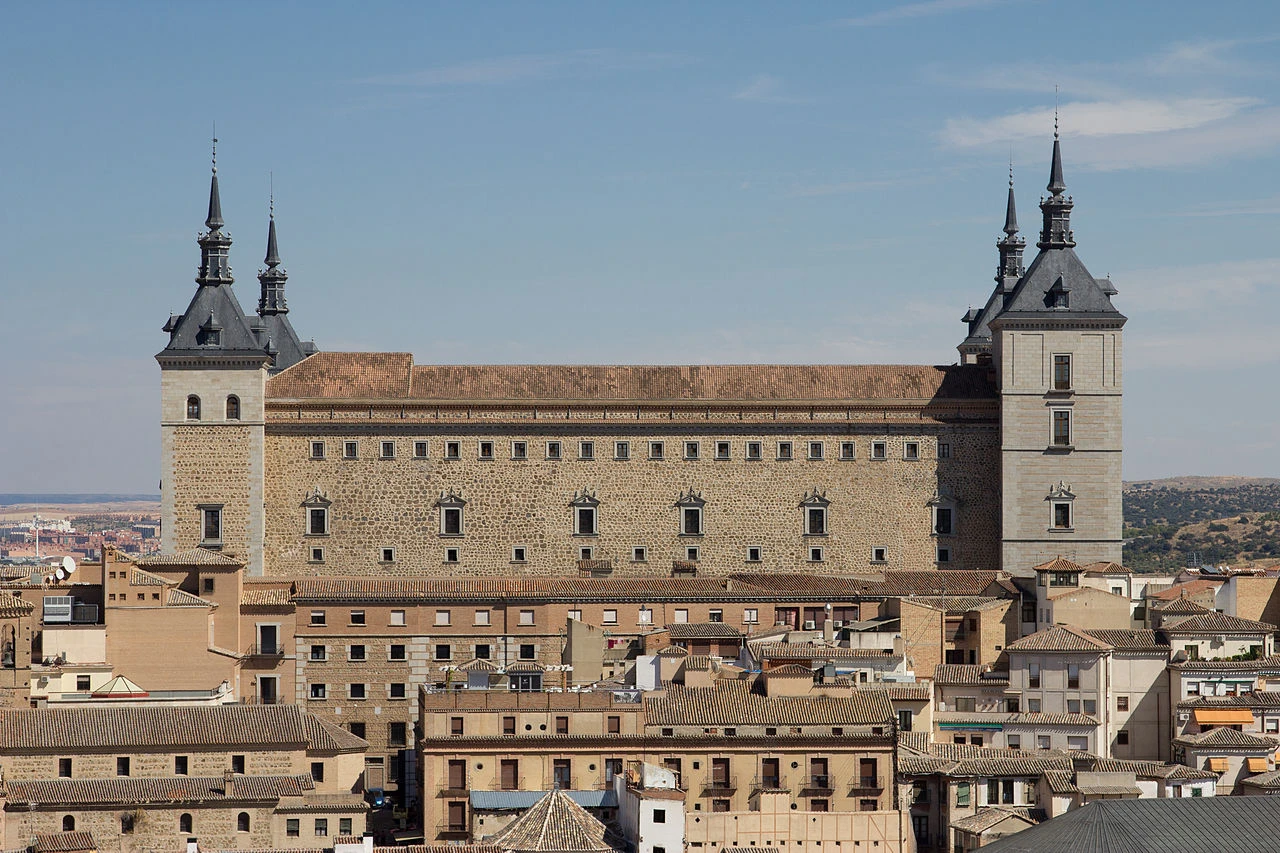
Toledo
Alcázar de Toledo
Content & sources
Carlos Delgado · CC BY-SA 3.0 es
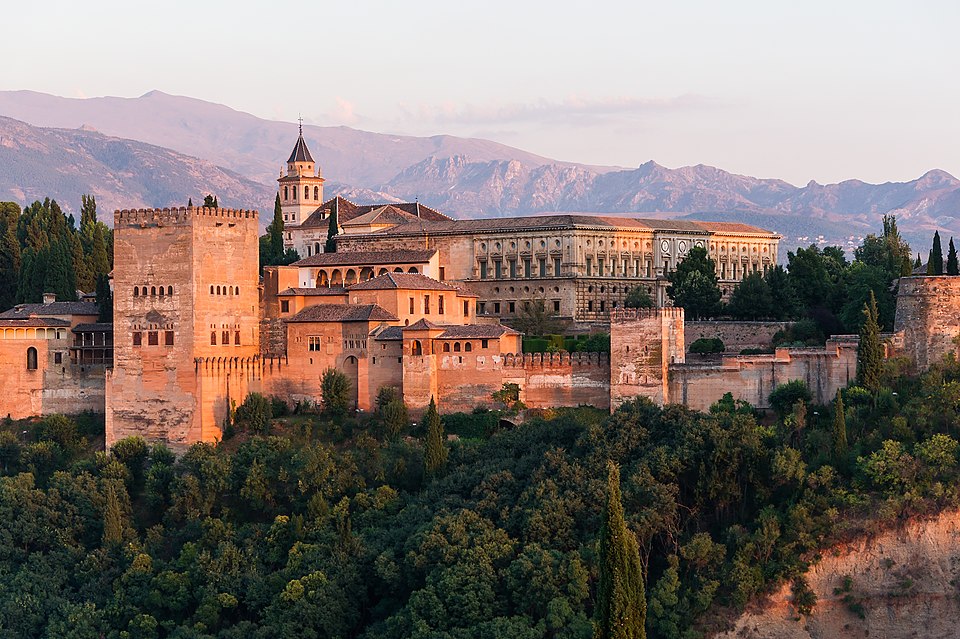
Alhambra
Content & sources
Photo: Jebulon · CC0