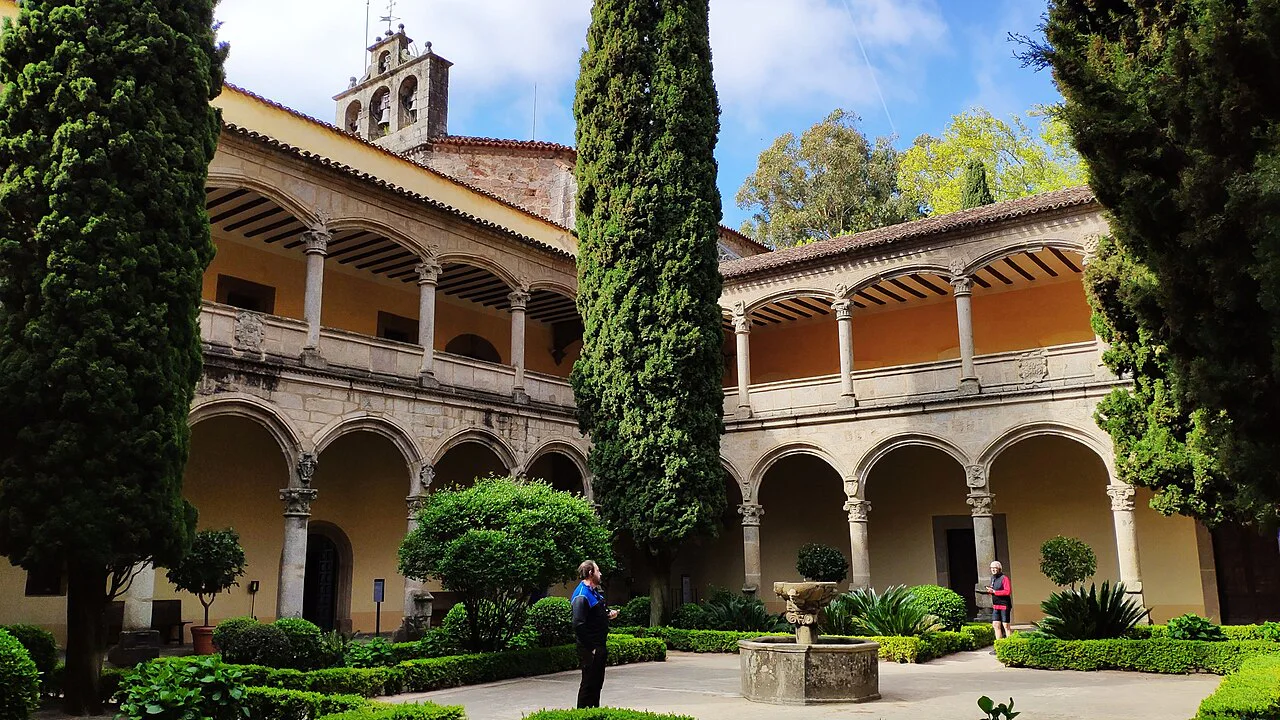
Stanza · Audio guide
Monasterio de Yuste Audio Guide
A place to remember. A story to take with you.
The Monastery of Yuste is a monastery located in the village of Cuacos de Yuste in Spain. It was founded by the Hieronymite order of monks in 1402.
Download Stanza, then search for “Monasterio de Yuste”.
About the tour
One guide. Your kind of visit.
The Monastery of Yuste is a monastery located in the village of Cuacos de Yuste in Spain. It was founded by the Hieronymite order of monks in 1402.
Ready when you are.
- 01Get the free Stanza app.
iOS & Android
- 02Find your guide.
“Monasterio de Yuste”
- 03Download before you go.
Works offline
Audio guide / 12 narrated stops
Inside the guide
Get to know a few of the stories before you go. Open a stop to read more.
01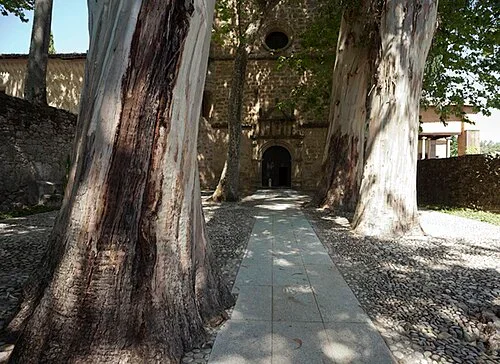 Monastery Entrance and Courtyard
Arrival at the Monastery of Yuste
Welcome to the Monastery of Yuste, in the valley of La Vera, near the village of Cuacos de Yuste. The path here runs between tall trees, and the church appears slowly through the trunks, the way its founders wanted it. In 1402 a group of neighbours from the area built a small religious house on this spot. They wanted to continue the contemplative life of the hermits of the poor life, men who lived apart from the world in prayer. A few years later, in 1408, a papal bull placed them under the Rule of Saint Jerome, and they became Hieronymite monks. For a century and a half this was a remote and obscure monastery, chosen by men who wanted to be forgotten. Then it was chosen by a man who could not be forgotten, the Emperor Charles the Fifth, who came here to end his days. This walk follows that story, from the hermits' refuge to an emperor's last home.
Photo: PMRMaeyaert · CC BY-SA 4.0
02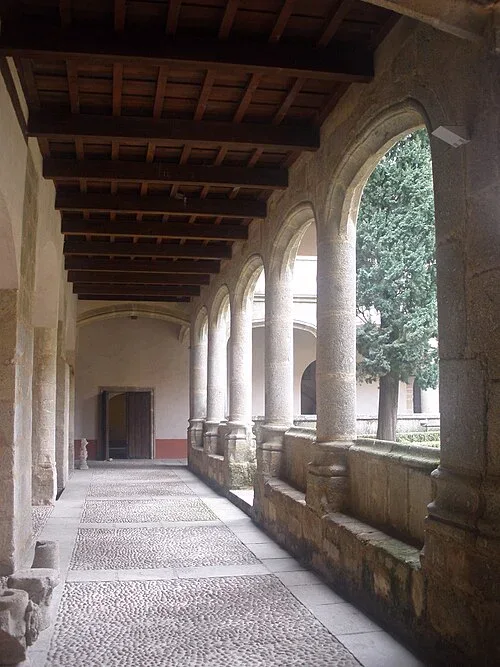 The 15th-Century Gothic Cloister
The Gothic Cloister
The church and this cloister are the fifteenth-century heart of the monastery, the part the first monks built and used. The gallery runs on pointed arches, over two storeys, and the walkways are covered by flat ceilings of wood. A cloister like this was the centre of a contemplative community's world. The Rule of Saint Jerome set the monks a life of prayer, reading and quiet work, enclosed within walls. Day after day they moved along these galleries between the church, the chapter and their cells. There was no grandeur here and none was sought. The building was made plain on purpose, a frame for silence.
Listen in the appPhoto: Zarateman · CC0
03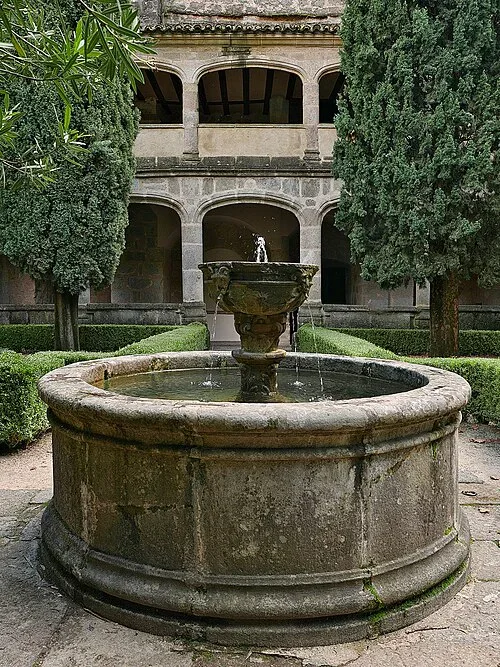 The 15th-Century Gothic Cloister
Fountain in the Gothic Cloister
At the centre of the courtyard stands a stone fountain, its basin carved in tiers, with water still falling from its spout. Around it the monks kept their garden clipped low, box hedges and cypress giving shade to the walk. Water in a cloister served both body and spirit. It fed the garden, and it marked the rhythm of hours spent in prayer rather than in the world. The community passed this fountain on every walk between prayer and work.
Listen in the appPhoto: Jl FilpoC · CC BY-SA 4.0
04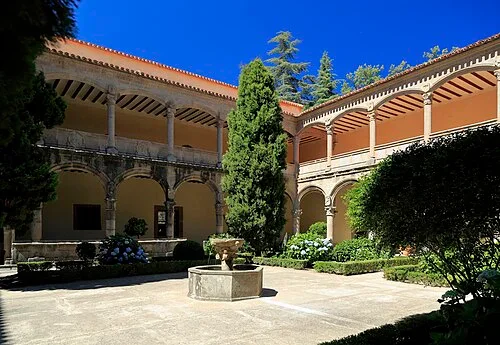 The Renaissance New Cloister
In 1556 Charles the Fifth gave up his thrones, the Spanish crown to his son Philip the Second and the imperial crown to his brother Ferdinand the First. He chose this remote monastery for the monastic life he now wanted. But Yuste was far too small for him, and for the household that came with him, some sixty courtiers, doctors and servants. That same year, builders set to work expanding the few rooms the monastery had. The result is this second courtyard, in the classical Renaissance style, with arcades on two storeys and a fountain at its centre. Its layout deliberately mirrors the older Gothic cloister beside it, as if the new world had to repeat the old one. Imperial power had arrived in a small valley, and the valley answered with stone.
Listen in the appPhoto: Falk2 · CC BY-SA 4.0
05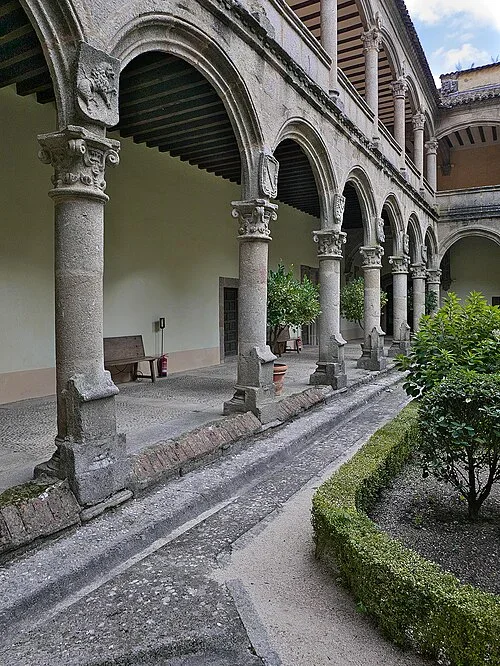 The Renaissance New Cloister
Arcade of the New Cloister
These columns and carved coats of arms carry a story of destruction and return. In 1809, during the Peninsular War, French troops burned the monastery, and its rooms were left practically destroyed. The Hieronymite monks were driven out, and later the confiscation of Mendizábal put what remained up for public auction. For over a century the buildings lay in ruins. Only in 1949 did the Spanish state begin to rebuild, working carefully from the original designs, and the Jeronymites came back to live here in 1958. So much of what stands in these arcades is patient reconstruction rather than sixteenth-century fabric. The builders worked in brick, masonry and ashlar stone, with scarcely any ornament, faithful to the plainness of the emperor's own residence.
Listen in the appPhoto: Jl FilpoC · CC BY-SA 4.0
06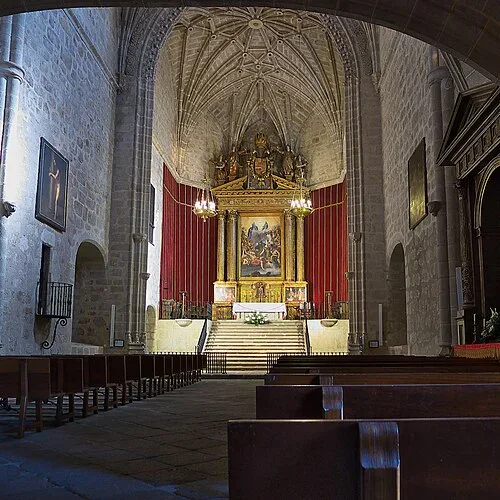 The Monastery Church and High Altar
The Monastery Church
The church is a single nave ending in a polygonal head, roofed by a vault of ashlar stone, and it opens directly onto the Gothic cloister. Here, at the altar under that vault, the emperor was laid to rest after his death at the monastery. His son Philip the Second later had the remains transferred to the royal pantheon of El Escorial, near Madrid. The church has taken on a second life as well. Since 1995 the Yuste Foundation has granted the Charles V European Award here, honouring people who have enlarged the cultural and historical values of Europe and its unification. The first recipient was Jacques Delors, and the ceremony is still held in this sanctuary. A church built for monks' prayers now hosts a prize for European ideals, in the name of the man once buried beneath it.
Listen in the appJosé Luis Filpo Cabana · CC BY-SA 4.0
07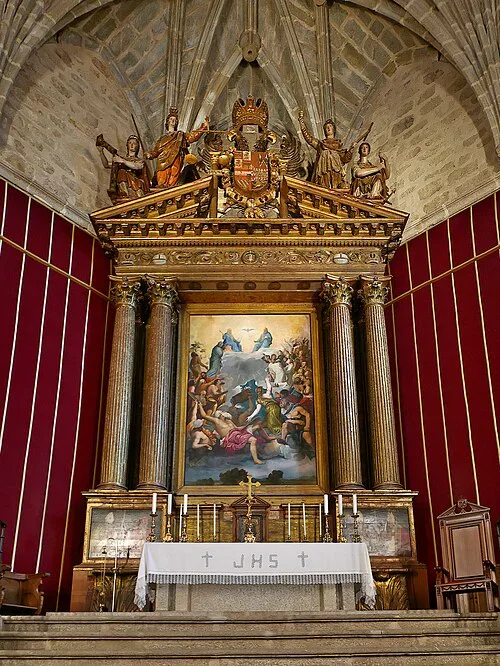 The Monastery Church and High Altar
The High Altarpiece
The high altar was finished in 1587 by Juan de Segura, twenty-nine years after the emperor's death. Its gilded retable rises in columns and carved scenes, and at its very top sit the imperial arms, a crown brought to rest above an altar. Charles the Fifth treasured one religious painting above all others, Titian's La Gloria, which he had kept with him here. After the emperor died, the painting was returned to the Royal Collection, so it was not at Yuste when the monastery burned.
Listen in the appPhoto: Jl FilpoC · CC BY-SA 4.0
08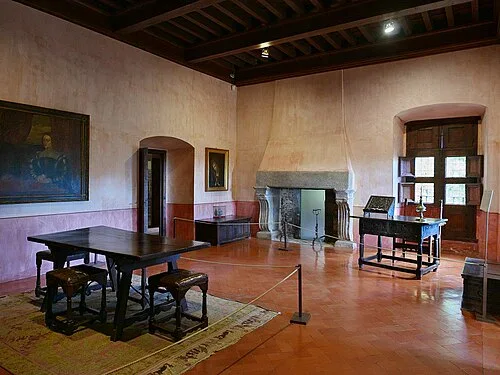 Imperial Palace State Rooms
The Emperor's State Room
The emperor's residence is deliberately simple: two floors, each arranged as a central hallway with rooms on either side. One of these rooms served as his dining room and hall of audiences, where he received the visitors a former ruler could not refuse. People said in the nineteenth century that the layout matched the palace of Ghent, where Charles was born, though that remains a tradition rather than a certainty. Visitors did make the journey to this out-of-the-way valley. His heir, Philip the Second, came, and so did his young illegitimate son Jeromín, the boy the world would later know as Don Juan de Austria.
Listen in the appPhoto: Jl FilpoC · CC BY-SA 4.0
09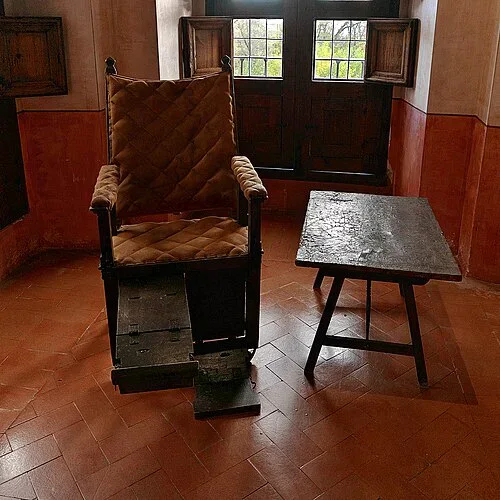 Imperial Palace State Rooms
The Gout Chair
Charles suffered severely from gout, the illness that would slowly take away his ability to move. Among the scarce furniture of his residence, one piece was made especially for him: this armchair, its back and seat quilted for comfort, with a footrest that could be adjusted and rests for weary arms. A sovereign who had commanded armies could now manage only a few steps, and even those with help. Beside such practical objects stood more delicate ones. There is a clock of bronze and silver in the palace, made by Jeremías Metzker and dated 1562, a few years after the emperor's death. The chair tells what his body endured; the clock tells how the days passed.
Listen in the appPhoto: Jl FilpoC · CC BY-SA 4.0
10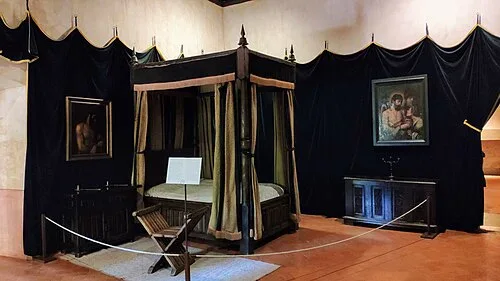 The Emperor's Bedchamber
The emperor's bedchamber was placed beside the choir of the church, and that was no accident. Crippled by gout and carried in his litter, he could follow the religious offices from his own room, hearing the monks sing the hours without leaving his bed. Here, on the twenty-first of September 1558, Charles the Fifth died in the last home he had chosen. The wooden coffin that received his body is still kept in the palace. His death at Yuste caught the imagination of later centuries. Giuseppe Verdi set the second act of his opera Don Carlos here, and its final scene too, with a fictional moonlit meeting by the emperor's tomb. The opera is invention, not history, but it shows how deeply this room's story took root.
Listen in the appPhoto: Alonso de Mendoza · CC BY-SA 4.0
- 11
The Palace Portico and Ramp
Ramps, terraces and a litter: the daily logistics of moving an emperor who could not walk.
- 12
The Fishpond and the Monastery Grounds
The working estate that fed the monastery, and the meaning of Yuste for Europe today.
Monasterio de Yuste
Frequently asked questions
How much does the guide cost?
Free app download. Listed guide price: $0.99. Guide price shown in the app. Audio guide only. Venue admission is separate.
Can I listen without internet?
Yes. Download the guide’s audio, images, and maps in the app before your visit. Your downloaded content is then available offline.
Can I listen in my language?
This audio guide is available in 15 languages, including English.
Do I need to follow a schedule?
No. This is a self-guided experience. Choose your stops, pause whenever you like, and return to a story at your own pace.
At your own pace
Explore Monasterio de Yuste.
Download Stanza, then search for “Monasterio de Yuste”.
Free app download · Guide price shown in the app
Keep exploring
Nearby audio guides
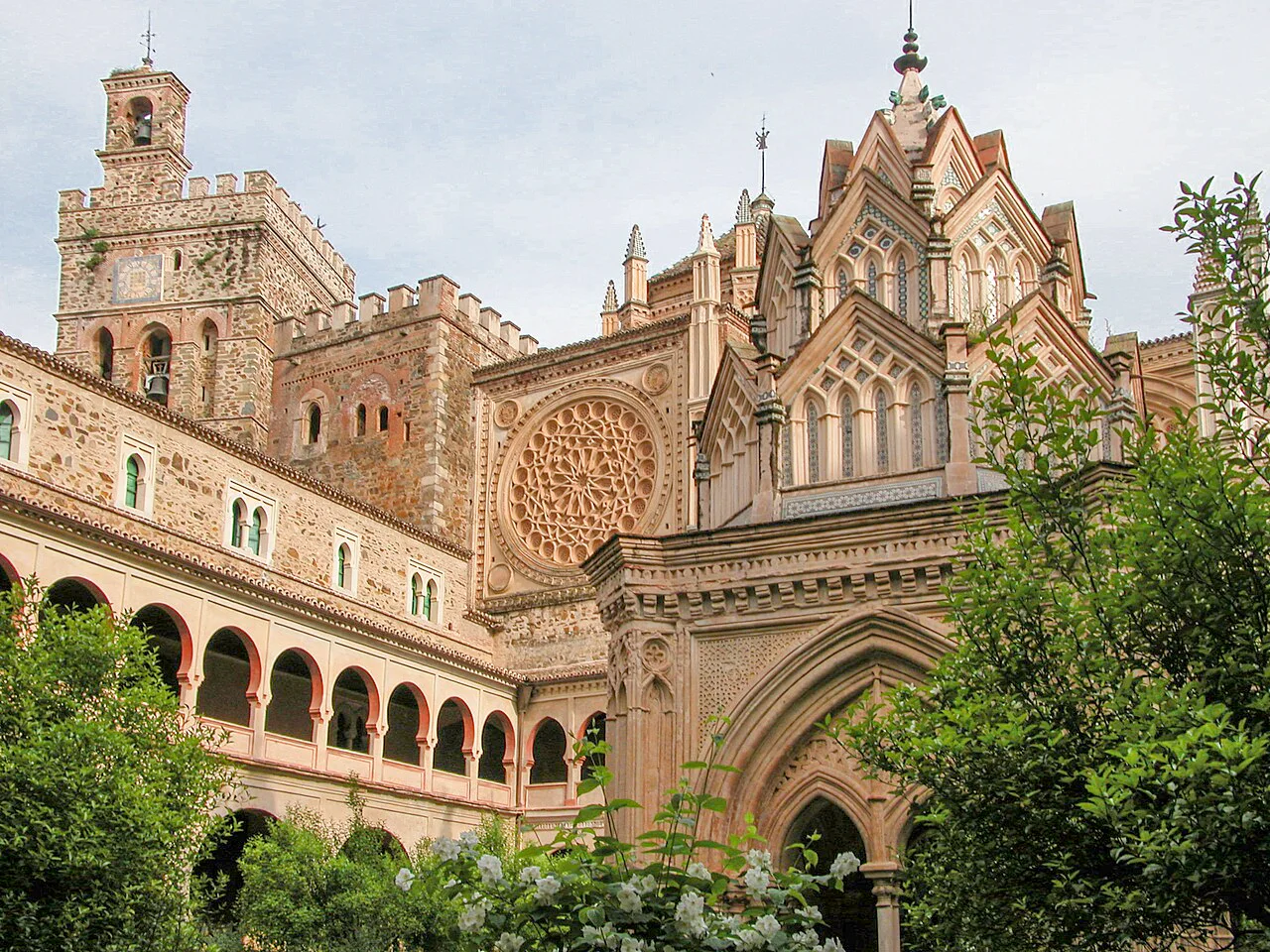
Guadalupe · 82 km
Real Monasterio de Santa María de Guadalupe
Content & sources
Jörn Wendland · Public domain
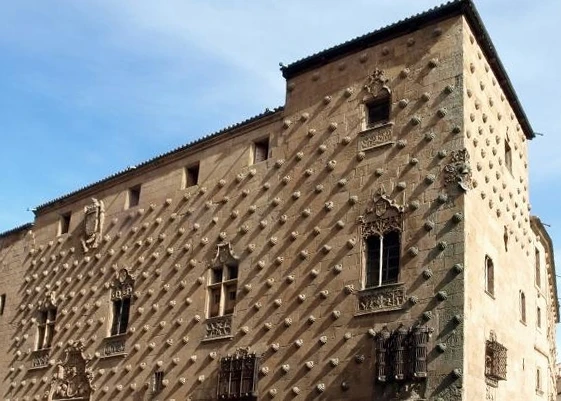
Salamanca · 95 km
Casa de las Conchas
Content & sources
Ministerio de Cultura · CC BY-SA 4.0
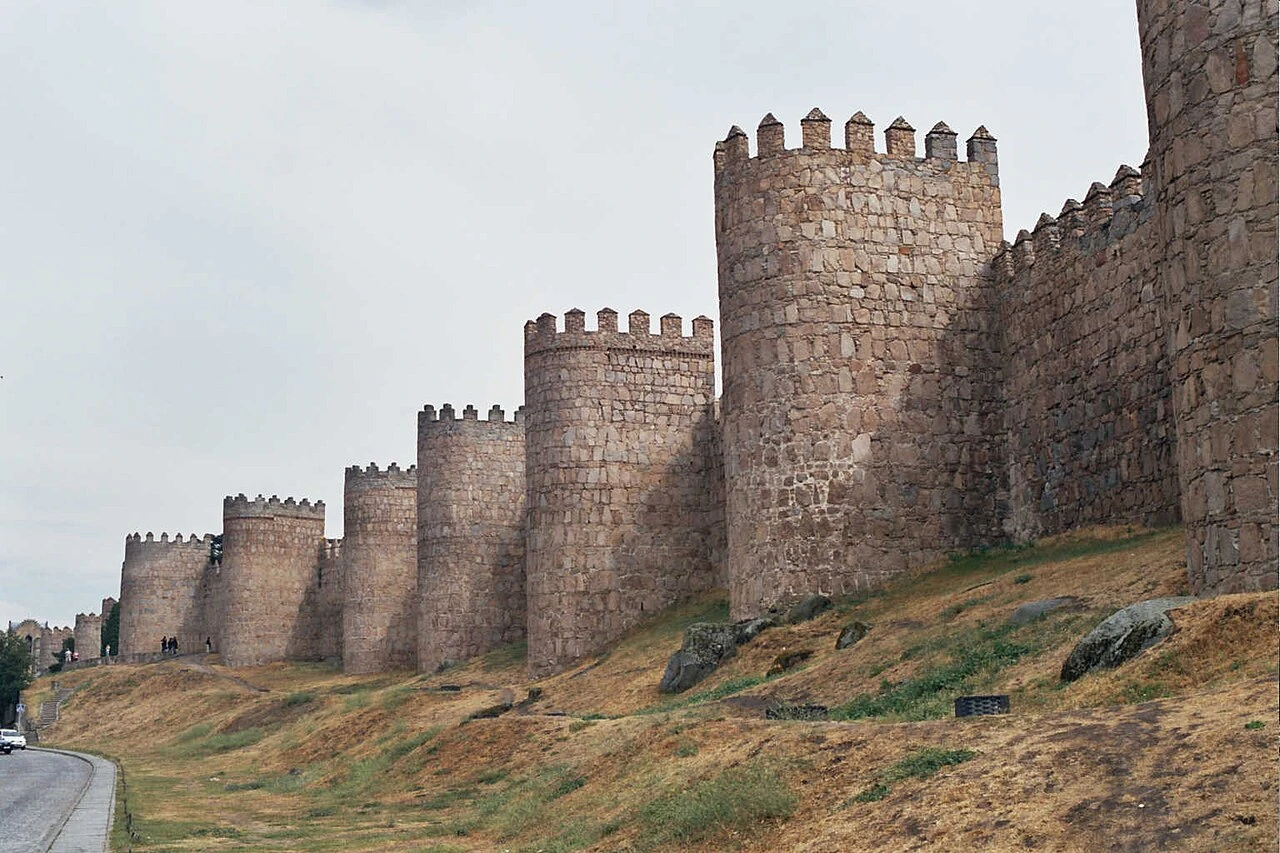
Ávila · 106 km
Muralla de Ávila
Content & sources
Photo: Pelayo2 · CC BY-SA 3.0
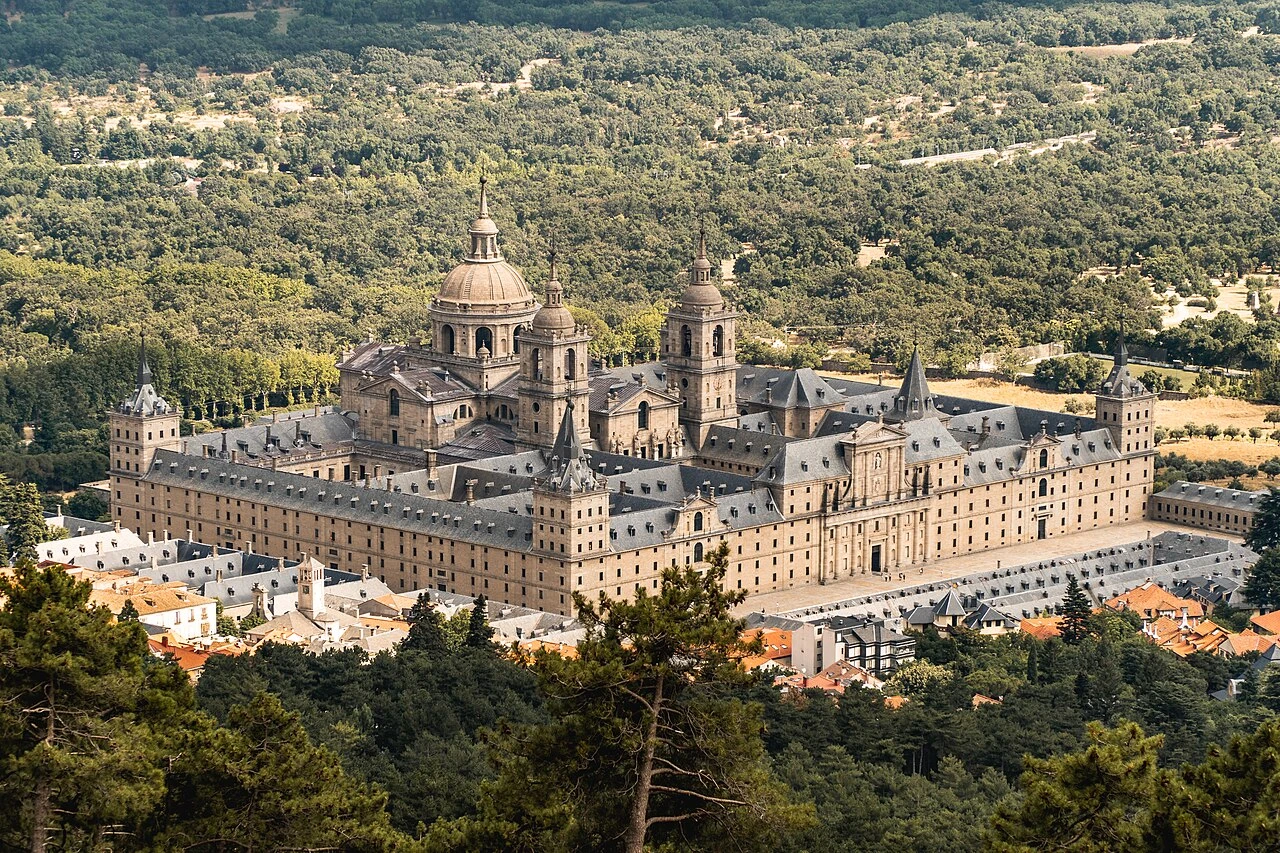
San Lorenzo de El Escorial · 145 km
El Escorial Monastery
Content & sources
Photo: Zvonimir Stamenov · CC BY-SA 4.0