Stanza · Audio guide
Museo Nacional Centro de Arte Reina Sofía Audio Guide
A place to remember. A story to take with you.
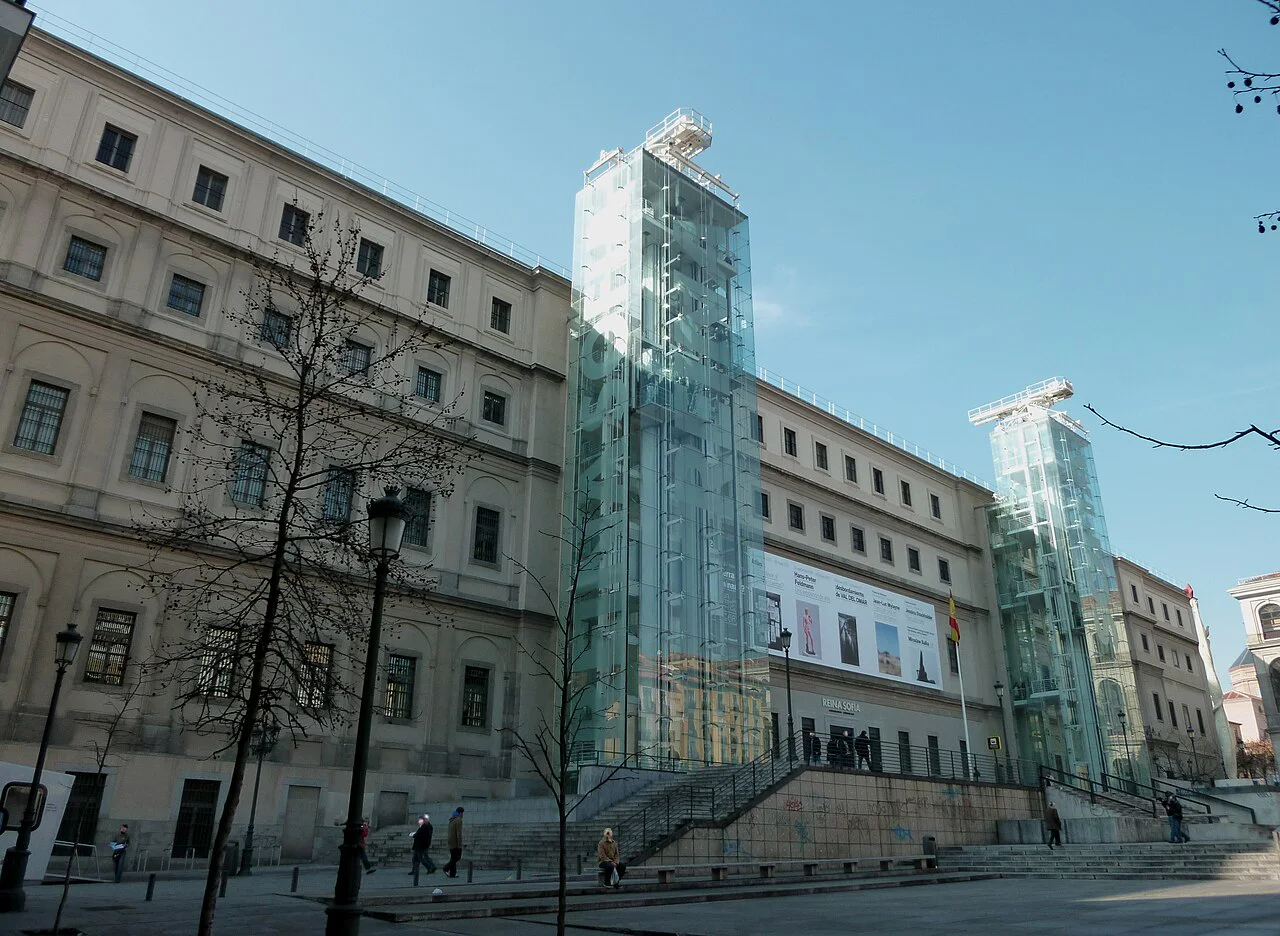
The Museo Nacional Centro de Arte Reina Sofía is Spain's national museum of 20th-century art. It is located in Madrid at the southern end of the Golden Triangle of Art.
Download Stanza, then search for “Museo Nacional Centro de Arte Reina Sofía”.
About the tour
One guide. Your kind of visit.
The Museo Nacional Centro de Arte Reina Sofía is Spain's national museum of 20th-century art. It is located in Madrid at the southern end of the Golden Triangle of Art.
The Museo Nacional Centro de Arte Reina Sofía guide tells the stories of 19 artworks, including Guernica (Pablo Picasso), The Parasol (Francisco Goya), The Bottle of Anís del Mono (Juan Gris), Portrait of Luis Buñuel (Salvador Dalí), Garrote vil (Garrotte) (Ramon Casas), Portrait of Tristan Tzara (Robert Delaunay), Brushstrokes series (Unknown Artist), and Nature morte cubiste (Cubist Still Life) (María Blanchard). Every artwork is free to hear in the Stanza app until 1 January.
Ready when you are.
- 01Get the free Stanza app.
iOS & Android
- 02Find your guide.
“Museo Nacional Centro de Arte Reina Sofía”
- 03Download before you go.
Works offline
Audio guide / 19 artworks
Inside the guide
Get to know a few of the stories before you go. Open a stop to read more.
01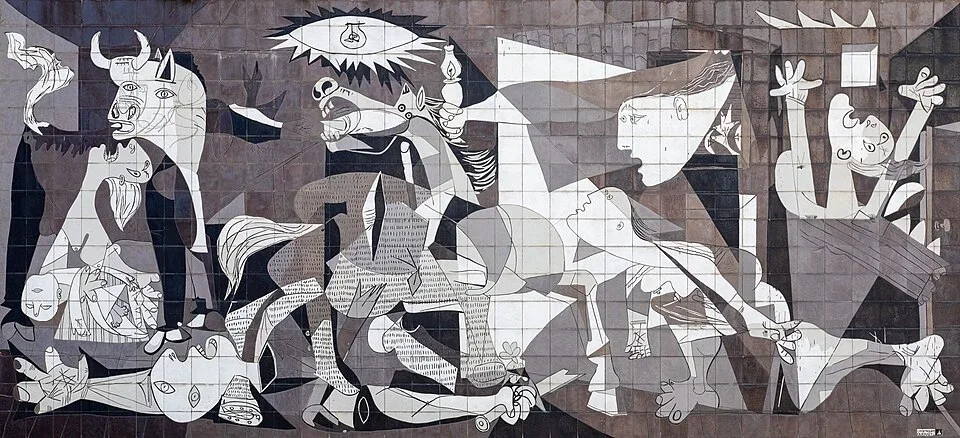
Guernica
Nobody has ever settled what the figures in this painting mean. People still argue about them. And the bombing behind it appears nowhere in the picture. The Spanish Republican government wanted something large for their pavilion at the Paris fair, to draw attention to their cause in the civil war. Picasso took it on and began with sketches of an artist's studio. That April, German planes bombed the Basque town of Guernica. The poet Juan Larrea urged him to make the attack his subject. On the first of May he read a journalist's account and dropped that idea. On the left is a bull with a dark body and white head, seeming unmoved by all around it. He said it stood for brutality and darkness. Under it, a woman holds her dead child, face to the sky, eyes shaped like tears. She follows an old image of a mother holding her dead son. A dove between bull and horse is almost lost against the background, one wing fallen, head up, beak open. It may stand for broken peace. At the center, inside a sun, is a bulb. It may be the bomb, scientific progress turned to mass destruction in modern war. A soldier is broken into pieces. One hand is stretched out. The other holds a broken sword and a flower. The flower may be a ray of hope in all that ruin.
Listen in the appJules Verne Times Two · CC BY-SA 4.0
02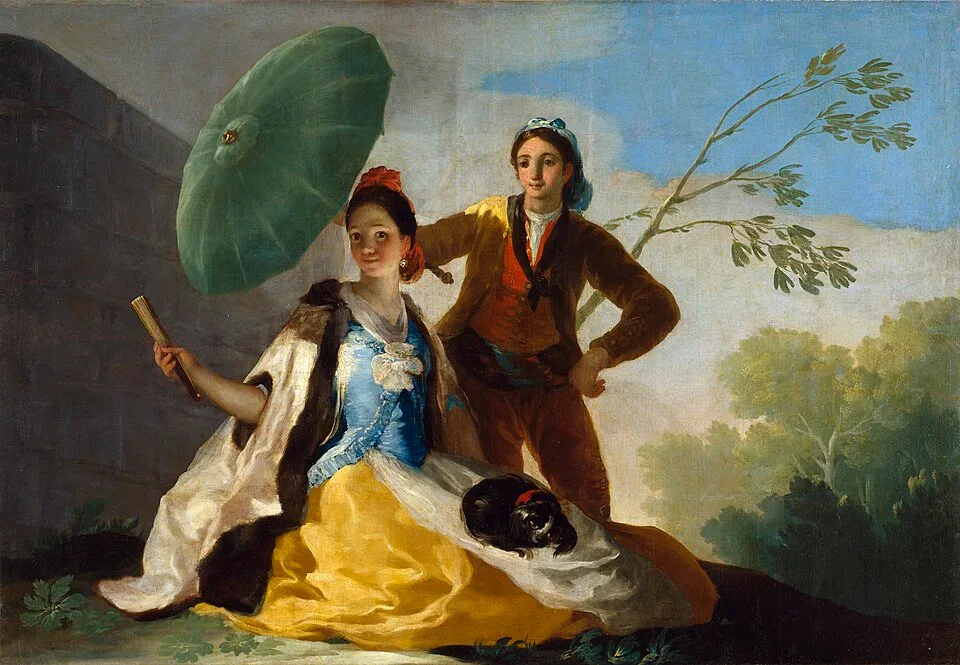
The Parasol
Nothing here was painted to hang on a wall. It was a design for a tapestry. It belonged to a series for the dining room of the Prince and Princess of Asturias, at their palace in El Pardo. The princess wanted cheerful scenes for that room, and Goya answered with an ordinary moment. A young woman sits on the ground, a little dog in her lap, while a young man holds a parasol over her face. What was new was how close it brought you. The figures are large, where the small scenes of the day kept their people tiny, surrounded by nature. The man's gaze and the line of the wall on the left both run toward the woman's face, shaded soft green by the parasol. She looks straight out at you and smiles, and that look makes you part of a possible flirtation.
Listen in the appFrancisco Goya · Public domain
03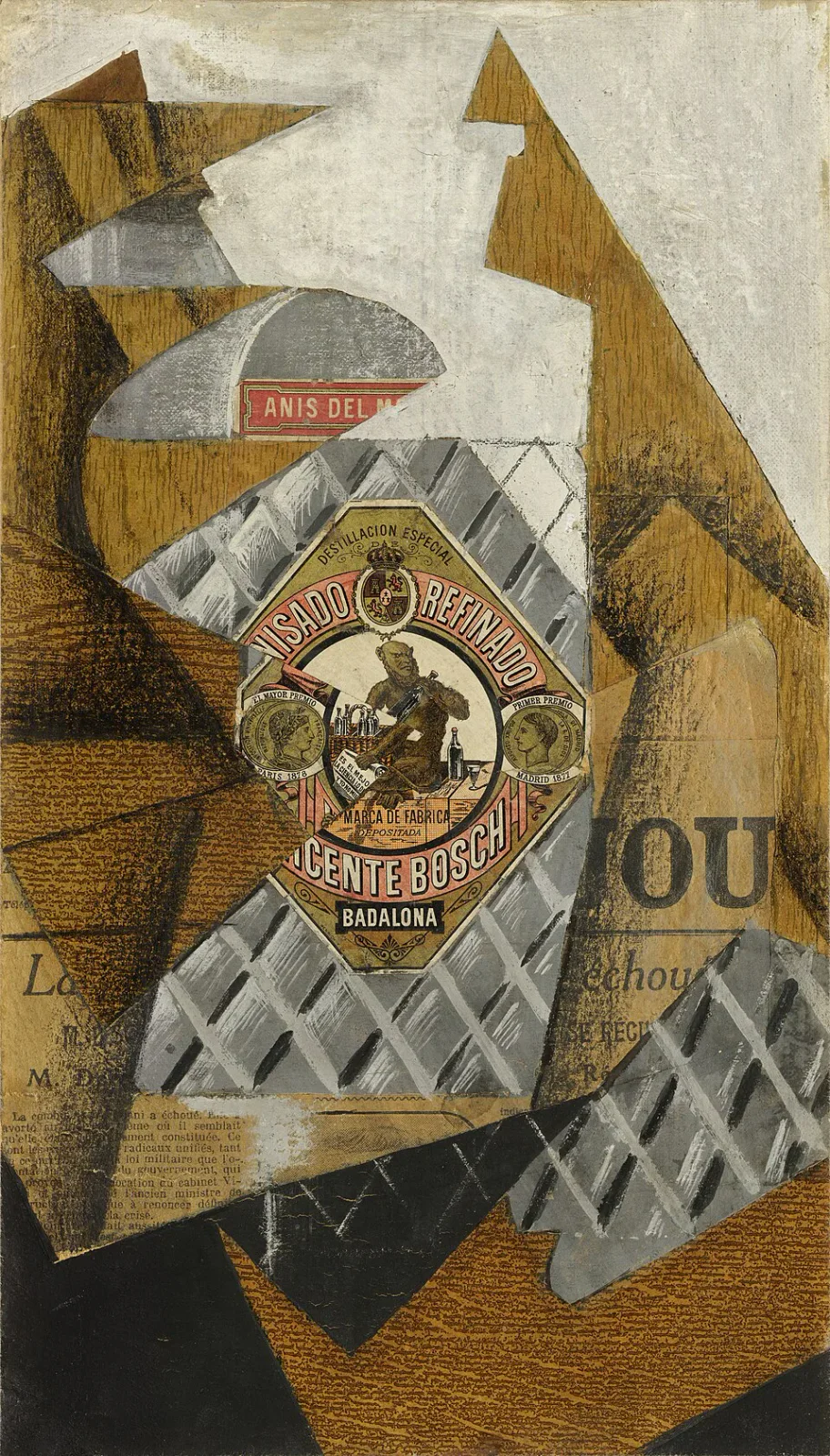
The Bottle of Anís del Mono
At the center of the picture is a label on the bottle. It carries three city names. Badalona, Madrid and Paris. They are not there by chance. Together they point to the three men at the heart of Cubism, Picasso, Braque and Gris. He painted this in 1914, so the tribute includes himself. The bottle is Anís del Mono, a Spanish anisette. And the label is the original from the bottle, pasted straight onto the canvas.
Listen in the appJuan Gris · Public domain
04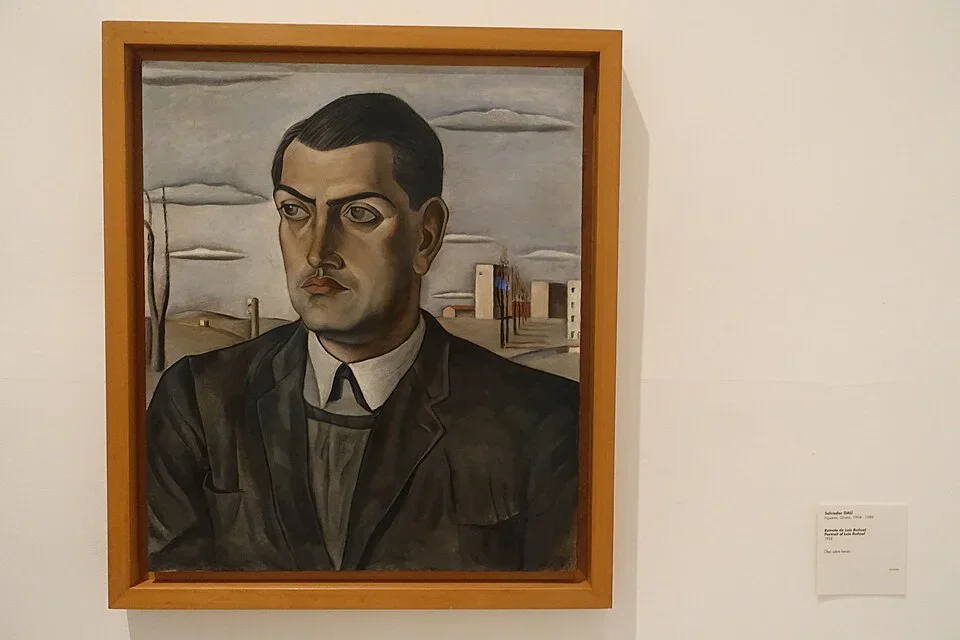
Portrait of Luis Buñuel
His eyes go off to one side, away from the painter and away from you. The face is serious, the gaze fixed and thoughtful. This is Luis Buñuel at twenty five, and he is not a director yet. The man who painted him was a student at the Royal Academy of Arts in Madrid, and the two met there. Buñuel was one of those who shaped Dalí, and the poet and playwright Federico García Lorca was another. Years later the painter took part in two films Buñuel made, The Andalusian Dog and The Golden Age. The portrait was once in Buñuel's own collection. The painting stays dark throughout, its colors held low, and that deepens the seriousness of his look.
Listen in the appJeremy Thompson from Los Angeles, California · CC BY 2.0
05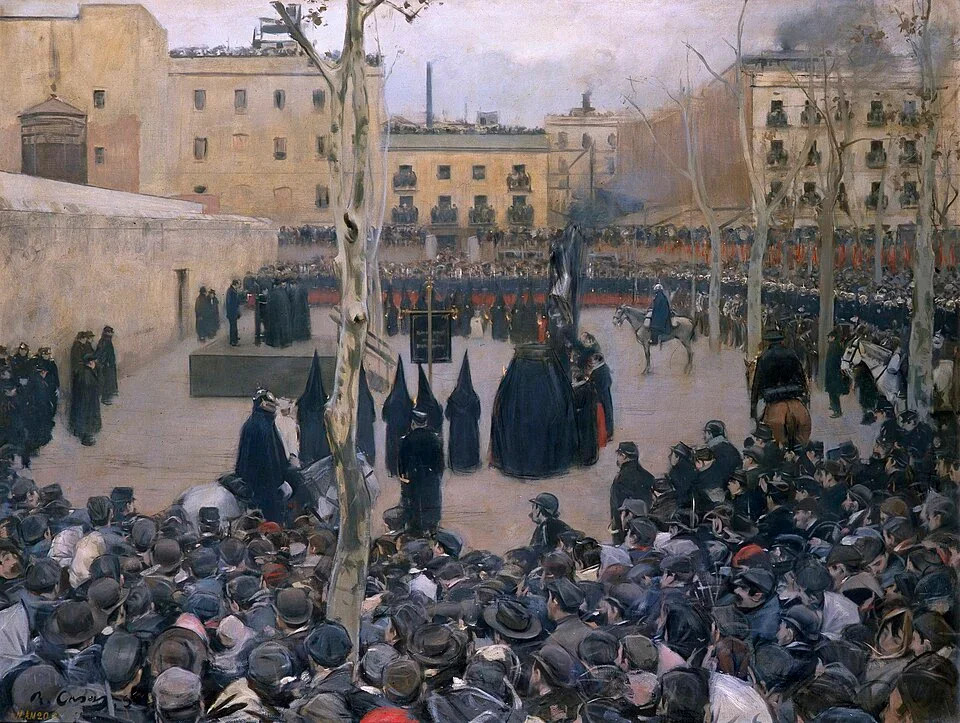
Garrote vil (Garrotte)
Ramon Casas wanted to record an execution as a witness would see it. It happened in Barcelona in 1893, the first in the city in thirty years, and a great crowd turned out. Newspapers wrote about the anticipation, and photographs show people packed around the gallows. He painted it the next year from a high viewpoint. A tree in the foreground cuts across the view and even hides part of the scaffold. He left it there as a reference point. The stage sits on the left, and there, between the executioner and the confessors, the condemned man is barely visible. No single figure takes the lead, not even him. Members of the Confraternity of the Blood of Christ are there too, in conical hoods. He painted the harsh scene without drama or accusation, the way a photograph catches a moment. The painter seems to have had a nineteen-year-old in mind, Aniceto Peinador, executed in 1893. It opened his series of paintings that chronicle society. Shown in 1895, it won third prize, and the state bought it.
Listen in the appRamon Casas · Public domain
06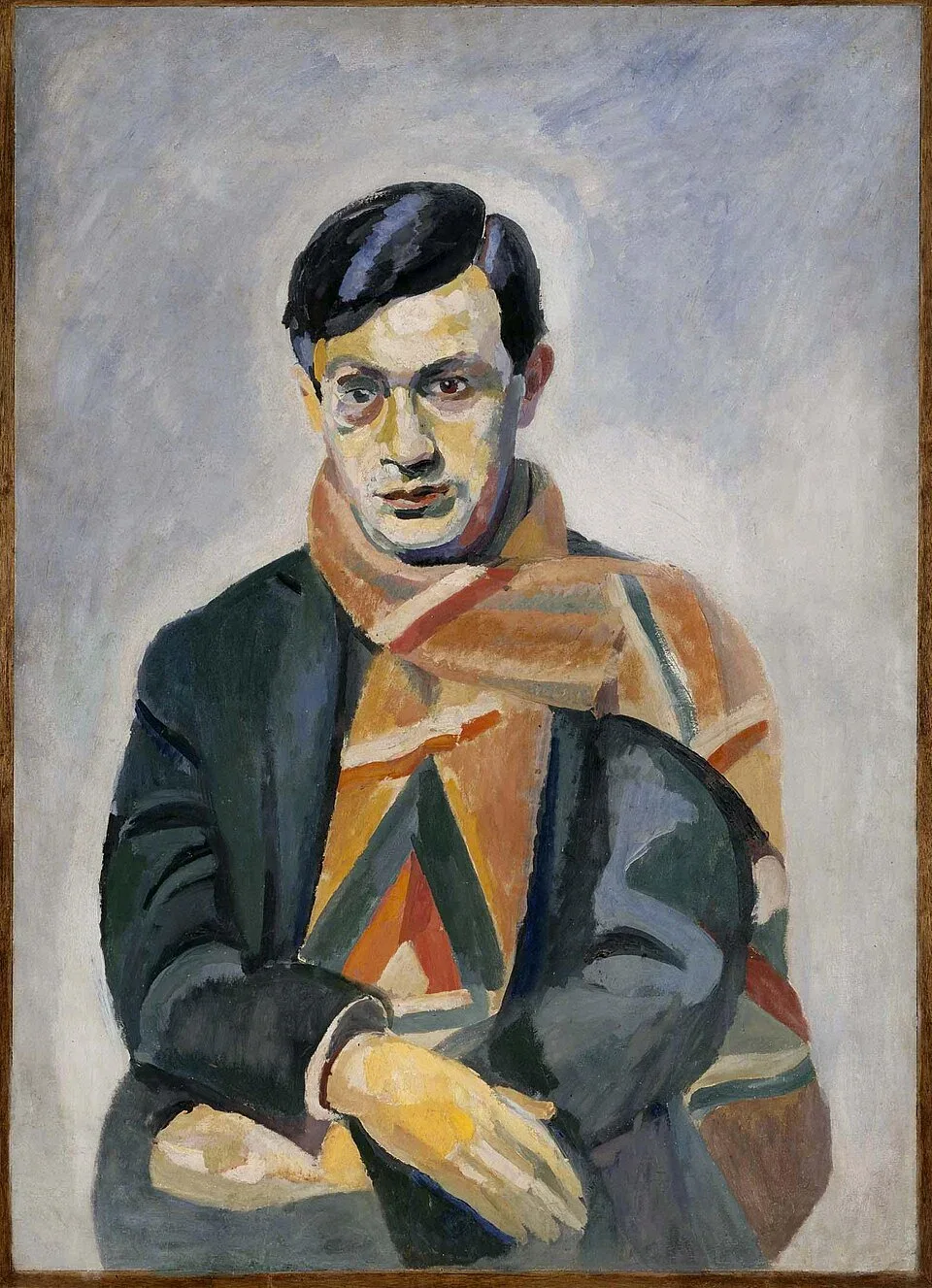
Portrait of Tristan Tzara
The scarf takes over this portrait. It sits in the middle and fills more space than anything else, and its colors are the boldest in the whole picture. Beside it, the poet's face looks pale and worn. He is seated against a grey background, wearing a monocle, his arms crossed. That is Tristan Tzara, the poet who founded Dada and led it. He was the closest friend the Delaunays had in those years, spending many evenings in their home. Robert painted him. But Robert did not paint the scarf. That was his wife Sonia's work. She painted the colors straight onto the fabric. She and Robert had kept up their study of light and color in Spain and Portugal during the war.
Listen in the appRobert Delaunay · Public domain
07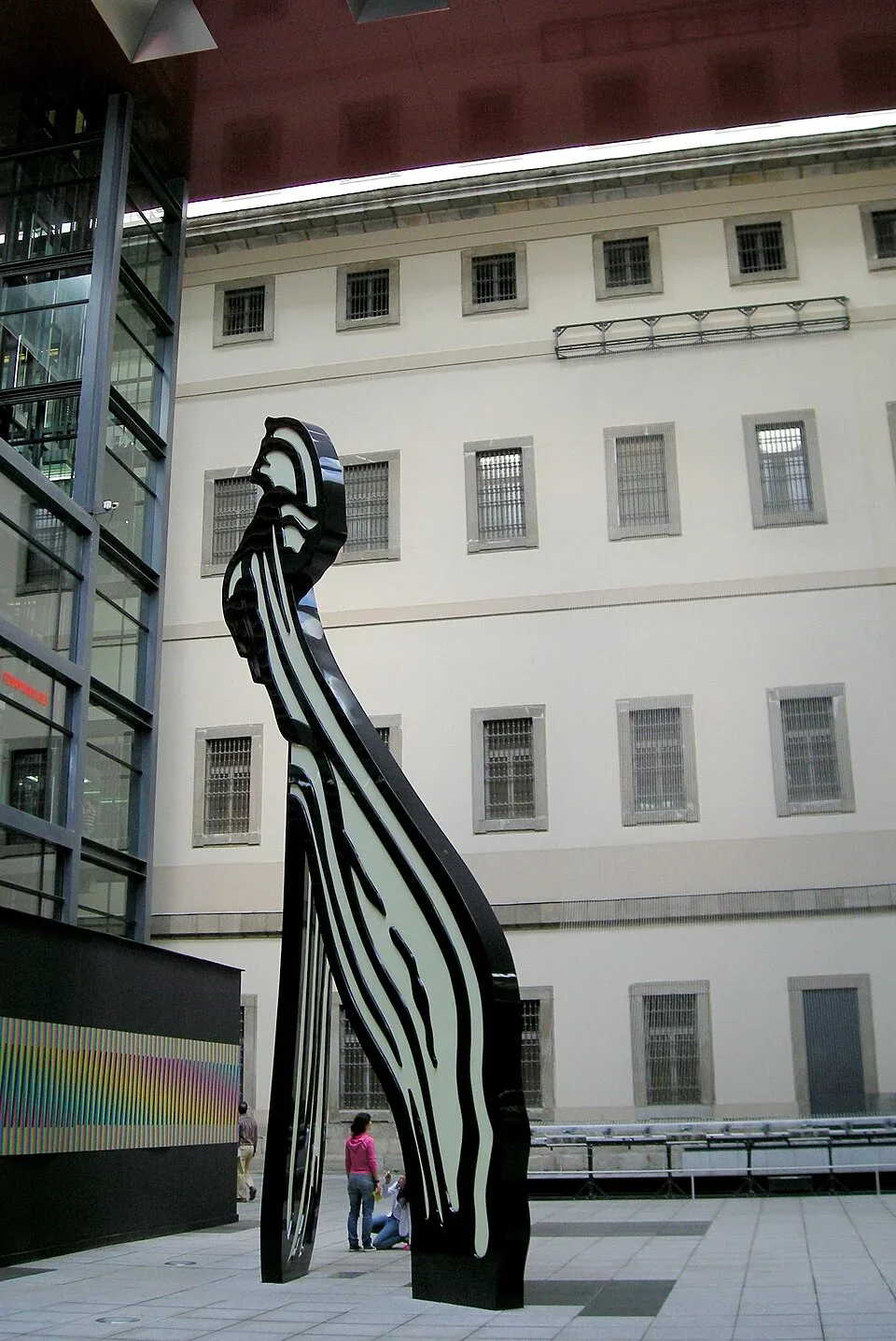
Brushstrokes series
This stroke was made slowly, on purpose, to look as if it had taken no time at all. One broad stroke is built from hundreds of small ones, each one carefully placed. It starts full and frays to a ragged end, as if made in a hurry. For Pollock, a sweep of the brush was the mark of one hand and one whole body, caught in one gesture. Roy Lichtenstein took that mark and made it flat, with no trace of a hand behind it. In the early 1980s he made sculptures of these strokes, many of them in painted bronze. He wanted to give solid form to something that only lasts a moment. In bronze, the stroke becomes real and heavy, absurd, contradictory and funny.
Listen in the appmalouette from Frederiksberg / Copenhagen, Denmark · CC BY-SA 2.0
08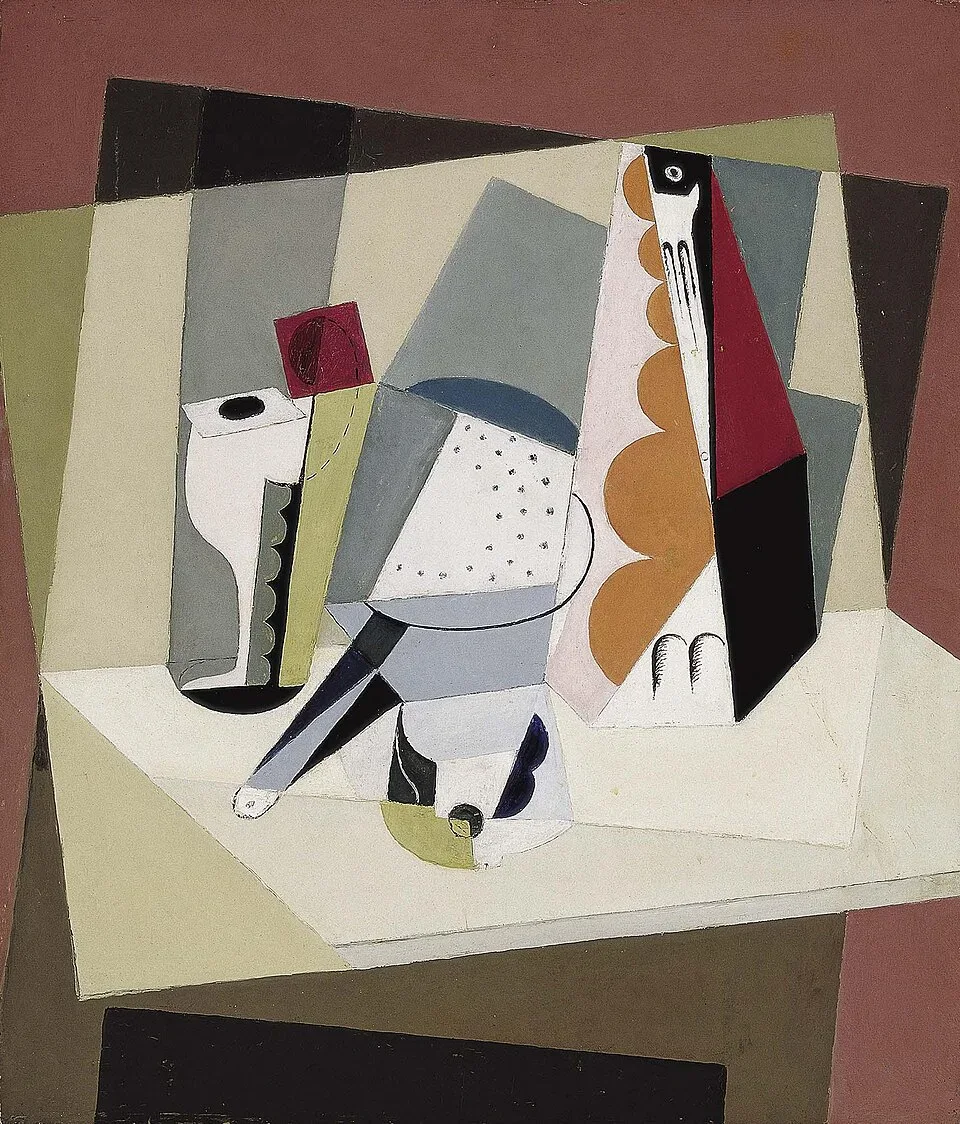
Nature morte cubiste (Cubist Still Life)
María Blanchard set out to keep herself out of this picture. She was near the end of her Cubist years, around 1917, and she chose everyday things to do it with. A frying pan, a glass, a table. She drew them with very fine lines, and let the lines close around flat areas of colour. None of it is there for what it means. She wanted the shapes, and the way one shape answers another. Juan Gris built a picture the same way, like a flat building of colour. A still life let her do that. Ordinary objects let a Cubist think about form alone, and she kept her own life out as well. No children, no mother's care, no trace of her private unhappiness. Even the greys and pastels stay light. A year later she turned to figures, and stayed with them for the rest of her life. And it is still hard to tell whether the hand behind these lines was a man's or a woman's.
Listen in the appMaría Blanchard · Public domain
09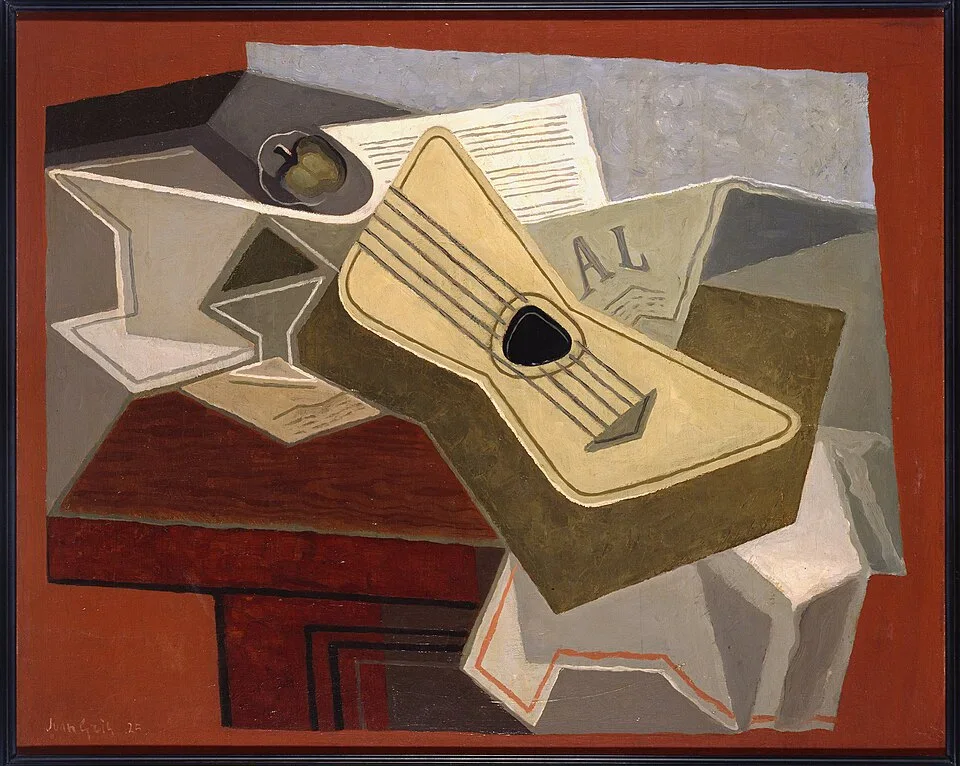
Guitar and Newspaper
A guitar is on a table with a newspaper behind it. Around them are glasses, fruit and sheets of music. Gris made this to answer a problem. Cubism had pulled objects apart until you could barely recognize them. Gris wanted you to recognize them again, and to feel something. So he put everyday things back into his paintings. The guitar has rounded curves now, where once there were hard angles. And on the newspaper are two letters, A and L. They point to Le Journal, the French word for newspaper. It was also a real daily paper, founded in 1892, with literary essays and crime reports. He came back to the newspaper again and again. It ties to how his passion for art began, with the illustrations he drew for periodicals when he was starting out. He worked on this painting from July to September 1925, two years before he died.
Listen in the appJuan Gris · Public domain
10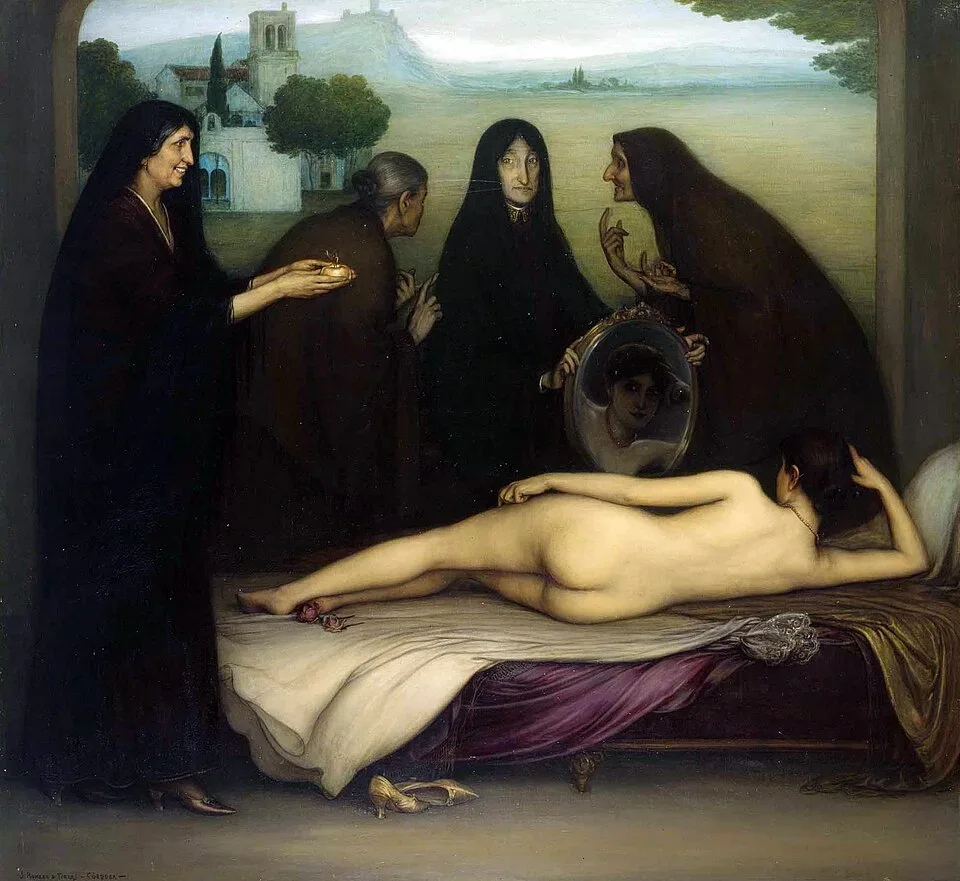
The Sin
Where is the face of the woman lying on this bed? Her body is turned away, but her face is there in the mirror. She is looking at herself and pays no attention to what goes on around her. Velázquez showed a face in a mirror in his Rokeby Venus. Four women in mourning are around the bed, talking among themselves. Two of them hold the mirror, and one holds an apple. Both mean sin. The model was called Mariquilla. Against the black of those dresses, her pale body lies fully in the light. Julio Romero de Torres painted this as the companion to another picture, The Grace, where virtue takes the place of sin.
Listen in the appJulio Romero de Torres · Public domain
- 11
Femme à la guitare (Woman with Guitar)
María Blanchard · 1917
- 12
La comulgante (Girl at Her First Communion)
María Blanchard · 1914
- 13
Pampliega
Juan de Echevarría · 1920s
- 14
El huerto y la ermita (The Orchard and the Shrine)
Joaquín Mir Trinxet · 1898
- 15
Woman with a Fan
María Blanchard · 1913–1915
- 16
Composición cubista (Cubist Composition)
María Blanchard · 1916–1919
- 17
La Bretonne (Woman from Brittany)
María Blanchard · 1928–1930
- 18
Bathing Women
Aurelio Arteta Errasti · 1930
- 19
Afternoon Tea in Ondárroa
Juan de Echevarría · 1918
Museo Nacional Centro de Arte Reina Sofía
Frequently asked questions
How much does the guide cost?
Free app download. Free until 1 January. Listed guide price: $0.99. Audio guide only. Venue admission is separate.
Can I listen without internet?
Yes. Download the guide’s audio, images, and maps in the app before your visit. Your downloaded content is then available offline.
Can I listen in my language?
In English for now. More languages soon.
Do I need to follow a schedule?
No. This is a self-guided experience. Choose your stops, pause whenever you like, and return to a story at your own pace.
Which artworks are in the Museo Nacional Centro de Arte Reina Sofía audio guide?
19 artworks, including Guernica (Pablo Picasso), The Parasol (Francisco Goya), The Bottle of Anís del Mono (Juan Gris), Portrait of Luis Buñuel (Salvador Dalí), Garrote vil (Garrotte) (Ramon Casas), Portrait of Tristan Tzara (Robert Delaunay), Brushstrokes series (Unknown Artist), and Nature morte cubiste (Cubist Still Life) (María Blanchard). The full list is on this page.
Is this the museum’s official audio guide?
No. Stanza is an independent audio guide app and is not affiliated with Museo Nacional Centro de Arte Reina Sofía. Museum admission is separate.
At your own pace
Explore Museo Nacional Centro de Arte Reina Sofía.
Download Stanza, then search for “Museo Nacional Centro de Arte Reina Sofía”.
Free app download · Guide price shown in the app
Keep exploring
Nearby audio guides
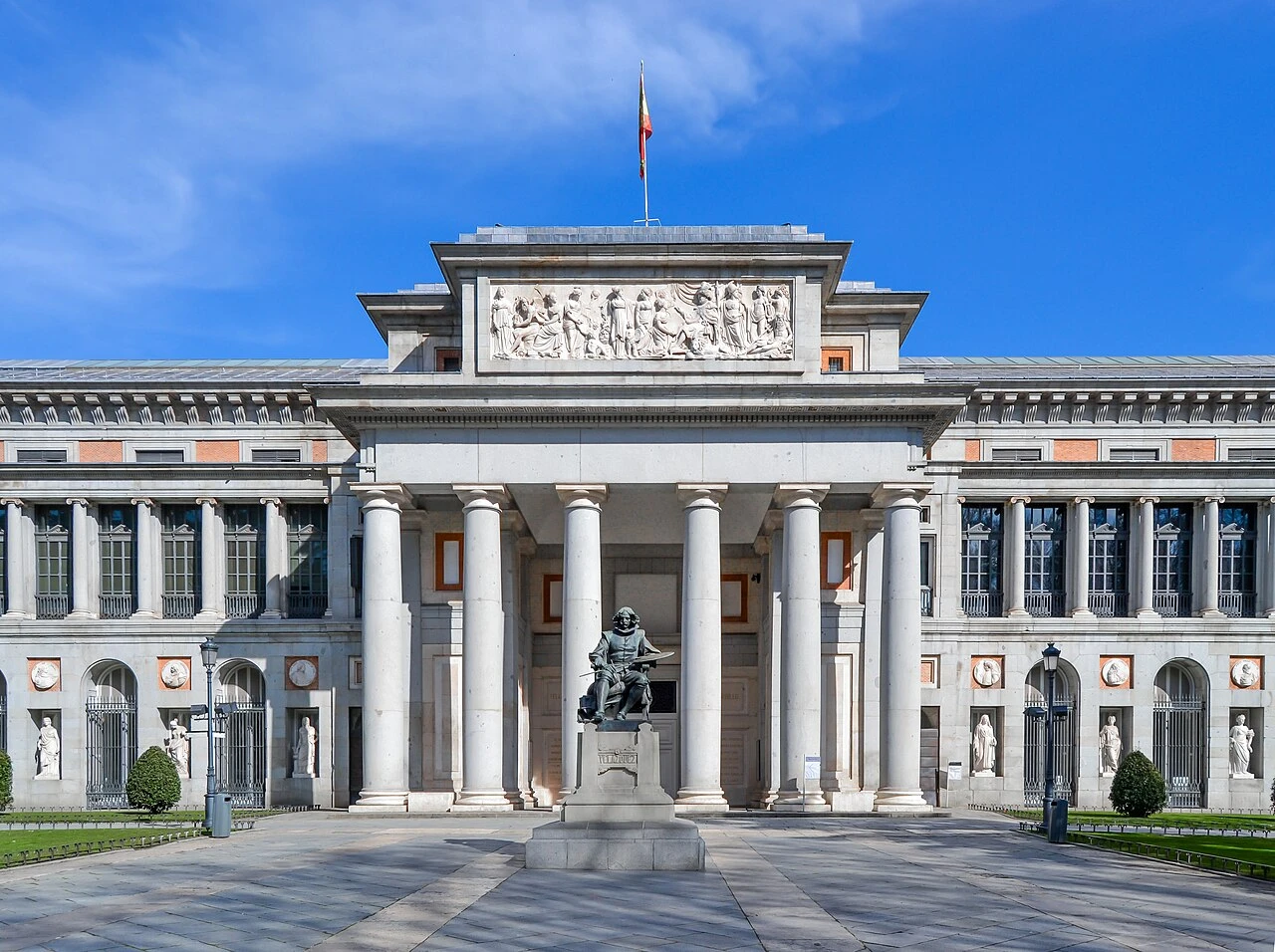
Madrid · 1 km
Prado Museum
Content & sources
Emilio J. Rodríguez Posada · CC BY-SA 2.0
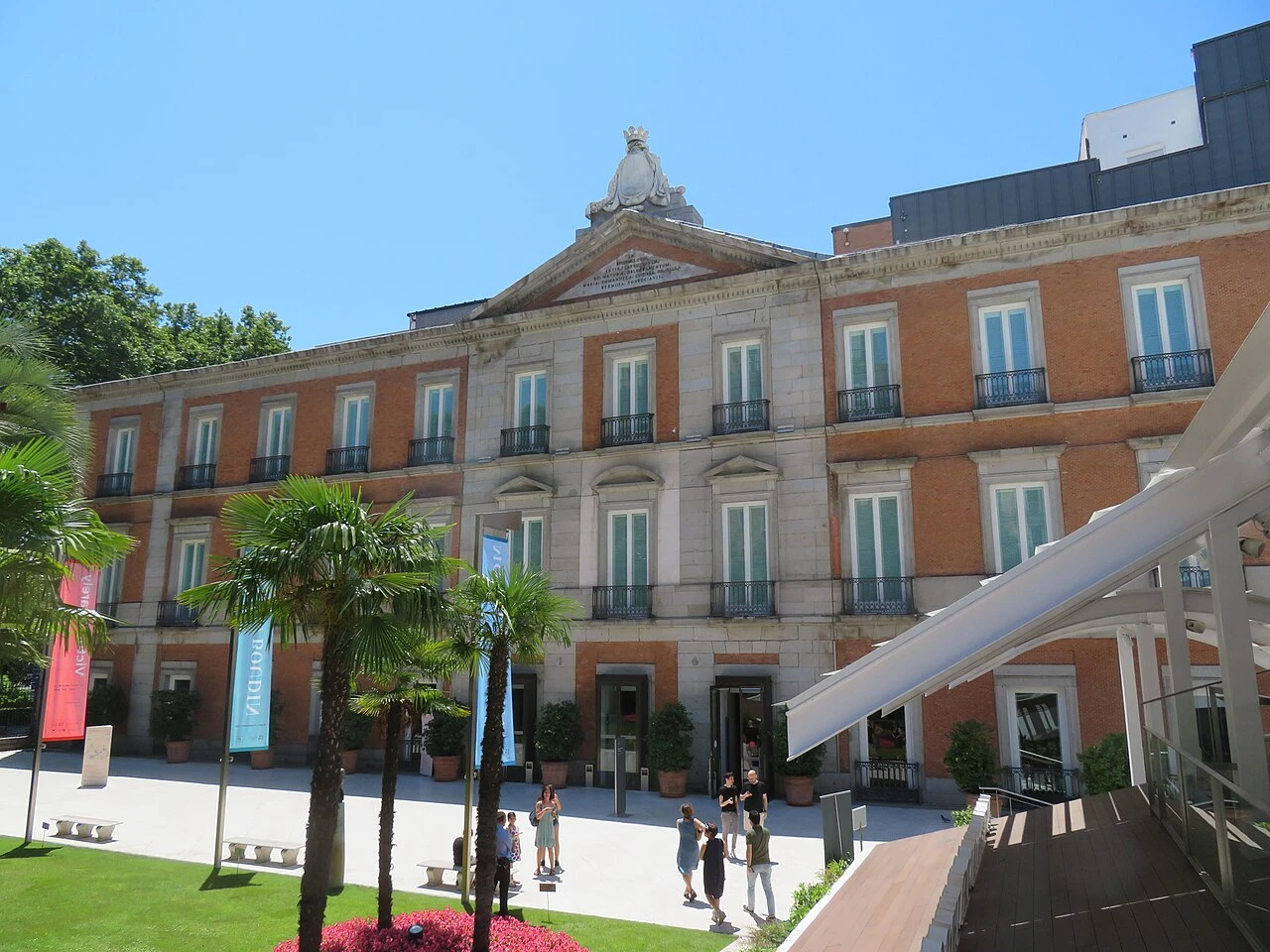
Madrid · 1 km
Thyssen-Bornemisza Museum
Content & sources
Kyle Magnuson from Los Angeles, United States · CC BY 2.0
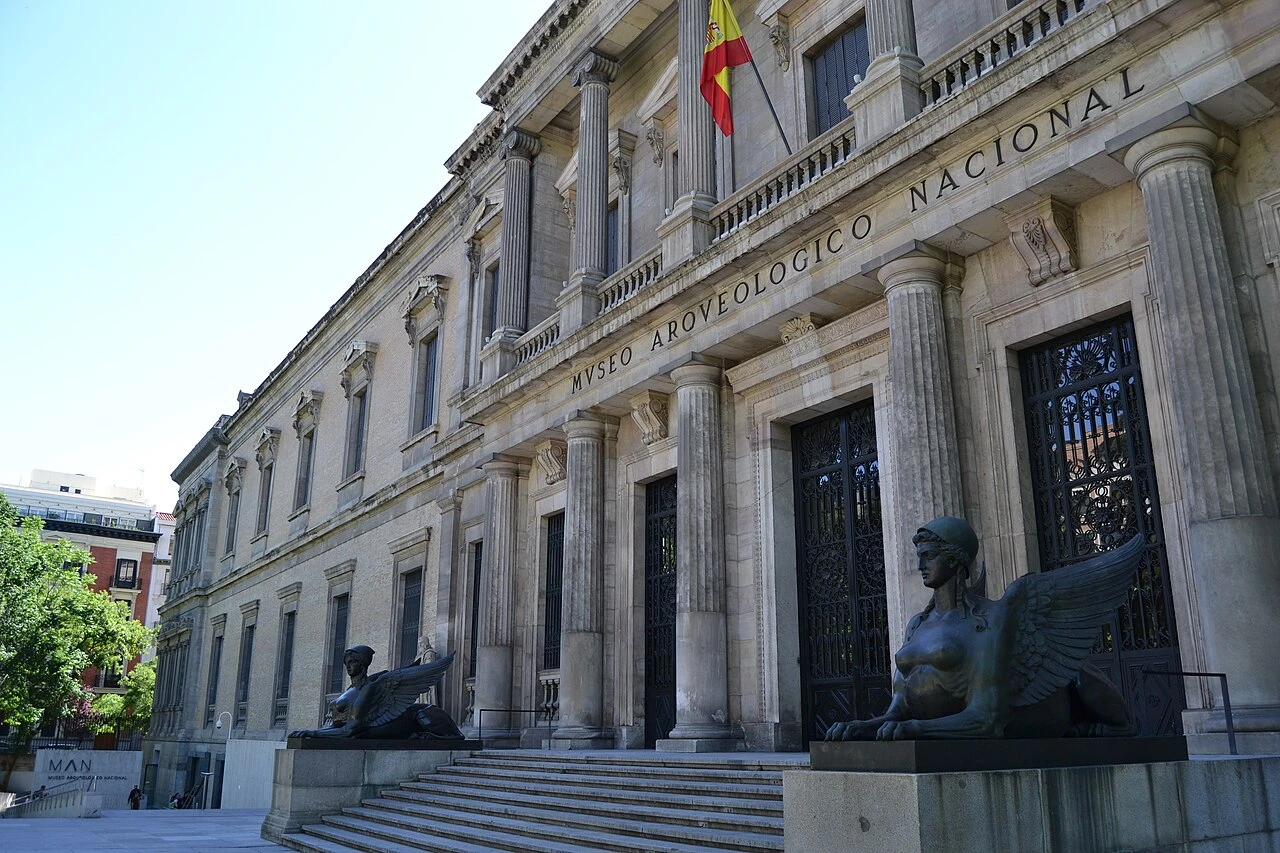
Madrid · 2 km
National Archaeological Museum of Spain
Content & sources
Emilio J. Rodríguez Posada · CC BY-SA 2.0
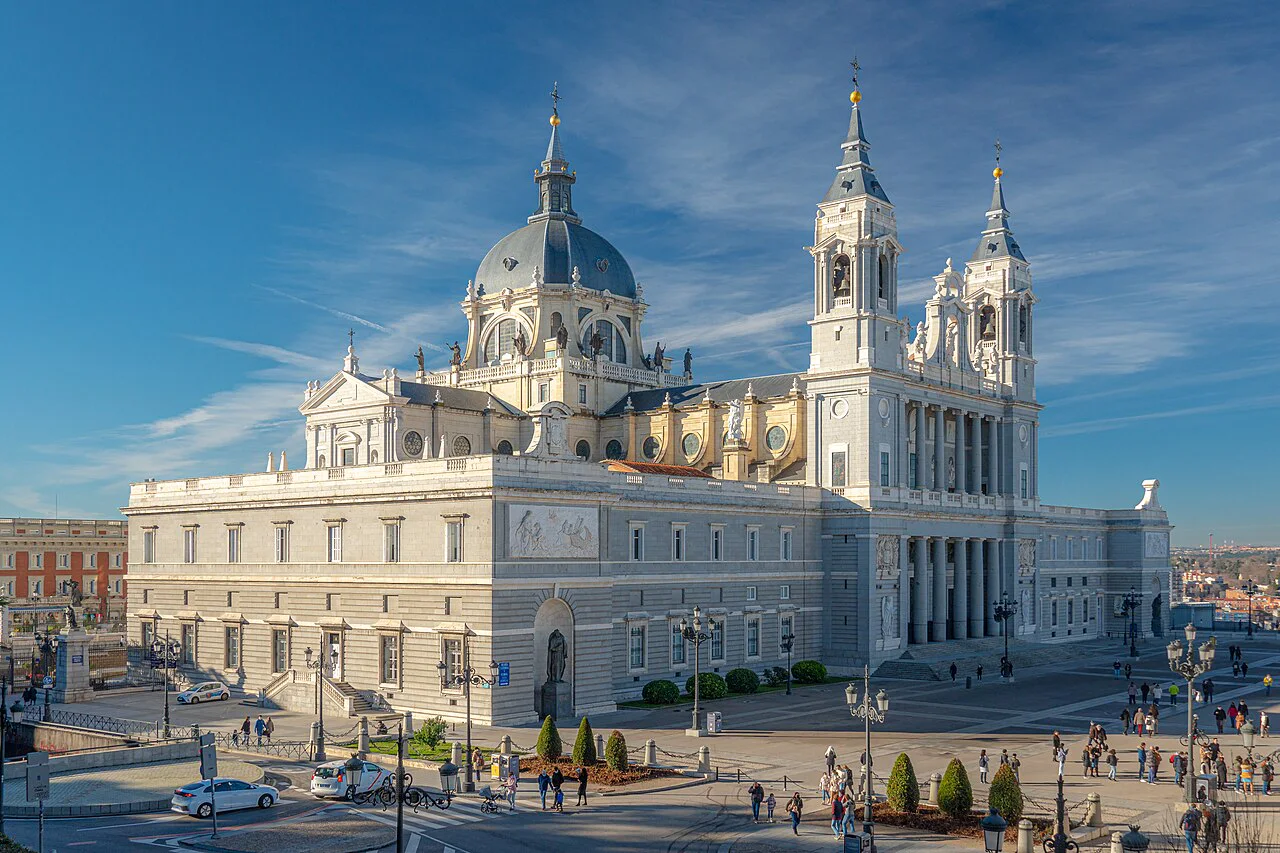
Madrid · 2 km
Catedral de la Almudena
Content & sources
Photo: Fernando · CC BY-SA 4.0
Art museums
More art museum audio guides
Madrid · 437 artworks
Prado Museum
Content & sources
Emilio J. Rodríguez Posada · CC BY-SA 2.0
Madrid · 69 artworks
Thyssen-Bornemisza Museum
Content & sources
Kyle Magnuson from Los Angeles, United States · CC BY 2.0
Madrid · 96 artworks
National Archaeological Museum of Spain
Content & sources
Emilio J. Rodríguez Posada · CC BY-SA 2.0
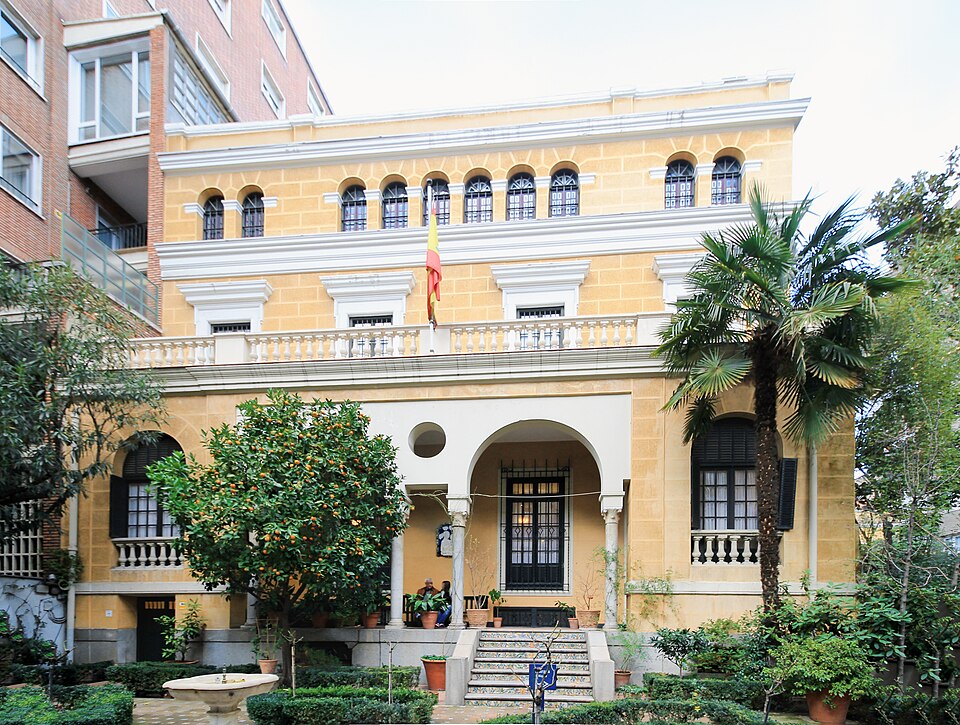
Madrid · 35 artworks
Sorolla Museum
Content & sources
Luis García (Zaqarbal) · CC BY-SA 3.0 es
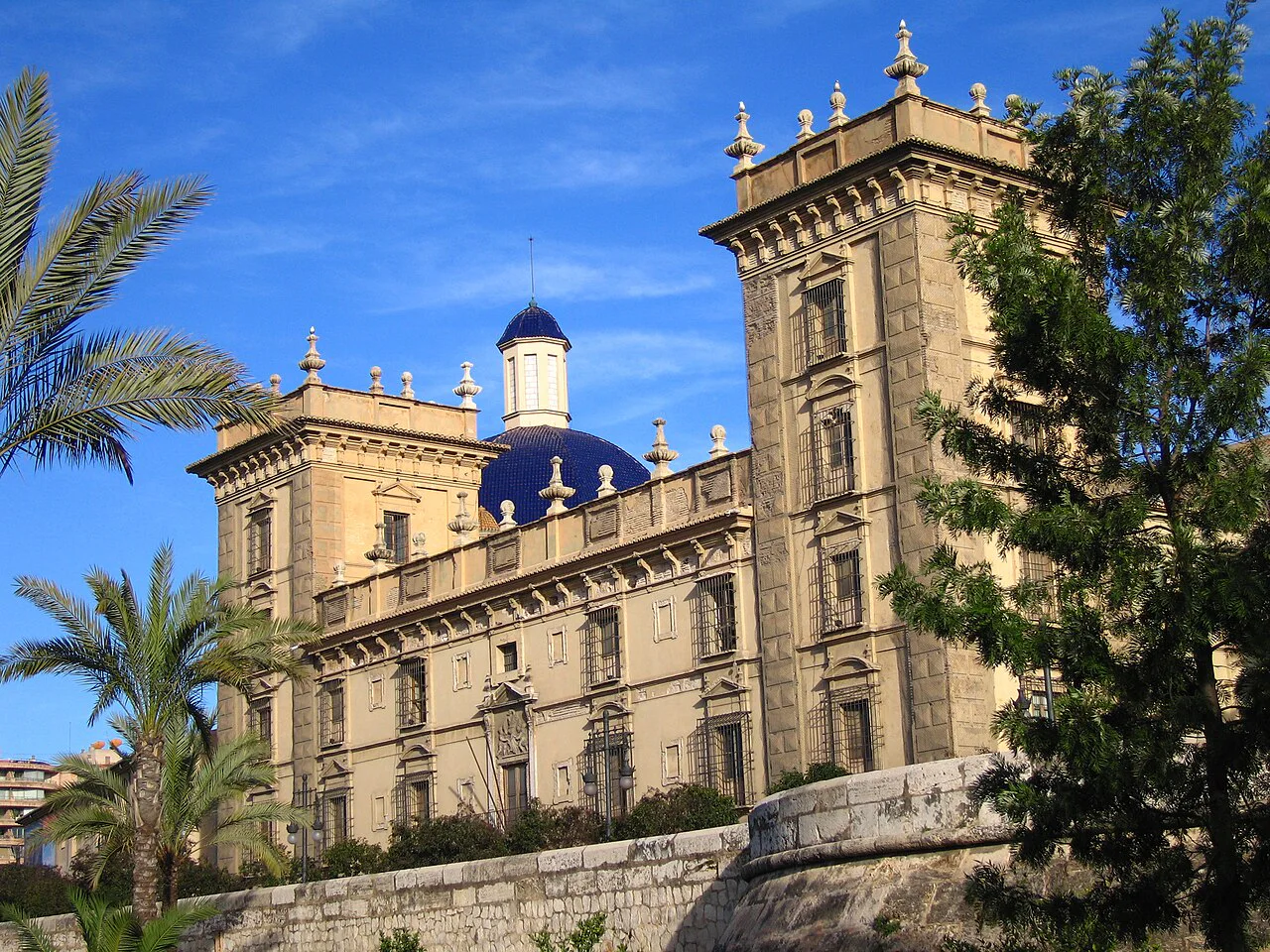
Valencia · 31 artworks
Museo de Bellas Artes de Valencia
Content & sources
Felivet · Public domain
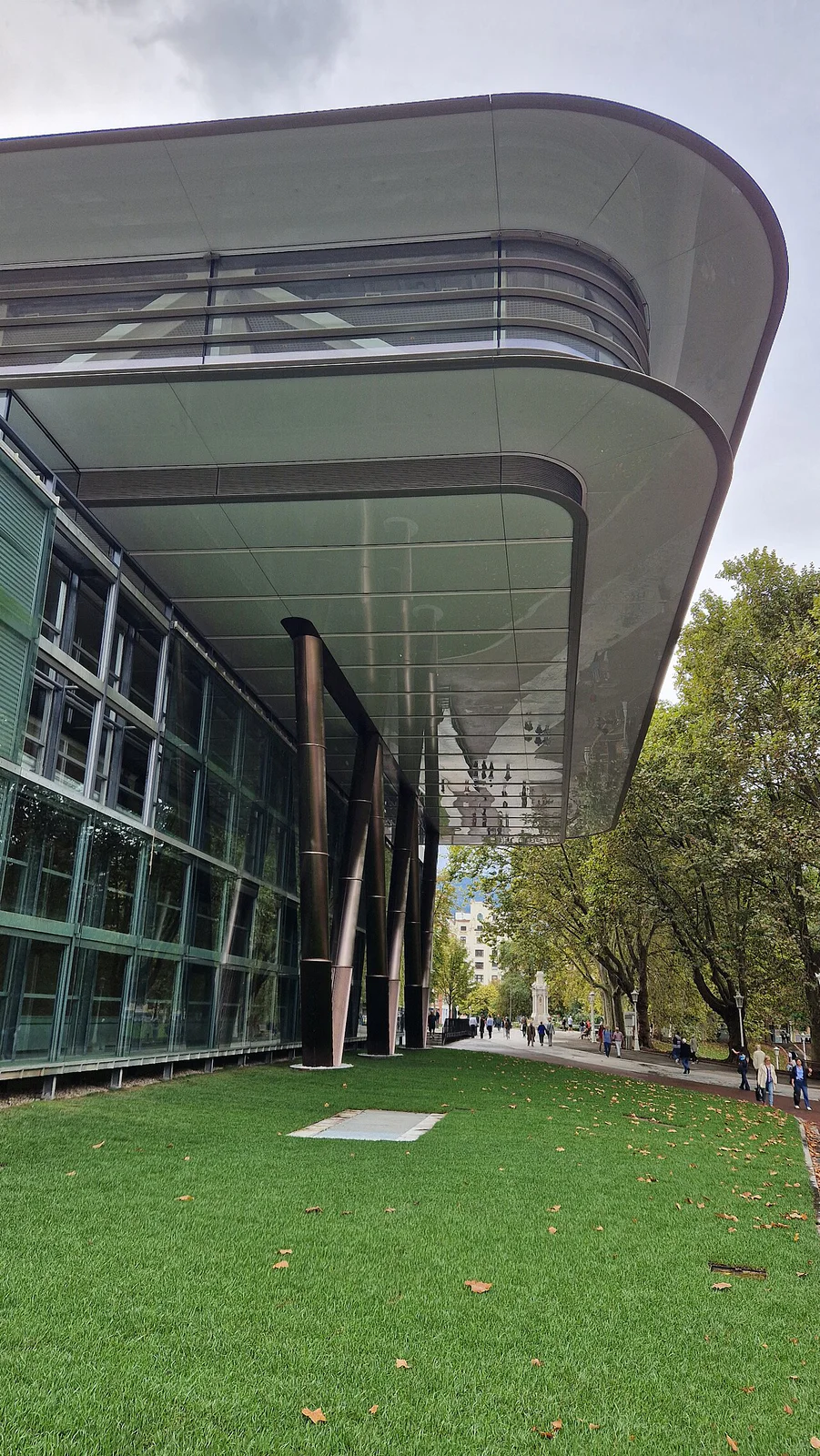
Bilbao · 43 artworks
Museo de Bellas Artes de Bilbao
Content & sources
Photo: Xabier · CC0