Stanza · Audio guide
Reales Alcázares de SevillaAudio guide
A place to remember. A story to take with you.
The Reales Alcázares is a royal palace in Seville, Spain, renowned for its Mudéjar architecture and historical significance. It is one of the oldest royal palaces in Europe still in use.
Download Stanza, then search for “Reales Alcázares de Sevilla”.
About the tour
One guide. Your kind of visit.
The Reales Alcázares is a royal palace in Seville, Spain, renowned for its Mudéjar architecture and historical significance. It is one of the oldest royal palaces in Europe still in use.
Ready when you are.
- 01Get the free Stanza app.
iOS & Android
- 02Find your guide.
“Reales Alcázares de Sevilla”
- 03Download before you go.
Works offline
Audio guide / 20 narrated stops
Inside the guide
Get to know a few of the stories before you go. Open a stop to read more.
01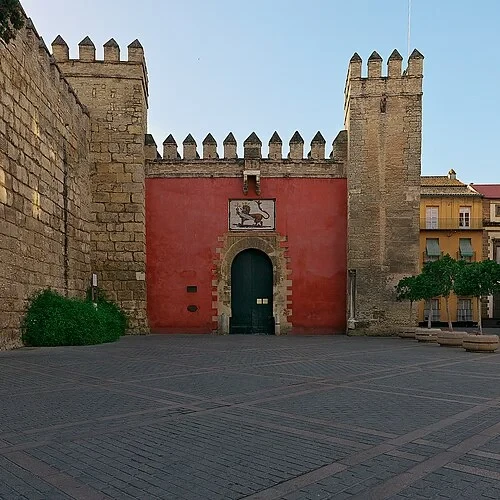 The Lion Gate and ArrivalThe Lion Gate
While the interior reveals a world of delicate luxury, these massive stone walls highlight the complex's origins as a military stronghold. This section remains from the original 10th-century Umayyad fortification, built long before the ornate palaces within. Looking up, the jagged battlements suggest the constant state of readiness required of a medieval garrison. The entrance is defined by a deep red-painted section, which served as the primary defensive barrier for the city’s royal citadel. This gateway was designed to control access, protecting the rulers and their wealth from external threats during a period of frequent territorial shifts. The contrast between this rugged exterior and the artistic wonders found just beyond the gate demonstrates the dual role of this site as both a fortress and a residence. The heavy blocks of stone used here have weathered centuries of wind and sun, yet they still retain the imposing presence intended by their original builders. Small weeds often sprout from the cracks between the sun-bleached blocks.
José Luis Filpo Cabana · CC BY 4.0
02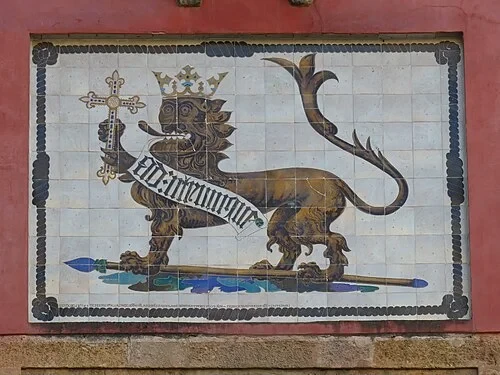 The Lion Gate and ArrivalThe Tiled Lion
Positioned prominently over the entrance is a striking 19th-century tile mural. It features a lion, standing alert and holding a large crucifix in one paw while a banner swirls around it. Below the figure, the Latin inscription 'Ad Utrumque' appears, which translates to 'for both.' This phrase captures a fundamental philosophy of the Spanish kings: their readiness for both war and peace. The lion represents the monarch’s strength and military prowess, while the cross and banner highlight their role as protectors of the faith and patrons of culture. This ceramic work serves as a symbolic introduction to the dual identity found throughout the palace—a place where power and refined beauty coexist. The vibrant colors of the glaze stay bright against the red background, catching the light as visitors pass beneath. This piece acts as a bridge between the ancient fortifications and the later decorative renovations that transformed the fortress into a royal home. Each square tile fits together to form a seamless image of the royal beast.
Photo: CarlosVdeHabsburgo · CC BY-SA 4.0
03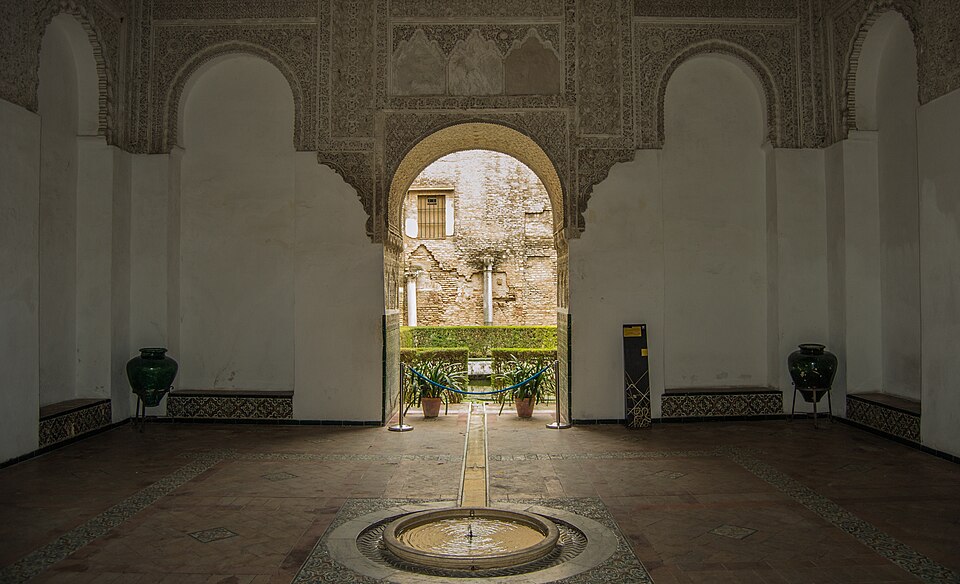 The Almohad Legacy: Justice and PlasterThe Hall of Justice
The Hall of Justice represents a significant shift in the site's history, where the Mudéjar style flourished. This aesthetic combines Islamic structural design with Christian decorative motifs. Built by Alfonso XI in the 14th century, this room served a very serious purpose as the location where the king held court, overseeing both literal and legal proceedings. The walls are covered in intricate plasterwork, known as yesería, which creates a textured surface of geometric and floral patterns. In the center of the floor, a small fountain provides a visual and auditory focus, a feature carried over from Islamic design to provide a sense of calm. This hall was one of the first major Christian additions to the complex after the Reconquista, signaling the new rulers' admiration for the artistic traditions of their predecessors. The high ceiling and thick walls were designed to keep the space cool during the intense heat of a Sevillian summer. You can see how the water from the fountain flows along a narrow channel in the floor.
Listen in the appPhoto: Alberto.Bravo · CC BY-SA 4.0
04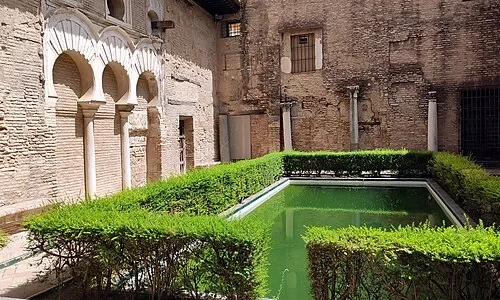 The Almohad Legacy: Justice and PlasterThe Plaster Courtyard
This secluded area is the oldest surviving part of the complex, originating during the 12th-century Almohad Caliphate. It offers a rare look at the original Islamic architecture that preceded the grander palaces. Look closely at the arches to see the delicate 'sebka' plasterwork, which is a diamond-like lattice pattern that creates a sense of lightness and rhythm. This specific courtyard is historically significant because it provided the architectural blueprint for the rest of the palace's expansion in later centuries. The layout, centered around a small pool with a surrounding garden, establishes the traditional Mediterranean courtyard style that balances light, water, and shade. While much of the surrounding structures were modified or rebuilt, this courtyard retains the proportions and decorative spirit of the Almohad period. The weathered surfaces of the plaster tell a story of survival through centuries of political and religious change. The pool's surface often remains perfectly still, reflecting the scalloped arches and the sky above in a symmetrical mirror image.
Listen in the appAmérico Toledano · CC BY-SA 4.0
05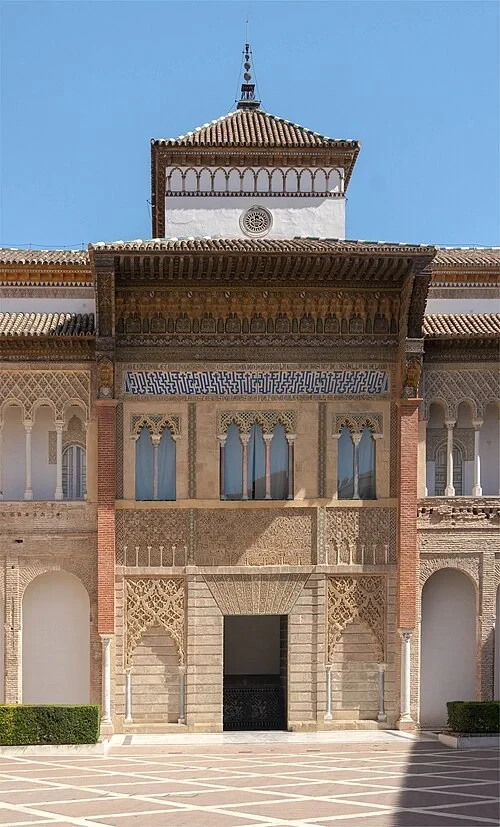 The Hunter's CourtyardFaçade of King Pedro I
Built between 1356 and 1366, this facade is a defining masterpiece of the palace. King Pedro I, though a Christian monarch, was so impressed by the craftsmanship of Islamic art that he hired Muslim artisans from Granada to design this entrance. This resulted in a stunning display of Mudéjar work, where Arabic inscriptions praising God sit alongside the traditional symbols of the Spanish crown. The central doorway is framed by layers of incredibly dense carved plaster and colorful tile work, creating a visual complexity that rewards close inspection. This facade was intended to impress visiting dignitaries, demonstrating both the king's wealth and his cultural sophistication. It marks a period of intense collaboration between different religious and artistic traditions, resulting in a style that is uniquely Spanish. The top of the facade features a wooden overhang with intricate carving that provides deep shadows against the sunlit stone. Look for the small, repeated patterns in the tiles at the base that transition from blue to white and gold.
Listen in the appPhoto: Jebulon · CC BY-SA 3.0
06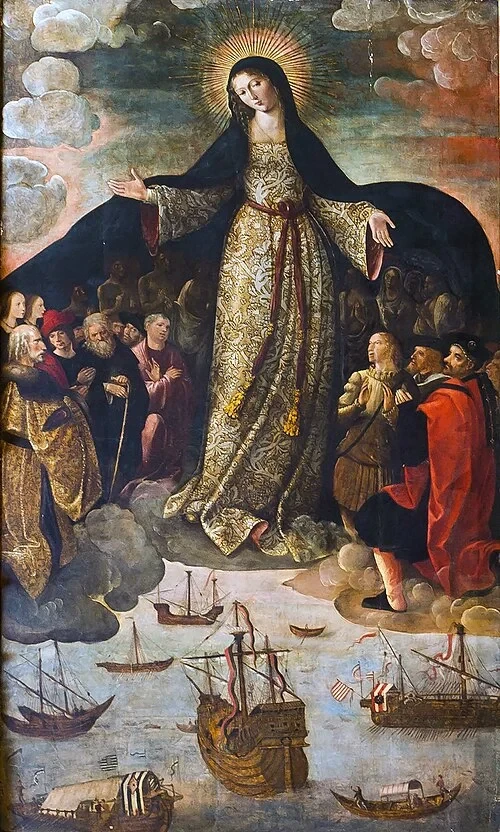 The House of TradeThe Virgin of the Navigators
This significant artwork was commissioned for the House of Trade to serve as a protective icon for Spanish sailors. The painting depicts the Virgin Mary spreading her vast, golden-patterned cloak to shelter a group of figures. Among those gathered, historical consensus suggests the white-bearded man on the left is Christopher Columbus, with Amerigo Vespucci standing nearby. This piece captures a pivotal moment in global history, connecting religious devotion to the age of maritime exploration. At the bottom of the canvas, the artist included detailed depictions of different types of 16th-century ships, such as caravels and galleons, floating on a calm sea. These details provide valuable historical information about the vessels that crossed the Atlantic. The painting reflects the immense wealth and power Seville held as the gateway to the New World. The figures' expressions are solemn and hopeful, looking toward the Virgin for safe passage across unknown waters. The rich textures of the Virgin's dress are rendered with fine lines of gold paint that catch the light.
Listen in the appAlejo Fernández · Public domain
07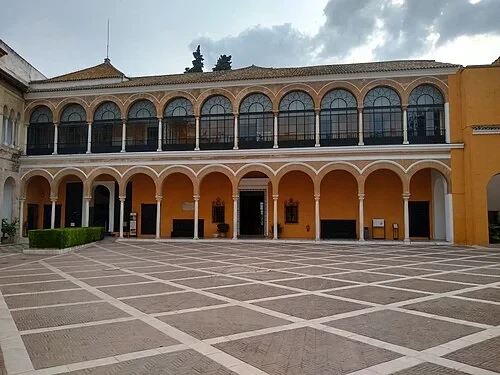 The House of TradeThe House of Trade
Following the events of 1492, this building became the bureaucratic center of the largest empire the world had ever known. Known as the Casa de Contratación, it was here that every voyage to the Americas was authorized and every gram of gold or silver returned from overseas was carefully logged. The space reflects the immense administrative power required to govern distant colonies. Architecturally, the building shows a shift toward Renaissance styling, visible in the clean lines of the arcaded walkway and the more restrained decorative elements compared to the earlier Mudéjar sections. These rooms were filled with maps, ledgers, and officials managing the flow of global trade and immigration. The organized, structured feel of the architecture echoed the rigorous control the Spanish crown sought to exert over its new territories. It was the site of intense intellectual activity, as navigators and cartographers shared information to update the charts of the expanding world. The paved courtyard and the simple columns of the arcade create a sense of orderly, official business.
Listen in the appPhoto: CarlosVdeHabsburgo · CC BY-SA 4.0
08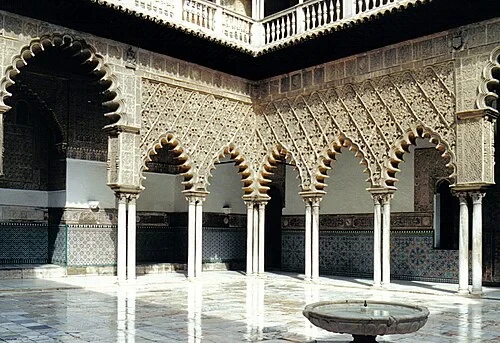 The Courtyard of the MaidensThe Arches of the Maidens
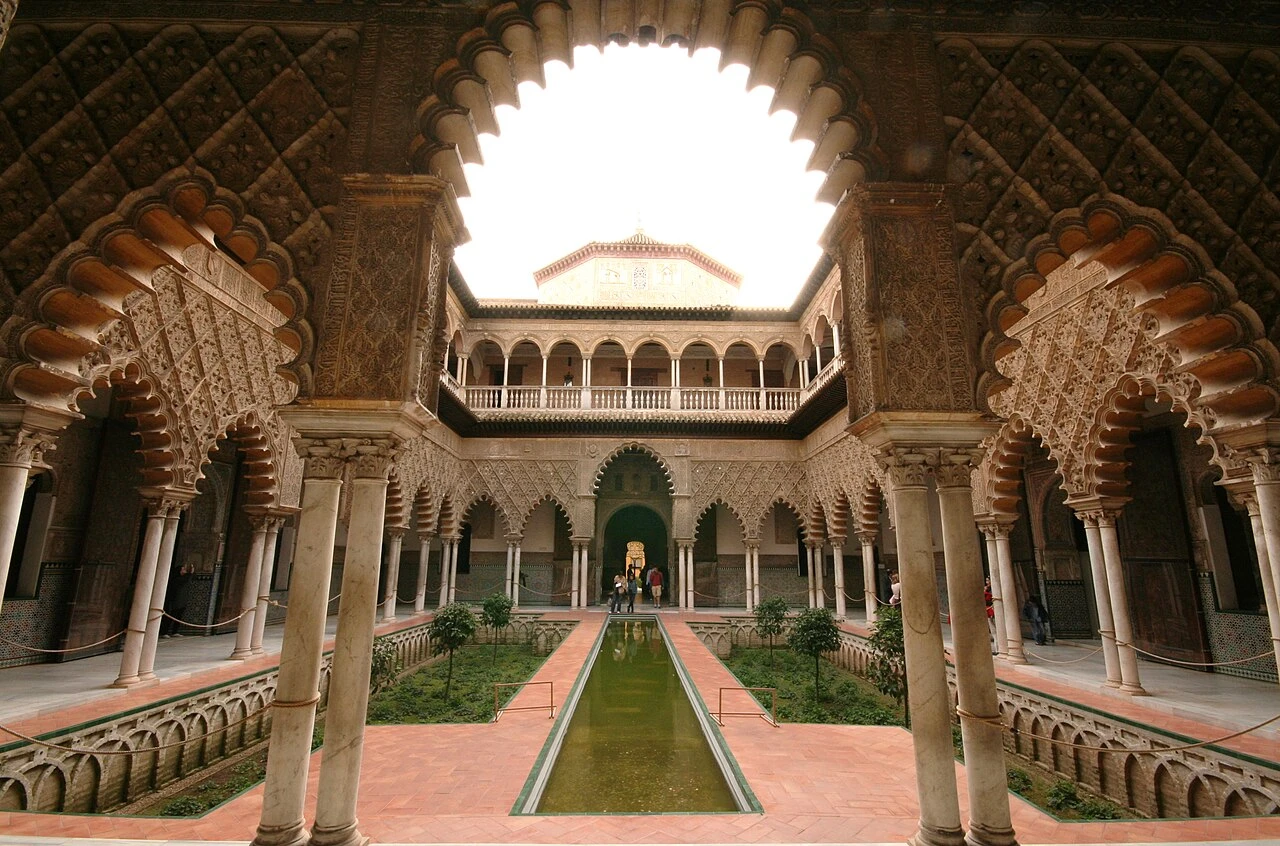
The ground floor of this area displays some of the most refined craftsmanship in the entire palace complex. The 'multifoil' arches are particularly notable, featuring multiple small lobes that create a complex, flower-like silhouette. These are covered in a dense layer of carved plaster that seems almost like lace when viewed from a distance. Above this 14th-century Mudéjar base, you can see a Renaissance gallery added in the 16th century. This vertical arrangement creates a physical timeline of Spanish architectural history, showing how later builders respected and built upon the work of their predecessors. The contrast between the delicate, repetitive patterns of the lower level and the broader, more classical forms of the upper balcony is a testament to the evolving tastes of the royal residents. The white plaster catches the sunlight, highlighting the incredible depth of the carvings and the shadows they cast. This space served as a central meeting point, connecting various wings of the palace. The floor is paved with large marble slabs that lead toward the central pool.
Listen in the appPhoto: EmDee · CC BY-SA 3.0
09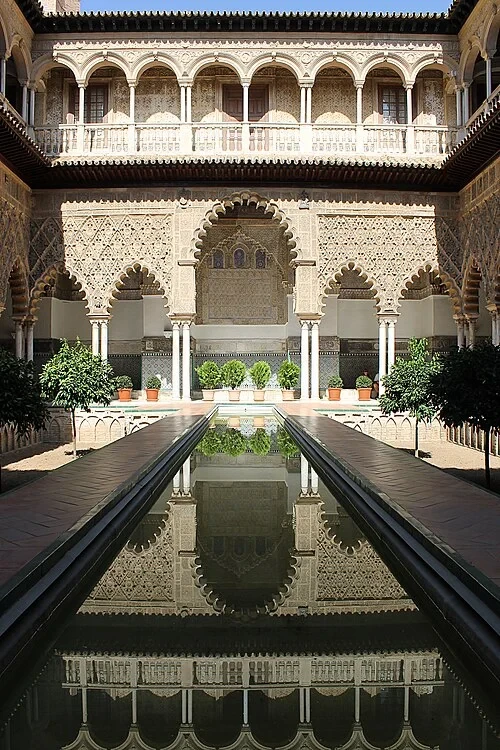 The Courtyard of the MaidensCourtyard of the Maidens
The centerpiece of this grand space is a reflecting pool measuring 21 by 15 meters, which serves several purposes beyond its beauty. According to local myth, Christian kingdoms once had to pay a tribute of 100 maidens annually to the Muslim rulers of this site, giving the courtyard its name. Beyond the legend, the water is a functional element of Islamic design, used to create perfect symmetry and a cooling microclimate that lowers the temperature during the hot Sevillian afternoons. The sunken gardens on either side of the pool were designed so that the fragrance of orange trees and herbs would drift up to the level of the walkways. The pool acts as a mirror, doubling the image of the surrounding arches and the intricate plasterwork. This creates a sense of infinite space and calm, central to the concept of a paradise garden. The sound of water trickling into the pool adds to the peaceful atmosphere. The walkway around the water is narrow, encouraging visitors to move slowly and appreciate the details of the carved stone.
Listen in the appNicolas Vollmer from Munich [Allemagne] · CC BY 2.0
10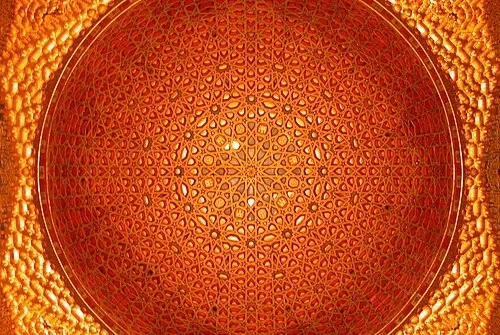 The Hall of AmbassadorsThe Golden Dome
The ceiling of the Hall of Ambassadors features a magnificent cedar wood dome built in 1427. It is constructed from thousands of interlocking pieces of wood that form a complex geometric pattern of stars. This design was intended to represent the universe and the heavens, a common theme in royal architecture of the time to symbolize the king's divinely sanctioned power. The entire surface is finished with gold leaf, designed to catch and reflect the flickering light from lamps below. This created a shimmering, celestial effect that was meant to awe foreign diplomats and guests during official receptions. The transition from the square walls to the circular dome is managed by intricate wooden corner pieces called muqarnas, which resemble honeycombs. This room was the most important diplomatic space in the palace, and every detail was crafted to communicate the prestige of the Spanish crown. The deep reddish tones of the cedar provide a warm contrast to the bright gold highlights. If you move around the room, the way the light hits different facets of the stars changes the appearance of the dome.
Listen in the appPaco from Badajoz, España · CC BY 2.0
Reales Alcázares de Sevilla
Frequently asked questions
How much does the guide cost?
Free app download. Listed guide price: $1.99. Guide price shown in the app. Audio guide only. Venue admission is separate.
Can I listen without internet?
Yes. Download the guide’s audio, images, and maps in the app before your visit. Your downloaded content is then available offline.
Can I listen in my language?
Stanza supports 15 languages. Check the app for the languages available for this guide.
Do I need to follow a schedule?
No. This is a self-guided experience. Choose your stops, pause whenever you like, and return to a story at your own pace.
At your own pace
Explore Reales Alcázares de Sevilla.
Download Stanza, then search for “Reales Alcázares de Sevilla”.
Free app download · Guide price shown in the app
Keep exploring
Nearby audio guides
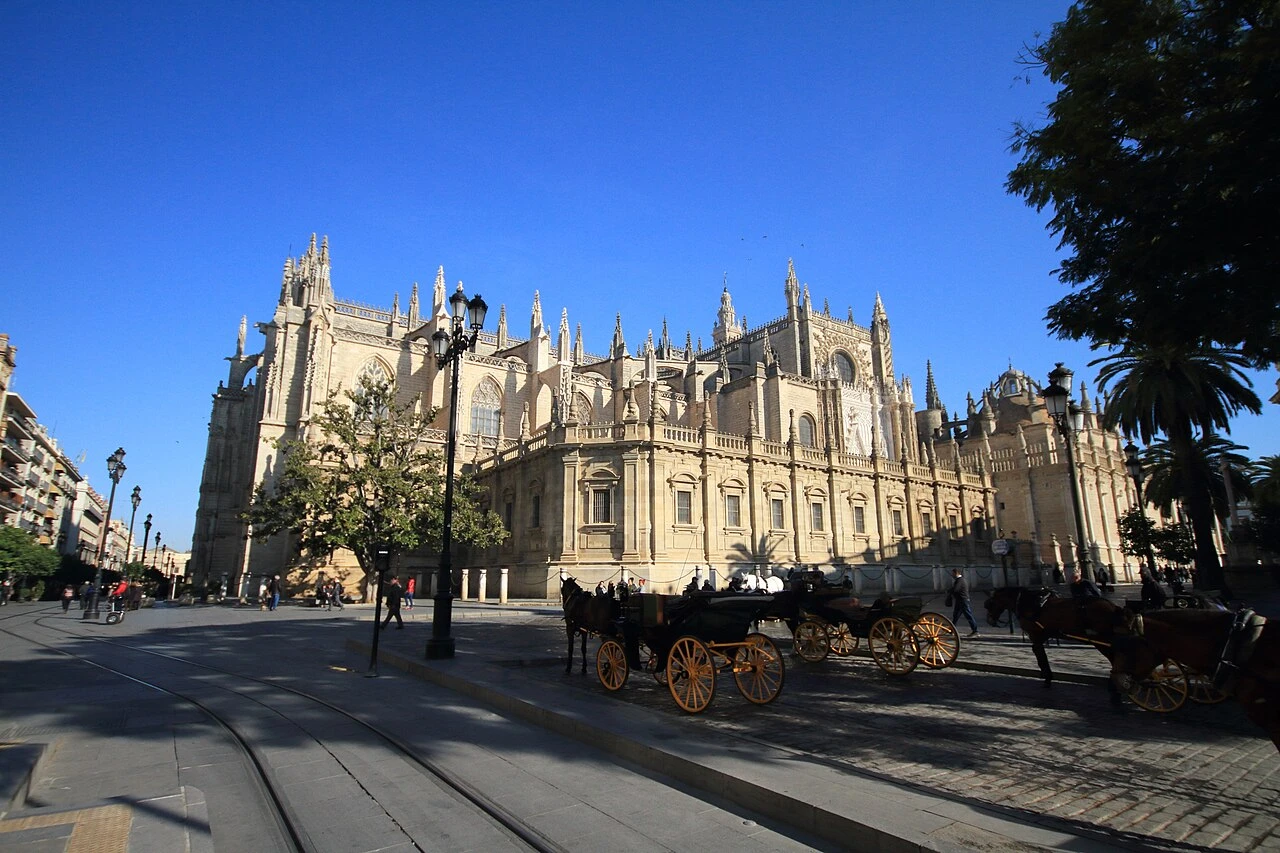
Seville
Catedral de Sevilla
Content & sources
Photo: PEPE GADEIRAS · CC BY-SA 4.0
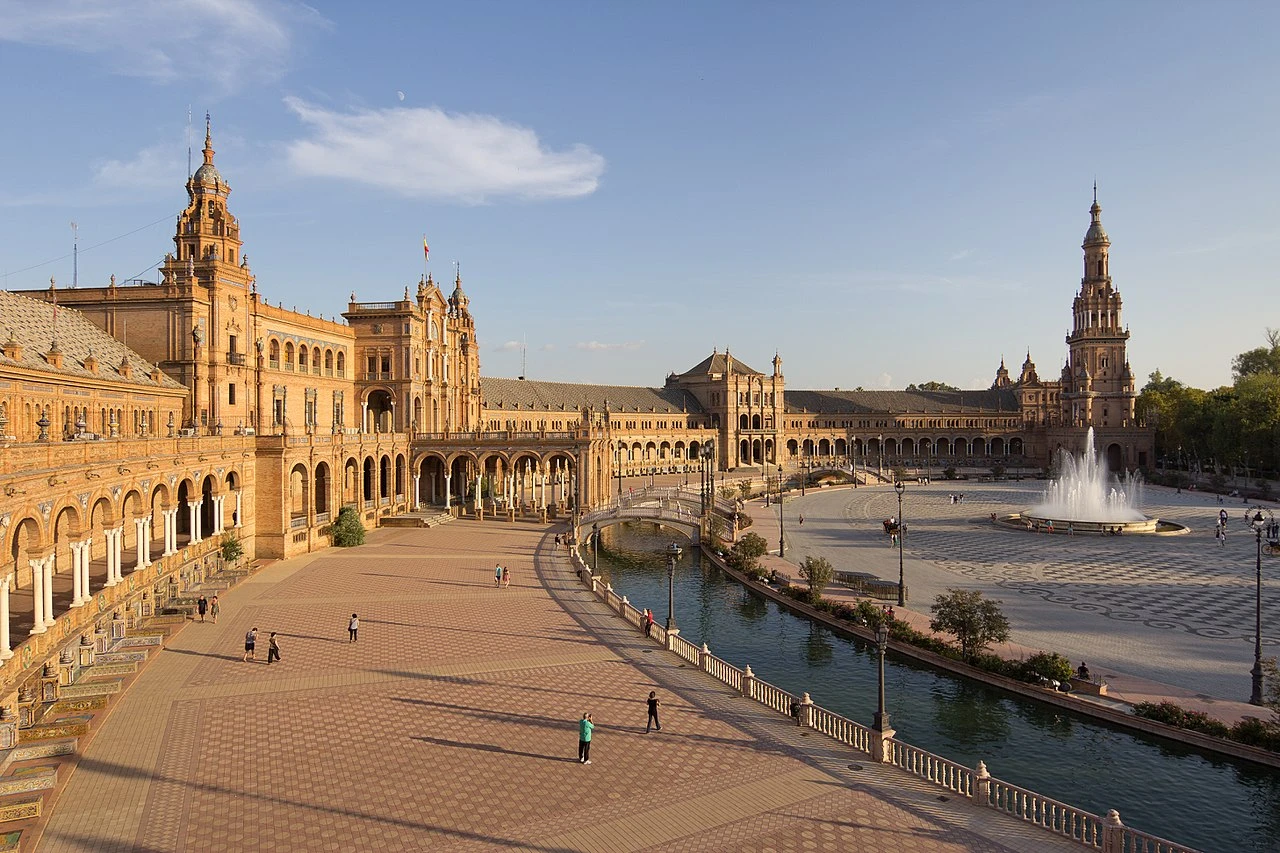
Seville
Plaza de España
Content & sources
Carlos Delgado · CC BY-SA 4.0
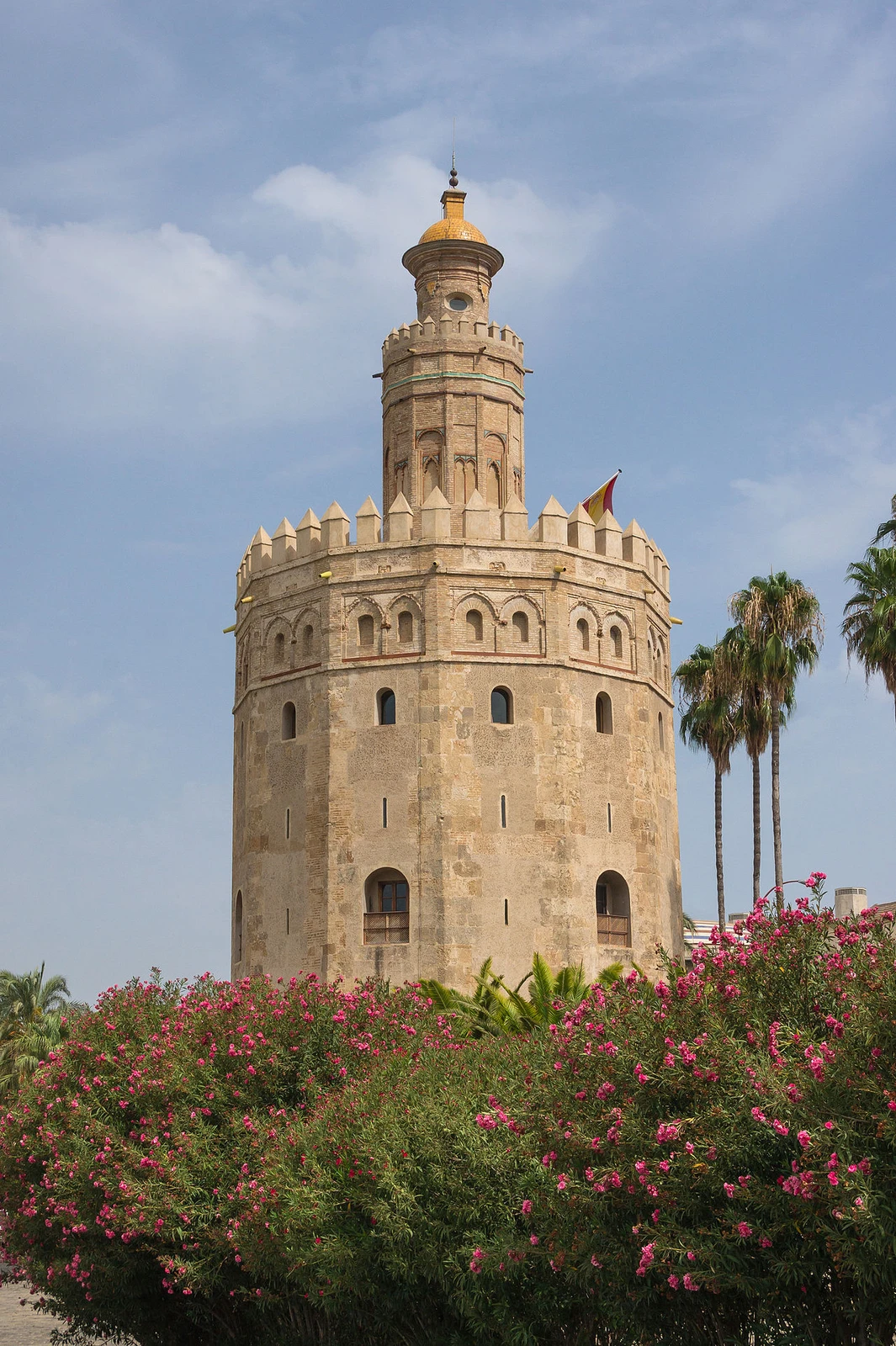
Seville
Torre del Oro
Content & sources
Photo: Jebulon · CC0
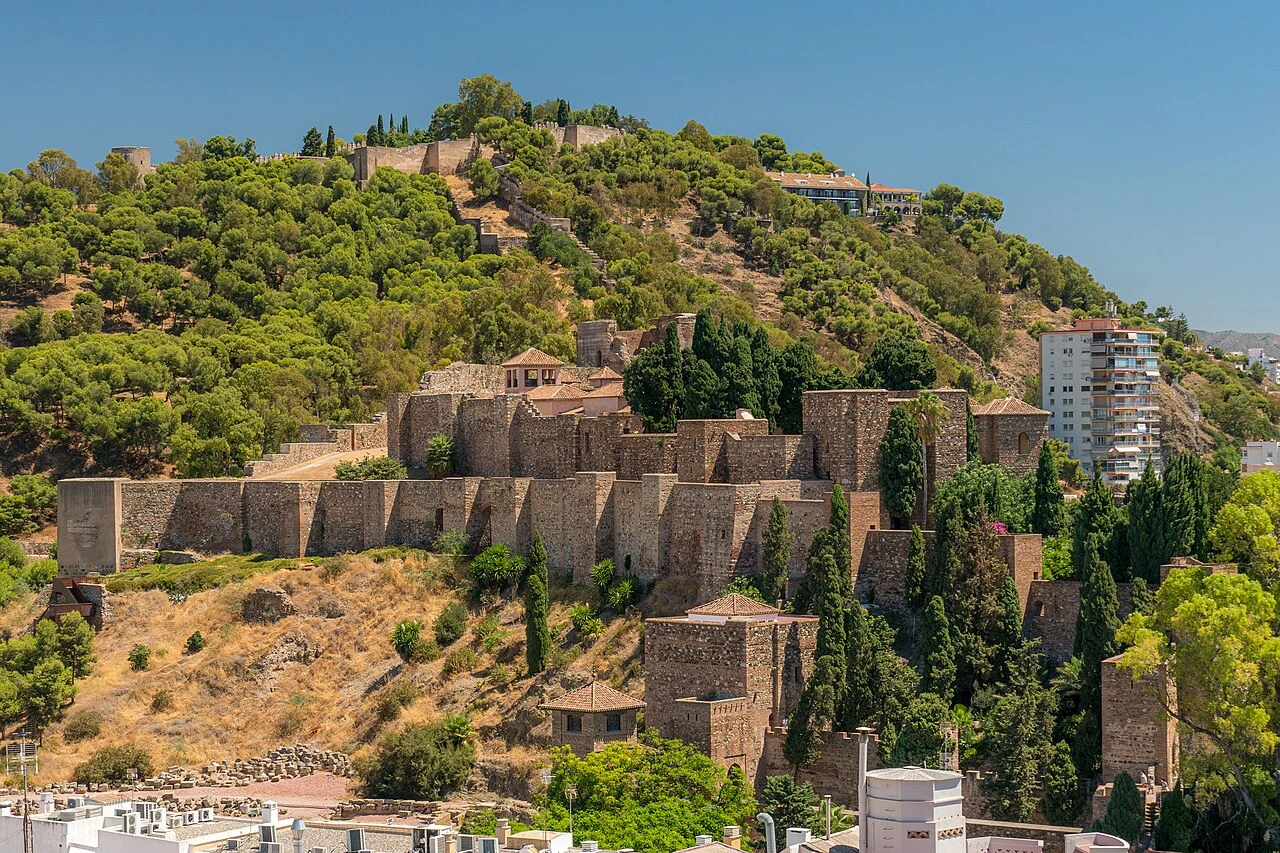
Málaga
Alcazaba de Málaga
Content & sources
Photo: Fernando · CC BY-SA 4.0