Stanza · Audio guide
Phimai Historical Park Audio Guide
A place to remember. A story to take with you.
Phimai Historical Park is a historical park in Thailand that covers the ancient town of Phimai and the ruins of Prasat Phimai. It is the largest ancient Mahayana Buddhist temple in Thailand and serves as a…
Download Stanza, then search for “Phimai Historical Park”.
About the tour
One guide. Your kind of visit.
Phimai Historical Park is a historical park in Thailand that covers the ancient town of Phimai and the ruins of Prasat Phimai. It is the largest ancient Mahayana Buddhist temple in Thailand and serves as a significant tourist attraction.
Ready when you are.
- 01Get the free Stanza app.
iOS & Android
- 02Find your guide.
“Phimai Historical Park”
- 03Download before you go.
Works offline
Audio guide / 12 narrated stops
Inside the guide
Get to know a few of the stories before you go. Open a stop to read more.
01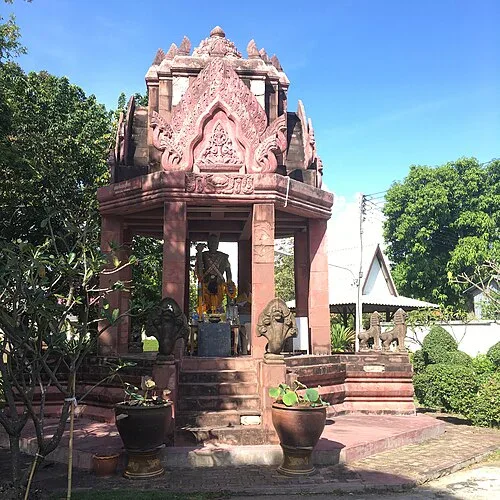 The Royal Pavilion (Plubpla)
The Royal Pavilion (Phlab Phla)
Welcome to Phimai, in Nakhon Ratchasima province, home to the largest ancient Mahayana Buddhist temple in Thailand. The modern name grew out of an older one: inscriptions call the town Vimayapura, the city of Vimaya. This carved pavilion, the Phlab Phla, is traditionally understood as the place where visiting royalty prepared themselves before entering the sacred city. The old approach began about a kilometre south, where travellers crossed the river to a laterite landing stage. Local legend ties that stage to the bathing place of a heroine from myth. The walls of the enclosure stretch roughly a thousand metres from end to end, a size comparable to Angkor Wat itself. That scale suggests Phimai was an important city of the Khmer Empire. The south gate, Pratu Chai, has been reconstructed by the Royal Fine Arts Department, and is said to be large enough for a royal elephant to enter. Most of the rest of the site has been left lightly restored.
Photo: Broichmore · CC BY-SA 4.0
02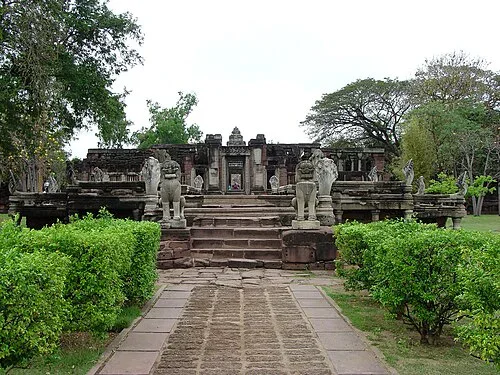 The Naga Bridge
Every Khmer temple is a picture of the universe. Its towers, with their lotus-shaped roofs, stand for Mount Meru, the mountain at the centre of the cosmos. The surrounding walls stand for the encircling waters and mountains. This raised stone bridge is the threshold between those worlds. Crossing it means leaving the ordinary town behind and entering the sacred mountain realm. The bridge is built on a cruciform plan, with guardian lions flanking the way. It carries the path toward the southern outer gopura, the great gate ahead.
Photo: กสิณธร ราชโอรส · CC BY-SA 4.0
03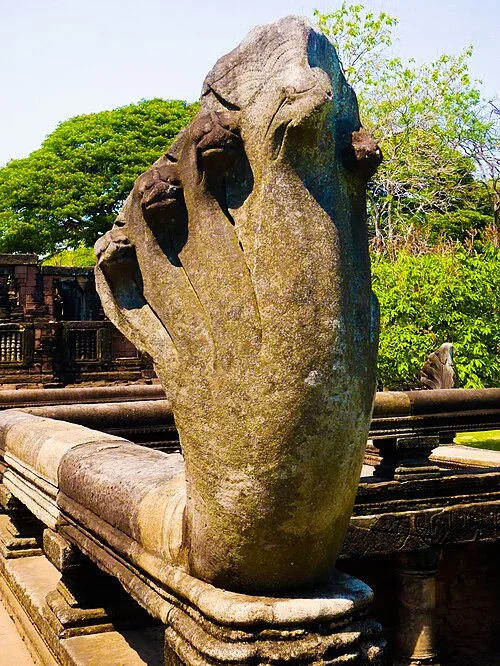 The Naga Bridge
The Naga Serpent Head
Rearing up at the corner of the balustrade, a naga lifts its flared hoods toward anyone crossing. The serpent is carved from a single weathered block of stone, its heads spread like a fan. In Khmer temple design the naga serves as a guardian and a bridge between worlds, a fitting sentinel for a crossing like this. It is the signature motif of Phimai.
Listen in the appPhoto: กสิณธร ราชโอรส · CC BY-SA 4.0
04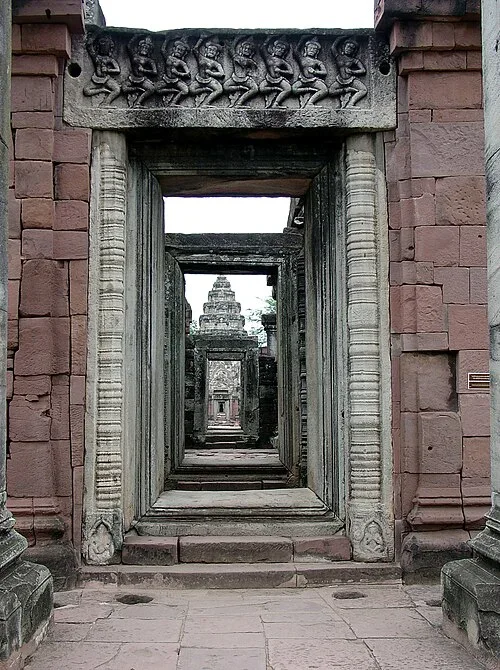 The South Outer Gopura & Orientation
The South Outer Gopura and the Road to Angkor
Khmer temples almost always face east. Phimai faces south. Through this gate the whole building is turned toward Angkor, its cardinal direction, far to the south. Phimai marks one end of the Ancient Khmer Highway from the imperial capital, so the highway itself becomes the temple's front door. A traveller arriving from Angkor came straight down this axis toward the sanctuary. The aligned doorframes make the line visible, gateway after gateway, with the central tower sitting dead ahead at the far end.
Listen in the appMichael Gunther · CC BY-SA 4.0
05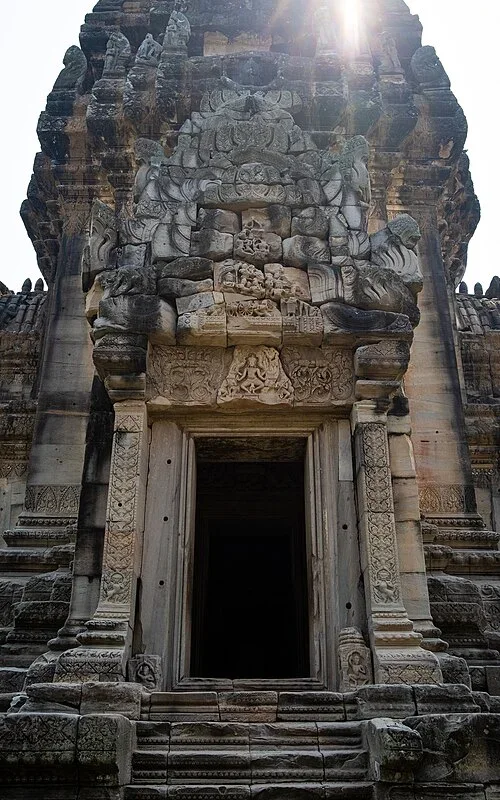 The Inner Gopura & Khmer Inscriptions
The Inner Gopura Inscriptions
Doorways at Phimai can be read like documents. Inscriptions carved here record the story of the site. In the rebuilt gallery around the courtyard stands a pre-Angkorian Buddhist inscription telling the story of Prince Siddhartha's path to becoming the Buddha. A reused stone built into the temple wall carries an eighth-century Buddhist inscription. Both are far older than the stone towers around them, evidence that Buddhism at this site long predates the buildings.
Listen in the appPhoto: Takeaway · CC BY-SA 4.0
06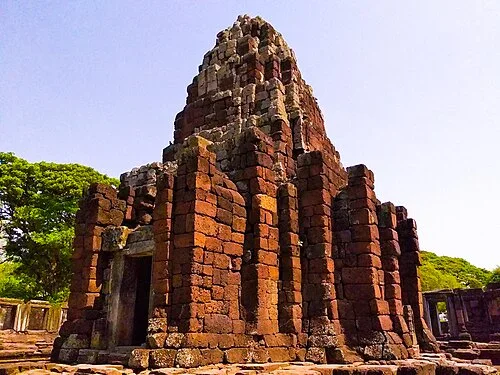 Prang Hin Daeng (The Red Sandstone Tower)
Prang Hin Daeng, the Red Stone Tower
Not every tower in this courtyard is the same colour. This one, Prang Hin Daeng, is the Red Stone Tower, built square from deep red sandstone. Nearby, Prang Brahmadat was raised from laterite blocks, while the main sanctuary glows in white sandstone. The Khmer building system explains the mix: sandstone for the visible outer faces, laterite for inner walls and hidden parts. The empire behind it had a Hindu background. Khmer kings ruled under the devaraja idea, the god-king cult in which the king was honoured as an avatar of Shiva. Phimai, though, stands apart from that Hindu pattern.
Listen in the appPhoto: กสิณธร ราชโอรส · CC BY-SA 4.0
07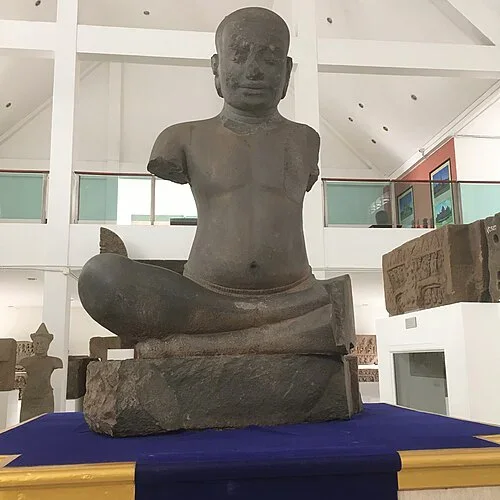 Prang Prommatat & The Royal Portrait
The Portrait of Jayavarman VII
A seated stone portrait, carved in the Bayon-related style of the late twelfth and thirteenth centuries. This one was found at Prang Brahmadat and is kept today in the Phimai National Museum. It is associated with King Jayavarman VII, the ruler who renovated Phimai in the late twelfth century. His patronage reached here along a state-built road. An inscription of 1191 counts seventeen rest houses with hearths on the road from Angkor to Vimaya. Other inscriptions, from 1186, record his hospital foundations across the region. Five of those hospitals lay in the Nakhon Ratchasima area. Local legend tells a different story about statues found at Prang Prommatat: folk tradition names King Prommatat and the kneeling Nang Orapim. Archaeologists read the same figures as Jayavarman VII and his queen.
Listen in the appPhoto: Broichmore · CC BY-SA 4.0
08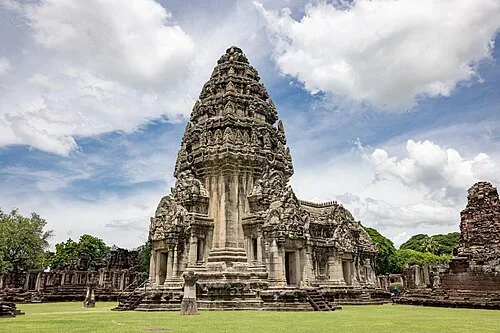 The Central Sanctuary (Prasat Prathan)
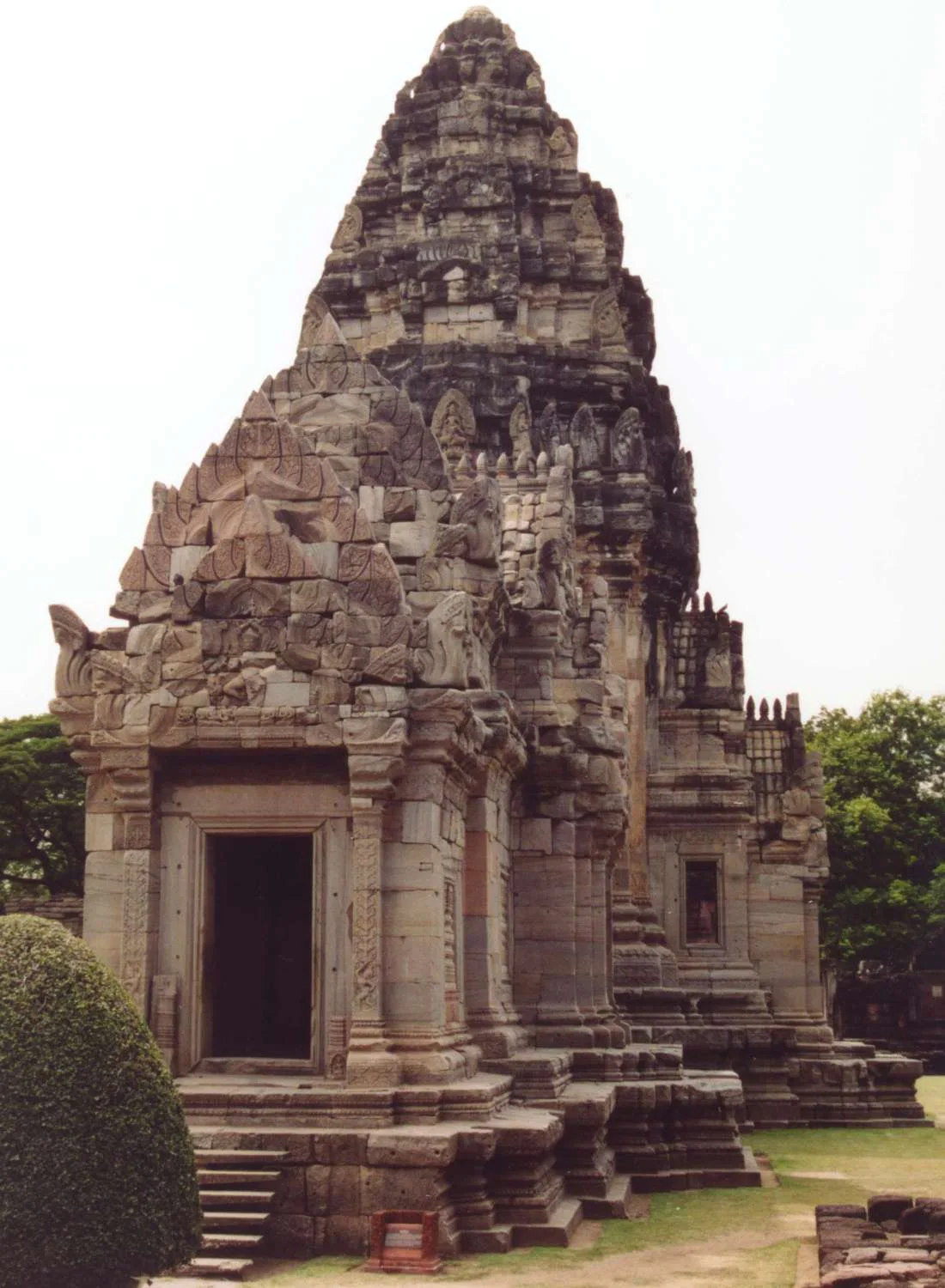
At the end of the axis rises the building everything points to: the central sanctuary, Prasat Prathan. Its white sandstone tower climbs twenty-eight metres, the tallest principal prang in Thailand. The sanctuary itself runs almost thirty-two metres long. Most of the buildings here went up between the late eleventh and the late twelfth centuries, in the Baphuon and Angkor Wat-period styles of Khmer architecture. The tower's lotus-shaped summit carries the symbolism from the bridge: Mount Meru, the cosmic peak, reached at last.
Listen in the appPhoto: Mastertongapollo · CC BY-SA 4.0
09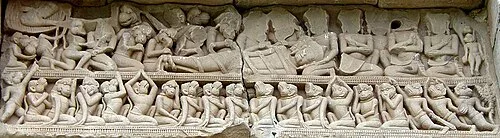 The Central Sanctuary (Prasat Prathan)
The Ramayana Lintel
This lintel is storytelling in stone. It packs the Ramayana epic into crowded registers of figures, monkey warriors and demons among them. The craft had its tricks: lintel ends were cut at a forty-five-degree angle to form a wedge that locks into the masonry. The temple's most striking pairing sits on the main sanctuary's southern lintel, a meditating Buddha sheltered by the seven hoods of the naga Muchalinda. Beside it, demons and animals drawn from Tantric Mahayana Buddhist scripture. Hindu epic and Buddhist vision share the same doorway.
Listen in the appMichael Gunther · CC BY-SA 4.0
10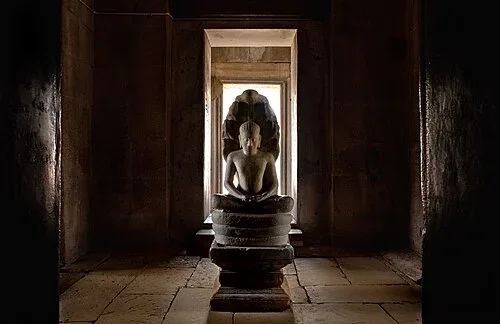 The Sacred Inner Sanctum
Inside the dark chamber of the main tower, a single doorway lets in the light. It falls on one image: a Buddha seated in the naga-protection posture, the figure at the heart of Phimai. The Khmer imperial elite of the time were largely Hindu, yet this temple was built as a Buddhist one. The reason lies with the people. The inhabitants of the Khorat area had been Buddhists since as early as the seventh century. A Khmer imperial monument, raised to serve a local Buddhist faith.
Listen in the appPhoto: Takeaway · CC BY-SA 4.0
- 11
Buddha Under the Naga
The serpent of the bridge returns as the Buddha's protector, and the site's layered past comes into view.
- 12
Phimai National Museum
The museum beside the ruins, a royal funeral rite on a naga throne, and Phimai's long afterlife.
Phimai Historical Park
Frequently asked questions
How much does the guide cost?
Free app download. Listed guide price: $0.99. Guide price shown in the app. Audio guide only. Venue admission is separate.
Can I listen without internet?
Yes. Download the guide’s audio, images, and maps in the app before your visit. Your downloaded content is then available offline.
Can I listen in my language?
This audio guide is available in 15 languages, including English.
Do I need to follow a schedule?
No. This is a self-guided experience. Choose your stops, pause whenever you like, and return to a story at your own pace.
At your own pace
Explore Phimai Historical Park.
Download Stanza, then search for “Phimai Historical Park”.
Free app download · Guide price shown in the app
Keep exploring
Audio guides — Thailand
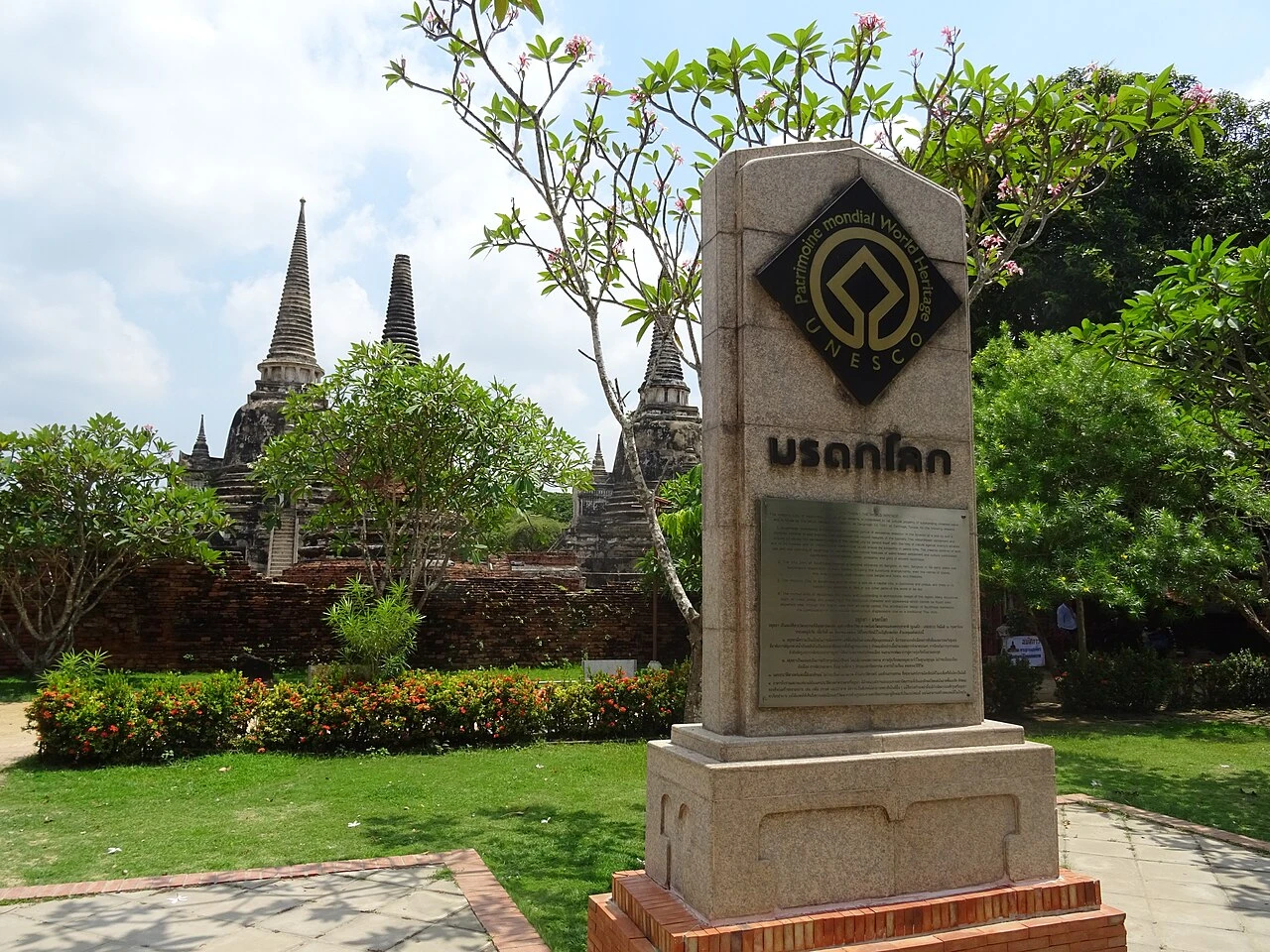
Ayutthaya
Ayutthaya Historical Park
Content & sources
Photo: Christophe95 · CC BY-SA 4.0
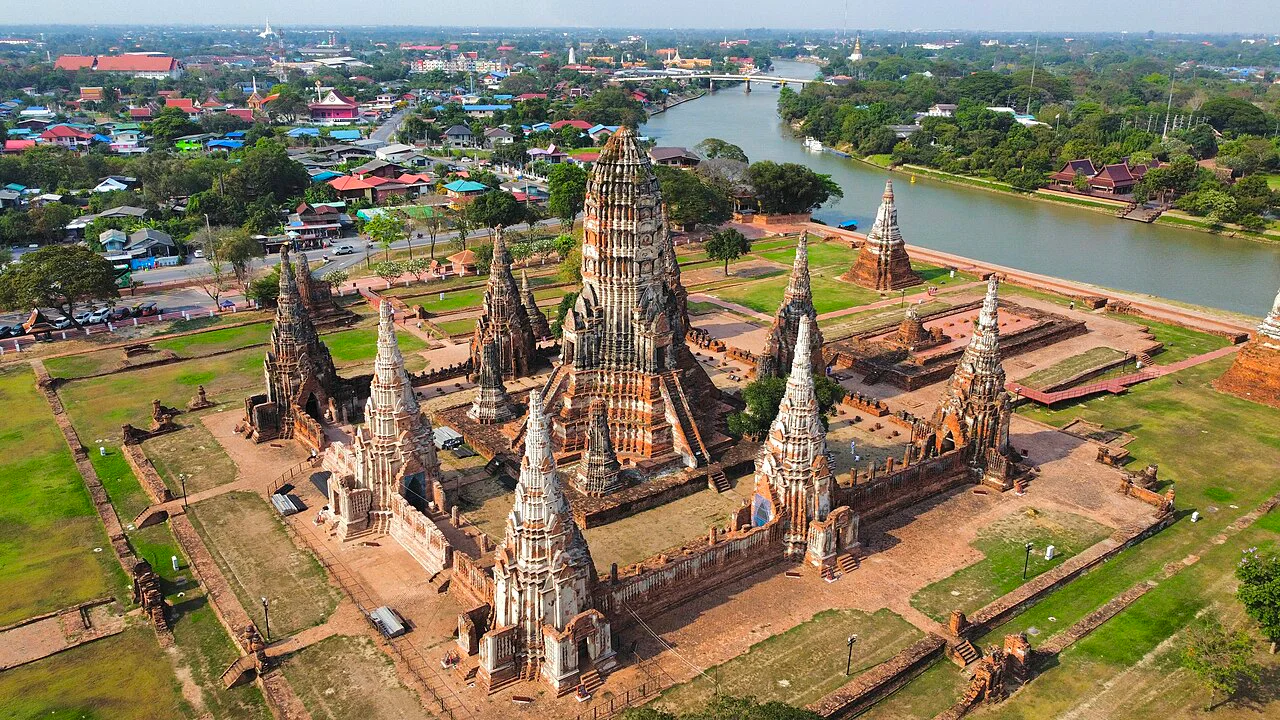
Ban Pom Subdistrict
Wat Chaiwatthanaram
Content & sources
Photo: Average trinmo · CC BY-SA 4.0
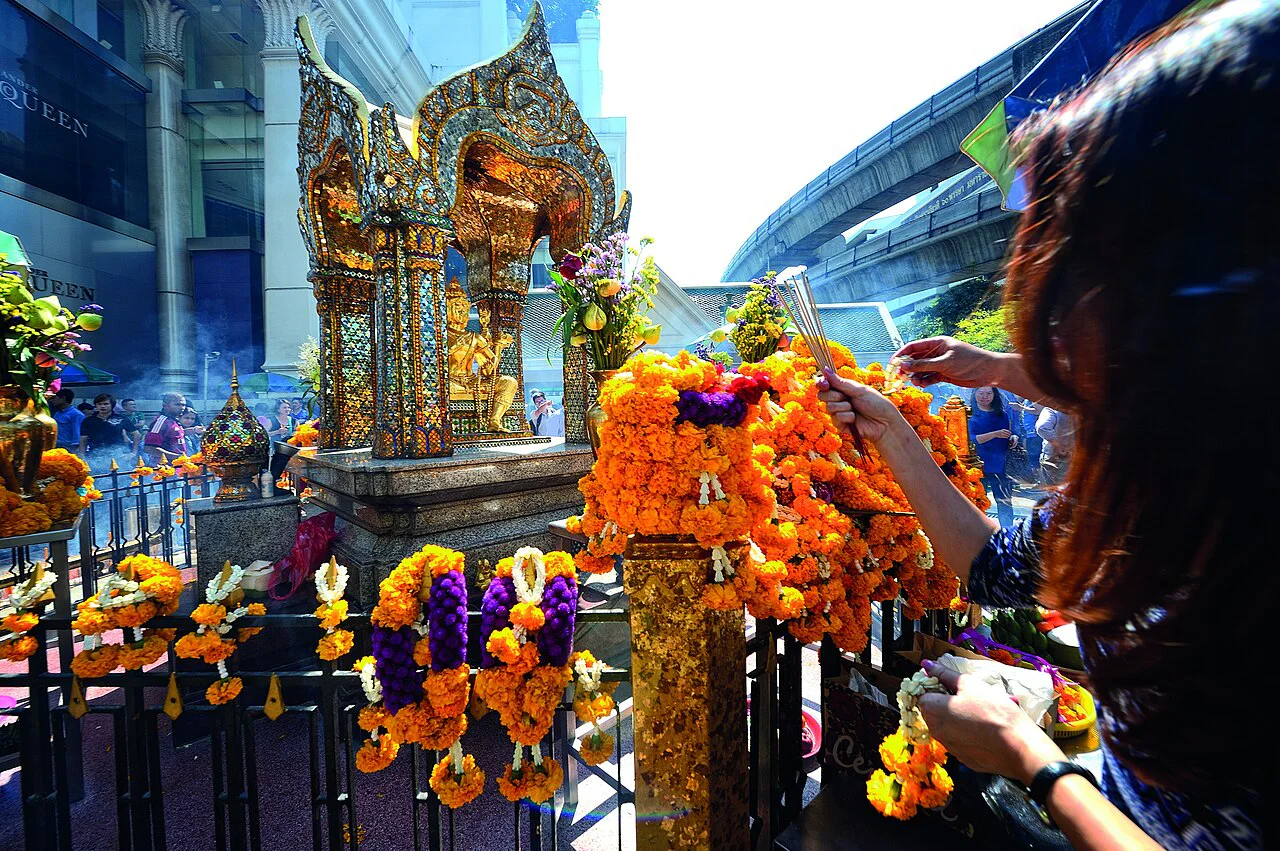
Bangkok
Erawan Shrine
Content & sources
Mr.Peerapong Prasutr · CC BY-SA 4.0
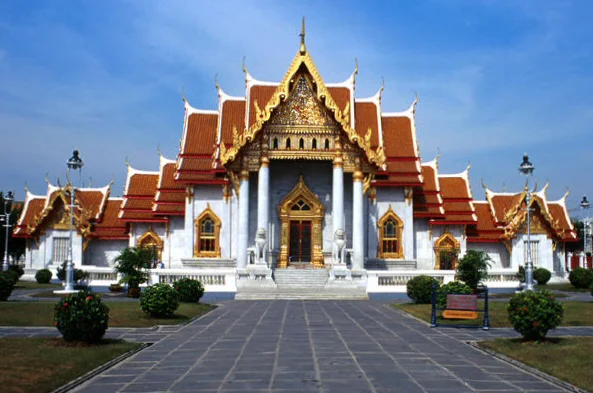
Bangkok
Wat Benchamabophit
Content & sources
The original uploader was NamKhaeng at French Wikipedia. · CC BY-SA 3.0