Languages
15Wellington Arch Audio Guide
Wellington Arch is a landmark in City of Westminster, United Kingdom. Explore it with Stanza's GPS-triggered offline audio guide — available in 15 languages.
Quick Facts
20
Stops
15
Languages
100%
Offline
📍 City of Westminster, United Kingdom · 51.5025°N, -0.1508°E
About Wellington Arch
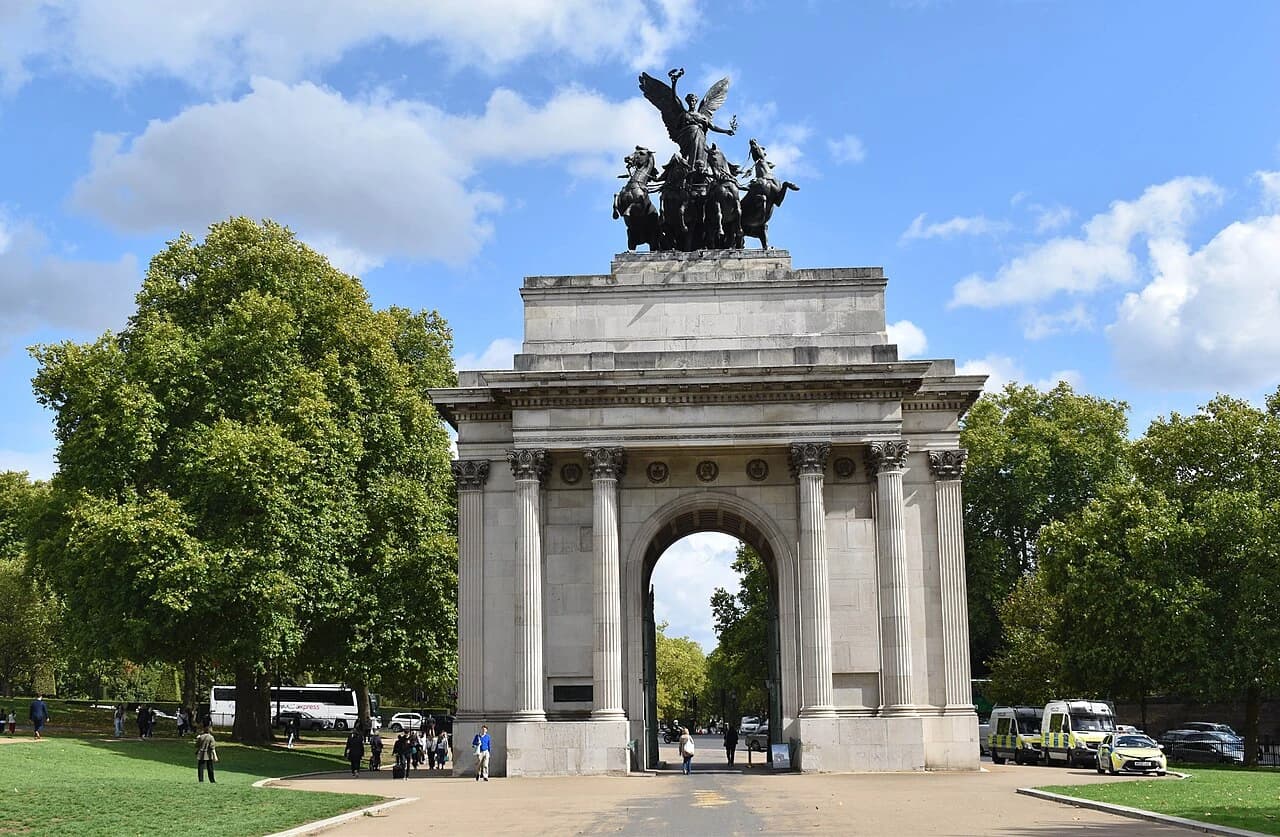
Wellington Arch is a triumphal arch in London, originally designed as an entrance to Buckingham Palace. It commemorates Britain's victories in the Napoleonic Wars.
This self-guided audio tour features 20 narrated stops organized across 6 sections, including The Grand Entrance at Hyde Park Corner, The Battle of the Statues, Inside the Arch: Museums and Memories, The Memorials of Hyde Park Corner, The Terrace and London Skyline, The Quadriga of War. As a triumphal arch, Wellington Arch offers a unique cultural experience in the heart of City of Westminster, United Kingdom.
The Stanza audio guide is available in 15 languages and works entirely offline — download the complete tour including audio narration, maps, and images before your visit. As you walk through Wellington Arch, GPS-triggered narration plays automatically at each point of interest.
Last updated:
What you will hear
The Grand Entrance at Hyde Park Corner
Establishing the arch's presence at the busy intersection and its role as a ceremonial gateway. Includes the primary exterior shot and a wide view of the corner POI.
The Moving Monument
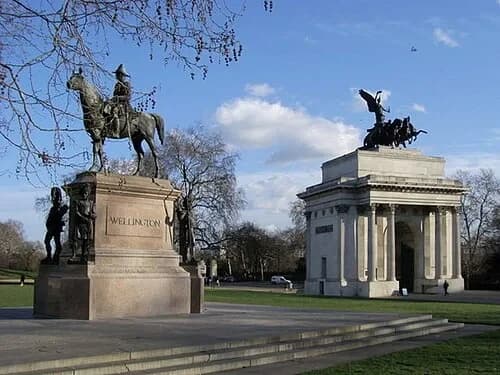
The Wellington Arch did not always occupy this central island. Until 1883, it stood directly opposite the entrance to Hyde Park, aligned precisely with the gateway you see nearby. However, as Victorian London expanded, the narrow roadway became a major bottleneck for horse-drawn carriages and early motorized vehicles. To alleviate this growing traffic congestion, the decision was made to dismantle the entire arch and move it a short distance to its current site. This was a massive engineering feat for the era, requiring the structure to be carefully taken apart and reconstructed. This move fundamentally changed the character of the area, transitioning it from a quiet, exclusive royal approach into one of the busiest and most recognizable intersections in the world. What was once a private gateway for the monarch became a public landmark surrounded by the constant flow of city life. The relocation also allowed for the widening of the roads we see today, creating the large traffic circle known as Hyde Park Corner. This shift reflects the changing priorities of London, balancing the preservation of grand ceremonial architecture with the practical needs of a rapidly modernizing city.
The Battle of the Statues
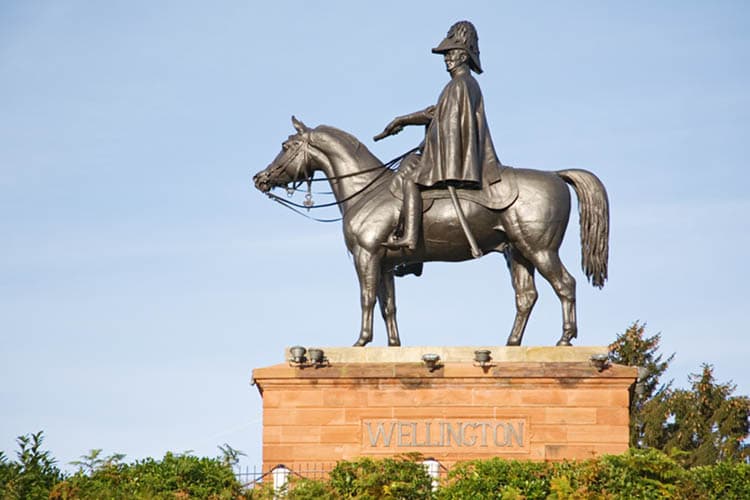
Tells the story of the 40-ton Wyatt statue vs. the current Boehm statue, covering the 'Battle of the Statues' story essential. Uses the Aldershot statue image to illustrate what used to be on top.
The Exiled Giant
The arch we see today looks very different from how it appeared in the mid-1800s. For nearly forty years, the top of the structure was occupied by a colossal 40-ton bronze statue of the Duke of Wellington, designed by Matthew Cotes Wyatt. However, this massive figure was widely ridiculed from the moment it was installed. Critics and the public felt the scale was completely wrong, making the arch itself look small and insignificant by comparison. Decimus Burton, the arch's architect, was particularly devastated, believing the giant statue ruined the neoclassical proportions of his work. The controversy lasted for decades until the arch was moved in 1883. During that relocation, the opportunity was taken to permanently remove the 'Exiled Giant.' It was eventually sent to the military town of Aldershot, where it still stands today in a woodland setting. This original statue was much more rigid and stylistically heavy than the refined Boehm statue that stands nearby now. Its removal allowed for the eventually more balanced ornamentation we see crowning the building today. The story of the Wyatt statue serves as a famous example of how public opinion and artistic taste can radically change the skyline of a city over time.
Inside the Arch: Museums and Memories
Explores the hollow interior of the arch, including the exhibition floors and the history of London's smallest police station.
The Hollow Interior
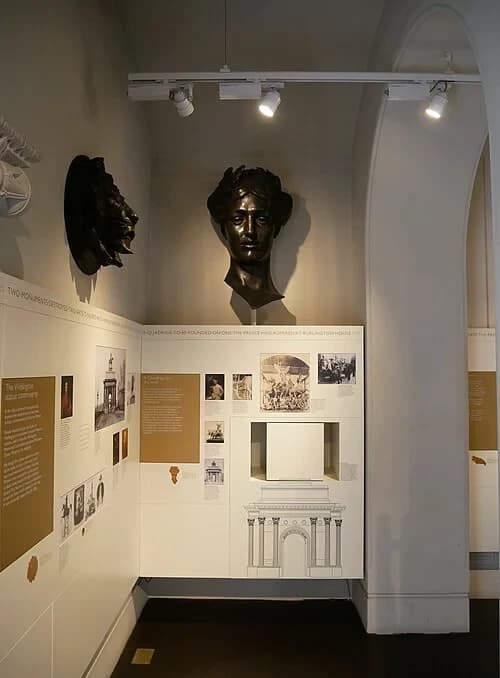
While many visitors assume the Wellington Arch is a solid block of masonry, it is actually a hollow structure containing a series of functional rooms. For over a century, these spaces served various practical purposes, but today they house an exhibition area spread across three floors. Inside, you can discover the fascinating design history of the arch itself. The displays include original architectural drawings and models that reveal how Decimus Burton’s vision evolved over time. You can learn about the various design competitions held to decide exactly how the arch should be ornamented, from the controversial original statue to the final bronze sculpture that was eventually placed on top. The interior also provides a unique look at the Victorian engineering required to maintain such a massive stone gate. Large windows on the upper levels offer unexpected views of the surrounding parkland and the city streets below. Exploring the inside of the arch changes your perspective on the monument, transforming it from a static decorative gate into a living building with its own internal history. It is a rare chance to step inside a piece of triumphal architecture and see the world from within the heart of a London icon.
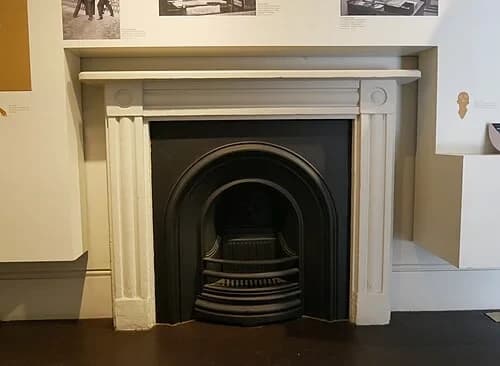
London's Smallest Police Station
Notice the fireplace located within the stone walls of the arch. This seemingly domestic feature points to a surprising chapter in the building's history. From 1886 until 1992, the right-hand pier of the arch actually served as the smallest police station in London. Despite the grand, ceremonial appearance of the exterior, the inside was a functional post for the Metropolitan Police. Ten officers and one sergeant were stationed here, primarily tasked with managing the traffic and security at this busy gateway to the royal parks. The interior was cramped, and this fireplace provided essential warmth for the officers during long shifts in the cold London winters. It is a striking contrast to think of a working police squad operating out of the heart of a triumphal arch designed to honor a military hero. The station was eventually closed in the 1990s when the arch was transferred to the care of English Heritage, but the presence of the fireplace remains a tangible reminder of the arch's practical, everyday past. It highlights how London's historic monuments often find unexpected second lives as functional spaces in the service of the city.
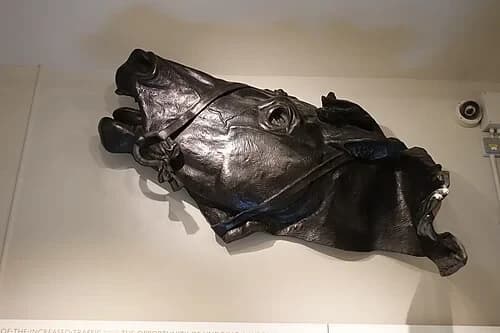
Copenhagen's Likeness
Mounted on the wall here is a bronze cast of a horse’s head, which offers an intimate look at the craftsmanship required for the monument. This is a likeness of Copenhagen, the Duke of Wellington’s most trusted mount. Copenhagen was a chestnut stallion of mixed Thoroughbred and Arabian parentage, celebrated for his incredible stamina. His most famous achievement was during the Battle of Waterloo in 1815, where he carried the Duke for seventeen straight hours without rest. The level of detail in this cast—from the texture of the coat to the veins in the muzzle—demonstrates the anatomical precision sought by nineteenth-century sculptors. It brings the history of the Napoleonic Wars down to a personal, sensory level. After his military service, Copenhagen retired to the Duke’s estate at Stratfield Saye, where he lived to the age of twenty-eight and was buried with full military honors. Seeing this likeness up close reminds us that the grand victories commemorated by the arch were made possible by the endurance of animals as well as men. The cast serves as a permanent tribute to the bond between the commander and the horse that carried him through the most pivotal moment of his career.
The Memorials of Hyde Park Corner
Consolidates the surrounding war memorials that are integral to the Wellington Arch visitor experience, including the Artillery, Australian, and New Zealand memorials.
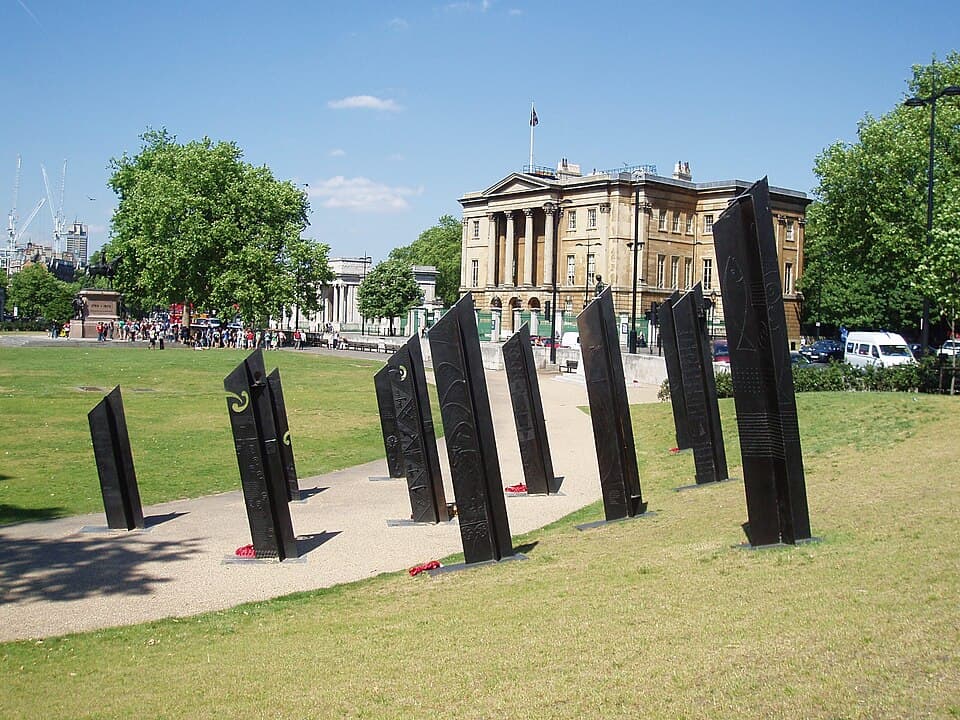
The New Zealand Memorial
The New Zealand Memorial, titled the 'Southern Stand,' is composed of sixteen vertical bronze structures that rise from the grass near the arch. These pillars are designed to evoke multiple aspects of New Zealand’s identity simultaneously. From one angle, they resemble the steel girders of modern construction; from another, they mimic the upright handles of traditional Māori rowing paddles. The surfaces of the bronze are covered in intricate patterns that represent the country's unique landscape, indigenous flora, and the stars of the Southern Cross. The gaps between the structures are intentional, allowing light and air to pass through, which symbolizes the open and expansive nature of the island nation. This memorial honors the shared history between Britain and New Zealand, particularly the thousands of New Zealanders who served and died in the two World Wars. It avoids traditional figurative sculpture in favor of a more abstract, symbolic language that resonates with New Zealand's modern cultural heritage. As you move around the monument, the changing shapes and patterns reveal different stories about the people and the land they represent, creating a dynamic tribute in this historic London corner.
The Terrace and London Skyline
Focuses on the rooftop experience, offering panoramic views of Constitution Hill, Buckingham Palace, and the Ionic Screen.
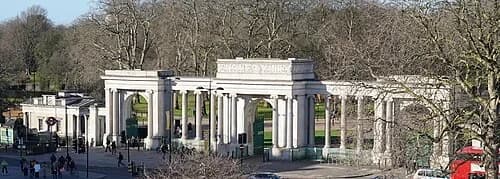
The Ionic Screen
Directly opposite the arch stands the Hyde Park Screen, a triple-arched gateway that serves as a grand entrance to the park. Like the arch itself, this was designed by Decimus Burton in the 1820s to create a unified architectural landscape. The screen features a series of elegant Ionic columns, which are easily identified by the scroll-like carvings at their tops. Running along the top of the structure is a detailed frieze inspired by the famous Parthenon sculptures from ancient Athens, depicting a procession of horses and figures. This neoclassical design was intended to make visitors feel as though they were entering a refined, Roman-inspired environment. Burton’s goal was for the Screen and the Wellington Arch to work together as a pair, framing the road and creating a sense of arrival at the royal quarters. The lightness and transparency of the Screen provide a perfect visual counterpoint to the solid, heavy mass of the Arch. Together, they represent a high point in 19th-century urban planning, where architecture was used to turn the messy transition between park and street into a sophisticated and beautiful experience.
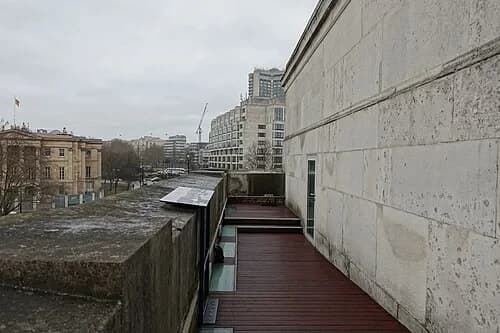
The Upper Terraces
Ascending to the upper level of the Wellington Arch brings you to an outdoor walkway that offers a completely different perspective on the building. The floor here is constructed with a combination of wood and glass panels, allowing you to look straight down and see the internal engineering of the arch beneath your feet. It is a rare opportunity to see the structural skeleton of a neoclassical monument. More importantly, this level provides the first truly close-up look at the massive bronze sculpture that crowns the building. From the ground, the figures look distant, but from here, you can appreciate the immense scale and the fine details of the horses and the chariot. You are high enough to see over the surrounding trees and gain a clear view of the bustling traffic and the green expanses of the royal parks. This vantage point helps you understand how the arch serves as a hinge between the urban city and the quiet garden spaces of the palace. Standing on the terrace, you can feel the weight of the history around you while looking out toward the modern skyline of London, perfectly bridging the past and the present.
The Quadriga of War
The climax of the tour: a detailed look at the largest bronze sculpture in Europe, the Angel of Peace on her chariot.
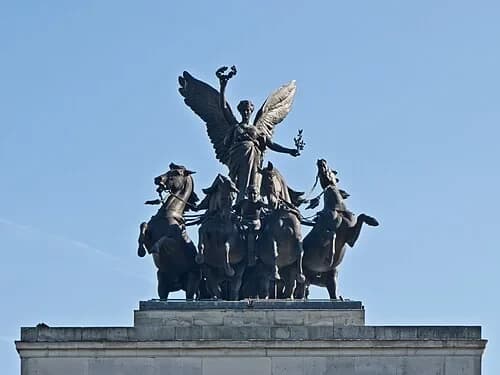
The Quadriga of War
This massive bronze group represents the culmination of the arch's design. It depicts a quadriga—a four-horse chariot—driven by a young boy, with the winged goddess Nike descending onto it. As the largest bronze sculpture on the continent, its scale is truly immense, yet the focus is on a delicate moment. Nike is not riding the chariot in triumph; she is alighting upon it to seize the reins and bring the charging horses to a halt. This specific action symbolizes the end of the Napoleonic Wars and the ushering in of a peaceful era. The sculptor, Adrian Jones, completed the work in 1912, replacing the controversial and over-sized statue of the Duke of Wellington that had previously occupied this spot. Unlike that earlier, static figure, this composition is filled with movement. The horses' front legs are raised as they begin to slow their gallop, responding to the divine presence joining them. The light catches the intricate details of the chariot's wheels and the horses' flowing manes, which were designed to be clearly visible from the ground level far below.
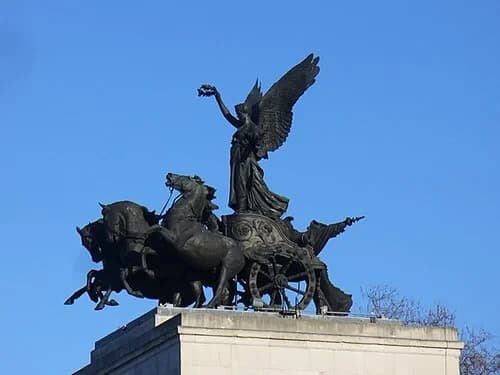
Bronze and Balance
Raising several tons of bronze to the top of a thirty-meter-high arch was a significant technical challenge in the early 1900s. The sculpture was not cast as a single piece; instead, it was created in multiple sections and hoisted up using a complex system of pulleys and scaffolding. Once at the top, artisans worked on-site to bolt and weld the components together, a process that required extreme precision to ensure the balance of the entire group. This structural integrity allows for the striking contrast between the different figures. The four horses are captured in a state of high-octane energy, rearing and lunging forward with a sense of barely controlled power. In stark opposition stands Nike, the Goddess of Victory. She remains calm and steady, her presence acting as the stabilizing force that tames the chaotic motion of the animals. The entire assembly rests on a hidden steel frame within the arch's roof, distributing the weight evenly across the stone piers. Even today, the seamless joints where the pieces meet are nearly invisible to the naked eye.
Want to hear the rest?
Download the Stanza app to unlock all 20 stops and full GPS-guided navigation.
Frequently Asked Questions
How long does the Wellington Arch audio tour take?
The Wellington Arch audio guide includes 20 narrated stops. Most visitors spend 45 minutes to 1.5 hours exploring the complete tour, though you can listen at your own pace and skip or revisit any stop.
Is the Wellington Arch audio guide available in my language?
Stanza supports 15 languages: English, Spanish, French, German, Italian, Portuguese, Russian, Japanese, Chinese, Korean, Arabic, Hindi, Polish, Dutch, Hebrew. Check the guide in the app to confirm the languages currently available for this tour.
Can I use the audio guide offline at Wellington Arch?
Yes! Download the complete Wellington Arch tour — including all audio, maps, and images — before your visit. The Stanza app works completely offline, so you don't need WiFi or mobile data at the venue.
How much does the Wellington Arch audio guide cost?
The Stanza app is free to download. The current listed price for the Wellington Arch audio guide is $0.99; app-store region and currency may affect the final price.
How do I use the Stanza audio guide at Wellington Arch?
Download the free Stanza app, search for "Wellington Arch", and download the tour. When you arrive at the venue, the app uses GPS to detect your location and automatically plays the relevant narration as you move between points of interest — completely hands-free.
What makes the Stanza audio guide different from other Wellington Arch tours?
Stanza offers GPS-triggered narration that plays automatically as you walk through Wellington Arch — no need to manually select stops. The tour is available in 15 languages, works fully offline, and includes 20 expertly narrated stops with images and historical context.
What other audio guides are available near Wellington Arch?
Stanza offers multiple audio guides in City of Westminster, United Kingdom and nearby areas. After downloading the app, browse the map to discover all available tours near Wellington Arch. Each guide can be downloaded for offline use.
Nearby Audio Guides
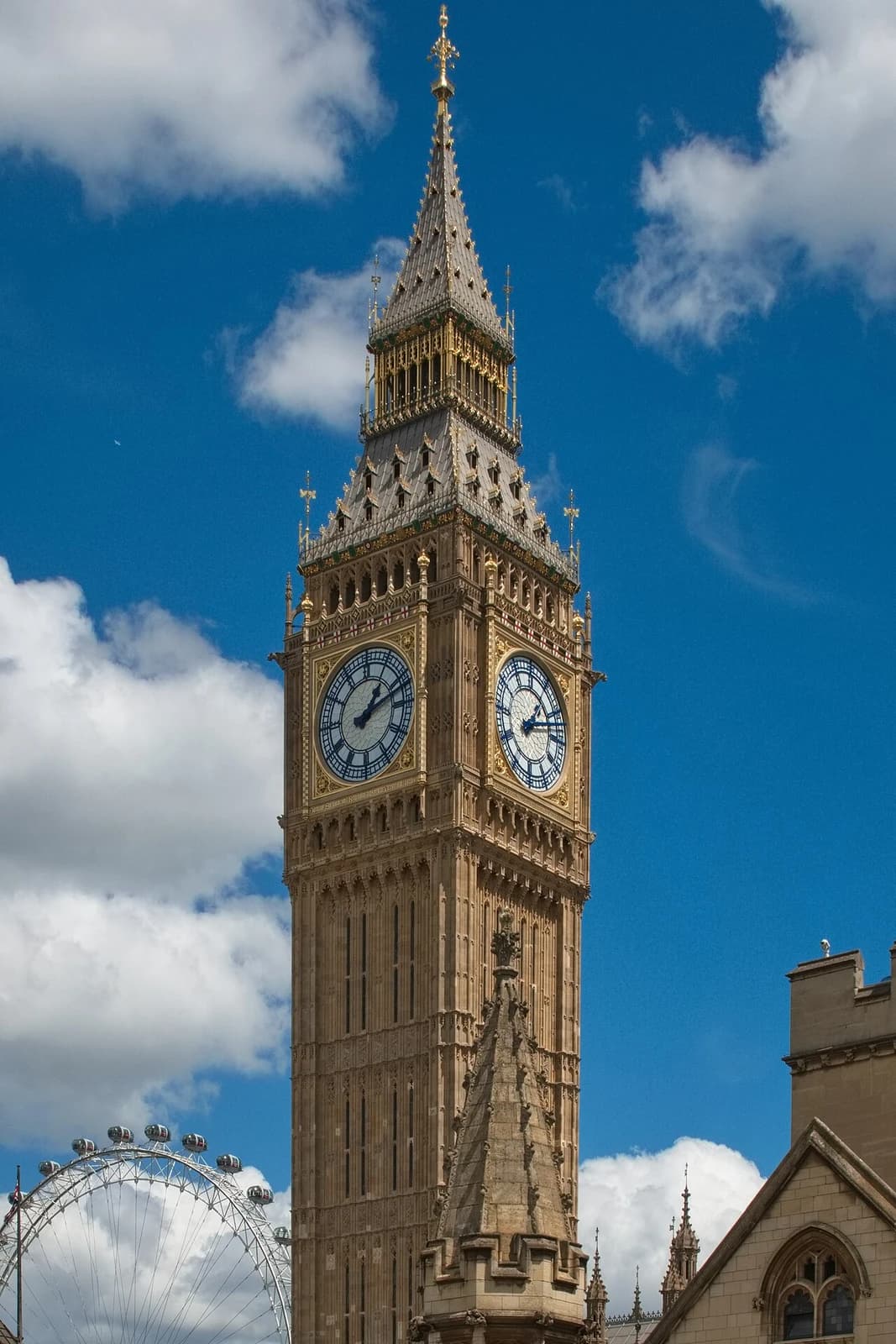
Big Ben
City of Westminster, United Kingdom
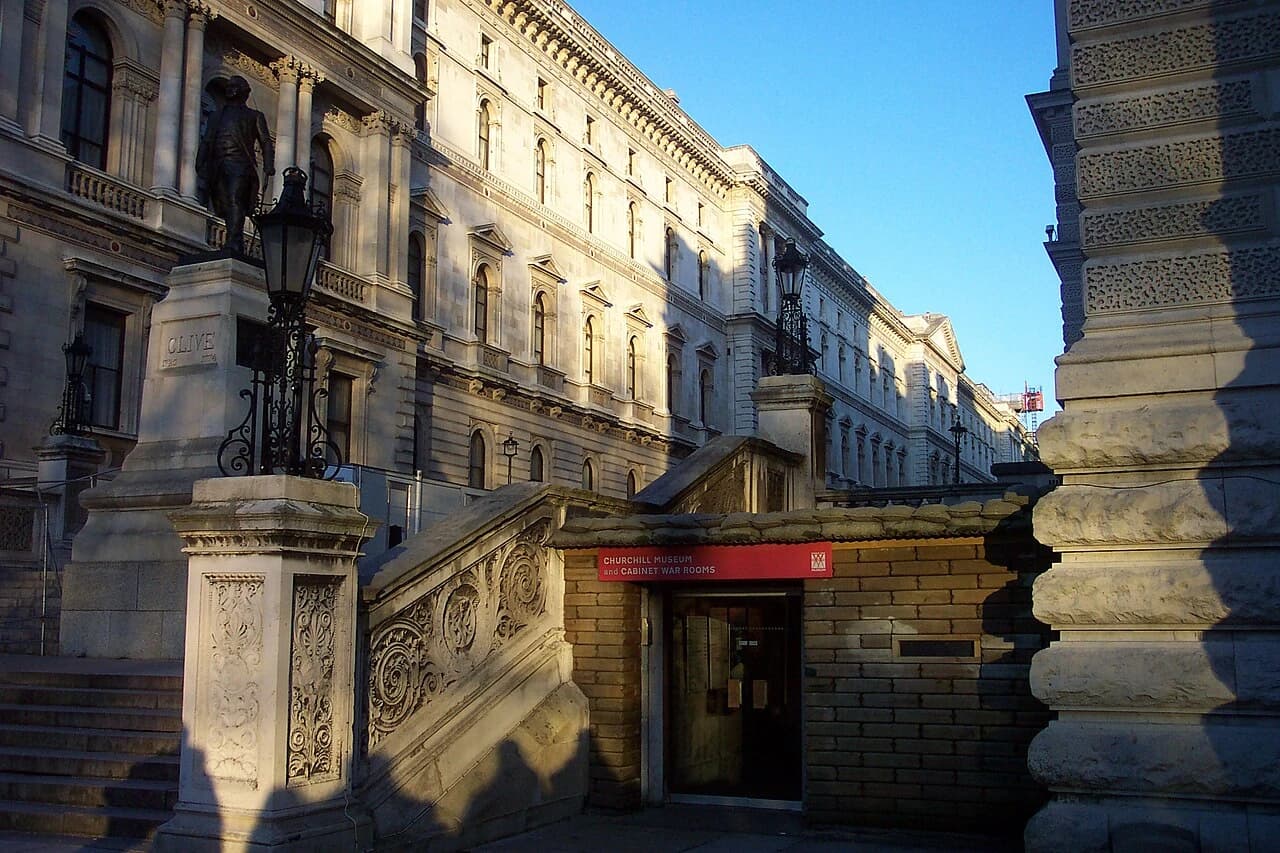
Churchill War Rooms
City of Westminster, United Kingdom
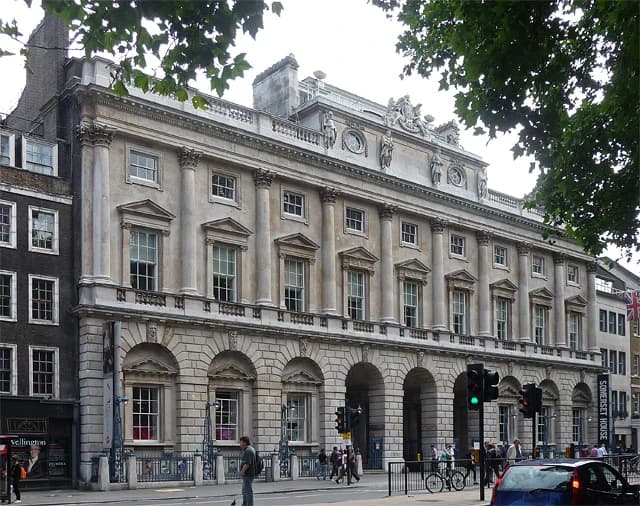
Courtauld Institute of Art
City of Westminster, United Kingdom
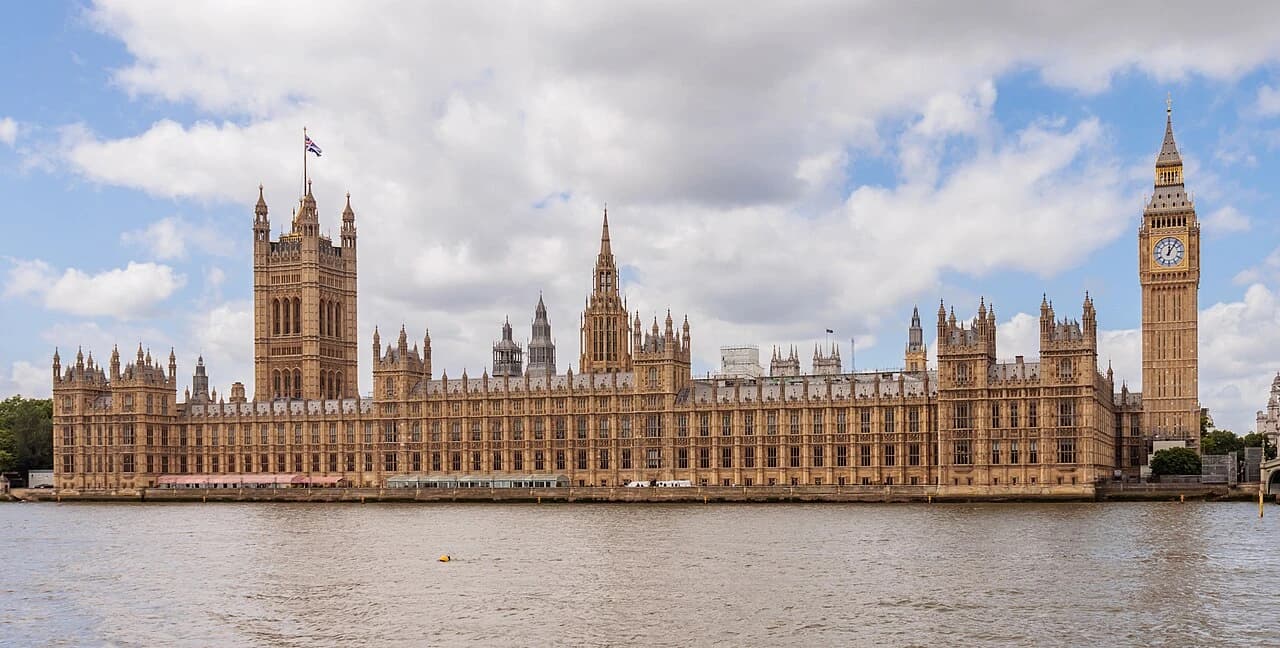
Palace of Westminster
City of Westminster, United Kingdom
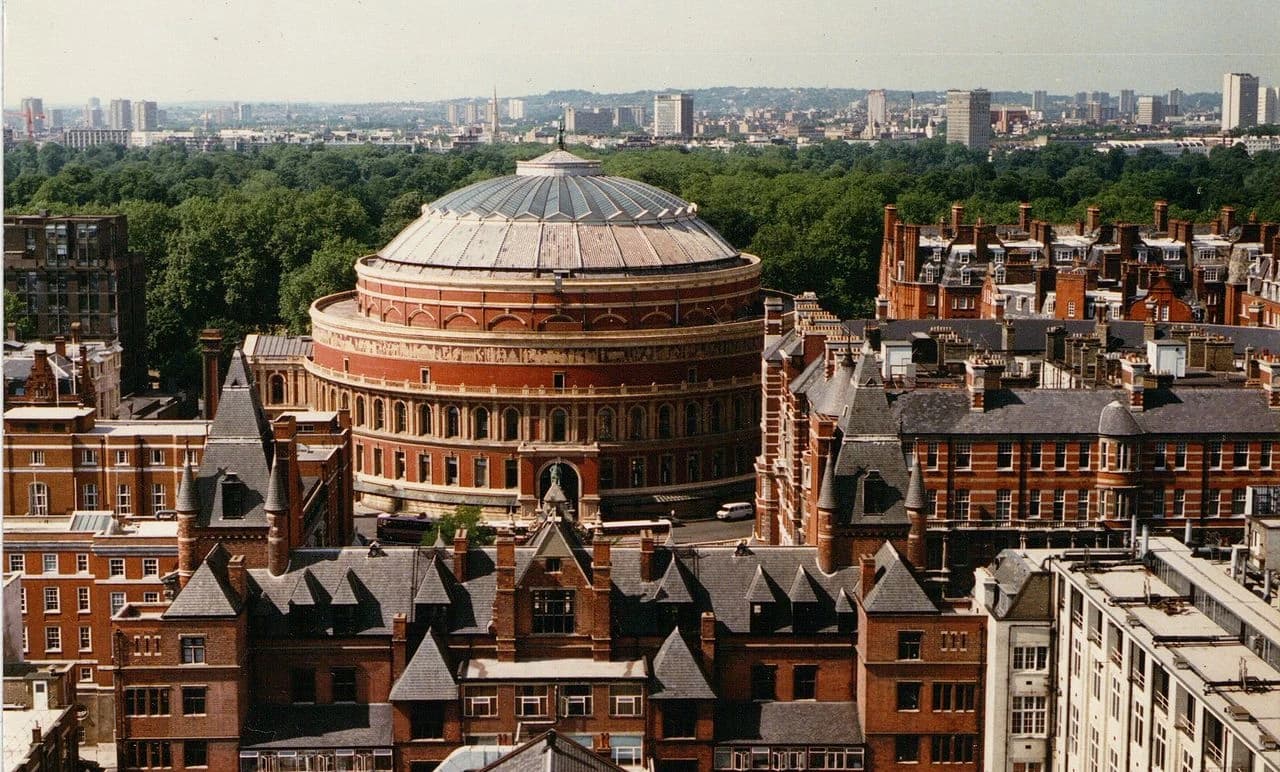
Royal Albert Hall
City of Westminster, United Kingdom
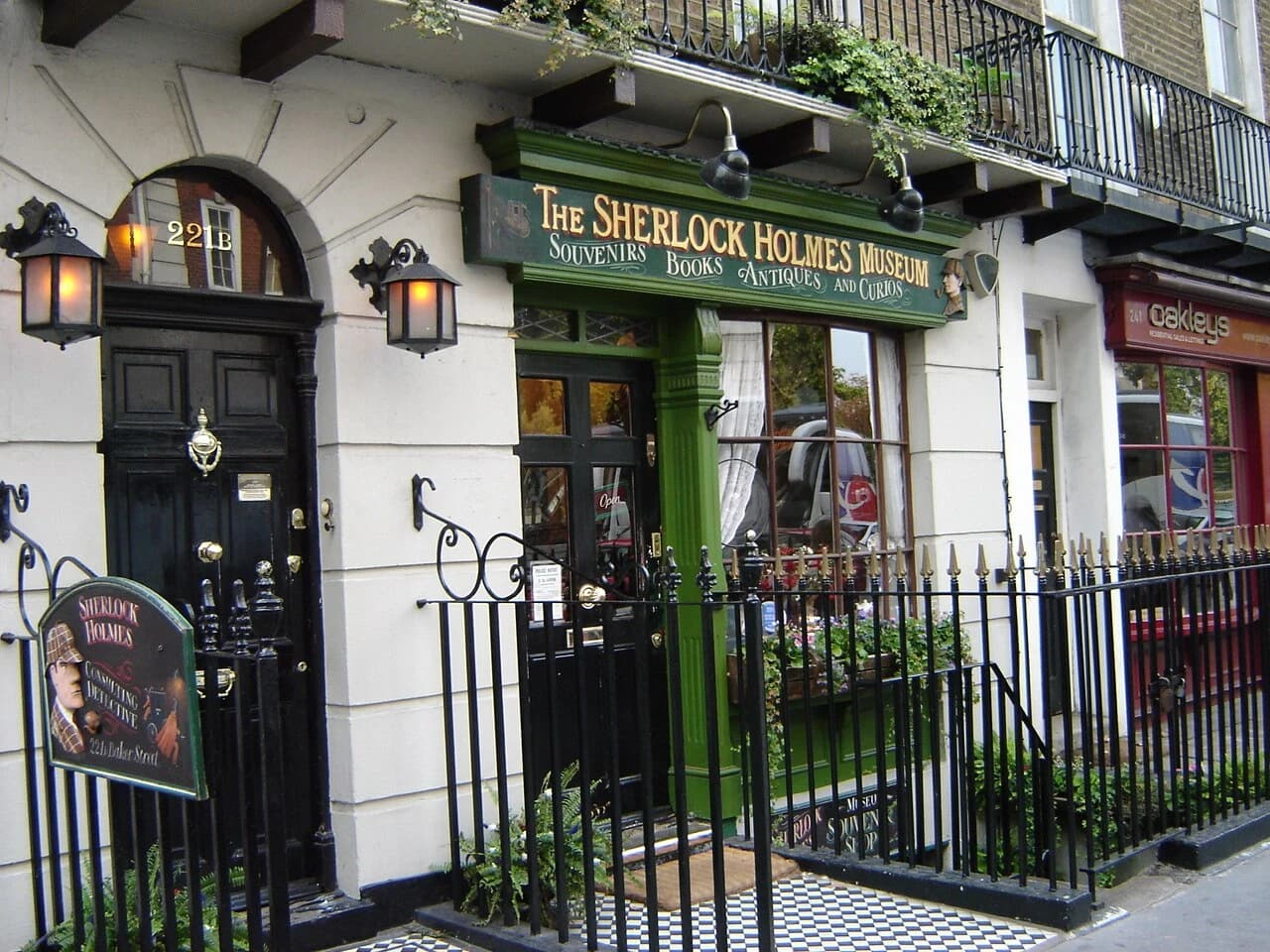
Sherlock Holmes Museum
City of Westminster, United Kingdom