Stanza · Audio guide
Kenilworth CastleAudio guide
A place to remember. A story to take with you.
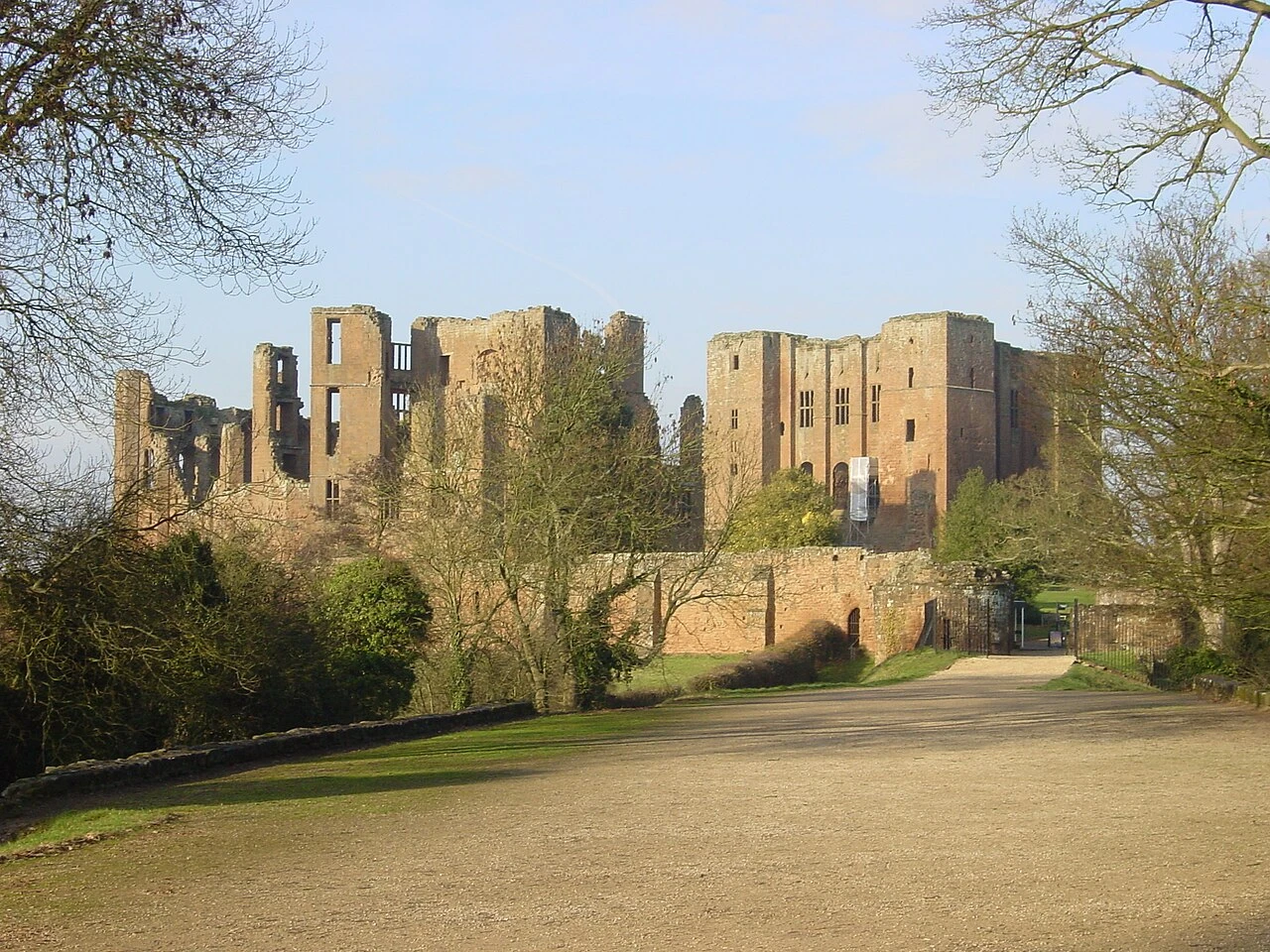
Kenilworth Castle is a major medieval fortress and historic site featuring extensive ruins dating back to the 12th century. It famously served as the royal residence of Robert Dudley during the Elizabethan era.
Download Stanza, then search for “Kenilworth Castle”.
About the tour
One guide. Your kind of visit.
Kenilworth Castle is a major medieval fortress and historic site featuring extensive ruins dating back to the 12th century. It famously served as the royal residence of Robert Dudley during the Elizabethan era.
Ready when you are.
- 01Get the free Stanza app.
iOS & Android
- 02Find your guide.
“Kenilworth Castle”
- 03Download before you go.
Works offline
Audio guide / 18 narrated stops
Inside the guide
Get to know a few of the stories before you go. Open a stop to read more.
01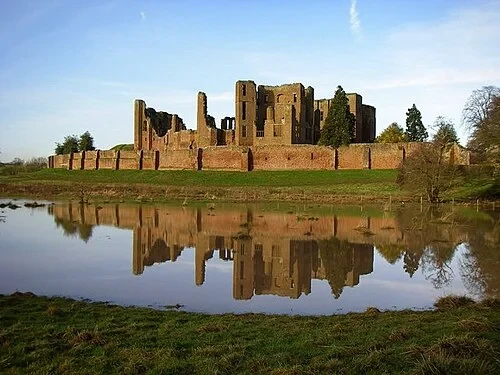 The Brays and Water DefensesThe Great Mere
Welcome to Kenilworth Castle, one of the most formidable strongholds of medieval England. As you look out over the surrounding terrain, try to visualize it not as dry land, but submerged under millions of gallons of water. In the early 13th century, King John undertook a massive engineering project to dam local streams, creating two enormous artificial lakes known as the Great Mere and the Lower Pool. These waters provided a unique defensive advantage, turning the castle into a true water fortress. The Great Mere alone stretched for over half a mile, creating a barrier that few medieval siege engines could hope to cross. This wasn't just a moat; it was a vast inland sea that made an assault from the west and south nearly impossible. Today, the damp meadows and reflective pools you see in the distance are the remnants of this watery defense. This landscape explains why Kenilworth remained such a critical military asset for centuries, surviving some of the most intense conflicts in English history by simply letting the water do the work of a thousand soldiers.
derek billings · CC BY-SA 2.0
02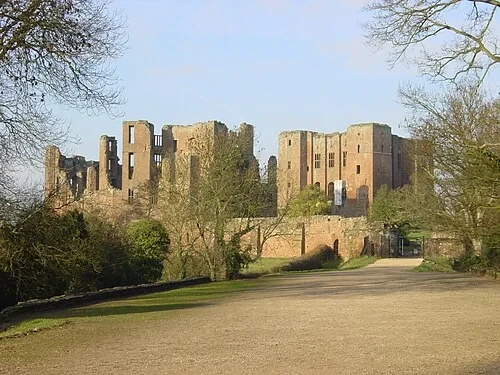 The Brays and Water DefensesDictum of Kenilworth
The story of this site began in the early 1120s when Geoffrey de Clinton, the royal chamberlain, founded a Norman military fort here. Over the next five centuries, the castle underwent a radical transformation, shifting from a brutal machine of war into a stage for royal display. You can see this evolution written in the very stones of the ruins. The characteristic red sandstone, quarried locally, gives the remains their distinct, warm glow, especially as the sun begins to set. This material was used throughout the castle's life, from the thick, defensive masonry of the Norman era to the delicate, ornamental carvings of the Renaissance. The Dictum of Kenilworth itself refers to a famous proclamation issued here in 1266, following a bitter civil war. It allowed rebels to buy back their seized lands, marking a significant step toward national reconciliation. This site has witnessed the height of medieval conflict and the peak of Tudor luxury, serving as a powerful reminder of how architectural needs changed as England moved from an age of feudal lords to the sophisticated court of the Renaissance.
Photo: Jdforrester · CC BY 1.0
03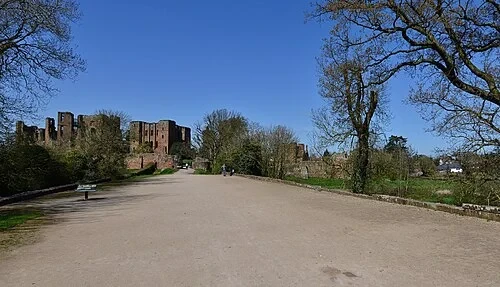 The Tiltyard CausewayThe Medieval Tiltyard
Walking along this path, you are standing on a site of legendary military grit. In 1266, this causeway was the focal point of the Great Siege of Kenilworth. For six grueling months, the forces of King Henry III attempted to breach the castle walls, making it the longest siege in medieval English history. The defenders held out against a relentless barrage of rocks and projectiles. Archaeologists have recently uncovered the physical evidence of this assault, finding massive catapult shots scattered around these grounds, some weighing up to 105 kilograms. These stone balls would have been hurled from trebuchets with enough force to shatter masonry. Once the military tensions subsided in later centuries, this area was repurposed for a very different kind of combat. It became a tiltyard, a specialized venue for jousting tournaments. The narrow, elevated strip provided the perfect runway for knights to charge at one another on horseback, their armor glinting in the sun while spectators watched from the walls above. This transition from a desperate battlefield to a place of ritualized sporting display perfectly captures the changing role of the English aristocracy across the Middle Ages.
Listen in the appMichael Garlick · CC BY-SA 2.0
04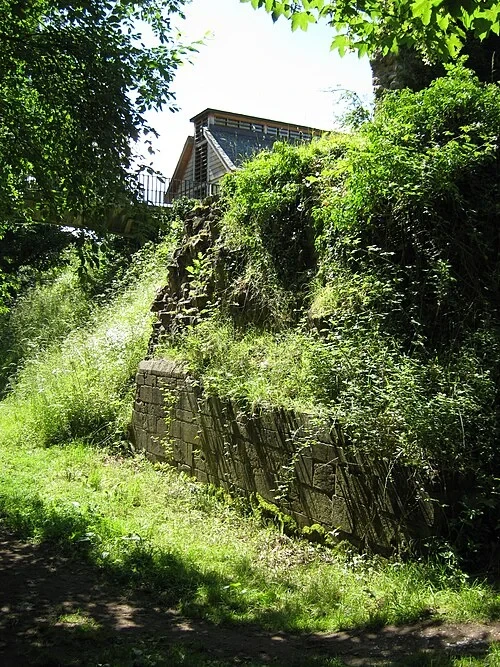 The Tiltyard CausewayThe Causeway Dam
The structure beneath your feet is a masterpiece of medieval engineering. Functioning as a massive dam, it was built to withstand the immense pressure of the Great Mere on one side. If you look at the visible stonework, you can see how the masonry was reinforced to prevent the water from breaching the castle's defenses. This wasn't just a functional barrier, however; it was also a vital part of the castle's ceremonial life. During the 16th century, this path served as a spectacular venue for jousting tournaments. The engineering had to be robust enough to support not only the weight of the held water but also the rhythmic pounding of heavy warhorses charging at full tilt. This combination of hydraulic management and athletic arena is rare in medieval architecture. On tournament days, the Queen and her court would have watched from the galleries, as the water of the Mere reflected the colorful banners and the glint of steel. The dam successfully protected the castle and defined its social life for generations, serving as both a shield against invaders and a stage for the most prestigious noble games of the era.
Listen in the appMichael Westley · CC BY-SA 2.0
05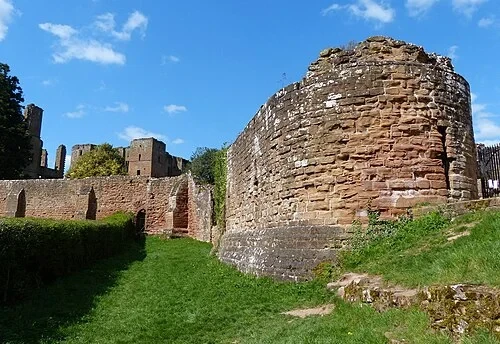 Mortimer's TowerMortimer's Tower
These weathered ruins were once the formidable main entrance to Kenilworth Castle. Known as Mortimer’s Tower, it was named after Roger Mortimer, a powerful 13th-century baron who presided over a famous round-table tournament here in 1279. As you observe the layout, notice the rounded towers flanking the entrance. This design was a significant advancement in military architecture; round towers provided better visibility and eliminated the dead zones associated with square corners, while also being much harder to undermine or collapse during a siege. The narrow passage between the towers was an intentional chokepoint. It was designed to slow down any invading force, forcing them into a cramped space where they could be easily targeted by defenders positioned above. Imagine the heavy portcullis being dropped and the massive oak doors being barred as attackers tried to force their way through this bottleneck. While it now stands as a quiet ruin of red sandstone, this gateway was the castle's primary defense for over three hundred years. It represents the transition from the simple gates of the early Norman era to the sophisticated, multi-layered defensive systems of the High Middle Ages.
Listen in the appMat Fascione · CC BY-SA 2.0
06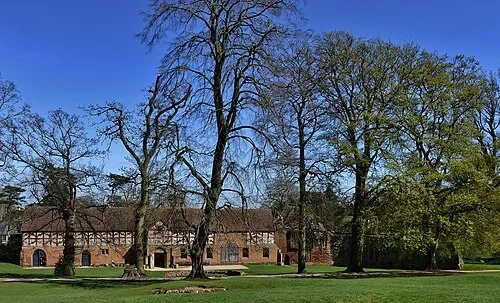 The Stables and Exhibition AreaThe Tudor Stables
Amidst the sea of red sandstone ruins, this striking timber-framed building stands out for its unique preservation. Built in the mid-16th century, the Tudor Stables represent a significant shift in architectural style and purpose. While the rest of the castle focused on stone-clad defense or grand royal apartments, this structure was purely functional, designed to house the numerous horses required by the Earl of Leicester’s many visitors. The architecture utilizes the classic late-Tudor wood and plaster style, with dark wooden beams creating a geometric pattern against the lighter walls. This half-timbered technique was common for domestic and service buildings of the era but is a rarity to see so well-preserved in a castle setting. Contrast the lightness and flexibility of this timber frame with the heavy, unyielding stone masonry of the medieval keep nearby. Inside, the building was divided into stalls that could accommodate over fifty horses. The survival of this stable block provides a rare glimpse into the logistical reality of hosting the Elizabethan court, where the comfort and care of animals were just as important as the luxury of the guest rooms in the main palace.
Listen in the appMichael Garlick · CC BY-SA 2.0
07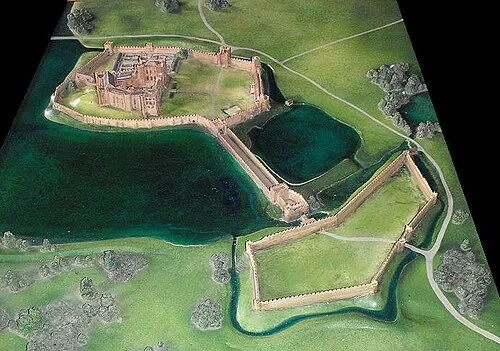 The Stables and Exhibition AreaThe Castle at Its Peak
Looking at this model, you can reconstruct the sheer scale of the palace as it existed at the height of its glory in 1575. At that time, Kenilworth was one of the most magnificent private residences in England. Notice how the water defenses, including the Great Mere, completely surrounded the central towers, making the entire complex appear as an island. The model highlights the lost buildings that once bridged the gaps between the medieval Great Hall and the Tudor living quarters, creating a seamless, sprawling complex of luxury apartments and ceremonial spaces. You can see the layout of the inner court, which was once bustling with hundreds of servants and courtiers during Queen Elizabeth I's nineteen-day visit. The model also shows the original height of the walls and towers that were later slighted—or intentionally demolished—following the English Civil War in the 17th century. By studying this miniature version, you gain a sense of the architectural harmony that Robert Dudley achieved by blending old Norman strength with new Renaissance elegance, a vision that is now only visible in these fragmentary stone remains.
Listen in the appModel_of_Kenilworth_Castle_in_1575-80.JPG: Nev1 derivative work: Hchc2009 (talk) · Public domain
08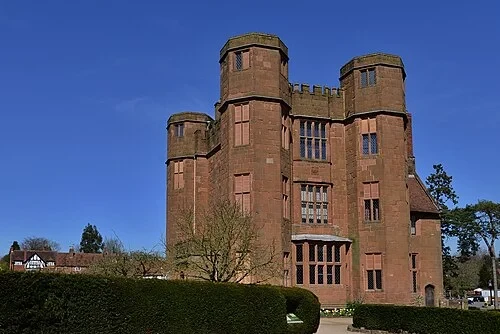 Leicester's GatehouseLeicester's Gatehouse
Unlike the older, defensive gateways of the castle, this gatehouse was built with a very different purpose: to impress. Robert Dudley, the Earl of Leicester, commissioned this structure in the 1570s specifically for the arrival of Queen Elizabeth I. You can immediately see the difference in design. Rather than the narrow slits and heavy walls of a fort, this building features high, wide windows and decorative turrets. These elements signaled high social status and refined taste rather than a need for defense. The gatehouse survived in such remarkable condition because, following the English Civil War in the 1640s, it was converted into a private residence, saving it from the slighting that destroyed much of the castle’s main fortifications. Notice the fine stonework and the classical proportions that were fashionable during the Renaissance. It served as a grand herald for the luxury that awaited inside the castle walls. For Elizabeth, passing through this gatehouse was the first step into a world Dudley had meticulously crafted to celebrate her reign and, he hoped, to secure his own position as her favored suitor and political ally.
Listen in the appMichael Garlick · CC BY-SA 2.0
09 Leicester's GatehouseRobert Dudley, Earl of Leicester
This portrait introduces you to Robert Dudley, the Earl of Leicester, the primary architect of Kenilworth’s most famous era. Dudley was a lifelong favorite and close confidant of Queen Elizabeth I. He spent staggering sums of money—a literal fortune—modernizing this medieval stronghold into a palace of unprecedented luxury. His ultimate goal was to win the Queen’s hand in marriage, and Kenilworth was the centerpiece of this political and romantic gamble. The pinnacle of his efforts was the famous royal visit of 1575, an event that lasted nineteen days and required a permanent staff of four hundred people to maintain. Dudley organized elaborate masques, hunts, and firework displays to entertain the monarch and her court. While the marriage never took place, his architectural legacy remains. He added the massive windows, the luxury apartments, and the grand gatehouse you see today. Dudley was a man of the Renaissance, interested in art, music, and classical philosophy, and he ensured that Kenilworth reflected these sophisticated tastes. Even in ruin, the castle continues to reflect the ambition and the immense wealth of the man who dared to host the most powerful woman in Europe in such grand style.
Listen in the appWilliam Segar · Public domain
10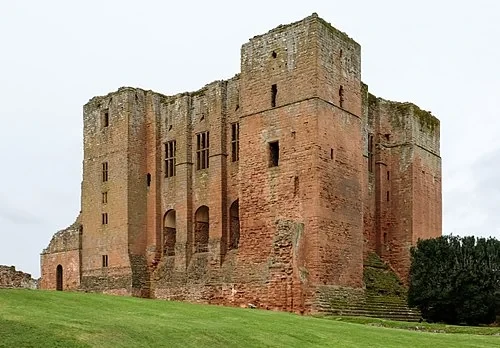 The Great Tower (The Keep)The Norman Great Tower
We have now reached the military core of Kenilworth: the Norman Great Tower, often called the Keep. Built in the mid-12th century, this structure was designed for one thing: survival. Its walls are an incredible five meters thick at the base, and it stands thirty meters high, providing a commandingly clear view of the surrounding landscape. For centuries, this was the safest place in the castle, a final refuge during a siege. However, if you look at the upper levels, you’ll see evidence of how the tower’s purpose changed over time. The original narrow arrow loops were replaced with large, elegant windows during the Tudor period. These modifications, ordered by Robert Dudley, allowed light to flood into the interior, making the space far more comfortable for 16th-century residents. This blend of brutal Norman strength and delicate Tudor refinement is a hallmark of Kenilworth. The tower has endured for nearly nine hundred years, surviving the great siege of 1266 and the intentional demolition attempts after the Civil War. It remains the most dominant feature of the skyline, a massive block of red sandstone that anchors the history of the entire site.
Listen in the appPhoto: DeFacto · CC BY-SA 4.0
Kenilworth Castle
Frequently asked questions
How much does the guide cost?
Free app download. Listed guide price: $3.99. Guide price shown in the app. Audio guide only. Venue admission is separate.
Can I listen without internet?
Yes. Download the guide’s audio, images, and maps in the app before your visit. Your downloaded content is then available offline.
Can I listen in my language?
Stanza supports 15 languages. Check the app for the languages available for this guide.
Do I need to follow a schedule?
No. This is a self-guided experience. Choose your stops, pause whenever you like, and return to a story at your own pace.
At your own pace
Explore Kenilworth Castle.
Download Stanza, then search for “Kenilworth Castle”.
Free app download · Guide price shown in the app
Keep exploring
Nearby audio guides
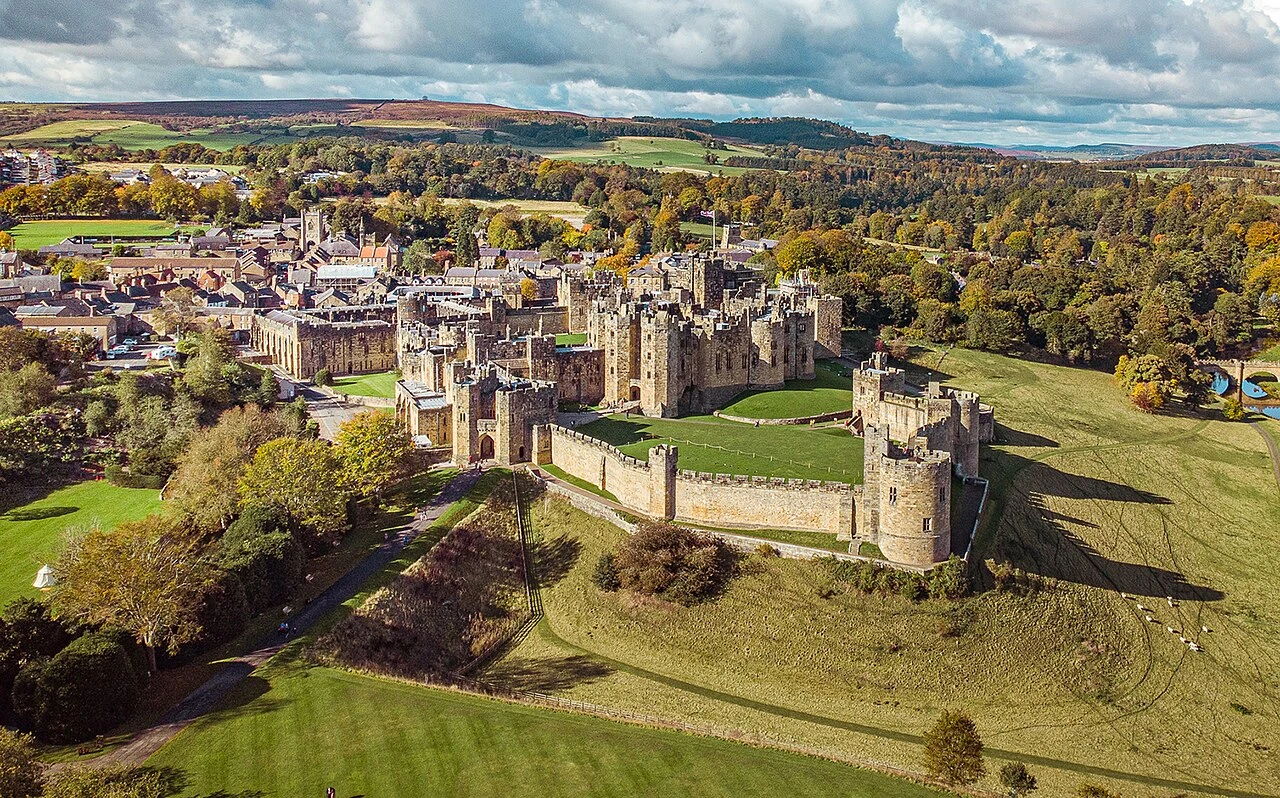
Alnwick
Alnwick Castle
Content & sources
Clementp.fr · CC BY-SA 4.0
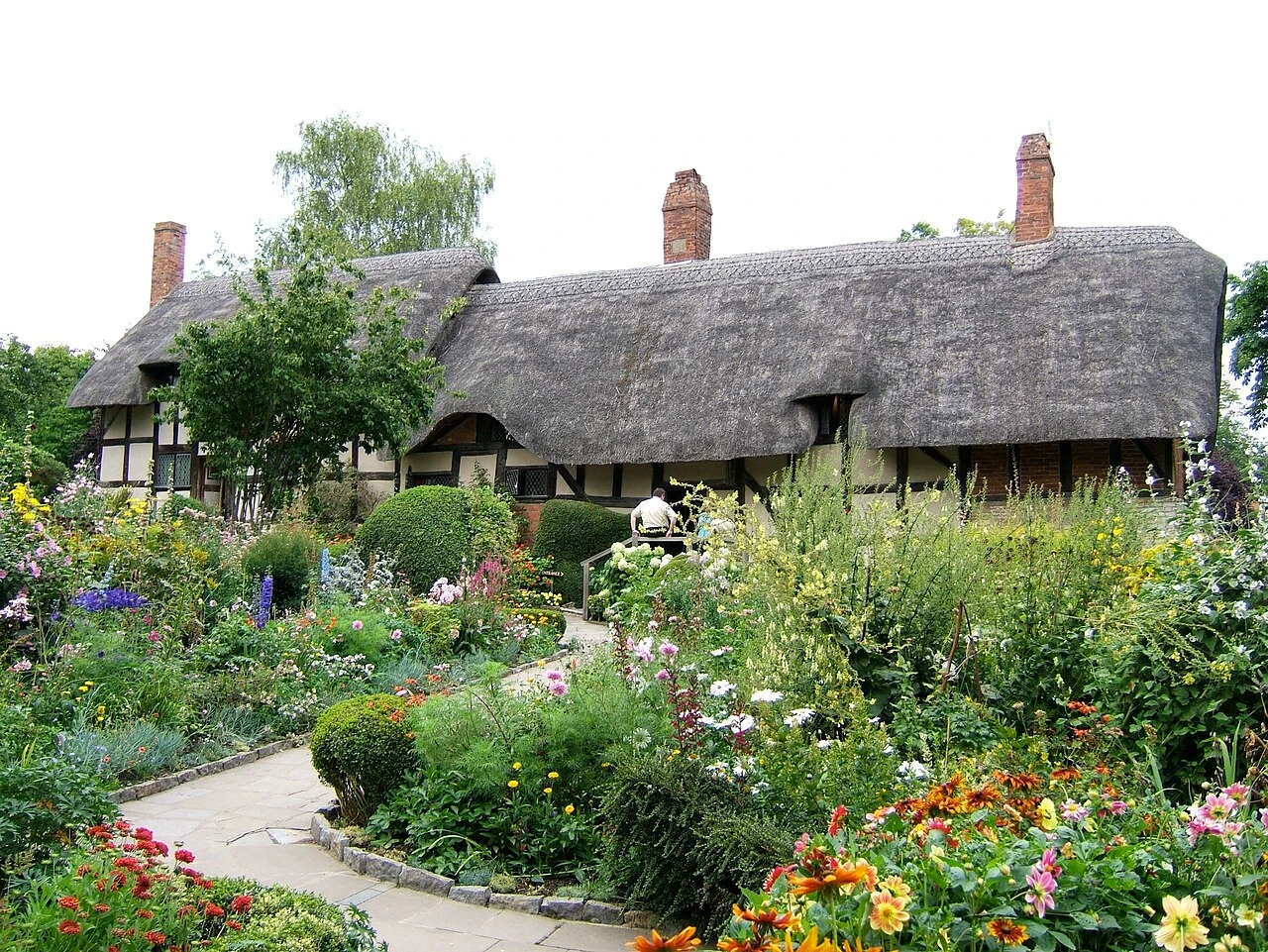
Stratford-on-Avon
Anne Hathaway's Cottage
Content & sources
Richard Peat · CC BY-SA 2.0
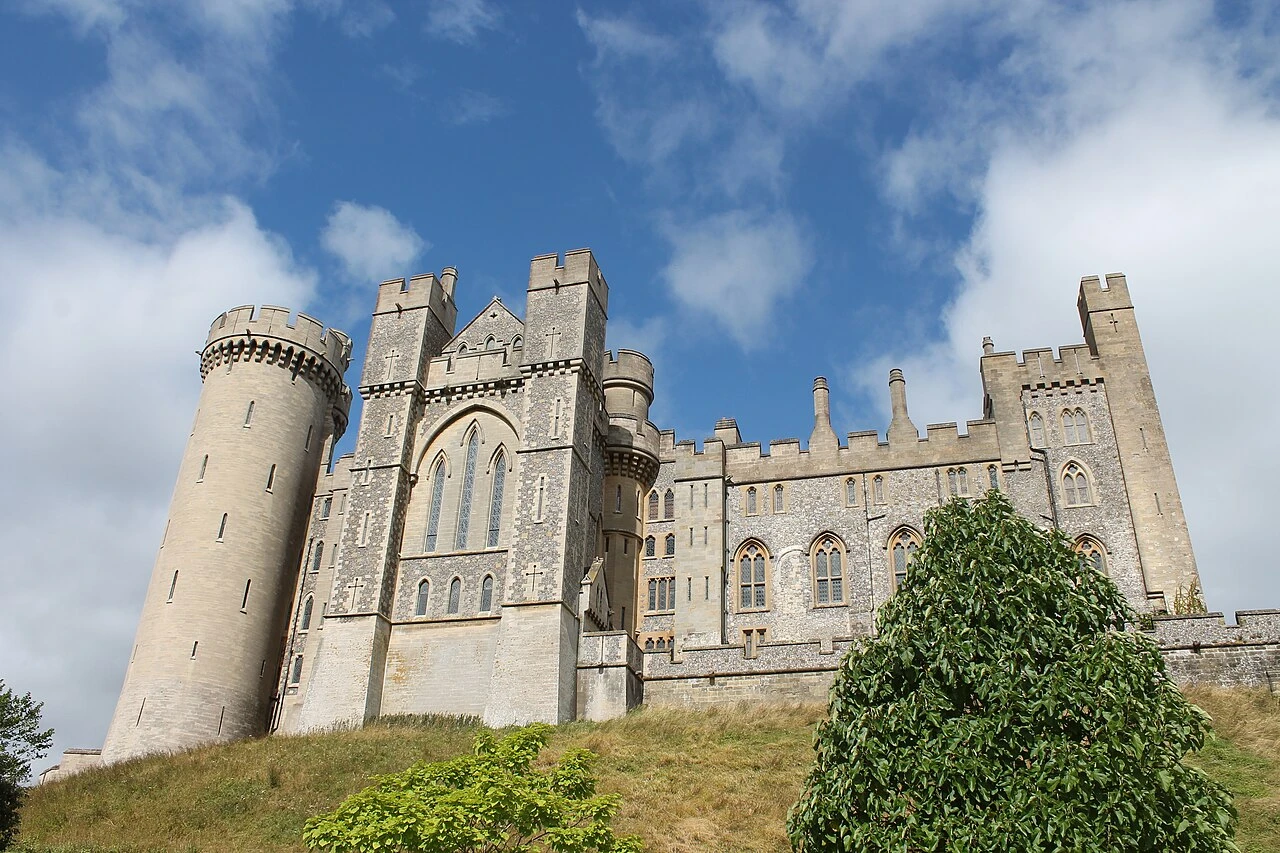
Arun
Arundel Castle
Content & sources
Photo: Egjoni98 · CC BY-SA 4.0
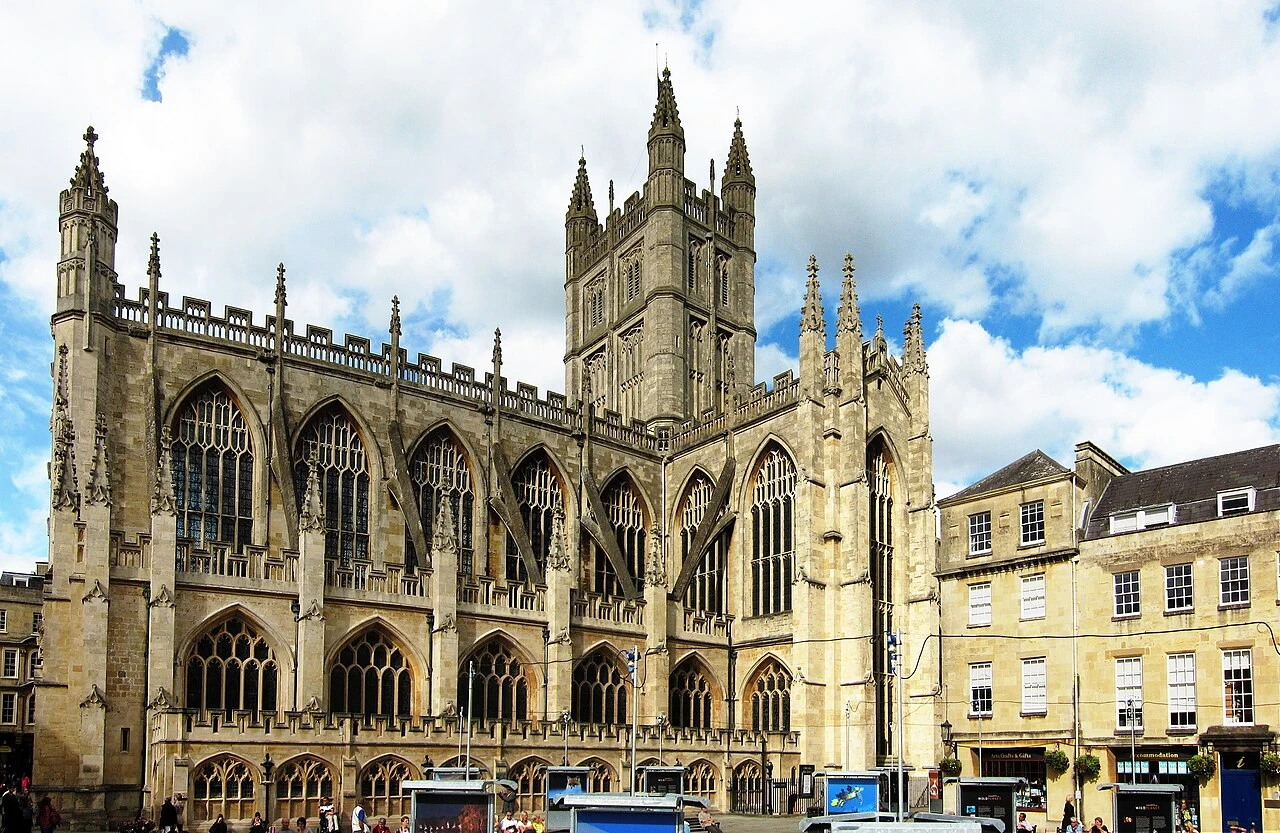
Bath
Bath Abbey
Content & sources
Photo: Velvet · CC BY-SA 3.0