Languages
15Arundel Castle Audio Guide
Arundel Castle is a landmark in Arun, United Kingdom. Explore it with Stanza's GPS-triggered offline audio guide — available in 15 languages.
Quick Facts
16
Stops
15
Languages
100%
Offline
📍 Arun, United Kingdom · 50.8561°N, -0.5536°E
About Arundel Castle
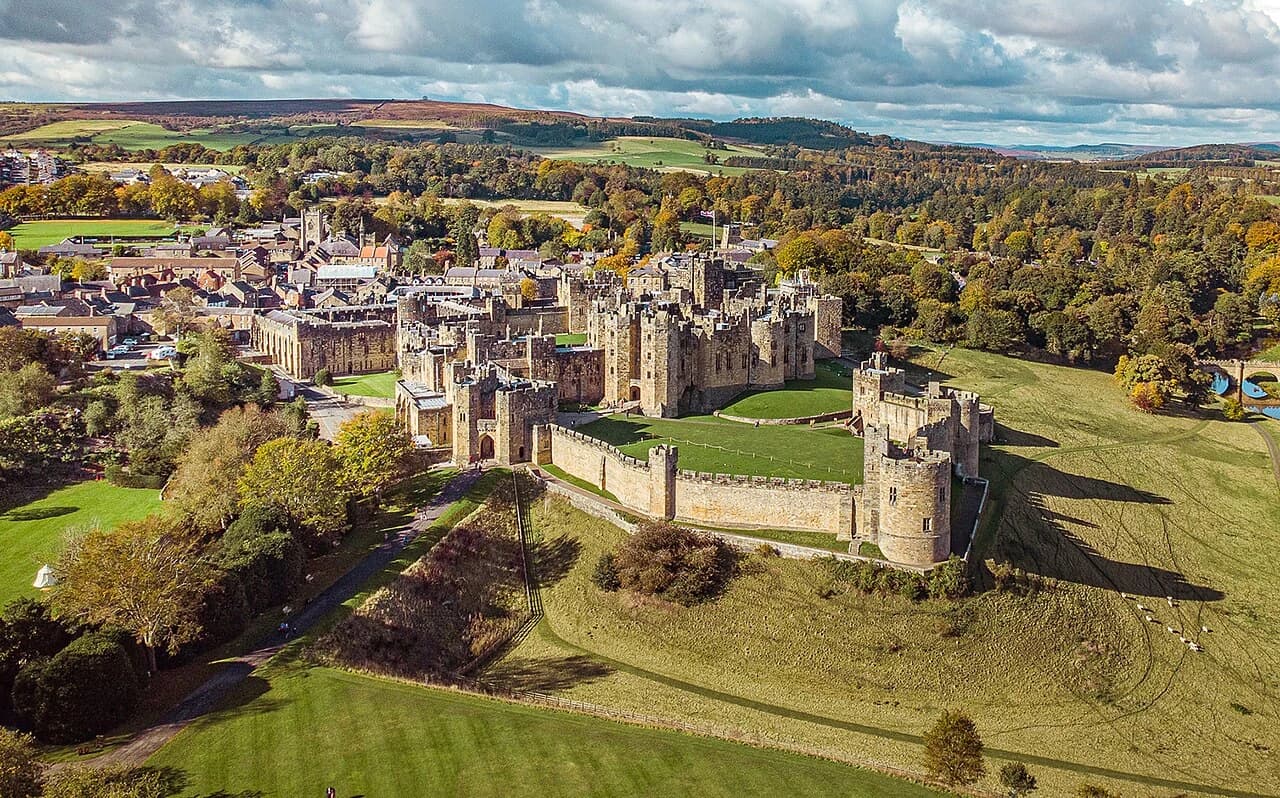
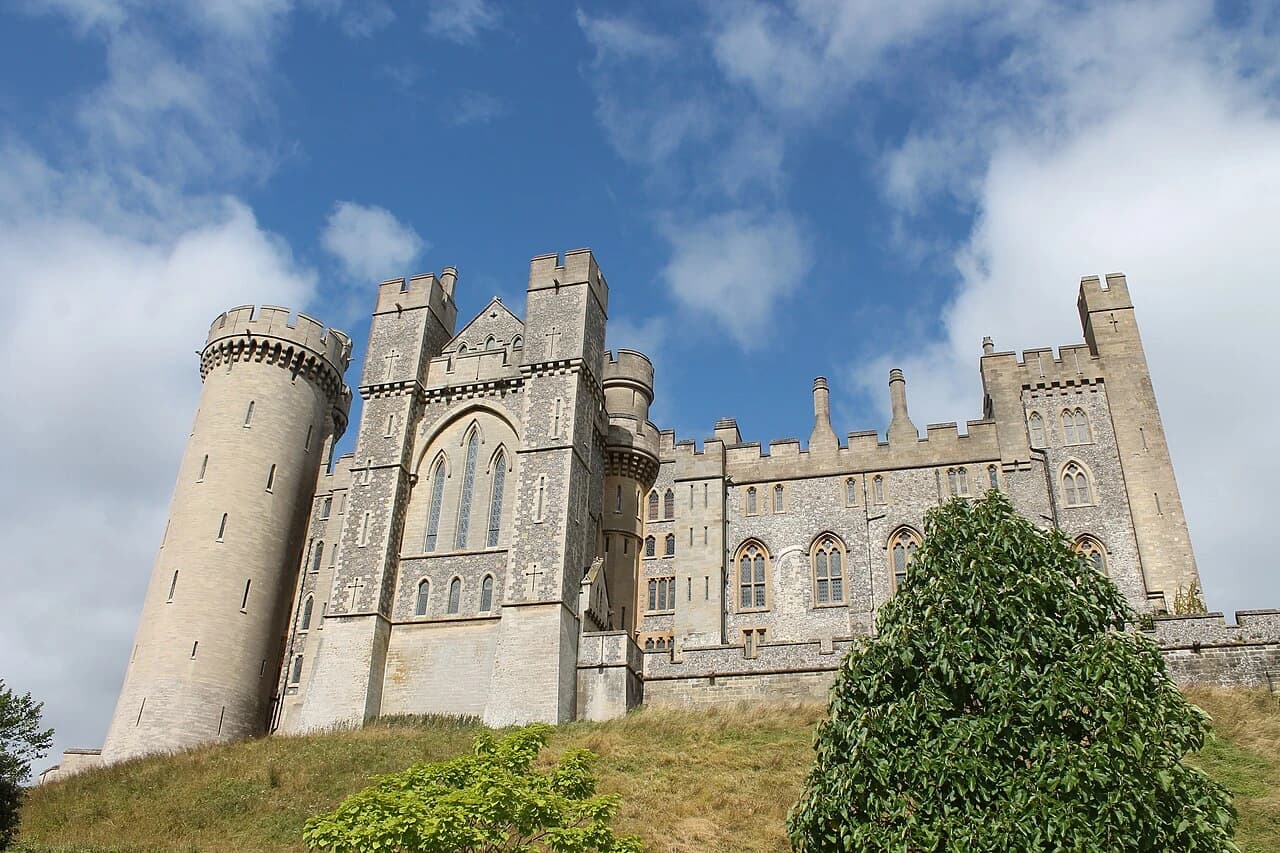
Arundel Castle is a restored medieval castle located in West Sussex, serving as the ancestral home of the Dukes of Norfolk. It features extensive grounds and a significant collection of art and historical artifacts.
This self-guided audio tour features 16 narrated stops organized across 6 sections, including The Quadrangle, The State Rooms and Royal Suite, The Portrait Gallery, The Norman Keep, The Fitzalan Chapel, The Collector Earl's Garden. As a castle, Arundel Castle offers a unique cultural experience in the heart of Arun, United Kingdom.
The Stanza audio guide is available in 15 languages and works entirely offline — download the complete tour including audio narration, maps, and images before your visit. As you walk through Arundel Castle, GPS-triggered narration plays automatically at each point of interest.
Last updated:
What you will hear
The Quadrangle
Focuses on the heart of the castle and the Gothic Revival architecture designed by Charles Alban Buckler.
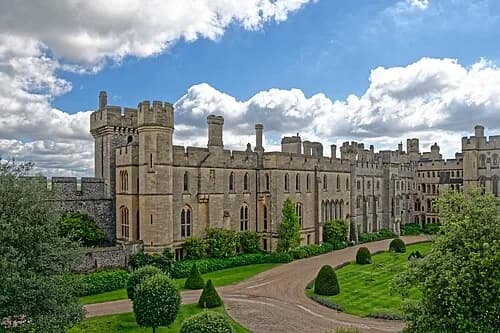
The Central Quadrangle
Entering the Central Quadrangle brings you into the very heart of the residential castle. Although these buildings possess a convincing medieval appearance, the vast majority of what surrounds you was constructed during the 'Grand Build' of the Victorian era. Between 1875 and 1905, the castle underwent a radical transformation to suit the needs of the time, resulting in the impressive Gothic Revival structures seen today. The residential ranges are enormous in scale, housing dozens of rooms designed for both family life and the hosting of prominent guests. This quadrangle provides a sense of the castle's internal community, where the various wings connect to form a cohesive, protected courtyard. Notice the regularity of the stonework and the precision of the carvings, which are distinct characteristics of the late nineteenth-century builders. Despite the massive scale of these stone walls, they were built using the latest construction techniques of the period to ensure the castle would remain a comfortable and functional home for centuries to come. The layout was carefully planned to provide both grand ceremonial spaces and private living quarters for the Duke's family.
The State Rooms and Royal Suite
Covers the opulent interiors remodeled for Queen Victoria's 1846 visit, highlighting the monumental stone carvings.
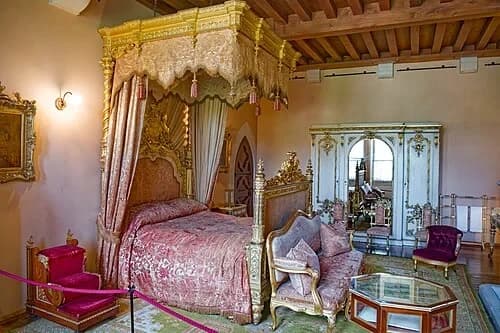
The State Bedroom
The State Bedroom was prepared for a very specific and prestigious guest: Queen Victoria. In 1846, the Queen and Prince Albert arrived for a three-day stay, an event that triggered a massive remodeling project by the 13th Duke. He spent years ensuring that the accommodation was not just comfortable, but truly fit for royalty. The center of the room is dominated by an opulent bed featuring a high, gold-canopied top and heavy silk drapes. Every detail in this suite, from the intricate woodwork to the gilded decorations, was intended to prove the status of the Howard family as the premier dukes of the realm. Hosting the monarch was a significant honor that required immense preparation, and these rooms have been preserved to reflect that nineteenth-century splendor. Even the furniture was carefully selected or commissioned to match the grand scale of the castle. Today, the room remains much as it was when the young Queen rested here, providing a glimpse into the high-stakes hospitality of the Victorian era. The walls are adorned with textiles and patterns that were fashionable during the mid-nineteenth century, maintaining the room's regal atmosphere.
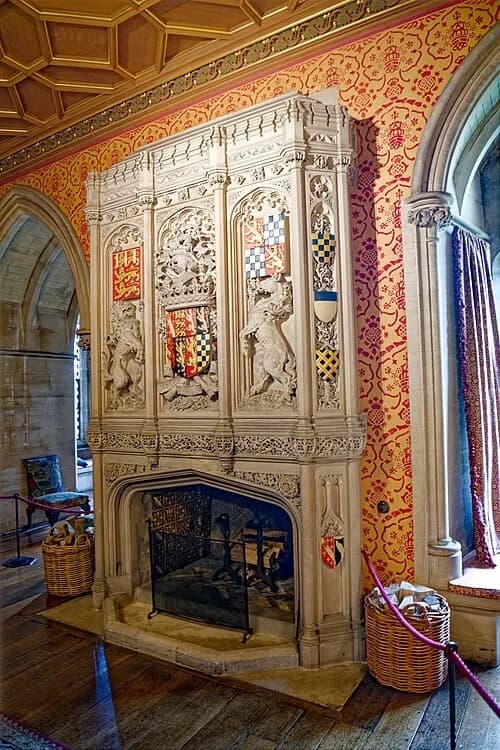
The Baron's Hall Fireplace
Above the hearth in the Baron's Hall sits a monumental fireplace that serves as much more than a source of heat. This massive structure is covered in intricate stone carvings that detail the long and complex history of the Howard family. If you look closely at the row of heraldic shields, you are essentially reading a family tree carved in stone. Each shield represents a different noble family that married into the Howard line over many generations, bringing new lands, titles, and influence to the dukedom. This type of heraldic display was a common way for the aristocracy to assert their lineage and the legitimacy of their power. The craftsmanship required to carve such detailed patterns into the hard stone was immense, showing the high level of skill possessed by the nineteenth-century artisans who worked on the castle's interior. The shields are often painted or gilded to make the individual symbols easier to identify. This fireplace was designed to be the focal point of the hall, reminding everyone who gathered here of the centuries of history and alliances that built the Norfolk legacy. It stands as a central piece of the hall’s grand Gothic Revival design.
The Portrait Gallery
Uses verified POI paintings to discuss the Howard family's nearly 1,000-year legacy as Dukes of Norfolk.

The Madagascar Portrait of Thomas Howard and His Wife Aletheia Talbot
Anthony van Dyck · 1639 · canvas, oil paint
This painting depicts Thomas Howard, the 14th Earl of Arundel, alongside his wife Aletheia Talbot. Thomas was famously known as 'The Collector Earl' because of his role as one of England's first and greatest art connoisseurs. He spent a significant portion of his life and fortune traveling across Europe to acquire classical sculptures, paintings, and drawings, many of which are still part of the Royal Collection or major museums today. In this portrait, his passions are clearly on display. Notice the globe beside the couple, symbolizing Thomas's extensive travels and his global perspective. There are also architectural drawings nearby, reflecting his deep interest in classical design and its application in England. Aletheia was a formidable figure in her own right, often accompanying her husband on his acquisitions and managing the family's vast estates. This painting was intended to present the Earl not just as a nobleman, but as a man of learning and culture who brought the artistic treasures of the Renaissance to the British Isles. The inclusion of these scholarly objects was a deliberate choice to highlight their contributions to English intellectual and cultural life.

Portrait of King Charles I of England (1600-1649)
Anthony van Dyck · 1633 · canvas, oil paint
Loyalty to the Crown has been a defining characteristic of the Howard family, as seen in this portrait of King Charles I. The King is shown wearing a suit of armor, a direct reference to the turbulent Civil War era that would eventually lead to the siege of Arundel Castle. The family’s connection to the King was deeply personal and political; they stood by him through the most difficult years of his reign. Tradition holds that after the defeat at the Battle of Worcester in 1651, the King narrowly avoided capture through a famous escape, a period of history that resonated deeply with his supporters. The armor in the painting is highly detailed, showing the functional yet decorative nature of royal military equipment in the seventeenth century. The King's expression is somber, reflecting the weight of the conflict that was tearing the nation apart during his lifetime. This portrait served as a constant reminder to those in the castle of the high price of political allegiance and the deep-seated royalist traditions of the Dukes of Norfolk. It captures a pivotal moment in English history before the castle itself faced the realities of war.
The Norman Keep
Explores the oldest part of the castle, the 11th-century motte and bailey, and the site of the 1643 Civil War siege.
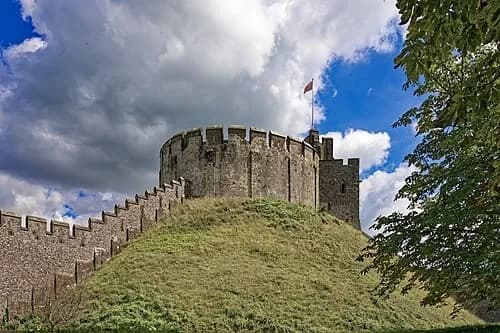
The Norman Motte
To understand the origins of this site, one must look at the massive man-made hill known as the Norman Motte. This is the oldest part of the entire castle grounds, dating back to approximately 1067, shortly after the Norman Conquest. In the motte-and-bailey design used by William the Conqueror's followers, this hill served as a high point of defense where a wooden, and later stone, tower would be built. The goal was to dominate the surrounding landscape and provide a clear view of any approaching threats from the river or the town below. Thousands of tons of earth were moved by hand to create this mound, an incredible feat of medieval engineering that still defines the castle's layout. Standing atop the motte allowed the early lords of Arundel to project their power over the local population. While the grand residential wings you see today were built centuries later, they all radiate from this original Norman core. The grass-covered slopes are steep, designed specifically to slow down any attackers who might try to scale the heights. It remains a striking physical record of the early Norman occupation of England.
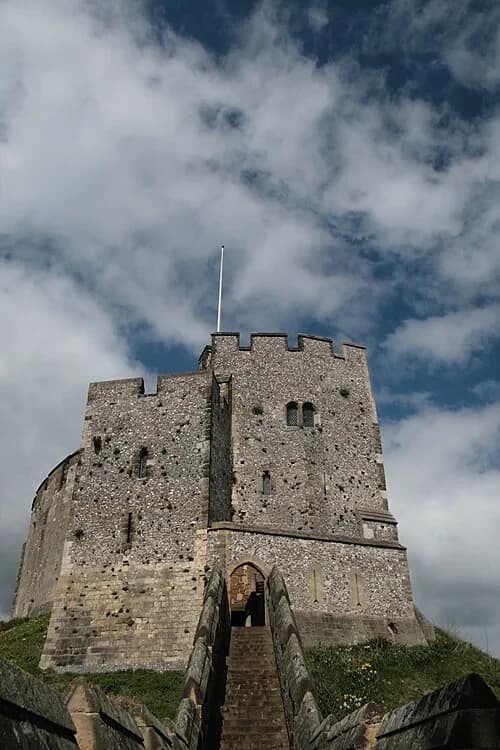
The Ancient Keep
The Ancient Keep sits atop the Norman Motte, representing the most fortified section of the historic castle. During the English Civil War in 1643, this structure became the center of a brutal eighteen-day siege. Parliamentarian forces bombarded these walls with heavy artillery, trying to break the royalist defenders inside. If you look at the walls today, you can see the thick flint construction that was designed to withstand such assaults. The narrow arrow slits provided the defenders with a way to fire upon the enemy while remaining largely protected behind several feet of stone. Accessing the keep required climbing the steep, narrow steps, a journey that would have been incredibly dangerous under fire. Every architectural detail here was chosen for its defensive utility rather than comfort. Inside, the spaces are cramped and functional, meant for soldiers rather than noble families. The keep remains a powerful physical record of the time when Arundel was a military prize and these very walls were the only thing standing between the defenders and defeat. You can still see the weathered surfaces where the stone was impacted by the weapons of the period.
The Fitzalan Chapel
Covers the private chapel and burial place of the Dukes of Norfolk, featuring significant medieval tombs.
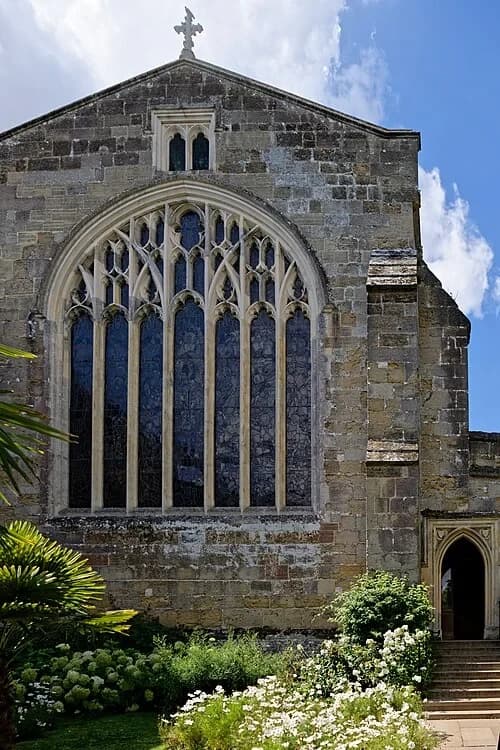
Fitzalan Chapel
14th century
Fitzalan Chapel is a site of significant religious and historical interest due to its unique legal and spiritual status. It serves as a private Catholic chapel and the final resting place for the Dukes of Norfolk, yet it is physically located within the same structure as the town's Anglican parish church. This unusual arrangement is the result of centuries of legal navigation following the English Reformation. The chapel is a beautiful example of Perpendicular Gothic architecture, highlighted by the large, intricate window that allows light to flood the interior. For the Howard family, who remained steadfastly Catholic even when it was politically dangerous to do so, this chapel provided a private sanctuary for worship and remembrance. The atmosphere inside is one of quiet seclusion, separated from the rest of the building by an iron and glass screen. It contains several important monuments and tombs that track the lineage of the family back through the medieval period. This space remains a living part of the estate, used for family ceremonies and continuing a burial tradition that has lasted for hundreds of years. The quiet dignity of the chapel reflects its ongoing role as a family shrine.
The Collector Earl's Garden
Highlights the modern tribute garden and its unique water features, including the signature 'Dancing Coronet'.
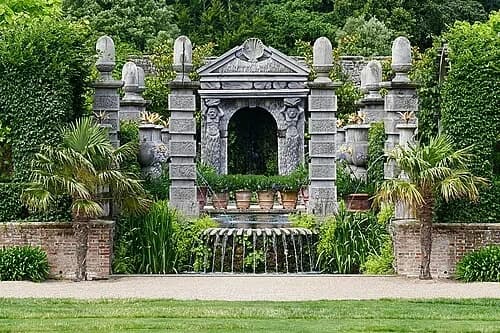
The Collector Earl's Garden
Opened in 2008, the Collector Earl's Garden is a relatively modern addition to the castle grounds, created as a tribute to Thomas Howard, the 14th Earl. The design draws heavily on the Italianate style that the Earl so admired during his travels in the seventeenth century. You will notice a strong sense of precise geometry in the layout, with clipped hedges and stone pathways leading to various fountains and pavilions. These elements reflect the Renaissance ideal of bringing order to nature through classical architecture. The garden is filled with stone structures that look as though they could have been built centuries ago, including a large pavilion that serves as a focal point. This space was designed to be both a beautiful landscape and a celebration of the Earl’s legacy as a man of culture and art. It bridges the gap between the historic fortress and the modern visitor experience, providing a peaceful area for reflection. The use of water throughout the garden, through rills and basins, adds a sensory layer to the experience, with the constant sound of moving water cooling the air. Each fountain was designed to complement the surrounding stone pavilions.
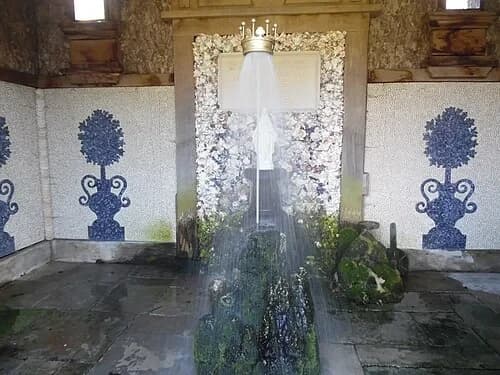
The Dancing Coronet
Tucked away inside Oberon's Palace is one of the garden's most whimsical features: the Dancing Coronet. This unique water feature centers on a lightweight golden coronet that appears to defy gravity by 'dancing' on the tip of a vertical water jet. The height of the water is carefully controlled to keep the crown suspended in mid-air, spinning and bobbing in a playful display. In the background, you can see an intricate shellwork grotto. Grottoes were a traditional and popular feature in European gardens from the Renaissance through the Victorian era, often used as cool, shaded retreats. This particular grotto is made using thousands of individual shells, each one placed by hand to create elaborate patterns and textures. This whimsical combination of shells and the floating crown reflects a lighter side of garden design, intended to surprise and delight guests as they wander through the estate. It serves as a contrast to the serious, defensive history of the castle's stone walls. The sound of water splashing back into the basin creates a lively atmosphere within the palace’s interior space. It is a modern interpretation of a historical garden tradition, designed to engage the imagination of all who visit.
Want to hear the rest?
Download the Stanza app to unlock all 16 stops and full GPS-guided navigation.
Frequently Asked Questions
How long does the Arundel Castle audio tour take?
The Arundel Castle audio guide includes 16 narrated stops. Most visitors spend 45 minutes to 1.5 hours exploring the complete tour, though you can listen at your own pace and skip or revisit any stop.
Is the Arundel Castle audio guide available in my language?
Stanza supports 15 languages: English, Spanish, French, German, Italian, Portuguese, Russian, Japanese, Chinese, Korean, Arabic, Hindi, Polish, Dutch, Hebrew. Check the guide in the app to confirm the languages currently available for this tour.
Can I use the audio guide offline at Arundel Castle?
Yes! Download the complete Arundel Castle tour — including all audio, maps, and images — before your visit. The Stanza app works completely offline, so you don't need WiFi or mobile data at the venue.
How much does the Arundel Castle audio guide cost?
The Stanza app is free to download. Free and paid audio guides are available; current prices are shown in the app.
How do I use the Stanza audio guide at Arundel Castle?
Download the free Stanza app, search for "Arundel Castle", and download the tour. When you arrive at the venue, the app uses GPS to detect your location and automatically plays the relevant narration as you move between points of interest — completely hands-free.
What makes the Stanza audio guide different from other Arundel Castle tours?
Stanza offers GPS-triggered narration that plays automatically as you walk through Arundel Castle — no need to manually select stops. The tour is available in 15 languages, works fully offline, and includes 16 expertly narrated stops with images and historical context.
What other audio guides are available near Arundel Castle?
Stanza offers multiple audio guides in Arun, United Kingdom and nearby areas. After downloading the app, browse the map to discover all available tours near Arundel Castle. Each guide can be downloaded for offline use.