Languages
15Rosslyn Chapel Audio Guide
Rosslyn Chapel is a landmark in Roslin, United Kingdom. Explore it with Stanza's GPS-triggered offline audio guide — available in 15 languages.
Quick Facts
23
Stops
15
Languages
100%
Offline
📍 Roslin, United Kingdom · 55.8554°N, -3.1599°E
About Rosslyn Chapel
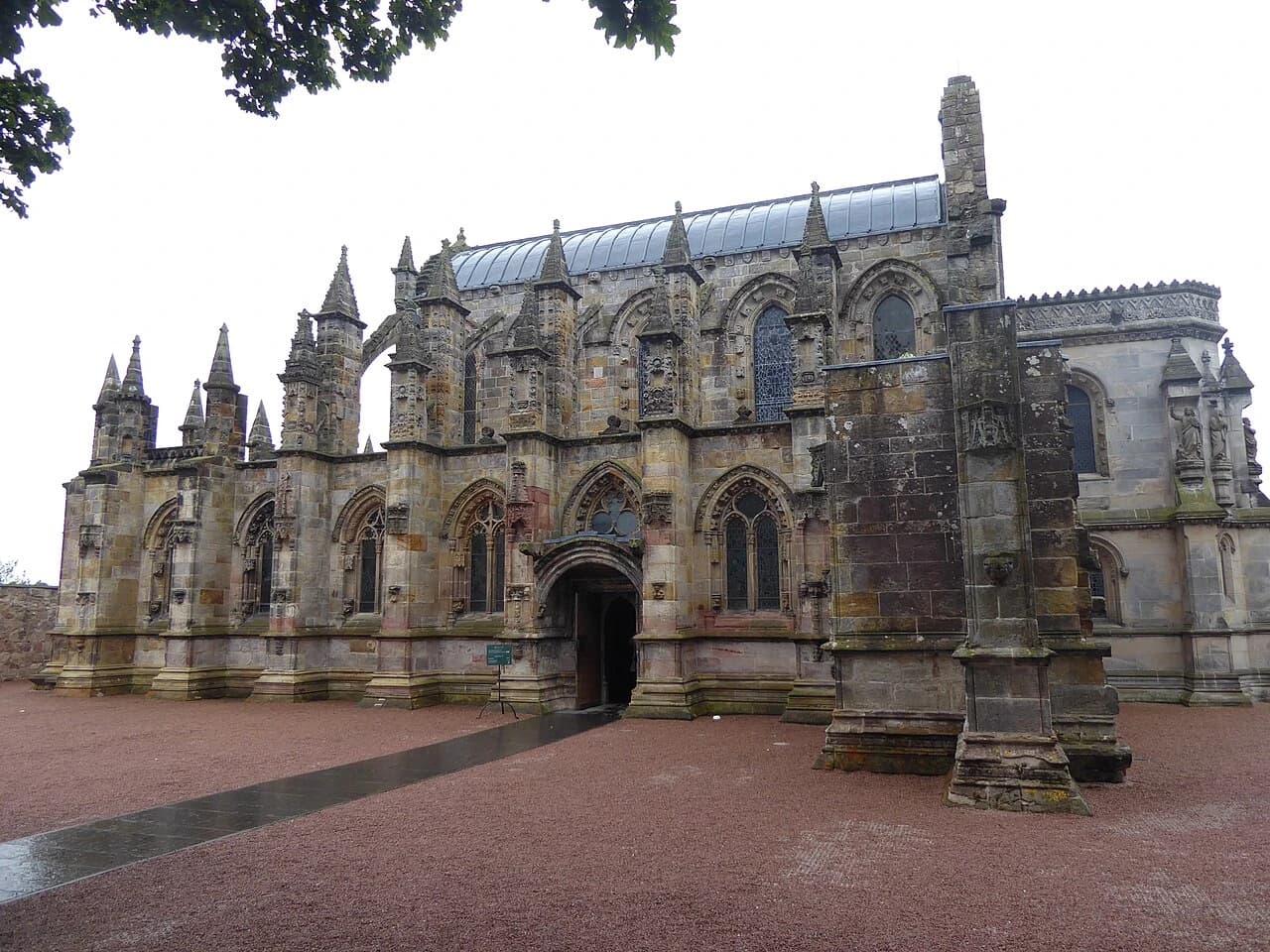
Rosslyn Chapel is a 15th-century chapel renowned for its intricately carved stonework and Gothic architecture. It is located in the village of Roslin, Midlothian, Scotland.
Rosslyn Chapel is also known as Collegiate Chapel of St Matthew, Rosslyn Chapel.
This self-guided audio tour features 23 narrated stops organized across 8 sections. As a chapel, Rosslyn Chapel offers a unique cultural experience in the heart of Roslin, United Kingdom.
The Stanza audio guide is available in 15 languages and works entirely offline — download the complete tour including audio narration, maps, and images before your visit. As you walk through Rosslyn Chapel, GPS-triggered narration plays automatically at each point of interest.
Last updated:
What you will hear
Collegehill House (The Old Inn)
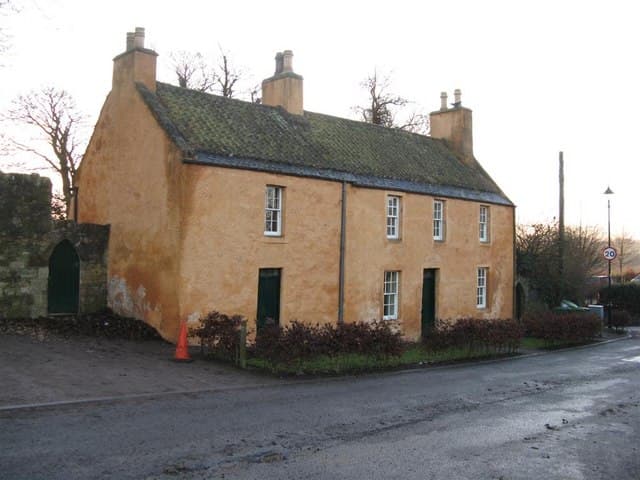
Starts the tour at the verified POI where visitors arrive, setting the historical scene of Roslin village. Use the POI image of the inn.
The Village Gateway
Welcome to the quiet village of Roslin, the scenic gateway to a site of global mystery. As you look at the ochre-colored building known as Collegehill House, you are seeing a piece of local history that predates the chapel's modern fame. During the 18th century, this structure served as the local inn, providing shelter and warmth to travelers who had journeyed to the Scottish glen specifically to explore the nearby ruins. Today, the house stands as a reminder of the village's long history of hospitality. The surrounding glen is a place of deep peace, where the sounds of the North Esk river drift through the trees, creating an atmosphere of seclusion. This setting helps explain why such an intricate and complex building was placed here, far from the bustling centers of Edinburgh. It sets the stage for a site where every stone was shaped with deliberate intent, beginning a journey into a space where nature and human craftsmanship have coexisted for centuries.
The South Facade
Establishing the first grand view of the chapel's exterior architecture. Use high-resolution wide shots to show the flying buttresses and Gothic spires.
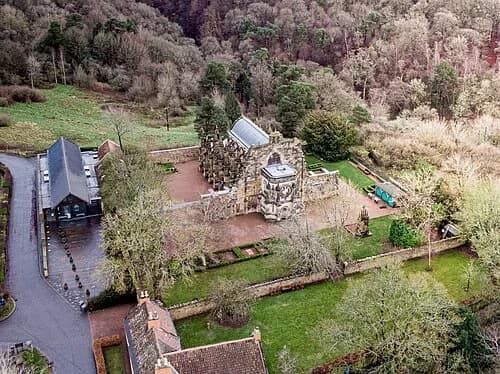
The Chapel in the Glen
From an elevated perspective, the compact and rectangular form of the chapel becomes clearly visible, nestled within the quiet confines of its surrounding cemetery. This vantage point highlights how the building is effectively carved into the landscape of the Roslin Glen. The dark, weathered roof creates a sharp visual contrast against the ornate, golden stonework of the walls and buttresses. While it may appear small compared to the grand cathedrals Sinclair originally envisioned, its presence is commanding. The structure seems to emerge directly from the greenery of the glen, as if the stone itself were an extension of the nearby cliffs. The cemetery rows wrap around the building, anchoring it to the local community and the generations of the Sinclair family who remain here. The surrounding woods provide a natural buffer, shielding the site from the modern world and preserving the sense of a hidden sanctuary. This relationship between the built environment and the natural terrain is a defining characteristic. The way the light hits the masonry changes the building’s character, from a bright golden beacon in the morning to a somber, grey sentinel as shadows stretch across the glen.
The Southern Portal
The main entrance experience, highlighting the dense exterior carvings that hint at the wonders inside.
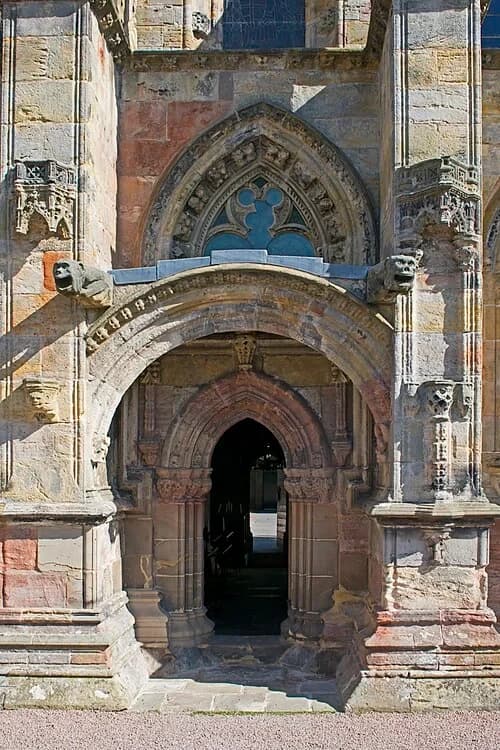
The Southern Portal
Approaching the main entrance reveals the sheer density of the carvings that characterize this building. The archway of the Southern Portal is surrounded by a complex array of stone patterns that seem to flow into one another. Perched on the edges of the stonework are weathered, grotesque faces known as gargoyles. These figures were not merely decorative; they were essential components of the building’s engineering. Their primary function was to channel rainwater away from the walls through their open mouths, preventing the soft stone from eroding. Beyond their practical use, they also served as symbolic guardians, traditionally believed to ward off evil spirits from the sacred space within. Expressions on these faces vary, with some appearing to grimace in a perpetual state of exertion. The years have softened their features, blending the stone with patches of lichen, yet their watchful presence remains unmistakable. This portal acted as the formal threshold where the outside world met the sacred interior. The complexity of the carvings here served as a visual signal to all who entered that they were moving into a space where every surface held a deeper meaning, crafted with extraordinary skill.
The Choir & Vaulted Ceiling
The first interior stop, focusing on the incredible barrel-vaulted ceiling covered in stone flowers and stars.
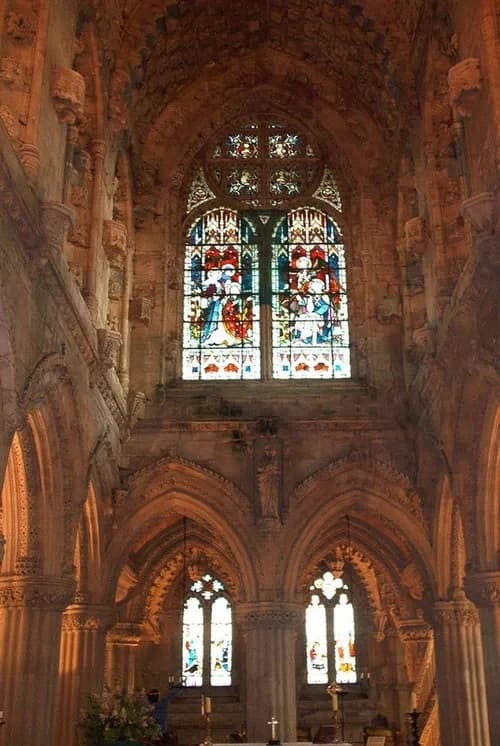
The Choir
Entering the heart of the 15th-century construction, the choir presents a striking display of medieval craftsmanship. The layout is defined by fourteen pillars that form an arcade of twelve pointed arches, creating a sense of rhythm and verticality within the space. Every available inch of stone is covered in dense carvings, from the bases of the columns to the highest point of the vault. As light filters through the stained glass windows, it illuminates the various textures of the masonry, casting shifting shadows that make the stone appear almost fluid. This area was the central focus of William Sinclair’s project, intended to be the most sacred and ornate part of the intended cathedral. The volume of detail is high, with thousands of individual elements competing for attention. The arches themselves are decorated with a variety of motifs, including figures that seem to peer down from the heights. This space was designed to inspire reflection, representing the very best of what the masons could achieve. The harmony of the proportions, combined with the exuberant ornamentation, creates an atmosphere that feels ancient, serving as a significant example of the late Gothic style.
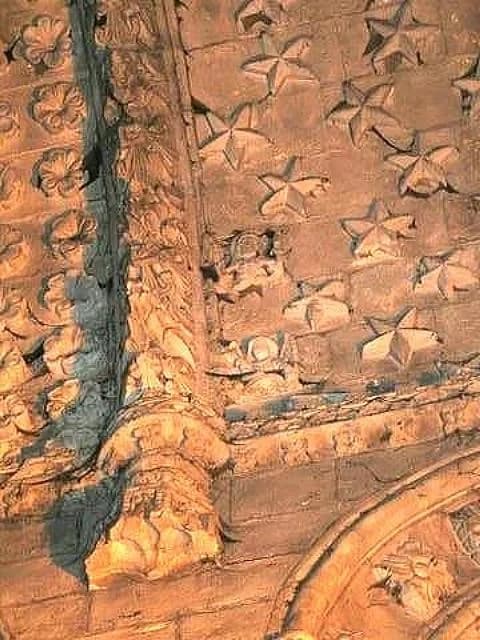
The Canopy of Stars
In one specific section of the ceiling, the botanical motifs give way to a more cosmic theme. This area features a field of five-pointed stars, carved in high relief against the stone vault. Among this celestial canopy, you can also find representations of the sun and the moon, along with a hand holding a cross. This transition from the earthly garden of flowers to the heavens above serves a clear symbolic purpose, guiding the observer's thoughts from the terrestrial world toward the divine. The stars are arranged in a pattern that suggests the vastness of the night sky, yet they are contained within the structured geometry of the chapel's architecture. The sun is often depicted with a human face, a common medieval motif that personified the light of the world. Each of these elements was carefully positioned to be seen by those looking up in contemplation. The hand holding the cross acts as a central point of faith amidst the heavenly bodies, anchoring the celestial imagery within a Christian context. This part of the ceiling emphasizes that every part of the building, from the floor to the vault, was intended to participate in a grand narrative of creation.
The Forest of Green Men
Focusing on the unique motif of the Green Man, which appears over 110 times throughout the chapel.
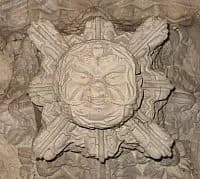
Faces in the Foliage
As you move through the chapel, the character of the Green Men changes in a fascinating way. No two faces are exactly alike; some appear to be smiling or serene, while others are twisted into grimaces or look out with a somber, weary expression. It is widely believed that this variety represents the changing seasons, moving from the fresh, youthful growth of spring to the skeletal, dormant state of winter. This progression reinforces the theme of the natural cycle that permeates the entire building. These faces are not merely isolated decorations but are deeply integrated into the capitals of the pillars, often serving as the base from which more complex botanical carvings emerge. This integration suggests that the architecture itself is a living, growing entity. Notice how the foliage on the spring faces is light and delicate, while the autumn and winter versions feature heavier, more gnarled branches and fewer leaves. The placement of these figures ensures that they are always watching from their leafy bowers, a silent audience to the services held below. This storytelling through stone demonstrates the imaginative range of the medieval masons, who found endless ways to reinvent a single, ancient concept.
The Apprentice Pillar & Legend
The most famous feature of the chapel. Covers the spiraling carvings and the tragic legend of the master and apprentice.
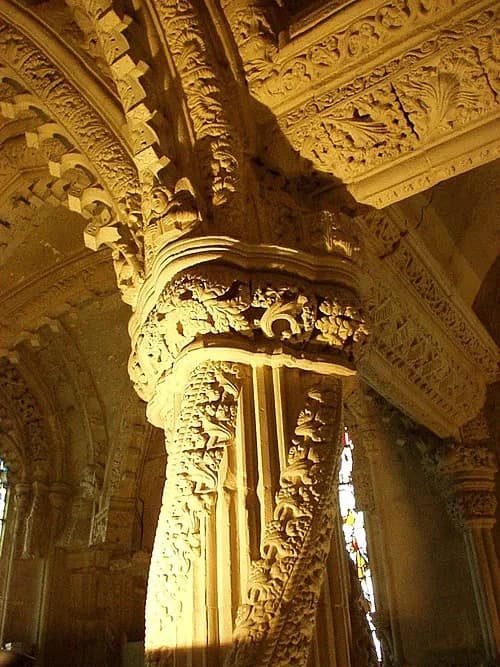
Spirals of Stone
Looking closely at the Apprentice Pillar, its physical complexity is truly remarkable. Four distinct stone vines spiral upward from the base to the capital, winding around the central core of the column with incredible fluidity. These vines are deeply undercut, giving them a three-dimensional quality that makes them appear to float against the pillar's surface. At the very base of the column, you can see several dragons from whose mouths the vines appear to grow. This imagery has prompted many to draw parallels between the carving and Norse mythology, specifically the world tree, Yggdrasil, which is gnawed at its roots by dragons. Others see a clear biblical reference to the Tree of Life or the concept of the True Vine. The fusion of these different cultural influences is a hallmark of the chapel's design. The delicate leaves and clusters of fruit on the vines demonstrate a level of detail that would be challenging even with modern tools. The pillar’s unique design distinguishes it from the more traditional columns found throughout the choir. It remains the most visually arresting element of the interior, a dense knot of symbolism and craftsmanship that continues to invite a variety of interpretations. Notice how the vines overlap one another without ever physically merging.
The Lady Chapel & Botanical Carvings
Exploring the easternmost part of the chapel, featuring the altar and curious carvings like the 'Indian Corn'.
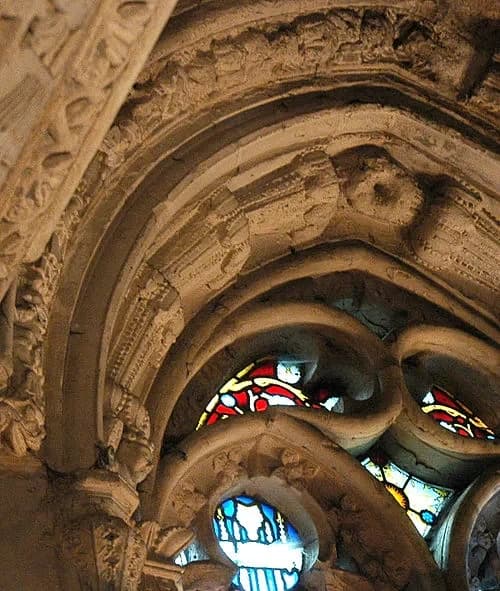
The Botanical Mystery
On this archway, look for the peculiar carvings that have puzzled historians and visitors for generations. The shapes bear a striking resemblance to ears of maize, or Indian Corn, complete with their distinctive husks. This presents a profound historical mystery: Rosslyn Chapel was completed around 1486, yet Christopher Columbus did not reach the Americas—where maize originated—until 1492. How could a 15th-century Scottish stonemason depict a plant that officially didn’t exist in Europe for several more decades? Some suggest the Sinclair family may have reached North America long before Columbus, while others argue the shapes are merely stylized representations of local lilies or wheat. Regardless of the explanation, these carvings are a major reason why the chapel invites so much speculation and wonder. They challenge our understanding of medieval knowledge and global travel. Rather than offering a definitive answer, the stones here seem to ask a question, encouraging you to consider the possibilities of undocumented history. This archway is just one example of how the chapel's dense iconography continues to spark debate and capture the imagination of those who study its walls. It remains one of the chapel's most frequently discussed features.
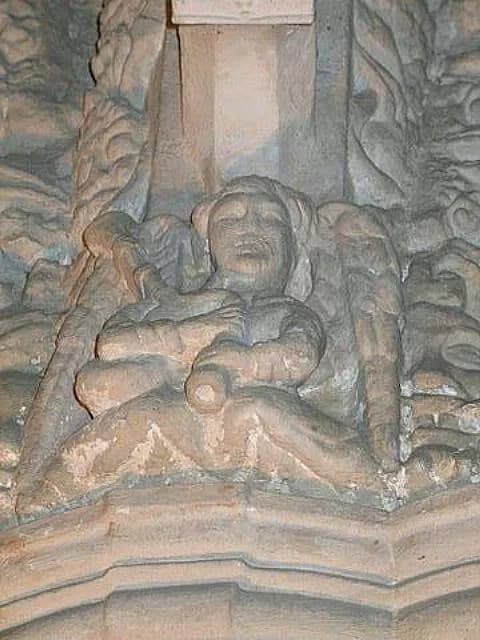
The Bagpipe Angel
Among the heavy religious and mythological symbolism, there are many quirky, human touches hidden throughout the stonework. One of the most beloved is the Bagpipe Angel. If you look closely at the upper carvings, you can find a small figure with wings, cradling a set of bagpipes under one arm while blowing into the drone. The angel's posture is focused, and the detail on the instrument itself is remarkably clear, from the bag to the pipes extending over the shoulder. This inclusion is a playful nod to the Scottish identity of the craftsmen and the local culture of the 15th century. It breaks the solemnity of the sacred space with a bit of local flavor and humor. It is one of many such details—along with dancers and musicians—that suggest the stonemasons were given the creative freedom to incorporate elements of their own lives and surroundings into the decoration. While angels are usually associated with harps or trumpets in traditional Christian art, this bagpiper roots the heavenly realm firmly in the soil of the Scottish glens. It is a subtle reminder of the people who actually lived and worked in this valley five centuries ago.
The Baptistry & 19th-Century Restoration
Concluding the tour at the west end, discussing Queen Victoria's visit and the restoration that saved the chapel.
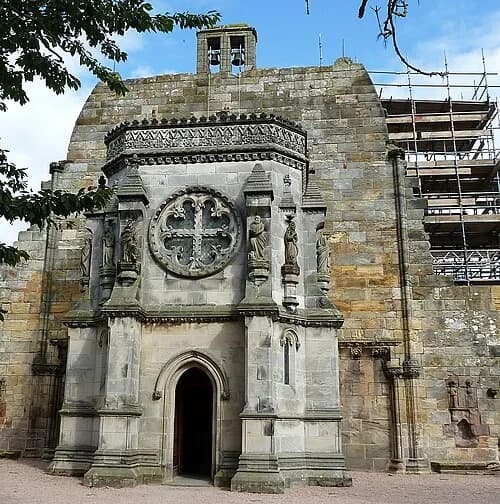
The West Front
The western end of the building, including the baptistry and the prominent rose window, was not part of the original 15th-century design. These features were added during the major Victorian restoration in the 1800s. At that time, the chapel was being transformed from a ruin back into an active place of Episcopal worship. The architect of the restoration, David Bryce, designed this section to provide a formal entrance and additional space for a growing congregation. Above the rose window, you can see the bell turret, which houses the chapel’s bells. This expansion reflects a period when Rosslyn was rediscovering its religious purpose after centuries of silence. The style was carefully chosen to harmonize with the older Gothic elements, though the carvings here are generally less dense than those in the medieval choir. This part of the building serves as a bridge between the ancient history of the Sinclairs and the modern life of the chapel as a functioning church. It provides a transition for the visitor, moving from the outside world into the sacred, stone-carved interior that lies just beyond the doors. The turret above now marks the building's presence in the glen with its regular tolling.
Want to hear the rest?
Download the Stanza app to unlock all 23 stops and full GPS-guided navigation.
Frequently Asked Questions
How long does the Rosslyn Chapel audio tour take?
The Rosslyn Chapel audio guide includes 23 narrated stops. Most visitors spend 45 minutes to 1.5 hours exploring the complete tour, though you can listen at your own pace and skip or revisit any stop.
Is the Rosslyn Chapel audio guide available in my language?
Stanza supports 15 languages: English, Spanish, French, German, Italian, Portuguese, Russian, Japanese, Chinese, Korean, Arabic, Hindi, Polish, Dutch, Hebrew. Check the guide in the app to confirm the languages currently available for this tour.
Can I use the audio guide offline at Rosslyn Chapel?
Yes! Download the complete Rosslyn Chapel tour — including all audio, maps, and images — before your visit. The Stanza app works completely offline, so you don't need WiFi or mobile data at the venue.
How much does the Rosslyn Chapel audio guide cost?
The Stanza app is free to download. The current listed price for the Rosslyn Chapel audio guide is $0.99; app-store region and currency may affect the final price.
How do I use the Stanza audio guide at Rosslyn Chapel?
Download the free Stanza app, search for "Rosslyn Chapel", and download the tour. When you arrive at the venue, the app uses GPS to detect your location and automatically plays the relevant narration as you move between points of interest — completely hands-free.
What makes the Stanza audio guide different from other Rosslyn Chapel tours?
Stanza offers GPS-triggered narration that plays automatically as you walk through Rosslyn Chapel — no need to manually select stops. The tour is available in 15 languages, works fully offline, and includes 23 expertly narrated stops with images and historical context.
What other audio guides are available near Rosslyn Chapel?
Stanza offers multiple audio guides in Roslin, United Kingdom and nearby areas. After downloading the app, browse the map to discover all available tours near Rosslyn Chapel. Each guide can be downloaded for offline use.