Stanza · Audio guide
Hever CastleAudio guide
A place to remember. A story to take with you.
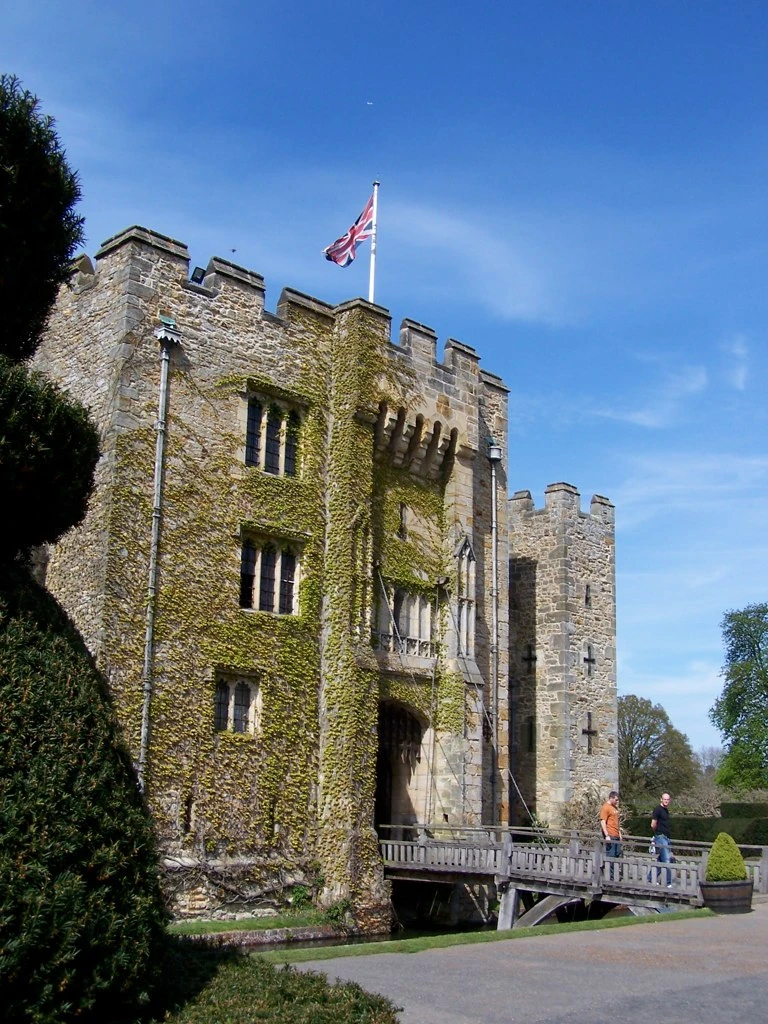
Hever Castle is a Grade I listed country house that served as the childhood home of Anne Boleyn. The property features a quadrangular castle dating back to the 13th century surrounded by extensive gardens.
Download Stanza, then search for “Hever Castle”.
About the tour
One guide. Your kind of visit.
Hever Castle is a Grade I listed country house that served as the childhood home of Anne Boleyn. The property features a quadrangular castle dating back to the 13th century surrounded by extensive gardens.
Ready when you are.
- 01Get the free Stanza app.
iOS & Android
- 02Find your guide.
“Hever Castle”
- 03Download before you go.
Works offline
Audio guide / 18 narrated stops
Inside the guide
Get to know a few of the stories before you go. Open a stop to read more.
01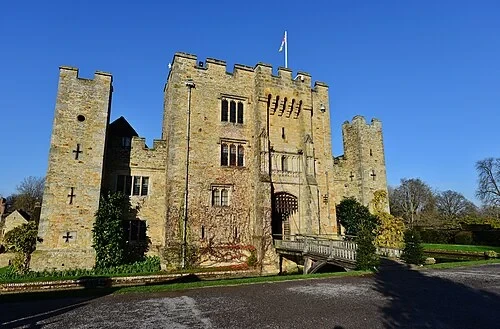 The 13th-Century Gatehouse and MoatThe Gatehouse and Moat
Welcome to Hever Castle, a place defined by its deep moats and resilient stone walls. This gatehouse and the surrounding moated structure date back to 1270, representing the earliest phase of the castle's history. While most visitors recognize Hever as the childhood home of Anne Boleyn, it began its life as a modest medieval manor house. The gatehouse was the primary vertical element of this early construction, designed specifically to serve as the first line of defense. Its sheer stone face and narrow windows were intended to intimidate any would-be attackers. The moat served as a critical barrier, forcing anyone approaching to cross at a single, heavily guarded point. This defensive posture was essential for a local manor during the turbulent periods of the late 13th century. As you view the exterior, notice how the rugged stonework has weathered over the centuries, standing as a silent record of the families who have held these lands. This structure provided the secure foundation upon which later, more decorative Tudor additions were built, eventually transforming a defensive outpost into one of England's most famous romantic residences.
Photo: HARTLEPOOLMARINA2014 · CC BY-SA 4.0
02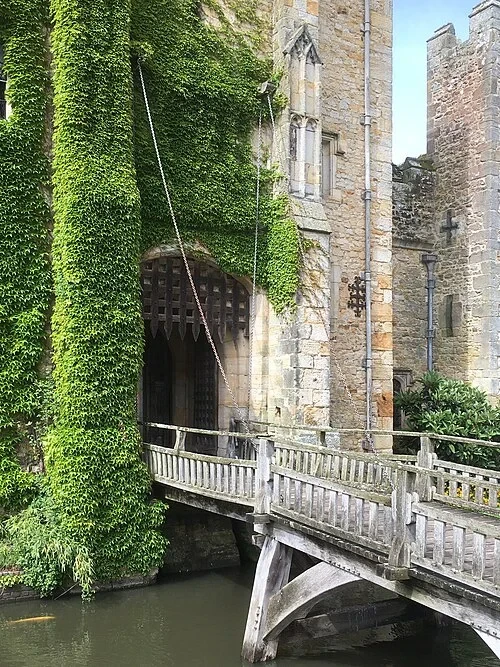 The 13th-Century Gatehouse and MoatThe Working Portcullis
Notice the massive gate hanging within the gatehouse archway. This is the oldest working original portcullis in England, a remarkable survival of medieval engineering. Crafted from heavy timber and tipped with iron spikes, this gate was installed approximately 750 years ago. Remarkably, it remains fully functional today, capable of being lowered to seal the castle off from the outside world. The portcullis operated in conjunction with the drawbridge mechanism, which controlled the only point of entry across the deep waters of the moat. When an alarm was raised, defenders could quickly drop this timber lattice and raise the bridge, turning the manor into an island fortress in minutes. The iron tips at the base of the gate were designed to bite into the ground or any unfortunate obstacle beneath it, ensuring a tight seal. Seeing such a rare piece of original military hardware still in place provides a direct connection to the 13th-century origins of the site. It reminds us that before Hever was a comfortable home for the Boleyn family, it was a high-security facility where every element of the entrance was calculated for survival and control.
Photo: Martinvl · CC BY 4.0
03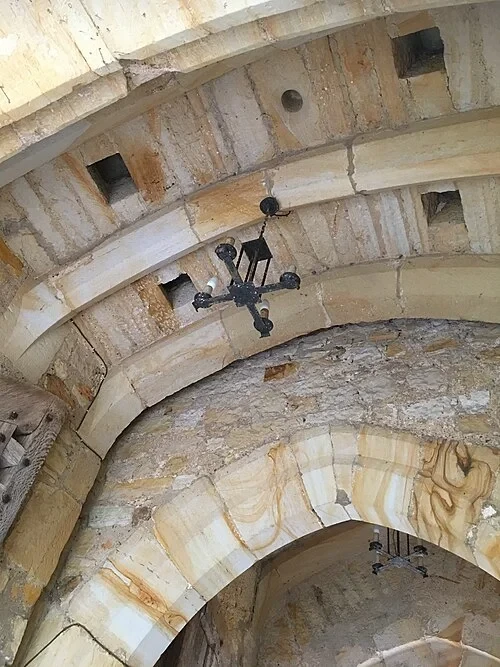 The 13th-Century Gatehouse and MoatThe Murder Holes
Position yourself inside the gatehouse passage and look directly at the vaulted ceiling. You will notice several square openings carved into the stone, known historically as 'murder holes.' These were a standard, if grim, feature of medieval defensive architecture. Their purpose was entirely practical: if an enemy managed to breach the outer portcullis, they would find themselves trapped in this narrow passage between two gates. From the room above, defenders could drop heavy stones, timber, or scalding liquids through these gaps onto the intruders below. Despite popular myths about boiling oil, which was extremely expensive and a fire hazard to the defenders, common substances like boiling water or hot sand were more likely used. This design created a lethal 'killing zone' where the attackers were exposed from above with no means of escape. The presence of these holes highlights the dual nature of Hever Castle. While the interiors you will see later are filled with art and fine furniture, this passage serves as a reminder that the building was once a serious military structure where every architectural detail was intended to protect the inhabitants from violent intrusion.
Listen in the appPhoto: Martinvl · CC BY-SA 4.0
04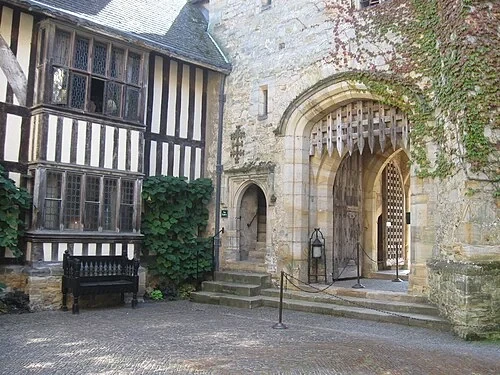 The Inner CourtyardThe Inner Courtyard
The atmosphere changes significantly as you move into the inner courtyard. Here, the architectural transition of the castle becomes clearly visible. In 1462, Geoffrey Boleyn, a successful London merchant and grandfather of Anne Boleyn, undertook a massive transformation of the property. He added the Tudor timber-framed dwelling you see nestled within the original 13th-century stone walls. This change marked the evolution of Hever from a purely defensive fortress into a more comfortable and decorative residence. The contrast is striking: the outer walls are rugged, thick, and intimidating, while this inner space features the delicate 'black and white' timber framing typical of the 15th and 16th centuries. These newer structures provided much more living space, allowing for larger windows and ornate carvings that would have been impossible in the original stone keep. This courtyard would have been a hub of daily activity for the Boleyn household, serving as a private sanctuary away from the public-facing gatehouse. The integration of the domestic Tudor style into the medieval shell created the unique, layered appearance that characterizes the castle today, blending two very different eras of English history into a single, cohesive home.
Listen in the appDerek Voller · CC BY-SA 2.0
05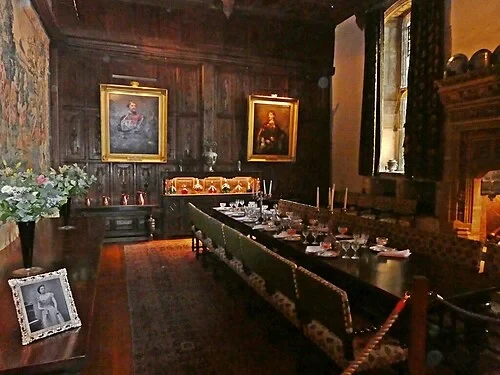 Tudor Living SpacesThe Dining Hall
The Dining Hall serves as a window into the daily social life of the Tudor gentry. The room is dominated by dark oak paneling and a large, impressive fireplace, which would have been the primary source of warmth and a focal point for the household. During the 16th century, this hall was the heart of the home, where the Boleyn family took their meals and hosted prestigious visitors. Perhaps most famously, King Henry VIII would have dined in this very room during his frequent visits to Hever while he was courting Anne Boleyn. Imagine the high-stakes conversations and political maneuvering that took place around the long tables here. Adding to the historical atmosphere is a fine 16th-century tapestry displayed on the wall, a common luxury for wealthy families of the period that served both as decoration and insulation against the damp stone walls. The hall's layout, with its high ceiling and formal seating, was designed to reflect the status of the family. Every element, from the smell of the wood smoke to the intricate carvings in the oak, contributes to the feeling of a space that was both a private family dining area and a grand stage for royal courtship.
Listen in the appRoger Cornfoot · CC BY-SA 2.0
06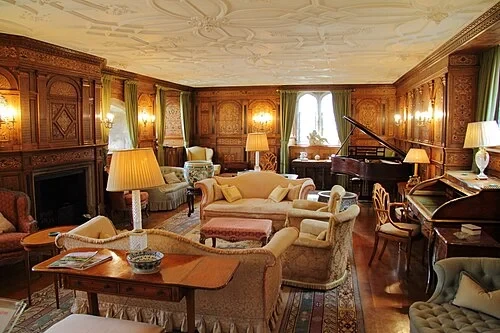 Tudor Living SpacesThe Drawing Room
While much of Hever Castle feels deeply ancient, the Drawing Room is a testament to its more recent history and the man who saved it. In 1903, the American millionaire William Waldorf Astor purchased the castle, which had fallen into a state of considerable disrepair. Astor embarked on a massive restoration project, spending millions of dollars to return the structure to its former Tudor appearance. Much of the intricate wood carving and the ornate plaster ceiling you see in this room date from this Edwardian restoration period. Astor employed the finest craftsmen of the early 20th century, tasking them with mimicking original Tudor styles and techniques so perfectly that it can be difficult to distinguish the new work from the old. He was obsessed with historical accuracy, ensuring that the proportions and decorative motifs remained true to the castle's 16th-century peak. This room exemplifies the 'Astor style'—a blend of genuine medieval fabric and high-quality Edwardian craftsmanship. His investment ensured that Hever did not crumble away, but instead became the impeccably preserved landmark you see today. The drawing room remains one of the most comfortable spaces in the castle, reflecting Astor’s vision of a modern home living within a historic shell.
Listen in the appPhoto: Rabe! · CC BY-SA 4.0
07 Anne Boleyn’s Childhood RoomsAnne Boleyn
Anne Boleyn is inextricably linked to the history of this castle. Born into the ambitious Boleyn family, she spent her formative years here at Hever, receiving the education and social training required of a high-status Tudor woman. This environment shaped her intellect and personality long before she became a figure of international controversy. In 1513, she was sent to the Habsburg Netherlands to serve as a maid of honor at the court of Margaret of Austria, and later to the French court. These experiences abroad refined her tastes and gave her a sophisticated European flair that set her apart when she eventually returned to England. Her time at Hever provided the secure, wealthy background that allowed her to enter the royal court with confidence. It was here, in the quiet Kent countryside, that she lived before the turbulent events of her marriage to King Henry VIII and her eventual rise to become Queen of England. Her connection to the castle transformed it from a local manor into a site of immense national significance, as the rooms she inhabited became the setting for the royal courtship that led to the English Reformation.
Listen in the appHans Holbein the Younger · Public domain
08 Anne Boleyn’s Childhood RoomsThe Face of a Queen
This portrait offers a rare opportunity to study the fashion and identity of Anne Boleyn. Look closely at the details of her attire, particularly the necklace featuring a prominent 'B' initial pendant. This piece of jewelry has become an iconic symbol of her identity and her family pride. Another key feature is the French-style hood she wears. Anne is credited with popularizing this more open, rounded headwear in England, favoring it over the traditional, more restrictive English gable hood. This choice reflected her sophisticated continental education and helped establish her as a trendsetter at the royal court. This painting is part of the castle's exceptional collection of Tudor portraits, which is considered among the finest in the country. Such images were not just likenesses; they were carefully constructed messages about status, wealth, and allegiance. The clarity of the features and the richness of the fabrics depicted provide a vivid sense of the person behind the historical legend. By housing such high-quality works, Hever Castle continues to serve as a visual archive of the people who walked these halls five centuries ago, keeping the image of the ill-fated queen alive for every visitor.
Listen in the appAfter Hans Holbein the Younger · Public domain
09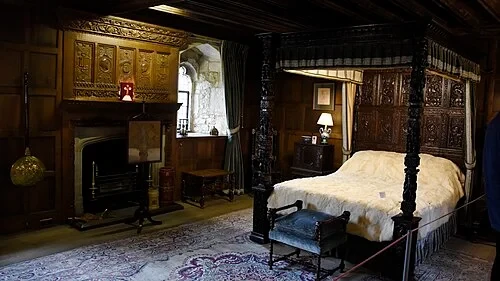 The King Henry VIII BedchamberKing Henry VIII's Bedchamber
This room was reserved for King Henry VIII during his frequent visits to Hever to woo Anne Boleyn. It contains a fascinating detail that speaks to the King's notorious paranoia and obsession with security. When Henry traveled, he often brought his own private door lock, which was temporarily fitted to his bedchamber to ensure that no one could enter his room uninvited. You can still see the evidence of this cautious habit here. The room is dominated by a massive carved four-poster bed, a piece of furniture that signifies the highest possible status in the Tudor period. Above the fireplace, notice the royal coat of arms, further marking this as a space fit for a monarch. These visits were a significant logistical undertaking, with the King and his retinue riding from London to the Kent countryside. The bedchamber provides a tangible link to the intimate side of the royal courtship. It was within these walls that the King slept while his pursuit of Anne was reshaping the religious and political landscape of England. The heavy wood and formal decor emphasize the gravity of the presence that once occupied this private sanctuary.
Listen in the appPhoto: Paul Hermans · CC BY-SA 4.0
10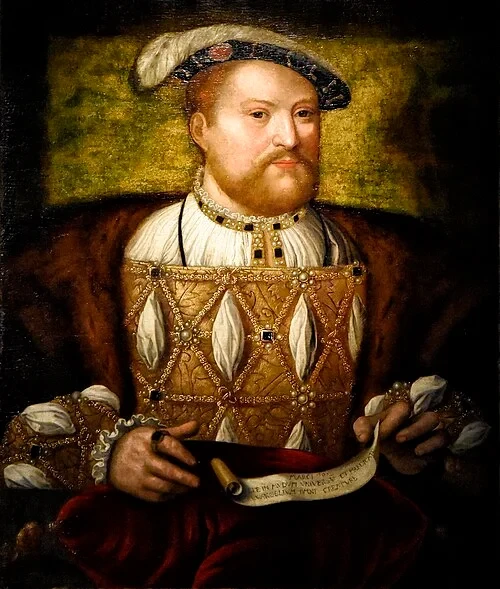 The King Henry VIII BedchamberPortrait of Henry VIII
In this gallery, you can see a portrait of King Henry VIII as he would have appeared during the 'Hever years.' This is not the image of the bloated, ailing monarch often seen in later paintings. Instead, it depicts a vibrant, athletic, and highly active king in the prime of his life. During his courtship of Anne Boleyn, Henry was known to ride great distances from London to Kent, often arriving unannounced to spend time with her. This portrait serves as a visual record of that energetic period in his reign. The castle's collection of Tudor paintings is extensive, providing a gallery of the friends, family, and rivals who once occupied these very rooms. These portraits were essential for documenting the lineage and connections of the household. Seeing Henry in this context, surrounded by the people who influenced his life, helps to humanize the historical figures involved in the dramatic events of the 1530s. The richness of his garments and the confident posture in the painting reflect the power of a king who was prepared to challenge the authority of the Pope to secure the marriage he desired.
Listen in the appUnkown - copy by a follower of Joos van Cleve · Public domain
Hever Castle
Frequently asked questions
How much does the guide cost?
Free app download. Listed guide price: $3.99. Guide price shown in the app. Audio guide only. Venue admission is separate.
Can I listen without internet?
Yes. Download the guide’s audio, images, and maps in the app before your visit. Your downloaded content is then available offline.
Can I listen in my language?
Stanza supports 15 languages. Check the app for the languages available for this guide.
Do I need to follow a schedule?
No. This is a self-guided experience. Choose your stops, pause whenever you like, and return to a story at your own pace.
At your own pace
Explore Hever Castle.
Download Stanza, then search for “Hever Castle”.
Free app download · Guide price shown in the app
Keep exploring
Nearby audio guides
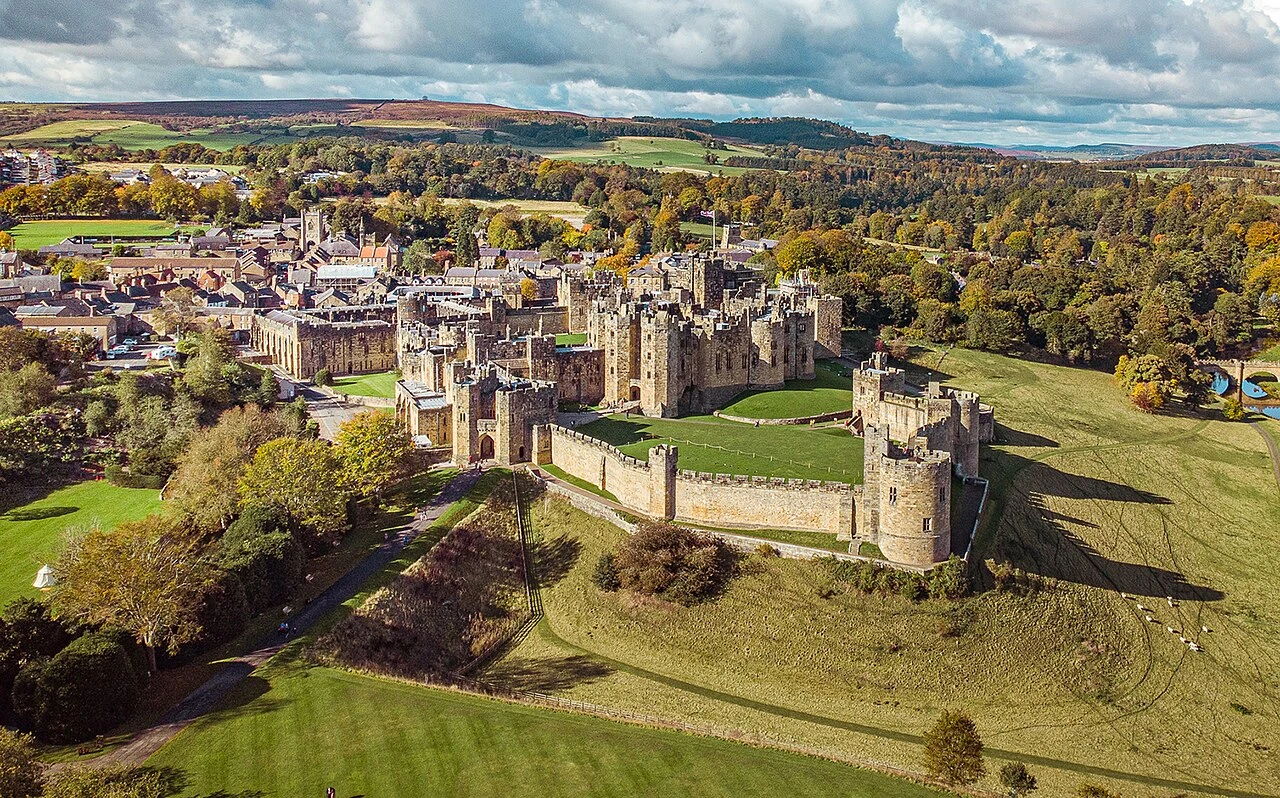
Alnwick
Alnwick Castle
Content & sources
Clementp.fr · CC BY-SA 4.0
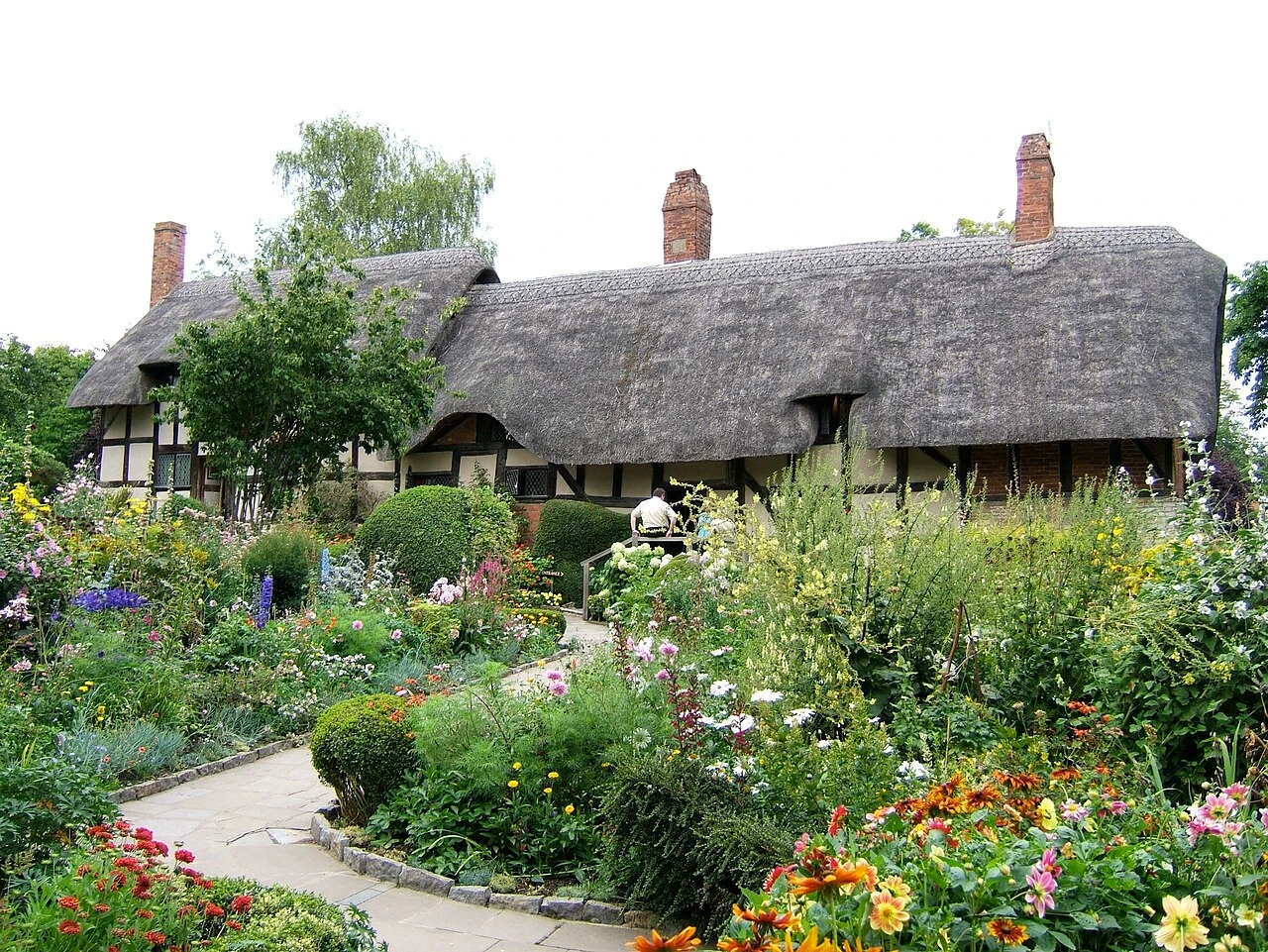
Stratford-on-Avon
Anne Hathaway's Cottage
Content & sources
Richard Peat · CC BY-SA 2.0
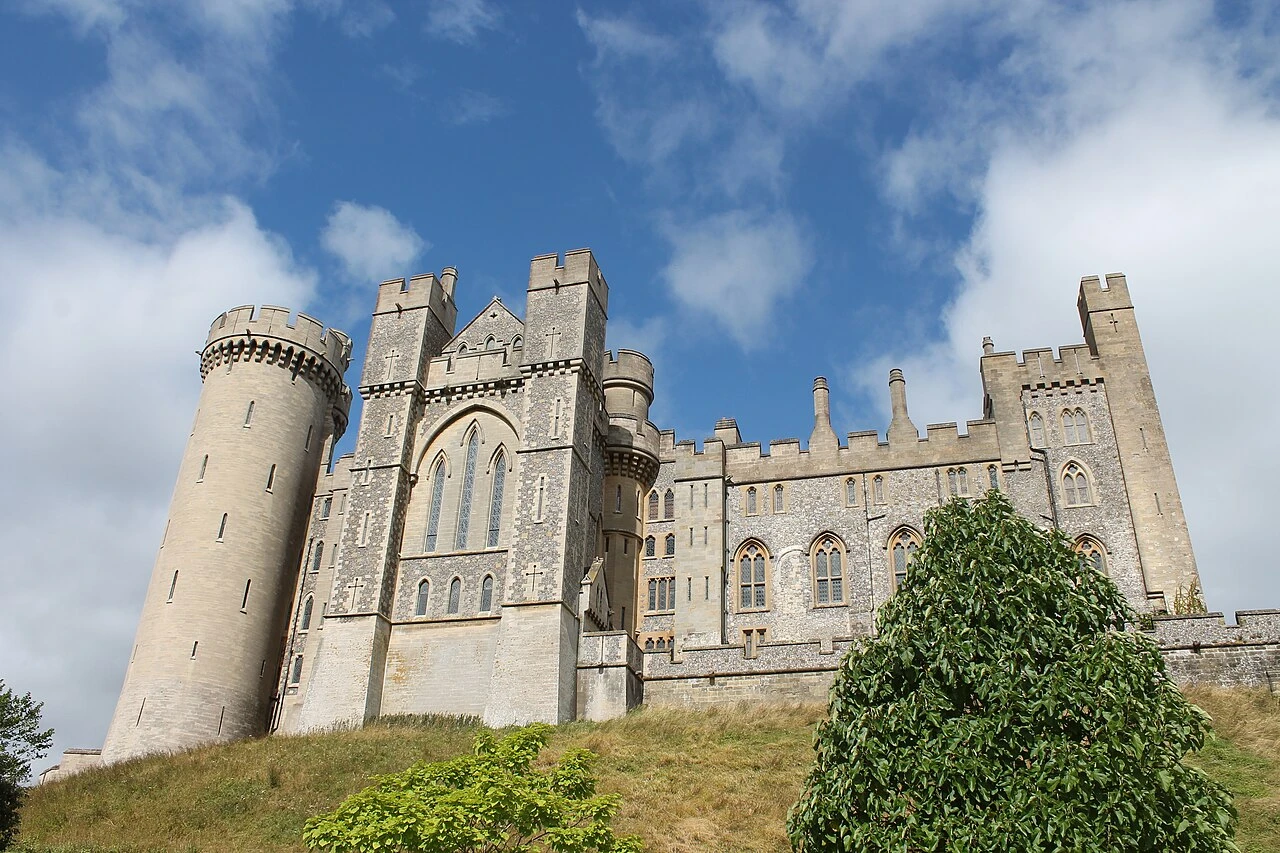
Arun
Arundel Castle
Content & sources
Photo: Egjoni98 · CC BY-SA 4.0
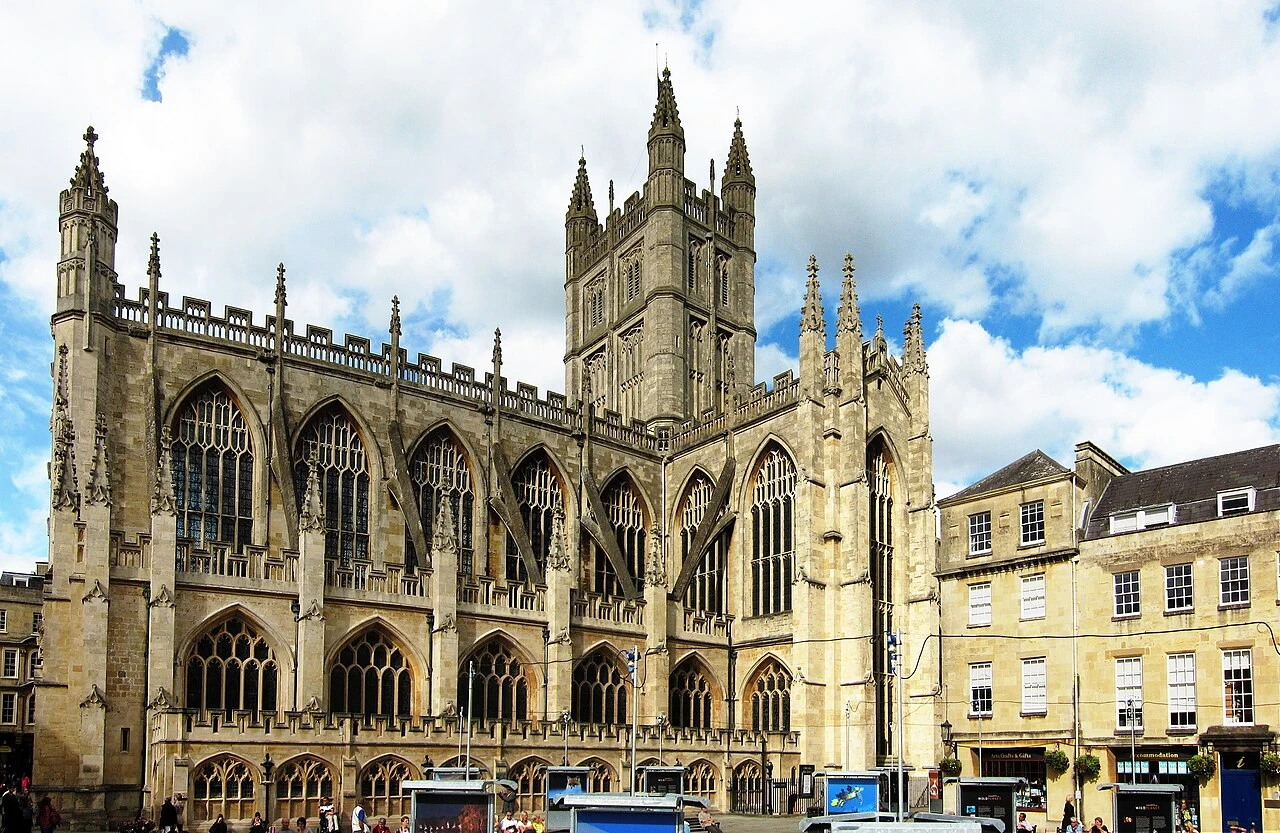
Bath
Bath Abbey
Content & sources
Photo: Velvet · CC BY-SA 3.0