Stanza · Audio guide
Los Angeles County Museum of Art Audio Guide
A place to remember. A story to take with you.
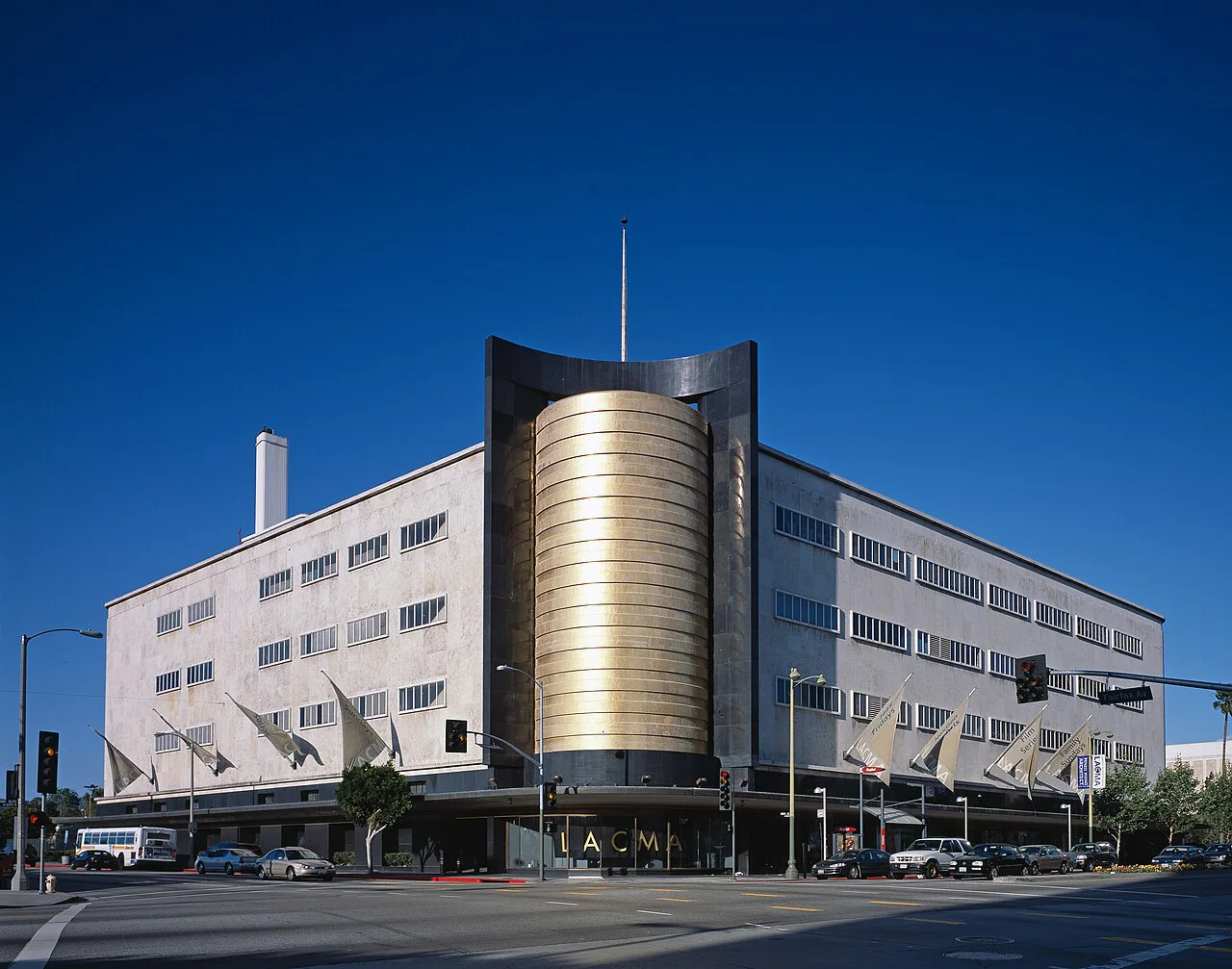
The Los Angeles County Museum of Art is an art museum located on Wilshire Boulevard in Los Angeles. It is situated on Museum Row, adjacent to the La Brea Tar Pits.
Download Stanza, then search for “Los Angeles County Museum of Art”.
About the tour
One guide. Your kind of visit.
The Los Angeles County Museum of Art is an art museum located on Wilshire Boulevard in Los Angeles. It is situated on Museum Row, adjacent to the La Brea Tar Pits.
The Los Angeles County Museum of Art guide tells the stories of 81 artworks, including The Great Wave off Kanagawa (Katsushika Hokusai), The Treachery of Images (René Magritte), Knight, Death, and the Devil (Albrecht Durer), The Raising of Lazarus (Rembrandt), Blue Qur'an (Unknown Artist), Adam and Eve (Albrecht Durer), Wrestlers (Thomas Eakins), and Portrait of Giacomo di Andrea Dolfin (Titian). Every artwork is free to hear in the Stanza app until 1 January.
Ready when you are.
- 01Get the free Stanza app.
iOS & Android
- 02Find your guide.
“Los Angeles County Museum of Art”
- 03Download before you go.
Works offline
Audio guide / 81 artworks
Inside the guide
Get to know a few of the stories before you go. Open a stop to read more.
01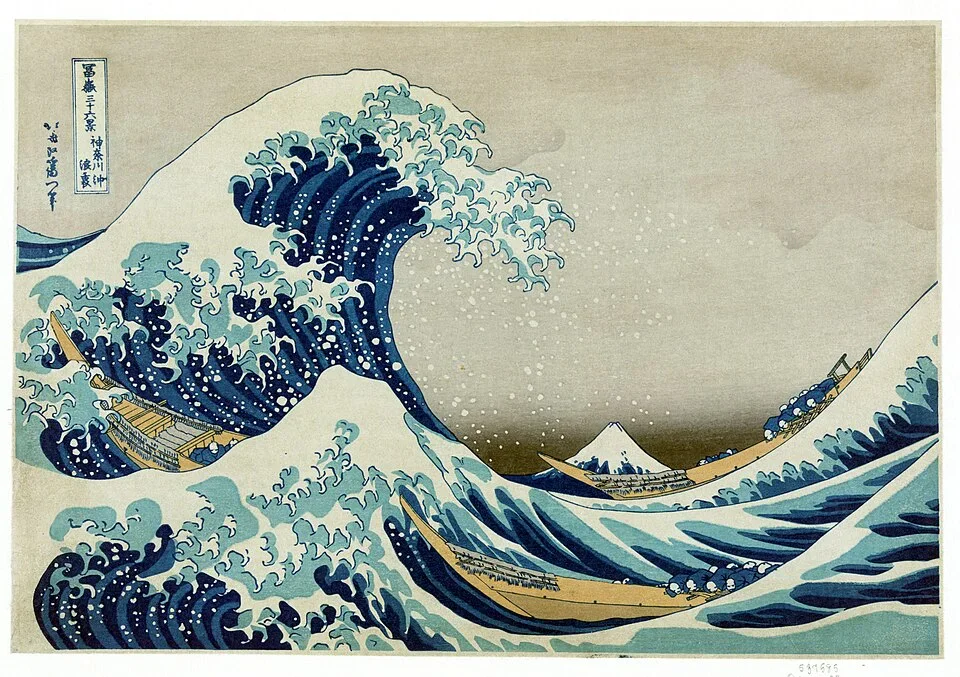
The Great Wave off Kanagawa
Hokusai was around seventy when he made this, and his life had turned hard. His wife had died, his health was poor, and he was looking after a young relative while money troubles followed him for years. Those troubles were probably why he chose to hold the sacred mountain and everyday life together in his series of Fuji views. He had been working toward this image for about thirty years. In earlier prints, enormous waves swallowed boats, and Fuji stayed apart from them. Here the wave curls into a spiral, and its hollow is right at the center of the picture. Through that opening sits Fuji, tiny and far off, its summit white with snow, just under the crest. The boats are fast barges that carried live fish to the markets around Edo Bay. Each one carries eight rowers at their oars and two more crew at the front, the ordinary world he set against the mountain. Every little wave in the foam repeats that same curve, until the whole sea is built from the shape of the one great wave.
Listen in the appKatsushika, Hokusai, 1760-1849, artist · Public domain
02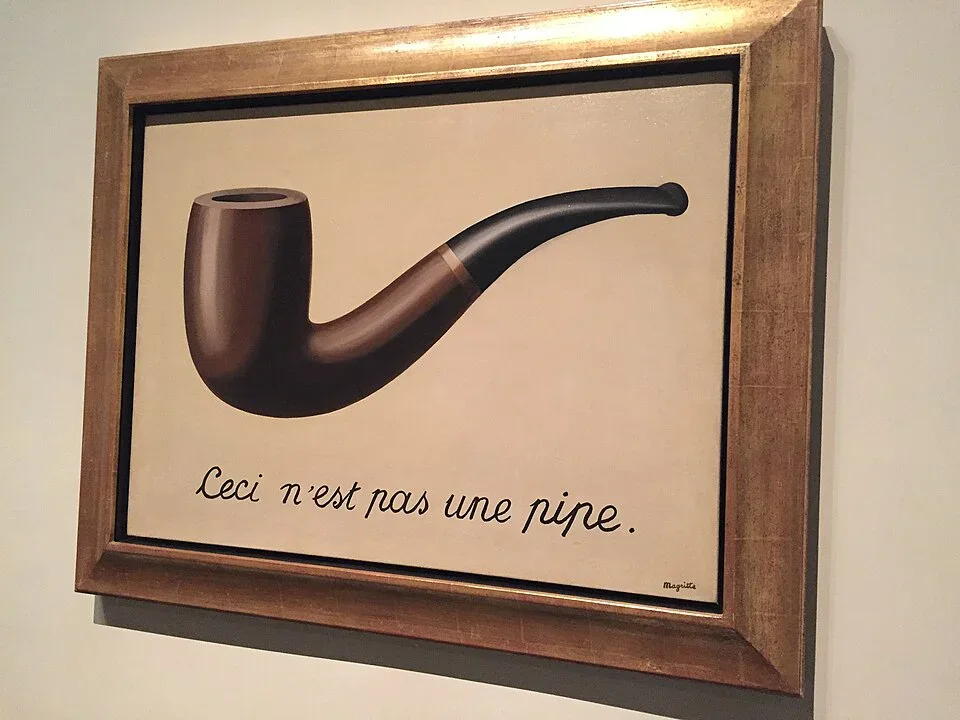
The Treachery of Images
A tobacco pipe is painted here. Beneath it, in French, the words say this is not a pipe. The pipe is there to be recognized. But you cannot fill it with tobacco, and you cannot smoke it. Magritte painted the words there himself, and people reproached him for it. He said you could not stuff his pipe. It was only a picture. If he had written the words this is a pipe, he would have been lying. And the words are right. He kept returning to this for decades. In 1926 he drew an abstract shape, a pipe, and the word pipe. A year later he made a picture of boxes where a bag was called the sky and a knife was called the bird. Words and images, he showed, only stand in for things. They are not the things themselves. In 1966 he came back once more. He painted this very picture on an easel, with a second pipe above it, outside the picture within the picture.
Listen in the appPhoto: Caterpillar84 · Public domain
03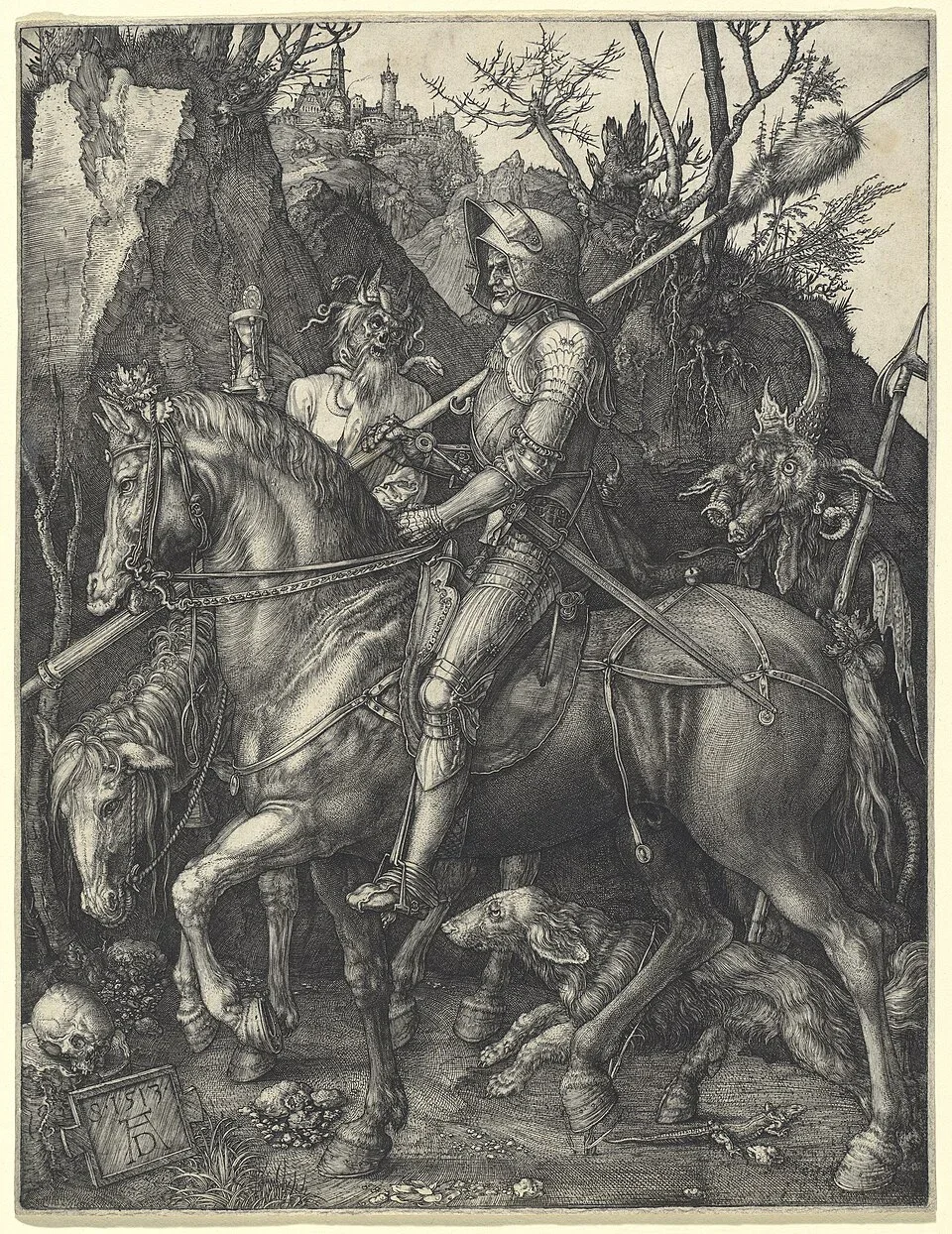
Knight, Death, and the Devil
The knight is riding through a narrow gorge, and Death is ahead of him on a pale horse, holding up an hourglass. The devil is close at his back, one claw stretched out as if to take hold of him. The rider is going straight on, his dog running between the two horses. The sand in Death's hourglass is exactly half full, which may mark a change in the choices the knight has made. A skull lies in his path, a reminder of those who did not stay as resolute. The dog stands for faithfulness, and the city on the hill is God's kingdom he is making for. The ride follows the psalm about walking through a dark valley and fearing no evil. Dürer made this while in the service of Emperor Maximilian, though no one had asked him to. What the rider was meant to mean is still not settled.
Listen in the appAlbrecht Dürer · CC0
04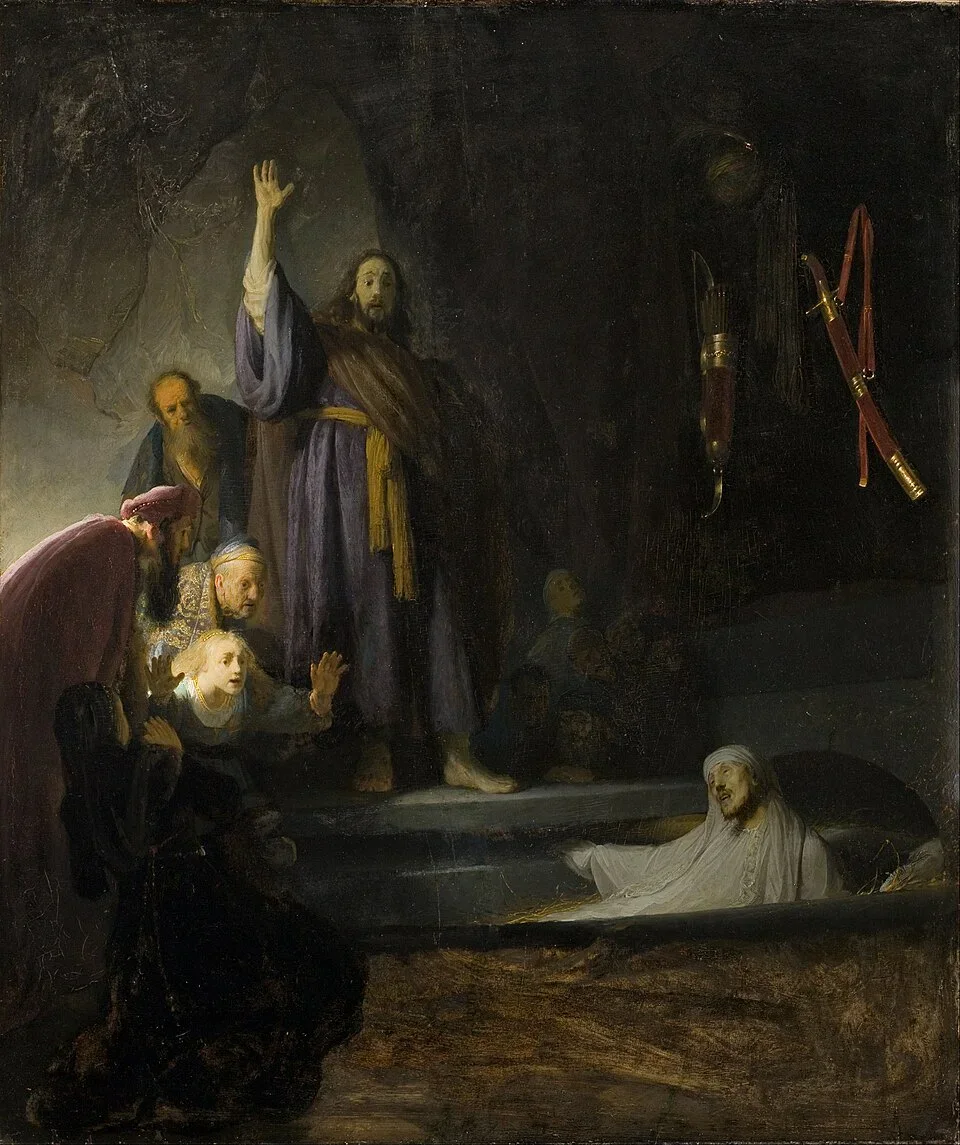
The Raising of Lazarus
Christ calls the dead man out, his mouth open, his right hand raised, looking more like a magician than a healer. Lazarus is rising from his tomb in the darker half of the picture. The people at the left are far brighter than he is. Mary, his sister, is the brightest of them, both hands lifted, leaning forward. A softer light touches Christ's face. Lazarus himself is wrapped in only a faint glow. Even the sword and turban above him catch a little light in the cave. This is the moment grace first reaches a hardened sinner, told as a picture of spiritual life. So the light goes into the burial cave and touches Lazarus, faint as it is. Rembrandt made this while he was still in Leiden, soon after his apprenticeship under Pieter Lastman. He returned to the subject in drawings and etchings again and again. But this is the only time he painted it in oil.
Listen in the appRembrandt · Public domain
05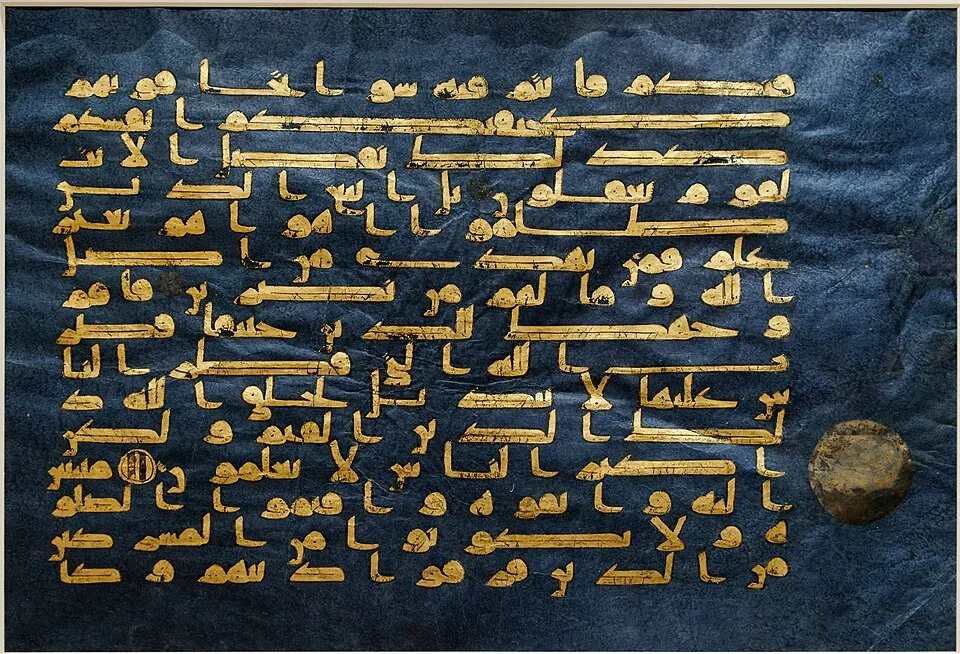
Blue Qur'an
Why write the word of God in gold, on a page dyed a blue this deep? The letters are gold leaf, pressed onto a sticky glue and tidied at the edges with dark ink. The blue comes from indigo, probably brushed on before the skin was stretched and dried. A book this size took the skins of at least a hundred and fifty sheep. It was made to rival the purple sacred books of the Byzantine Empire, and to show wealth and power. But no one knows who wrote it, who paid for it, or where and when. The places put forward run from Persia and Iraq to Spain and Tunisia. It once had about six hundred pages, scattered during the Ottoman Empire and now spread across museums. On several pages the gold has been stripped away, past what a scribe would correct. Who did it, and why, no one can say.
Listen in the appUnknown author · CC BY 2.5
06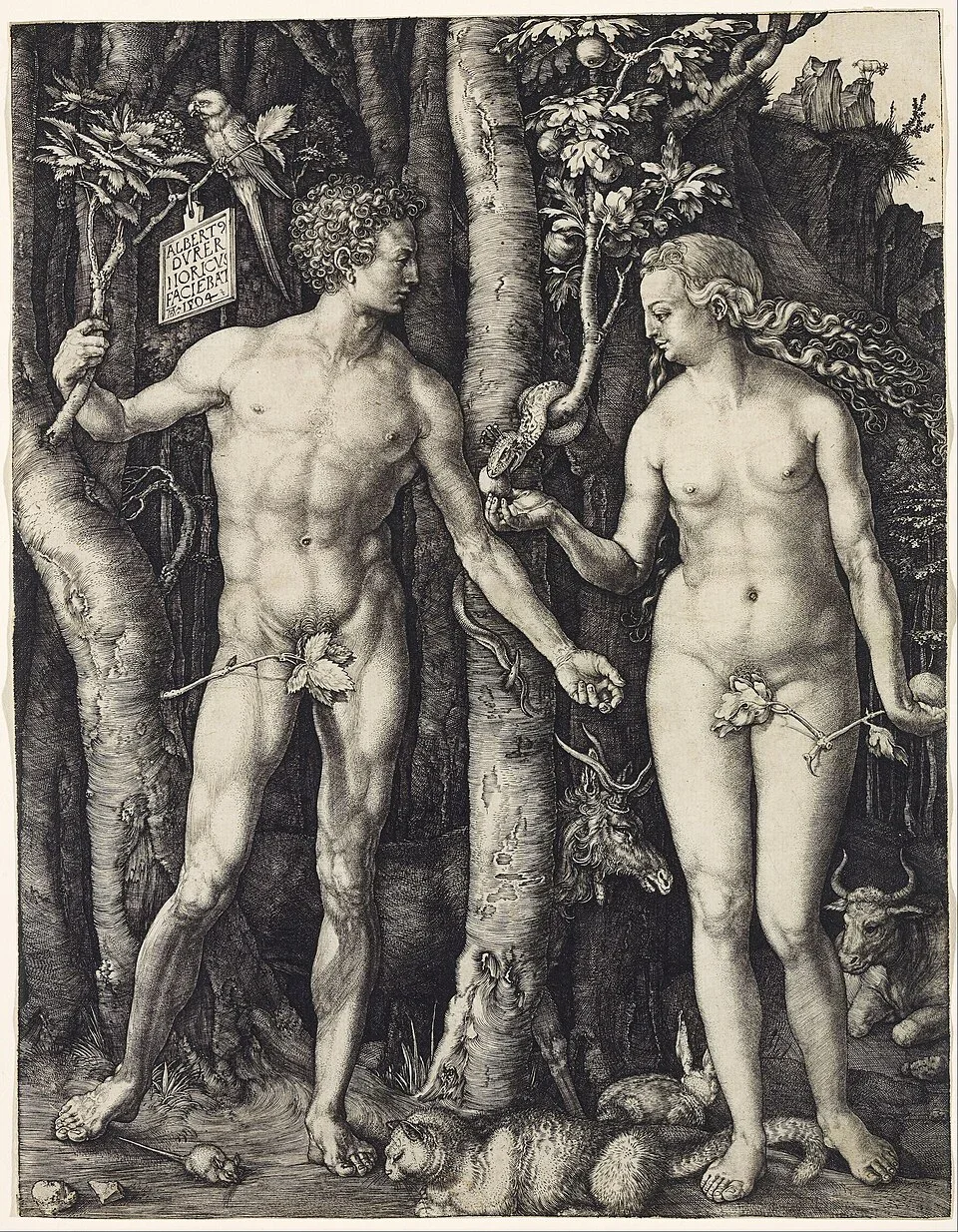
Adam and Eve
A man and a woman, both naked, are in a dark northern forest. A serpent coils in a fig tree and holds out a fruit. The man grips a mountain ash. Animals gather around them. These are the first man and woman, at the moment before they taste the forbidden fruit. Their bodies are shown at their most beautiful. Dürer worked out their proportions with geometry, the first result of years he spent studying the perfect human body. The fig tree is the tree of knowledge. The mountain ash is the tree of life. At the center, the man takes the fruit the woman offers him. Four animals stand for the four human temperaments, held in a balance that is about to come apart. A cat and a mouse hint at the aggression that is coming. The parrot, standing out in the dark forest, promises a second Eve, the Virgin Mary, who will mend what the first Eve began.
Listen in the appAlbrecht Dürer · Public domain
07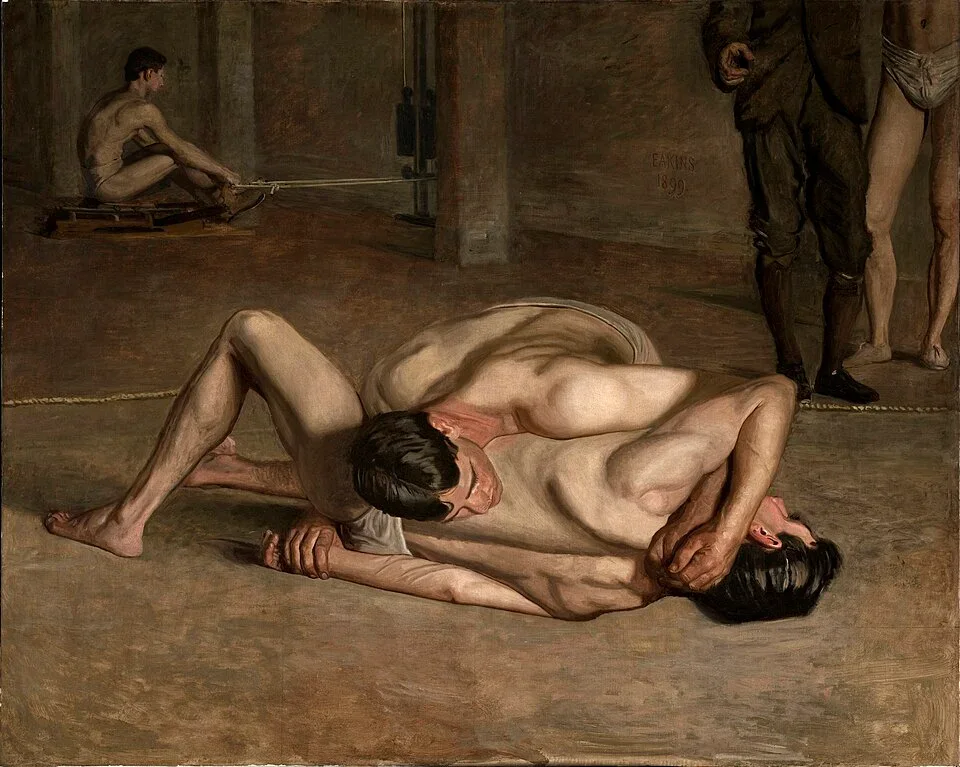
Wrestlers
Thomas Eakins wanted a wrestling hold down to the last detail. On the twenty second of May, 1899, he brought two wrestlers up to his fourth floor studio on Mount Vernon Street in Philadelphia. Three days earlier he had written to his friend Clarence Cranmer, a sportswriter, asking him to come and advise on the positions. He painted from the live men and from a photograph taken in that studio. One of the two men in front of you has worked his arms through the other's armpits and locked him there. That is why the match looks held rather than fought. Eakins set the scene in the Quaker City Barge Club on Boathouse Row, and a man at a rowing machine stands behind them. Their faces and hands are tanned, the marks of ordinary working lives. The man on top was identified as Joseph McCann. The man underneath him is not named.
Listen in the appThomas Eakins · Public domain
08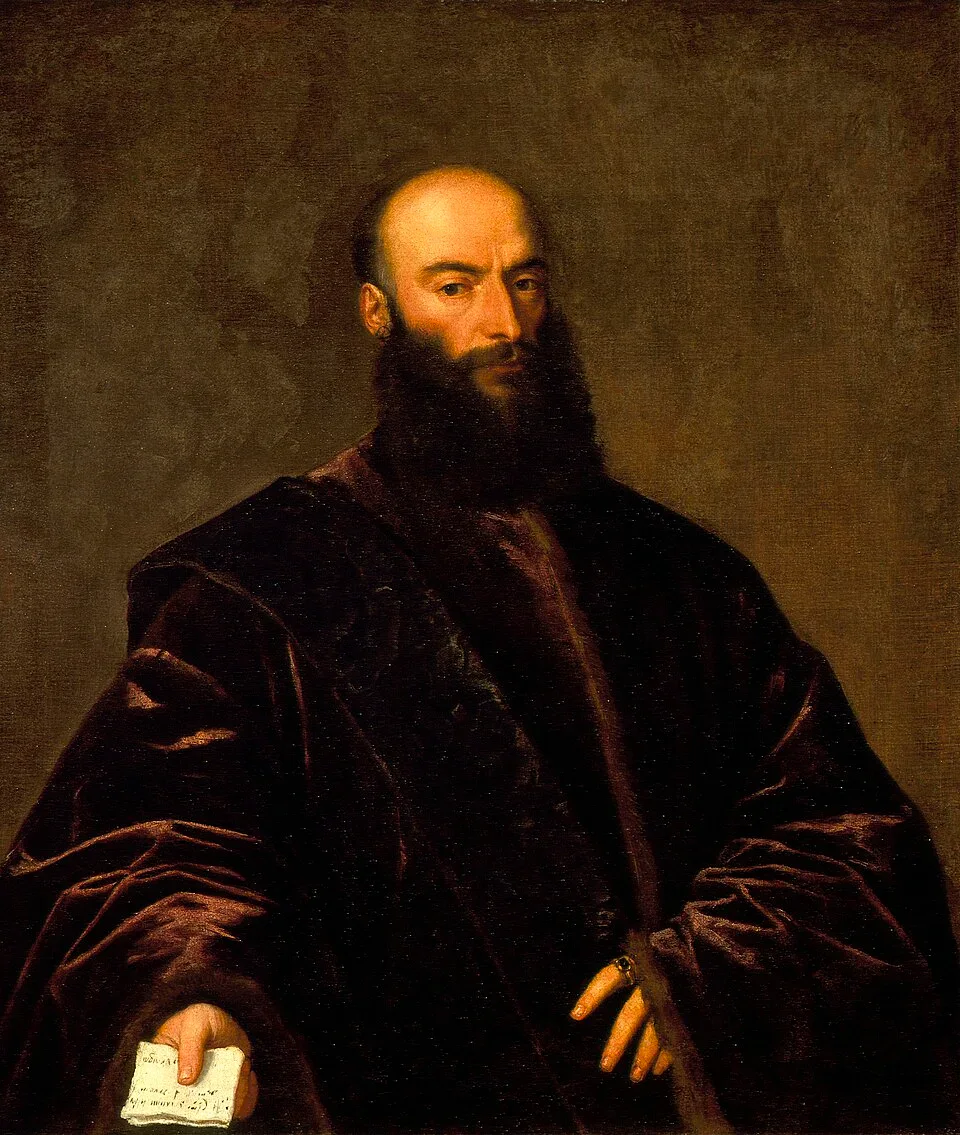
Portrait of Giacomo di Andrea Dolfin
In his right hand he holds out a letter with a simple gesture, and it is the reason we know who he is. For a long time this painting was called only Portrait of a Man. The letter is addressed to the man himself, but its inscription is only partly readable. In 1982 Charles Hope read enough of it to give him back his name, Giacomo di Andrea Dolfin. He was probably the provveditore, a Venetian official, at Orzinuovi, a post he held between 1531 and 1532. Titian painted him in the costly burgundy robes of a Venetian magistrate. The ring on his left hand, showing beneath the heavy sleeve, marks his high standing. His face meets your eyes, grave and hard to read, as you would expect of a nobleman carrying such responsibility. A cloth hanging like a curtain once hung behind him. It proved to be a later addition and was removed when the painting was conserved in 1980.
Listen in the appTitian · Public domain
09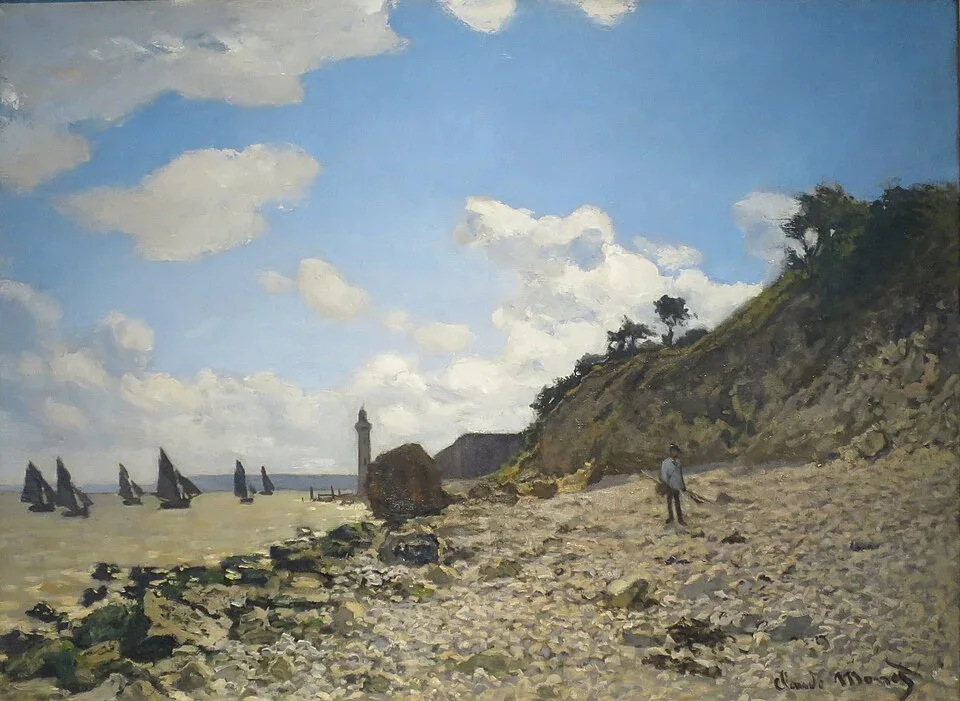
The Beach at Honfleur
The paint is laid on in short, thick strokes, side by side. That was how Monet worked, out in the open, trying to catch the place as he saw it. Here those strokes make a beach on the Côte de Grâce. A figure in a blue smock stands alone in the foreground, with sailboats, the hospital of Honfleur and a lighthouse in the distance. He painted it in the summer of 1864. He was staying at Sainte-Adresse, in a summer house belonging to his parents, and his friend Frédéric Bazille was there with him. That season he painted several scenes of the harbor, the jetty and the town of Honfleur. This beach came out of that same summer. The two men shared a studio in Paris from 1864 to 1866. In 1866 Bazille painted that studio, with a picture on the wall that calls this beach to mind.
Listen in the appClaude Monet · Public domain
10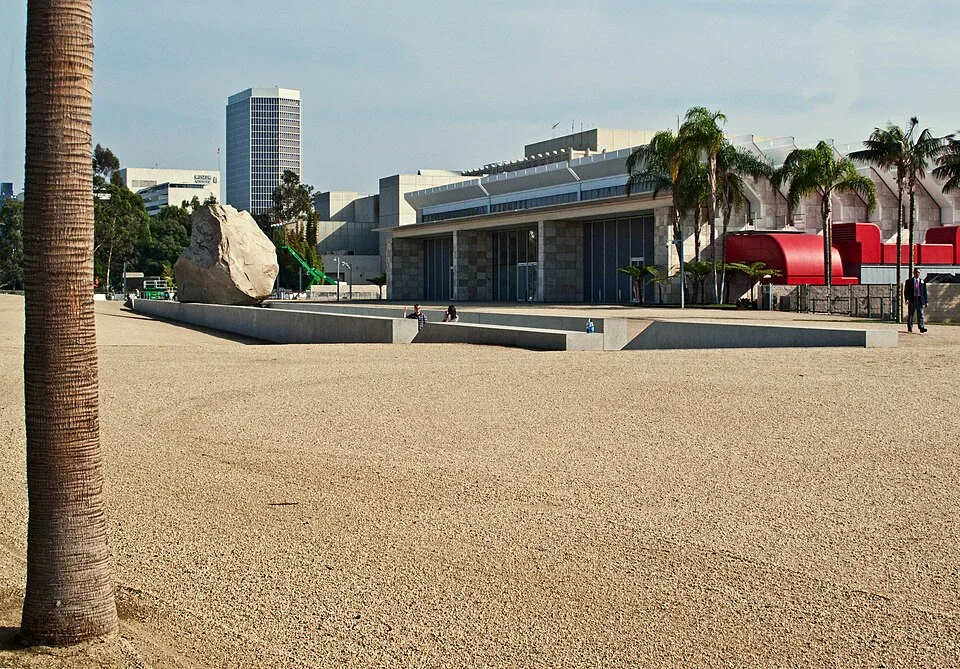
Levitated Mass
At the deepest point of this long trench, a boulder of three hundred and forty tons sits above your head. It does not float. It is bolted to two shelves fixed into the inner walls, and the floor drops away below the stone. You can stand under it. The first plan was to rest the boulder directly on the trench walls, giving anyone inside an optical illusion of floating. That is where the title comes from. But supports were needed, and the effect was compromised. Michael Heizer first thought of the piece in 1968 and tried to build it the next year with a smaller rock. The crane's boom broke. In 2006, while working on another project, he found this stone in a quarry in Riverside County. Getting it here took eleven days, on a transporter with one hundred and ninety six wheels. It moved only at night, no faster than about seven miles an hour. Roads and overpasses could not carry the weight. It went through twenty two cities, over a hundred miles, though the quarry is under sixty miles away. Trees were cut down, cars towed, traffic lights taken down, and crowds came to watch it pass. He has said the work was meant to last three thousand five hundred years. What it is meant to mean, he has never said in public.
Listen in the appPhoto: Downtowngal · CC BY-SA 3.0
- 11
The Cotton Pickers
Winslow Homer · 1876
- 12
Urban Light
Chris Burden · 2008
- 13
Emperor Jahangir Triumphing Over Poverty
Abu al-Hasan · 1616–1618
- 14
Women Artists: 1550-1950
Unknown Artist
- 15
Art-Language the journal of conceptual art
Art & Language · 1969–1985
- 16
Cliff Dwellers
George Bellows · 1913
- 17
Golshan Album
Jafar Tabrizi · 1700
- 18
L'Accord parfait
Jean-Antoine Watteau · c. 1719
- 19
II Penseroso
Thomas Cole · 1845
- 20
La Place du Théâtre Français
Camille Pissarro · 1898
- 21
Portrait of Pieter Tjarck
Frans Hals · 1638
- 22
Democritus among the Abderitans
François-André Vincent · 1791
- 23
Nemesis
Albrecht Durer · 1501–1503
- 24
Holy Family with the Infant St. John
Antonio da Correggio · c. 1514
- 25
Saint Eustace
Albrecht Durer · c. 1501
- 26
Madonna and Child in a Landscape
Giovanni Battista Cima da Conegliano · 1496–1499
- 27
Tea
Henri Matisse · 1919
- 28
Young Woman in a Round Hat
Édouard Manet · c. 1877–1879
- 29
Jean as a Huntsman
Pierre-Auguste Renoir · 1910
- 30
Portrait of Arthur Atherley as an Etonian
Thomas Lawrence · 1791–1792
- 31
Lodgepole Pines, Lyell Fork of the Merced River
Ansel Adams · 1921
- 32
Suzon
Auguste Rodin · 1872–1873
- 33
Tarascon Diligence
Vincent van Gogh · 1888
- 34
Mercury and Argus
Carel Fabritius · c. 1645–1647
- 35
Bacchus and Ariadne
Guido Reni · c. 1619–1620
- 36
Portrait of Cardinal Roberto Ubaldini, Papal Legate to Bologna
Guido Reni · c. 1625
- 37
Young Couple Threatened by Death
Albrecht Durer · 1497–1498
- 38
The Dream of the Doctor
Albrecht Durer · c. 1498
- 39
The Apostle St. Andrew
School of El Greco · c. 1608–1614
- 40
Portrait of a Man
Petrus Christus · c. 1475
- 41
The Prodigal Son
Albrecht Durer · c. 1496
- 42
Hercules at the Crossroad
Albrecht Durer · 1498–1499
- 43
Hercules
Albrecht Durer · c. 1496–1497
- 44
Entrance to an Inn in the Praestegarden at Hillested
Martinus Rørbye · 1844
- 45
The Small Horse
Albrecht Durer · 1505
- 46
Saint Augustine
Philippe de Champaigne · c. 1645
- 47
A Child's Bath
Mary Cassatt · 1880
- 48
Allegory of Salvation with the Virgin and Christ Child, St. Elizabeth, the Young St. John the Baptist and Two Angels
Rosso Fiorentino · c. 1522
- 49
Watermill at Onden
Katsushika Hokusai · 1830–1832
- 50
Tavern Scene with a Lute Player
Bartolomeo Manfredi · 1621
- 51
Magdalen with the Smoking Flame
Georges de La Tour · c. 1638–1640
- 52
Still life with cheese, artichoke and cherries
Clara Peeters · c. 1625
- 53
Self-Portrait as Saint Catherine of Alexandria
Virginia Vezzi · 1623–1626
- 54
The Great Wave, Sete
Gustave Le Gray (France, 1820-1884) · 1857
- 55
Banquet Still Life
Abraham van Beijeren · 1667
- 56
Young Woman of the People
Amedeo Modigliani · 1918
- 57
The Holy Family with Saint Catherine of Alexandria
Lavinia Fontana · 1581
- 58
Virginia da Vezzo, the Artist's Wife, as the Magdalen
Simon Vouet · c. 1627
- 59
The Penance of St. John Chrysostom
Lucas Cranach the Elder · 1509
- 60
Man Wearing Laurels
John Singer Sargent · c. 1878
- 61
The Virgin and Child on a Grassy Bench
Albrecht Durer · 1503
- 62
The Satyr Family
Albrecht Durer · 1505
- 63
Man of Sorrows by the Column
Albrecht Durer · 1509
- 64
The Betrayal of Christ by Judas
Albrecht Durer · 1508
- 65
Christ before Caiaphas
Albrecht Durer · 1512
- 66
Christ Taken before Pilate
Albrecht Durer · 1512
- 67
Christ in Limbo
Albrecht Durer · 1512
- 68
The Resurrection
Albrecht Durer · 1512
- 69
Sudarium Displayed by Two Angels
Albrecht Durer · 1513
- 70
Peter and John Healing the Cripple at the Gate of the Temple
Albrecht Durer · 1513
- 71
The Peasants at Market
Albrecht Durer · 1519
- 72
The Martyrdom of St John
Albrecht Durer · 1496
- 73
Four angels holding back the winds, and the marking of the elect
Albrecht Durer · 1497–1498
- 74
The Whore of Babylon
Albrecht Durer · 1497–1498
- 75
The Death of the Virgin
Albrecht Durer · 1510
- 76
Bouquet of Flowers in an Urn
Jan van Huysum · 1724
- 77
Portrait of Second Lieutenant Charles Legrand
Antoine-Jean Gros · c. 1810
- 78
Christ and the Woman of Samaria Among Ruins
Rembrandt · 1634
- 79
The Great Oak
Jacob van Ruisdael, Nicolaes Pieterszoon Berchem · 1652
- 80
View of the Herengracht, Amsterdam, from the Leliegracht
Jan van der Heyden · c. 1670
- 81
The Martyrdom of St. Cecilia
Carlo Saraceni · c. 1610
Los Angeles County Museum of Art
Frequently asked questions
How much does the guide cost?
Free app download. Free until 1 January. Listed guide price: $1.99. Audio guide only. Venue admission is separate.
Can I listen without internet?
Yes. Download the guide’s audio, images, and maps in the app before your visit. Your downloaded content is then available offline.
Can I listen in my language?
In English for now. More languages soon.
Do I need to follow a schedule?
No. This is a self-guided experience. Choose your stops, pause whenever you like, and return to a story at your own pace.
Which artworks are in the Los Angeles County Museum of Art audio guide?
81 artworks, including The Great Wave off Kanagawa (Katsushika Hokusai), The Treachery of Images (René Magritte), Knight, Death, and the Devil (Albrecht Durer), The Raising of Lazarus (Rembrandt), Blue Qur'an (Unknown Artist), Adam and Eve (Albrecht Durer), Wrestlers (Thomas Eakins), and Portrait of Giacomo di Andrea Dolfin (Titian). The full list is on this page.
Is this the museum’s official audio guide?
No. Stanza is an independent audio guide app and is not affiliated with Los Angeles County Museum of Art. Museum admission is separate.
At your own pace
Explore Los Angeles County Museum of Art.
Download Stanza, then search for “Los Angeles County Museum of Art”.
Free app download · Guide price shown in the app
Keep exploring
Nearby audio guides
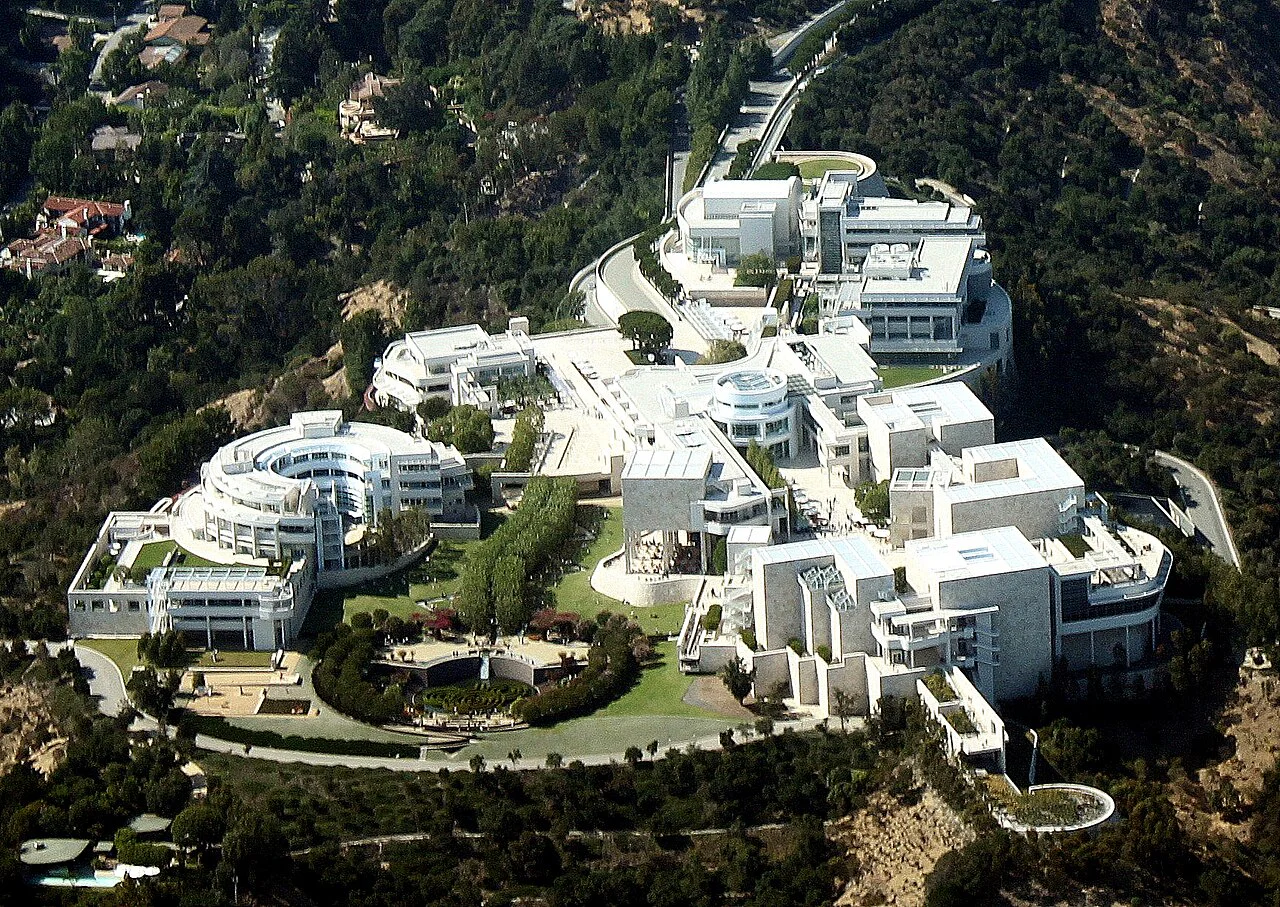
Los Angeles · 11 km
J. Paul Getty Museum
Content & sources
Jelson25 · Public domain
Pasadena · 21 km
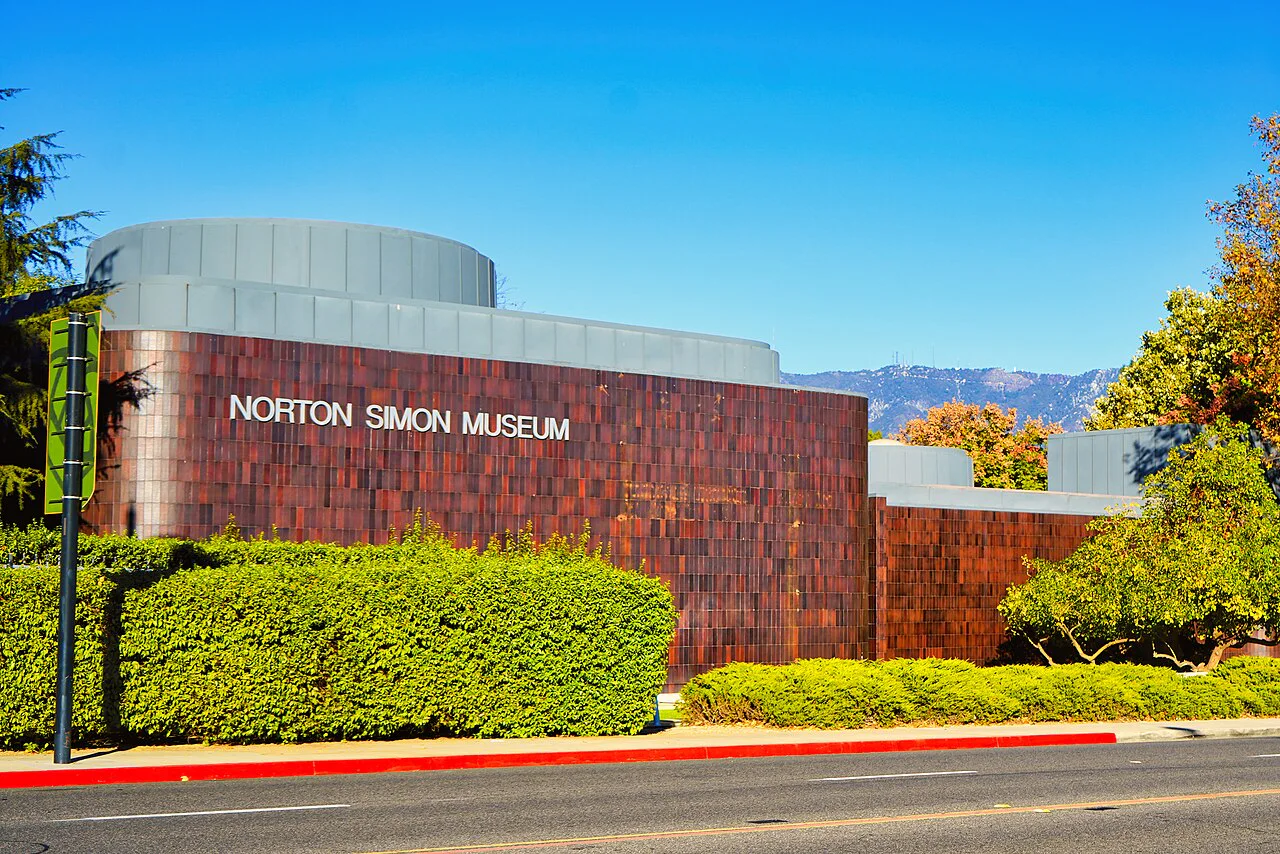
Norton Simon Museum
Content & sources
Tony Mariotti from Los Angeles, United States · CC BY 2.0
San Marino · 24 km
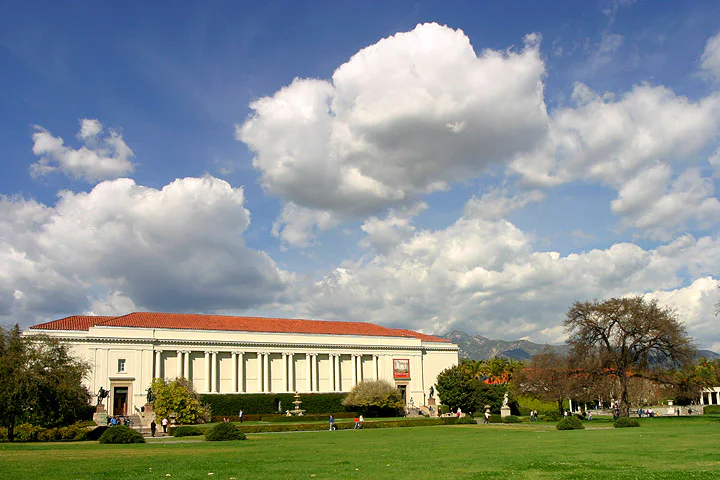
Huntington Library
Content & sources
By Aaron Logan · CC BY 1.0
Garden Grove · 52 km
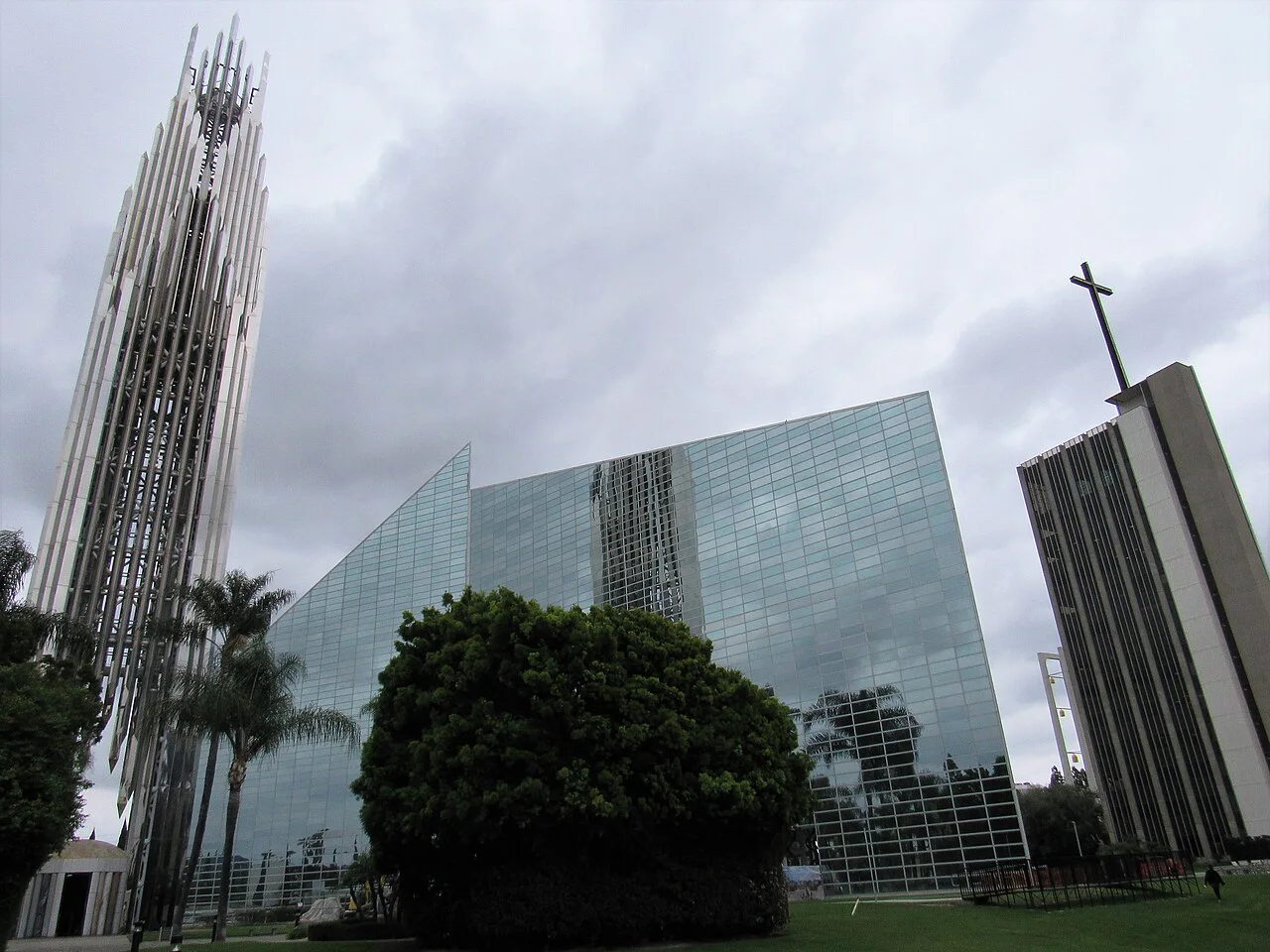
Christ Cathedral
Content & sources
Photo: Farragutful · CC BY-SA 4.0
Art museums
More art museum audio guides
Los Angeles · 143 artworks
J. Paul Getty Museum
Content & sources
Jelson25 · Public domain
Pasadena · 29 artworks
Norton Simon Museum
Content & sources
Tony Mariotti from Los Angeles, United States · CC BY 2.0
San Marino · 12 artworks
Huntington Library
Content & sources
By Aaron Logan · CC BY 1.0
Fort Worth · 39 artworks
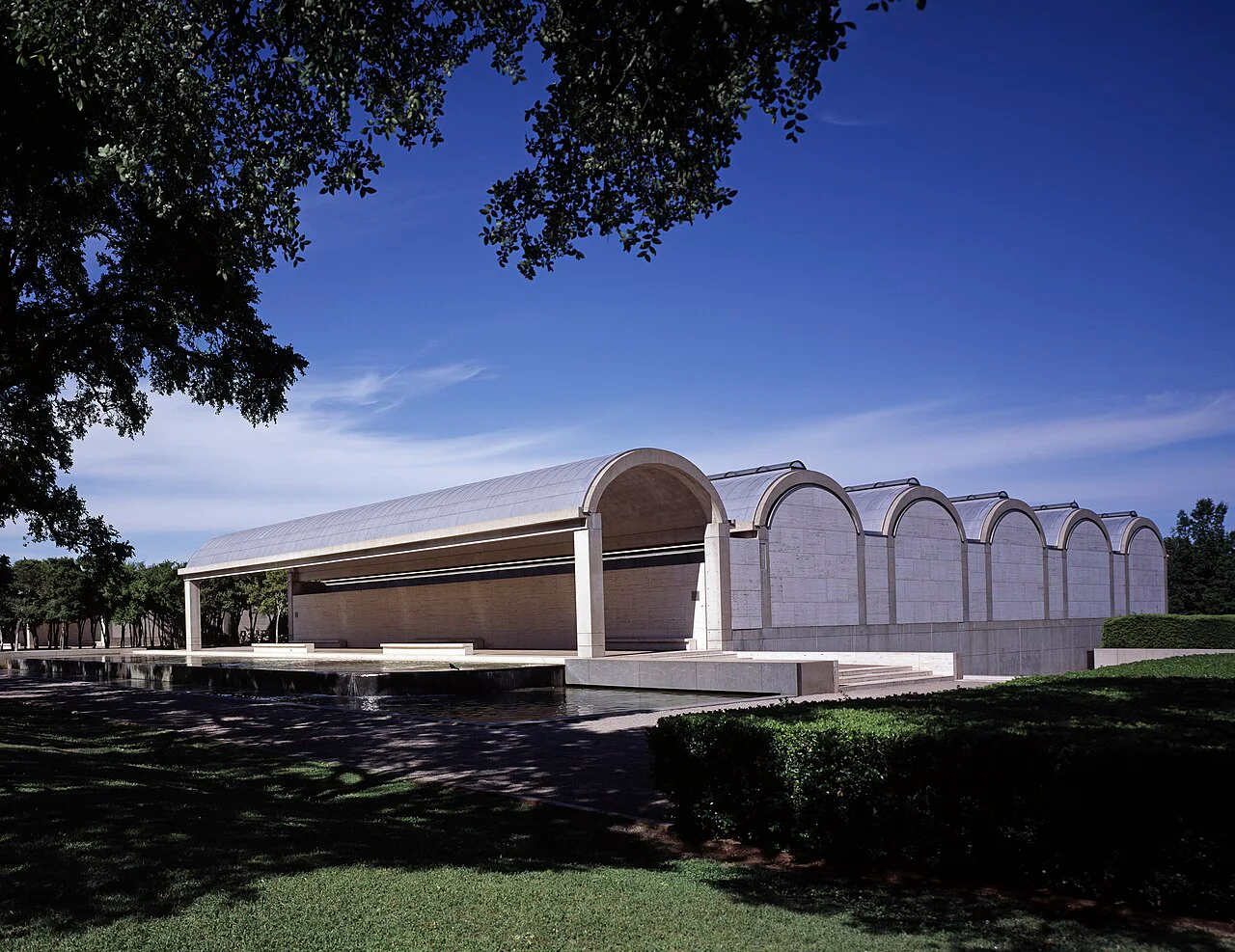
Kimbell Art Museum
Content & sources
Carol M. Highsmith · Public domain
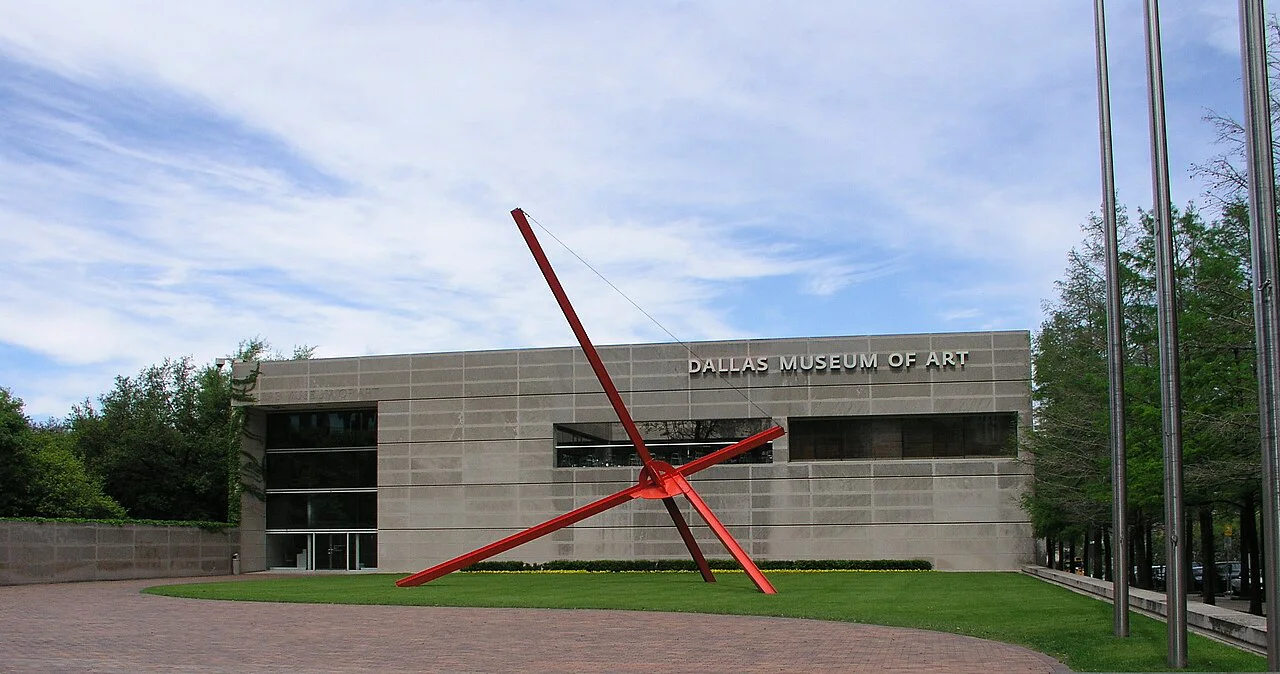
Dallas · 31 artworks
Dallas Museum of Art
Content & sources
KeithJonsn at English Wikipedia · CC BY-SA 3.0
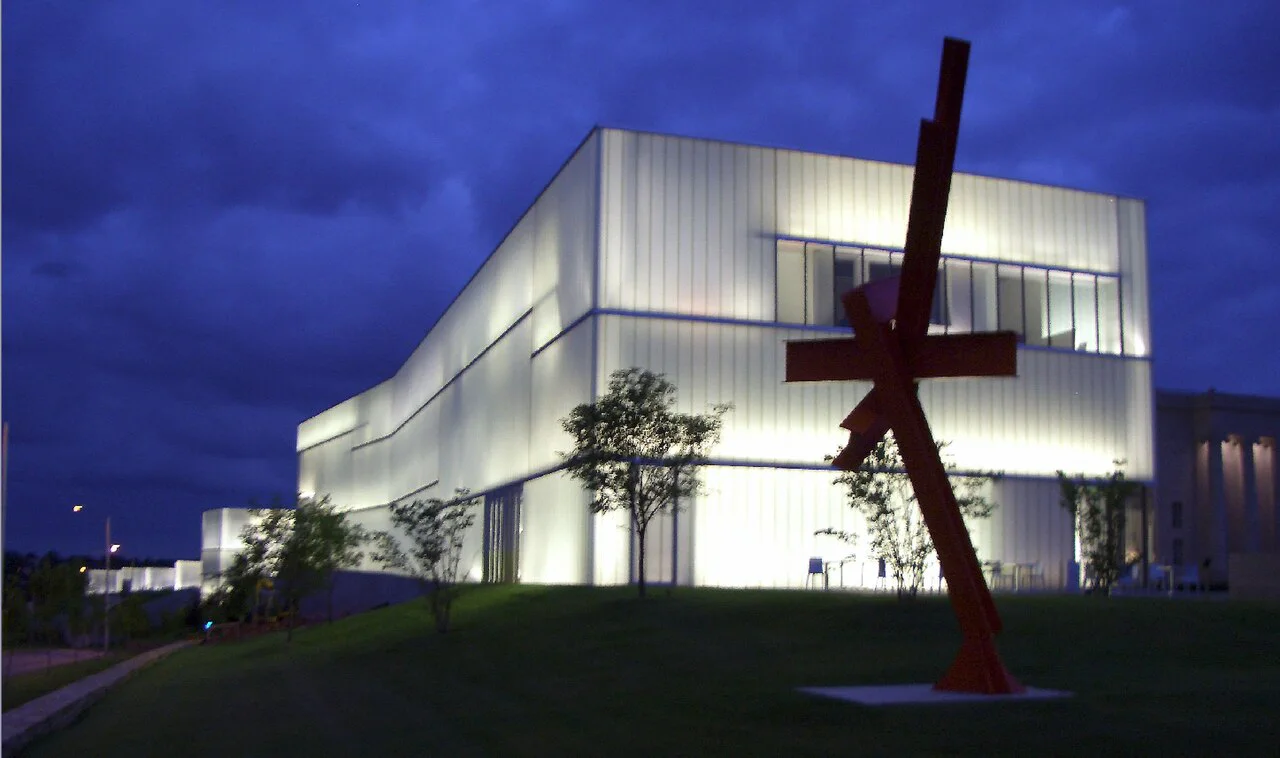
Kansas City · 34 artworks
Nelson-Atkins Museum of Art
Content & sources
User:Charvex · Public domain