Stanza · Audio guide
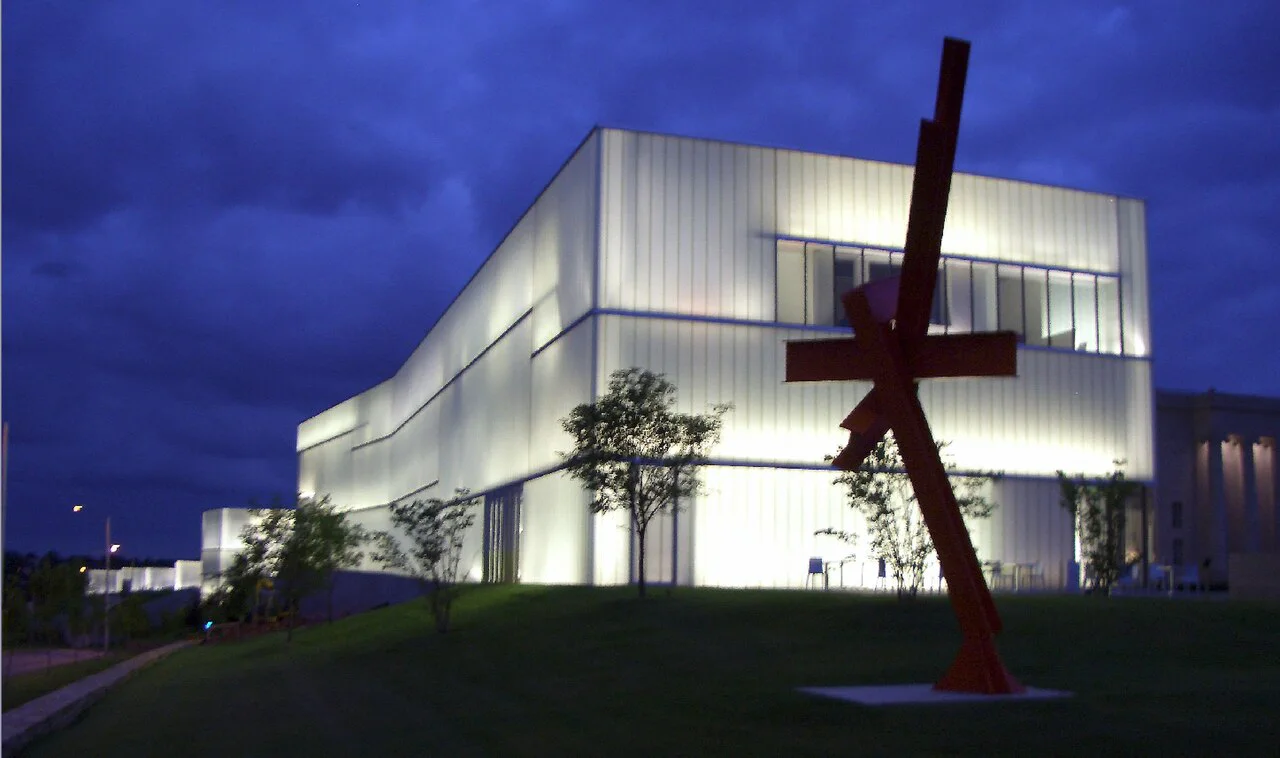
Nelson-Atkins Museum of Art Audio Guide
A place to remember. A story to take with you.
The Nelson-Atkins Museum of Art is an art museum located in Kansas City, Missouri. It is known for its encyclopedic collection of art from nearly every continent and culture, particularly its extensive…
Download Stanza, then search for “Nelson-Atkins Museum of Art”.
About the tour
One guide. Your kind of visit.
The Nelson-Atkins Museum of Art is an art museum located in Kansas City, Missouri. It is known for its encyclopedic collection of art from nearly every continent and culture, particularly its extensive collection of Asian art.
The Nelson-Atkins Museum of Art guide tells the stories of 34 artworks, including The Lute Player series (Caravaggio), Boulevard des Capucines (Claude Monet), The Four Witches (Albrecht Durer), Portrait of Paul Lemoyne (Jean-Auguste-Dominique Ingres), Portrait of Mrs. Cecil Wade (John Singer Sargent), The Temptation of Saint Anthony (Hieronymus Bosch), Saint John the Baptist in the Wilderness (Caravaggio), and The Penitent Magdalene (El Greco). Every artwork is free to hear in the Stanza app until 1 January.
Ready when you are.
- 01Get the free Stanza app.
iOS & Android
- 02Find your guide.
“Nelson-Atkins Museum of Art”
- 03Download before you go.
Works offline
Audio guide / 34 artworks
Inside the guide
Get to know a few of the stories before you go. Open a stop to read more.
01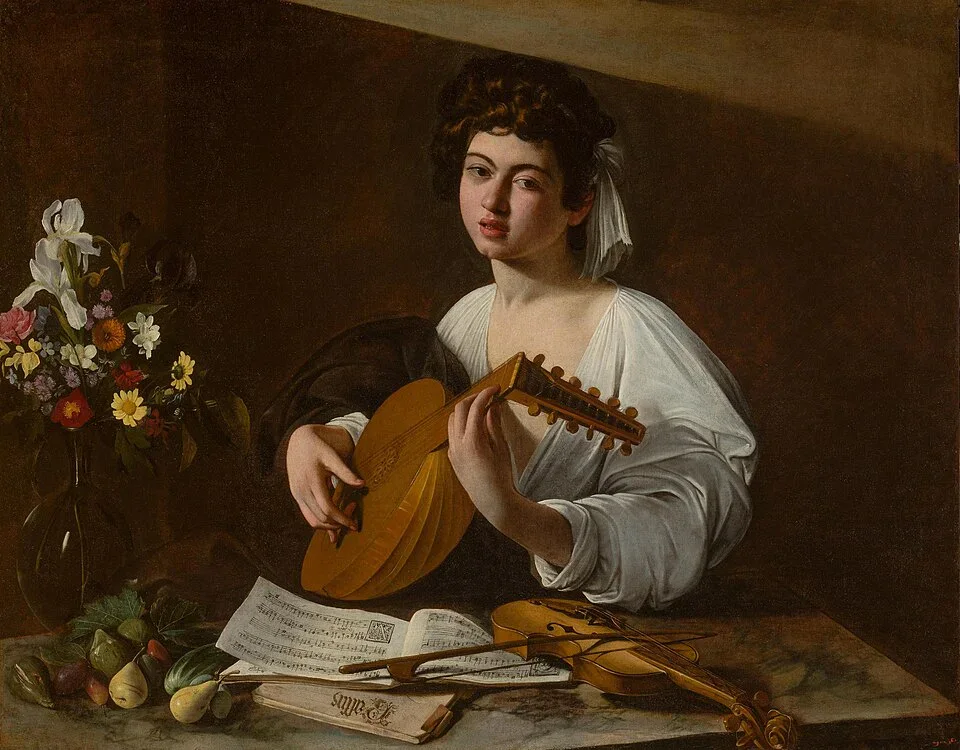
The Lute Player series
Beside the boy is a carafe of flowers, full of water. A window is reflected in the water, and with it the whole room. Dew is on the flowers. Nothing like that had been painted in the sixteenth century. It may have come from the scientists around Cardinal Francesco Maria del Monte. He paid for the picture and was a patron of music. One of them, Giovanni Battista della Porta, had written about the way light falls on glass and on spheres filled with water. The boy, with soft features and thick brown hair, sings a love song as he plays the lute. The instruments are valuable, and probably came from del Monte's own collection. The flowers, the damaged fruit and the cracked lute hint that love, like everything, does not last. That reflected window and dew belonged to the original. When Caravaggio painted the subject again, the carafe kept its flowers but lost the reflections. In 2020 the Hermitage picture and the Badminton House version, seen as a copy of it, were shown together at the Galleria Borghese.
Listen in the appCaravaggio · Public domain
02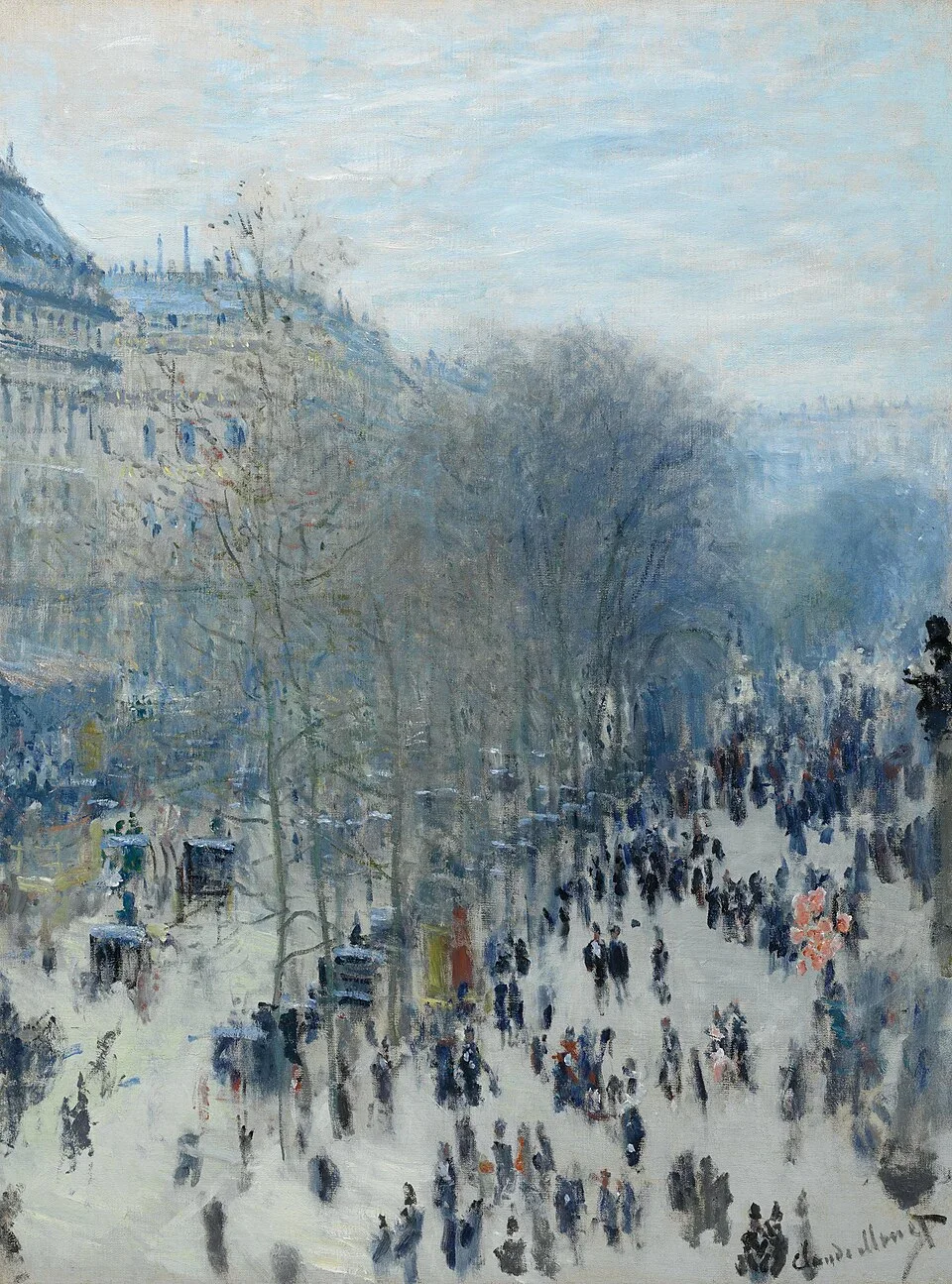
Boulevard des Capucines
Down on the boulevard, people are crossing, and the crowd never settles into anyone you could pick out. Each passerby turns into a quick black mark, then is gone. That was what Monet was after, the coming and going of so many people, not any one of them. He had no taste for painting in the middle of a crowd, and he was sure a sidewalk could never give him the calm he needed. So he worked from a balcony high above the street, in a photographer's old studio he had borrowed. From up there he could take in the whole bustle at once. He left the strokes rough and fast, so you can almost feel his hand moving. He painted this same view twice from that balcony, once wide and once upright, and this is the upright one. White streaks sweep across the roofs, the street and the facades. It is a winter afternoon, with snow moving through the whole scene and the trees left bare and blurred. And on the balcony next door, men in tall hats are watching the boulevard, just as he was.
Listen in the appClaude Monet · Public domain
03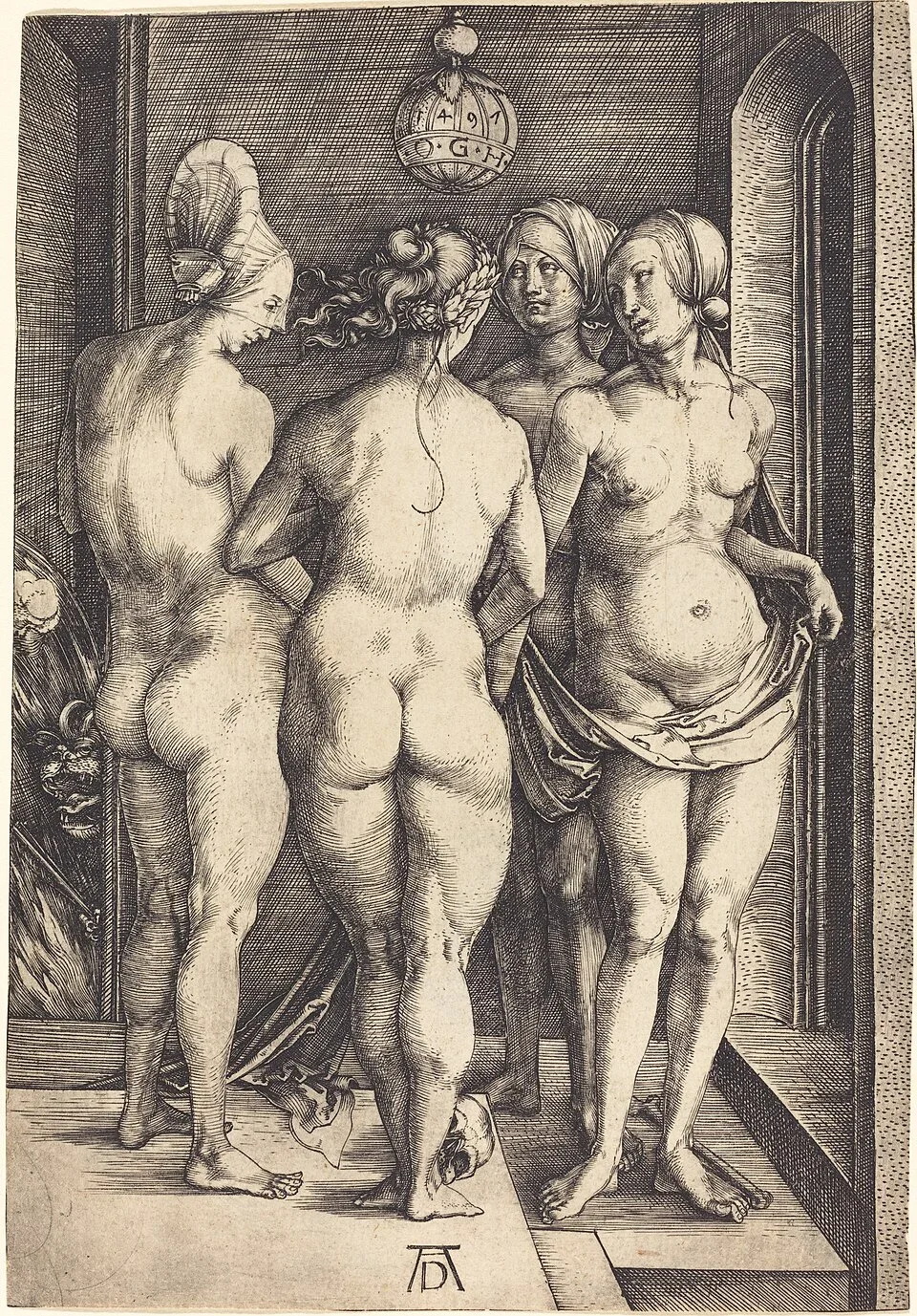
The Four Witches
Nobody knows quite what these four women are meant to be. No title came with the print, and no written word tells us why. The titles have gathered over the centuries. Four women stand close together in a small room, their hands mostly out of sight, so you cannot tell what they are doing. There is a way out on either side. In the left opening, a small horned devil looks out, holding what looks like sticks and string, maybe for catching birds, with flames around it. Across the room, a skull and a thigh bone lie by the other opening, which can seem like a way into death. Above them, a globe split into twelve sections carries a date and three letters no one has explained. The women's headgear differs too. The woman on the left wears a bonnet usually kept for married women. The one at the far right wears a long folded veil, a sign of the middle class. Details like that are why witches keep coming to mind. A guide for witch hunters had appeared in Cologne about 1487, warning especially about women. People believed a devil could take a woman's shape, and that a man who lay with her would suffer sickness, pain and impotence. Dürer signed the print at the centre of the floor, with the letters AD.
Listen in the appAlbrecht Dürer · Public domain
04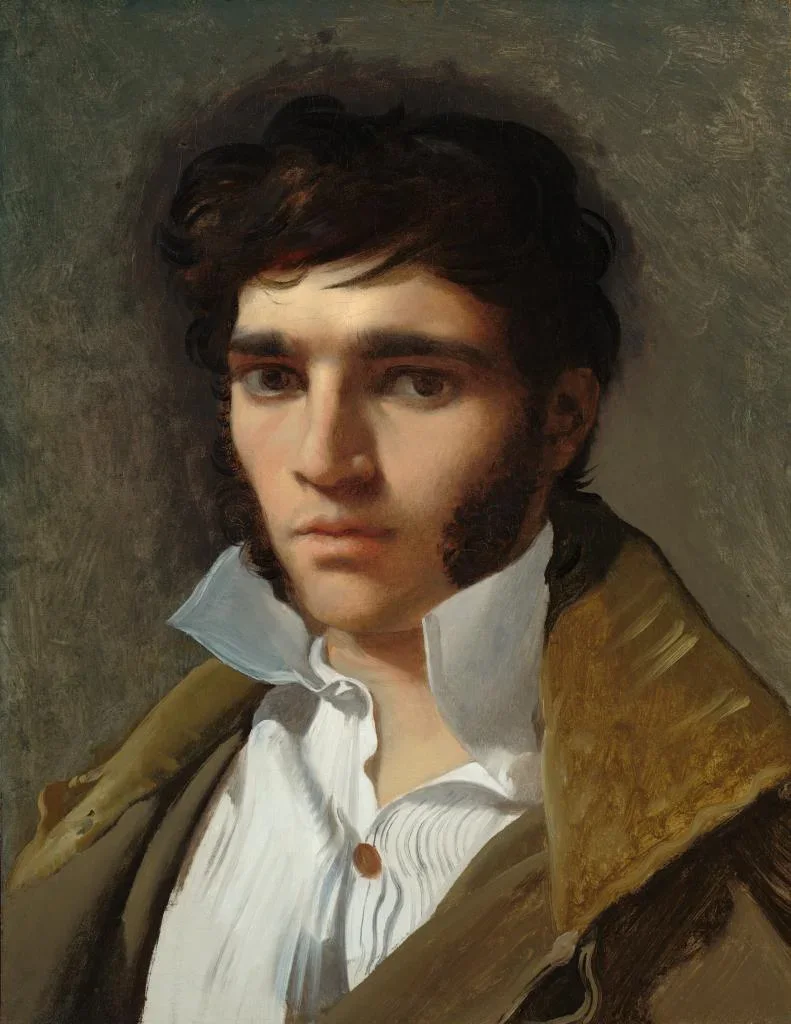
Portrait of Paul Lemoyne
This portrait was made quickly, probably in a single sitting. The strokes on the brown overcoat's collar are rough, the paint left unmixed. There are traces of changes, but no drawing underneath. Only the face was worked over with care. The same haste shows in the way he is dressed. His shirt collar stands open, with no cravat, and his hair is rough. Dark green and black paint is splashed behind him, throwing forward his black hair and dark features. His shadowed eyes meet yours straight on. Ingres was painting a friend. Lemoyne was a young sculptor visiting Rome, and the French Academy there encouraged its students to paint one another. These were gifts between friends, not paid work. So this portrait went from Ingres to Lemoyne, and he kept it for years. In 1865 he sold his collection at auction, this portrait among it. He was in his eighties and preparing to move to Bordeaux, and that is probably why. When Ingres heard the friend had sold the picture he had given him, he was furious. He cried that the poor man had sold himself.
Listen in the appJean-Auguste-Dominique Ingres · Public domain
05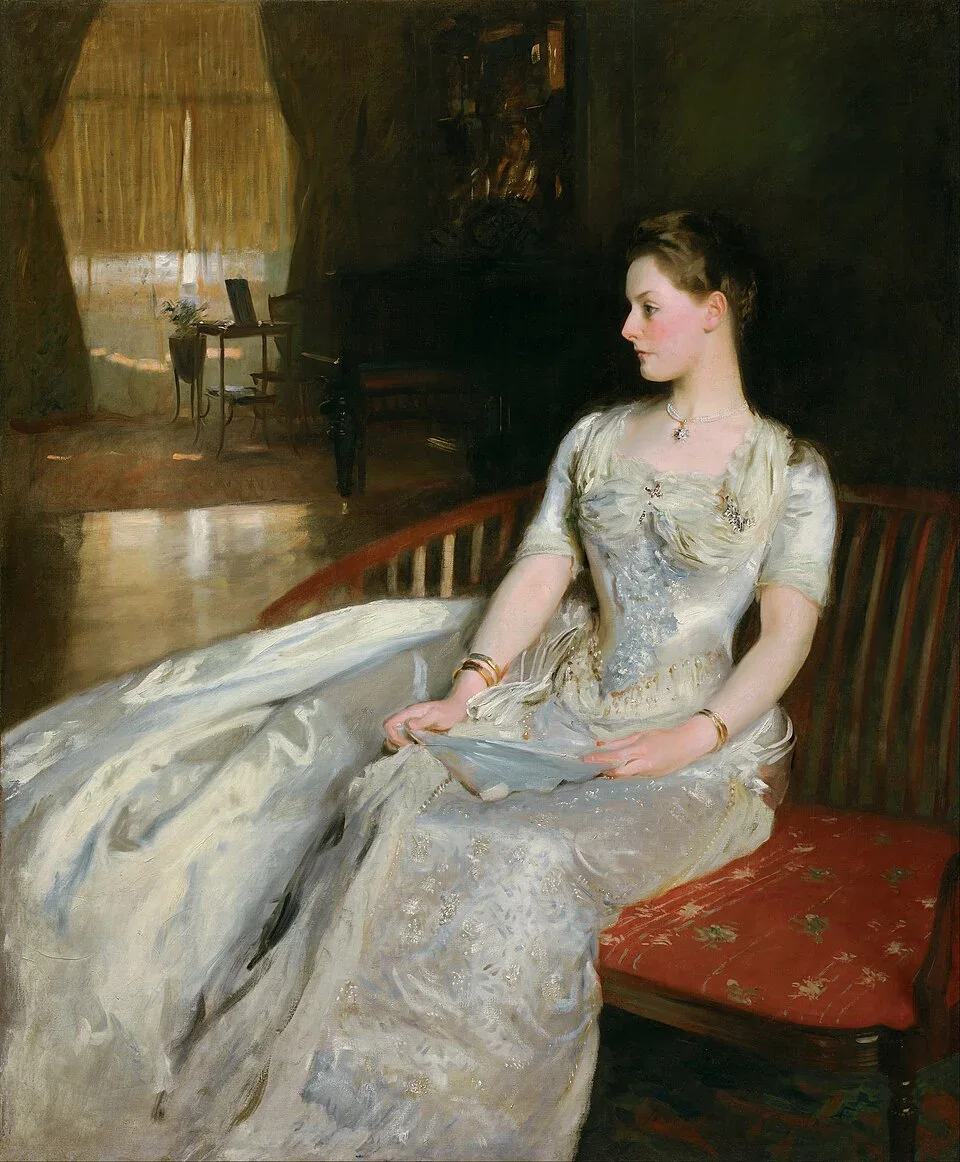
Portrait of Mrs. Cecil Wade
Is she a person, or a display of paint? She glances to her right, her face in profile, and light washes over her skin and white satin dress. Bracelets shine on her arms, a choker sits at her neck, and she holds a white fan. This is Frances Wade, twenty-three, at home in London, in the gown she wore when she was presented to Queen Victoria. John Singer Sargent painted her in 1886, his first important picture after a scandal. His Portrait of Madame X had caused an uproar at the Paris Salon of 1884. He lost many of his French clients and came to England looking for work. With this portrait he stepped back from much of what had made the trouble. When it went on show in 1887, opinion was split. Some saw life and personality in her face. Others called the light forced and the picture cold. One said her arms and face looked like cardboard. And behind her, midday light comes through a yellow curtain onto a small table and chair, with a plant nearby. That dim corner shows how much Sargent wanted to experiment with light and darkness, not just with a face.
Listen in the appJohn Singer Sargent · Public domain
06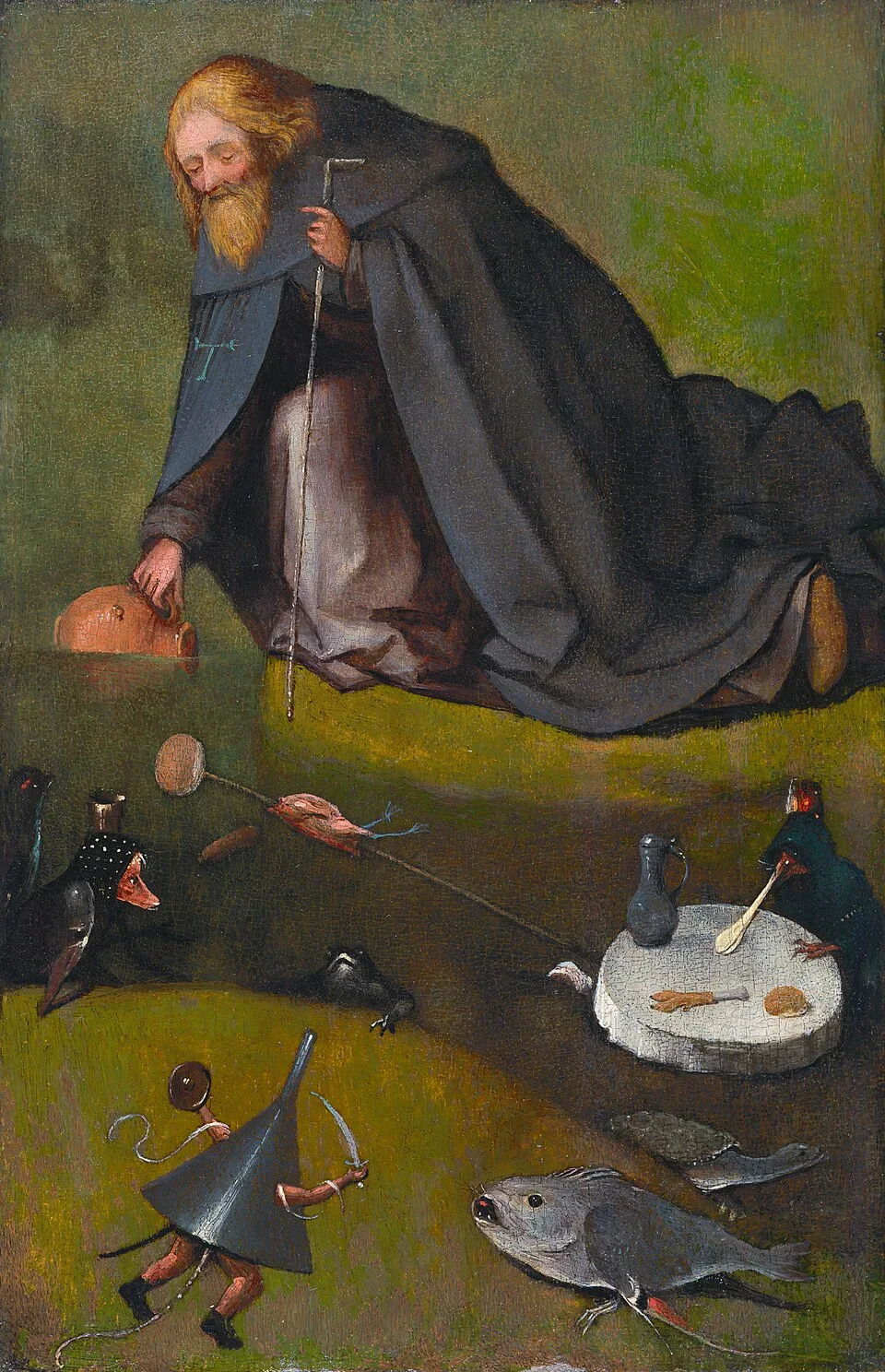
The Temptation of Saint Anthony
For years no one was sure who painted this. It was given to a follower and put away in storage. An old, bearded Saint Anthony kneels at a stream, filling the jug in his right hand. Small demons crowd around him. And around that jug run straight, horizontal lines. In 2014 an amateur wrote about those lines, and the panel was examined again. Under infrared light the underdrawing surfaced, drawn in quick, flowing strokes. The jug is not the shape first drawn. The folds of the black cloak were worked over, and a foot set further back. Bosch changed his mind as he worked. Those strokes matched his other paintings. It was his hand, not an assistant's. The panel was once part of a larger painting. The devil disguised as a temptress, missing here, belonged to the part that was lost.
Listen in the appHieronymus Bosch · Public domain
07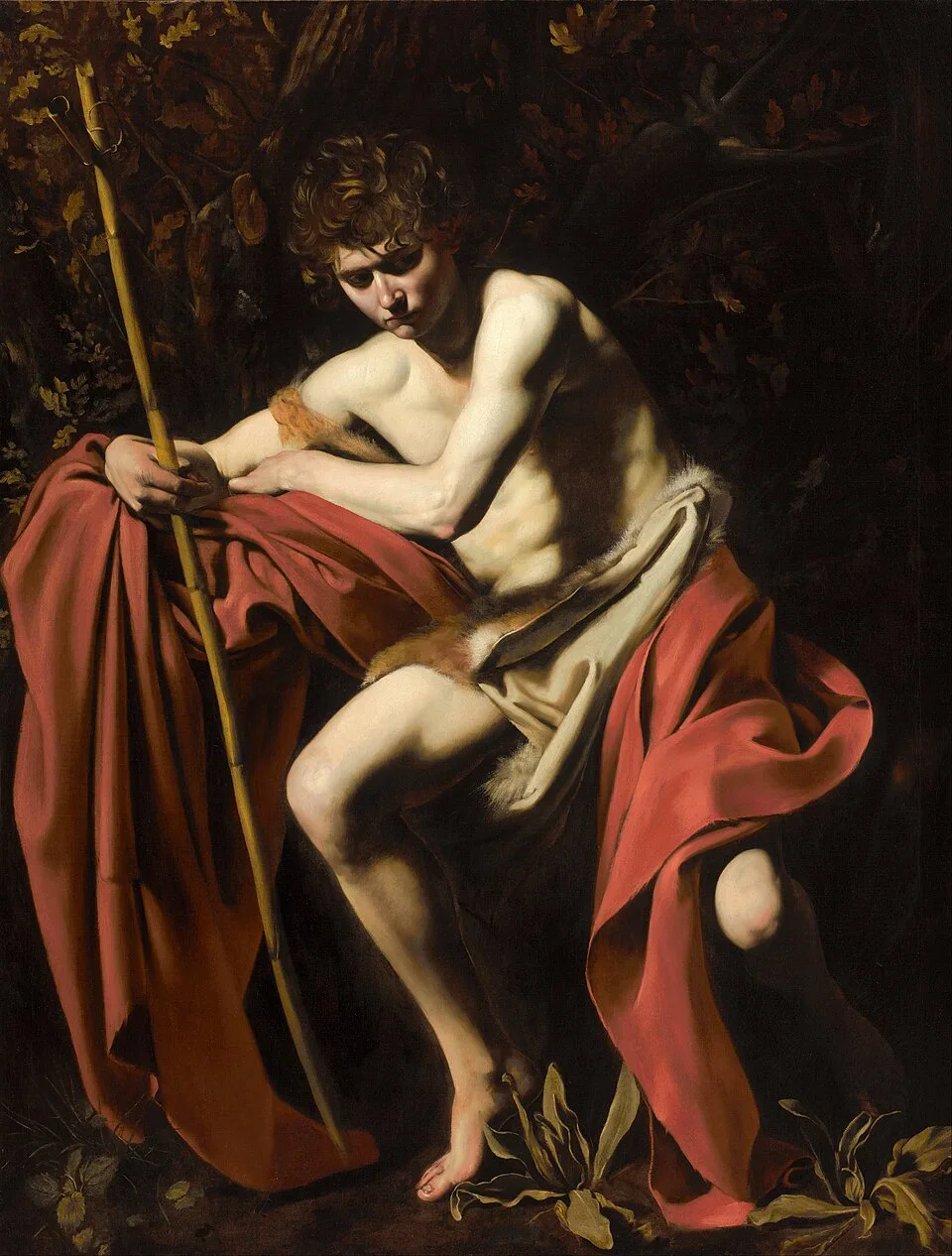
Saint John the Baptist in the Wilderness
A young man sits before a thick curtain of leaves, his head bowed, his eyes sad. A red cloak and fur cover his lower body, and he holds a thin cross of reed. The light falling across him is hard, almost moonlike, and the leaves behind him are dry and brown. Almost nothing here announces a saint. There is no halo, no lamb, no leather loincloth. The reed cross is the only sign that names him, recalling the words Jesus spoke of John. Caravaggio has taken the familiar story away and left him alone inside his own thoughts. A banker named Ottavio Costa ordered the picture for a small family chapel near Albenga. When it was finished he liked it so much that he sent a copy to the chapel and kept the original for himself. An inventory of his family's goods in 1693 still lists it. In 1844 it turns up in an English private collection, and in 1952 it came here. The exact year it was painted is still not known, with dates between 1602 and 1605.
Listen in the appCaravaggio · Public domain
08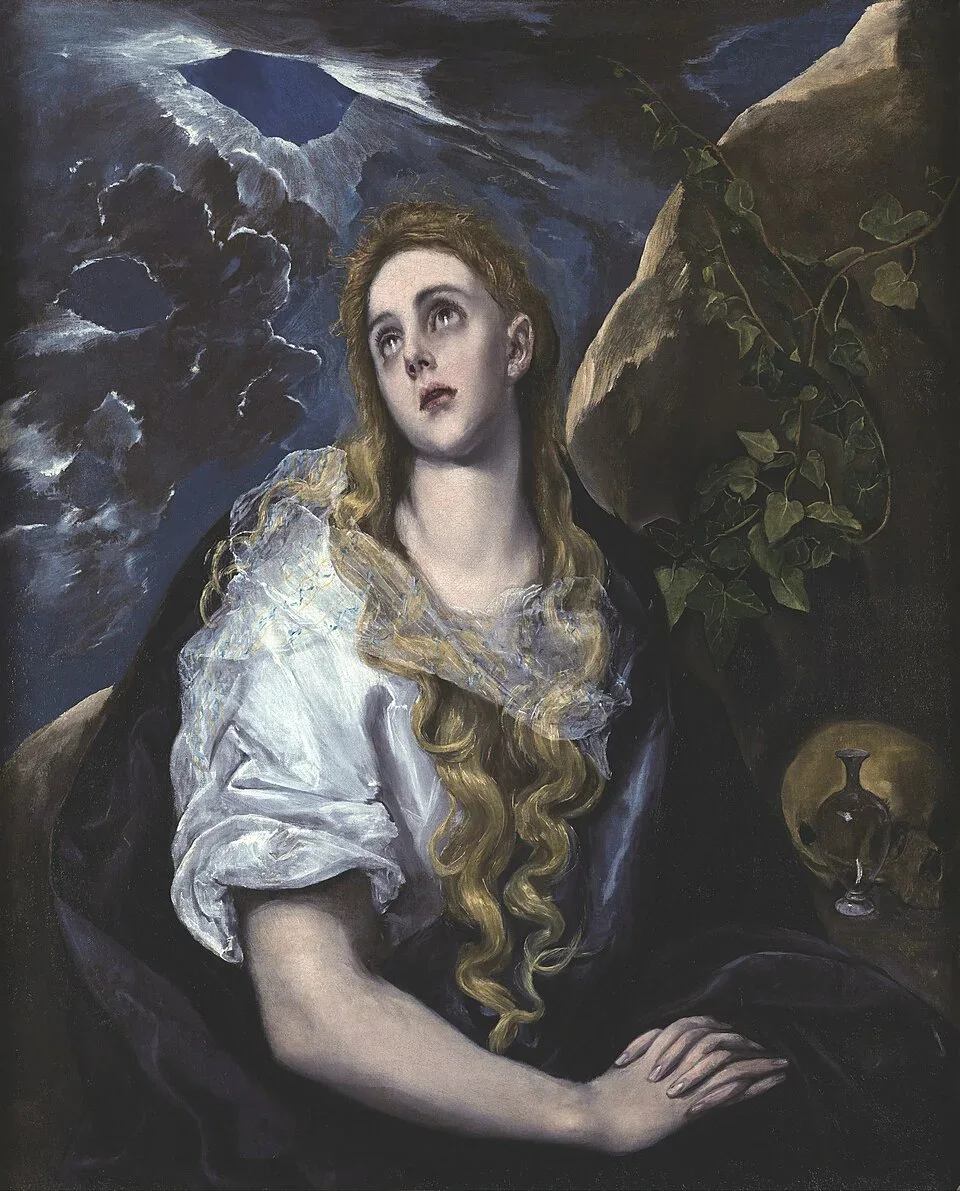
The Penitent Magdalene
Mary Magdalene weeps, her eyes lifted toward heaven. She is shown doing penitence, and her hair is painted with great care. Pope Gregory the Great joined three women into this one. There is Mary of Bethany, sister of Martha and Lazarus. There is the woman who poured ointment on Jesus's feet and dried them with her hair. And there is the woman who stood at the foot of the cross. El Greco set the glass jar of ointment off to one side, with ivy and a skull beside it. The jar is the sign of the woman who anointed him. The Church had a reason to keep her before people. Protestants said that baptism alone was the true sacrament of penitence. So Catholics held up this weeping woman. Once a prostitute, she came to stand for the sin of every person. In the blue sky behind her, dark clouds rise, right where her tearful gaze is going. Light from above turns their edges white, and the whole sky suggests that God is present. That sky has since been heavily repainted.
Listen in the appEl Greco · Public domain
09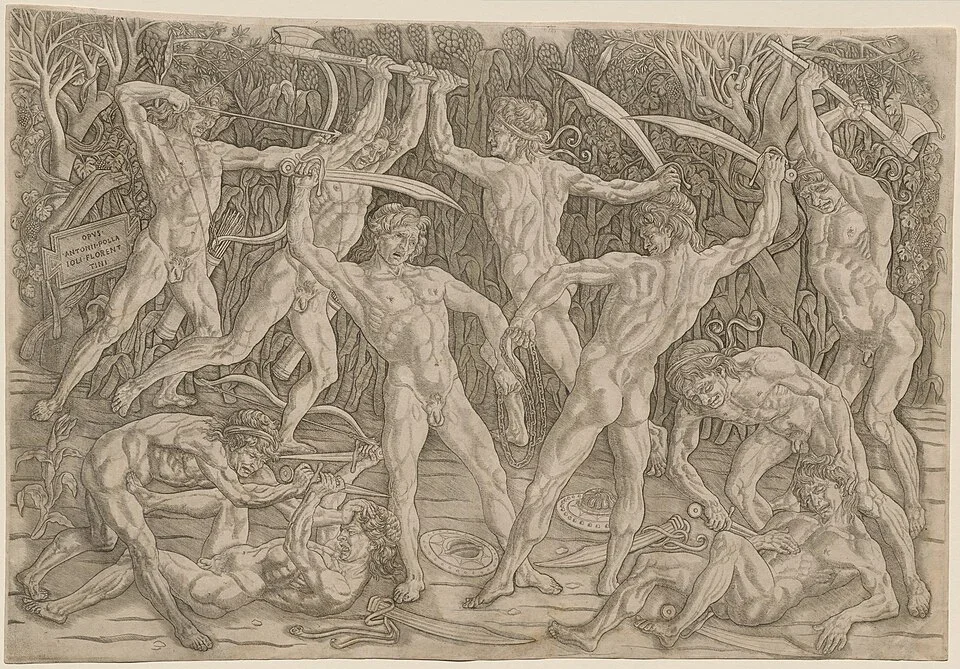
Battle of the Nudes
Long after it was printed, this image kept turning up in other artists' work. Engravers and woodcutters made direct copies. About 1490 an engraver named Johannes of Frankfurt made one, and a drawing probably by Raphael borrowed these same figures. What they borrowed was the way the bodies are drawn. Ten nude men, five with headbands and five without, fight in pairs, their faces grimacing, their muscles pulled tight. It looks like a scene from some old story. No one can say which one, and quite likely no single story was ever meant. The man who made it, Antonio del Pollaiuolo, was a goldsmith and sculptor who studied anatomy by dissecting bodies. He set the figures in different, strained poses, with the muscles brought out clearly. That may be why the print was made, to give other artists poses to copy. The two men nearest the front hold almost the same pose, one seen from the front and one from behind.
Listen in the appAntonio del Pollaiuolo · CC0
10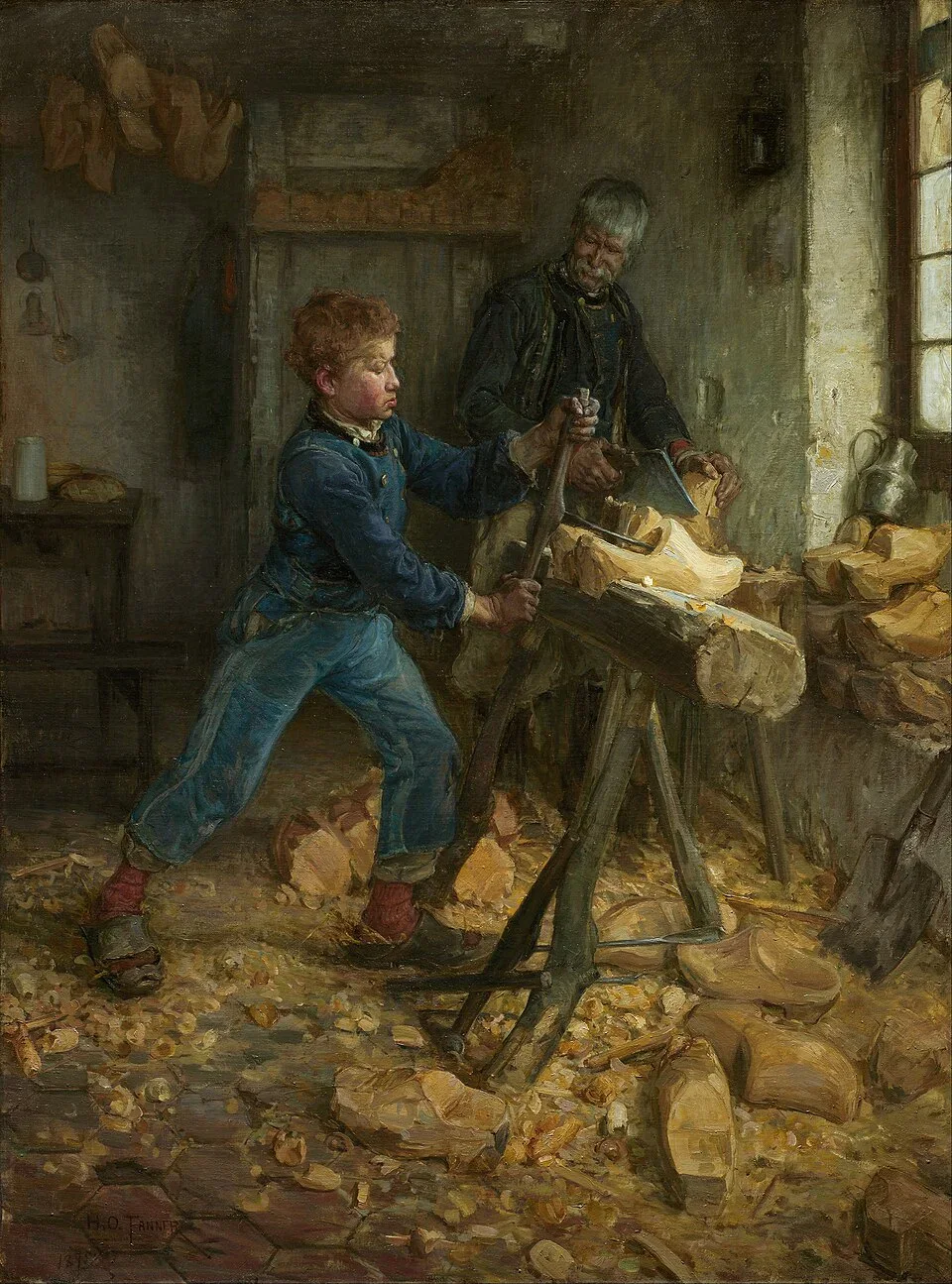
The Young Sabot Maker
The scene began in Brittany. During his first summer in France, Tanner traveled to a village on its coast, and rural French life caught his attention. Back in Philadelphia in 1893, he began to work out what he had seen. Several preliminary sketches survive, and the final picture follows the plan they set out. It was accepted for the Paris Salon in 1895. The setting is a wooden shoe maker's workshop, a plain room that seems to sit outside time. A boy leans his weight into the crossbar handle of an auger, carving a sabot, a wooden shoe. The older man watches him with pride. Wood shavings lie scattered on the floor around them. The theme is an older person teaching someone young, and he used it in other paintings too. Here it carries the dignity of skilled work. His family friend Booker Washington had helped support his studies in Paris and spoke publicly about the value of manual labor. Washington built that belief into the school he led in Alabama. Tanner gave the painting to his mother and father. It is not known whether the two figures are father and son.
Listen in the appHenry Ossawa Tanner · Public domain
- 11
Portrait of Richard Gallo
Gustave Caillebotte · 1881
- 12
Portrait of a Trinitarian Friar
El Greco · 1604–1614
- 13
Golshan Album
Jafar Tabrizi · 1700
- 14
Portrait of Don Ignacio Omulryan y Rourera
Francisco Goya · 1815
- 15
The restaurant Rispal in Asnieres
Vincent van Gogh · 1887
- 16
The Dell at Helmingham Park (Nelson-Atkins)
John Constable · 1830
- 17
Nemesis
Albrecht Durer · 1501–1503
- 18
Jupiter in the Guise of Diana, and the Nymph Callisto
François Boucher · 1759
- 19
Almehs playing chess in a café
Jean-Léon Gérôme · 1870
- 20
The Fish Market at Hastings Beach
J. M. W. Turner · 1809–1810
- 21
Saint Luke Displaying a Painting of the Virgin
Guercino · 1652–1663
- 22
The Artist's Grandmother
Émile Bernard · 1887
- 23
The Garden of Les Mathurins at Pontoise
Camille Pissarro · 1876
- 24
Waiting
Jean-François Millet · 1853–1861
- 25
Stammer Mill with Streaked Sky
Piet Mondrian · 1900–1906
- 26
Venus Rising From the Sea---A Deception
Raphaelle Peale · c. 1822
- 27
The Assembly of Tejaprabha
Unknown Artist · 1315
- 28
The Three Graces
Lucas Cranach the Elder · 1535
- 29
Fall of the Rebel Angels
Unknown Artist · 18th century
- 30
Palace Ladies Tuning the Lute
Zhou Fang · 8th century
- 31
Antoine Perrenot de Granvelle
Titian · 1548
- 32
Virgin and Child Enthroned with two Musical Angels
Hans Memling · 1465–1467
- 33
The Arts: Drawing
Gaspare Traversi · c. 1750
- 34
The Clock Tower in the Piazza San Marco
Giovanni Antonio Canal · c. 1730
Nelson-Atkins Museum of Art
Frequently asked questions
How much does the guide cost?
Free app download. Free until 1 January. Listed guide price: $0.99. Audio guide only. Venue admission is separate.
Can I listen without internet?
Yes. Download the guide’s audio, images, and maps in the app before your visit. Your downloaded content is then available offline.
Can I listen in my language?
In English for now. More languages soon.
Do I need to follow a schedule?
No. This is a self-guided experience. Choose your stops, pause whenever you like, and return to a story at your own pace.
Which artworks are in the Nelson-Atkins Museum of Art audio guide?
34 artworks, including The Lute Player series (Caravaggio), Boulevard des Capucines (Claude Monet), The Four Witches (Albrecht Durer), Portrait of Paul Lemoyne (Jean-Auguste-Dominique Ingres), Portrait of Mrs. Cecil Wade (John Singer Sargent), The Temptation of Saint Anthony (Hieronymus Bosch), Saint John the Baptist in the Wilderness (Caravaggio), and The Penitent Magdalene (El Greco). The full list is on this page.
Is this the museum’s official audio guide?
No. Stanza is an independent audio guide app and is not affiliated with Nelson-Atkins Museum of Art. Museum admission is separate.
At your own pace
Explore Nelson-Atkins Museum of Art.
Download Stanza, then search for “Nelson-Atkins Museum of Art”.
Free app download · Guide price shown in the app
Keep exploring
Audio guides — United States
St. Louis
Saint Louis Art Museum
Content & sources
Photo: Colin.faulkingham~commonswiki · Public domain

St. Louis
Gateway Arch
Content & sources
[https://www.flickr.com/photos/11399912@N00 B0iwehijro2i0- ] `1l]] from Davis, CA, USA · CC BY 2.0
Collinsville
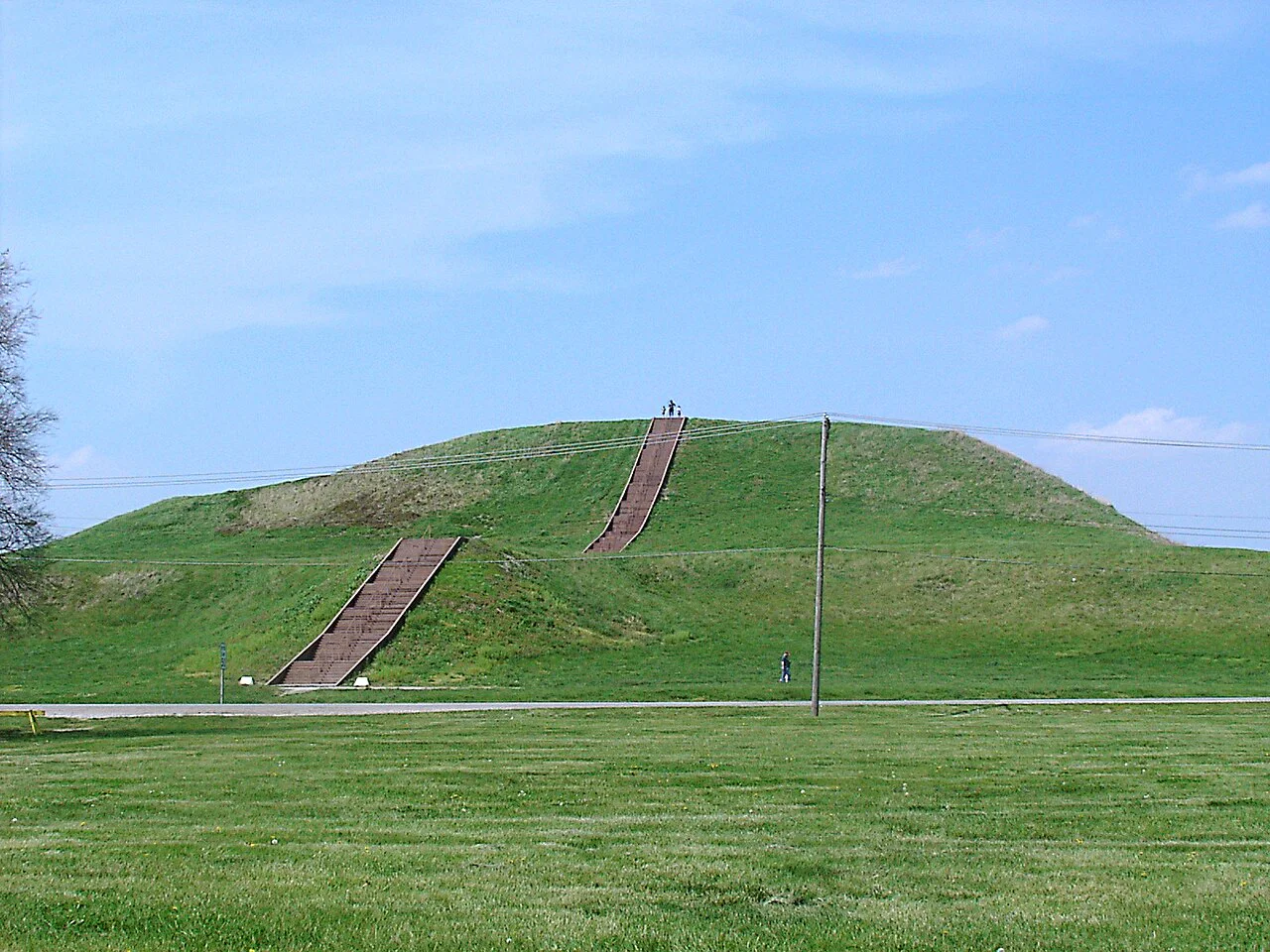
Cahokia
Content & sources
Skubasteve834 · CC BY-SA 3.0
Memphis
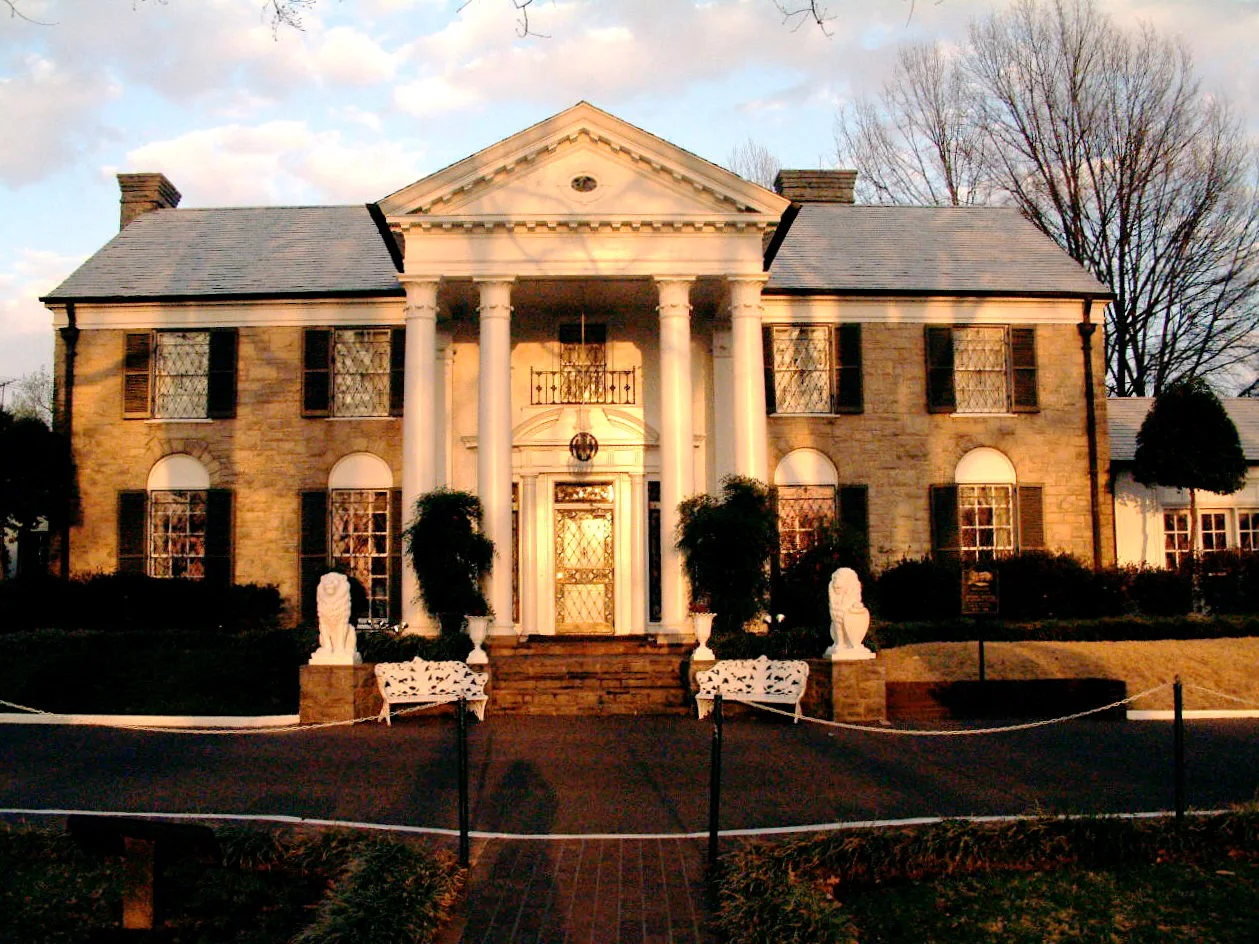
Graceland
Content & sources
User:Maha · CC BY 2.5
Art museums
More art museum audio guides
St. Louis · 38 artworks
Saint Louis Art Museum
Content & sources
Photo: Colin.faulkingham~commonswiki · Public domain
Chicago · 67 artworks
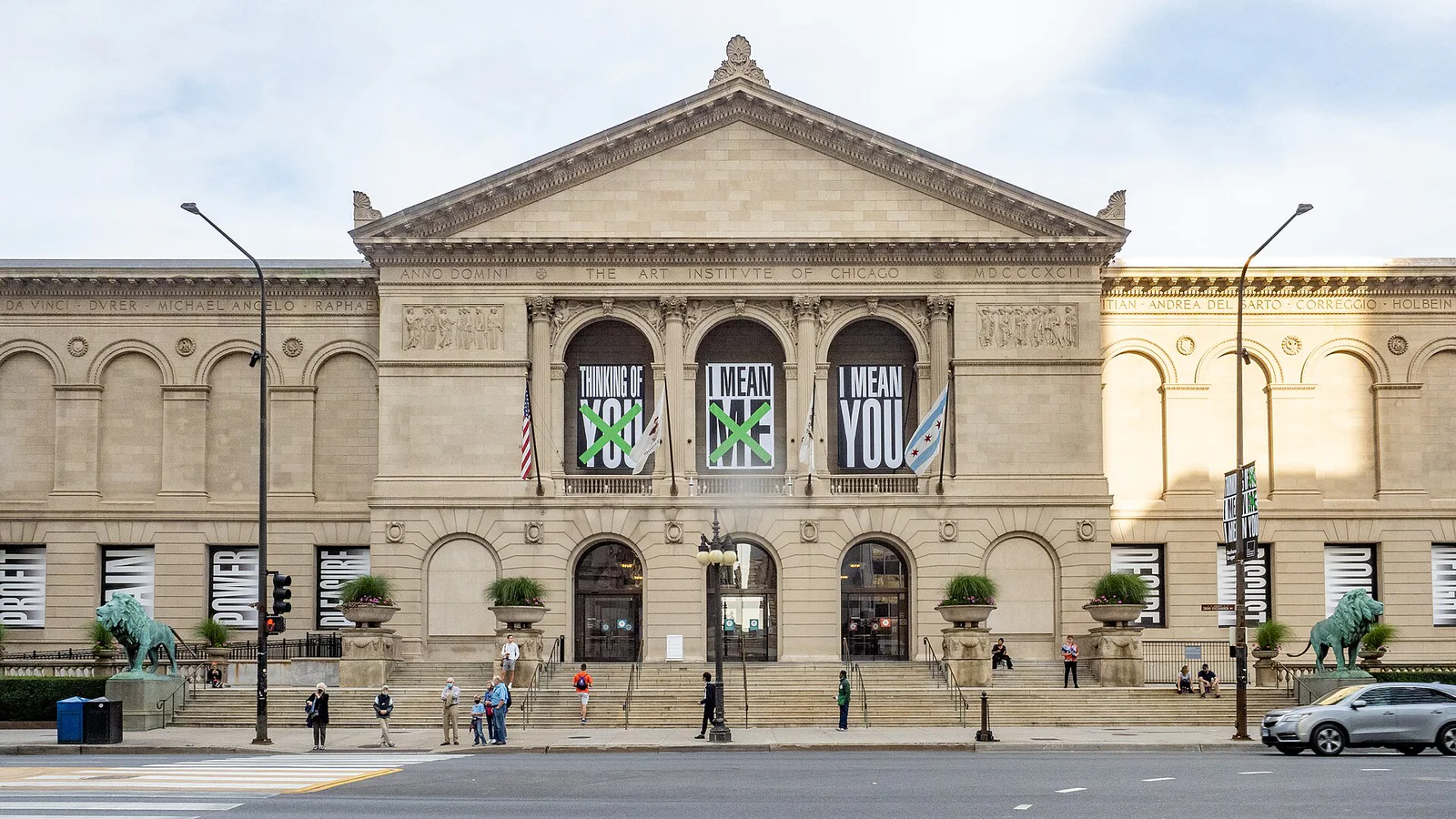
Art Institute of Chicago
Content & sources
ajay_suresh · CC BY 2.0
Dallas · 31 artworks
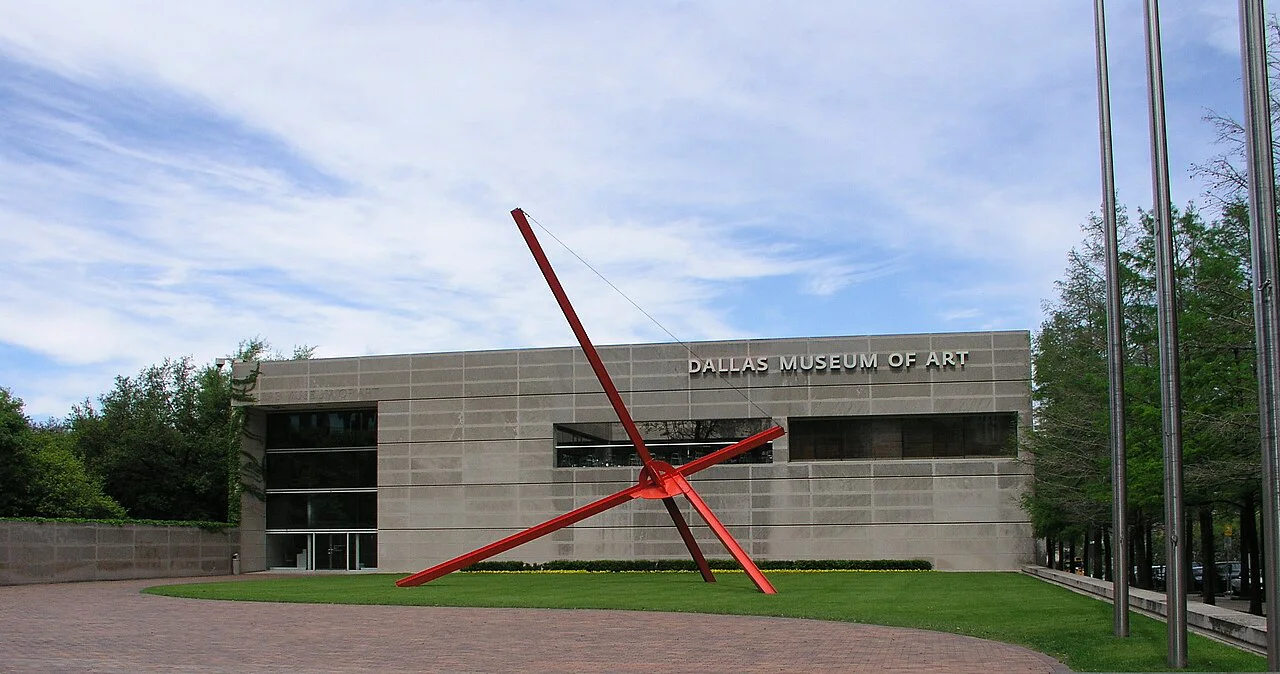
Dallas Museum of Art
Content & sources
KeithJonsn at English Wikipedia · CC BY-SA 3.0
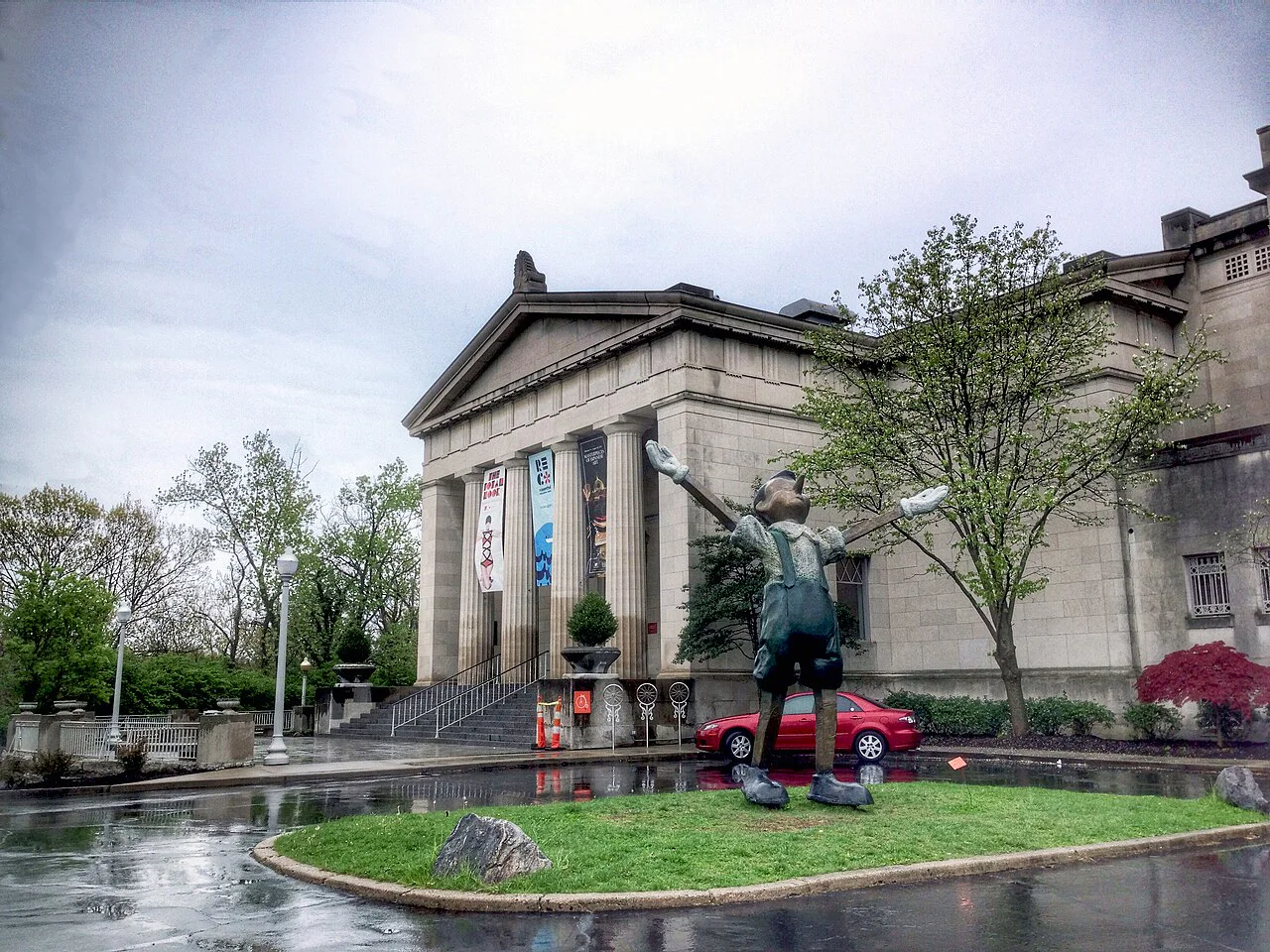
Cincinnati · 24 artworks
Cincinnati Art Museum
Content & sources
5chw4r7z on Flickr · CC BY-SA 2.0
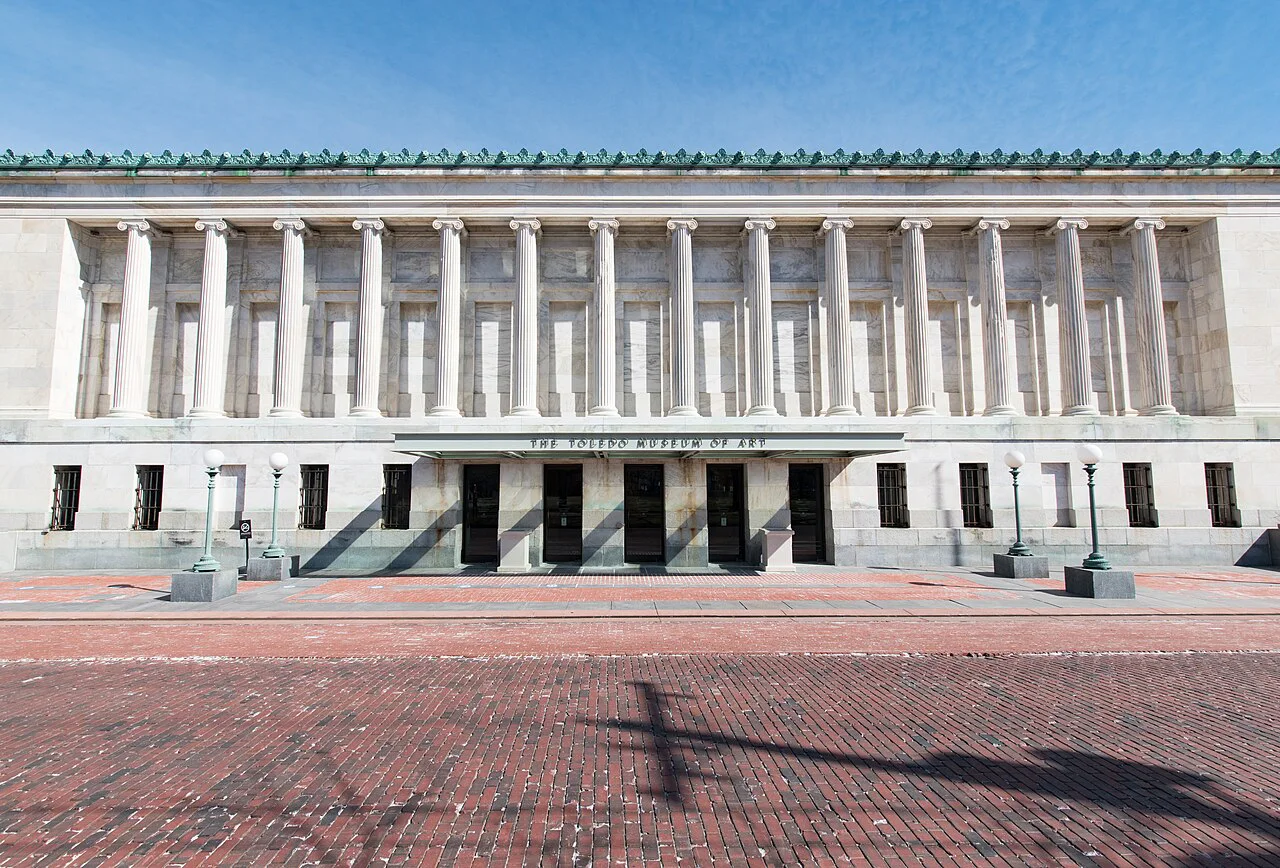
Toledo · 32 artworks
Toledo Museum of Art
Content & sources
Photo: Ɱ · CC BY-SA 4.0
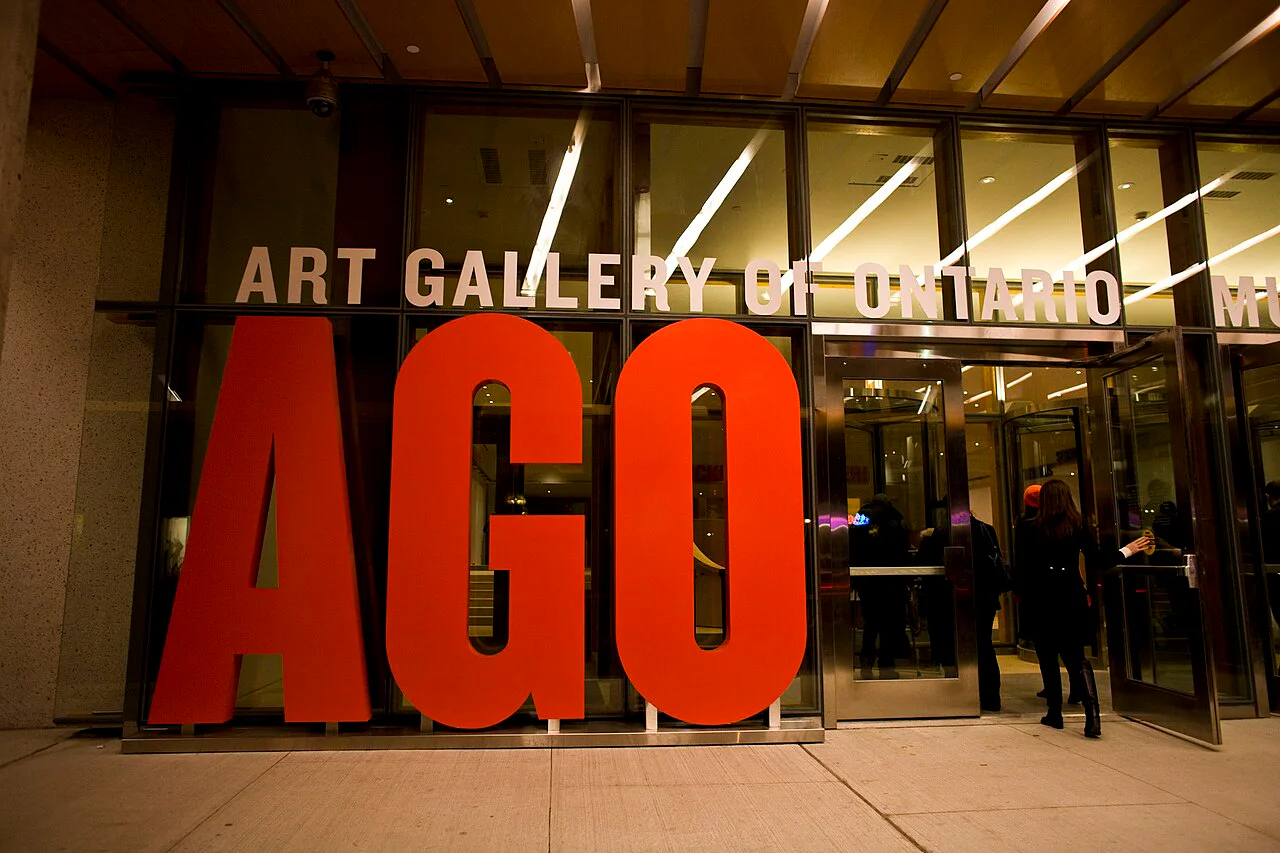
Toronto · 21 artworks
Art Gallery of Ontario
Content & sources
Owen Byrne from Ottawa, Canada · CC BY 2.0