Stanza · Audio guide
Toledo Museum of Art Audio Guide
A place to remember. A story to take with you.
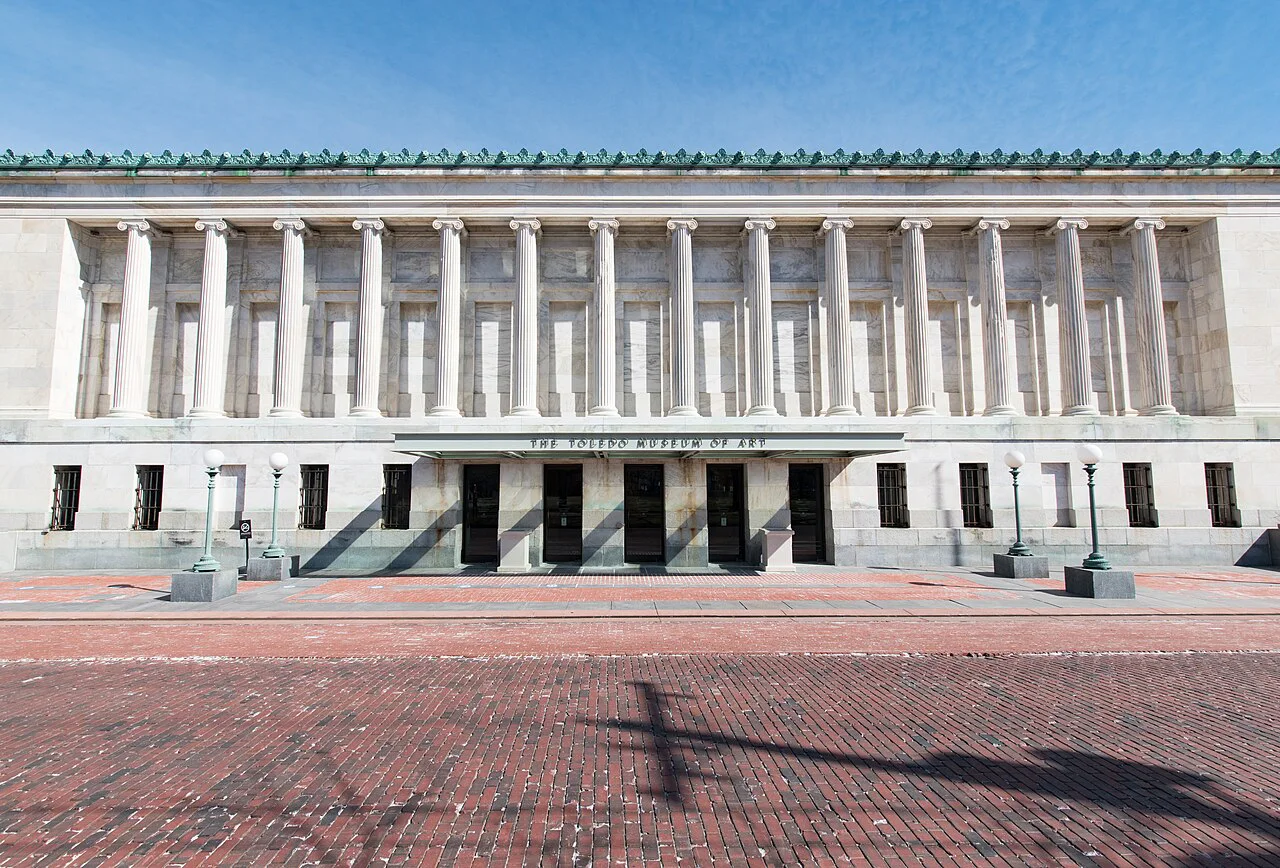
The Toledo Museum of Art is an art museum located in the Old West End neighborhood of Toledo, Ohio. It houses a collection of more than 30,000 objects.
Download Stanza, then search for “Toledo Museum of Art”.
About the tour
One guide. Your kind of visit.
The Toledo Museum of Art is an art museum located in the Old West End neighborhood of Toledo, Ohio. It houses a collection of more than 30,000 objects.
The Toledo Museum of Art guide tells the stories of 32 artworks, including Houses at Auvers (Vincent van Gogh), Blind Man's Bluff (Jean-Honoré Fragonard), The Architect's Dream (Thomas Cole), Children with a Cart (Francisco Goya), Lot and his Daughters (Artemisia Gentileschi), Venice, Grand Canal (Paul Signac), Crowning of Saint Catherine (Peter Paul Rubens), and The Annunciation (El Greco). Every artwork is free to hear in the Stanza app until 1 January.
Ready when you are.
- 01Get the free Stanza app.
iOS & Android
- 02Find your guide.
“Toledo Museum of Art”
- 03Download before you go.
Works offline
Audio guide / 32 artworks
Inside the guide
Get to know a few of the stories before you go. Open a stop to read more.
01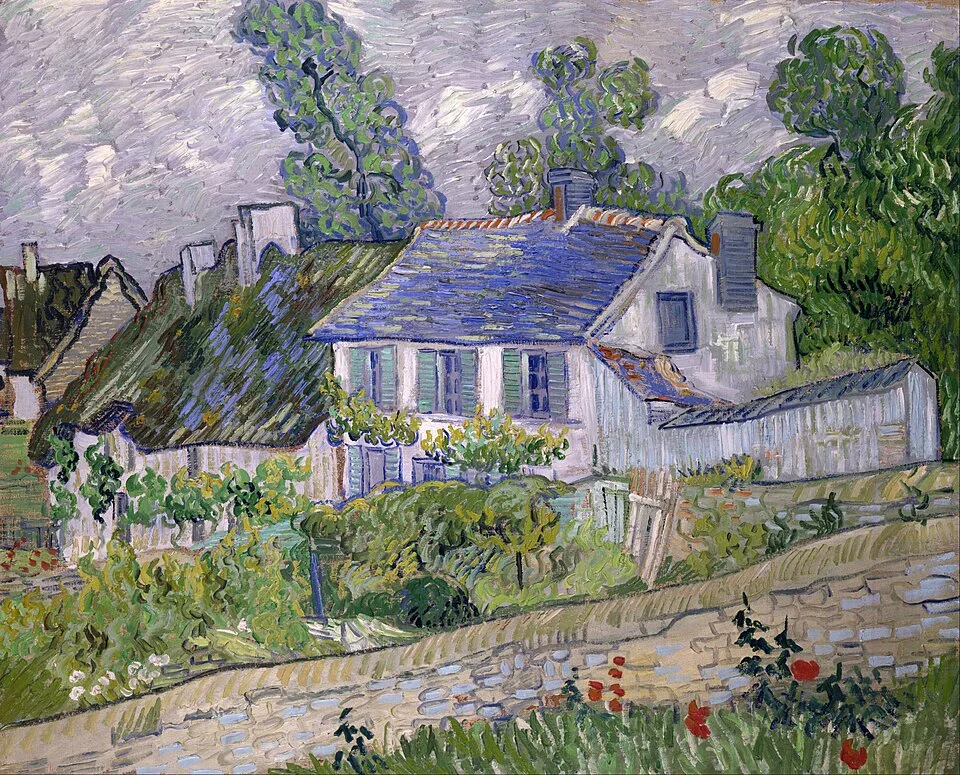
Houses at Auvers
There are two houses here. One has a roof of tiles. The other is thatched, the older kind. Van Gogh painted this in 1890, just after he came to Auvers, a small town northwest of Paris. He had left the asylum at Saint Remy, where life was boring and monotonous. What he found was a village in the middle of change. A few days after he arrived, he wrote to Theo and Jo about how much had changed since the painter Daubigny's day. There were many villas and modern dwellings now. He described a new society growing up inside the old one, with a lot of wellbeing in the air. Both kinds of roof are here together in this one picture. On the very day he arrived, he had written to Theo and Jo that Auvers had many old thatched roofs, which were becoming rare.
Listen in the appVincent van Gogh · Public domain
02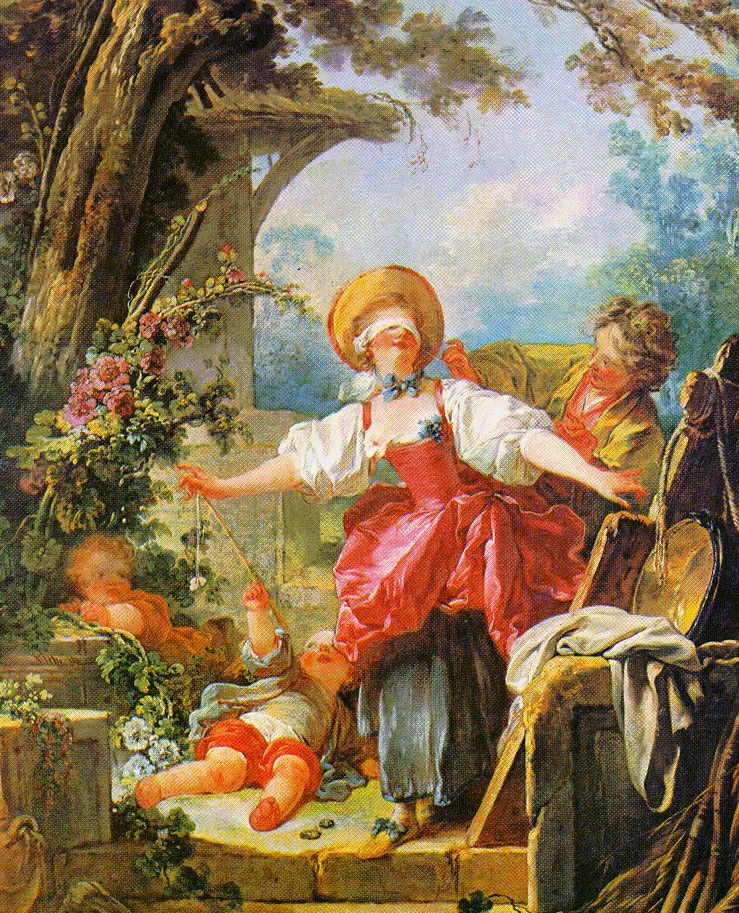
Blind Man's Bluff
Two young people play blind man's bluff in a wood, with thick greenery framing the scene. A blindfold covers the girl's eyes, but she is peeking out from under it. The game is a pretext for courtship, and she is playing along with her eyes open. Her rustic clothes are spotless and fashionable, and her shoes have elegant bows. These may be wealthy people playing at country life. Even the wood around them could be a stage set, making the whole scene something acted rather than lived. Fragonard painted this between 1750 and 1752 to please the aristocratic French taste for romantic scenes of country life. It was made as one of a pair, with a companion picture called The See-Saw, now in Madrid.
Listen in the appJean-Honoré Fragonard · Public domain
03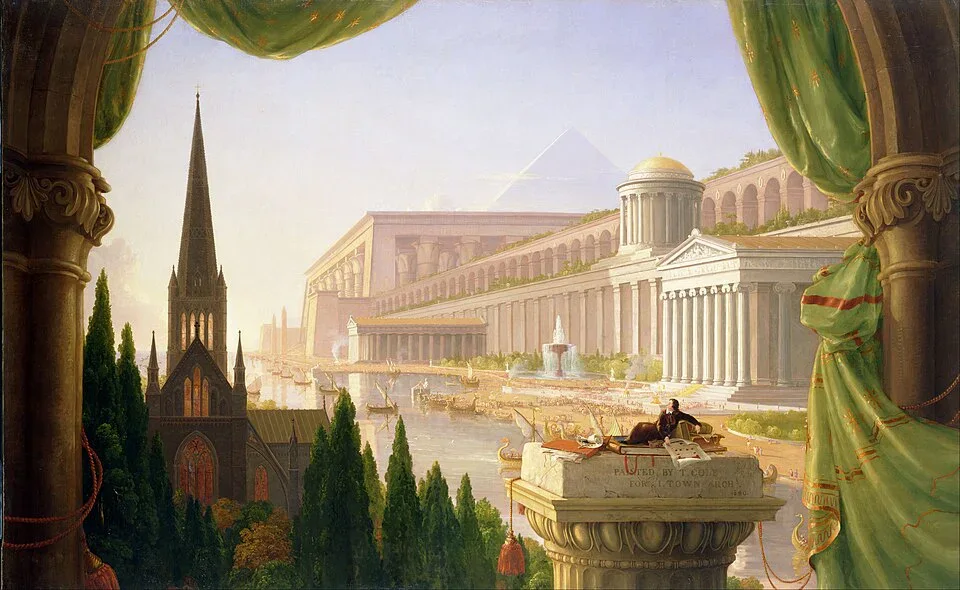
The Architect's Dream
On the great column the architect reclines on, there is a small line of writing. It says the painter made this for Ithiel Town, an architect. That is the man who ordered it. In 1839 Town asked Cole for a view of ancient or modern Athens. He paid partly in cash and partly in books from his own architectural library, and those books became the seed of the scene. Cole had designed buildings himself. He finished this in five weeks and showed it at the National Academy of Design in 1840. But what grew on the canvas was not the landscape Town had asked for. It was architecture almost from edge to edge. Egyptian buildings sit in the hazy distance, Greek and Roman ones closer, and a Gothic church stands to one side among the trees. On the column lies the architect, eyes closed over a stack of books, dreaming it all. Town did not want it. He had wanted scenery to rule, not buildings. After a long argument by letter, Cole agreed to paint him a proper landscape and took this one back. He said he would rather return the books and drop the commission than paint that subject again. The picture Town refused stayed with Cole for the rest of his life, then with his family, until the museum bought it in 1949.
Listen in the appThomas Cole · Public domain
04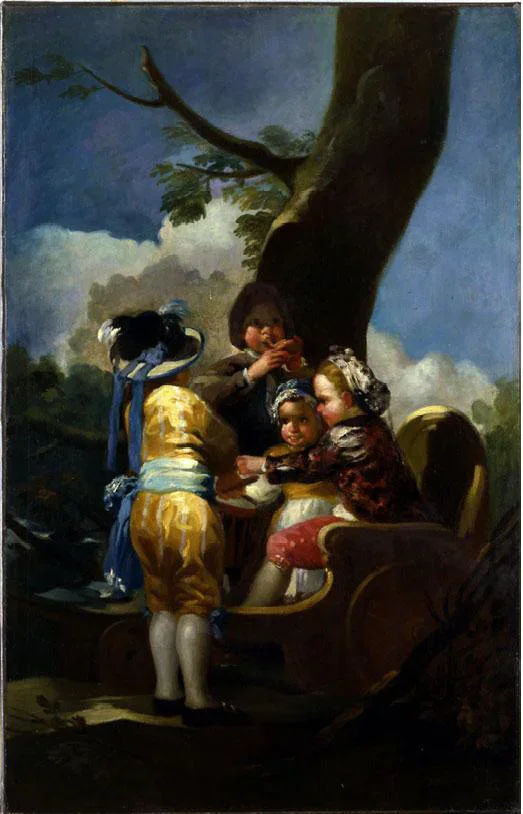
Children with a Cart
Two children are riding a cart and playing their instruments, in the middle of a festive Madrid scene. But this was never meant for a wall. Goya made it as a design for a tapestry, to be woven and hung above a door in the palace of El Pardo. The room belonged to the Prince of Asturias, who would become Charles the Fourth, and to his wife, Marie Louise of Parma. Goya delivered the design in January 1779 and was paid a thousand reales for it. For a long time after that, no one knew where it was. It turned up in 1869 in the basement of the Royal Palace in Madrid, and went to the Prado the next year. Then in 2006, on its way to an exhibition in New York, it was stolen. The police recovered it soon after. Back in the painting, the light on the children's clothes is done in just a few strokes, a nod to Velázquez.
Listen in the appFrancisco Goya · Public domain
05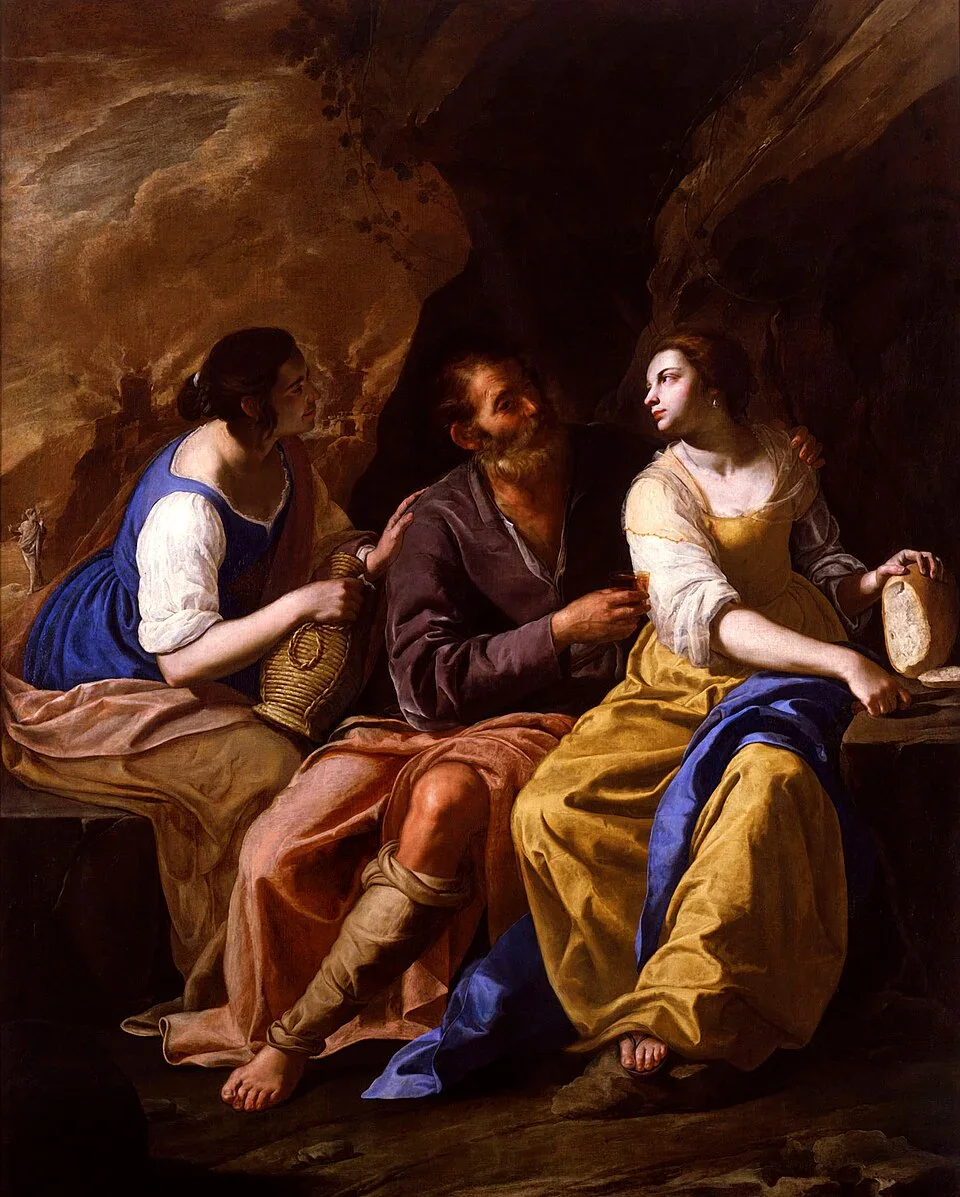
Lot and his Daughters
This story was popular for its moral message and for its scandal. Artemisia Gentileschi, by then running her own workshop in Naples, softened the sexual edge instead. What is left is three people close together. Lot sits between his daughters in a dark landscape. His purple garment and pink cloak have slipped off one knee. The women lean toward him, one in a gold gown and blue cloak, the other in blue and gold. One offers to refill his wine glass. The other gets ready to slice bread. The story is in Genesis. Lot's family had fled the burning city of Sodom, which still smolders behind them. His wife looked back and became a pillar of salt, her shape just visible at the left. The three hid in a cave. Thinking they were the last people left, the daughters got their father drunk, so they could bear his children and keep the family going. Some art historians think Domenico Gargiulo may have helped paint the background.
Listen in the appArtemisia Gentileschi · Public domain
06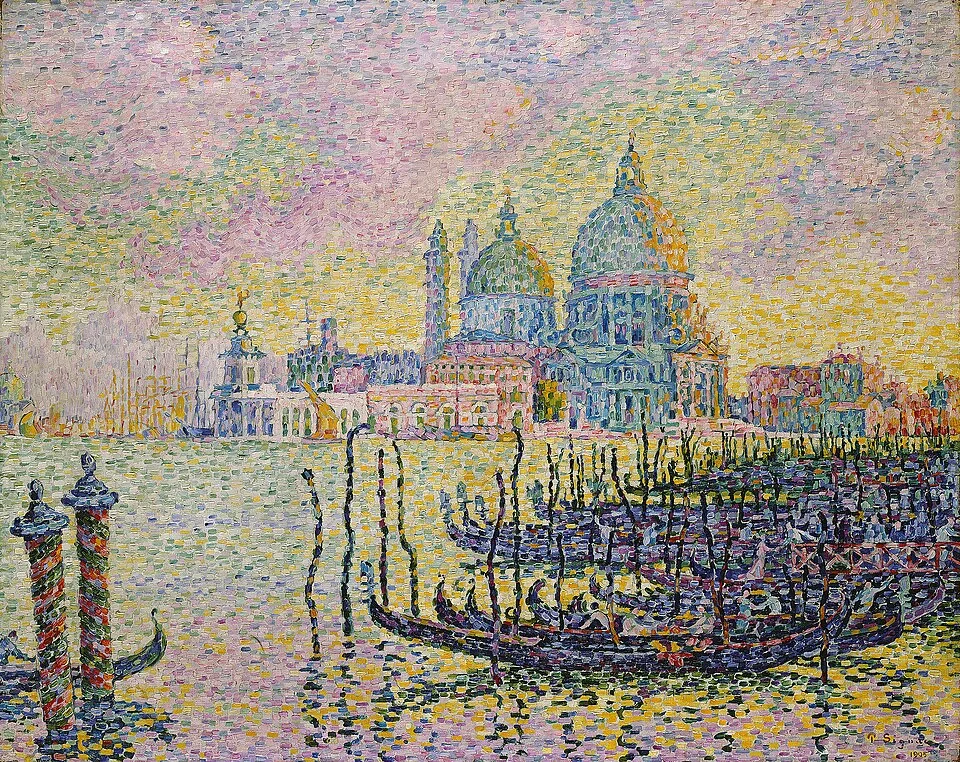
Venice, Grand Canal
Up close, the scene breaks into separate strokes of pure color, laid side by side and never mixed in. From a distance your eye blends them into one view. That was the idea behind it. Signac and the painters around him wanted a more scientific way to work, built on how color and seeing work. They treated color as light, setting down bits of pure pigment beside one another. Your eye does the joining, instead of the paints being mixed together. Seurat used tiny dots. Signac came to prefer longer strokes, and here they lie like small broken pieces of mosaic. The view they build is the entrance to the Grand Canal, with the Dogana da Mar and Santa Maria della Salute behind it. Those broken strokes came from the Byzantine mosaics Signac had admired on his travels to Venice and Istanbul.
Listen in the appPaul Signac · Public domain
07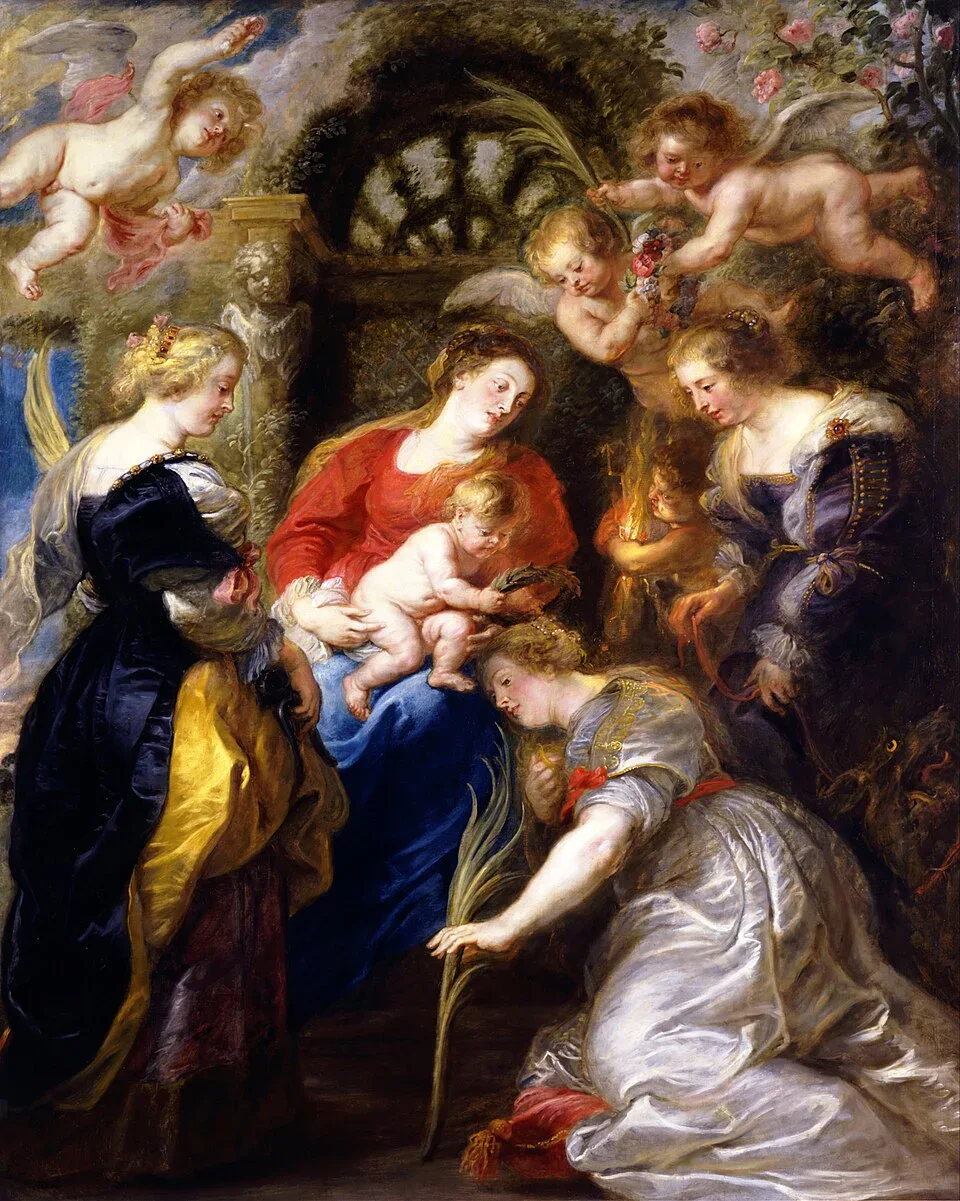
Crowning of Saint Catherine
Almost everything about the woman receiving this crown is legend, and no one can be sure what was true of her. She is Catherine of Alexandria. Rubens sets the child on his mother's lap. The child places a wreath of laurel on Catherine's head, a winner's crown. When she was eighteen, the emperor Maxentius asked her to marry him, and she refused. He sent fifty wise men to argue her out of her faith, and she converted every one. He had her thrown into prison, but a miracle kept her safe. She kneels here, looking at a palm branch, the sign of a martyr. Above her head a cherub grips the lightning that shattered the wheel meant to tear her apart. Maxentius had her beheaded at last, and milk flowed from her neck instead of blood. The painting was made for the Augustinian church in Mechelen. The church sold it in the eighteenth century, and in 1911 it was sold to the banker Leopold Koppel. When Koppel died in 1933, the Nazi Hermann Göring stole it for his own collection. After the war, American troops found it in a salt mine. Koppel's son Albert got it back and sold it to this museum in 1950.
Listen in the appPeter Paul Rubens · Public domain
08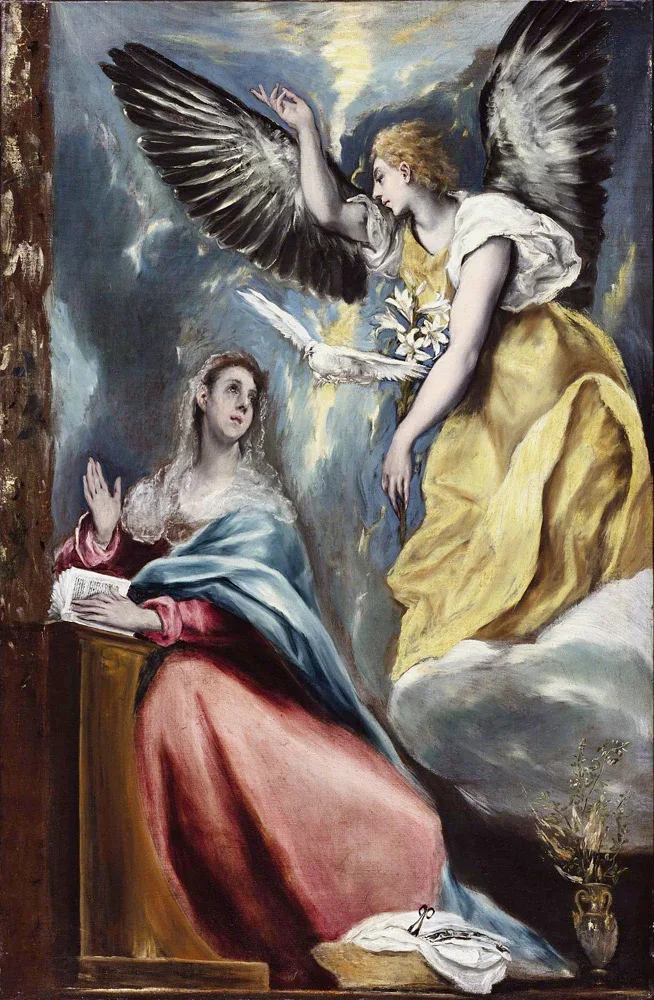
The Annunciation
An angel has only just arrived, and the movement has not settled. His wings are still raised, and the folds of his sleeves and tunic are still lifted. He has come to tell Mary that she will be the mother of Jesus. He carries a lily in his left hand and greets her with his right. Mary turns toward him in surprise, her left hand on a book, and answers with her right hand. Between them is the dove of the Holy Spirit. Around 1600, El Greco wanted to capture the spiritual agitation of them both. He pushed Mary to the front and brought Gabriel right up close to her. Beside her there is only a praying desk, a work basket and a flowerpot, and the last two are there as symbols. This canvas seems to have been the model for a new, simpler kind of Annunciation that others in his workshop then copied. The angel is surely his own work. The Virgin seems to be the work of an assistant.
Listen in the appEl Greco · Public domain
09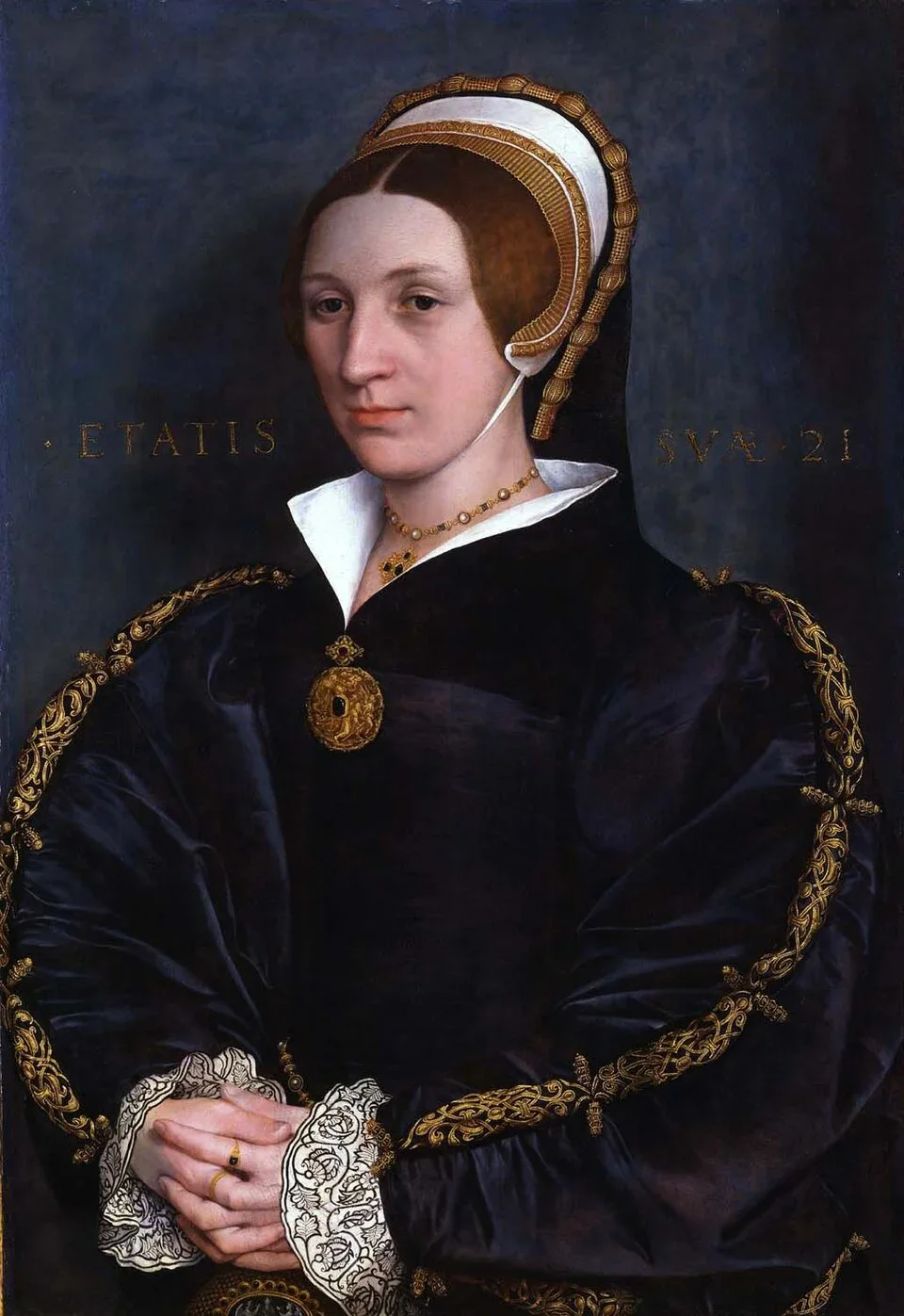
Portrait of a Lady, probably a Member of the Cromwell Family
Lot and his family are fleeing Sodom, an angel guiding them. His wife has just looked back toward the city, and she is turning into a pillar of salt. That little drama is worked into a large round jewel hanging from a brooch on her gown. Gold letters give her age as twenty one, and her rich clothes tell you she is a woman of high standing. For a long time this face was called Catherine Howard, one of Henry the Eighth's wives. The painting stayed with the Cromwell family for centuries, and that name stood from 1909 until 1953. But Holbein, who painted the portrait and drew the design for this jewel, left clues in what she wears. The angel guiding Lot has golden wings, and a pair of golden wings is the arms of the Seymour family. So the woman is probably Elizabeth Seymour, sister of Jane, the king's third wife. In August 1537 she married Thomas Cromwell's son Gregory, which made Cromwell a relation of the king by marriage. That was worth recording, and a portrait of his new daughter-in-law may have been the way to do it. Six fleurs de lis sit on her left sleeve. The Seymour arms carry them too. Cromwell was granted them in his own coat of arms after the marriage that August.
Listen in the appHans Holbein the Younger · Public domain
10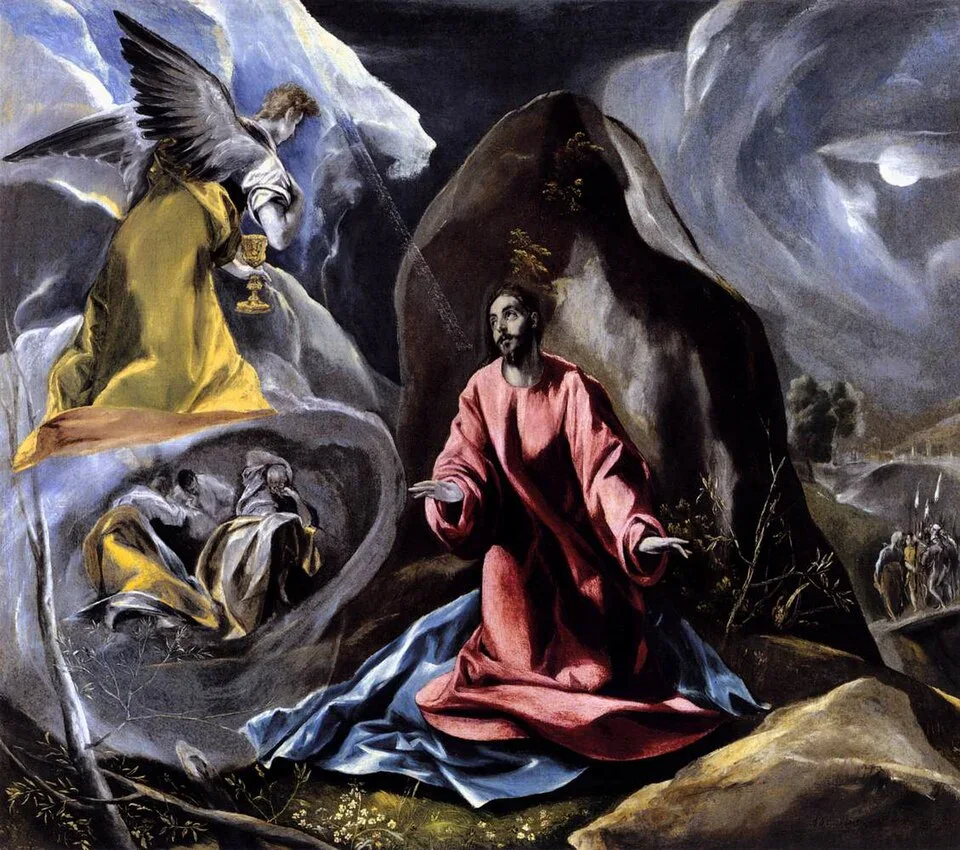
The Agony in the Garden
Right at the front of the painting are a few flowers, painted with real care. There is a small bush to the right of Christ too. You could pass both by. But they are what hold this scene to the ground. Take them away, and almost everything else here is a vision. Christ kneels in the garden after the Last Supper, and his disciples have fallen asleep. They are not at the bottom of the picture, where you might expect them. They are tucked into a hollow in a cloud, and the hollow stands for their sleep. The angel rides that cloud and almost never shows its face, seen from behind. The rock behind Christ looks like his own shadow, grown enormous and turned to stone. It lifts him up. A diagonal runs from the angel, through Christ, to the soldiers at the far right edge. It is the painter's way of saying his fate is already fixed. Even the moon looks like an apparition. This whole vision was El Greco's invention, and he returned to it more than once. The version here is probably the earliest of the horizontal versions, or at least the best. The painting has been cleaned and restored too much, and the final layers over Christ were lost.
Listen in the appEl Greco · Public domain
- 11
Street in Tahiti
Paul Gauguin · 1891
- 12
Fortune-Teller with Soldiers
Valentin de Boulogne · c. 1620
- 13
Summer landscape with harvesters
Jan Brueghel the Elder, Joos de Momper the Younger · 1610
- 14
The Aqueduct at Marly
Alfred Sisley · 1874
- 15
The Campo Santo
J. M. W. Turner · 1842
- 16
London Visitors
James Tissot · 1874
- 17
Starrucca Viaduct, Pennsylvania
Jasper Francis Cropsey · 1865
- 18
The Saint Anne Altarpiece
Gerard David · 1500–1520
- 19
Portrait of a family in a landscape - three temporarily united fragments
Frans Hals, Salomon de Bray · 1624
- 20
Ships on a Stormy Sea
Willem van de Velde the Younger · c. 1672
- 21
Lot and His Daughters
Guercino · c. 1651–1652
- 22
Arundel Mill and Castle
John Constable · 1837
- 23
Wilderness
Sanford Robinson Gifford · 1860
- 24
A Dutch Road
Anton Mauve · c. 1880
- 25
Morrison Triptych
Master of the Morrison Triptych · 1505
- 26
The Salutation of Beatrice
Dante Gabriel Rossetti · 1880–1882
- 27
Paul Guillaume
Amedeo Modigliani · 1915
- 28
Trellis
Gustave Courbet · 1862
- 29
View of the Riva degli Schiavoni, Venice
Giovanni Antonio Canal · 1740
- 30
Syndics of the Amsterdam Goldsmiths Guild
Thomas de Keyser · 1627
- 31
Old Church in Delft with the Tomb of Admiral Tromp
Hendrick Cornelisz. van Vliet · 1658
- 32
Allegory of Charity
Jacques Blanchard · 1636–1637
Toledo Museum of Art
Frequently asked questions
How much does the guide cost?
Free app download. Free until 1 January. Listed guide price: $0.99. Audio guide only. Venue admission is separate.
Can I listen without internet?
Yes. Download the guide’s audio, images, and maps in the app before your visit. Your downloaded content is then available offline.
Can I listen in my language?
In English for now. More languages soon.
Do I need to follow a schedule?
No. This is a self-guided experience. Choose your stops, pause whenever you like, and return to a story at your own pace.
Which artworks are in the Toledo Museum of Art audio guide?
32 artworks, including Houses at Auvers (Vincent van Gogh), Blind Man's Bluff (Jean-Honoré Fragonard), The Architect's Dream (Thomas Cole), Children with a Cart (Francisco Goya), Lot and his Daughters (Artemisia Gentileschi), Venice, Grand Canal (Paul Signac), Crowning of Saint Catherine (Peter Paul Rubens), and The Annunciation (El Greco). The full list is on this page.
Is this the museum’s official audio guide?
No. Stanza is an independent audio guide app and is not affiliated with Toledo Museum of Art. Museum admission is separate.
At your own pace
Explore Toledo Museum of Art.
Download Stanza, then search for “Toledo Museum of Art”.
Free app download · Guide price shown in the app
Keep exploring
Audio guides — United States
Bratton Township
Serpent Mound
Content & sources
The British Library · No restrictions
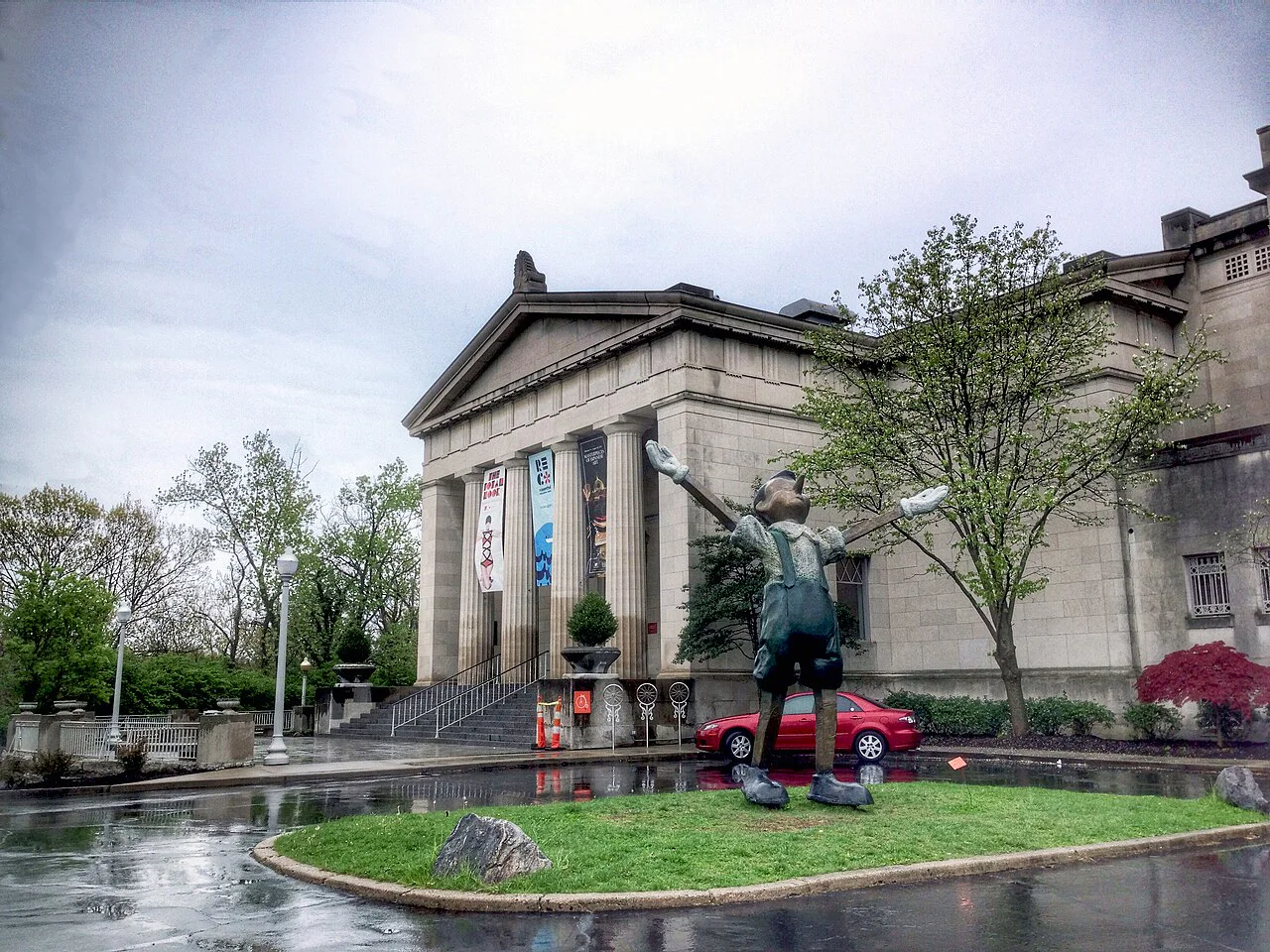
Cincinnati
Cincinnati Art Museum
Content & sources
5chw4r7z on Flickr · CC BY-SA 2.0
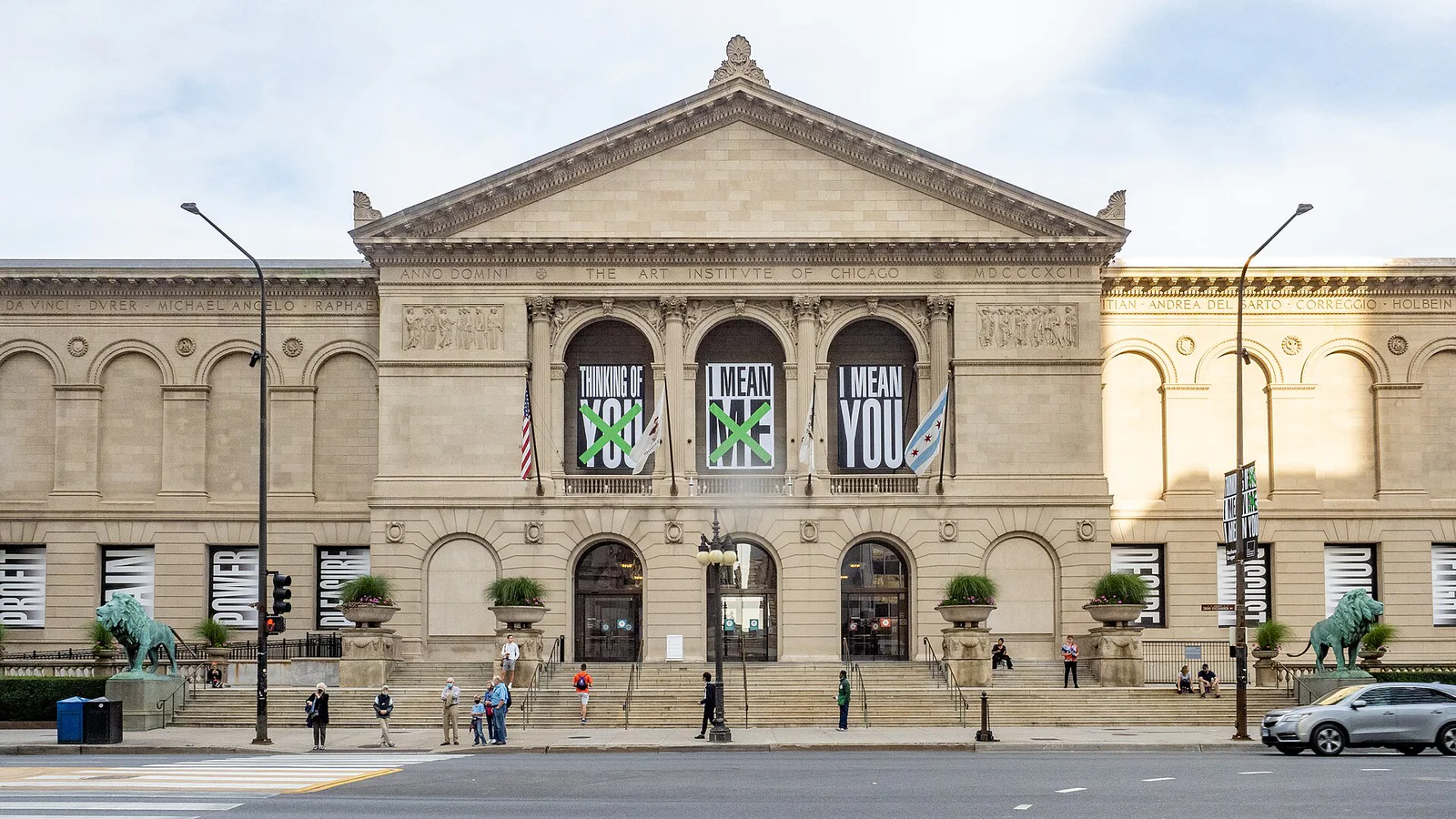
Chicago
Art Institute of Chicago
Content & sources
ajay_suresh · CC BY 2.0
Chicago
Willis Tower
Content & sources
Daniel Schwen · CC BY-SA 4.0
Art museums
More art museum audio guides
Cincinnati · 24 artworks
Cincinnati Art Museum
Content & sources
5chw4r7z on Flickr · CC BY-SA 2.0
Chicago · 67 artworks
Art Institute of Chicago
Content & sources
ajay_suresh · CC BY 2.0
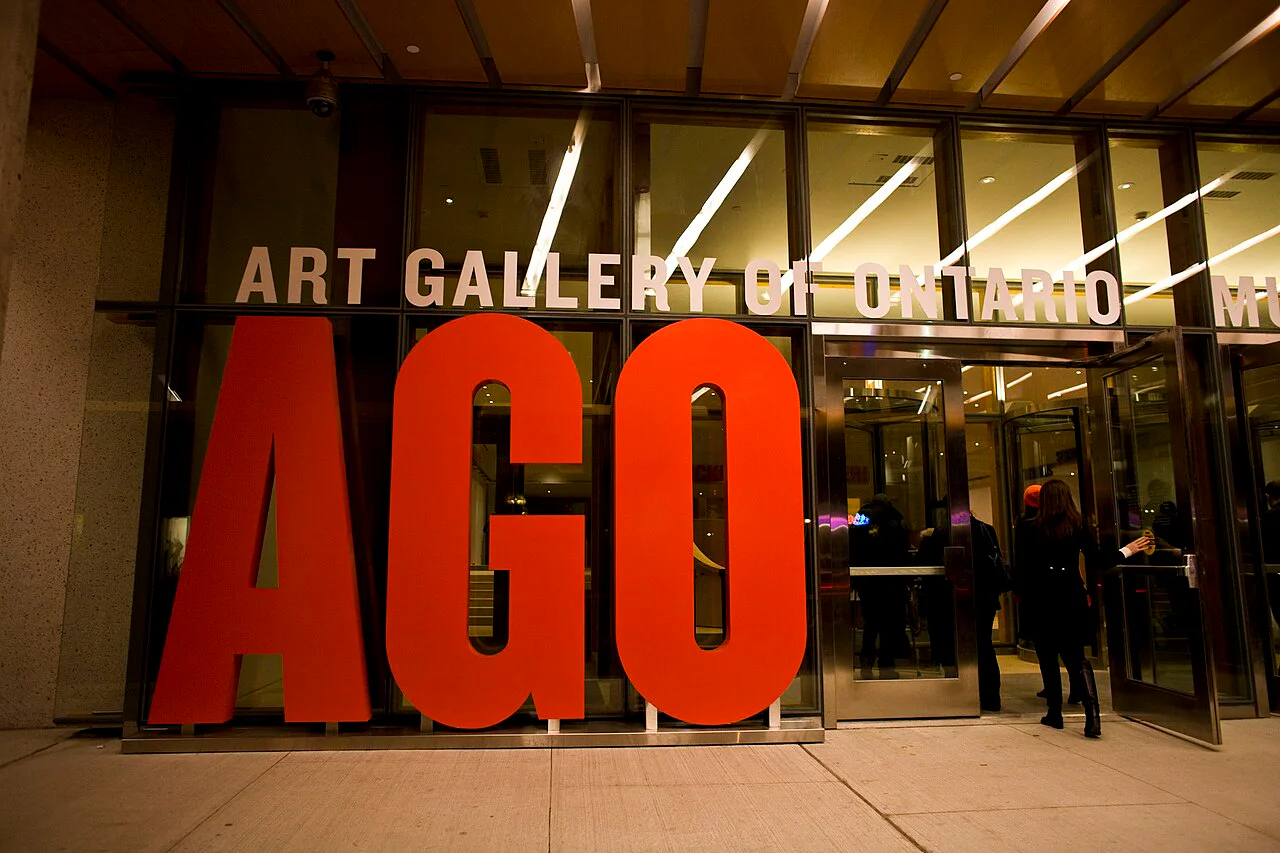
Toronto · 21 artworks
Art Gallery of Ontario
Content & sources
Owen Byrne from Ottawa, Canada · CC BY 2.0
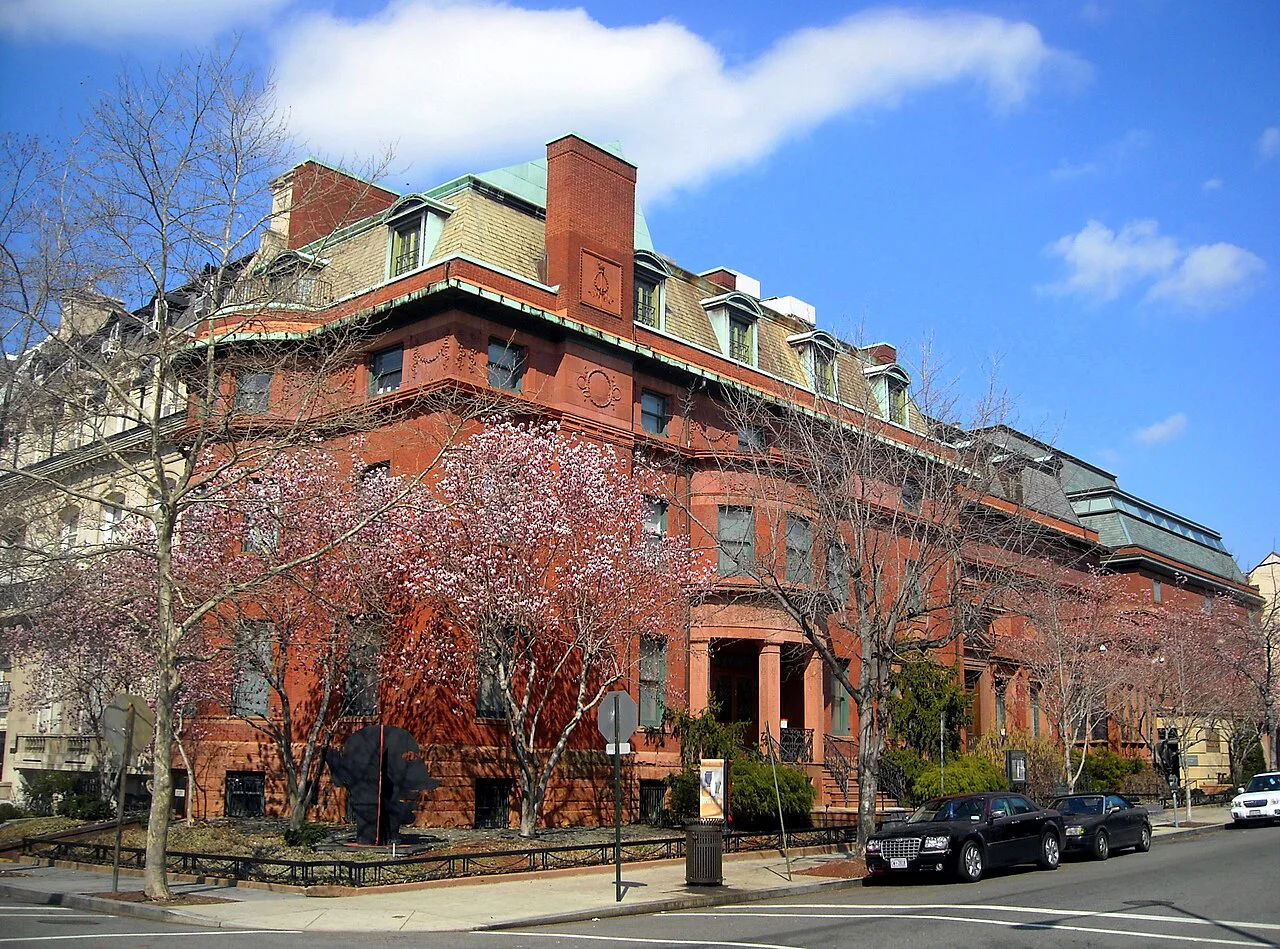
Washington, D.C. · 15 artworks
The Phillips Collection
Content & sources
APK · CC BY-SA 3.0
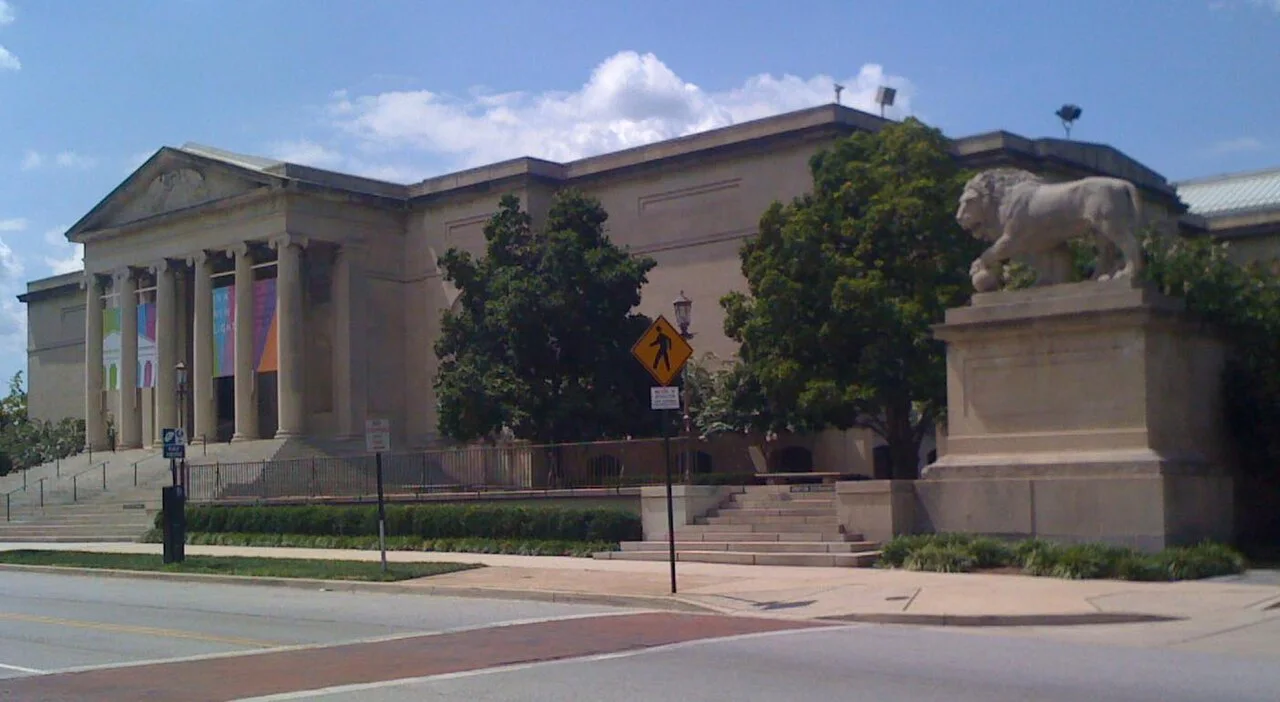
Baltimore · 19 artworks
Baltimore Museum of Art
Content & sources
«Marylandstater» «reply» at English Wikipedia. · Public domain
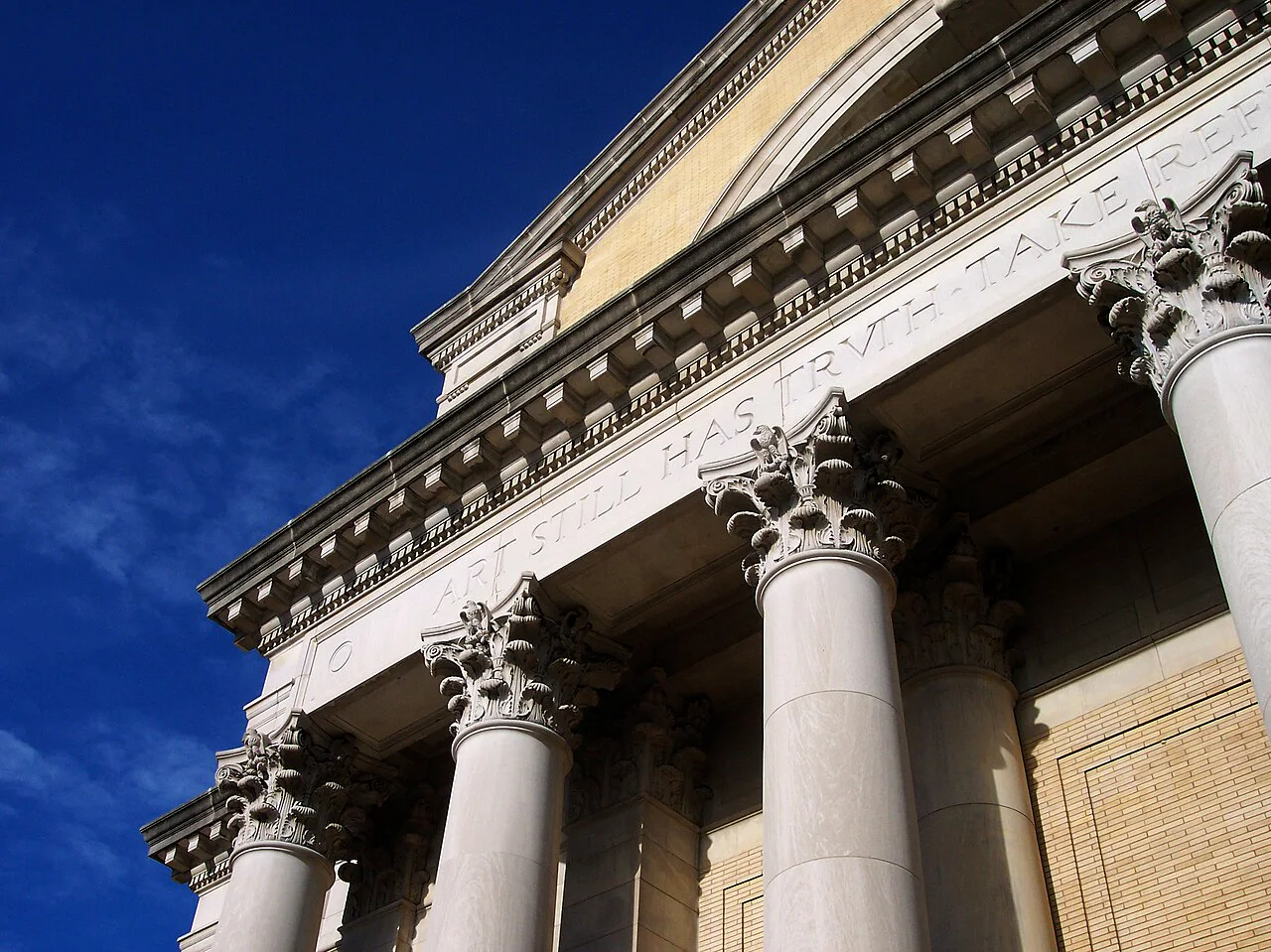
St. Louis · 38 artworks
Saint Louis Art Museum
Content & sources
Photo: Colin.faulkingham~commonswiki · Public domain