Stanza · Audio guide
Statue of LibertyAudio guide
A place to remember. A story to take with you.
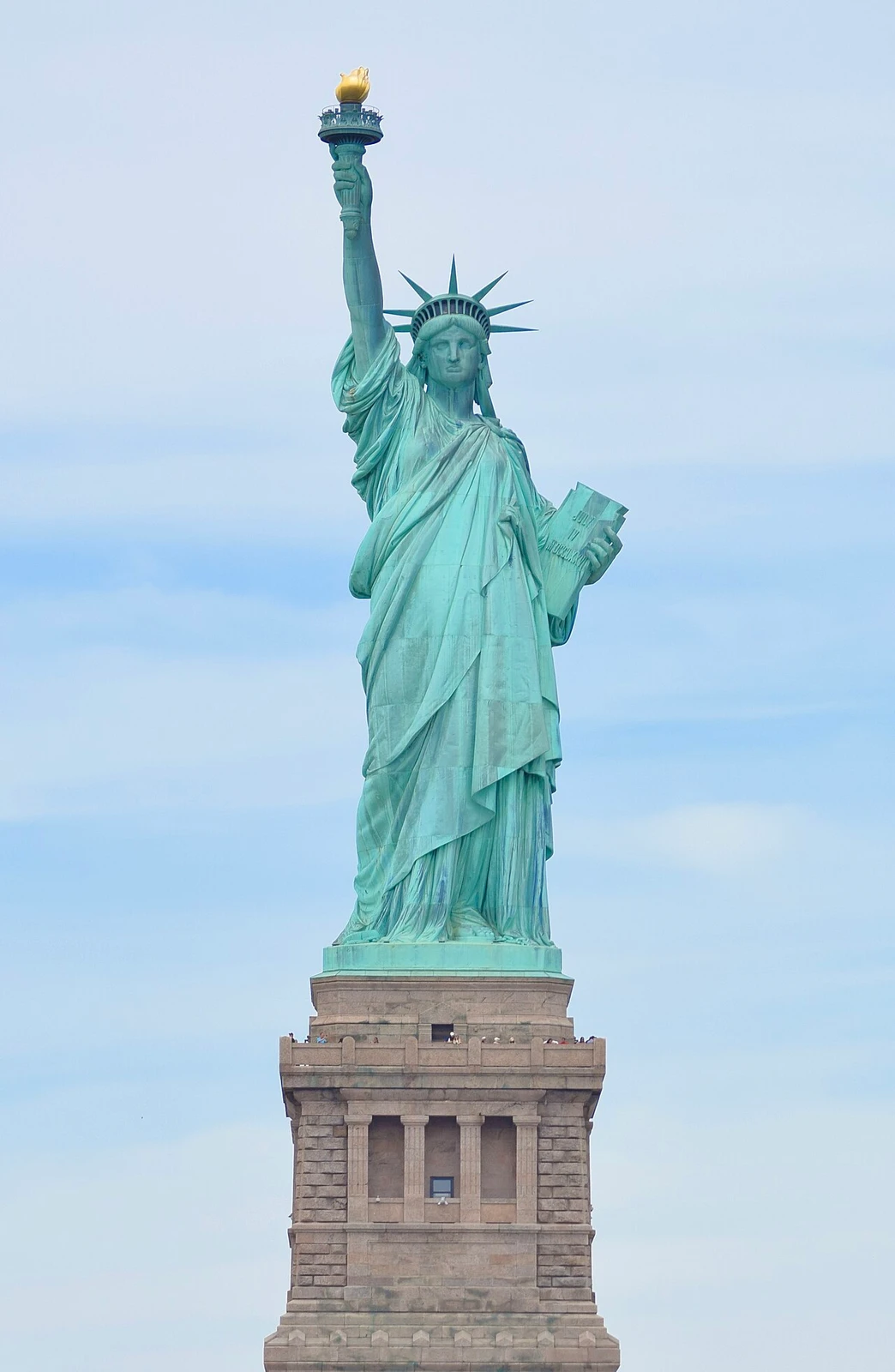
The Statue of Liberty is a colossal neoclassical sculpture on Liberty Island in New York Harbor, a gift from France to the United States.
Download Stanza, then search for “Statue of Liberty”.
About the tour
One guide. Your kind of visit.
The Statue of Liberty is a colossal neoclassical sculpture on Liberty Island in New York Harbor, a gift from France to the United States.
Ready when you are.
- 01Get the free Stanza app.
iOS & Android
- 02Find your guide.
“Statue of Liberty”
- 03Download before you go.
Works offline
Audio guide / 21 narrated stops
Inside the guide
Get to know a few of the stories before you go. Open a stop to read more.
01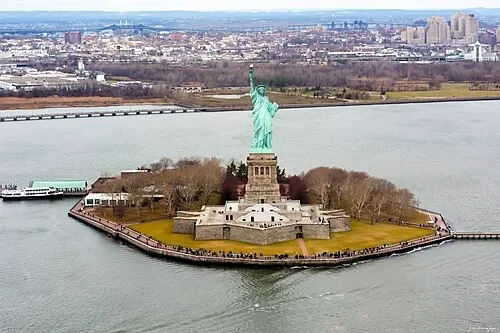 Arrival at Liberty IslandLiberty Island Overview
Welcome to Liberty Island, home to one of the most recognizable structures on the planet. This colossal figure was a historic gift from the people of France to the United States, intended to commemorate the centennial of the Declaration of Independence and the enduring friendship between the two nations. Though it took longer than expected to complete, the statue was finally dedicated on October 28, 1886, in a grand ceremony attended by thousands. As you begin your visit, consider the sheer scale of the engineering feat before you. From the ground level to the very tip of the torch, the entire structure stands exactly 305 feet and 1 inch tall. It was a marvel of the 19th century, combining artistic vision with pioneering structural design. While the statue appears massive and solid, its outer appearance is actually quite delicate. The copper skin�the part you see as green today due to natural oxidation�is remarkably thin. It measures only 2.4 millimeters in thickness, which is roughly the width of two pennies stacked together. This thin layer of metal is what protects the internal framework from the harsh, salty winds of the New York Harbor. Over the next few stops, we will explore the layers of history and engineering hidden within and beneath this iconic form, from the defensive fort at its base to the golden light held high above.
Don Ramey Logan · CC BY 4.0
02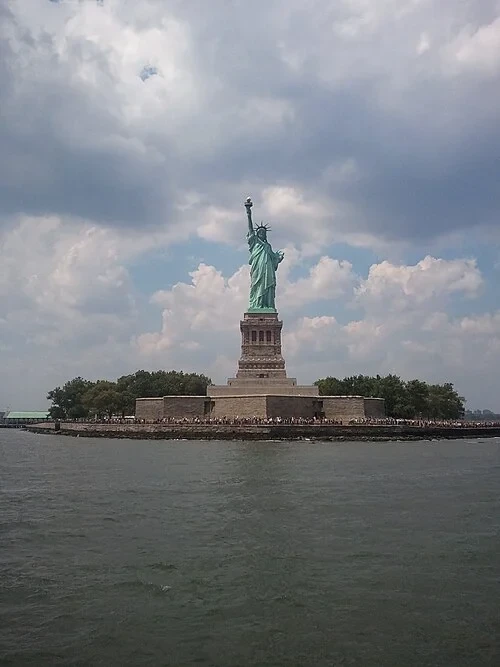 Arrival at Liberty IslandThe Statue from the Water
Approaching by water, the figure of 'Liberty Enlightening the World' dominates the horizon, just as it has for generations of visitors and immigrants. The project was the brainchild of Édouard de Laboulaye, a French political thinker and abolitionist. Laboulaye�s vision for the monument was deeply rooted in the end of the American Civil War. He wished to celebrate two monumental achievements: the final abolition of slavery in the United States and the survival of the union between the two great republics. From this vantage point, you can appreciate how the statue was designed to interact with the landscape. It is not merely a statue on an island; it is a beacon positioned at the gateway to a continent. The grand arrival in the harbor sets a tone of anticipation and awe. Laboulaye hoped that by honoring American liberty, he would also inspire the people of France to pursue their own democratic ideals. The figure's forward-facing posture and raised torch were carefully planned to be visible from miles away, signaling a message of enlightenment and progress to all who entered these waters. As the ferry brings you closer, notice how the green patina of the copper contrasts with the blue of the water and the gray of the sky, creating a visual landmark that defines the entrance to New York City.
Photo: EgorovaSvetlana · CC BY-SA 4.0
03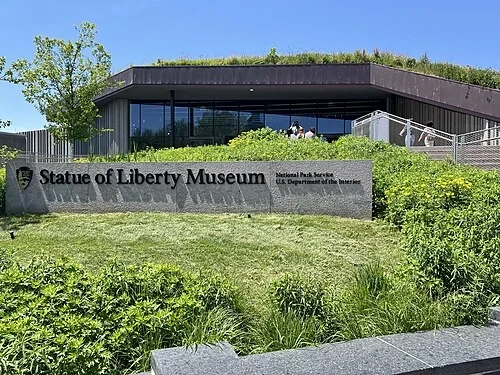 The Statue of Liberty MuseumStatue of Liberty Museum
The sleek, modern building you see here is the Statue of Liberty Museum, which opened its doors to provide a deeper look into the monument's complex history. One of the most important stories told within these walls is the Pulitzer Crowdfunding Campaign. In the mid-1880s, the project faced a major crisis. While France had provided the statue, the United States was responsible for building the pedestal, and funds had completely run out. Construction stopped, and the project sat in jeopardy. Enter Joseph Pulitzer, the publisher of the New York World newspaper. He used his platform to launch a massive appeal to the public, promising to print the name of every donor in his paper, no matter how small their contribution. The response was overwhelming. In just five months, the campaign raised over 100,000 dollars from 120,000 ordinary citizens. Most of these donors were children, laborers, and immigrants who gave less than a single dollar. It was a groundbreaking moment in American history�the first major crowdfunding success. This museum honors that legacy, showing that the Statue of Liberty is truly 'the people�s' monument, built not by government treasury or wealthy industrialists, but by the collective will of the general public. As you explore the exhibits, you'll see how this spirit of community continues to define the site today.
Listen in the appPhoto: 颐园居 · CC BY 4.0
04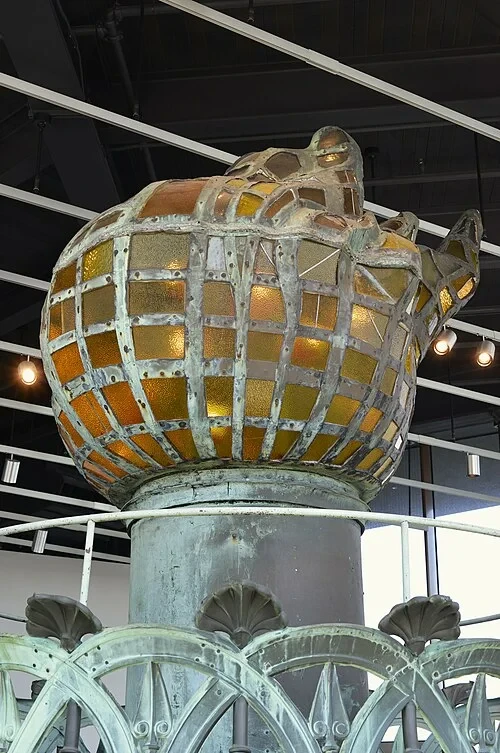 The Statue of Liberty MuseumThe Original 1886 Torch
Before you is a significant piece of history: the original torch that was held aloft from 1886 until its replacement in 1984. Looking closely at the design, you can see how it differs from the one currently on the statue. The original featured amber glass panes meant to be lit from within, though the lighting was never as bright as the sculptor, Frédéric Auguste Bartholdi, had originally intended. This artifact also bears the scars of a dramatic and dangerous event. In 1916, during World War I, German saboteurs targeted the nearby Black Tom railroad yard in New Jersey. The resulting explosion was one of the largest non-nuclear blasts in history. The shockwave was so powerful it blew out windows in Manhattan and sent shrapnel flying toward Liberty Island. The statue's arm and torch were severely damaged in the blast. For safety reasons, the interior of the torch was permanently closed to the public following the incident, a restriction that remains in place to this day. By the early 1980s, the torch had suffered significant corrosion from leaks around the glass panes. When the statue was restored for its centennial, this original piece was removed and moved here to the museum, allowing visitors to appreciate its details up close, while a new, gold-leafed version took its place high above the harbor.
Listen in the appPhoto: Alberto-g-rovi · CC BY 3.0
05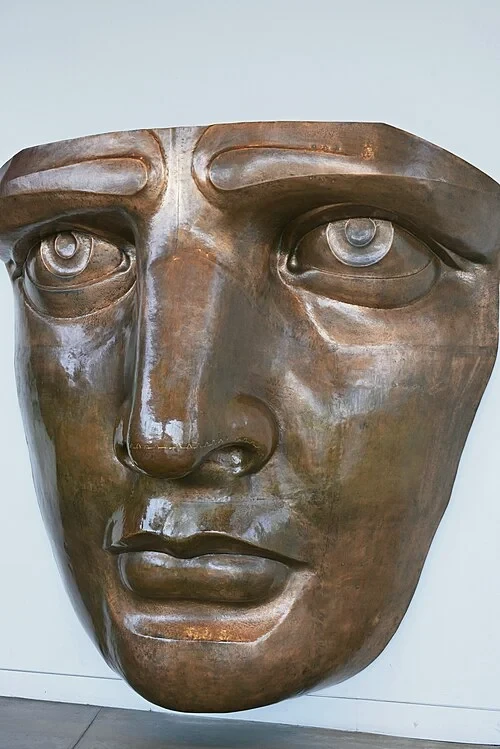 The Statue of Liberty MuseumReplica of the Face
This full-scale replica of the statue's face allows you to appreciate the 'repoussé' technique used in its creation. Because the monument is so large, it could not be cast in one piece like a traditional bronze statue. Instead, workers in France used thin sheets of copper and hammered them into large wooden molds. This meticulous process allowed them to achieve the necessary detail and curves for the figure�s features while keeping the overall structure light enough to transport across the Atlantic. The scale is truly humbling when seen at eye level. Imagine the effort required to align thousands of these hand-hammered panels across a figure over 150 feet tall. In total, the statue contains approximately 60,000 pounds of copper. By using this technique, the artists were able to create a skin that was strong yet flexible. This flexibility was crucial for a structure destined to stand in a windy harbor. The replica also highlights the Classical style of the face, modeled after Roman goddesses to represent the universal concept of liberty rather than any specific individual. You can clearly see the subtle indentations and hammer marks that would be invisible from the ground, offering a rare glimpse into the 19th-century industrial artistry that brought the 'Mother of Exiles' to life.
Listen in the appPhoto: Alberto-g-rovi · CC BY 3.0
06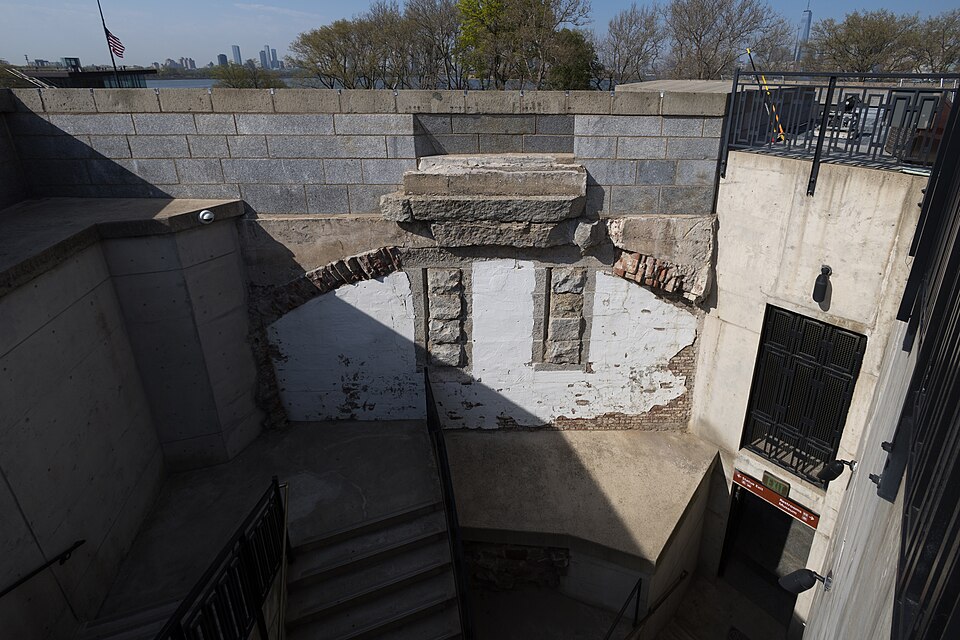 The Star of Fort WoodWalls of Fort Wood
As you approach the base of the pedestal, you are actually stepping inside a piece of military history. The statue sits within the granite walls of Fort Wood, an 1811 defensive fort. Built during the lead-up to the War of 1812, the fort was part of a chain of coastal defenses designed to protect New York City from naval attack. The heavy stone masonry seen here was built to withstand the impact of cannonballs, a stark contrast to the welcoming message of the statue above. Notice the unique 11-pointed star shape of the walls. This design was not chosen for aesthetics; it was a strategic choice known as a 'star fort.' The points provided defenders with clear lines of sight to create crossfire against any ships attempting to enter the harbor. By the time the statue was being planned, the fort was obsolete for modern warfare, and its unique shape provided a perfect, ready-made foundation for the new monument. This transition from a site of war to a site of peace and liberty is one of the most compelling aspects of the island�s history. The 11-pointed star remains one of the statue�s most distinctive features, grounding the monumental copper figure in the solid, enduring history of the harbor's early defenses.
Listen in the appClyde Charles Brown · CC BY-SA 4.0
07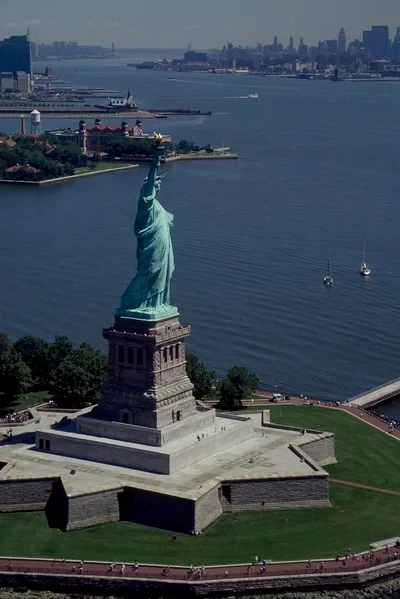 The Star of Fort WoodThe Star-Shaped Base
From this height, the geometric precision of the site is fully revealed. You can see how the architect of the pedestal, Richard Morris Hunt, carefully integrated his work with the existing 11-pointed star of Fort Wood. Hunt was one of the leading American architects of his time, and his challenge was to create a base that was monumental in its own right without overshadowing the statue itself. He chose a design that complements the fort's unique angles, creating a seamless visual transition from the ground up to the figure of Liberty. Visitors enter through the thick granite walls of the old fort to reach the statue's core, literally passing through layers of American history. The pedestal itself is a masterpiece of architectural restraint, using Classical elements that mirror the style of the statue. The way the light hits the various planes of the stone and copper creates a sense of depth and movement as you look down. This layout also ensures that the statue is centered perfectly within its historic surroundings. The star shape provides a sense of stability and permanence, acting as a massive anchor for the 450,000-pound structure above. It�s a place where 19th-century art, 19th-century engineering, and early 19th-century military history all converge into a single, cohesive landmark.
Listen in the appCarol M. Highsmith · Public domain
08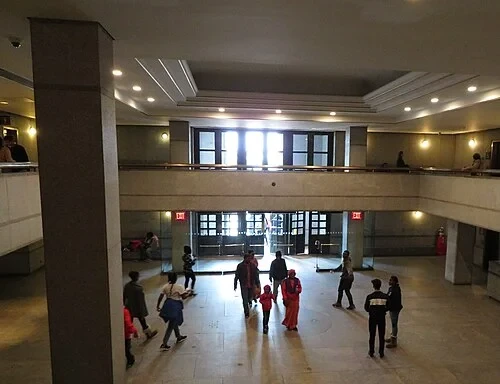 The Pedestal EntranceThe Pedestal Lobby
Entering the lobby of the pedestal, you are immediately struck by the sheer mass of the structure surrounding you. While the exterior is finished in elegant granite, the interior is a masterclass in 19th-century concrete engineering. In fact, when it was constructed, this pedestal was the largest single concrete pour in the entire world. It was designed to provide a solid, unshakable foundation for the statue, capable of anchoring the massive weight and resisting the pressure of high harbor winds. The lobby serves as the gateway for your physical journey upward. The thick walls and high ceilings create a somber, impressive atmosphere, preparing you for the transition from the solid stone base to the hollow metal interior of the statue itself. As you move through this space, you can imagine the hundreds of workers who labored here in the 1880s to realize a vision that many thought was impossible. The scale of the concrete and stone work here was necessary to elevate the figure of Liberty high enough to be seen from the distant Atlantic. This space marks the boundary between the world of the pedestal and the world of the statue. It is the beginning of the climb that will take you into the very mind and crown of one of the world's greatest monuments.
Listen in the appKen Lund from Reno, Nevada, USA · CC BY-SA 2.0
09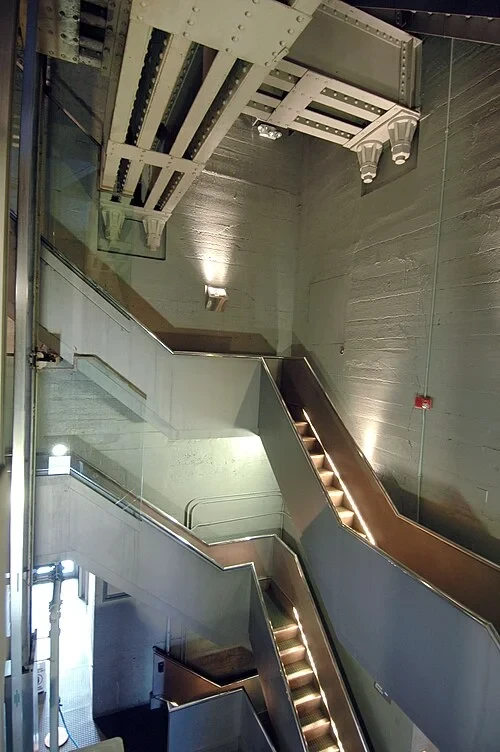 The Pedestal EntranceThe Pedestal Stairwell
Looking up into the vertical void of the pedestal, you can see the beginning of the climb that has challenged millions of visitors. To reach the very top of the crown, one must eventually tackle a total of 354 steps. This stairwell is the main artery of the monument, moving visitors from the solid base into the hollow, intricate world of the copper figure. It�s a transition that builds anticipation for the engineering marvels you are about to encounter. As you ascend, the sounds of the lobby fade, and the rhythmic sound of footsteps on metal takes over. The staircase itself is a feat of design, winding its way through the massive concrete core. This climb offers a unique perspective on the monument's internal volume, which is often difficult to grasp from the outside. The journey upward is not just a physical challenge; it�s a way to experience the monument�s scale from the inside out. Each flight of stairs brings you closer to the skeletal framework designed by Gustave Eiffel, which we will examine soon. Take a moment to appreciate the verticality of the space and the sense of history that permeates every step. The climb is a shared experience for visitors from all over the world, all moving toward the same goal: the bird's-eye view from the crown windows.
Listen in the appU.S. National Parks Service · Public domain
10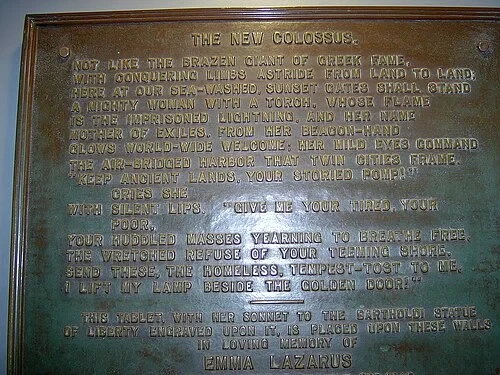 The New Colossus PlaqueThe New Colossus Plaque
Mounted prominently on these walls is the bronze plaque containing the poem 'The New Colossus.' These words are perhaps the most famous associated with the Statue of Liberty, specifically the lines: 'Give me your tired, your poor, your huddled masses yearning to breathe free.' While the statue was originally intended as a political gift celebrating the shared democratic values of France and America, these verses fundamentally changed its meaning for the world. The poem, written by Emma Lazarus, gave the statue a voice and a soul. It transformed the colossal figure from a distant symbol of liberty into a welcoming 'Mother of Exiles' who stood at the doorstep of the New World. As millions of immigrants arrived at nearby Ellis Island, they saw the statue not just as a grand artwork, but as a promise of a better life and an end to oppression. The 'lamp beside the golden door' mentioned in the poem became a literal beacon of hope. This plaque serves as a reminder that the significance of a monument can evolve over time, shaped by the people who encounter it and the words used to describe it. Lazarus's poem remains a cornerstone of the American immigrant experience, anchoring the statue's identity in the ideals of compassion and sanctuary.
Listen in the appmelanzane1013 · Public domain
Statue of Liberty
Frequently asked questions
How much does the guide cost?
Free app download. Listed guide price: $1.99. Guide price shown in the app. Audio guide only. Venue admission is separate.
Can I listen without internet?
Yes. Download the guide’s audio, images, and maps in the app before your visit. Your downloaded content is then available offline.
Can I listen in my language?
Stanza supports 15 languages. Check the app for the languages available for this guide.
Do I need to follow a schedule?
No. This is a self-guided experience. Choose your stops, pause whenever you like, and return to a story at your own pace.
At your own pace
Explore Statue of Liberty.
Download Stanza, then search for “Statue of Liberty”.
Free app download · Guide price shown in the app
Keep exploring
Nearby audio guides
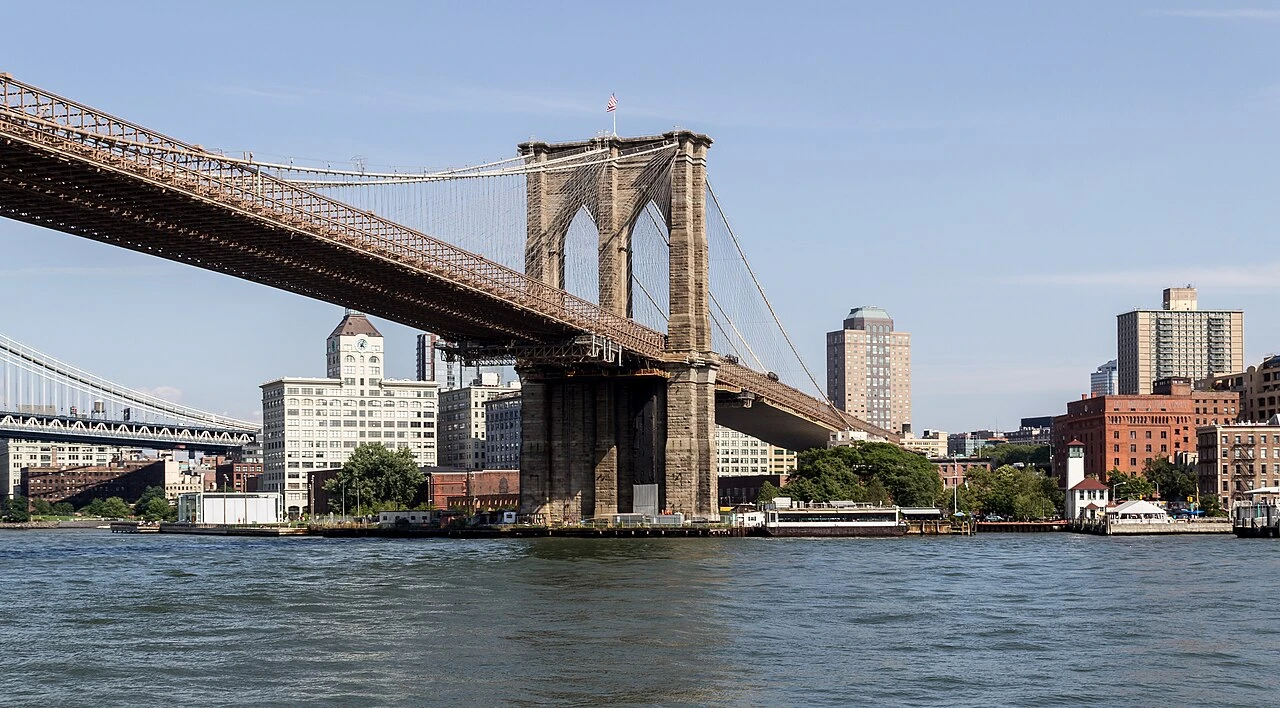
New York
Brooklyn Bridge
Content & sources
Dietmar Rabich · CC BY-SA 4.0
New York
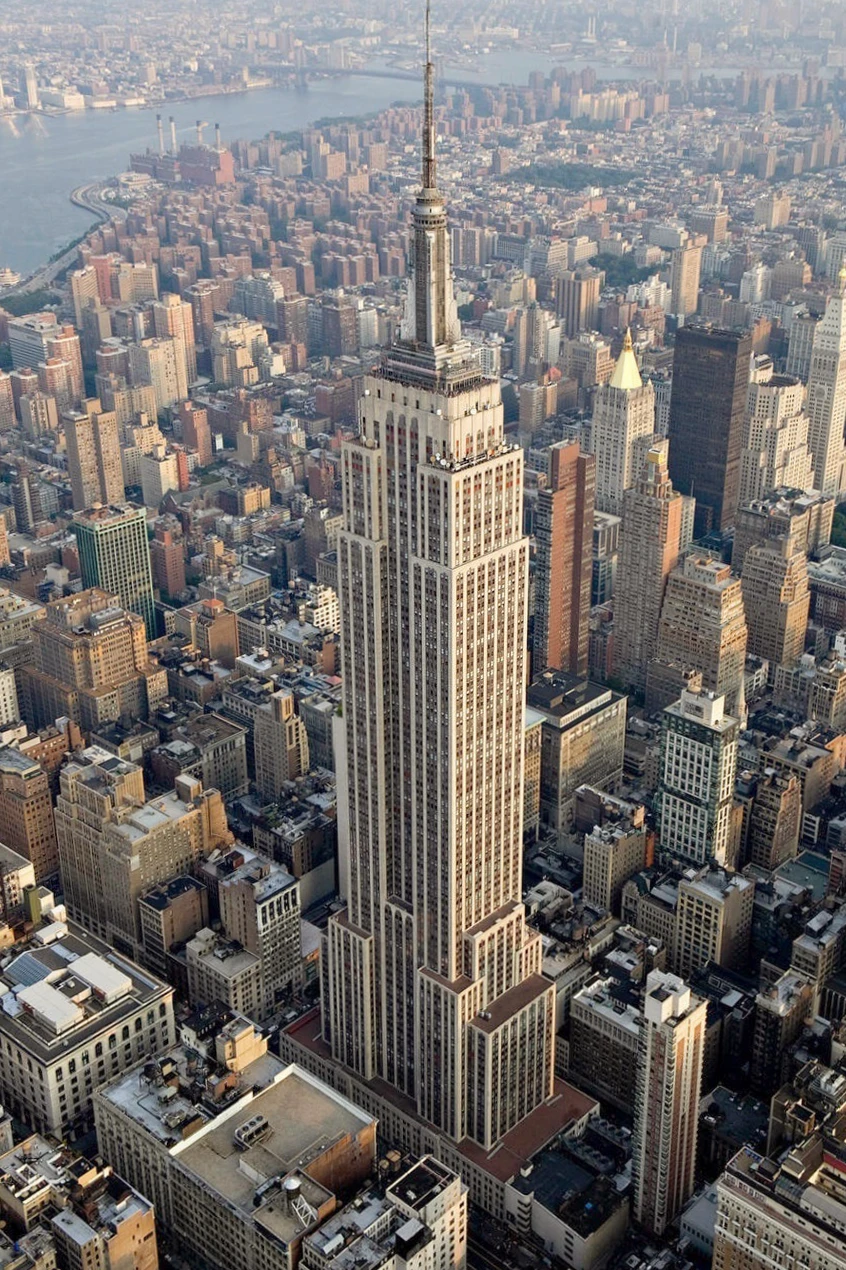
Empire State Building
Content & sources
Sam Valadi · Public domain
New York
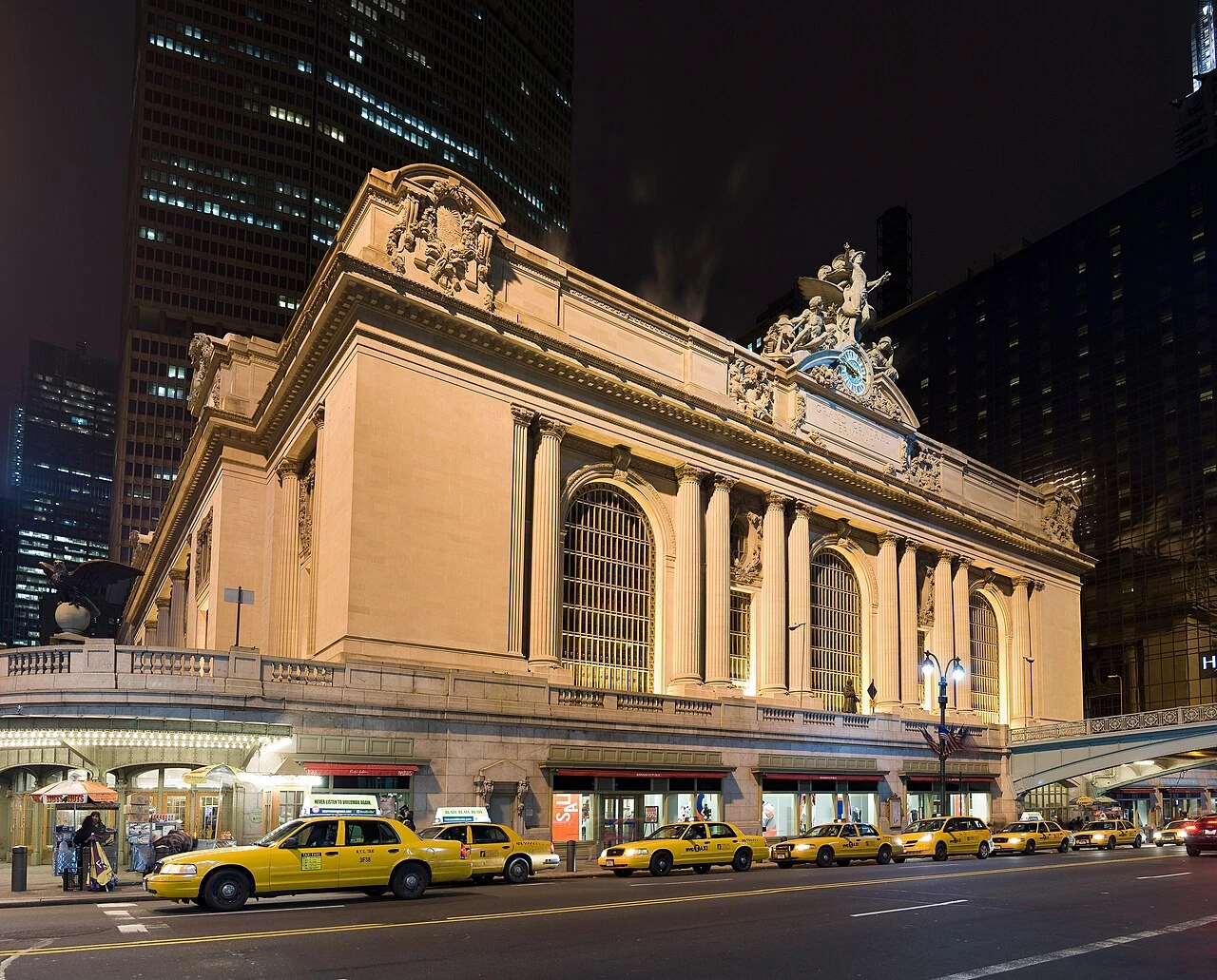
Grand Central Terminal
Content & sources
Fcb981 ; Eric Baetscher (attribution required) · CC BY-SA 3.0

New York
National September 11 Memorial & Museum
Content & sources
Paul Sableman · CC BY 2.0