Languages
15Space Needle Audio Guide
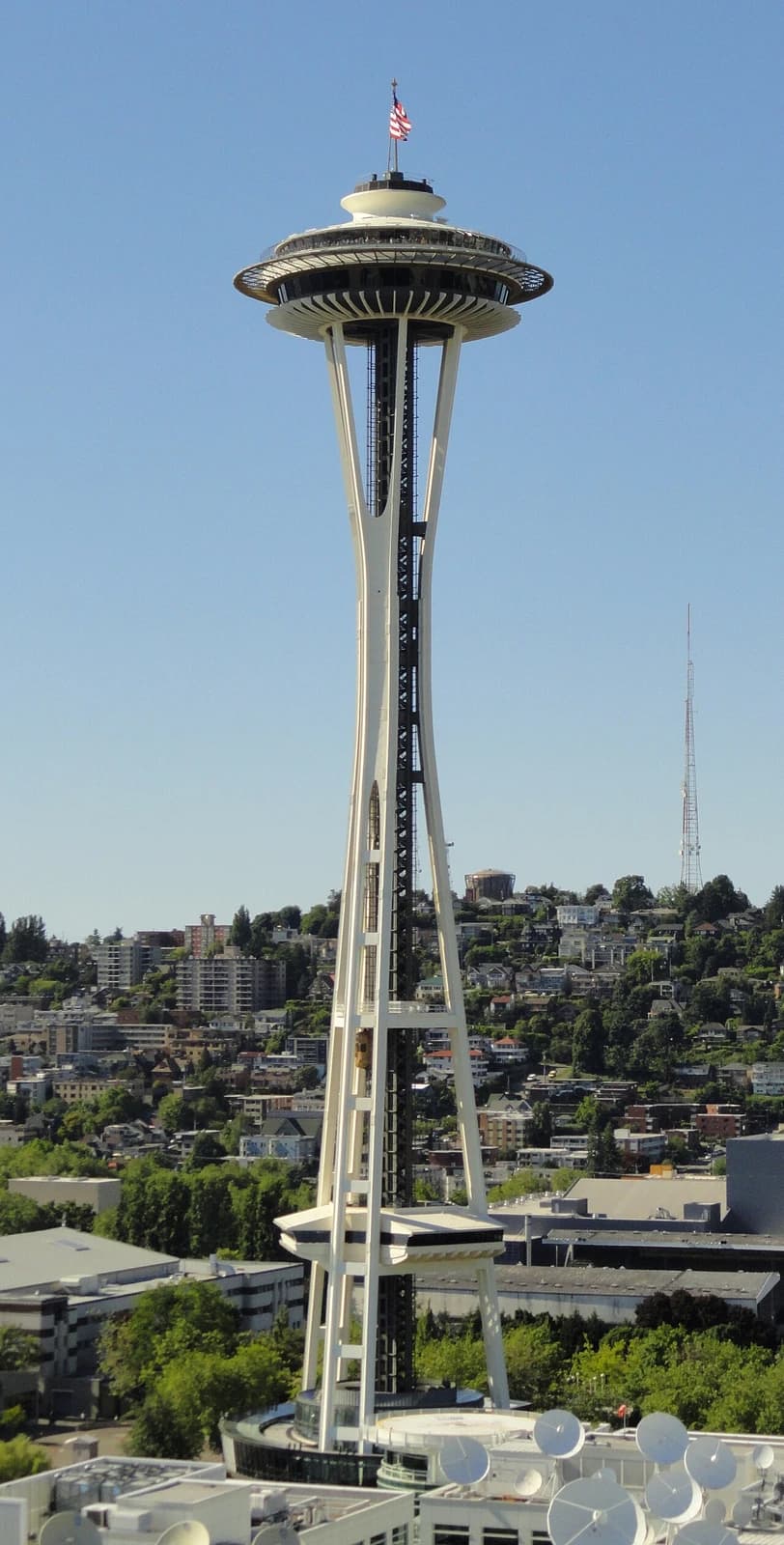
Space Needle is a landmark in Seattle, United States. Explore it with Stanza's GPS-triggered offline audio guide — available in 15 languages.
Quick Facts
22
Stops
15
Languages
100%
Offline
📍 Seattle, United States · 47.6204°N, -122.3491°E
About Space Needle
The Space Needle is an iconic observation tower located in Seattle, Washington, United States. It offers panoramic views of the city skyline, Puget Sound, and the surrounding mountains.
This self-guided audio tour features 22 narrated stops organized across 8 sections. As a tower, Space Needle offers a unique cultural experience in the heart of Seattle, United States.
The Stanza audio guide is available in 15 languages and works entirely offline — download the complete tour including audio narration, maps, and images before your visit. As you walk through Space Needle, GPS-triggered narration plays automatically at each point of interest.
Last updated:
What you will hear
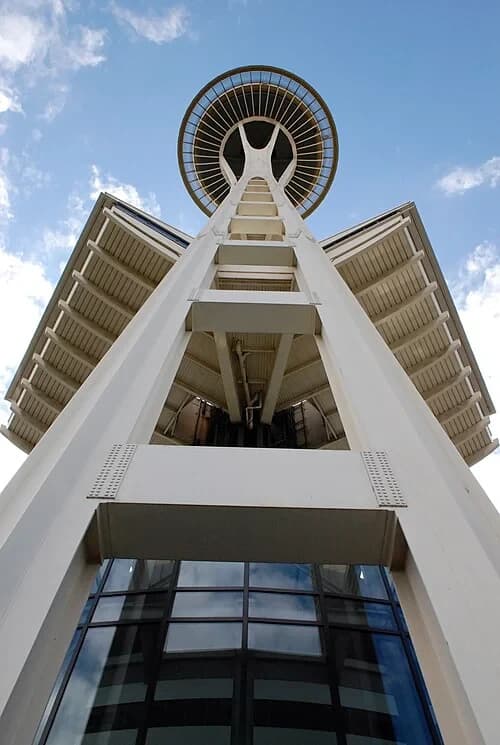
Arrival at the SpaceBase Pavilion
Start with the grand exterior view to establish the 'Googie' architecture and the famous napkin sketch story. Include a shot looking straight up from the base to emphasize the tripod structure.
Foundation and Stability
As you look up at the massive steel legs, consider the incredible engineering required to keep such a top-heavy structure standing. The secret to the Space Needle�s stability lies hidden beneath the surface. The tower's foundation is a massive concrete block 30 feet deep and 120 feet across. In fact, the foundation weighs nearly as much as the tower itself, which is approximately 9,550 short tons. This massive counterweight underground is what allows the structure to be so remarkably stable; it keeps the entire tower�s center of gravity a mere five feet above the ground level. Because the center of gravity is so low, the tower functions much like a child�s weighted 'weeble' toy�it might sway slightly, but it is virtually impossible to tip over. This engineering was essential not just for the tower's height, but for its longevity in a region known for its seismic activity and high winds. When you stand at the base, you are looking at a feat of mid-century engineering that remains as impressive today as it was when it was first completed.
The 1962 World's Fair Legacy
Explore the historical context of the Century 21 Exposition. Use historical aerials to show the fairgrounds and the tower's role as the centerpiece of the 'City of the Future'.
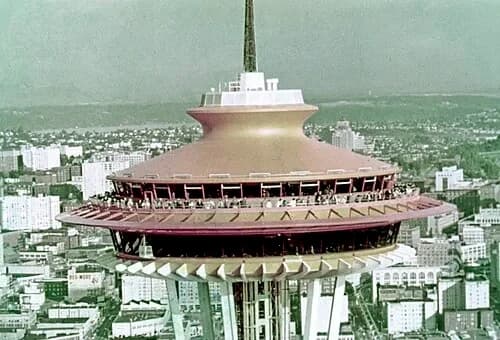
The Original Colors
This vintage perspective reveals a detail many modern visitors might not realize: the Space Needle�s original color scheme. When it first opened for the World's Fair, the tower was painted in a palette specifically chosen to emphasize the futuristic, optimistic theme of the era. The top of the saucer was originally a bright, shimmering hue called 'Galaxy Gold,' while the legs were painted 'Astronaut White.' There were even accents of 'Orbital Olive' and 'Re-entry Red' in certain areas. These colors were meant to make the structure look like a spacecraft that had just landed or was about to take flight. Over the years, the tower was repainted into a more uniform, subtle white, but the original colors remain a cherished part of its history. On special anniversaries, the roof has occasionally been repainted in that iconic Galaxy Gold as a tribute to its 1962 origins. The choice of these bold colors reflects the 'Space Age' mindset, where every detail was an opportunity to celebrate the possibilities of the cosmos and the technological achievements of humanity during that pivotal decade.
The Glass-Front Elevator Ascent
Detail the experience of the 41-second ride to the top. Focus on the external elevators that allow visitors to see the city fall away as they climb.
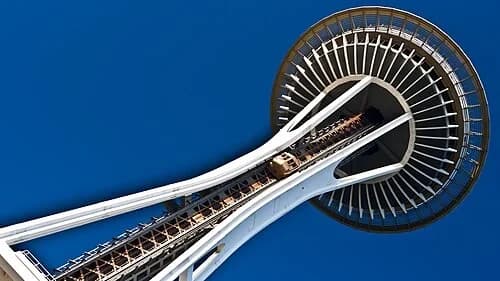
The Elevator Ascent
Look toward the central core of the tower and you will see the external elevator tracks. These tracks are home to the glass-fronted elevators that have become a hallmark of the Space Needle experience. In the original design by John Graham, placing the elevators on the exterior was a stroke of genius. He wanted to ensure that the view never stopped, even while visitors were moving from the ground to the observation deck. Unlike a traditional indoor elevator, these cars allow you to watch the ground recede and the horizon expand in real-time. This creates a sense of continuous motion and immersion in the surrounding landscape. The elevators are not just a mode of transport; they are a key part of the architectural drama. As the cars glide up the slender waist of the tower, they offer a changing perspective of the tripod legs and the city below. This integration of machinery and experience was revolutionary for its time, and it remains one of the most exciting ways to ascend any building in the world, providing a brief but unforgettable transition from the bustling city to the serene heights above.
The Oculus Stairs and Interior Renovation
Discuss the $100 million Century Project renovation that replaced solid walls with floor-to-ceiling glass. Highlight the stairs connecting the two observation levels.
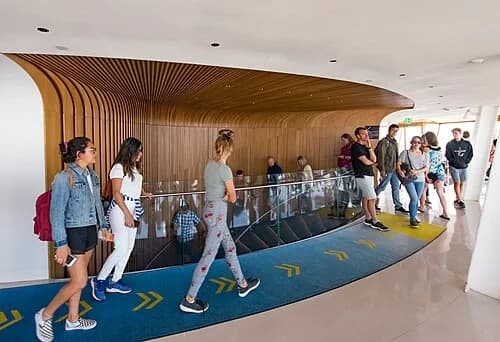
The Oculus Stairs
As you move between levels, take a moment to appreciate the 'Oculus Stairs.' These are a key feature of the $100 million 'Century Project' renovation completed in 2018. The design utilizes warm, natural wood and beautifully curved glass, creating a modern and welcoming interior that contrasts with the industrial steel of the tower's exterior. The primary goal of this renovation was to remove the visual barriers that had been added over the decades, such as walls and heavy metal railings. By using transparent materials and open designs, the architects were able to fulfill the original vision of the tower�s creators: a sense of floor-to-ceiling transparency. The stairs themselves are a piece of art, spiraling elegantly and offering glimpses of the view through the glass as you climb or descend. This focus on light and openness transforms the interior into a space that feels connected to the sky outside. It reflects a contemporary approach to design that prioritizes the visitor's connection to the environment, ensuring that the Space Needle remains a world-class observation experience for the 21st century.
Upper Observation Deck: Panoramic PNW Views
The climax of the visit. Focus on the 360-degree views of Mount Rainier, the Olympics, and Elliott Bay from the open-air deck.
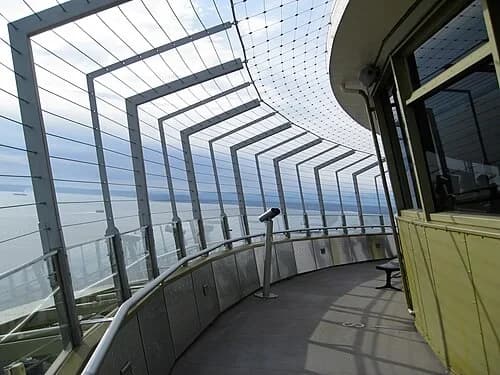
The Upper Observation Deck
Transitioning to the upper observation deck brings you out into the open air. Here, you�ll encounter the 'Skyriser' glass walls, another major update from the recent renovation. These massive glass panels are angled slightly outward and are designed without any metal seams between them. This engineering feat allows for completely unobstructed, floor-to-ceiling views of the region. Without the cage-like wires of the past, the sense of being high in the sky is greatly intensified. You can also try out the 'SkyBenches'�glass benches that allow you to lean back directly into the glass wall. It�s a perfect spot for a photo or just to sit and take in the scale of the landscape. From here, you can feel the wind and hear the distant sounds of the city, adding a sensory layer to the experience that you don't get from behind the indoor glass. The design is intended to make you feel as though you are floating over the city, removing every possible barrier between you and the spectacular Pacific Northwest scenery that stretches out in every direction.
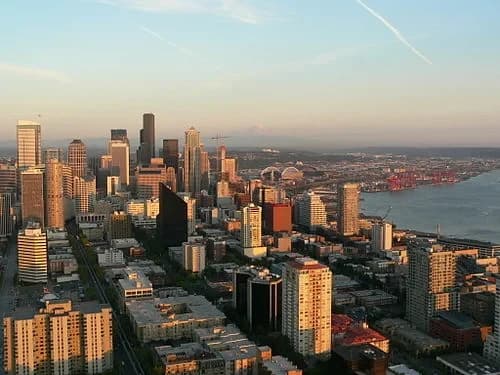
The City Skyline
Direct your attention toward the downtown skyline, where the dense cluster of skyscrapers marks the heart of Seattle. From this height, the Space Needle serves as the city�s compass. To one side, you can see the deep blue waters of Elliott Bay, busy with ferries, cargo ships, and the giant cranes of the Port of Seattle. This is the gateway that has defined the city�s economy for over a century. Looking at the shoreline, you can trace the path of the waterfront, which is constantly evolving with new parks and public spaces. The 360-degree rotation of the tower ensures that you get a full perspective on Seattle�s unique geography�squeezed between the salt water of the Puget Sound and the fresh water of Lake Washington. You can see the different neighborhoods, from the historic brick buildings of Pioneer Square to the modern tech hubs of South Lake Union. It is a spectacular overview that helps you understand how the city is organized and how it interacts with the natural beauty of the surrounding basin.
Engineering for Extremes: The Spire and Light
Discuss the tower's ability to withstand 200mph winds and 9.0 earthquakes. Mention the Legacy Light (Skybeam) and the legend of the Wheedle.
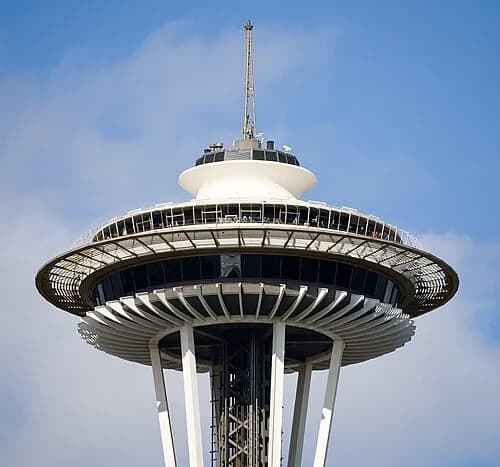
The Spire and Antenna
Rising from the center of the observation pod is the needle-like antenna spire that gives the tower its name. While it serves a practical purpose for broadcasting, it also houses the 'Legacy Light,' or Skybeam. This 85-million candela beam is reserved for special occasions, such as national holidays or significant local milestones. When it is lit, the beam shoots vertically into the sky, visible for many miles around. There is also a whimsical side to this high-tech equipment. Long-time Seattle residents might tell you the story of the 'Wheedle on the Needle.' According to a popular children's book, a large, furry creature called the Wheedle�who couldn't find peace and quiet on the ground�made his home at the very top of the Space Needle. The legend says it is the Wheedle's red nose that makes the tower�s light blink red at night. It�s a touch of local folklore that connects generations of Seattle children to the futuristic tower. Whether viewed as a marvel of modern communications or the home for a mythical creature, the spire remains the ultimate exclamation point on the city's skyline.
Overlooking the Seattle Center
Look down to see the legacy of the 1962 fairgrounds, including MoPOP and the Chihuly Garden, both of which are key neighboring attractions.
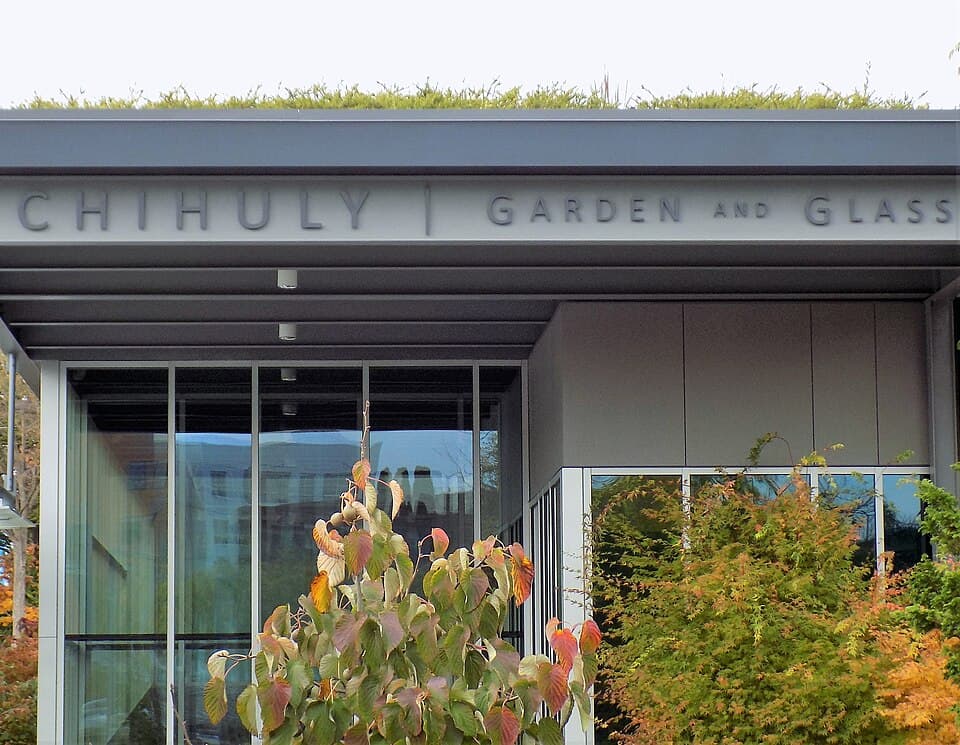
Chihuly Garden and Glass
Just below the tower, you can see a striking glass conservatory surrounded by lush greenery and vibrant, organic shapes. This is Chihuly Garden and Glass, an exhibition dedicated to the work of Dale Chihuly, a pioneer in the field of blown glass. Chihuly, a native of Washington state, is globally recognized for pushing the boundaries of the medium, creating massive, complex installations that look more like biological organisms than traditional glassware. The centerpiece is the Glasshouse, a 40-foot tall structure that houses one of Chihuly�s largest suspended sculptures. This site has an interesting history; it occupies the ground where the 'Fun Forest' amusement park once stood. During the 1962 World�s Fair and for decades after, that area was filled with rides and carnival games. Today, the transition from an amusement park to a world-class art museum reflects the evolution of the Seattle Center into a premier cultural destination. From this vantage point, you can appreciate how the delicate, hand-blown glass forms in the garden contrast with the massive, industrial steel of the Space Needle above, creating a unique dialogue between art and engineering.
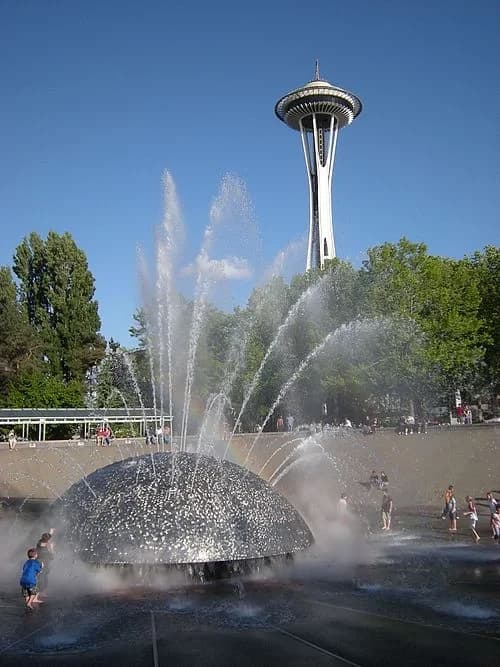
International Fountain
Directly below, in the heart of the Seattle Center, sits the gleaming silver dome of the International Fountain. Like the Space Needle itself, this fountain is an original feature from the 1962 'Century 21' World's Fair. It was designed to harmonize with the fair's futuristic theme, looking almost like a metallic craft that has landed in the middle of a paved crater. Over the years, it has undergone renovations to modernize its equipment, but it maintains its iconic mid-century aesthetic. The fountain is more than just a decorative piece; it�s a highly interactive public space. It features multiple micro-shooters and larger water jets that are choreographed to music, creating a rhythmic water display that changes throughout the day. For locals and visitors alike, it remains a favorite gathering point�especially on warm summer days when people of all ages play in the mist and spray. Its enduring popularity serves as a reminder of the original World's Fair vision: to create a lasting community space that celebrates the intersection of technology, art, and public life. It stands as a vibrant, living connection to the city's optimistic past.
Departure: A City Icon
End with the classic distance view from Kerry Park. Mention the 1989 April Fools' prank as a testament to how much the city loves its landmark.
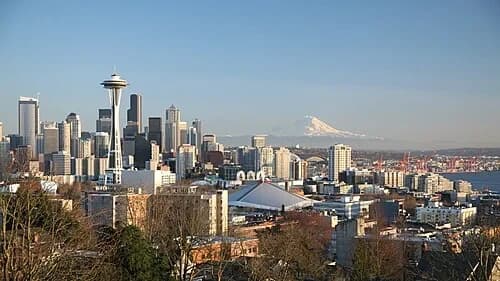
A City Icon
As we conclude our tour, take a moment to look at the tower from this classic perspective, often captured from the hills of Kerry Park. From here, you can truly appreciate how the Needle serves as the signature of the Seattle skyline. More than six decades after it was first conceived on a cocktail napkin, it remains a potent symbol of optimism. It was born during a period when the world was captivated by the Space Race, looking upward with a sense that the future held limitless possibilities. Today, while the city around it has grown and transformed into a global hub of technology and industry, the Space Needle stands as a constant. It bridges the gap between the mid-century's bold dreams and the reality of the 21st century. It is a testament to what can be achieved when daring architecture meets innovative engineering. Whether seen through the morning fog or glowing against a sunset, this 'balloon on a string' continues to inspire. It�s a reminder that we are a city that looks forward, always reaching for the next horizon. Thank you for exploring this icon of the future with us.
Want to hear the rest?
Download the Stanza app to unlock all 22 stops and full GPS-guided navigation.
Frequently Asked Questions
How long does the Space Needle audio tour take?
The Space Needle audio guide includes 22 narrated stops. Most visitors spend 45 minutes to 1.5 hours exploring the complete tour, though you can listen at your own pace and skip or revisit any stop.
Is the Space Needle audio guide available in my language?
Stanza supports 15 languages: English, Spanish, French, German, Italian, Portuguese, Russian, Japanese, Chinese, Korean, Arabic, Hindi, Polish, Dutch, Hebrew. Check the guide in the app to confirm the languages currently available for this tour.
Can I use the audio guide offline at Space Needle?
Yes! Download the complete Space Needle tour — including all audio, maps, and images — before your visit. The Stanza app works completely offline, so you don't need WiFi or mobile data at the venue.
How much does the Space Needle audio guide cost?
The Stanza app is free to download. The current listed price for the Space Needle audio guide is $2.99; app-store region and currency may affect the final price.
How do I use the Stanza audio guide at Space Needle?
Download the free Stanza app, search for "Space Needle", and download the tour. When you arrive at the venue, the app uses GPS to detect your location and automatically plays the relevant narration as you move between points of interest — completely hands-free.
What makes the Stanza audio guide different from other Space Needle tours?
Stanza offers GPS-triggered narration that plays automatically as you walk through Space Needle — no need to manually select stops. The tour is available in 15 languages, works fully offline, and includes 22 expertly narrated stops with images and historical context.
What other audio guides are available near Space Needle?
Stanza offers multiple audio guides in Seattle, United States and nearby areas. After downloading the app, browse the map to discover all available tours near Space Needle. Each guide can be downloaded for offline use.