Stanza · Audio guide
Melk AbbeyAudio guide
A place to remember. A story to take with you.
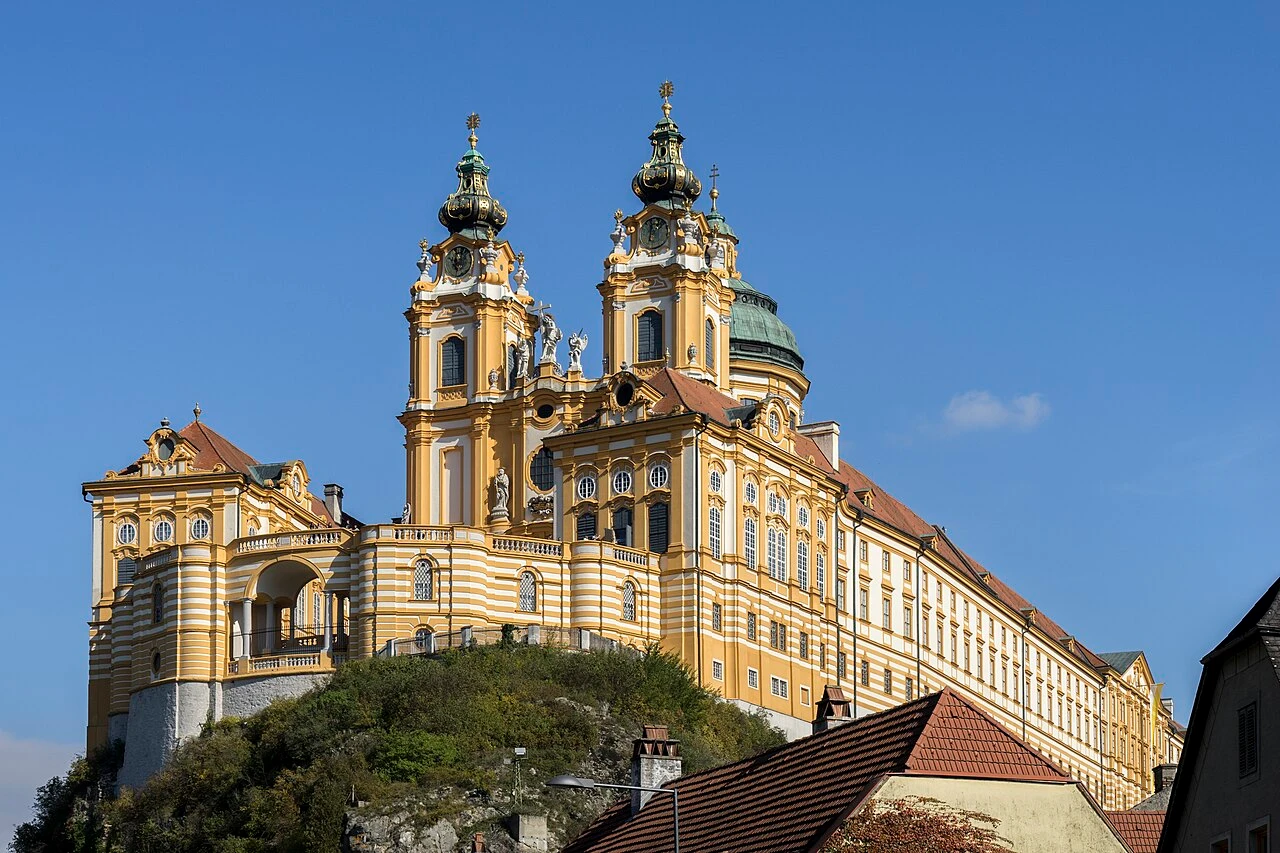
Melk Abbey is a Benedictine monastery overlooking the town of Melk on the Danube river in Lower Austria. It is one of the world's most famous monastic sites.
Download Stanza, then search for “Melk Abbey”.
About the tour
One guide. Your kind of visit.
Melk Abbey is a Benedictine monastery overlooking the town of Melk on the Danube river in Lower Austria. It is one of the world's most famous monastic sites.
Ready when you are.
- 01Get the free Stanza app.
iOS & Android
- 02Find your guide.
“Melk Abbey”
- 03Download before you go.
Works offline
Audio guide / 18 narrated stops
Inside the guide
Get to know a few of the stories before you go. Open a stop to read more.
01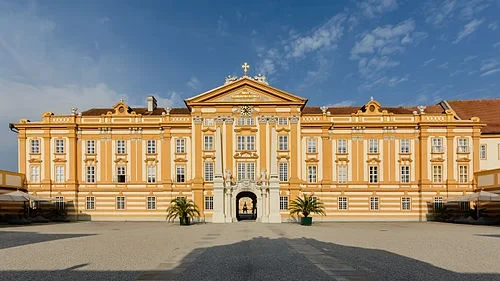 The East Gate and BastionsThe East Facade
Welcome to one of Europe's most impressive Baroque landmarks. Standing here, you are looking at a structure that spans an incredible 320 meters in total length. This massive complex is the result of a major reconstruction project that took place between 1702 and 1736, led by the visionary architect Jakob Prandtauer. One of the most striking features you will immediately notice is the vibrant ochre color of the walls. Known as 'Melk Yellow,' this specific shade was the official color of the Habsburg Empire. Its use here was not merely an aesthetic choice; it served as a powerful visual symbol of the abbey's exceptionally close relationship with the imperial crown. For centuries, this site has served as both a spiritual bastion and a cultural powerhouse. As you begin your journey through the abbey, keep this scale in mind—the building was designed to overwhelm and inspire, reflecting the power and prestige of the Benedictine monks and their imperial patrons during the height of the Austrian Baroque era.
Photo: Uoaei1 · CC BY-SA 3.0 at
02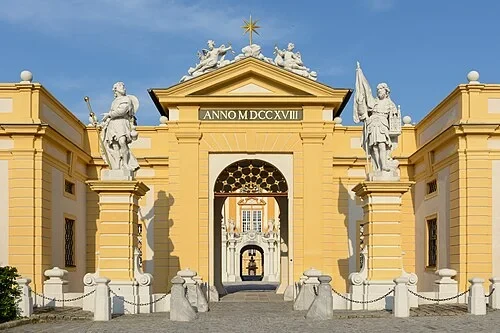 The East Gate and BastionsThe Main Gate
Moving toward the entrance, the Main Gate represents the historical transition of this site from a defensive Babenberg fortress to a grand Benedictine monastery. Looking up, you can see two significant figures flanking the entrance. One statue depicts Saint Leopold, who holds a model of a church in his hands, representing his role as a founder. The other figure is Saint Coloman, an Irish pilgrim who became the abbey's first patron saint. Above the central archway, you will see the year 1718 inscribed. This date marks a significant milestone in the abbey's reconstruction, which spanned over four decades. The architecture of the gateway balances strength with elegance, signaling to every visitor that they are leaving the secular world and entering a sacred precinct of learning and prayer. The gate leads into the Prelate's Courtyard, a vast space designed to accommodate the arrival of high-ranking guests. Take a moment to observe the details of the carvings, which hint at the artistic treasures and historical layers waiting for you inside the massive yellow walls of the monastery complex.
Photo: Uoaei1 · CC BY-SA 4.0
03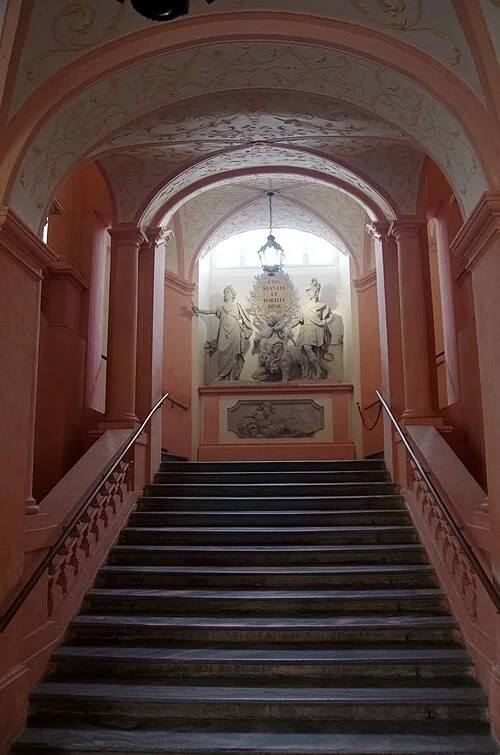 The Imperial Wing and Abbey MuseumThe Imperial Staircase
The Imperial Staircase was specifically designed to provide a grand entrance for the Holy Roman Emperor and his court during their frequent visits to the abbey. Notice the brilliant white columns; these are crafted from 'Kaiserstein,' a rare and prestigious stone that was traditionally reserved for imperial building projects. The use of such material underscores the immense wealth and political influence the abbey wielded in the 18th century. As you look at the sculptural details, you will find figures representing 'Constancy' and 'Bravery.' These virtues formed the personal motto of Emperor Charles VI, serving as a direct tribute to the sovereign who would have climbed these very steps. The staircase is not just a functional path to the upper floors but a carefully orchestrated piece of political theater, intended to honor the ruler and reflect the abbey's status as a high-end guesthouse for the elite. The wide, shallow steps were designed to allow for a dignified ascent in formal court attire. From the top of this staircase, the imperial rooms stretch out in a long, impressive gallery, once filled with the most powerful figures of the Austrian Empire.
Listen in the appPhoto: Balou46 · CC BY-SA 4.0
04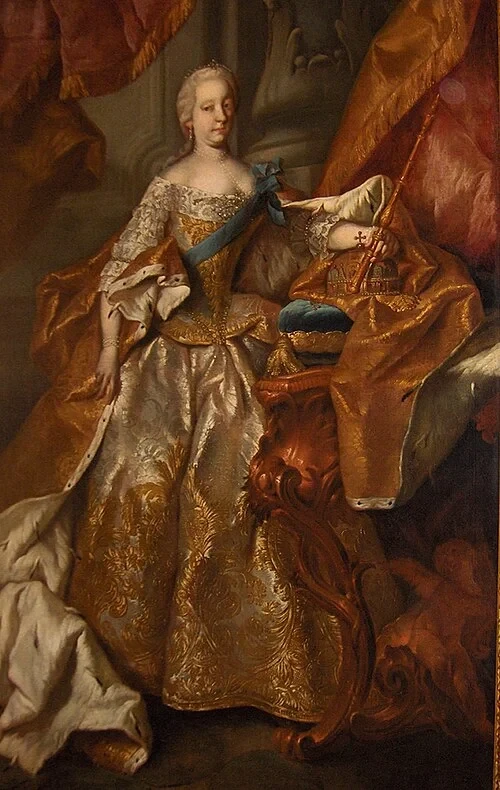 The Imperial Wing and Abbey MuseumPortrait of Maria Theresa as Queen of Hungary
Among the many artworks in the imperial wing is this significant portrait of Maria Theresa, depicted here in her role as the Queen of Hungary. Maria Theresa was a formidable patron of Melk Abbey, and her influence was crucial during a turbulent period in European history. This wing of the building functioned as a luxurious guesthouse for the imperial court, providing the highest levels of comfort for visiting royalty. Her presence in the abbey’s history is particularly notable because Melk managed to survive the Enlightenment-era reforms of the late 18th century. During this time, many other monasteries across the Habsburg lands were forcefully dissolved by the state. However, because of its educational contributions and its deep-rooted ties to the imperial family, Melk was allowed to continue its mission. The portrait serves as a reminder of the delicate balance between church and state, and how the abbey navigated the shifting political tides of the time. The opulence of the surrounding rooms, decorated with fine silk and gold leaf, reflects the standard of living expected by the Empress and her entourage when they traveled through the Wachau Valley.
Listen in the appWorkshop of Martin van Meytens · Public domain
05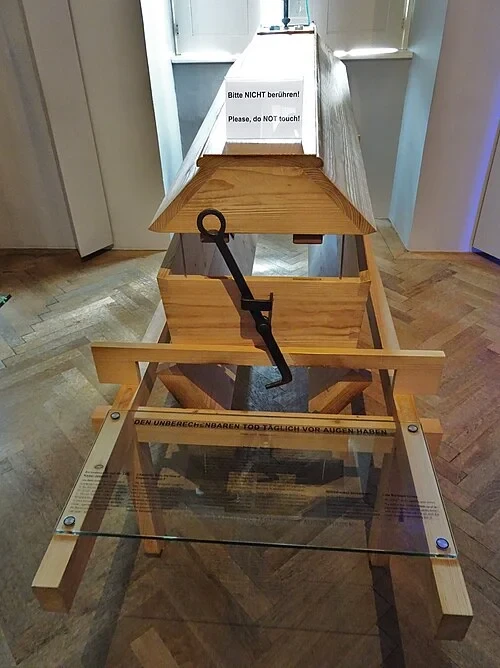 The Imperial Wing and Abbey MuseumThe Reusable Coffin
This unusual wooden object is a 'reusable coffin,' a stark reminder of the radical reforms introduced by Emperor Joseph II in the 1780s. As part of his 'Josephinian Reforms,' the Emperor sought to rationalize every aspect of life, including death. To save wood and reduce costs, he mandated that bodies be transported to the grave in these specially designed coffins with trap-door bottoms. Once at the gravesite, a mechanism would release the floor, allowing the body to drop into the earth, while the coffin itself could be pulled back up and used again for the next burial. This extreme measure of efficiency did not sit well with the public. Many citizens found the practice undignified and disrespectful to the deceased. The outcry across the empire was so intense and widespread that Joseph II was forced to repeal the law after it had been in effect for only six months. Today, this coffin stands as a fascinating historical oddity, illustrating the clash between Enlightenment-era rationalism and traditional religious sensibilities. It provides a unique glimpse into the brief period when even the rituals of mourning were subject to the whims of imperial bureaucracy and resource management.
Listen in the appPhoto: Rollroboter · CC BY-SA 4.0
06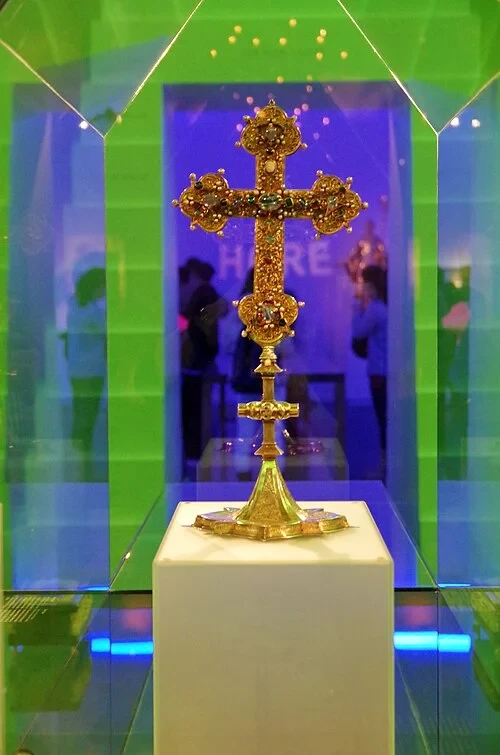 The Imperial Wing and Abbey MuseumThe Melk Cross
The Melk Cross is widely considered the spiritual centerpiece of the abbey’s treasury. Dating from the 14th century, this reliquary is an extraordinary example of medieval craftsmanship, featuring intricate gold-work and a dazzling array of precious gemstones. For centuries, it has been an object of profound veneration, drawing pilgrims from far and wide. The abbey has been a major center for pilgrimage and the production of religious manuscripts since the 12th century, and the cross embodies this long tradition of devotion and learning. Relics like this were not only spiritual treasures but also symbols of the monastery's prestige and holy protection. When you look closely at the fine details, you can see the skill required to set each stone and shape the delicate metal filigree. Throughout the Middle Ages and the Baroque period, such items were the focus of liturgical celebrations and were guarded with the utmost care. This cross has survived wars and political upheavals, remaining a constant link to the abbey's medieval roots. It anchors the modern visitor's experience in the deep history of the Benedictine community, reminding us of the site's original purpose as a place of prayer and pilgrimage.
Listen in the appPhoto: Balou46 · CC BY-SA 4.0
07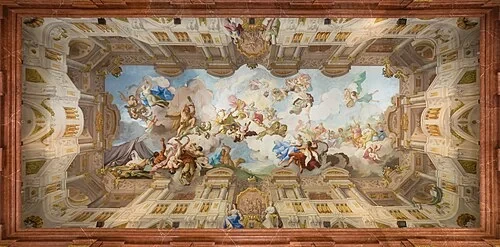 The Marble Hall and AltaneTriumph of Reason Fresco
Looking up in the grand Marble Hall, you are met with the breathtaking 'Triumph of Reason' fresco. This massive ceiling painting is a classic example of Baroque allegory, featuring the goddess Pallas Athena. Here, she represents the Habsburg dynasty, portrayed as the bringer of light and 'Reason' to the world, triumphing over darkness and ignorance. One of the most remarkable aspects of this artwork is the artist's masterful use of perspective, a technique known as trompe-l'œil. Although the ceiling is physically flat, the painted architectural elements—like the columns and arches—appear to soar upward, creating the illusion of a vast, open dome. This visual trick was intended to expand the space and inspire awe in the guests who attended formal banquets and receptions held in this hall. The hall itself was a secular space, designed for the entertainment of high-ranking visitors, but the fresco ensures that the themes of imperial power and divine wisdom are always present. The warm tones and dynamic figures are typical of the period's desire for drama and movement. It is a space where architecture and painting work together to communicate a message of stability, enlightenment, and the enduring glory of the ruling house.
Listen in the appPaul Troger · CC BY-SA 3.0 at
08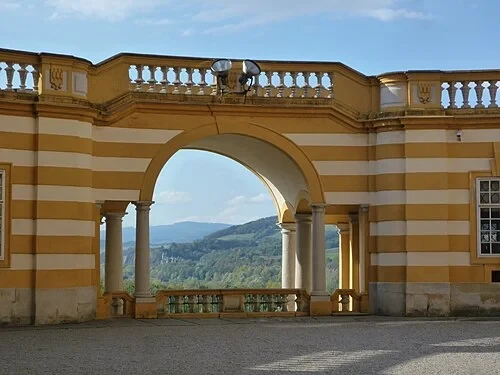 The Marble Hall and AltaneThe Altane Terrace
Stepping out onto the Altane Terrace, you are treated to one of the most famous views in Austria. Below you flows the Danube River, carving its way through the lush hills of the Wachau Valley. This region is recognized as a UNESCO World Heritage site for its unique blend of natural beauty and centuries of human history, particularly its viticulture and historic architecture. The terrace itself serves a deeper symbolic purpose within the abbey's design. It acts as a physical balcony that connects the secular Marble Hall on one side to the spiritual world of the Library on the other. This layout represents the abbey's dual role in society: as a center of political and social influence, and as a sanctuary of knowledge and faith. Standing here, you can feel the wind from the valley and see how the abbey dominates the landscape from its rocky outcrop. It was positioned here for both defensive reasons and to be a visible beacon of the church's presence. The balcony offers a rare moment of openness in an otherwise enclosed and massive complex, allowing you to appreciate how the architecture of the abbey harmonizes with the surrounding landscape.
Listen in the appPhoto: Uoaei1 · CC BY-SA 3.0
09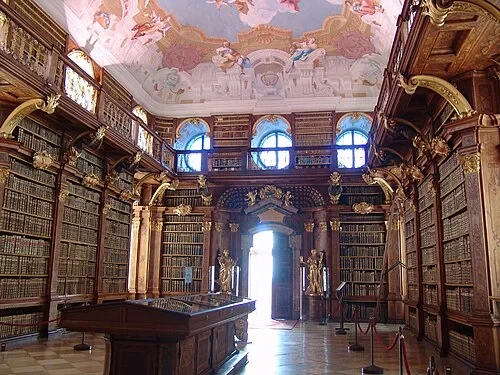 The Monastic LibraryThe Abbey Library
The Abbey Library is a breathtaking space that holds an incredible 100,000 printed volumes and 1,800 medieval manuscripts, some dating back nearly a thousand years. The sheer scale of the collection is matched by the beauty of the room, with its towering wooden shelves and elaborate ceiling frescoes. This library gained global fame as the inspiration for the monastery in Umberto Eco’s celebrated novel, 'The Name of the Rose.' In fact, the story’s narrator, Adso, is introduced as a monk from Melk. As you stand here, you might notice the faint, distinct scent of old parchment and leather bindings. Preserving such a vast and delicate collection requires strict climate control to protect the pages from humidity and temperature fluctuations. The library has always been the intellectual heart of the monastery, reflecting the Benedictine commitment to learning and the preservation of culture. From theology and law to science and history, these shelves contain the accumulated wisdom of centuries. The light filtering through the windows illuminates the gilded spines of books that have been studied by generations of monks, scholars, and visiting dignitaries, making it one of the most important private libraries in the world.
Listen in the appPhoto: Hochauer~commonswiki · CC BY-SA 2.0
10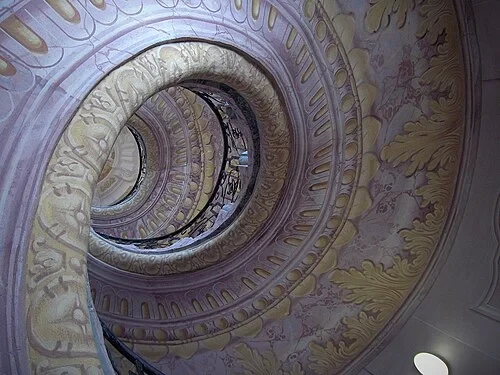 The Baroque Spiral StaircaseThe Spiral Staircase
Connecting the library directly to the church below is this remarkable spiral staircase. When you look either straight up or straight down, you experience a dizzying geometric effect as the stairs wind in a perfect, continuous curve. This feature is not just an architectural flourish; it had a practical purpose, allowing the monks to move quickly from their place of study to their place of prayer. The decoration here is particularly refined, featuring delicate pink and gold stucco-work that creates a soft, luminous atmosphere. These colors and patterns are designed to mirror the transition from the intellectual realm of the library to the spiritual grandeur of the church interior. The staircase feels light and almost weightless compared to the heavy stone walls of the main building. It is a perfect example of how Baroque architects used geometry to create a sense of wonder and motion. The play of light on the curved surfaces changes throughout the day, highlighting different details of the intricate plasterwork. This small but beautiful space is often a favorite for visitors, offering a moment of quiet contemplation and a unique perspective on the abbey's complex, interconnected design.
Listen in the appGeorges Jansoone · CC BY 2.5
Melk Abbey
Frequently asked questions
How much does the guide cost?
Free app download. Listed guide price: $1.99. Guide price shown in the app. Audio guide only. Venue admission is separate.
Can I listen without internet?
Yes. Download the guide’s audio, images, and maps in the app before your visit. Your downloaded content is then available offline.
Can I listen in my language?
Stanza supports 15 languages. Check the app for the languages available for this guide.
Do I need to follow a schedule?
No. This is a self-guided experience. Choose your stops, pause whenever you like, and return to a story at your own pace.
At your own pace
Explore Melk Abbey.
Download Stanza, then search for “Melk Abbey”.
Free app download · Guide price shown in the app
Keep exploring
Nearby audio guides
Salzburg
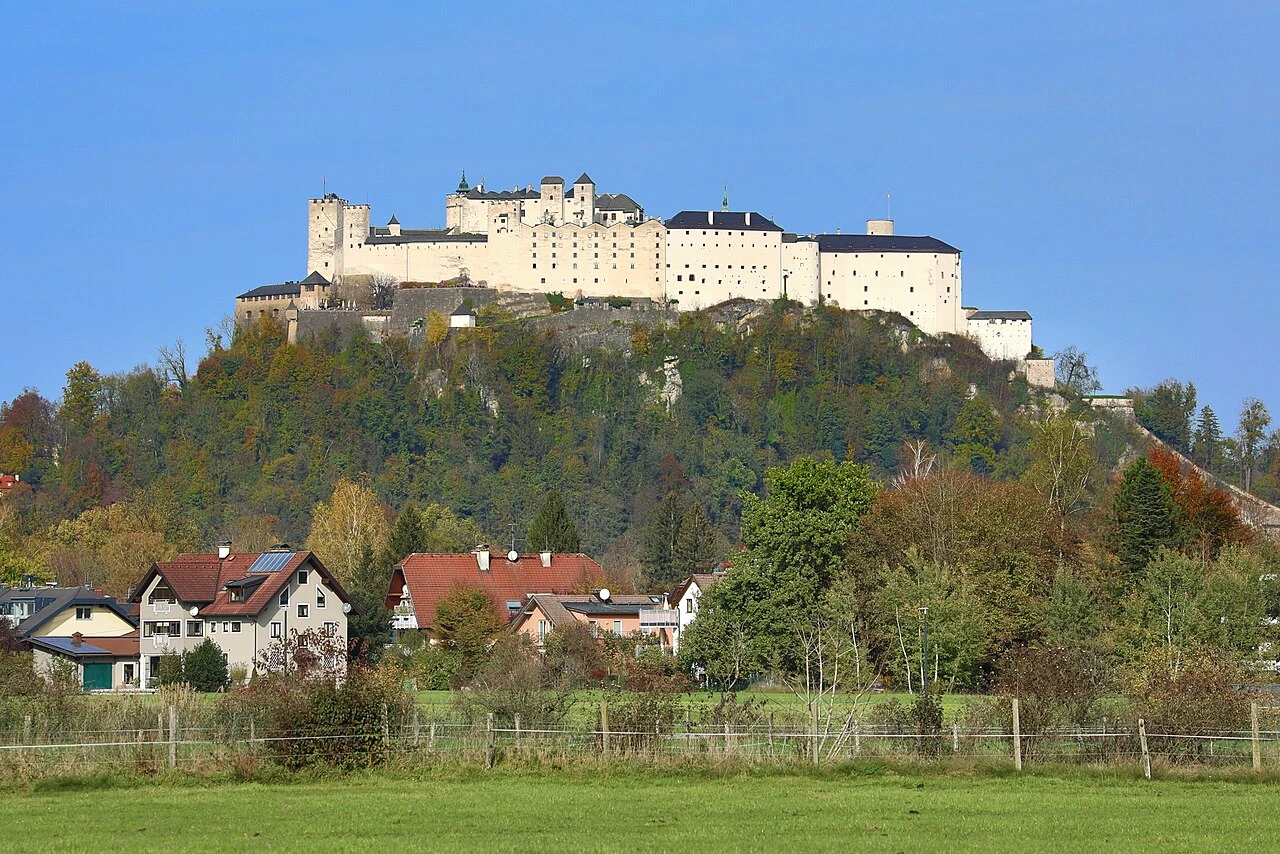
Festung Hohensalzburg
Content & sources
C.Stadler/Bwag · CC BY-SA 4.0
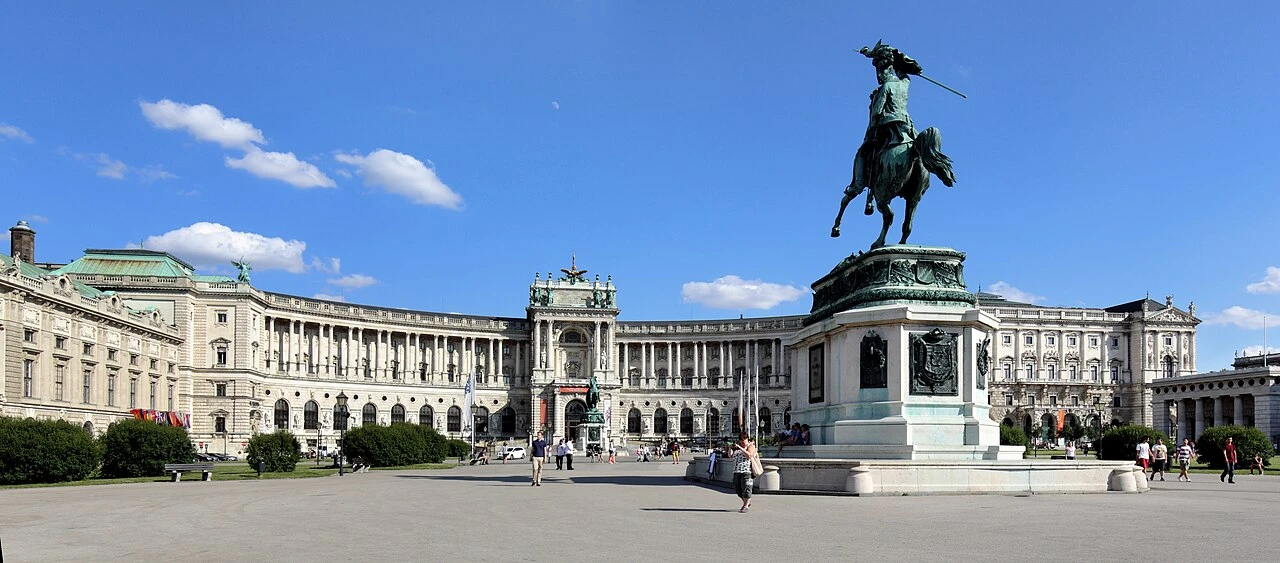
Vienna
Hofburg
Content & sources
C.Stadler/Bwag · CC BY-SA 3.0 at
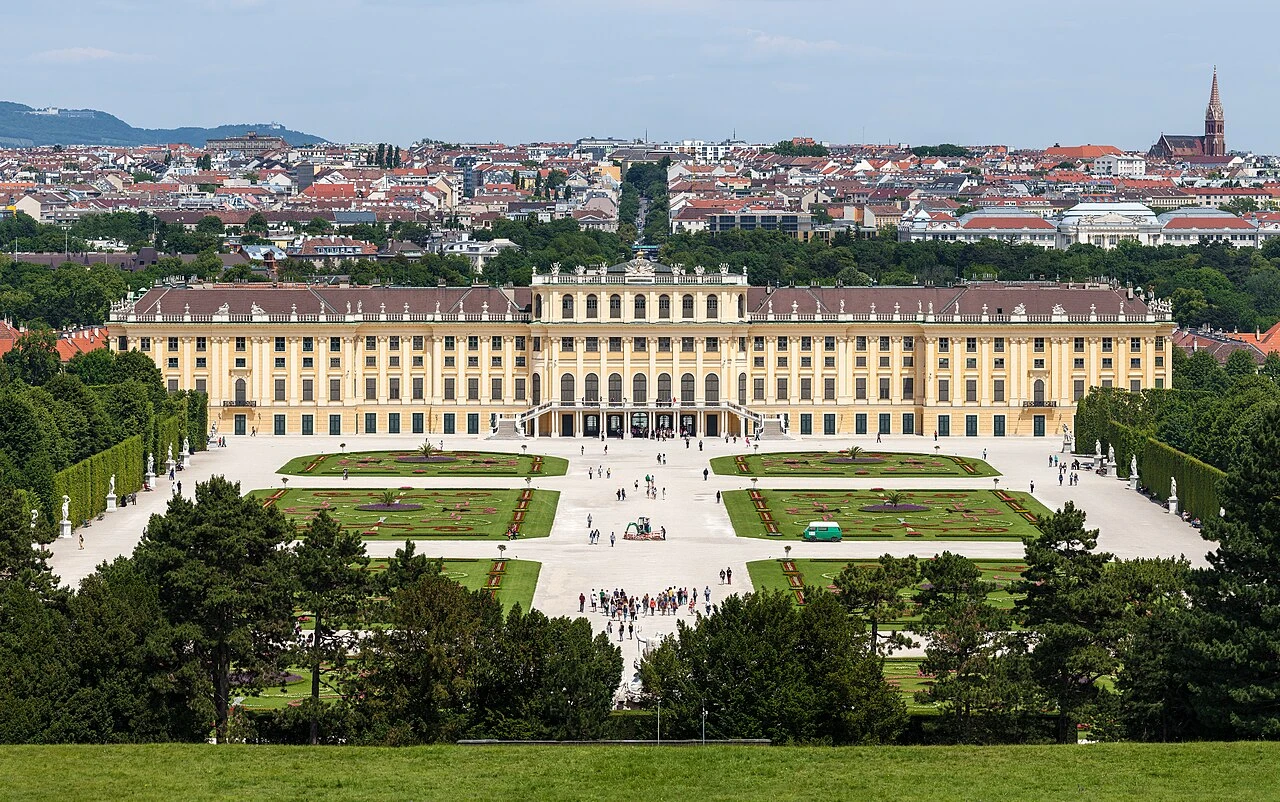
Vienna
Schloss Schönbrunn
Content & sources
Thomas Wolf, www.foto-tw.de · CC BY-SA 3.0 de
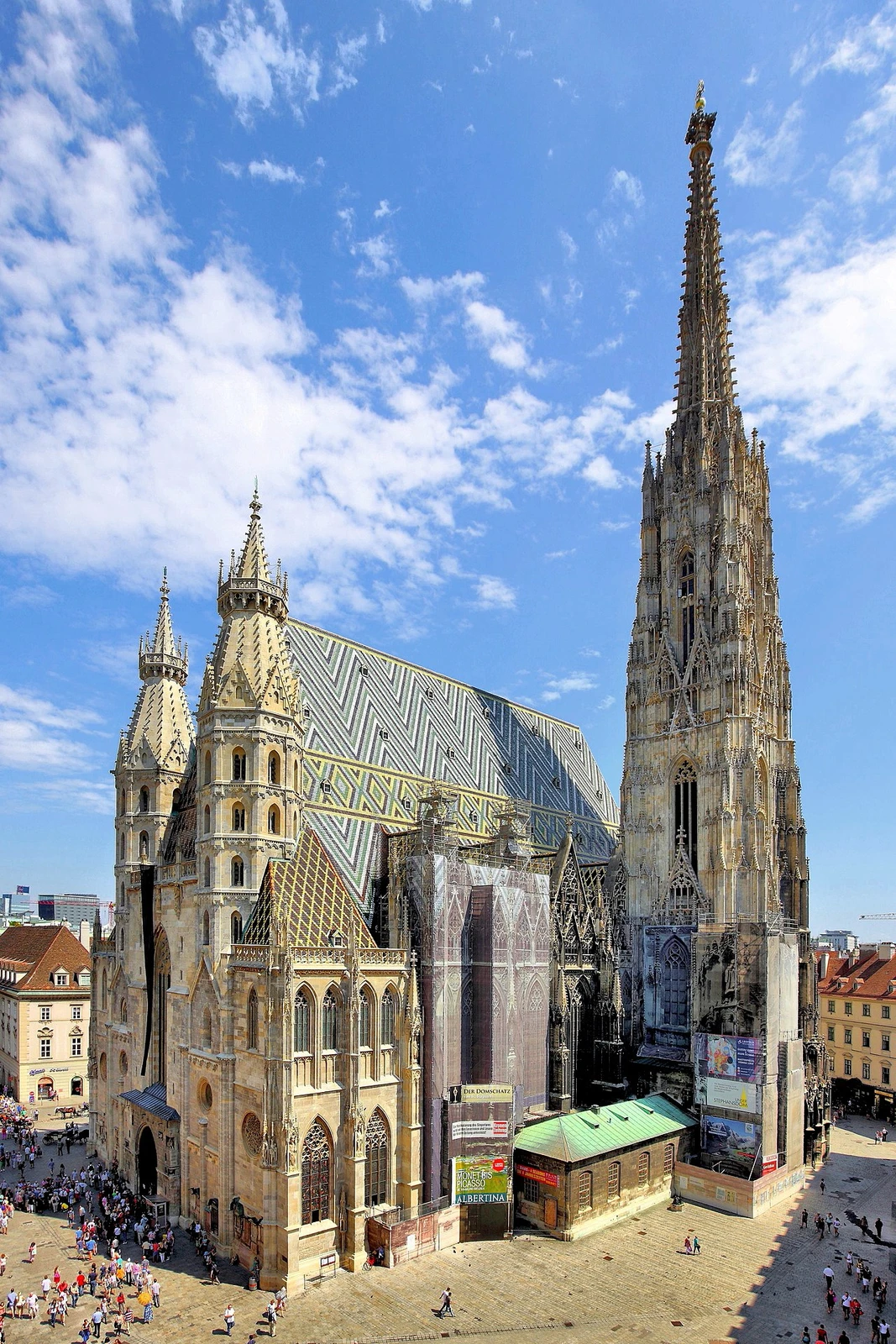
Vienna
Stephansdom
Content & sources
C.Stadler/Bwag · CC BY-SA 4.0