Stanza · Audio guide
Museu do Ipiranga Audio Guide
A place to remember. A story to take with you.
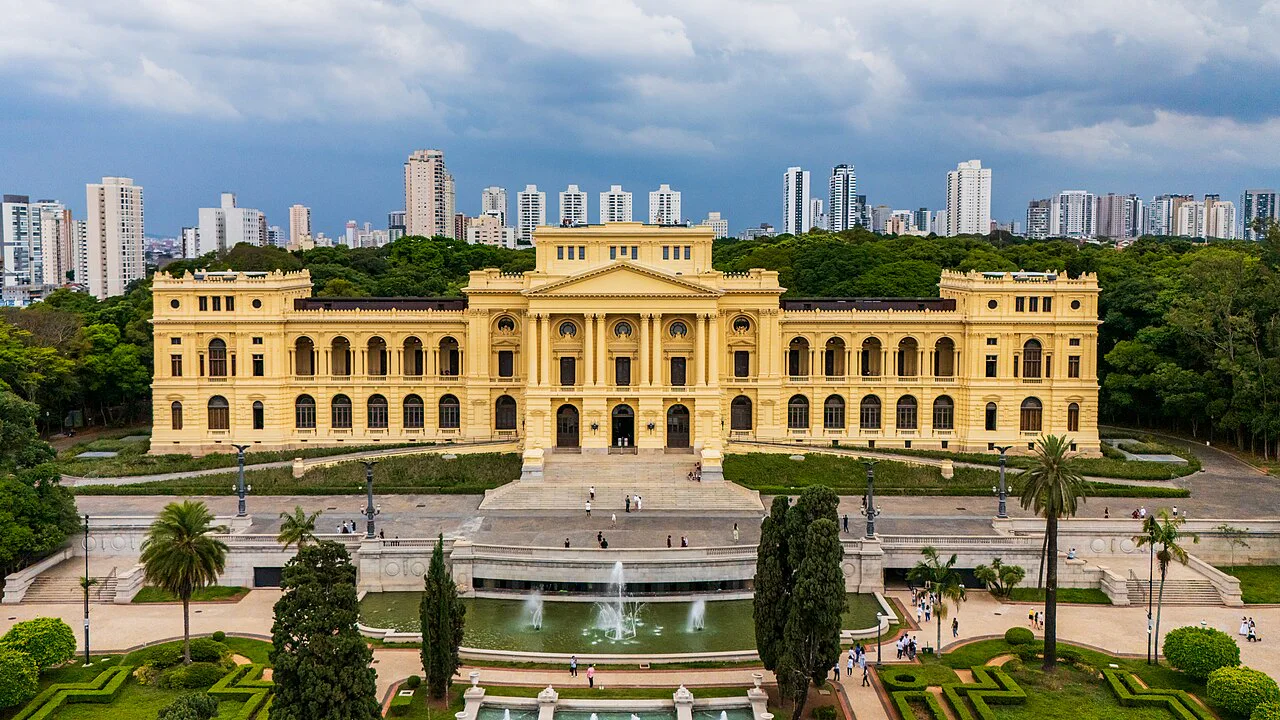
The Museu do Ipiranga is a Brazilian history museum located near the site where Emperor Pedro I proclaimed Brazil's independence. It houses a large collection of furniture, documents, and historically…
Download Stanza, then search for “Museu do Ipiranga”.
About the tour
One guide. Your kind of visit.
The Museu do Ipiranga is a Brazilian history museum located near the site where Emperor Pedro I proclaimed Brazil's independence. It houses a large collection of furniture, documents, and historically relevant artwork from the Brazilian Empire era.
The Museu do Ipiranga guide tells the stories of 67 artworks, including Independence or Death (Pedro Américo), Landing of Pedro Álvares Cabral in Porto Seguro, in 1500 (Oscar Pereira da Silva), Avenida Paulista no dia da Inauguração, 8 de Dezembro de 1891 (Jules-Victor-André Martin), Portrait of Maria Quitéria de Jesus Medeiros (Domenico Failutti), Monção departing (José Ferraz de Almeida Júnior), Santos Dumont Collection (José Rosael/Hélio Nobre/Museu Paulista da USP), Ciclo da Caça ao Índio (Henrique Bernardelli), and 9º Encontro de Monções no Sertão (Oscar Pereira da Silva). Every artwork is free to hear in the Stanza app until 1 January.
Ready when you are.
- 01Get the free Stanza app.
iOS & Android
- 02Find your guide.
“Museu do Ipiranga”
- 03Download before you go.
Works offline
Audio guide / 67 artworks
Inside the guide
Get to know a few of the stories before you go. Open a stop to read more.
01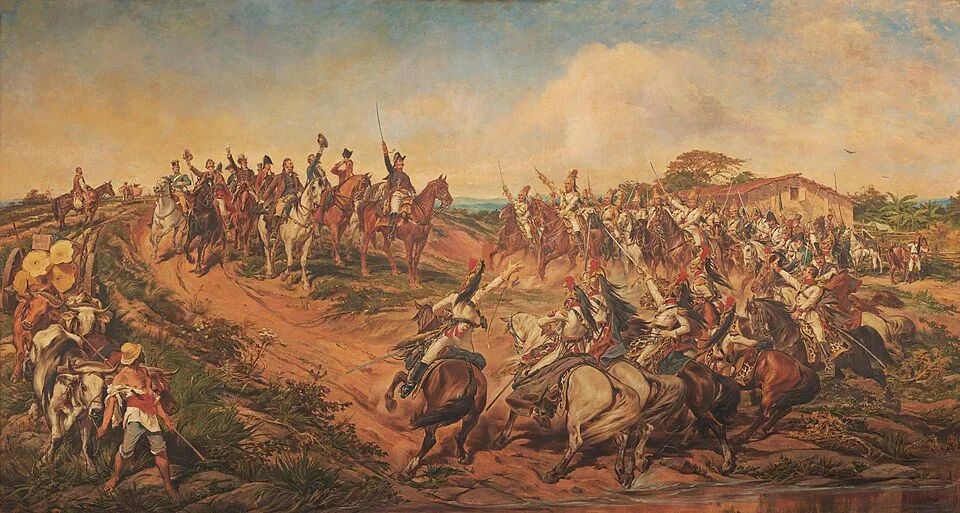
Independence or Death
Dom Pedro stands on higher ground at the bank of the Ipiranga, and the cry has just left him. Independence or Death. In a moment those words will separate Brazil from Portugal. The soldiers are to his right, and the figures form an oval held together by perspective. Pedro Américo built that scene with care. He raised Dom Pedro above the others and filled the scene with people. He had studied French battle paintings closely, above all a picture called Friedland by Ernest Meissonier. It shows Napoleon lifted above a dense crowd of soldiers. Américo wanted Dom Pedro to come across the same way, a statesman with leadership and political skill. Critics cried plagiarism over that resemblance, and years earlier he had published a book on plagiarism in art and literature. In Meissonier's picture of Solferino the soldiers charge straight at you. Américo balances every element instead, the whole crowd brought together as one. He painted the whole thing in Florence and finished it a year before it was due. The imperial house wanted it to strengthen the monarchy.
Listen in the appPedro Américo · Public domain
02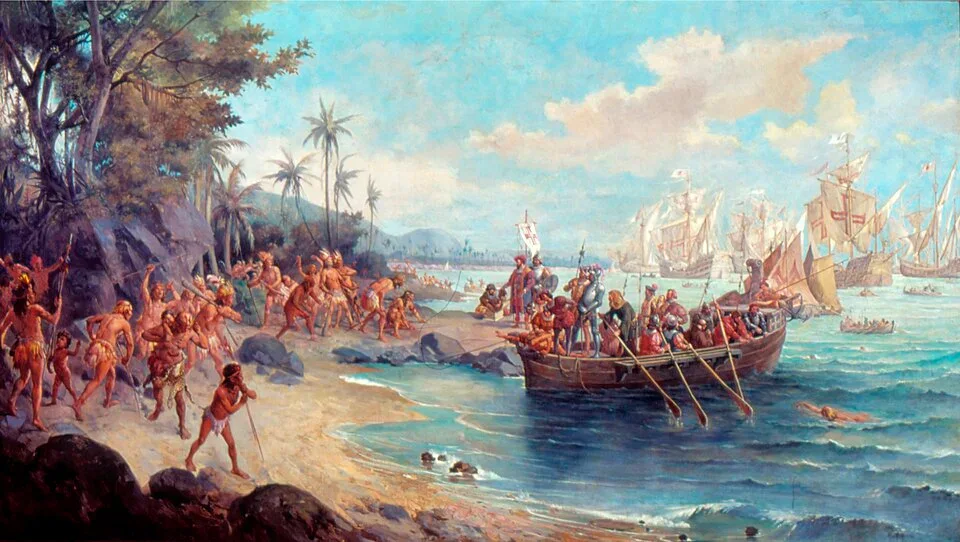
Landing of Pedro Álvares Cabral in Porto Seguro, in 1500
Oscar Pereira da Silva was after a name as a painter of history. In 1900 the state of São Paulo was buying historical scenes to tell the story of the new republic. He chose Cabral's landing in 1500 and laid it out on the beach at Porto Seguro. On the sand, indigenous people run and shout, brandishing spears, carried away by the arrival. At the centre, Cabral and an assistant meet an indigenous leader, and the Portuguese show no surprise at the new land. He split the scene in two. At sea, ships and crews appear in white and blue, a cross on their standard and sails. On shore, the indigenous people are darker and heavier, in dense forest that seems to take them in. This was no state commission. He painted it on his own and offered it for the four hundredth anniversary of the discovery. As whites and indigenous people fought over land in São Paulo, the governor had little taste for scenes of invaders and native people at peace. No one bought it, and a petition to the state congress was refused. Only after hard negotiation did the museum take it, in 1902. Out at sea, a small boat approaches the shore. It carries indigenous Brazilians who had already spent the night in Cabral's caravel, before the first meeting he chose to paint.
Listen in the appOscar Pereira da Silva · Public domain
03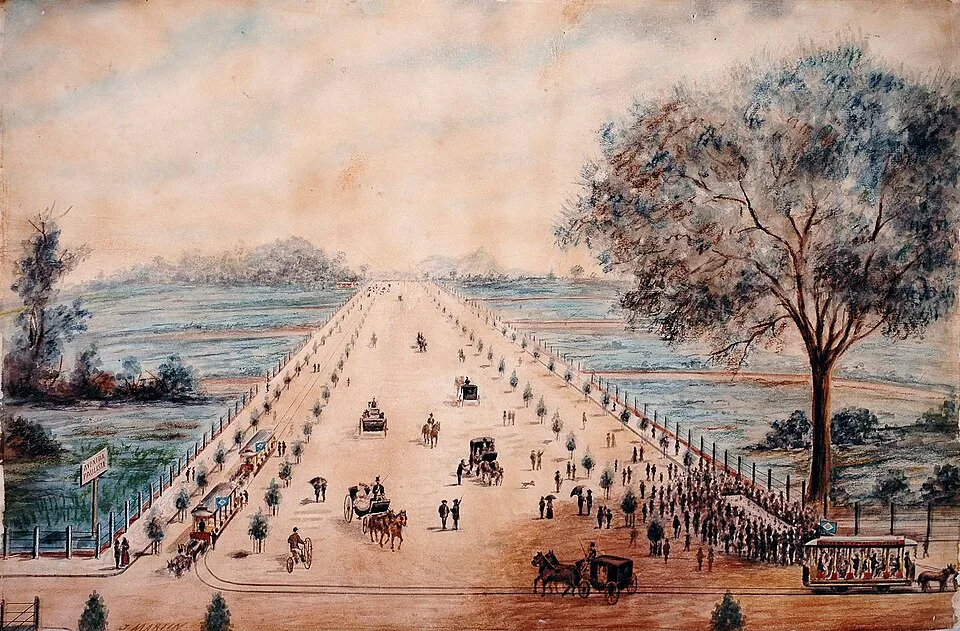
Avenida Paulista no dia da Inauguração, 8 de Dezembro de 1891
A wide dirt road stretches to the horizon, with empty, fenced lots on either side. Well-dressed people move along it, on foot, on horseback, in carriages, in horse-drawn trams, even on bicycles. On the first lot to the left a sign gives the road its name. This is the day the road was opened and named, the eighth of December 1891. Jules Martin painted this watercolor that same day. These strollers were the crowd the engineer had in mind. Joaquim Eugênio de Lima planned this avenue for São Paulo's wealthy families. As the city grew rich on coffee, they wanted to live apart from everyone else. He chose this high, flat ground far from the center for them. Around them the lots hold no houses, no water or sewers. The road was dirt and stayed that way until 1900. The trams run on tracks set into the ground. Electric ones would arrive nine years later. The painter gave the watercolor to Lima.
Listen in the appJules-Victor-André Martin · Public domain
04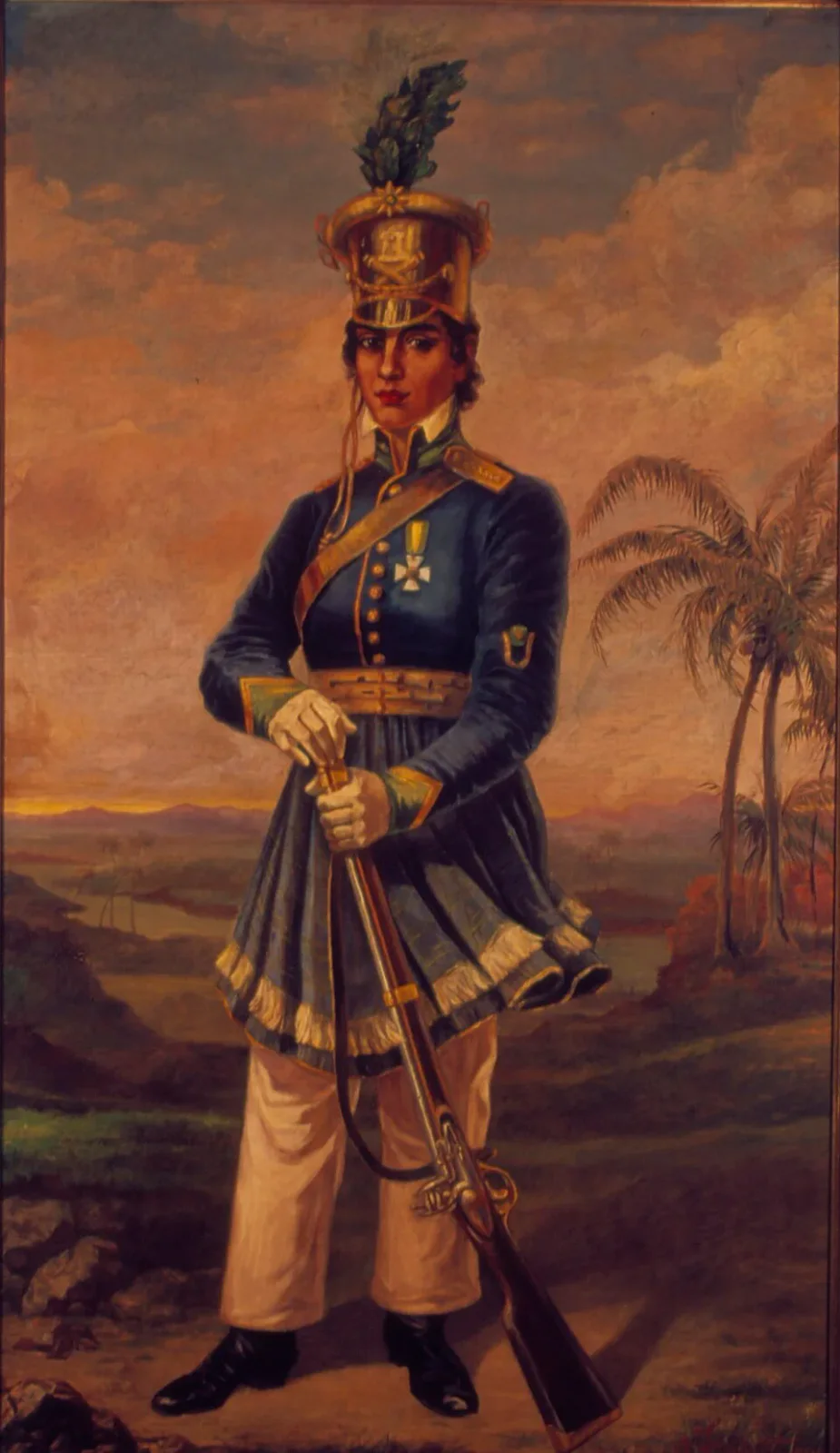
Portrait of Maria Quitéria de Jesus Medeiros
On the left breast of this uniform is a white star. It is the badge Dom Pedro the First gave to people who distinguished themselves fighting for independence. The real badge has five forked points. This one has four. The painter got it wrong. The picture was ordered for the Hall of Honor, for the hundredth anniversary of independence. The museum's director asked Domenico Failutti to paint Maria Quitéria, and told him to work from a print in an English traveler's diary. That print came from a drawing by another Englishman, who lived in Rio de Janeiro in the eighteen twenties. To the director, images like that carried the truth of a document. So a national heroine began with a foreigner's print. Quitéria fought for Bahia's independence dressed as a man and rose from cadet to lieutenant. The yellow at the cuffs and collar marks the uniform of the Periquitos battalion. The museum wanted her here to give women a place in the story of the nation. She is the warrior, set against the motherly figure of Leopoldina in the same hall. The river running toward the horizon is the Paraguaçu. It links Cachoeira, where the independence movement took place, to the Bay of All Saints at Salvador. The landscape is idealized, but that river leads back to the ground where she fought.
Listen in the appDomenico Failutti · Public domain
05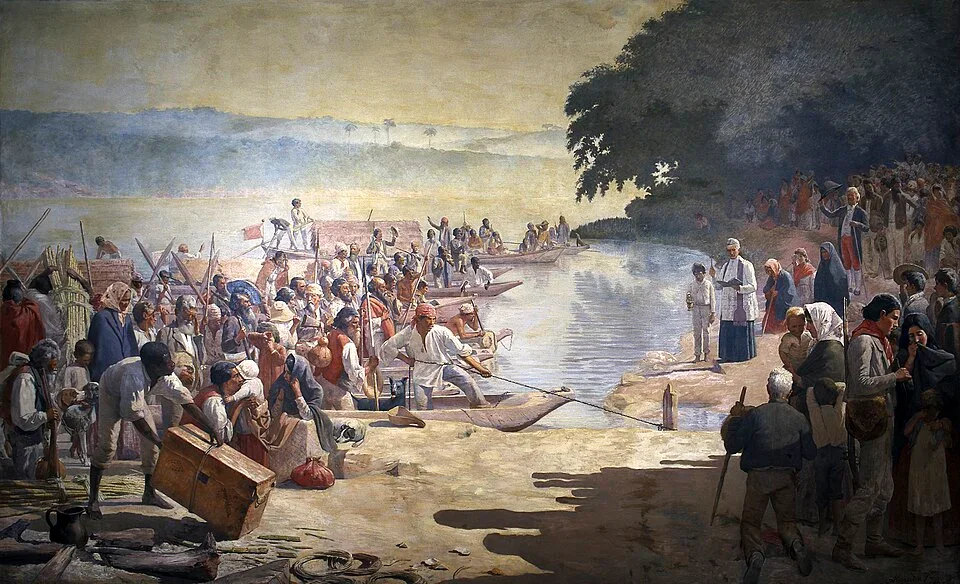
Monção departing
The priest is reading from the book, the golden sprinkler still in his hand. One man has a foot on the edge of his canoe and seems to pull the rope that ties it to land. The expedition is about to go. Most of the men are already in their canoes, watching the priest. This is a monção, one of the river expeditions from the coast into the interior of Brazil. They left from the port of Araritaguaba, now called Porto Feliz, on the Tietê River, heading for Cuiabá in Mato Grosso. On the bank, a man crouches to embrace a child in farewell, and a woman in grey and white stands beside them. Closer to you, a black man lifts a large wooden box from the ground, his face turned toward the priest. He is probably a slave. The priest looks elderly, with a pink stole around his neck. He may be Father Miguel Correa Pacheco, one of the first to encourage Almeida Júnior's art. He blesses the expedition with restrained gestures, and that keeps the whole scene together. What is not certain is when this departure is meant to be happening, sometime between the late eighteenth and early nineteenth centuries.
Listen in the appJosé Ferraz de Almeida Júnior · Public domain
06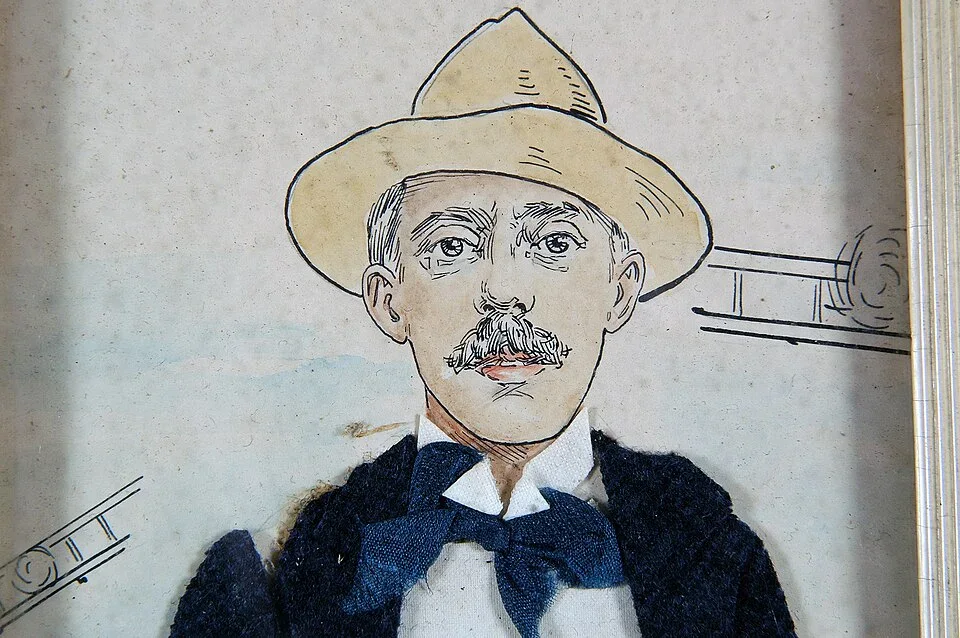
Santos Dumont Collection
In the middle of 2005, one hundred and seventy-eight pieces from this collection crossed the sea. They went on loan to an air and space museum in Paris. While they were there, the museum built an exhibition around them, called I Navigated through the Air. It brought together objects and documents of Santos Dumont. The Ministry of Aeronautics asked for it, as part of the Year of France in Brazil. Back here, the collection holds about fifteen hundred things connected to the Brazilian inventor. Texts, objects and images. Three hundred and twenty-three of the images follow his years of flying. There is a full-size portrait of him by Giovanni Sarracino. And a short film, made by the American Mutoscope and Biograph Company, showing him explaining his airship to Rolls. The inventor's own family gave all of this. They gave it after he died, in 1932.
Listen in the appJosé Rosael/Hélio Nobre/Museu Paulista da USP · CC BY-SA 4.0
07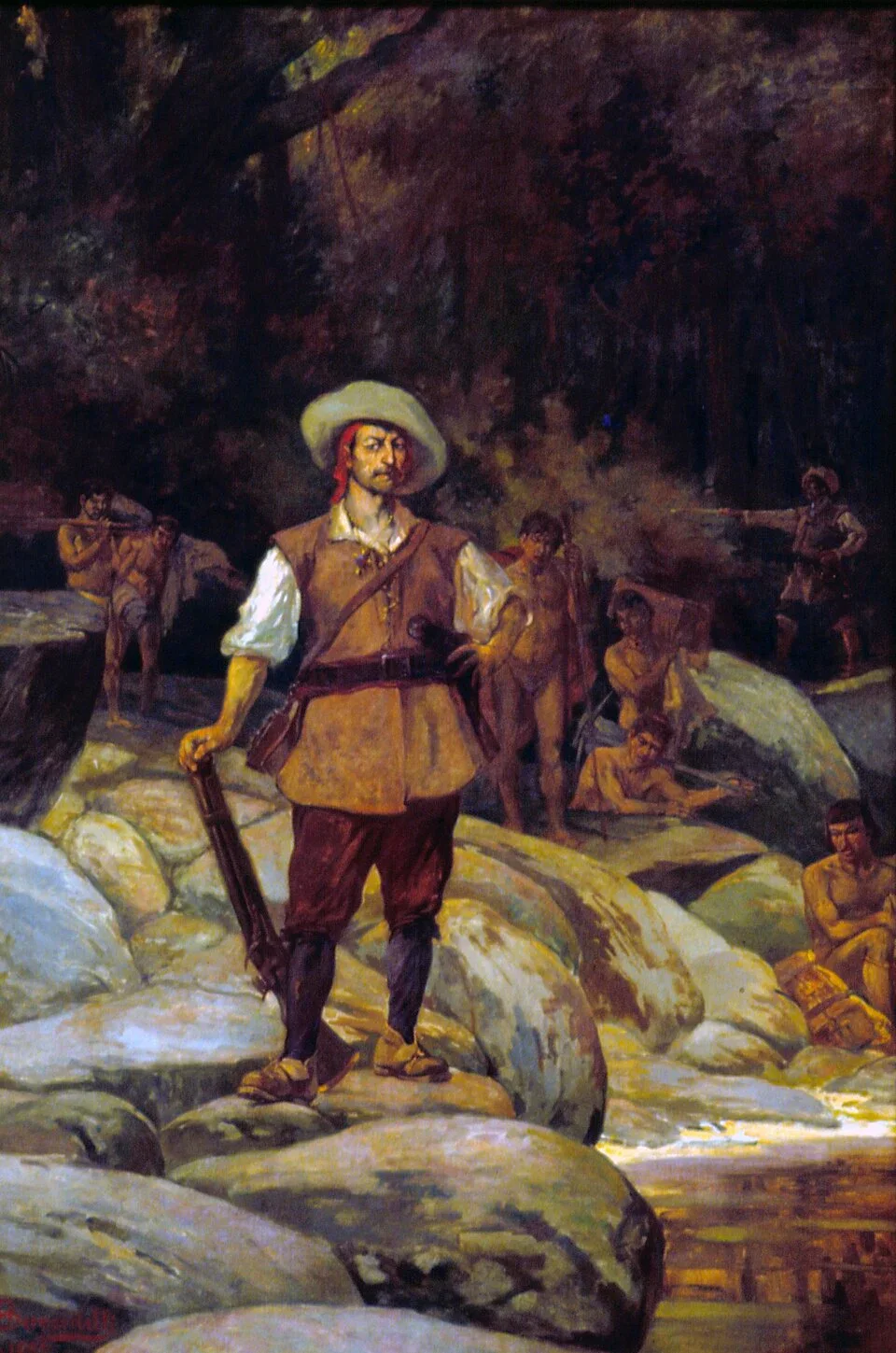
Ciclo da Caça ao Índio
Afonso Taunay wanted a hero on this rock, not a man relaxing with a pipe. He ran the museum. For the hundredth anniversary of Brazilian independence he ordered four pictures, one for each great chapter of the nation's past. The bandeirantes were his heroes, the men who pushed into the interior and helped build the country. He thought of these paintings as records of history, not as work for an artist to interpret freely. Henrique Bernardelli had painted the bandeirante smoking a pipe, relaxed and far from heroic. Taunay wrote to tell him that would not do. He objected to a dog in the scene as well, and Bernardelli had to start over. The man who stands here has no pipe. One hand, arm bent, rests on a short gun at his waist. The other lies on a rifle supported by the rock he stands on, in a clearing of tropical forest. A second version became The Chief of the Bandeirantes in 1923, and it now belongs to another museum.
Listen in the appHenrique Bernardelli · Public domain
08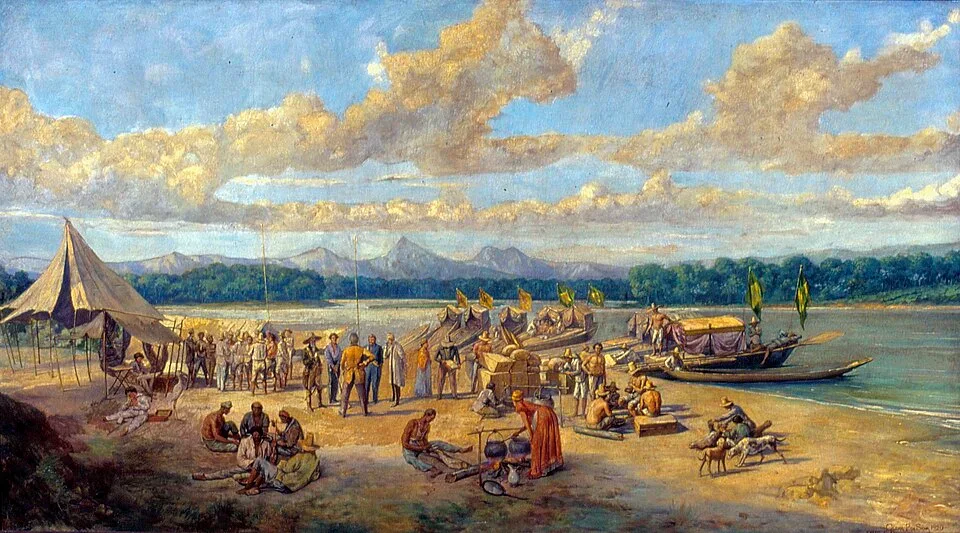
9º Encontro de Monções no Sertão
Nothing in this river scene tells you the flags were changed. Two large canoes of the Langsdorff expedition have met on the river, a meeting that really happened between 1825 and 1829. Oscar Pereira da Silva painted the scene in 1920, working from a drawing by Hercule Florence. The canoes, at the right behind the men talking in the middle, fly Brazilian flags. In Florence's drawing they carried Russian flags, because the expedition was Russian. The change points to Afonso Taunay, who ran the museum. He was getting it ready for the hundredth anniversary of independence, building a story of the nation with São Paulo at its center. The painting was made for a room given over to the old images of São Paulo, opened in 1922.
Listen in the appOscar Pereira da Silva · Public domain
09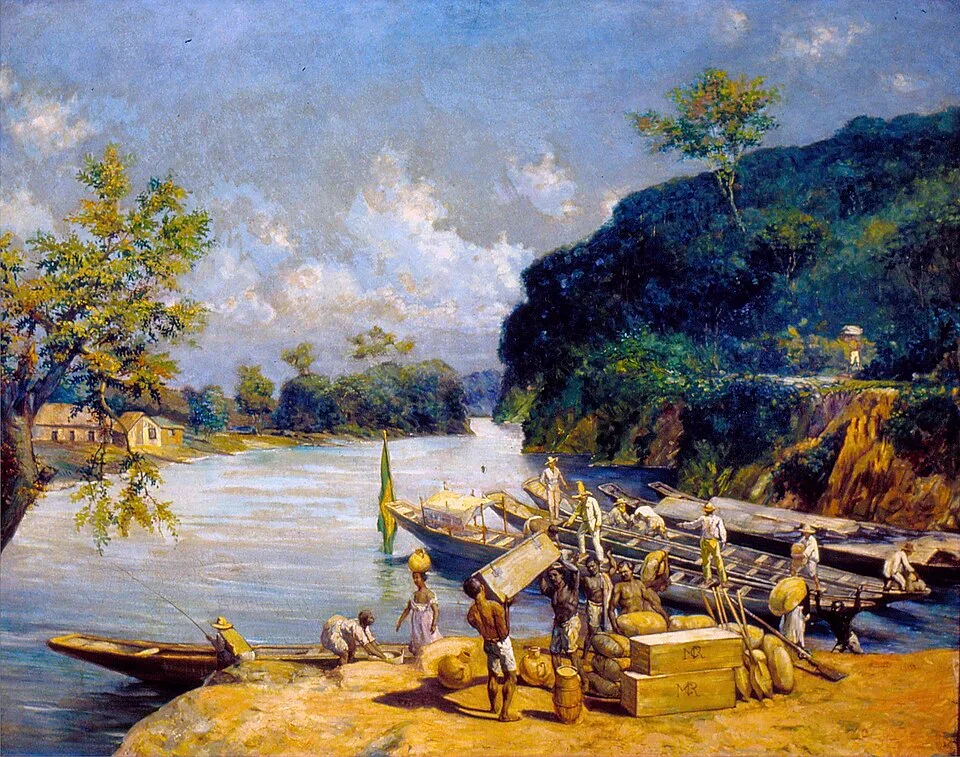
Carga de Canoas
This picture began as a drawing, made years before from a river journey. Hercule Florence drew it, one of two artists sent to record the Tietê, the Paraná and the Pardo between 1825 and 1826. The Russian emperor Alexander the First paid for it, so the canoe in Florence's drawing flew a Russian flag. Oscar Pereira da Silva worked from that drawing in 1920. But the canoe now carries the flags of the Empire of Brazil. Enslaved people prepare the vessel on the Tietê, with dense forest and dwellings on the left. The museum's director, Afonso Taunay, commissioned it for a room of old São Paulo images, ready for the first centenary of independence. He wanted a national story centered on São Paulo.
Listen in the appOscar Pereira da Silva · Public domain
10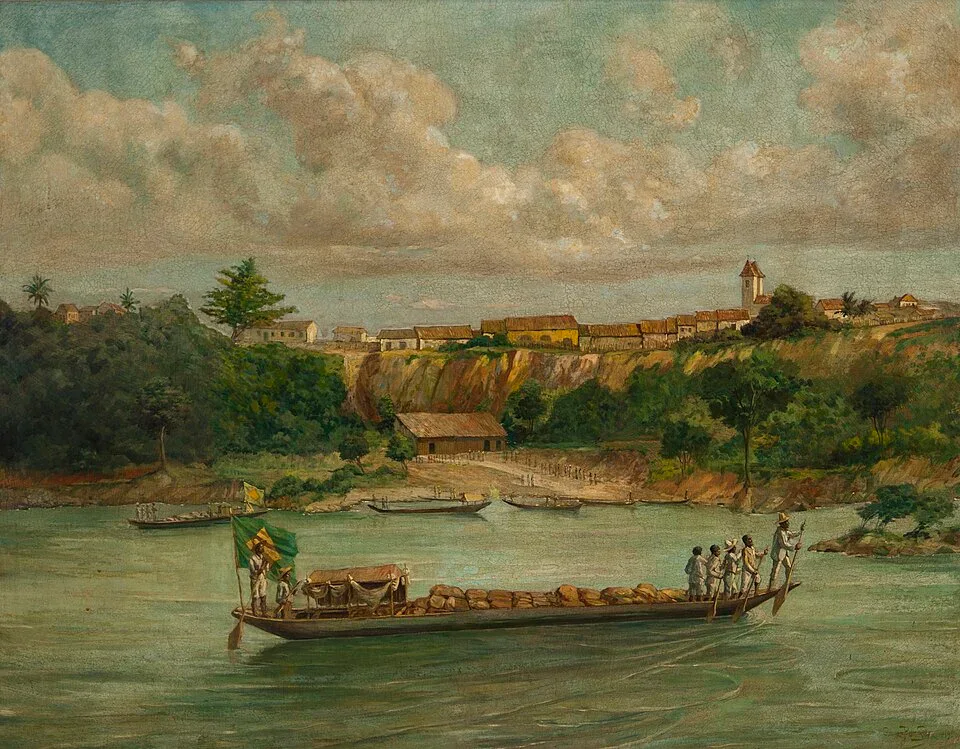
Partida de Porto Feliz
At the back of the boat, a flag catches the wind. It is green, with a yellow diamond, and the coat of arms inside the diamond is not drawn. There is more green around the diamond than an imperial flag would have. The moment shown is 1826, but this is no record of it. It is a painting made between 1920 and 1921. It recreates an older drawing of the same moment, the departure of the Langsdorff expedition on the Tietê River, made in 1826 by Aimé-Adrien Taunay. Afonso Taunay, then director of this museum, asked artists to repaint scenes from Brazil's past. He had them work from early nineteenth century drawings he trusted to show the past faithfully. He wanted the region's history more widely known, and São Paulo's part in breaking from Portugal remembered, as the independence centenary of 1922 approached. Oscar Pereira da Silva painted this one. In that drawing, five black men row at the front and the two steering at the back are white. One holds an oar. The other seems to carry a large gun, with smoke as if it had just been fired. In his painting, those two are black as well, and the smoke is gone, which makes the scene calmer. What led him to change those two men, and the things they carry, is not known.
Listen in the appOscar Pereira da Silva · Public domain
- 11
Retirada do Cabo de São Roque
Henrique Bernardelli · 1927
- 12
Inundação da Várzea do Carmo
Benedito Calixto · 1892
- 13
Fundação de São Vicente
Benedito Calixto · 1900
- 14
Domingos Jorge Velho
Benedito Calixto · 1903
- 15
Sessão das Cortes de Lisboa
Oscar Pereira da Silva · 1922
- 16
Príncipe Regente Dom Pedro e Jorge de Avilez a Bordo da Fragata União
Oscar Pereira da Silva · 1922
- 17
Últimos Momentos de um Bandeirante
Henrique Bernardelli · 1932
- 18
Ciclo do Ouro
Rodolfo Amoedo · 1920s
- 19
Retrato de Dona Leopoldina de Habsburgo e Seus Filhos
Domenico Failutti · 1921
- 20
Dama Paulista, 1808
José Wasth Rodrigues
- 21
Retrato do Padre José de Anchieta
Benedito Calixto · 1902
- 22
Bandeirantes a Caminho das Minas
Oscar Pereira da Silva · 1920–1921
- 23
Combate de Botocudos em Mogi das Cruzes
Oscar Pereira da Silva · 1920
- 24
Bênção dos canoões (Porto Feliz)
Aurélio Zimmermann · 1920
- 25
Cacique Tibiriçá e neto
José Wasth Rodrigues · 1932
- 26
Fundação da Cidade de São Paulo
Oscar Pereira da Silva · 1903–1907
- 27
Piques, 1860
Henrique Manzo · 1945
- 28
O Lavadouro
Antonio Ferrigno · 1903
- 29
Paisagem do Campo do Ipiranga
Antônio Parreiras · 1893
- 30
Numismatic collection of the Paulista Museum
Casa da Moeda · 1890
- 31
Várzea do Carmo e Rio Tamanduateí, 1858
José Wasth Rodrigues · 1922
- 32
Igreja da Boa Morte em 1860
Henrique Manzo
- 33
Panorama de São Paulo, 1870
Henrique Manzo · 1940s
- 34
Rua das Flores
Henrique Manzo
- 35
Café
Antonio Ferrigno · 1903
- 36
O Beneficiamento
Antonio Ferrigno · 1903
- 37
Ladeira do Colégio, 1860 (Ladeira do Palácio, Ladeira João Alfredo, Ladeira General Carneiro)
Benedito Calixto · 1910s
- 38
Nau Capitania de Cabral, Índios a Bordo da Capitania de Cabral
Oscar Pereira da Silva
- 39
Flowering
Antonio Ferrigno · 1903
- 40
O Terreiro
Antonio Ferrigno · 1903
- 41
Estação da Luz, 1880
Benedito Calixto · 1901
- 42
Retrato de José Bonifácio de Andrada e Silva
Benedito Calixto · 1902
- 43
Pouso no Sertão - Queimada, 1826
Aurélio Zimmermann · 1920
- 44
Posse da Amazônia
Fernandes Machado · 1924
- 45
João Baptista de Campos Aguirra Collection
João Baptista de Campos Aguirra
- 46
A colheita
Antonio Ferrigno · 1903
- 47
Ciclo dos Criadores de Gado
João Batista da Costa · 1925
- 48
A Conversão de São Paulo a Caminho de Damasco
José Ferraz de Almeida Júnior · 1888–1890
- 49
Retrato de Martim Afonso de Sousa
José Wasth Rodrigues · 2000
- 50
Life size portrait of Santos Dumont
Giovanni Sarracino · 1904
- 51
Aimé-Adrien Taunay notebook
Adrien Taunay the Younger
- 52
Guardanapo
Unknown Artist · 20th century
- 53
Model of São Paulo in 1841
Hendrik Bakkenist · 1920–1922
- 54
Crystal amphoras of the Museu Paulista
Elio De Giusto · 1927–1930
- 55
João Ramalho e Filho
José Wasth Rodrigues · 1934
- 56
Raposo Tavares
Luigi Brizzolara · c. 1920
- 57
Fernão Dias
Luigi Brizzolara · c. 1920
- 58
Lembrança de São Paulo - Avenida Paulista
Guilherme Gaensly
- 59
Retrato de Júlio Conceição (Piracicaba)
Pedro Alexandrino Borges · 1950
- 60
Oreste Sercelli Collection
Oreste Sercelli · 1896–1927
- 61
Militão Augusto de Azevedo collection
José Rosael/HélioNobre/Museu Paulista da USP
- 62
Guilherme Gaensly Collection
Guilherme Gaensly
- 63
Werner Haberkorn Collection
Werner Haberkorn/Museu Paulista da USP
- 64
Set of canvas of the craftsmen of Independence
Domenico Failutti
- 65
Catapulta salva-vidas
Alberto Santos-Dumont
- 66
Rua de S. Bento
Guilherme Gaensly · 1905
- 67
Dana Merrill collection
José Rosael/HélioNobre/Museu Paulista da USP · 1909–1912
Museu do Ipiranga
Frequently asked questions
How much does the guide cost?
Free app download. Free until 1 January. Listed guide price: $0.99. Audio guide only. Venue admission is separate.
Can I listen without internet?
Yes. Download the guide’s audio, images, and maps in the app before your visit. Your downloaded content is then available offline.
Can I listen in my language?
In English for now. More languages soon.
Do I need to follow a schedule?
No. This is a self-guided experience. Choose your stops, pause whenever you like, and return to a story at your own pace.
Which artworks are in the Museu do Ipiranga audio guide?
67 artworks, including Independence or Death (Pedro Américo), Landing of Pedro Álvares Cabral in Porto Seguro, in 1500 (Oscar Pereira da Silva), Avenida Paulista no dia da Inauguração, 8 de Dezembro de 1891 (Jules-Victor-André Martin), Portrait of Maria Quitéria de Jesus Medeiros (Domenico Failutti), Monção departing (José Ferraz de Almeida Júnior), Santos Dumont Collection (José Rosael/Hélio Nobre/Museu Paulista da USP), Ciclo da Caça ao Índio (Henrique Bernardelli), and 9º Encontro de Monções no Sertão (Oscar Pereira da Silva). The full list is on this page.
Is this the museum’s official audio guide?
No. Stanza is an independent audio guide app and is not affiliated with Museu do Ipiranga. Museum admission is separate.
At your own pace
Explore Museu do Ipiranga.
Download Stanza, then search for “Museu do Ipiranga”.
Free app download · Guide price shown in the app
Keep exploring
Audio guides — Brazil
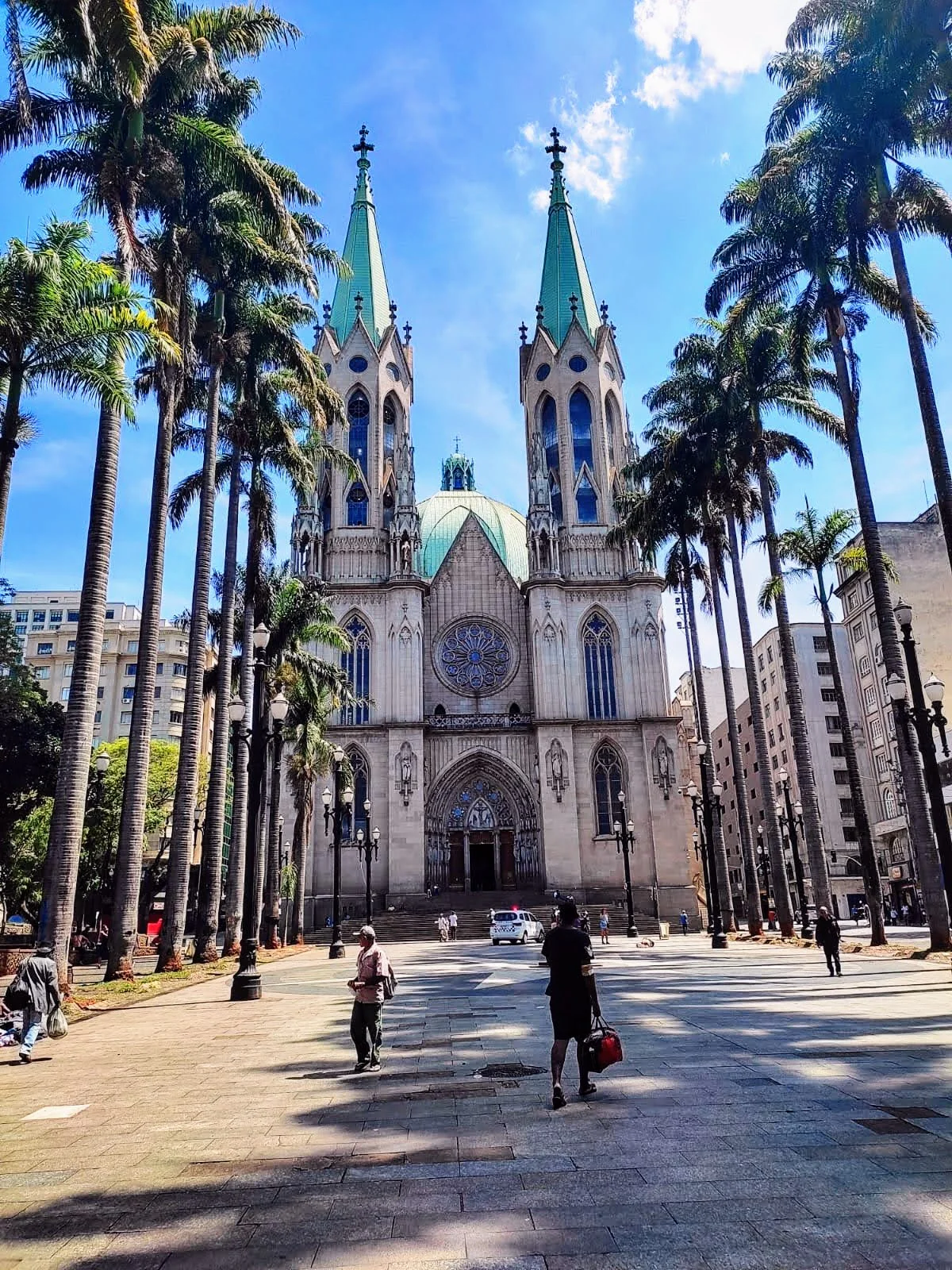
São Paulo · 5 km
Catedral Metropolitana de São Paulo
Content & sources
Photo: Geovana li malike · CC BY-SA 4.0
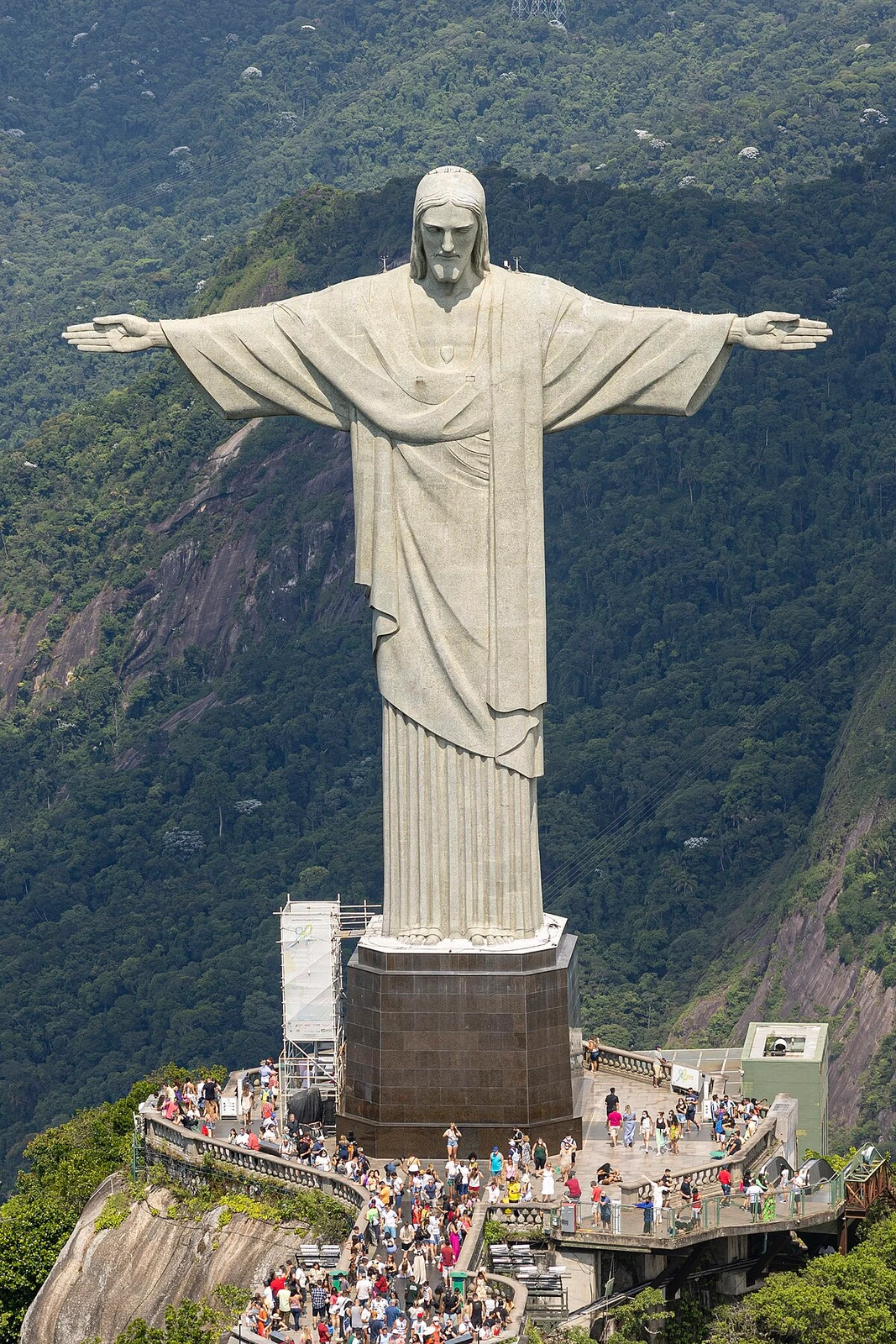
Rio de Janeiro
Christ the Redeemer
Content & sources
Photo: Arne Müseler · CC BY-SA 3.0 de
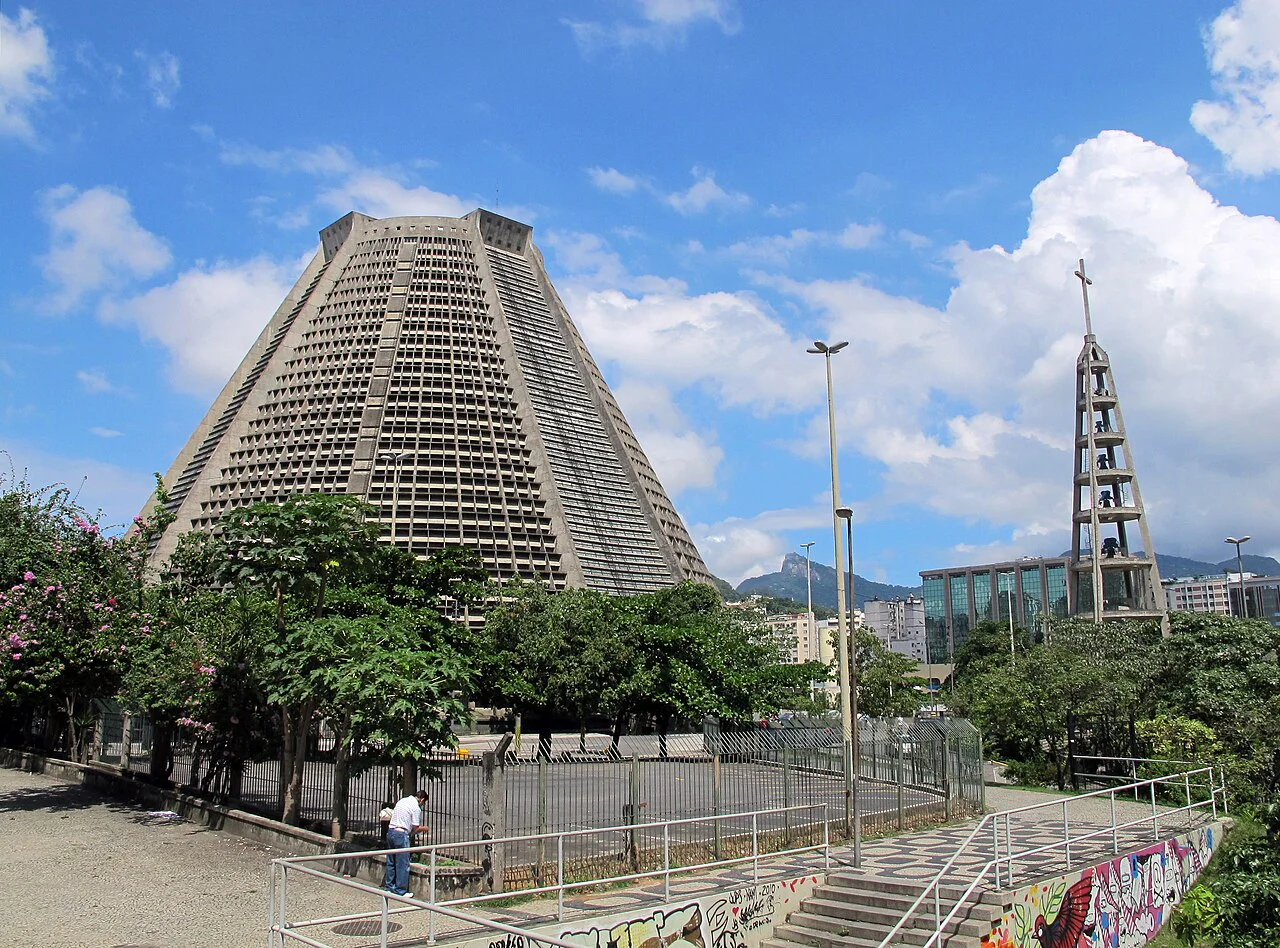
Rio de Janeiro
Catedral de São Sebastião do Rio de Janeiro
Content & sources
Haakon S. Krohn · CC BY-SA 3.0
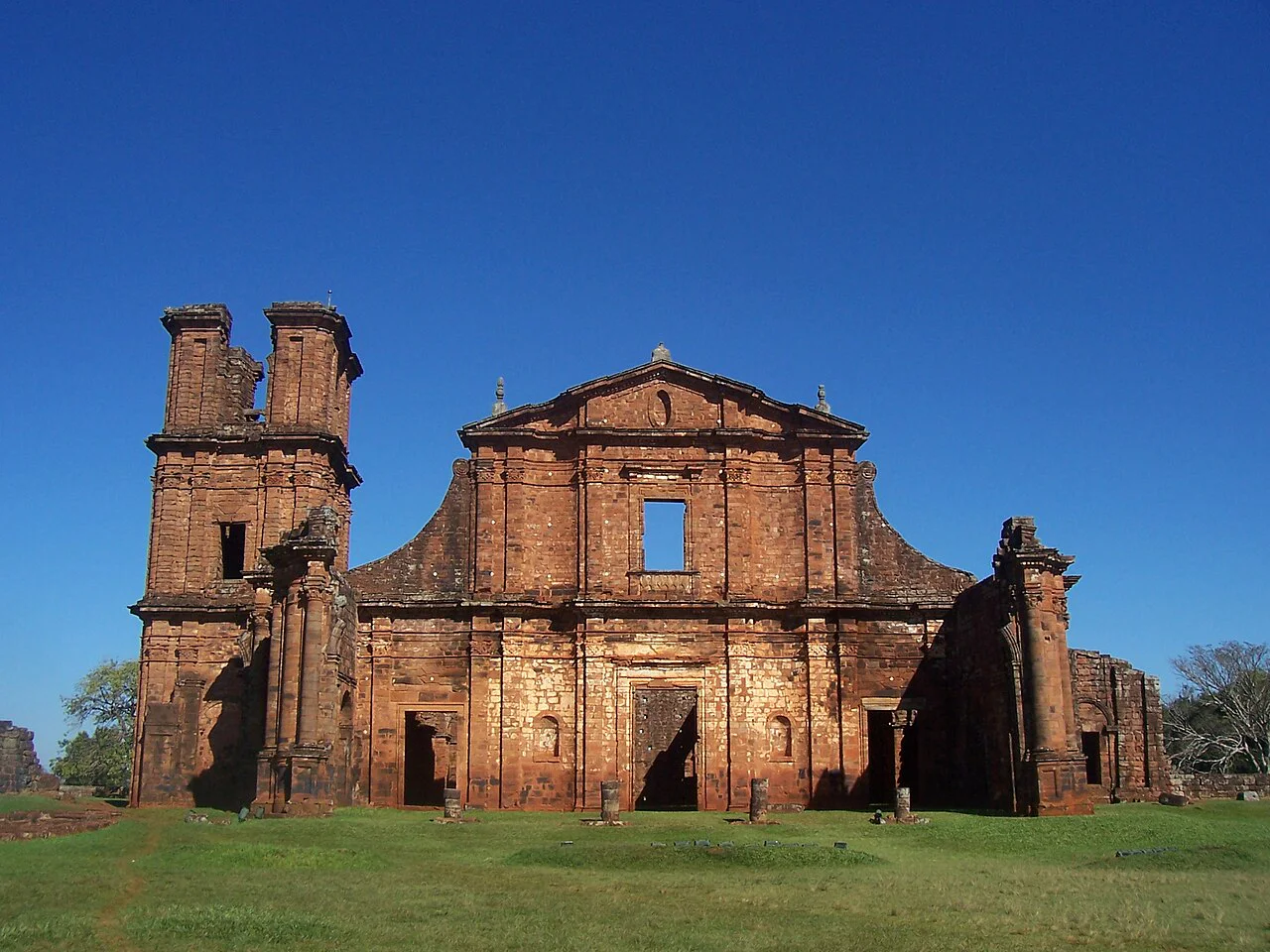
São Miguel das Missões
Sítio Arqueológico de São Miguel Arcanjo
Content & sources
Leandro Kibisz (Loco085) · CC BY-SA 3.0
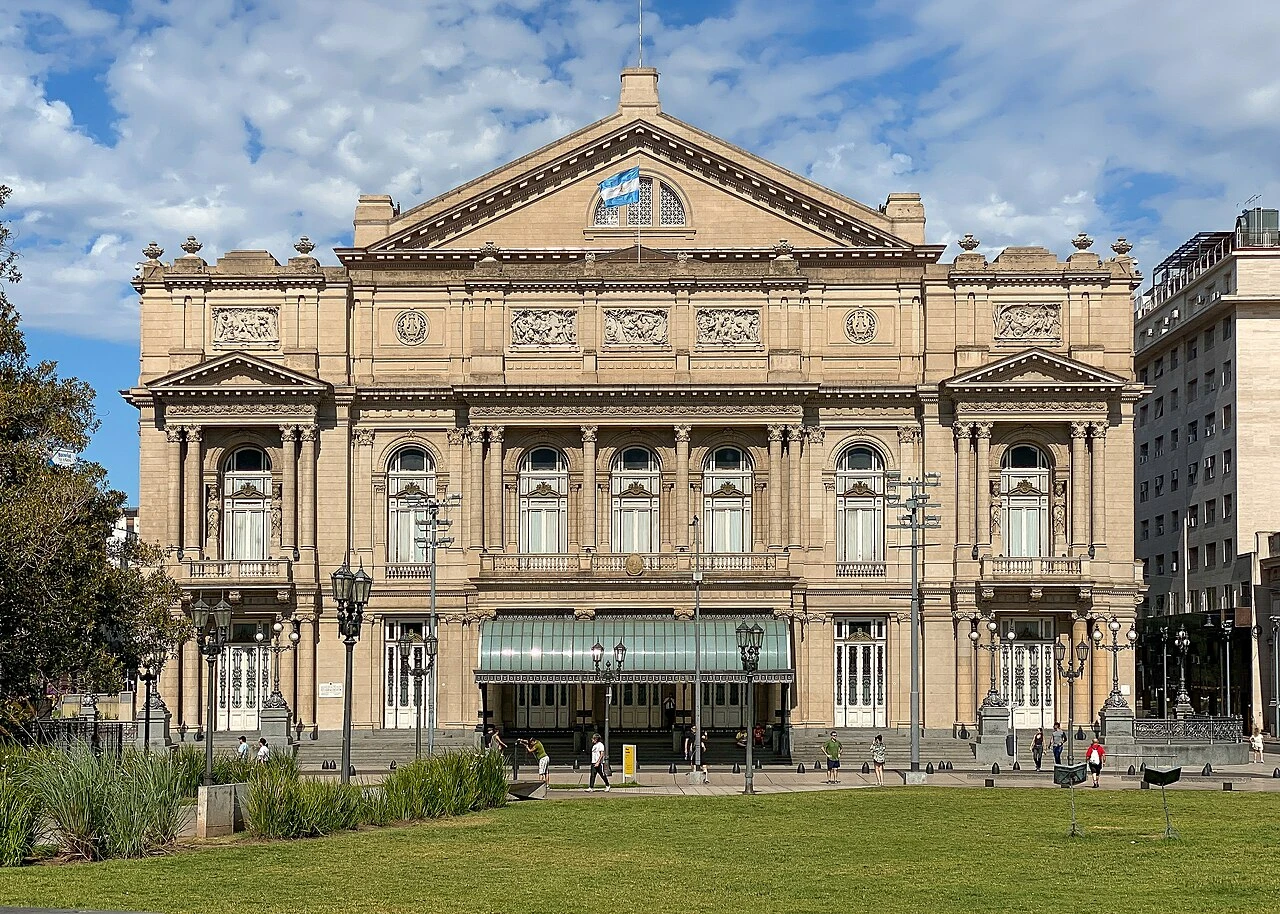
Buenos Aires
Teatro Colón
Content & sources
Photo: EEJCC · CC0
Art museums
More art museum audio guides
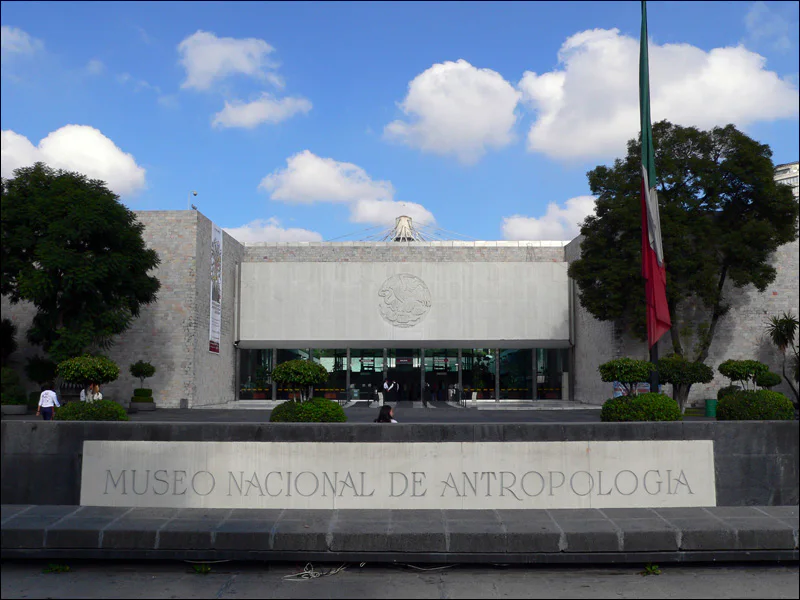
Mexico City · 19 artworks
Museo Nacional de Antropología
Content & sources
Photo: Kornemuz · CC BY-SA 3.0
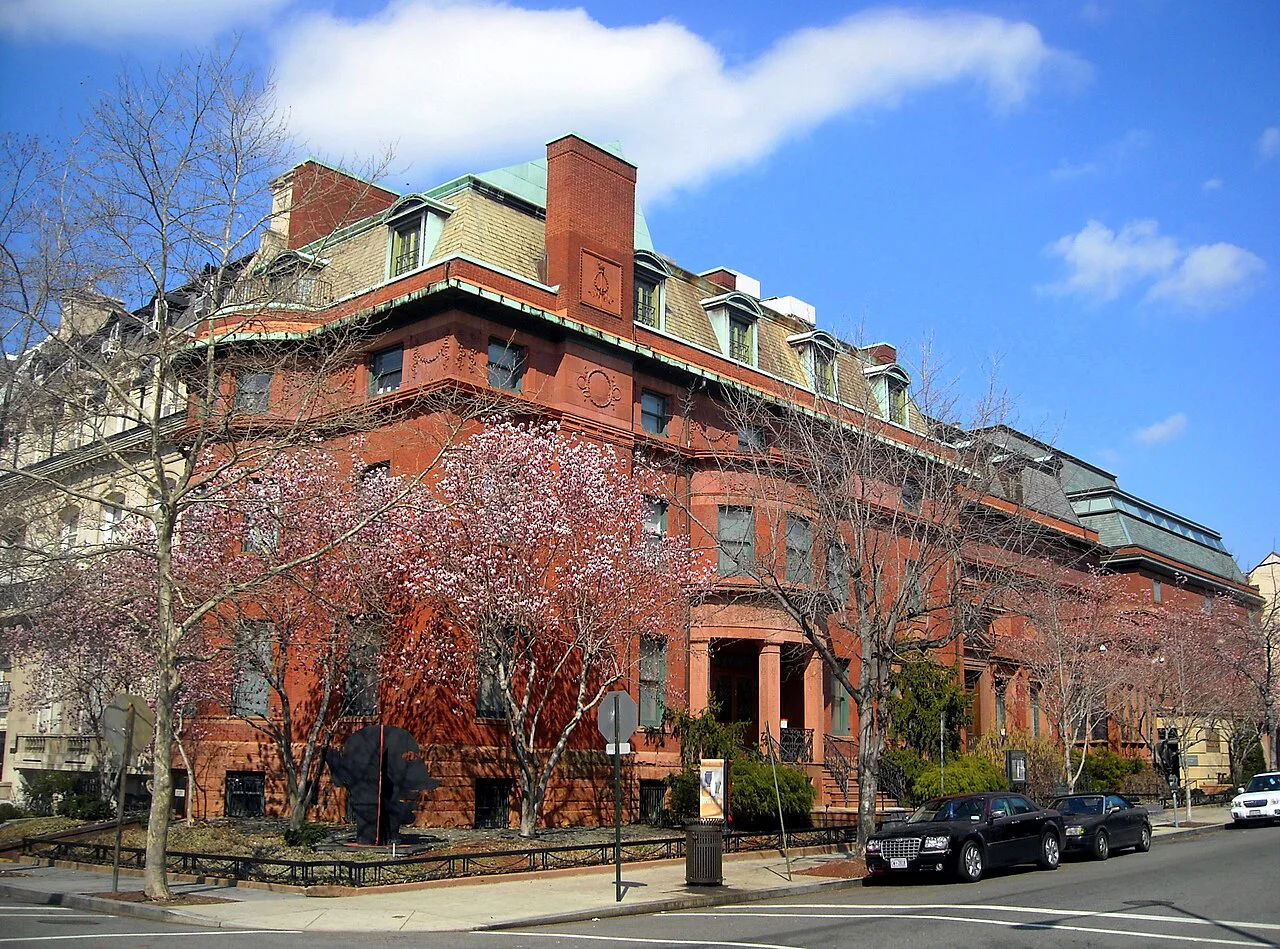
Washington, D.C. · 15 artworks
The Phillips Collection
Content & sources
APK · CC BY-SA 3.0
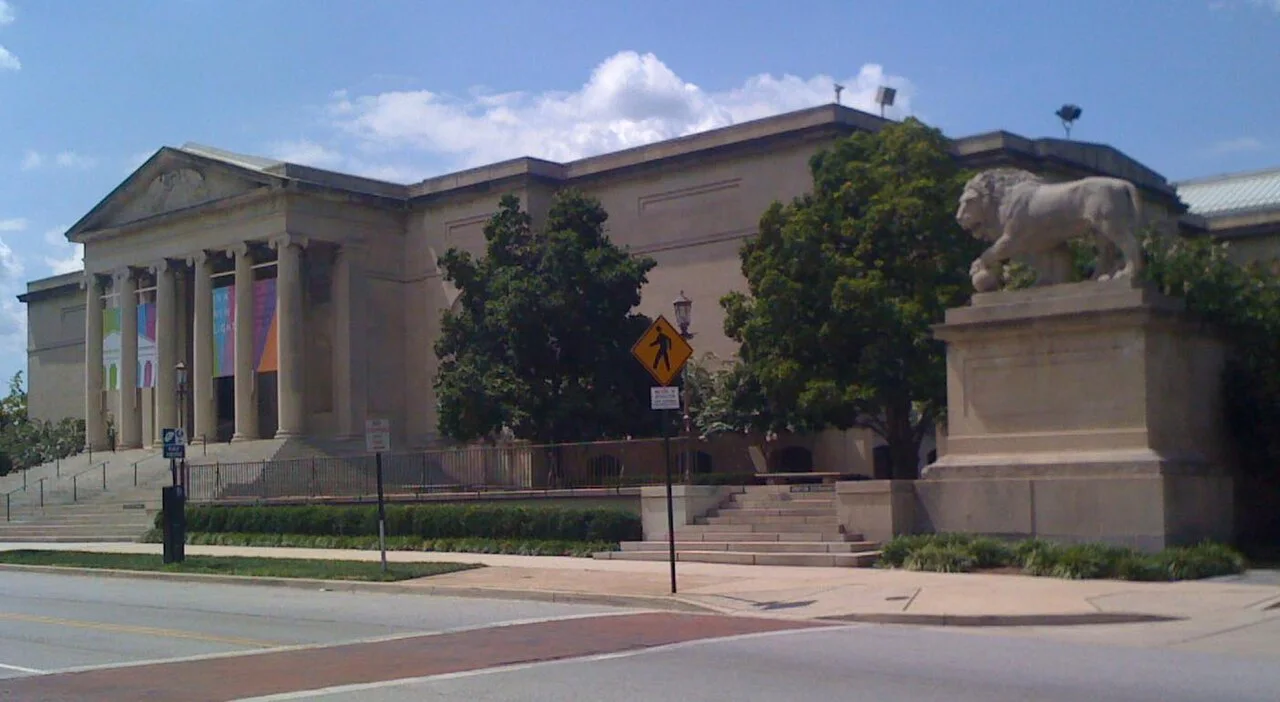
Baltimore · 19 artworks
Baltimore Museum of Art
Content & sources
«Marylandstater» «reply» at English Wikipedia. · Public domain
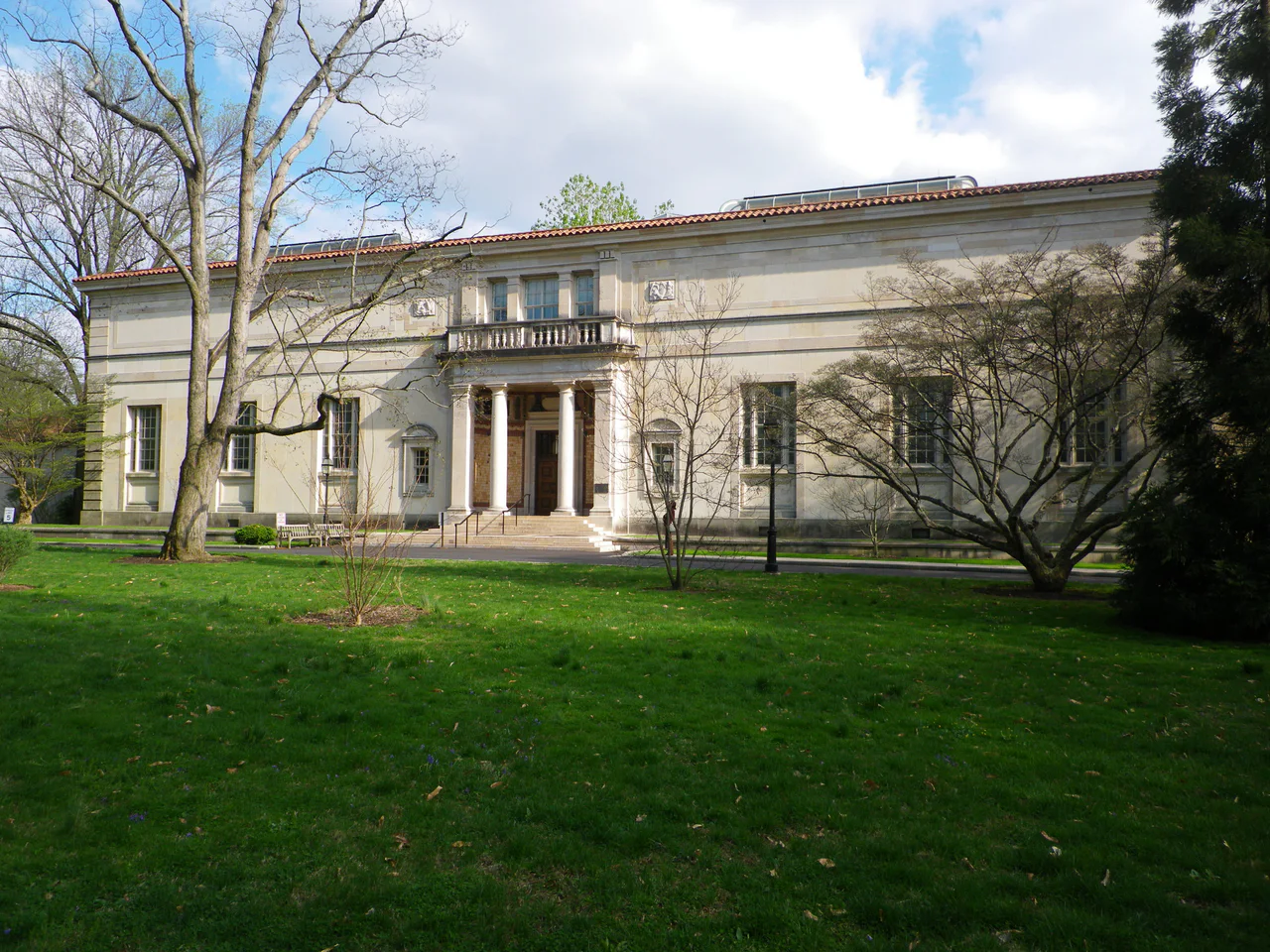
Philadelphia · 38 artworks
Barnes Foundation
Content & sources
Photo: Dmadeo · CC BY-SA 3.0
New York · 150 artworks
The Frick Collection
Content & sources
Photo: Aude · CC BY-SA 2.5
New York City · 438 artworks
Metropolitan Museum of Art
Content & sources
Hugo Schneider · CC BY-SA 2.0