Stanza · Audio guide
Španělská synagogaAudio guide
A place to remember. A story to take with you.
A synagogue in Prague known for its elaborate Moorish Revival interior and as part of the Jewish Museum.
Download Stanza, then search for “Španělská synagoga”.
About the tour
One guide. Your kind of visit.
A synagogue in Prague known for its elaborate Moorish Revival interior and as part of the Jewish Museum.
Ready when you are.
- 01Get the free Stanza app.
iOS & Android
- 02Find your guide.
“Španělská synagoga”
- 03Download before you go.
Works offline
Audio guide / 13 narrated stops
Inside the guide
Get to know a few of the stories before you go. Open a stop to read more.
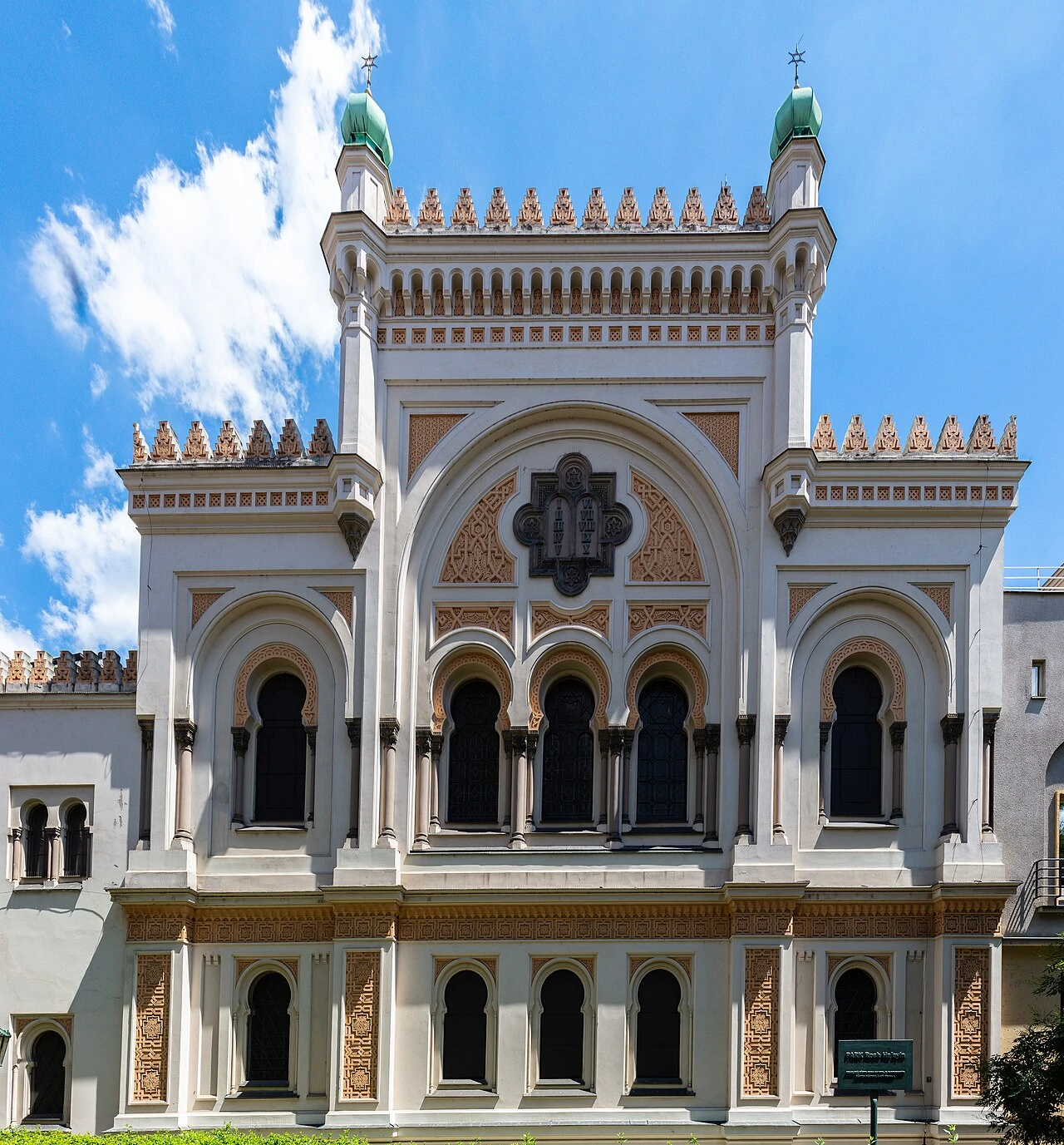
01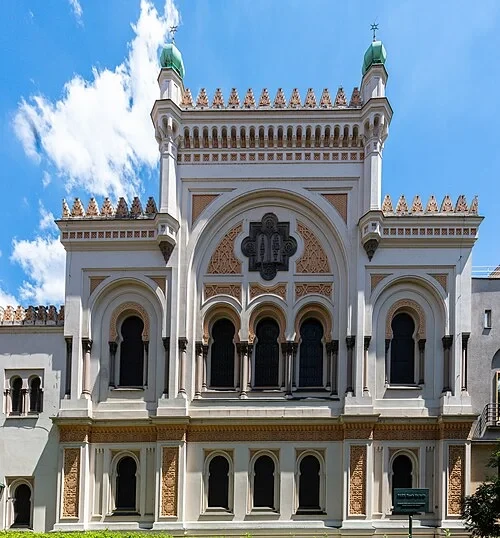 The Moorish Facade and Kafka MonumentThe Moorish Facade
Welcome to the Spanish Synagogue. Standing before this building, you might feel as though you have been transported to southern Spain rather than central Europe. This is a premier example of Moorish Revival architecture, a style that became popular in the mid-19th century. The intricate facade, with its horseshoe arches and decorative crenellations, was heavily inspired by the Alhambra Palace in Granada. Despite its name, this is not a Sephardic synagogue. The 'Spanish' moniker is actually a 20th-century nickname given because of its distinctive architectural style. In reality, no Spanish Jewish community ever lived or worshipped here. This structure was completed in 1868, but the history of this site goes back much further. It was built to replace the 'Old School,' or Altschul, which was the oldest synagogue in the Prague Jewish ghetto, dating back to the 11th century. By the 1860s, that ancient building could no longer accommodate the growing congregation, leading to the creation of the grand, exotic structure you see today. As you observe the exterior, notice the delicate stonework and the twin turquoise-domed towers that reach toward the sky, signaling the building's presence as a major cultural and religious anchor in the city.
Diego Delso · CC BY-SA 4.0
02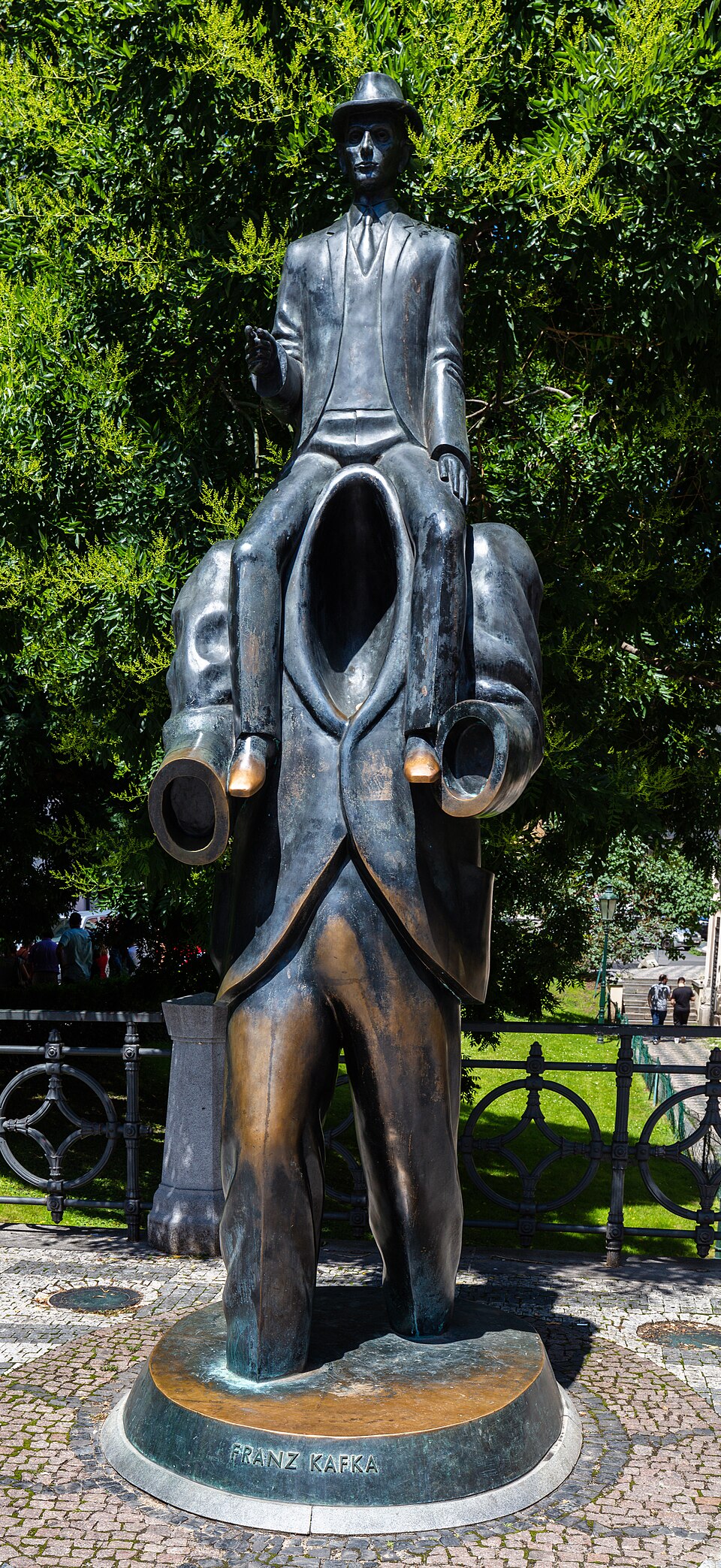 The Moorish Facade and Kafka MonumentFranz Kafka Monument
Just outside the synagogue stands a monument that is as enigmatic as the man it commemorates. This surrealist statue depicts the writer Franz Kafka, perhaps Prague�s most famous Jewish son. Created by sculptor Jaroslav Róna, the monument features a smaller figure of Kafka perched atop the shoulders of a massive, headless, and empty suit. This striking visual is a direct reference to Kafka's early short story, 'Description of a Struggle,' in which one character hops onto the back of another to see the world from a different perspective. The statue serves as a bridge between the historical religious site of the synagogue and the secular, intellectual history of the Jewish Quarter. Kafka lived and worked in this neighborhood, and his writing often explored themes of bureaucracy, alienation, and the shifting identities of the modern world. By placing this monument here, the city anchors the Spanish Synagogue within the broader literary and cultural landscape of the Czech lands. The empty suit can be interpreted as a symbol of the hollow shells of tradition or the weight of societal expectations�themes that resonated deeply in Kafka�s life and work. It is a contemplative piece that invites visitors to think about the many layers of history�literary, social, and religious�that overlap in these narrow streets.
Diego Delso · CC BY-SA 4.0
03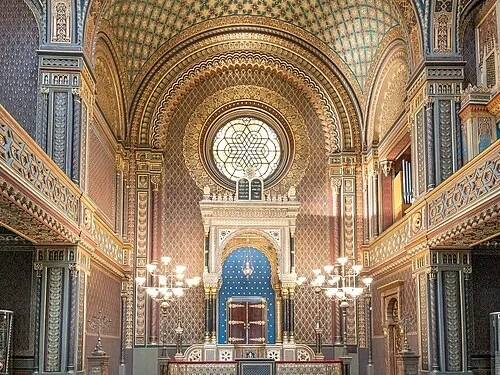 The Gilded Main SanctuaryThe Gilded Main Hall
Stepping into the main sanctuary, the transition from the relatively restrained exterior to the overwhelming opulence inside is intentional. Finished in 1893, the interior was designed to evoke a sense of awe and spiritual transcendence. Every surface is covered in gilded and multi-colored decorations, creating what is often described as a 'jewel-box' effect. The light reflects off the gold leaf, illuminating the space with a warm, golden glow that changes throughout the day. Beyond its beauty, the layout of this hall tells us much about the community that built it. This was a Reform Jewish synagogue, and the architecture reflects a significant shift in 19th-century worship. In traditional synagogues, the 'bimah'�the platform where the Torah is read�is typically placed in the center of the room to be among the people. Here, however, you will notice the bimah is located at the eastern wall, adjacent to the Torah Ark. This change, influenced by Christian church layouts, was meant to modernize the service and focus the congregation's attention forward. This architectural choice was controversial at the time, but it stands as a testament to the emancipation and cultural integration of the Prague Jewish community during the late 19th century, as they sought to balance their ancient traditions with the aesthetics of their modern European surroundings.
Listen in the appKent Wang from Barcelona, Spain · CC BY-SA 2.0
04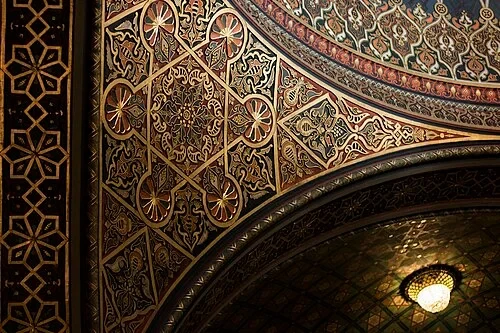 The Gilded Main SanctuaryArabesque Wall Decorations
The dizzying level of detail on the walls and arches around you is the work of designers Antonín Baum and Bedřich Münzberger. They specialized in the Moorish Revival style, drawing heavily from the decorative grammar of Islamic architecture. Look closely at the walls, and you will see that they are not simply painted. They are covered in multi-colored parquet arabesques�complex, repeating patterns of interlacing lines and geometric shapes. In accordance with Jewish tradition, which generally avoids the depiction of human or animal figures in religious spaces, these geometric motifs provided a way to express infinite complexity and divine order through abstract art. The patterns repeat and overlap, drawing the eye upward and creating a sense of limitless detail. This horror vacui�or fear of empty spaces�is a hallmark of the style. The craftsmanship required to execute these designs across the vast expanse of the sanctuary is staggering. Each arch, pillar, and corner is a masterclass in precision, intended to harmonize with the overall architectural theme. The use of deep reds, blues, and ample gold leaf creates a rich texture that feels both ancient and remarkably modern. These decorations were not just for show; they were meant to create an environment where the worshipper felt surrounded by the beauty and complexity of creation, providing a visual meditation on the divine.
Listen in the appDani L.G. · CC BY 2.0
05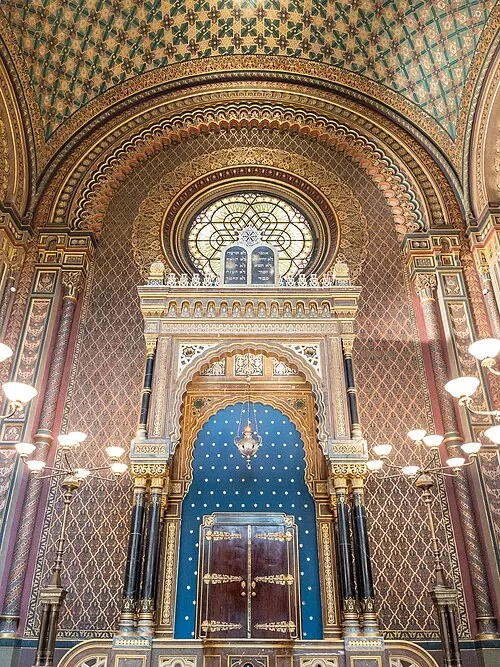 The Torah Ark and Eastern WallThe Torah Ark
The most important feature of any synagogue is the 'Aron ha-kodesh,' or Torah Ark, and the one before you is exceptionally grand. Located on the eastern wall, which faces toward Jerusalem, it is the cabinet where the sacred Torah scrolls are kept. Keeping with the overall Moorish theme, the Ark�s design intentionally mimics a 'mihrab'�the prayer niche found in a mosque that indicates the direction of Mecca. This cross-cultural architectural dialogue is central to the identity of the Spanish Synagogue. The Ark is rendered in a stunning deep blue and gold color scheme, making it stand out as the spiritual focal point of the hall. Notice the twin tablets of the Ten Commandments situated above the doors, reminding the congregation of the core of their faith. The interior of the Ark is lined with precious textiles, providing a protected and honored space for the handwritten parchment scrolls. During services, the opening of the Ark is a moment of great solemnity, as the scrolls are brought out to be read. Its position at the front of the hall, rather than in a more central location, further emphasizes the Reform nature of the congregation that built this space. The Ark is not just a piece of furniture; it is a symbolic gateway between the mundane world of the congregation and the sacred words of the Torah.
Listen in the appKent Wang from Barcelona, Spain · CC BY-SA 2.0
06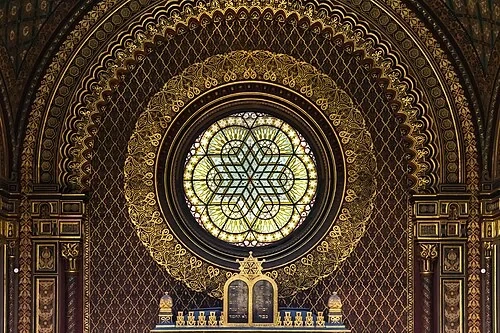 The Torah Ark and Eastern WallThe Stained-Glass Rose Window
High above the Torah Ark is the magnificent stained-glass rose window, which has been a feature of the sanctuary since 1882. While rose windows are often associated with Gothic cathedrals, this one is firmly rooted in the Moorish Revival tradition. At its very center is a clear six-pointed Star of David, the Magen David, which serves as a powerful symbol of Jewish identity and protection. Surrounding the central star is a series of intricate geometric patterns that echo the arabesques found on the walls. The window is designed to filter the natural light coming from the east, bathing the Ark and the bimah in a soft, ethereal glow. This interplay of light and color was a key element of the 19th-century 'synagogue experience,' intended to heighten the emotional and spiritual impact of the worship service. The use of vibrant blues, ambers, and reds in the glass complements the gilded interior, ensuring that the room remains luminous even on overcast Prague days. Architecturally, the window serves as an 'anchor' for the eastern wall, drawing the eye upward and completing the vertical composition of the sanctuary's front. It is a perfect example of how the designers used light as a building material, shaping the atmosphere of the space through color and geometry.
Listen in the appPhoto: Uoaei1 · CC BY-SA 4.0
07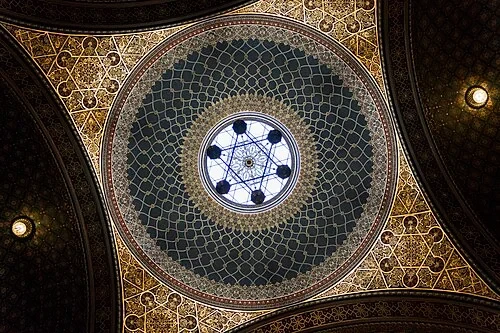 The Celestial DomeThe Central Dome
Gaze upward, and you will see the crowning glory of the sanctuary: the massive central dome. The synagogue is built on a square ground plan, and this dome acts as the structural and visual anchor for the entire interior. The transition from the square base of the walls to the circular base of the dome is handled through decorative squinches and arches, all covered in the same meticulous arabesque patterns seen throughout the hall. The dome highlights the mathematical precision inherent in the Moorish Revival style. Notice how the lines and patterns radiate out from the very center, creating a sense of movement and expansion. This design element is meant to symbolize the heavens, a common theme in religious architecture across many faiths. The sheer scale of the dome creates a dramatic sense of volume, making the sanctuary feel far larger and more open than its footprint might suggest. This feeling of 'breathable' space was a hallmark of modern 19th-century architecture, providing a stark contrast to the cramped, dark interiors of older synagogues in the former ghetto. The light that reflects off the gilded patterns of the dome helps to illuminate the upper reaches of the hall, ensuring that every corner of the magnificent ceiling is visible to the people below. It remains one of the most impressive vaulted spaces in the city.
Listen in the appDani L.G. · CC BY 2.0
08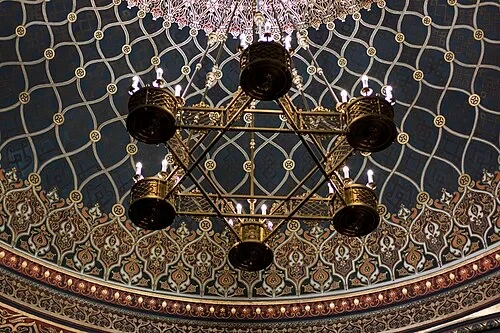 The Celestial DomeStar of David Chandelier
Suspended directly from the center of the great dome is a massive brass chandelier. Its most striking feature is its shape�a large, three-dimensional Star of David. This is not just a decorative lighting fixture; it is a statement of identity, positioned at the very heart of the building�s vertical axis. The metallic finish of the brass provides a sharp, bright contrast against the deep blues and reds of the ceiling's intricate patterns. When the chandelier is lit, it enhances the 'jewel-box' effect of the sanctuary, casting light onto the gilded walls and making the entire room sparkle. This chandelier also serves to emphasize the verticality of the space. By hanging so low into the hall, it draws your eye from the floor up toward the magnificent dome, making you feel the true height of the sanctuary. In the late 19th century, the introduction of grand chandeliers like this was often made possible by new technologies in lighting, allowing for larger and more ornate fixtures than had been practical in previous eras. It stands as a symbol of the prosperity and confidence of the Jewish community in Prague at the time, who were eager to build a house of worship that was as modern and beautiful as any other grand building in the city.
Listen in the appDani L.G. · CC BY 2.0
09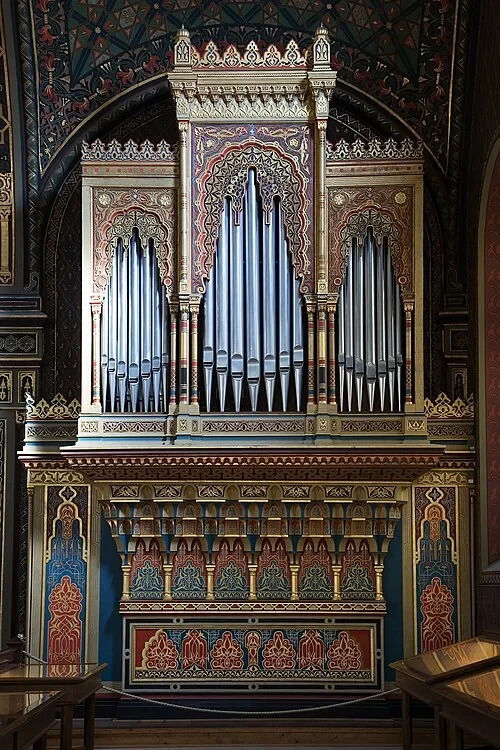 The Organ Gallery and Reform HistoryThe Synagogue Organ
Located in the southern gallery is the synagogue's pipe organ, a feature that might surprise those familiar with more traditional Jewish worship. In Orthodox Judaism, musical instruments are generally not used during the Sabbath or festivals, following a tradition of mourning for the destruction of the Temple in Jerusalem. However, the Spanish Synagogue was the home of a Reform congregation, which sought to modernize and revitalize the Jewish experience. The inclusion of an organ allowed for the introduction of professional choirs and sophisticated musical compositions into the service, much like the contemporary Christian churches of the era. The goal was to create a more formal and aesthetically pleasing worship experience that resonated with the culturally integrated Jewish middle class of 19th-century Prague. Interestingly, one of the most famous people associated with this synagogue was František Škroup, the composer of the Czech national anthem, who served as the organist here for several years in the mid-1800s. The organ itself is encased in beautifully carved woodwork that matches the Moorish style of the rest of the building, ensuring it integrates seamlessly into the architecture. Today, the organ is still used for concerts, continuing the synagogue's long tradition of being a center for both spiritual and musical excellence.
Listen in the appJorge Royan · CC BY-SA 3.0
10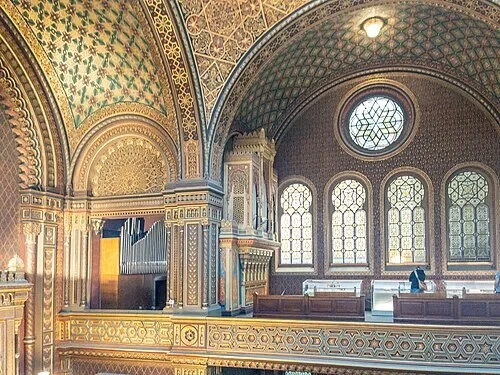 The Organ Gallery and Reform HistoryThe Upper Gallery
The sanctuary is surrounded on three sides by built-in balconies known as the upper galleries. Historically, these galleries served a specific social and religious purpose: they were the designated seating area for women. In accordance with centuries-old Jewish tradition, men and women sat separately during services to ensure focus on prayer. Even in this more progressive Reform synagogue, the structural layout maintained this division. From this elevated vantage point, you can truly appreciate the 'jewel-box' effect of the hall. The view across the sanctuary allows you to see the intricate details of the opposite walls and the way the light filters through the arched stained-glass windows. These windows, visible in the upper sections of the walls, are decorated with geometric patterns that harmonize with the rest of the Moorish design. The galleries also provide a closer look at the transition from the walls to the ceiling, revealing the immense labor that went into every square inch of decoration. Today, these spaces are used for museum exhibits, but their presence reminds us of the lived experience of the worshippers who once filled this hall. Standing here, you can almost imagine the sound of the organ and the choir rising from the floor below, filling this magnificent, gilded volume with music and prayer.
Listen in the appKent Wang from Barcelona, Spain · CC BY-SA 2.0
Španělská synagoga
Frequently asked questions
How much does the guide cost?
Free app download. Listed guide price: $0.99. Guide price shown in the app. Audio guide only. Venue admission is separate.
Can I listen without internet?
Yes. Download the guide’s audio, images, and maps in the app before your visit. Your downloaded content is then available offline.
Can I listen in my language?
Stanza supports 15 languages. Check the app for the languages available for this guide.
Do I need to follow a schedule?
No. This is a self-guided experience. Choose your stops, pause whenever you like, and return to a story at your own pace.
At your own pace
Explore Španělská synagoga.
Download Stanza, then search for “Španělská synagoga”.
Free app download · Guide price shown in the app
Keep exploring
Nearby audio guides
Prague
Charles Bridge
Content & sources
Photo: A.Savin · FAL
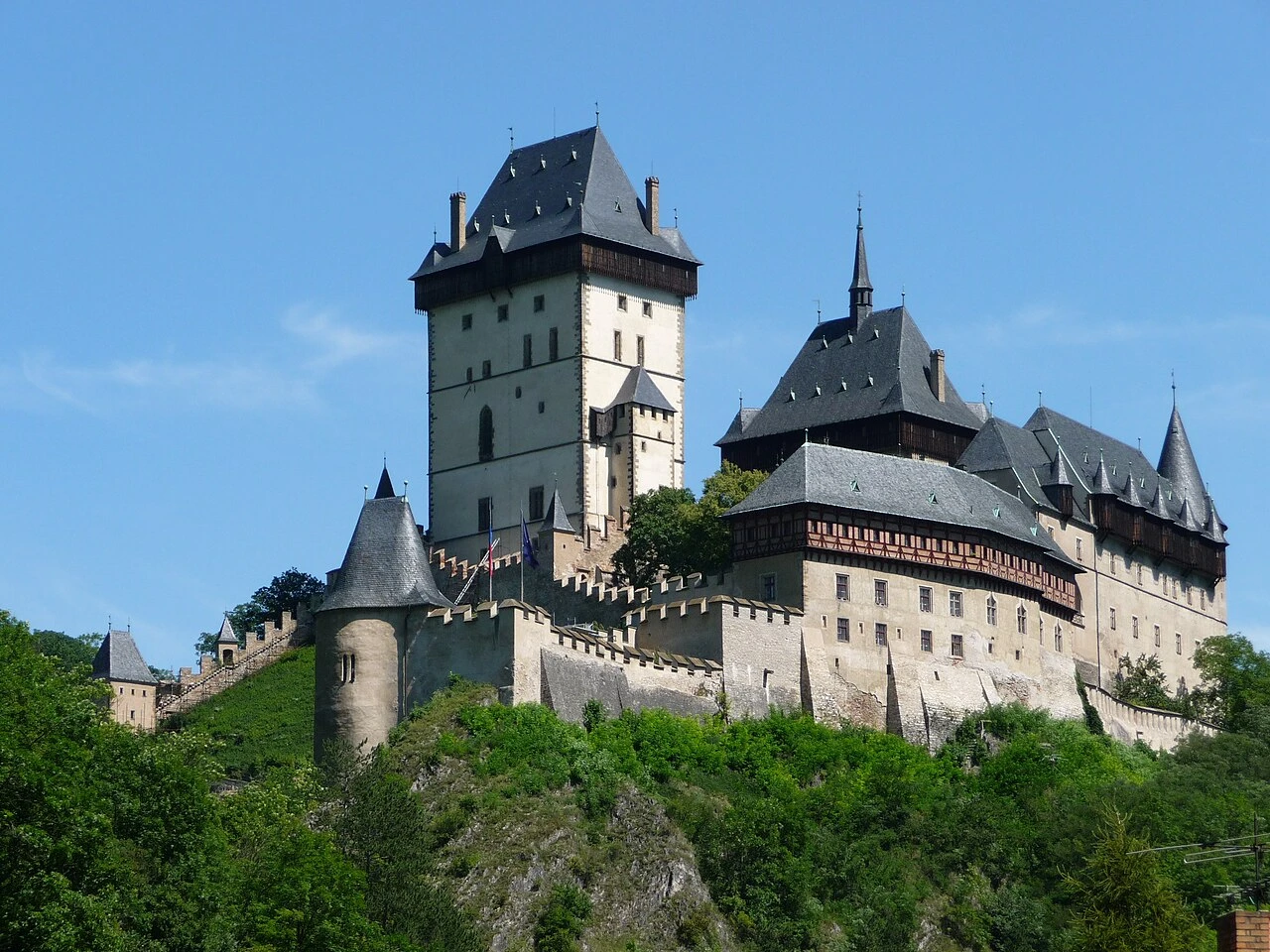
Karlštejn
Karlštejn Castle
Content & sources
Jürgen Regel, Marian… · CC BY 3.0
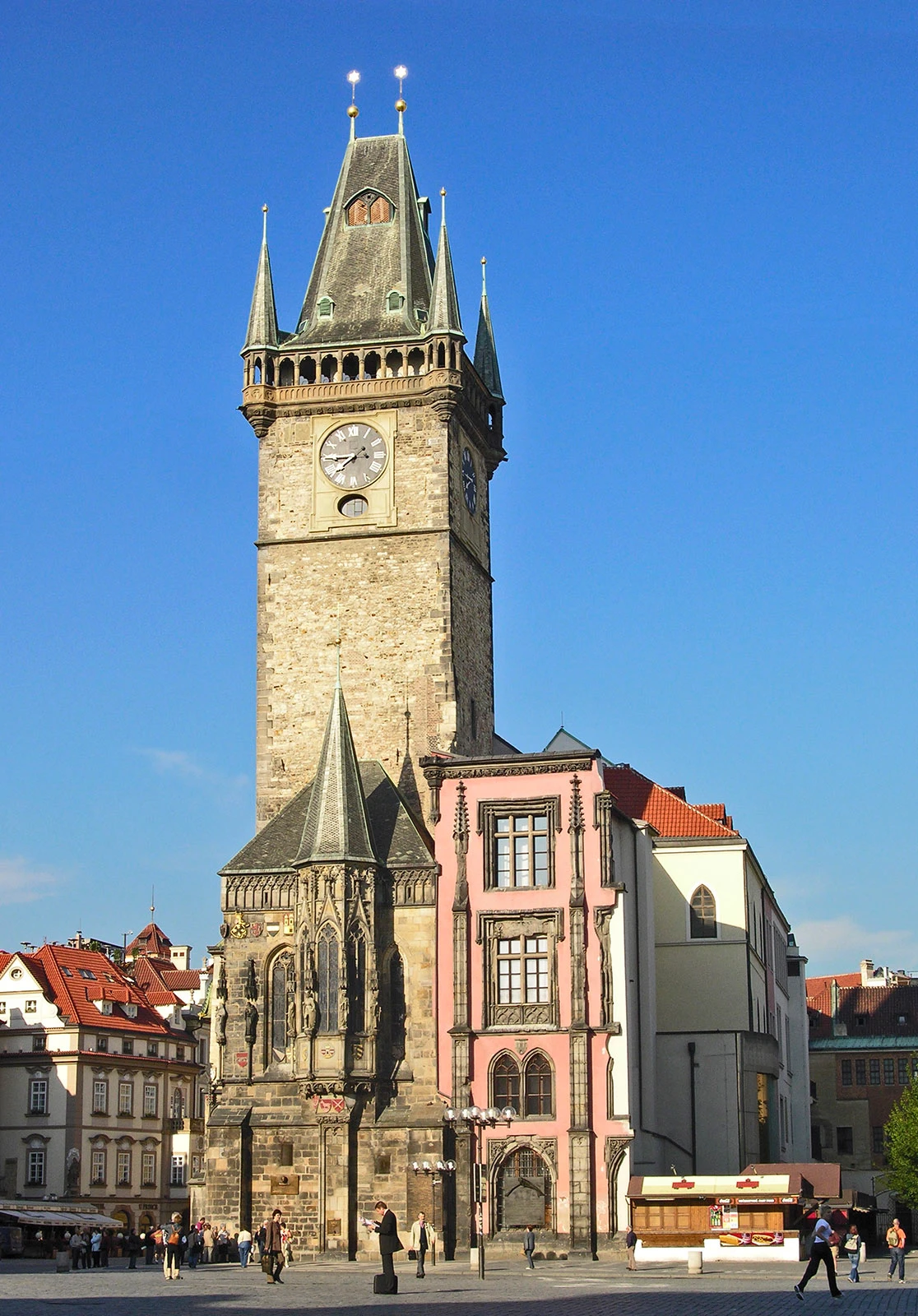
Prague
Old Town Hall
Content & sources
Hans Peter Schaefer, http://www.reserv-a-rt.de · CC BY-SA 3.0
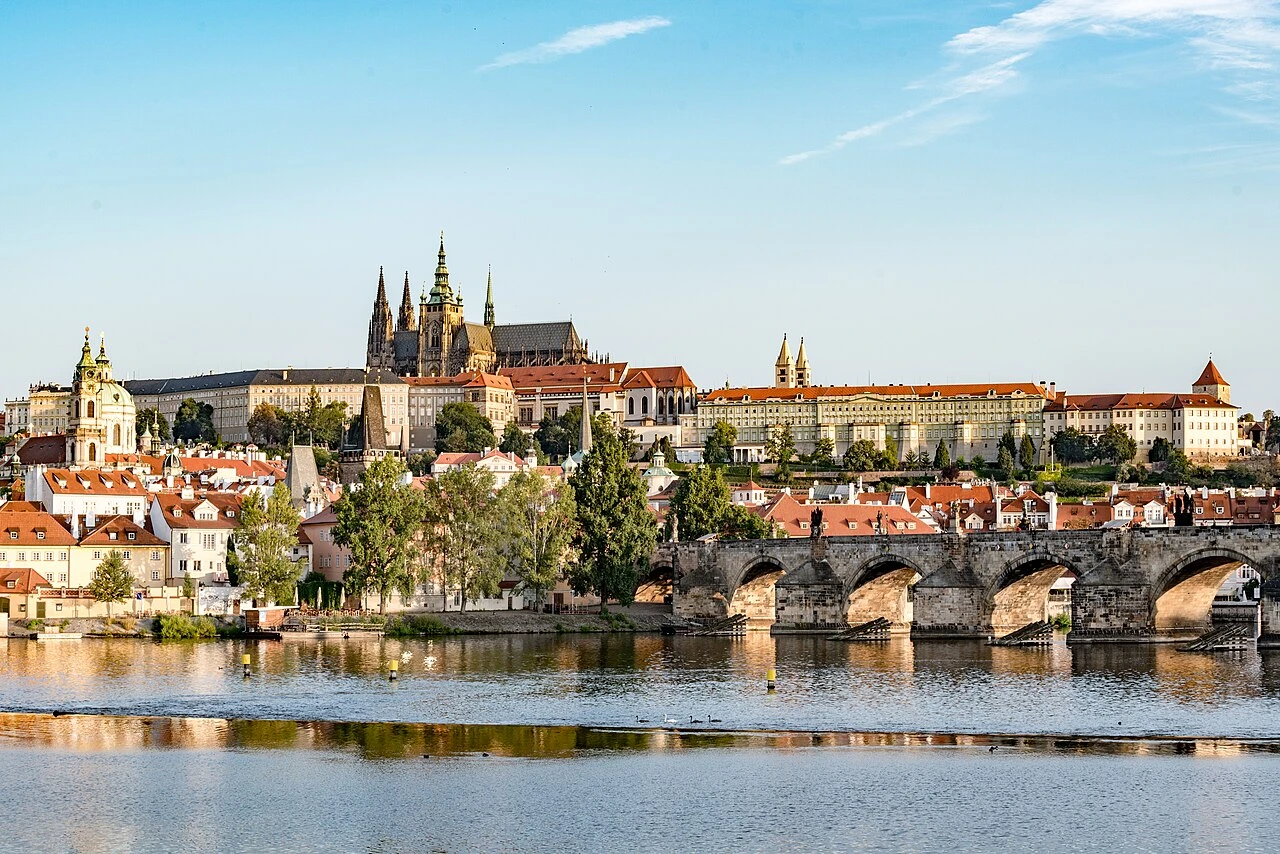
Prague
Pražský hrad
Content & sources
Photo: Tilman2007 · CC BY-SA 4.0