Stanza · Audio guide
Temple of Kom OmboAudio guide
A place to remember. A story to take with you.
The Temple of Kom Ombo is a unique double temple dedicated to the deities Sobek and Horus, built during the Ptolemaic dynasty. It is renowned for its symmetrical design and historical significance as an…
Download Stanza, then search for “Temple of Kom Ombo”.
About the tour
One guide. Your kind of visit.
The Temple of Kom Ombo is a unique double temple dedicated to the deities Sobek and Horus, built during the Ptolemaic dynasty. It is renowned for its symmetrical design and historical significance as an ancient center for crocodile worship.
Ready when you are.
- 01Get the free Stanza app.
iOS & Android
- 02Find your guide.
“Temple of Kom Ombo”
- 03Download before you go.
Works offline
Audio guide / 13 narrated stops
Inside the guide
Get to know a few of the stories before you go. Open a stop to read more.
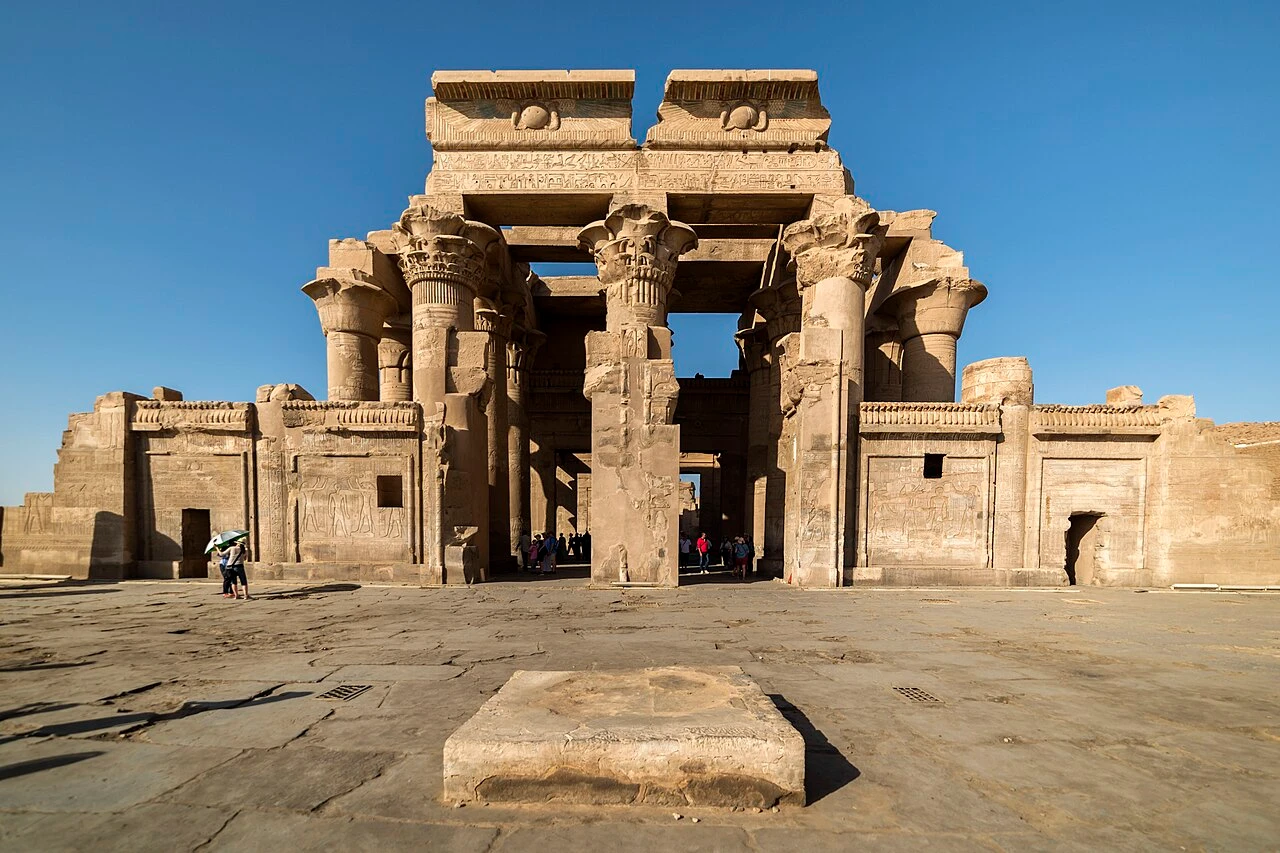
01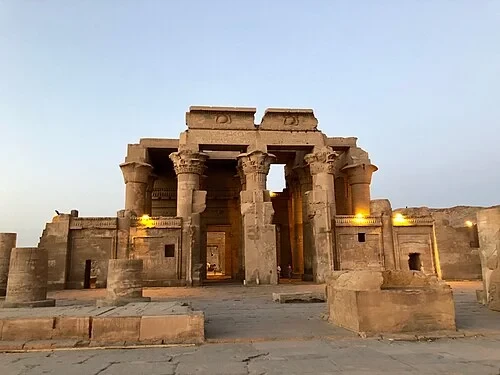 The Double Entrance and FacadeThe Twin Temple of the Nile
Welcome to one of the most unusual sacred sites of ancient Egypt, standing on a prominent plateau ninety-five meters above sea level. Unlike typical temples dedicated to a single patron deity, this structure features a dual layout designed to serve two divine masters. On one side, the priesthood worshipped Sobek, the crocodile god associated with fertility and water; on the other, they honored Horus the Elder, the falcon-headed god of light. This architectural doubling was not just an aesthetic choice, but a theological necessity to appease two powerful and potentially rival forces. Under modern illumination, the symmetrical towers of the main entrance cast long shadows across the stone courtyard, highlighting the precise mirroring that characterizes the entire complex. As we explore the temple, you will see how this division of space extends through every corridor, gateway, and sanctuary.
Warren LeMay from Chicago, IL, United States · CC0
02 The Double Entrance and FacadeThe Great Symmetrical Facade
Entering the temple courtyard, the architectural symmetry of the main entrance is immediately apparent. Construction of this grand facade began during the reign of Ptolemy VI Philometor, who ruled from 180 to 145 BC, and work continued over several centuries, extending well into the Roman era. Two identical gateways stand side by side, leading into parallel sections of the temple. In the foreground, a low, flat stone block sits squarely on the central dividing line of the complex. This marker reveals the exact layout of the temple, which was split down the middle into two parallel paths to ensure equal honor to Sobek and Horus. The monumental columns of the portico rise directly behind the gateways, their massive shapes silhouetted against the open sky.
Photo: Ahmed Yousry Mahfouz · CC BY-SA 4.0
03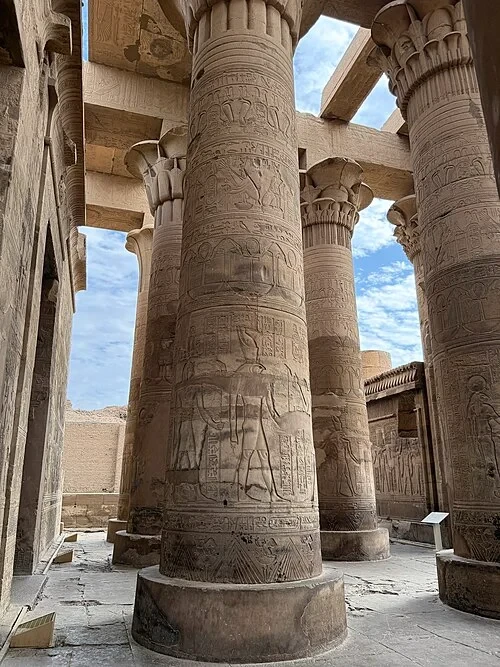 The Outer Hypostyle HallPillars of the Outer Hall
Moving inside the outer hypostyle hall, you are surrounded by massive sandstone columns rising from the stone floor. Detailed carvings cover the column shafts, depicting various pharaohs presenting offerings to the gods. Originally, these pillars supported a heavy stone ceiling that kept the interior cool and dark, but today only massive crossbeams remain, exposing the decorated columns to the open sky. The reliefs are deeply cut to catch the shifting desert light throughout the day, creating high-contrast shadows that bring the hieroglyphic scenes of gods and kings to life. As you observe the pillars, you can see how the circular bases ground them firmly in the courtyard. Look closely at the lower registers of the columns, where you can see the textured lines of pharaonic skirts and the details of offerings like incense and papyrus stalks.
Listen in the appPhoto: Chabe01 · CC BY-SA 4.0
04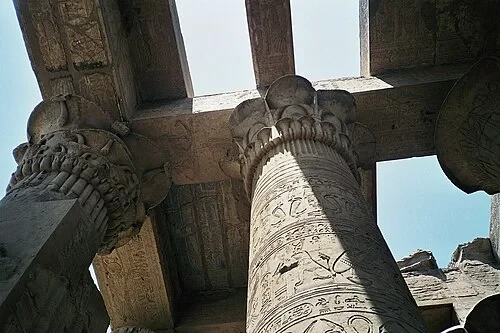 The Outer Hypostyle HallThe Botanical Capitals
Looking upward at the tops of the pillars, you will notice a departure from traditional pharaonic architecture. During the Ptolemaic period, temple builders developed a creative style of carving varied papyrus and lotus-shaped capitals that mimic local marsh plants of the Nile. Instead of keeping all column tops identical, the architects intentionally placed differing capital designs on adjacent columns. This variety broke the rigid uniformity seen in older pharaonic temples, adding a more organic feel to the stone forest of the hall. Some capitals show open lotus flowers, while others resemble bound papyrus buds. The preservation of these detailed carvings allows you to trace the delicate lines of the individual petals and reeds carved directly into the stone blocks.
Listen in the appMarion Golsteijn · CC BY-SA 3.0
05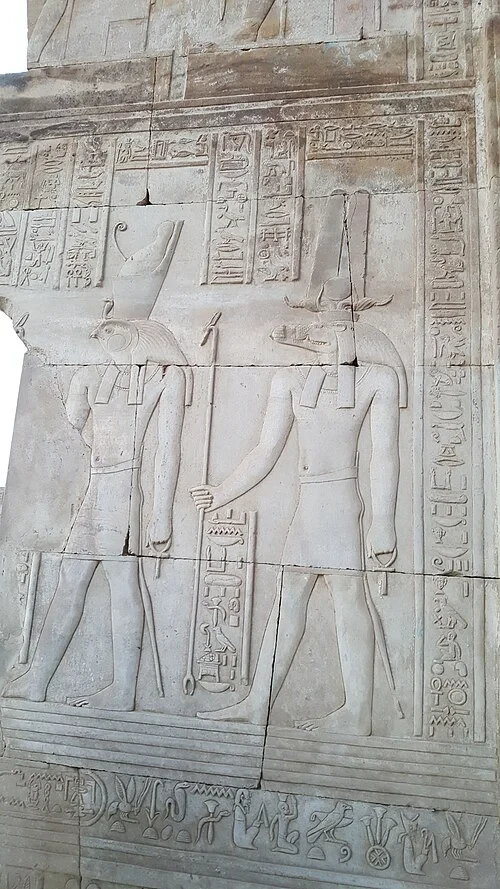 The Inner Hypostyle Hall and Dual ReliefsRelief of the Dual Gods
This wall relief displays the two primary deities of the temple standing side by side. On the left is the falcon-headed Horus the Elder, wearing the double crown of Upper and Lower Egypt. On the right stands the crocodile-headed Sobek, wearing a complex crown with tall feathers and horns. This visual pairing represents a theological compromise designed to bring cosmic balance to the region. By uniting these opposing forces—Horus representing light and order, and Sobek representing the untamed power and occasional chaos of the river—the priests created a harmonious co-existence. Each god holds an ankh, the symbol of life, in one hand and a staff in the other, signaling their equal authority over the temple.
Listen in the appPhoto: Ovedc · CC BY-SA 4.0
06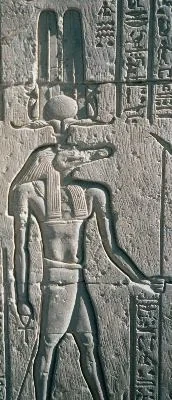 The Inner Hypostyle Hall and Dual ReliefsThe Crocodile Sovereign
This detailed carved relief depicts the god Sobek with a crocodile's head on a human body. He wears a solar disc crown framed by horns and feathers, while holding a sceptre in one hand and an ankh in the other. Sobek held a complex role in ancient Egyptian life. While feared as a dangerous and unpredictable predator of the Nile, he was simultaneously worshipped because his presence in the river signaled the arrival of the annual fertile floodwaters essential for agriculture. The details of the scales on his head and neck are clearly visible, illustrating the skill of the artisans who carved these deep lines. The relief presents the deity standing tall, dressed in a traditional royal kilt with a belt. His long snout and sharp teeth are rendered in profile, presenting a powerful image of river authority.
Listen in the appPhoto: Hajor~commonswiki · CC BY-SA 3.0
07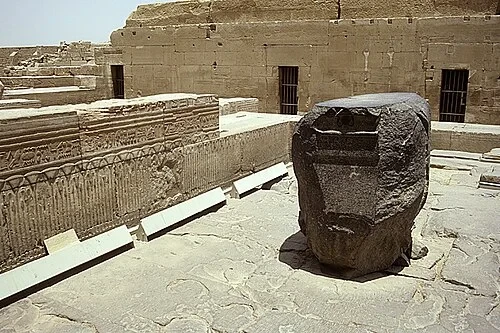 The Dual SanctuariesThe Ruined Sanctum
Within the inner ruins of the temple, a dark, broken granite block sits in the middle of the stone floor. This block served as the pedestal for the sacred naos, a wooden shrine that once housed the golden cult statue of the resident deity. Because of the temple’s distinctive double design, two of these sanctuaries were constructed side by side, separated by a thick central wall to maintain their complete independence. Only the priests and the pharaoh were permitted to enter these most sacred chambers, where they performed daily rituals to nourish the gods. Today, with the roof and walls mostly lost, the broken pedestals lie exposed, surrounded by the towering stone walls of the inner chambers.
Listen in the appRoland Unger · CC BY-SA 3.0
08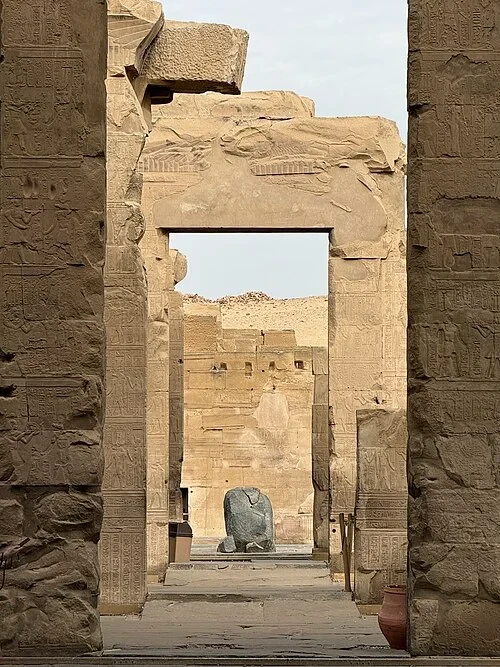 The Dual SanctuariesThe Parallel Portal View
Looking down the main axis of the ruins reveals how strictly the temple's symmetrical design was maintained. The parallel stone doorways align perfectly, offering a clear view straight through the ancient structures to the desert hills in the background. This architectural division ensured that the followers of Sobek and the followers of Horus remained physically separated as they moved toward the rear sanctuaries. Neither cult could claim dominance over the other, as every chamber, doorway, and altar had an exact counterpart on the opposite side of the central axis. The remaining doorframes are covered in relief carvings of deities and pharaohs, framing the open desert beyond.
Listen in the appPhoto: Chabe01 · CC BY-SA 4.0
09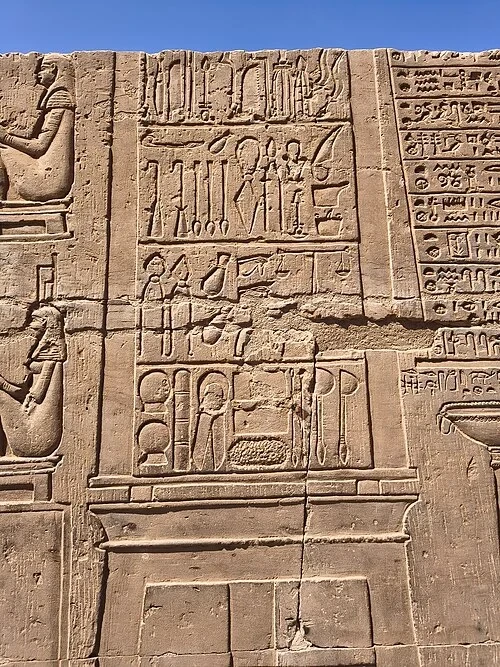 The Ancient Medical ReliefsThe Ancient Surgical Instruments
On the inner face of the temple's rear wall is a distinctive relief showing ancient medical practices. The carvings depict various surgical tools, including scalpels, forceps, bone saws, dental instruments, and metal cups used for bloodletting and cupping therapy. These detailed illustrations demonstrate the advanced scientific and medical knowledge possessed by the temple priests, who served as primary healers for the local population. Next to the medical instruments are two seated goddesses who oversee the healing process. Patients from across the region traveled to this temple seeking cures for illnesses and physical injuries, turning the sacred site into a bustling center of wellness and clinical care. The carving shows the tools arranged in neat registers, resembling a modern surgical tray.
Listen in the appPhoto: Mannivu · CC BY-SA 4.0
10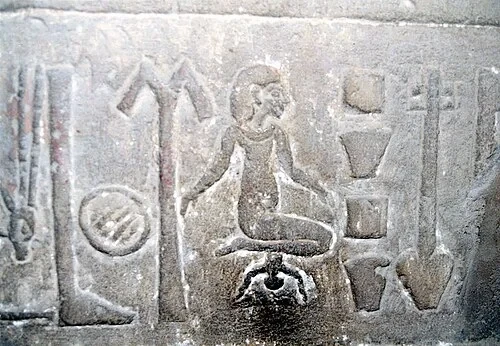 The Ancient Medical ReliefsThe Birthing Relief
Located near the surgical instruments, this relief shows a woman kneeling on a birthing stool. The scene provides a rare glimpse into ancient Egyptian gynecological and obstetrical practices, which integrated physical science with spiritual beliefs of the era. Surrounding the figure are symbolic hieroglyphs and objects associated with childbirth, fertility, and motherhood. During the Ptolemaic and Roman eras, this temple functioned as a center for practical medical knowledge alongside religious devotion. Priests recorded observations, developed treatments, and assisted with difficult births within the temple complex. This relief demonstrates that temple spaces served the practical needs of the living community, offering healthcare alongside worship. The carving captures the kneeling posture traditionally used for labor in ancient times, preserved on the worn stone surface alongside columns of explanatory hieroglyphic text.
Listen in the appG. Blanchard Aoineko at fr.wikipedia · CC BY-SA 3.0
Temple of Kom Ombo
Frequently asked questions
How much does the guide cost?
Free app download. Listed guide price: $3.99. Guide price shown in the app. Audio guide only. Venue admission is separate.
Can I listen without internet?
Yes. Download the guide’s audio, images, and maps in the app before your visit. Your downloaded content is then available offline.
Can I listen in my language?
Stanza supports 15 languages. Check the app for the languages available for this guide.
Do I need to follow a schedule?
No. This is a self-guided experience. Choose your stops, pause whenever you like, and return to a story at your own pace.
At your own pace
Explore Temple of Kom Ombo.
Download Stanza, then search for “Temple of Kom Ombo”.
Free app download · Guide price shown in the app
Keep exploring
Nearby audio guides
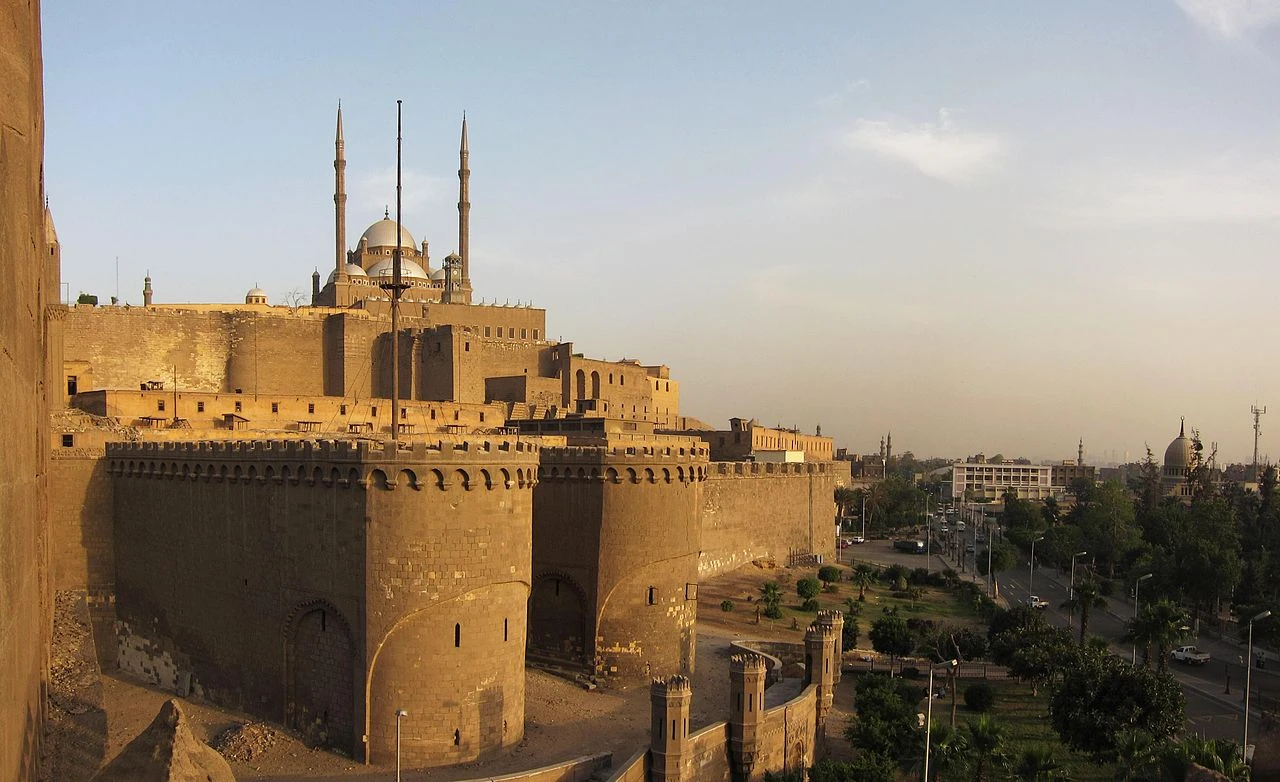
Cairo
Cairo Citadel
Content & sources
Ahmed Al.Badawy from Cairo, Egypt · CC BY-SA 2.0
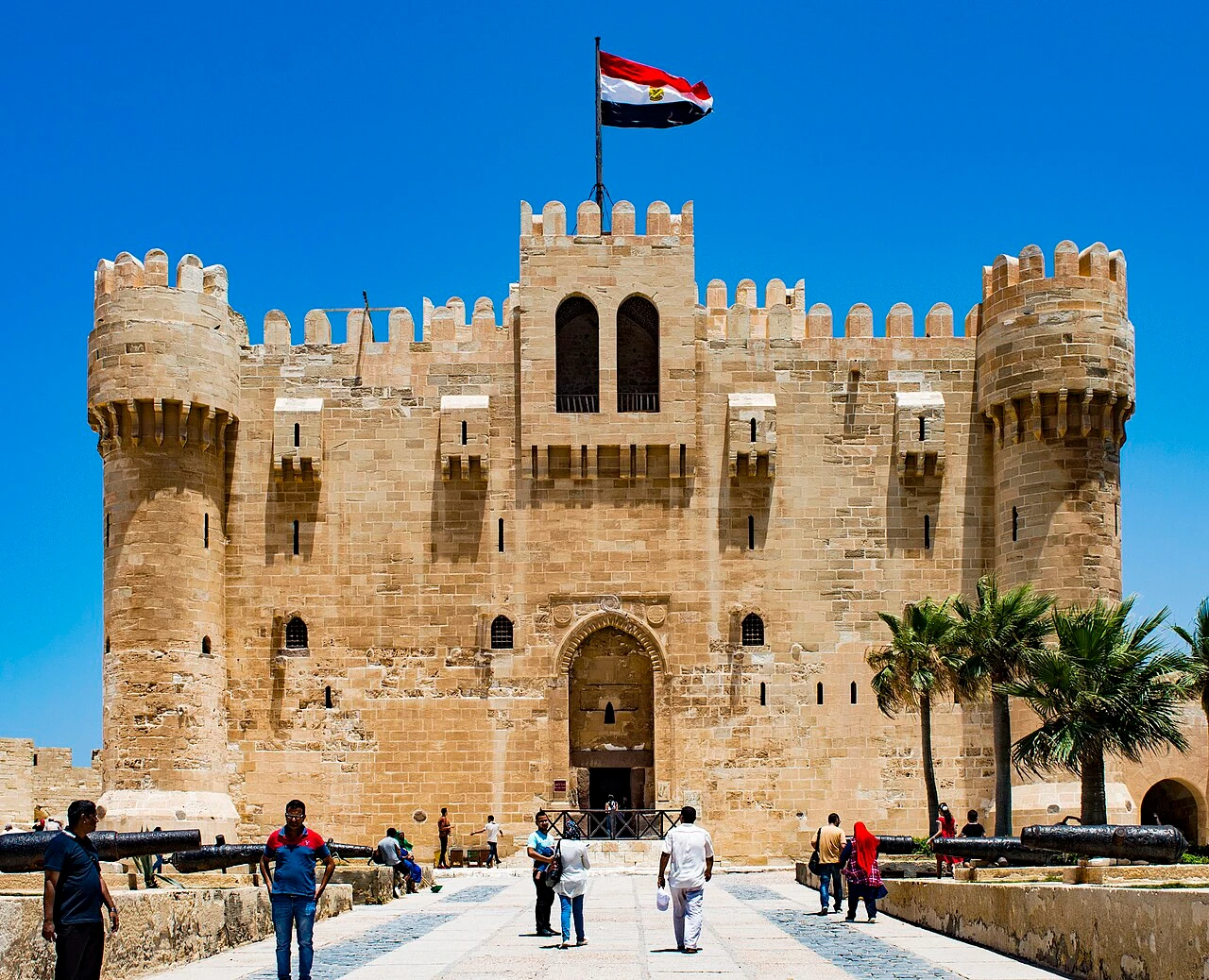
Alexandria
Citadel of Qaitbay
Content & sources
Ahnaf Saber · CC BY 3.0
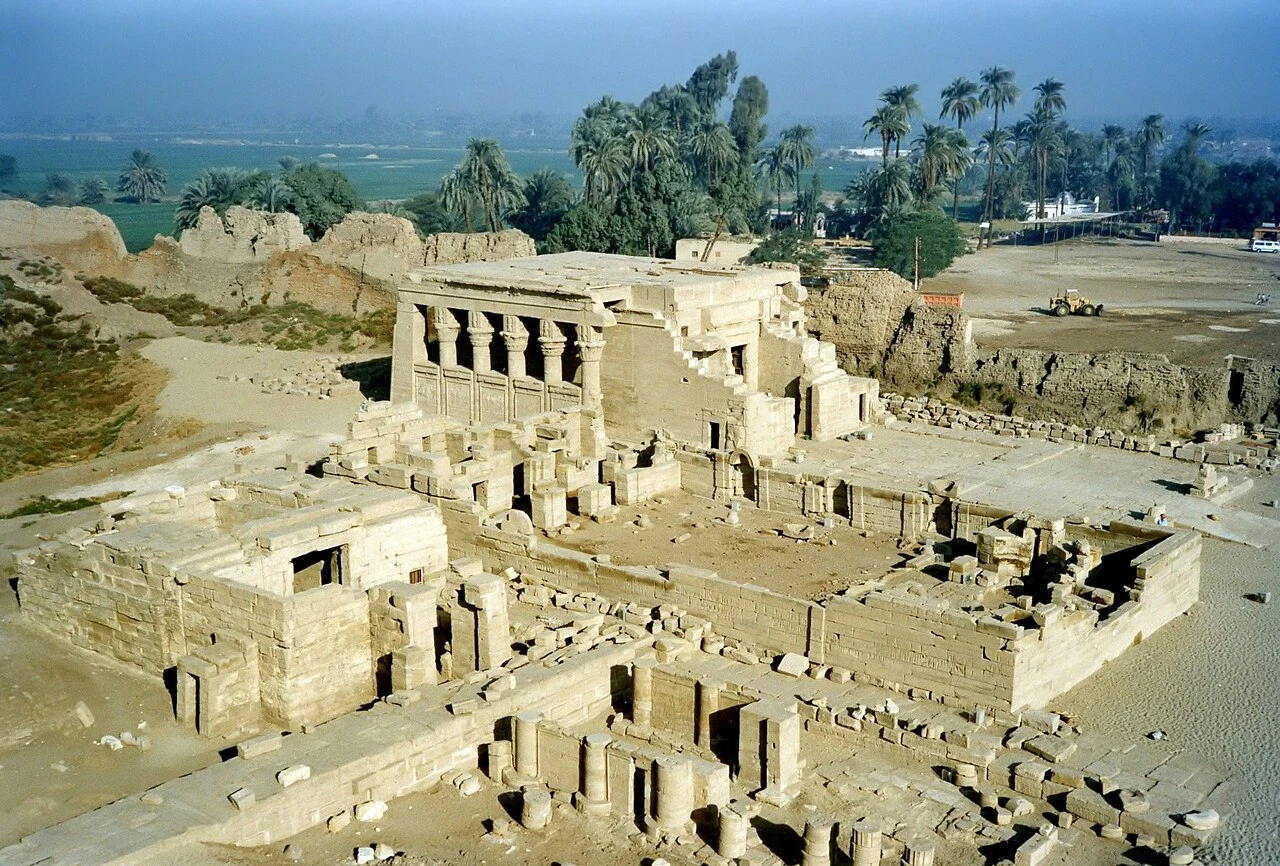
Dendera
Dendera Temple complex
Content & sources
Bernard Gagnon · CC BY-SA 3.0
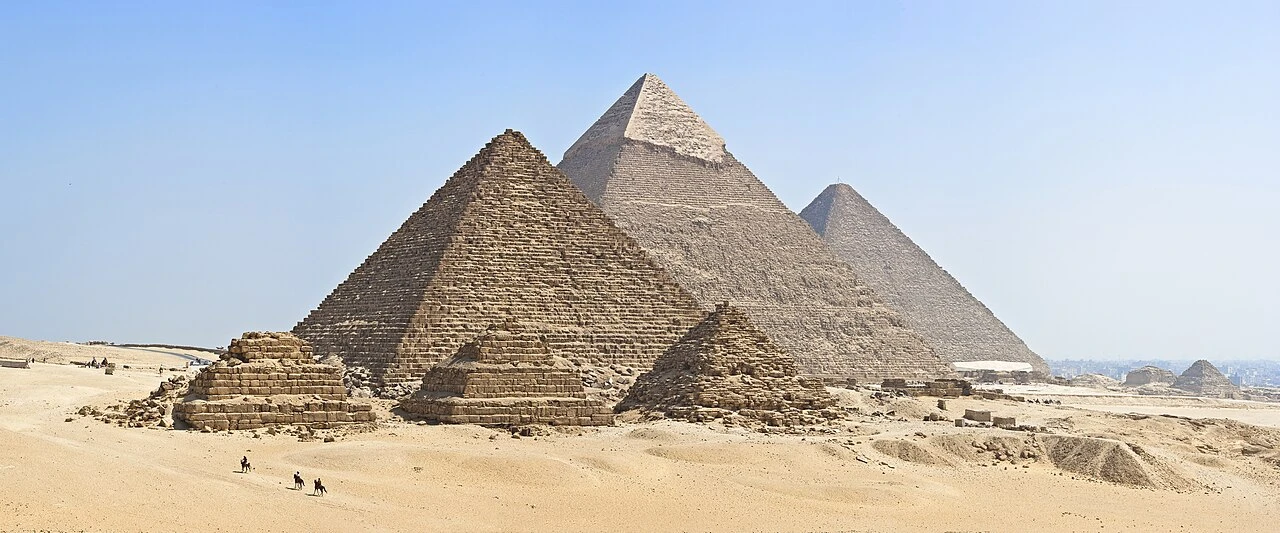
Giza
Giza pyramid complex
Content & sources
KennyOMG · CC BY-SA 4.0