Stanza · Audio guide
Château de Versailles Audio Guide
A place to remember. A story to take with you.
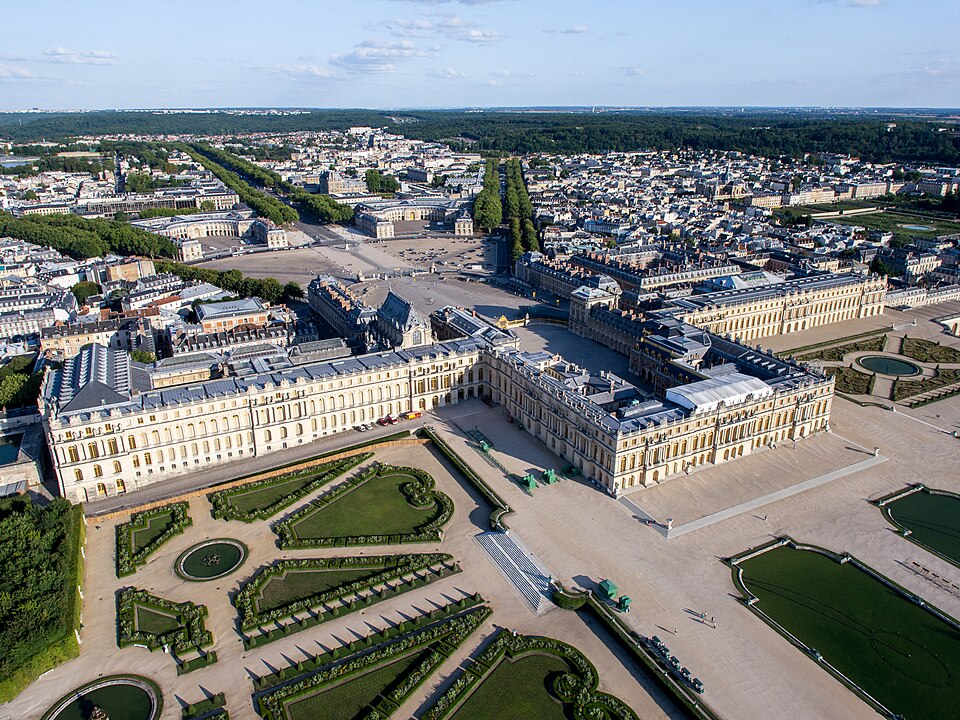
The Palace of Versailles is a historic royal residence in France, also home to a museum dedicated to French history.
Download Stanza, then search for “Château de Versailles”.
About the tour
One guide. Your kind of visit.
The Palace of Versailles is a historic royal residence in France, also home to a museum dedicated to French history.
Ready when you are.
- 01Get the free Stanza app.
iOS & Android
- 02Find your guide.
“Château de Versailles”
- 03Download before you go.
Works offline
Audio guide / 25 narrated stops
Inside the guide
Get to know a few of the stories before you go. Open a stop to read more.
01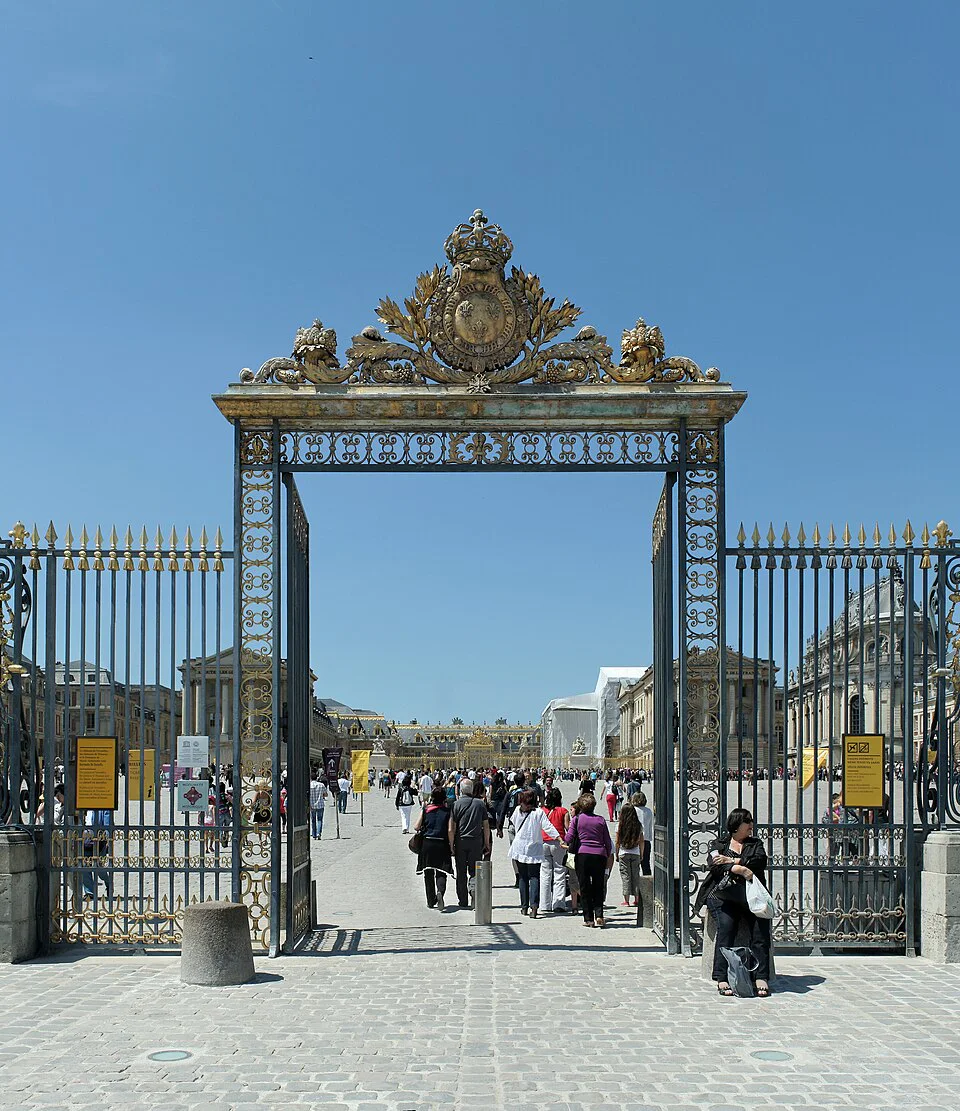 Entrance Courtyards & Place d'Armes
The Grille d'Honneur and the Royal Arrival
Welcome to Versailles, and to the story of a palace built to be the seat of a kingdom. Louis XIV made this château the permanent home of the French court and government, no mere residence. The court moved in for good on the sixth of May 1682. It stayed until October 1789, apart from a few years of regency. The Avenue de Paris runs from the capital to a gate between the two royal stables, the Grande and the Petite Écurie. Three great roads meet at the Place d'Armes, funnelling the whole city towards the palace. Past the Ministers' Wings and the Royal Gate, the main building wraps around its courtyards. Beyond it, park and gardens spread out over hundreds of hectares. For more than a century, this gilded gate was the front door of France.
Photo: Coyau · CC BY-SA 3.0
02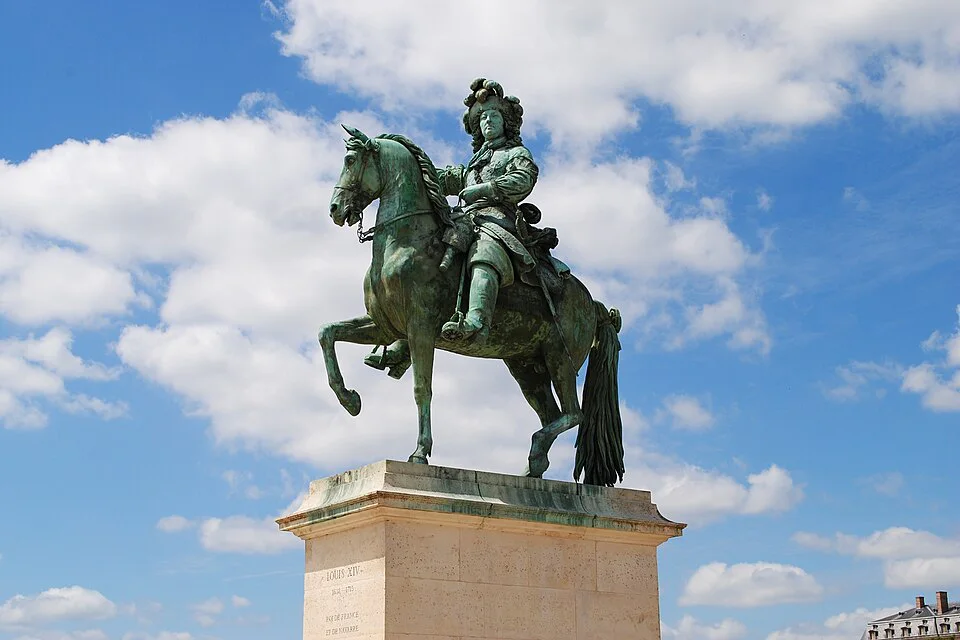 Entrance Courtyards & Place d'Armes
Equestrian Statue of Louis XIV
The man on horseback turned a hunting retreat into the centre of French power. In August 1661, Louis XIV was a guest at a sumptuous festival given by Nicolas Fouquet, his Superintendent of Finances, at Vaux-le-Vicomte. The house and its gardens outshone anything the king possessed. That September, Fouquet was imprisoned, accused of building a fortress and keeping a private army. But the king also took notes, and poached the talent. He replaced Fouquet with Jean-Baptiste Colbert, who managed the corps of royal artists while the king inspected every plan himself. From 1664, Versailles staged night-time festivals in its gardens, and prints carried the news across Europe. Opinion among the nobility was mixed. Etiquette did the rest: prestige and royal favour could be won only in the king's presence. By 1687, it was clear to all that Versailles had become the de facto capital of France.
Marek Mróz · CC BY 4.0
03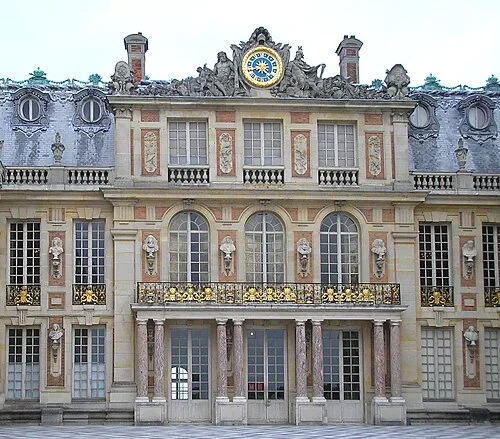 Entrance Courtyards & Place d'Armes
The Marble Court and the Envelope
This courtyard keeps the palace's oldest secret in red brick and white stone. In 1623, Louis XIII built a modest hunting lodge on this spot, about thirty-five metres long, set in marshland his court scorned. One of his courtiers wrote that it would not inspire vanity in even the simplest gentleman. Wits mocked the little house as the puny château, the house of cards. In 1630 it even staged a political drama, the Day of the Dupes, when Cardinal Richelieu regained the king's favour. Louis XIII's son, Louis XIV, chose not to demolish the lodge but to wrap it. From 1668 to 1671, the architect Louis Le Vau encased it on three sides in a grand stone building in the Italian manner. The old brick and slate stayed on show here, wedged inside the new palace. The king's own minister called the mixture a patchwork, and every attempt to make the two façades match failed.
Listen in the appderor avi derivative work: Joyborg (talk) · Attribution
04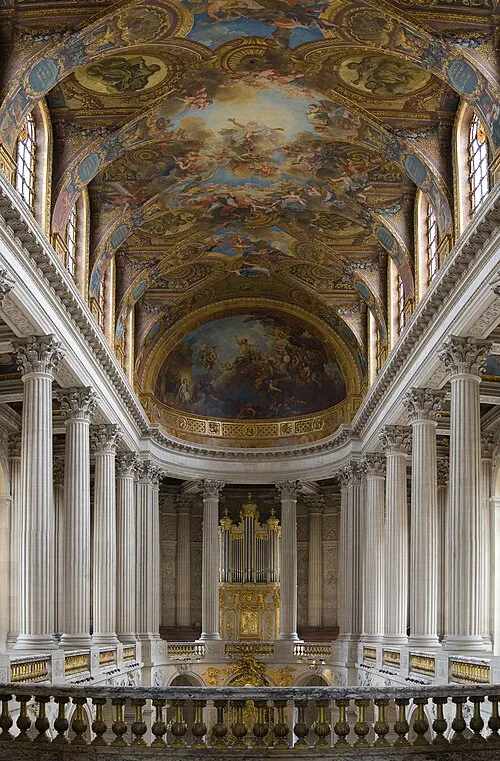 The Royal Chapel & The Royal Opera
The Royal Chapel
The Royal Chapel was the last great building campaign of Louis XIV's reign. War had emptied the treasury: the Nine Years' War halted work at Versailles altogether, and a costlier conflict followed it. So king and architect concentrated on the chapel, raised between 1699 and 1710 at the southern end of the north wing. It stands forty metres high, among the tallest structures in the palace. The design joins two traditions, the soaring verticality of the old royal churches of France and the splendour of the Baroque. Inside, a two-tier colonnade carries an unbroken vault. The organ in the tribune was built by Robert Clicquot and Julien Tribuot in 1709 and 1710. When Louis XIV died in 1715, the palace was largely complete.
Listen in the appPhoto: Diliff · CC BY 2.5
05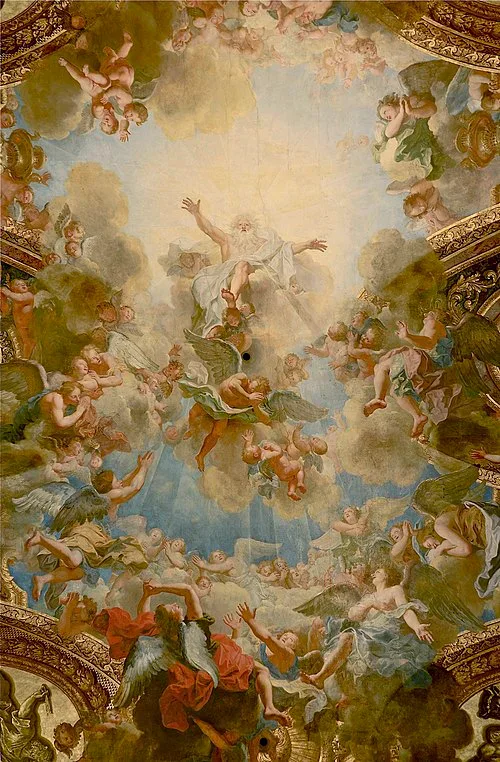 The Royal Chapel & The Royal Opera
Chapel Ceiling: God the Father in Glory
High above the nave, the vault opens onto heaven itself. God the Father spreads his arms in a blaze of light, ringed by swirls of angels and cherubs. The ceiling is one unbroken vault, shared between three painters: Antoine Coypel, Charles de La Fosse and Jean Jouvenet. Around and beneath them, the decoration sets the kings of the Old Testament beside the Christian rulers of France. Figures like King David and Charlemagne appear among the motifs, with fleurs-de-lis and the monogram of Louis XIV. The claim being made was plain: the French king reigned by the same divine order as the kings of Scripture. Each painter took his own stretch of the vault, and this central glory of God the Father is the work of Antoine Coypel.
Listen in the appPhoto: Jebulon · CC0
06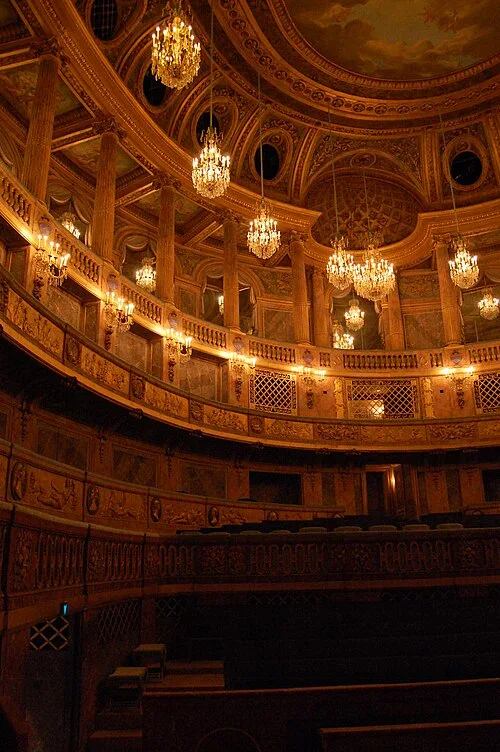 The Royal Chapel & The Royal Opera
The Royal Opera
A theatre was first promised at Versailles in 1682, then shelved when the king's continental wars swallowed the budget. The idea returned in 1748 with a new design by Ange-Jacques Gabriel, and war put it aside again. It finally went ahead in a rush, for a wedding. For economy and speed, the Opera was built almost entirely of wood, which gave it acoustics of remarkable quality. Paint and gilding disguise the wood as marble, and the ceiling shows Apollo, god of the arts, preparing crowns for illustrious artists. On the sixteenth of May 1770 the theatre opened with a royal feast. That same day, the future Louis XVI married Marie-Antoinette, in a ceremony celebrated in the Royal Chapel. The Opera marked the summit of Gabriel's art.
Listen in the appPhoto: Trizek · CC BY-SA 3.0
07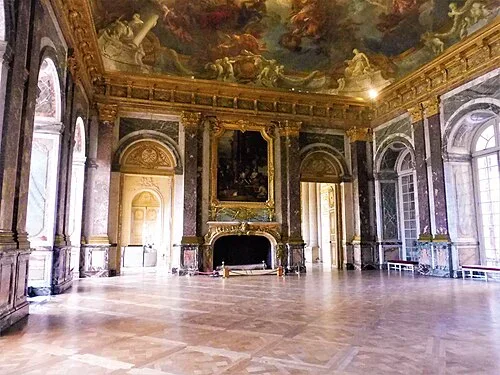 The King's State Apartments (Grands Appartements du Roi)
Salon d'Hercule, Gateway to the State Apartments
The State Apartments began life as something quite different: the king's own residence. Louis Le Vau built them for that purpose, but Louis XIV turned them into galleries for his finest paintings and stages for his receptions. They run as an enfilade, a suite of rooms in a straight line, doors aligned so the eye travels the whole length at once. Each room is dedicated to one of the planets then known, and to its Roman god. From All Saints' Day until Easter, receptions were held about three times a week, from six in the evening until ten, with entertainments of every kind. Courtiers filled the rooms to see and to be seen. This salon, dedicated to Hercules, opens the suite and links the king's apartments to the chapel vestibule.
Listen in the appPhoto: Louvois33 · CC BY-SA 4.0
08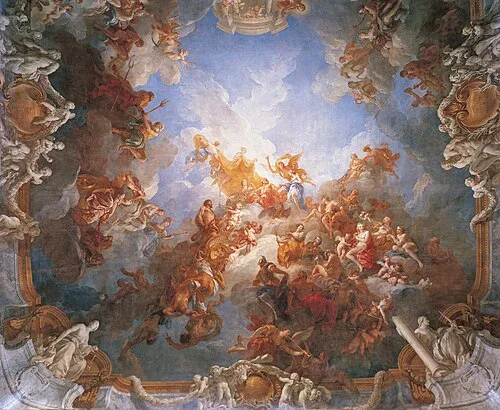 The King's State Apartments (Grands Appartements du Roi)
The Apotheosis of Hercules
This room began as a chapel. When the new Royal Chapel rose, the old one was rebuilt from 1712 as a setting for two vast paintings by Veronese, a gift from the Republic of Venice. The largest shows Christ dining at the house of Simon the Pharisee. The king's death in 1715 interrupted the work, and the walls kept the marbles he had chosen in his lifetime. Between 1733 and 1736, the painter François Lemoyne took on the ceiling, set on rivalling Veronese himself. His Apotheosis of Hercules carries the hero to heaven on a sea of clouds and bodies. The salon was inaugurated in January 1739 with a grand ball for the wedding of Louis XV's eldest daughter. Long after Louis XIV, the palace kept growing.
Listen in the appFrançois Lemoyne · Public domain
09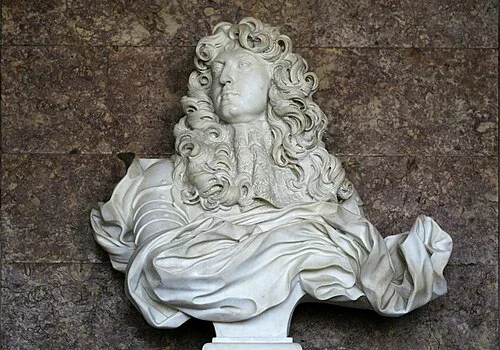 The King's State Apartments (Grands Appartements du Roi)
Bernini's Bust of Louis XIV
A face made to command. In 1665 the great Italian sculptor Gian Lorenzo Bernini visited France and modelled the young Louis XIV in marble. The bust catches the king with falling curls and drapery that seems to swirl about his shoulders. Portraits of monarchs were never simple likenesses. They were instruments of majesty, and Bernini gave the king the bearing of an ancient emperor. The marble is displayed in the Salon of Diana, a room Louis XIV used as a billiards room, with galleries from which courtiers could watch him play. A king at his games, watched by his court, under the gaze of his own imperial marble.
Listen in the appGian Lorenzo Bernini · CC BY-SA 3.0
10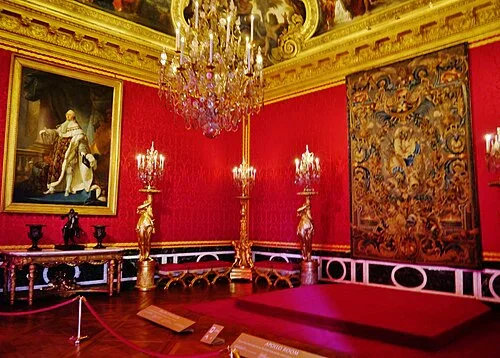 The King's State Apartments (Grands Appartements du Roi)
The Apollo Salon, Throne Room of the Sun King
The throne of the Sun King stood in this room. The Salon of Apollo served Louis XIV as his throne room, the setting for formal audiences, and Apollo, god of the sun, was the king's favourite emblem. Overhead, Charles de La Fosse painted the Sun Chariot drawn by four horses, ringed by the four seasons. The throne itself was of silver, about two and a half metres high. In 1689 it went into the melting pot, to help pay for an expensive war. A more modest throne of gilded wood took its place. The red walls and gold of the room still speak of ceremony, while the silver survives only in the story of what wars cost.
Listen in the appPhoto: Zairon · CC BY-SA 4.0
- 11
The Hall of Mirrors
Seventy-three metres of marble and mirrors, where the German Empire was proclaimed in 1871 and the peace treaty signed in 1919.
- 12
Le Brun's Ceiling: The First Eighteen Years of the Reign
Le Brun's painted chronicle of the king's first years of personal rule, with Louis XIV himself walking among the gods.
- 13
The King's Bedchamber
The bedchamber where the king woke and slept in public, died in 1715, and where the royal seat of Versailles ended in 1789.
- 14
The Passemant Astronomical Clock
A clock built to read the heavens, kept in the king's private rooms.
- 15
The Bureau du Roi
The roll-top desk where the king's government was actually done.
- 16
The Queen's Bedchamber
Three queens of France lived in this suite, built to mirror the king's own.
- 17
Antechamber of the Grand Couvert
The antechamber where the court gathered to watch the royal couple eat.
- 18
Marie-Antoinette with Her Children
Vigée-Lebrun's portrait of Marie-Antoinette as a mother, painted to repair her reputation.
- 19
The Galerie des Batailles
The king who never lived here turned Versailles into a museum of French history.
- 20
The Salle des Croisades
The 1830s retelling of the Crusades, in Gothic panelling and painted panoramas.
- 21
The Gardens from the Parterre d'Eau
Le Nôtre's gardens: order imposed on land, extended as far as the eye could see.
- 22
Bosquet de la Colonnade and Girardon's Proserpine
A marble colonnade in the woods, framing Girardon's Pluto and Proserpine.
- 23
The Grand Trianon
The Trianon retreat, where kings stepped out of the ceremony, and outlived it.
- 24
The Petit Trianon
The small neoclassical house Louis XVI gave to Marie-Antoinette as her own domain.
- 25
The Queen's Hamlet and the Tour de Marlborough
The queen's rustic village on the lake, and what it says about the monarchy's last years.
Château de Versailles
Frequently asked questions
How much does the guide cost?
Free app download. Listed guide price: $2.99. Guide price shown in the app. Audio guide only. Venue admission is separate.
Can I listen without internet?
Yes. Download the guide’s audio, images, and maps in the app before your visit. Your downloaded content is then available offline.
Can I listen in my language?
This audio guide is available in 15 languages, including English.
Do I need to follow a schedule?
No. This is a self-guided experience. Choose your stops, pause whenever you like, and return to a story at your own pace.
At your own pace
Explore Château de Versailles.
Download Stanza, then search for “Château de Versailles”.
Free app download · Guide price shown in the app
Keep exploring
Nearby audio guides
Saint-Germain-en-Laye · 11 km
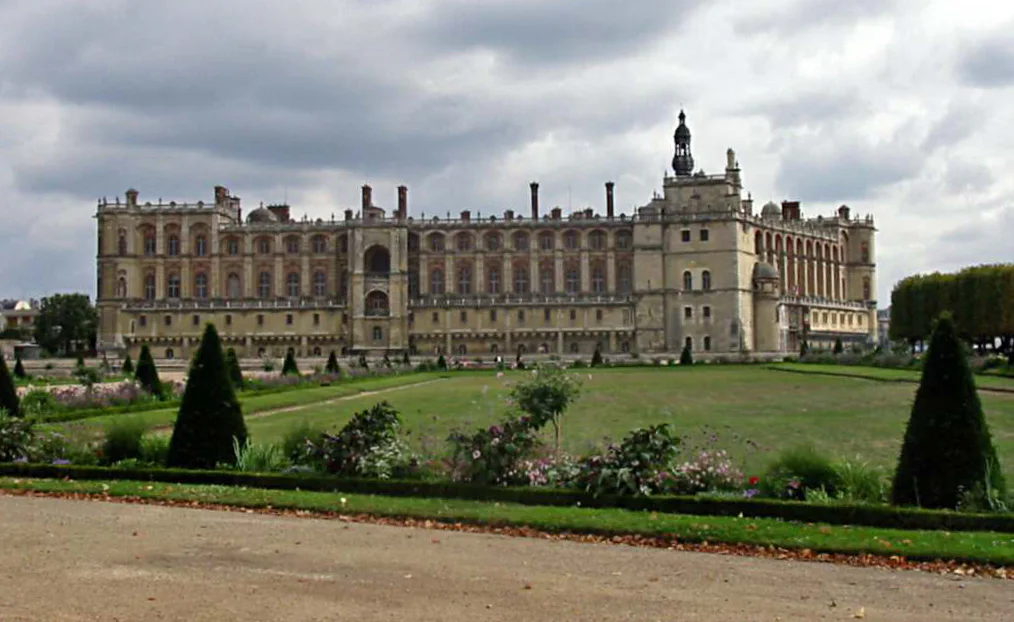
Château de Saint-Germain-en-Laye
Content & sources
Photo: Sir Gawain · CC BY-SA 3.0
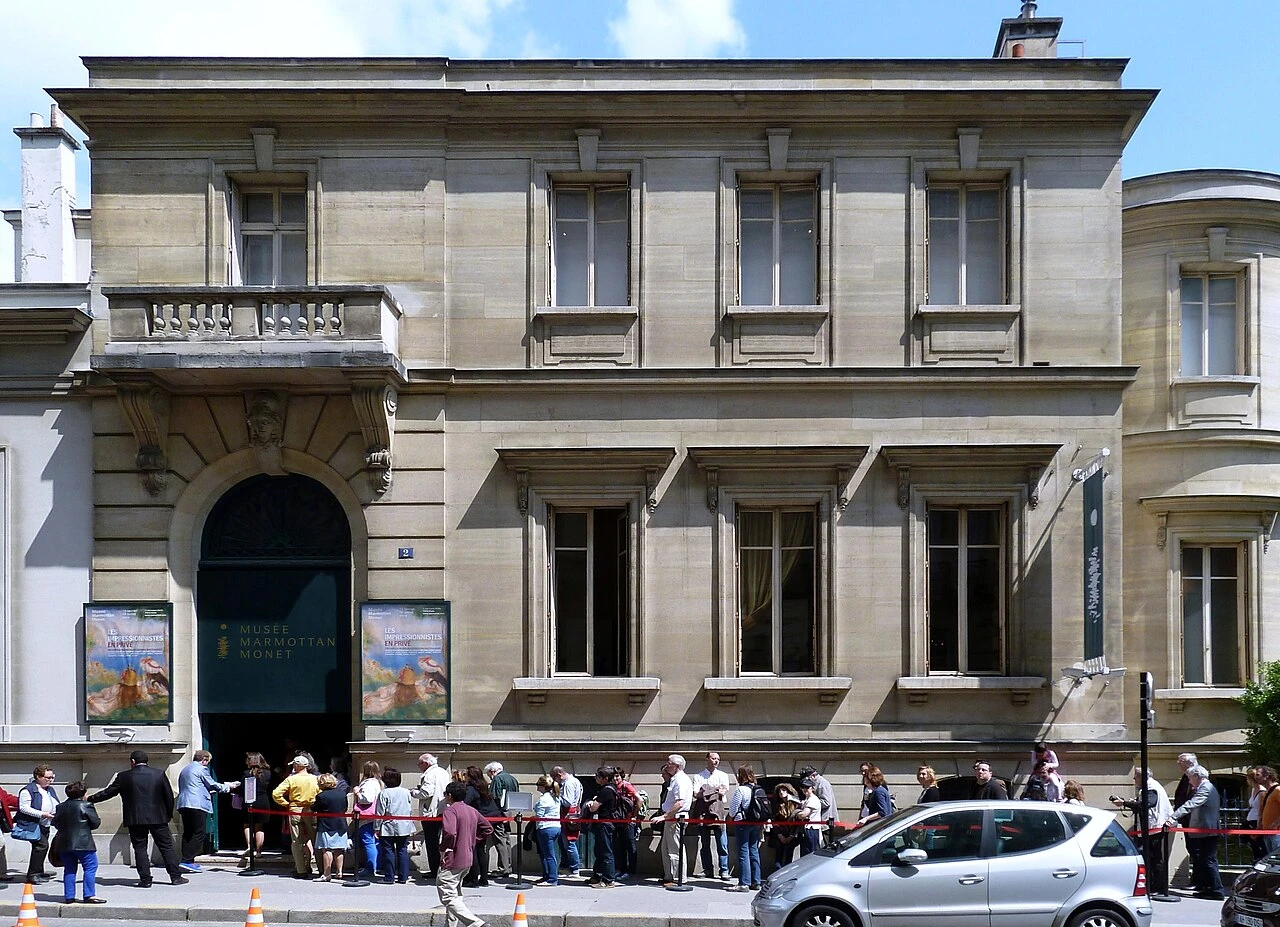
Paris · 12 km
Musée Marmottan Monet
Content & sources
PIERRE ANDRE LECLERCQ · CC BY-SA 4.0
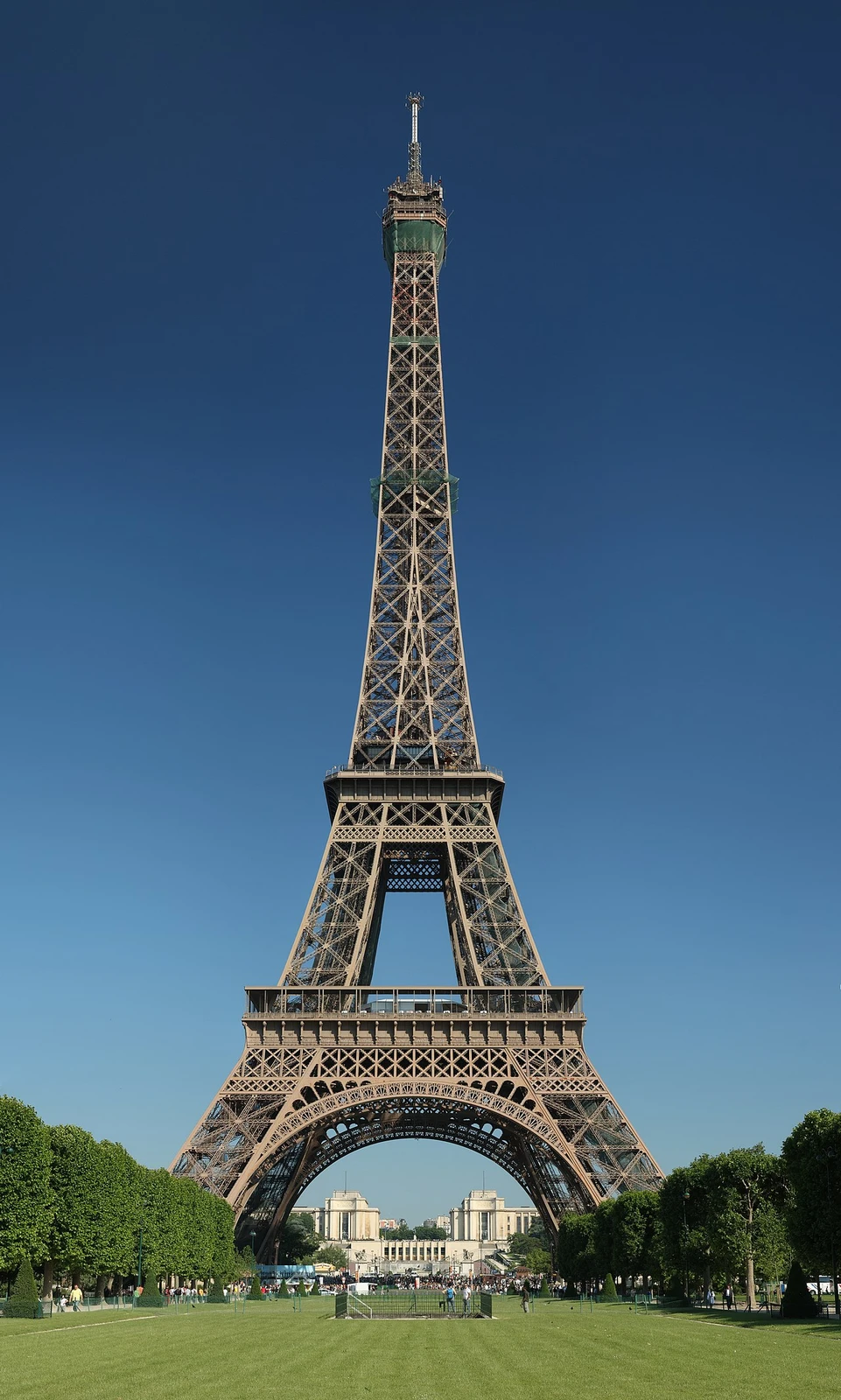
Paris · 14 km
Eiffel Tower
Content & sources
Benh LIEU SONG · Public domain
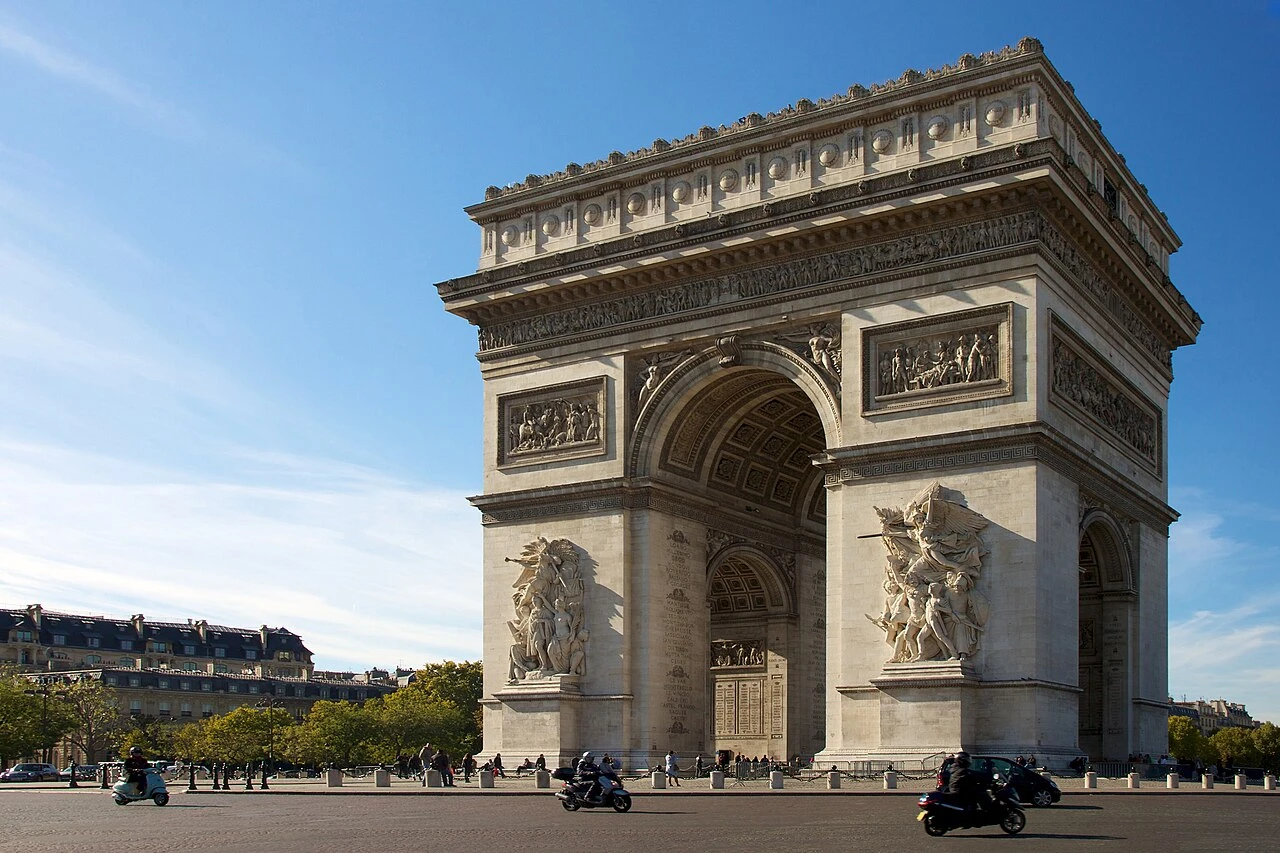
Paris · 15 km
Arc de Triomphe
Content & sources
Jiuguang Wang · CC BY-SA 2.0
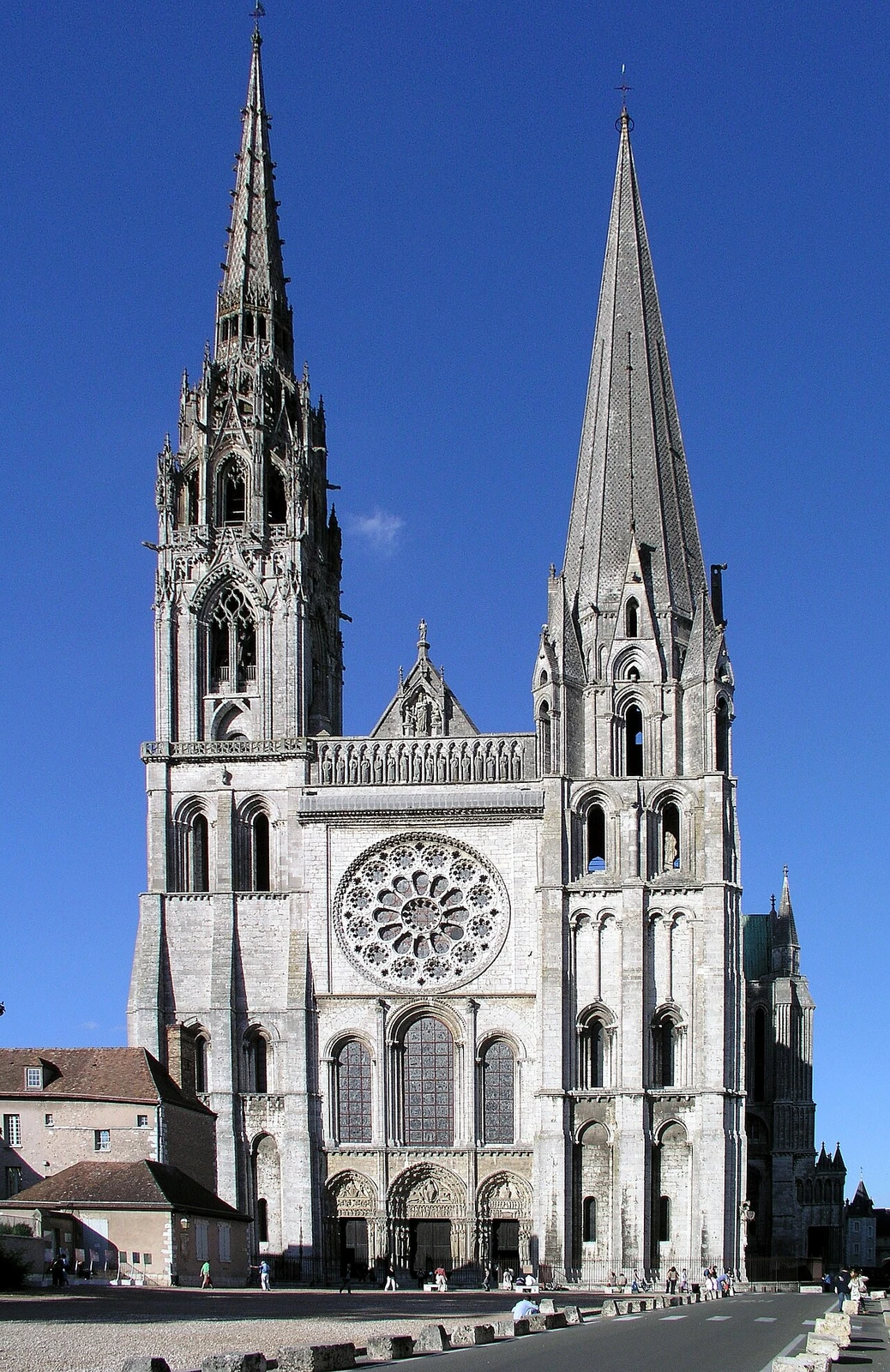
Chartres · 61 km
Chartres Cathedral
Content & sources
BT · Public domain