Stanza · Audio guide
Ancient CorinthAudio guide
A place to remember. A story to take with you.
Ancient Corinth was a powerful city-state located on the Isthmus of Corinth, serving as a major center of trade and culture in the ancient world. The site features extensive ruins, including the 6th-century…
Download Stanza, then search for “Ancient Corinth”.
About the tour
One guide. Your kind of visit.
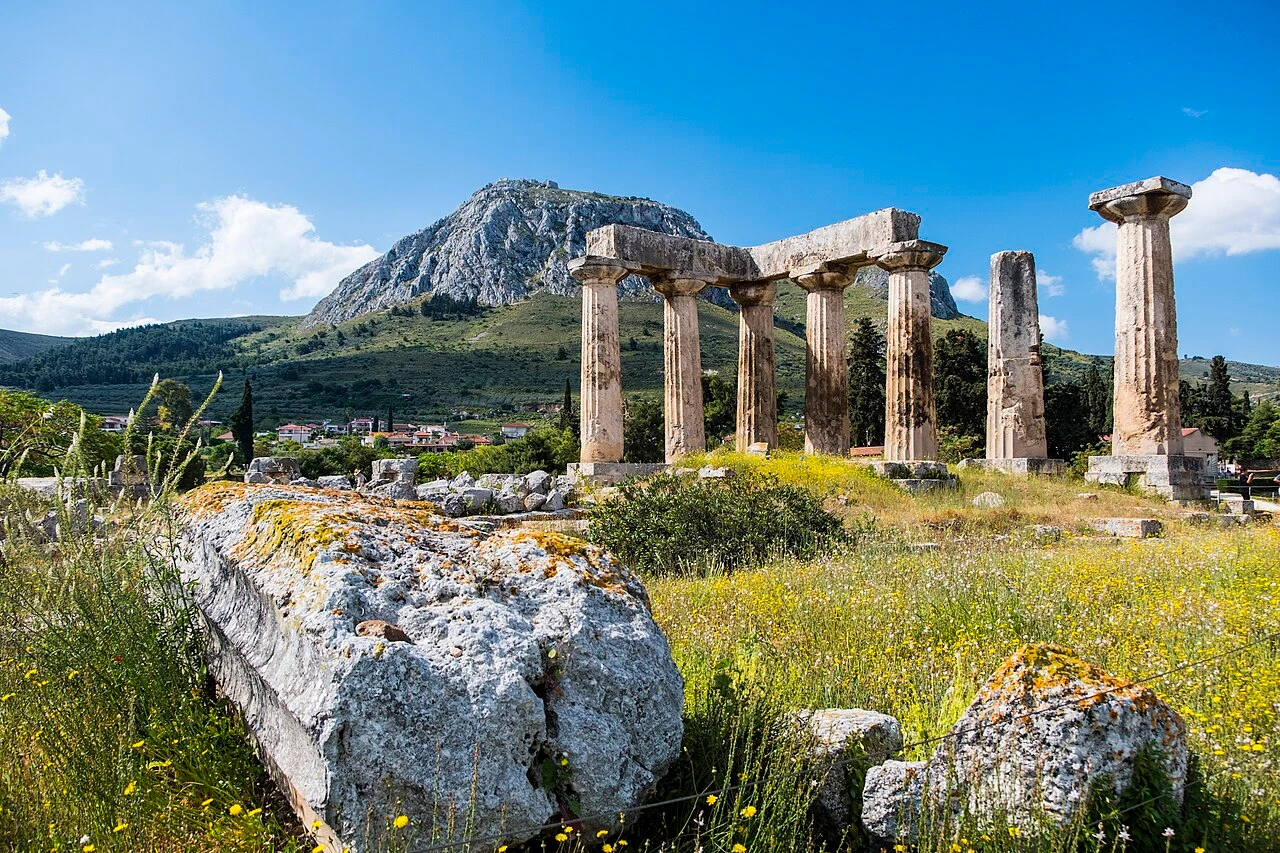
Ancient Corinth was a powerful city-state located on the Isthmus of Corinth, serving as a major center of trade and culture in the ancient world. The site features extensive ruins, including the 6th-century BC Temple of Apollo and the Roman-era forum.
Ready when you are.
- 01Get the free Stanza app.
iOS & Android
- 02Find your guide.
“Ancient Corinth”
- 03Download before you go.
Works offline
Audio guide / 31 narrated stops
Inside the guide
Get to know a few of the stories before you go. Open a stop to read more.
01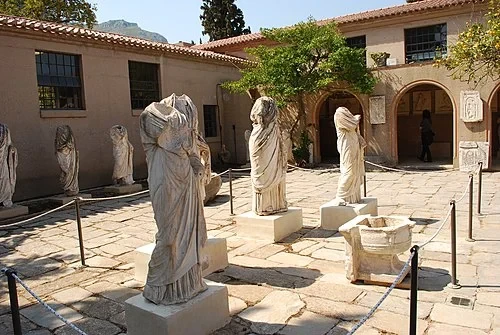 Archaeological Museum of Ancient CorinthArchaeological Museum of Ancient Corinth
Welcome to the Archaeological Museum of Ancient Corinth, where we begin our journey into the heart of a city that once rivaled Rome in power and wealth. As you look around this courtyard, you may notice something striking: many of the statues are missing their heads. Far from being the result of random vandalism, this was actually a clever and efficient Roman business practice. These figures were effectively the public PR of the ancient world. Workshops mass-produced generic bodies draped in formal togas, ready and waiting in inventory. When a new emperor ascended the throne or a local official was elected, a sculptor would simply carve a specific portrait head and attach it to one of these pre-made bodies. This 'heads for hire' approach allowed leaders to quickly establish a visual presence across the empire. Observe the intricate, heavy folds carved into the togas, designed to convey a sense of dignity, tradition, and eternal authority. While the leaders themselves might only hold office for a single year, their stone likenesses were meant to look permanent and immovable. The smooth surfaces where the necks would join indicate the intentional slots made for these interchangeable portrait heads.
Jean Housen · CC BY-SA 3.0
02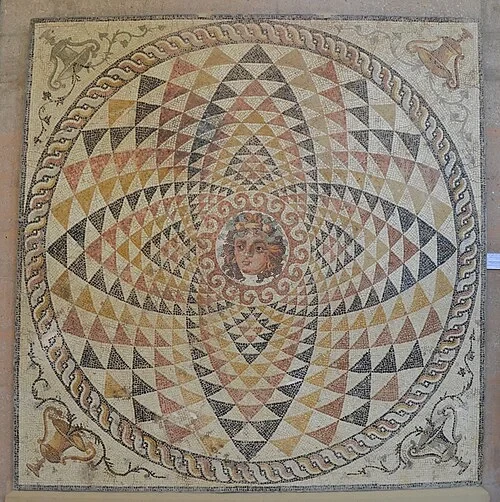 Archaeological Museum of Ancient CorinthThe Dionysos Mosaic
In the center of this display, the god Dionysos looks directly out at you. As the deity of wine, theater, and ritual madness, he was a popular choice for home decor in a city known for its vibrant social life. If you look closely at his head, you can see ivy leaves and clusters of fruit woven into his hair, traditional symbols of his domain over nature and the harvest. This artwork was not meant to hang on a wall; it served as the floor of a dining room in a wealthy Roman residence. Ancient artists created these images using thousands of tiny, hand-cut cubes of natural stone called tesserae. The geometric patterns radiating outward from the central figure function much like a modern luxury rug, directing the viewer's eyes toward the focal point in the middle of the room. By varying the subtle shades of the stones, the creator achieved a painterly quality in the god's face, using shadows and highlights to create a sense of three-dimensional depth. These floors were built to endure, surviving long after the walls and roofs of the villas they once decorated have disappeared.
Carole Raddato · CC BY-SA 2.0
03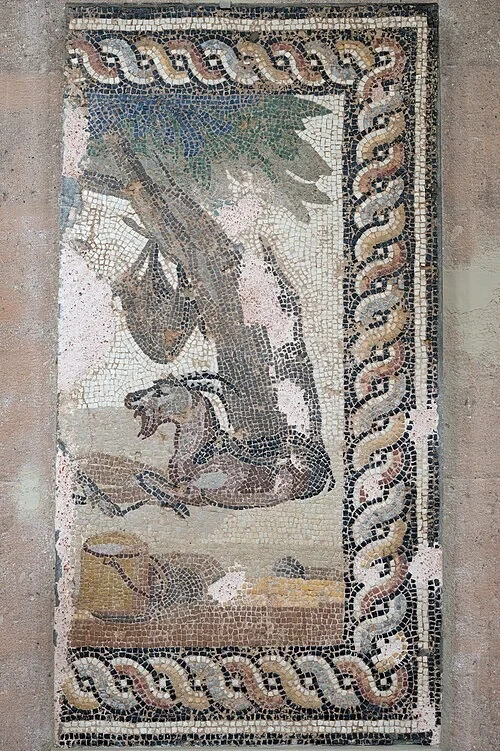 Archaeological Museum of Ancient CorinthThe Pastoral Mosaic
This mosaic depicts a quiet, pastoral scene featuring a goat resting beneath the branches of a tree, with a simple bucket placed nearby. In the busy, commercial environment of Roman Corinth, city-dwellers often commissioned artworks like this to bring a sense of the peaceful countryside into their urban homes. It reflects a deep-seated Roman cultural appreciation for rural life and the perceived virtues of the honest farmer. The artist used a wide palette of naturally colored stone cubes to create the composition. Look for the detailed shading on the goat's fur and the rough texture of the tree trunk, which were achieved entirely by carefully placing different tones of tesserae next to one another. This technique allowed the craftsman to mimic the effects of light and shadow without the use of paint. Scenes like this served as a visual escape for the wealthy elite, who lived in a city of nearly 100,000 people but romanticized the silence of the hills. The border features a rhythmic wave pattern, a common motif that frames the central rustic imagery and provides a clean transition to the rest of the room's floor.
Listen in the appPhoto: Zde · CC BY-SA 4.0
04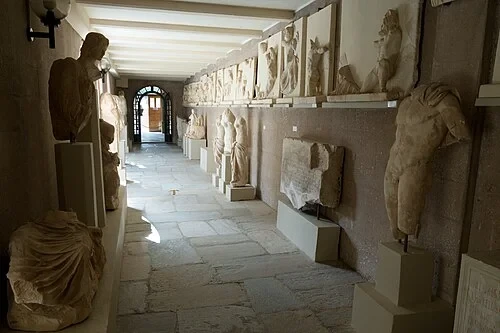 Archaeological Museum of Ancient CorinthThe Sculpture Gallery
The rows of relief carvings and fragmented torsos lining this hallway were once the architectural highlights of Corinth’s grandest structures. You are looking at pieces gathered from temples, theaters, and basilicas across the ancient site. In an era when the majority of the population could not read, these sculptures functioned as a vital medium for visual storytelling. They acted as stone storybooks, depicting the myths of the gods and the military triumphs of emperors for all to see. By placing these figures on public buildings, the city reinforced its status as a sophisticated Roman capital and a center of imperial power. Many of these works were carved into local materials, showcasing the skill of regional workshops that catered to both Greek tradition and Roman tastes. You can see the variety in scale and style, from smaller decorative plaques to large-scale figures that would have looked down on citizens from high above the forum. These fragments are the surviving remnants of a city designed to impress, where every public corner was an opportunity to communicate the glory of the state and its deities through art.
Listen in the appPhoto: Zde · CC BY-SA 4.0
05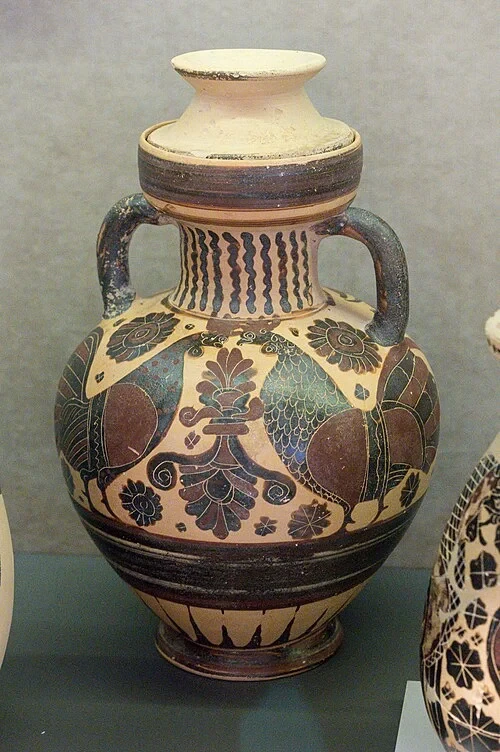 Archaeological Museum of Ancient CorinthThe Perfume Jar
The pottery before you features the distinctive 'black-figure' style that made Corinth a global trade powerhouse in the 7th and 6th centuries BC. Notice the two large roosters facing a central floral motif. This highly detailed, miniaturized style was a Corinthian specialty, long before Athens became the dominant pottery center of the Greek world. These specific jars were more than just decorative; they were the standard packaging for one of the city's most profitable exports: high-end scented oils and perfumes. Corinthian merchants shipped these luxury goods to ports as distant as Italy and Egypt, where they were highly prized by the ancient elite. The dark figures were created by applying a clay slip that turned black during a specific firing process, while the fine details were incised through the slip with a sharp tool to reveal the lighter clay beneath. The small size and narrow neck of the vessel were practical, designed to dispense the expensive oil drop by drop. This jar stands as evidence of the city's early economic dominance and its role as a trendsetter in ancient Mediterranean luxury markets.
Listen in the appPhoto: Zde · CC BY-SA 4.0
06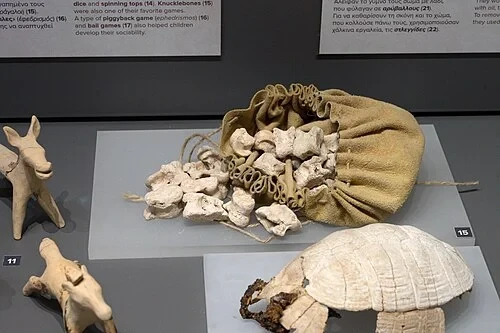 Archaeological Museum of Ancient CorinthAncient Toys and Games
While we often focus on the grand ruins of the city, these smaller objects provide a glimpse into the daily lives of Corinthian families. The small, oddly shaped white stones spilled from the leather pouch are known as 'knuckle bones.' These are actual sheep ankle bones that ancient children and adults used much like modern dice or jacks for gambling and games of skill. Nearby, you will see a lyre frame fashioned from a real turtle shell. This was a common material for making musical instruments, as the shell provided a natural resonating chamber for the strings. These items humanize the people of antiquity, reminding us that the citizens of this massive metropolis were not just builders of temples, but parents whose children played in the streets and learned music using materials found in the surrounding fields. The survival of the leather pouch is particularly rare, offering a tangible connection to the practical ways people carried their belongings two millennia ago. From these humble materials—bone, shell, and hide—the ancients constructed a world of entertainment and education that would be recognizable to children today.
Listen in the appPhoto: Zde · CC BY-SA 4.0
07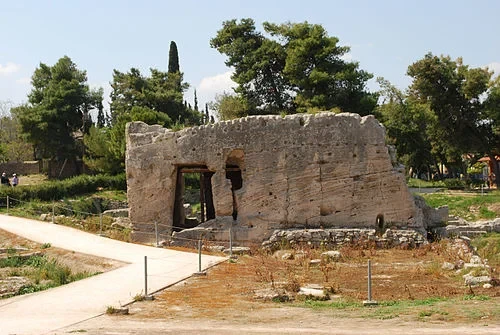 Fountain of GlaukeFountain of Glauke
This impressive structure is the Fountain of Glauke, named after the daughter of King Creon. According to legend, when Glauke was preparing to marry the hero Jason, his former wife Medea sought revenge by sending a poisoned wedding robe. The moment Glauke put the garment on, it erupted into unquenchable flames. Desperate to stop the burning, she threw herself into the waters of this reservoir, but the myth says the poison was too strong and she perished. Architecturally, the fountain is an extraordinary feat of engineering. Unlike most buildings constructed from individual blocks, this entire complex was hewn directly out of the natural bedrock of the city. It consists of four massive, deep water chambers designed to store a significant portion of the city's water supply. The thickness of the rock walls helped keep the water cool even during the intense heat of a Greek summer. Although the roof has long since collapsed, you can still clearly see the vertical columns of living rock that were left in place to support the ceiling. It stands as a dark, rugged landmark that bridges the gap between Corinth's legendary past and its practical urban needs.
Listen in the appJean Housen · CC BY 3.0
08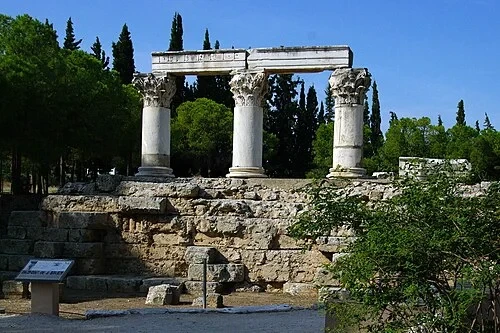 Temple of OctaviaTemple of Octavia
The three standing pillars before you belong to the Temple of Octavia, a building that likely honored the sister of Augustus, the first Roman Emperor. This structure was a prominent feature in the city center, and its location was a deliberate political statement of Corinth’s total loyalty to the Roman crown. The columns represent the 'Corinthian' order, a style of architecture that originated in this very city. You can identify it by the elaborate acanthus leaf carvings at the top of each pillar, which were meant to mimic the lush foliage of the local landscape. By using the city’s namesake architectural style for a temple dedicated to the imperial family, the builders elegantly blended local identity with Roman political power. Originally, these columns would have supported a grand triangular pediment, and the entire temple would have been elevated on a high podium, making it a visible landmark from across the busy forum. Today, these three pillars are the most complete remains of the sanctuary, standing as a reminder of the era when Corinth served as the administrative and cultural heart of the Roman province of Achaia.
Listen in the appBgabel · CC BY-SA 3.0
09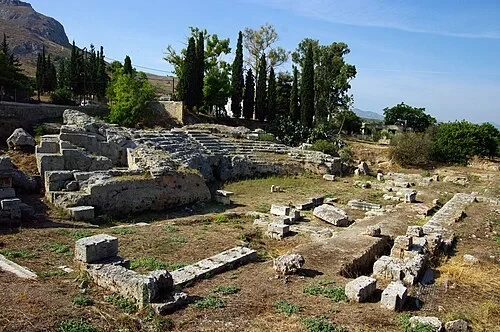 Roman Odeion of CorinthRoman Odeon of Corinth
This semi-circular ruin is the Roman Odeon, a specialized indoor theater that served a different purpose than the massive open-air theater nearby. While the larger theater hosted grand spectacles and plays, the Odeon was designed for more refined cultural events like musical performances, poetry recitals, and lectures. It was much smaller, seating approximately 3,000 people, and would have originally been covered by a large wooden roof. This roof was essential for creating the precise acoustics needed for unamplified voices and instruments to reach every spectator. In the 1st century AD, this was the cultural heart of Corinth, the place where the educated elite gathered to appreciate the arts and socialize. The seating was divided into sections by staircases, and the floor of the orchestra area would have likely been paved in fine marble. Because it was an indoor venue, it allowed performances to continue regardless of the weather, providing a controlled environment for the city’s most prestigious gatherings. The remains of the tiered seating give us a clear sense of the intimate relationship between the performers on stage and their audience.
Listen in the appBgabel · CC BY-SA 3.0
10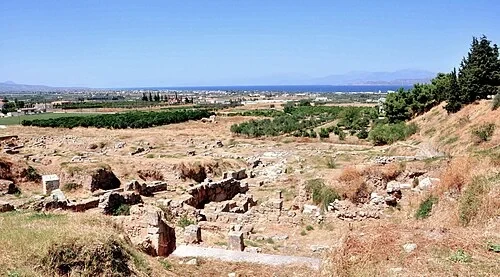 Ancient Theatre of CorinthThe Theater
The sheer scale of these ruins suggests the immense size of the original Theater of Corinth, which could accommodate roughly 18,000 spectators. Originally built by the Greeks for the performance of classical plays, the theater underwent a dramatic transformation when the Romans took control of the city. To satisfy the Roman appetite for more violent entertainment, the lower rows of seating were removed and a high protective wall was constructed. This allowed the stage area to be safely converted into a gladiatorial arena. Engineers even installed a sophisticated system of waterproof basins and pipes, enabling the floor to be flooded for 'naumachia,' or mock naval battles. This was an incredible technical achievement for the time, turning a place of drama into a multifunctional stadium. As the audience sat in these tiered rows, they would have looked past the performers toward a spectacular view of the sea in the distance. The theater served as a focal point for the city’s public life, evolving over centuries from a venue for Sophocles and Euripides into a place of Roman spectacle and imperial celebration.
Listen in the appChris Oxford · CC BY-SA 3.0
Ancient Corinth
Frequently asked questions
How much does the guide cost?
Free app download. Listed guide price: $3.99. Guide price shown in the app. Audio guide only. Venue admission is separate.
Can I listen without internet?
Yes. Download the guide’s audio, images, and maps in the app before your visit. Your downloaded content is then available offline.
Can I listen in my language?
Stanza supports 15 languages. Check the app for the languages available for this guide.
Do I need to follow a schedule?
No. This is a self-guided experience. Choose your stops, pause whenever you like, and return to a story at your own pace.
At your own pace
Explore Ancient Corinth.
Download Stanza, then search for “Ancient Corinth”.
Free app download · Guide price shown in the app
Keep exploring
Nearby audio guides
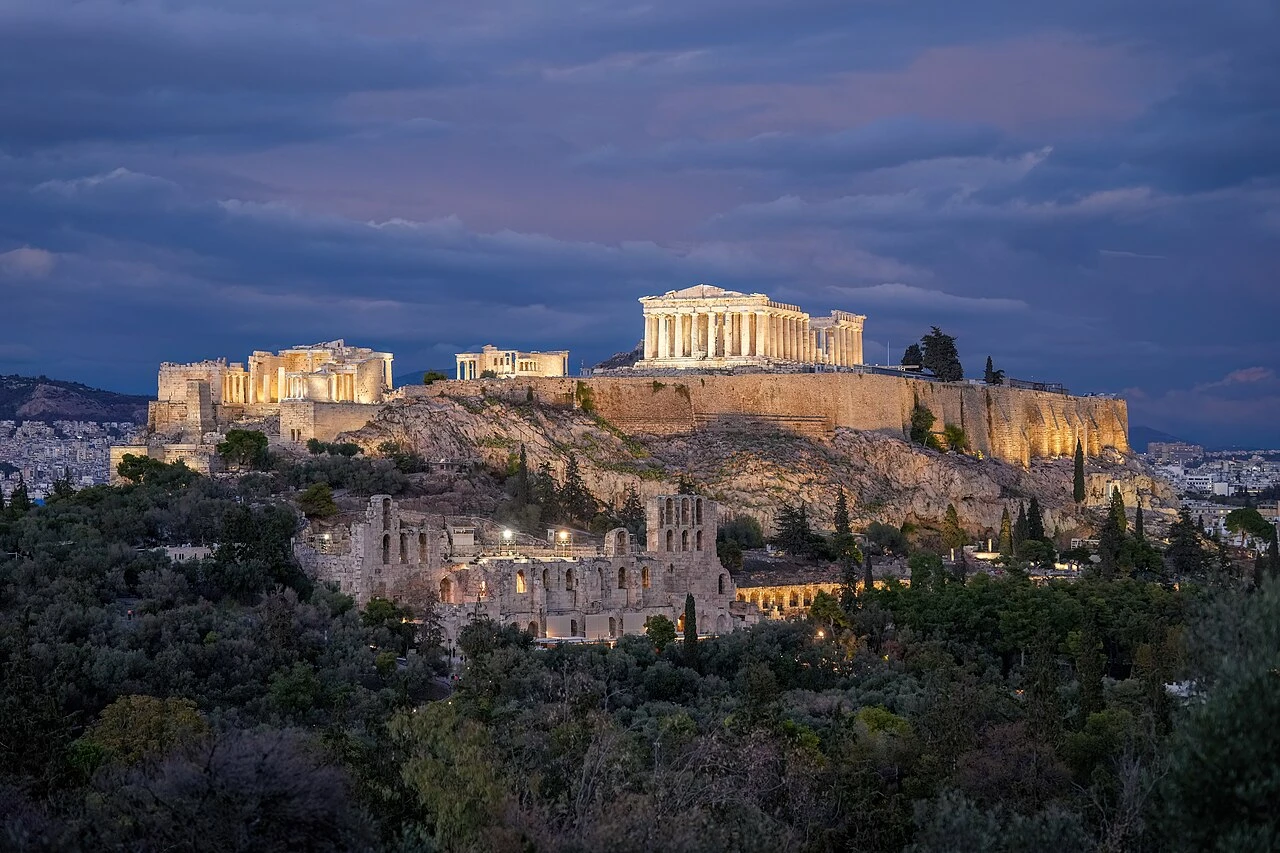
Athens
Acropolis of Athens
Content & sources
Photo: Giles Laurent · CC BY-SA 4.0
Athens
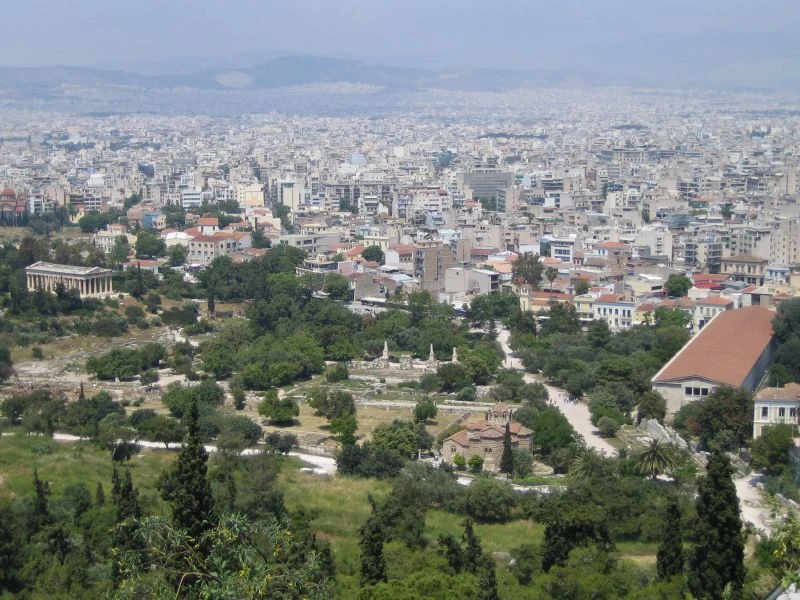
Ancient Agora of Athens
Content & sources
https://www.flickr.com/people/jonezes/ · CC BY-SA 2.0
Epidaurus
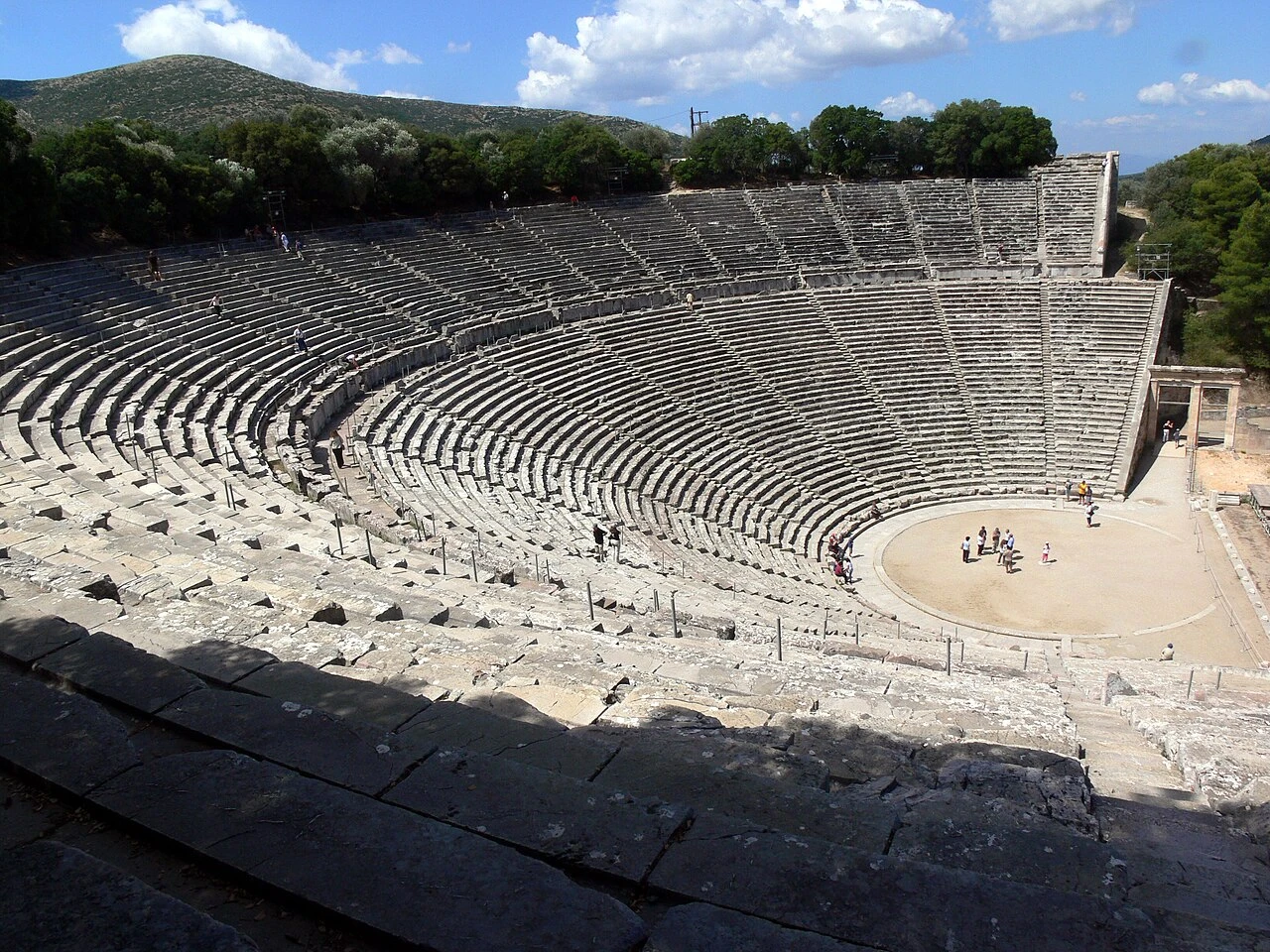
Ancient Epidaurus
Content & sources
Photo: Fingalo · CC BY-SA 2.0 de
Heraklion
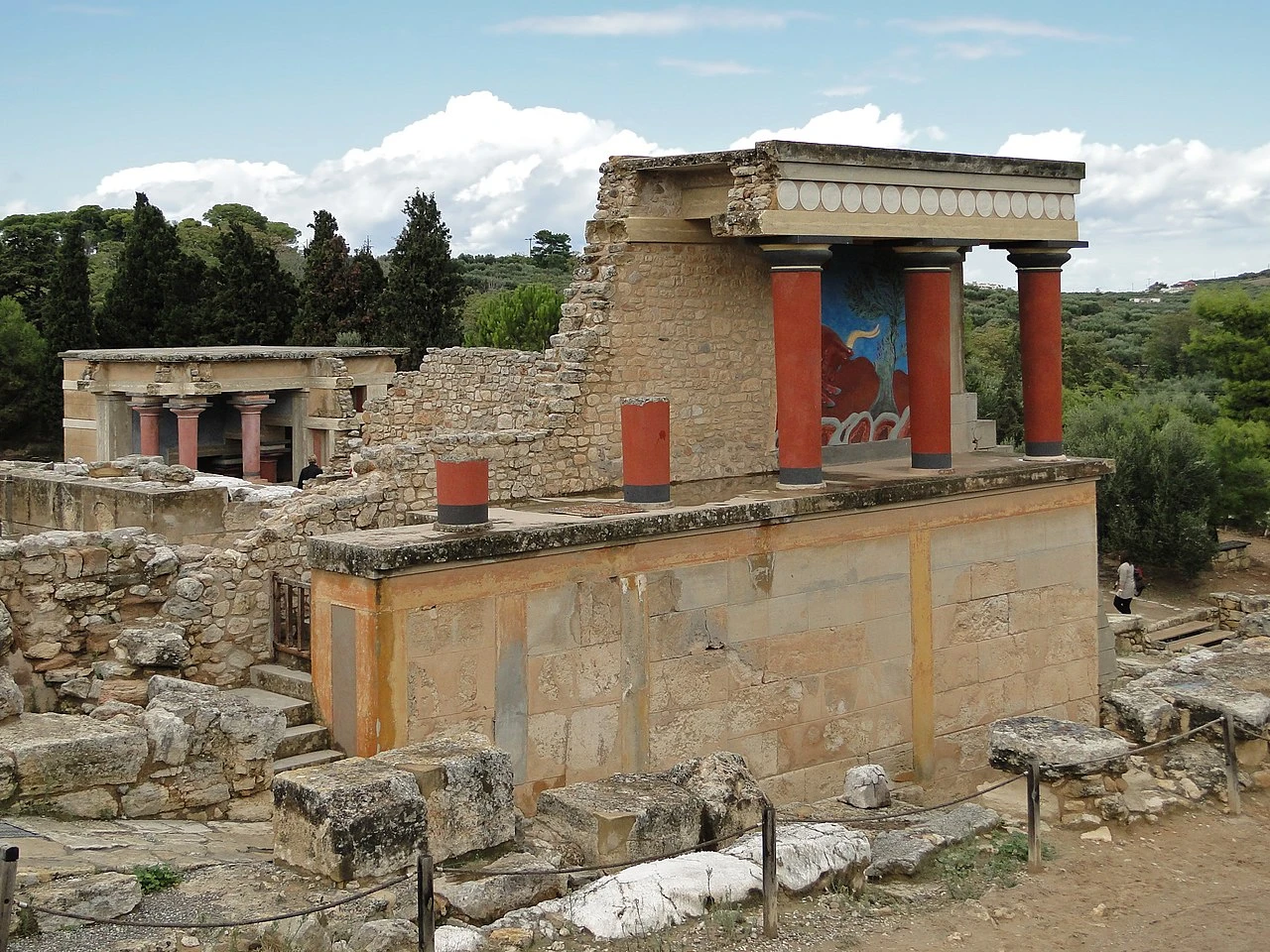
Knossos
Content & sources
Bernard Gagnon · CC BY-SA 3.0