Travel tips/Peloponnese, Greece
A Peloponnese road trip with time to look around
A gate guarded by lions, a theatre in a healing sanctuary, a hillside city and a fortress by the sea. Here is how to choose your stops and give them time.
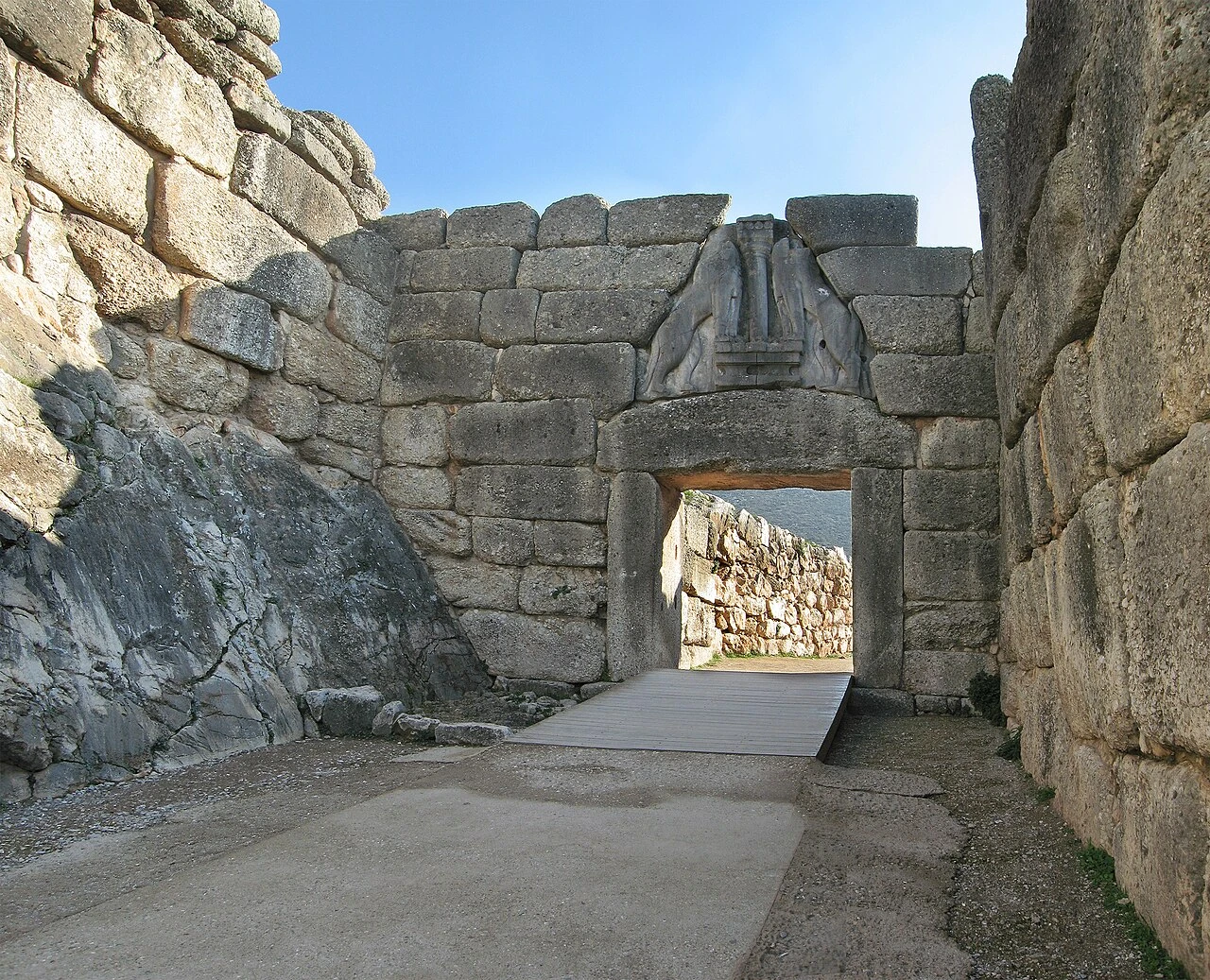
The Lion Gate at Mycenae asks you to look up. The theatre at Epidaurus invites you to look across a whole gathering of people. At Mystras, the story climbs a hillside; at Methoni, it reaches the sea. A Peloponnese road trip can connect all these experiences, but the map can tempt you to collect more places than you have time to understand. Start with a compact route, then decide which extra chapter deserves the journey.
Choose the shape of the trip before the stops
Think in three areas: Corinth and the Nafplio area in the northeast, Mystras near Sparta farther south, and Methoni in the southwest. The first area gives you a coherent short trip. The other two are reasons to extend it and reconsider where you sleep.
For a short holiday, we would choose the northeast rather than drive across the peninsula every day. If Byzantine churches are your main interest, build the extra time around Mystras. If sea-facing fortifications appeal more, choose Methoni. You can have a satisfying history trip without visiting every place in this table.
| Site | What makes it different | Planning area | Full entry |
|---|---|---|---|
| Ancient Corinth | Temple, urban remains and an archaeological museum | Corinth / northeast | €15 |
| Mycenae | A Bronze Age citadel, the Lion Gate and monumental tombs | Nafplio / Argolid | €20 |
| Tiryns | Mycenaean walls and the engineering of a fortified palace | Nafplio / Argolid | €10 |
| Epidaurus | A theatre within the sanctuary of Asclepius | Nafplio / Argolid | €20 |
| Mystras | A medieval hillside town, churches and Byzantine history | Sparta / southeast | €20 |
| Methoni Castle | Venetian fortifications and a harbour-facing setting | Methoni / southwest | €5 |
A three-day starting plan around Nafplio
Day one: make Ancient Corinth your main visit on the journey into the Peloponnese, then continue to your accommodation in the Nafplio area. This works only if your arrival leaves enough time before last admission. After a late flight or a long drive, settle in and move Corinth to another day.
Day two: pair Mycenae with Tiryns if you want to compare two Mycenaean citadels. Check the order carefully: Hellenic Heritage currently lists Tiryns at 08:30–15:30, with last admission 20 minutes before closing, even during its summer period. Leaving it until the end of a long afternoon can mean missing it. Give Mycenae time for the museum and the Treasury of Atreus as well as the citadel; these are included in its listed ticket.
Day three: give Epidaurus the main part of your sightseeing day. Explore beyond the theatre, take a break, and leave the rest of the day flexible. These three days are a starting outline, not a promise that airport transfers, museum visits and every possible detour will fit.
- Check last admission, not just the closing hour.
- Put one main visit at the centre of each day.
- If a transfer takes longer than expected, remove an optional stop rather than shorten every visit.
Mycenae and Tiryns: compare how power was built
At Mycenae, begin at the Lion Gate and follow the approach with your eyes. The scale of the entrance makes a good question tangible: what impression was an arriving person supposed to have of the people inside? Then look at how the walls and routes shape that arrival.
The name Treasury of Atreus can be misleading. It is a monumental tholos tomb, and the familiar name is not proof that it belonged to the legendary king. Keeping that distinction between archaeology and inherited stories makes the site more interesting, not less.
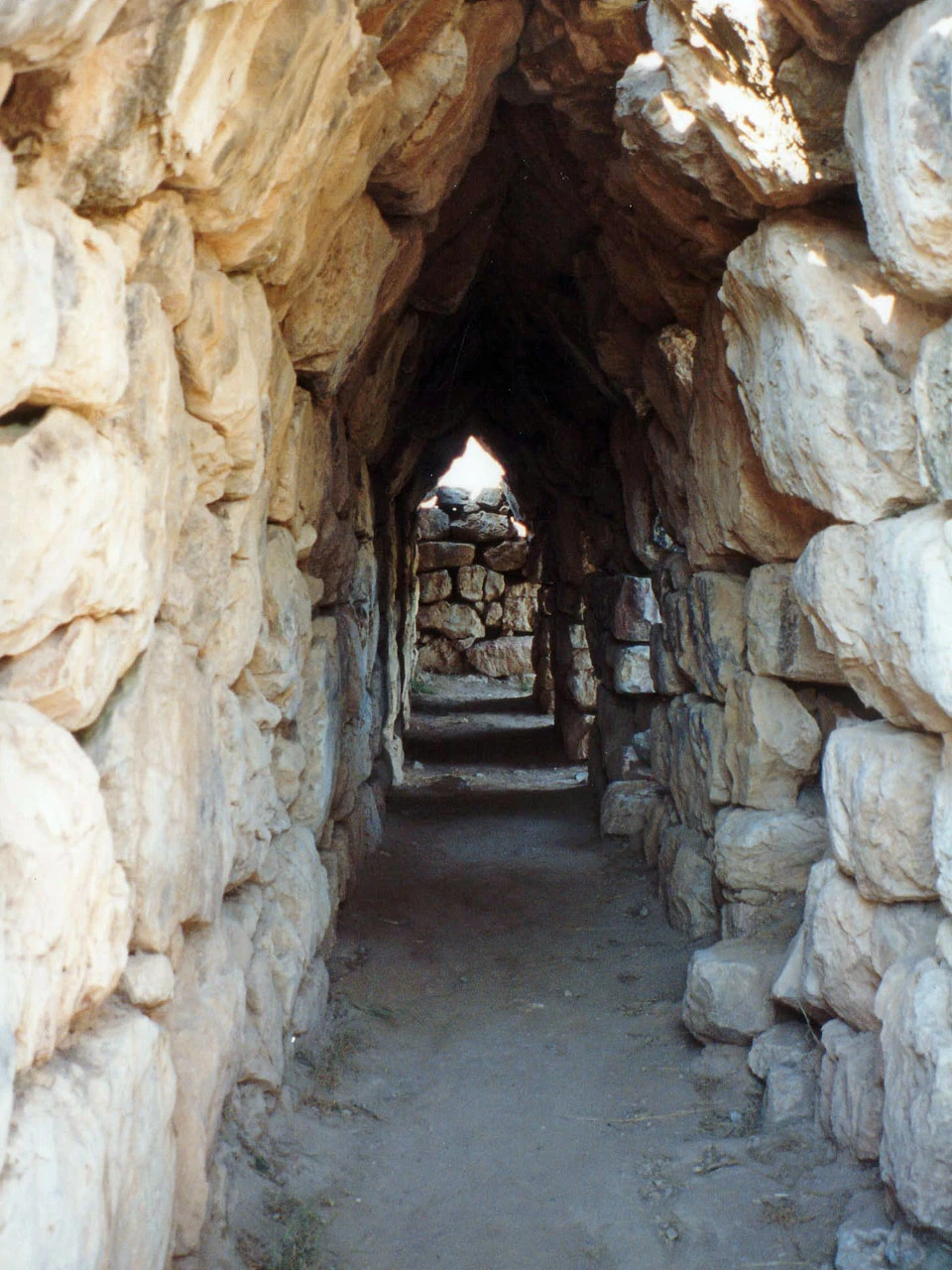
Tiryns gives the comparison a different focus. Look at the thickness of the walls and the way passages fit within them, using the open visitor route. Mycenae and Tiryns share a UNESCO inscription, but you do not need to see them as interchangeable. Ask how each place organised movement and displayed authority.
Epidaurus and Corinth: widen the story beyond the famous view
Epidaurus is a sanctuary of Asclepius, associated with healing, as well as the home of a celebrated theatre. Once you have taken in the seating and stage, use the site plan to locate another part of the sanctuary. Thinking about why people travelled here gives the theatre a setting in human life. Follow the current access rules and avoid turning other visitors into an audience for a sound test.
At Ancient Corinth, the standing columns of the Temple of Apollo are a starting point for reading a city. Follow the relationships between the temple, open spaces and surrounding remains, then use the museum to connect buildings with the objects people made and used.
Ancient Corinth, the modern town of Corinth and the fortified hill of Acrocorinth are separate places to plan for. Adding Acrocorinth means another visit and another access check; it is not simply a room beyond the museum. The Ancient Corinth listing also gives a Tuesday closure in its November–March timetable, so an arrival-day plan needs a date as well as a map.
Extend the trip for Mystras or Methoni
Mystras changes both the period and the pace. This is a medieval settlement built on a hillside, with fortifications, churches and the remains of an urban life. Use a Sparta-area stay to give it its own visit. Think about gradients and steps before deciding how much to cover, and ask the site about the currently open routes if mobility affects your plans.
Inside a church, let one surviving painted scene hold your attention before moving to the next building. Outside, look back at how the town sits below its fortress. The relationship between an individual room and the whole hillside is what makes this extension worthwhile. Check individual buildings too: the official listing currently gives the palace a later opening on Tuesdays.
Methoni belongs to a separate southwest leg. Its Venetian fortifications sit on a peninsula with water on three sides; the approach and the little sea fort make more sense when you think about control of a harbour. Build the visit around a southwest stay rather than adding it as an afterthought to a Nafplio day.
The official Methoni timetable lists Tuesdays as closed. Check that before arranging accommodation around the castle. If you include both Mystras and Methoni, allow separate sightseeing days plus realistic transfer and return time. We would not treat them as two quick additions to the three-day outline.
Keep tickets, travel and the stories separate
The six listed full-entry prices total €90. That is a budgeting reference for six separate visits, not a combined ticket or a recommendation to buy every admission. Check eligibility for reduced or free entry and the current official terms. Fuel, tolls, parking, accommodation and any paid commentary sit outside that subtotal.
This outline assumes a car. With public transport, rebuild it around the actual outward and return services for each site. Do not treat a town-to-town connection as proof that you can reach the archaeological entrance or get back after the visit. Check a current route planner for your own driving legs too, including the return to the airport.
A little preparation can keep the phone in your pocket once you arrive. Read the route overview, choose the detail you most want to understand, and download any audio guide beforehand. Stanza has guides for several of these sites, linked above; check the particular guide’s language and current price in the app. A Stanza guide or Greece pass provides audio content. It does not include archaeological-site admission or transport.
- Save official tickets and the last-admission details separately from your audio guide.
- Carry water, sun protection and footwear suited to uneven ground; adapt to the forecast.
- Check site notices and permitted routes shortly before visiting.
- Leave time to look at a place after the commentary has finished.
A few more questions before you go
How many days do I need for a Peloponnese history road trip?
Our three-day starting outline covers the northeast: Ancient Corinth, Mycenae, Tiryns and Epidaurus, with Nafplio as a base. Arrival and departure travel can require extra time. Add separate sightseeing days and transfer time for Mystras and Methoni rather than assuming the whole peninsula fits into the same short trip.
Can I visit Mycenae and Epidaurus in one day?
A combined car day may work if the current opening hours and your starting point allow enough time, but our outline separates them so each visit has space. If you only have one day, choose one main site and treat a second as optional. Tiryns has its own earlier closing time to check.
Are Mystras and Methoni ancient Greek sites?
They add later histories to the route: Mystras is a medieval town with a major Byzantine heritage, while Methoni’s visible fortifications are strongly associated with Venetian rule. That contrast is a reason to visit them, rather than to expect another Mycenaean palace.
Does the Stanza Greece pass include entry tickets?
No. It provides audio content. Buy or arrange archaeological-site admissions, transport and accommodation separately, and check the languages and current prices of individual guides in the app.
Sources & further reading
Visitor information checked .
Official site information and listed full-entry prices checked on 18 October 2026. Opening hours, permitted routes and ticket conditions can change. The three-day outline and suggested extensions are editorial planning options for travellers with a car; they are not timed or road-tested transport itineraries. Check your actual journeys and recheck visitor details before booking.
- Hellenic Heritage: Mycenae
- Hellenic Heritage: Tiryns
- Hellenic Heritage: Epidaurus
- Hellenic Heritage: Ancient Corinth
- Hellenic Heritage: Mystras
- Hellenic Heritage: Methoni
- UNESCO: Archaeological Sites of Mycenae and Tiryns
- UNESCO: Archaeological Site of Mystras
Questions or a correction? Let us know. Our content standards (English).