Stanza · Audio guide
Amber FortAudio guide
A place to remember. A story to take with you.
Amber Fort is a historic fort and palace complex located near Jaipur, Rajasthan, India. Built with red sandstone and marble, it is known for its artistic Hindu style elements.
Download Stanza, then search for “Amber Fort”.
About the tour
One guide. Your kind of visit.
Amber Fort is a historic fort and palace complex located near Jaipur, Rajasthan, India. Built with red sandstone and marble, it is known for its artistic Hindu style elements.
Ready when you are.
- 01Get the free Stanza app.
iOS & Android
- 02Find your guide.
“Amber Fort”
- 03Download before you go.
Works offline
Audio guide / 30 narrated stops
Inside the guide
Get to know a few of the stories before you go. Open a stop to read more.
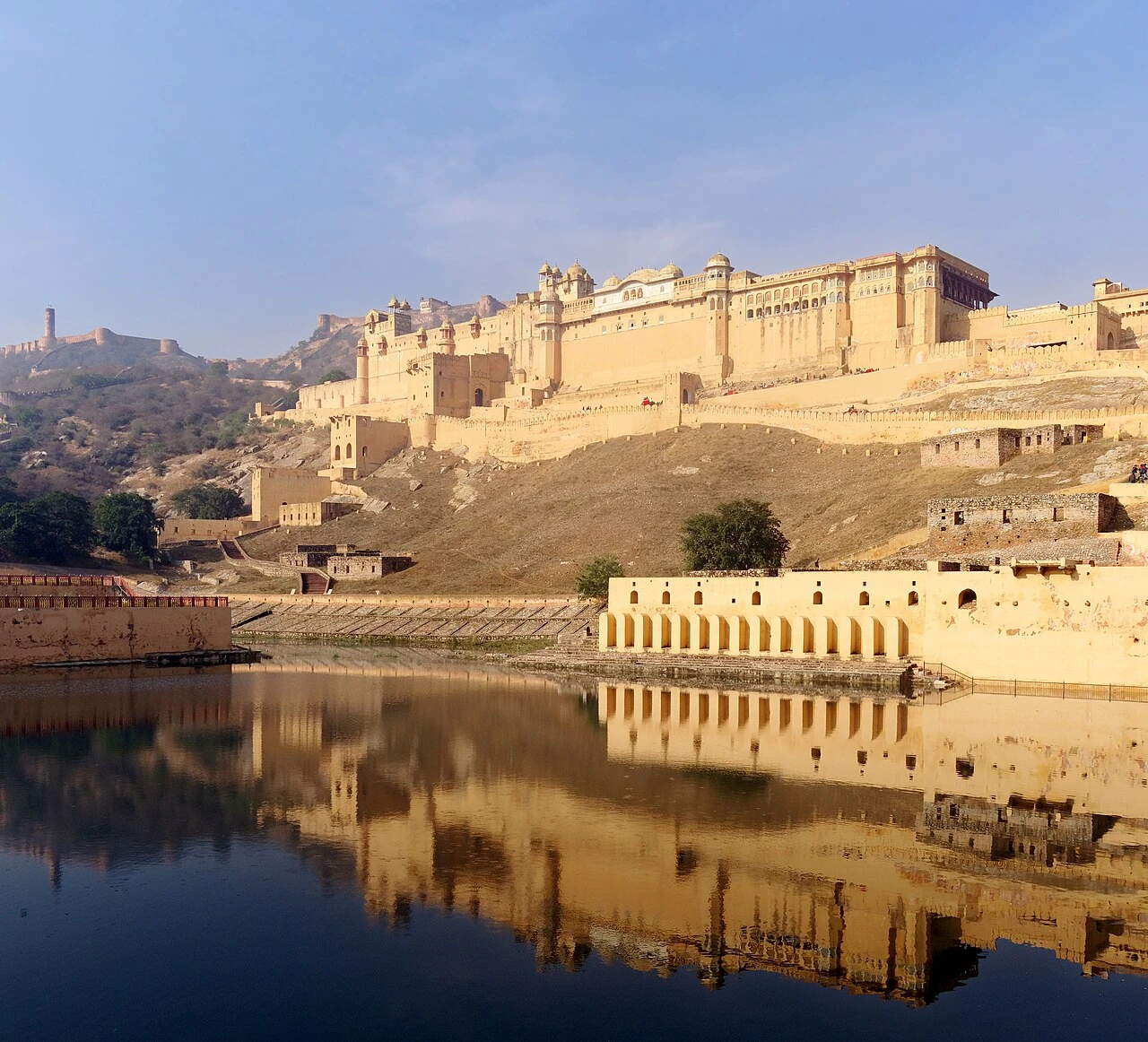
01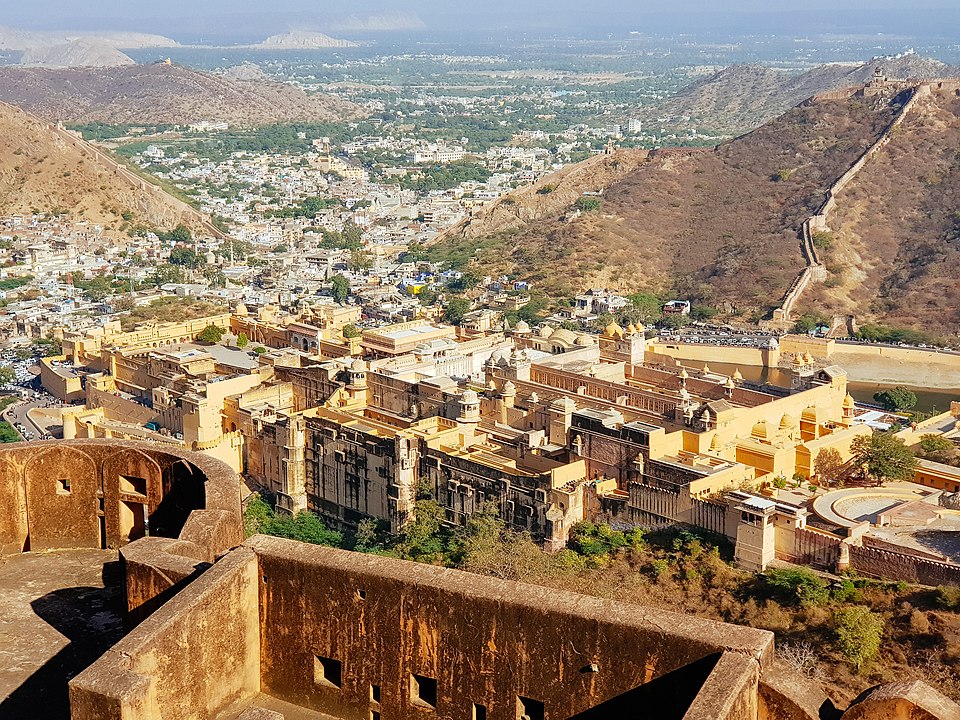 Arrival at Maota LakeThe Ramparts of Amber
Welcome to the grand Amber Fort, a breathtaking testament to the power and artistry of the Rajput rulers. As you gaze across the sprawling complex, notice the immense scale of the defensive walls that snake along the rugged peaks of the Aravalli Hills. This monumental project began in 1592 under the reign of Raja Man Singh I, a high-ranking general in the Mughal army. However, the fort you see today was not built in a single lifetime; construction and expansion continued for over 150 years as successive rulers added their own palaces, halls, and fortifications. Located in Amer town, just 11 kilometers from the vibrant city of Jaipur, the fort was strategically positioned to offer a dominant view of the surrounding valleys. Its location was chosen with a keen eye for defense; the steep slopes and high ramparts made it nearly impossible for rival forces to stage a successful siege. The architecture is a masterful blend of traditional Hindu elements and sophisticated Mughal influences, creating a fortress that was both a secure military base and a luxurious royal residence. From this vantage point, you can appreciate the sheer ambition of the kings who transformed these rocky hills into a symbol of enduring sovereignty.
Ashwin Kumar from Bangalore, India · CC BY-SA 2.0
02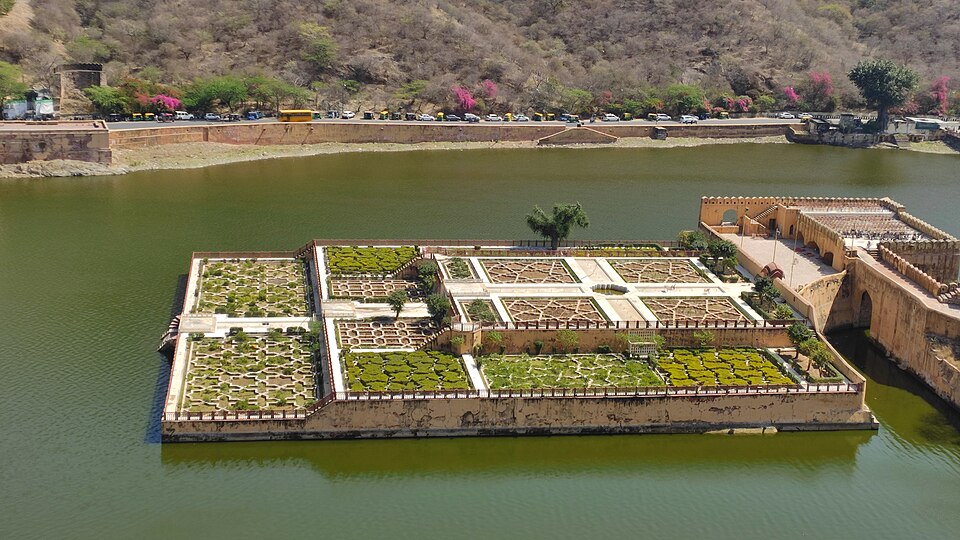 Arrival at Maota LakeThe Floating Saffron Garden
Situated in the tranquil center of Maota Lake is a masterpiece of landscape design known as the Kesar Kyari, or the Saffron Garden. From the ramparts above, you can clearly see its distinctive star-shaped planting beds, which create a mesmerizing geometric pattern against the water. This formal layout is characteristic of the Mughal-inspired 'charbagh' style, which emphasizes symmetry and structured beauty. Historically, the lake served as the main water source for the fort, and this garden was the first sight to greet weary travelers arriving at the palace gates. Local legend holds that the garden was originally planted with saffron, or 'kesar,' to perfume the breezes that swept up into the Maharaja’s private apartments. The scent was said to be so intoxicating that it turned the entire valley into a fragrant paradise. However, while the story adds to the romantic allure of Amber, the reality is more practical. Saffron typically requires a cool, high-altitude climate to thrive, and the harsh, dry heat of Rajasthan proves too extreme for the delicate crocus flowers. Today, the garden is meticulously maintained with hardier plants that preserve the original star-shaped design, serving as a beautiful reminder of the royal ambition to blend nature with art.
Photo: Iloveplantsforever · CC0
03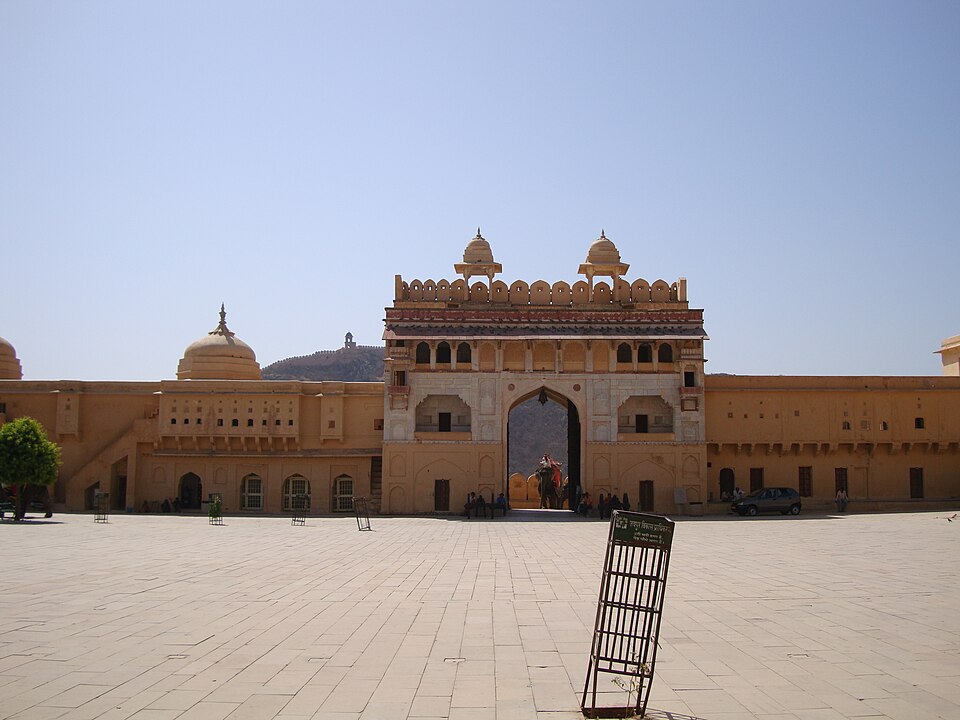 Suraj Pol: The Sun GateThe Sun Gate
The impressive structure you are viewing is the Suraj Pol, or the Sun Gate. As the main ceremonial entrance to the fort, it was designed with profound symbolic and practical importance. The gate faces due east, positioned specifically to welcome the first rays of the rising sun each morning—a celestial event associated with divinity and the power of the ruling dynasty. Because of its prestigious status, the Sun Gate was used exclusively by the Maharaja and his most important guests. Imagine the spectacle that once took place here during royal celebrations. The Maharaja would return from a successful campaign or lead a festival procession through this very portal, often seated atop a highly decorated elephant. The high, wide archway was specifically engineered to accommodate these massive animals and their ornate 'howdahs' or carriages. While soldiers and commoners entered through different gates, the Suraj Pol remained a site of strictly royal theatre. As you pass through, you are following the same path taken by centuries of Rajput royalty, moving from the outer world into the highly protected and luxurious heart of the palace complex.
Listen in the appViraat Kothare · CC BY-SA 3.0
04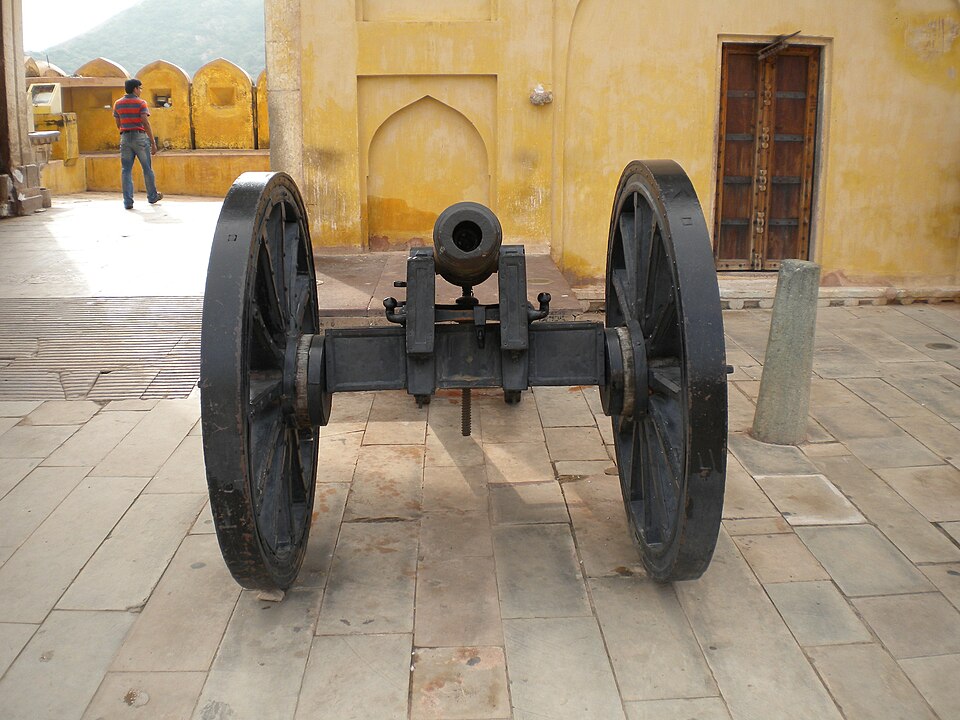 Suraj Pol: The Sun GateDefensive Cannons
Amidst the delicate carvings and sprawling gardens of the palace, these iron cannons stand as a stark reminder of Amber’s primary role as a functional fortress. Mounted on heavy wooden wheels, these pieces of artillery were strategically placed to guard the main entry points and ramparts. Despite the ornate beauty that characterizes the interior of the complex, the Rajput rulers were constantly prepared for conflict. These weapons were essential for defending the kingdom against potential sieges and raids from rival powers who sought to control this strategic mountain pass. During the peak of the fort’s military use, the air here would have been thick with the smell of gunpowder rather than the scent of flowers. The thick stone walls were designed to withstand the recoil of these very cannons and to protect the defenders stationed behind them. Notice the sturdy construction of the carriages, designed to be moved quickly to different vantage points along the walls. While Amber eventually became more of a ceremonial site when the capital moved to Jaipur, these cannons were maintained as symbols of military might. They serve as a vital link to the era of the warrior-kings, where architectural beauty and defensive capability had to exist in perfect, sometimes brutal, harmony.
Listen in the appPhoto: Vssun · CC BY-SA 3.0
05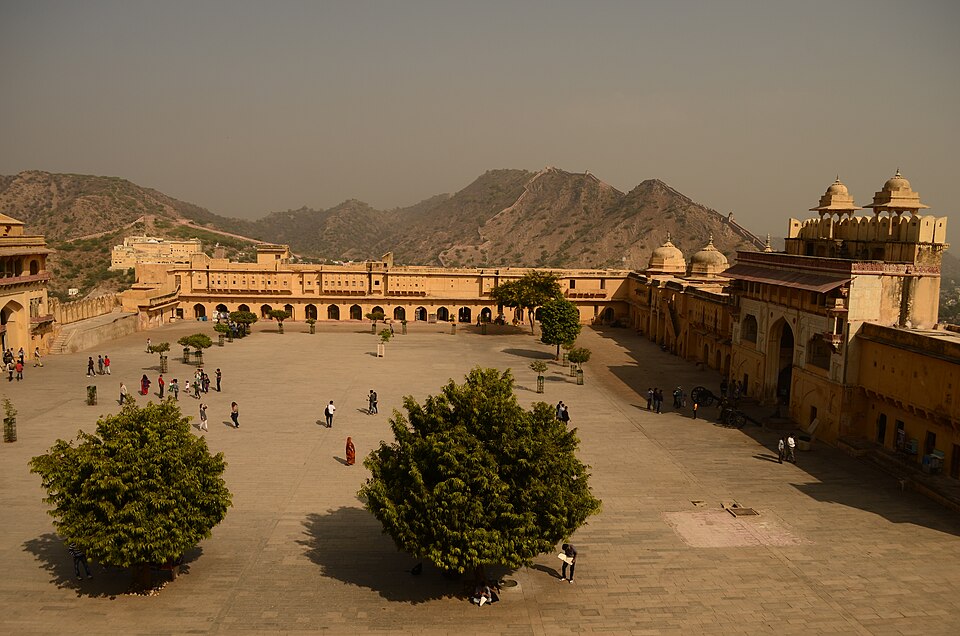 Jaleb Chowk: The First CourtyardThe First Courtyard
You are now observing the vastness of Jaleb Chowk, the first and largest courtyard of the Amber Fort. This expansive space served as the primary staging area for the fort's military operations. Historically, this was where the Maharaja’s returning armies would gather after a military campaign to be formally inspected and rewarded. The sheer size of the courtyard was necessary to accommodate hundreds of soldiers, horses, and elephants at a single time, creating a bustling hub of activity at the fort’s lower entrance. The courtyard also functioned as the headquarters for the royal guard. Looking up at the rooms on the upper floors surrounding the plaza, you are seeing what were once the quarters for the Maharaja’s personal bodyguards. These elite soldiers lived on-site to ensure they were always ready to protect the royal family. In addition to its military function, Jaleb Chowk was a public space where the common people could gather during special festivals or to catch a glimpse of a royal procession. Today, while it is much quieter than in the 17th century, the scale of Jaleb Chowk still conveys the immense manpower and organization required to maintain the Rajput state.
Listen in the appAna Raquel S. Hernandes from Sao Paulo, Brazil · CC BY-SA 2.0
06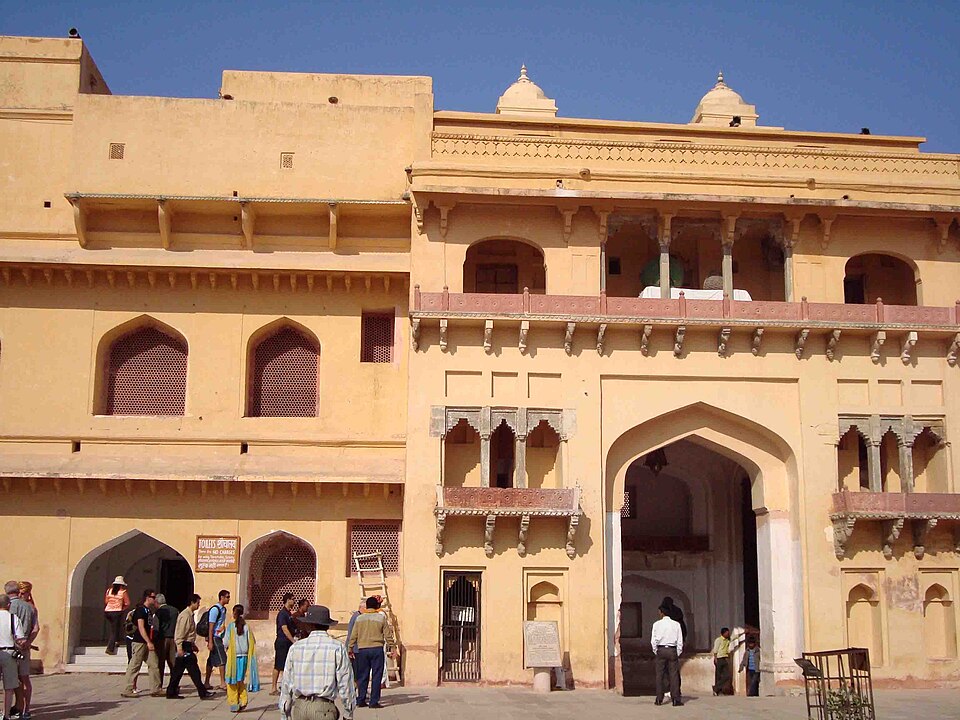 Jaleb Chowk: The First CourtyardGateway to the Sacred
As you move away from the wide-open spaces of Jaleb Chowk, you approach the entrance to the Sila Devi Temple, marking a significant transition in the fort's layout. You are leaving the military and administrative zone of the palace and entering its spiritual heart. In Rajput culture, the divine and the royal were closely intertwined, and the presence of a powerful deity within the palace walls was considered essential for the protection and prosperity of the kingdom. To maintain the sanctity of this space, specific customs must be followed. As you approach the temple, you will notice that visitors are required to remove their shoes and any items made of leather, such as belts or bags. In the Hindu tradition, leather is considered impure, and removing one's footwear is a mark of humility and respect before the goddess. This shift in atmosphere is palpable; the noise of the bustling courtyard fades, replaced by a sense of quiet devotion and the scent of incense. This gateway serves as a threshold where the earthly power of the Maharaja gives way to the eternal power of the divine, a space where royalty and commoners alike come to seek blessings.
Listen in the appPhoto: Anupamg · CC BY-SA 3.0
07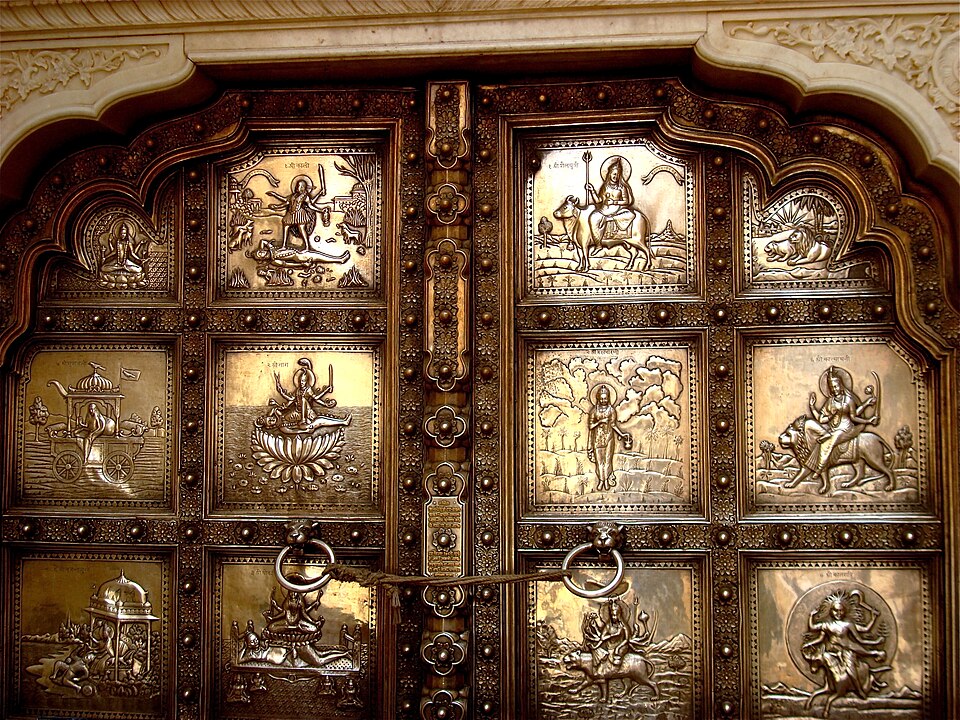 The Sila Devi TempleSilver Gates of Sila Devi
Standing before the entrance to the inner sanctum, you are met by a spectacular example of Rajput craftsmanship: the silver-embossed gates of the Sila Devi Temple. These doors are covered in intricate relief work that tells a story of deep religious devotion. If you look closely at the panels, you can see detailed depictions of the Goddess Durga, to whom the temple is dedicated. Alongside her are representations of the ten incarnations, or 'avatars,' of the god Vishnu, a central theme in Hindu mythology representing the preservation of cosmic order. The use of such a vast amount of silver was not merely for decoration; it was a grand gesture of wealth and piety. The silver for these doors was a gift to the temple, reflecting the immense riches the Rajput rulers accumulated through their strategic alliances and military successes. The shine of the metal against the surrounding stone creates a focal point that draws the eye and signifies the importance of the treasures held within. These gates do more than just provide security; they serve as a visual hymn to the deities that the royal family believed guided their fates and protected their city. The level of detail achieved in the metalwork demonstrates the incredible skill of the artisans who served the Jaipur court.
Listen in the appAdamina · CC BY 2.0
08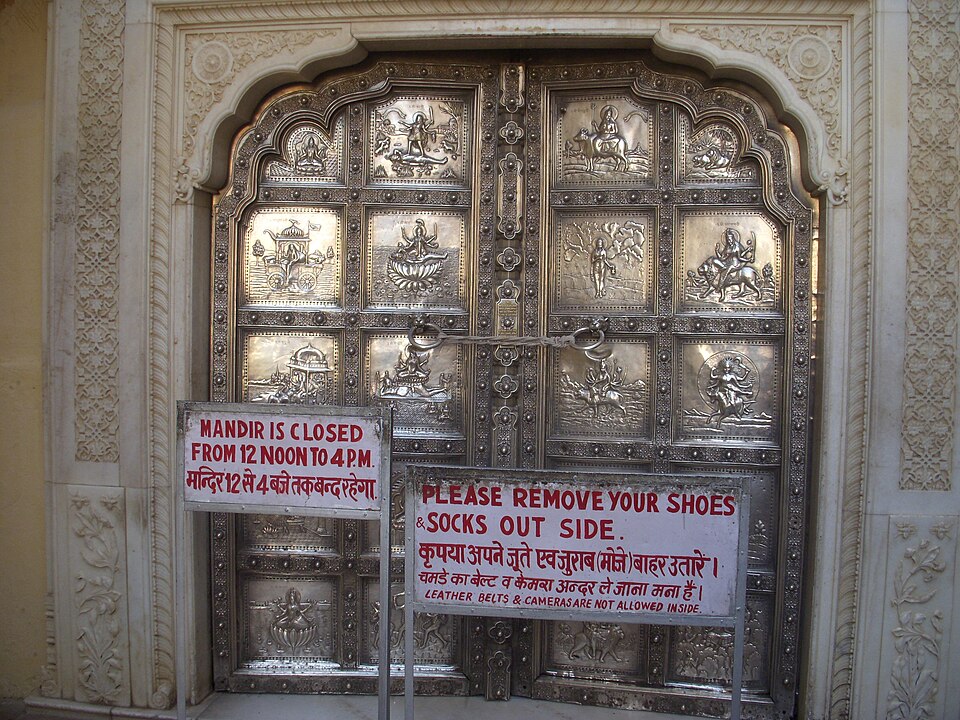 The Sila Devi TempleThe Sila Devi Temple
The Sila Devi Temple is the most significant religious site within Amber Fort, steeped in a legend that connects the Rajput kings to the far-off lands of Bengal. Tradition holds that in 1604, Raja Man Singh I suffered a defeat in battle and sought divine intervention. He had a vision of the Goddess Kali, who instructed him to retrieve a stone slab that was submerged in the sea near Jessore. Following the vision, the Raja recovered the stone and brought it back to Amber, where he had the idol of Sila Devi carved from that single, sacred block. Sila Devi is a form of the goddess Kali, and her arrival at the fort was seen as a turning point for the dynasty’s fortunes. For centuries, the royal family has come here to seek the goddess's protection before going into battle or beginning new ventures. The temple's interior is a place of intense spiritual energy, where the air is often filled with the sound of bells and the chanting of priests. Even after the capital was moved to Jaipur, the Maharajas continued to visit Amber specifically to worship at this shrine. It remains a living site of pilgrimage, embodying the deep-rooted belief that the success of the state was inextricably linked to the favor of the divine.
Listen in the appPhoto: T.sujatha · CC BY-SA 3.0
09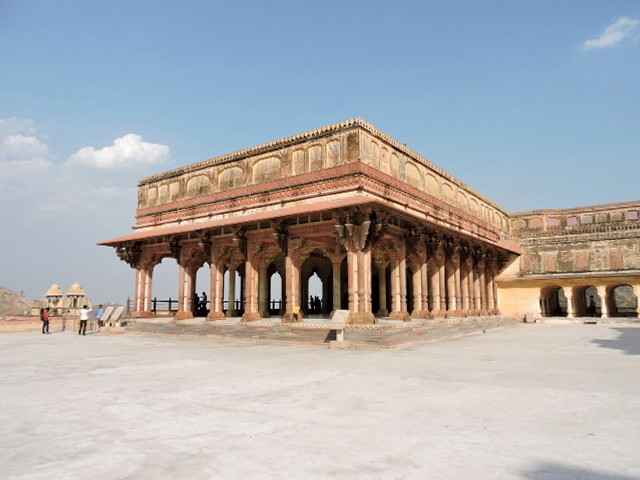 Diwan-i-Aam: The Hall of Public AudienceHall of Public Audience
This grand pavilion is the Diwan-i-Aam, or the Hall of Public Audience. This was the political center of the fort, where the Maharaja performed his duties as a leader and a judge. It was here that he would meet with his subjects to hear their petitions, settle legal disputes, and receive reports from his officials. The design of the hall is intentionally open, symbolizing the transparency of the Raja's justice and allowing as many people as possible to witness the proceedings. Notice the raised platform at one end of the hall. This was where the royal throne was placed, ensuring the Maharaja remained visible and elevated above the assembly. The hall is characterized by its double row of columns, which support a heavy roof designed to provide shade from the intense Rajasthani sun. In this space, the rigid hierarchies of the court were on full display, with officials and courtiers arranged according to their rank. The Diwan-i-Aam was not just a building; it was a theater of power where the Maharaja reinforced his authority and fulfilled his social contract with the people of his kingdom. It stands as a bridge between the private world of the palace and the public life of the town of Amer.
Listen in the appwonker from London, United Kingdom · CC BY 2.0
10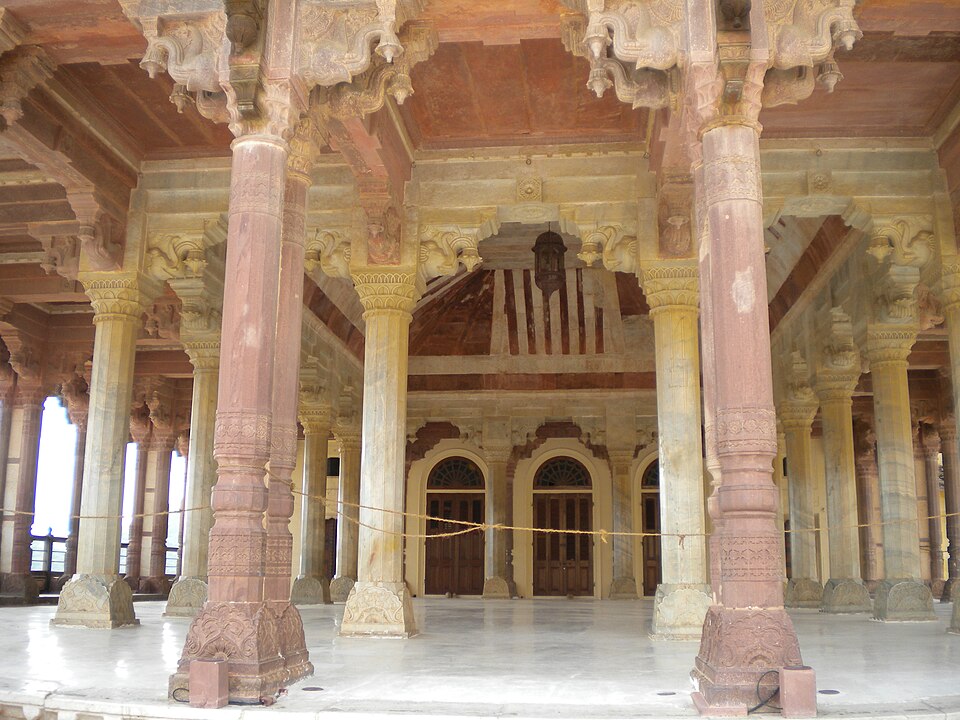 Diwan-i-Aam: The Hall of Public AudienceColonnades of Public Audience
The Diwan-i-Aam is supported by a magnificent series of pillars that showcase a deliberate contrast in materials and tradition. If you look closely, you will see that the inner row of columns is crafted from smooth grey marble, while the outer row is made from rugged red sandstone. This combination of materials was a hallmark of the architectural style of the era, blending the elegance and coolness of marble with the local availability and durability of sandstone. The use of marble, in particular, was a symbol of high status, as the material often had to be transported from distant quarries. There are exactly 27 colonnades supporting the roof of this hall. This specific number was not chosen by chance; in local Hindu tradition, the number 27 is considered highly auspicious, often associated with the 27 lunar mansions or 'Nakshatras' in Vedic astrology. By incorporating this number into the very structure of the hall, the builders sought to align the Maharaja’s seat of power with cosmic harmony. This attention to detail demonstrates how every aspect of the fort’s construction—from the choice of stone to the number of pillars—was infused with deeper meaning, intended to ensure the longevity and success of the royal house.
Listen in the appPhoto: Vssun · CC BY-SA 3.0
Amber Fort
Frequently asked questions
How much does the guide cost?
Free app download. Listed guide price: $1.99. Guide price shown in the app. Audio guide only. Venue admission is separate.
Can I listen without internet?
Yes. Download the guide’s audio, images, and maps in the app before your visit. Your downloaded content is then available offline.
Can I listen in my language?
Stanza supports 15 languages. Check the app for the languages available for this guide.
Do I need to follow a schedule?
No. This is a self-guided experience. Choose your stops, pause whenever you like, and return to a story at your own pace.
At your own pace
Explore Amber Fort.
Download Stanza, then search for “Amber Fort”.
Free app download · Guide price shown in the app
Keep exploring
Nearby audio guides
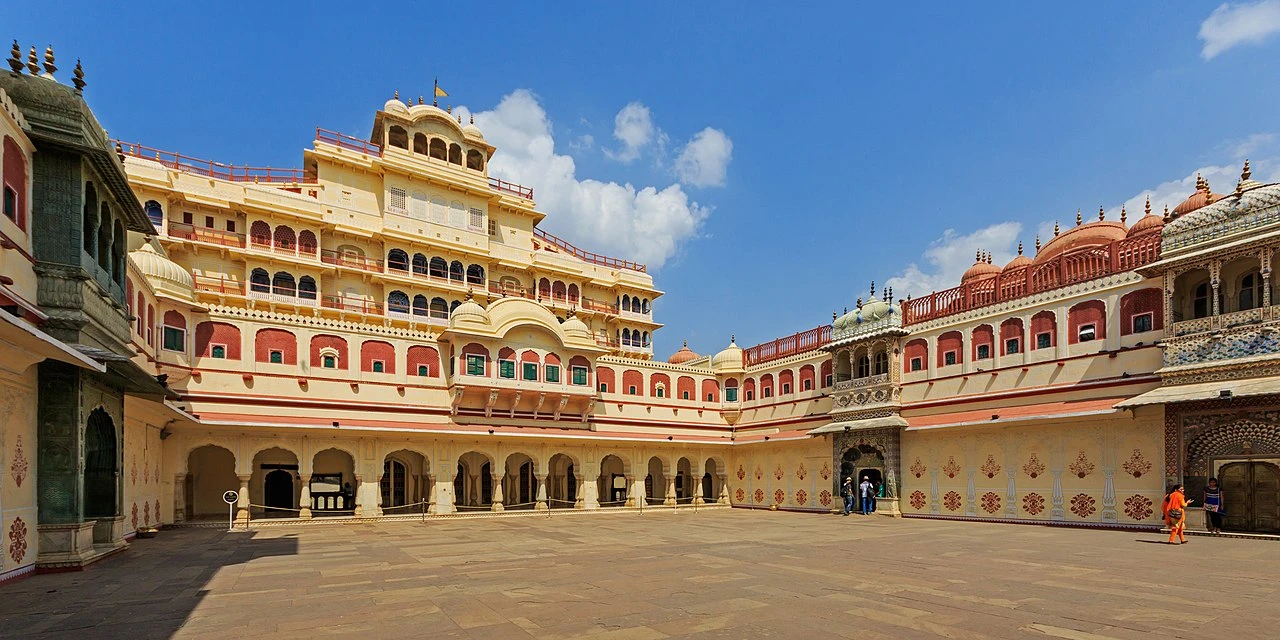
Jaipur
City Palace
Content & sources
Photo: A.Savin · FAL
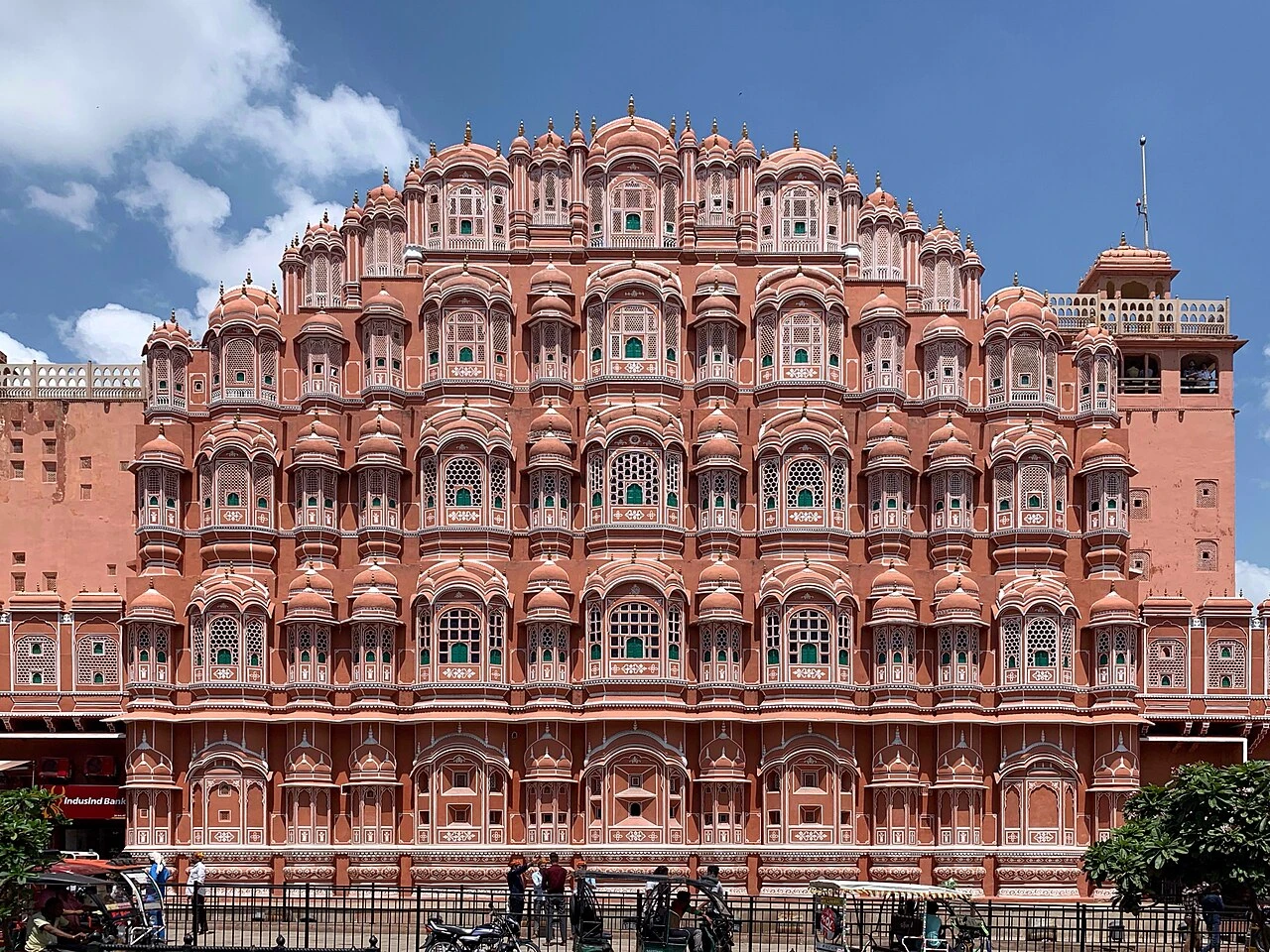
Jaipur
Hawa Mahal
Content & sources
Photo: Chainwit. · CC BY-SA 4.0
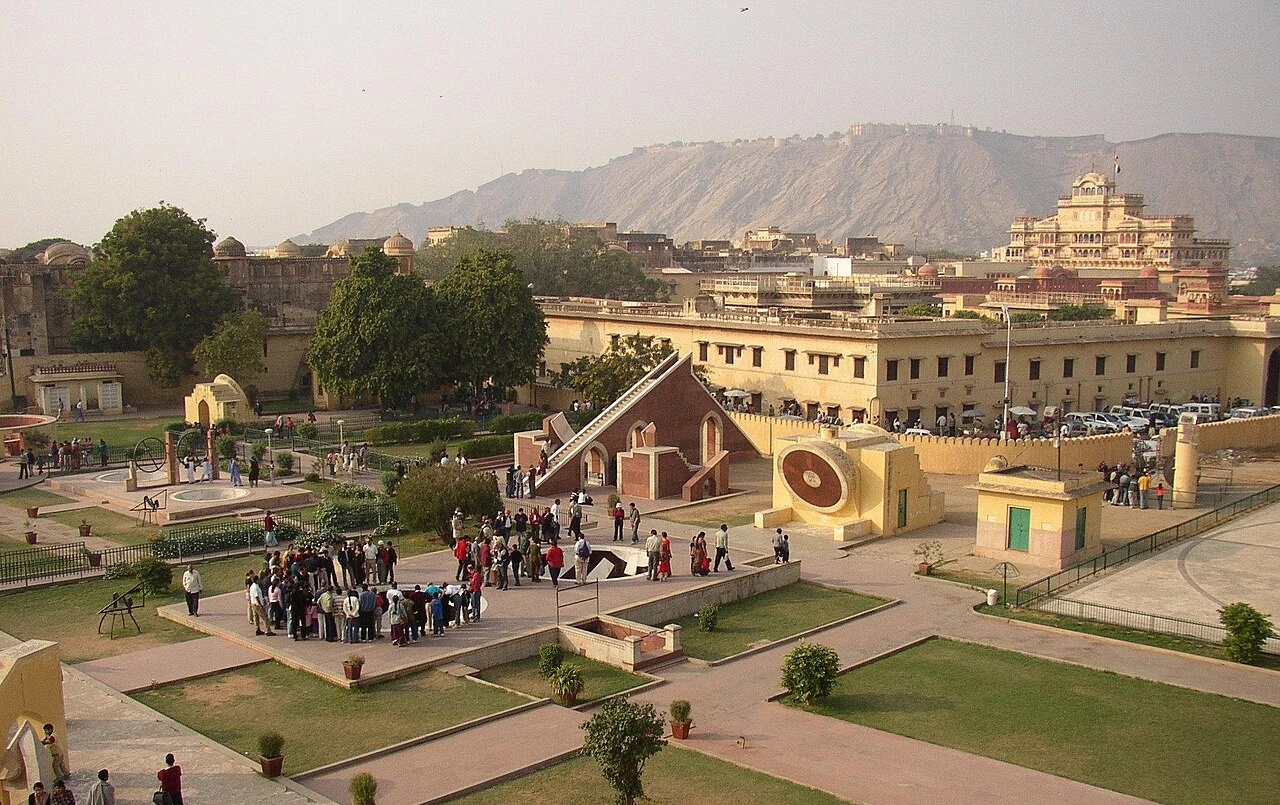
Jaipur
Jantar Mantar, Jaipur
Content & sources
Photo: Knowledge Seeker · Public domain
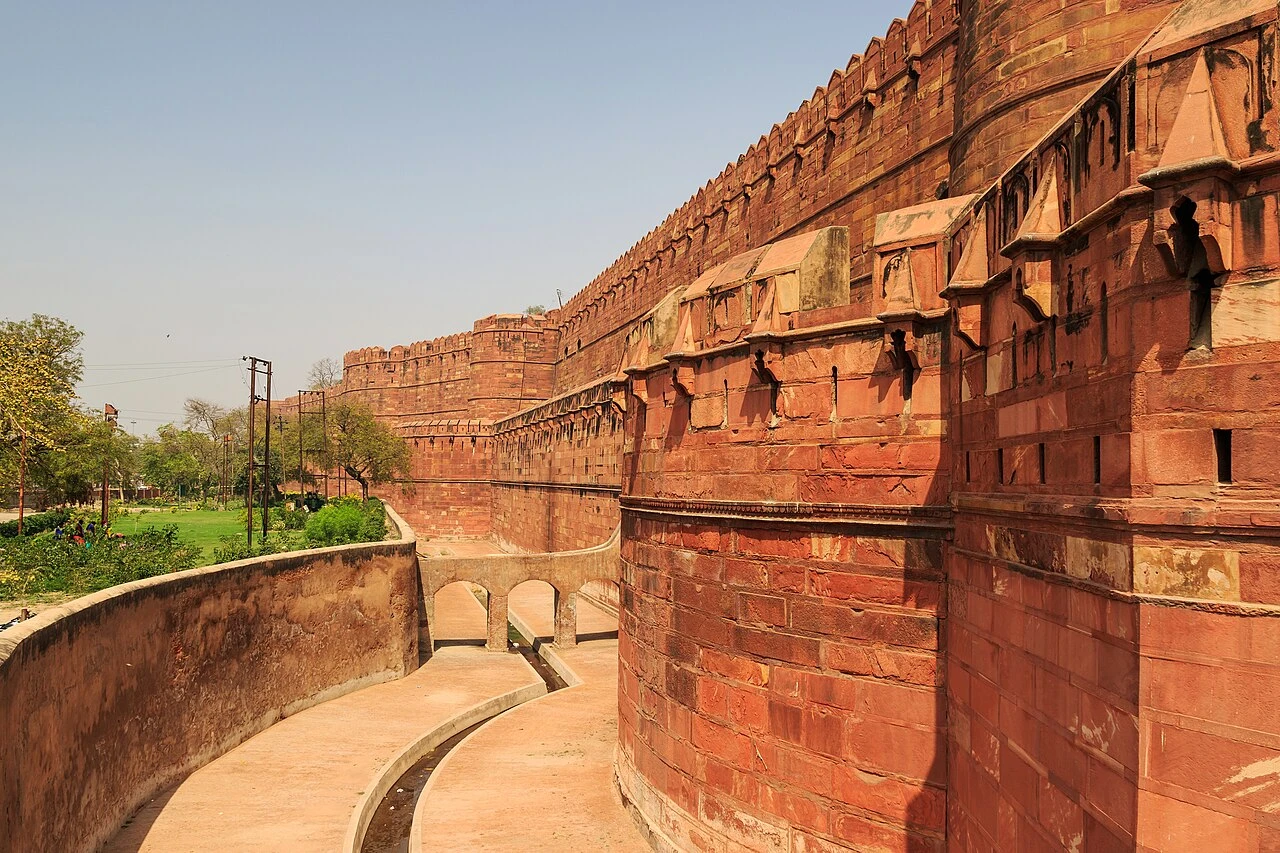
Agra
Agra Fort
Content & sources
Photo: A.Savin · FAL