Stanza · Audio guide
Jaigarh Fort Audio Guide
A place to remember. A story to take with you.
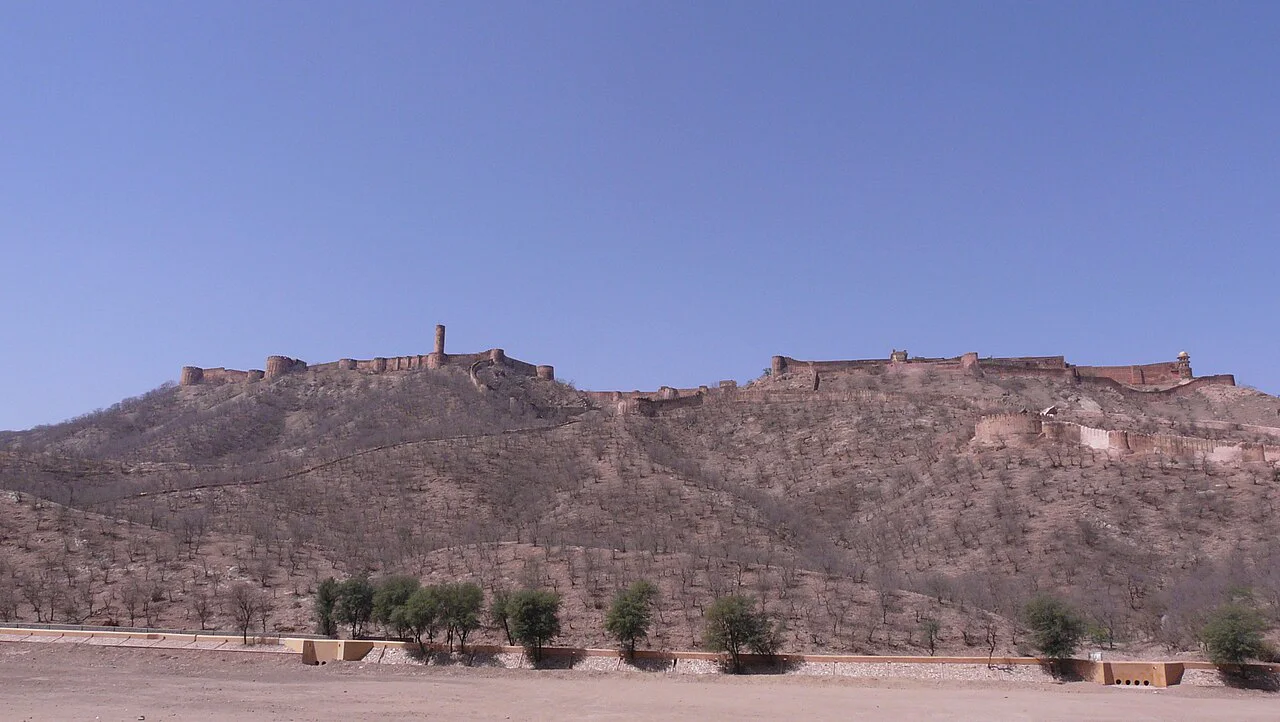
Jaigarh Fort is situated on the Cheel ka Teela of the Aravalli range in Rajasthan, India. It overlooks the Amer Fort and the Maota Lake near Amer.
Download Stanza, then search for “Jaigarh Fort”.
About the tour
One guide. Your kind of visit.
Jaigarh Fort is situated on the Cheel ka Teela of the Aravalli range in Rajasthan, India. It overlooks the Amer Fort and the Maota Lake near Amer.
Ready when you are.
- 01Get the free Stanza app.
iOS & Android
- 02Find your guide.
“Jaigarh Fort”
- 03Download before you go.
Works offline
Audio guide / 14 narrated stops
Inside the guide
Get to know a few of the stories before you go. Open a stop to read more.
01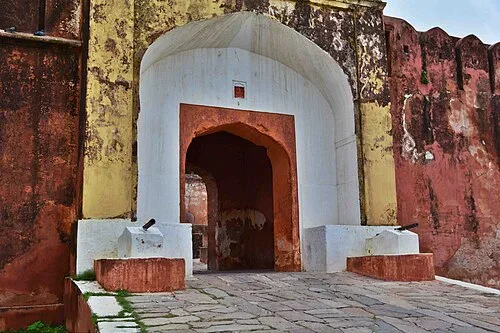 Dungar Darwaza and Fortified Approach
Dungar Darwaza, the Main Gate
Welcome to Jaigarh, the Victory Fort, on a ridge the old name calls the Hill of Eagles. The gateway ahead is the Dungar Darwaza, and darwaza simply means gate. Everything here is built for war: thick walls of red sandstone, ramped stone paths, gun positions. Jaigarh was never meant to be a palace first. It was a garrison, a cannon foundry and a stronghold, raised to guard Amer, the Kachwaha rulers' capital in the valley below, along with their treasury. The tour ahead follows the fortress from the inside: its great cannon, the foundry that cast it, the hidden water works, the royal apartments, the armoury, and finally the view down onto Amer itself.
Photo: Anupamg · CC BY-SA 4.0
02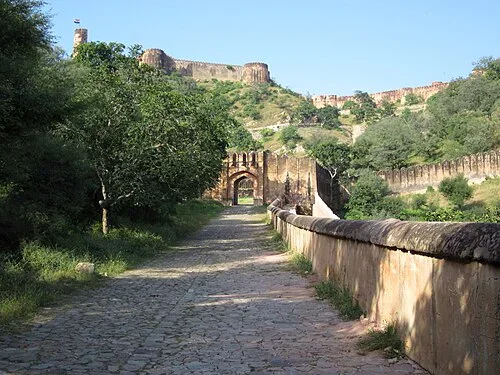 Dungar Darwaza and Fortified Approach
The Fortified Approach Road
The defences climbing this ridge took shape over nearly seven hundred years. In the middle of the eleventh century, Raja Kakil Dev took the Amber region from the Meena tribes and began the first defensive works here. Rulers after him kept adding to the fortress, and Maharaja Sawai Jai Singh II finally gave it the form it keeps today in 1726. The scale is hard to grasp from any single wall: the fort runs about three kilometres from end to end and a kilometre across. The walled stone road climbing toward the gate shows how the builders thought. An approach this exposed was never left as a simple track; it was boxed in between ramparts, so that anyone coming up had to do so under the defenders' control.
pradeep kumar chatte… · CC BY 3.0
03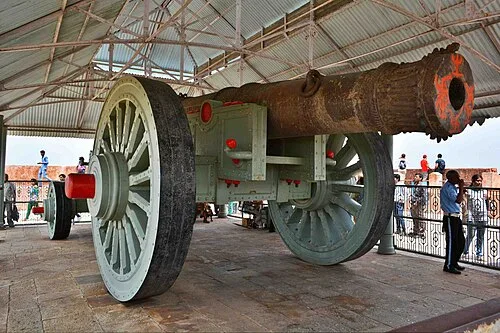 The Jaivana Cannon Enclosure
The Jaivana Cannon
Cast here in 1720, the Jaivana was in its day the largest cannon on wheels anywhere in the world. Maharaja Sawai Jai Singh II had it made in the fort's own foundry. The barrel alone runs about twenty feet and the whole gun weighs around fifty tonnes. It was fired exactly once, as a test. The charge was one hundred kilograms of gunpowder, and the shot flew roughly thirty-five kilometres before landing. After that, the gun never faced an enemy. The Rajput rulers of Amer stayed on friendly terms with the Mughals, so the mightiest cannon of its age went its whole life without a battle.
Listen in the appPhoto: Anupamg · CC BY-SA 4.0
04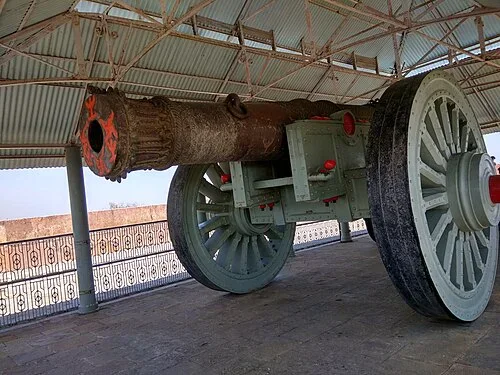 The Jaivana Cannon Enclosure
Reading the Jaivana: Carvings and Wheels
Up close, the great gun rewards a slower look. The barrel carries carved decoration: trees, a scroll with an elephant, and a pair of ducks. Someone gave the mightiest weapon of its day the same ornament as a palace wall. Then there is the question of how a fifty-tonne gun ever aimed at anything. The answer sits at its base: the two back wheels rest on roller-pin bearings, so the whole gun could be turned a full circle and fired in any direction. The tin shed over it came later, raised simply to keep the weather off a gun that has waited three centuries for a war that never came.
Listen in the appPhoto: SumitAmbekar7 · CC BY-SA 4.0
05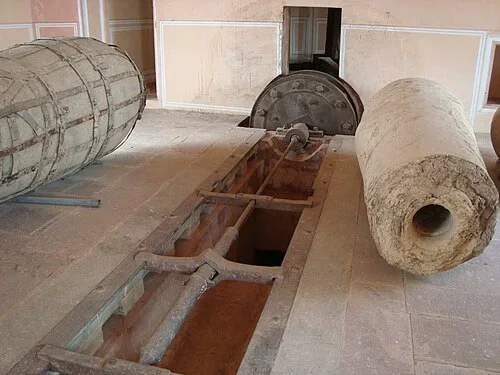 The Imperial Cannon Foundry
The Ox-Driven Boring Machine
A barrel is only a cannon once its bore is bored true, and that was the hardest part of the work. The iron machinery here, with its long bed and heavy gear wheel, is the device that did it. The Rajputs built a large mechanical rig with a precision gear system, and the power came from animals: four pairs of oxen drove the gears that turned the drills. Day after day, teams of oxen walked their circles while the cutters slowly hollowed out solid barrels above this floor. Every great gun the fort produced passed through this room before it was a gun at all.
Listen in the appPhoto: Vssun · CC BY-SA 3.0
06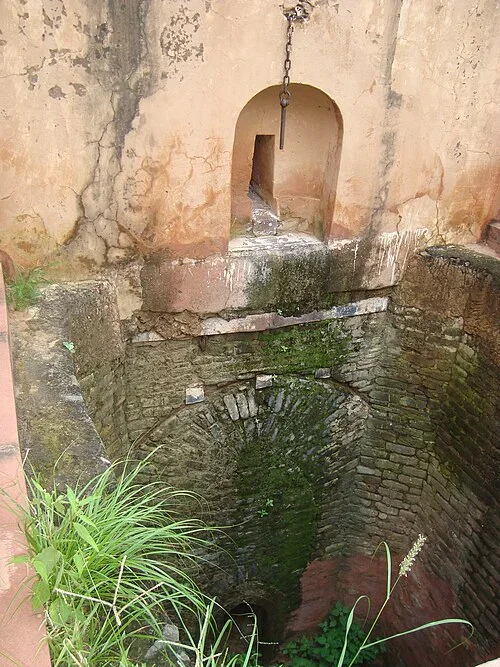 The Imperial Cannon Foundry
The Foundry Furnace and Casting Pits
Under the Mughal emperor Shah Jahan, this foundry became one of the most efficient in the world, helped by the iron ore mines in the hills nearby. Its secret weapon was air. A massive wind tunnel drew air down from the high mountains straight into the furnace, driving the heat to around two thousand four hundred degrees Fahrenheit, hot enough to melt metal. The brick kiln surviving here belonged to those works. Once melted, the metal ran into a reservoir chamber and from there into a cannon mould set in the casting pit. The guns were enormous, most of them about sixteen feet long, and the foundry could prepare one within a single day. It was these same furnaces and devices that later produced the Jaivana itself.
Listen in the appPhoto: Vssun · CC BY-SA 3.0
07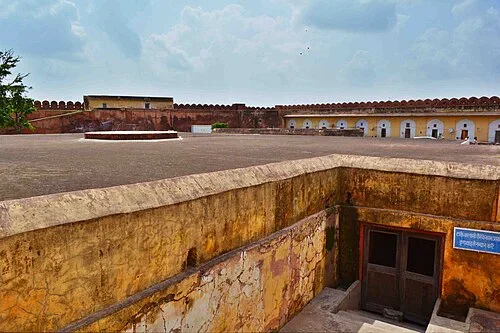 Subterranean Reservoirs and Water Catchment
The Hidden Tanks Beneath the Courtyard
The plain doors set into this courtyard wall lead down rather than in. Beneath the paving lie three underground tanks, the largest with room for six million gallons of water. A fortress with no spring of its own could outlast any siege on stores like that. The tanks also drew a very modern kind of attention. During the Emergency of the mid-nineteen-seventies, rumours spread that the Kachwaha rulers had stacked treasure in the fort, including inside the water tanks. Prime Minister Indira Gandhi ordered a search, and an Army unit spent three months at it. Tax officers followed in 1977 with metal detectors, working through every building. Nothing was ever found, and questions were even asked in Parliament about whether roads had been closed for the operation. The treasure, if it existed, is still down there or nowhere.
Listen in the appPhoto: Anupamg · CC BY-SA 4.0
08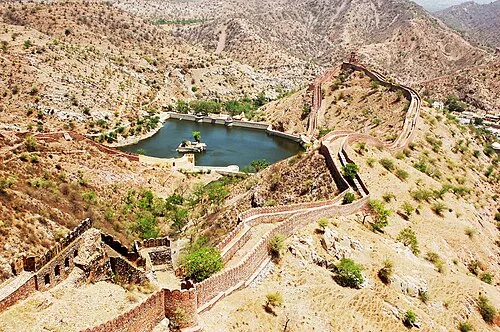 Subterranean Reservoirs and Water Catchment
Catching the Rain: the 4-Kilometre Canal
Every drop in those hidden tanks began as rain on these hills. The engineers built harvesting structures across the Aravalli catchment, the slopes where the runoff gathers, and linked them by a canal running along the west side of the fort. That canal stretches four kilometres, and it carried the water all the way to the three tanks below the courtyard. A lake like the one in this view is exactly the kind of pool the system relied on, holding runoff until it could be led onward. It took a landscape-sized machine to keep a hilltop fortress drinking.
Listen in the appPhoto: Twinkle joshi04 · CC BY-SA 4.0
09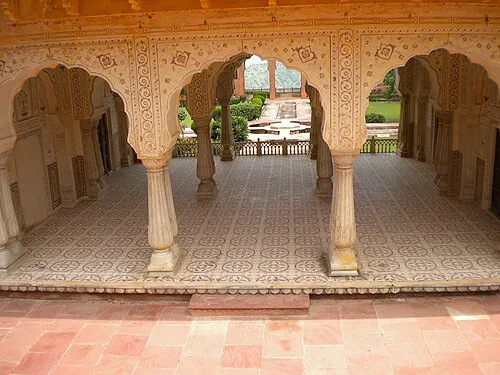 The Palace Complex and Charbagh
Aram Mandir, the Palace of Rest
Even the hardest fortress needed somewhere to rest, and Maharaja Sawai Jai Singh II added palace apartments to the complex. The pavilion here is the soft side of Jaigarh: cusped arches, columns carved with patterned work, a floor laid in geometric designs. Inside the palaces, the court rooms and halls were fitted with screened windows. That was the Indo-Persian way of doing things: the household could watch everything that happened in court and courtyard without being seen themselves. The same walls that mounted guns also hid their rulers behind carved screens.
Listen in the appPhoto: Vssun · CC BY-SA 3.0
10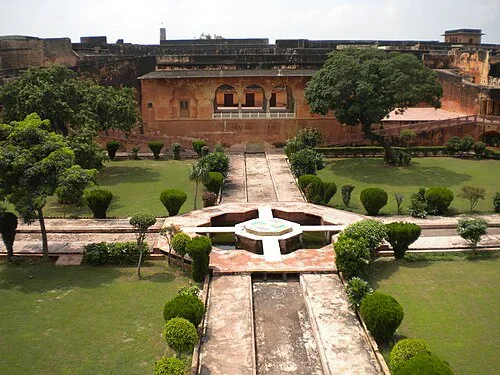 The Palace Complex and Charbagh
The Charbagh Garden
This square garden measures about fifty metres on each side, with water channels crossing it in the Persian style. The design is the old ideal of the charbagh, a garden laid out as a vision of paradise, and here it was planted on a hilltop above a dry landscape. Watering it took effort. Water came up from Sagar Lake, an artificial lake below, carried in pouches loaded on elephant backs and by people hauling water pots on foot. In the courtyard of the Aram Mandir, which stands on the northern side of the fort complex, is the Awani Darwaza, a triple-arched gateway painted red and yellow and facing west toward the lake. It was refurbished in recent times, and its arches frame fine views of the water below.
Listen in the appPhoto: Vssun · CC BY-SA 3.0
- 11
The Royal Armoury Courtyard
Swords, muskets and one very heavy cannonball, with maharajas in uniform on the wall.
- 12
Eighteenth-Century Pistols
Five small iron pistols from the age of the giant gun.
- 13
The Central Watchtower
The tower that watched the hills, and the one time war came here.
- 14
Overlooking Amer: One Complex, Two Forts
Four hundred metres above Amer: two forts, one complex.
Jaigarh Fort
Frequently asked questions
How much does the guide cost?
Free app download. Listed guide price: $0.99. Guide price shown in the app. Audio guide only. Venue admission is separate.
Can I listen without internet?
Yes. Download the guide’s audio, images, and maps in the app before your visit. Your downloaded content is then available offline.
Can I listen in my language?
This audio guide is available in 15 languages, including English.
Do I need to follow a schedule?
No. This is a self-guided experience. Choose your stops, pause whenever you like, and return to a story at your own pace.
At your own pace
Explore Jaigarh Fort.
Download Stanza, then search for “Jaigarh Fort”.
Free app download · Guide price shown in the app
Keep exploring
Nearby audio guides
Jaipur · 1 km
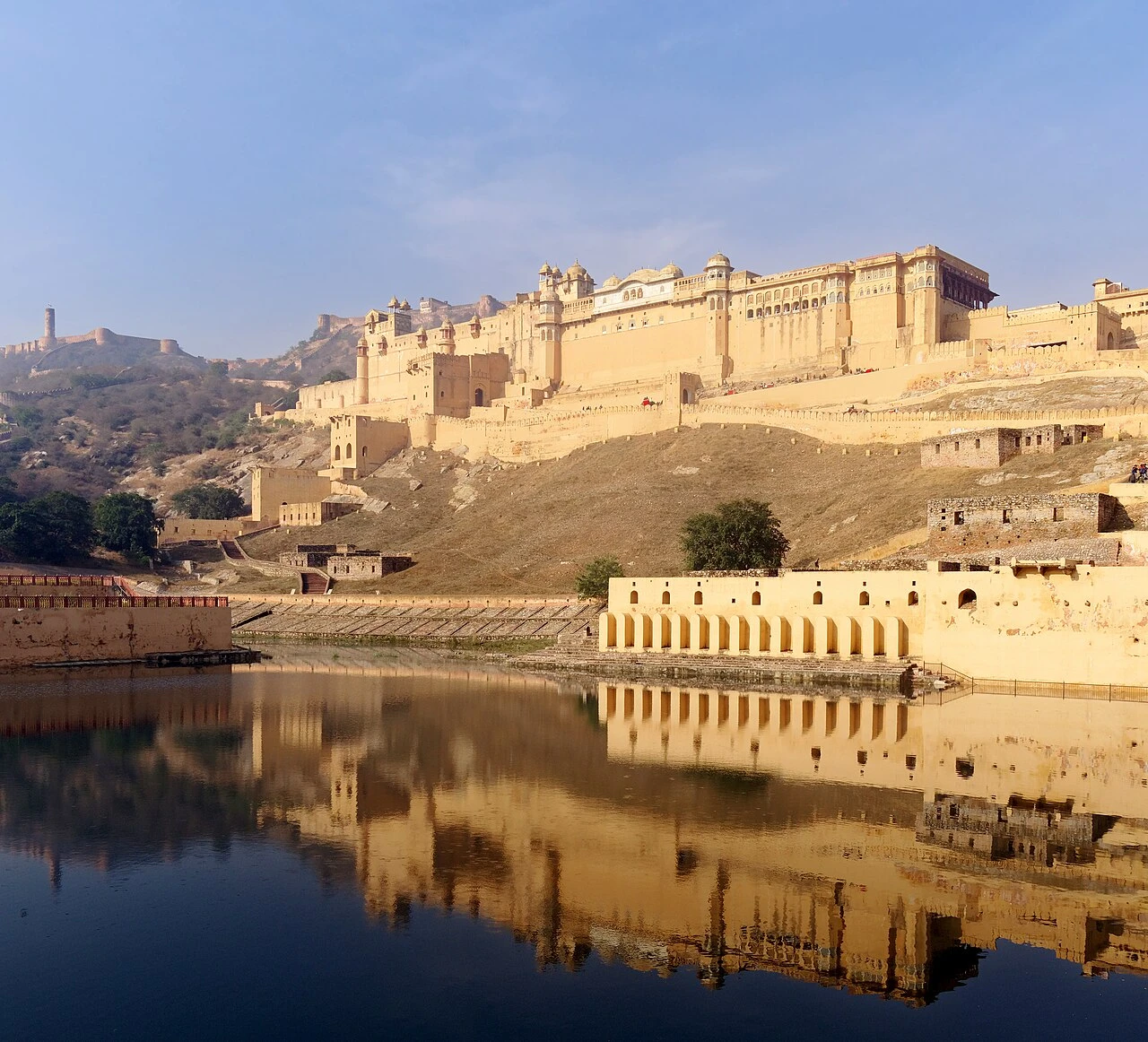
Amber Fort
Content & sources
Jakub Hałun · CC BY-SA 4.0
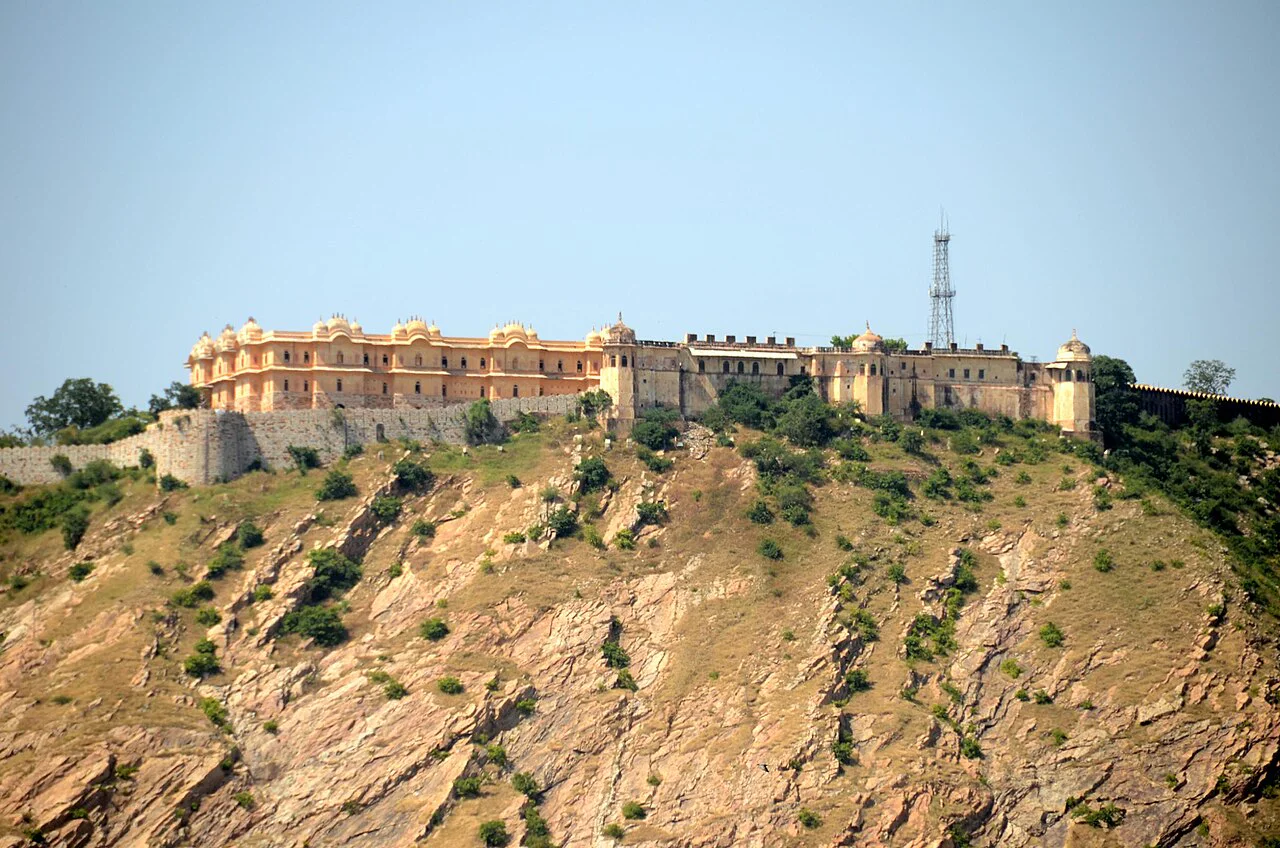
Jaipur · 6 km
Nahargarh Fort
Content & sources
Photo: Yoge cool · CC BY-SA 4.0
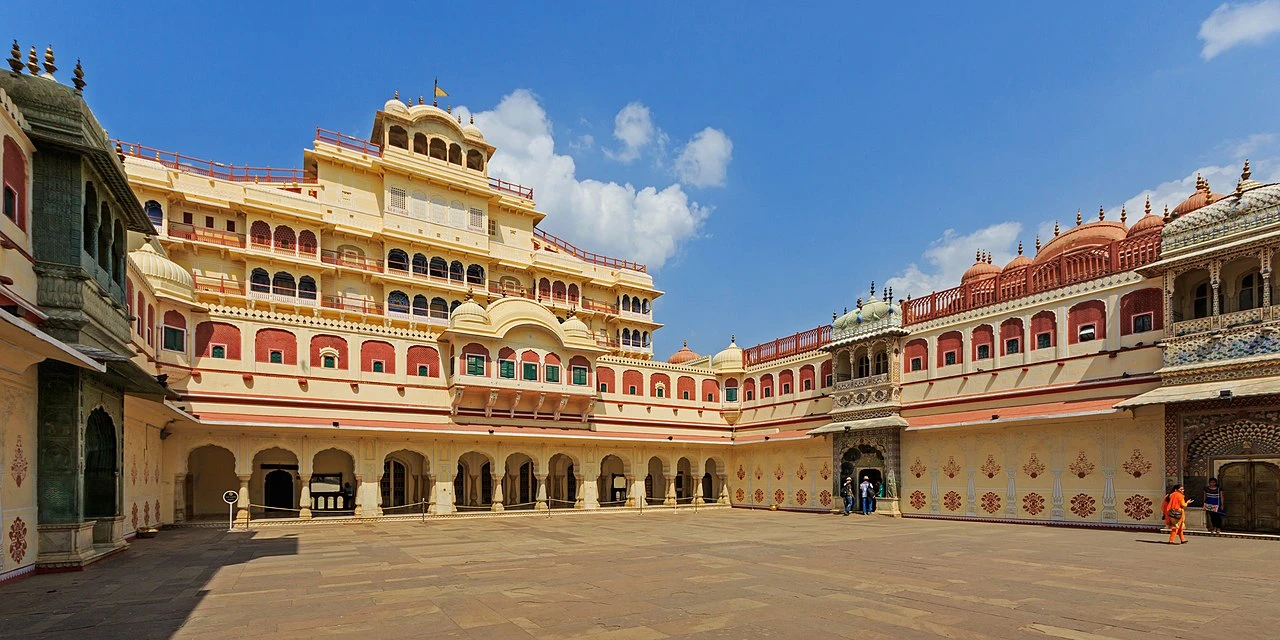
Jaipur · 7 km
City Palace
Content & sources
Photo: A.Savin · FAL
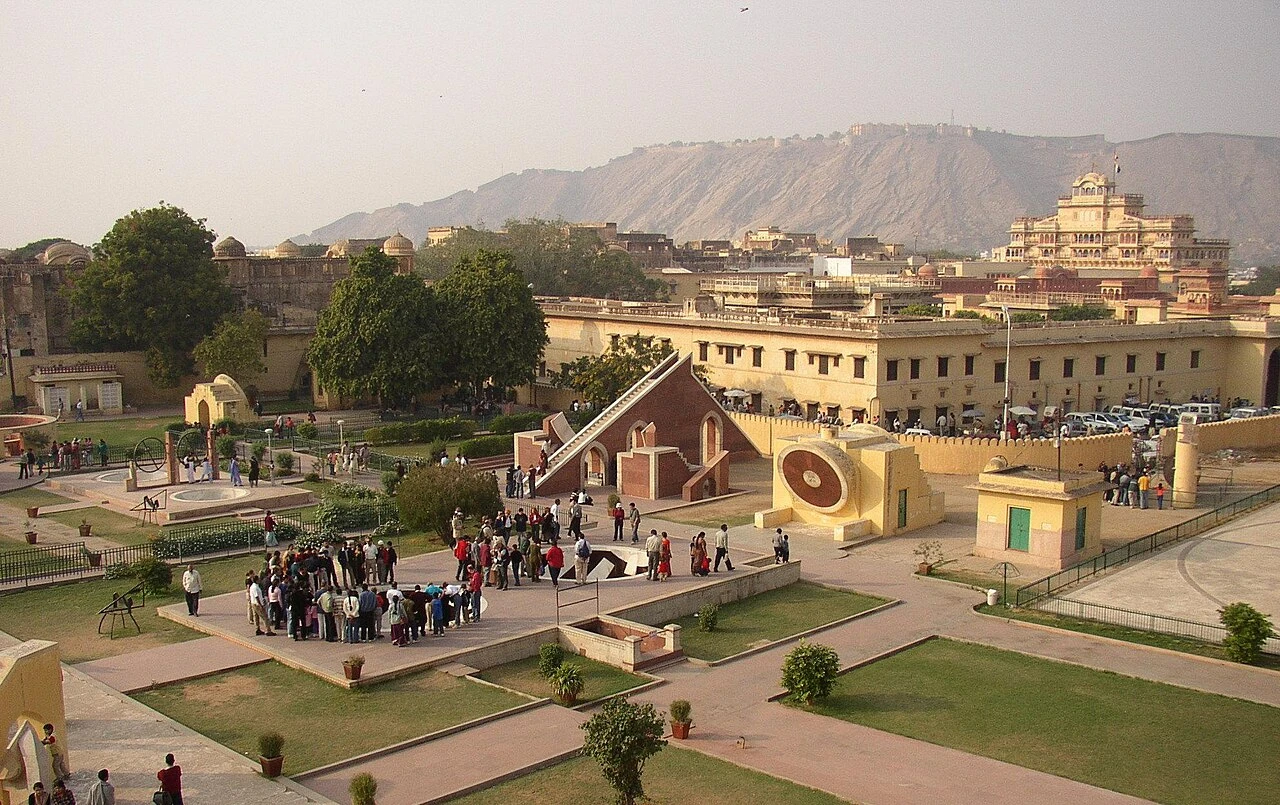
Jaipur · 7 km
Jantar Mantar, Jaipur
Content & sources
Photo: Knowledge Seeker · Public domain
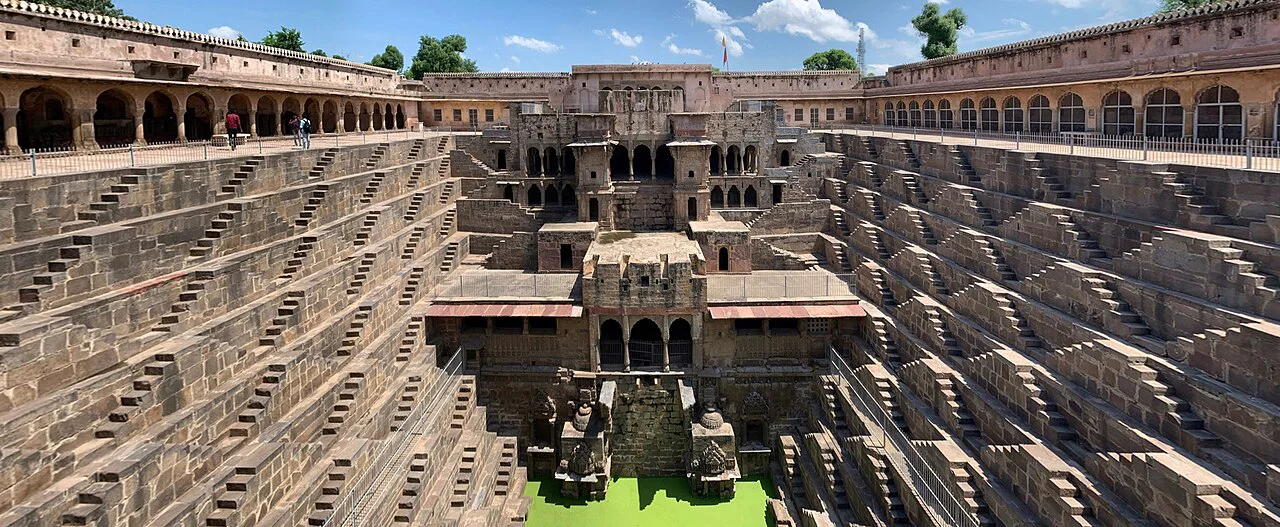
Abhaneri · 76 km
Chand Baori
Content & sources
Photo: Chainwit. · CC BY-SA 4.0