Stanza · Audio guide
Victoria MemorialAudio guide
A place to remember. A story to take with you.
A grand memorial dedicated to the memory of Queen Victoria, situated in Kolkata, India. It also houses a museum and is surrounded by an extensive garden.
Download Stanza, then search for “Victoria Memorial”.
About the tour
One guide. Your kind of visit.
A grand memorial dedicated to the memory of Queen Victoria, situated in Kolkata, India. It also houses a museum and is surrounded by an extensive garden.
Ready when you are.
- 01Get the free Stanza app.
iOS & Android
- 02Find your guide.
“Victoria Memorial”
- 03Download before you go.
Works offline
Audio guide / 16 narrated stops
Inside the guide
Get to know a few of the stories before you go. Open a stop to read more.
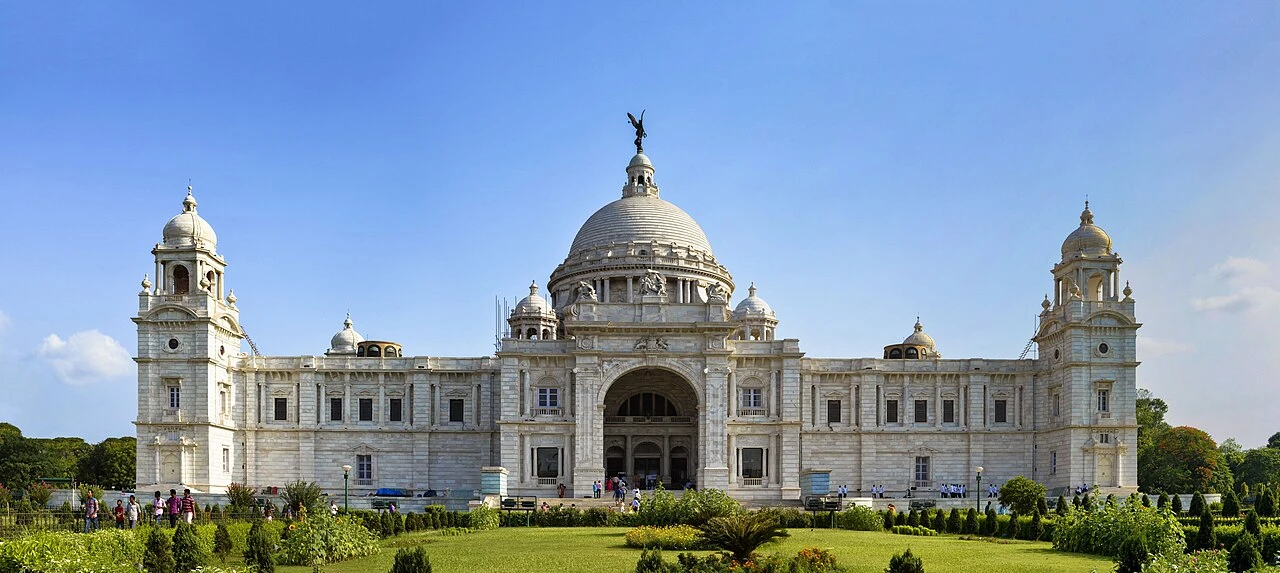
01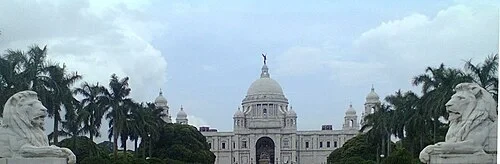 The Grand North EntranceThe White Marble Monument
This massive structure was the ambitious project of Lord Curzon, the Viceroy of India, who wanted a grand monument to honor Queen Victoria after her death in 1901. Construction began in 1906 and spanned fifteen years, finally concluding in 1921. Architect William Emerson designed the building, which rises to a height of 184 feet. To achieve a level of grandeur comparable to India’s most famous landmarks, Emerson sourced white marble from Makrana in Rajasthan. This is the same quarry that provided the stone for the original Taj Mahal in Agra centuries earlier. The use of this specific material was a deliberate choice to link British imperial power with the architectural legacy of the Mughals. While the overall form is European, the blend of diverse architectural styles reflects the complex history of colonial-era Calcutta. The project was funded largely through public subscriptions from the Indian people and the British government. As you stand before the memorial, you can appreciate the sheer scale of the vision that aimed to create a lasting architectural legacy in the then-capital of British India. The building remains one of the most prominent landmarks in the city skyline.
Photo: Ujjawalraj · CC BY-SA 3.0
02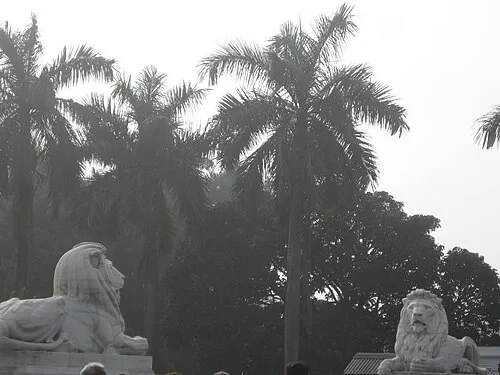 The Grand North EntranceThe Guardian Lions
Guarding the approach to the memorial are these pairs of stately lions. In British heraldry, the lion has long been a symbol of royal power, courage, and sovereignty, and their placement here was intended to emphasize the presence of the British Crown in India. Look at the contrast between these classically European sculptures and the architectural elements rising behind them. While the lions are carved in a Western style, the building they protect features Mughal-inspired domes and arches. This combination is a prime example of the Indo-Saracenic architectural style, which sought to fuse British Neoclassical design with Indian and Islamic decorative elements. It was a conscious attempt by colonial architects to harmonize Western power with the local cultural landscape. The lions themselves are rendered with great detail, capturing their muscular forms and manes in the same white marble used for the main building. They provide a sense of formidable security for the treasures housed within the memorial. Notice the symmetry in their placement, framing the main entrance and guiding the visitor’s eye toward the central portico. These figures are among the first features people encounter, setting a tone of formal grandeur for the rest of the site.
Photo: Ibrahim Husain Meraj · CC BY-SA 4.0
03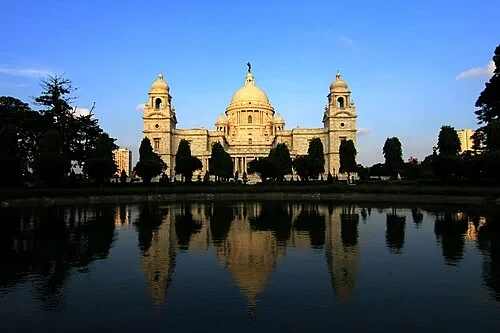 The Reflecting PondsThe Reflecting Pond
Symmetry is a defining characteristic of the Victoria Memorial’s grounds, and these ponds play a crucial role in that design. They were specifically positioned to capture the reflection of the massive white structure, doubling its visual impact for anyone walking along the paths. This layout is a direct architectural nod to the "Charbagh" or four-part garden style seen at the Taj Mahal in Agra, where water channels and reflecting pools create a sense of harmony and infinite scale. By mirroring the memorial in the water, the architects aimed to elevate the building's status, making it appear even more monumental and ethereal. The still surface of the water provides a quiet space that contrasts with the bustling energy of modern Kolkata. On a clear day, the bright white marble of the facade against the blue sky is perfectly replicated in the pool below. This use of water was not just for beauty; it was a strategic choice to align this British monument with the great architectural achievements of India’s past. As you view the building from across the water, the reflection creates a sense of balance and grandeur that was central to the original 1906 master plan for the gardens.
Listen in the appPhoto: Suman Parbat · CC BY-SA 4.0
04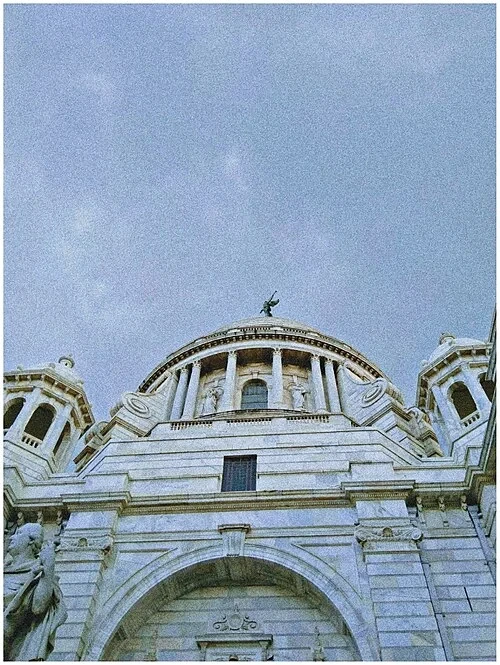 The Crown of the MemorialThe Central Dome
Looking up at the central dome, you can see how the architect integrated various cultural influences into the memorial’s exterior. At the corners of the main roofline are small, octagonal-domed pavilions known as "chattris." These are a classic feature of Mughal and Rajput architecture, often used as decorative elements on palaces and tombs. Their presence here softens the rigid lines of the European-style structure. Just below the dome on the upper terrace, a series of Italianate statues line the edges. These figures are allegorical representations, standing for abstract concepts like Motherhood, Architecture, Learning, and Justice. They are carved in a style that would be right at home in a nineteenth-century European city, creating a striking juxtaposition with the Indian-style chattris. This layering of styles was part of the broader goal to make the Victoria Memorial a unique "Indo-Saracenic" masterwork. The central dome itself provides a massive anchor for the entire composition, pulling the eye upward toward the sky. It is capped by a bronze figure that we will look at more closely in the next stop. For now, notice the intricate stonework and the rhythmic placement of windows and columns that give the facade its sense of order and strength.
Listen in the appPhoto: Chandrani97 · CC BY-SA 4.0
05 The Crown of the MemorialAngel of Victory at the Victoria Memorial, Kolkata
Capping the highest point of the memorial is the Angel of Victory, a bronze statue weighing approximately three tons. Despite its massive weight, the figure is not static. It is mounted on a series of large ball bearings, allowing it to turn freely as the wind changes direction, functioning much like a traditional weather vane. This sixteen-foot figure holds a trumpet, a classic iconographic symbol representing the announcement of triumph and the spread of British imperial influence. The choice of bronze for this specific feature provides a dark contrast against the brilliant white marble of the dome below. Standing 184 feet above the ground, the angel is a landmark visible from many parts of the city. The engineering required to balance such a heavy object while allowing it to rotate smoothly was a significant technical achievement for the early twentieth century. Over the decades, the bronze has developed a natural patina, but its silhouette remains a sharp and recognizable feature of the Kolkata skyline. It serves as the literal crown of the memorial, signifying the intended triumph of the era in which it was built. You can often see the statue shifting its orientation during the city’s breezy monsoon season.
Listen in the appPhoto: Nomadistic · CC BY-SA 4.0
06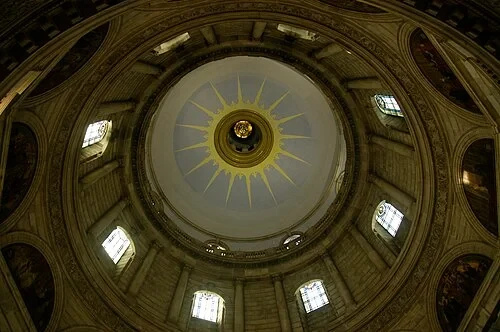 The Marble RotundaInside the Rotunda
The interior of the central dome is sixty-four feet in diameter, creating a vast and echoing space. One of the most famous features of this rotunda is the "whispering gallery" effect. Because of the perfect curvature of the marble walls, sound waves can travel along the perimeter, allowing someone on one side of the room to hear a faint whisper from a person standing opposite them. Directly above, you will see twelve semicircular paintings, known as lunettes. These artworks depict pivotal moments from the long life of Queen Victoria. The scenes begin with her accession to the throne in 1837 and conclude with her Diamond Jubilee celebration in 1897, which marked sixty years of her reign. These paintings were intended to tell the story of the monarch’s life to visitors who might never have seen her in person. The light entering through the windows high up in the dome illuminates the floor and the statues below, creating a dramatic sense of scale. The height of the dome from the floor is considerable, designed to make the visitor feel small in the presence of history. Looking closely at the lunettes, you can see the formal Victorian style used to document the milestones of the British Empire's longest-serving queen until the twenty-first century.
Listen in the appPhoto: Jonathen abhi · CC BY-SA 3.0
07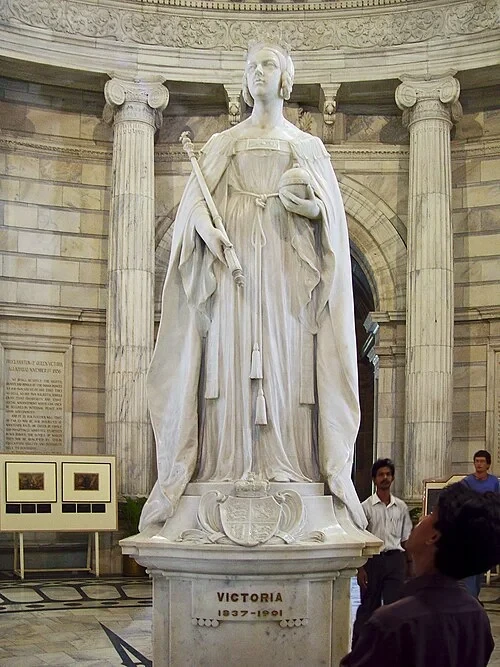 The Marble RotundaHer Majesty Queen Empress Victoria (1819-1901)
In the center of the rotunda stands this white marble statue of Queen Victoria as she appeared early in her reign. She is depicted in her full coronation regalia, wearing heavy robes and holding the orb and scepter, which are traditional symbols of royal authority and religious duty. The sculptor paid immense attention to the textures of the stone, capturing the intricate patterns of the lace and the heavy folds of the fabric with such precision that they almost appear soft. This youthful depiction was a deliberate choice, contrasting with the more common images of the Queen as an elderly widow later in life. It emphasizes a sense of vitality and the permanent nature of the monarchy. The statue is elevated on a pedestal, forcing viewers to look up at the figure of the woman after whom this entire memorial is named. Inscribed at the base are her titles and the years of her reign, from 1837 to 1901. This marble figure serves as the emotional and physical heart of the building. The surrounding architecture, with its towering columns and the vast dome above, is designed specifically to frame this image of the Queen-Empress. It remains one of the most photographed interior features of the memorial.
Listen in the appPhoto: Archaeodontosaurus · CC BY-SA 3.0
08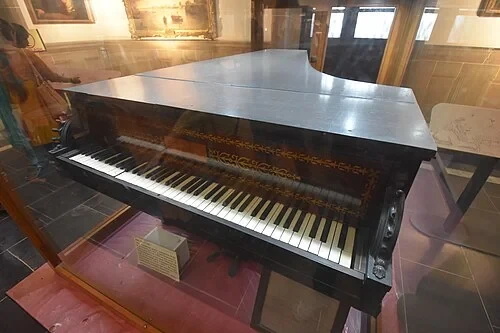 The Royal GalleryVictoria’s Childhood Piano
Among the many personal artifacts on display is this rosewood piano, which Queen Victoria played during her childhood in England. It features ivory keys and delicate wood carvings, reflecting the craftsmanship of the early nineteenth century. This instrument was sent to the memorial as a gift from her son, King Edward VII, who wanted to contribute personal items from the royal family to the museum's collection. The inclusion of such a domestic object was a strategic move by the memorial’s planners. By showing a childhood possession, they hoped to humanize the distant monarch for her millions of Indian subjects, presenting her not just as a powerful empress, but as a real person with a private history. This turned the memorial into something more than a cold government building; it became a personal shrine to her memory. The piano sits behind glass, preserved as a link to the Queen’s early life before she took the throne at age eighteen. It is a quiet, intimate object that stands in contrast to the massive marble statues and heavy weaponry found elsewhere in the galleries. The dark wood of the rosewood creates a warm visual break from the predominantly white and gray stone of the building's interior.
Listen in the appBiswarup Ganguly · CC BY 3.0
09 The Imperial ArmouryArms and Armoury
The Arms and Armoury gallery provides a look at the military technology that shaped the history of the Indian subcontinent. Of particular note are the "talwars," which are traditional Indian swords characterized by their curved blades and distinctive hilts. Beside them, you can see "dhal" shields—circular defensive tools often made of rhinoceros hide or metal and decorated with ornate studs. The collection includes items from both the Mughal era and the period of British colonial rule, illustrating the evolution of warfare in the region. These weapons are more than just tools for combat; many are examples of exceptional artistry, featuring fine engravings and inlay work. The gallery serves to document the centuries of conflict and military organization that eventually led to the consolidation of British power in India. By displaying these arms, the memorial highlights the strength and martial traditions of the various states and empires that existed before and during the Raj. Each piece tells a story of the craftsmen who forged them and the soldiers who carried them into battle. The transition from traditional bladed weapons to early firearms is also visible here, marking a significant shift in historical military tactics.
Listen in the appPhoto: Amol.Gaitonde · CC BY-SA 4.0
10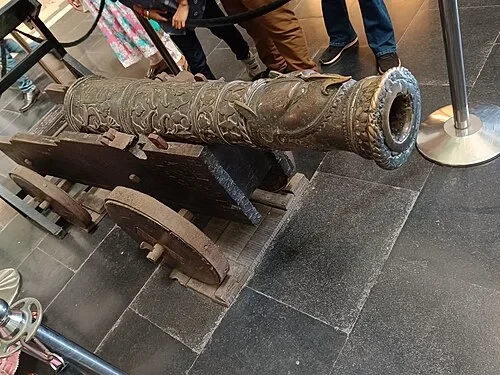 The Imperial ArmouryThe Ornate Cannon
Resting on its heavy wooden carriage, this brass cannon is a remarkable example of how functional weaponry was often elevated into art. The barrel is covered in detailed relief work, showing that it was likely commissioned by a high-ranking ruler or as a ceremonial piece. At the rear of the barrel, near the touchhole, you can see the head of a lion cast into the metal. In India, cannons were often highly decorated to reflect the wealth, power, and prestige of the king or general who owned them. A more ornate cannon signaled a more significant and prosperous army. This piece illustrates the crossroads of military engineering and artistic expression. While it was a lethal weapon of war, its aesthetic beauty makes it a centerpiece of the memorial's artifact collection. The brass has been polished to reveal the golden hue of the metal, highlighting the skill of the foundry workers who cast it. Such cannons were prized possessions, often captured as trophies in battle and kept as symbols of victory. This particular example allows visitors to appreciate the craftsmanship of an era before the mass production of modern artillery changed the nature of warfare forever.
Listen in the appPhoto: K.Venkataramana · CC0
Victoria Memorial
Frequently asked questions
How much does the guide cost?
Free app download. Listed guide price: $0.99. Guide price shown in the app. Audio guide only. Venue admission is separate.
Can I listen without internet?
Yes. Download the guide’s audio, images, and maps in the app before your visit. Your downloaded content is then available offline.
Can I listen in my language?
Stanza supports 15 languages. Check the app for the languages available for this guide.
Do I need to follow a schedule?
No. This is a self-guided experience. Choose your stops, pause whenever you like, and return to a story at your own pace.
At your own pace
Explore Victoria Memorial.
Download Stanza, then search for “Victoria Memorial”.
Free app download · Guide price shown in the app
Keep exploring
Nearby audio guides
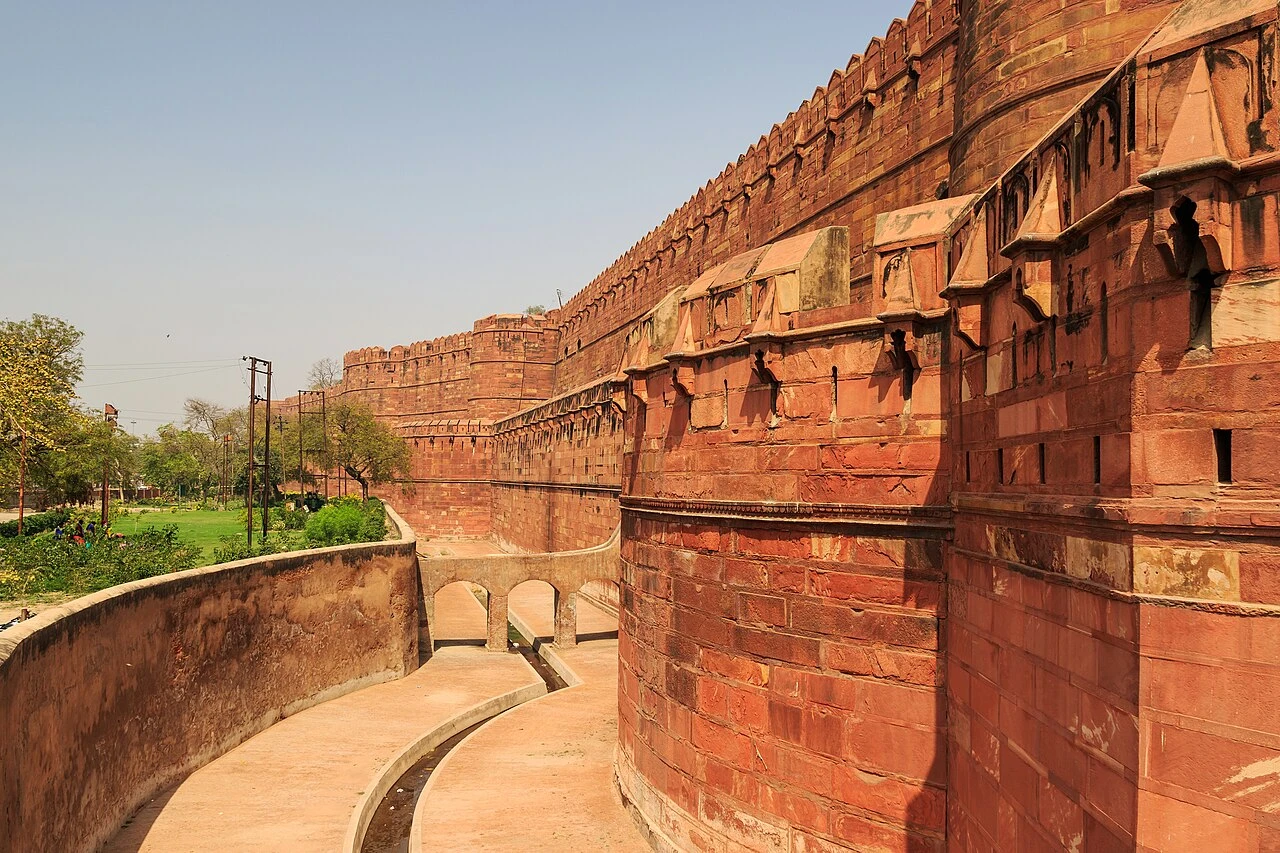
Agra
Agra Fort
Content & sources
Photo: A.Savin · FAL
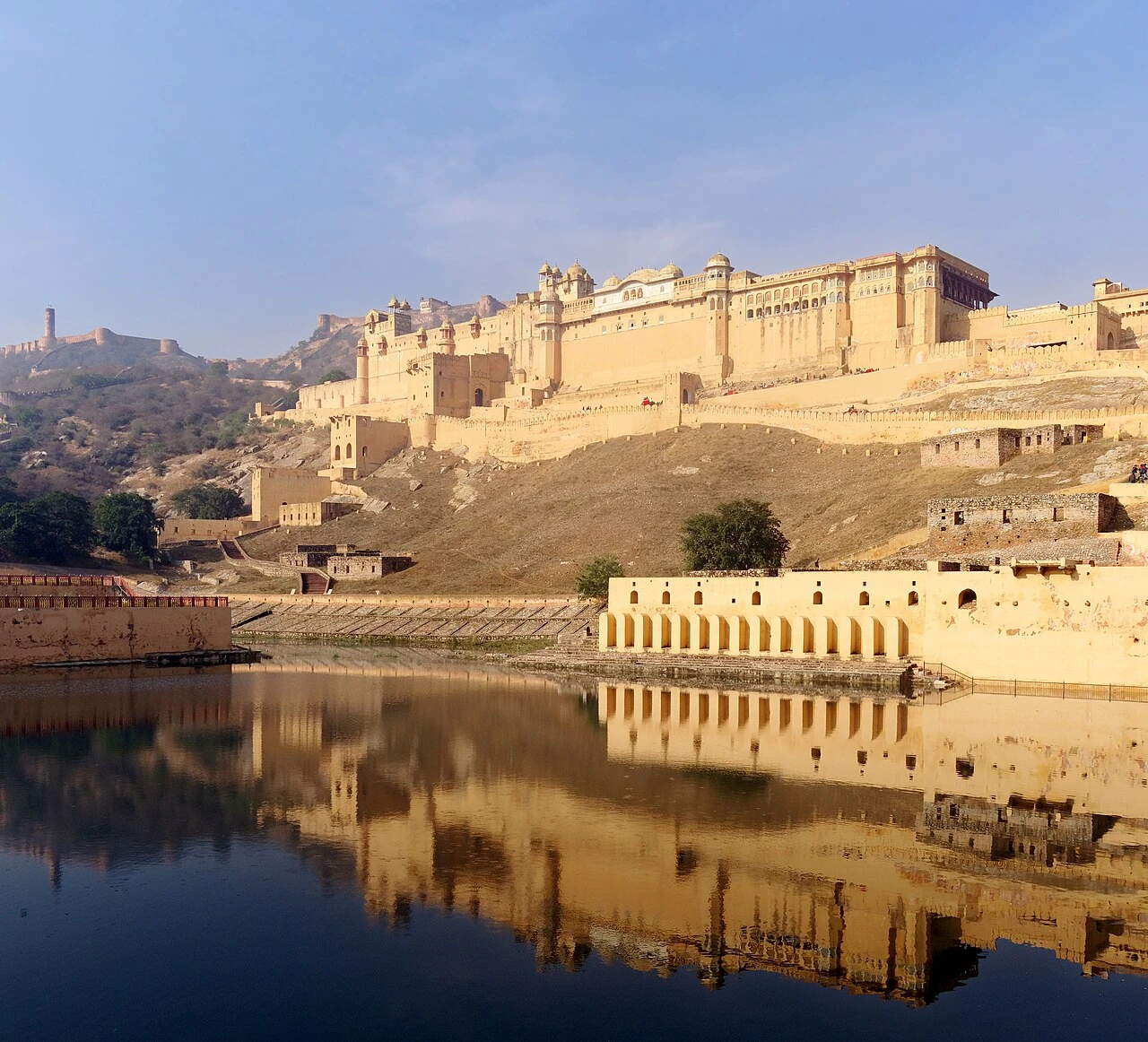
Jaipur Municipal Corporation
Amber Fort
Content & sources
Jakub Hałun · CC BY-SA 4.0
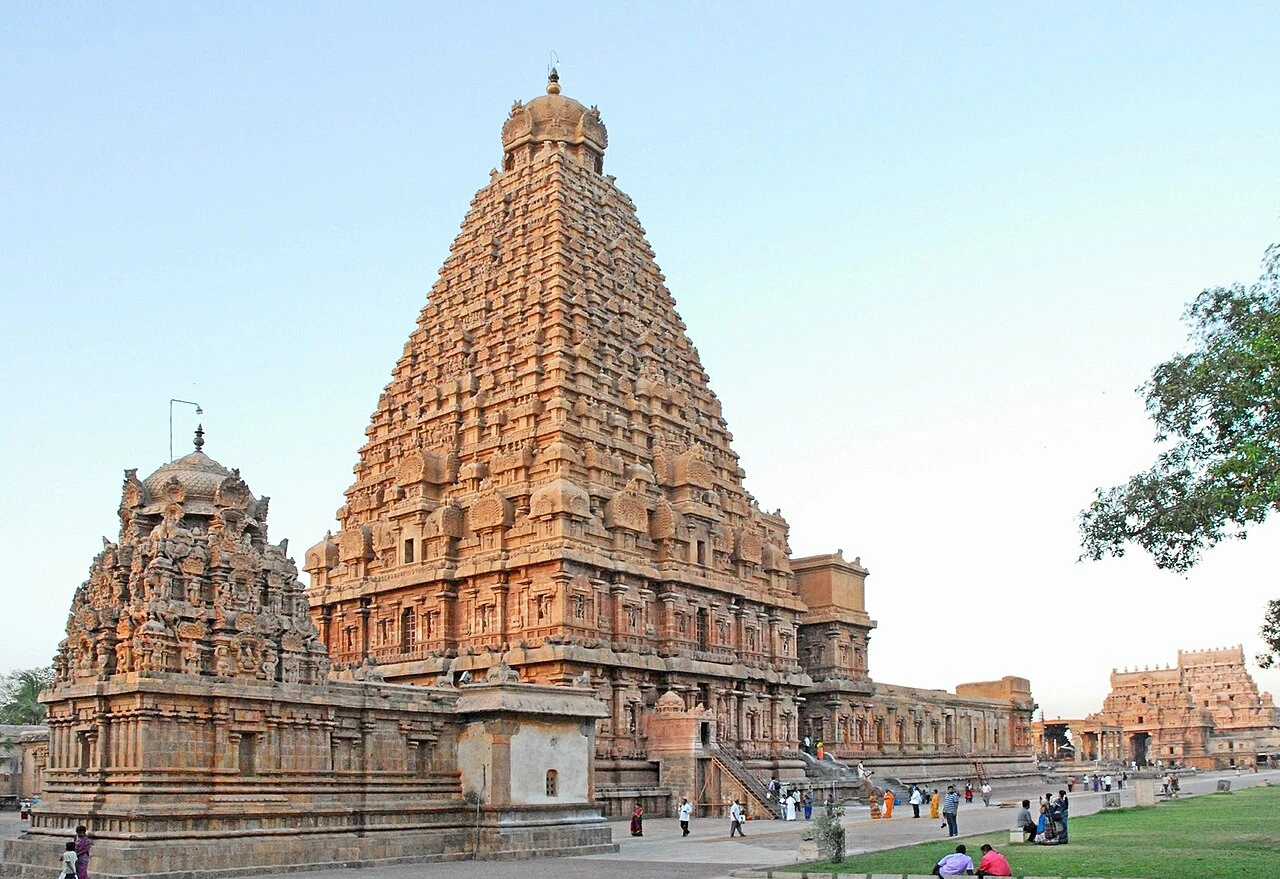
Thanjavur
Brihadisvara Temple
Content & sources
Jean-Pierre Dalbéra from Paris, France · CC BY 2.0
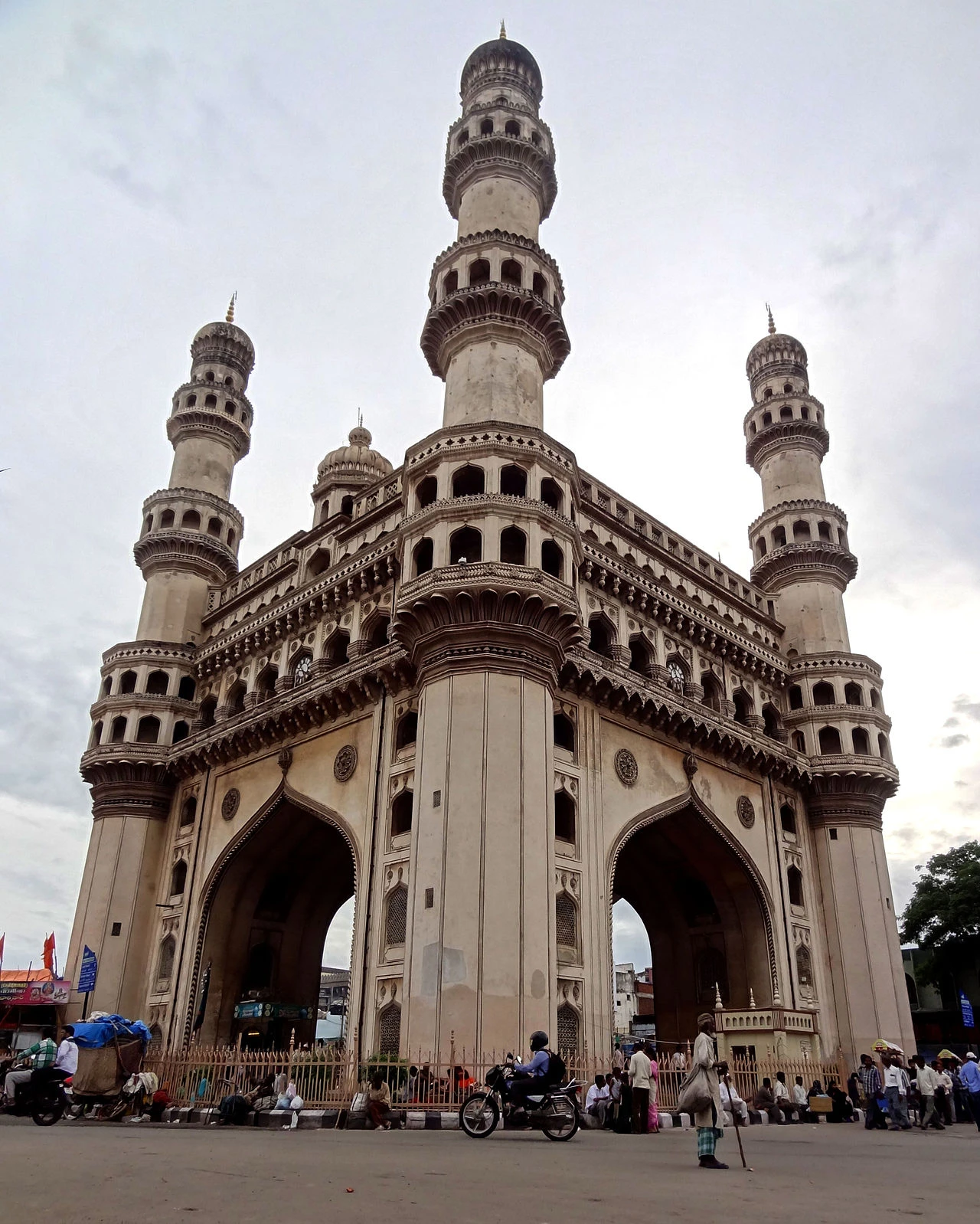
Hyderabad
Charminar
Content & sources
Gopikrishna Narla · CC BY-SA 3.0