Stanza · Audio guide
Museo nazionale del Bargello Audio Guide
A place to remember. A story to take with you.
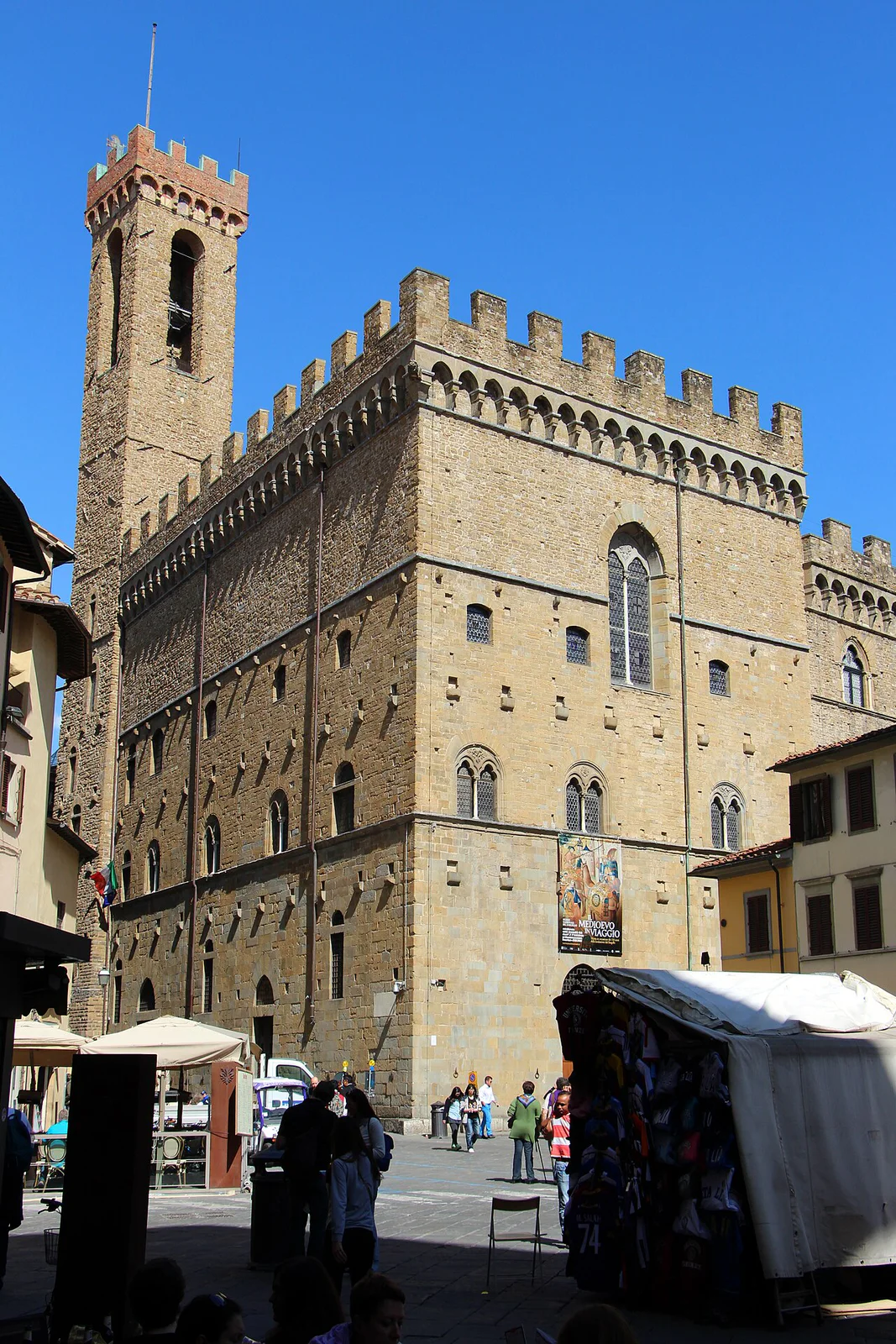
The Bargello, also known as the Palazzo del Bargello or Palazzo del Popolo, is a former public building and police headquarters, later a prison, in Florence, Italy. Mostly built in the 13th century, it has…
Download Stanza, then search for “Museo nazionale del Bargello”.
About the tour
One guide. Your kind of visit.
The Bargello, also known as the Palazzo del Bargello or Palazzo del Popolo, is a former public building and police headquarters, later a prison, in Florence, Italy. Mostly built in the 13th century, it has housed the Museo Nazionale del Bargello, a national art museum, since 1865.
The Museo nazionale del Bargello guide tells the stories of 37 artworks, including David (Donatello), Bacchus (Michelangelo), Brutus (Michelangelo), Apollo (Michelangelo), Pitti Tondo (Michelangelo), Franks Casket (Unknown Artist), Saint George (Donatello), and David with the head of Goliath (Andrea del Verrocchio). Every artwork is free to hear in the Stanza app until 1 January.
Ready when you are.
- 01Get the free Stanza app.
iOS & Android
- 02Find your guide.
“Museo nazionale del Bargello”
- 03Download before you go.
Works offline
Audio guide / 37 artworks
Inside the guide
Get to know a few of the stories before you go. Open a stop to read more.
01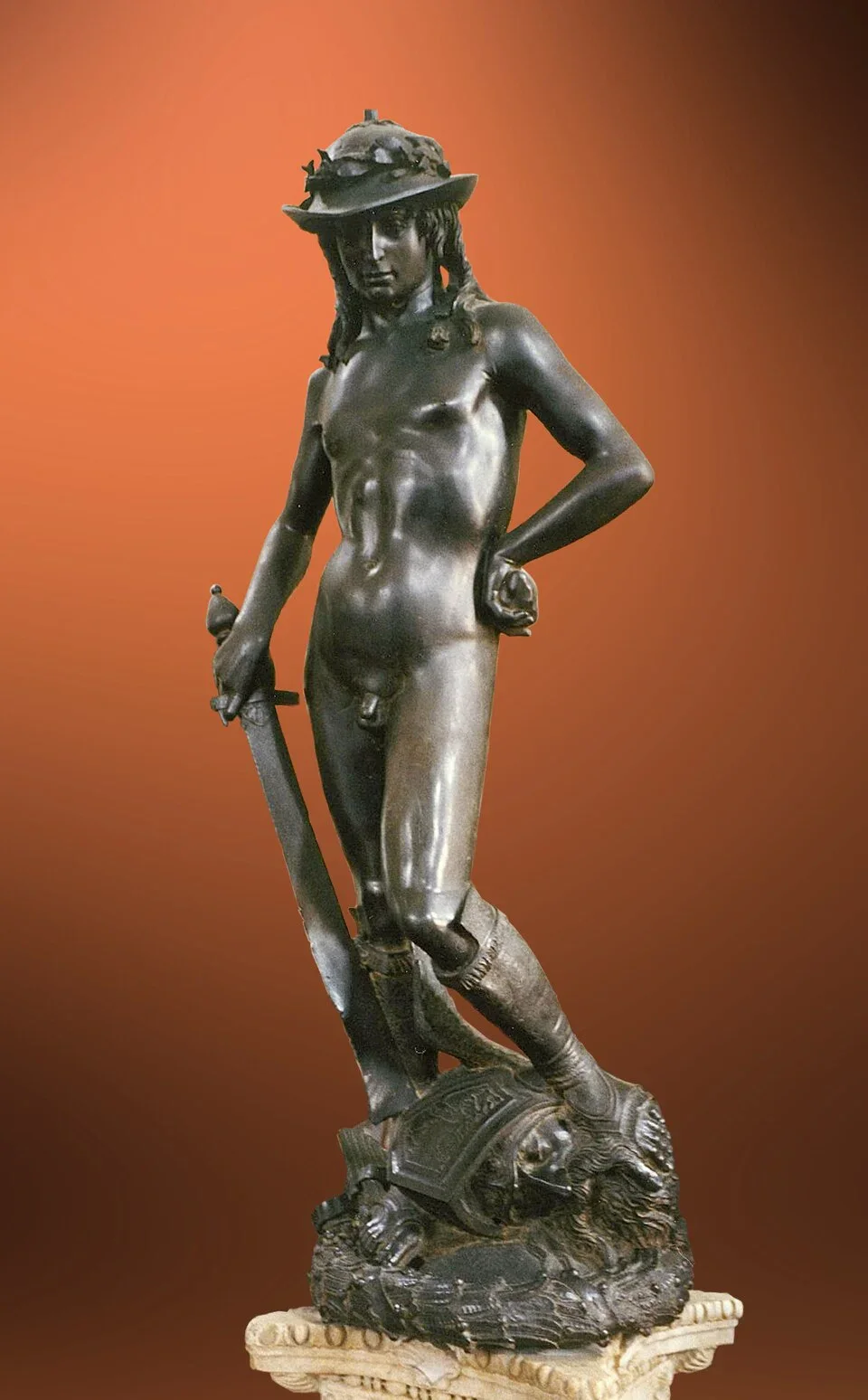
David
Between 1494 and 1495 the Medici were driven out of Florence, and a crowd carried this bronze boy to the city's government palace. There they set him up as a symbol of republican liberty. The boy who had killed a giant now stood for a city that had thrown off its rulers. He is naked except for boots to the knee and a pointed hat ringed with laurel. Goliath's severed head lies under his foot, and in his right hand he holds Goliath's own sword. His body is slight, almost androgynous. His face tilts down, with a smile that is hard to read and a touch of adolescent pride. Donatello cast him in bronze, probably for the Medici. That soft young body against the great sword says he won through God, not by strength. His nakedness sets him against the armoured giant. The Medici came back, and by 1555 the statue was theirs again. It reached the Bargello in 1865. Goliath's beard curls around David's sandaled foot, as though his toes were running through the dead giant's hair.
Listen in the apporiginal file by Patrick A. Rodgers · CC BY-SA 2.0
02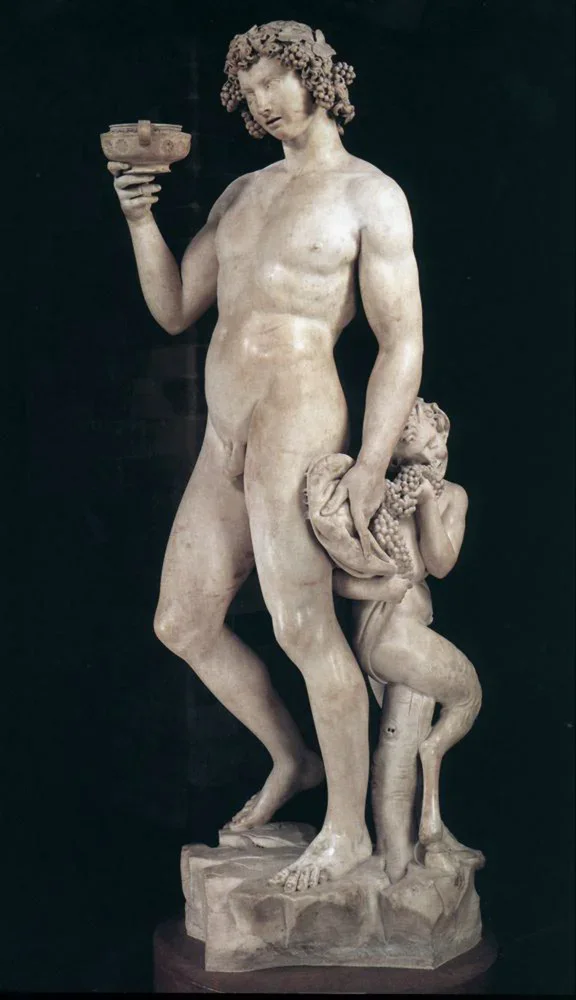
Bacchus
He is drunk on the wine he invented. The cup tilts in his hand, and the wine looks ready to spill out over you. His eyes roll and he leans so far back he seems about to slide off the rock he stands on. A small satyr sits behind him, eating the grapes that slip from his left hand. The sculptors of the day praised that detail, so real he looks. The man who ordered this was Raffaele Riario, a cardinal who had been fooled. He had bought a Cupid as a genuine ancient find, and it turned out to be Michelangelo's own work. When the trick came out, the cardinal sent for Michelangelo. He wanted a figure for his collection of antiques, a Bacchus in the ancient style. Michelangelo finished it in about a year, between 1496 and 1497. Then the cardinal refused it. It ended up with Jacopo Galli, the cardinal's banker, who put it in his garden beside an old torso and broken Roman reliefs. At some point the right hand was broken off and the penis chiseled away. Perhaps the idea was to make a new statue look as old as the fragments around it. A drawing from the 1530s already shows it without the hand. When it came to restoring the figure, only the goblet was put back, in the early 1550s.
Listen in the apphttp://en.wikipedia.org/wiki/User:Attilios · Public domain
03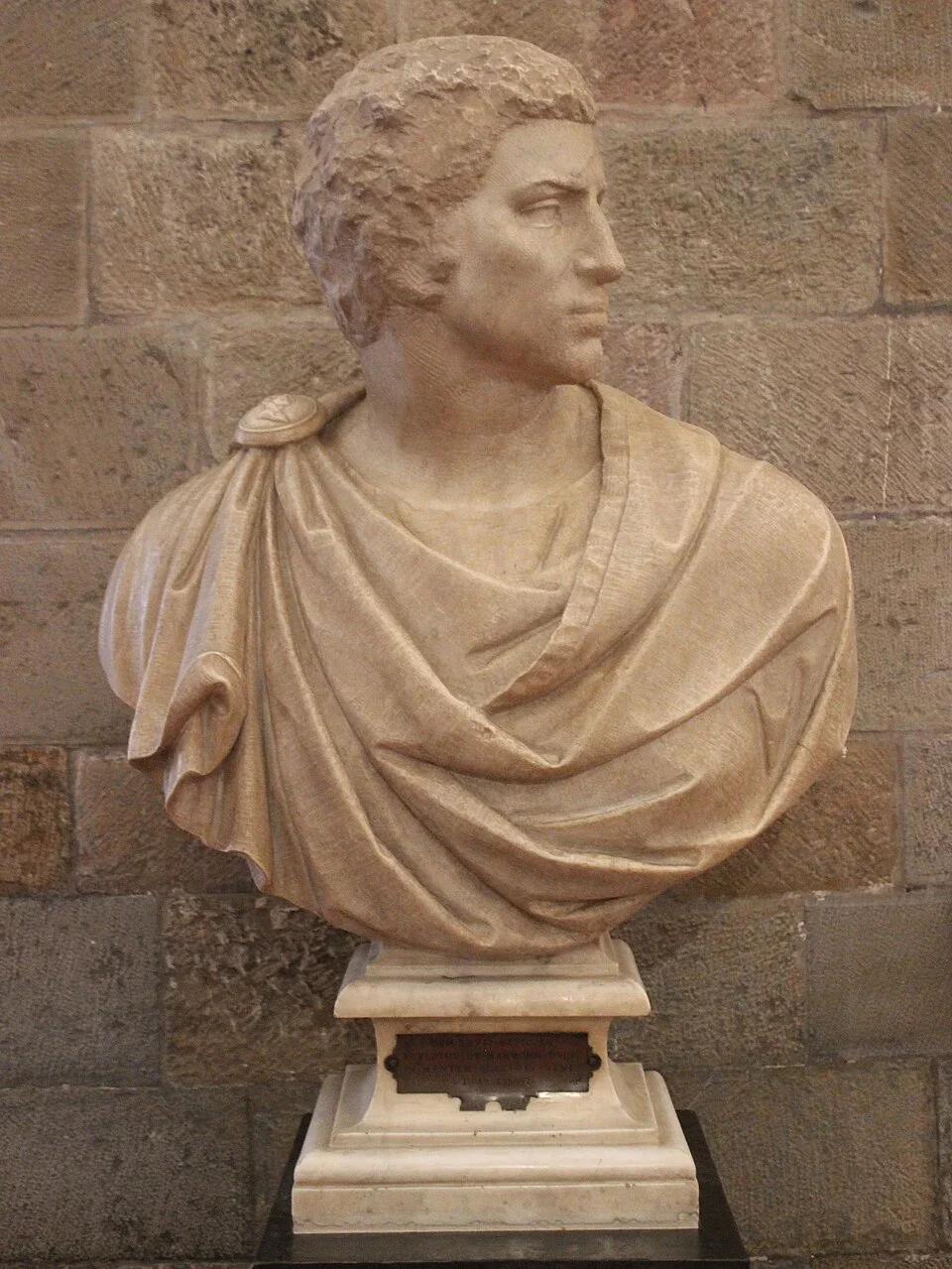
Brutus
One side of the face is quiet. On the side turned away from you, the nostril flares. The feeling gathers there, under a calm that is almost cold. The choice of Brutus was political. Michelangelo had helped build the defenses of Florence's republic, and when it fell, he stayed close to the men who had led it. One of them, Donato Giannotti, asked him for this bust as a gift for a cardinal. Brutus killed Caesar. In the Divine Comedy, Dante put him among the lowest of the low. But in the Renaissance, people saw him as a man who stood up to a tyrant. In 1537 Lorenzino de' Medici killed Duke Alessandro, and Florence's exiles felt it as freedom from Medici rule. Lorenzino was even called the new Brutus. The ancient look may have helped hide that message. Michelangelo still had Medici patrons. Later a Medici bought the bust and paid no heed to its political meaning, and verses were added to the base. The clasp that holds the mantle shut carries a small profile. No one can be sure it is Giannotti himself.
Listen in the appMiguel Hermoso Cuesta · CC BY-SA 4.0
04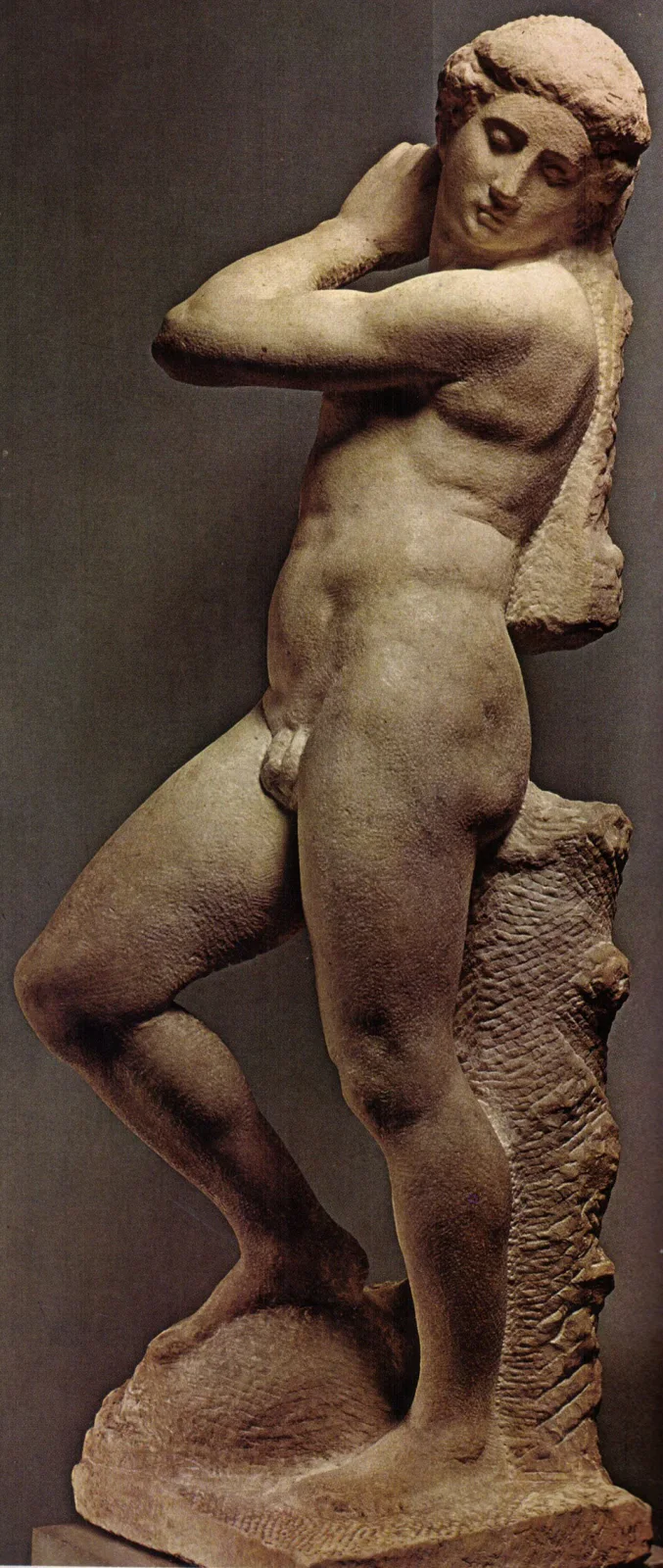
Apollo
Carved and left unfinished, the body twists so you get more than one side of it at a time. The left arm bends and the right stretches. One leg is extended and the other folds over a rough heap of earth. The head turns sharply left, and a tree trunk behind holds the whole figure up. The back is still rough from the waist upward. Michelangelo carved it for Baccio Valori, the fierce governor Clement the Seventh imposed on Florence after the city was recovered from a long siege. Shortly after Alessandro de' Medici became duke, its maker left the city and the work stopped. He never wrote down whom he meant it to show, so the statue has lived with two names. Vasari called it Apollo, perhaps taking an arrow from a quiver, while the inventory of Cosimo's collection in 1553 calls it David. At first it stood in Cosimo's private rooms. When Cosimo got more important statues by the same hand, this unfinished figure was moved out to a long niche in the Boboli Gardens. It left the gardens for the Uffizi in 1824, and later came to the Bargello.
Listen in the appMichelangelo · Public domain
05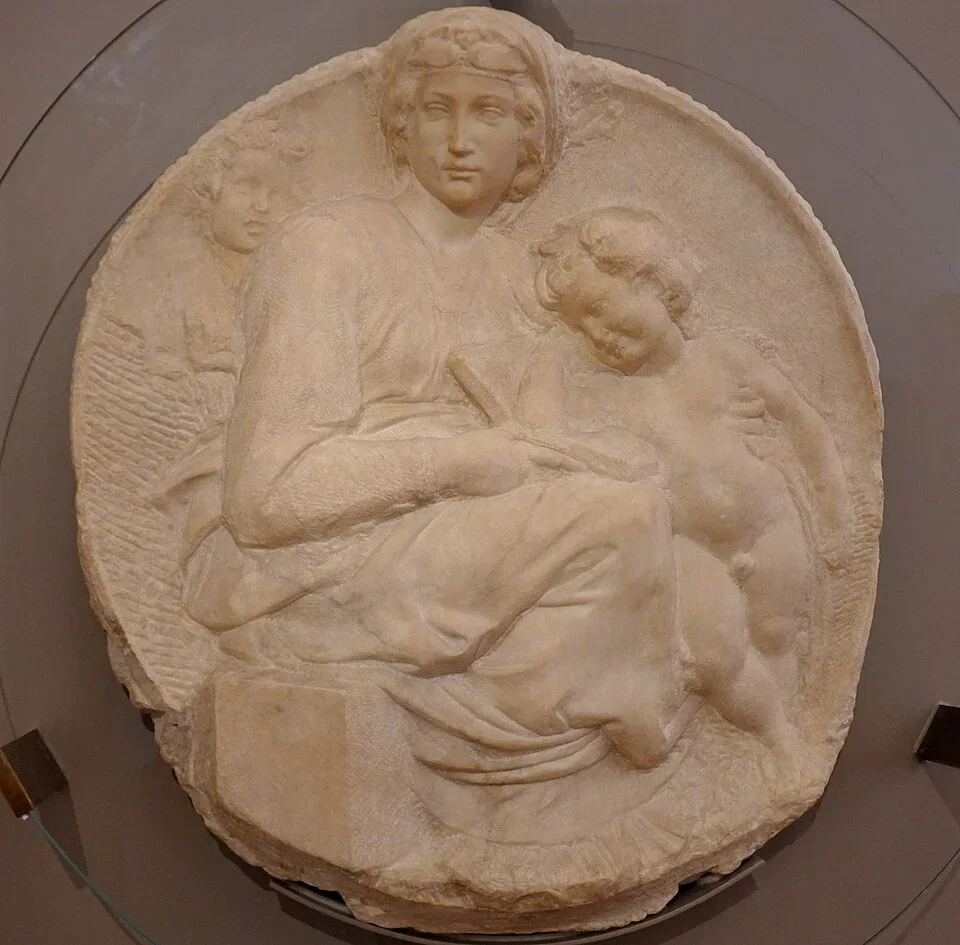
Pitti Tondo
You cannot quite tell where Mary is looking. Her eyes were never finished, and her gaze seems distracted, looking into the distance. The open book on her knees tells you what she is reading. It holds the scriptures that foretell the fate of her son, and she seems to meditate on just that. On her forehead is a cherub, a sign that she knows those prophecies. Michelangelo carved this in the year he was sculpting his David, taking on paid private work. Bartolomeo Pitti commissioned it. But he left Florence for Rome before it was done, and never came back. That is why so much was left undone. Many details are missing, and the sides were never polished. Her head juts well out from the surface, past the round edge, and turns to the left, as though she wants out of the scene. And in the background, barely visible, is the young Saint John the Baptist. He was hardly carved at all, and the contrast with the more finished Virgin gives the relief its depth.
Listen in the appRichard Mortel · CC BY 2.0
06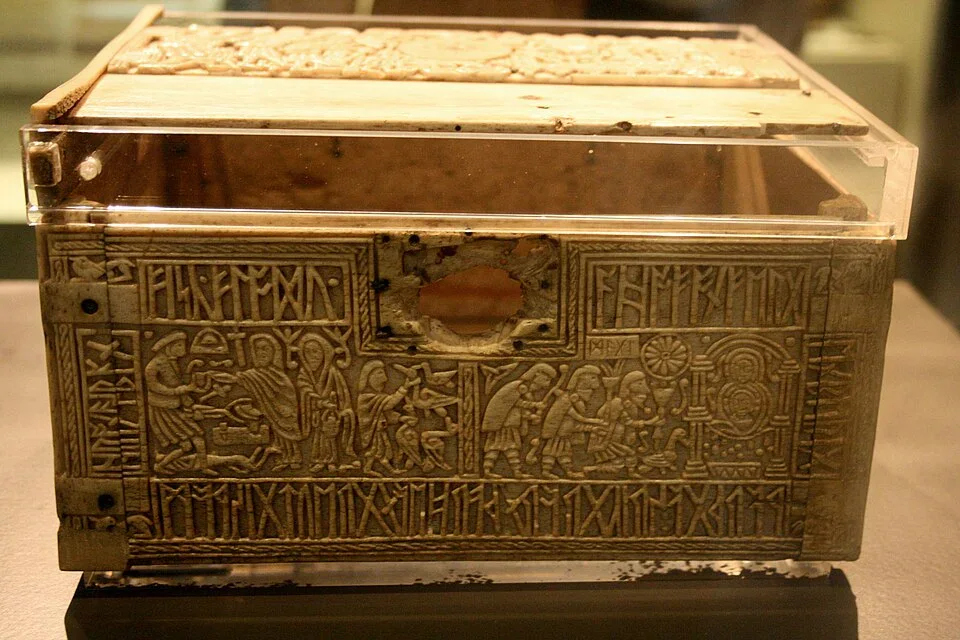
Franks Casket
A family in a French village used this as a sewing box. The silver hinges that held the casket together had been traded for a silver ring, and without them it fell apart. This end panel came loose and lay in a drawer. This is whale bone, cut with a knife into scenes and runic inscriptions. The casket was made early in the eighth century, probably in a monastery, and may have been a gift for a king. Sir Augustus Wollaston Franks, the man this casket is named after, bought the other panels in Paris in 1857. He gave them to the British Museum in 1867. This panel was found later in that drawer in Auzon and sold to this museum, where it was recognised as part of the same casket in 1890. The British Museum keeps a cast of it. Nobody knows who carved it.
Listen in the appPhoto: Michel wal · CC BY-SA 3.0
07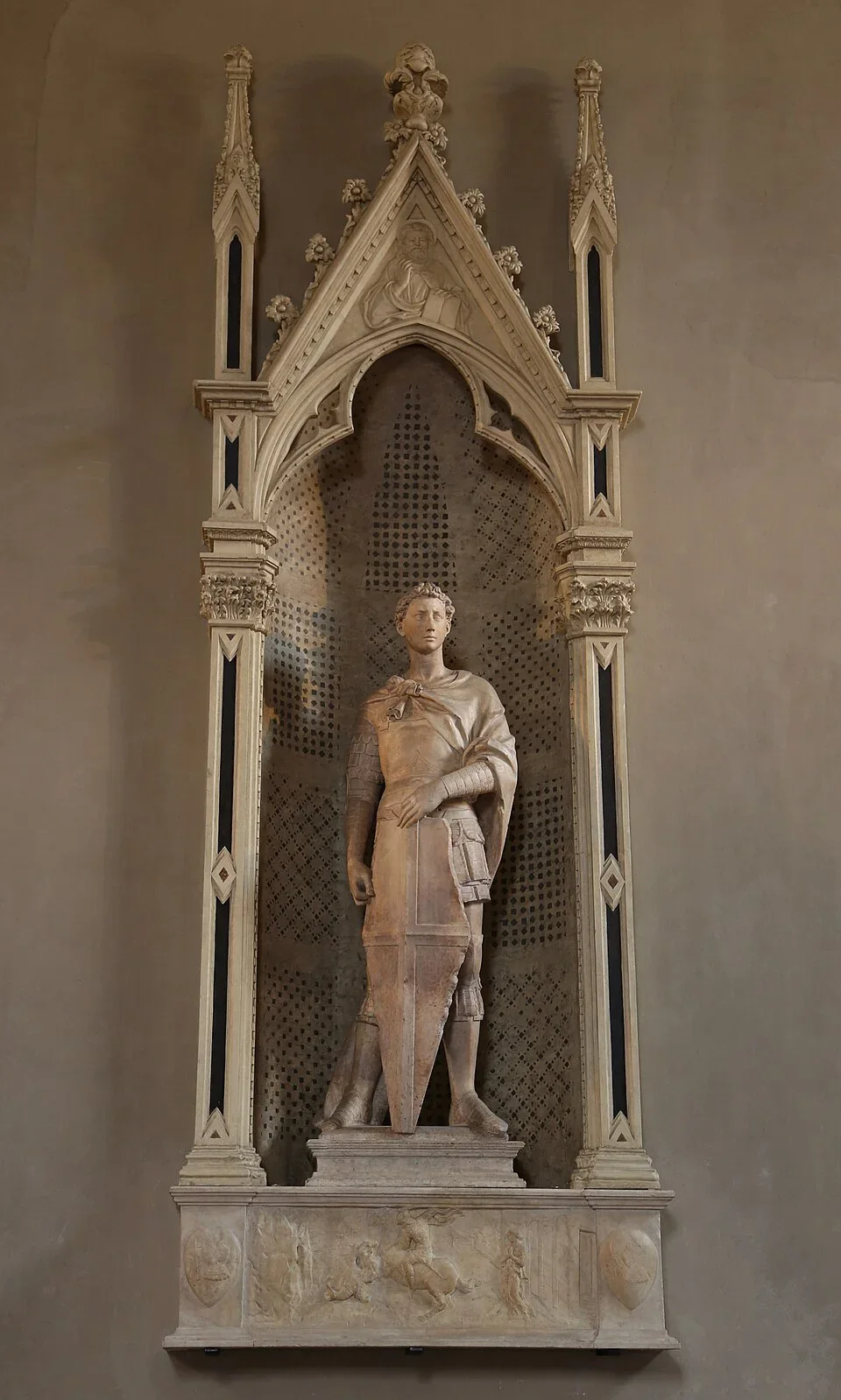
Saint George
In the Second World War, this statue was stored at a villa at Poggio a Caiano, safe from bombing. German soldiers found it and stole it. It turned up at Neumelans in the South Tyrol, and came back to Florence in 1945. And here he is, a young knight in armor. Donatello carved him with his weight shared evenly on both legs, balanced on the balls of his feet. He does not rest on one hip. He is fully clothed, yet a muscular body seems to work underneath. The armorers and sword makers of Florence chose Saint George as their patron, and commissioned one of the fourteen statues in the outer niches of Orsanmichele. They wanted a warrior in armor, a sample of their craft put out to advertise it. His right hand probably once held a metal sword, easier to fix on than carve in marble. Drill marks in his head suggest he once wore a helmet. His brows are drawn together, his forehead creased, his eyes lifted. The head turns, the body stays planted, and there the energy sits. Beneath him, a relief no deeper than two centimeters. George on horseback kills the dragon, the princess present. The chisel barely grazes the stone, and the space behind the figures opens up and runs far back.
Listen in the appPhoto: Rufus46 · CC BY-SA 3.0
08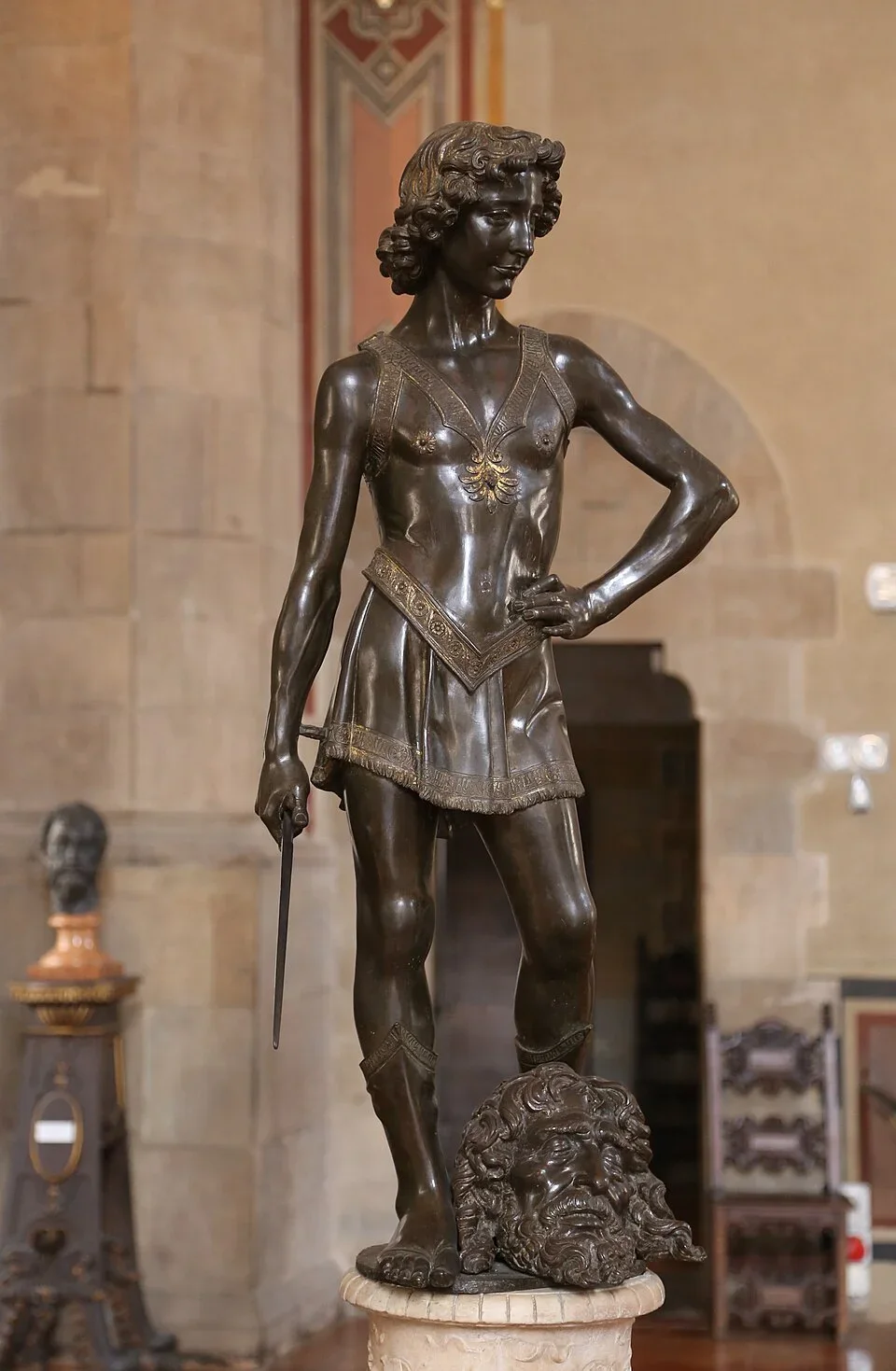
David with the head of Goliath
Who is this boy? At first the answer seems easy. A sword angles outward from his right hand, and the head of a fallen giant lies at his feet. This is David, the shepherd boy who would become king of the Israelites. But then you notice the clothes. He is dressed like a courtly page, and the ornament on his leather tunic imitates Arabic script. The sculptor made him for the Medici, and the boy was meant to stand for Florence. The city and the shepherd boy were both stronger than they looked. He broke with the earlier David, who was naked. This one is clothed, and given the swagger of an adolescent. He sways to the right, one hand at his hip, his head turned to the left. His gaze slips past you, and there is the faintest smile. Verrocchio passed that soft, exact modeling, that subtle psychology, to his pupil Leonardo. And perhaps this young face is Leonardo's own.
Listen in the appPhoto: Rufus46 · CC BY-SA 3.0
09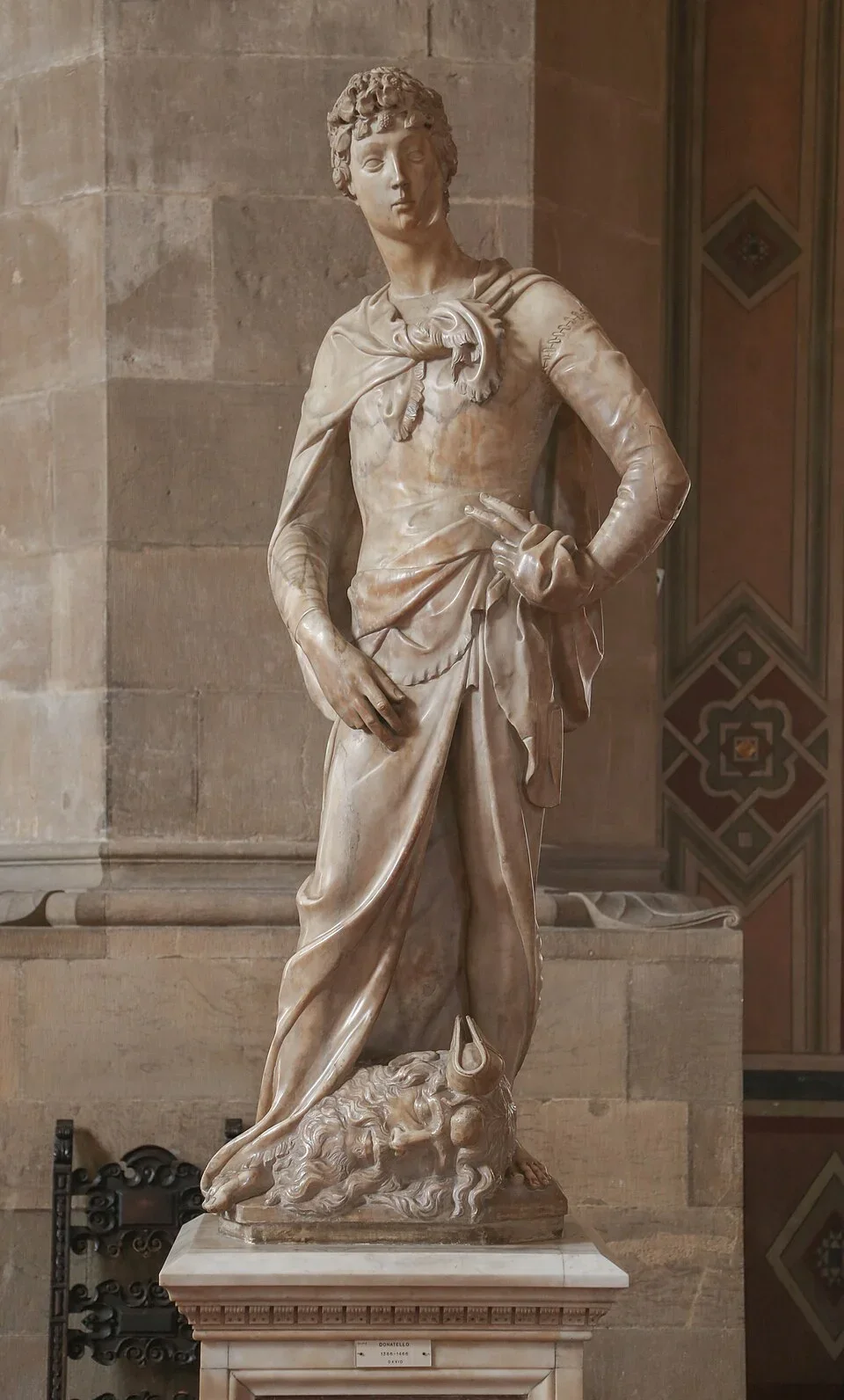
David
The stone has only just struck. Goliath is down, and his head lies at David's feet with the stone still in the middle of its forehead. The boy's sling rests on Goliath's hair. The Philistines are about to pull back. The cathedral's overseers ordered it for Florence Cathedral, to stand high on a buttress beside a prophet carved by Nanni di Banco. But at just under two metres, it was too small to be made out from the street below. Then in 1416 Florence's rulers had it carried to the Palazzo della Signoria. Here it would be seen up close, so Donatello went back over the face and the giant's head, adding detail for a near view. The boy looks straight out at you, one hand on his hip. Once in the palace, the statue took on a political meaning. David, the small boy who brought the giant down, came to stand for Florence itself. Here was the weak overcoming the strong, a warning to tyrants. The wall behind was painted with the city's emblem of lilies. The statue was gilded and set on a pedestal bearing an inscription about fighting bravely for the fatherland. We still do not know whether the statue was ever set up on that cathedral buttress.
Listen in the appRufus46, edited by MenkinAlRire · CC BY-SA 3.0
10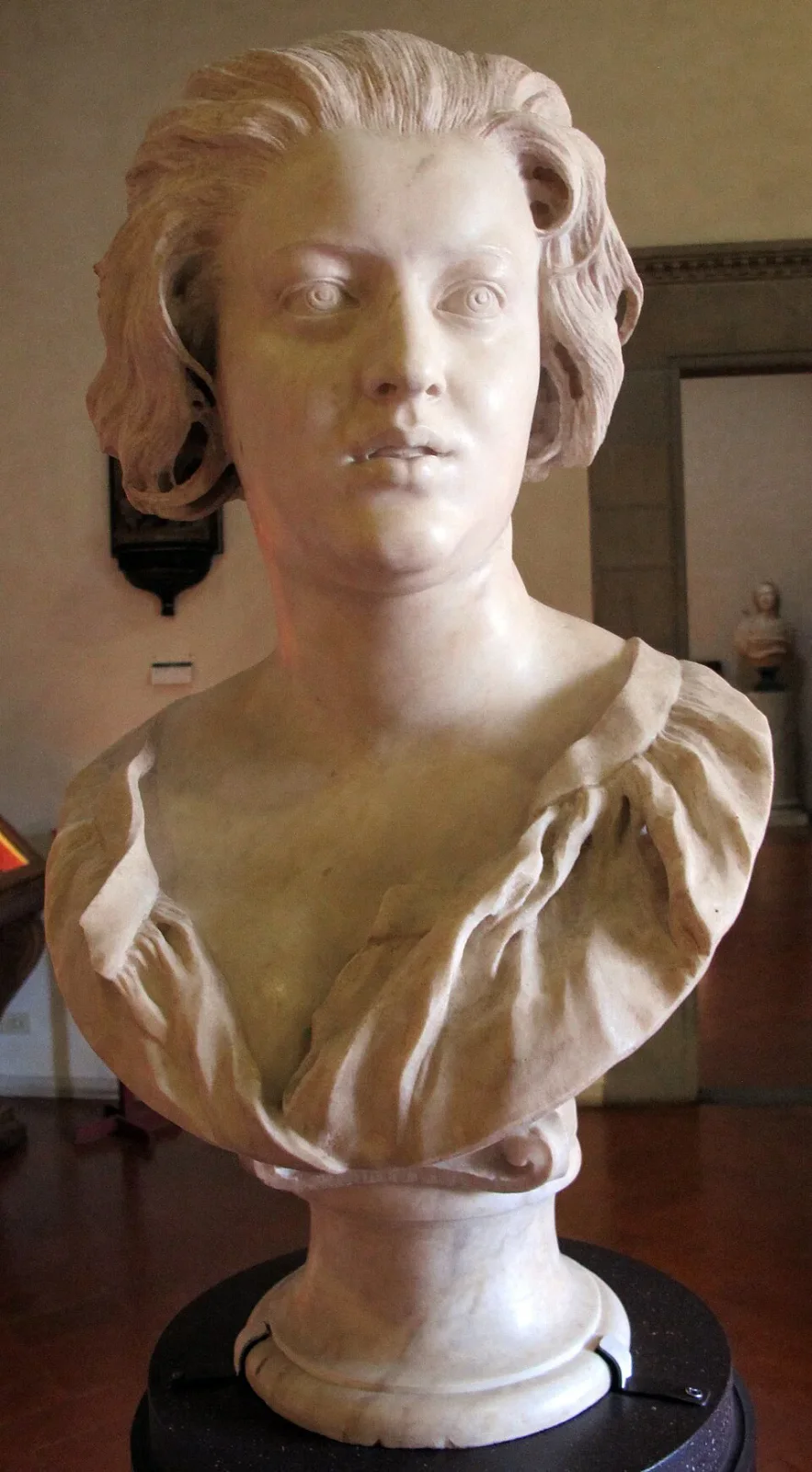
Bust of Costanza Bonarelli
Bernini carved this woman for himself. No one paid for it and no one asked for it. She was a woman he had loved, and for years the bust stood in his own house. Her hair has slipped loose and falls back from a broad forehead, her braids gathered only loosely behind her neck. Her shirt is open at the breast. This is no portrait meant to announce rank or office. It is a woman he knew in everyday life, shown as she might really have looked. Her gaze is proud and a little surprised. Her lips are full and just parted. He smoothed the surface over her face and neck until nothing stiff or formal gets in the way. She was the wife of one of his own assistants, and he had fallen in love with her. The affair turned violent. He fought with his brother Luigi over her, was fined for it, and only the pope kept the punishment from being worse. Years later he married someone else and gave his life back to work and faith. A simple ribbon follows her open neckline into the folds of her light dress. Of all his marble portraits that we know, hers is the only one of an ordinary person.
Listen in the appPhoto: Sailko · CC BY-SA 3.0
- 11
Saint George Freeing the Princess
Donatello · 1416–1417
- 12
Amor Attis
Donatello · 1436–1443
- 13
Marzocco
Donatello · 1418–1420
- 14
Lady with Flowers
Andrea del Verrocchio · 1475–1480
- 15
Gallino Crucifix
Michelangelo · c. 1495–1497
- 16
Copy of Donatello, Man with Medallion
Donatello · 1560
- 17
Mercury
Giambologna · 1578–1580
- 18
Crucifixion
Donatello · c. 1455
- 19
Bust of Niccolò da Uzzano
Donatello · 1430
- 20
Dancing Putto
Donatello · 1423–1427
- 21
Bacchus
Jacopo Sansovino · 1515
- 22
The Sacrifice of Isaac
Filippo Brunelleschi · 1401
- 23
The Sacrifice of Isaac
Lorenzo Ghiberti · 1401–1403
- 24
Bust of Pietro Mellini
Benedetto da Maiano · 1474
- 25
Portrait of Battista Sforza
Francesco Laurana · c. 1472–1475
- 26
Andrea della Robbia, Noblewoman
Andrea della Robbia · c. 1465–1470
- 27
Bargello diptych
Meister des Kleinen Diptychons des Bargello · 1380s
- 28
Sigismondo Pandolfo Malatesta, 1417-1468, Lord of Rimini and Fano [obverse]
Pisanello · 1445
- 29
Cappella del Podestà
Unknown Artist · 1330–1337
- 30
Alfonso V of Aragon, 1396-1458, King of Naples and Sicily 1443 [obverse]
Cristoforo di Geremia · c. 1458
- 31
Lorenzo Ghiberti, Reliquary Urn of Saints Protus, Hyacinth and Nemesius, 1426-28
Lorenzo Ghiberti · 1426–1428
- 32
Competitive reliefs
Unknown Artist · 1401
- 33
Apollo and Giacinto
Benvenuto Cellini · c. 1548
- 34
Hercules and Antaeus
Antonio del Pollaiuolo · c. 1475
- 35
Cafaggiolo, Plate with the Fight between Perseus and Phineus, c. 1550
Unknown Artist · 1550–1560
- 36
Ganymede
Benvenuto Cellini · 1548–1550
- 37
Federico da Montefeltro
Sperandio di Bartolommeo de' Savelli · c. 1482
Museo nazionale del Bargello
Frequently asked questions
How much does the guide cost?
Free app download. Free until 1 January. Listed guide price: $1.99. Audio guide only. Venue admission is separate.
Can I listen without internet?
Yes. Download the guide’s audio, images, and maps in the app before your visit. Your downloaded content is then available offline.
Can I listen in my language?
In English for now. More languages soon.
Do I need to follow a schedule?
No. This is a self-guided experience. Choose your stops, pause whenever you like, and return to a story at your own pace.
Which artworks are in the Museo nazionale del Bargello audio guide?
37 artworks, including David (Donatello), Bacchus (Michelangelo), Brutus (Michelangelo), Apollo (Michelangelo), Pitti Tondo (Michelangelo), Franks Casket (Unknown Artist), Saint George (Donatello), and David with the head of Goliath (Andrea del Verrocchio). The full list is on this page.
Is this the museum’s official audio guide?
No. Stanza is an independent audio guide app and is not affiliated with Museo nazionale del Bargello. Museum admission is separate.
At your own pace
Explore Museo nazionale del Bargello.
Download Stanza, then search for “Museo nazionale del Bargello”.
Free app download · Guide price shown in the app
Keep exploring
Nearby audio guides
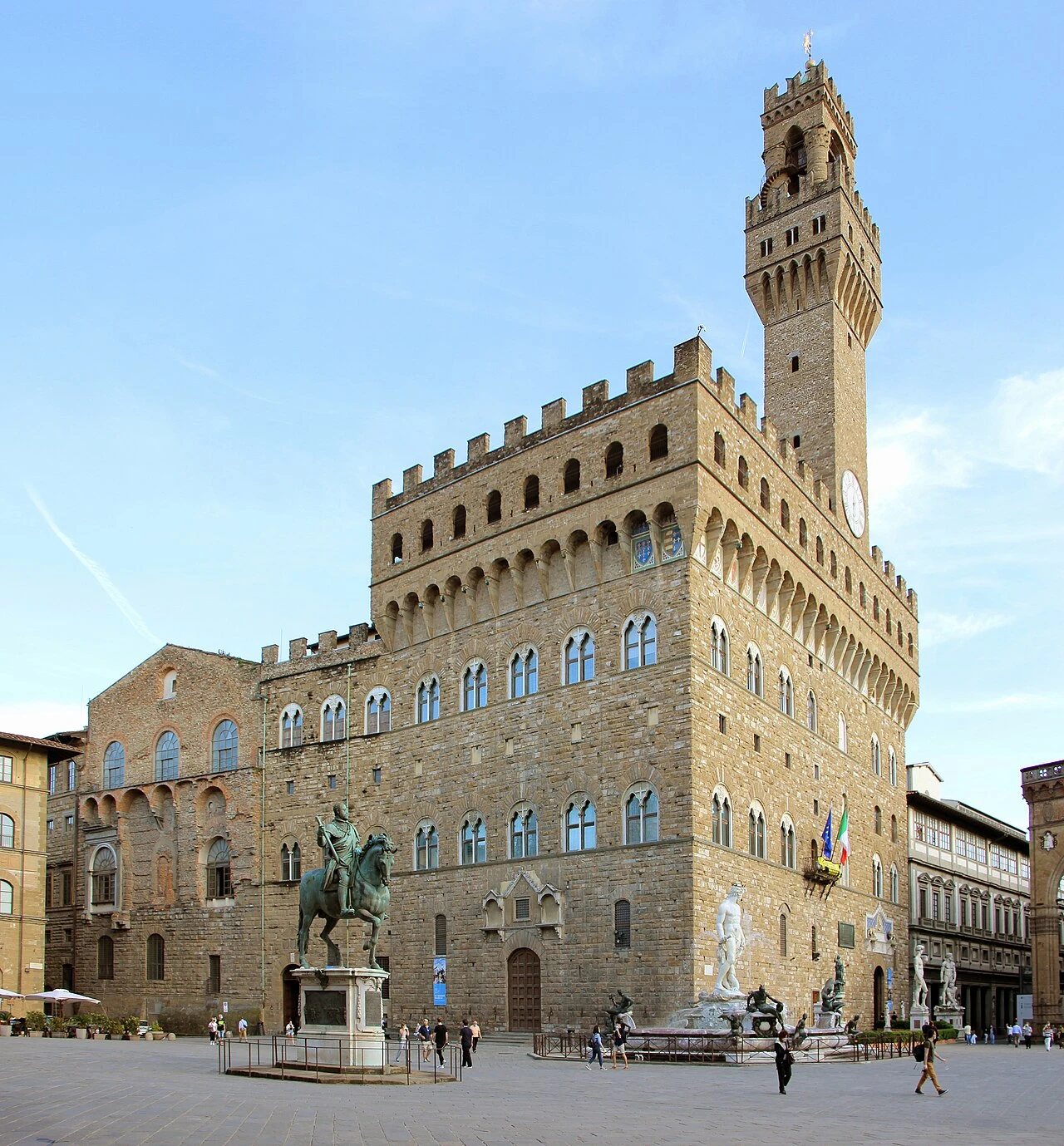
Florence · 1 km
Palazzo Vecchio
Content & sources
Francesco Bini · CC BY-SA 4.0
Florence · 1 km
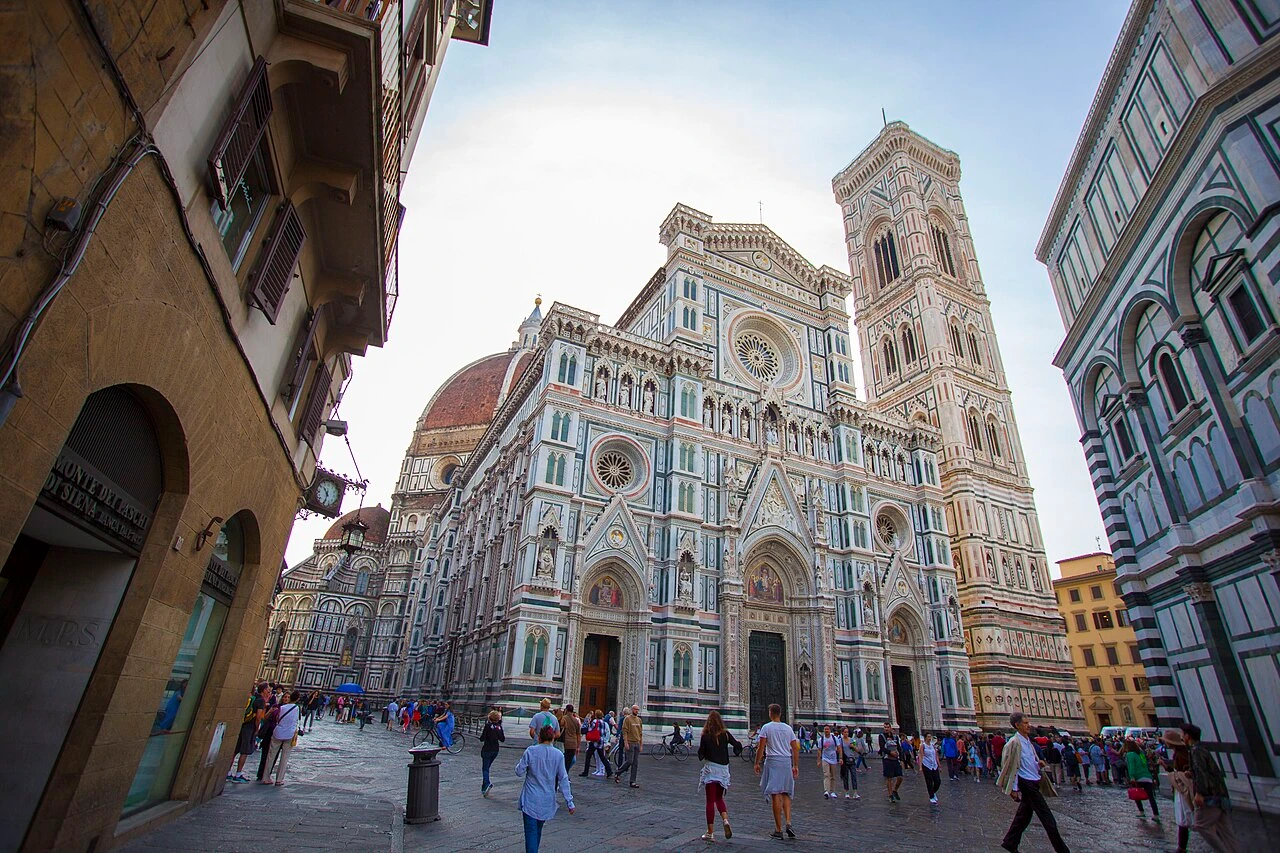
Florence Cathedral
Content & sources
Photo: ScareCriterion12 · CC BY-SA 4.0
Florence · 1 km
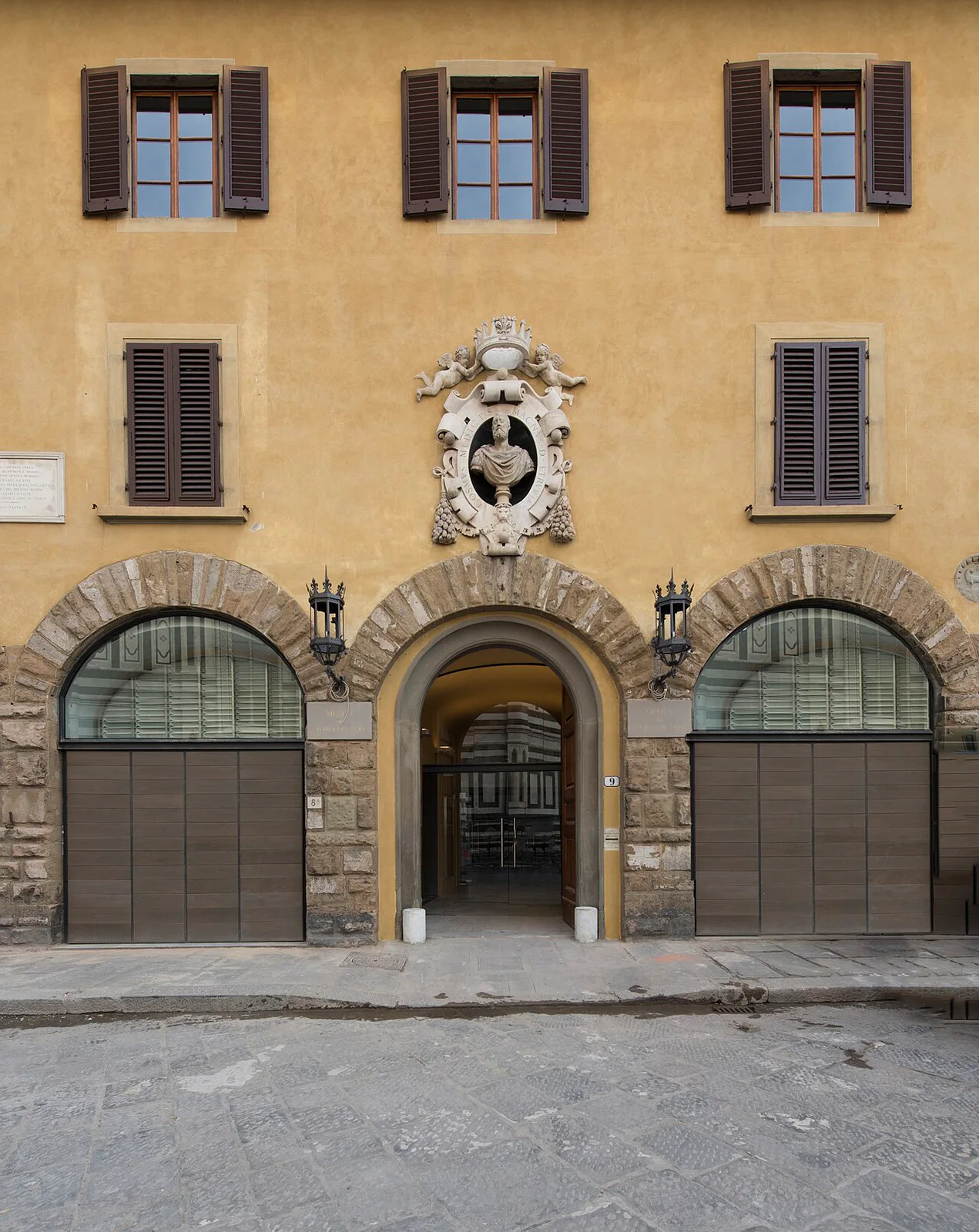
Museo dell'Opera del Duomo
Content & sources
Photo: Giovanni Serafini · CC0
Florence · 1 km
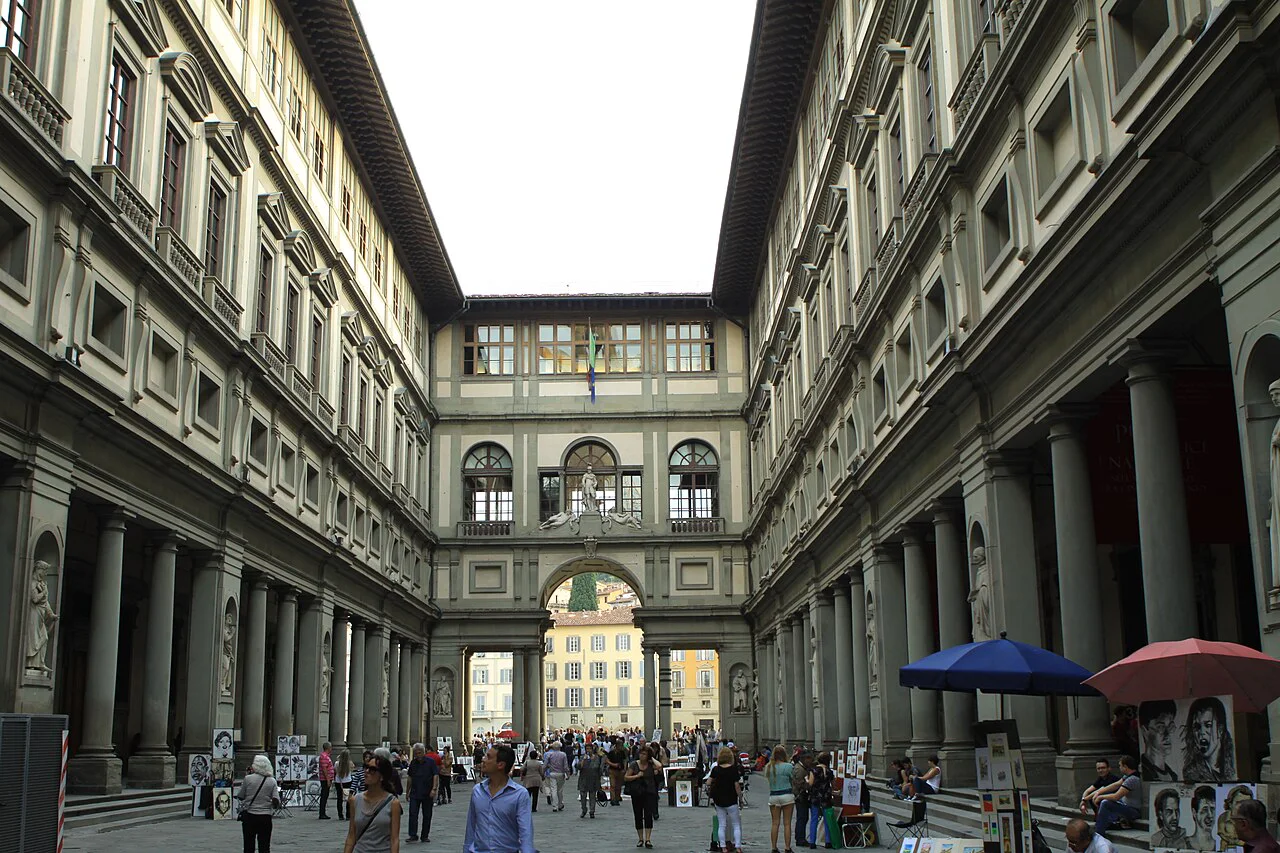
Uffizi Gallery
Content & sources
Arek N. · CC BY-SA 3.0
Art museums
More art museum audio guides
Florence · 27 artworks
Museo dell'Opera del Duomo
Content & sources
Photo: Giovanni Serafini · CC0
Florence · 70 artworks
Uffizi Gallery
Content & sources
Arek N. · CC BY-SA 3.0
Siena · 37 artworks
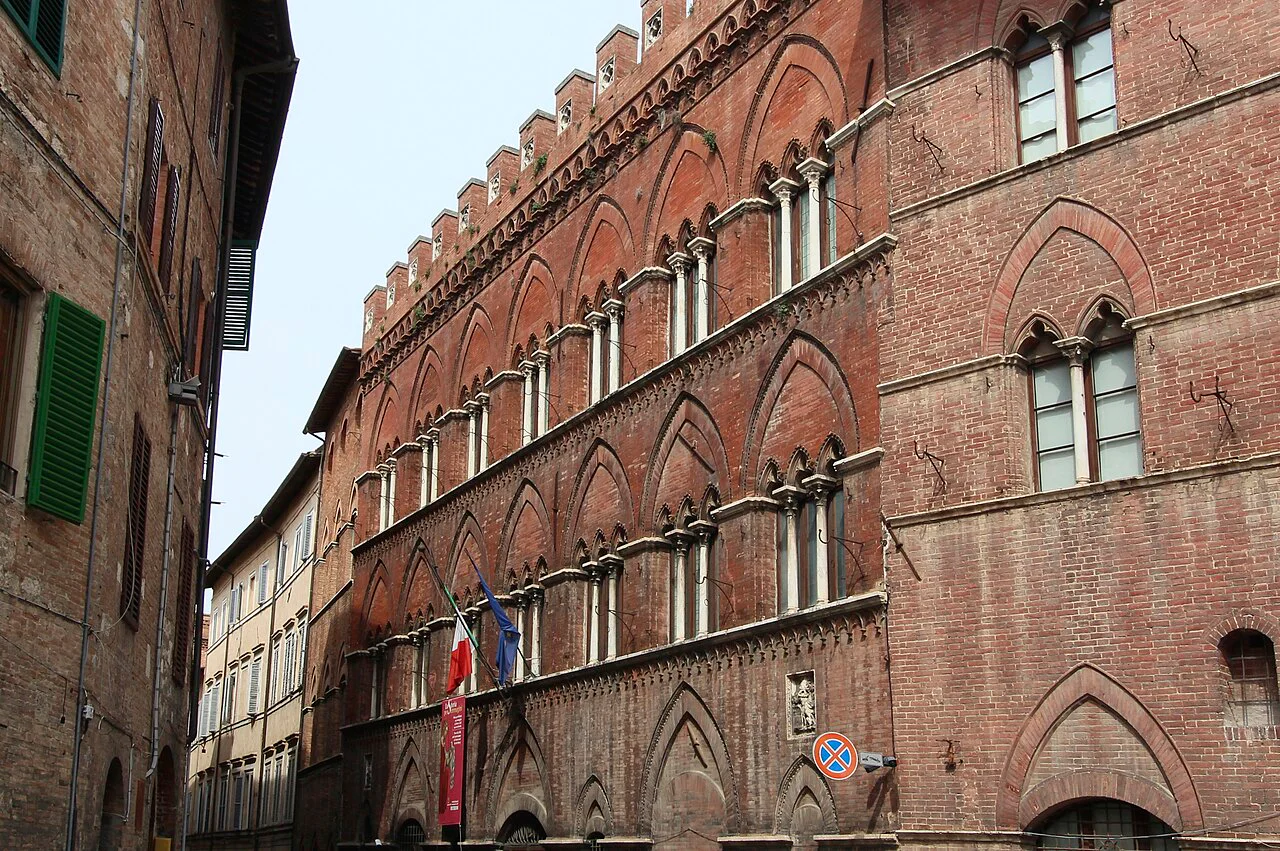
Pinacoteca nazionale
Content & sources
Photo: LigaDue · CC BY-SA 4.0
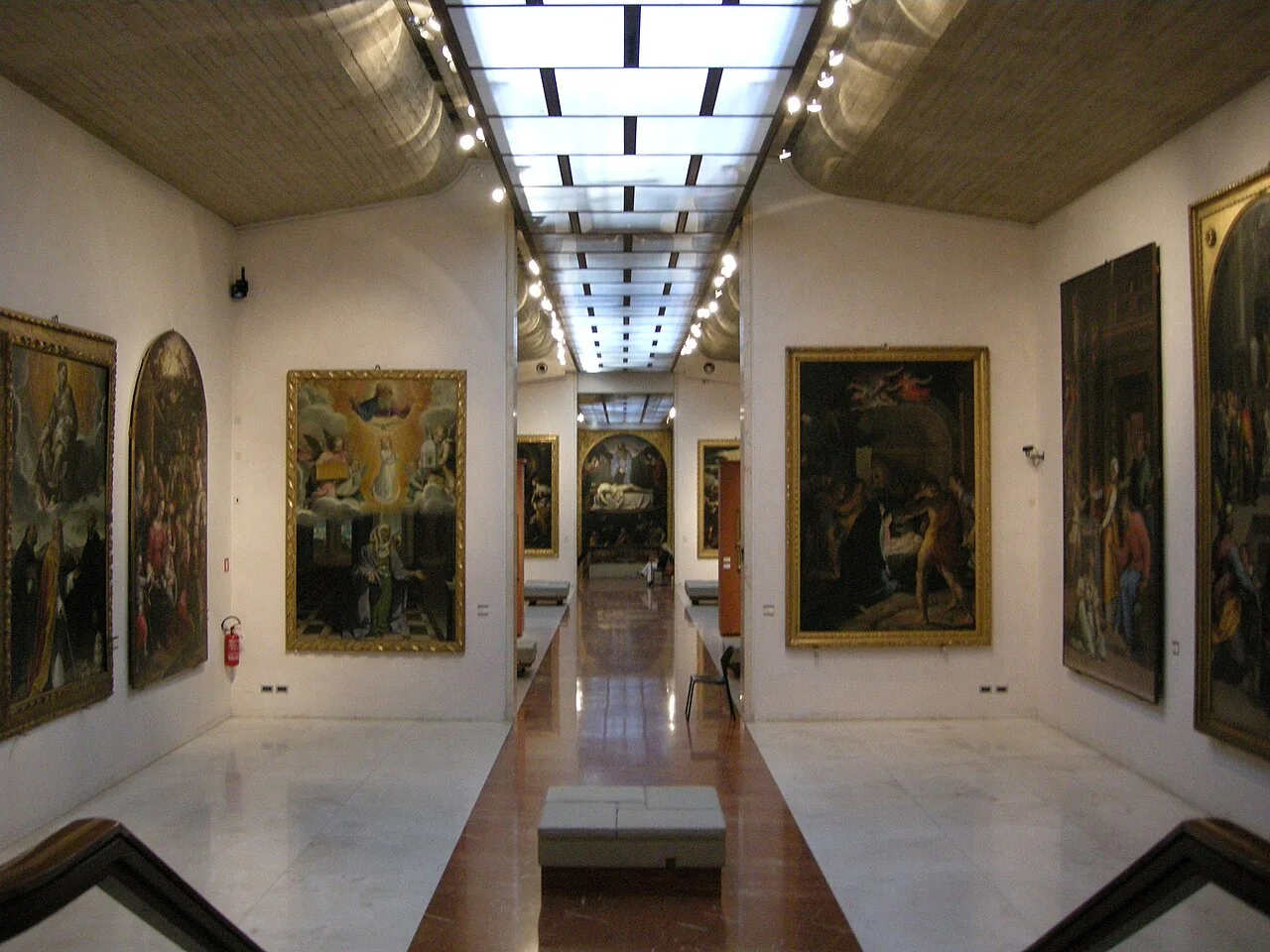
Bologna · 38 artworks
Pinacoteca nazionale di Bologna
Content & sources
Photo: Sailko · CC BY-SA 3.0
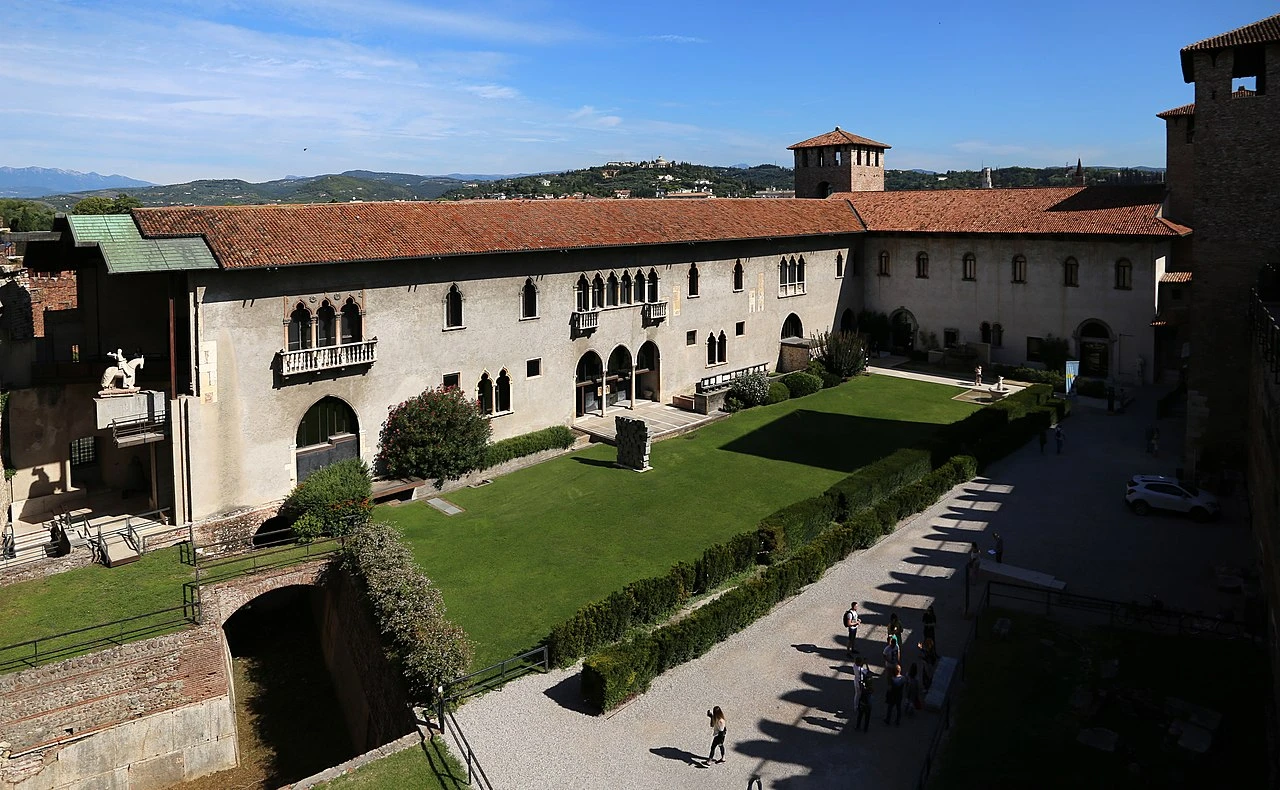
Verona · 65 artworks
Castelvecchio Museum
Content & sources
Photo: Sailko · CC BY-SA 4.0
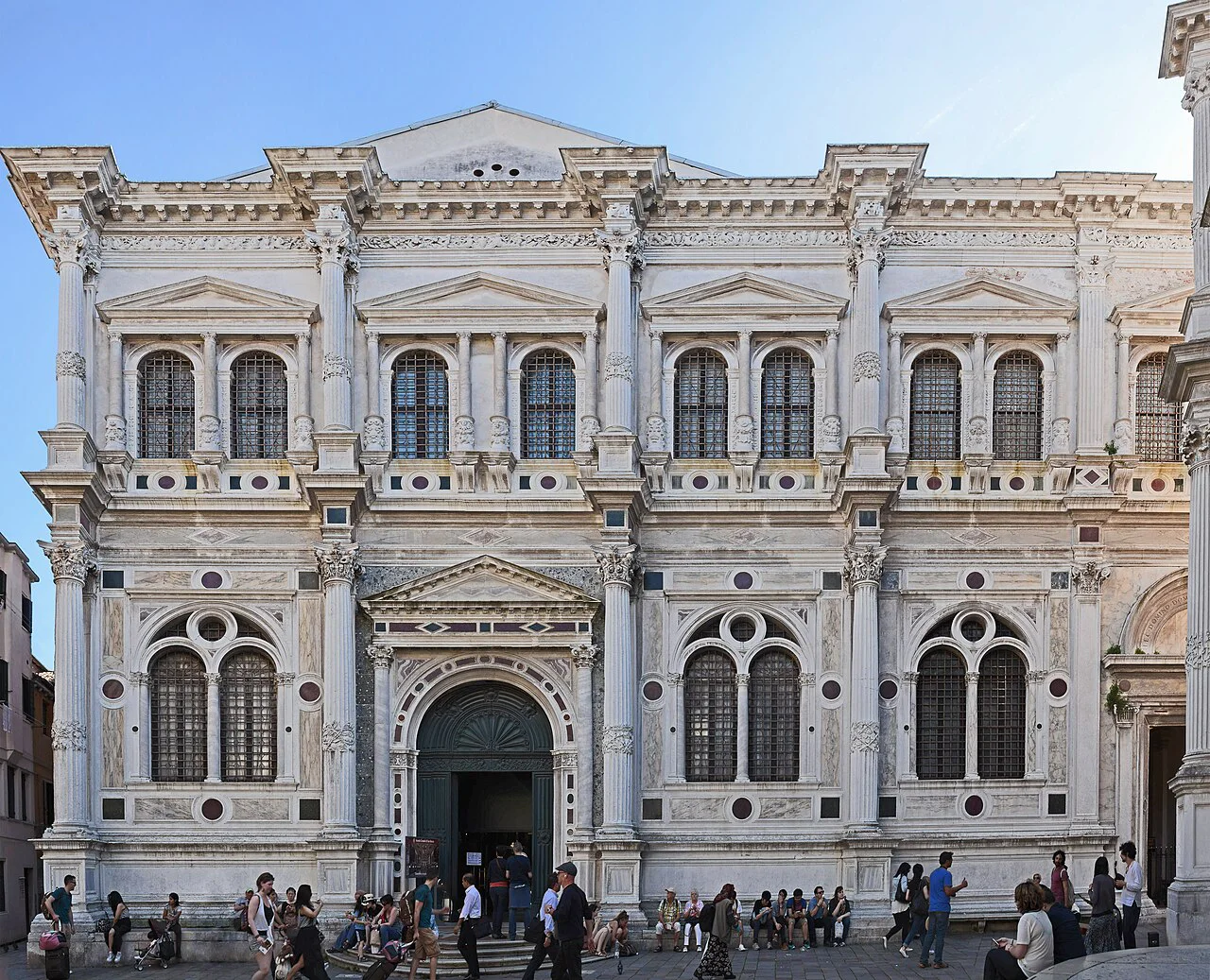
Venice · 23 artworks
Scuola Grande di San Rocco
Content & sources
Didier Descouens · CC BY-SA 4.0