Stanza · Audio guide
Bratislava Castle Audio Guide
A place to remember. A story to take with you.
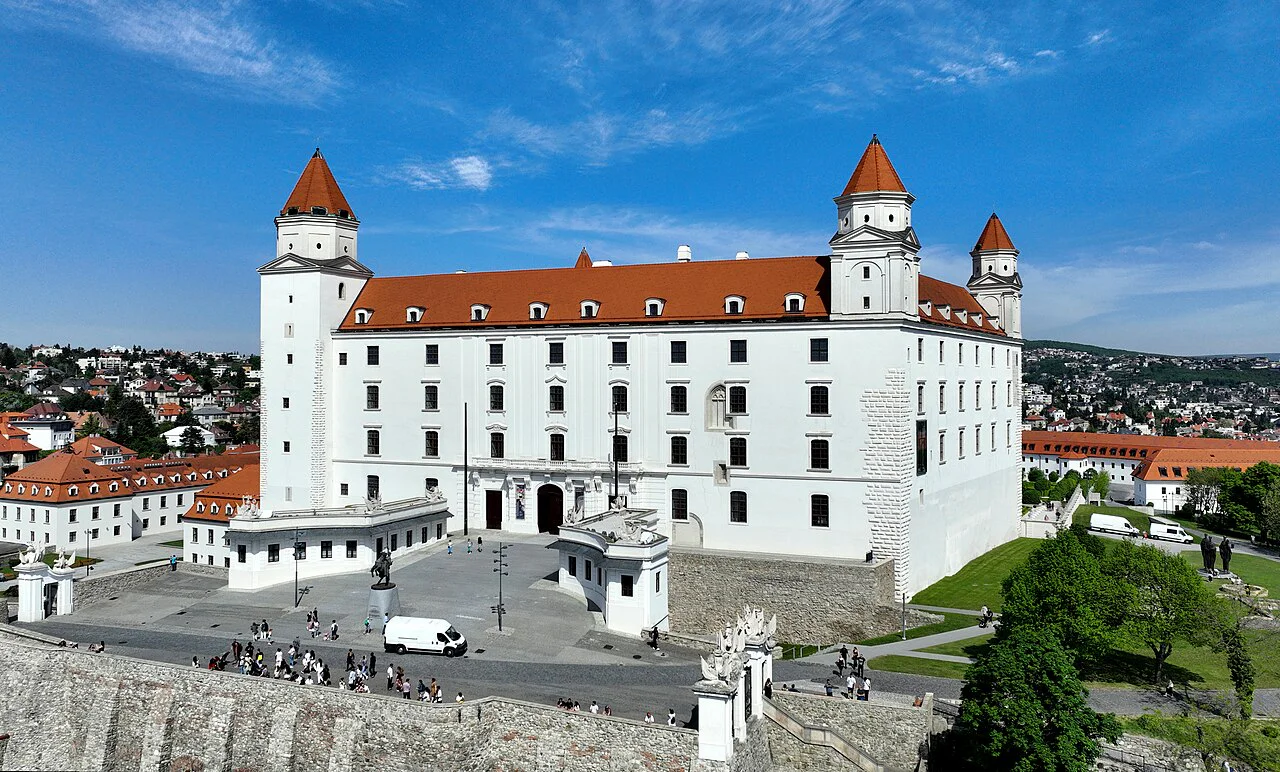
Bratislava Castle is the main castle of Bratislava, the capital of Slovakia. The massive rectangular building stands on a rocky hill above the Danube river and has been a dominant feature of the city for…
Download Stanza, then search for “Bratislava Castle”.
About the tour
One guide. Your kind of visit.
Bratislava Castle is the main castle of Bratislava, the capital of Slovakia. The massive rectangular building stands on a rocky hill above the Danube river and has been a dominant feature of the city for centuries.
Ready when you are.
- 01Get the free Stanza app.
iOS & Android
- 02Find your guide.
“Bratislava Castle”
- 03Download before you go.
Works offline
Audio guide / 14 narrated stops
Inside the guide
Get to know a few of the stories before you go. Open a stop to read more.
01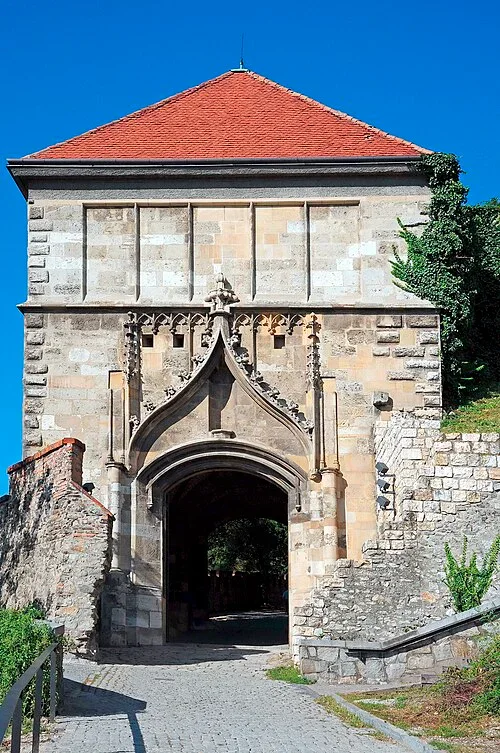 The Gothic Threshold: Sigismund Gate
Sigismund Gate: Threshold of the Castle
Welcome to Bratislava Castle, the great white landmark on its hill above the Danube. A massive rectangular building with four corner towers, it has dominated the city for centuries. The hill beneath it is an isolated rock of the Little Carpathians, rising straight out of the river bank. The traditional path uphill from the Old Town leads through the gate ahead, the Sigismund Gate. Built in the fifteenth century, it is the best-preserved original part of the whole site. Much of what surrounds it was rebuilt in later ages; this gate survived.
Photo: LMih · CC BY-SA 3.0
02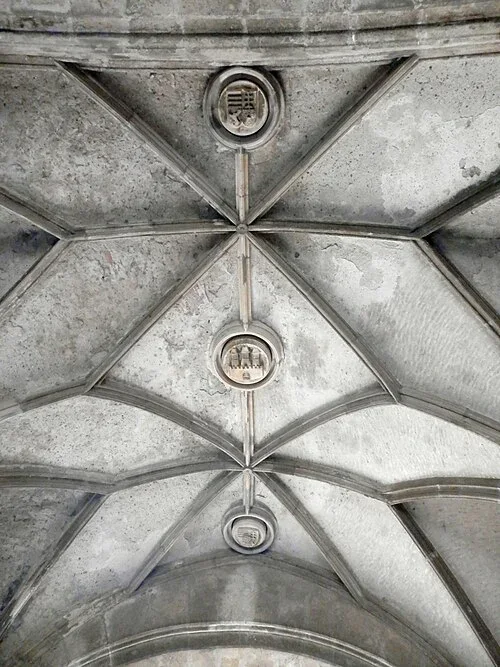 The Gothic Threshold: Sigismund Gate
Under the Gothic Vault of the Sigismund Gate
Overhead, stone ribs fan out from carved bosses into a pointed Gothic vault. This little passage is what survives of the largest castle project of its age. In the early fourteen-thirties, Pressburg castle was completely rearranged. Experts came from Germany, building material was carted in from Austria, and the towns around were made to pay special taxes for the work. The master builder was Konrad von Erlingen. Sigismund, the Holy Roman Emperor, had decided some years earlier to make this castle the centre of his empire, a realm spanning Germans, Czechs and Hungarians. It never happened. He stayed in the town below, and the castle never became his residence. The gate is often wrongly called the Corvinus Gate; its real name honours Sigismund himself. This carved vault is the one completely preserved piece of his grand campaign.
Jozef Kotulič · CC BY-SA 3.0
03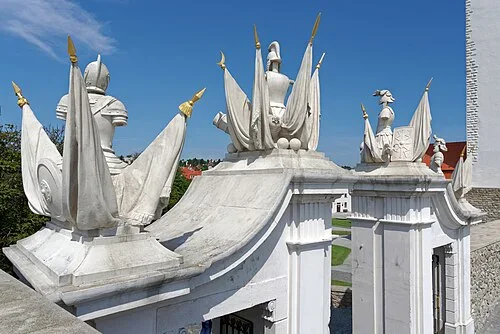 The Courtyard of Honor and Svätopluk Square
Trophy Gates of the Honorary Courtyard
Armour, banners and weapons are carved in stone above these piers. They are military trophies in the Baroque fashion, crowning the entrance to the Honorary Courtyard. The yard itself dates from the late eighteenth century, when the old fortress was being dressed up as a stately residence. A castle built to keep enemies out now greeted its guests with sculpted victory.
Listen in the appJakub Hałun · CC BY-SA 4.0
04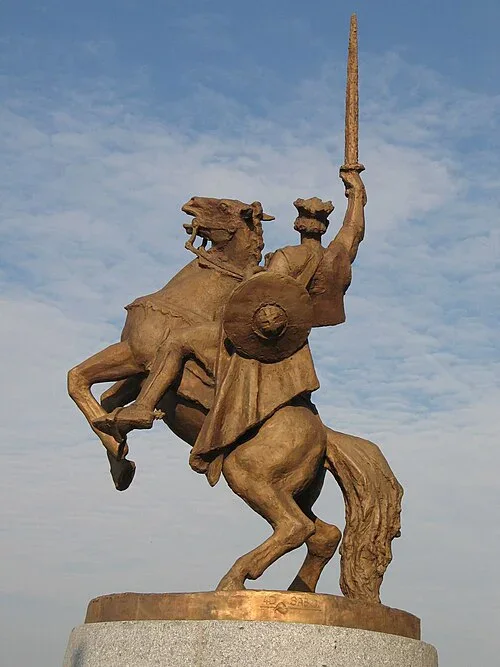 The Courtyard of Honor and Svätopluk Square
Statue of King Svätopluk I
A king rides up to the castle with his sword raised. Svatopluk the First ruled Great Moravia in the ninth century, the Slavic realm that came before the Hungarian kingdom here. Tradition ties the castle's oldest recorded identity to his family. Around the year 900, the story goes, the castle was given in fief to his son Predslav, and the old German name Pressburg may well derive from him. A writer of the sixteenth century even claimed a prince named Vratislav built a castle here around 805 and gave the place his name. These are legends and probabilities rather than settled history. The bronze statue, the work of Ján Kulich, was unveiled at a televised ceremony in June 2010 and has stood in the Honorary Courtyard since, marking the deepest roots of Slovak statehood.
Listen in the appJán Kulich (sculptor) - cc-by-3.0 Peter Zelizňák(photo) · CC BY-SA 3.0
05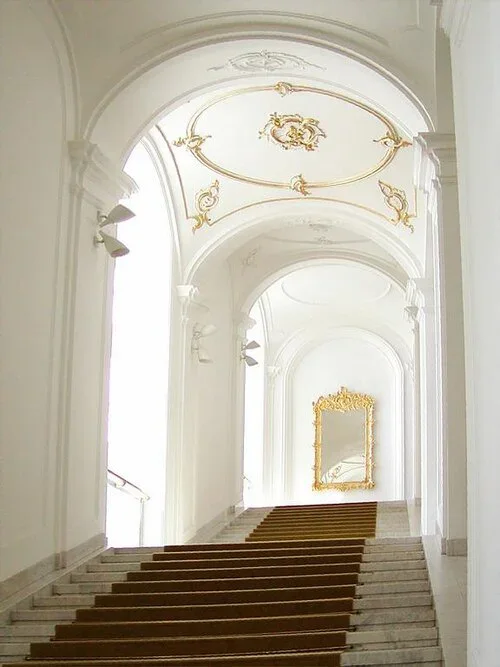 Royal Palace Interior: The Golden Age and the Great Resurrection
The Grand Staircase: Maria Theresa's Royal Residence
The grand staircase inside is Maria Theresa's work. When she became Queen of Hungary in 1740, she promised the nobles a residence both in Pressburg and in Austria. A five-year conversion, completed in 1766, turned the defensive castle into a modern royal residence; its chief designer between 1761 and 1762 was Franz Anton Hillebrandt. One detail shows how she meant to live here. The stairs were rebuilt at a gentler slope at her request, so that she could ride her horse up them. From 1765 the castle was the seat of the governor of the Kingdom of Hungary, an office she created after disputes with the nobles. The second governor was her son-in-law Albert of Saxe-Teschen, who moved in with his wife Marie Christine, the queen's favourite daughter. Both were patrons of culture and science, and the castle became a meeting place for artists and scholars. The gleaming halls here are a later reconstruction of that world.
Listen in the appMartin Hlauka (Pescan) 18:33, 16 March 2006 (UTC) · Attribution
06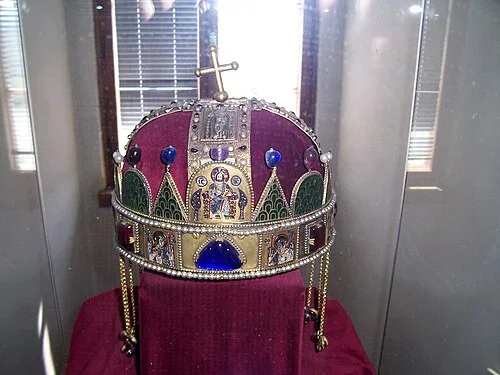 Royal Palace Interior: The Golden Age and the Great Resurrection
The Holy Crown of Hungary
The crown in the case is a copy of the Holy Crown of Hungary, and the original once lived in this castle. In 1526 the Hungarian army was destroyed at Mohács and the king fell there. The queen, Maria of Habsburg, fled from Buda to Pressburg with the royal treasure, which was deposited in the castle. Much of that treasure was later melted down by the new king, Ferdinand the First, to pay for a war against his rivals. The crown itself was luckier. For more than two hundred years, starting in 1552, the Holy Crown was kept in the castle's Crown Tower. Two Hungarian crown guards watched over it, backed by a hundred infantry soldiers, Hungarians and Austrians in equal number. Even the Habsburg kings, rulers from a foreign dynasty, could only touch the crown at their own coronation.
Listen in the appDmitry · CC BY-SA 2.0
07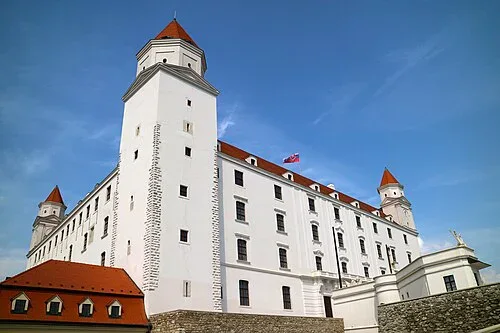 The Crown Tower and Danube Panorama
The Great Fire of 1811
The crisp white palace hides its darkest day. In 1802 the castle was handed over to the military as a barracks, and its rococo rooms were adapted to house about fifteen hundred soldiers. Seven years later, Napoleon's troops bombarded Pressburg and the castle. Then, on a May day in 1811, the castle burst into flames, started by the carelessness of garrison soldiers. The fire spread to parts of the town. What the flames left, time took. The ruin was left to decay, and the military sold off pieces of the fabric as building material. In the 1930s there were serious plans to demolish what remained, to make room for government offices and a university district.
Listen in the appPhoto: Armatus1995 · CC BY-SA 4.0
08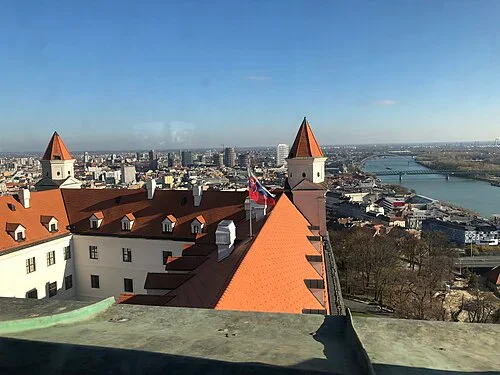 The Crown Tower and Danube Panorama
From the Crown Tower: The Hill That Commands the Danube
The hill itself explains the castle. It sits where the Carpathians and the Alps narrow into a passage, at an important ford across the Danube. Ancient trade routes crossed here too, the most famous being the Amber Route, running from the Balkans and the Adriatic toward the Rhine and the Baltic. People have settled this spot for thousands of years. The first known settlers raised a fortified settlement here around 3500 BC. The tower at the southwest corner is the Crown Tower, the oldest surviving part of the main building, a tower of about forty-seven metres from the thirteenth century. Hungarian tradition adds a story from 1052, when Emperor Henry the Third tried to take the castle. A soldier called Zotmund is said to have swum out to the invading ships and drilled holes in their hulls until the fleet sank.
Listen in the appPhoto: Armatus1995 · CC BY-SA 4.0
09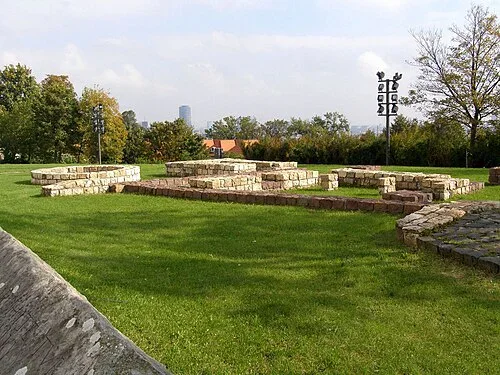 Eastern Terrace: Great Moravian Roots and Saint Elizabeth
Foundations of the Great Moravian Basilica
Low lines of stone trace walls beneath the grass of the eastern terrace. They mark a ninth-century basilica of Great Moravia, the largest known from the territory of Slovakia. Beside it stands the outline of the Church of St Saviour from the eleventh century, and the true archaeological findings lie directly below. In the second half of the ninth century, a stone palace and this big basilica rose inside a Slavic castle whose wooden rampart enclosed some fifty-five thousand square metres. The builders even reused material from old Roman buildings. The castle's area is roughly the same as that of Mikulčice, the most important Great Moravian site known. Long before the medieval castle above, this hill was a political and religious centre.
Listen in the appPhoto: Lure · CC BY-SA 3.0
10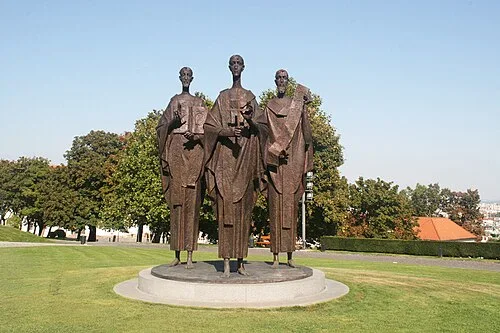 Eastern Terrace: Great Moravian Roots and Saint Elizabeth
Cyril, Methodius and Gorazd
Three bronze figures stand near the basilica outlines: Saints Cyril and Methodius, and their disciple Gorazd. In the ninth century their mission brought written learning and a Slavic liturgy to Great Moravia, the world that built the church whose foundations lie nearby. The sculpture by Anton Gábrik sets that Christian learning beside the stones. It commemorates the era rather than any event on this exact spot.
Listen in the appAnton Gábrik · CC0
- 11
Saint Elizabeth of Hungary: Born at the Castle
The princess born at the castle in 1207 who became one of the great saints of charity.
- 12
The Baroque Gardens
The restored Baroque gardens, an emperor's botany, and the palace as part of the composition.
- 13
The Riding Hall and the Running of the Court
Riding schools, oil lanterns and a pumped water supply: the machinery behind the royal residence.
- 14
The Vienna Gate and the Great Resurrection
The coronation gate of 1712, and the castle reborn as the stage of Slovak statehood.
Bratislava Castle
Frequently asked questions
How much does the guide cost?
Free app download. Listed guide price: $1.99. Guide price shown in the app. Audio guide only. Venue admission is separate.
Can I listen without internet?
Yes. Download the guide’s audio, images, and maps in the app before your visit. Your downloaded content is then available offline.
Can I listen in my language?
This audio guide is available in 15 languages, including English.
Do I need to follow a schedule?
No. This is a self-guided experience. Choose your stops, pause whenever you like, and return to a story at your own pace.
At your own pace
Explore Bratislava Castle.
Download Stanza, then search for “Bratislava Castle”.
Free app download · Guide price shown in the app
Keep exploring
Nearby audio guides
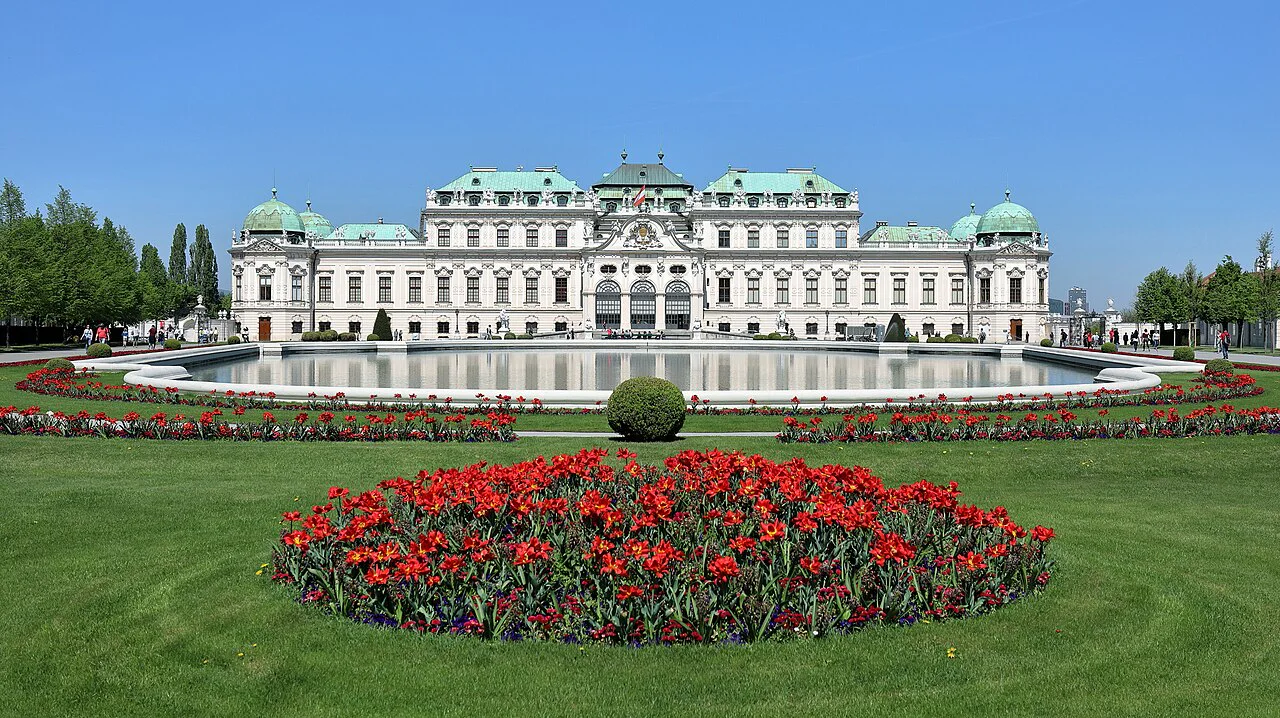
Vienna · 54 km
Schloss Belvedere
Content & sources
C.Stadler/Bwag · CC BY-SA 4.0
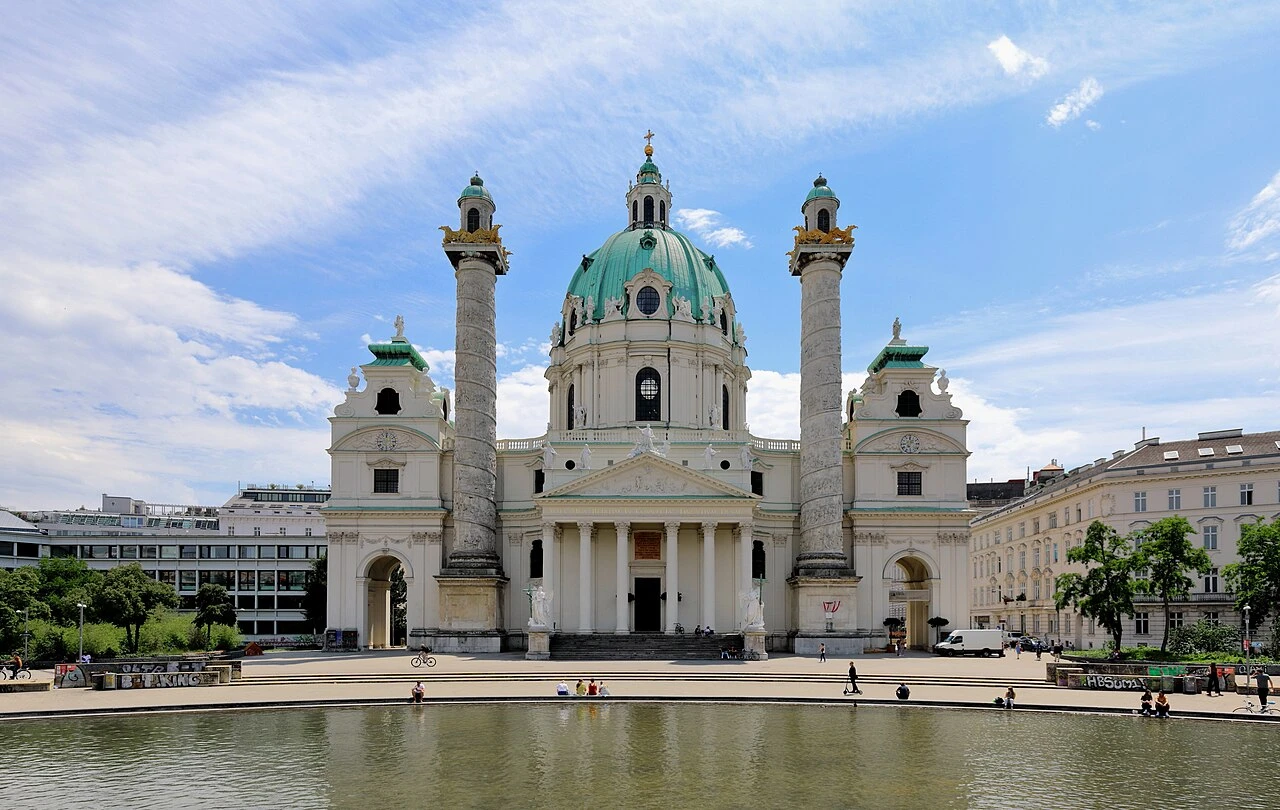
Vienna · 54 km
Wiener Karlskirche
Content & sources
C.Stadler/Bwag · CC BY-SA 4.0
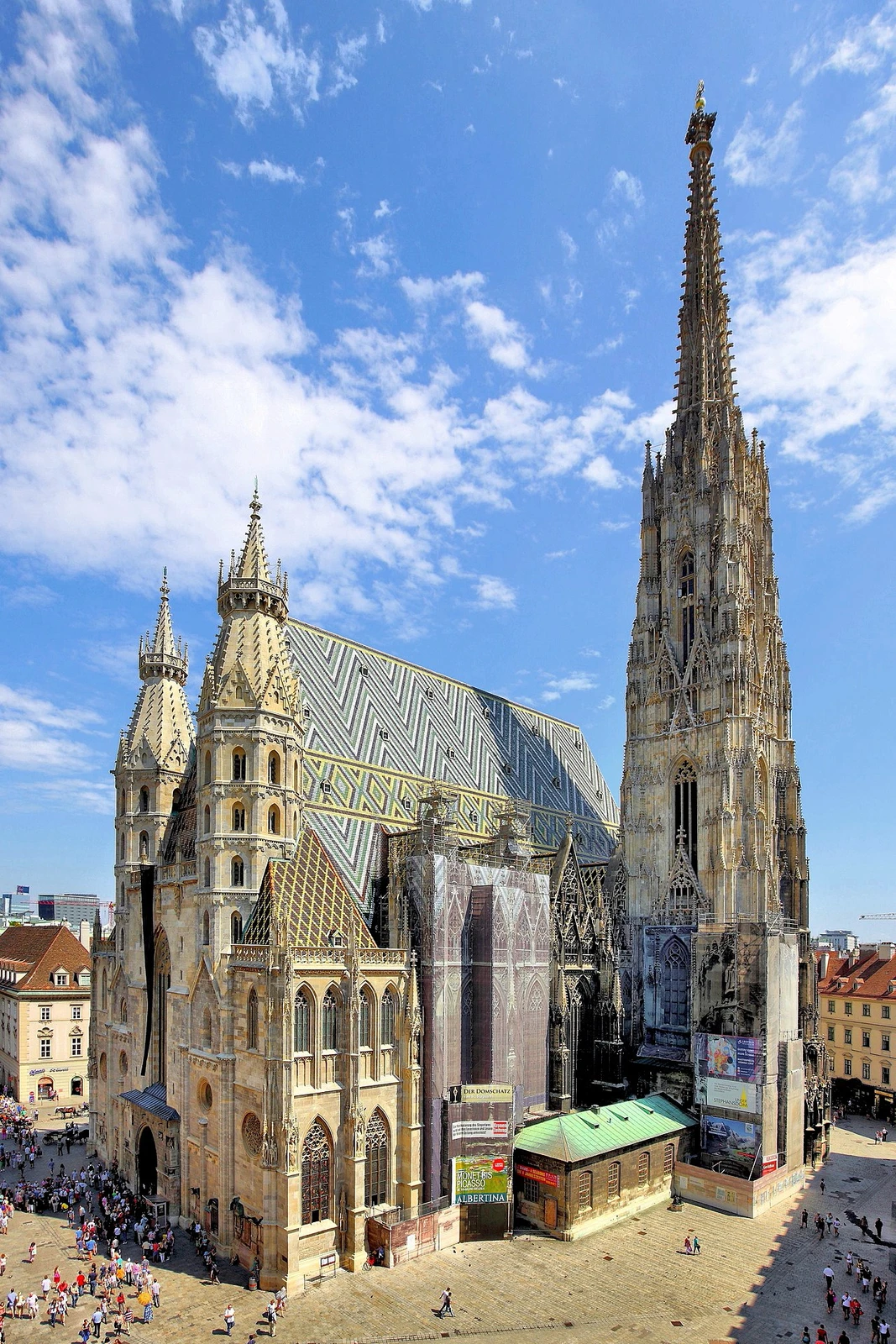
Vienna · 54 km
St. Stephen's Cathedral
Content & sources
C.Stadler/Bwag · CC BY-SA 4.0
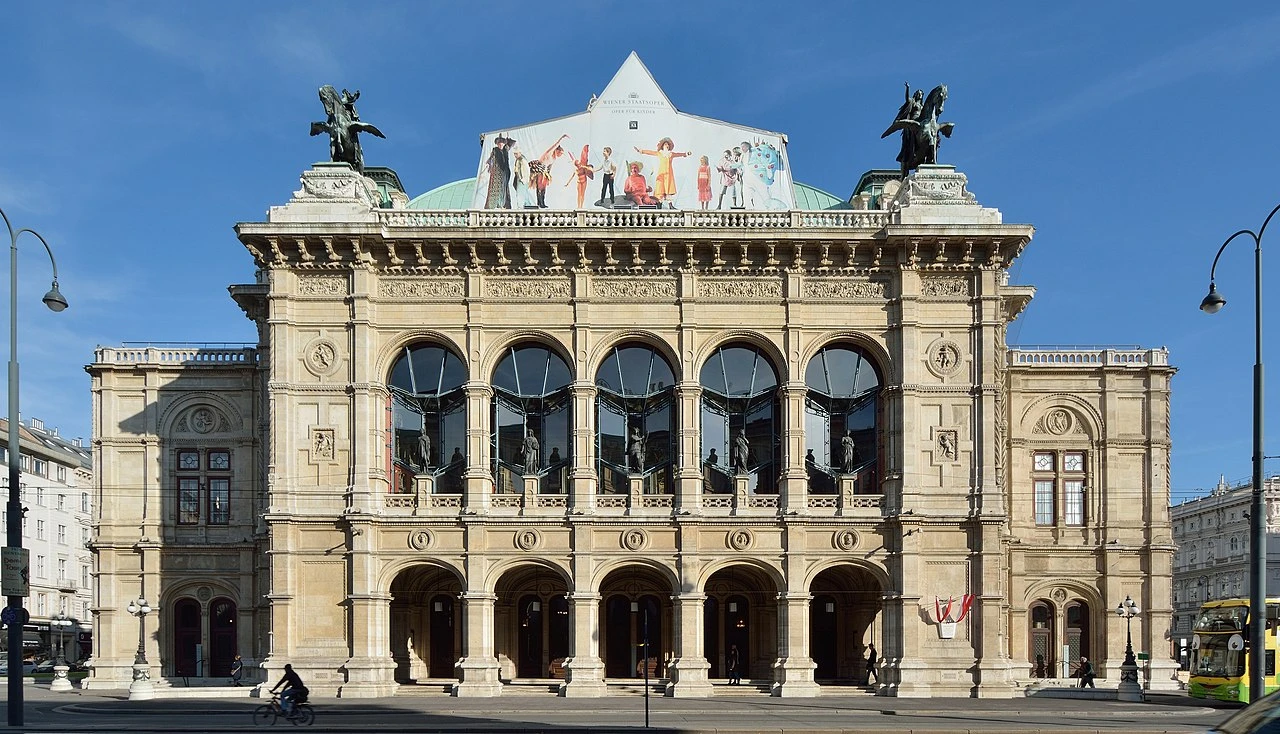
Vienna · 55 km
Vienna State Opera
Content & sources
Photo: P e z i · CC BY-SA 3.0 at
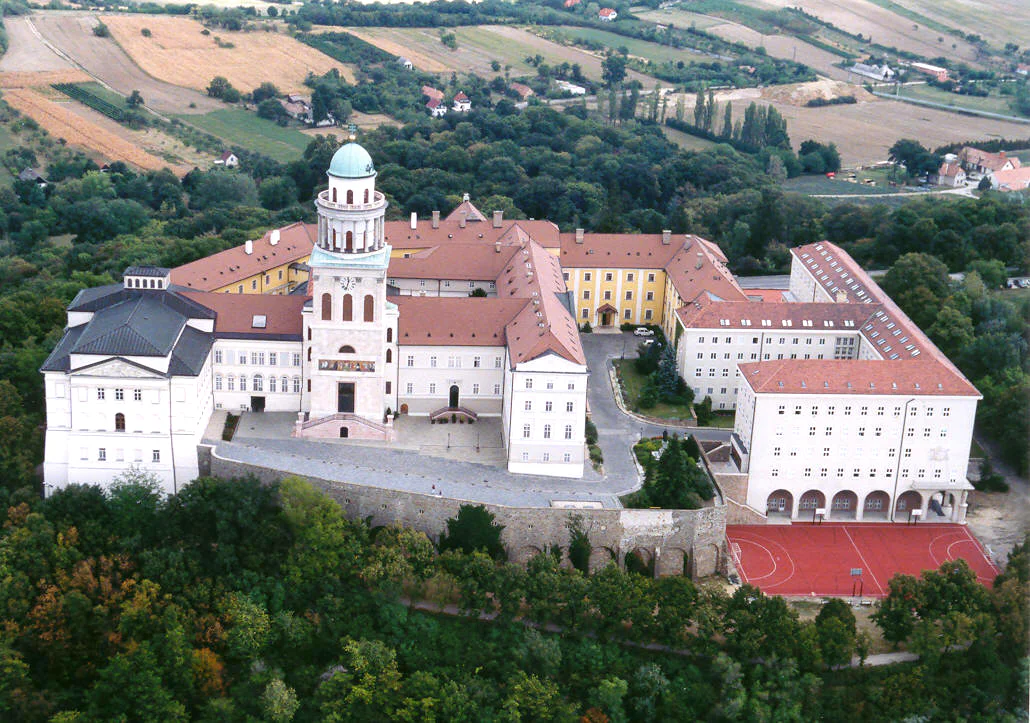
Pannonhalma · 82 km
Pannonhalma Archabbey
Content & sources
Unknown author · CC BY-SA 2.5