Stanza · Audio guide
Museo Nacional de Bellas Artes Audio Guide
A place to remember. A story to take with you.
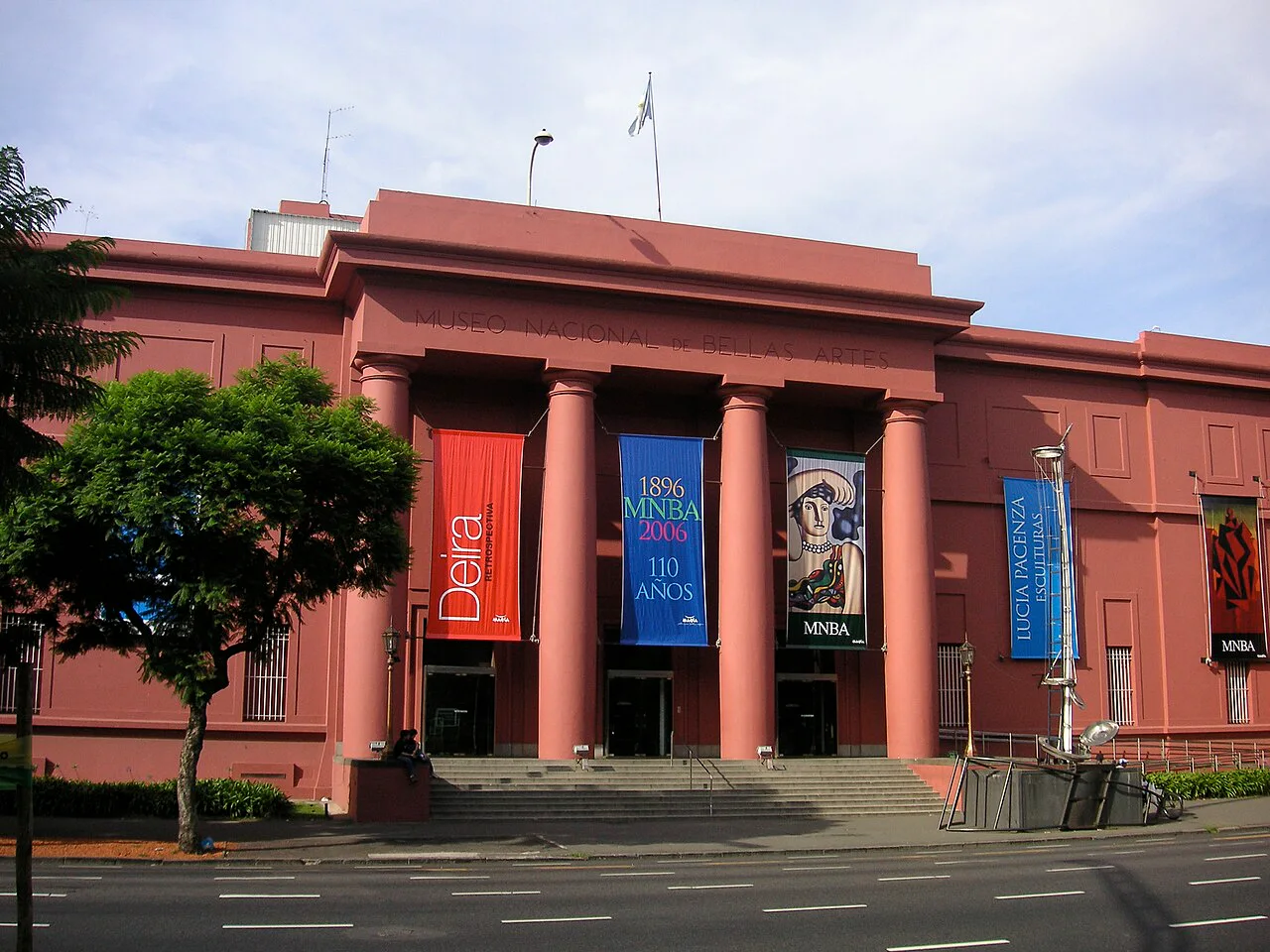
The National Museum of Fine Arts is an Argentine art museum in Buenos Aires, located in the Recoleta section of the city. The museum hosts works by Goya, Rembrandt, Van Gogh, Rodin, Manet, and Chagall, among…
Download Stanza, then search for “Museo Nacional de Bellas Artes”.
About the tour
One guide. Your kind of visit.
The National Museum of Fine Arts is an Argentine art museum in Buenos Aires, located in the Recoleta section of the city. The museum hosts works by Goya, Rembrandt, Van Gogh, Rodin, Manet, and Chagall, among other artists.
The Museo Nacional de Bellas Artes guide tells the stories of 14 artworks, including La Nymphe surprise (Édouard Manet), The First Mourning (William-Adolphe Bouguereau), Agony in the Garden (El Greco), No bread, no work (Ernesto de la Cárcova), Portrait of Suzanne Valadon (Henri de Toulouse-Lautrec), Satan's messenger (Nasreddine Dinet), Diana Surprised (Jules Lefebvre), and Woman at the beach (Paul Gauguin). Every artwork is free to hear in the Stanza app until 1 January.
Ready when you are.
- 01Get the free Stanza app.
iOS & Android
- 02Find your guide.
“Museo Nacional de Bellas Artes”
- 03Download before you go.
Works offline
Audio guide / 14 artworks
Inside the guide
Get to know a few of the stories before you go. Open a stop to read more.
01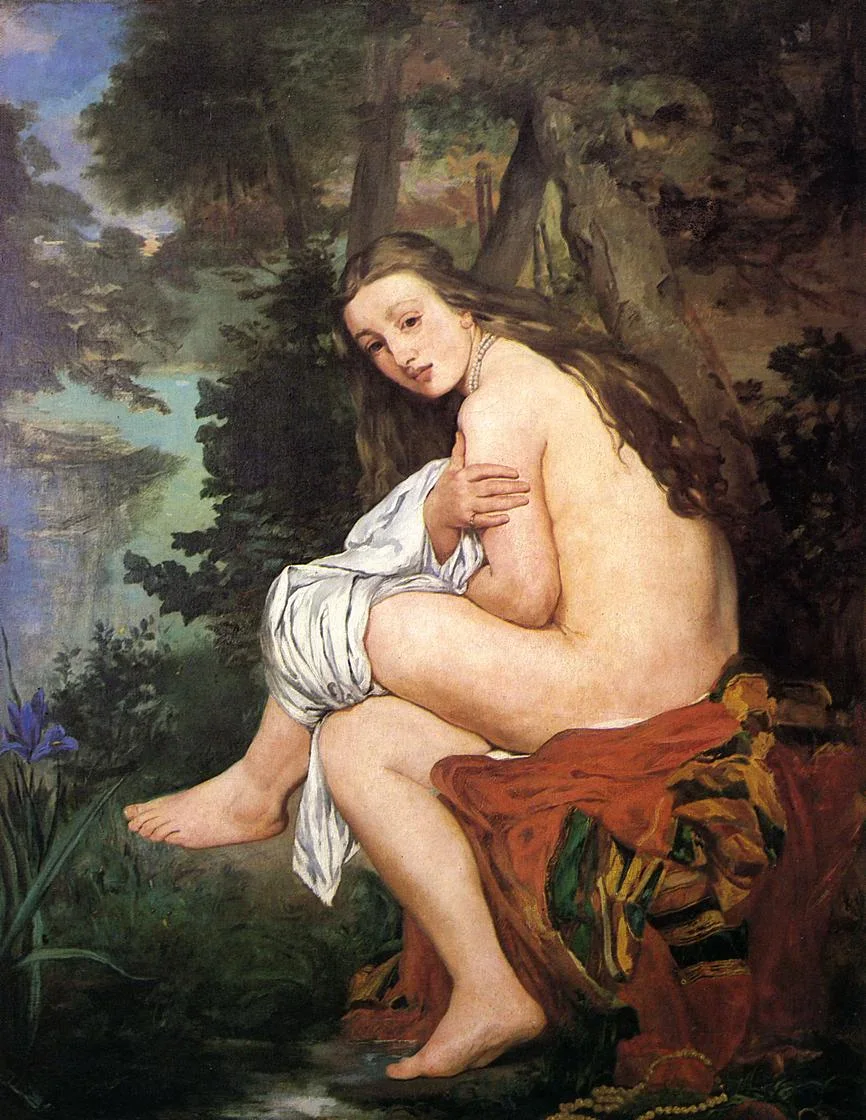
La Nymphe surprise
This woman was cut out of a much bigger painting. Manet began a large painting of Moses saved from the waters, then gave it up and cut it down to the seated nude. What is left is a young woman beside a lake in the woods. She wears only white pearls at her neck and a ring on her little finger, with a blue iris growing near her left foot. Her glance is startled and shy, as if you have disturbed her. A small sketch in Oslo holds what the larger work contained. Beside the nymph, another woman seems to comb her hair, and on the left a third bends to pick something from a riverbed. Both were cut away. The model was his secret lover, Suzanne Leenhoff, a Dutch pianist who had taught him and his brother. He married her two years after this and kept the painting with him all his life. In 1871 he listed it among his best unsold works. Behind her, in the leaves, the head of a faun or a satyr may have been hidden. It shows in old photographs of the painting.
Listen in the appÉdouard Manet · Public domain
02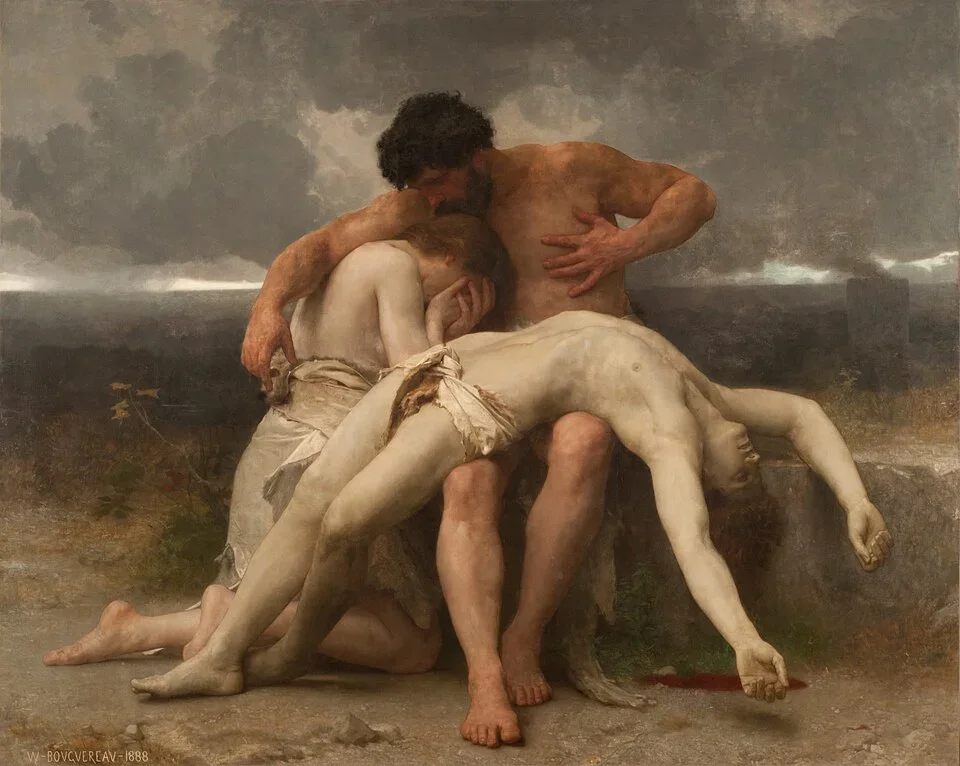
The First Mourning
What does grief look like, the first time anyone has felt it? A man holds a dead young man across his knees, and a woman kneels close beside him, weeping. They are Adam and Eve, and the young man is their son Abel, killed by his brother Cain. It is the first human death in the Bible. The way Adam holds the body is like the old Pieta, where the Virgin Mary gathers her dead son onto her knees. Bouguereau gave that shape to a father. His own second son had died not long before, and he wanted to capture death and what comes after it. Adam holds his own heart, as though it might break with pain. Abel's body is whole, with no mark of the murder on it. Only a stain of blood on the ground says how he died. The deepest grief is in Eve's face, hidden in her hands. Farther back stands an altar, with Abel's offering on it, and smoke from it rises into the clouds. That is the offering that turned Cain against his brother.
Listen in the appWilliam-Adolphe Bouguereau · Public domain
03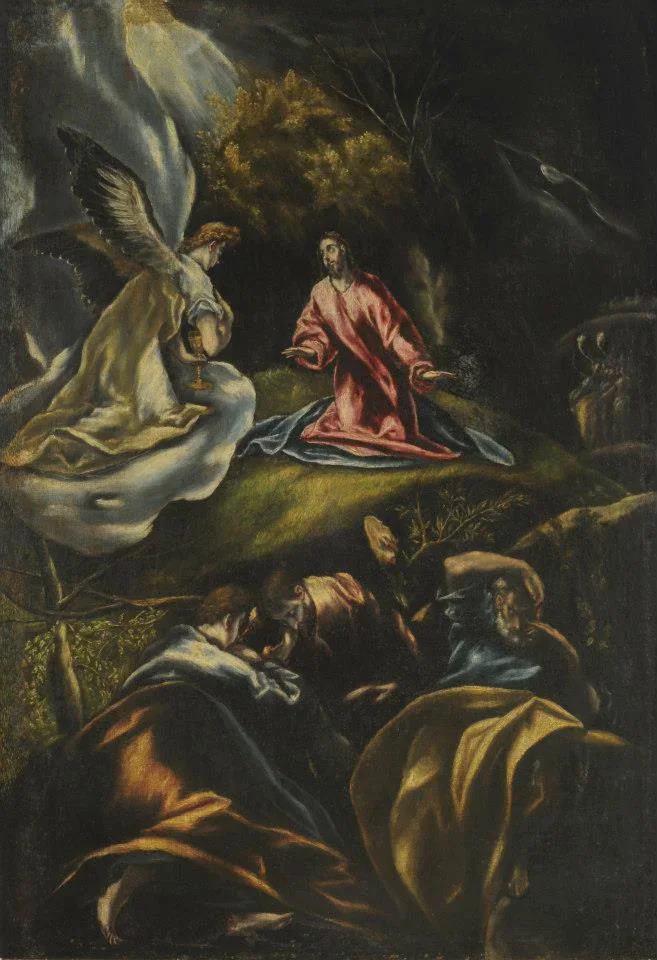
Agony in the Garden
Jesus is on his knees in the garden, not flat on his face. The moment comes after the Last Supper, before the betrayal, and all four gospels include it, though John only introduces it. The other three tell it in full. El Greco worked mainly from Matthew and Mark, whose two versions are almost the same. In both of those, Jesus falls face down. For the kneeling, he turned to Luke. Luke is also where the angel comes from, the one offering the chalice of the Passion to Christ in ecstasy. So the painting follows no single gospel. He joined several together, and the kneeling is how you can tell. What is still not known is how much of this painting is his own hand and how much belongs to his workshop.
Listen in the appEl Greco · Public domain
04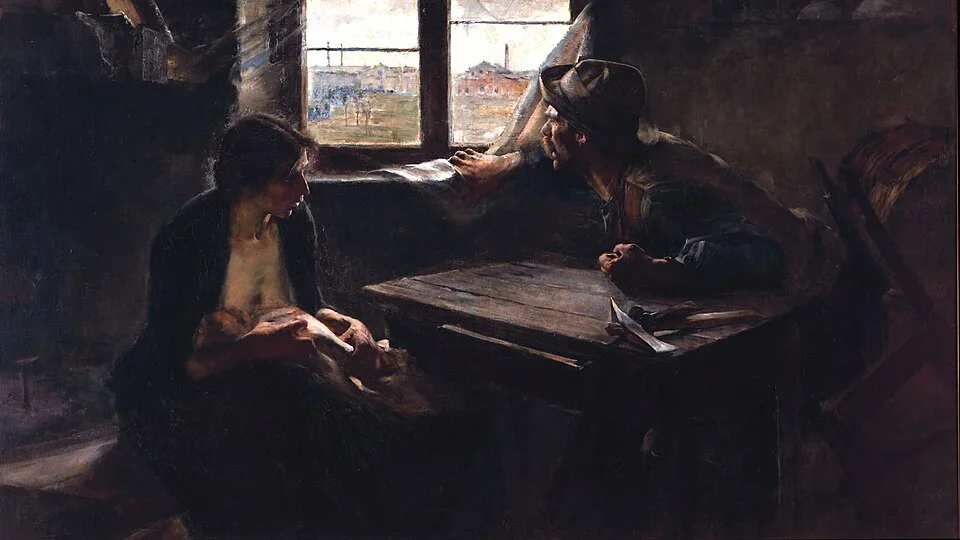
No bread, no work
A painting about hunger and no work was a new thing in Argentina when this was finished in 1894. It was the first major work there to take social issues as its subject. Argentina was growing rich on exports of grain, wool, meat and leather, and immigrants were arriving in Buenos Aires from Italy and Spain. But the wealth was not shared. Workers would not have basic labor rights until the 1940s. Four years earlier, the Baring crisis had brought a recession and mass unemployment. Its painter, Ernesto de la Cárcova, belonged to the Centro Obrero Socialista, the group that came before the Socialist Party. The work was first shown in Buenos Aires in 1894. In 1904 it was sent to the World Fair in Saint Louis, where it won the Grand Prize and appeared in newspapers. It has hung in the National Museum of Fine Arts since 1906. More than a century later, it is still part of arguments about those years. Javier Milei has often said Argentina should go back to that era. In September 2024, Cristina Fernández de Kirchner pointed him to this painting, to learn how hard life was for workers then.
Listen in the appErnesto de la Cárcova · Public domain
05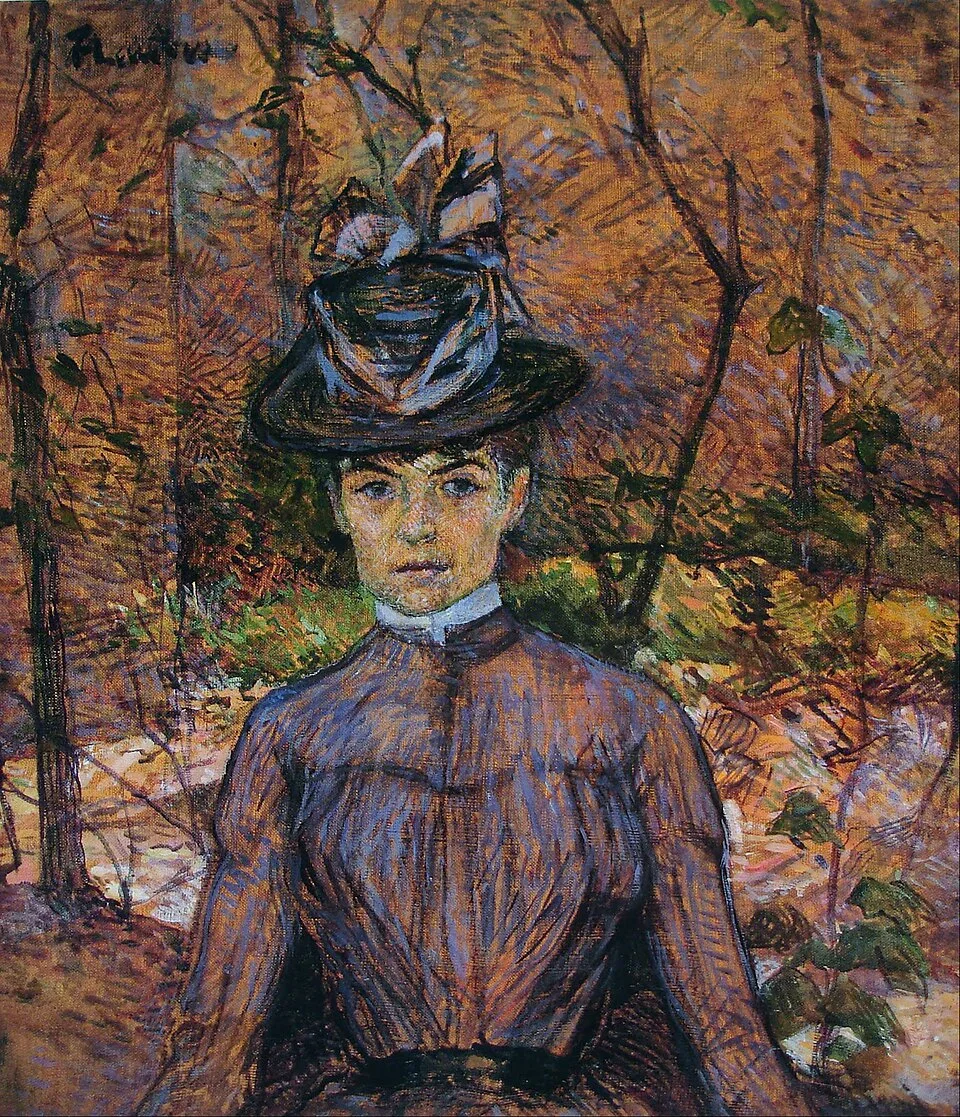
Portrait of Suzanne Valadon
A woman comes straight toward you in a fashionable purple dress, with a hat to match. Behind her, plants in autumn colors. The colors around her are close to her own, but the light on her sets her apart from them. Suzanne Valadon was a painter herself, as well known as Lautrec was at the time. He made many portraits of her and helped her find her place in the art world. The two were friends in Montmartre, and the town took them for lovers. That ended in 1888. Valadon went on to be the first woman admitted to the Société Nationale des Beaux-Arts, in 1894. He painted this portrait in 1885, while they were still close.
Listen in the appHenri de Toulouse-Lautrec · Public domain
06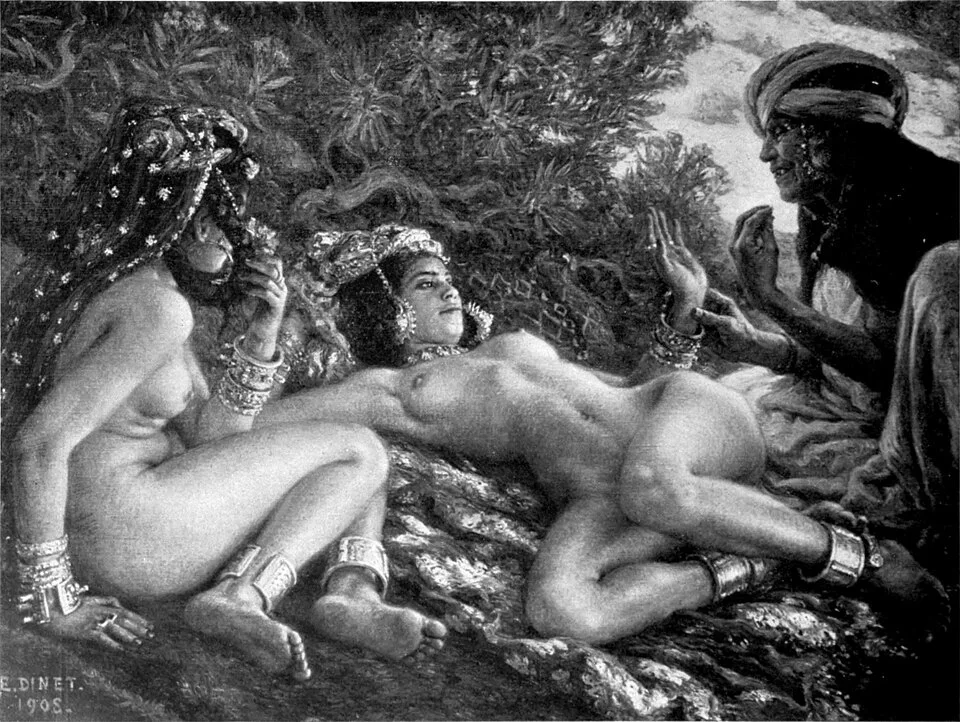
Satan's messenger
Who is Satan's messenger? The title gives this figure a second name, Mersoulet Iblis, which means messenger of Iblis. Iblis is the Devil in Islam, much like Satan in the Christian and Jewish traditions. The painter was a Frenchman. Algeria so captivated him that he converted to Islam and took the name on your screen, Nasreddine, meaning defender of the faith. He painted this in Algeria in 1908. The next year it went on show in Paris, at the Société Nationale des Beaux-Arts. In 1911 Carlos Madariaga and Josefa Anchorena de Madariaga gave it to this museum in Buenos Aires. And in 1931 it was shown again in Paris, at the International Colonial Exhibition.
Listen in the appNasreddine Dinet · Public domain
07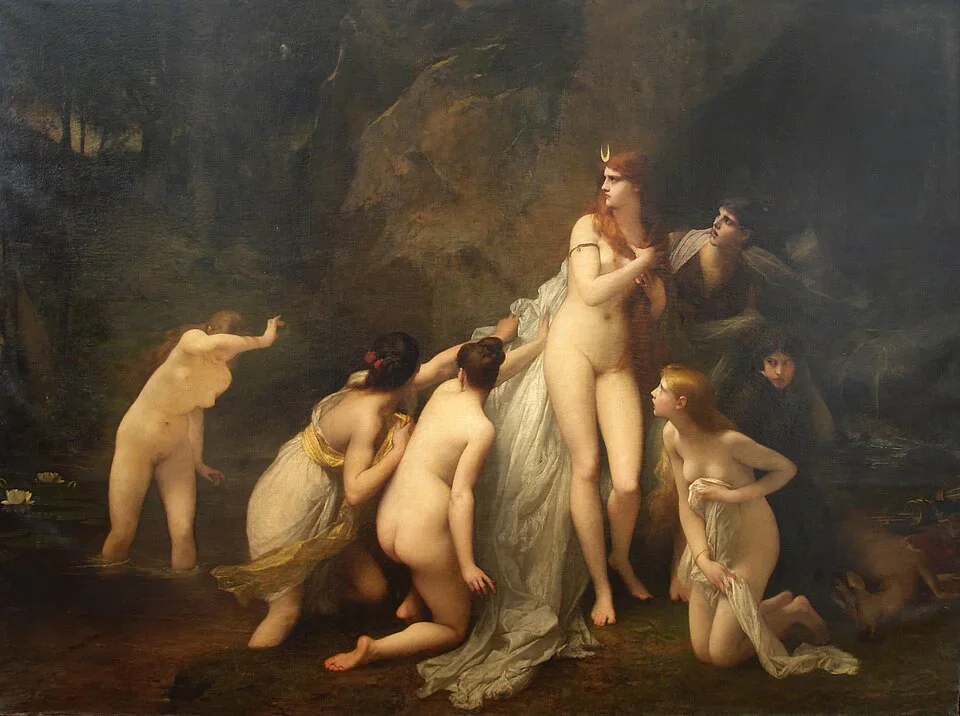
Diana Surprised
A moment ago they were in the stream. Now Diana and her nymphs are on the bank, reaching for cloths to cover themselves. Someone has come upon them. Every one of them has turned toward the forest, up in the left corner. The goddess has red hair, and anger fills her gaze. Revenge is close. On the bank at the lower right lies a deer they killed in an earlier hunt. In the old tale, the hunter who came upon Diana was turned into a deer and torn apart by his own dogs. The dead animal hints at what awaits the intruder. Lefebvre did not think the painting was finished in time for the great exhibition of 1878. It appeared at the Salon the following year, with a short poem by Georges Lafenestre in the catalog. Whether the hunter who surprised them is Actaeon, the picture leaves open.
Listen in the appJules Lefebvre · Public domain
08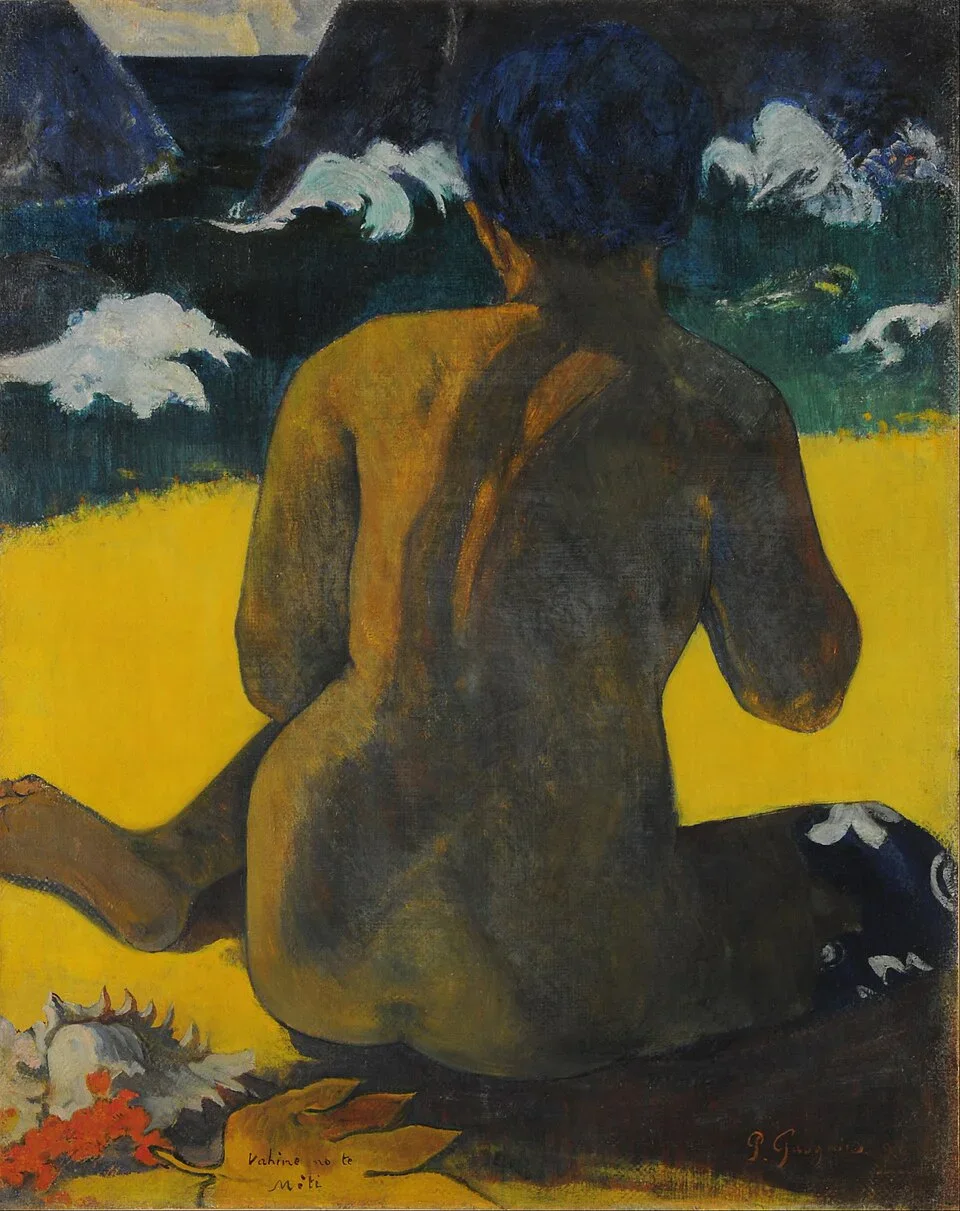
Woman at the beach
Gauguin came to Tahiti in the eighteen nineties to get away from Western civilization. On his first stay there he painted this woman from behind. Around April 1892 he listed the paintings from that stay in his notebook and called this one a study of a nude back. She sits on the beach with her back to you, a Tahitian woman, her gaze and right ear turned toward the ocean. The crests of the waves are tied by shape and color to a shell lying on the beach. And the tiaré flowers in the pareo's pattern on her knee carry those same shapes and colors.
Listen in the appPaul Gauguin · Public domain
09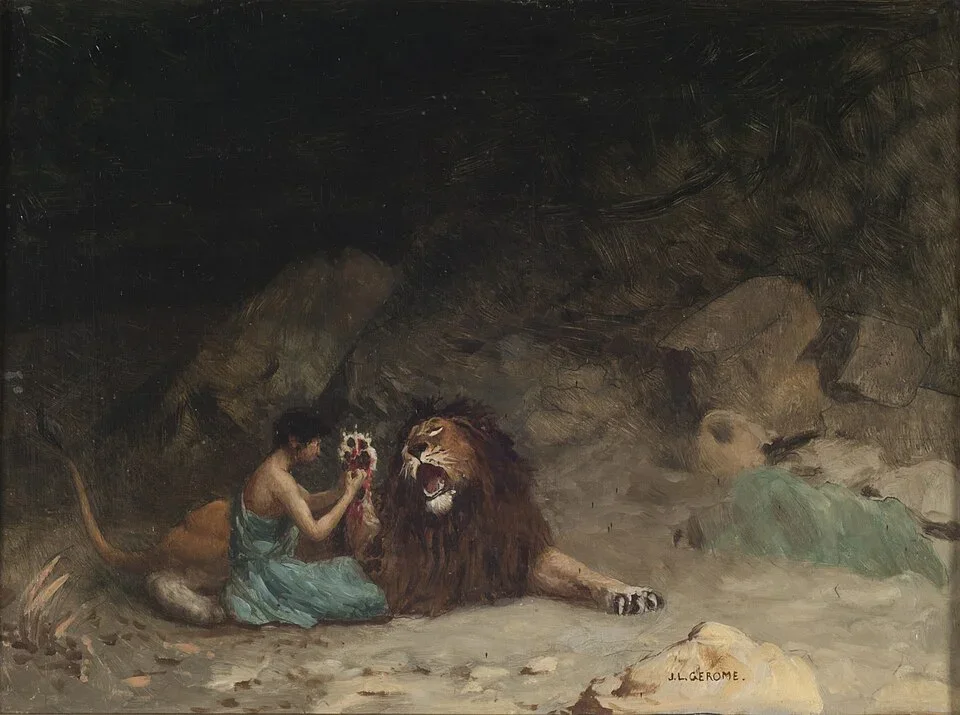
Androcles
The lion's eyes are closed, even with its mouth hanging wide open. A pair of hands is easing a thorn out of its right paw, and the wound is bleeding. Those hands belong to Androcles. He was a slave who ran away from his master and took refuge in the desert. In a cave he found this lion, stuck and unable to move because of the thorn. He got it out and dressed the wound, and for a time the two lived together. Gérôme chose that early moment, the healing, before any of the arena. He returned to the arena again and again, often as a place of violence. Here he chose a more hopeful moment. The young man leans toward the injury and keeps his face mostly out of sight, so the lion carries the feeling. Its claws are spread wide. Later Androcles was captured and condemned to the beasts. The lion sent against him was the very same one. It recognized him and spared him. When the emperor heard the story, he freed Androcles and gave him the lion. And the old story ends with Androcles leading the animal through the city on a leash, and people bringing him offerings.
Listen in the appJean-Léon Gérôme · Public domain
10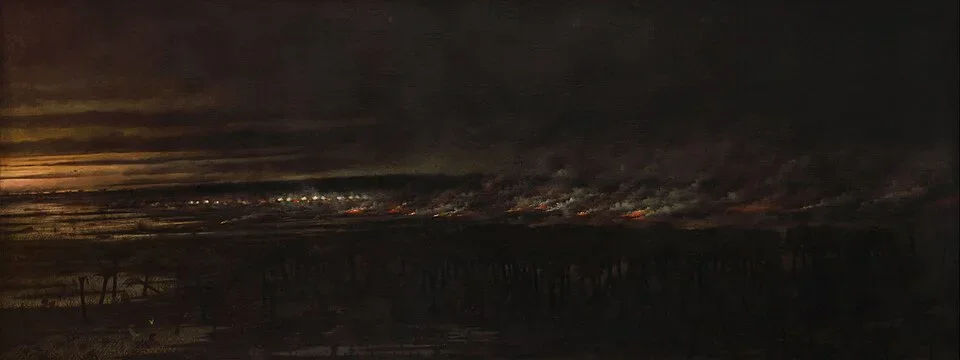
Yataytí Corá, 2 de julio de 1866
This was painted with the left hand. Cándido López lost his right arm to a grenade in the war, and made the picture with the one he had left. He had enlisted in the San Nicolás National Guard battalion and taken part in some of the army's fighting. When there was a pause, he painted camps and landscapes, and went up to high ground to sketch. That high view is still here. It pushes the distance far away. Yataytí Corá was the final battle of the War of the Triple Alliance. Rockets started a forest fire, and grassland was burned to hold back the other side. In the last fighting before dawn, fire had darkened the ground, and soldiers fired blind, sometimes hitting their own comrades. When it ended, most of the field was burning. Many soldiers and much of the population died choking on the smoke. Here trees and burnt grass are what can be made out, and the figures are nearly invisible. The picture is long and horizontal, the shape of a postcard. That let him put many actions into one view. Clouds, sky and landscape sit at the horizon, and almost all the rest is dark.
Listen in the appLuis Candido Lopez · Public domain
- 11
Dum Romae consulitur morbus imperat
Giulio Aristide Sartorio · c. 1880–1882
- 12
Juliette Courbet at the Age of Ten
Gustave Courbet · c. 1841
- 13
Bust of a Woman
Amedeo Modigliani · 1917–1920
- 14
The Coiffure
Berthe Morisot · 1894
Museo Nacional de Bellas Artes
Frequently asked questions
How much does the guide cost?
Free app download. Free until 1 January. Listed guide price: $0.99. Audio guide only. Venue admission is separate.
Can I listen without internet?
Yes. Download the guide’s audio, images, and maps in the app before your visit. Your downloaded content is then available offline.
Can I listen in my language?
In English for now. More languages soon.
Do I need to follow a schedule?
No. This is a self-guided experience. Choose your stops, pause whenever you like, and return to a story at your own pace.
Which artworks are in the Museo Nacional de Bellas Artes audio guide?
14 artworks, including La Nymphe surprise (Édouard Manet), The First Mourning (William-Adolphe Bouguereau), Agony in the Garden (El Greco), No bread, no work (Ernesto de la Cárcova), Portrait of Suzanne Valadon (Henri de Toulouse-Lautrec), Satan's messenger (Nasreddine Dinet), Diana Surprised (Jules Lefebvre), and Woman at the beach (Paul Gauguin). The full list is on this page.
Is this the museum’s official audio guide?
No. Stanza is an independent audio guide app and is not affiliated with Museo Nacional de Bellas Artes. Museum admission is separate.
At your own pace
Explore Museo Nacional de Bellas Artes.
Download Stanza, then search for “Museo Nacional de Bellas Artes”.
Free app download · Guide price shown in the app
Keep exploring
Audio guides — Argentina
Buenos Aires · 2 km
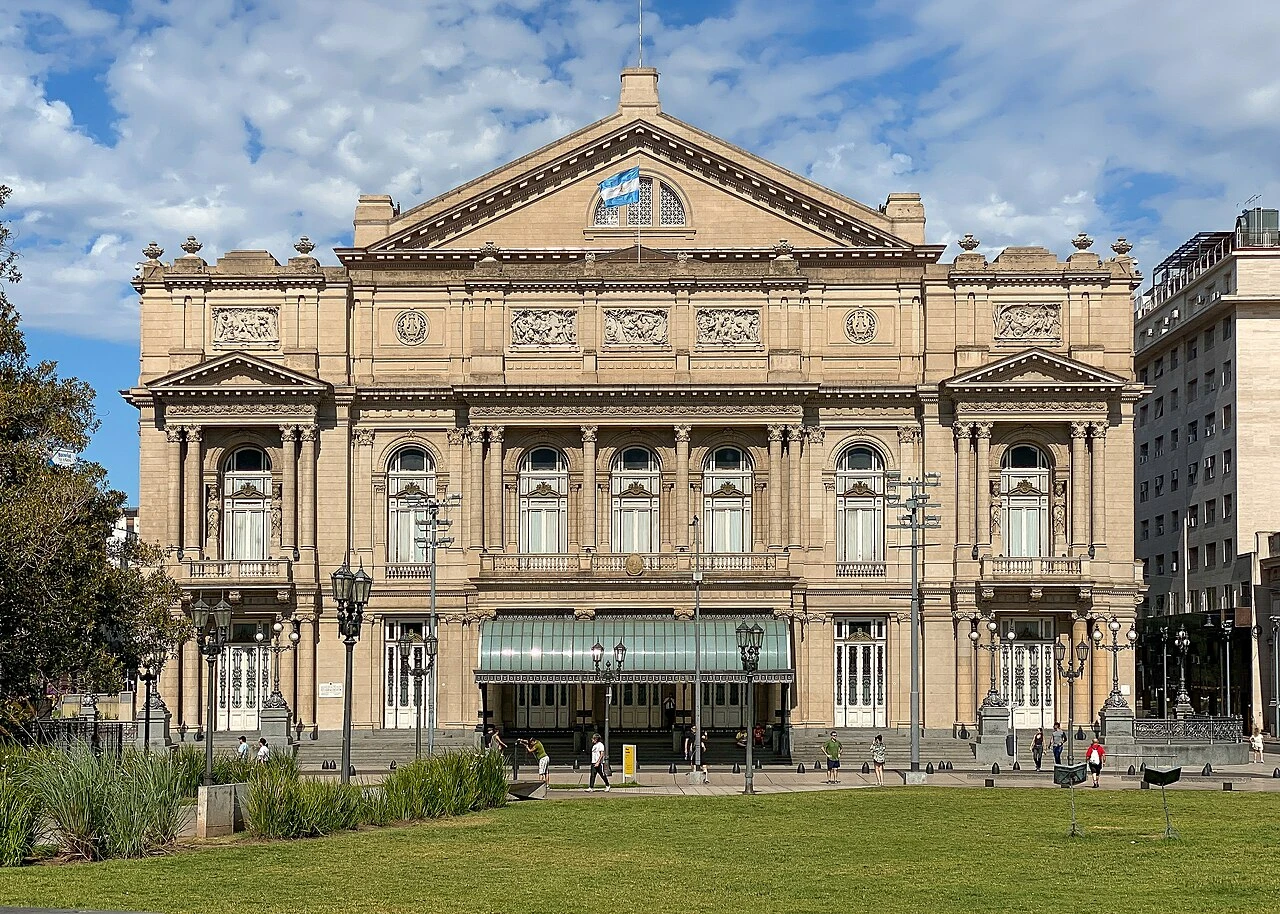
Teatro Colón
Content & sources
Photo: EEJCC · CC0
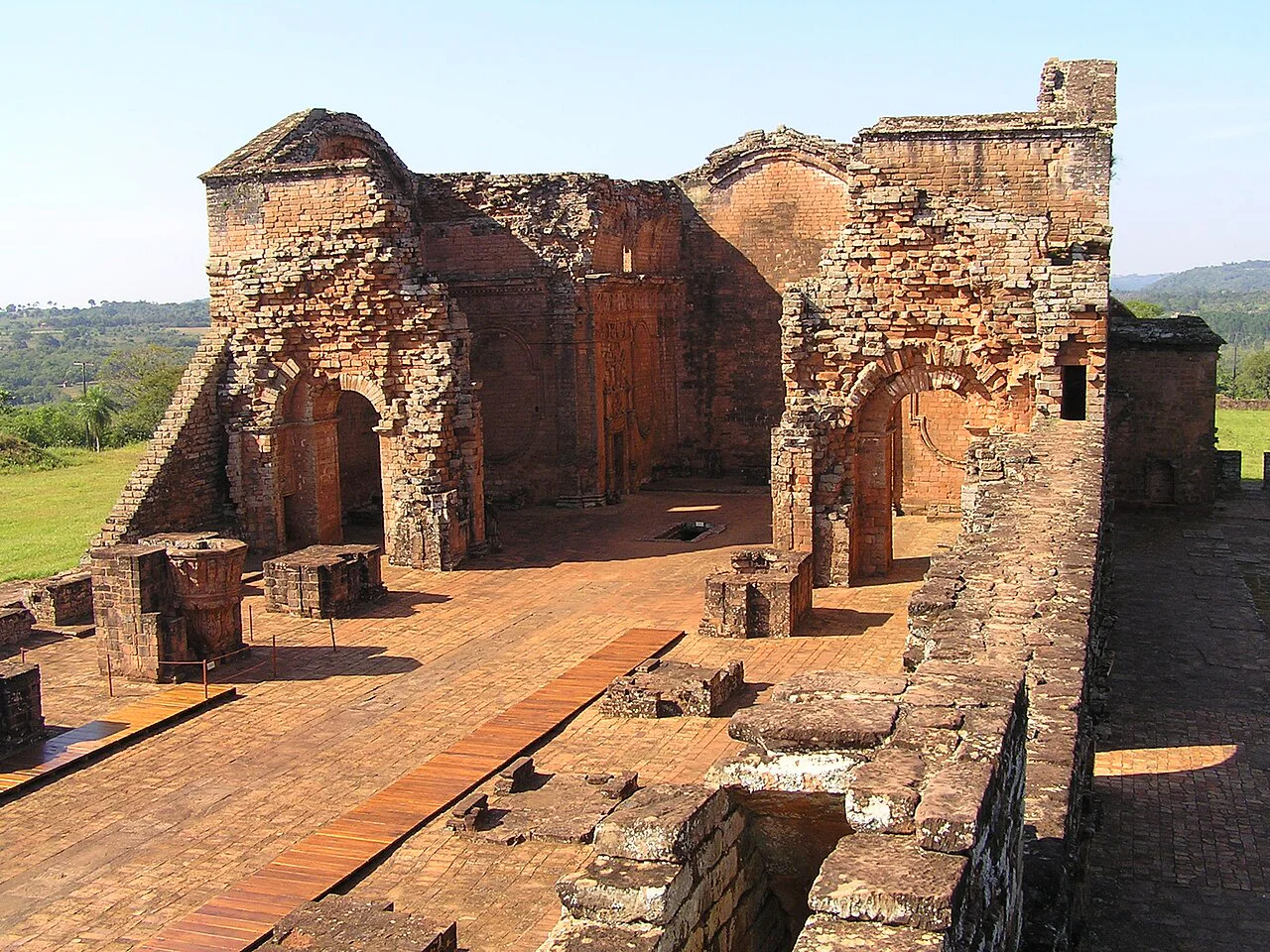
Trinidad
La Santísima Trinidad de Paraná
Content & sources
ogwen · CC BY-SA 3.0
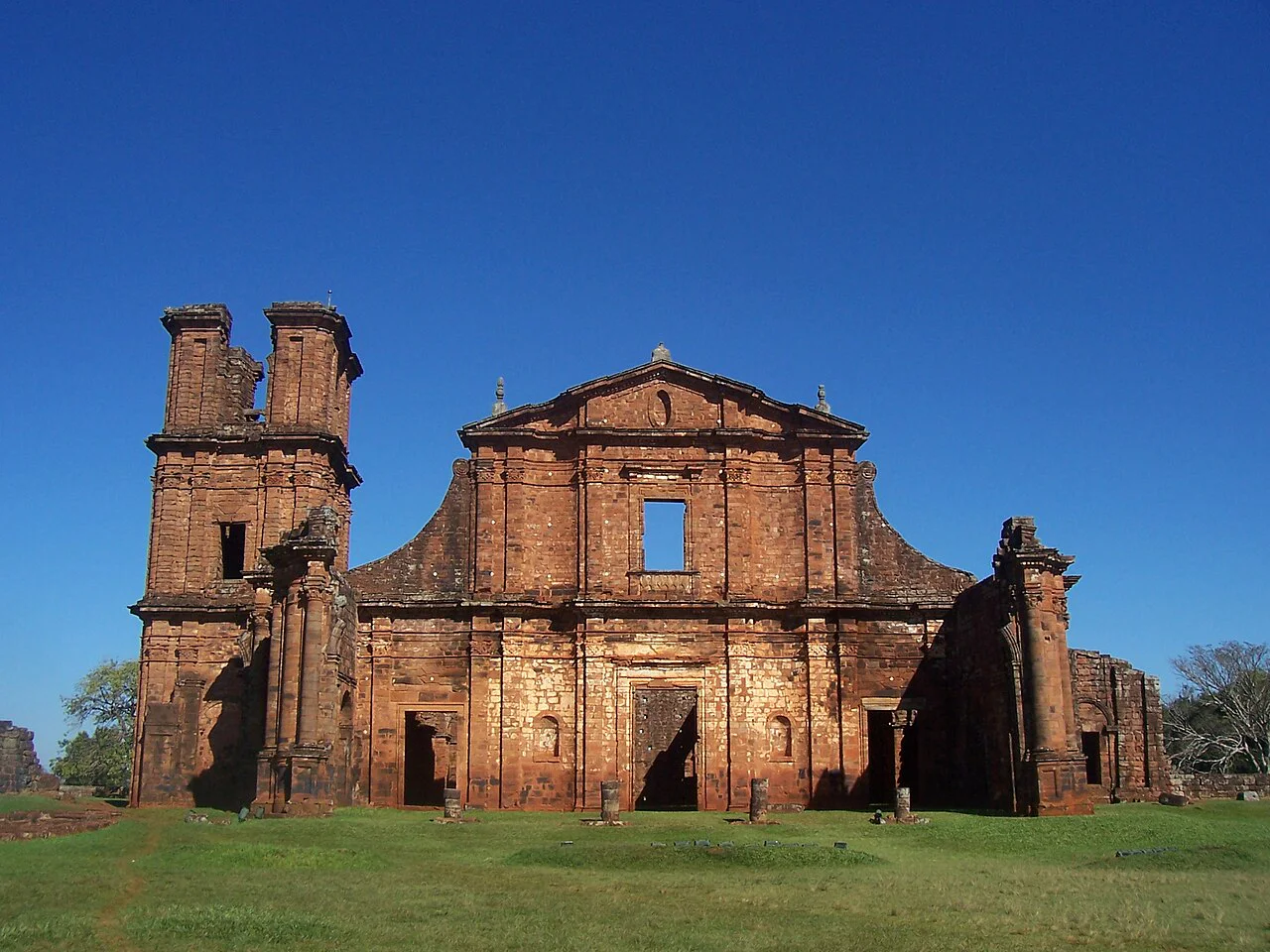
São Miguel das Missões
Sítio Arqueológico de São Miguel Arcanjo
Content & sources
Leandro Kibisz (Loco085) · CC BY-SA 3.0
Art museums
More art museum audio guides

São Paulo · 58 artworks
Museu de Arte de São Paulo
Content & sources
Photo: ProtoplasmaKid · CC BY-SA 4.0
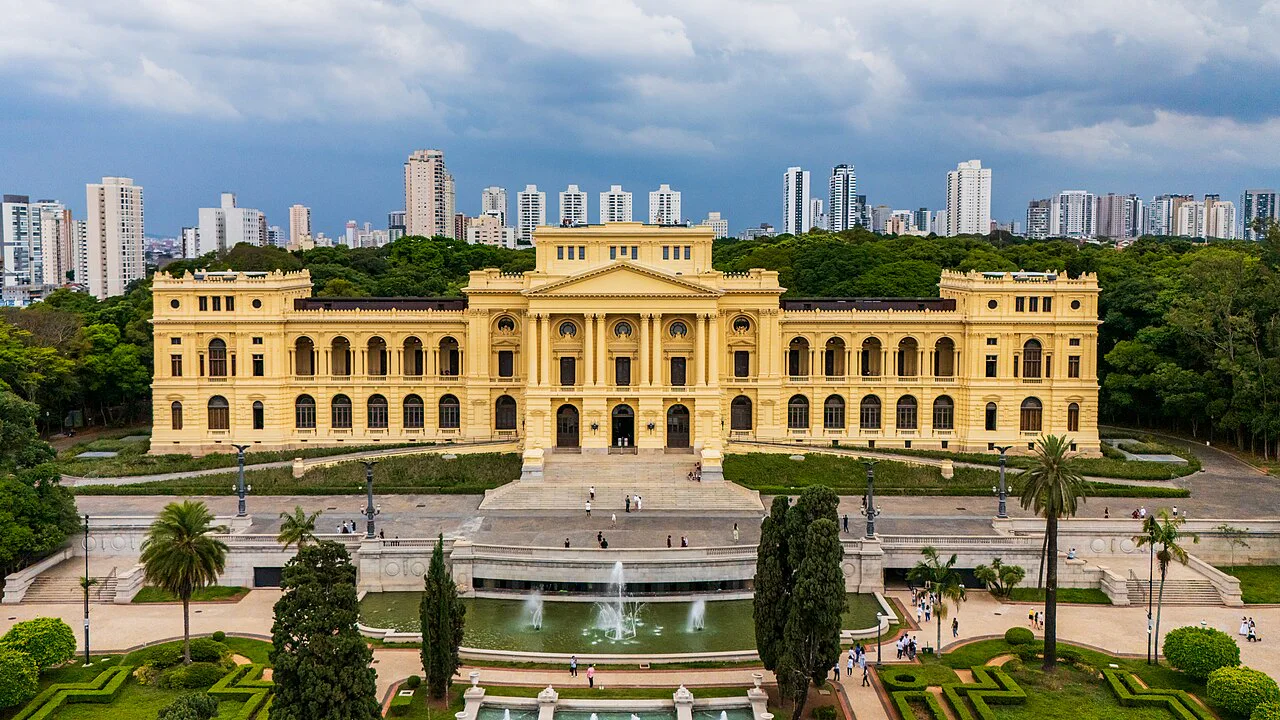
São Paulo · 67 artworks
Museu do Ipiranga
Content & sources
Photo: ProtoplasmaKid · CC BY 4.0
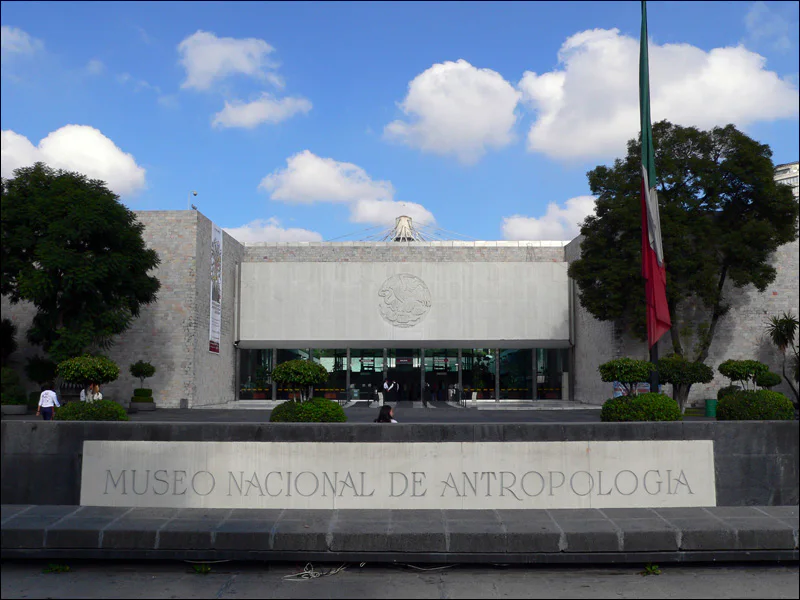
Mexico City · 19 artworks
Museo Nacional de Antropología
Content & sources
Photo: Kornemuz · CC BY-SA 3.0
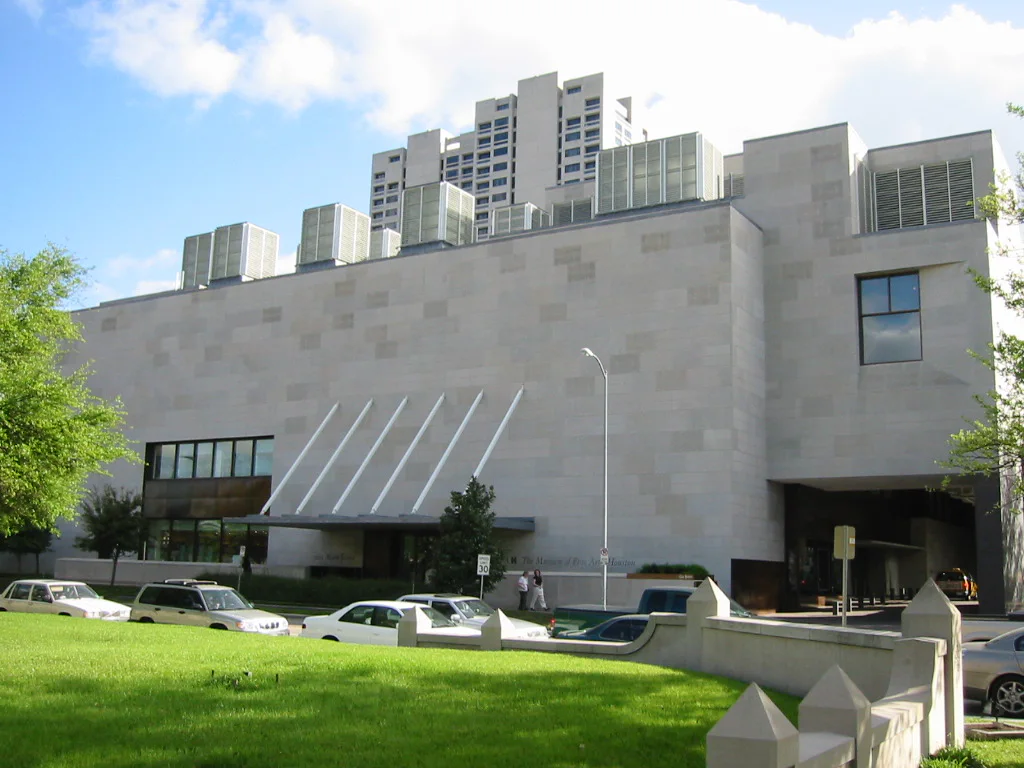
Houston · 60 artworks
Museum of Fine Arts, Houston
Content & sources
Judson Dunn from Houston, USA · CC BY-SA 2.0
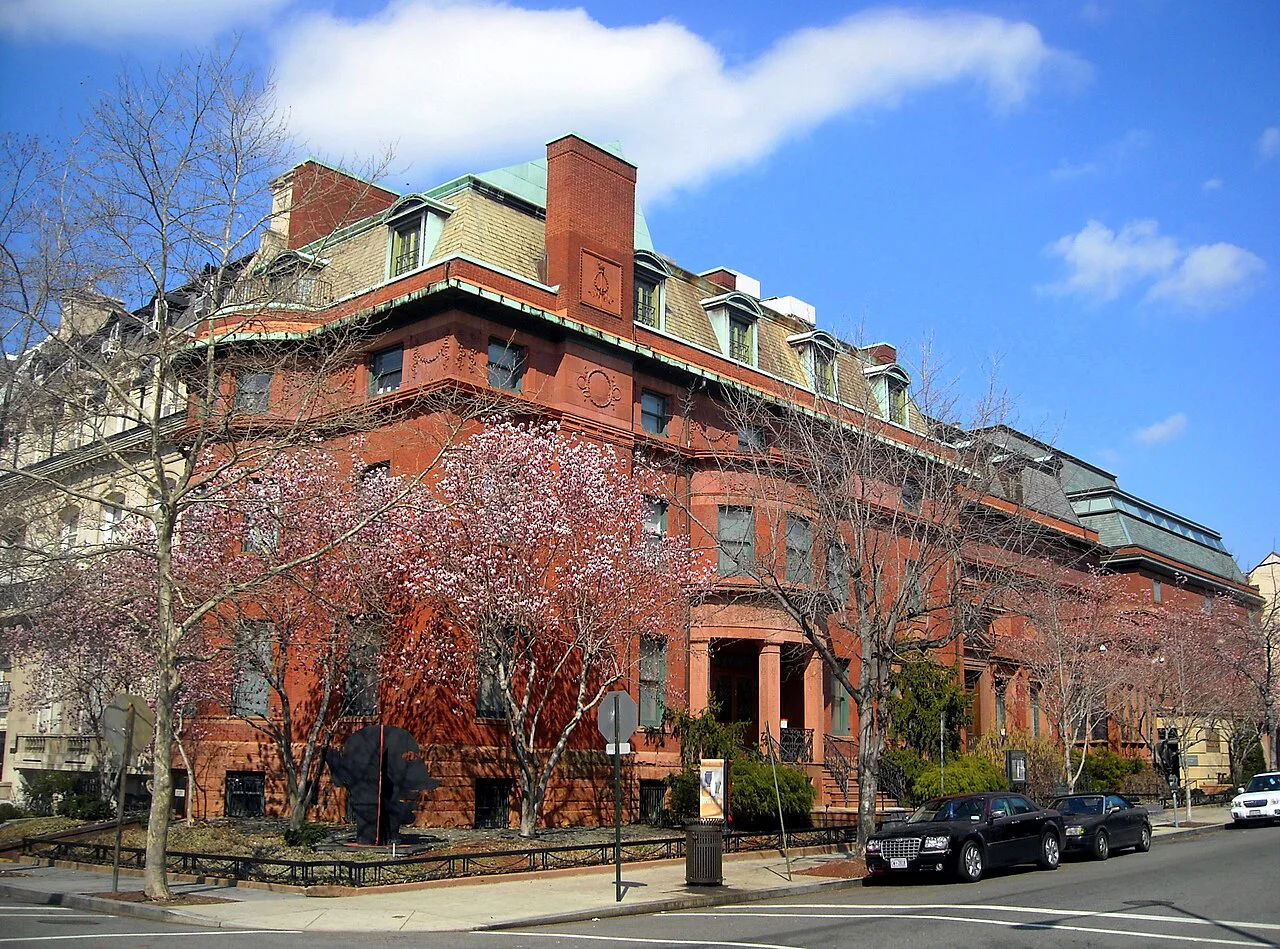
Washington, D.C. · 15 artworks
The Phillips Collection
Content & sources
APK · CC BY-SA 3.0
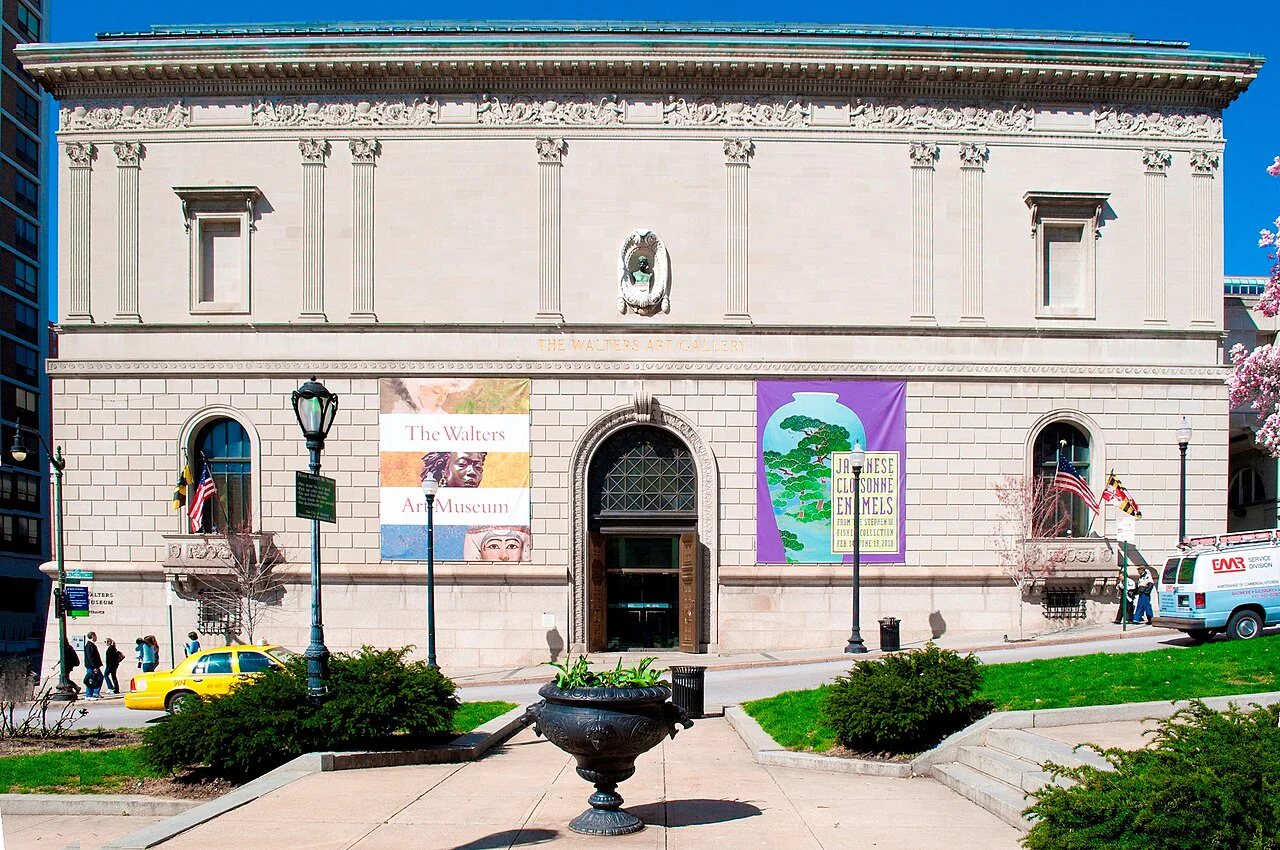
Baltimore · 60 artworks
Walters Art Museum
Content & sources
Dylan k · CC BY-SA 3.0