 Stanza / Audio guide
Content & sources
Stanza · Audio guide
Museum of Fine Arts, Houston Audio Guide
A place to remember. A story to take with you.
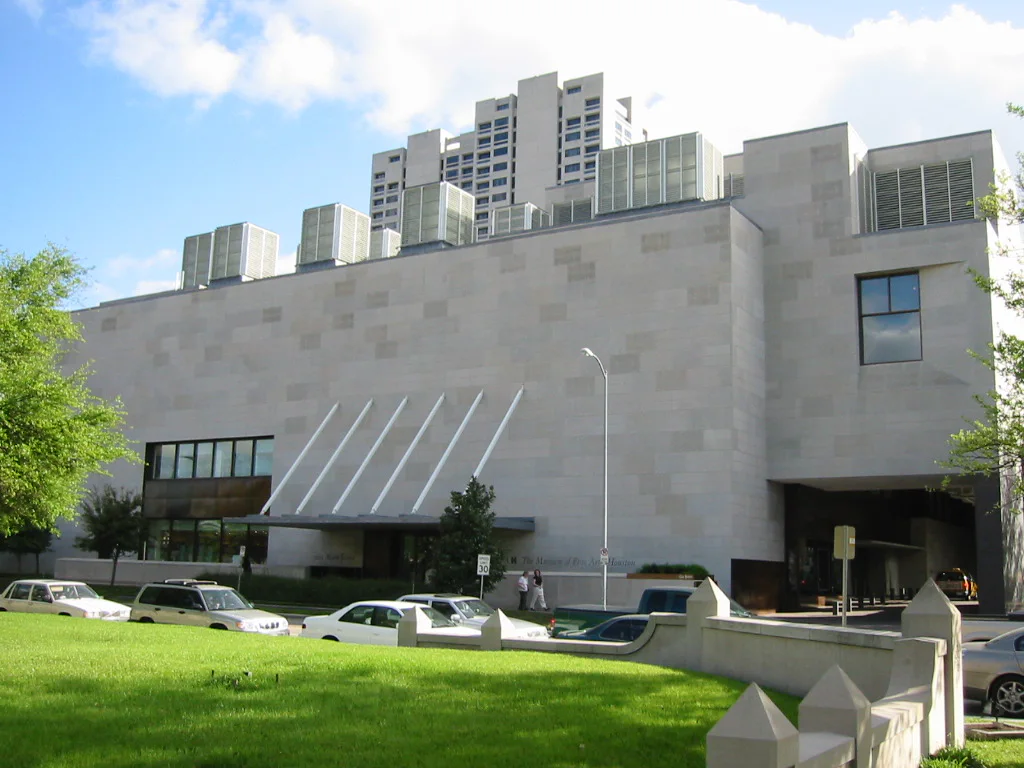
The Museum of Fine Arts, Houston is an art museum located in the Museum District of Houston, Texas. Its permanent collection spans more than 5,000 years of history with nearly 80,000 works from six continents.
Download Stanza, then search for “Museum of Fine Arts, Houston”.
About the tour
One guide. Your kind of visit.
The Museum of Fine Arts, Houston is an art museum located in the Museum District of Houston, Texas. Its permanent collection spans more than 5,000 years of history with nearly 80,000 works from six continents.
The Museum of Fine Arts, Houston guide tells the stories of 60 artworks, including Leda and the Swan (Peter Paul Rubens), The Elder Sister (William-Adolphe Bouguereau), Les orangers (Gustave Caillebotte), Ariadne Abandoned by Theseus (Angelica Kauffmann), Portrait of an Elderly Woman (Hans Memling), The Entrance to the Grand Canal, Venice (Giovanni Antonio Canal), Saint Michael Fighting the Dragon (Albrecht Durer), and Woman with Phlox (Albert Gleizes). Every artwork is free to hear in the Stanza app until 1 January.
Ready when you are.
- 01Get the free Stanza app.
iOS & Android
- 02Find your guide.
“Museum of Fine Arts, Houston”
- 03Download before you go.
Works offline
Audio guide / 60 artworks
Inside the guide
Get to know a few of the stories before you go. Open a stop to read more.
01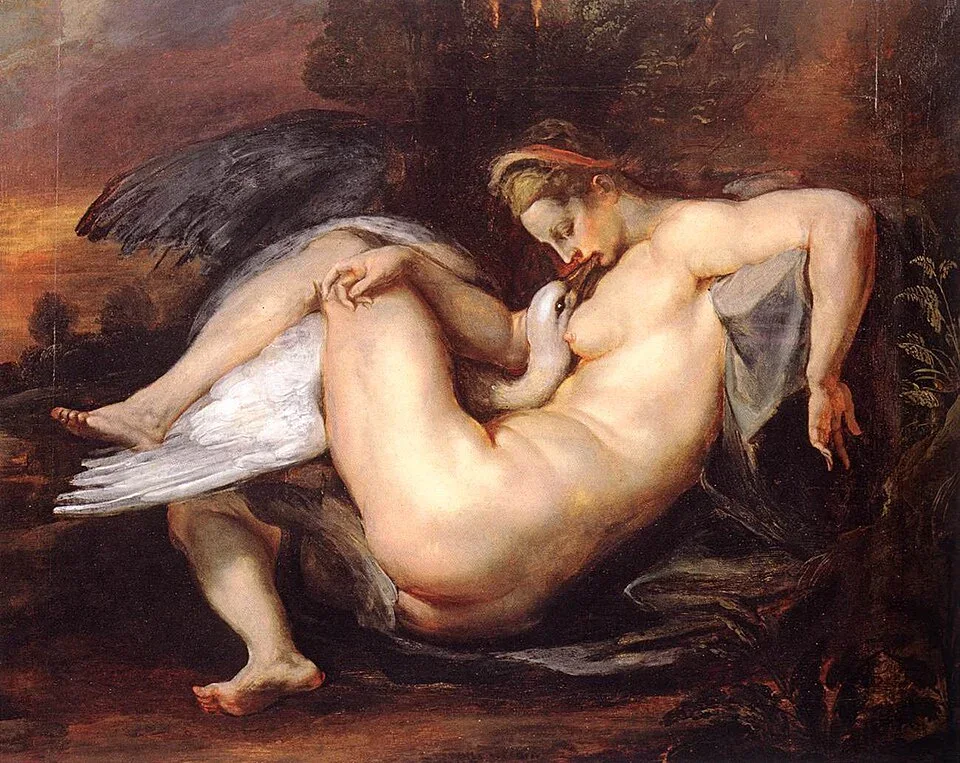
Leda and the Swan
It is easy to walk right past Leda's fingers. But their position is no accident. They are placed exactly as Michelangelo placed them, in a Leda whose original is lost. We know that painting from copies and prints, and from pictures like this one. Rubens went to Rome to copy pictures and study the art of the century before him. There he found Michelangelo's Leda and made it the model for two versions of his own. In both, the turning body and the twist of the pose follow that lost picture. He kept its shape. What he changed was the woman. Michelangelo's women were hard and muscular, their hair neatly dressed. This one is soft and full, her hair loose and golden, her skin pale. That curving figure became the woman Rubens was known for. The swan is Zeus, who took that shape to reach Leda. She was married to Tyndareus, king of Sparta, and that same night she lay with him too. Four children came of it, two pairs of twins. The swan's head rests against her chest, and the bird looks graceful. But this is the moment of the assault, and that grace belongs to an animal that can ravish.
Listen in the appPeter Paul Rubens · Public domain
02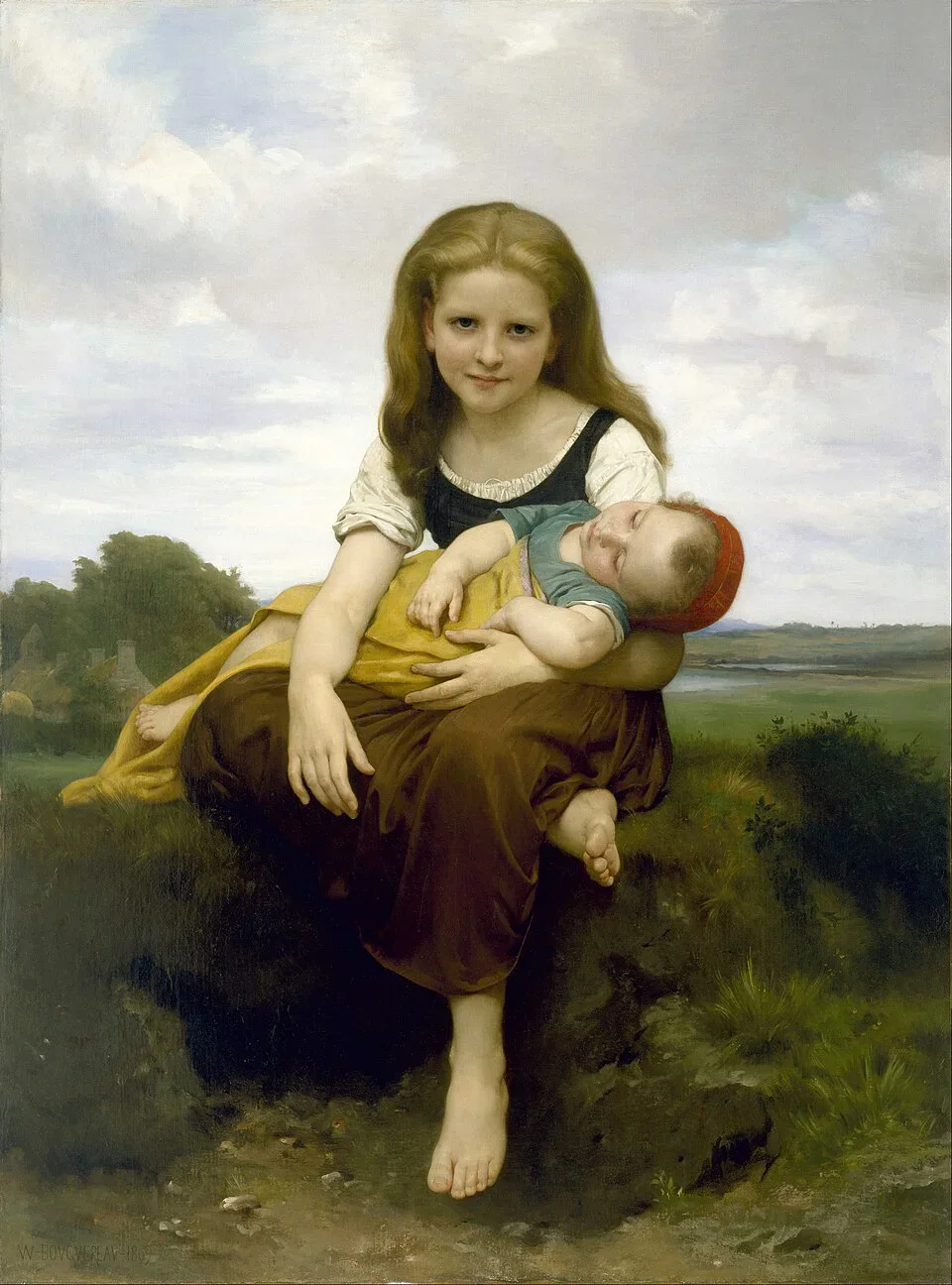
The Elder Sister
A girl sits on a rock with a baby asleep across her lap, and she looks straight out at you. She is the elder sister, and the child is her little brother. But they are brother and sister in life as well. Bouguereau used his own children as the models, drawing their faces with great care and giving the same attention to how their bodies are placed. His daughter Henriette sat for the girl, and his son Paul for the baby. That care leaves them looking calm and peaceful, their clothes spotless, a quiet countryside behind them. The painting came to Houston in 1992, a gift from a woman who wanted it in memory of her father.
Listen in the appWilliam-Adolphe Bouguereau · Public domain
03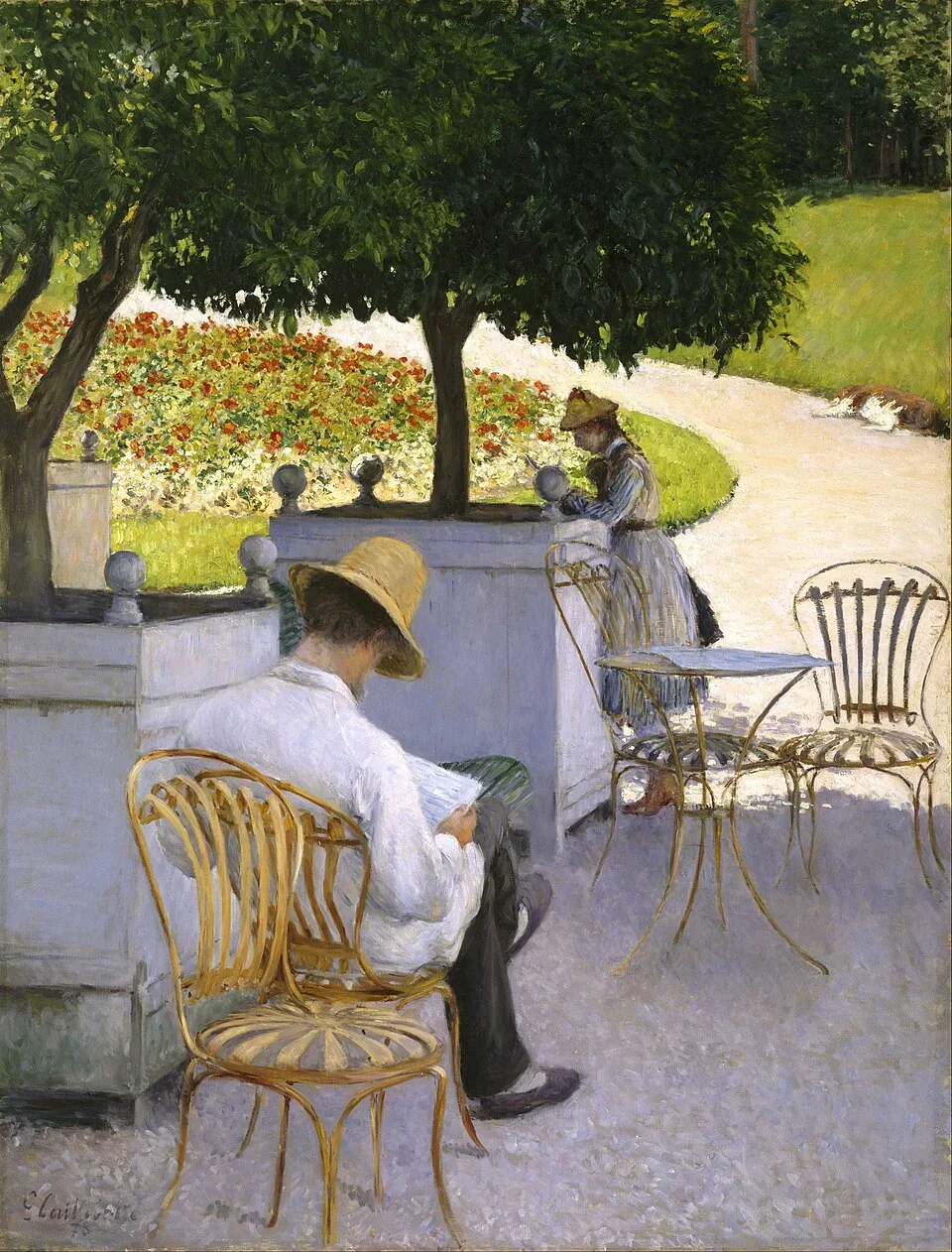
Les orangers
A sharp edge of shade runs along the bottom of the scene, and beyond it the garden is full of sun. Martial is sitting in that shade with his back to you, reading. His cousin Zoé stands a few steps ahead beside one of the large tubs the orange trees grow in. It is an afternoon at the family's estate at Yerres, and the two of them are spending it quietly, each with their own thoughts. The painter was one of the keenest gardeners among the Impressionists. He pruned his fruit trees to keep them compact and neat, more formal than the wild settings other painters liked. In 1878 he painted this whole scene outdoors, on a canvas so large that he had to work fast, before the light changed. The light here is split cleanly in two. Deep shade covers the foreground, and bright sun falls on the lawn and flower beds. It is not the soft dappled light of Renoir and Monet. You can feel the heat of the afternoon in that hard edge. That March he had acquired Monet's Le Déjeuner, another large canvas painted outdoors. It is likely to have influenced this picture.
Listen in the appGustave Caillebotte · Public domain
04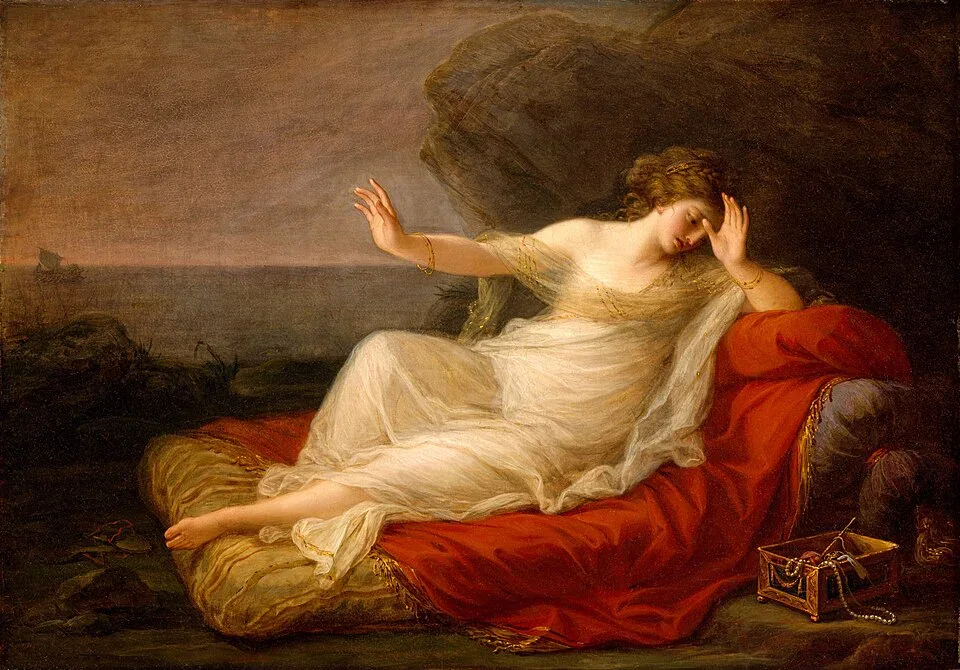
Ariadne Abandoned by Theseus
No one can tell from this painting how Ariadne's story ends. She has just woken on Naxos, and Theseus is gone. His ship is off to the left, sail raised, heading for a pale pink horizon. There is no one else with her, and no Bacchus in the picture. The myth leaves three ways for it to finish. She hangs herself, or she is left on Naxos to die, or Bacchus finds her and marries her. This painting stops at the moment of waking, before any of them. History paintings, scenes drawn from myth and literature, had been made only by men. Kauffman seems to have been the first woman to take them on. Many academics of her day were open about disliking a woman in that role. In 1774 she showed this at the Royal Academy with two other paintings about women whose loved ones were away. George Bowles, one of her greatest supporters, bought it. We do not know whether he asked for it first or got it after the exhibition. Ariadne's back is to the sea. One hand reaches out, the other covers her face. A bare foot hangs over the cushion's edge, and under her is a red blanket edged with gold tassels. Directly behind her, a large rock blocks the view of the sea.
Listen in the appAngelica Kauffmann · Public domain
05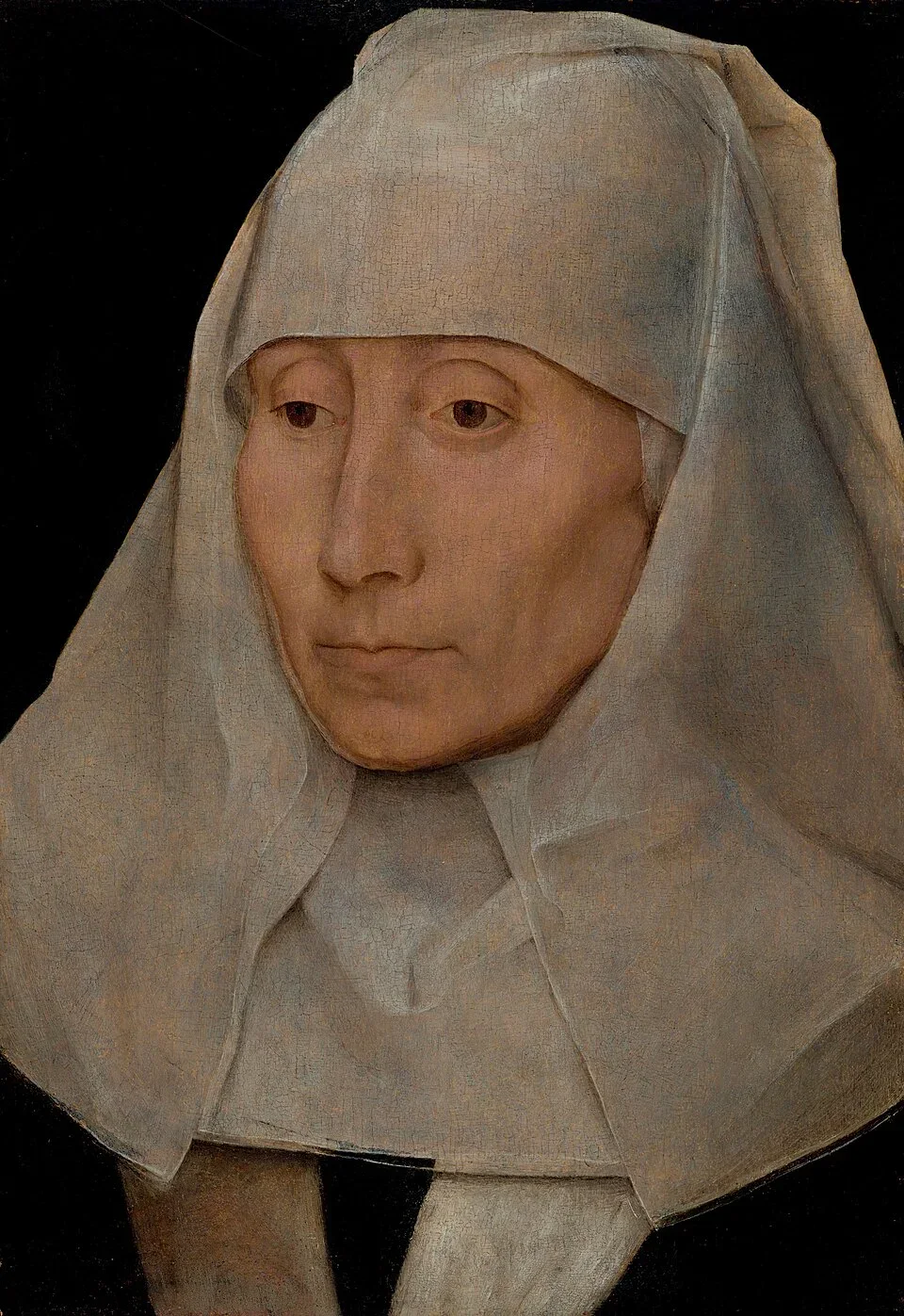
Portrait of an Elderly Woman
Why does this woman's face fill the panel right up to its edges? Because the panel was cut down on all four sides. What remains is part of a larger painting, probably one half of a pair that was broken apart. A portrait of an elderly man, most likely its partner, is now in New York. The image was changed too. An X ray shows a hand in the lower left corner, resting on a tablet. It was covered with black paint later. Memling added the pale cloth, the one that lies across her forehead and frames her face. Coverings like that were worn by widows. Most likely her husband had died, and the portrait was changed to show her as a widow.
Listen in the appHans Memling · Public domain
06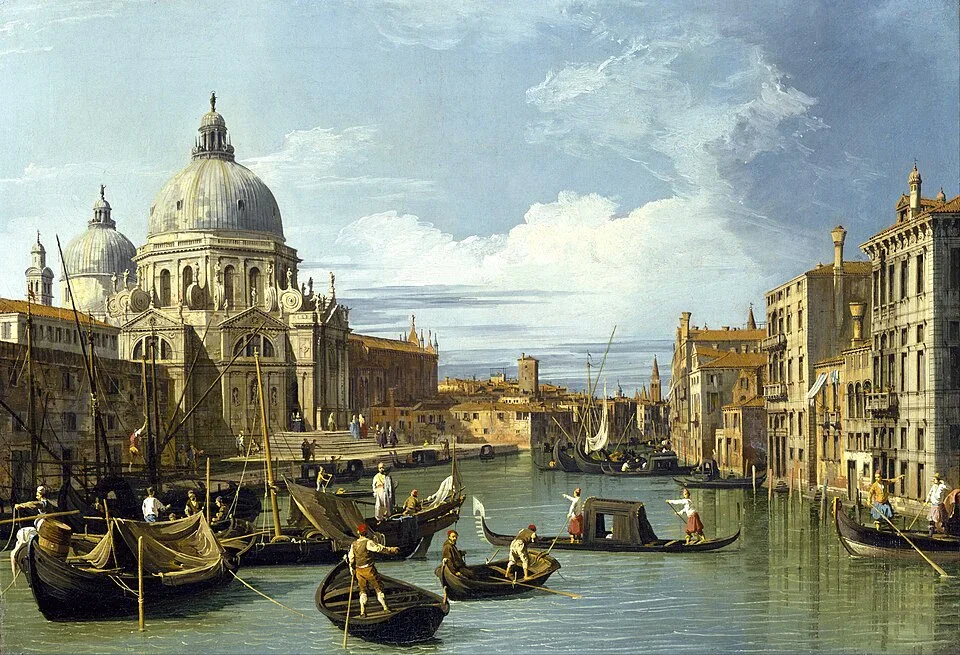
The Entrance to the Grand Canal, Venice
Gondolas stir at the front of the picture. They are easy to pass over if your eye drifts toward the buildings behind. But they are the only movement here. Everything else stands still and severe, pulling away into the distance along both banks of the canal. On the right, palaces recede, while the water and its boats keep moving in front of them. Canaletto painted views of real cities and imagined ones too, so you can never be quite sure how much of this is Venice. At the left stands the Basilica of Santa Maria della Salute, a large church filling the first third of the picture.
Listen in the appGiovanni Antonio Canal · Public domain
07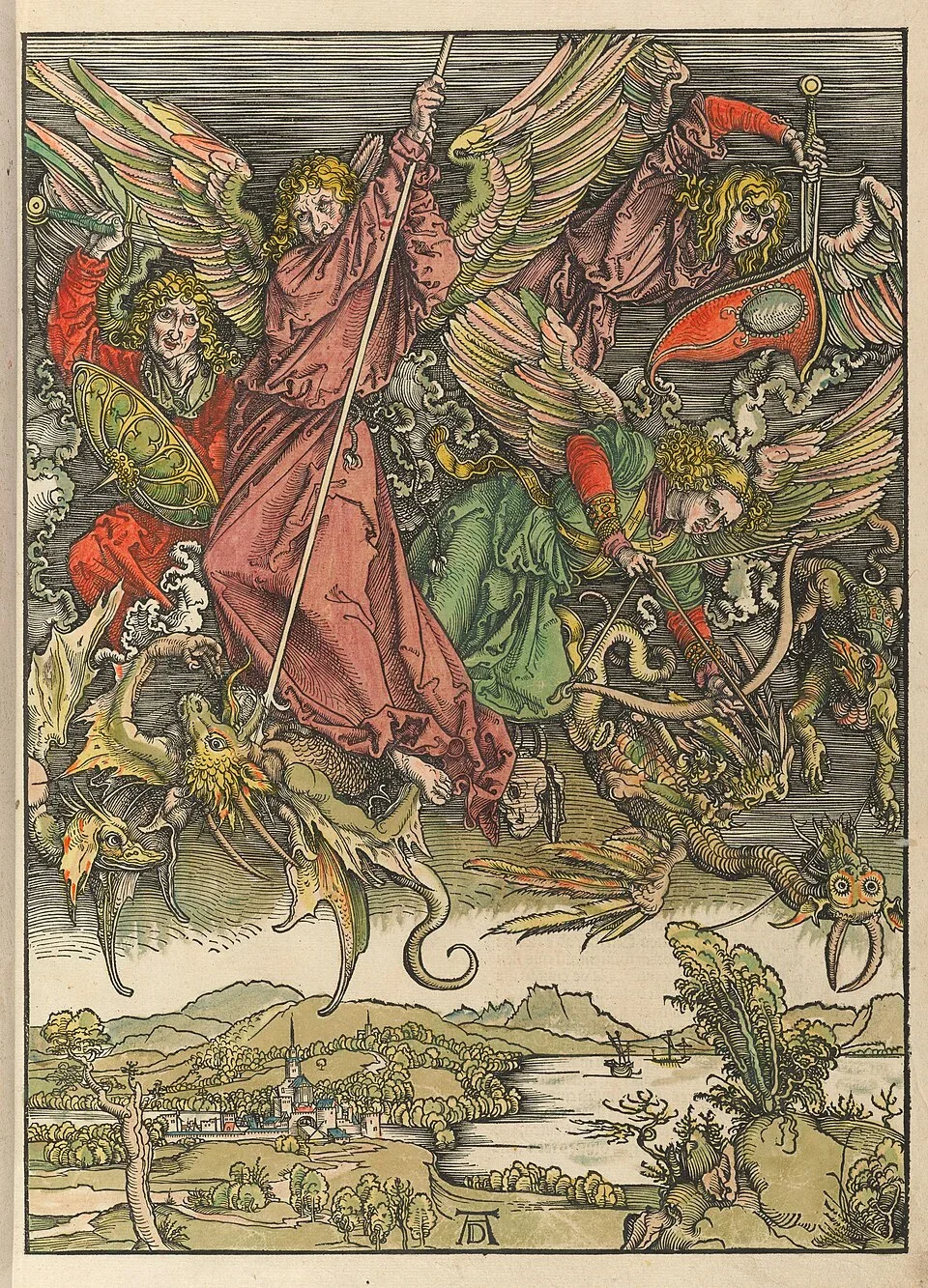
Saint Michael Fighting the Dragon
Dürer threw out the elegant pose artists had used again and again for a hero's fight. What he cut into the wood is completely serious. The angel drives a spear into the dragon's throat with both hands, and that one effort takes over the whole picture. Around him, other angels fight the monsters as swordsmen and archers. The dragon has seven heads, and each one stands for a deadly sin. This is the war in heaven, the final battle between good and evil, as Saint John tells it in Revelation. Michael leads God's angels against the dragon, and the scene was often shown on its own, beyond the Apocalypse series. Beneath the fighting lies a calm landscape, with mountains, a small town and a church with a tall spire. The farther the mountains sit, the less detail he gives them, so the ground falls away into distance. The same care reaches Michael's face and hair and the little trees around the town. He thought printmaking could stand beside painting, perhaps even match it. At the bottom of the page, in that quiet landscape, he set his monogram.
Listen in the appAlbrecht Dürer · Public domain
08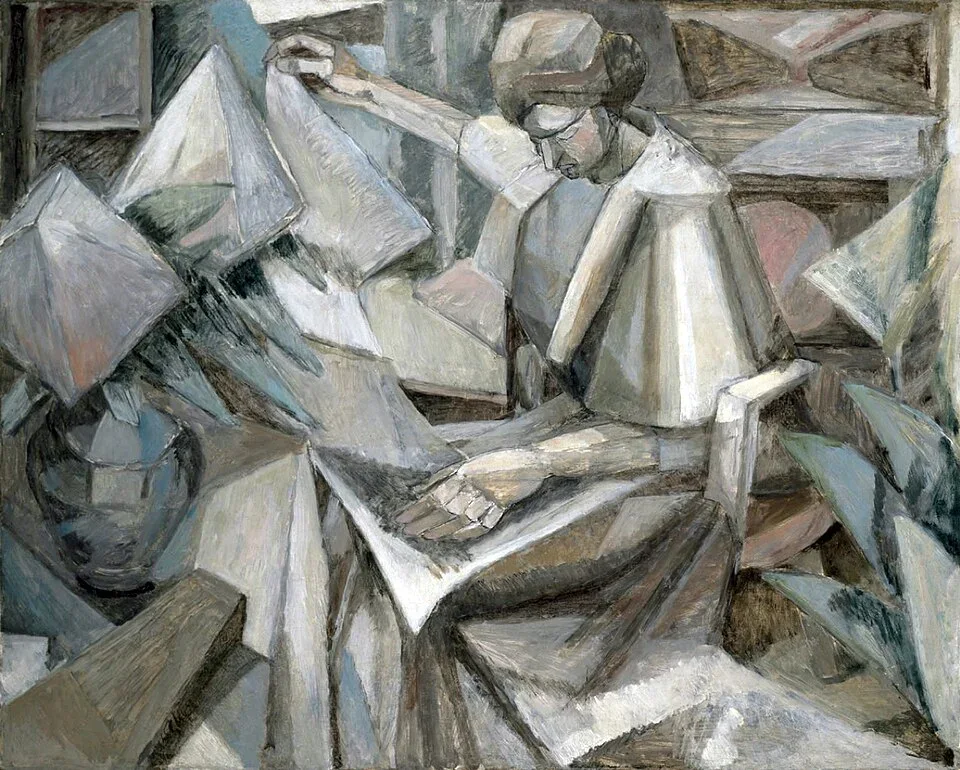
Woman with Phlox
A woman sits in a room, a vase of phlox in front of her and another off to her left. Behind her, a window opens onto the world outside. She is not really the subject. Gleizes built her from planes and volumes, and held the colors to a narrow range even with the flowers in front of you. The view through the window is answered by a matching shape inside the room, so the outdoors and the room fold into one another. The woman and her flowers are there to carry the volume and the sense of depth. Figures were rare for him. He had worked mostly in landscape. In the spring of 1911, he and his friends took over the hanging committee of the Salon des Indépendants. They wanted their pictures together, not scattered to the corners of the show, so they filled Room forty one. At the preview the room was packed. People shouted and laughed, and said they could see nothing, that the paintings were unreadable. The uproar reached the French Parliament, which questioned spending public money on such work. The word Cubism dates from that preview. He made this painting large on purpose. He meant it for the big annual Salon exhibitions in Paris, where a large canvas could reach a wider audience.
Listen in the appw:Albert Gleizes · Public domain
09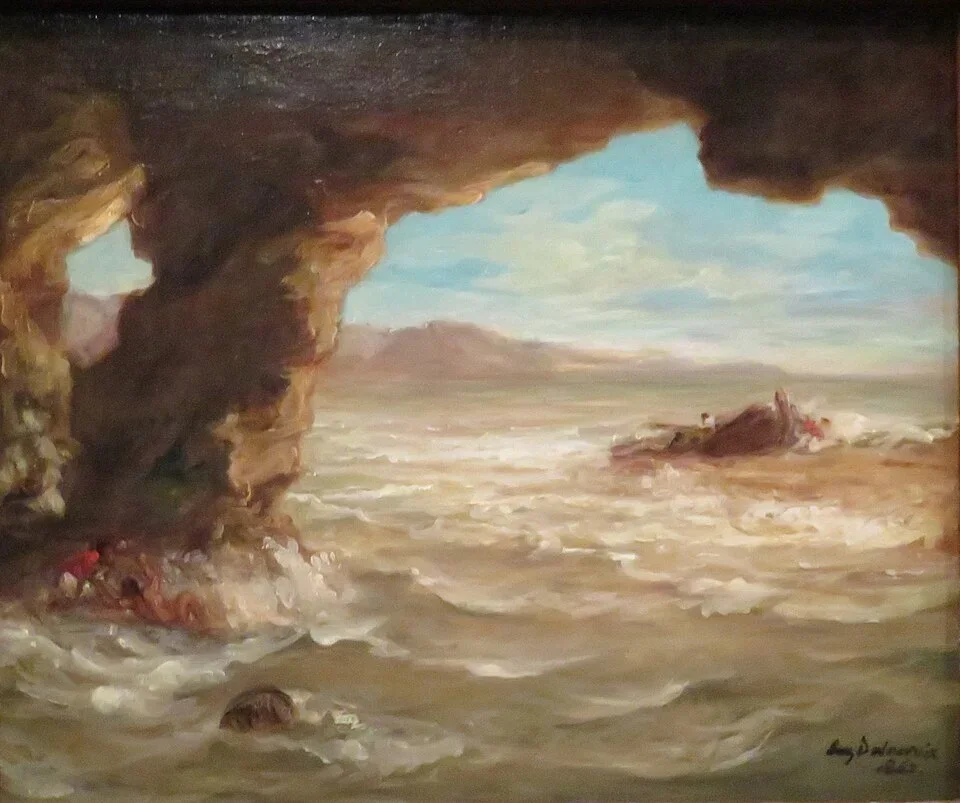
Shipwreck on the Coast
Delacroix was drawn to nature in its violent action. In 1862 he painted a ship seen from a rocky coastline, and left it completely dismasted, with every mast gone. He found a starting point in the works of Giovanni Battista Piranesi. Shipwrecks were a popular subject in the art of that century, so he was hardly alone in choosing one. The painting came to the Museum of Fine Arts in Houston in 2004.
Listen in the appPhoto: Sukkoria · CC BY-SA 4.0
10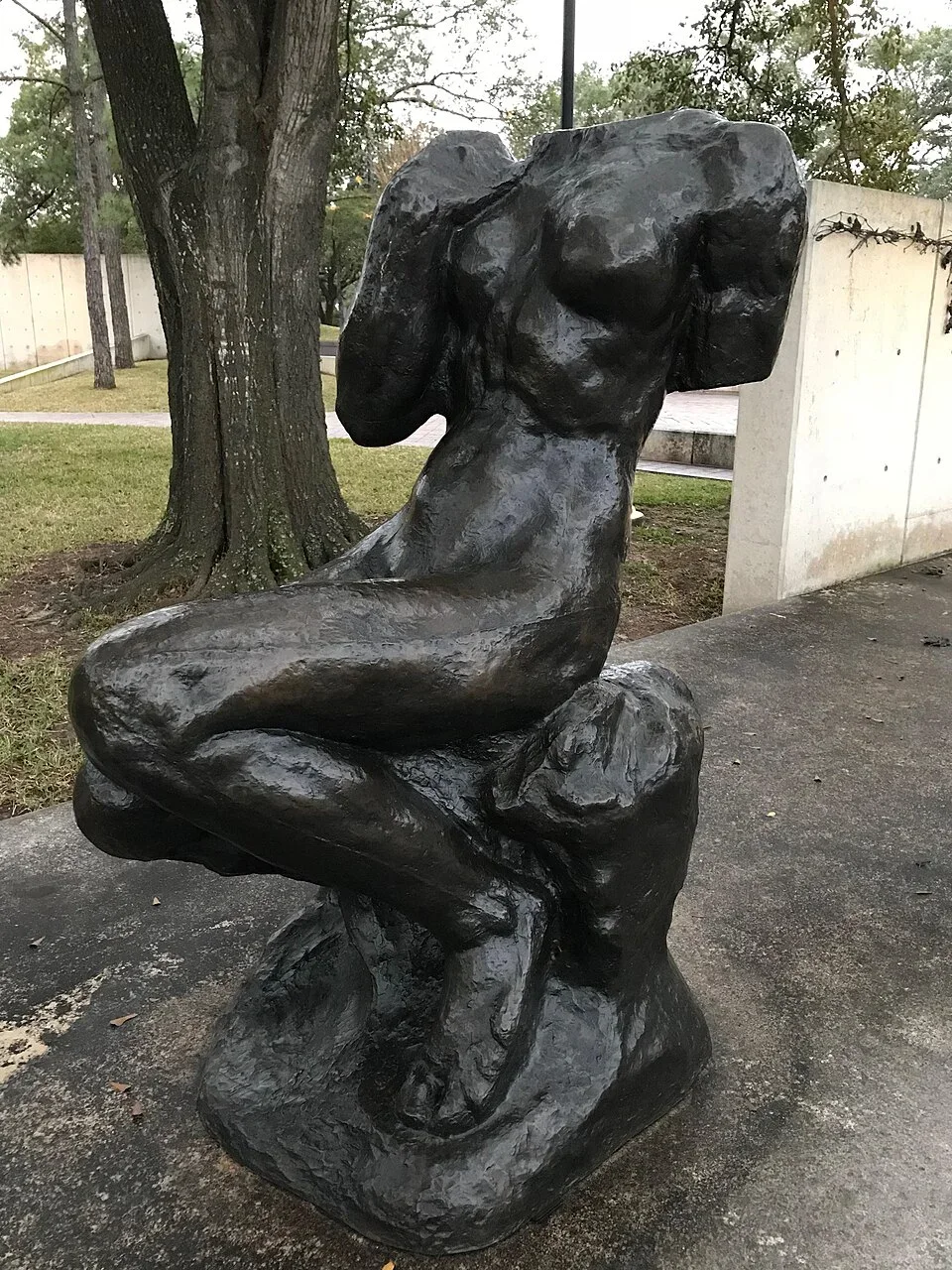
Cybele (Rodin)
Nobody knows quite when this woman was made. What you have is a seated figure with no head. Rodin modeled her first as a small study, with broken Greek sculpture and the unfinished figures of Michelangelo in mind. She was among the first of his fragments shown as a finished work in its own right, not a study left incomplete. The woman who sat for him was Anna Abruzzesi, one of two sisters he often used. In 1904 his assistant enlarged the little model into a monumental plaster, using a machine another inventor had devised. The next year it was shown in Paris simply as A Figure. His friends and workers still called it Abruzzesi Seated, and for years it had no settled name. Only in 1914 did it take the name Cybele. Her body is full and ample, and that fullness may be what put the fertile mother goddess of Phrygia in the sculptor's mind.
Listen in the appPhoto: Rrwagner59 · CC BY-SA 4.0
- 11
The Gust of Wind
Gustave Courbet · c. 1865
- 12
Vicente Osorio de Moscoso, hrabia Trastamara
Francisco Goya · 1787–1788
- 13
Virgin and Child
Rogier van der Weyden · 1454
- 14
Rocks
Vincent van Gogh · 1888
- 15
The Judgment of Solomon
Matthias Stom · c. 1640
- 16
Still Life with Bouquet and Fan
Pierre-Auguste Renoir · 1871
- 17
The Yellow Scale
František Kupka · 1907
- 18
Still Life with Golden Bream
Francisco Goya · 1808–1812
- 19
The Adoration of the Christ Child
Sandro Botticelli · c. 1500
- 20
Composition with Grid 1
Piet Mondrian · 1918
- 21
Saint Eustace
Albrecht Durer · c. 1501
- 22
Sheerness as seen from the Nore
J. M. W. Turner · 1808
- 23
Olga Merson
Henri Matisse · 1911
- 24
The Four Horsemen, from The Apocalypse
Albrecht Durer · 1497–1498
- 25
View of the Seine, Paris
Armand Guillaumin · 1871
- 26
Breton Girl with a Red Umbrella
Émile Bernard · 1888
- 27
The Large Horse
Albrecht Durer · 1505
- 28
The Large Horse
Raymond Duchamp-Villon · 1914–1931
- 29
Public Gardens
Édouard Vuillard · 1894
- 30
The Small Horse
Albrecht Durer · 1505
- 31
The Bonaventure Pine
Paul Signac · 1893
- 32
Tiger on the Watch
Jean-Léon Gérôme · 1888
- 33
The Abduction on a Unicorn
Albrecht Durer · 1516
- 34
The Suicide of Lucretia
Lucas Cranach the Elder · 1529
- 35
Still Life with Vegetables
James Peale · 1826
- 36
Mademoiselle Boissière Knitting
Gustave Caillebotte · 1877
- 37
Journey of Rebecca
Giovanni Benedetto Castiglione · c. 1637
- 38
Rainy Midnight
Childe Hassam
- 39
Orpheus Leading Eurydice from the Underworld
Jean-Baptiste Camille Corot · 1861
- 40
Landscape at Le Pouldu
Paul Sérusier · 1890
- 41
Tancred Baptizing Clorinda
Domenico Tintoretto · c. 1585
- 42
Woman Walking on the Banks of the Aven
Émile Bernard · 1890
- 43
Ambre Antique
Unknown Artist · 1905–1910
- 44
Man of Sorrows by the Column
Albrecht Durer · 1509
- 45
Christ before Caiaphas
Albrecht Durer · 1512
- 46
Christ Taken before Pilate
Albrecht Durer · 1512
- 47
Pilate Washing His Hands
Albrecht Durer · 1512
- 48
The Entombment
Albrecht Durer · 1512
- 49
The Resurrection
Albrecht Durer · 1512
- 50
Saint John kneeling before Christ and the twenty-four elders
Albrecht Durer · 1497–1498
- 51
The Opening of the fifth and sixth seals
Albrecht Durer · 1497–1498
- 52
Revelation of St. John: The Adoration of the Lamb
Albrecht Durer · 1497–1498
- 53
Saint John eating the book
Albrecht Durer · 1497–1498
- 54
The Whore of Babylon
Albrecht Durer · 1497–1498
- 55
The Beast with Seven Heads and the Beast with Lamb's Horns
Albrecht Durer · 1497–1498
- 56
The Betrothal of the Virgin
Albrecht Durer · c. 1504
- 57
The Large Passion: The Crucifixion
Albrecht Durer · 1498
- 58
Portrait of Louise-Antoinette-Scholastique Guéhéneuc, Madame la Maréchale Lannes, Duchesse de Montebello, with her Children
François Gérard · 1814
- 59
Saint Anthony Abbot Shunning the Mass of Gold
Fra Angelico · c. 1436
- 60
Hunt Still Life with a Velvet Bag on a Marble Ledge
Willem van Aelst · c. 1665
Museum of Fine Arts, Houston
Frequently asked questions
How much does the guide cost?
Free app download. Free until 1 January. Listed guide price: $1.99. Audio guide only. Venue admission is separate.
Can I listen without internet?
Yes. Download the guide’s audio, images, and maps in the app before your visit. Your downloaded content is then available offline.
Can I listen in my language?
In English for now. More languages soon.
Do I need to follow a schedule?
No. This is a self-guided experience. Choose your stops, pause whenever you like, and return to a story at your own pace.
Which artworks are in the Museum of Fine Arts, Houston audio guide?
60 artworks, including Leda and the Swan (Peter Paul Rubens), The Elder Sister (William-Adolphe Bouguereau), Les orangers (Gustave Caillebotte), Ariadne Abandoned by Theseus (Angelica Kauffmann), Portrait of an Elderly Woman (Hans Memling), The Entrance to the Grand Canal, Venice (Giovanni Antonio Canal), Saint Michael Fighting the Dragon (Albrecht Durer), and Woman with Phlox (Albert Gleizes). The full list is on this page.
Is this the museum’s official audio guide?
No. Stanza is an independent audio guide app and is not affiliated with Museum of Fine Arts, Houston. Museum admission is separate.
At your own pace
Explore Museum of Fine Arts, Houston.
Download Stanza, then search for “Museum of Fine Arts, Houston”.
Free app download · Guide price shown in the app
Keep exploring
Audio guides — United States
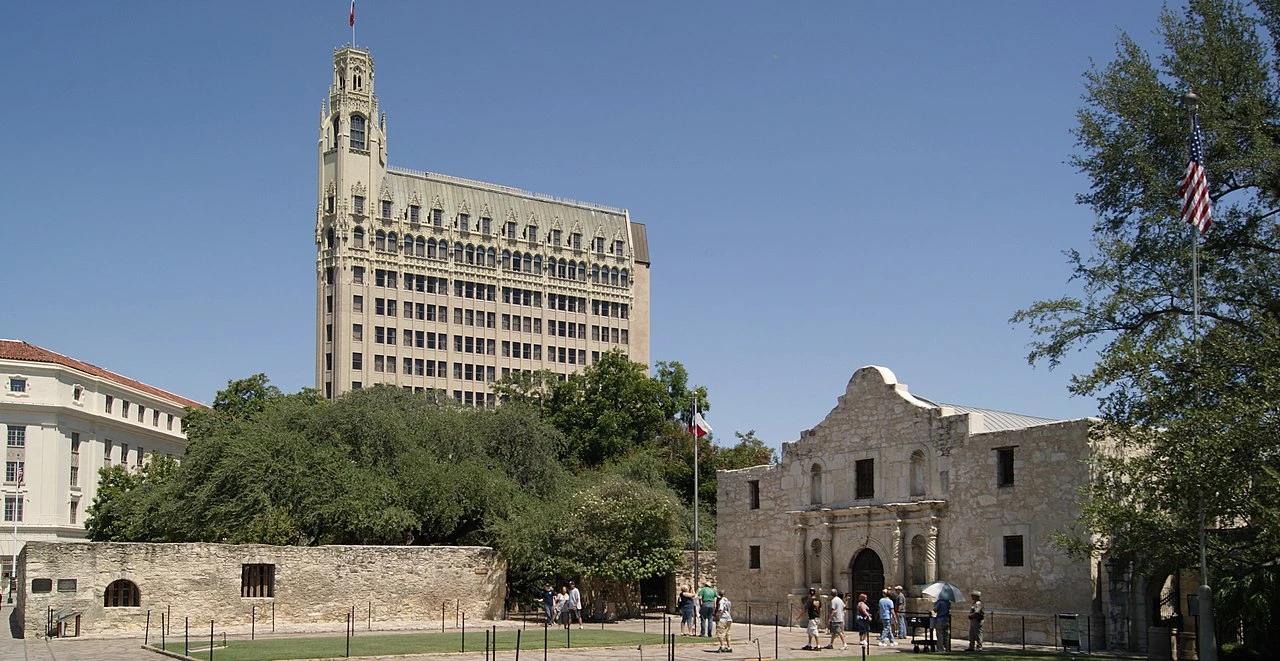
San Antonio
The Alamo
Content & sources
Zygmunt Put Zetpe0202 · CC BY-SA 4.0
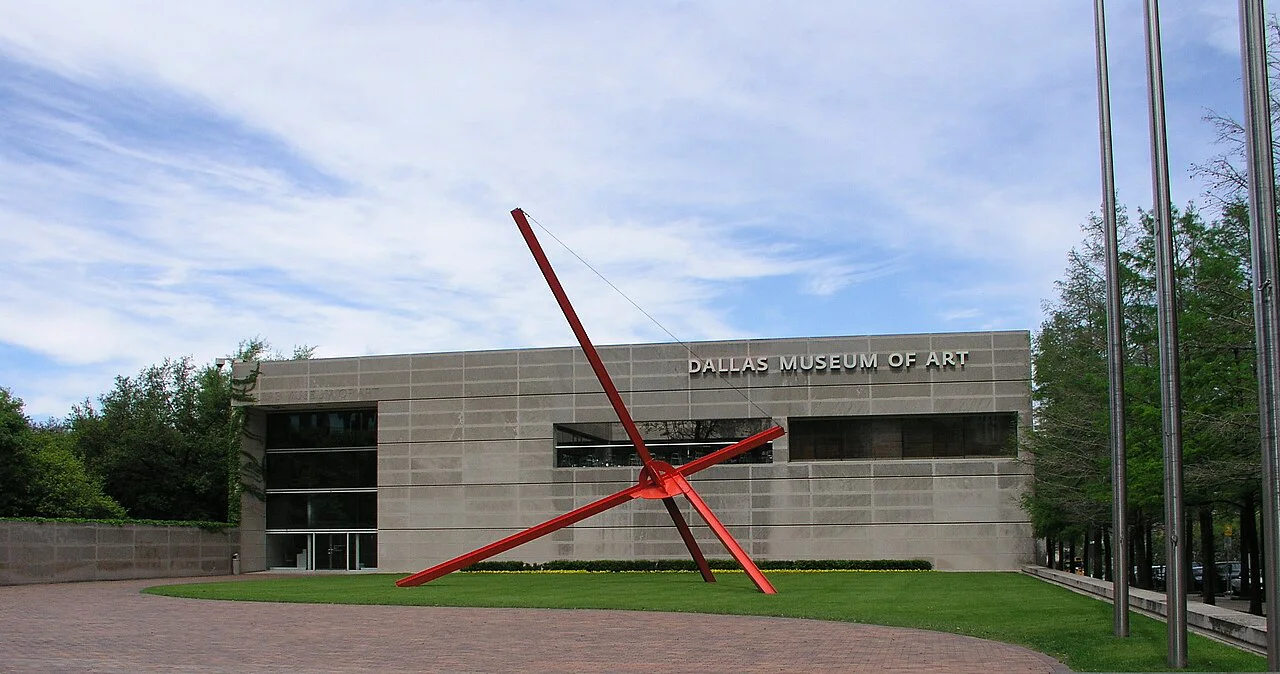
Dallas
Dallas Museum of Art
Content & sources
KeithJonsn at English Wikipedia · CC BY-SA 3.0
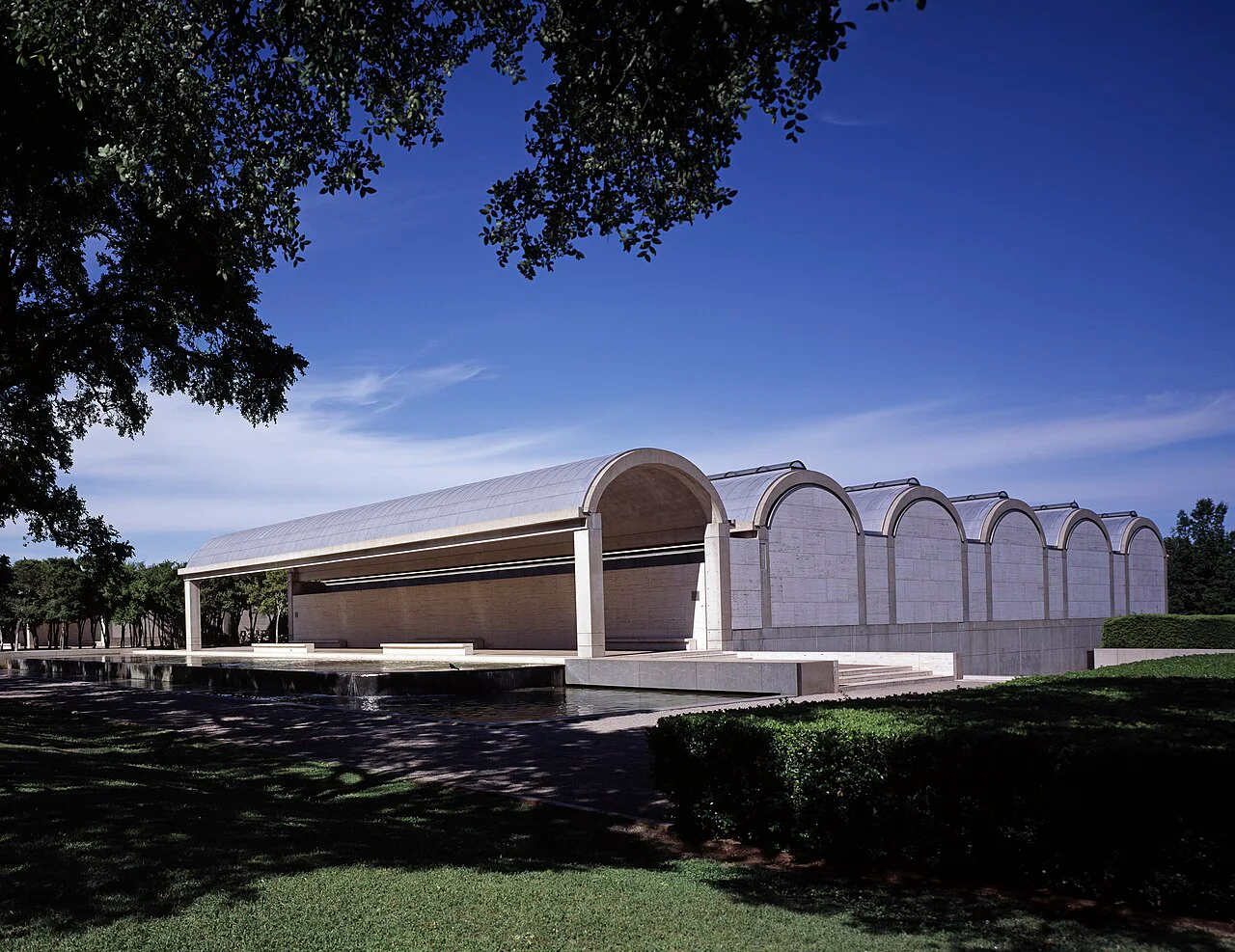
Fort Worth
Kimbell Art Museum
Content & sources
Carol M. Highsmith · Public domain

Memphis
Graceland
Content & sources
User:Maha · CC BY 2.5
Art museums
More art museum audio guides
Dallas · 31 artworks
Dallas Museum of Art
Content & sources
KeithJonsn at English Wikipedia · CC BY-SA 3.0
Fort Worth · 39 artworks
Kimbell Art Museum
Content & sources
Carol M. Highsmith · Public domain
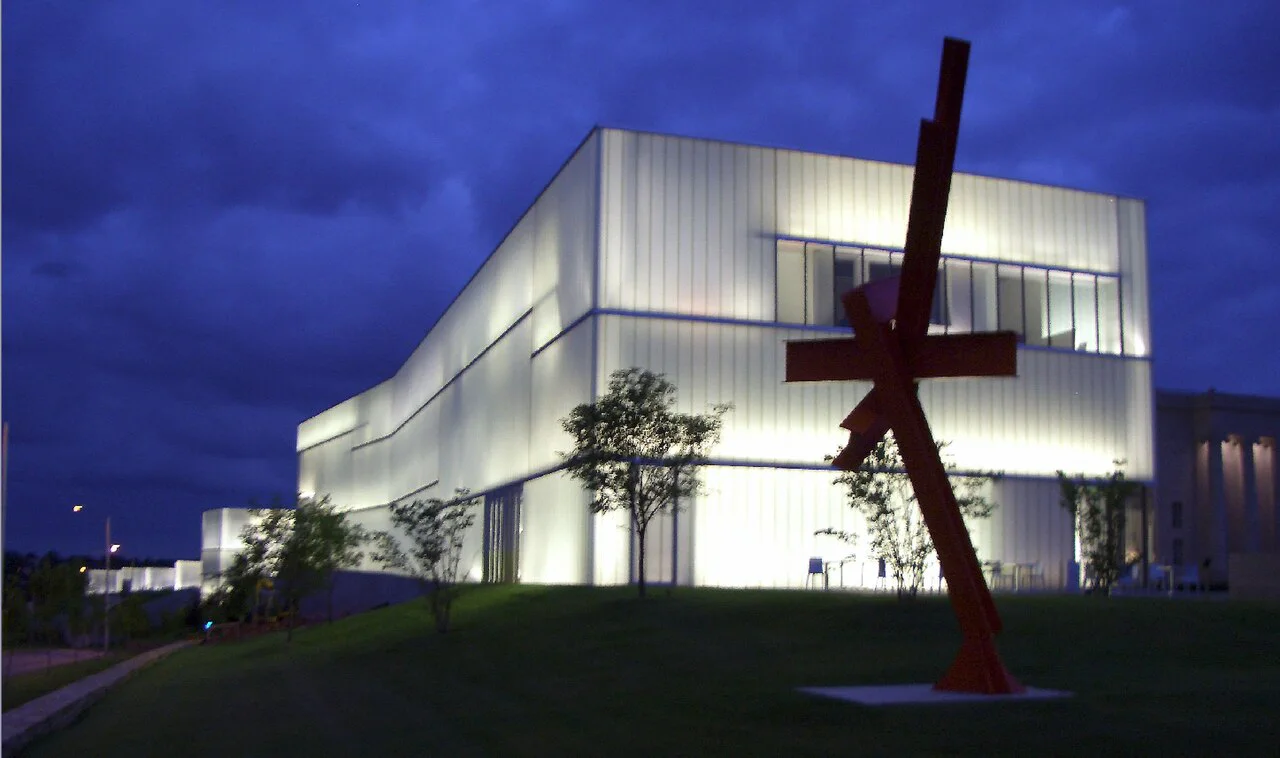
Kansas City · 34 artworks
Nelson-Atkins Museum of Art
Content & sources
User:Charvex · Public domain
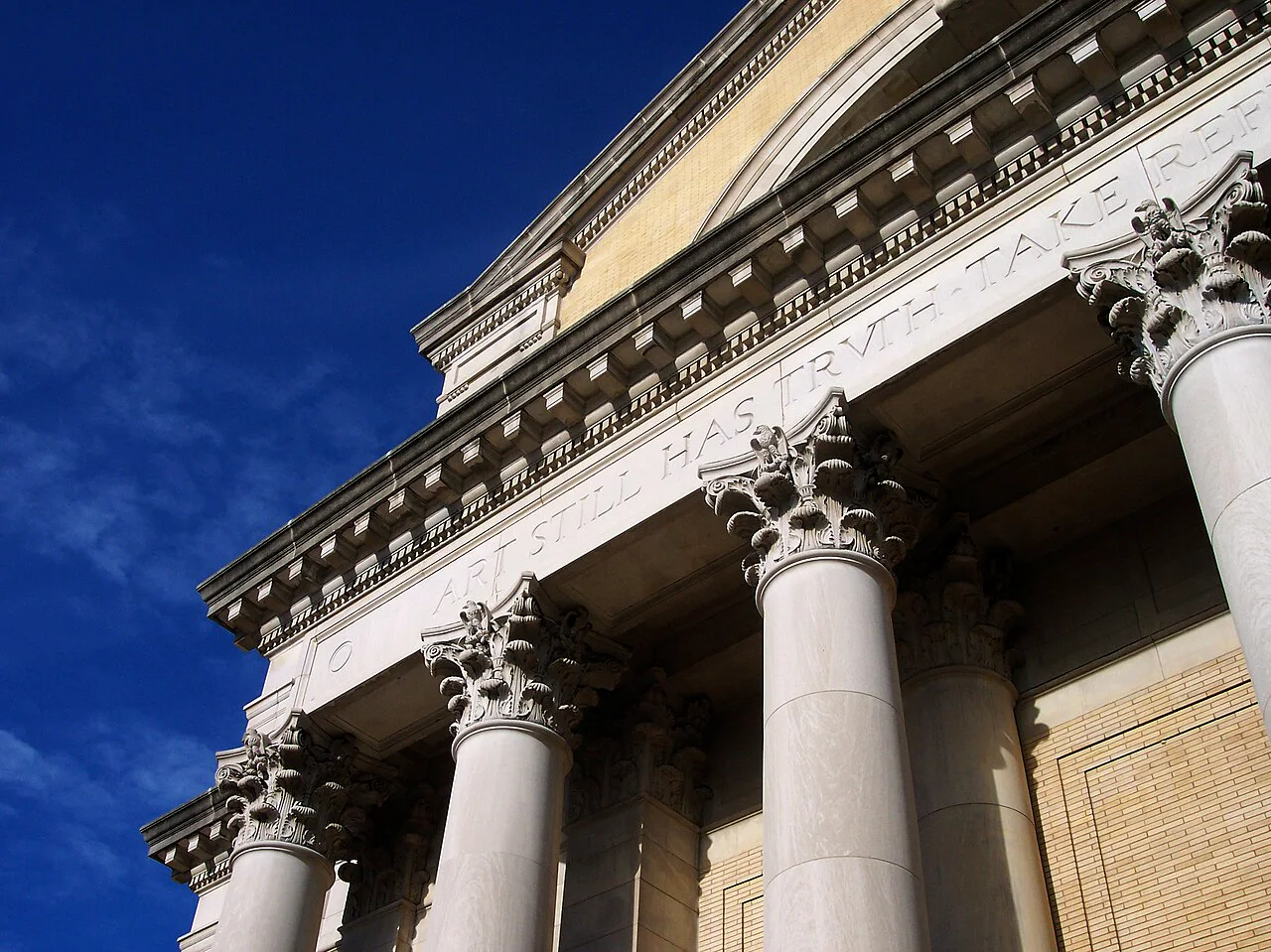
St. Louis · 38 artworks
Saint Louis Art Museum
Content & sources
Photo: Colin.faulkingham~commonswiki · Public domain
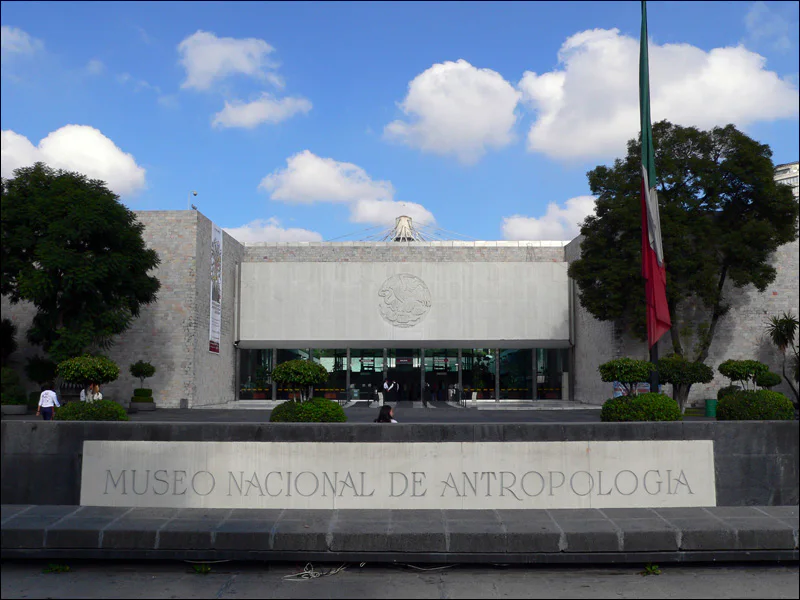
Mexico City · 19 artworks
Museo Nacional de Antropología
Content & sources
Photo: Kornemuz · CC BY-SA 3.0
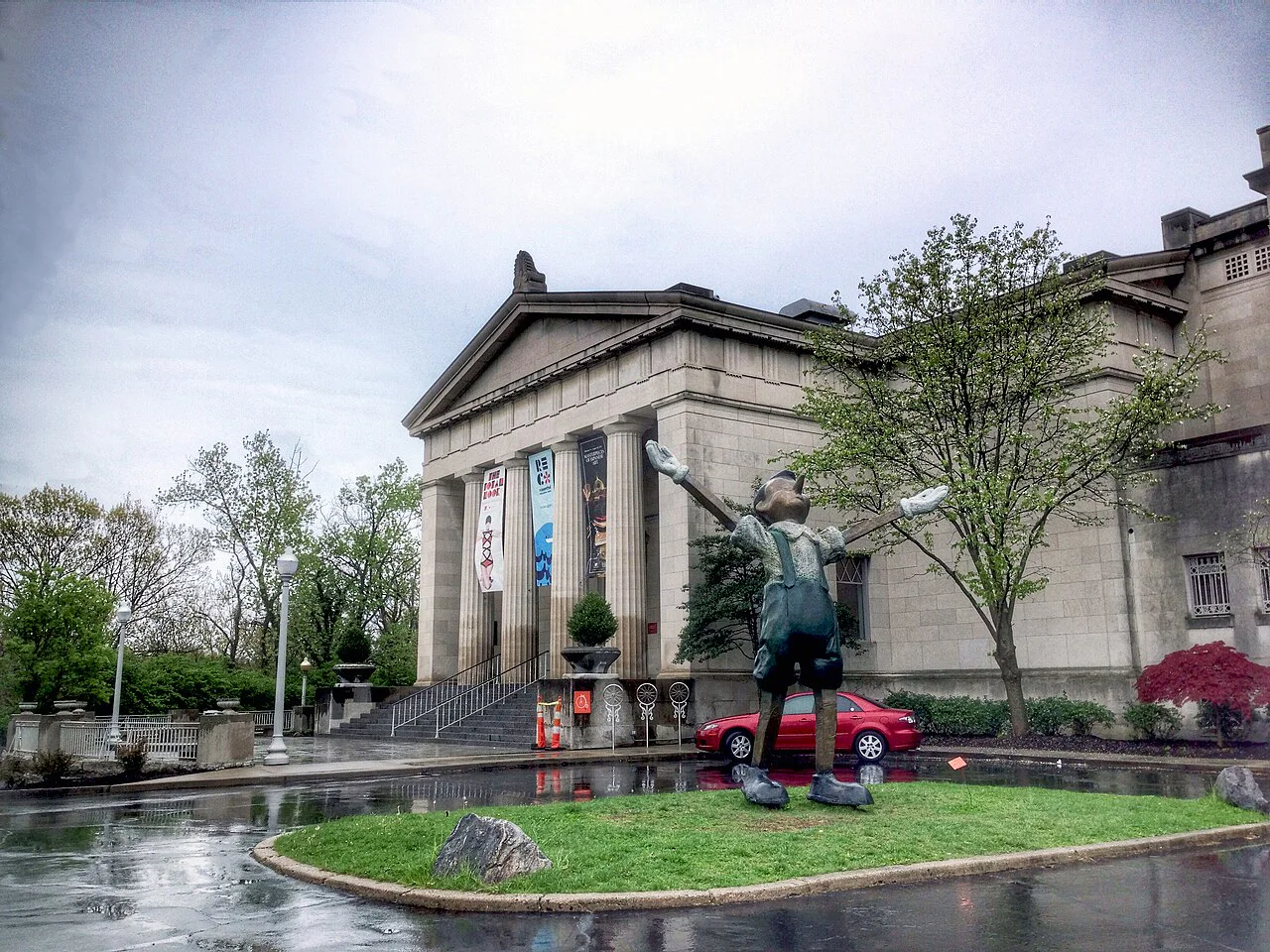
Cincinnati · 24 artworks
Cincinnati Art Museum
Content & sources
5chw4r7z on Flickr · CC BY-SA 2.0