Stanza · Audio guide
Museu de Arte de São Paulo Audio Guide
A place to remember. A story to take with you.
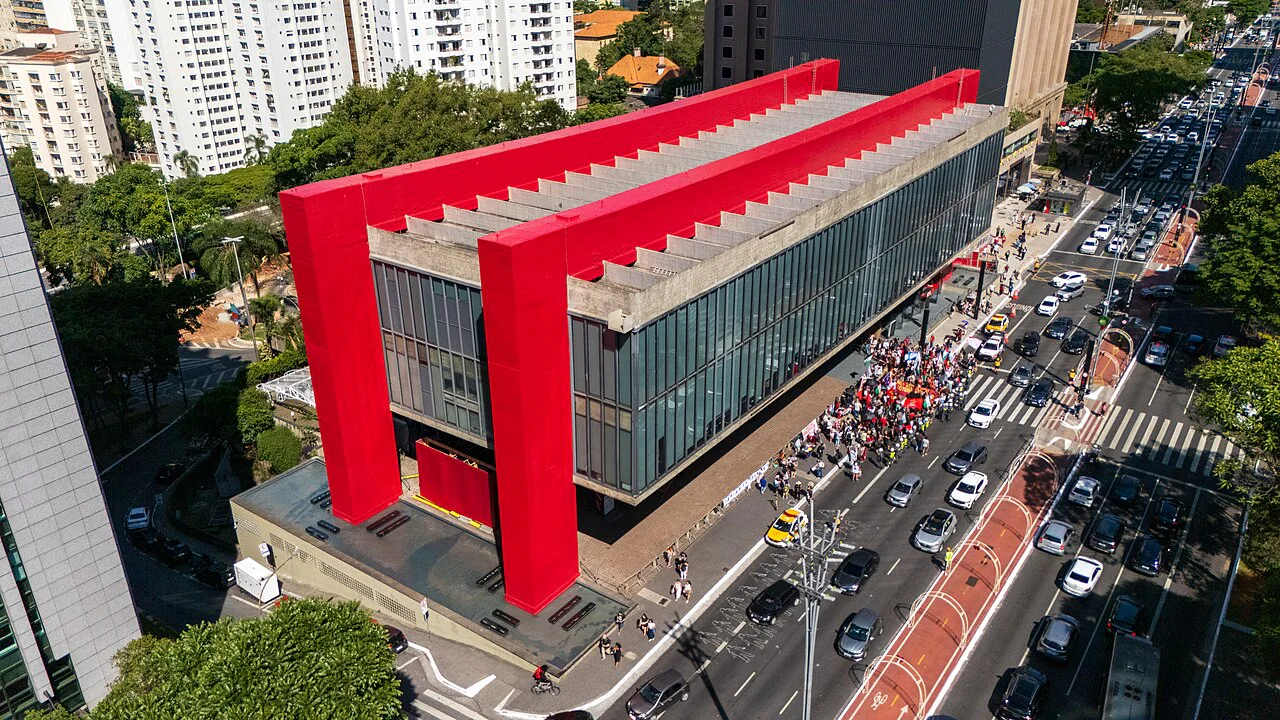
The São Paulo Museum of Art is an art museum located in São Paulo, Brazil. It is a landmark of the city and a symbol of modern Brazilian architecture known for its 1968 concrete and glass structure.
Download Stanza, then search for “Museu de Arte de São Paulo”.
About the tour
One guide. Your kind of visit.
The São Paulo Museum of Art is an art museum located in São Paulo, Brazil. It is a landmark of the city and a symbol of modern Brazilian architecture known for its 1968 concrete and glass structure.
The Museu de Arte de São Paulo guide tells the stories of 58 artworks, including Resurrection of Christ (Raphael), Pink and Blue (Pierre-Auguste Renoir), Virgin and Child with the Infant John the Baptist (Sandro Botticelli), Boating on the River Epte (Claude Monet), Portrait of Cardinal Cristoforo Madruzzo (Titian), Portrait of the Count-Duke of Olivares (Diego Velázquez), Mister Pertuiset, The Lion Hunter (Édouard Manet), and Bather with a Griffon Dog (Pierre-Auguste Renoir). Every artwork is free to hear in the Stanza app until 1 January.
Ready when you are.
- 01Get the free Stanza app.
iOS & Android
- 02Find your guide.
“Museu de Arte de São Paulo”
- 03Download before you go.
Works offline
Audio guide / 58 artworks
Inside the guide
Get to know a few of the stories before you go. Open a stop to read more.
01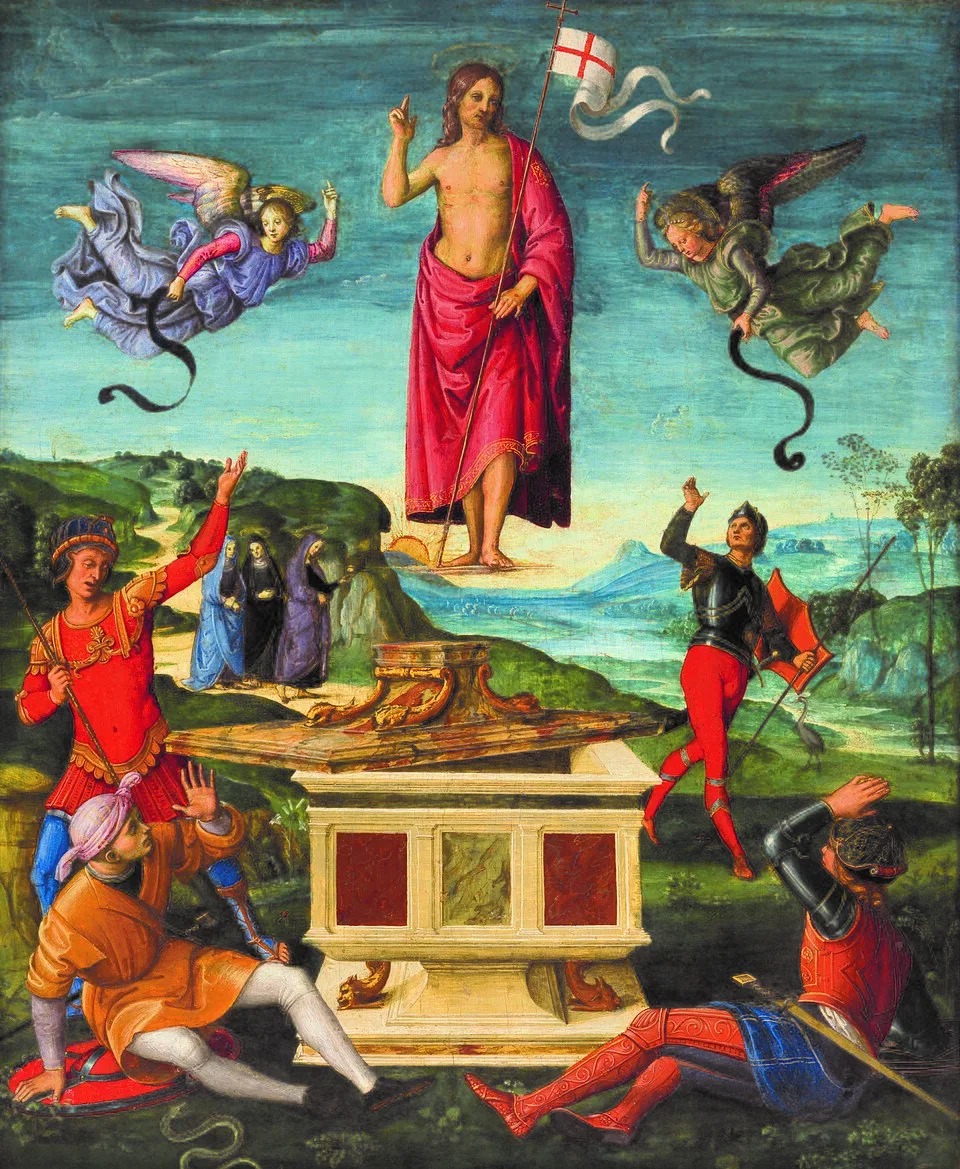
Resurrection of Christ
Raphael was young, working in Perugino's workshop in Perugia. He wanted this scene to move. His teacher painted calm, gentle figures, and here he went the other way. A careful geometry ties every element of the scene together, and that is what gives it its restless rhythm. What you are standing before was probably just the bottom strip of a much larger altarpiece, the part called a predella. It may even be a piece of his first recorded commission, the altarpiece for San Nicola da Tolentino. An earthquake in 1789 badly damaged that altarpiece, and its surviving fragments are now scattered through museums across Europe. Every figure in the scene becomes a co-protagonist in one choreography.
Listen in the appRaphael · Public domain
02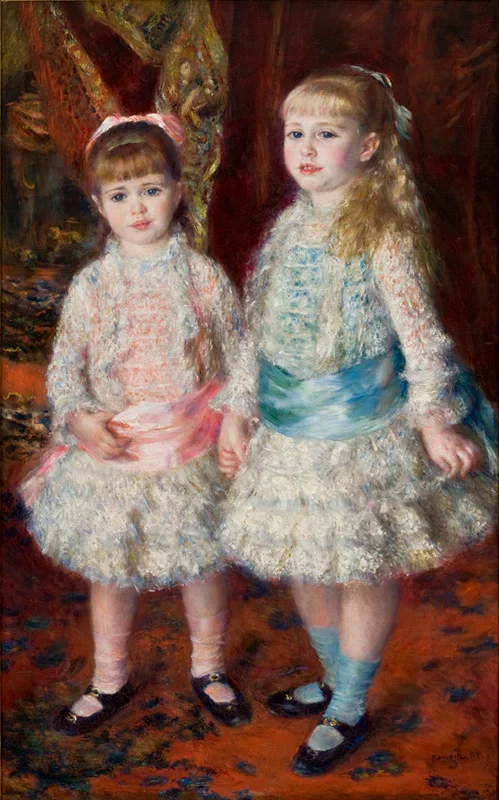
Pink and Blue
Two little girls stand side by side in identical party dresses, with ribbons, sashes and matching stockings, their hair brushed into neat bangs. Alice, the younger, on the left, is close to tears. Elisabeth, the elder, is more at ease. They hold hands. Those hands are joined for reassurance. These two sat through session after session, right up to the end of February 1881. Renoir had already painted their eldest sister, Irene, alone. Their father, Louis Cahen d'Anvers, was a wealthy Jewish banker. The family first wanted a portrait of each daughter on her own, then decided these two should be painted together. Years afterward the younger one remembered the dull hours, and how getting to wear that lace dress made up for them. Alice married a British Army officer and lived to eighty-nine. Elisabeth divorced twice. She had become a Catholic while still young, yet she was sent to Auschwitz because she was Jewish. She died on the way to the camp in March 1944, at sixty-nine.
Listen in the appPierre-Auguste Renoir · Public domain
03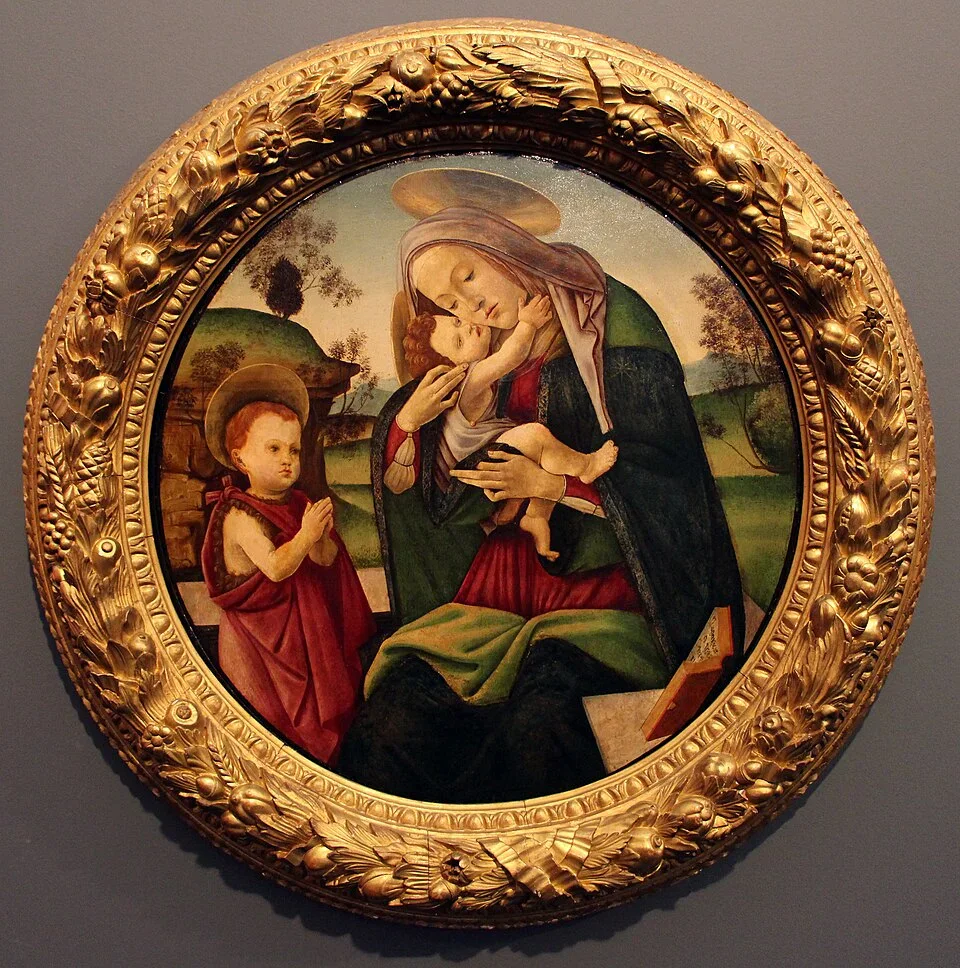
Virgin and Child with the Infant John the Baptist
There is a second child in this round picture, and you can easily pass him by. He is the infant John the Baptist, and he is the key to a question about who painted this picture. Botticelli painted Mary and Jesus himself. The child and part of the landscape look like another hand at work. In 1947 Roberto Longhi wrote to Pietro Maria Bardi that he could make out Botticelli's hand in the picture. Antonino Santangelo agreed. Yet both men noticed the same difference in the child and the landscape. Longhi thought the drawing looked more like Ghirlandaio, and put forward Bartolomeo di Giovanni, a pupil of both painters, as a possible helper. Santangelo named a different painter for the child. His name was Raffaelino de' Carli.
Listen in the appPhoto: Sailko · Public domain
04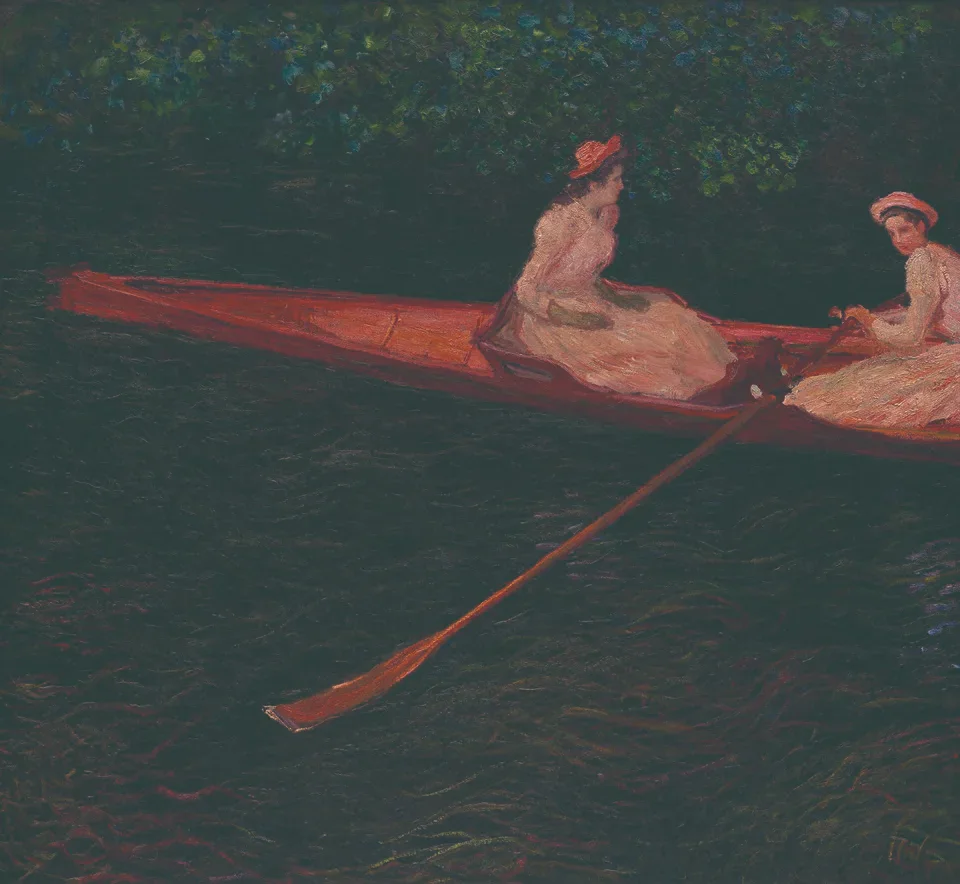
Boating on the River Epte
What is this picture really about, the canoe or the water beneath it? Two sisters are out on the river Epte, but the lower part of the painting belongs to the water. It comes so close you can almost touch it. Between 1887 and 1890 Monet painted the river over and over. It ran along the edge of his land at Giverny. In June 1890 he wrote to his friend Geffroy. He said he was once more up against things he could not do, water with plants swaying on the bottom. He was after the depth of the water, not the light on its surface. In the whole series, this is the only one like it. He would not paint water this way again for more than thirty years. His friendship with the photographer Nadar and his real interest in photography shaped the way he framed the scene. They explain the out of focus look of the sisters as the boat moved. The composition may also owe something to an engraving by Harunobu of a woman gathering lotus flowers.
Listen in the appClaude Monet · Public domain
05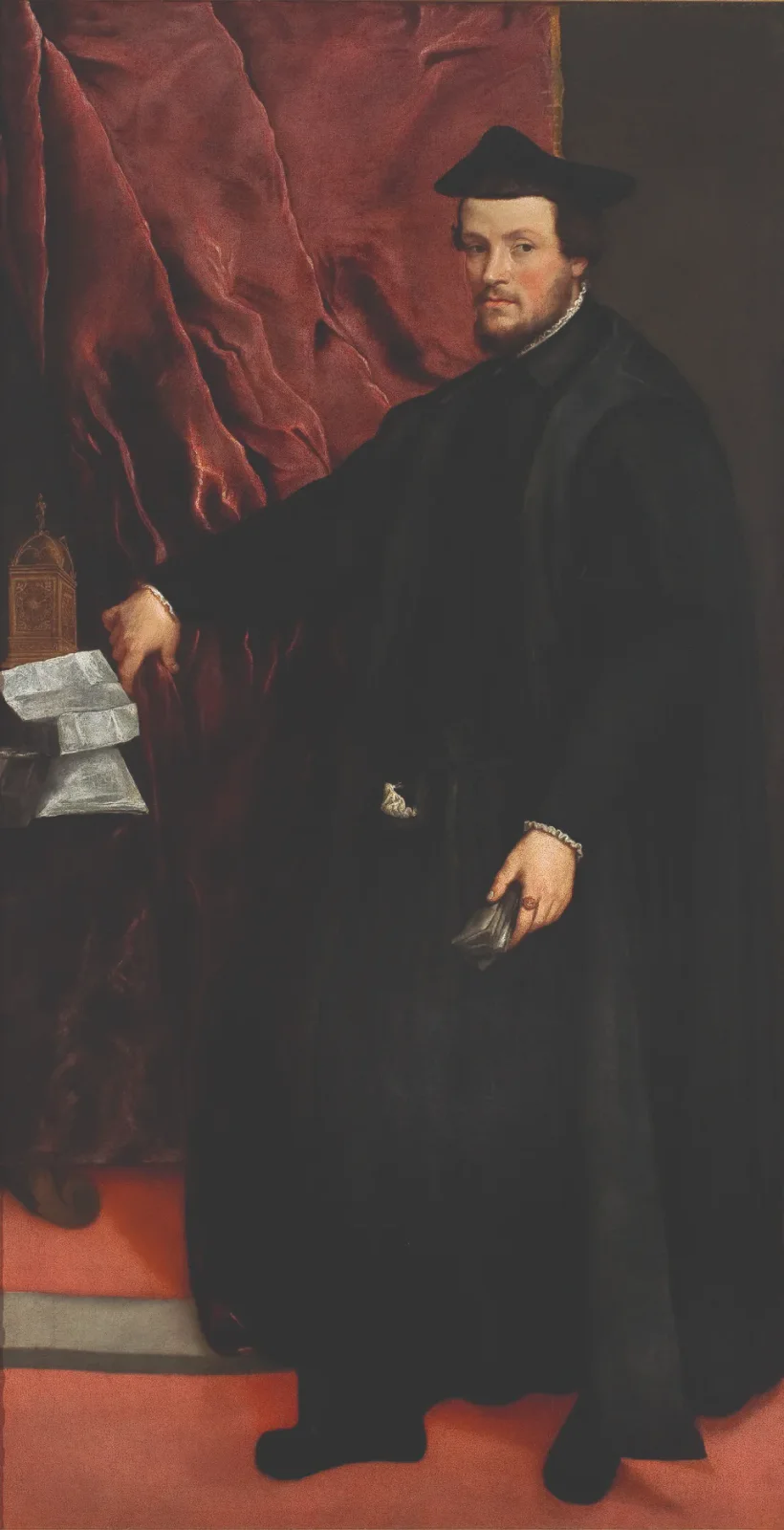
Portrait of Cardinal Cristoforo Madruzzo
One of the few full length portraits from Titian's own hand, this was a commission. The man who ordered it was host to the Council of Trent, the longest and perhaps the most troubled council the Church had known. He wanted a picture to match his ambitions, both political and religious. In 1551, fresh from a stay in Augsburg, Titian was called to Trent to paint it. Dressed entirely in black silk, he turns half round toward you as he walks, and lifts a red curtain with one hand. Behind it stands his writing table, covered with green cloth. But he had already been named a cardinal in 1542, and there are no cardinal's robes here. He was a mediator between the Spanish crown and the Catholic Church. Perhaps he left the vestments off so as not to stir the quarrel between the clergy and the emperor. A watch sits at the end of the diagonal formed by his right arm. It probably stands for the passing of glory and the need for restraint. A failed restoration around 1907 clouded the painting, and between 1992 and 1995 the Getty Museum in Los Angeles eased the damage.
Listen in the appTitian · Public domain
06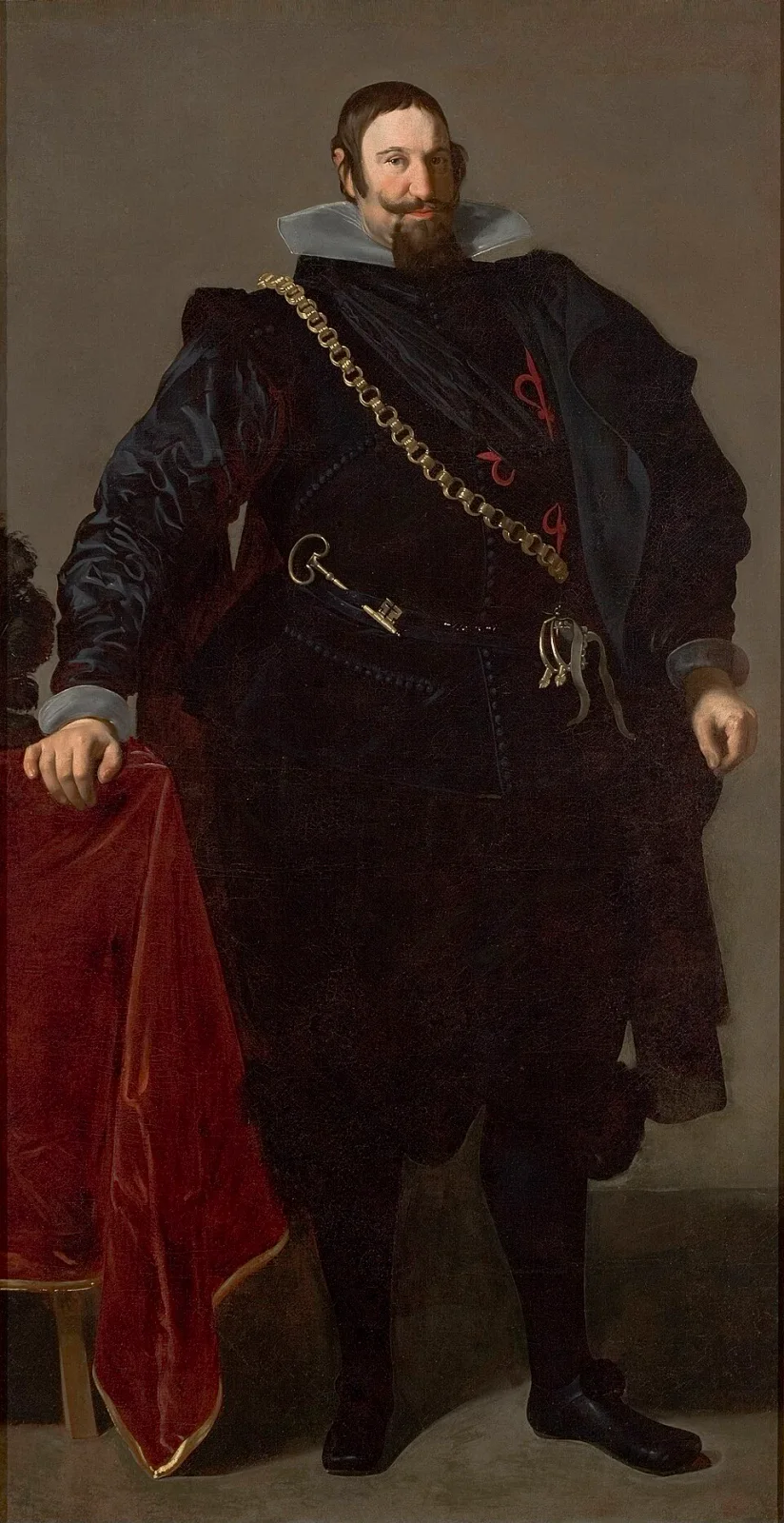
Portrait of the Count-Duke of Olivares
At his belt, easy to miss, are a pair of gold spurs. They are the mark of an office, looking after the king's horses. The other marks say the same thing. A heavy gold chain crosses the black coat. The red cross of the Order of Calatrava is half hidden under the cloak thrown over his shoulder. One hand rests on the hilt of his sword. And the body is enormous, with a head too small for it. It is deliberate, to turn him into an image of power rather than a person. Gaspar de Guzmán was the favorite and chief minister of Philip the Fourth, the man who really ran Spain. Velázquez had only just become the king's painter. He was paid for this on the fourth of December, 1624. Yet for a long time this picture was taken for a copy. The original was thought to have burned in a fire in 1734. It came here under that doubt, and for years its authorship was argued over. Pietro Maria Bardi was convinced it was real and went to Spain again and again to check. Then, in 1962, a cleaning stripped off a thick layer of varnish. The paint underneath came back into view, and the doubts fell away. It is now accepted as genuine. Exactly when he finished it, though, is still not known.
Listen in the appDiego Velázquez · Public domain
07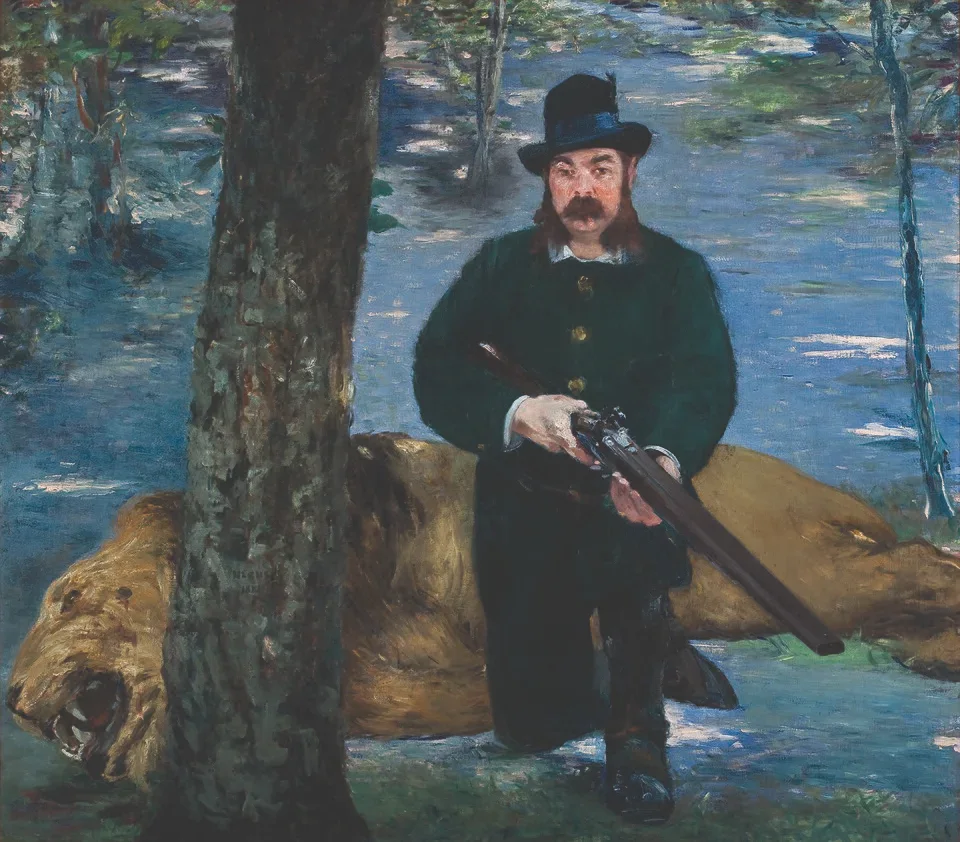
Mister Pertuiset, The Lion Hunter
The place in this picture was never seen by the painter. He had never been to Africa, never watched a lion hunt. Every tree and purple shadow came from his imagination. And yet the man kneeling here was a famous lion hunter, much in the news in his day. He had explored Tierra del Fuego for Chile and wrote vivid stories of his adventures. Nothing in his pose tells you any of that. He rests on one knee, a little lost in thought, the lion only a body behind him, half hidden among the trees. His admirers expected a hero. Manet knew him well. He had even sold him several paintings. What amused him about Pertuiset was a character half heroic and half comic. So when the hunter came to pose in 1880, Manet gave him the quiet, kneeling figure his fans would least expect. The lion's body may be the skin from a celebrated hunt in 1866. At the Salon in 1881, critics attacked the flat painting, the violet shadows and the odd pose. The Salon still gave Manet a medal, his first official honour. In 1884, Pertuiset submitted his own version of the portrait. He called it The Lion Hunt.
Listen in the appÉdouard Manet · Public domain
08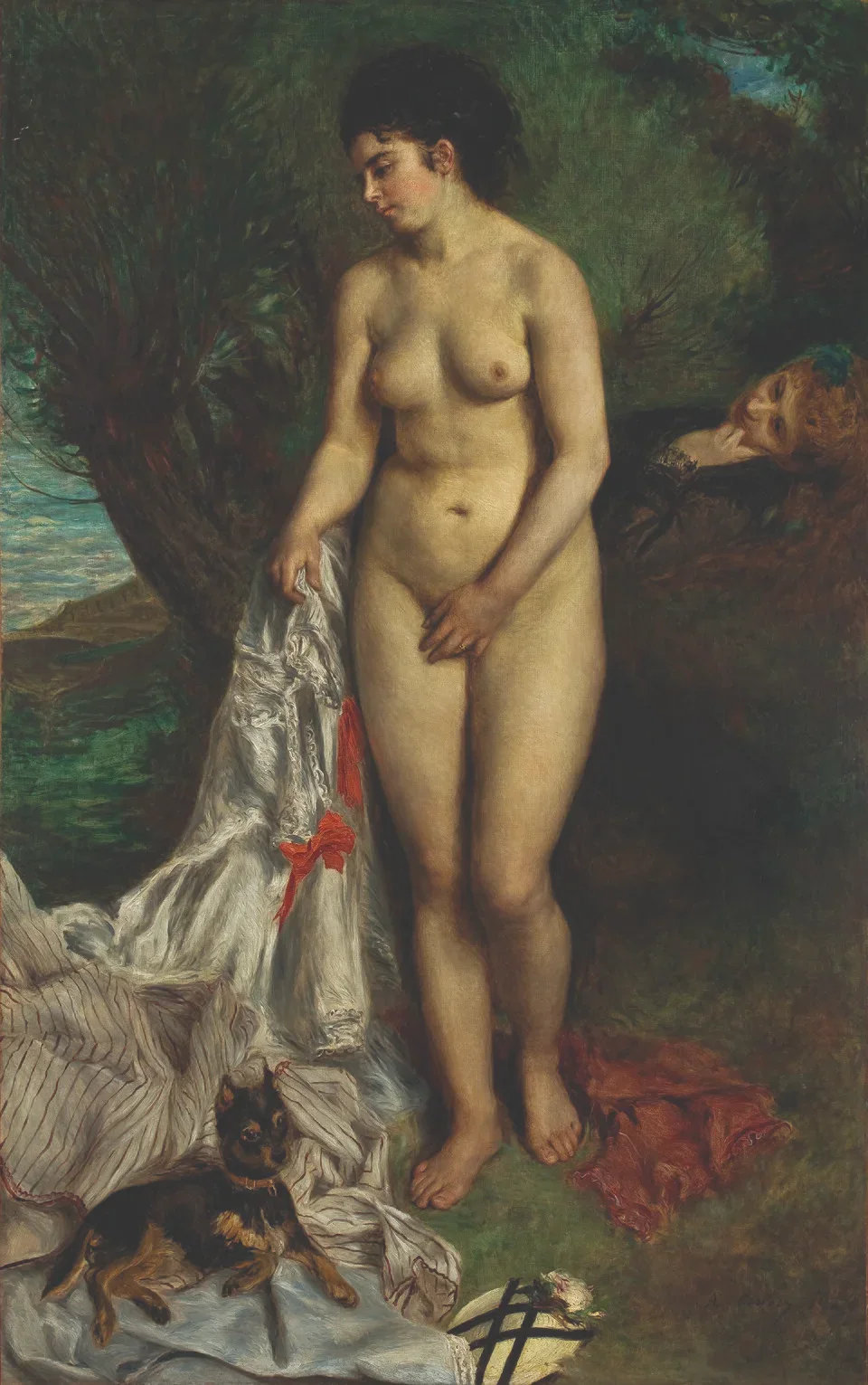
Bather with a Griffon Dog
She has just slipped out of her white dress and is about to step into the water. One hand covers her. The other holds the dress she took off. Her griffon lies in the grass at her bare feet, on the clothes she left there. The woman is Lise Tréhot, the painter's lover. In those years the official Salon turned young painters away again and again. In 1863 a second Salon opened for the artists the jury had rejected, and Manet's Luncheon on the Grass became their rallying point. Renoir wanted in. So he painted Lise as a modest Venus, the way Titian did, in the elegant style of the eighteenth century. Nothing in the light or the figure is Impressionist. And it worked. In 1870 the Salon accepted it. Behind her, to the right, a companion in black lies on her back and watches. She, too, belongs to that older world he was borrowing from.
Listen in the appAuguste Renoir · Public domain
09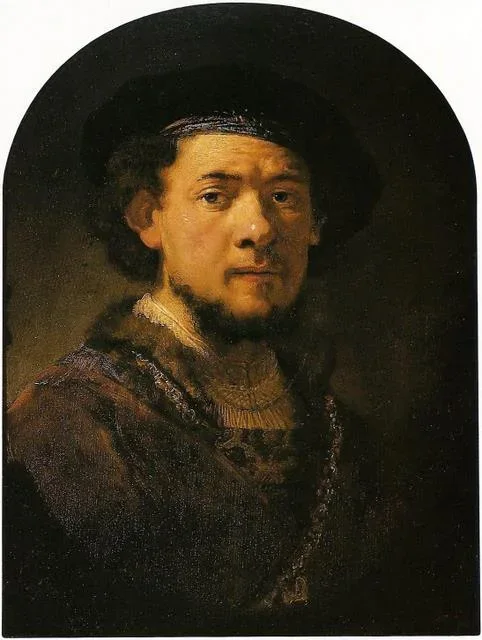
Portrait of a Young Man with a Golden Chain
For centuries this portrait was accepted as a Rembrandt. Then in 1989 a committee in the Netherlands, set up to sort out which paintings were really his, said no. They placed it in his circle. The argument has never really settled. The young man faces you straight on, reserved, with a distant sadness. A gold chain falls in a V across his chest, under a black cap and a heavy woven shawl. The background is plain, and the light shifts across almost one shade of colour. For a long time it was titled a self-portrait of Rembrandt. Then his other self-portraits from the 1630s were set beside it. The resemblance was only what portraits of that time shared. On his right shoulder is the name Rembrandt, in letters you can only read under infrared light. The committee left that out. In 2005 the same committee republished four circle paintings as works by Rembrandt. Ferdinand Bol, a pupil who came to Rembrandt's studio between 1635 and 1637, made a drawing of this portrait. That would put the painting in that studio, at the very least.
Listen in the appAttributed to Rembrandt / Attributed to Govert Flinck · Public domain
10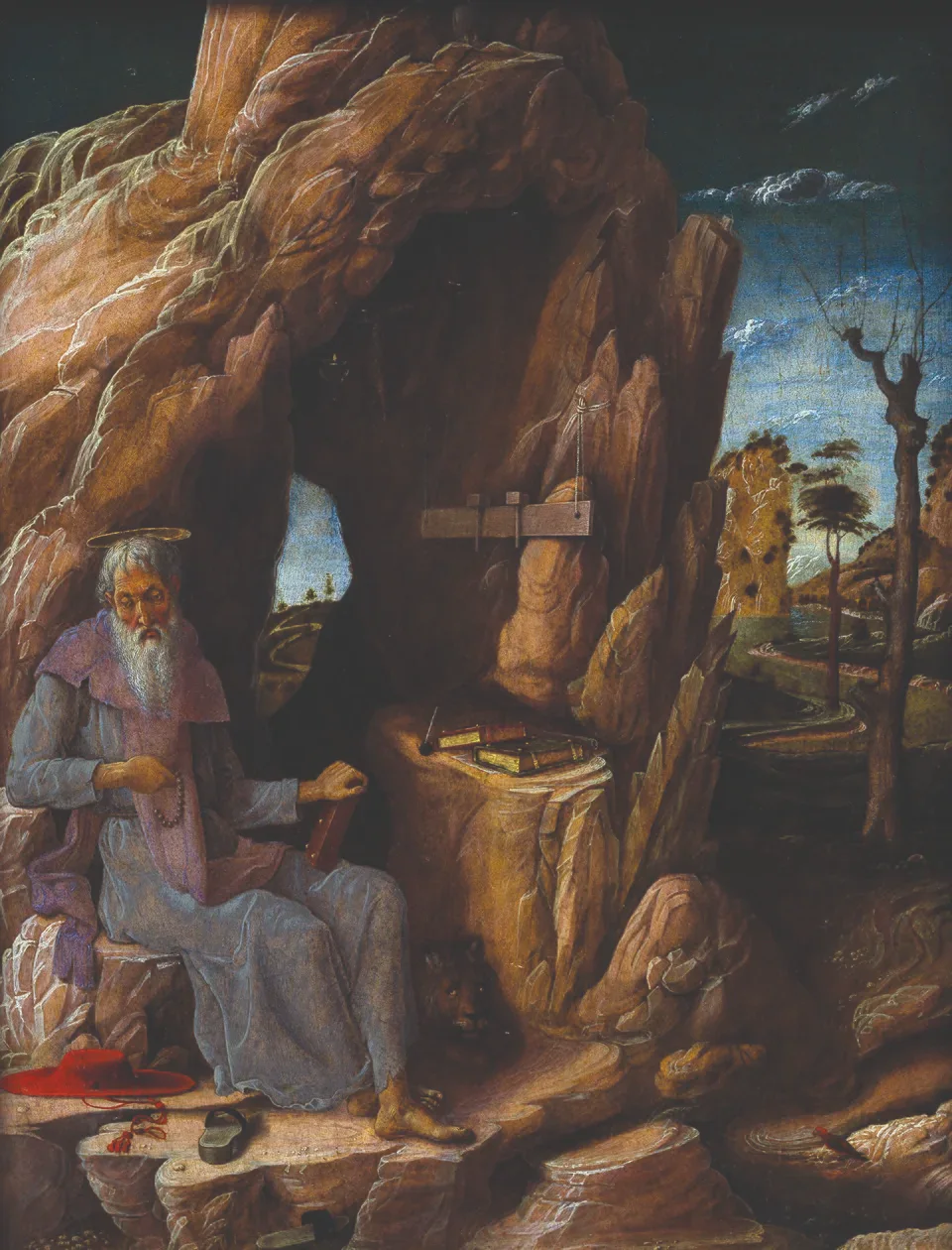
Saint Jerome in the desert
Andrea Mantegna had just left his teacher's studio, and could now take private commissions. Until then he had made religious pictures for other people. The chance came with a private commission, probably asked for by the humanist poet Ulisse degli Aleotti. The saint is Jerome, shown here as both a scholar and a hermit at once. Above the cave entrance sits a barn owl, a bird long linked to magic and superstition. Jerome meets it with reason, and so does the poet who wanted the picture. Two hammers rest on a beam inside the cave, perhaps a reference to Christ's Passion. A sandal lies abandoned in the foreground, probably borrowed from Flemish paintings. He could have seen those in the Este collections on his first trip to Ferrara. A drawing of Jerome with a lion, close in date to this painting, is kept in Berlin. What that drawing was for is still not known.
Listen in the appAndrea Mantegna · Public domain
- 11
Willys Madonna
Giovanni Bellini · 1480–1490
- 12
Scipio the Negro
Paul Cézanne · 1867
- 13
The Annunciation
El Greco, Jorge Manuel Theocupulus · c. 1600
- 14
The Schoolboy
Vincent van Gogh · 1888–1890
- 15
Portrait of Maria Pietersdr Olycan
Frans Hals · 1638
- 16
Ecstasy of Saint Francis Receiving the Stigmata
El Greco · c. 1600
- 17
Moema
Victor Meirelles · 1866
- 18
Ill-Matched Marriage
Quinten Metsys · 1525–1530
- 19
Francis Rawdon, 1st Marquess of Hasting and 2nd Earl of Moira
Thomas Gainsborough · 1784
- 20
Landscape with Couple Walking and Crescent Moon
Vincent van Gogh · 1890
- 21
Portrait of Cardinal Luis María de Borbón y Vallabriga
Francisco Goya · 1798–1800
- 22
Juan Antonio Llorente
Francisco Goya · c. 1809–1813
- 23
The Countess of Casa Flores
Francisco Goya · c. 1789–1792
- 24
Princess Louise-Élisabeth of France - The Earth
Jean-Marc Nattier · 1750
- 25
Marthe Berard by Pierre-Auguste Renoir
Pierre-Auguste Renoir · 1879
- 26
Self-portrait (Near Golgotha)
Paul Gauguin · 1896
- 27
Blessing Christ
Jean-Auguste-Dominique Ingres · 1834
- 28
The Temptations of St. Anthony (Hieronymus Bosch, São Paulo)
Hieronymus Bosch · 1500
- 29
The Plaster Torso
Henri Matisse · 1919
- 30
Paul Alexis lisant à Émile Zola (Paul Alexis Reading a Manuscript to Zola)
Paul Cézanne · 1869–1870
- 31
MASP Antique Market
Unknown Artist
- 32
The Bath of Diana
François Clouet · 1550–1560
- 33
Paisagem com rio e barco ao seco em São Paulo (Ponte Grande)
Giovanni Battista Castagneto · 1895
- 34
Flowers
Eliseu Visconti · 1917
- 35
Marinha com barco
Giovanni Battista Castagneto · 1885–1895
- 36
The Big Tree
Chaïm Soutine · 1942
- 37
Sacha Guitry and Yvonne Printemps
Édouard Vuillard · c. 1912–1917
- 38
The Flowered Dress
Édouard Vuillard · 1891
- 39
Dionysus and Ariadne
Giambattista Pittoni · 1730–1732
- 40
Venus and Mars
Carlo Saraceni
- 41
Monsieur Fourcade
Henri de Toulouse-Lautrec · 1889
- 42
Lamentation of Christ
Jacopo Tintoretto · c. 1560–1565
- 43
Paul Viaud em almirante do século XVIII
Henri de Toulouse-Lautrec · 1901
- 44
Paulo Afonso Falls
Frans Post · 1649
- 45
Chakoska
Amedeo Modigliani · 1917
- 46
Renée
Amedeo Modigliani · 1917
- 47
Madame Hanka Zborowska
Amedeo Modigliani · c. 1918
- 48
Portrait of Léopold Zborowski
Amedeo Modigliani · 1916
- 49
Portrait of Madame Cécile Van Muyden
Amedeo Modigliani · 1916–1917
- 50
Portrait of Diego Rivera
Amedeo Modigliani · 1916
- 51
The Virgin Nursing the Child with Saint John the Baptist in Adoration attributed to Giampietrino
Giampietrino · 1500–1520
- 52
Maestà attributed to the Master of Bigallo
Master of the Bigallo Crucifixion · 1275
- 53
Portrait of Teresa Cristina of the Two Sicilies
Victor Meirelles · 1864
- 54
Colección de las Principales Suertes de Una Corrida de Toros
Antonio Carnicero · 1790
- 55
Coffee Agricultural Worker
Candido Portinari · 1934
- 56
Pedro II of Brazil
Victor Meirelles · 1864
- 57
Portrait of Andries van Hoorn
Frans Hals · 1638
- 58
The poet Henry Howard, Earl of Surrey
Hans Holbein the Younger · 1541–1543
Museu de Arte de São Paulo
Frequently asked questions
How much does the guide cost?
Free app download. Free until 1 January. Listed guide price: $2.99. Audio guide only. Venue admission is separate.
Can I listen without internet?
Yes. Download the guide’s audio, images, and maps in the app before your visit. Your downloaded content is then available offline.
Can I listen in my language?
In English for now. More languages soon.
Do I need to follow a schedule?
No. This is a self-guided experience. Choose your stops, pause whenever you like, and return to a story at your own pace.
Which artworks are in the Museu de Arte de São Paulo audio guide?
58 artworks, including Resurrection of Christ (Raphael), Pink and Blue (Pierre-Auguste Renoir), Virgin and Child with the Infant John the Baptist (Sandro Botticelli), Boating on the River Epte (Claude Monet), Portrait of Cardinal Cristoforo Madruzzo (Titian), Portrait of the Count-Duke of Olivares (Diego Velázquez), Mister Pertuiset, The Lion Hunter (Édouard Manet), and Bather with a Griffon Dog (Pierre-Auguste Renoir). The full list is on this page.
Is this the museum’s official audio guide?
No. Stanza is an independent audio guide app and is not affiliated with Museu de Arte de São Paulo. Museum admission is separate.
At your own pace
Explore Museu de Arte de São Paulo.
Download Stanza, then search for “Museu de Arte de São Paulo”.
Free app download · Guide price shown in the app
Keep exploring
Audio guides — Brazil
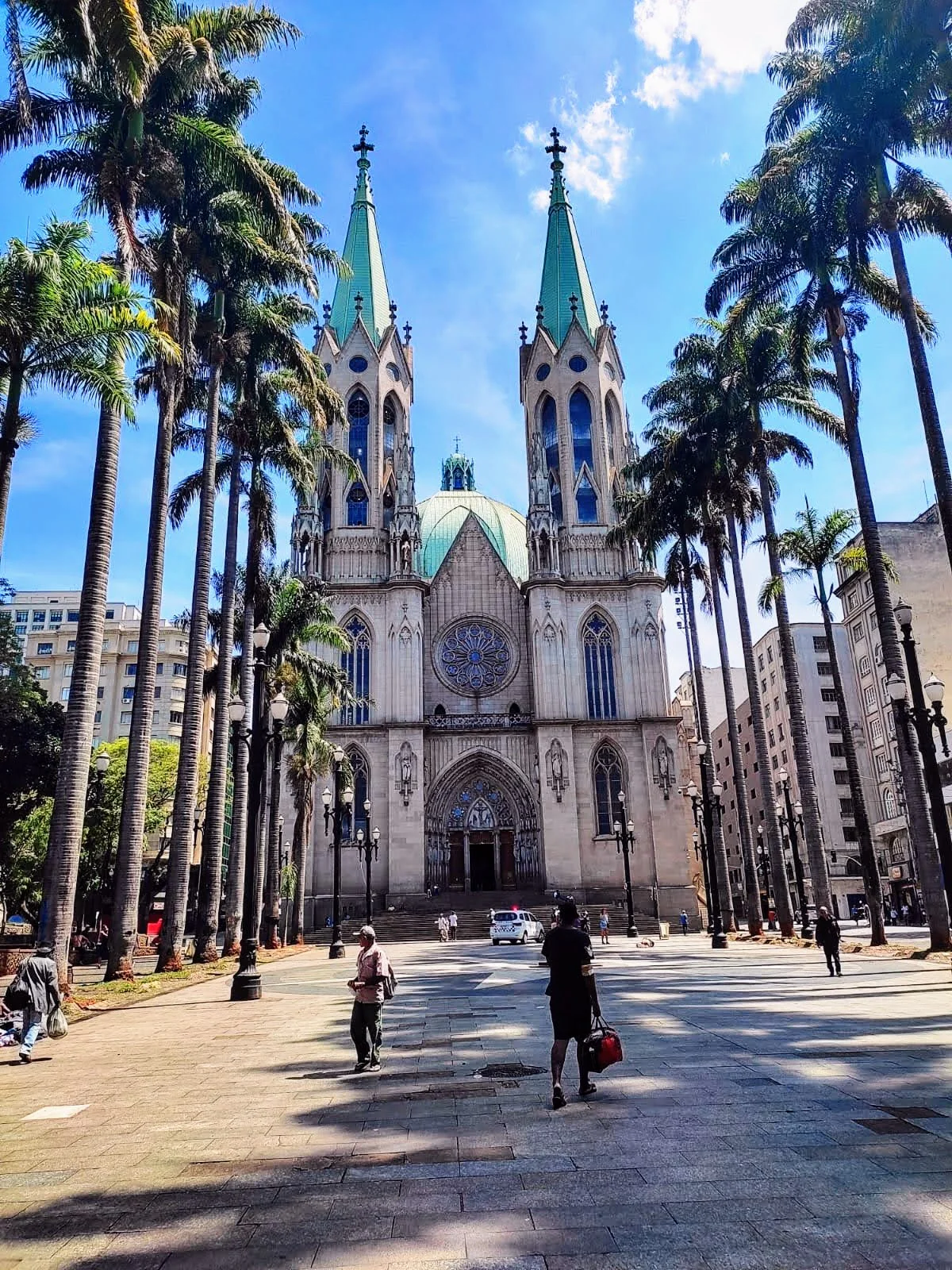
São Paulo · 2 km
Catedral Metropolitana de São Paulo
Content & sources
Photo: Geovana li malike · CC BY-SA 4.0
São Paulo · 5 km
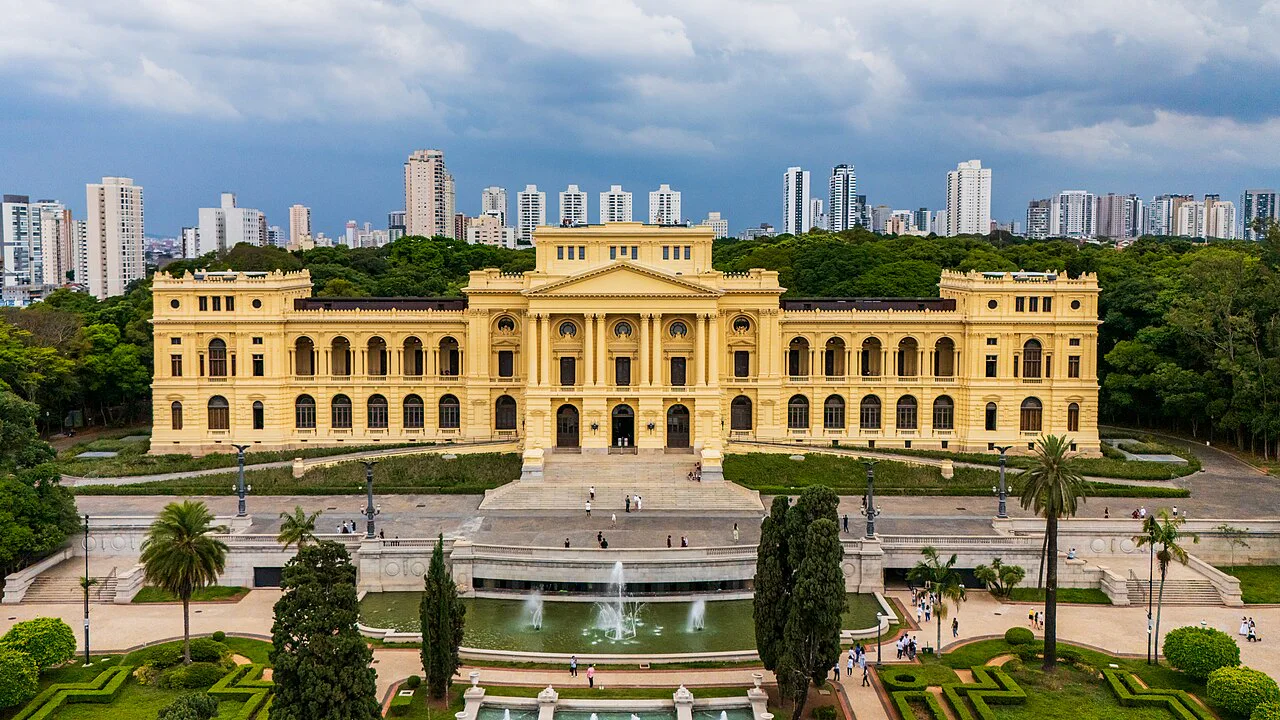
Museu do Ipiranga
Content & sources
Photo: ProtoplasmaKid · CC BY 4.0
Rio de Janeiro
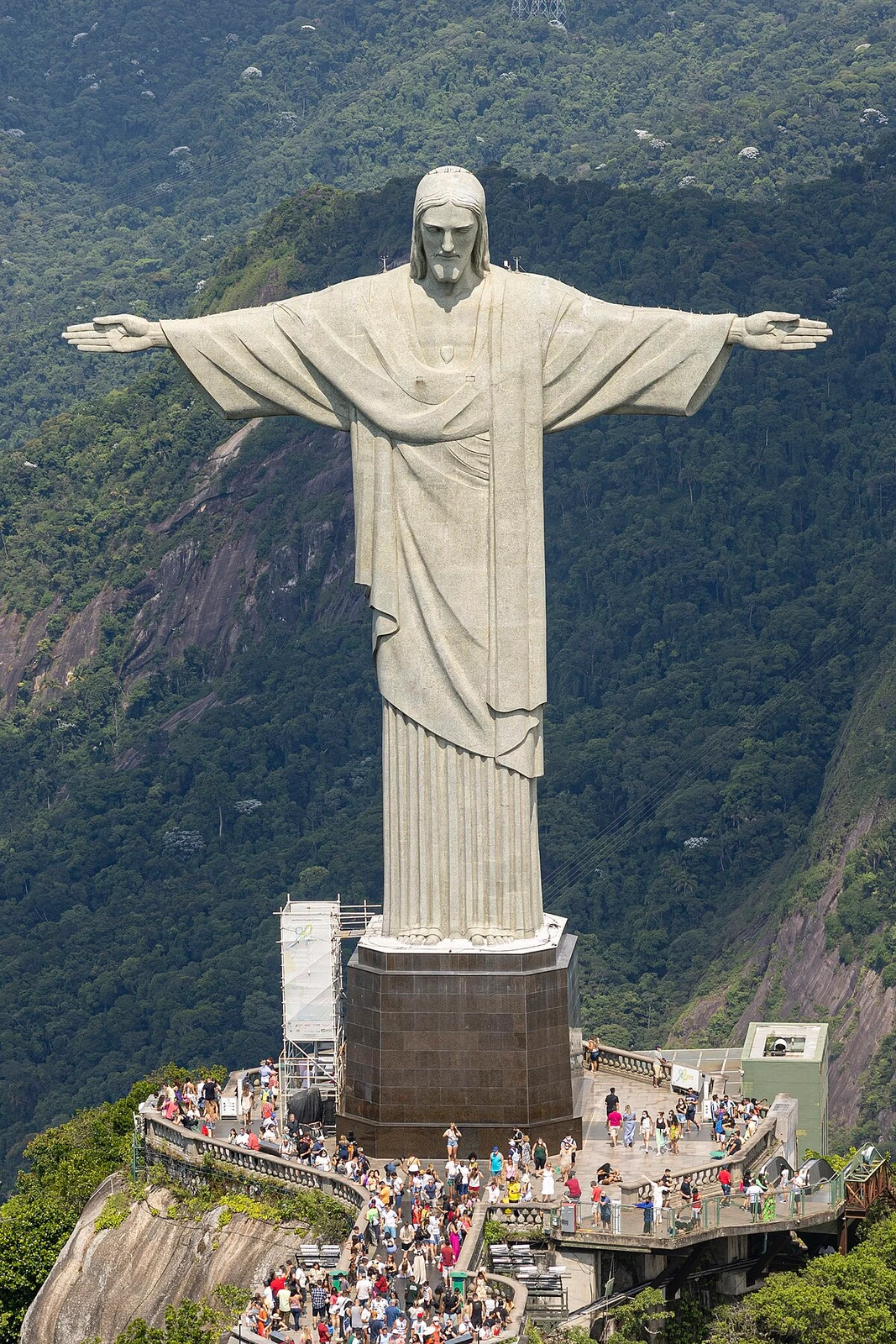
Christ the Redeemer
Content & sources
Photo: Arne Müseler · CC BY-SA 3.0 de
Rio de Janeiro
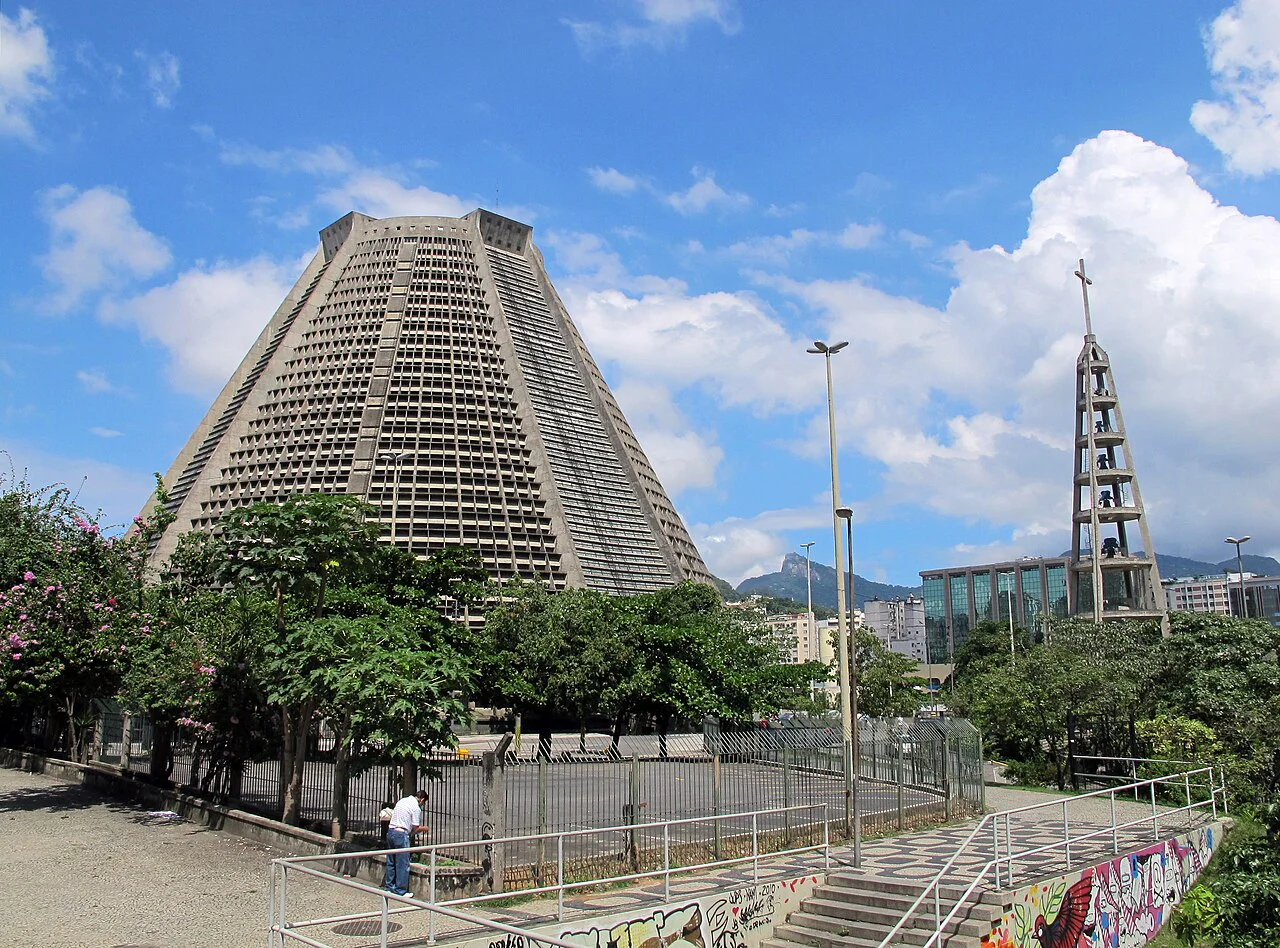
Catedral de São Sebastião do Rio de Janeiro
Content & sources
Haakon S. Krohn · CC BY-SA 3.0
Trinidad
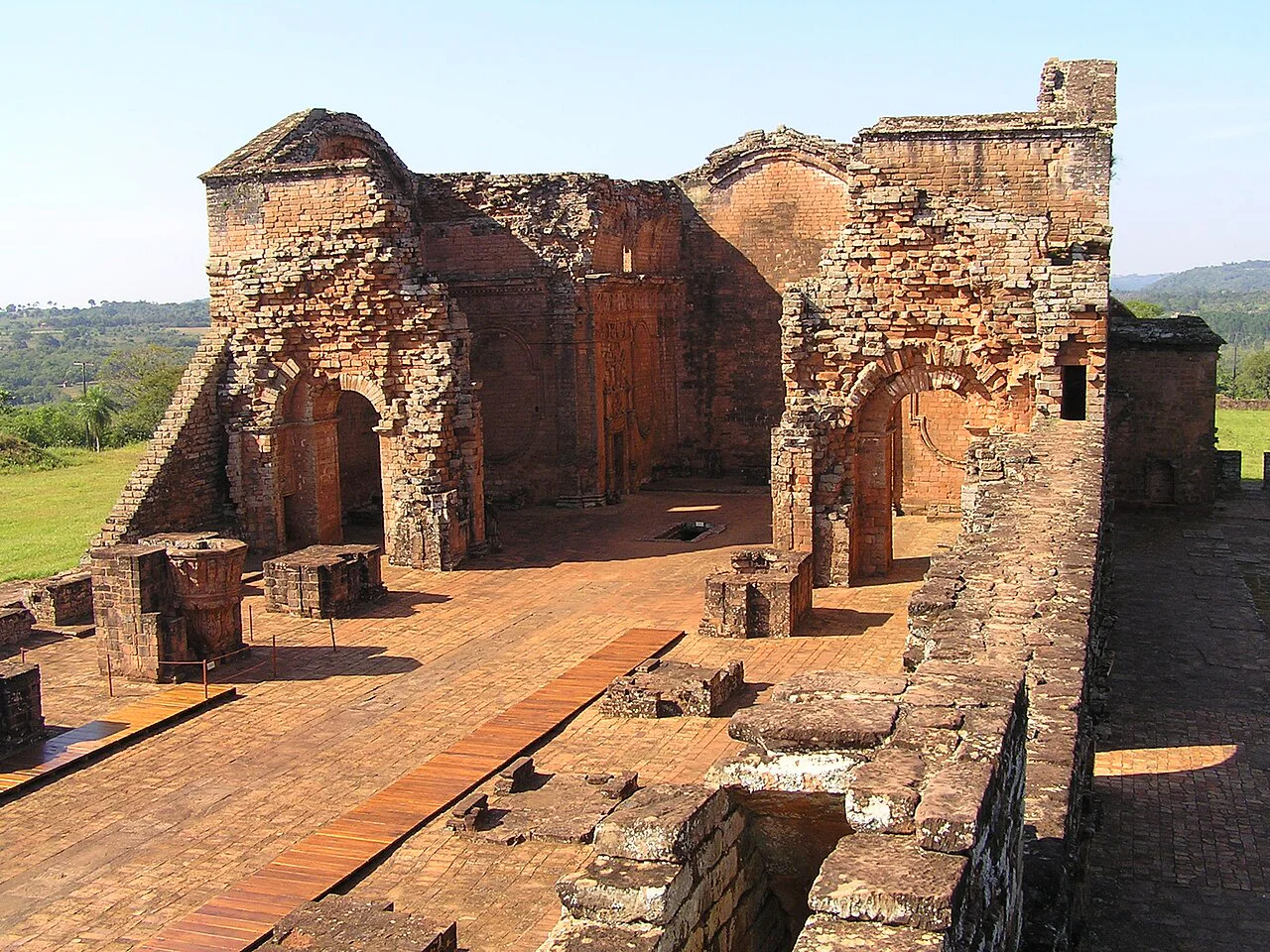
La Santísima Trinidad de Paraná
Content & sources
ogwen · CC BY-SA 3.0
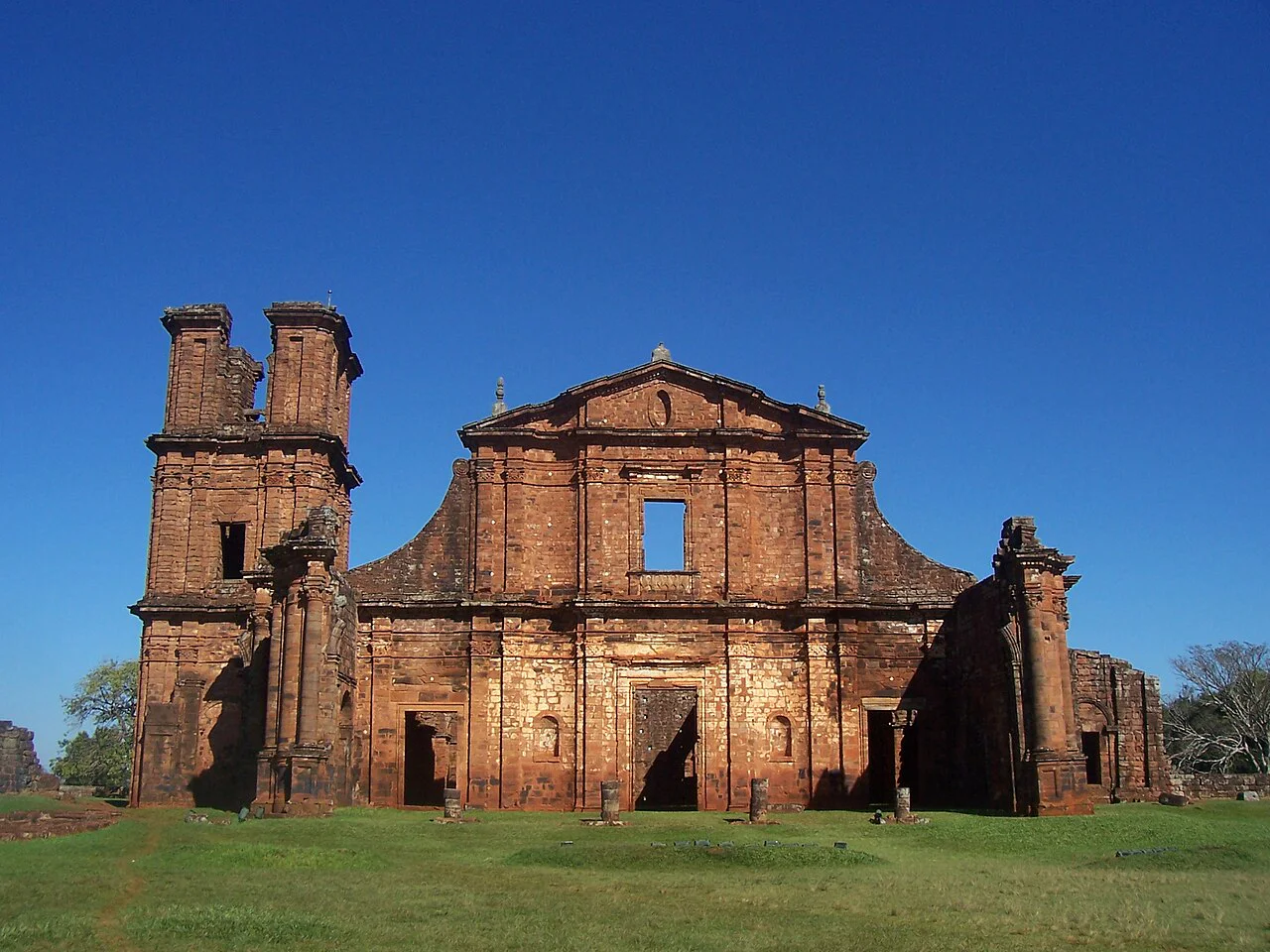
São Miguel das Missões
Sítio Arqueológico de São Miguel Arcanjo
Content & sources
Leandro Kibisz (Loco085) · CC BY-SA 3.0
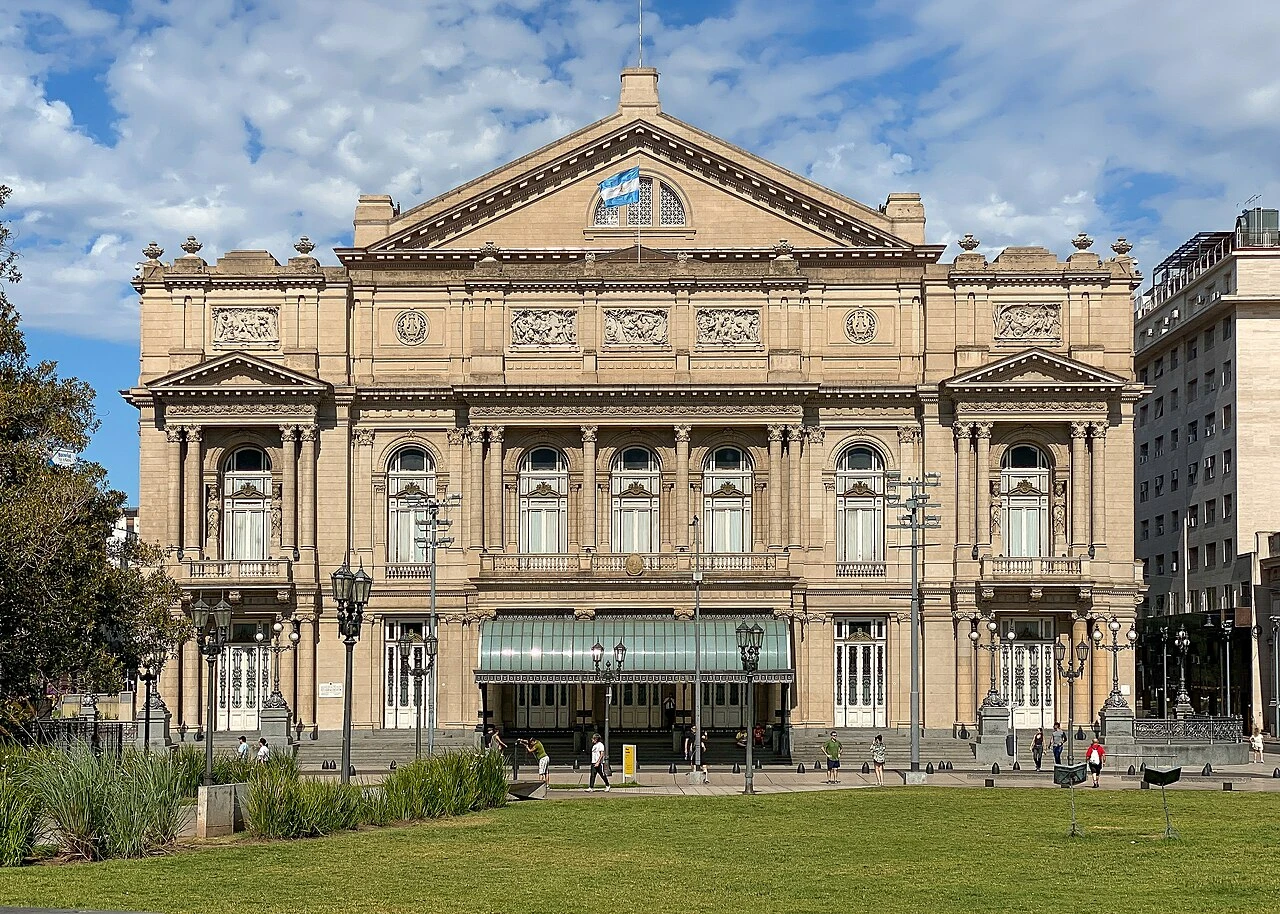
Buenos Aires
Teatro Colón
Content & sources
Photo: EEJCC · CC0
Art museums
More art museum audio guides
São Paulo · 67 artworks
Museu do Ipiranga
Content & sources
Photo: ProtoplasmaKid · CC BY 4.0
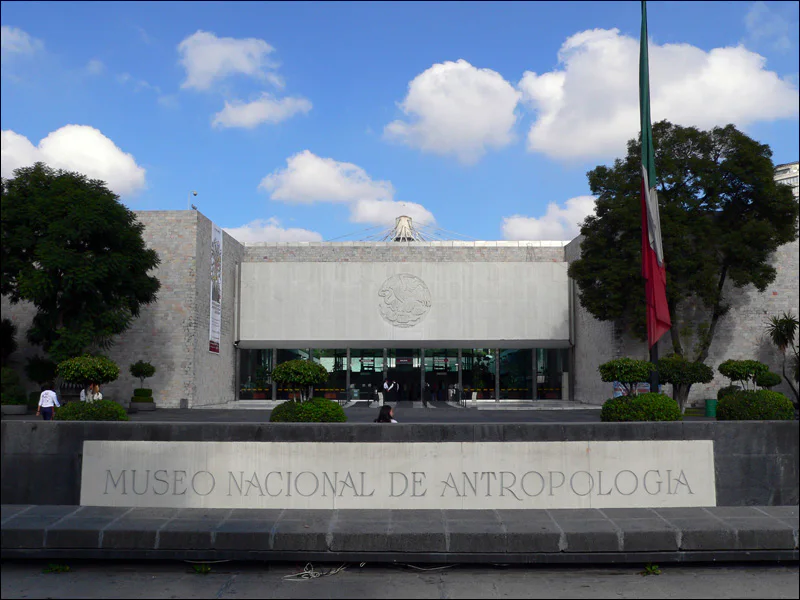
Mexico City · 19 artworks
Museo Nacional de Antropología
Content & sources
Photo: Kornemuz · CC BY-SA 3.0
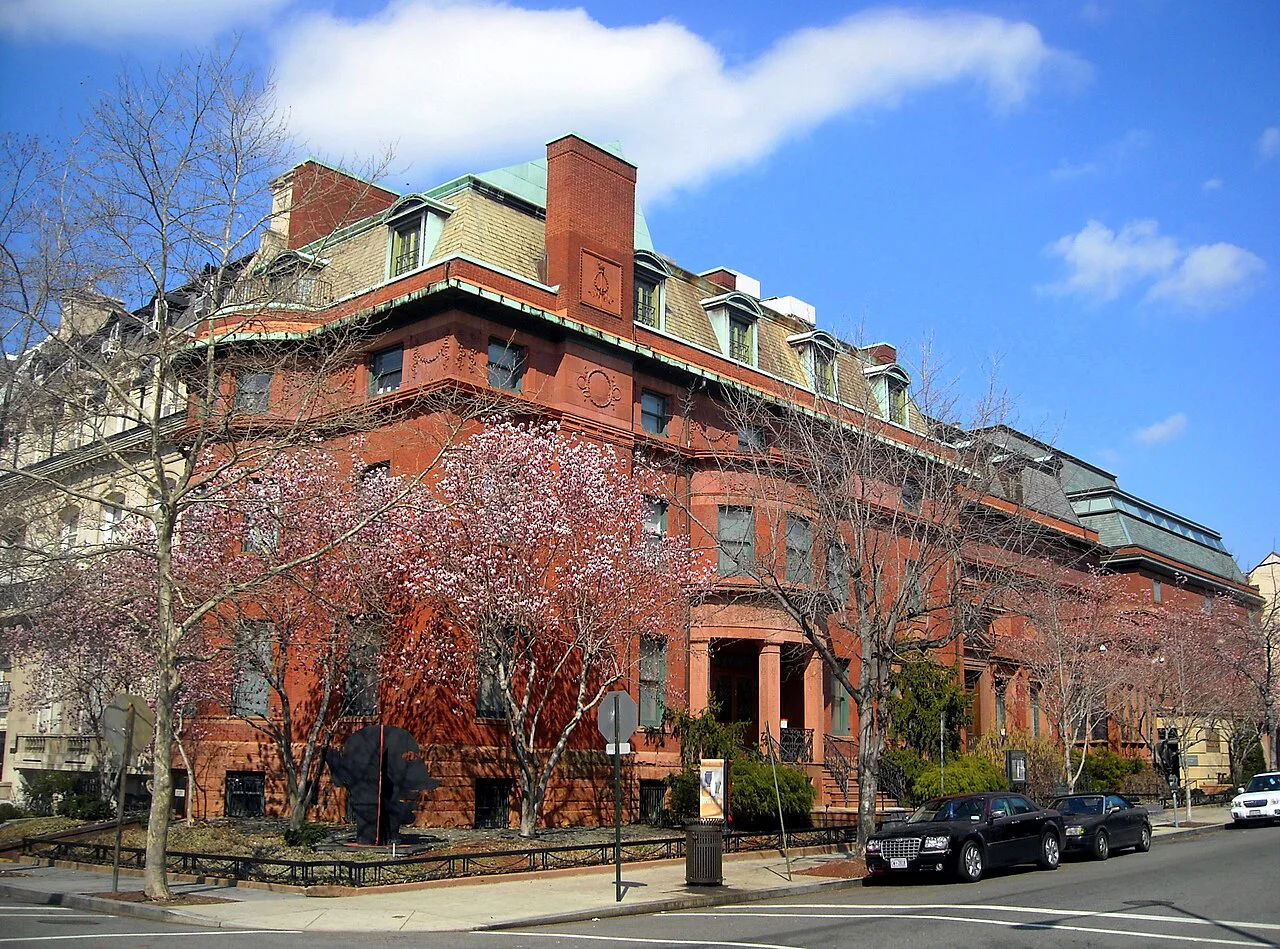
Washington, D.C. · 15 artworks
The Phillips Collection
Content & sources
APK · CC BY-SA 3.0
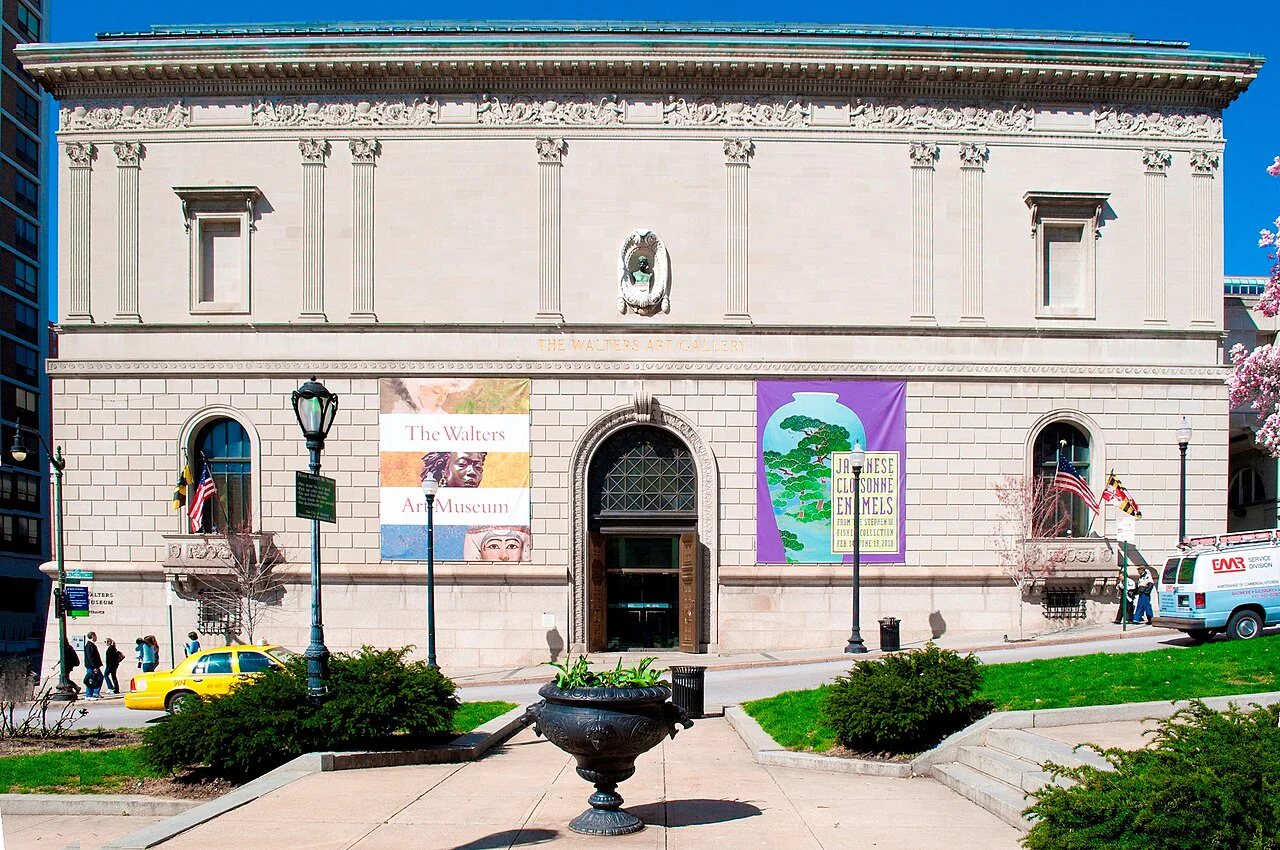
Baltimore · 60 artworks
Walters Art Museum
Content & sources
Dylan k · CC BY-SA 3.0
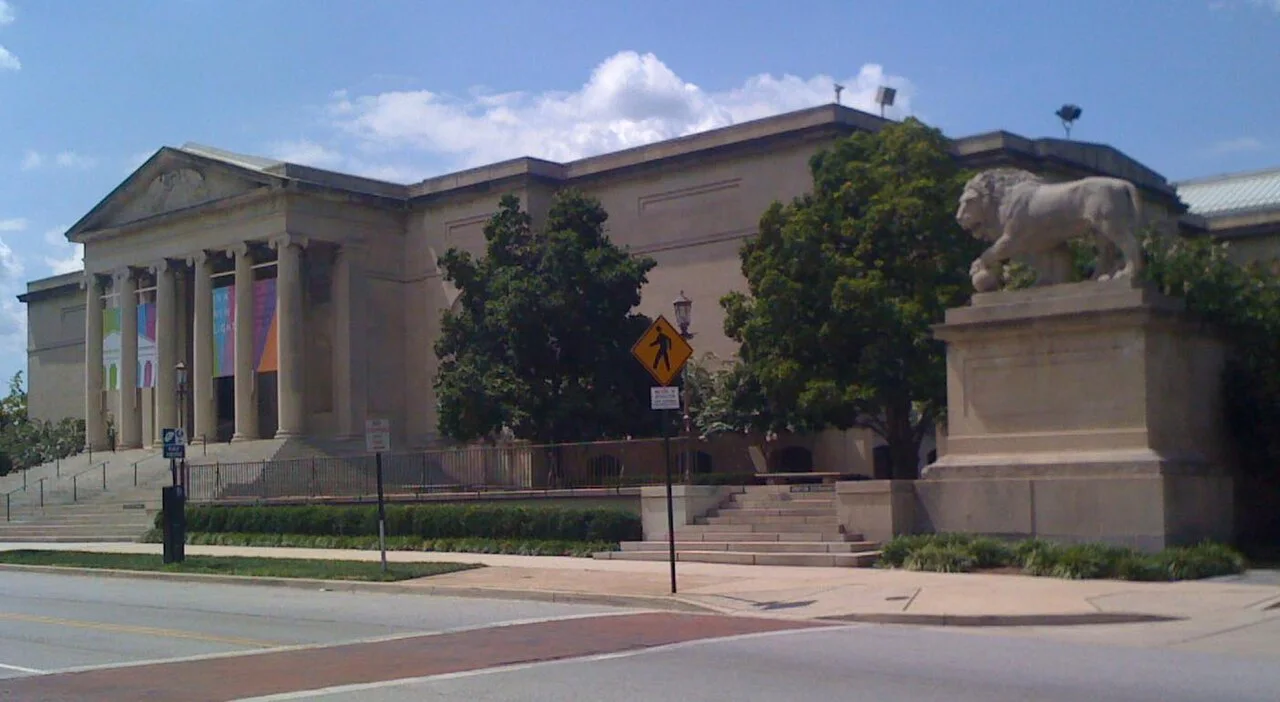
Baltimore · 19 artworks
Baltimore Museum of Art
Content & sources
«Marylandstater» «reply» at English Wikipedia. · Public domain
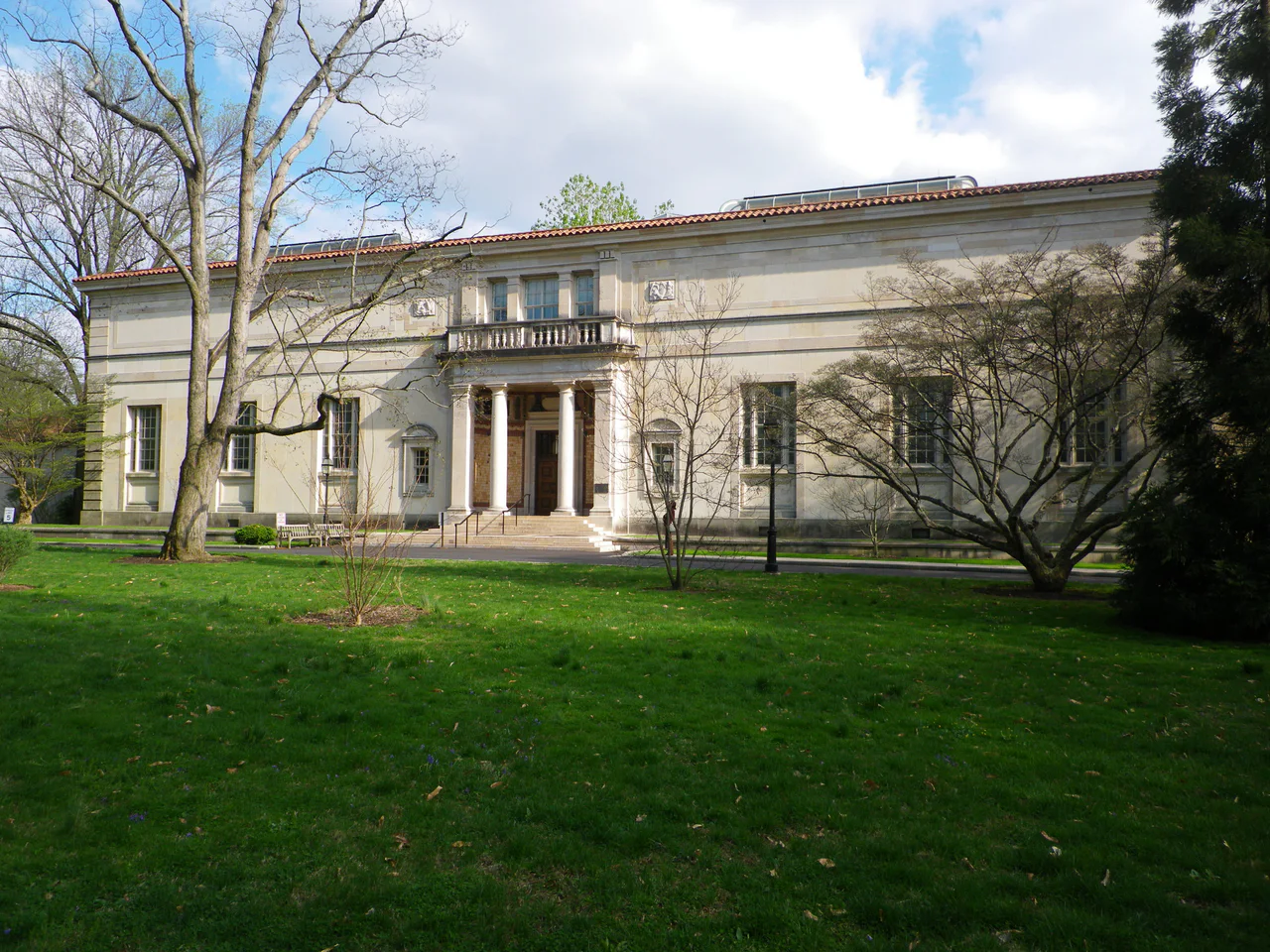
Philadelphia · 38 artworks
Barnes Foundation
Content & sources
Photo: Dmadeo · CC BY-SA 3.0