Stanza · Audio guide
Musée de l'Orangerie Audio Guide
A place to remember. A story to take with you.
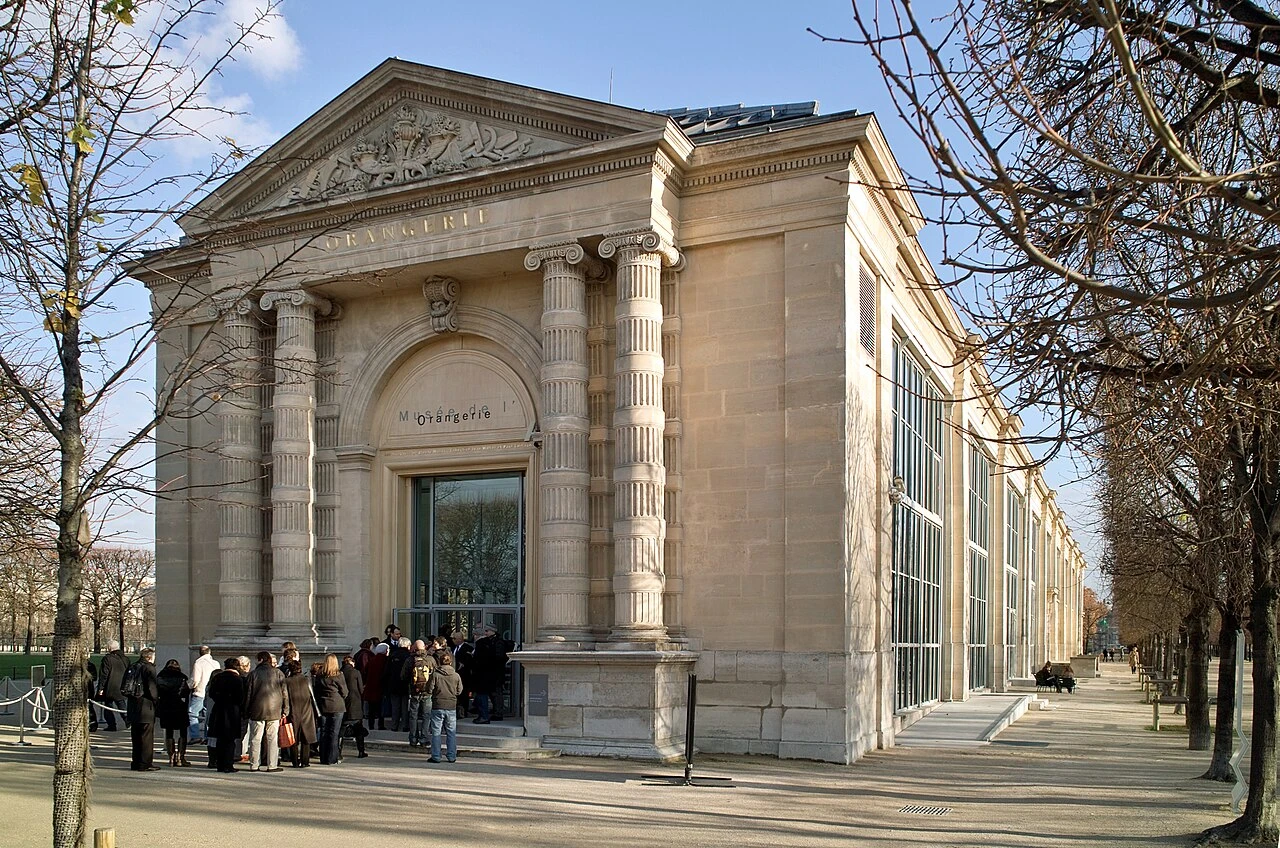
Located in the Tuileries Garden in Paris, this art museum is renowned for its immersive display of Claude Monet's large Water Lilies murals. It also features significant works by other Impressionist and…
Download Stanza, then search for “Musée de l'Orangerie”.
About the tour
One guide. Your kind of visit.
Located in the Tuileries Garden in Paris, this art museum is renowned for its immersive display of Claude Monet's large Water Lilies murals. It also features significant works by other Impressionist and Post-Impressionist artists.
The Musée de l'Orangerie guide tells the stories of 68 artworks, including Yvonne and Christine Lerolle at the Piano (Pierre-Auguste Renoir), Blonde Girl with a Rose (Pierre-Auguste Renoir), Gabrielle and Jean (Pierre-Auguste Renoir), Red Boats at Argenteuil (Claude Monet), Claude Renoir as a Clown (Pierre-Auguste Renoir), Snow-covered Landscape (Pierre-Auguste Renoir), Portrait of Paul Guillaume (Amedeo Modigliani), and Naked woman, lying (Pierre-Auguste Renoir). Every artwork is free to hear in the Stanza app until 1 January.
Ready when you are.
- 01Get the free Stanza app.
iOS & Android
- 02Find your guide.
“Musée de l'Orangerie”
- 03Download before you go.
Works offline
Audio guide / 68 artworks
Inside the guide
Get to know a few of the stories before you go. Open a stop to read more.
01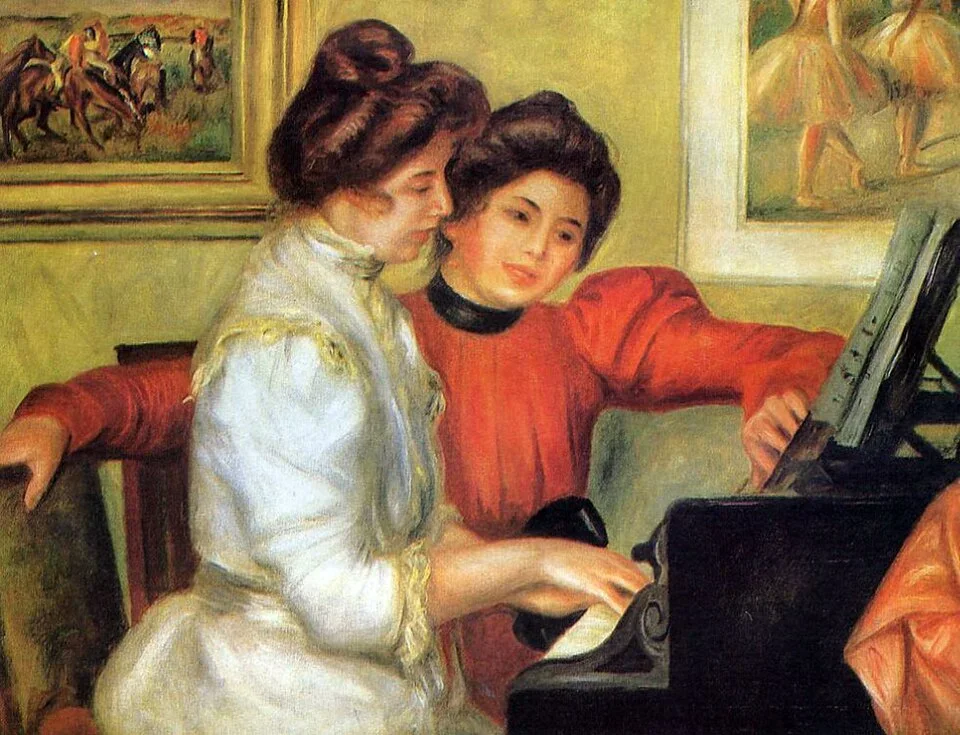
Yvonne and Christine Lerolle at the Piano
For about ten years Renoir worked with tight, careful outlines. Here he lets them go, and the fresh colour of his early years comes back. The change is there in the two girls at the piano. Yvonne, in front, wears white and is trying to play a piece. Behind her, Christine, in red, follows the music, turned more toward us. The white dress fills the front. But the soft glow of his earlier Girls at the Piano is gone, and the whole scene feels cold. Unlike Monet, he never lets the light dissolve the edges. On the wall behind them hang two paintings by Degas, Before the Race and A Group of Dancers. Their family supported new painters, and Degas most of all. Renoir had become the favourite painter of the French bourgeoisie. This scene of girls making music at home was just what those collectors loved. It was the first of his paintings the French State ever bought. Henry Roujon bought it at an exhibition of his work. He was acting on the urging of Stéphane Mallarmé. Roujon wanted a permanent collection of living artists, shown at the Luxembourg Palace in Paris.
Listen in the appPierre-Auguste Renoir · Public domain
02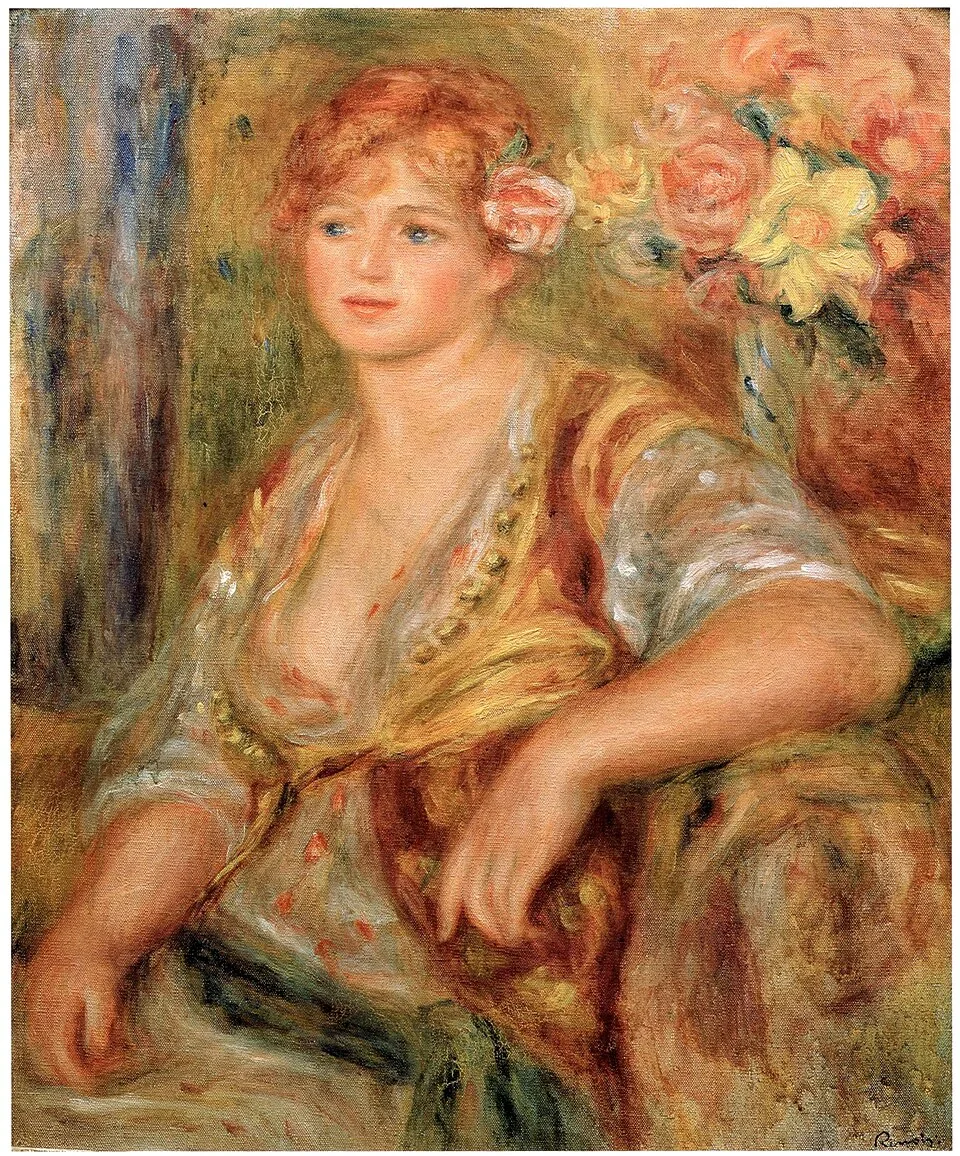
Blonde Girl with a Rose
A single pink rose sits in her hair, just above her left ear. For Renoir a rose in a woman's hair was his way of saying beauty, and he had used it that way from 1900 on. It answers a bouquet of pink and yellow roses on the right of the picture. The girl is Catherine Hessling, his last model, still in her teens, and she appears in several of his final paintings. Here she sits in an armchair, turned three quarters to us, shown to the waist. Her flawless skin is what struck him. He used soft tones dominated by red, and made her face very smooth. She would marry his son Jean in 1920 and go on to act in films. He said he had worn his old eyes out on her young skin, and found he was no master, only a child.
Listen in the appPierre-Auguste Renoir · Public domain
03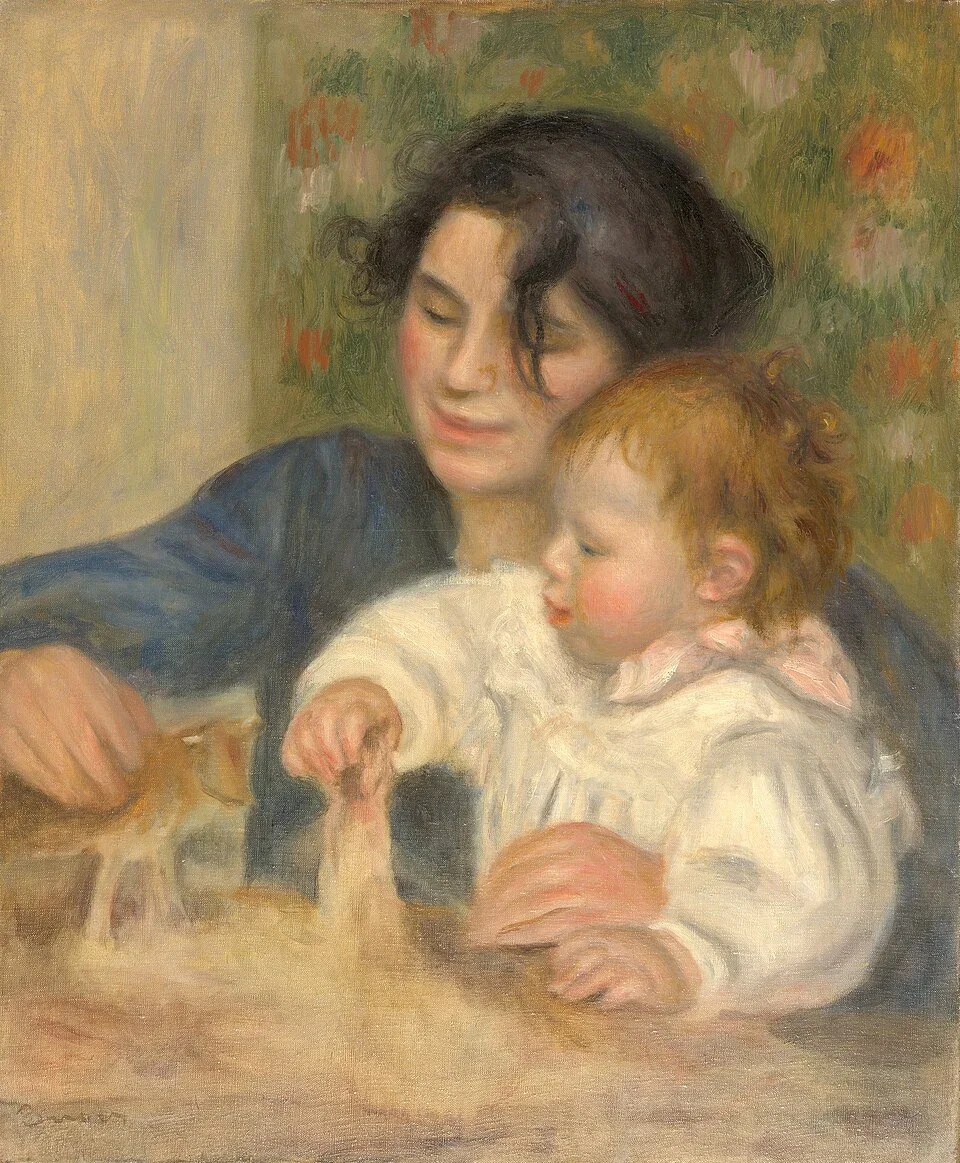
Gabrielle and Jean
Renoir painted the people he was closest to, and this is his own little son. Jean sits on the lap of Gabrielle, the woman who looked after him, and plays with small animal figures barely sketched in. His cheeks are a little flushed and his hair catches the light. Gabrielle watches him with a tender, thoughtful look and amuses him with a little toy. She was a cousin of Renoir's wife Aline, and one of his favorite models, trusted by the couple to care for Jean. In these years he was turning away from the hard, tight outlines of his recent work, back to the gentle colors of his Impressionist years. The blue of Gabrielle's dress and the white of Jean's clothes set the two figures apart, with no background worked out in detail. That little boy grew up to become one of France's most famous film directors.
Listen in the appPierre-Auguste Renoir · Public domain
04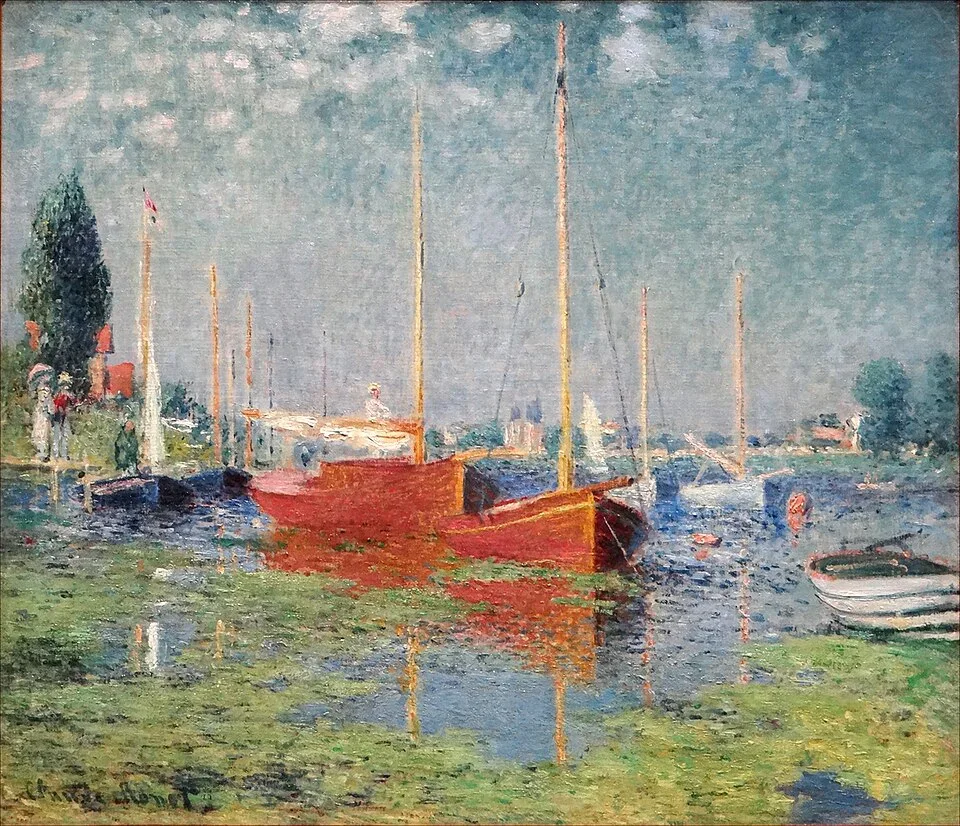
Red Boats at Argenteuil
Red boats sit at the center, rust red against the blue of water and sky, with green weed floating on the Seine. In December 1871 Monet moved his family to Argenteuil, a town northwest of Paris and a favorite with sailing enthusiasts. Around 1875 he painted its harbor at least five times. Two of those views, this one among them, share almost the same framing and the same title. The boats are not the real subject. He was painting the tremble of light in the air and across the water. He put down small touches of pure color to catch a passing effect of light. The strokes are broken, and the sky and its reflection shimmer. White flecks of sail and dark blue hulls on the left strengthen the contrast. The lines drift apart to the right and left of the boats instead of meeting, so the usual rules of perspective are not strictly observed.
Listen in the appClaude Monet · Public domain
05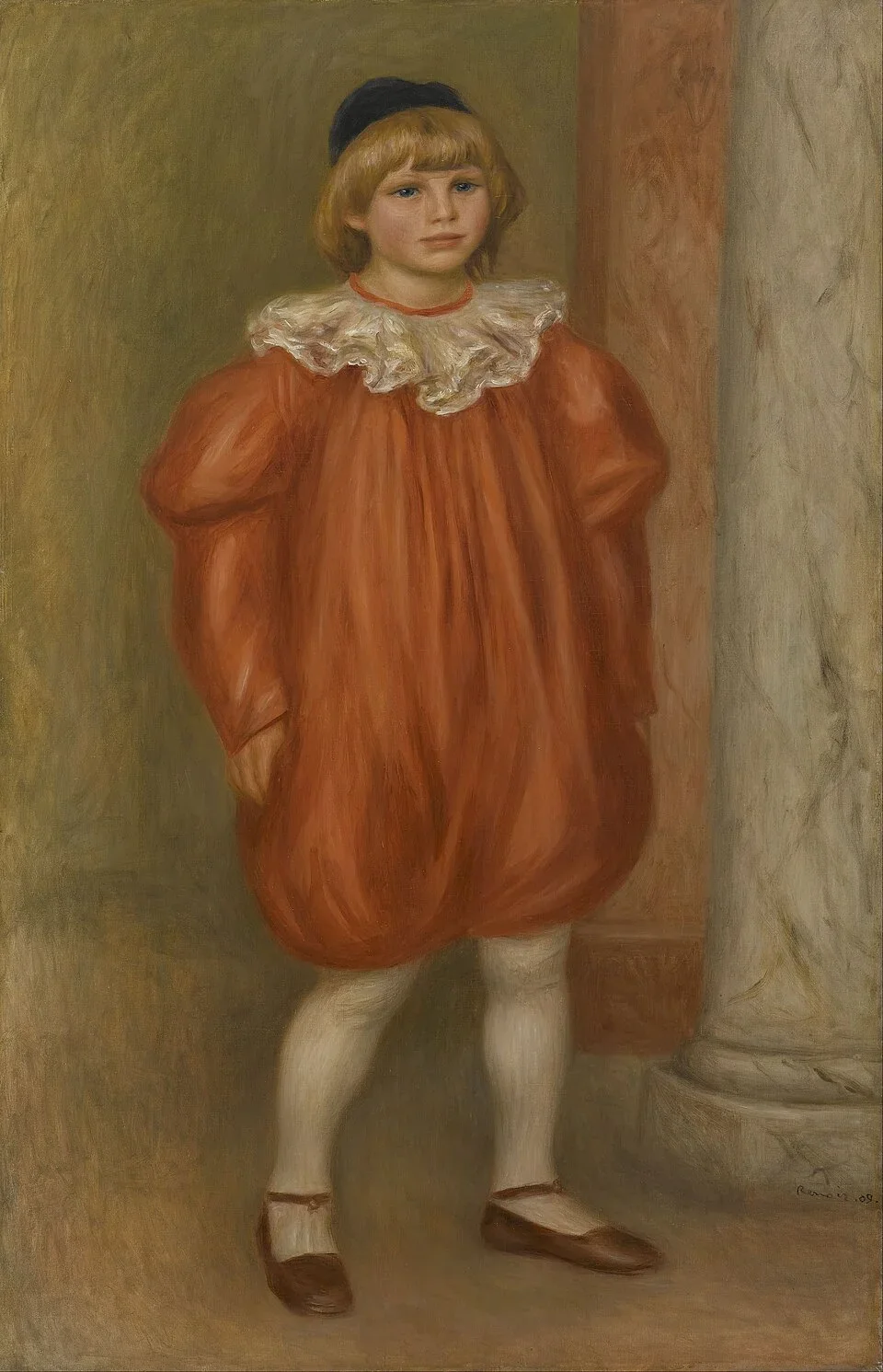
Claude Renoir as a Clown
The wool stockings have been refused, and silk ones have been bought. A boy now stands in a billowing red clown costume, waiting to be painted. Renoir usually painted his own children without their knowing it. This time he made the boy pose. The costume is red silk, and he worked up its billowing shapes. Those shapes give the boy a presence, even a kind of authority. A marble column tilts behind him, suggesting a palace in a bare, timeless space. The boy brings to mind court portraits of the kind Velázquez painted. The costume, though, is a clown's. Some forty years later, Claude still remembered those sittings as difficult ones.
Listen in the appPierre-Auguste Renoir · Public domain
06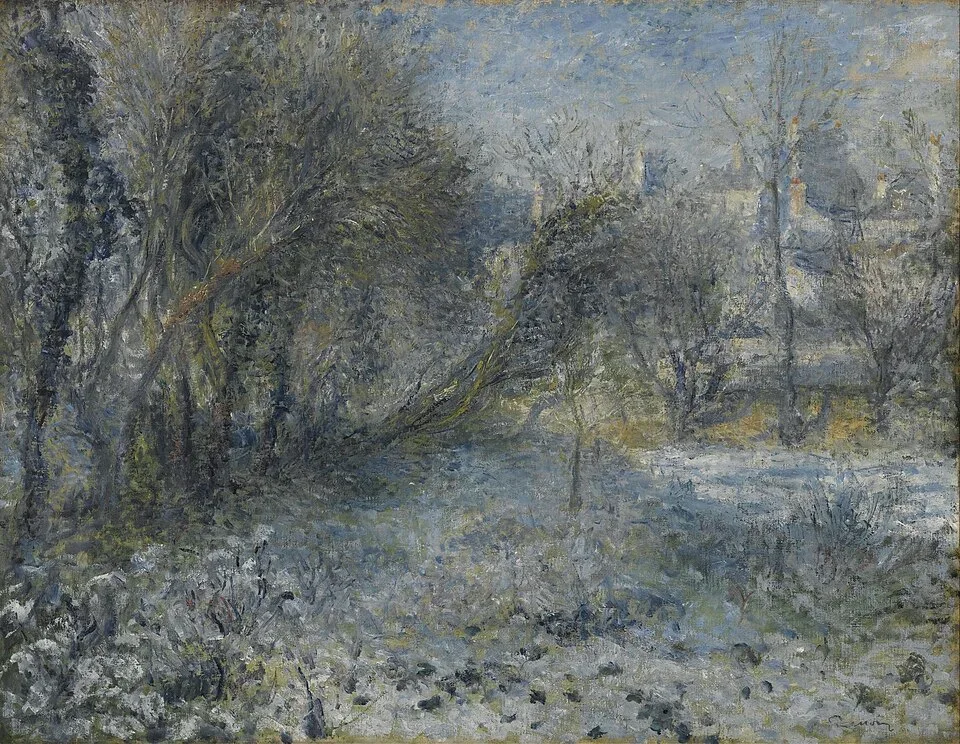
Snow-covered Landscape
There is almost no snow in this snowy landscape. It does not cover everything. Most of the canvas is the sun's reflection and a bluish sky. Renoir made the picture to show that snow is not white. White, he said, does not exist in nature. Instead the snow takes on the colours of everything around it. He told Vollard he had never been able to stand the cold. Of winter landscapes, he said, there was only this canvas, and two or three small studies. He called snow a disease of nature. Yet here it became a testing ground for Impressionist painting, a place to experiment with light and coloured shadow. The canvas carries no date. Its paint is laid in small strokes, packed tightly together. That way of painting brings it close to the snowy landscapes Monet made about 1875.
Listen in the appPierre-Auguste Renoir · Public domain
07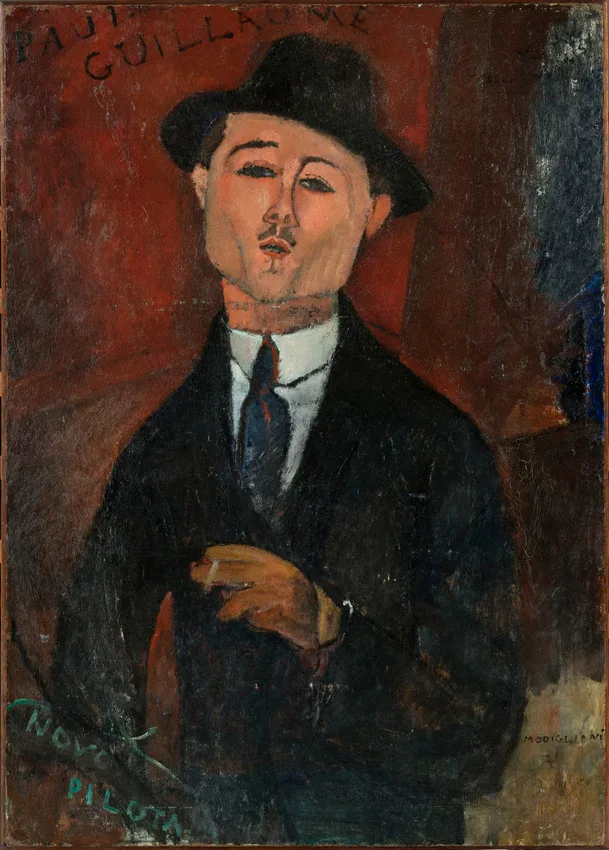
Portrait of Paul Guillaume
Tucked between the signature and the date in the bottom right corner is a swastika. When Modigliani drew it, it was a Sanskrit sign of good omen, with none of the meaning we give it now. It is one of several tributes to the young man in the picture. Paul Guillaume was only twenty-three. He dealt in contemporary and African art, and was among the first to exhibit African art. He handled painters like Modigliani himself. His name runs in capitals along the top left. Stella Maris sits at the top right beneath a Star of David. Novo Pilota, the new helmsman, is written at the bottom left. To his contemporaries, this was the man steering the art world. Modigliani met Guillaume through the poet Max Jacob and painted him four times between 1915 and 1916. This one was made in the Montmartre house of Beatrice Hastings, the British poet who was Modigliani's lover. But the way he painted him lets a small irony into the praise. He holds a cigarette, his head tipped slightly back. His eyes are half shut and fixed on you, his lips parted as if breathing out smoke. He looks almost arrogantly sure of himself. The strokes are quick and loose, and the left hand is barely sketched.
Listen in the appAmedeo Modigliani · Public domain
08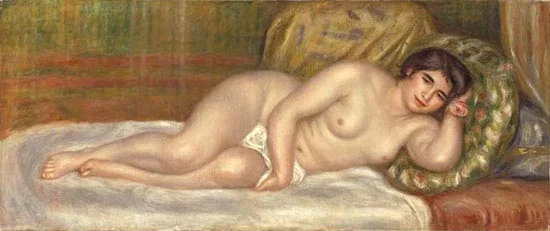
Naked woman, lying
Who is this woman? She is lying on a white sheet, her body turned to the left, her head held up by her hand. She was Gabrielle Renard. She first came into Renoir's household as a nurse for his little son Jean. She stayed on as his model, and in time became his muse. So she was no passing stranger. He painted other women lying down between 1902 and 1907, and used several different models. Gabrielle is the one here. He kept the painting in his studio until he died, which is why it is hard to date it precisely. It was first shown in 1927, and the state bought it in 1960. Behind her, the background is left plain, and that plainness makes the softness of the cushions come forward.
Listen in the appPierre-Auguste Renoir · Public domain
09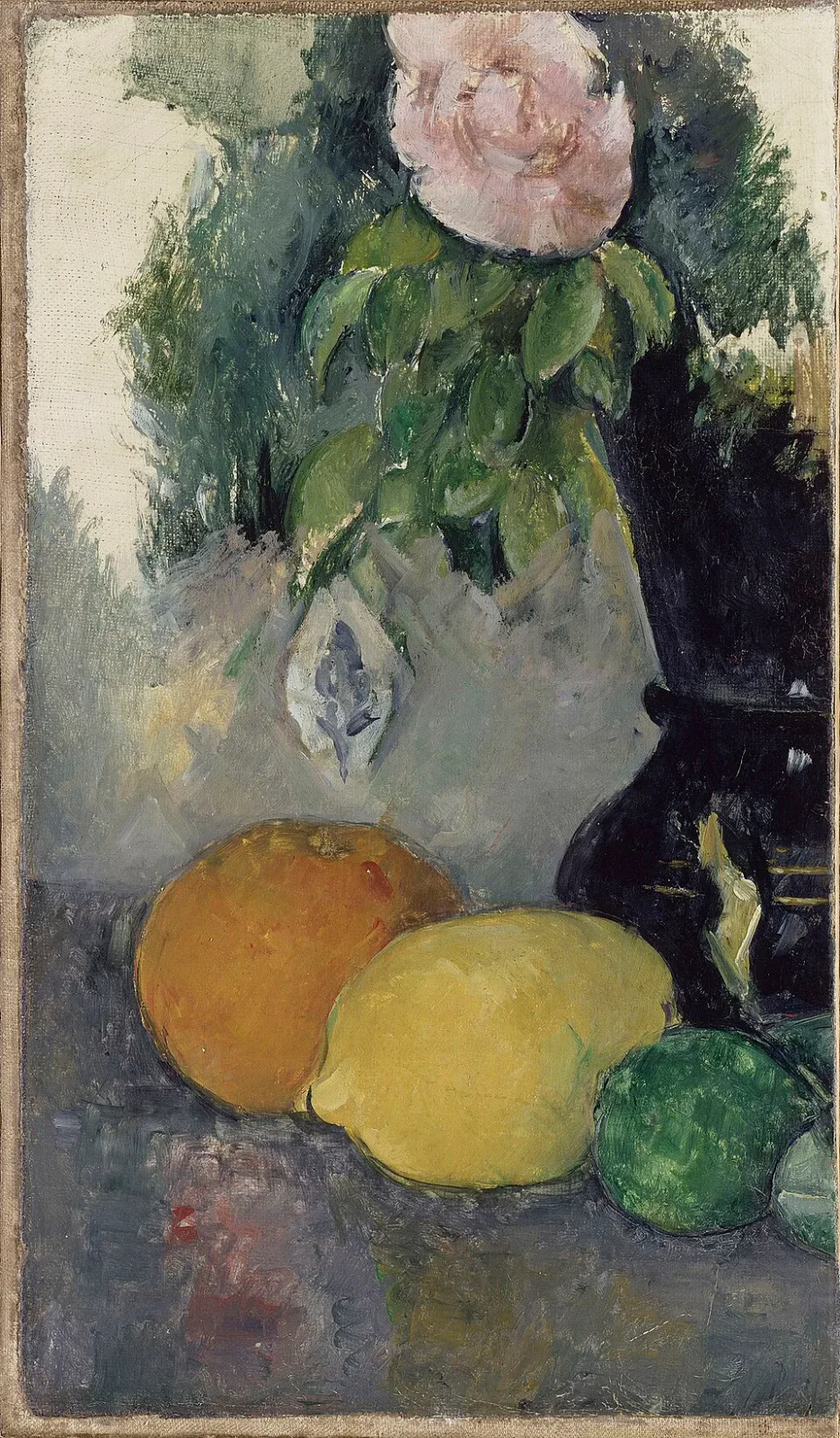
Nature morte, rose et fruits (Flowers and Fruits)
This began as part of a larger painting. Cézanne left that bigger canvas unfinished. Between 1904 and 1914 a dealer cut it in two. That is why it reaches you as a picture on its own. The background was never finished. The fruit is laid out by size, and the colours run from orange to blue. The vase and flowers are the same ones in Flowers in a Blue Vase, cut from the same canvas. Paul Guillaume bought this half in 1931, from the gallery owner Ambroise Vollard. Years after Guillaume died, his widow Domenica, who loved Cézanne's work, bought the other half. She had no idea it had once been joined to the picture her husband owned. Both are here now, and in 1992 the curator Michel Hoog pieced their story together, showing the two canvases had once been one.
Listen in the appPaul Cézanne · Public domain
10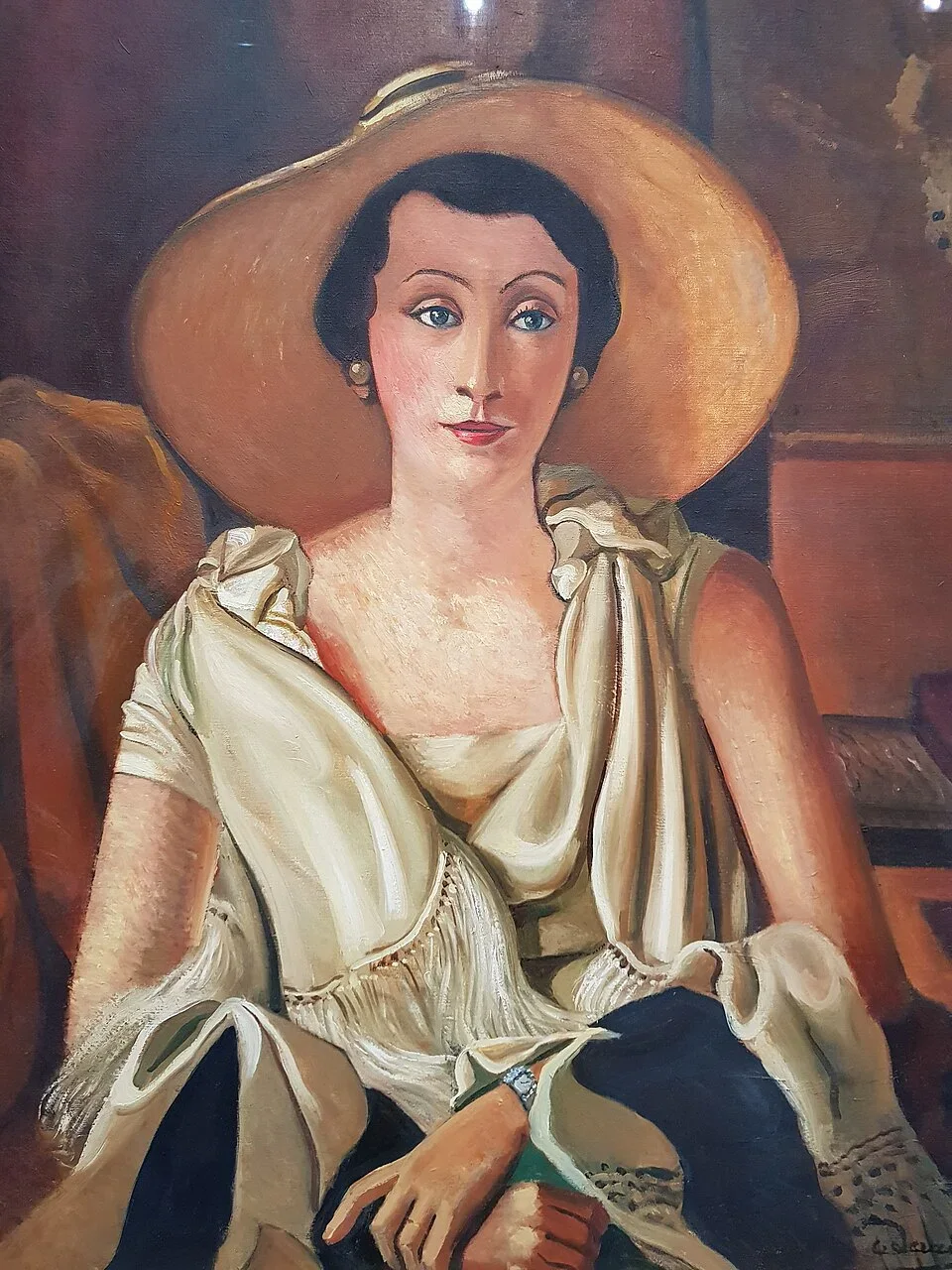
Portrait of Madame Guillaume with pamela
Domenica wanted a place in high society, and here she has it. She sits with her hands crossed, her face grave, in an elegant hat and stole, with rich fabrics and drapery arranged around her. Her husband was Paul Guillaume, a leading art dealer, and at that time they were at the height of their fame. Her eyes are what stay with you. Derain lit each pupil with a touch of white, so they seem to look straight at you. It recalls the Coptic portraits he collected. After Paul Guillaume died, her reputation turned. She gained a name for using people, ready to do anything to keep her place in society. And for many people afterwards, this portrait became the face of the evil Domenica.
Listen in the appPhilippe Cendron · Public domain
- 11
Lunch on the Grass
Paul Cézanne · c. 1873–1875
- 12
Straw-Trimmed Vase, Sugar Bowl and Apples
Paul Cézanne · c. 1890–1894
- 13
Le Rocher rouge (The Red Rock)
Paul Cézanne · 1895–1900
- 14
Madame Cézanne in the Garden
Paul Cézanne · 1879–1880
- 15
The boat and the bathers
Paul Cézanne · c. 1890
- 16
In the park of Château Noir
Paul Cézanne · c. 1898–1900
- 17
Arbres et maisons au lieu dit La Durane (Trees and Houses)
Paul Cézanne · c. 1885
- 18
Flowers in a Blue Vase 1880
Paul Cézanne · c. 1880
- 19
Fruits, napkin and milk box
Paul Cézanne · c. 1880
- 20
The Pine tree at Estaque
Paul Cézanne · c. 1875–1876
- 21
The Artist's Son in the Red Chair
Paul Cézanne · 1880–1884
- 22
Leaning Woman
Pierre-Auguste Renoir · 1917–1919
- 23
Strawberries
Pierre-Auguste Renoir · c. 1905
- 24
Claude Renoir, playing
Pierre-Auguste Renoir · c. 1905
- 25
Bouquet of tulips
Pierre-Auguste Renoir · 1905
- 26
Odalisque in red trousers
Henri Matisse · c. 1924–1925
- 27
Antonia
Amedeo Modigliani · c. 1915
- 28
Portrait of Madame Cézanne
Paul Cézanne · 1885–1890
- 29
Naked Woman in a Landscape
Pierre-Auguste Renoir · 1883
- 30
Apples and biscuits
Paul Cézanne · c. 1880
- 31
Long-haired bather
Pierre-Auguste Renoir · c. 1895
- 32
The Young Girl and the Vase of Flowers, by Henri Matisse
Henri Matisse · c. 1920
- 33
Nu drapé étendu
Henri Matisse · c. 1923–1924
- 34
Blue Odalisque
Henri Matisse · c. 1921–1922
- 35
The Three Sisters
Henri Matisse · 1917
- 36
Women on a Sofa, by Henri Matisse
Henri Matisse · c. 1921
- 37
Odalisque with Grey Trousers, by Henri Matisse
Henri Matisse · c. 1927
- 38
Woman with a Violin, by Henri Matisse
Henri Matisse · c. 1921–1922
- 39
Woman with a Mandolin, by Henri Matisse
Henri Matisse · c. 1921–1922
- 40
The Boudoir, by Henri Matisse
Henri Matisse · c. 1921
- 41
The Wedding Party
Henri Rousseau · c. 1905
- 42
The Ship in the Tempest
Henri Rousseau · 1890–1899
- 43
Anglers
Henri Rousseau · c. 1908–1909
- 44
La Carriole du Père Junier
Henri Rousseau · 1908
- 45
The Chair Factory in Alfortville
Henri Rousseau · 1897
- 46
The child with the doll
Henri Rousseau · 1892
- 47
La Falaise
Henri Rousseau · 1895
- 48
The floor waiter
Chaïm Soutine · 1927
- 49
Portrait of a man (Emile Lejeune)
Chaïm Soutine · c. 1922–1923
- 50
Promeneurs dans un parc
Henri Rousseau · 1900–1910
- 51
Musée de l'Orangerie, Paris - Derain 05
André Derain · 1931
- 52
André Derain, Portrait of Paul Guillaume, 1919
André Derain · 1919
- 53
The Turkey
Chaïm Soutine · c. 1925
- 54
The Houses
Chaïm Soutine · c. 1920–1921
- 55
Beef and calf's head
Chaïm Soutine · c. 1925
- 56
The Village
Chaïm Soutine · c. 1923
- 57
The White House
Chaïm Soutine · 1918
- 58
The Table
Chaïm Soutine · 1919–1927
- 59
Landscape with character
Chaïm Soutine · 1918
- 60
Notre-Dame
Maurice Utrillo · 1909
- 61
Église de Clignancourt
Maurice Utrillo · c. 1913–1915
- 62
Derain, Harlequin and Pierrot, 1924 - Musée de l'Orangerie, Paris
André Derain · c. 1924
- 63
Maurice Utrillo, The Town Hall with the Flag (1924) RF 1960-53
Maurice Utrillo · 1924
- 64
The Little Pastry Cook
Chaïm Soutine · 1920s
- 65
Woman with Velvet Ribbon
Amedeo Modigliani · c. 1915
- 66
Red-Haired Girl
Amedeo Modigliani · c. 1915
- 67
Jean Walter-Paul Guillaume Collection
Paul Guillaume
- 68
The Young Apprentice
Amedeo Modigliani · 1917–1919
Musée de l'Orangerie
Frequently asked questions
How much does the guide cost?
Free app download. Free until 1 January. Listed guide price: $1.99. Audio guide only. Venue admission is separate.
Can I listen without internet?
Yes. Download the guide’s audio, images, and maps in the app before your visit. Your downloaded content is then available offline.
Can I listen in my language?
In English for now. More languages soon.
Do I need to follow a schedule?
No. This is a self-guided experience. Choose your stops, pause whenever you like, and return to a story at your own pace.
Which artworks are in the Musée de l'Orangerie audio guide?
68 artworks, including Yvonne and Christine Lerolle at the Piano (Pierre-Auguste Renoir), Blonde Girl with a Rose (Pierre-Auguste Renoir), Gabrielle and Jean (Pierre-Auguste Renoir), Red Boats at Argenteuil (Claude Monet), Claude Renoir as a Clown (Pierre-Auguste Renoir), Snow-covered Landscape (Pierre-Auguste Renoir), Portrait of Paul Guillaume (Amedeo Modigliani), and Naked woman, lying (Pierre-Auguste Renoir). The full list is on this page.
Is this the museum’s official audio guide?
No. Stanza is an independent audio guide app and is not affiliated with Musée de l'Orangerie. Museum admission is separate.
At your own pace
Explore Musée de l'Orangerie.
Download Stanza, then search for “Musée de l'Orangerie”.
Free app download · Guide price shown in the app
Keep exploring
Nearby audio guides
Paris · 1 km
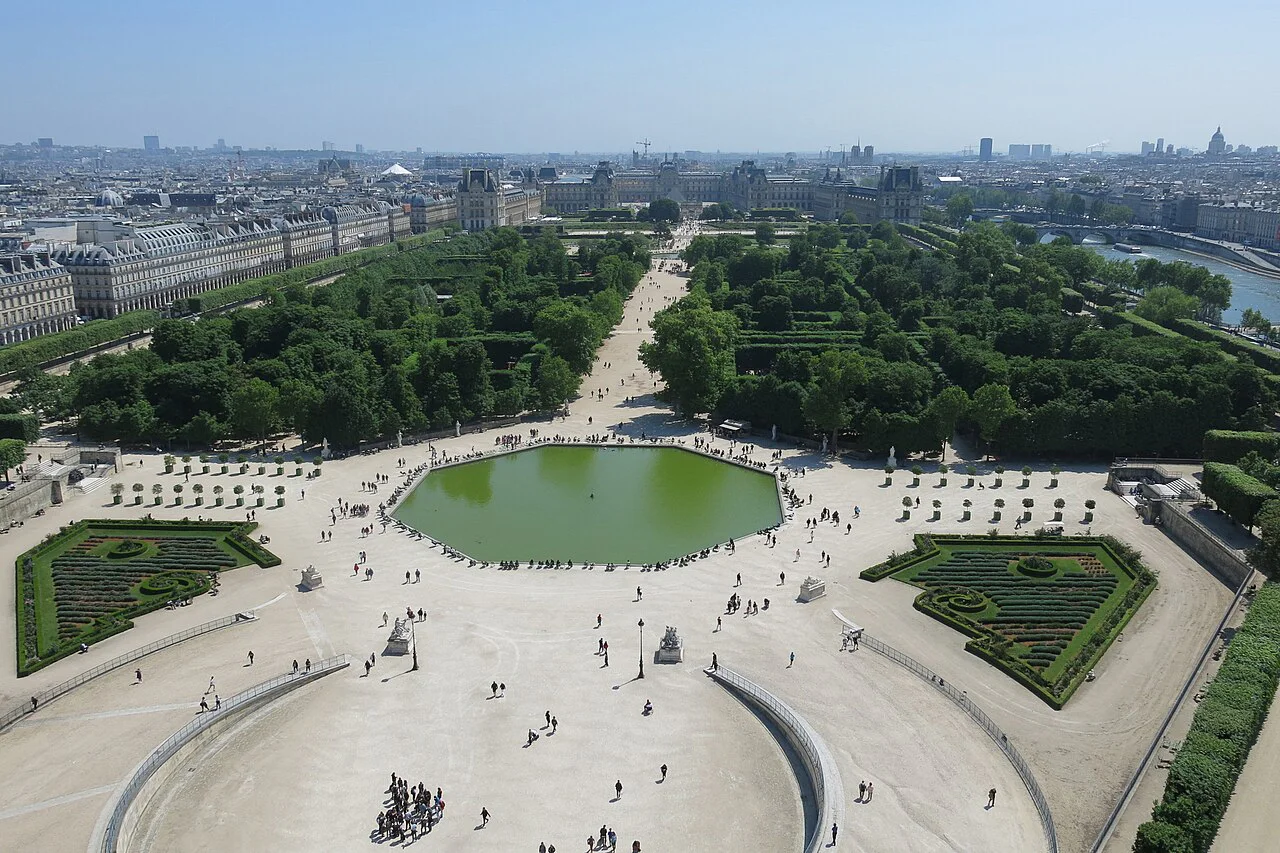
Jardin des Tuileries
Content & sources
Tangopaso · Public domain
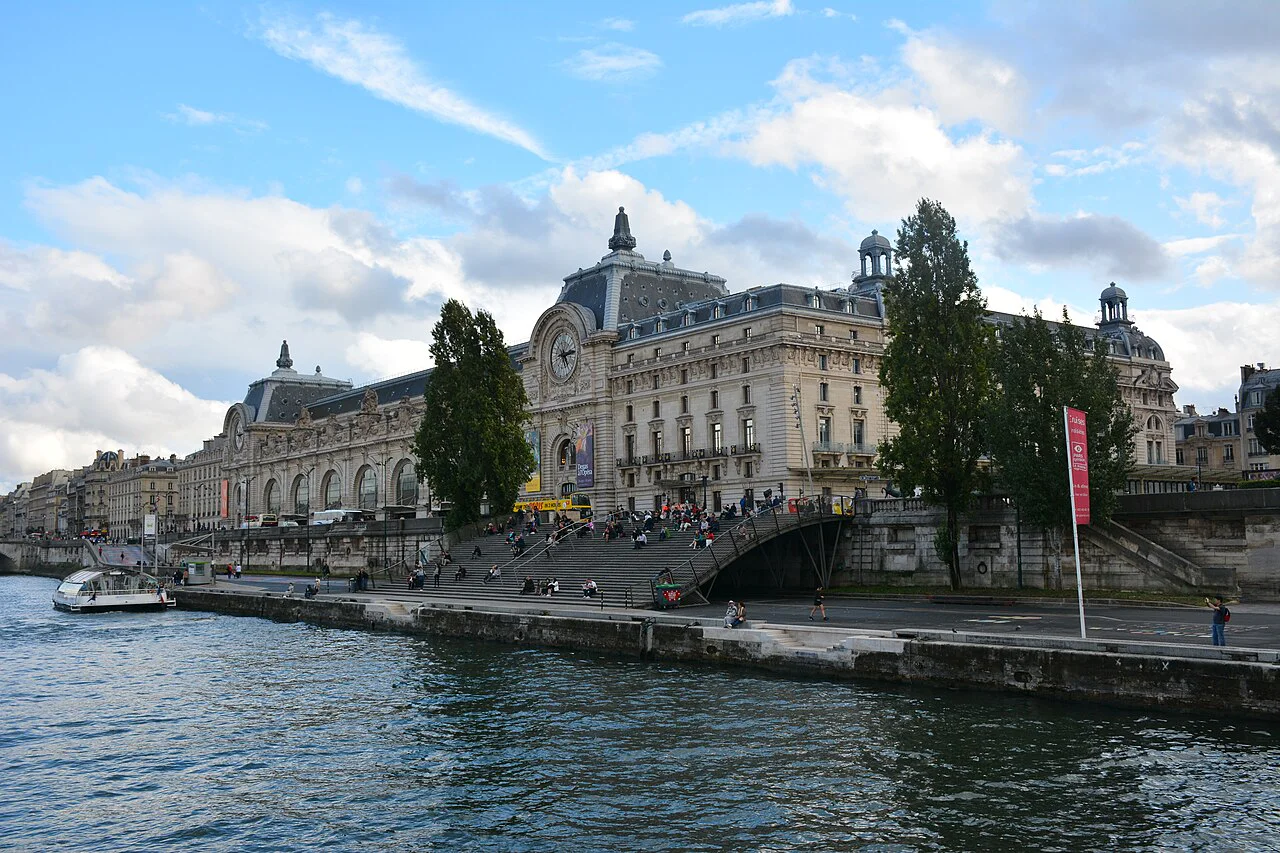
Paris · 1 km
Musée d'Orsay
Content & sources
Cheng-en Cheng from Taichung City, Taiwan · CC BY-SA 2.0
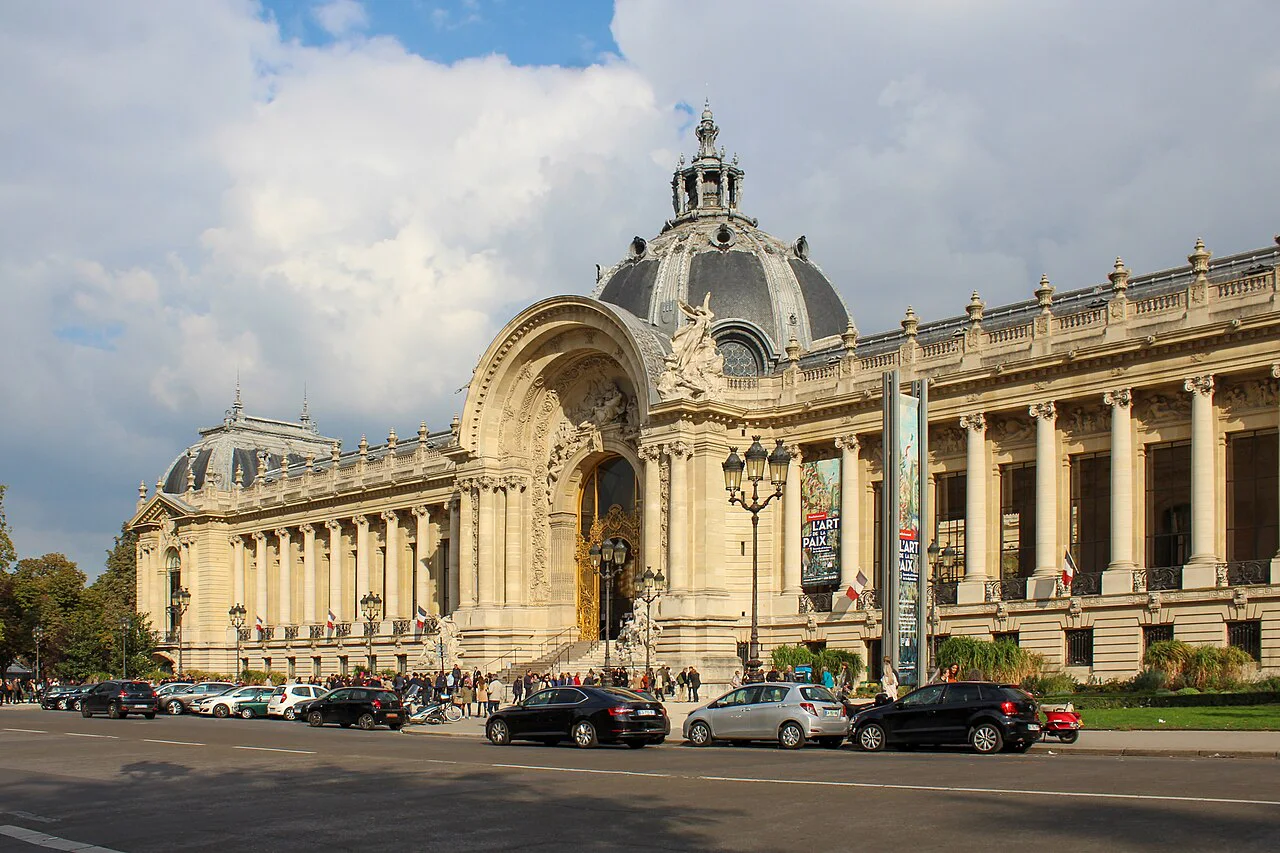
Paris · 1 km
Petit Palais
Content & sources
Chabe01 · CC BY-SA 4.0
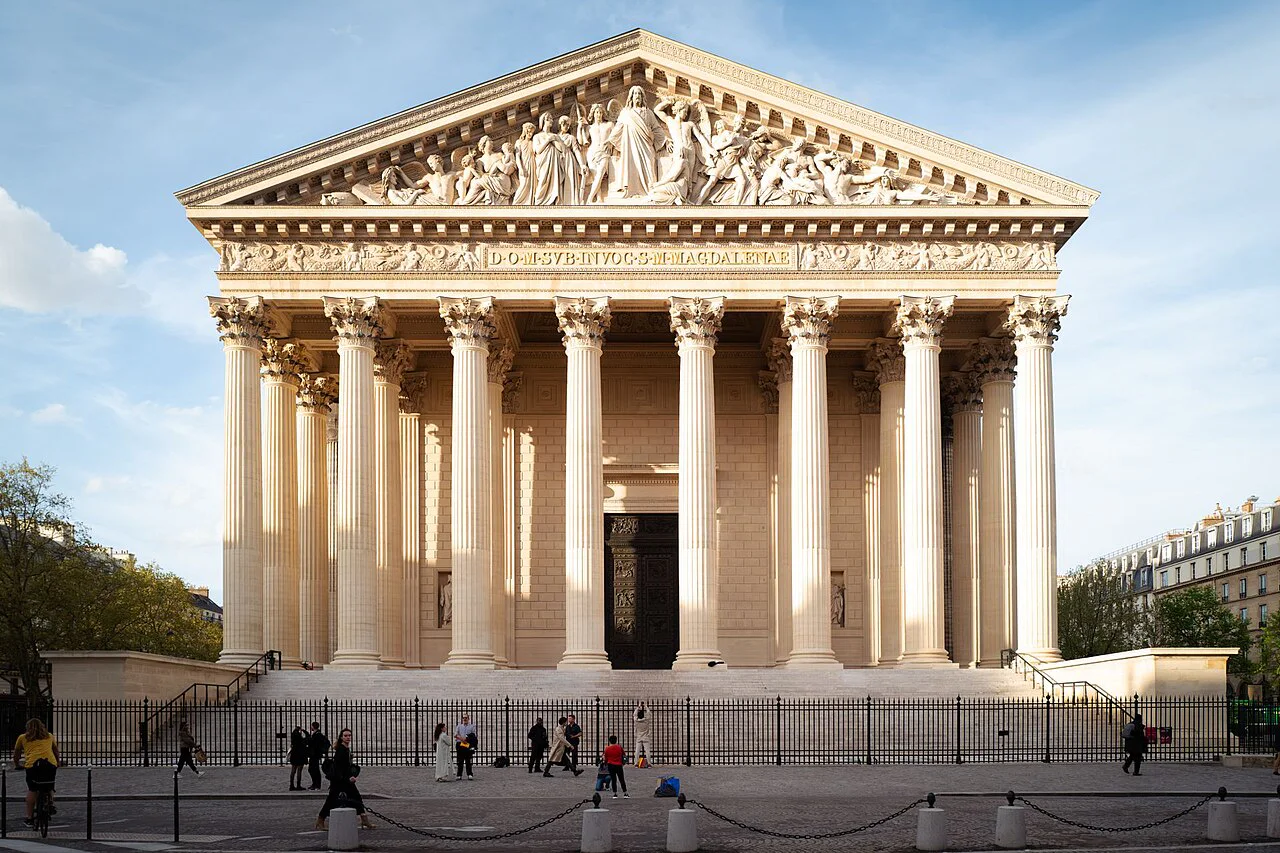
Paris · 1 km
Église de la Madeleine
Content & sources
Callaway Kosine – de Suzannet · CC BY 3.0
Art museums
More art museum audio guides
Paris · 462 artworks
Musée d'Orsay
Content & sources
Cheng-en Cheng from Taichung City, Taiwan · CC BY-SA 2.0
Paris · 77 artworks
Petit Palais
Content & sources
Chabe01 · CC BY-SA 4.0
Paris · 24 artworks
Musée Jacquemart-André
Content & sources
Christophe Recoura · CC BY-SA 3.0
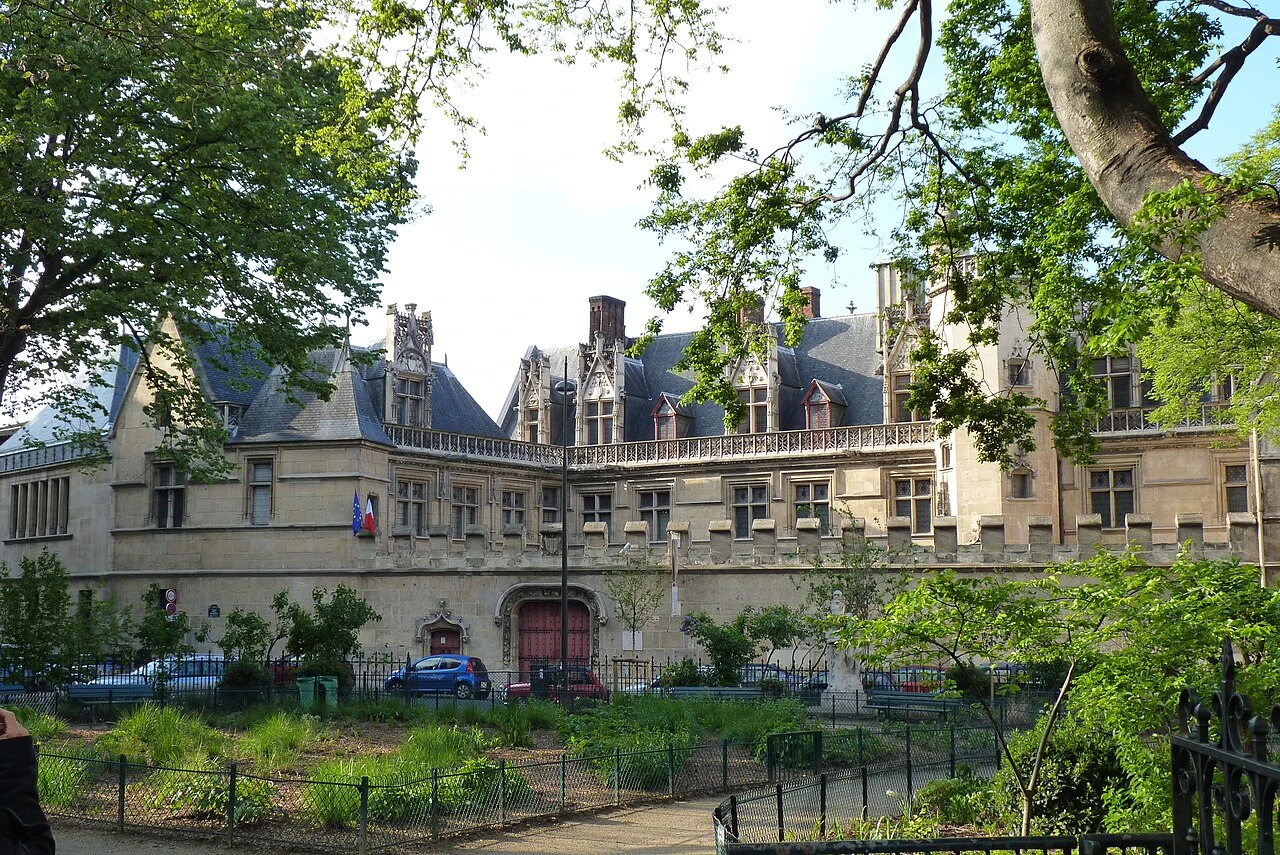
Paris · 29 artworks
Cluny Museum
Content & sources
ctj71081 · CC BY-SA 2.0
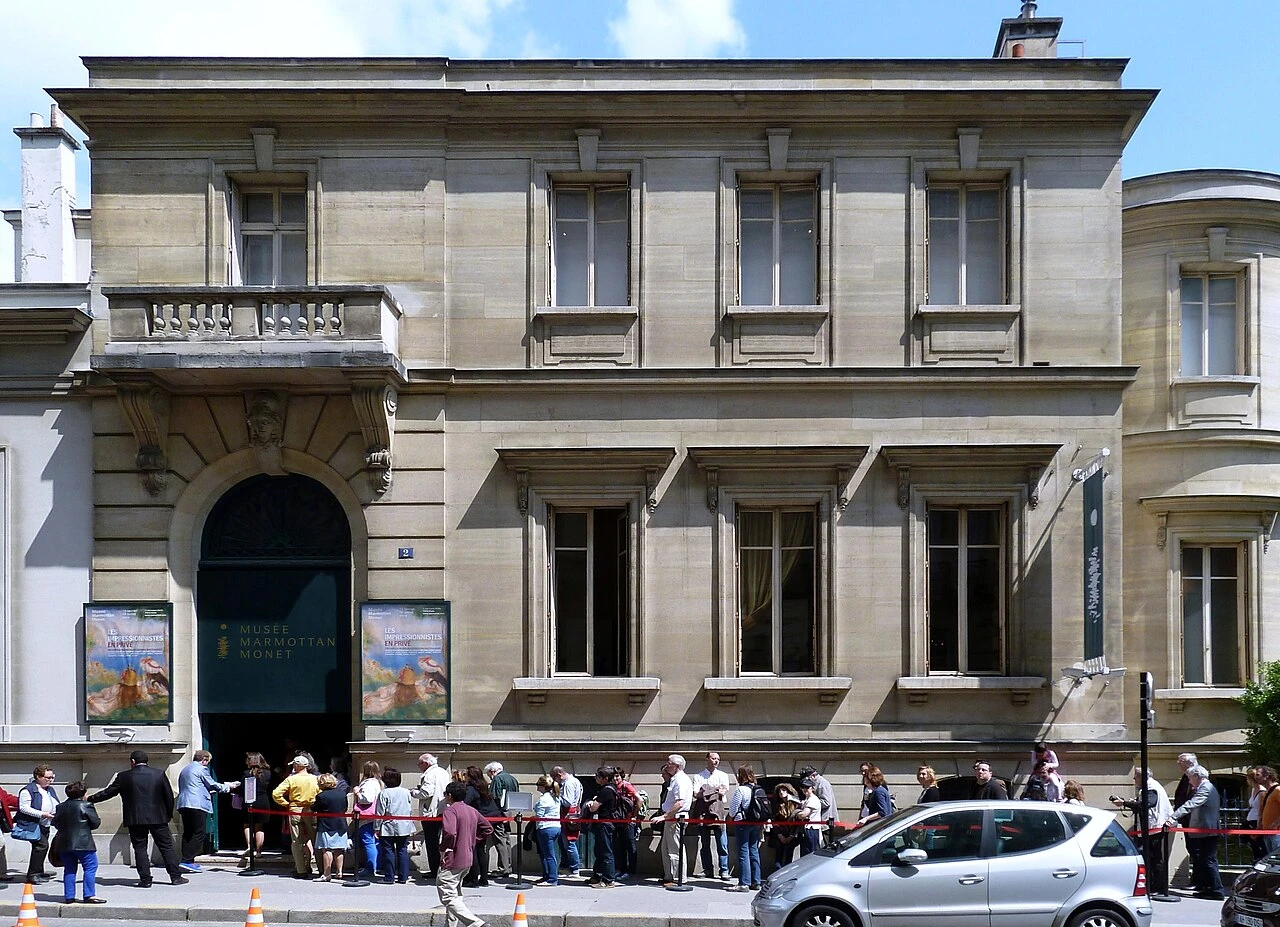
Paris · 25 artworks
Musée Marmottan Monet
Content & sources
PIERRE ANDRE LECLERCQ · CC BY-SA 4.0
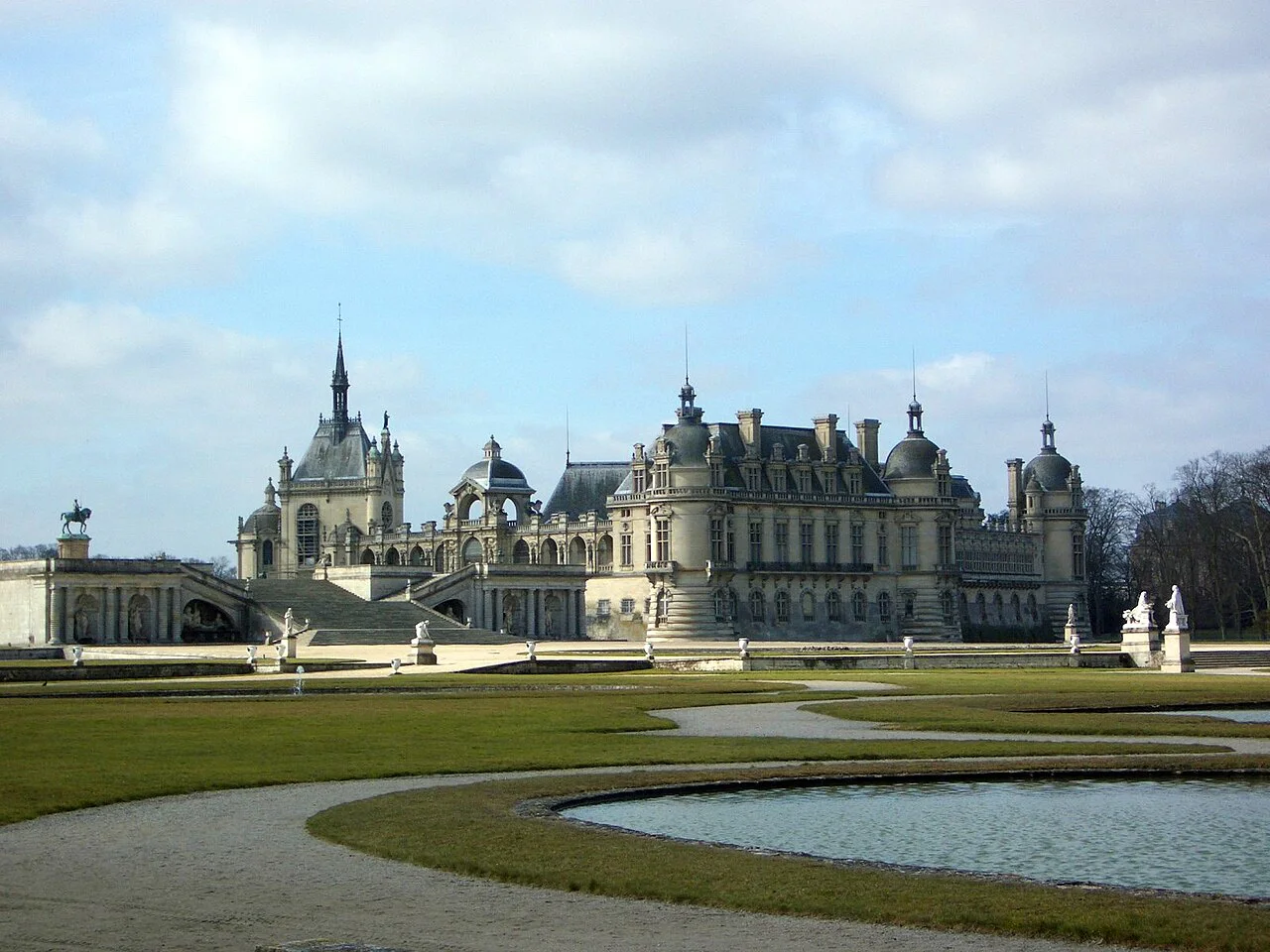
Chantilly · 60 artworks
Musée Condé
Content & sources
Craig Patik (Patik) · Public domain