Stanza · Audio guide
国立西洋美術館 Audio Guide
A place to remember. A story to take with you.
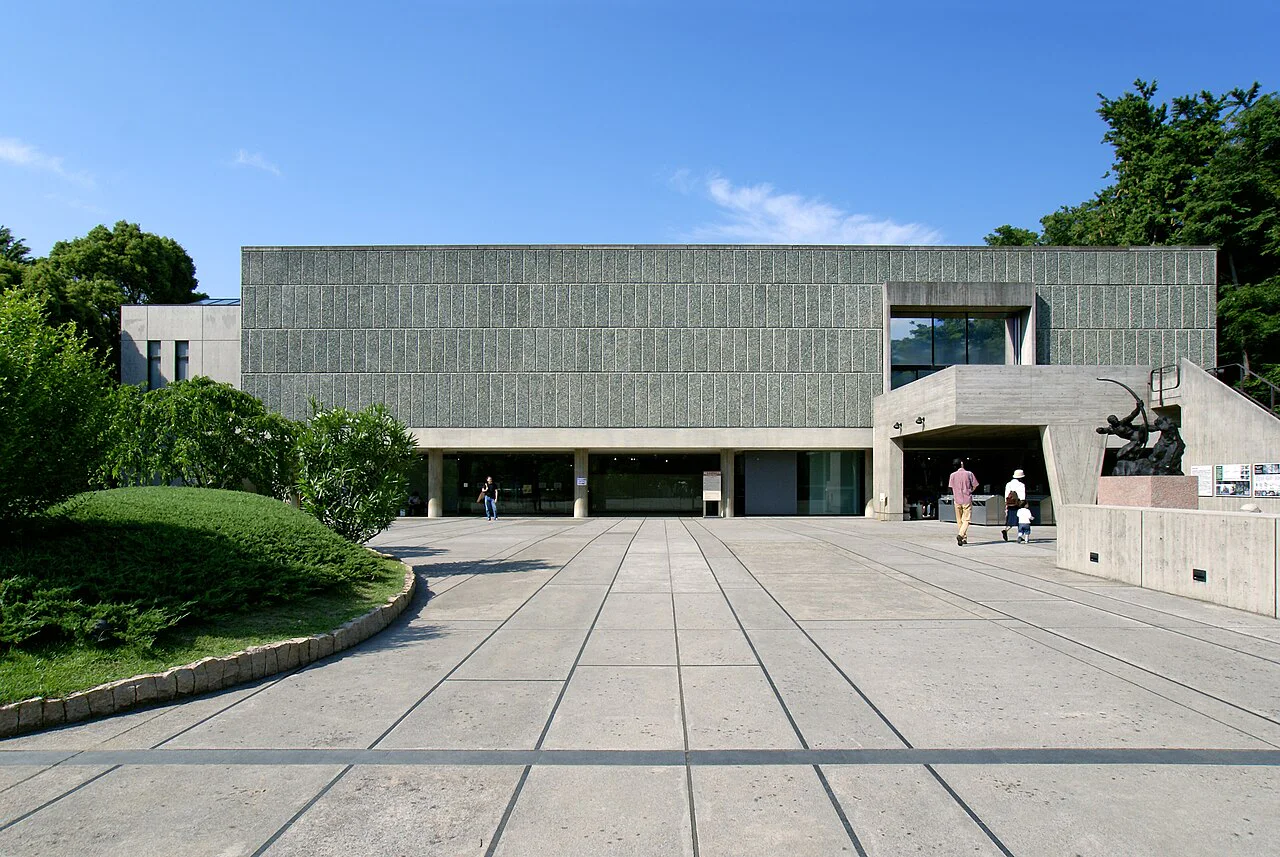
The National Museum of Western Art is the premier public art gallery in Japan specializing in art from the Western tradition. It is located in Ueno Park in Taitō, central Tokyo.
Download Stanza, then search for “国立西洋美術館”.
About the tour
One guide. Your kind of visit.
The National Museum of Western Art is the premier public art gallery in Japan specializing in art from the Western tradition. It is located in Ueno Park in Taitō, central Tokyo.
The 国立西洋美術館 guide tells the stories of 52 artworks, including Melencolia I (Albrecht Durer), Saint Praxedis (Johannes Vermeer), The Gates of Hell (Auguste Rodin), The Age of Bronze (Auguste Rodin), Parisian Women in Algerian Costume (Pierre-Auguste Renoir), Gabrielle Cot (William-Adolphe Bouguereau), Waterloo Bridge series (Claude Monet), and Monument to Balzac (Auguste Rodin). Every artwork is free to hear in the Stanza app until 1 January.
Ready when you are.
- 01Get the free Stanza app.
iOS & Android
- 02Find your guide.
“国立西洋美術館”
- 03Download before you go.
Works offline
Audio guide / 52 artworks
Inside the guide
Get to know a few of the stories before you go. Open a stop to read more.
01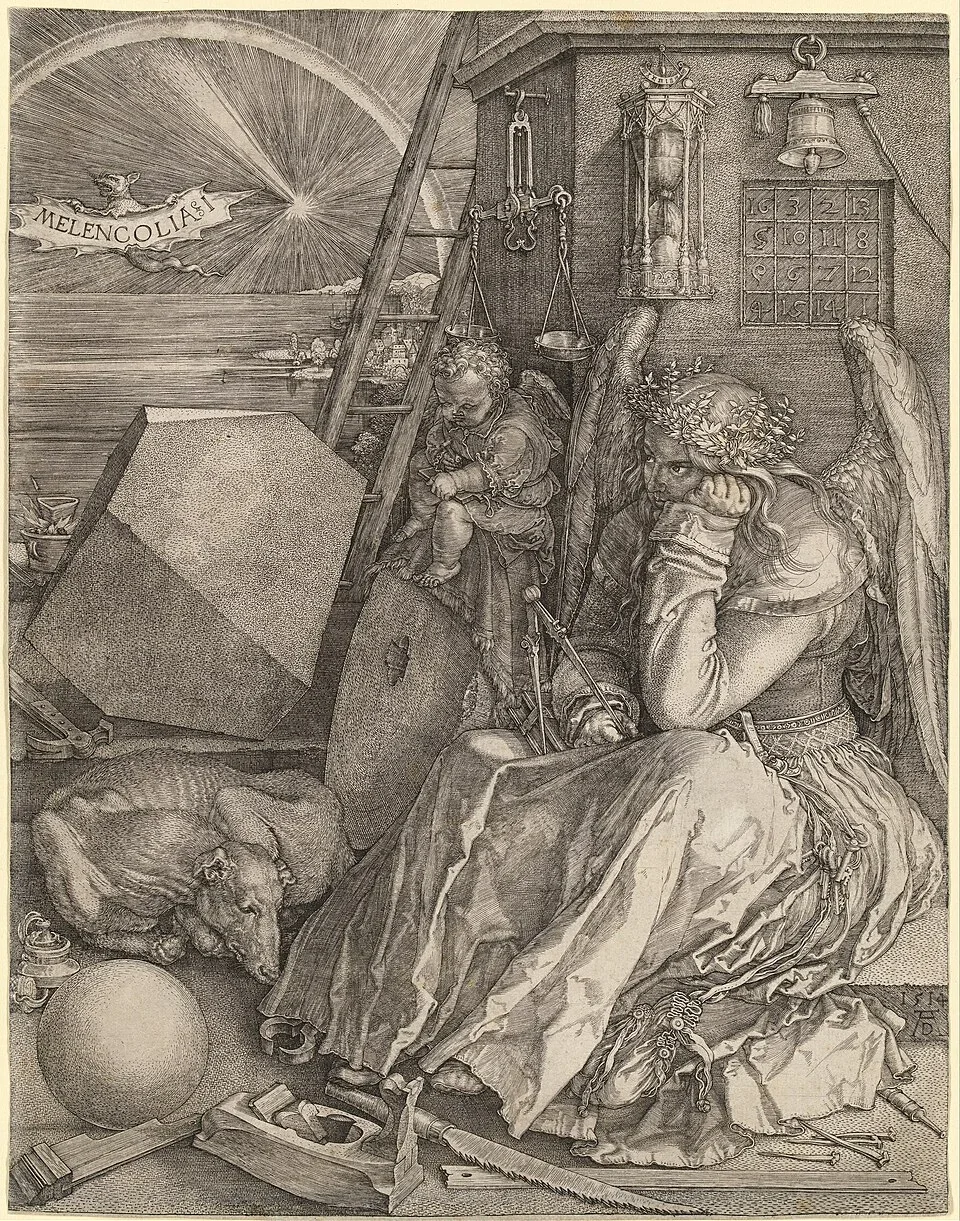
Melencolia I
In this print, light does something different on everything it touches. It passes through the transparent hourglass, bursts from the comet, appears in the rainbow, and catches on the stone. Dürer cut all this into the plate with a burin, in the year his mother died. All that care, and at the center a winged woman who cannot use a single tool. She rests her head on her hand, holds a compass loosely, with a closed book on her lap, and looks far away. Around her lie a hammer, a saw and a plane, tools for building. On the wall behind hangs a square of sixteen numbers that adds to thirty-four in every direction, with the year 1514 hidden in it. Together they point to measuring and building, to geometry, the science the arts were thought to rest on. She ignores them all. The only busy figure is a small one sitting on a millstone, scribbling. Melancholy was thought to belong to creative minds. It could drain the will to make, and yet it often came with the gift itself. She may be a Muse waiting for inspiration, afraid it will not return. And what the whole image was meant to say is still not known.
Listen in the appAlbrecht Dürer · Public domain
02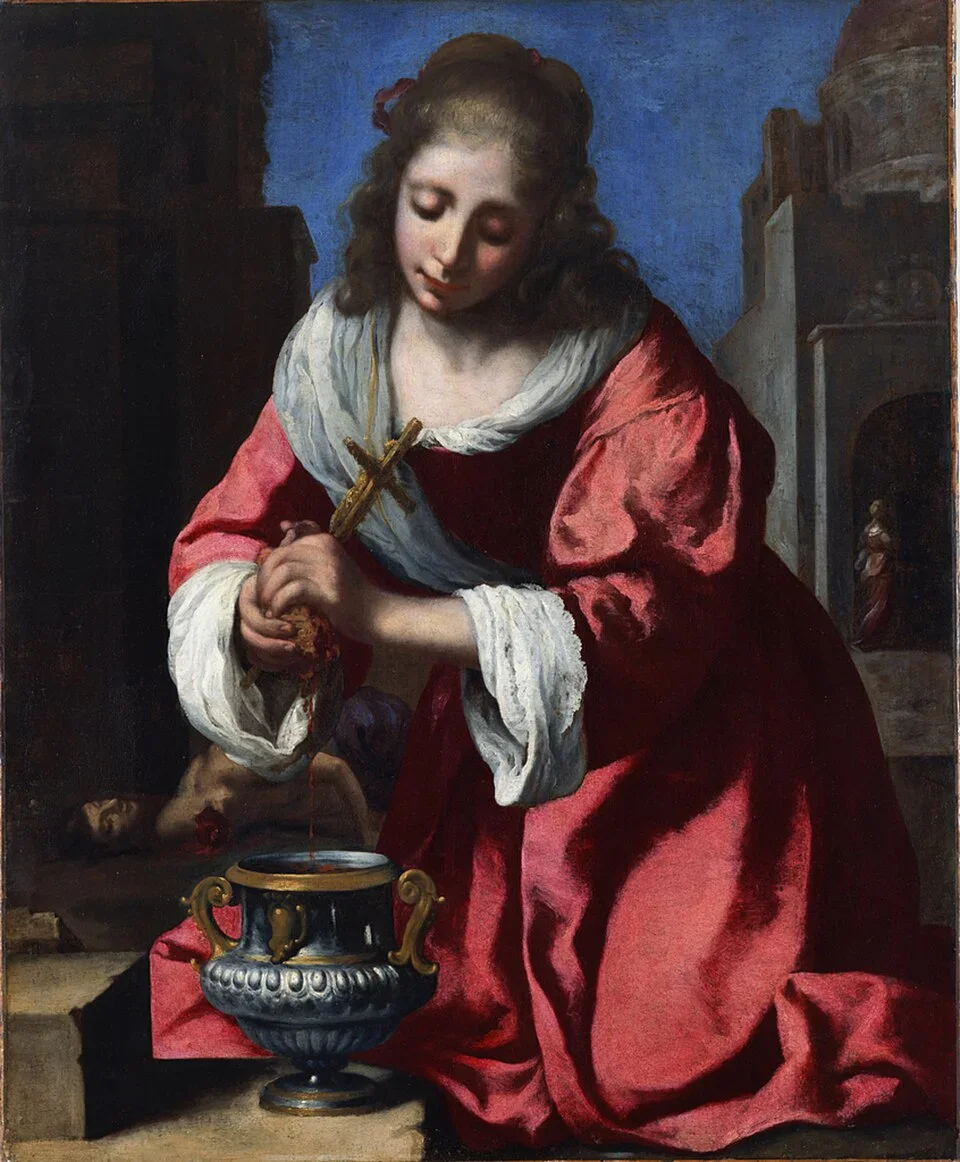
Saint Praxedis
Who painted this? A saint squeezes a martyr's blood from a sponge into an ornate vessel, and there is a cross in her hands. That cross was not in the original. Felice Ficherelli, a Florentine painter known as Riposo, showed the same saint with no cross at all. Here it was probably added at the request of a convent or church that commissioned the work. There are two signatures. One reads Meer 1655. The other is too faint to make out clearly, and may once have read Meer naar Riposo, that is, Vermeer after Riposo. Those two marks first tied the picture to Vermeer's name, and the question is still argued. If it is his, this is his one known close copy of another painter's work. In 1943 a collector named Jacob Reder bought the painting at a small New York auction. He was a Belgian refugee and an eccentric with a powerful imagination. For years nobody would call it a Vermeer. In 1969 it was shown in New York with Florentine Baroque paintings, and there it was first suggested that it might be a Vermeer. When it sold in 2014, the price came in low, and doubt over the name may have kept it down. Since 2015 it has hung here with the label attributed to Johannes Vermeer. In 2023 the Rijksmuseum accepted it as his.
Listen in the appJohannes Vermeer · Public domain
03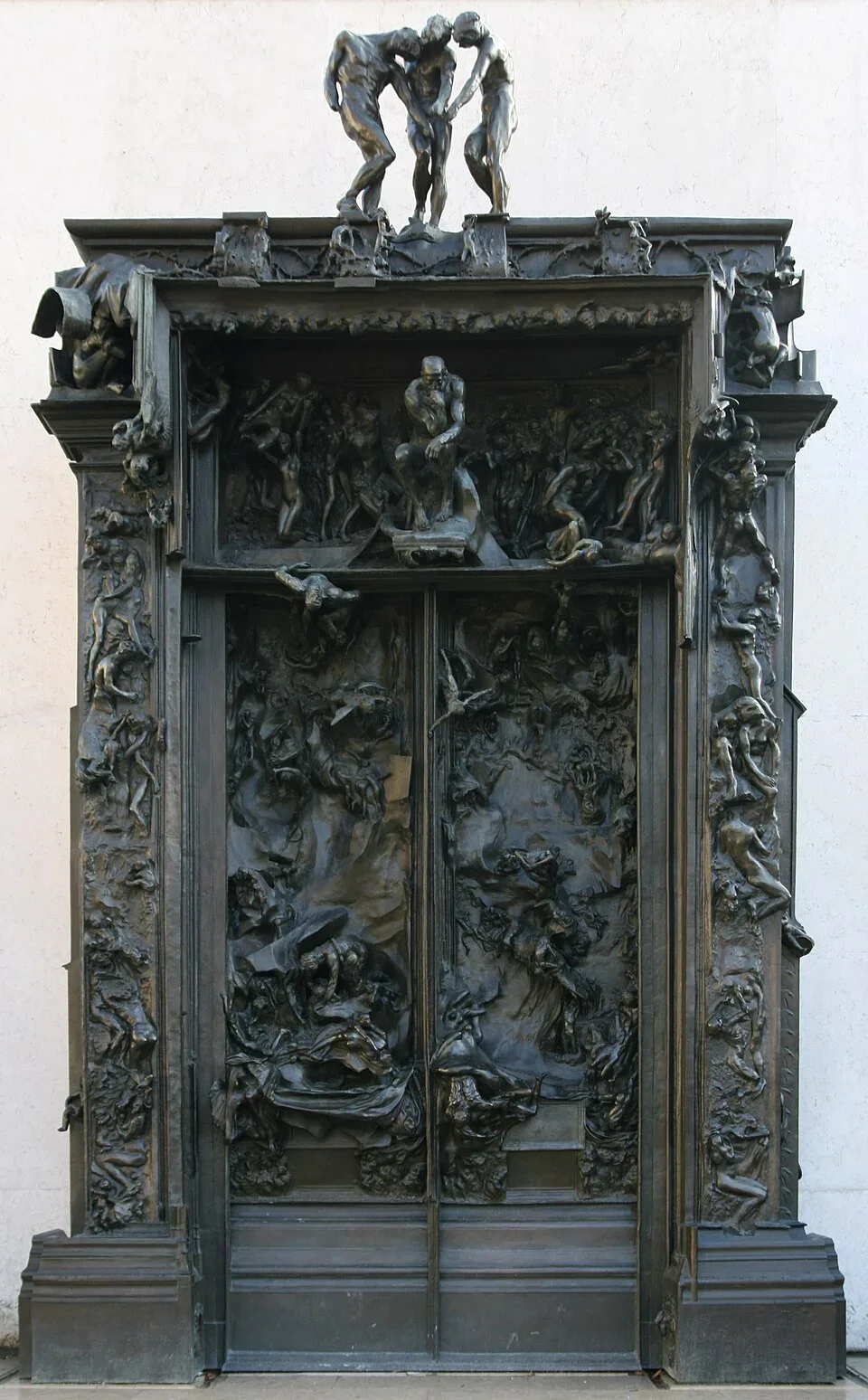
The Gates of Hell
Rodin wanted these doors to overwhelm you. He pictured someone walking toward them, perhaps up a flight of stairs, and facing the hell Dante describes. One hundred and eighty figures crowd these doors. In 1880 the arts directorate asked for an inviting entrance to a planned museum of decorative arts, and left the subject to him. He had already been sketching figures from Dante's Inferno. For a whole year he lived with Dante, drawing the eight circles of hell. Then he felt those drawings had drifted away from real life, and started again from living models. That is where these figures come from. He put the lovers Paolo and Francesca among the figures at first, and shaped their first moment of joy. But that joy sat badly beside all the suffering, so he took the figure out. It became the separate statue known as The Kiss. The museum they were made for was never built. Even so, he kept adding to and changing these doors for thirty-seven years, until his death in 1917. Three figures on the doors were made to point at Dante's warning over the entrance to hell. Abandon all hope, ye who enter here. In the poem it is the gate itself that says them, announcing both itself and the hell beyond.
Listen in the appTill Niermann · CC BY-SA 3.0
04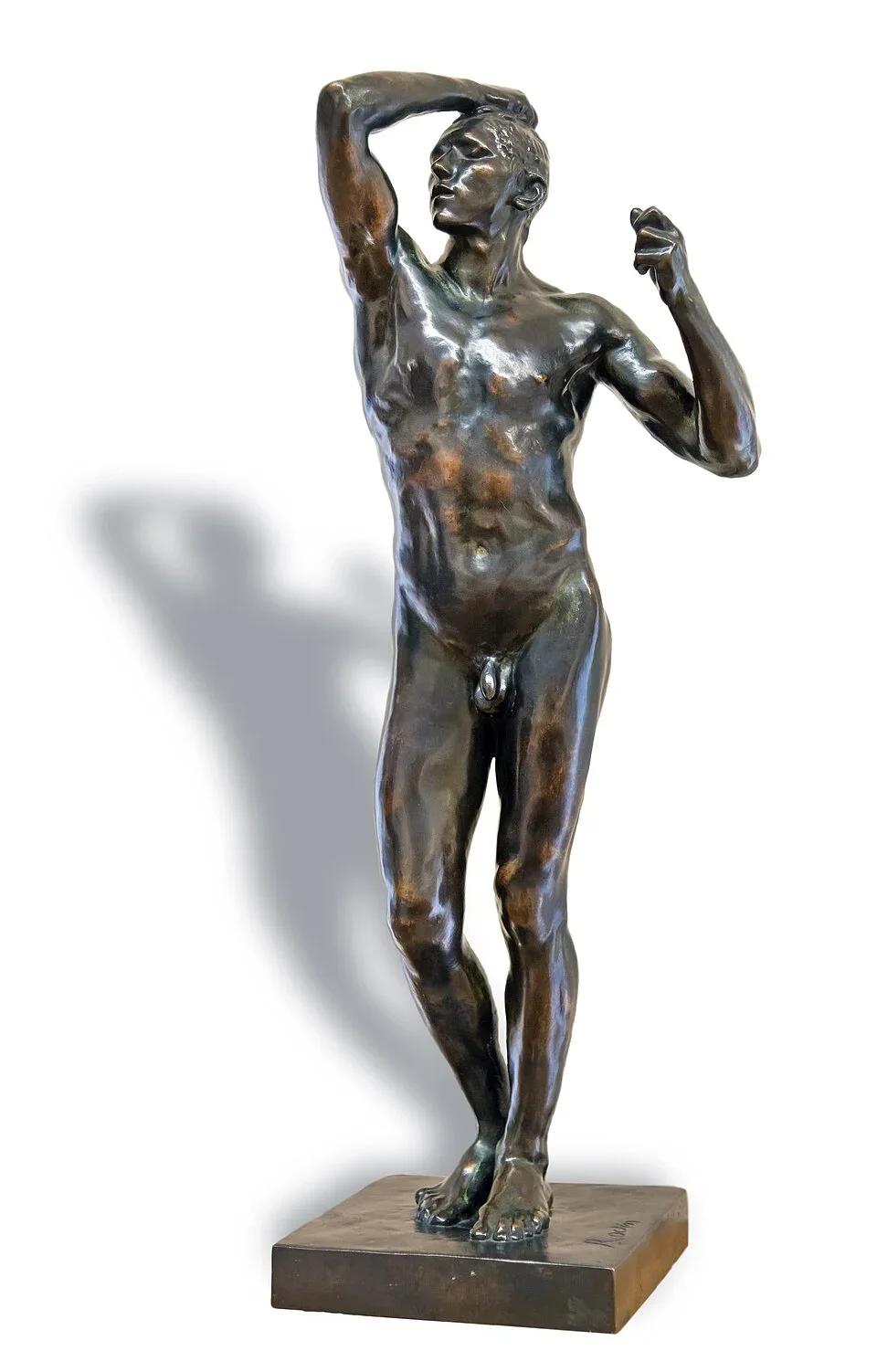
The Age of Bronze
A naked man, one elbow raised above his head. His weight shifts to his right side and his lips are relaxed. His head sits on his shoulders in a way that invites thoughts of suffering. When Rodin first showed it in Brussels in January 1877, under the name The Conquered Man, he hoped it would make him famous. People could not agree what it meant. One said he had forgotten to explain the subject. Another thought it was a man about to kill himself. Others suspected it had been cast straight from a living body. Professional models could not give him the natural poses he wanted. So he asked a twenty two year old Belgian soldier named Auguste Neyt to pose. Photographs of the soldier survive. On a trip to Italy he had studied Michelangelo's work, and the raised elbow comes partly from Michelangelo's Dying Slave. The figure once held a spear, a warrior near defeat, but he removed it before showing the work in public. The body and its feeling were left to carry the story. The accusation only helped. People were eager to see it for themselves, and commissions followed. The city of Paris bought a cast of it in 1880.
Listen in the appDidier Descouens · Public domain
05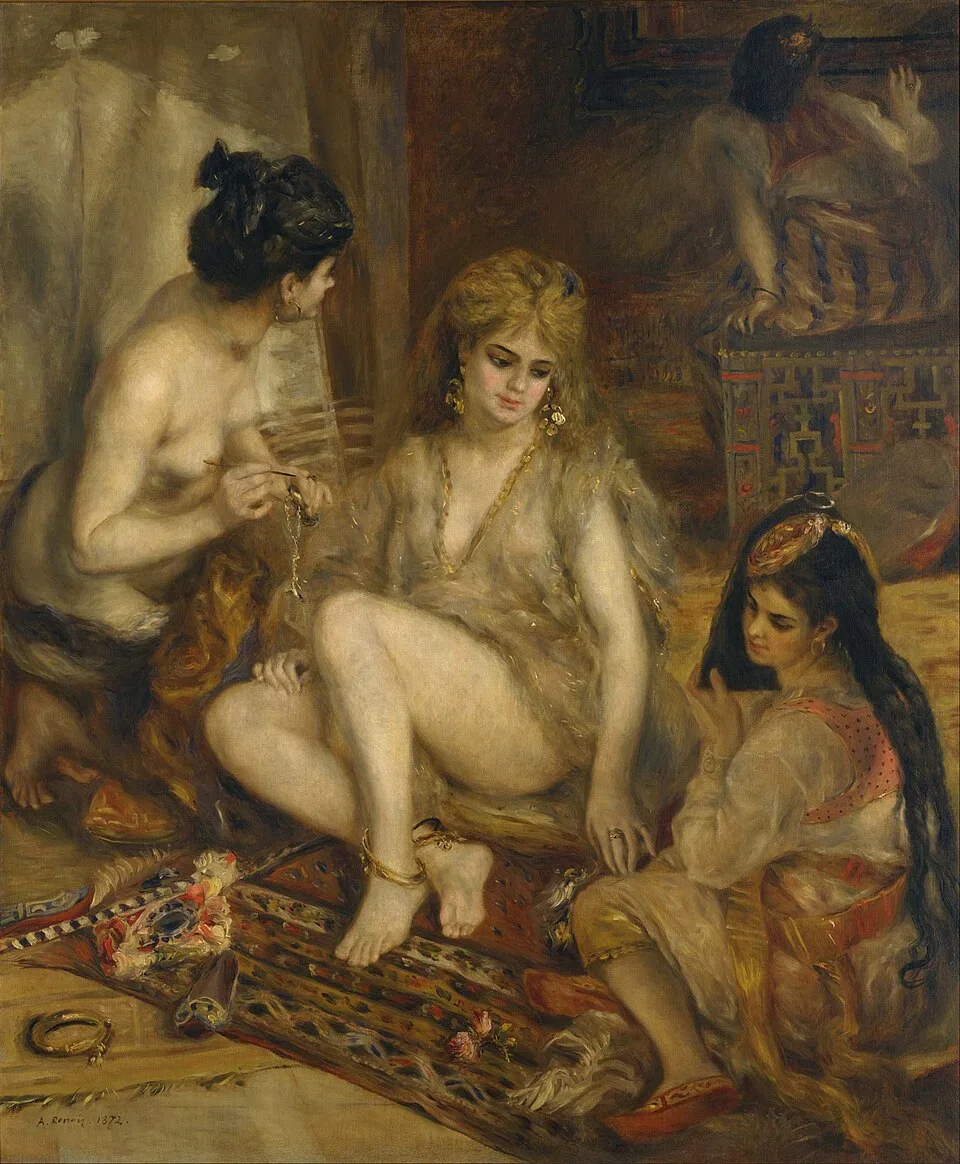
Parisian Women in Algerian Costume
In the top right corner, a woman has her hand up. She seems to be greeting someone, or holding them back. Either way, it seems someone has arrived unexpectedly, and the preparations are not finished. In the centre, a light haired woman sits on a carpet while two dark haired women get her ready. One holds a mirror. The other has a small brush of kohl, the paste used to outline the eyes. She is being prepared for an encounter. Renoir painted this in 1872 as an homage to Delacroix's Women of Algiers, a picture he greatly loved. The title tells you what it is. These are Parisian women in costume. Delacroix painted his own harem in a studio, with French models, after failing to reach the women's quarters in Algiers in 1832. Renoir had not been to Algeria. He would not go until 1881. The Salon turned it down. Renoir never liked it. He called it a large academic machine, moved studios and left it behind, hoping his old landlady would throw it out. He had to take it back, and it sold with ten other works for five hundred francs. One of the women was probably his lover, Lise Tréhot, and this was one of the last pictures she sat for. Who that visitor is, walking in on the scene, is never made clear.
Listen in the appPierre-Auguste Renoir · Public domain
06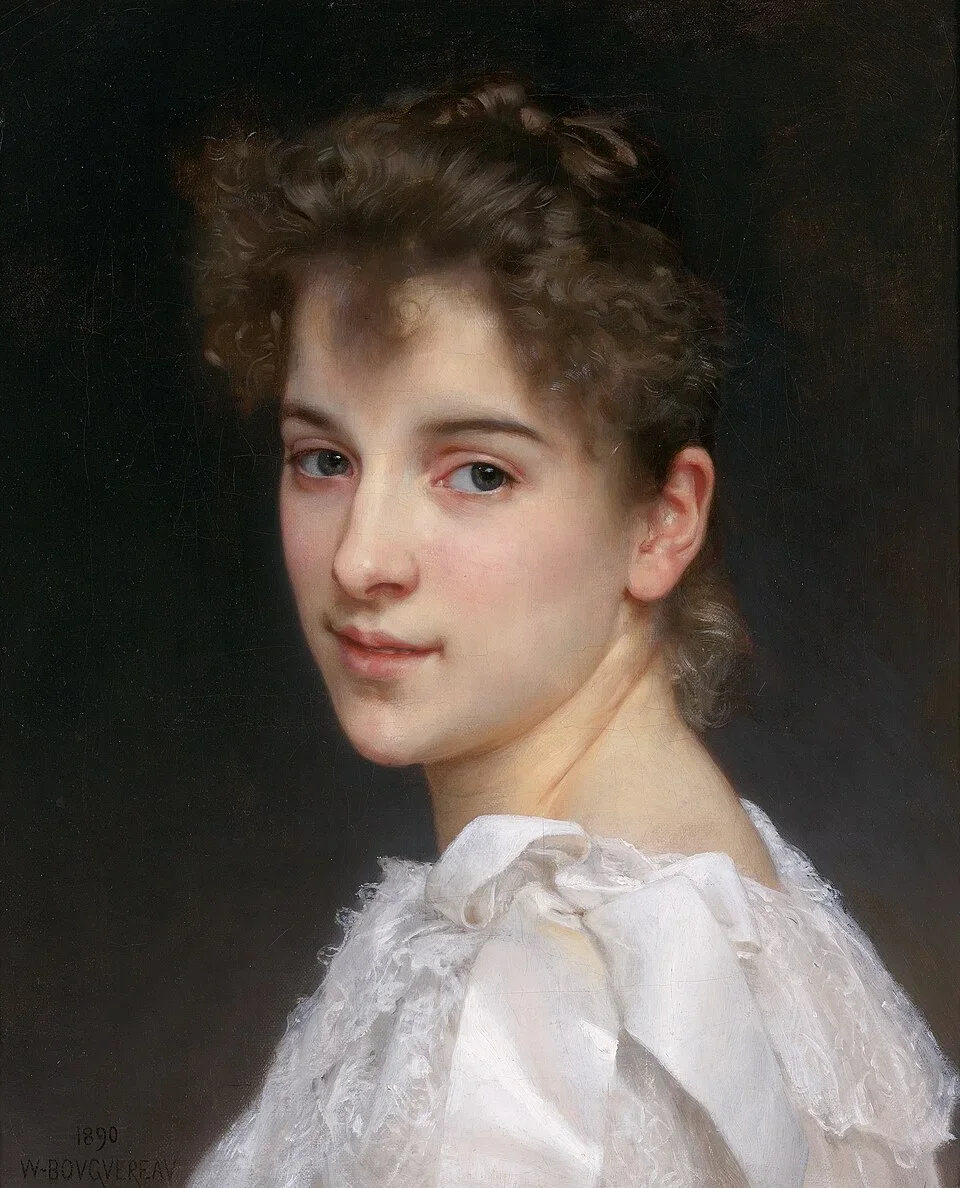
Gabrielle Cot
Nobody knows how this painting reached the United States. It was first sold in New York in 1998, and no one could say how it had got there. And yet she turns to meet your eyes and smiles. Her short curly hair falls over her forehead. Her white dress is tied with a bow. In the dark behind her, the signature and the date sit low on the left, barely visible. Nothing about her gives away how the painting made that journey. She was Gabrielle Cot. Her father was Pierre Auguste Cot, the most famous pupil of the painter who made this portrait. This was one of the few portraits he painted without being asked. He gave it to Madame Duret as a wedding gift, the year Gabrielle married. It stayed in the Duret family, passed down through inheritance, until that sale in 1998. The next year, in 1999, it went on show at the Newington Cropsey Foundation. It has been in Tokyo since 2022. Bouguereau had started it as a study for another painting. He was so taken with Gabrielle that he made a portrait of her instead.
Listen in the appWilliam-Adolphe Bouguereau · Public domain
07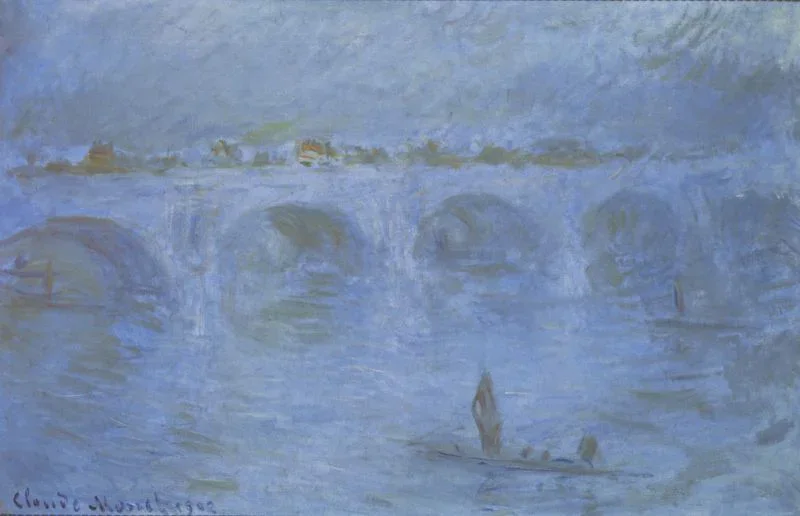
Waterloo Bridge series
Forty-one pictures of one bridge. Monet painted this London span over and over between 1900 and 1904, and he began every one of them in the city itself. He had rented a room at the Savoy Hotel with a wide view, and from there the series started. The bridge stays the same. It is the air of the city he was chasing. London was not new to him. In 1870 he had fled there during the Franco-Prussian War, and the city took hold of him. Above all it was the fog, which the Industrial Revolution had brought with it. He had promised himself he would return, and in 1899 he did. Perhaps he was thinking of Turner and Whistler, who were drawn to that same London air. Yet many of these pictures he finished far away, in his studio at Giverny.
Listen in the appClaude Monet · Public domain
08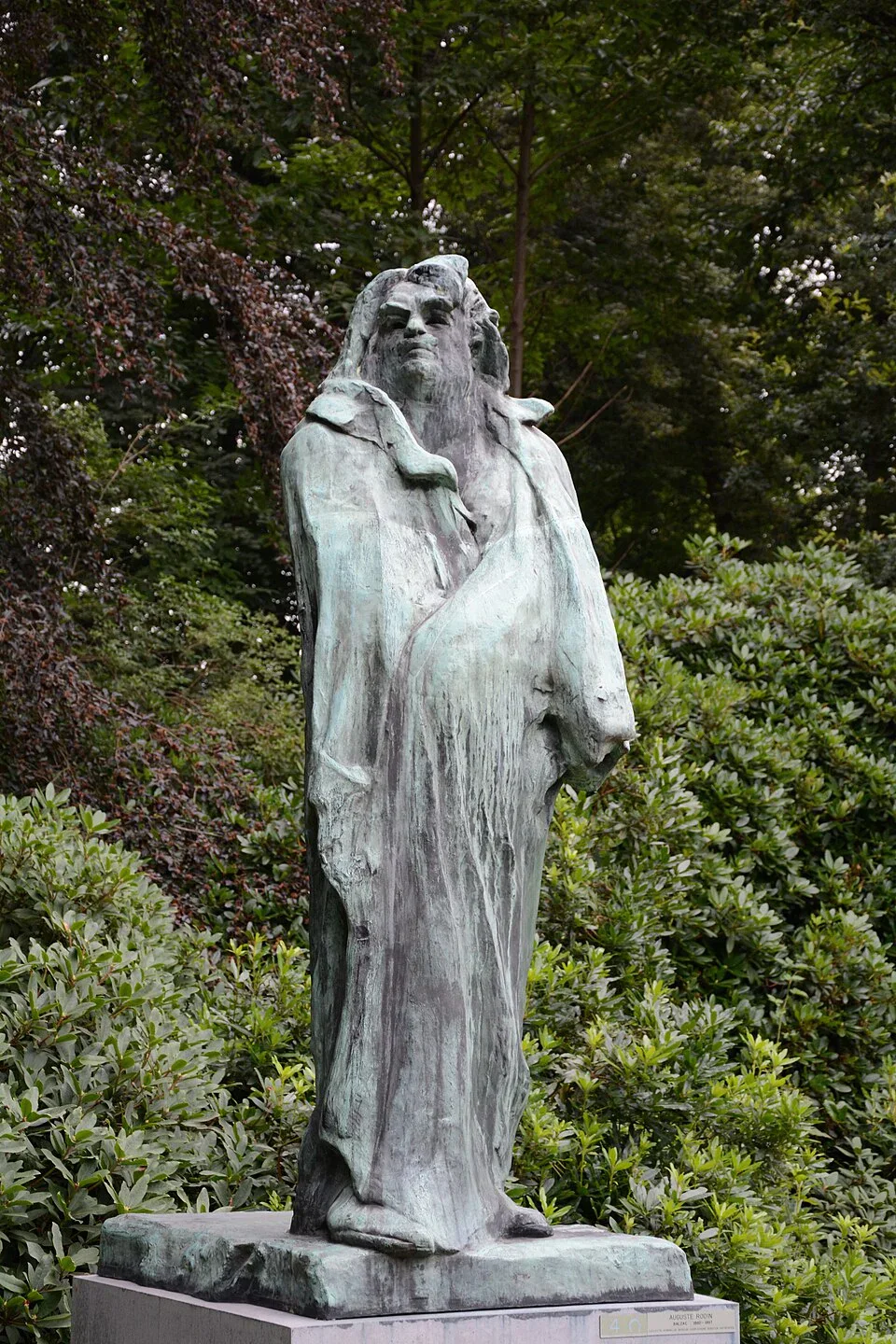
Monument to Balzac
The writers who commissioned this came to Rodin's studio, and what they saw shook them. They called it a formless mass and rejected it. And here it stands. A tall figure, wrapped in a loose writing cloak. The cloth runs straight from the shoulders to the feet, and the sleeves hang empty. The head seems almost lifted off the body. All the force collects in the face, and the neck is heavy on purpose, to show strength. Balzac helped found the writers' society and was its second president, so after his death they wanted a monument. In 1891 they gave Rodin the job, expecting it in eighteen months. He had never seen Balzac, so he read the novels, went to Balzac's hometown, and had a cloak made by the writer's former tailor. Over fifty studies followed, and he moved away from Balzac's face toward the man's inward force. When he showed the plaster in 1898, the writers turned it down. Friends offered to pay for a casting, but Rodin would not hear of it and kept the plaster at his home in Meudon. It was not cast in bronze until 1939, long after his death, and set up on a boulevard in Paris. Still unknown is whether the figure once had folded hands, which Rodin removed after his students praised them and nothing else.
Listen in the appPhoto: Funkyxian · CC BY-SA 4.0
09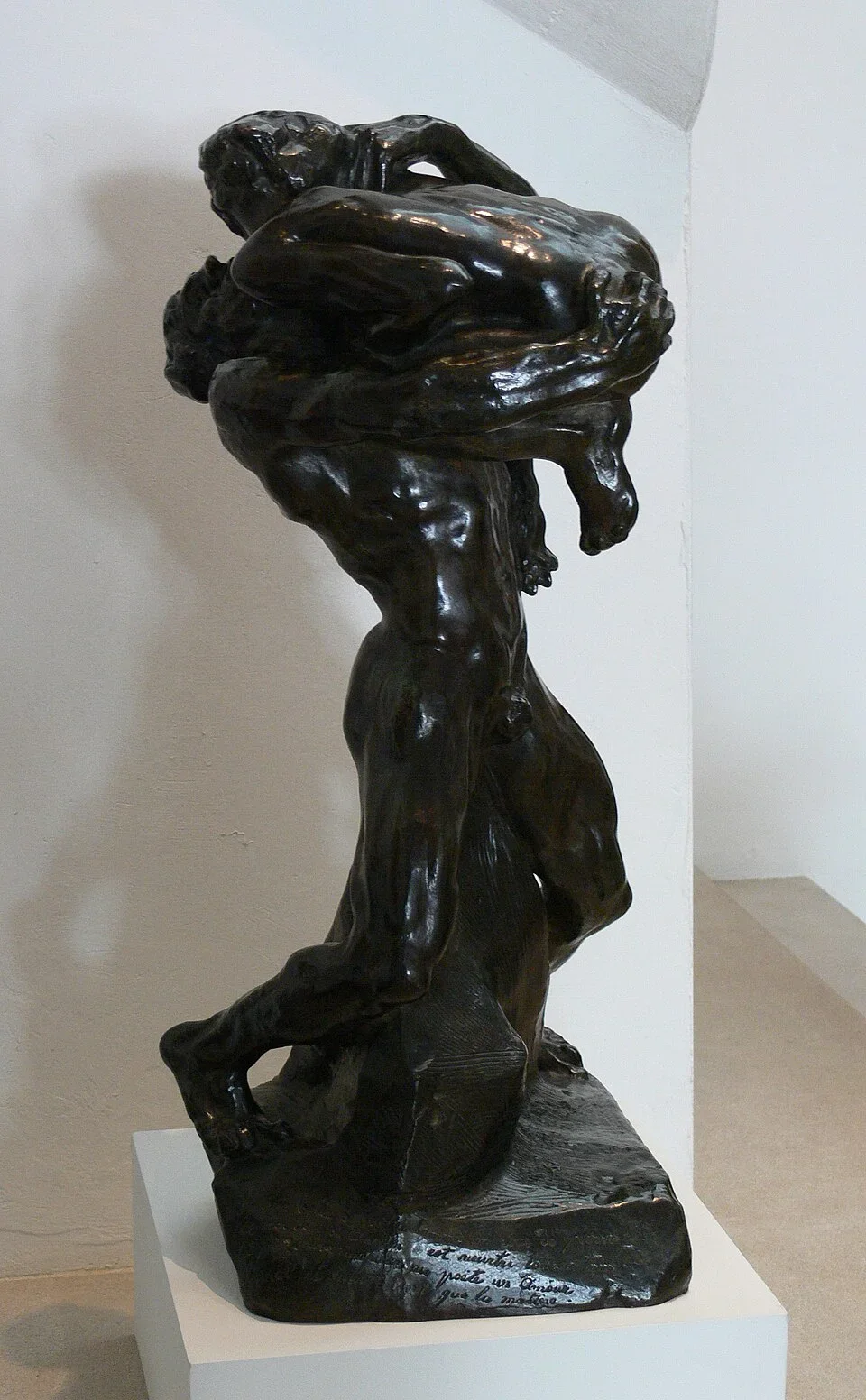
I am Beautiful
A man has just lifted a woman above him, the way Atlas does. He is about to reach further, but he will never get there. She has curled into a tight round shape, her back to you. They look like one embrace, but they were made separately. Around 1882, Rodin joined two sculptures he had already made, a crouching woman and a falling man. On her own, the folded woman carried suffering. On his own, the reaching man carried a passion that could not be satisfied. Joined together, they hold a joy and a wanting that neither figure could hold alone. The title comes from a poem by Charles Baudelaire, where Beauty calls herself a dream made of stone. The first stanza of that poem is cut into the base. When the group was first shown, in 1886, at a gallery in Paris, its boldness stirred up a commotion.
Listen in the appAuguste Rodin · Public domain
10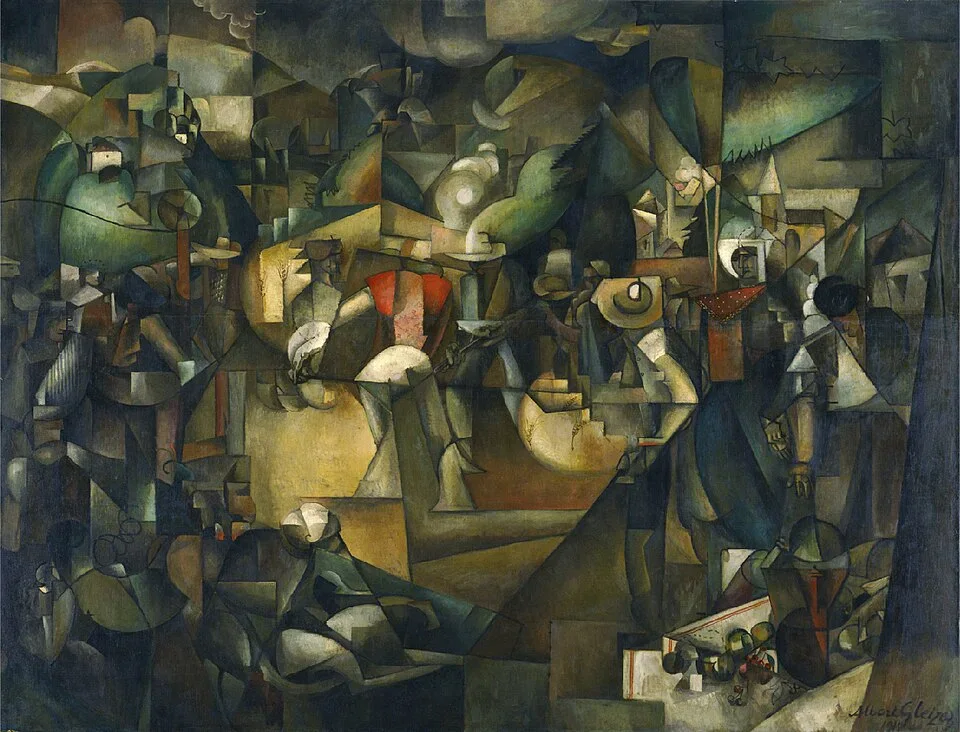
Harvest Threshing
Wheat, workers, mountains and a church tower are all in this picture. Threshing is the step between harvesting and winnowing. But none of that is what this painting is about. Albert Gleizes called the subject a pretext. He had just written, with Jean Metzinger, the first defense of Cubism, and in it he argued for relations between straight lines and curves. Here that argument is the subject. Straight lines are set against curves, and an interwoven web runs through every part, with each section given equal weight. Into that construction he folded a world in the middle of change. Traditional threshing is set beside the marks of an industrial society, and past and future share the scene with the present. A pencil copy made to scale shows the construction holding it together. What that construction gives you is time. One thing leads to another, in and out and around, and the looking never comes to an end.
Listen in the appw:Albert Gleizes · Public domain
- 11
Sailing Ships at Sea
Édouard Manet · 1864–1873
- 12
Portrait de Juan Martin Diez, the Determined
Francisco Goya · 1809
- 13
Walk
Claude Monet · 1864
- 14
The Wolf’s Den
John Everett Millais · 1862–1863
- 15
Two Sleeping Children
Peter Paul Rubens · 1612–1617
- 16
Women Bathing
Paul Gauguin · 1885
- 17
The Lady Riding and the Landsknecht
Albrecht Durer · c. 1497
- 18
Still Life with a Boy Blowing Soap-bubbles
Gerrit Dou · 1635–1636
- 19
Diego Felipe de Guzmán, Marquis of Leganés
Anthony van Dyck · c. 1634
- 20
Arrest of Christ
Bartolomeo Manfredi · c. 1613–1615
- 21
Mater Dolorosa
Carlo Dolci · c. 1655
- 22
Summer Evening, Landscape in Italy
Joseph Vernet · 1773
- 23
Hercules and Omphale
Bernardo Cavallino · c. 1640
- 24
Mary Magdalene
Philippe de Champaigne · 1674
- 25
The Flight of Lot and His Family from Sodom (after Rubens)
Jacob Jordaens · c. 1618–1620
- 26
Landscape with Stormy Sea
Alessandro Magnasco · c. 1718–1725
- 27
Landscape with Shepherds
Alessandro Magnasco · c. 1718–1725
- 28
Portrait of Madame Marie-Henriette Berthelot de Pléneuf
Jean-Marc Nattier · 1739
- 29
Lucretia
Guido Reni · c. 1636–1638
- 30
The Mystic Marriage of St. Catherine
Paolo Veronese · c. 1547
- 31
Self-Portrait as a Troubadour
Émile Bernard · 1892
- 32
Wooded Landscape with Abraham and Isaac
Jan Brueghel the Elder · 1599
- 33
The Garden of Gethsemane
Lucas Cranach the Elder · c. 1518
- 34
The Garden of Gethsemane
Giorgio Vasari · c. 1570
- 35
The Loving Cup
Dante Gabriel Rossetti · 1867
- 36
St. Augustine
Carlo Crivelli · 1488–1489
- 37
An Architectural Capriccio of the Roman Forum with Philosophers and Soldiers among Ancient Ruins, including the Arch of Janus Quadrifrons, the Sarcophagus of Santa Constanza, the Farnese Hercules and the Cincinnatus
Giovanni Paolo Panini · c. 1745–1750
- 38
Sleeping Shepherdess
Nicolas Lancret · c. 1730
- 39
Imaginary View of Rome with Equestrian Statue of Marcus Aurelius, the Column of Trajan and a Temple
Hubert Robert · 1786
- 40
Imaginary View of Rome with the Horse Tamer of the Monte Cavallo and a Church
Hubert Robert · 1786
- 41
The Indiscreet Gentleman
Pietro Longhi · c. 1740
- 42
The Apotheosis of Admiral Vettor Pisani
Giovanni Battista Tiepolo · c. 1743
- 43
David with the Head of Goliath
Guercino · c. 1650
- 44
St. Thomas
Georges de La Tour · 1650
- 45
A Road through an Oak Wood
Jacob van Ruisdael · 1660
- 46
Madonna and Child with Three Saints
Giovanni Domenico Tiepolo · c. 1759–1762
- 47
Landscape with Shepherds and Flock of Sheep
Jean-Honoré Fragonard · c. 1763–1765
- 48
Philosopher Crates
Jusepe de Ribera · 1636
- 49
Village Wedding
Jan Steen · 1650
- 50
Lamentation
Govert Flinck · 1637
- 51
The Angel with the Sudarium
Albrecht Durer · 1516
- 52
Les Cantilènes
Émile Bernard · 1892
国立西洋美術館
Frequently asked questions
How much does the guide cost?
Free app download. Free until 1 January. Listed guide price: $2.99. Audio guide only. Venue admission is separate.
Can I listen without internet?
Yes. Download the guide’s audio, images, and maps in the app before your visit. Your downloaded content is then available offline.
Can I listen in my language?
In English for now. More languages soon.
Do I need to follow a schedule?
No. This is a self-guided experience. Choose your stops, pause whenever you like, and return to a story at your own pace.
Which artworks are in the 国立西洋美術館 audio guide?
52 artworks, including Melencolia I (Albrecht Durer), Saint Praxedis (Johannes Vermeer), The Gates of Hell (Auguste Rodin), The Age of Bronze (Auguste Rodin), Parisian Women in Algerian Costume (Pierre-Auguste Renoir), Gabrielle Cot (William-Adolphe Bouguereau), Waterloo Bridge series (Claude Monet), and Monument to Balzac (Auguste Rodin). The full list is on this page.
Is this the museum’s official audio guide?
No. Stanza is an independent audio guide app and is not affiliated with 国立西洋美術館. Museum admission is separate.
At your own pace
Explore 国立西洋美術館.
Download Stanza, then search for “国立西洋美術館”.
Free app download · Guide price shown in the app
Keep exploring
Nearby audio guides
Tokyo · 1 km
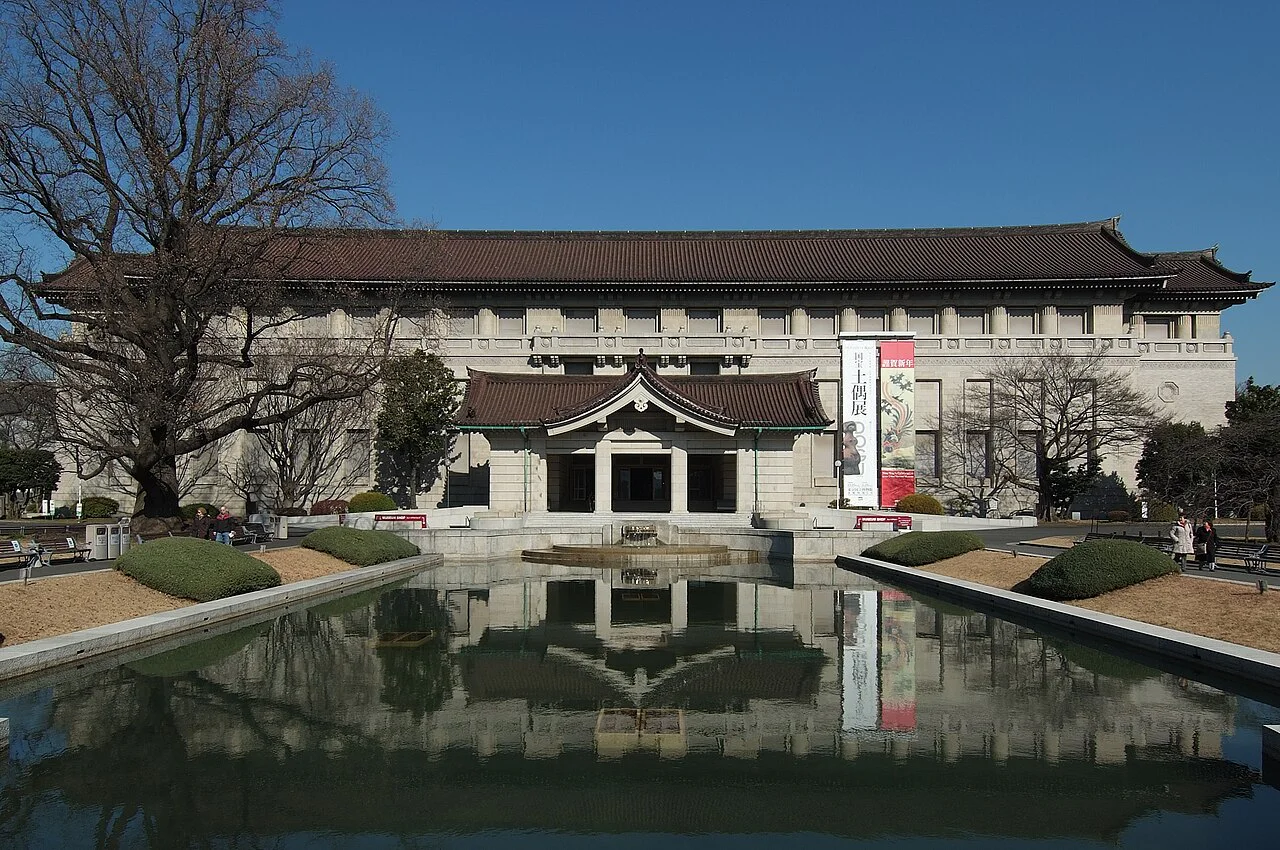
東京国立博物館
Content & sources
Photo: Wiiii · CC BY-SA 3.0
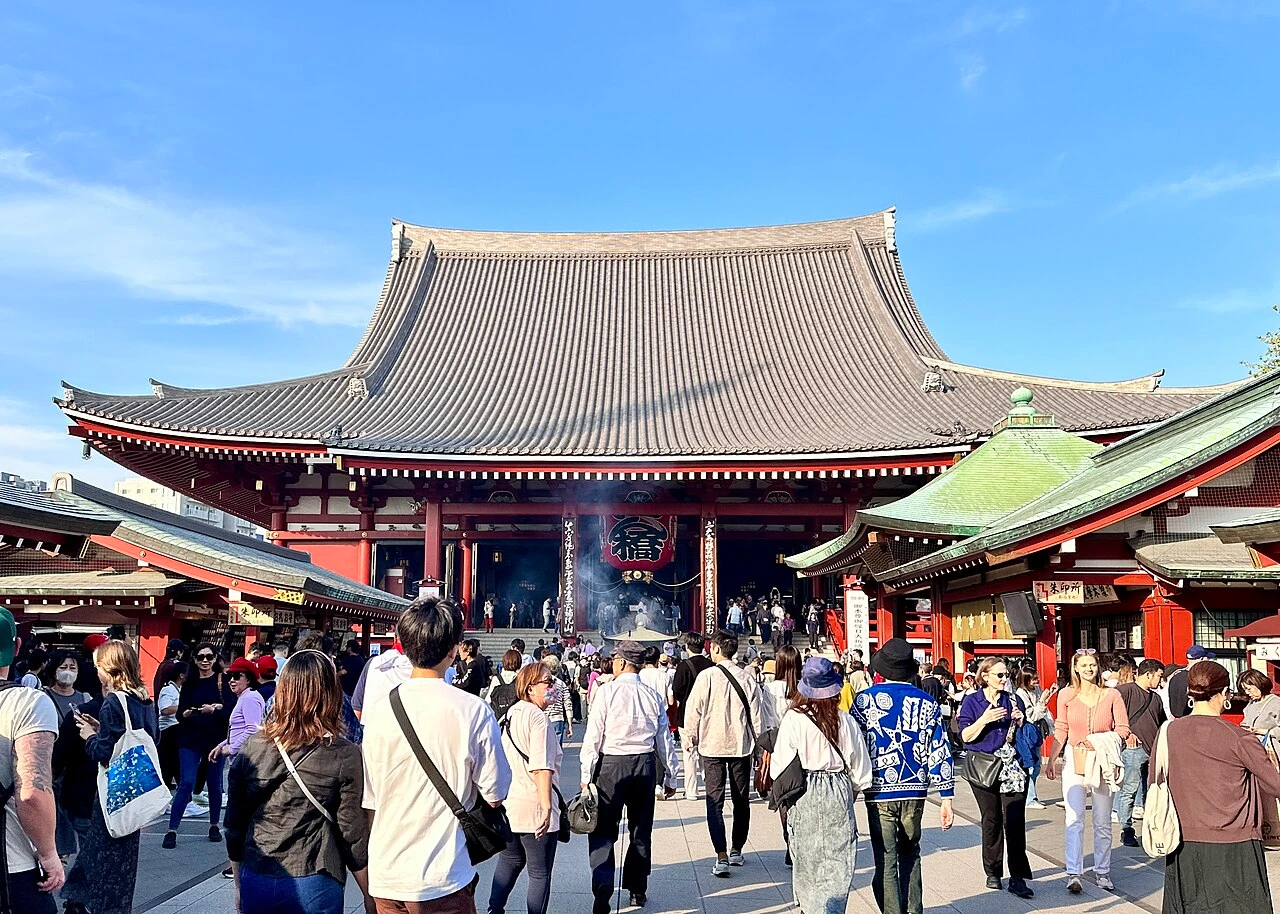
Taito · 2 km
Sensō-ji Temple
Content & sources
Photo: Akonnchiroll · CC0
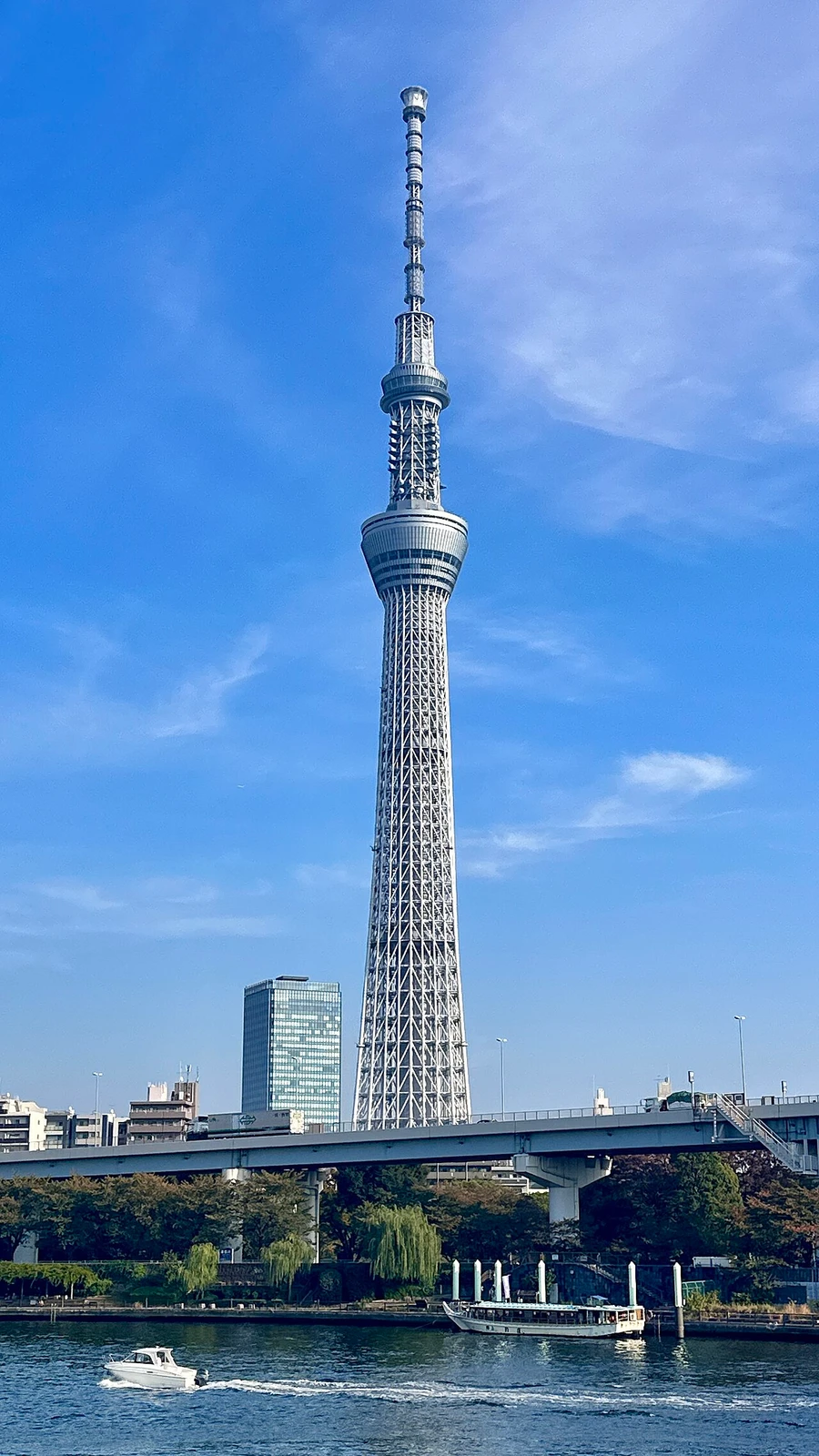
Sumida · 3 km
Tokyo Skytree
Content & sources
Photo: Akonnchiroll · CC0
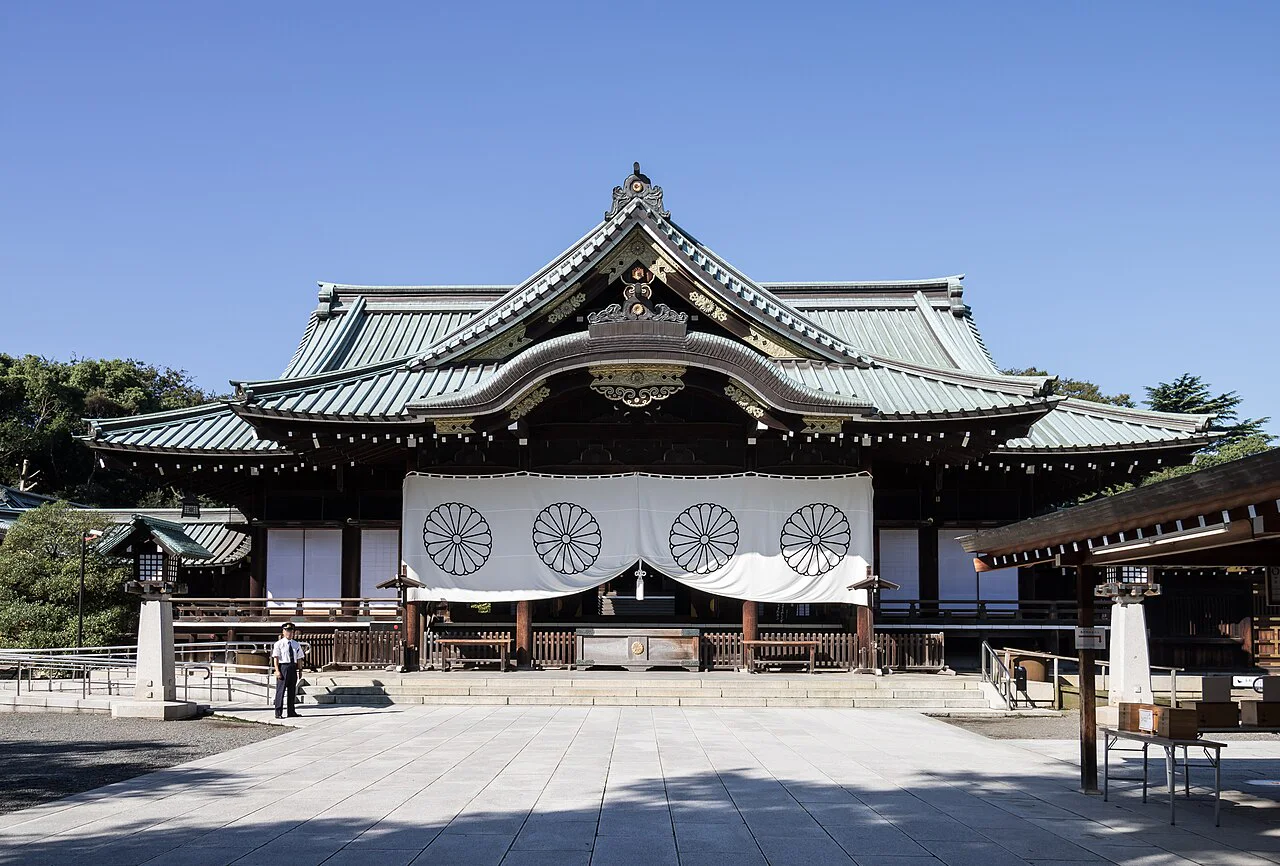
Tokyo · 4 km
靖国神社
Content & sources
Photo: Kakidai · CC BY-SA 4.0
Art museums
More art museum audio guides
Tokyo · 91 artworks
東京国立博物館
Content & sources
Photo: Wiiii · CC BY-SA 3.0
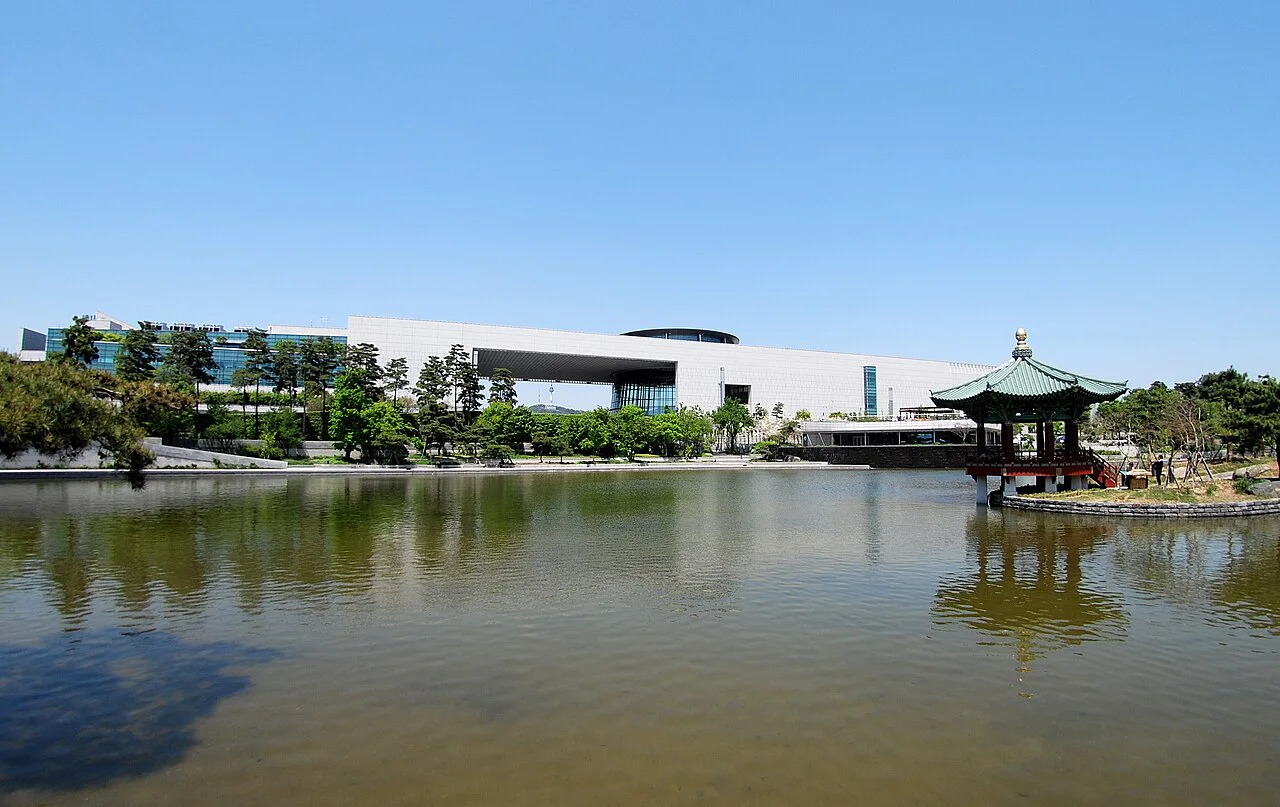
Seoul · 40 artworks
National Museum of Korea
Content & sources
Photo: Jinah78 · CC BY-SA 3.0
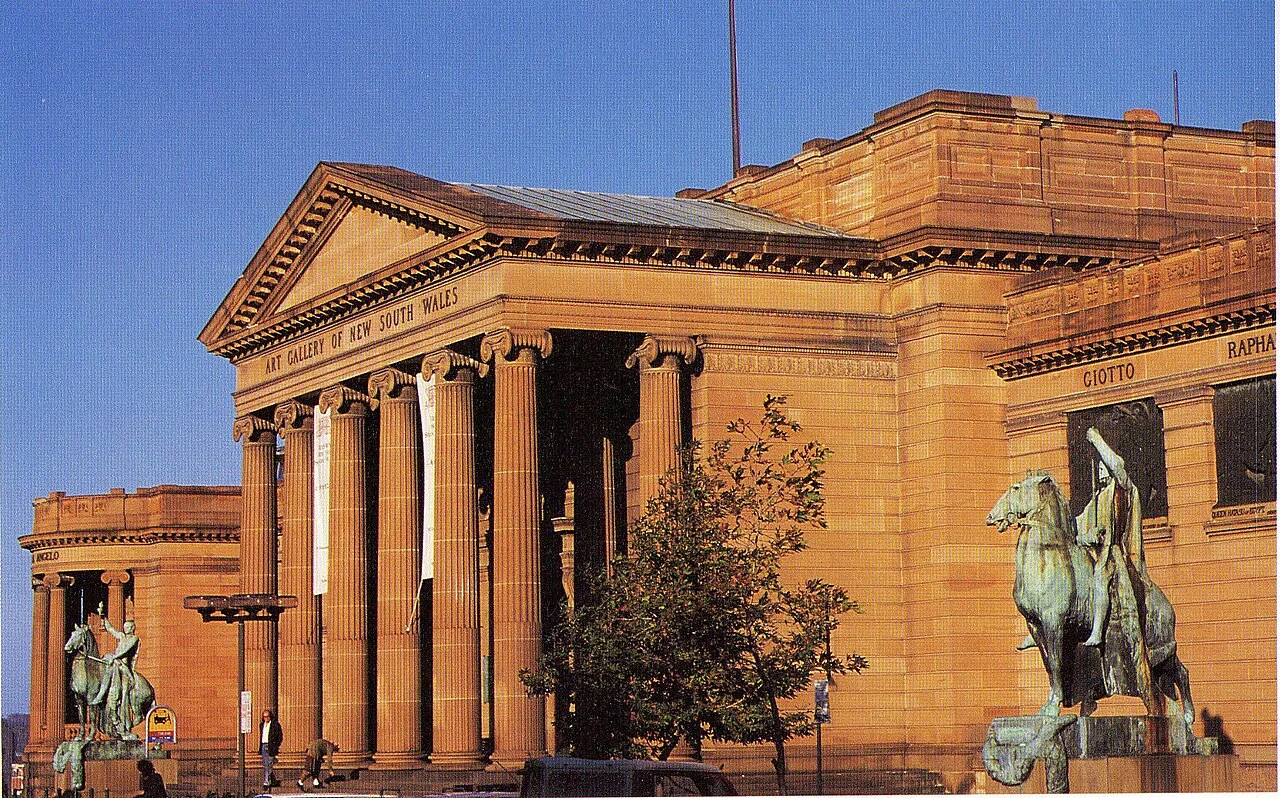
Sydney · 29 artworks
Art Gallery of New South Wales
Content & sources
Siegfried Nugent (talk) · CC BY-SA 3.0
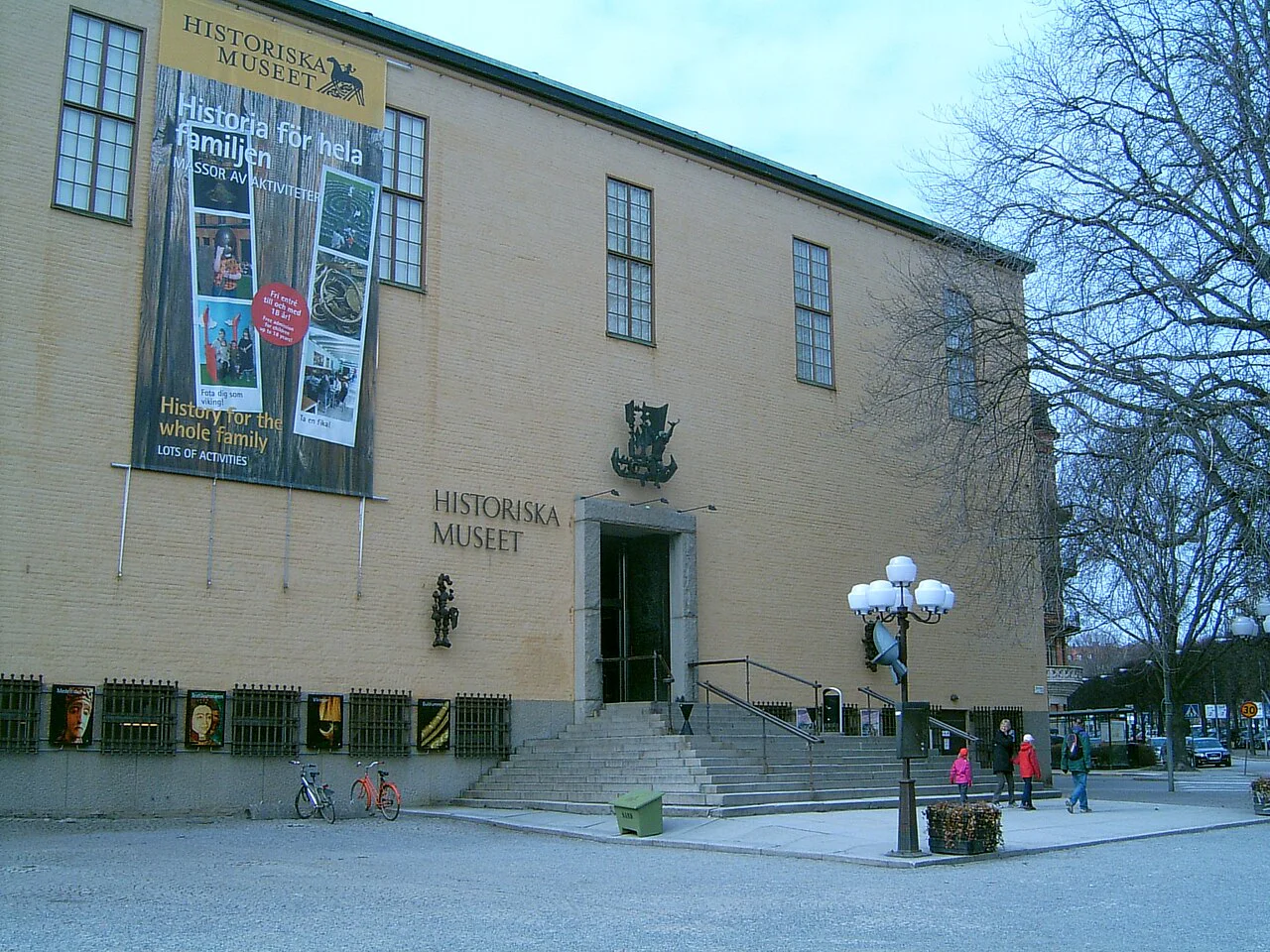
Stockholm · 55 artworks
Swedish History Museum
Content & sources
Mr Bullitt · CC BY-SA 3.0
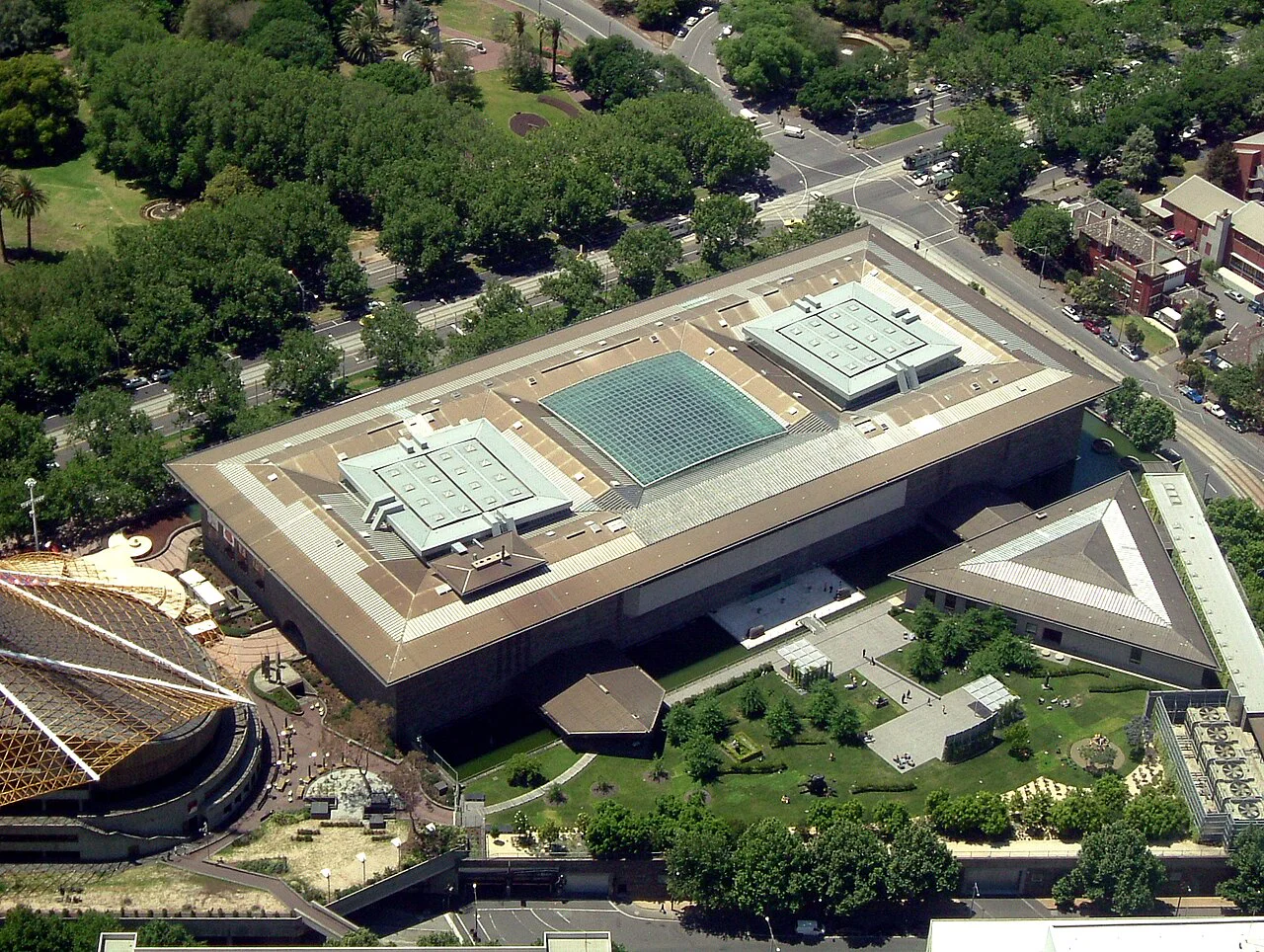
Melbourne · 56 artworks
National Gallery of Victoria
Content & sources
Lakeyboy at English Wikipedia · Public domain

Oslo · 20 artworks
Munch Museum
Content & sources
Photo: Premeditated · CC BY-SA 4.0