Languages
15Tower of London Audio Guide
Tower of London is an archaeological site in Greater London, United Kingdom. Explore it with Stanza's guided offline audio tour — narrated in 15 languages.
Quick Facts
48
Stops
15
Languages
100%
Offline
📍 Greater London, United Kingdom · 51.5082°N, -0.0762°E
About Tower of London
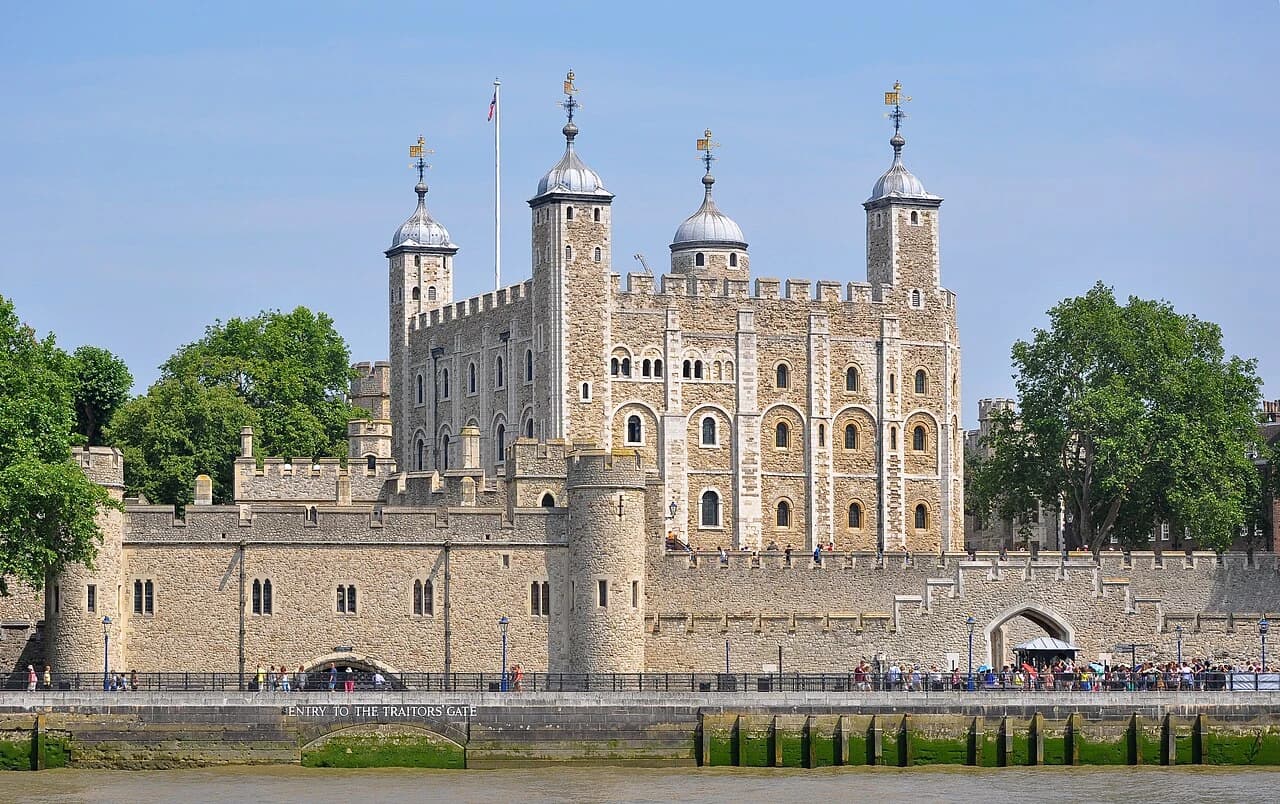
The Tower of London is a historic castle located on the north bank of the River Thames in central London. It served as a royal palace, fortress, and infamous prison, now a World Heritage Site.
Tower of London is also known as Her Majesty's Royal Palace and Fortress, The Tower of London, The Tower, Tower of London (London, England), and 1 other names in various languages.
This self-guided audio tour features 48 narrated stops organized across 8 sections. As a castle, Tower of London offers a unique cultural experience in the heart of Greater London, United Kingdom.
The Stanza audio guide is available in 15 languages and works entirely offline — download the complete tour including audio narration, maps, and images before your visit. As you walk through Tower of London, GPS-triggered narration plays automatically at each point of interest.
Last updated:
What you will hear
Wakefield Tower
A massive circular tower that once housed the private apartments of Henry III, now part of the Medieval Palace tour.
The Ribbed Vault
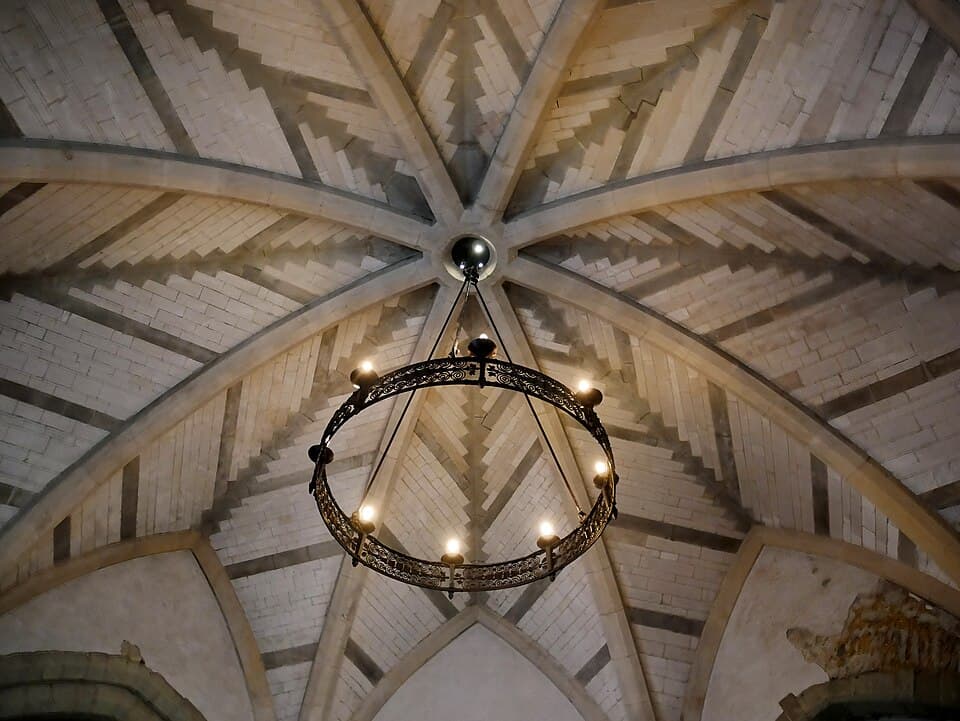
As you stand inside the upper chamber of the tower, look up at the ceiling to see the magnificent ribbed vaulting. This is a classic feature of Gothic architecture, where stone 'ribs' meet at a central point in the ceiling. This wasn't just an aesthetic choice; it was a major engineering breakthrough for medieval builders. These ribs act like a skeleton, channeling the weight of the stone ceiling down through the columns and into the thick walls. This allowed architects to create much larger, open interior spaces with higher ceilings than previous styles permitted. In a structure like the Tower, where the floors above are made of heavy stone and timber, the ribbed vault provided essential structural support. It allowed for the creation of grand rooms that were suitable for a King's throne room or private chapel. Notice how the lines of the ribs create a sense of verticality and grace, drawing the eye upward and making the heavy stone feel surprisingly light. This type of vaulting would have been decorated with color and gilding in the medieval period, further enhancing the room’s palatial feel. It serves as a reminder that the builders of the Tower were not just military engineers focused on defense, but also master craftsmen capable of creating spaces of great beauty and architectural sophistication. This vaulting has supported the weight of the tower for nearly eight hundred years, a testament to the enduring skill of the medieval masons.
The Royal Fireplace
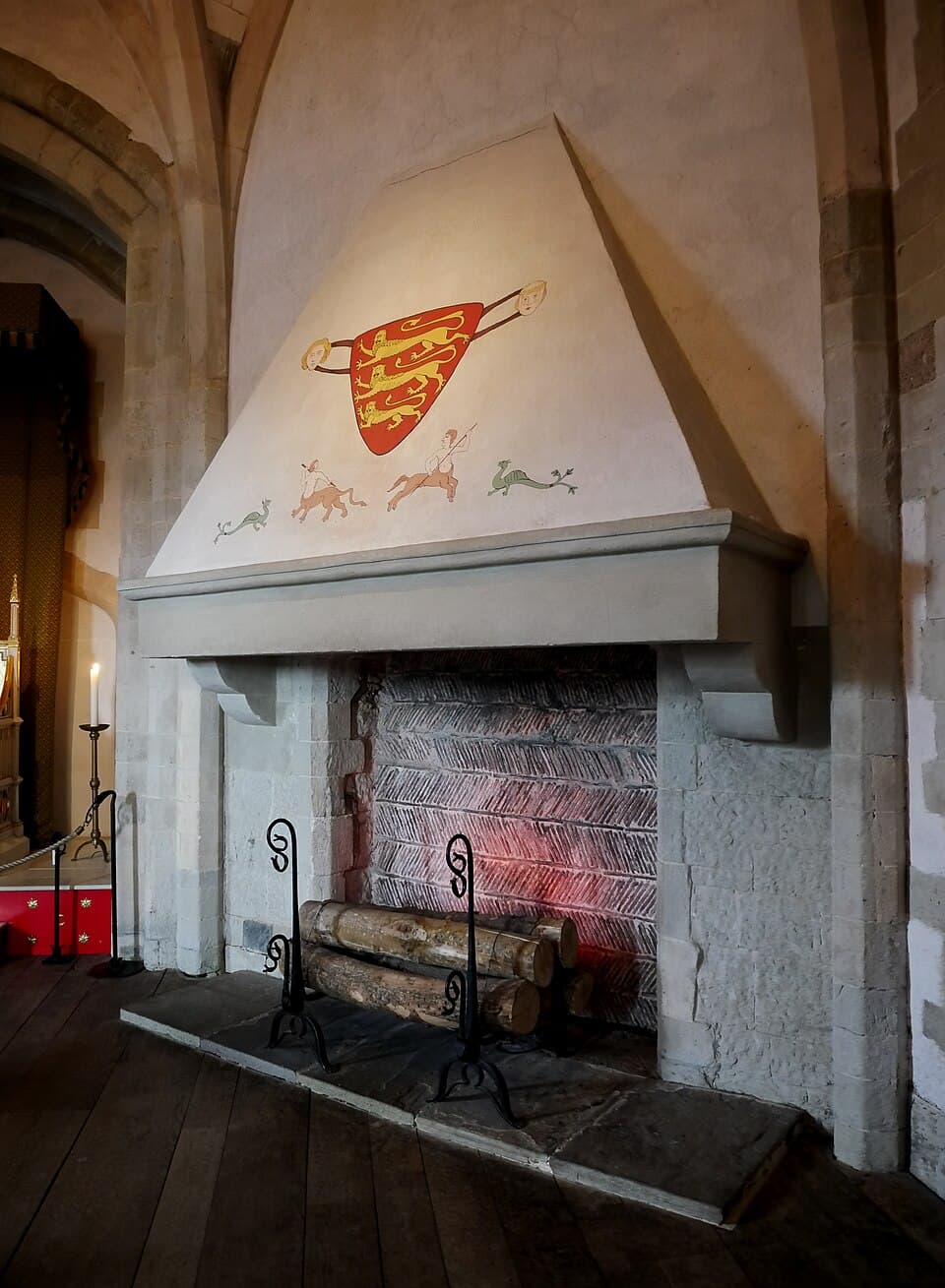
Notice the prominent chimney breast decorated with a painted heraldic shield. The three golden lions set against a red background are the traditional lions of England, a symbol of royal authority that has endured for centuries. While the colors appear bright today, they are part of a reconstruction designed to show how the medieval palace would have appeared when it was a vibrant royal residence. These rooms were originally designed for prestige, but practicality was equally important. Stone walls are notoriously difficult to heat, especially in a fortress sitting on the banks of the Thames. A large fireplace like this was essential for survival during the damp, cold winters. In the medieval period, the fire would have been the heart of the room, burning constantly to provide warmth and light for the king and his court. Looking at the size of the hearth, you can imagine the quantity of wood required to keep the chill of the thick stone walls at bay.
Bloody Tower
Famous for the legend of the 'Princes in the Tower' and as the long-term prison of Sir Walter Raleigh.
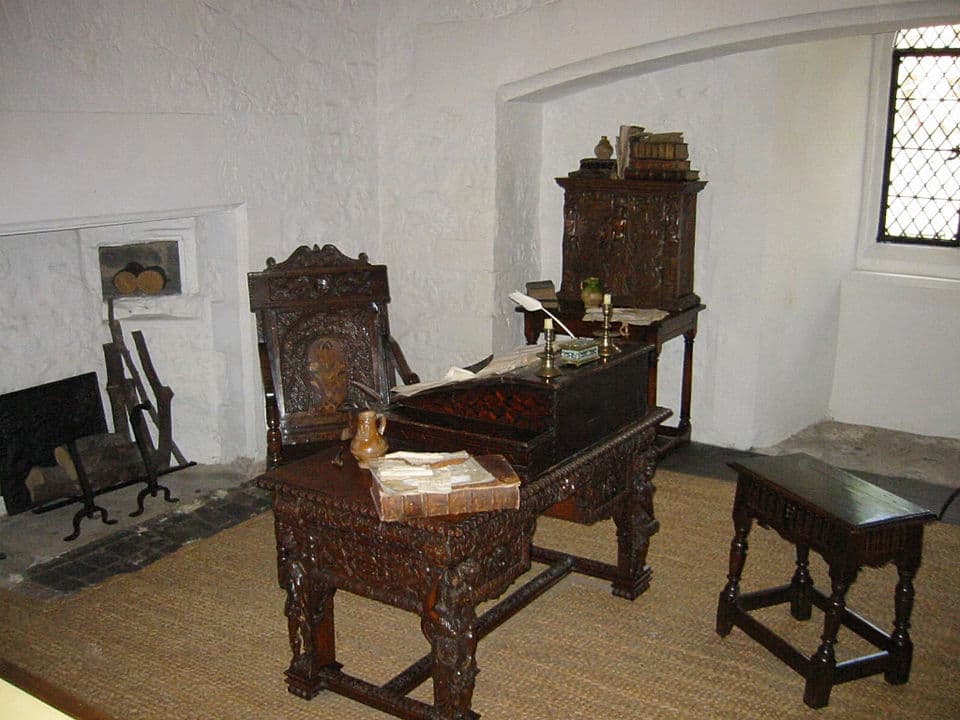
Sir Walter Raleigh’s Study
Step into the room where one of the most famous figures of the Elizabethan era spent over a decade. Sir Walter Raleigh, a navigator, courtier, and poet, was imprisoned here by King James I. Unlike the common prisoners in the lower dungeons, Raleigh’s status allowed him a level of comfort that included access to his own books and writing materials. Looking at the desk and the volumes of texts, you can imagine him laboring over his massive "History of the World," a work he managed to complete despite his confinement. His imprisonment was not one of isolation; he was permitted visitors and continued to engage with the political and scientific ideas of his time. This room serves as a reminder that the Tower was not always a place of suffering, but sometimes a space for profound intellectual achievement for those with the status and means to maintain their lifestyle even behind bars.
The Queen's House
A rare surviving timber-framed Tudor building, traditionally the residence of the Tower's Governor.
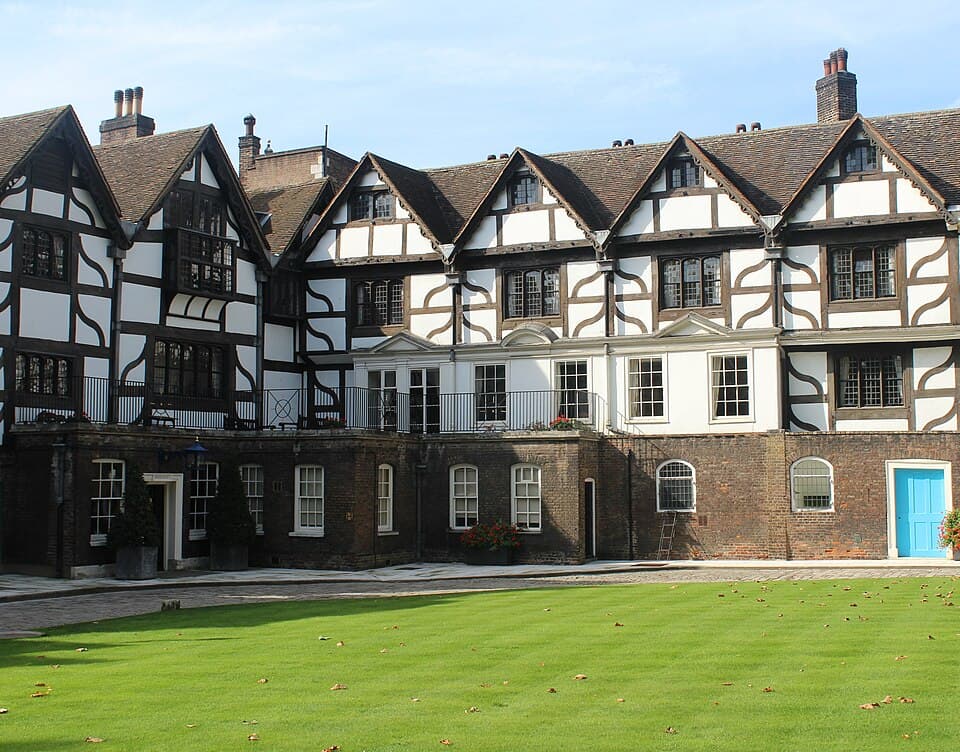
Queen's House (Tower of London)
Notice the distinct timber-framed architecture of the Queen's House, which stands out against the surrounding stone fortifications. Built around 1530 during the reign of Henry VIII, it is one of the few surviving examples of its kind in London. While it looks charming, it has seen its share of high-stakes drama. It was inside this house that Guy Fawkes was brought for interrogation following the discovery of the Gunpowder Plot in 1605. The building has served various purposes over the centuries, but its most enduring role has been as the official home of the Resident Governor of the Tower of London. Because it remains a private residence, it provides a unique link between the Tower's past and its ongoing life as a working community. The contrast of the wood against the stone highlights the shift in architectural styles from the pure defensive needs of the Normans to the more domestic, yet still secure, requirements of the Tudor court.
Beauchamp Tower
Used extensively for high-ranking prisoners, this tower is famous for the elaborate graffiti carved into its walls by captives.
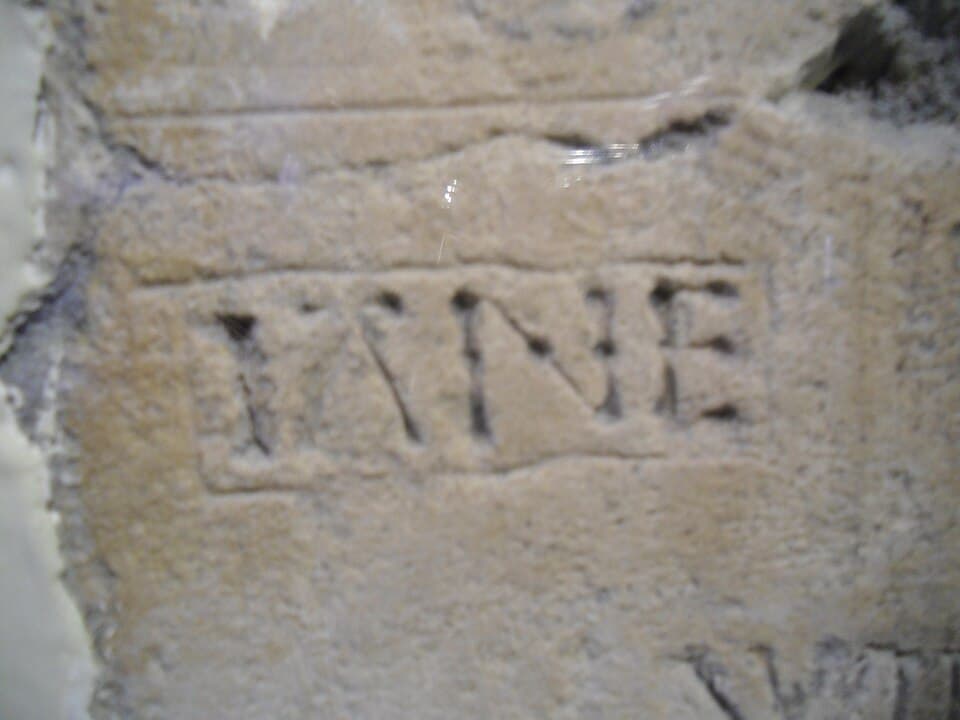
The 'Jane' Graffiti
On the walls of the Beauchamp Tower, you can find a collection of inscriptions left by former inhabitants. One of the most famous is the word "Jane," carved in crude capital letters. This is widely believed to be the work of Lord Guildford Dudley, the husband of Lady Jane Grey. The two were held in separate towers—Dudley here, and Jane in the nearby Queen's House—following their failed attempt to secure the throne after only nine days of rule. This carving serves as a silent, physical record of a tragic moment in English history, left by a man who knew both he and his wife were likely facing execution. The graffiti in this tower offers a rare and intimate glimpse into the minds of the prisoners, showing how they sought to leave a permanent mark on the world that was moving on without them. The simplicity of the name speaks volumes about the personal tragedy underlying the political turmoil of the Tudor era.
The Jewel House
Located within the Waterloo Barracks, this high-security vault houses the Crown Jewels of the United Kingdom.
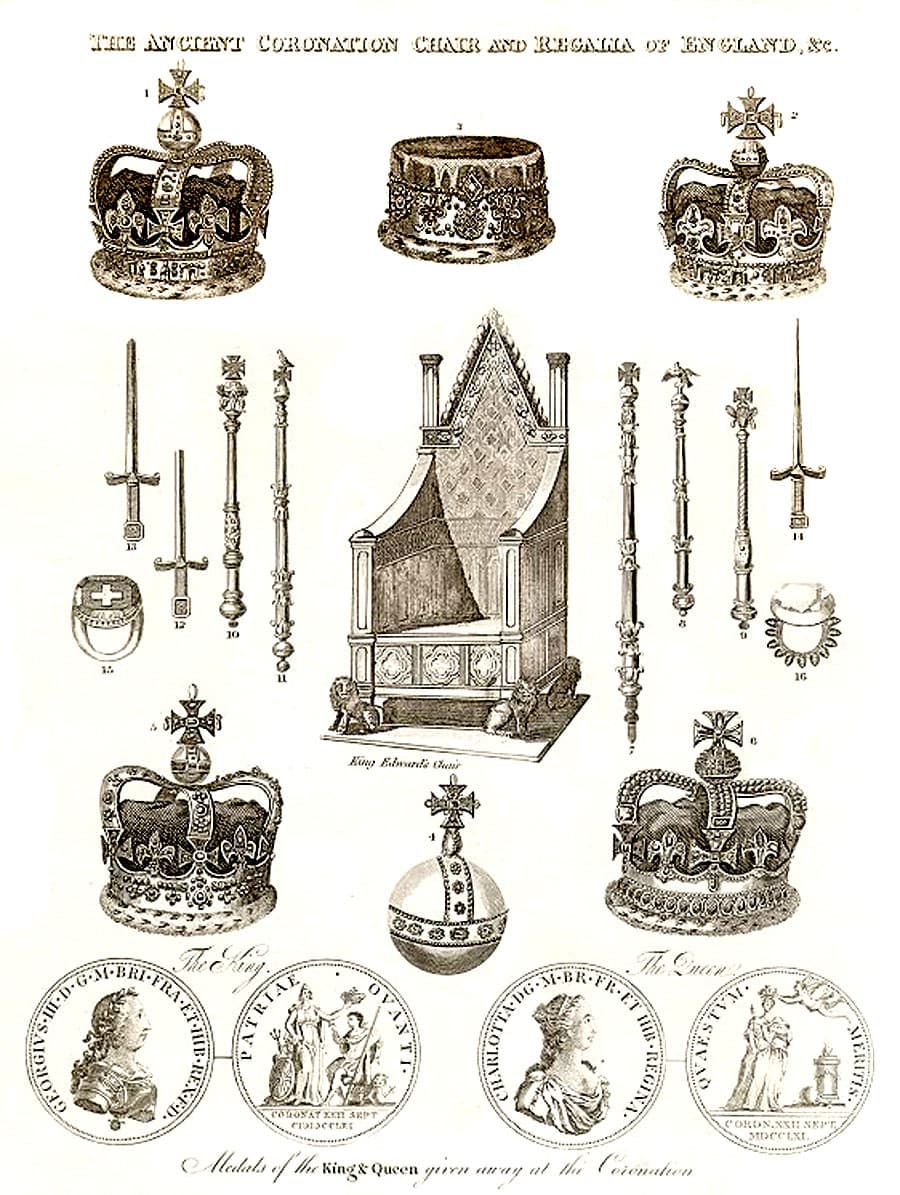
Crown Jewels of the United Kingdom
This diagram helps identify the primary pieces of the Coronation Regalia. Most of what you see in the Jewel House today dates from 1660. Following the execution of King Charles I during the English Civil War, the original medieval Crown Jewels were systematically broken up and melted down by Oliver Cromwell’s government to fund the new Republic. When the monarchy was restored under Charles II, almost the entire collection had to be remade from scratch to symbolize the return of royal authority. These items are not mere museum pieces; they are the working regalia of the British State, used to this day in the coronation of a new monarch. The Crown represents the monarch's power, the Scepter symbolizes justice and mercy, and the Orb represents the Christian world. Together, they form a collection that is both a display of extreme wealth and a physical manifestation of centuries of British constitutional history.
The White Tower
The iconic heart of the fortress, built by William the Conqueror in the 1070s to strike fear into the Londoners.
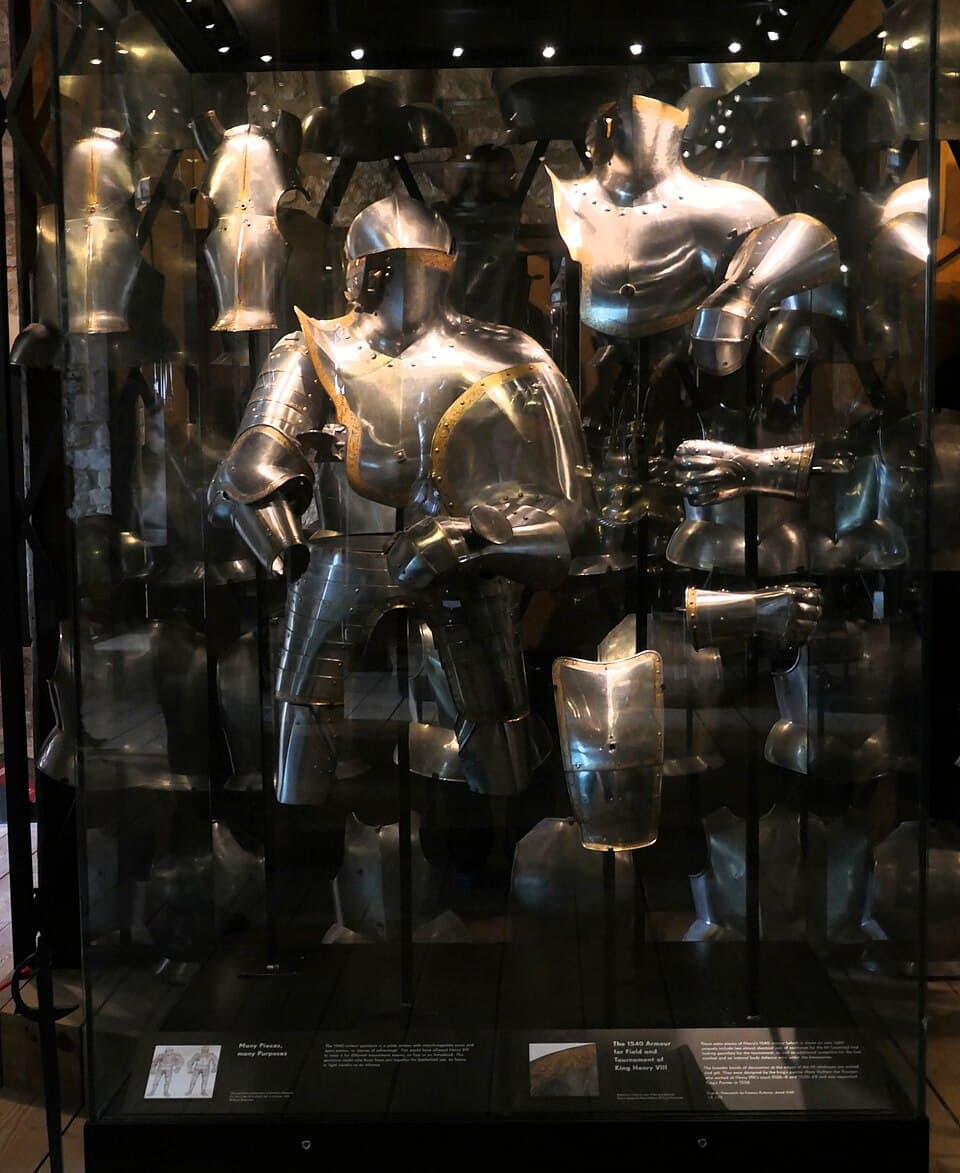
The Armor of Kings
The collection of steel armor on display here offers a fascinating glimpse into the lives and personalities of the men who wore them. These suits were not just for protection on the battlefield; they were highly crafted symbols of status, wealth, and power. You can see how the design of the armor evolved over the centuries, moving from purely functional shapes to highly decorated and customized pieces. One of the most remarkable aspects of these displays is how the armor reflects the physical changes of the monarchs. This is most famously seen in the suits belonging to King Henry VIII. In his youth, his armor depicts a tall, athletic, and slender man. However, as you move to the suits from his later years, the waistline expands dramatically, reflecting his well-documented weight gain. This was a man who took great pride in his appearance, and his armor was tailored as precisely as a modern suit. Beyond the personal details, these suits represent the pinnacle of medieval and Renaissance metallurgy. The way the joints are articulated allows for a surprising range of movement, proving that a knight in full plate was far more mobile than many modern legends suggest. Notice the intricate engravings and gilding on the more ceremonial sets, intended to dazzle friends and intimidate enemies.
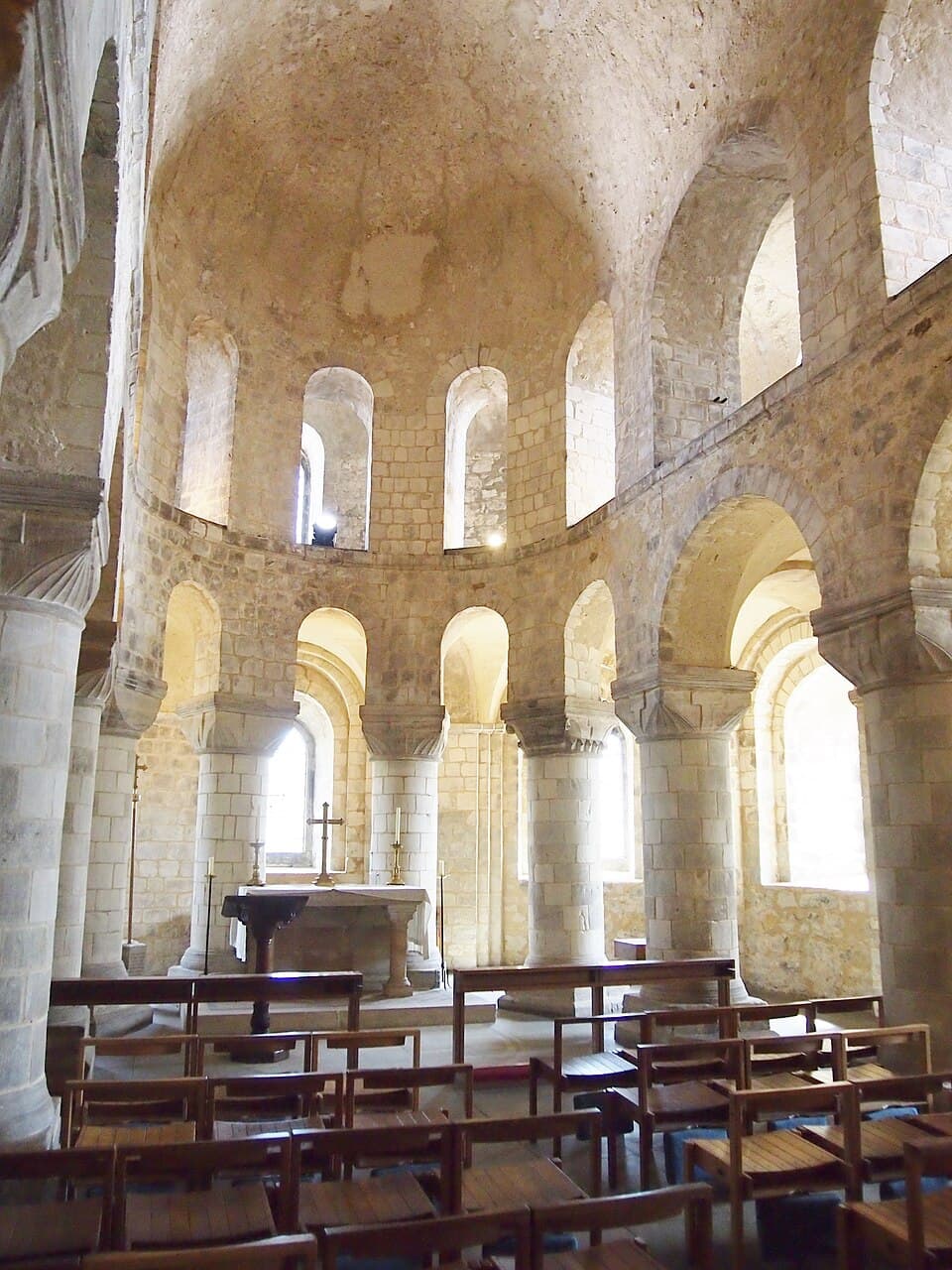
St John's Chapel, Tower of London
Deep within the massive structure of the White Tower lies St John’s Chapel, a space that feels worlds away from the military fortress outside. Completed in 1080, it is widely considered one of the finest and most complete examples of early Norman church architecture in the country. The design is intentionally austere, characterized by heavy, rounded arches and thick, simple columns that support a barrel-vaulted ceiling. There is very little ornamentation here, which focuses the attention on the architecture itself. This was the private place of worship for the King and his inner court. While the rest of the White Tower was bustling with soldiers, servants, and administrators, the chapel provided a sanctuary for royal devotions. Even in the middle of a fortress, the monarch required a space for prayer that reflected the dignity of the crown. The cool, quiet atmosphere today is much as it would have been nearly a thousand years ago. Because the chapel is encased within the thick stone walls of the keep, it was incredibly secure, allowing the royal family to worship in peace even during times of siege or unrest. Notice the gallery level above, where the royals could sit apart from the rest of the congregation, reinforcing the social hierarchy of the medieval court.
Salt Tower
Another notable prison tower, containing intricate religious carvings by Catholic prisoners during the Reformation.
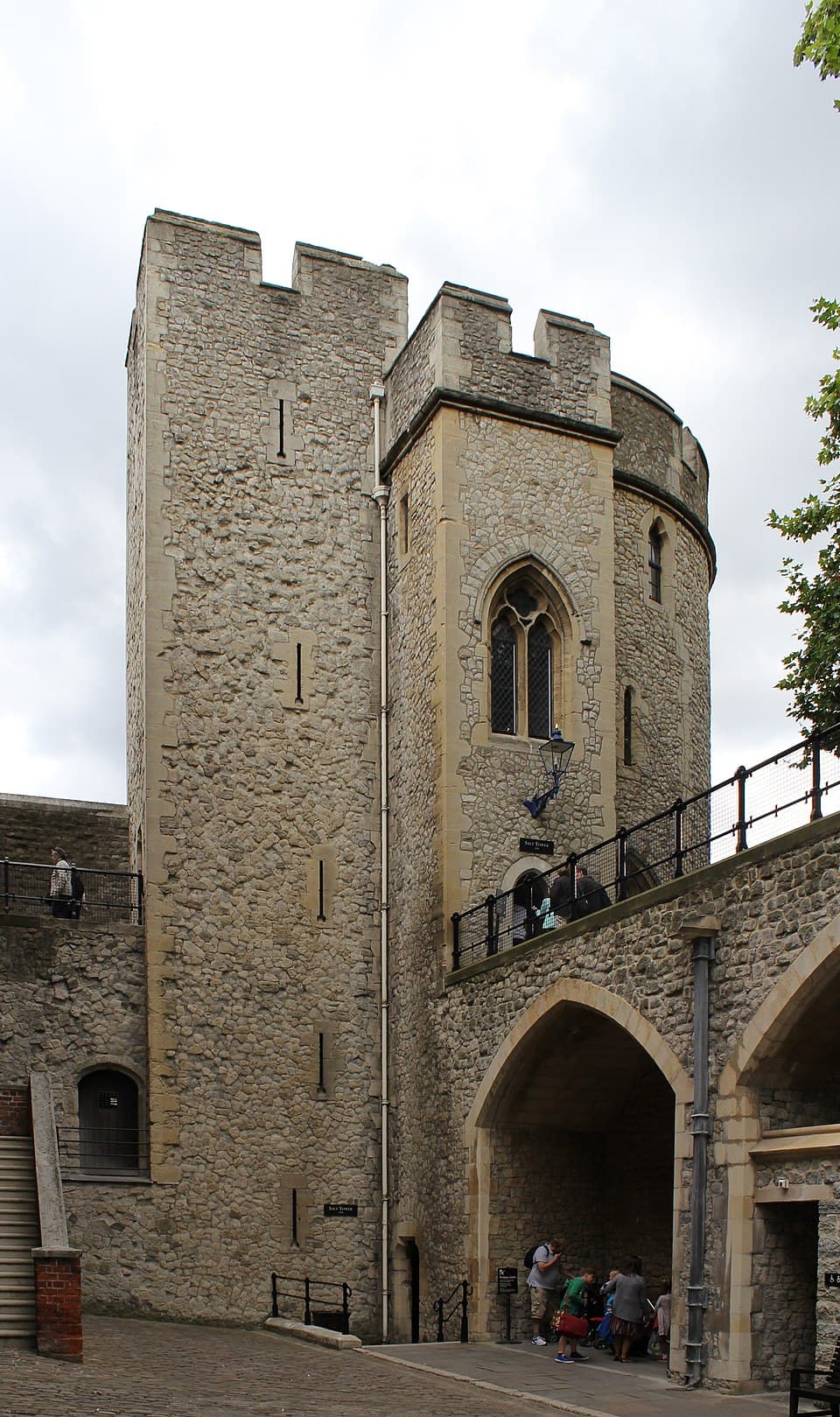
Salt Tower
The Salt Tower was built during the 1230s as part of the massive expansion of the fortress under King Henry III. Its primary purpose was defensive, situated to guard a corner of the Outer Ward. If you look at the exterior, you can see narrow vertical slits known as arrow loops. These were carefully designed to allow archers inside the tower to fire on attackers with a wide field of view while remaining almost entirely protected by the thick stone walls. Despite its name, the tower was rarely, if ever, used for the storage of salt. The name's origin is somewhat mysterious, but for centuries, its actual use was far more somber: it served as a high-security prison. Because it was located in a more remote corner of the complex, it was considered an ideal place to hold prisoners who needed to be kept away from the more crowded areas of the Tower. Many of those held here were suspected of religious or political crimes, especially during the turbulent Tudor period. The transition from a defensive bastion to a place of confinement is a common theme throughout the Tower of London, as the very features meant to keep enemies out proved equally effective at keeping prisoners in.
The Moat
The vast defensive ditch that has hosted everything from medieval water to royal orchards and modern art installations.
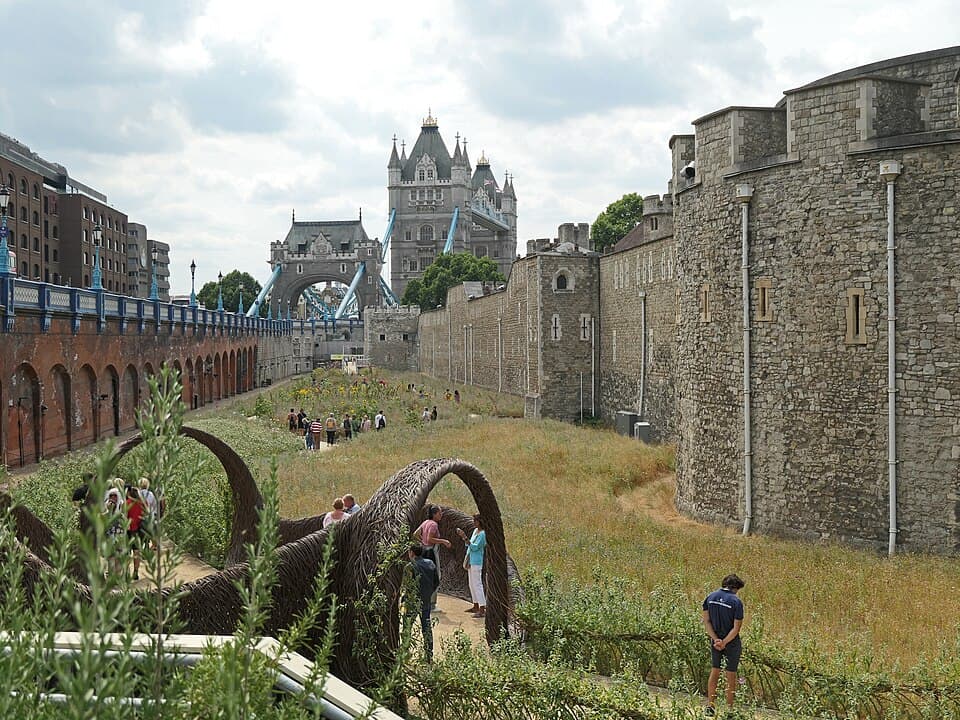
The Ditch
Looking down into the wide, grassy basin surrounding the fortress, you are seeing what was once a deep, water-filled defensive moat. For centuries, this ditch was the Tower’s first line of physical defense, intended to prevent attackers from reaching the base of the massive stone walls. However, by the early 19th century, the water had become stagnant, polluted, and a significant health hazard for the soldiers stationed here. In the 1840s, the Duke of Wellington, acting as the Constable of the Tower, ordered the moat to be drained and filled with soil. His decision transformed the perimeter from a putrid defensive barrier into a dry parade ground for the garrison. This change marked a shift in the Tower’s history, as its role as a purely military stronghold began to wane in favor of its status as a historic monument and administrative center. In recent years, this space has undergone another remarkable transformation. No longer just a flat lawn, it has been repurposed as a site for biodiversity and large-scale public installations. You may see remnants of the 'Superbloom' project, which filled the ditch with millions of wildflowers to celebrate the Platinum Jubilee of Queen Elizabeth II. Today, this former site of military deterrence serves as a thriving urban landscape, inviting pollinators and providing a lush, colorful contrast to the grey stone of the medieval battlements.
Want to hear the rest?
Download the Stanza app to unlock all 48 stops and the complete guided audio tour.
Frequently Asked Questions
How long does the Tower of London audio tour take?
The Tower of London audio guide includes 48 narrated stops. Most visitors spend 45 minutes to 1.5 hours exploring the complete tour, though you can listen at your own pace and skip or revisit any stop.
Is the Tower of London audio guide available in my language?
Stanza supports 15 languages: English, Spanish, French, German, Italian, Portuguese, Russian, Japanese, Chinese, Korean, Arabic, Hindi, Polish, Dutch, Hebrew. Check the guide in the app to confirm the languages currently available for this tour.
Can I use the audio guide offline at Tower of London?
Yes! Download the complete Tower of London tour — including all audio, maps, and images — before your visit. The Stanza app works completely offline, so you don't need WiFi or mobile data at the venue.
How much does the Tower of London audio guide cost?
The Stanza app is free to download. The current listed price for the Tower of London audio guide is $4.99; app-store region and currency may affect the final price.
How do I use the Stanza audio guide at Tower of London?
Download the free Stanza app, search for "Tower of London", and download the tour. When you arrive at the venue, the app uses GPS to detect your location and automatically plays the relevant narration as you move between points of interest — completely hands-free.
What makes the Stanza audio guide different from other Tower of London tours?
Stanza offers GPS-triggered narration that plays automatically as you walk through Tower of London — no need to manually select stops. The tour is available in 15 languages, works fully offline, and includes 48 expertly narrated stops with images and historical context.
What other audio guides are available near Tower of London?
Stanza offers multiple audio guides in Greater London, United Kingdom and nearby areas. After downloading the app, browse the map to discover all available tours near Tower of London. Each guide can be downloaded for offline use.