 Stanza / Audio guide
Stanza · Audio guide
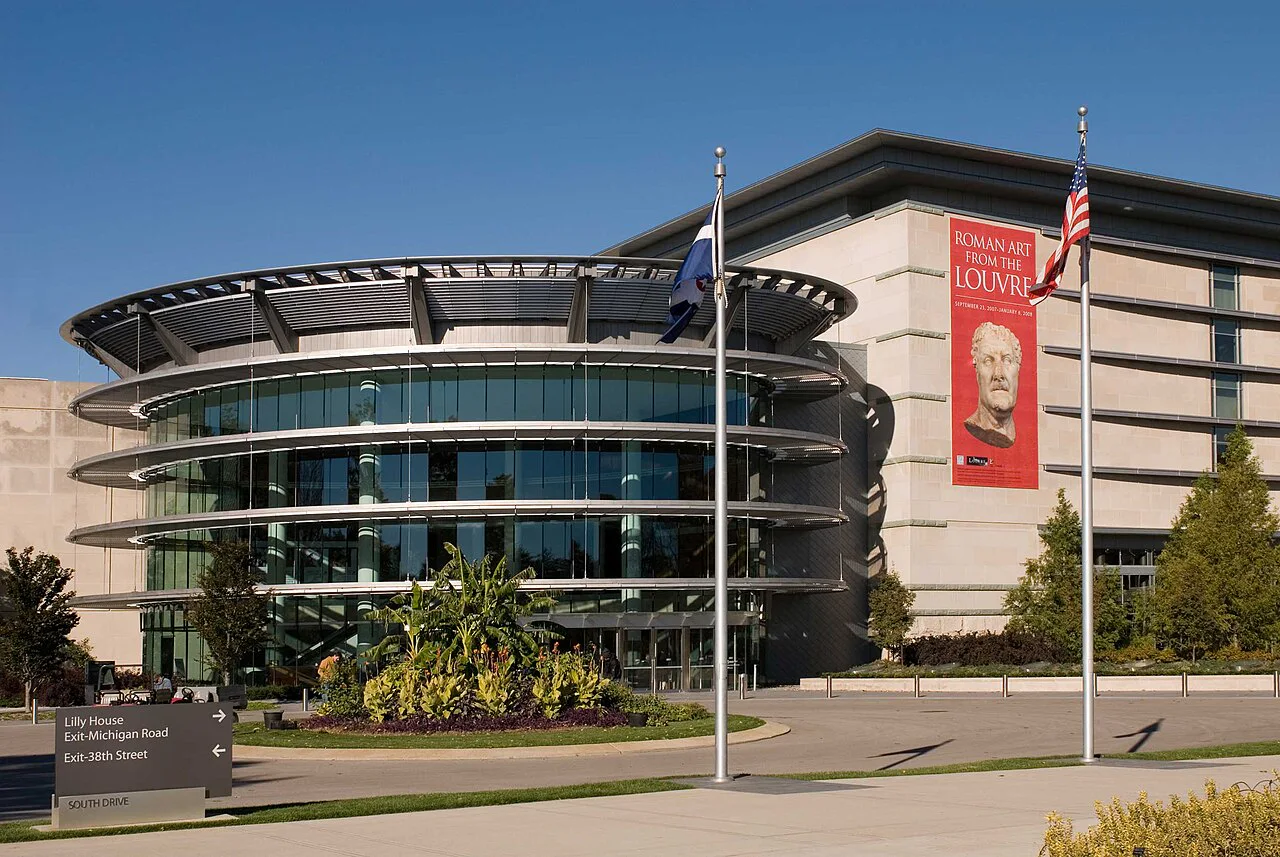
Indianapolis Museum of Art Audio Guide
A place to remember. A story to take with you.
The Indianapolis Museum of Art is an encyclopedic art museum located on the Newfields campus in Indianapolis. It serves as the cornerstone of the campus and functions as the legal name of the organization.
Download Stanza, then search for “Indianapolis Museum of Art”.
About the tour
One guide. Your kind of visit.
The Indianapolis Museum of Art is an encyclopedic art museum located on the Newfields campus in Indianapolis. It serves as the cornerstone of the campus and functions as the legal name of the organization.
The Indianapolis Museum of Art guide tells the stories of 102 artworks, including Fine Wind, Clear Morning (Katsushika Hokusai), Self-Portrait (Rembrandt), Enclosed Field with Peasant (Vincent van Gogh), Still Life with Profile of Laval (Paul Gauguin), St. Luke (El Greco), The Great Bath at Bursa (Jean-Léon Gérôme), Maison devant la Sainte-Victoire près de Gardanne (House in Provence) (Paul Cézanne), and Landscape near Arles (Paul Gauguin). Every artwork is free to hear in the Stanza app until 1 January.
Ready when you are.
- 01Get the free Stanza app.
iOS & Android
- 02Find your guide.
“Indianapolis Museum of Art”
- 03Download before you go.
Works offline
Audio guide / 102 artworks
Inside the guide
Get to know a few of the stories before you go. Open a stop to read more.
01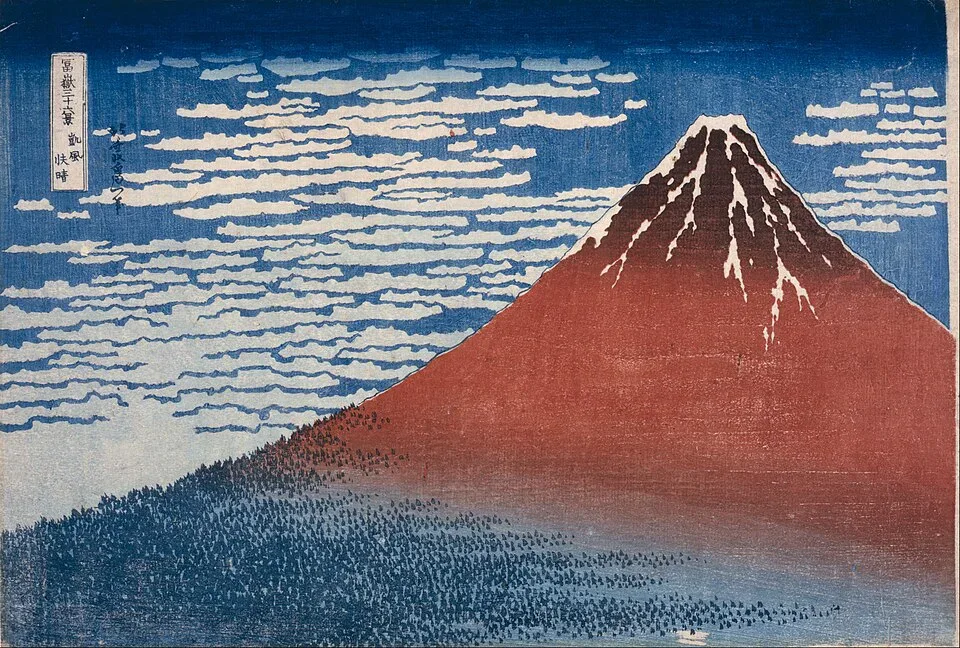
Fine Wind, Clear Morning
What makes a mountain turn red? Not the mountain itself. In early autumn, with a south wind and a clear sky, the rising sun can do it. Hokusai caught that moment here. Snow still lies at the peak, and dark shadows cover the forest at the base, pinning down the hour and the season. Three shades of blue deepen across the sky, and the mountain carries the same three hues. But that red was not the first one on the print. The earliest impressions look faded beside the ones you usually see, yet they sit closer to the first idea for it. Those rare prints have an uneven blue sky, and that makes it brighter. A halo of Prussian blue brings the peak forward. Then the printing changed. The sky went a strong, even blue. A printer added another block and laid pale blue along the horizon. The green block was cut again, so forest and slope met lower down. Later printings typically used a strong red pigment, and that is where the name Red Fuji comes from. The mountain is solid and symmetrical on the right, and the delicate clouds on the left are what hold it in balance.
Listen in the appKatsushika Hokusai · Public domain
02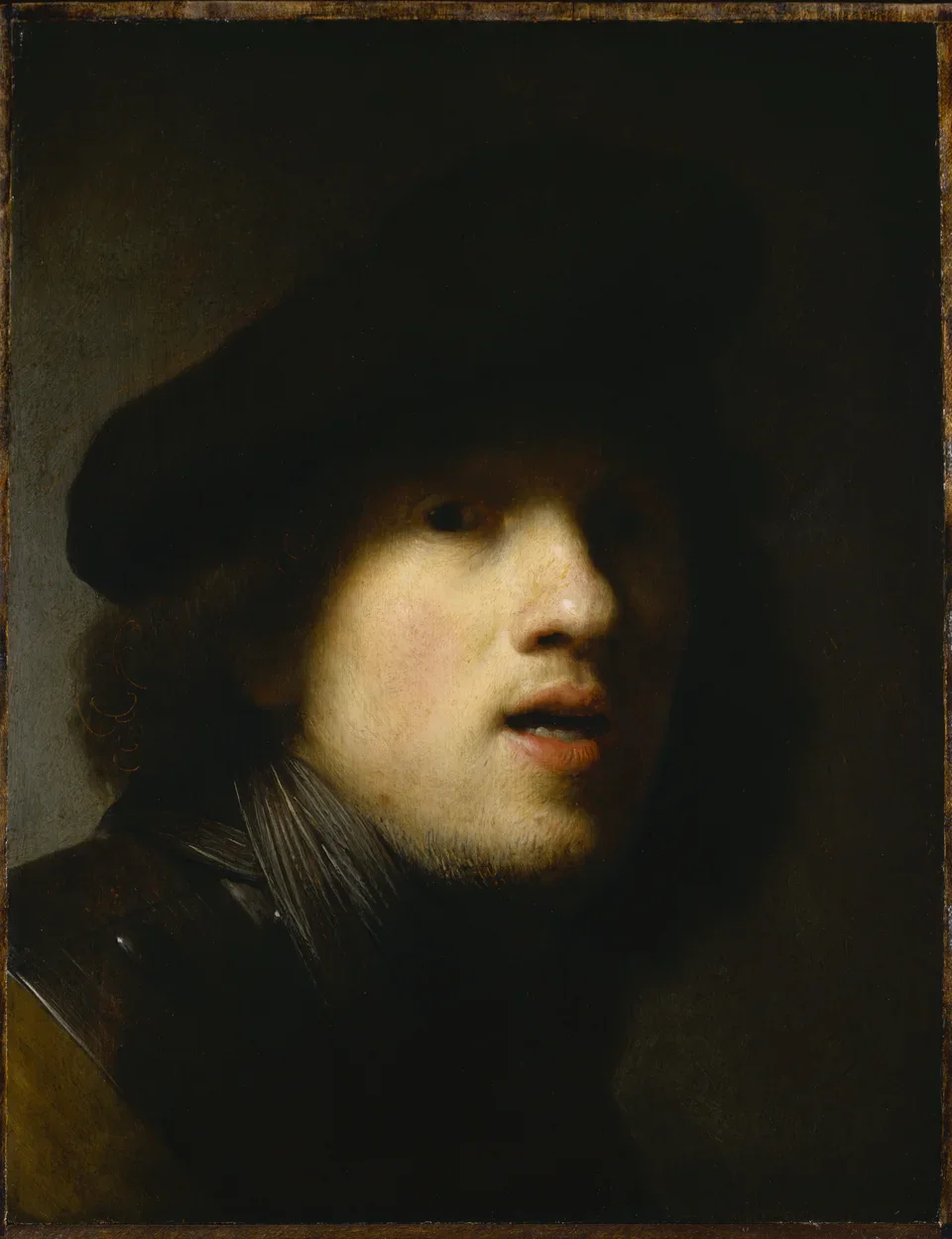
Self-Portrait
For decades, no one could agree who had painted this face. A young man leans toward you, lips parted, head tilted, as if something has just surprised him. He has put on pieces from his own studio. A cap is pulled low so his brow falls into shadow, and a steel collar has a shiny, oversized rivet. He never served in the militia, so the collar is pure dressing up. Rembrandt painted himself often, and his students copied them. At least five versions of this face exist, and that is where the doubt began. The painting was found in a castle near Lvov in 1897 and called a genuine Rembrandt. In 1969 that verdict was reversed. Opinions stayed divided before and after a cleaning in 1966. Then X-rays in 1979 settled it. They showed he had changed the angles of his shoulders and head, and the position of his hat, as he worked. That is the mark of an original, not a copy. He left his initials in the wet paint, and they appear on none of the copies. He even painted the blemishes on his chin, which his students tended to gloss over. It passed among noble families in Poland until Clowes bought it in 1951, and his family gave it to this museum in 1959.
Listen in the appRembrandt · Public domain
03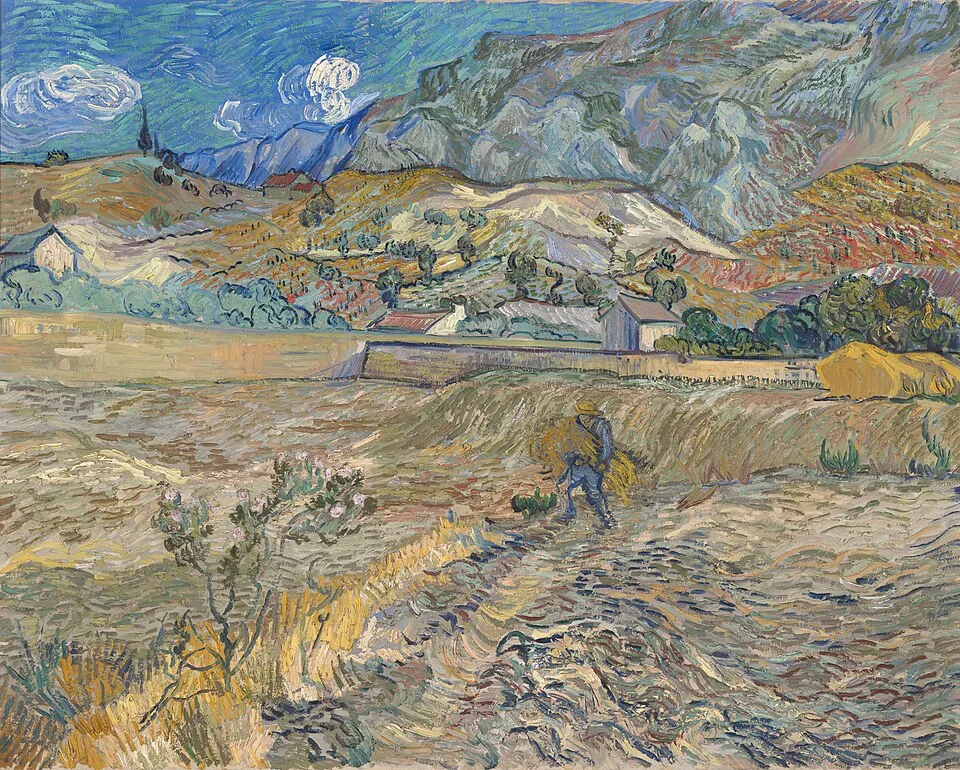
Enclosed Field with Peasant
In the middle of a ploughed field, a small figure drags a bundle of straw. Behind, the Alpilles mountains go all the way up the canvas, leaving only a small patch of sky. A thistle and some dry grass lie in the foreground. The field is violet, almost entirely violet, and Vincent van Gogh chose that colour on purpose. Earlier in 1889 he had painted this same field in yellow, in a picture called The Reaper. He wrote to his brother Theo that October that the yellow one looked done at random. He made this one to balance it, to make the Reaper easier to understand. In January 1890 he sent the canvas to Theo, calling it a ploughed field with mountains behind, and suggested again that the two paintings could go together.
Listen in the appVincent van Gogh · Public domain
04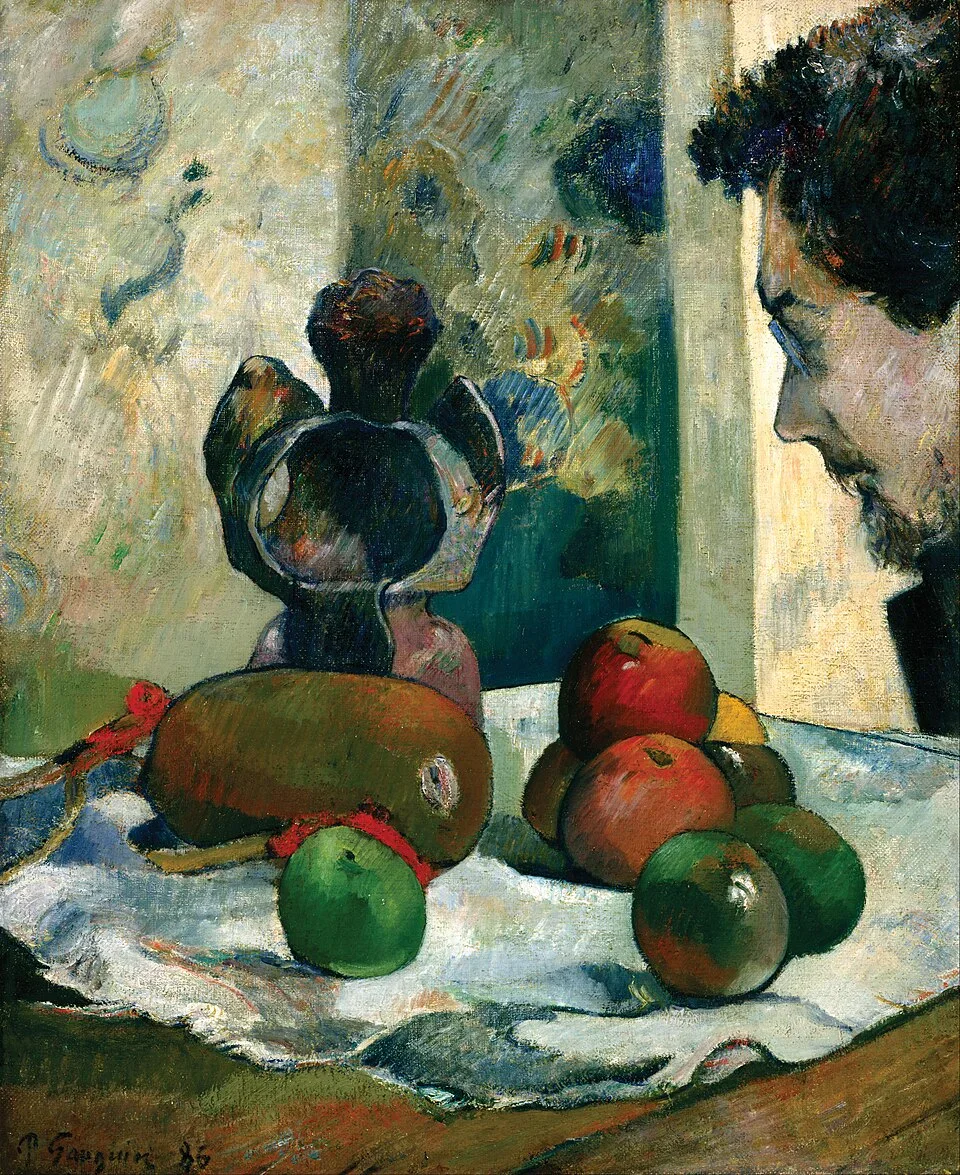
Still Life with Profile of Laval
Van Gogh had an idea for the small circle of artists at Pont-Aven. They would paint portraits of one another, a custom among friends. But every portrait would be in a new style. Together they declared they were leaving painting what the eye sees for pictures that stand for more. Gauguin made this the first of a series on how hard it is to make art. Laval's face is cut off at the edge, a nod to Degas, who liked his figures cropped and off center. The fruit is done in parallel strokes, after Cézanne. Gauguin quotes the two most admired painters of the day, one for modern life and one for still life. Then he will not let their styles sit together. He leaves it pulled apart. He put himself into the picture. The strange ceramic pot is one he made himself. He prized his ceramics as art and income, and he told his wife Mette this pot was worth a hundred francs. The pot was not made until at least October, which puts the painting very late in 1886, after his return to Paris. The pot is lost now, and may have been destroyed. Laval's eyes stay on that pot. He had met the painter that summer and soon became his pupil. That stare is the pupil's and yours, trying to work out what his teacher will do next.
Listen in the appGauguin, Paul (1848 - 1903) – Artist (French) Details on Google Art Project · Public domain
05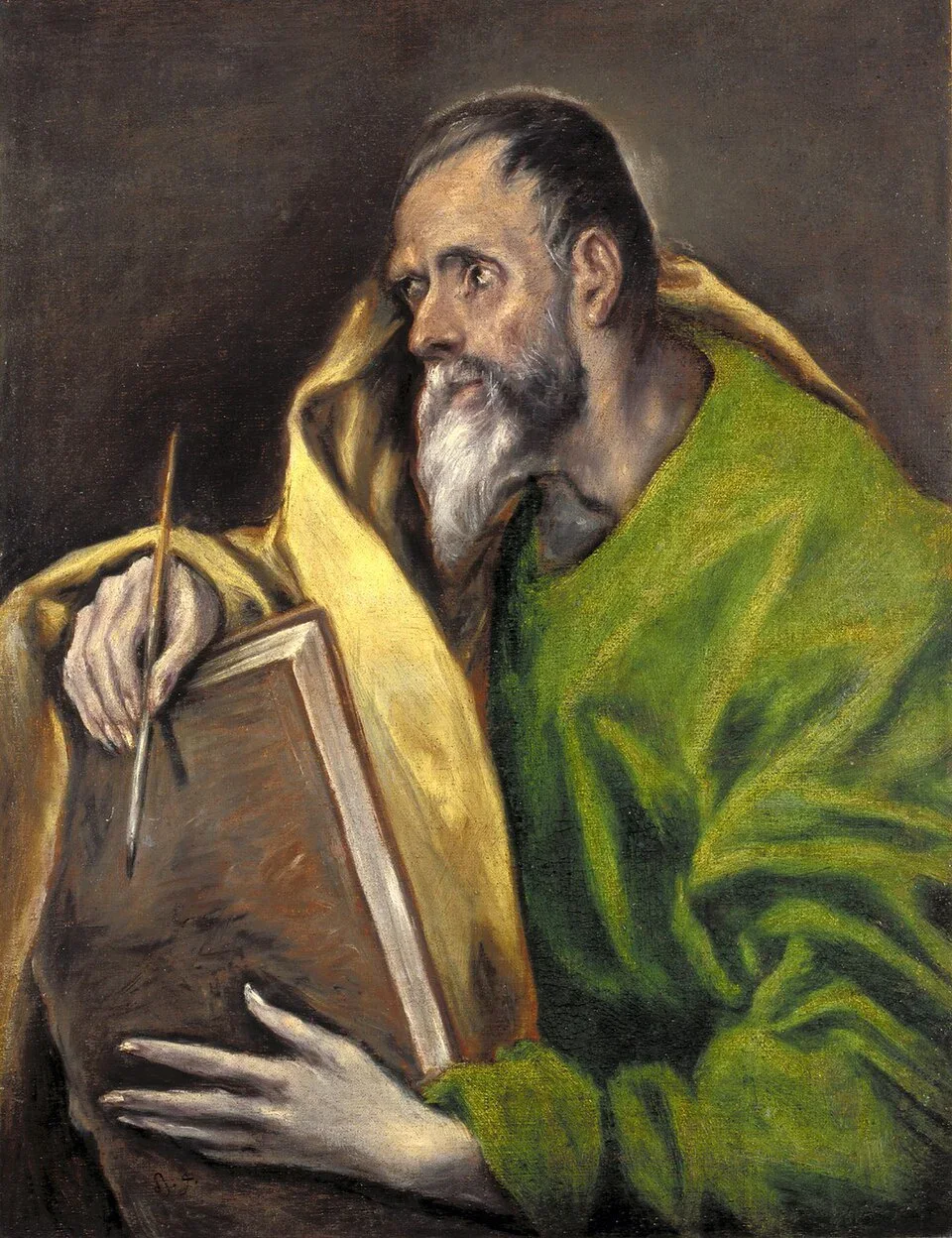
St. Luke
At the lower left of the closed book he holds, two Greek letters sit in black. They are the painter's initials, delta and theta, set down the way he signed his work. He was Greek, working in Spain, and here he marked the picture in the letters of his birth name. This Saint Luke was one of a set of apostles from the parish church of Almadrones. It is a small town in the province of Guadalajara. A complete set would have held twelve apostles and Christ. The set at Almadrones was already incomplete. Then the church was badly damaged during the Spanish Civil War. In 1936, or soon after, the paintings were taken down for safekeeping. First they went to a fortress in Guadalajara. Then they went to the Prado in Madrid for conservation between 1941 and 1945. In 1945 they were returned to the bishopric of Sigüenza. But in 1952 the paintings were sold and legally taken out of Spain, and this Saint Luke came to Indianapolis.
Listen in the appWorkshop of El Greco · Public domain
06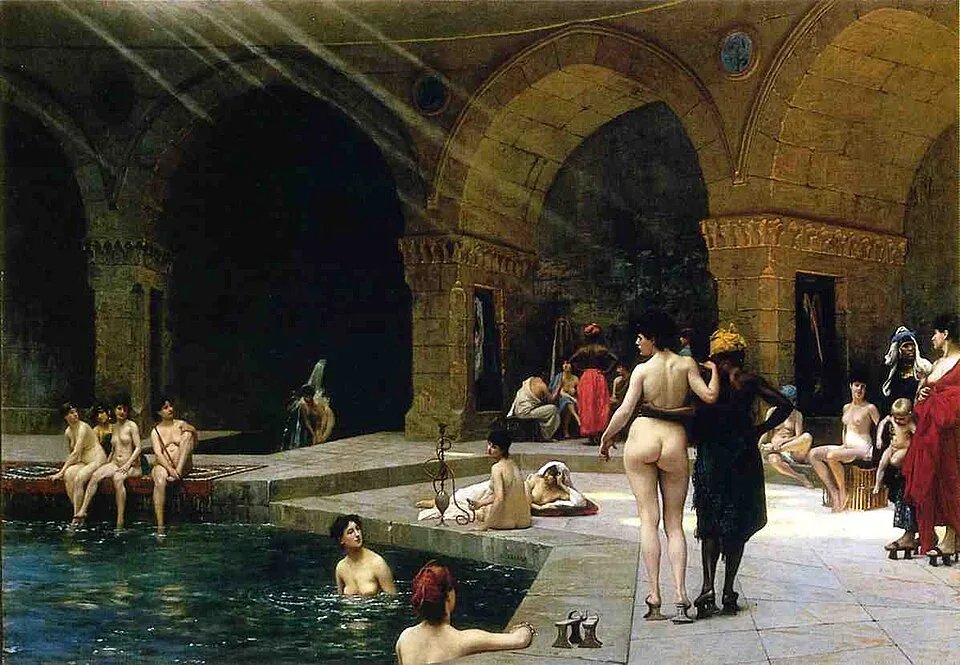
The Great Bath at Bursa
Why does one woman here hold the attention of the bathers in the pool? She is in the foreground with her back turned, ready to leave, leaning on a black woman at her side. Her look is proud, and the bathers seem to look her way. Both wear high shoes, to keep from slipping. In pictures of Eastern baths like this one, black women were often painted as slaves, set against their white mistresses. The view of her from behind recalls a Roman slave market, another painting by the same artist. The pool is real. It is the hot room of the new baths in Bursa, a city then in the Ottoman Empire. The building went up in 1552, perhaps to a design by the architect Mimar Sinan. Sunlight reaches the great octagonal pool through openings in the vaulted ceiling, and arched walls enclose it, like those of Romanesque buildings. Gérôme came here in 1879, while Bursa was still Ottoman, and sketched its oldest monuments. The painting itself was finished in 1885 and shown at the Salon in Paris. He also made an oil sketch inside these very baths, and that sketch has since disappeared.
Listen in the appJean-Léon Gérôme · Public domain
07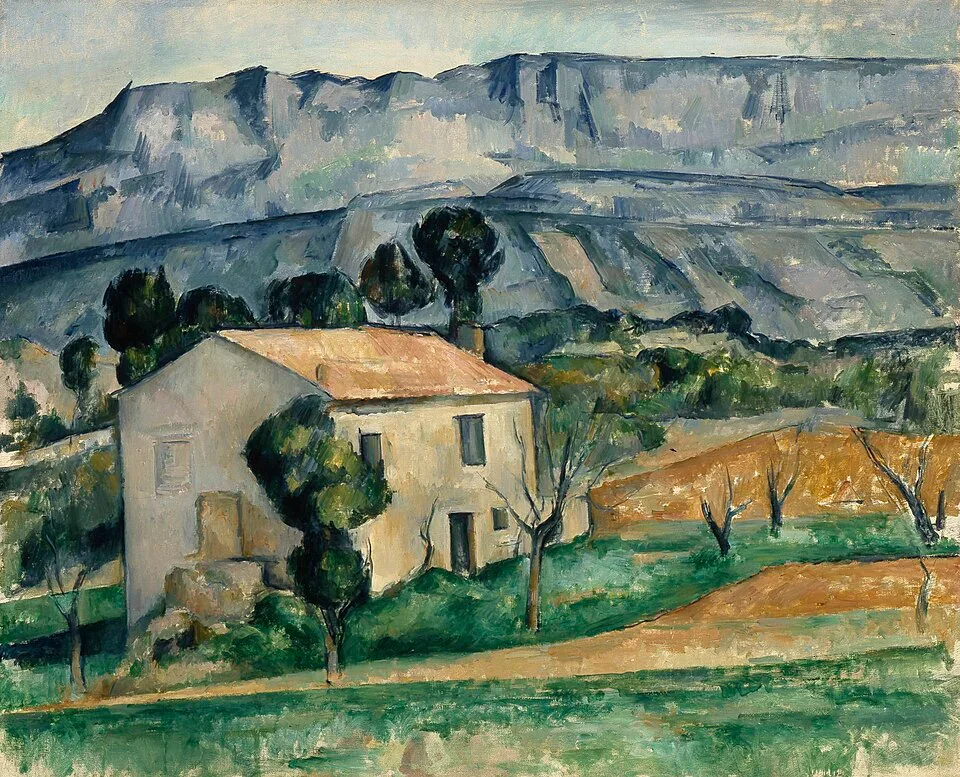
Maison devant la Sainte-Victoire près de Gardanne (House in Provence)
Cézanne wanted something different from the other Impressionists. He went after the basic structure of a place, and he built this view out of it. Broad horizontal bands stack up, grey blue mountain, soft green hills, brown fields. Upright trees and a farmhouse stand against them, solid and alone. Up close, the bands break into crossing strokes. They form a patchwork that keeps the scene moving, even inside the hard edges of the house and the mountain. This is the south side of Montagne Sainte-Victoire, a mountain he painted again and again. He lived here with his family, and had lived here as a boy. Then the painting passed from one owner to the next. It was probably bought first by Ambroise Vollard. Henri Bernstein bought it in 1910. It likely went to Gottlieb Reber in 1918, and Marie Harriman had it by 1936. In 1945 Caroline Marmon Fesler bought it for the John Herron Art Institute, now the Indianapolis Museum of Art. She gave it in memory of her parents, Daniel and Elizabeth Marmon.
Listen in the appPaul Cézanne · Public domain
08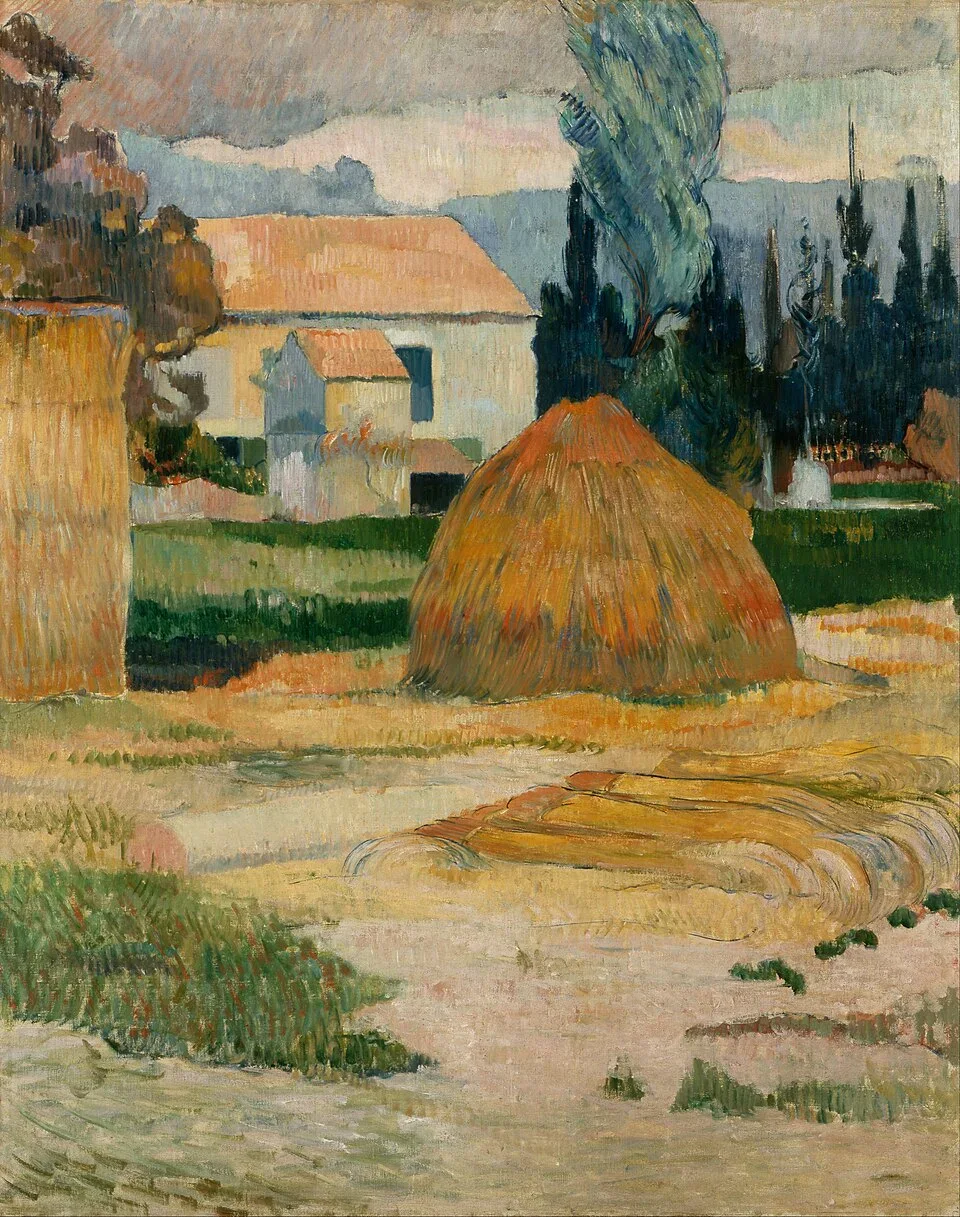
Landscape near Arles
Van Gogh wanted to gather artists in Arles, to live and paint together. For two months, ending at Christmas 1888, the two painters lived and worked side by side. The first painting Gauguin made there was on a linen canvas van Gogh had stretched for him. The setting was the plains of the Crau, which van Gogh was especially fond of. The bright, almost sour reds and lemon yellows are the only sign that van Gogh was near. The farmhouse is a traditional one and the haystack comes from harvest time, an ordinary scene in Provence. But the brushstrokes are laid down with care, each one exact, and together they lock the haystack and the farmhouse into one tight, ordered whole. Gauguin revered Cézanne, and here is that love of geometric forms, the countryside arranged so nature itself follows a structure of his own. Their stormy partnership was cut short, and in the end those two months left little mark on Gauguin's art.
Listen in the appPaul Gauguin · Public domain
09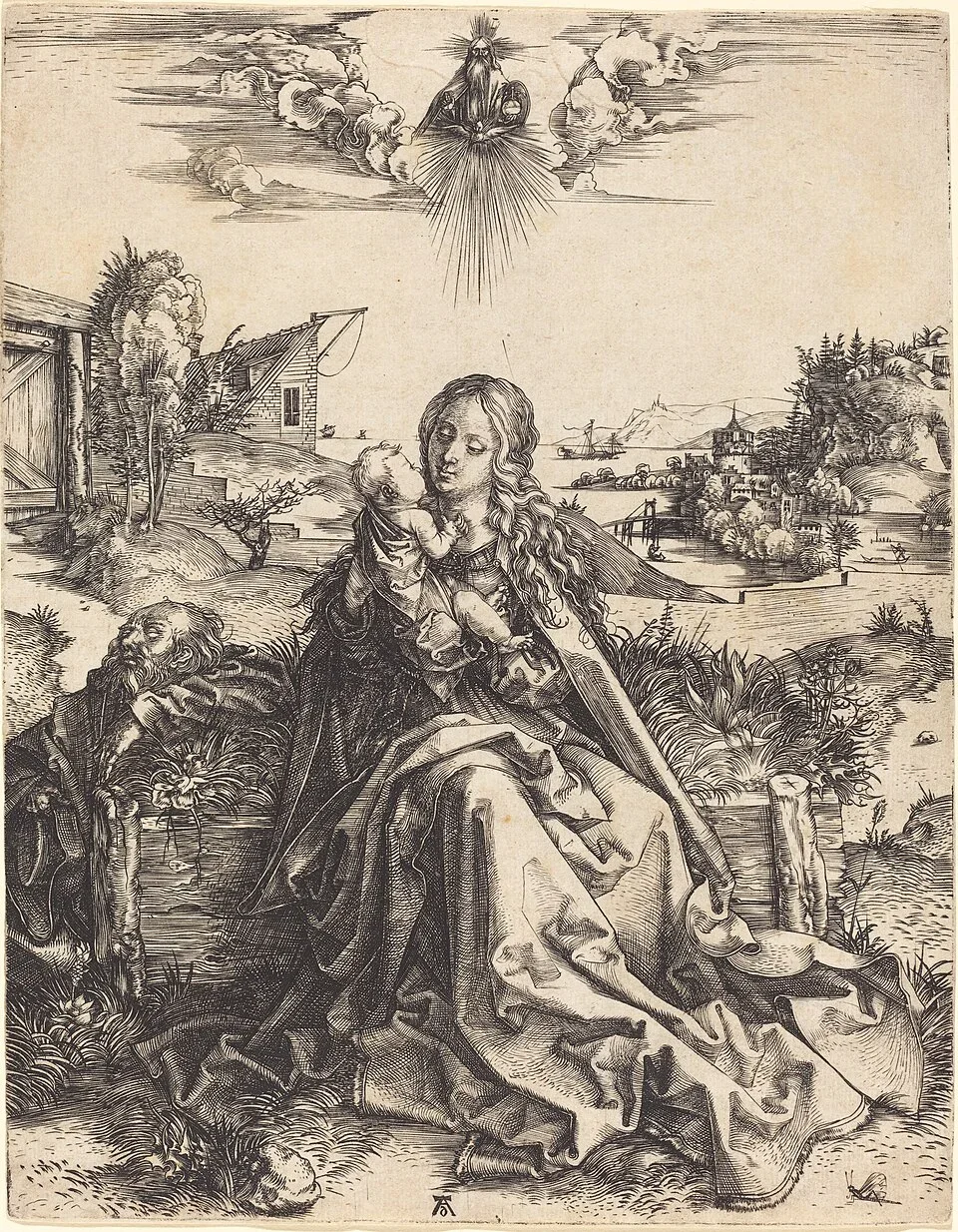
The Holy Family with the Butterfly
The child has just caught hold of Mary's neck and is almost at her face. She lifts him and looks at him tenderly. Behind the grass bench, Joseph lies asleep on the ground, old, to underline Mary's virginity. Above them, God the Father and the Holy Ghost as a dove look down from the clouds. In the lower right corner is an insect. Dürer may have meant that insect as a butterfly. A butterfly's change from caterpillar to winged adult stood for resurrection and the soul's redemption. And that promise belongs with the baby in Mary's arms. In Germany at the time, Mary and Jesus were shown as human and close to ordinary people, and tender scenes like this were much loved. Prints like this were made to sell in shops and through traveling salesmen, so people could paste them into books or fix them to walls.
Listen in the appAlbrecht Dürer · CC0
10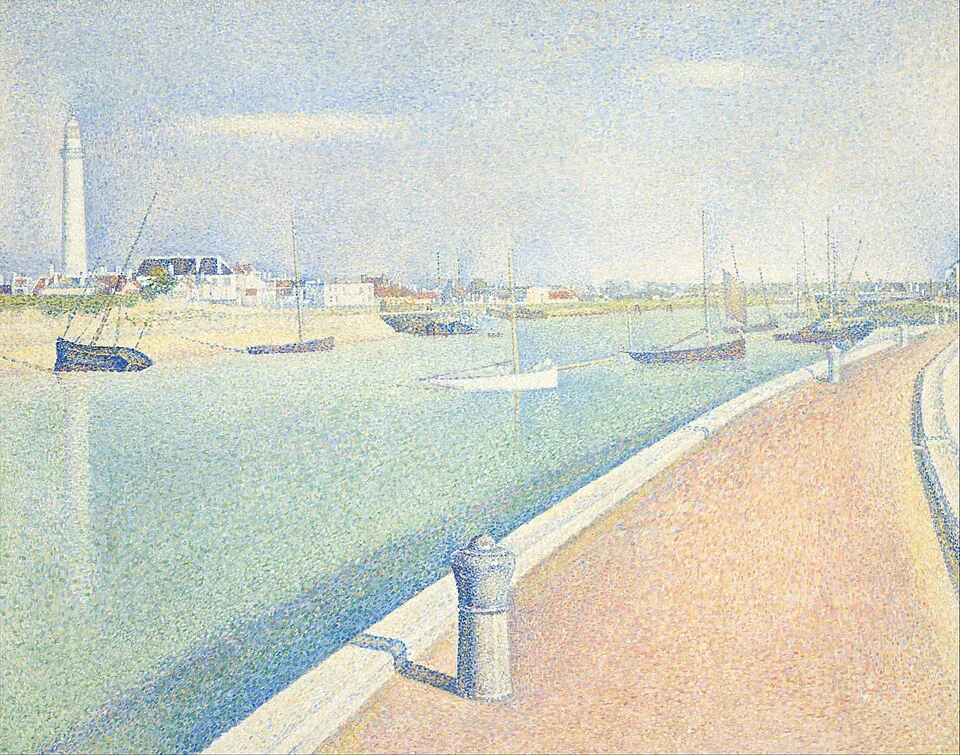
The Channel of Gravelines, Petit Fort Philippe
A channel runs straight through the harbor. The boats sit in a level line, the wharf curves away into the distance. The light is bright, the shadows stark, and not one person is anywhere. This calm was made, not found. In 1890 Seurat came to this small port near the Belgian border, to paint what became his last four landscapes. Guidebooks called Gravelines an uninteresting town. Its very obscurity may have been what drew him. He was growing protective of his methods, and the straight channel suited the ordered compositions he liked. The boats were not left where they happened to sit. He set them in a calm row, balancing their upright and horizontal parts, and shifted the walkway so the channel took a larger share. Sea, sky and ground end up almost equal. The bollard in the middle, so solid you could nearly grasp it, is missing from his study. He put it in to hold everything in place. He built the light as well. The dots pack tightest in that bollard and thin toward the right of the sky, where the white ground shows through. A narrow border of darker dots around the edge makes the light inside look brighter. Even the frame is a copy of his design, its vivid blue base dotted to echo the painting.
Listen in the appSeurat, Georges (1859 - 1891) – Artist (French) Details on Google Art Project · Public domain
- 11
Hotel Lobby
Edward Hopper · 1943
- 12
The Banks of the Oise near Pontoise
Camille Pissarro · 1873
- 13
The Crucifixion
Lucas Cranach the Elder · 1532
- 14
The Fifth Plague of Egypt
J. M. W. Turner · 1800
- 15
Olivetti Valentine
Ettore Sottsass · 1960
- 16
Aristotle
Jusepe de Ribera · 1637
- 17
The Flight into Egypt
Claude Lorrain · c. 1635
- 18
Spring dream
William-Adolphe Bouguereau · 1901
- 19
The House of the Deaf Woman and the Belfry at Eragny
Camille Pissarro · 1886
- 20
Entry of Christ into Jerusalem
Anthony van Dyck · 1617
- 21
The Flageolet Player on the Cliff
Paul Gauguin · 1889
- 22
Portrait of a Man
Titian · c. 1515
- 23
The Love Song
Norman Rockwell · 1926
- 24
Afternoon Tea
Richard Edward Miller · 1910
- 25
LOVE
Robert Indiana · 1970
- 26
Félix Colón de Larriátegui
Francisco Goya · c. 1794
- 27
Still Life with a Chinese Porcelain Jar
Willem Kalf · 1669
- 28
Cliff Rock--Appledore
Childe Hassam · 1903
- 29
Red Kimono on the Roof
John Sloan · 1912
- 30
Female and Male Herm
Unknown Artist
- 31
The Three Graces
Unknown Artist · 1920
- 32
Nymph and Fawn
Isidore Konti · 1917
- 33
Park of Laments
Alfredo Jaar · 2010
- 34
The Country Dance
Jean-Antoine Watteau · c. 1706–1710
- 35
The Holy Family with Saint John the Baptist
Nosadella · c. 1550–1560
- 36
The Boy
Amedeo Modigliani · 1919
- 37
Madonna and Child with St. John the Baptist and St. Mary Magdalene
Neroccio di Bartolomeo de' Landi · c. 1495
- 38
Rebecca and Eliezer at the Well
Carlo Maratta · 1655–1657
- 39
A View of the Archbishop's Palace, Lambeth
J. M. W. Turner · 1790
- 40
The History of Constantine
Peter Paul Rubens, Pietro da Cortona · 1622
- 41
Triptych of the Annunciation
Master of the Bruges Legend of St. Ursula · 1483
- 42
The Road from Naples to Brindisi
Giuseppe De Nittis · 1872
- 43
Battle Between Carnival and Lent
Jan Miense Molenaer · c. 1633–1634
- 44
Dorothy
William Merritt Chase · 1902
- 45
Roman Capriccio: The Pantheon and Other Monuments
Giovanni Paolo Panini · 1735
- 46
Broek in Waterland
Jan Toorop · 1889
- 47
Peasant with a Wheelbarrow
Jean-François Millet · 1848–1852
- 48
The Boat Builders
Winslow Homer · 1873
- 49
The Rainbow
George Inness · 1878
- 50
The Valkhof at Nijmegen
Aelbert Cuyp · c. 1652–1654
- 51
U.S.A.
John Haberle · 1889
- 52
Vase with carved peony scrolls
11th century Chinese artist · c. 1100
- 53
Sundial, Boy With Spider
Willard Dryden Paddock · 1916–1917
- 54
The Negress
Jean-Baptiste Carpeaux · 1868
- 55
Moulin Rouge: La Goulue
Henri de Toulouse-Lautrec · 1891
- 56
Preparing for the Matinee
Edmund Charles Tarbell · 1907
- 57
Breton Women at a Wall
Émile Bernard · 1892
- 58
Crucifixion
Barnaba da Modena · 1375
- 59
Entry of Christ into Jerusalem
Master of Maderuelo · 1125
- 60
Morning at Grand Manan
Alfred Thompson Bricher · 1878
- 61
Sunlight
Frank Weston Benson · 1909
- 62
The Two Sisters
Georges Lemmen · 1894
- 63
Christmas Night (The Blessing of the Oxen)
Paul Gauguin · 1894–1903
- 64
Blasting St. Vincent's Rock, Clifton
John Sell Cotman · 1830
- 65
Man and Woman
Fernand Léger · 1921
- 66
Reflections
Arthur Dove · 1935
- 67
Guang
Unknown Artist · c. 1100 BC
- 68
Sutphin Fountain
Unknown Artist · 1972
- 69
Ecce Homo
Workshop of Hieronymus Bosch · c. 1560s
- 70
Massa, Bay of Naples
John Brett · 1864
- 71
The Flight of Europa
Paul Manship · 1925
- 72
The Seamstress
Édouard Vuillard · 1893
- 73
Vorhor, the Green Wave
Georges Lacombe · 1896–1897
- 74
Young Woman in Blue
Edgar Degas · 1884
- 75
Angel of the Resurrection
Louis Comfort Tiffany · 1904
- 76
Landon-Era Birdbath
Unknown Artist · early 20th century
- 77
Crucifix
Gaspar Núñez Delgado · 1599
- 78
Moroccan wall hanging
Moroccan artisan · mid-19th century
- 79
Portrait of a Young Man
Paolo Uccello · c. 1431–1436
- 80
Pleasant Run
Theodore Clement Steele · 1885
- 81
Covered jar with carp design
Unknown Artist · 1522–1566
- 82
St. Matthew
El Greco · 1608–1614
- 83
St. Simon
El Greco · 1608–1614
- 84
Breton Women with Seaweed
Émile Bernard · 1888–1892
- 85
The Concert
Valentin de Boulogne · c. 1615
- 86
Magbo helmet mask for Oro society
Unknown Artist · 1880–1910
- 87
Sumbanese woman's ceremonial skirt
Unknown Artist · early 20th century
- 88
Vase with nine peach design
Unknown Artist · 1736–1795
- 89
Senufo female ancestor figure
Unknown Artist · 1900
- 90
We face mask
Unknown Artist · c. 1900–1950
- 91
Ksitigarbha bodhisattva
Unknown Artist · c. 1175
- 92
Shigaraki ware storage jar
Unknown Artist · c. 1550
- 93
Haida ceremonial dance rattle
Unknown Artist
- 94
High chest of drawers
Unknown Artist · 1760–1780
- 95
Italian Peasant Family
François-Alfred Delobbe · 1874–1876
- 96
Yellow Christ
Émile Bernard · 1889
- 97
Pangloss
George Stubbs · 1762–1767
- 98
Pont-Aven Seen from the Bois d'Amour
Émile Bernard · 1892
- 99
Bretons in the Forest of Huelgoat
Paul Sérusier · 1893
- 100
Seaweed Gatherer
Paul Sérusier · c. 1890
- 101
The Meuse Near Dordrecht (La Meuse près de Dordrecht)
Maximilien Luce · 1908
- 102
Neroccio di Bartolomeo de' Landi, Madonna and Child between Saints John the Baptist and Mary Magdalene, c. 1495, 01
Unknown Artist · c. 1494
Indianapolis Museum of Art
Frequently asked questions
How much does the guide cost?
Free app download. Free until 1 January. Listed guide price: $1.99. Audio guide only. Venue admission is separate.
Can I listen without internet?
Yes. Download the guide’s audio, images, and maps in the app before your visit. Your downloaded content is then available offline.
Can I listen in my language?
In English for now. More languages soon.
Do I need to follow a schedule?
No. This is a self-guided experience. Choose your stops, pause whenever you like, and return to a story at your own pace.
Which artworks are in the Indianapolis Museum of Art audio guide?
102 artworks, including Fine Wind, Clear Morning (Katsushika Hokusai), Self-Portrait (Rembrandt), Enclosed Field with Peasant (Vincent van Gogh), Still Life with Profile of Laval (Paul Gauguin), St. Luke (El Greco), The Great Bath at Bursa (Jean-Léon Gérôme), Maison devant la Sainte-Victoire près de Gardanne (House in Provence) (Paul Cézanne), and Landscape near Arles (Paul Gauguin). The full list is on this page.
Is this the museum’s official audio guide?
No. Stanza is an independent audio guide app and is not affiliated with Indianapolis Museum of Art. Museum admission is separate.
At your own pace
Explore Indianapolis Museum of Art.
Download Stanza, then search for “Indianapolis Museum of Art”.
Free app download · Guide price shown in the app
Keep exploring
Audio guides — United States
Cincinnati
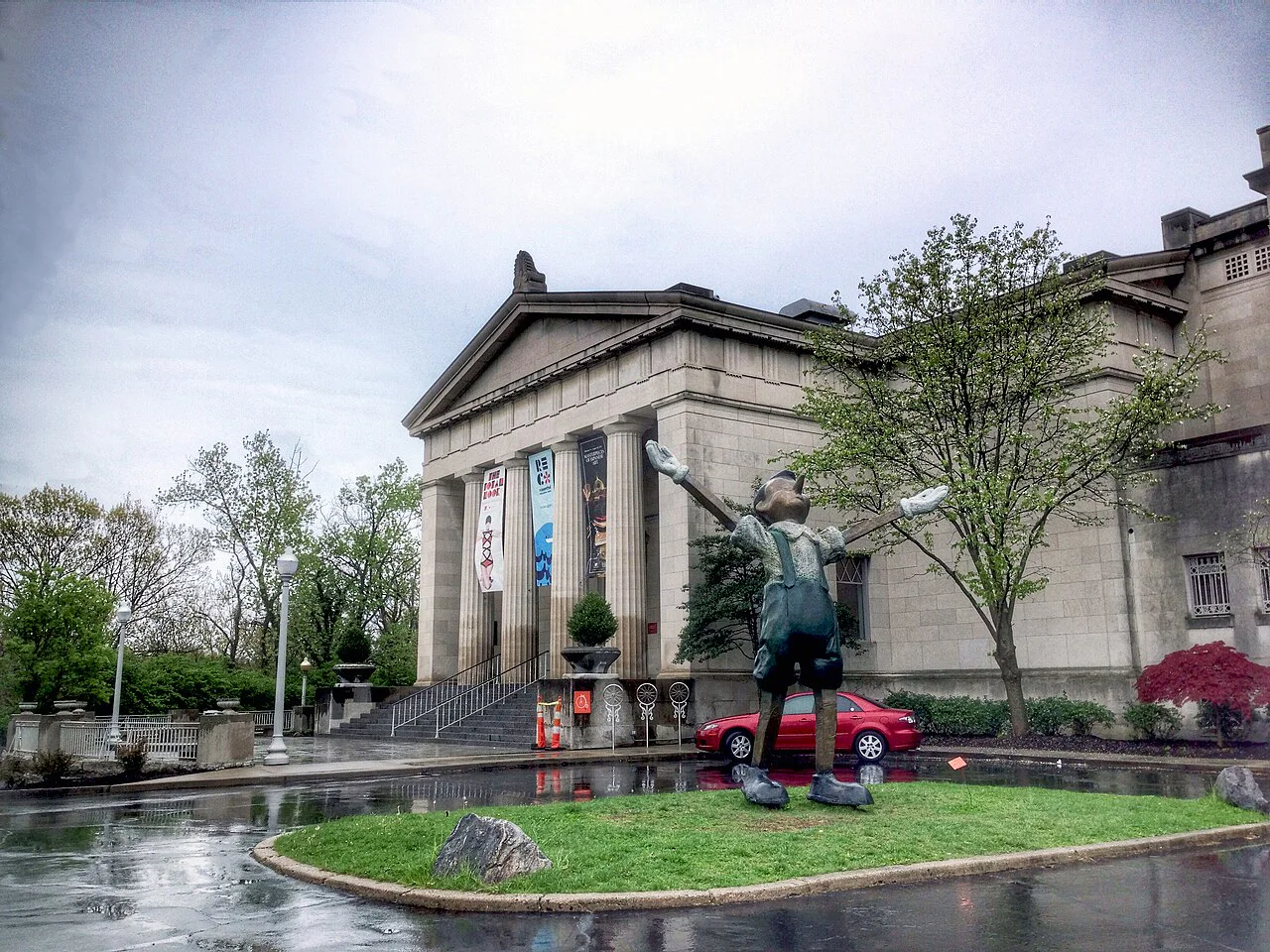
Cincinnati Art Museum
Content & sources
5chw4r7z on Flickr · CC BY-SA 2.0
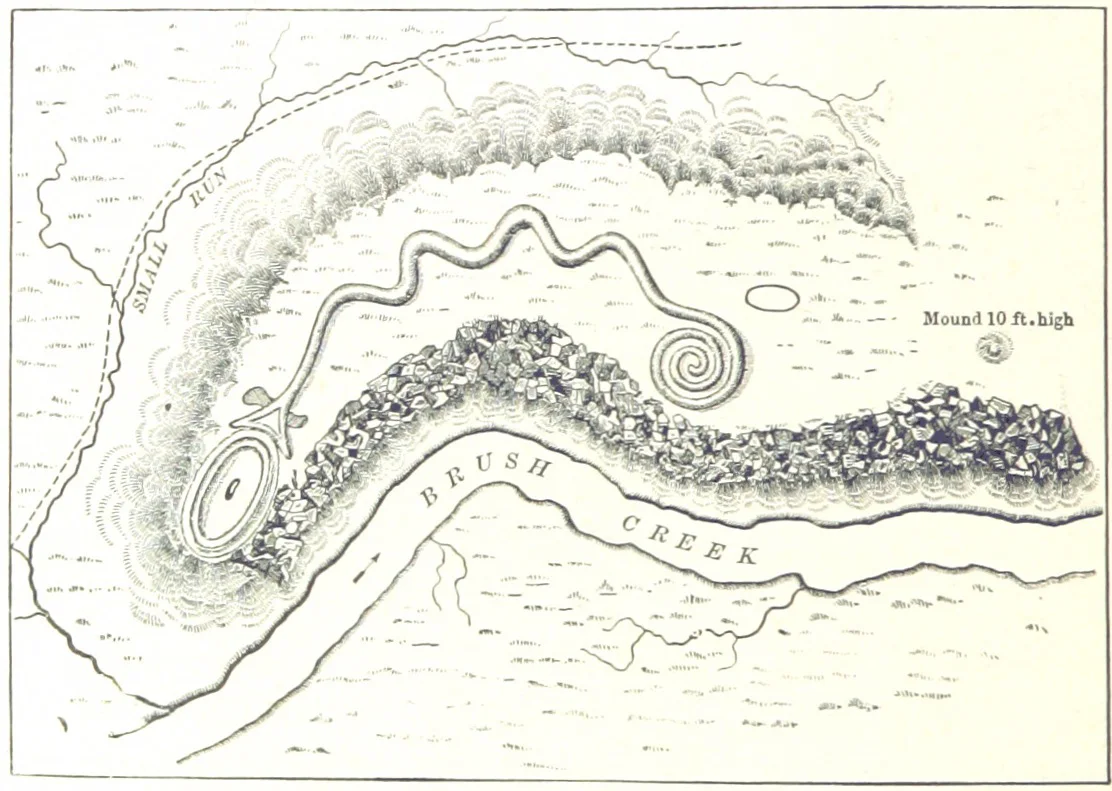
Bratton Township
Serpent Mound
Content & sources
The British Library · No restrictions
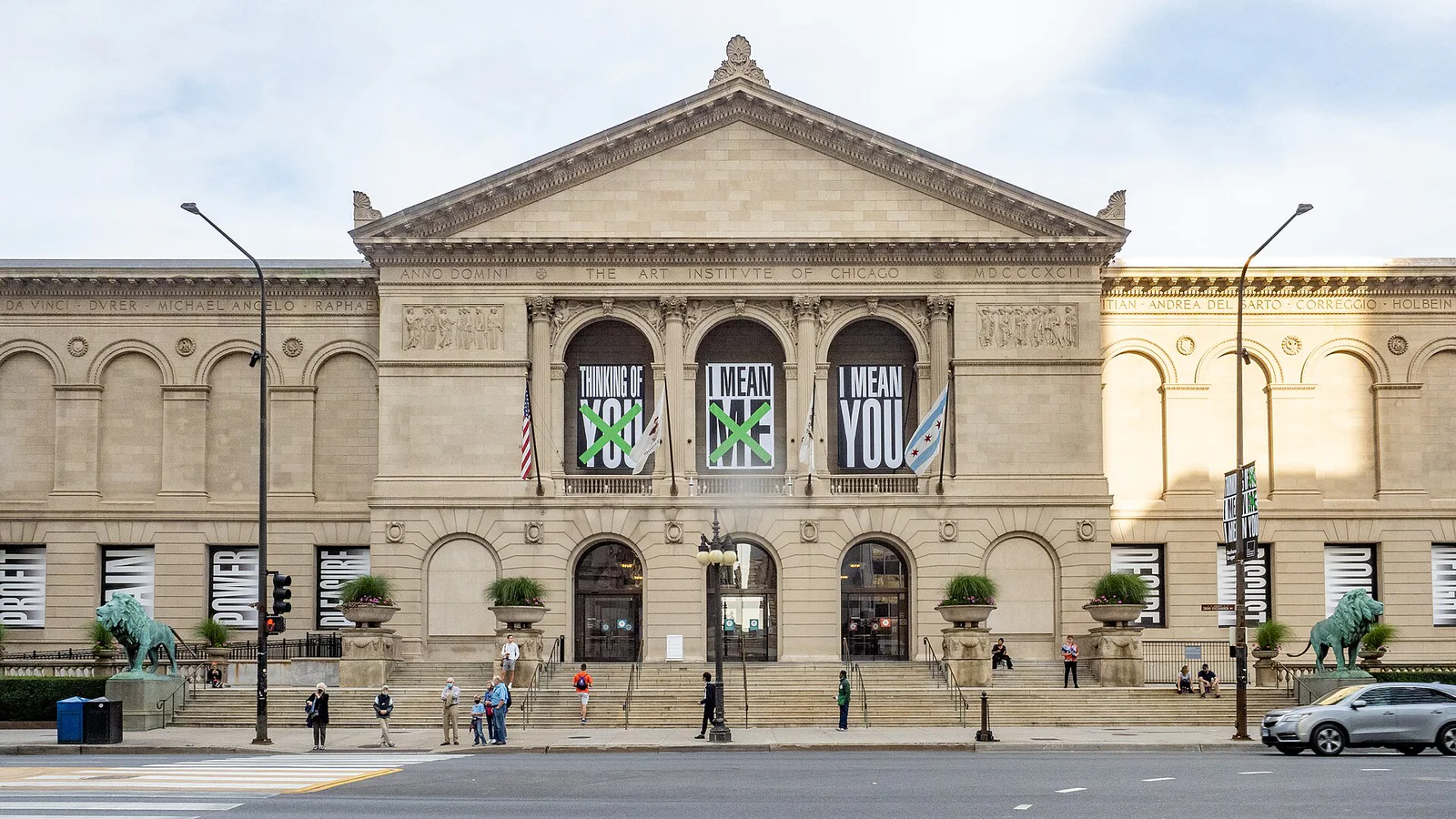
Chicago
Art Institute of Chicago
Content & sources
ajay_suresh · CC BY 2.0
Chicago
Willis Tower
Content & sources
Daniel Schwen · CC BY-SA 4.0
Art museums
More art museum audio guides
Cincinnati · 24 artworks
Cincinnati Art Museum
Content & sources
5chw4r7z on Flickr · CC BY-SA 2.0
Chicago · 67 artworks
Art Institute of Chicago
Content & sources
ajay_suresh · CC BY 2.0
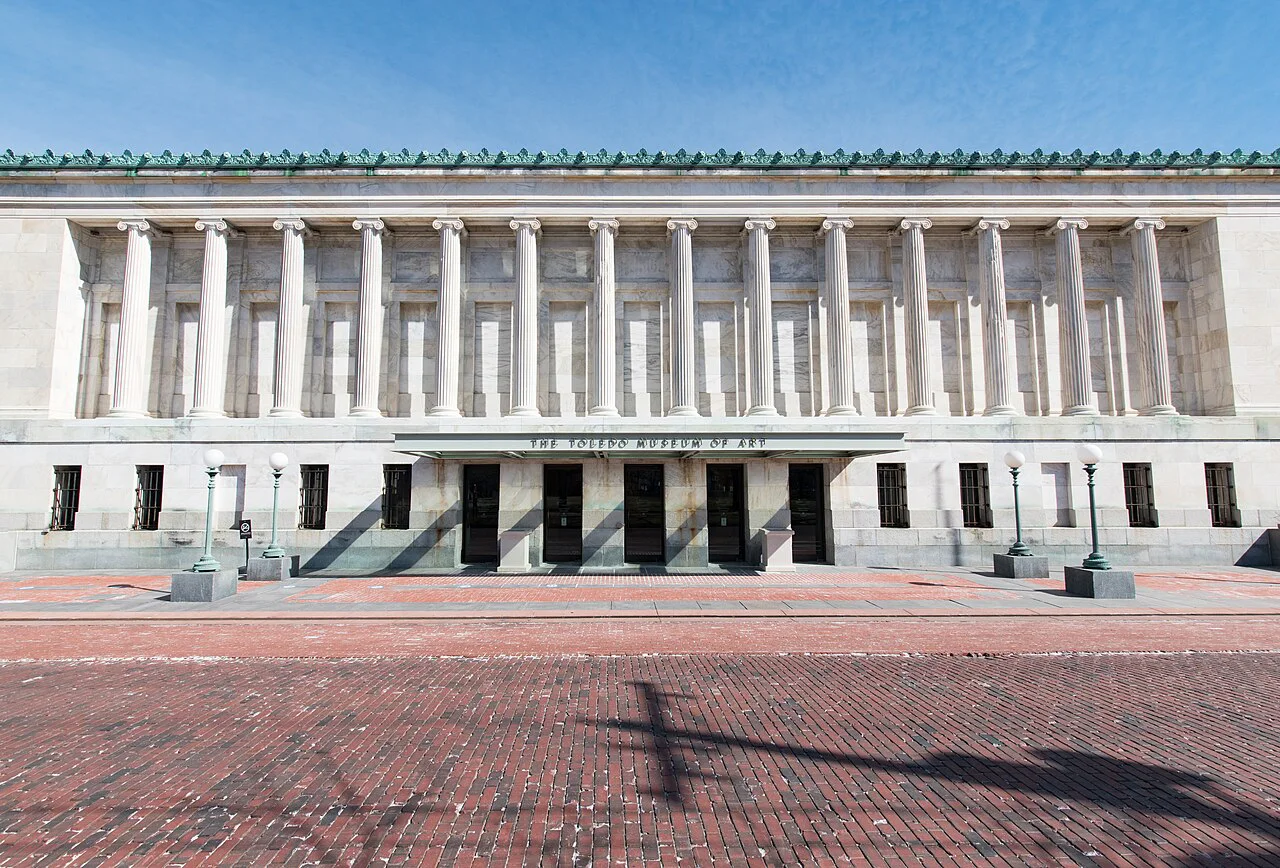
Toledo · 32 artworks
Toledo Museum of Art
Content & sources
Photo: Ɱ · CC BY-SA 4.0
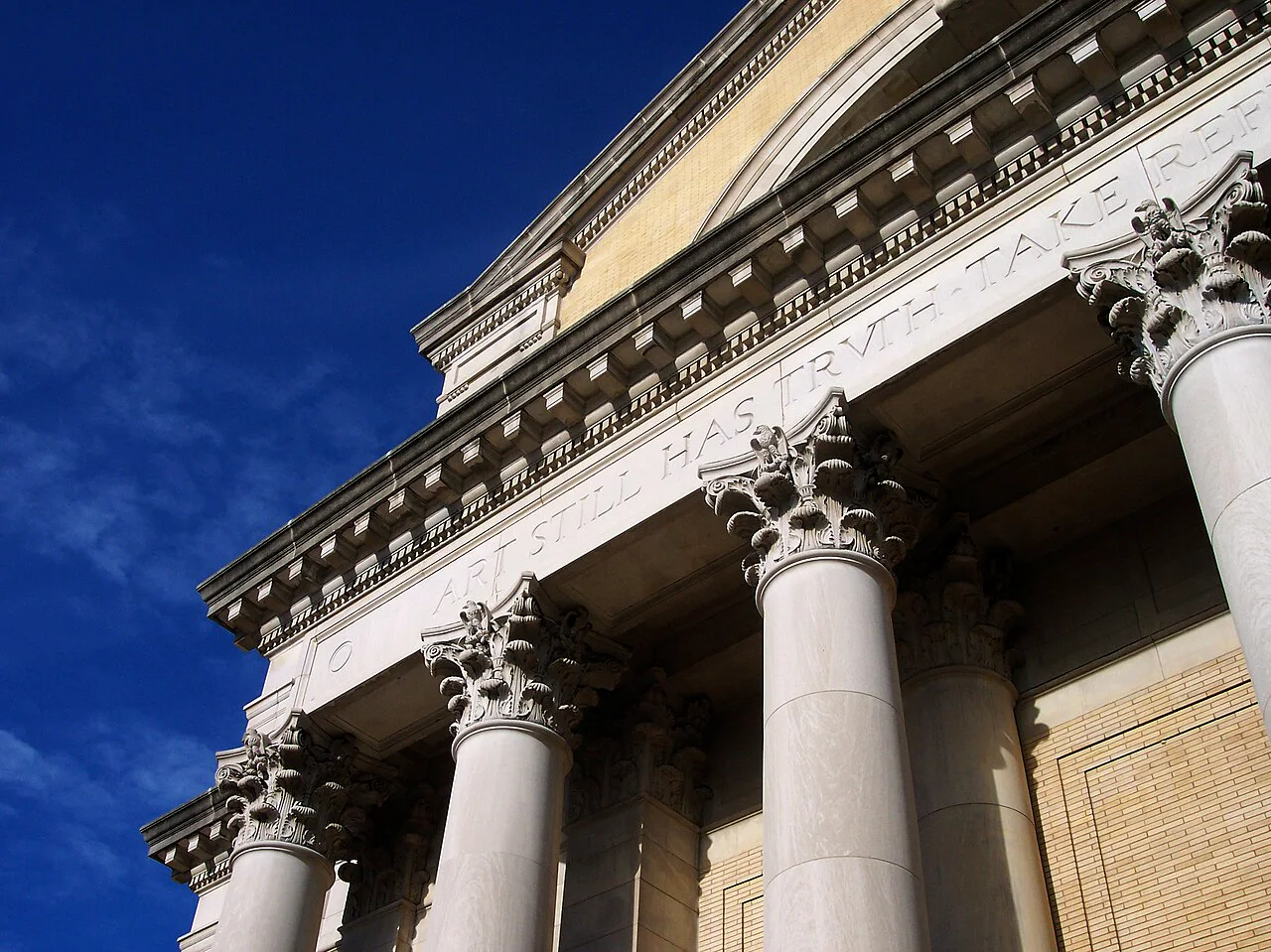
St. Louis · 38 artworks
Saint Louis Art Museum
Content & sources
Photo: Colin.faulkingham~commonswiki · Public domain
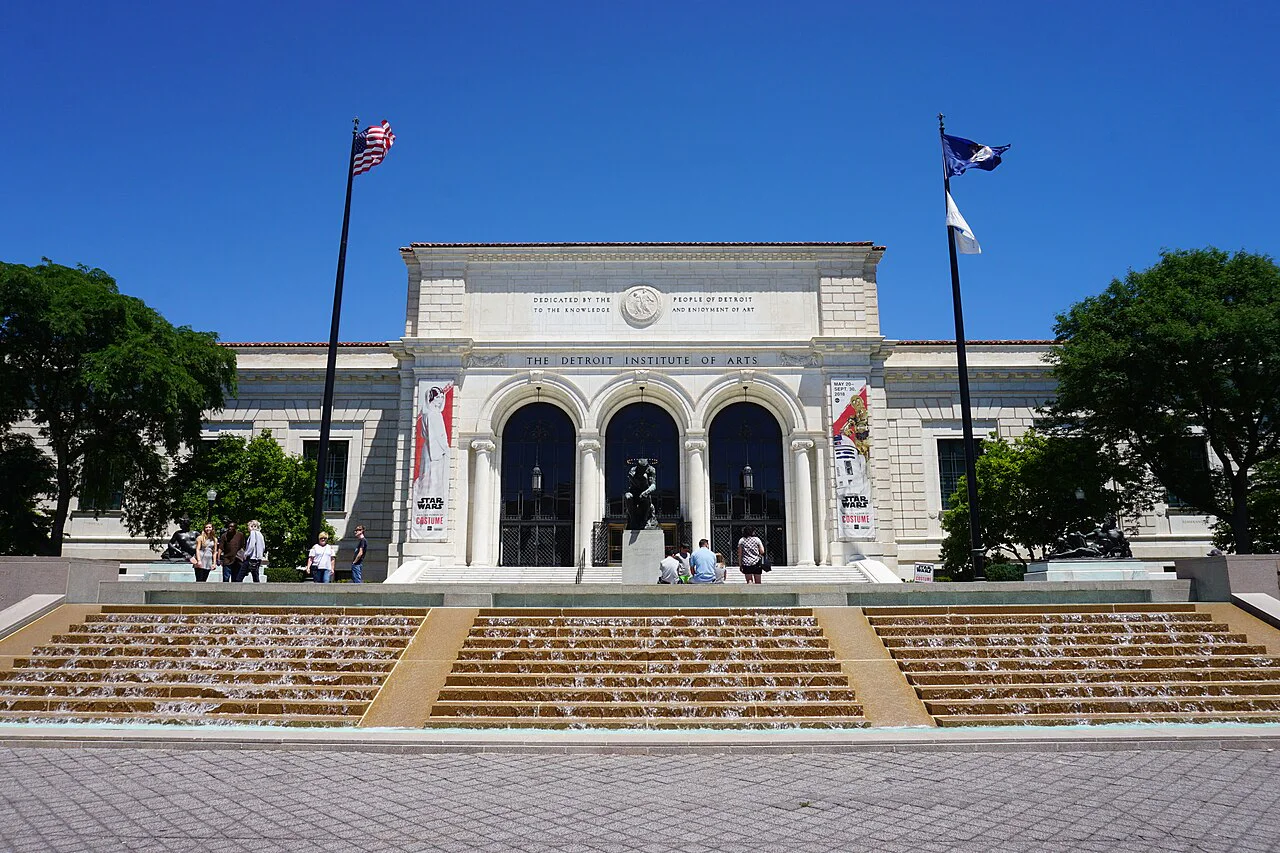
Detroit · 57 artworks
Detroit Institute of Arts
Content & sources
Photo: Michael Barera · CC BY-SA 4.0
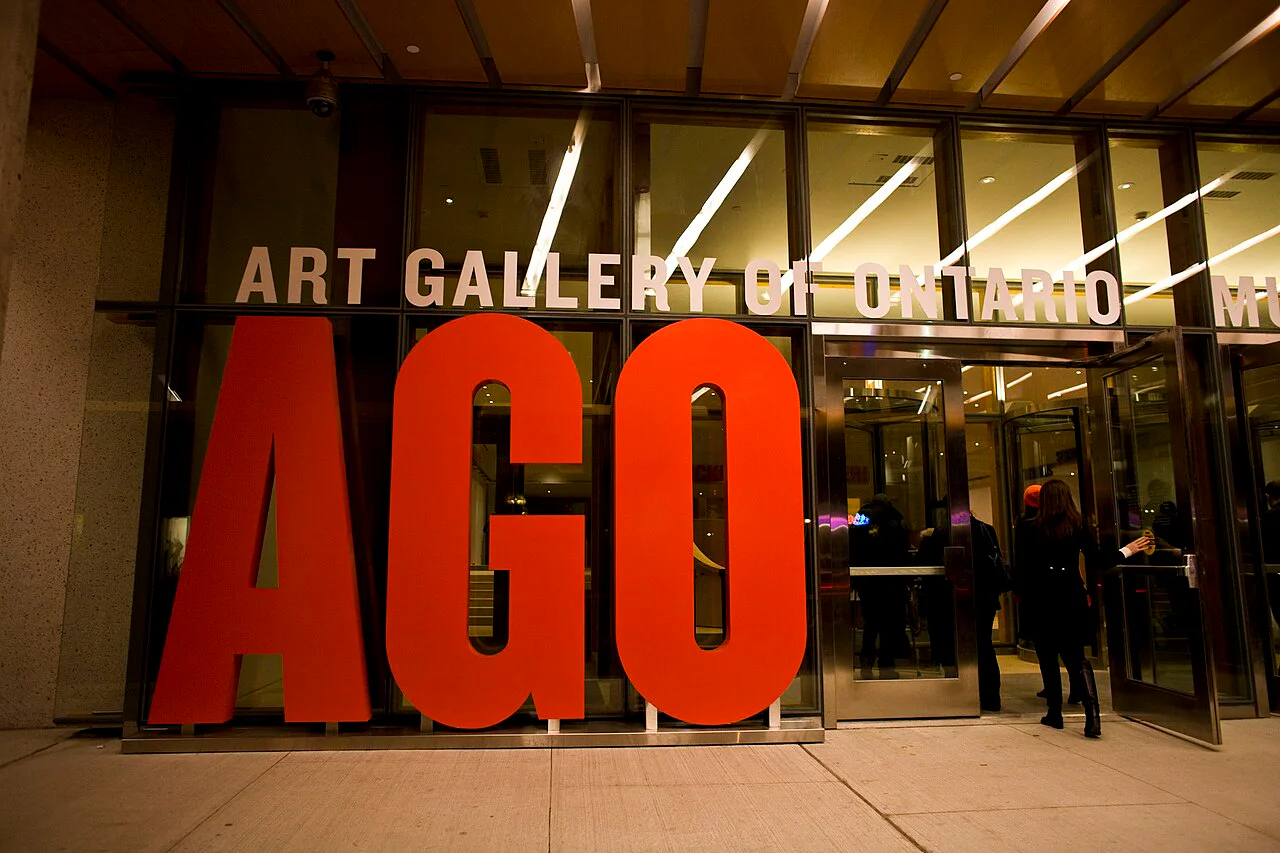
Toronto · 21 artworks
Art Gallery of Ontario
Content & sources
Owen Byrne from Ottawa, Canada · CC BY 2.0