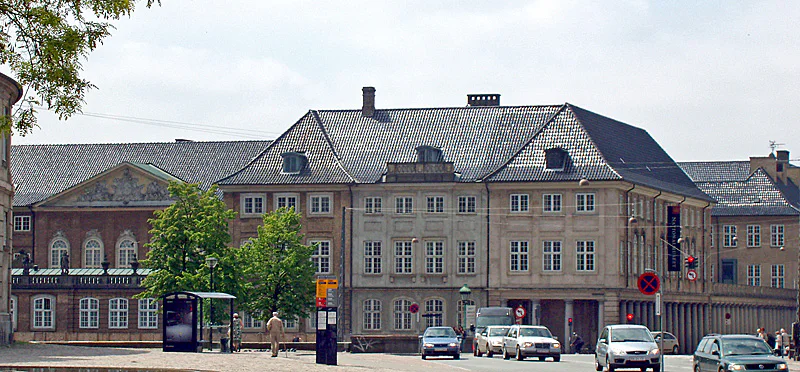
 Stanza / Audio guide
Stanza · Audio guide
National Museum of Denmark Audio Guide
A place to remember. A story to take with you.
The National Museum of Denmark is the country's largest museum of cultural history. It contains exhibits from around the world, including histories of both Danish and foreign cultures.
Download Stanza, then search for “National Museum of Denmark”.
About the tour
One guide. Your kind of visit.
The National Museum of Denmark is the country's largest museum of cultural history. It contains exhibits from around the world, including histories of both Danish and foreign cultures.
The National Museum of Denmark guide tells the stories of 62 artworks, including Gundestrup cauldron (Nationalmuseet, Roberto Fortuna og Kira Ursem), Trundholm Sun Chariot (Nationalmuseet, John Lee), Seikilos epitaph (Unknown Artist), Golden Horns of Gallehus (Unknown Artist), Gunhild Cross (Liutger), Hjortspring boat (Unknown Artist), Kingittorsuaq Runestone (Unknown Artist), and American woman (Albert Eckhout). Every artwork is free to hear in the Stanza app until 1 January.
Ready when you are.
- 01Get the free Stanza app.
iOS & Android
- 02Find your guide.
“National Museum of Denmark”
- 03Download before you go.
Works offline
Audio guide / 62 artworks
Inside the guide
Get to know a few of the stories before you go. Open a stop to read more.
01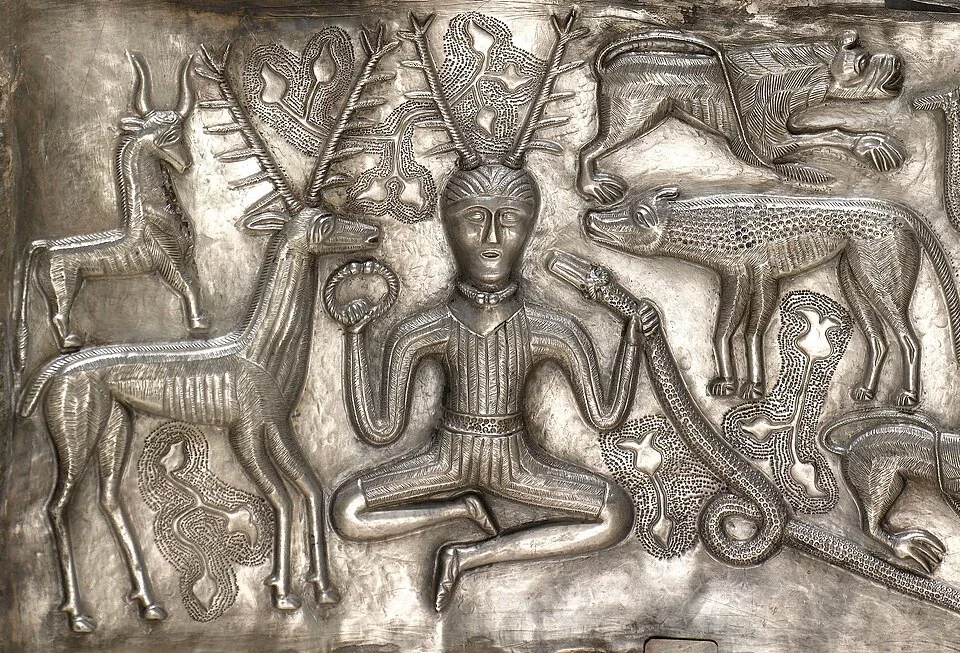
Gundestrup cauldron
Someone took this cauldron apart and hid it. The silver plates came away from one another and were stacked inside the rounded base. Then the whole thing was laid in a peat bog as an offering to the gods. The ground was dry then, and peat slowly grew over it. It lay there until 1891, when a farmhand cutting peat found the pieces. The Danish government paid a reward, and the finders quarreled over how to split it. Now it stands assembled again. No one knows who made it. The plates were hammered from underneath, pushing the figures out of the silver. They were gilded, and glass was set into the larger figures' eyes. Five plates inside carry stories that unfold like comic strips. Seven plates outside carry gods. An eighth, needed to close the circle, is gone. One inner panel shows what looks like a sacrifice. On the left, a large figure, perhaps a priest, holds a foot soldier with his head down over a vessel. An army of foot soldiers and riders appears too. Long before these plates existed, the silver had been melted from ingots or scrap.
Listen in the appNationalmuseet, Roberto Fortuna og Kira Ursem · Public domain
02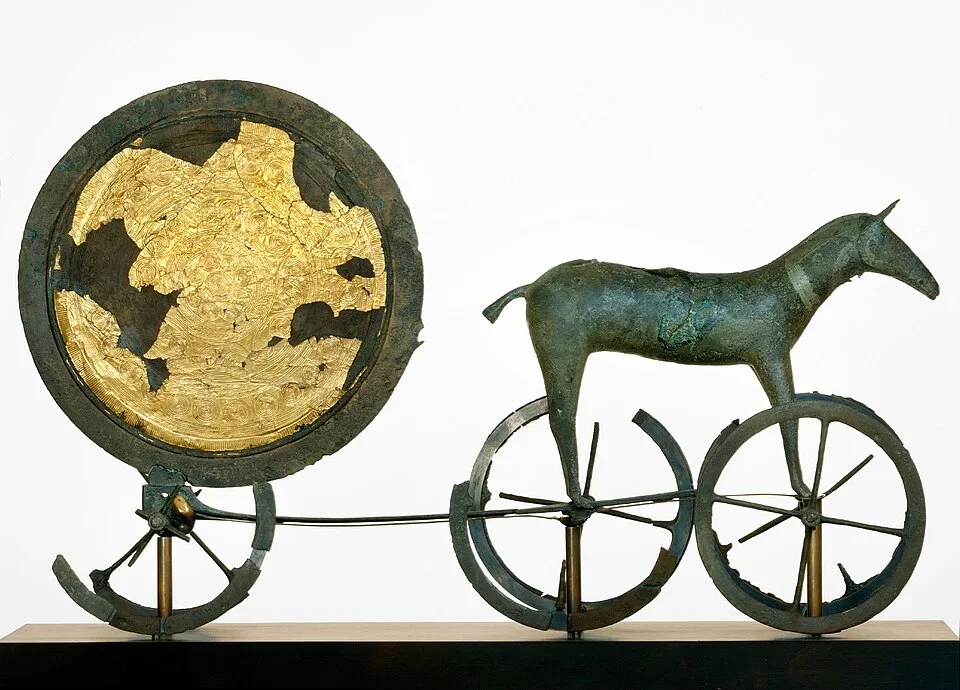
Trundholm Sun Chariot
The horse is pulling the sun. The great disk it drags behind it is gilded on one side only, and that gold side faces the earth. It is daytime, and the sun is travelling from east to west. By evening it will reach the underworld beneath the flat earth. Then the dark, ungilded side faces the earth, and the sun makes its way back through the night to where it rose. That is why the disk has two faces, one bright for the day and one dark for the night. Around the gold face, an outer band may show the sun's rays. But the wheels are not part of this story of the horse and sun. They were added so the whole thing could be rolled back and forth in ceremonies, acting out the sun's journey and its return. No one knows who made it. It was already damaged in the Bronze Age, and was probably laid in this bog as an offering. The first ploughing of the bog, in 1902, brought it back to light. And in 1998, twenty-one more pieces, including the wheels, came out of that same bog.
Listen in the appNationalmuseet, John Lee · CC BY-SA 3.0
03
Seikilos epitaph
Above each line of this short poem, someone cut musical signs into the stone. They are ancient Greek notes, and they tell you the melody. Music this old usually reaches us in pieces. This song has come down whole. The stone was probably a grave marker, put up by a man named Seikilos. It speaks in the first person, as if to anyone passing by. I am a likeness and a stone, it says, set here by Seikilos as a lasting sign of a memory that will not die. Below that, the song says to live brightly, never to be sad, because life is short and time collects what it is owed. Around 1883, work on a railroad in Aydın, Turkey uncovered the pillar. Edward Purser, the engineer who found it, had the bottom cut flat to make a steady stand for his wife's flowerpots. That cut away a line of writing. Only an earlier rubbing kept it. The pillar passed through private hands, was sheltered during the burning of Smyrna in 1922, then disappeared for decades, given up for lost. It turned up again and came to the museum here in Copenhagen. That lost line was a dedication. It named Euterpe, and we still do not know who Euterpe was.
Listen in the appNationalmuseets fotograf · CC BY-SA 3.0
04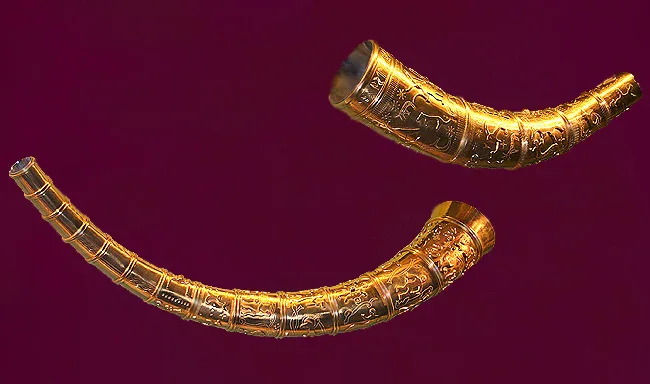
Golden Horns of Gallehus
What would drive someone to melt this down? The horns were built from rings of gold, with figures soldered onto the surface and more chased into the spaces between. Serpents twist across them, one figure holds a horn, and a strange figure has three heads. A girl named Kirsten spotted the longer horn sticking out of a field at Gallehus in 1639. She wrote to King Christian the Fourth, who retrieved it. He gave it to his son Prince Christian, who had it refitted as a drinking horn. The shorter one surfaced in 1734, found by a farmer named Erich Lassen, and reached King Christian the Sixth. On that shorter horn, a narrow band of runes names the man who made it, Hlewagast. It is one of the earliest full sentences written in runes. Then in 1802 a goldsmith named Niels Heidenreich let himself in with keys he had altered. He carried the horns home and melted them in his kitchen. The gold became jewelry, shoe buckles and coins. He was caught the next year and held until 1840, but the horns were already gone. Every cast of them had vanished. One set, made for a cardinal in Rome, went down with a ship off Corsica. What stands here is a copy, shaped from drawings made before the theft.
Listen in the appPhoto: Beao · CC BY-SA 3.0
05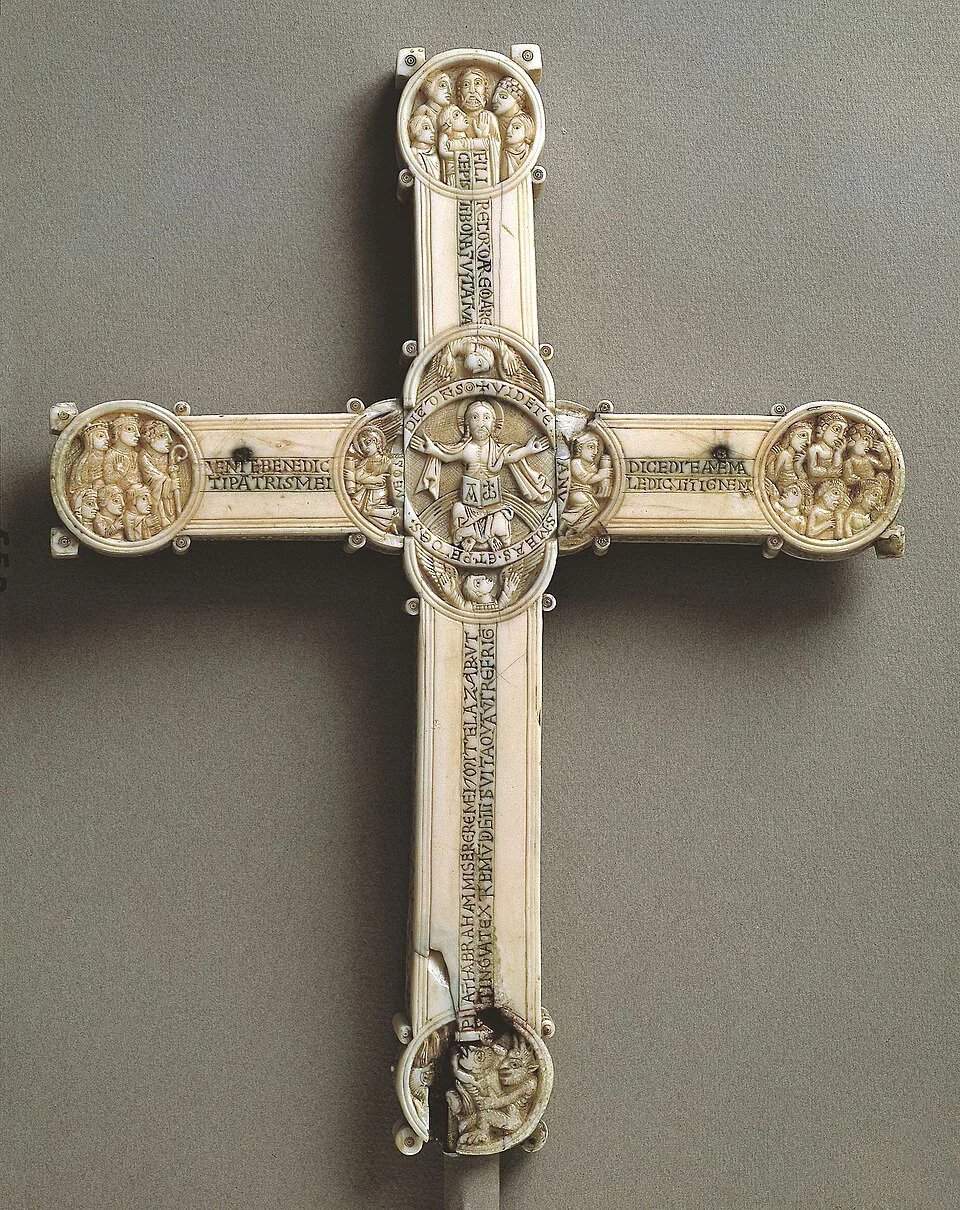
Gunhild Cross
Nothing else is known about the man who carved this. All we have of him is the message he cut into it. It is in capital letters, and it gives his name, Liutger. He made this around 1150 because a woman asked him to. The message names her Helena, and says she is also called Gunhild, a daughter of a great king. That king was probably Svend Grathe, who died in 1157. The name Gunhild is there twice. Once in the Latin inscription, and again in runes on the edge of the lower medallion. At the center of the front, the figure of Christ is missing. The four arms still carry female figures. The top one stands for Life, the bottom for Death. The church that won is on the left, the synagogue that lost on the right.
Listen in the appLennart Larsen · Public domain
06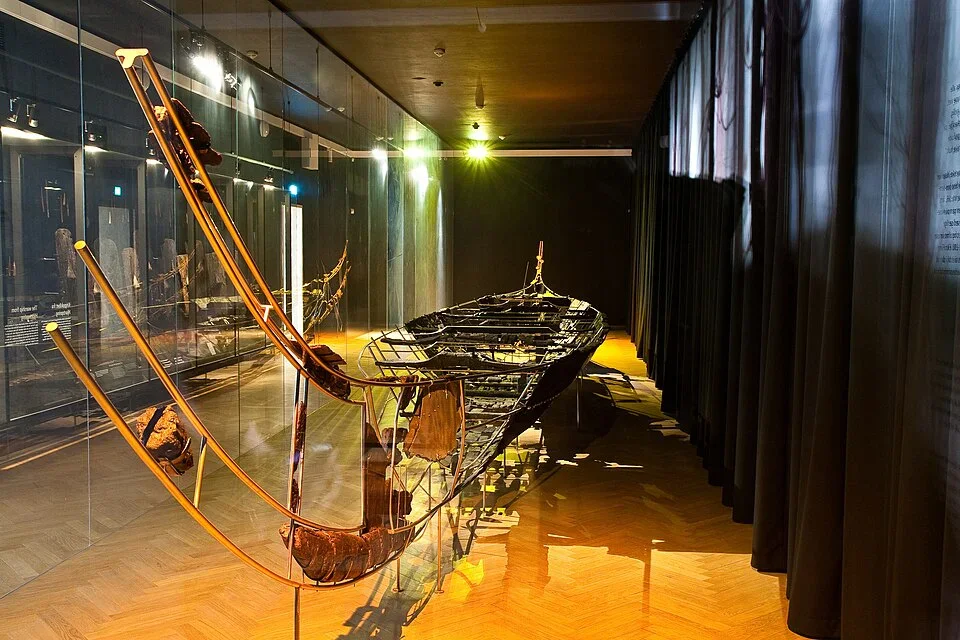
Hjortspring boat
Two of the swords found with this boat were bent on purpose. That is no battle damage. Bending a blade that way belonged to Iron Age ritual. The boat was not lost. It was sunk in the bog as an offering. The boat is more than nineteen metres long. Ten benches crossed it, with room for two men each, and each had a paddle shaped for his place. It was a war canoe, built to ride high and cross shallow water. With it, the bog gave up more than a hundred shields, spearheads, and the remains of mail coats. Beneath the boat lay a horse that had been cut apart, with a lamb, a calf and two dogs. The boat came out in pieces, badly damaged by peat digging. What survives now sits on a metal frame that holds its original shape. A full reconstruction was launched in 1999. Its makers named it Tilia Alsie, after the lime tree the planks came from. With experienced paddlers, it can reach about eight knots.
Listen in the appKnud Winckelmann · CC BY-SA 3.0
07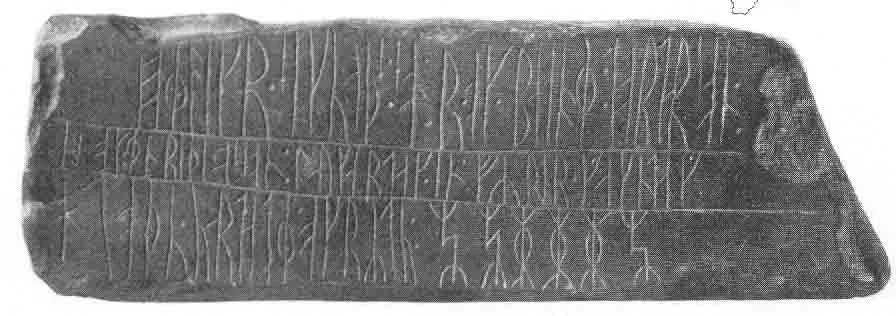
Kingittorsuaq Runestone
Erling, son of Sigvath, left his name on a mountain top in northwestern Greenland. Two others were with him, Baarne, son of Thord, and Enridi, son of As. All three names are cut into this stone, along with the day, the Saturday before Rogation Day. The runes say they raised a cairn and rode. That cairn was one of three on the mountain, arranged in a triangle. The stone lay there until it was found in 1824 and brought to Copenhagen. For a time the date in the runes was read as proof that the three hunters had wintered on the island. But the date can be read more than one way, and that idea was dropped. Who cut the runes is not known. After the names and the day, six runes remain that no one has been able to read.
Listen in the appRunemaster is unknown · Public domain
08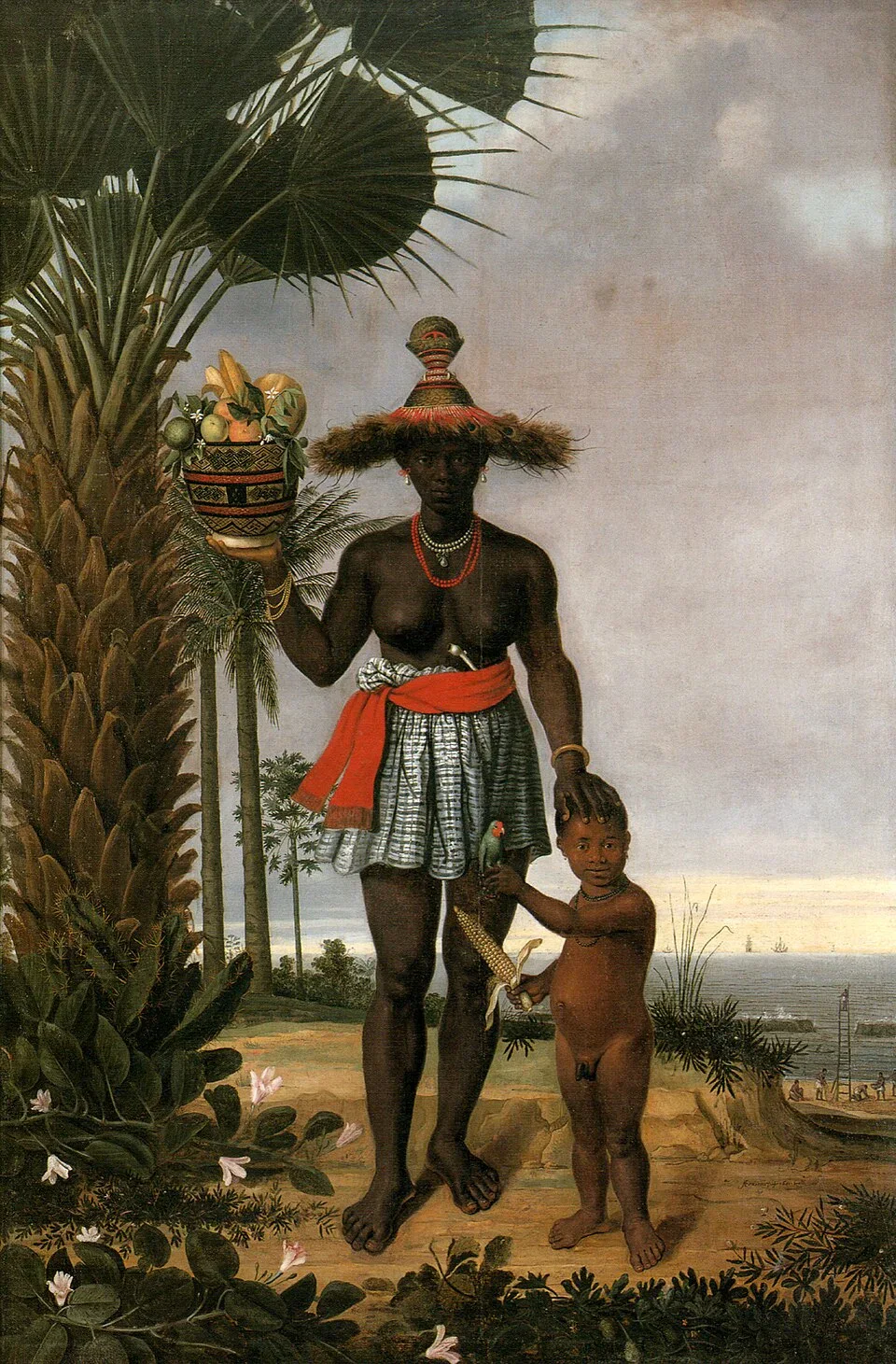
American woman
A woman stands full length with a child at her side, a basket of fruit held up at the level of her head. Behind them are palms, and far off, the coast. But she was never meant to be one particular woman and child. She was put together to stand for a kind of person from the New World. Her basket is woven in the African Bakongo way, and she wears a Bakongo hat, conical, of peacock feathers. Her pearls, her gold bracelet and the pipe in her sash are European. Yet she and the child are barefoot, so her place in life stays unclear. His skin is lighter than hers, to show how skin grows darker with age. In his hands are a bird with a red head and an ear of corn, put there as signs of fertility. Johan Maurits was the Dutch governor of Brazil. He took the painter Albert Eckhout and five other artists there to record its people, plants and animals. Pictures like this one were meant to proclaim Dutch power. The way she stands, with the tree beside her, was taken from printed pictures of Guinea.
Listen in the appAlbert Eckhout · Public domain
09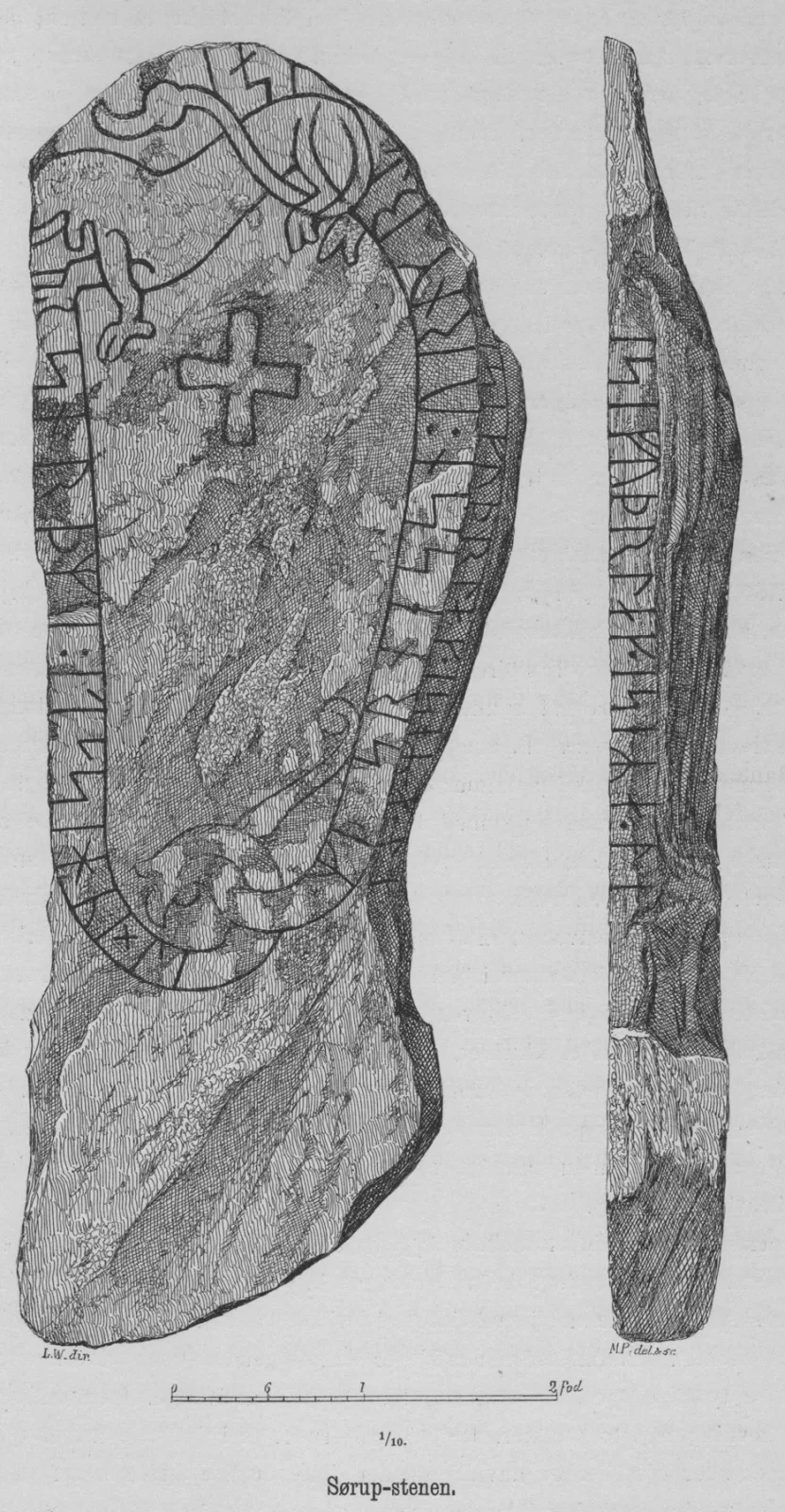
Sørup runestone
Stig Eliasson read the marks on this stone as Basque. If he was right, this runestone from southern Funen holds the oldest long text in Basque. That would put it centuries before the first book printed in Basque in 1545. A cross and an animal that may be a lion are carved on the front. Around them, about fifty signs run in two lines here and one down the side. Several are not in the ordinary runic alphabet. In two places, two signs are joined into one, and there is no telling which comes first. Parts are damaged as well. The easy answer was that the marks were never meant to be read. One picture was of a travelling carver who could not read, imitating an inscription for a customer who could not read either. But the vowels and consonants are mixed too evenly for chance. Attempts to read it as Latin, and one that picked out the woman's name Signe, never settled anything. Eliasson's Basque reading fitted the grammar and the words. On it, someone had runes cut for a husband, and someone else for an aunt. But that would mean Basque people in medieval Funen, and there is no trace of them. So many have returned to the idea that the marks never meant anything at all. What the fifty signs actually say is still not known.
Listen in the appJulius Magnus Petersen (1827-1917) · Public domain
10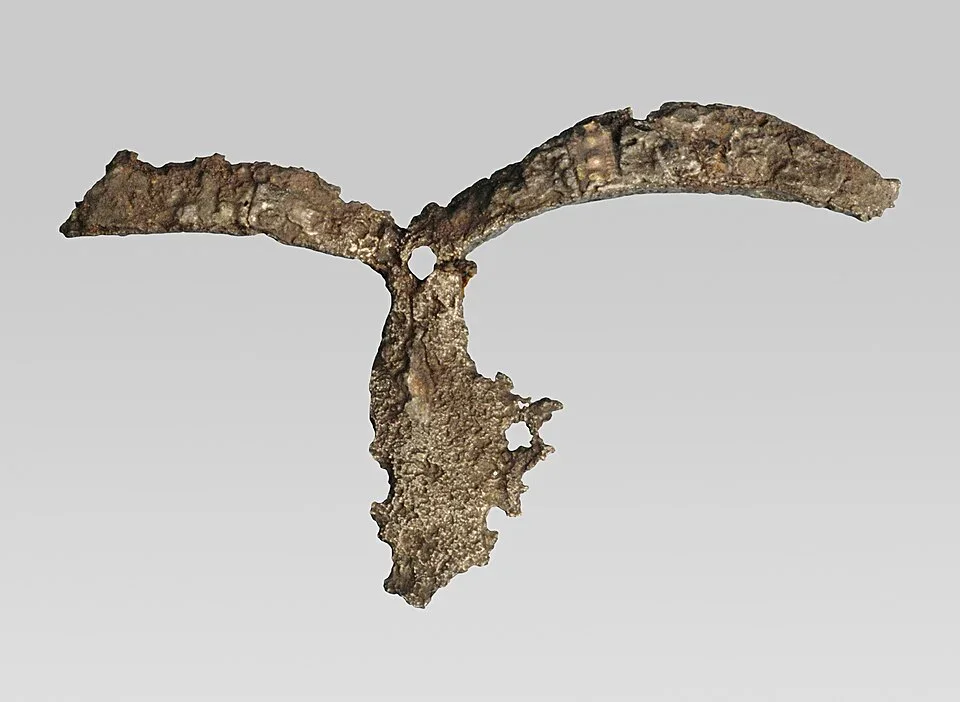
Tjele helmet fragment
A small, wing-shaped piece is all that remains of this helmet. It is the eyebrows and the noseguard, made in one piece. The rest is gone. For more than a century, nobody recognized what it was. A farmer planting saplings near Tjele Manor turned it up in 1850, among a large haul of smith's tools. The manor's owner sent the whole find to the museum. The tools were written up in 1858, but this piece was passed over as a saddle fitting. It went on display that way and stayed there, overlooked for about a hundred and thirty years. In 1984 an assistant keeper here, Elisabeth Munksgaard, recognized what it really was. It was part of a Viking Age helmet, made between 950 and 970, and one of only a few ever found. It may once have had extensions toward the bottom of the noseguard. It was probably part of a face mask, like the helmet found in Norway, where strips curved under the eyes. Eight thin iron strips turned up with it and may have joined the helmet plates. No chain mail survived, and no plates to build the rest, so nobody knows how the helmet was finished.
Listen in the appArnold Mikkelsen · CC BY-SA 2.5
- 11
Dagmar Cross
Lennart Larsen, Nationalmuseet
- 12
The Brudevælte Lurs
Lennart Larsen, Nationalmuseet · c. 800–700 BC
- 13
Uunartoq Disc
Unknown Artist
- 14
Veksø helmets
Unknown Artist
- 15
Valkyrie of Hårby
Unknown Artist
- 16
Broddenbjerg idol
Unknown Artist · -530
- 17
Dejbjerg wagon
Unknown Artist
- 18
Snoldelev Stone
Unknown Artist
- 19
Tryggevælde Runestone
Unknown Artist
- 20
Horne-bogen
Nationalmuseet, Elin Lindhardt Pedersen · c. 1200–1225
- 21
Bornholm amulet
Unknown Artist · 885–896
- 22
The Skarpsalling Pot
Lennart Larsen, Nationalmuseet · c. 3200 BC
- 23
Sønder Kirkeby Runestone
Unknown Artist
- 24
Rose Flower Cup
Nationalmuseet · 1577
- 25
Grevensvænge figurines
Marcus Schnabel
- 26
Middelfart Crown
Nationalmuseet · early 16th century
- 27
Eltang stone
George Stephens
- 28
Absalon's Drinking Horn
Nationalmuseet · 14th century
- 29
Danish Runic Inscription 107
Unknown Artist
- 30
Hindsgavl dagger
Unknown Artist · 1900–1700 BC
- 31
Slagelse Hoard
Nationalmuseet
- 32
Asferg Runestone
Unknown Artist
- 33
Kragehul I
Unknown Artist
- 34
DO-2346-Vognserup Enge
Lennart Larsen (CC BY-SA 2.0) · 1400–1300 BC
- 35
The Frøslev Casket
Lennart Larsen
- 36
Hoards from Boeslunde
Roberto Fortuna & Kira Ursem, Danmarks Oldtid, Nationalmuseet · 900–700 BC
- 37
DO-2161-Lur from Ulvkær
Lennart Larsen, Danmarks Oldtid, Nationalmuseet · c. 749 BC
- 38
Skallerup wagon
John Lee, Nationalmuseet · 1300–1101 BC
- 39
Egebak Hoard
Nationalmuseet · c. 1400 BC
- 40
Flint Sword from Åtte (Reconstruction)
Sophus Müller (1846–1934)
- 41
Kronborg Tapestries
Hans Knieper · 1581–1586
- 42
Tirsted runestone
Roberto Fortuna, Nationalmuseet, Denmark
- 43
Helnæs Runestone
Åver
- 44
Borgbjerg Banke Hoard
Lennart Larsen, Danmarks Oldtid, Nationalmuseet · c. 1000–800 BC
- 45
Glenstrup stone 1
Image by Julius Magnus Petersen (4. september 1827 – 1. februar 1917).
- 46
The Stenmagle Box
ᚺᚨᚷᛁᚱᚨᛞᚨᛉ
- 47
Cat no 056 Lead Reliquary from Denmark
Bengt A. Lundberg · c. 1300
- 48
Budsene Sacrificial Well DO-10825 Original
Nationalmuseet · c. 800 BC
- 49
Bæltepladen fra Langstrup
Nationalmuseet, Lennart Larsen · -1399
- 50
Midskov hoard
Lennart Larsen, Nationalmuseet Denmark
- 51
Urokseknoglen fra Ryemarksgård
Nationalmuseet, Roberto Fortuna og Kira Ursem
- 52
Mammen find
Unknown Artist · c. 970–971
- 53
Copenhagen National Museum Bos primigenius skeletal mount
Unknown Artist
- 54
The Vatnås Casket
Unknown Artist · 13th century
- 55
Bregninge-stone
Unknown Artist
- 56
Oster Velling 600px
Unknown Artist
- 57
Rørby Swords
Unknown Artist · c. 1600–1500 BC
- 58
Ulfeldt's Pillar HPIM2756
Unknown Artist · 1663
- 59
Engelstrup Stone
Unknown Artist
- 60
Keldbyspanden
Unknown Artist · 300 BC
- 61
Sandby III runestone
Unknown Artist
- 62
Vordingborg runestone
Unknown Artist
National Museum of Denmark
Frequently asked questions
How much does the guide cost?
Free app download. Free until 1 January. Listed guide price: $2.99. Audio guide only. Venue admission is separate.
Can I listen without internet?
Yes. Download the guide’s audio, images, and maps in the app before your visit. Your downloaded content is then available offline.
Can I listen in my language?
In English for now. More languages soon.
Do I need to follow a schedule?
No. This is a self-guided experience. Choose your stops, pause whenever you like, and return to a story at your own pace.
Which artworks are in the National Museum of Denmark audio guide?
62 artworks, including Gundestrup cauldron (Nationalmuseet, Roberto Fortuna og Kira Ursem), Trundholm Sun Chariot (Nationalmuseet, John Lee), Seikilos epitaph (Unknown Artist), Golden Horns of Gallehus (Unknown Artist), Gunhild Cross (Liutger), Hjortspring boat (Unknown Artist), Kingittorsuaq Runestone (Unknown Artist), and American woman (Albert Eckhout). The full list is on this page.
Is this the museum’s official audio guide?
No. Stanza is an independent audio guide app and is not affiliated with National Museum of Denmark. Museum admission is separate.
At your own pace
Explore National Museum of Denmark.
Download Stanza, then search for “National Museum of Denmark”.
Free app download · Guide price shown in the app
Keep exploring
Audio guides — Denmark
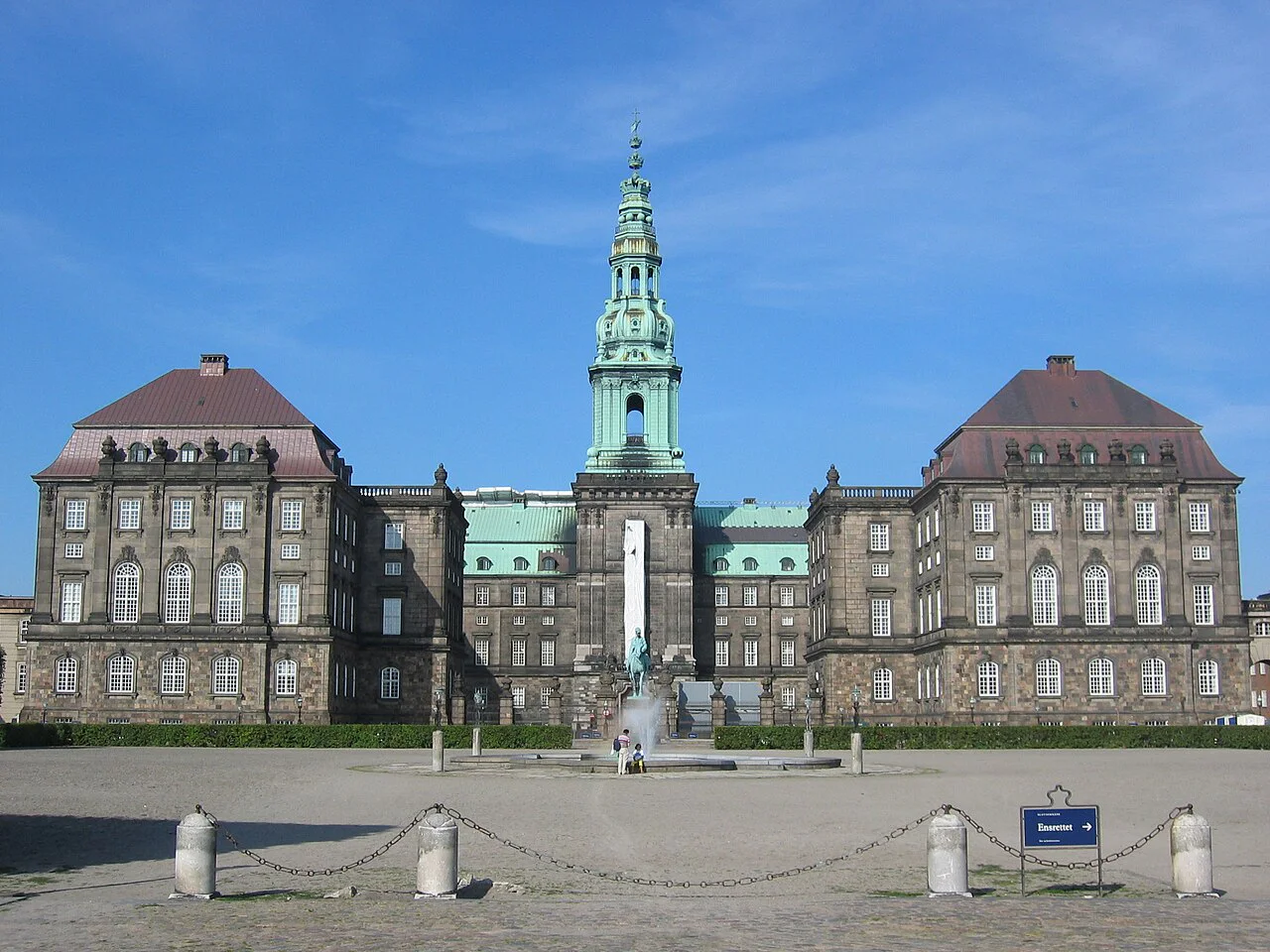
Copenhagen · 1 km
Christiansborg Palace
Content & sources
eimoberg from Changwon, South Korea · CC BY 2.0
Copenhagen · 2 km
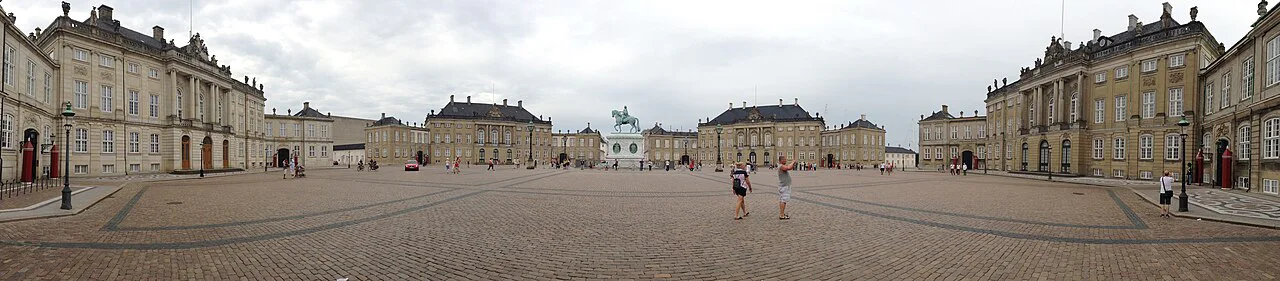
Amalienborg
Content & sources
Photo: Janeway666 · CC BY-SA 3.0
Elsinore · 41 km
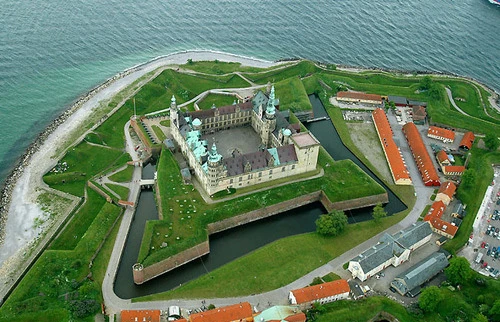
Kronborg Castle
Content & sources
H.C. Steensen · CC BY-SA 3.0
Ystad Municipality · 99 km
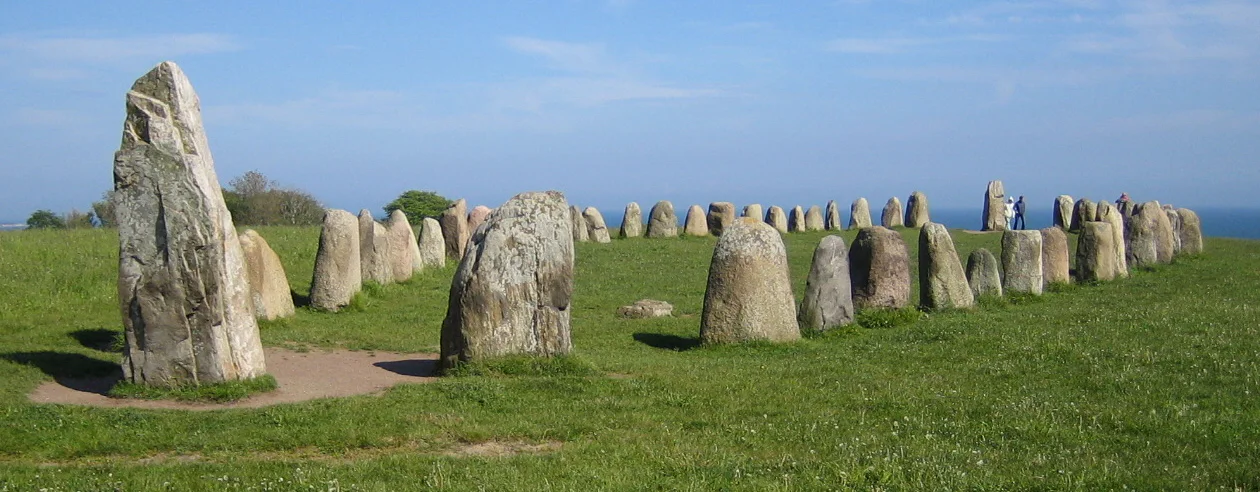
Ale's Stones
Content & sources
Photo: Fred J · CC BY-SA 3.0
Aalborg
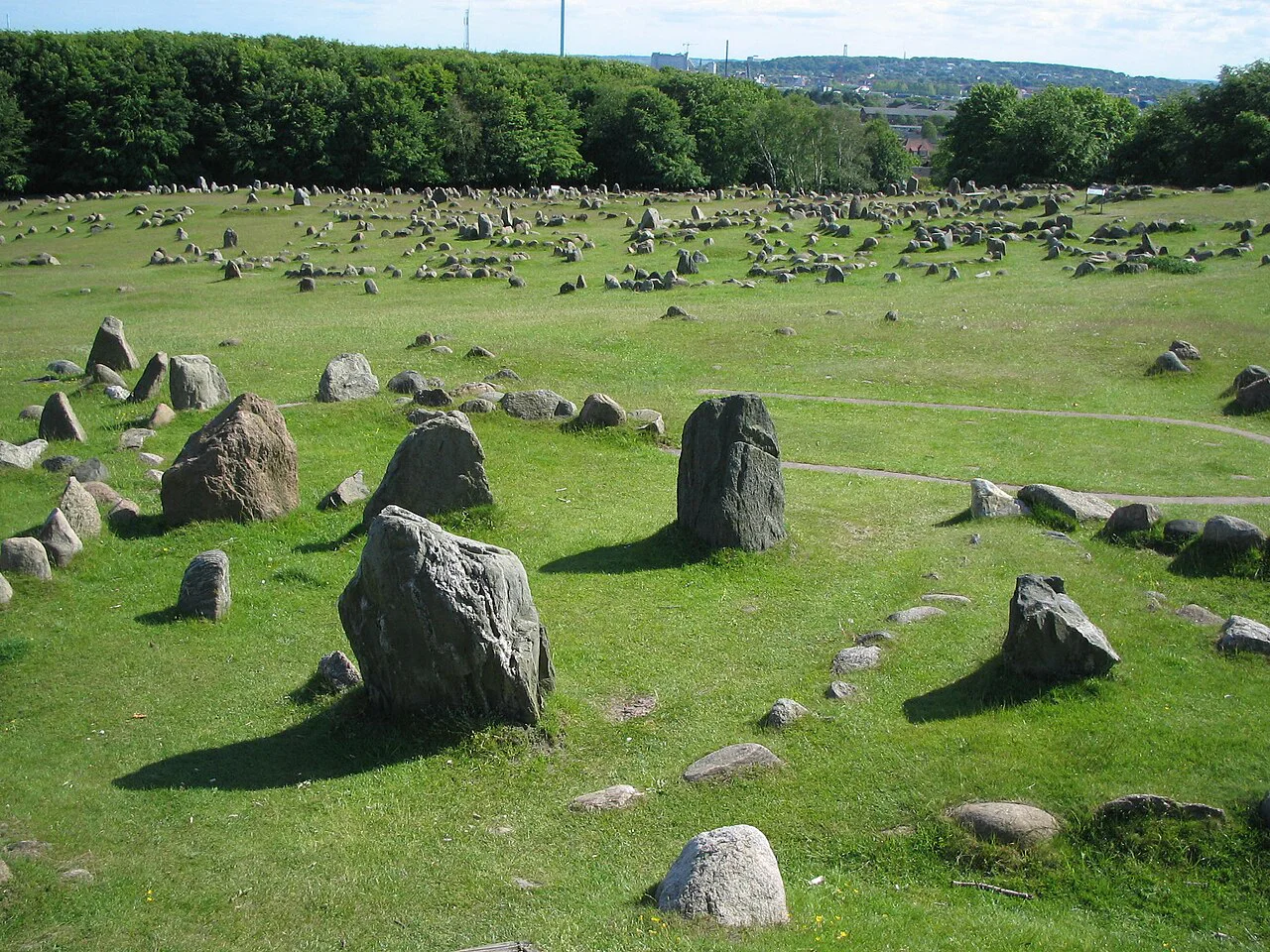
Lindholm Høje
Content & sources
Simon Wedege Petersen · CC BY 3.0
Art museums
More art museum audio guides
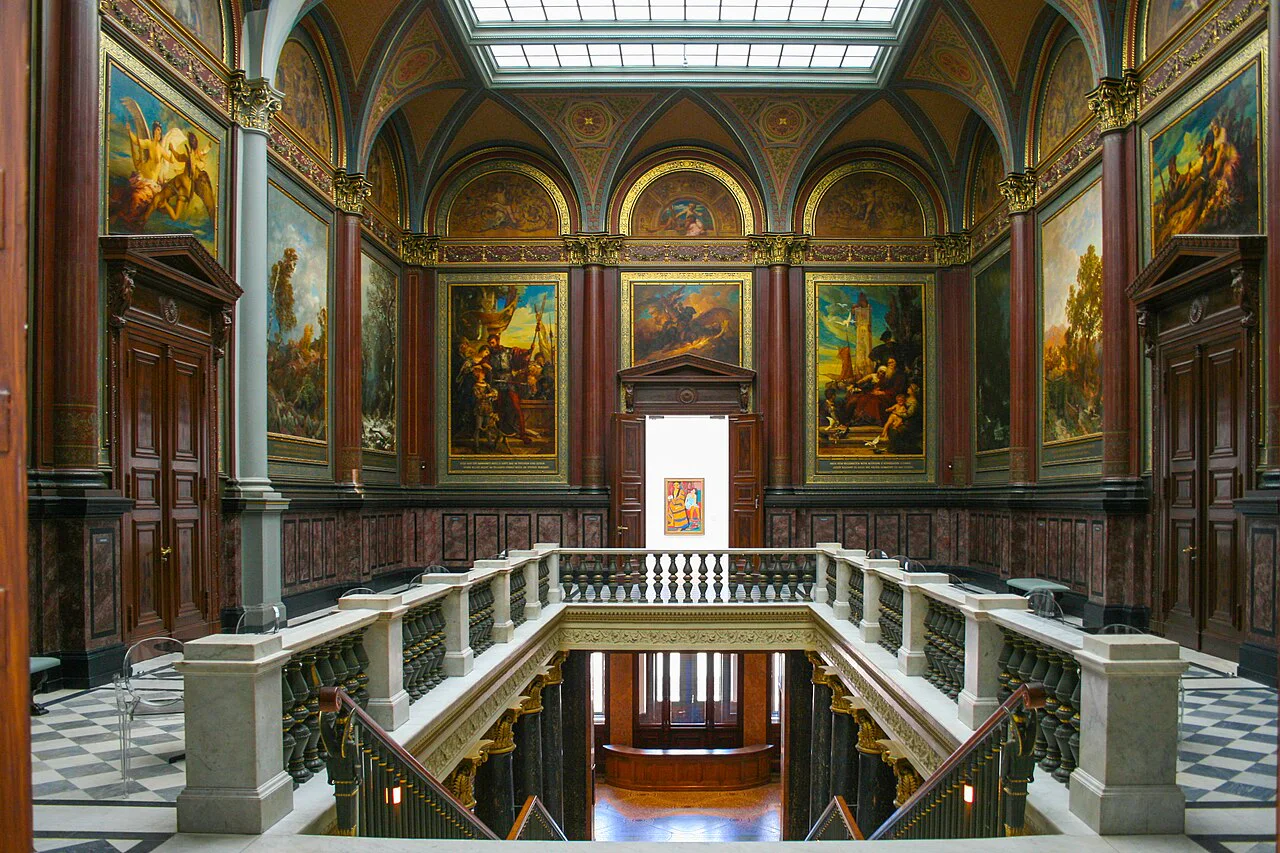
Hamburg · 64 artworks
Hamburger Kunsthalle
Content & sources
Photo: Daniela Kloth · GFDL 1.2
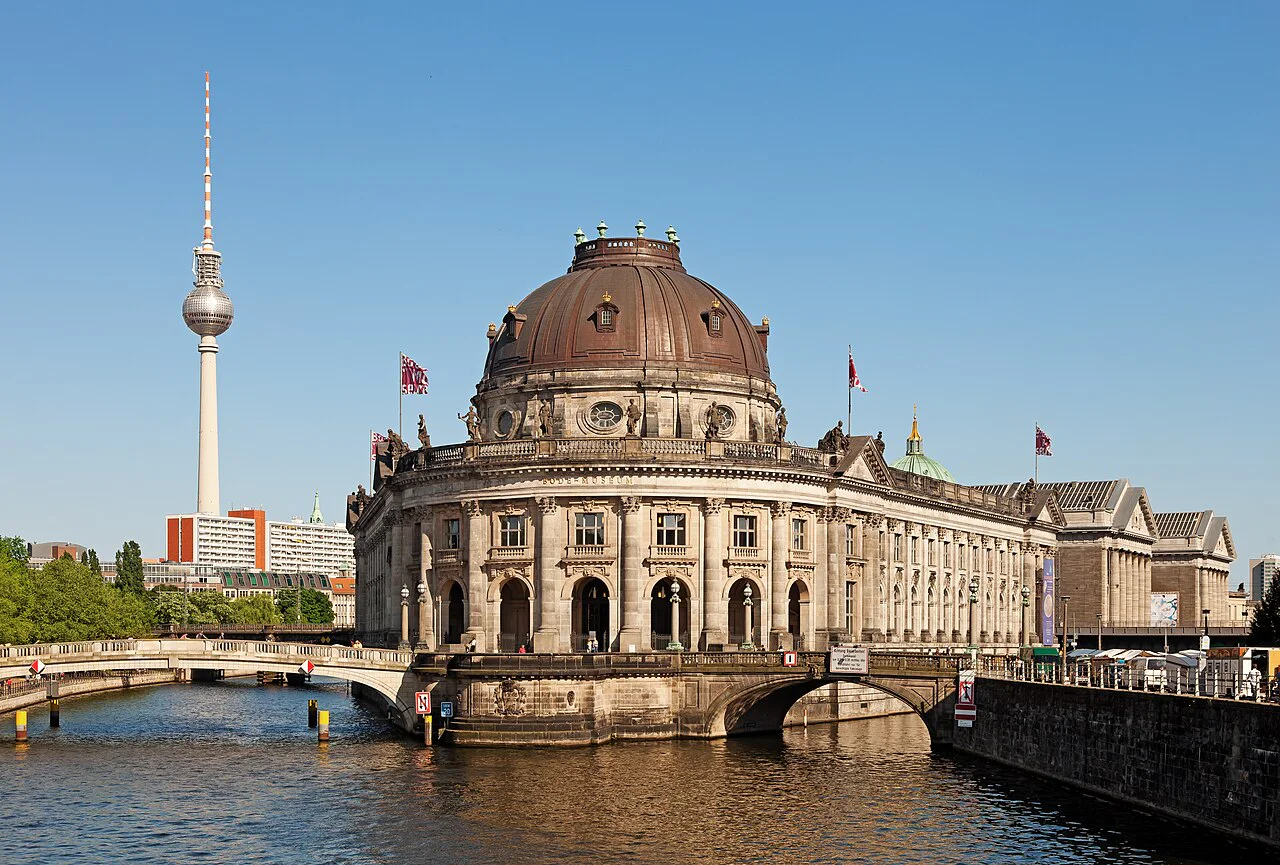
Berlin · 38 artworks
Bode-Museum
Content & sources
Thomas Wolf, www.foto-tw.de · CC BY-SA 3.0
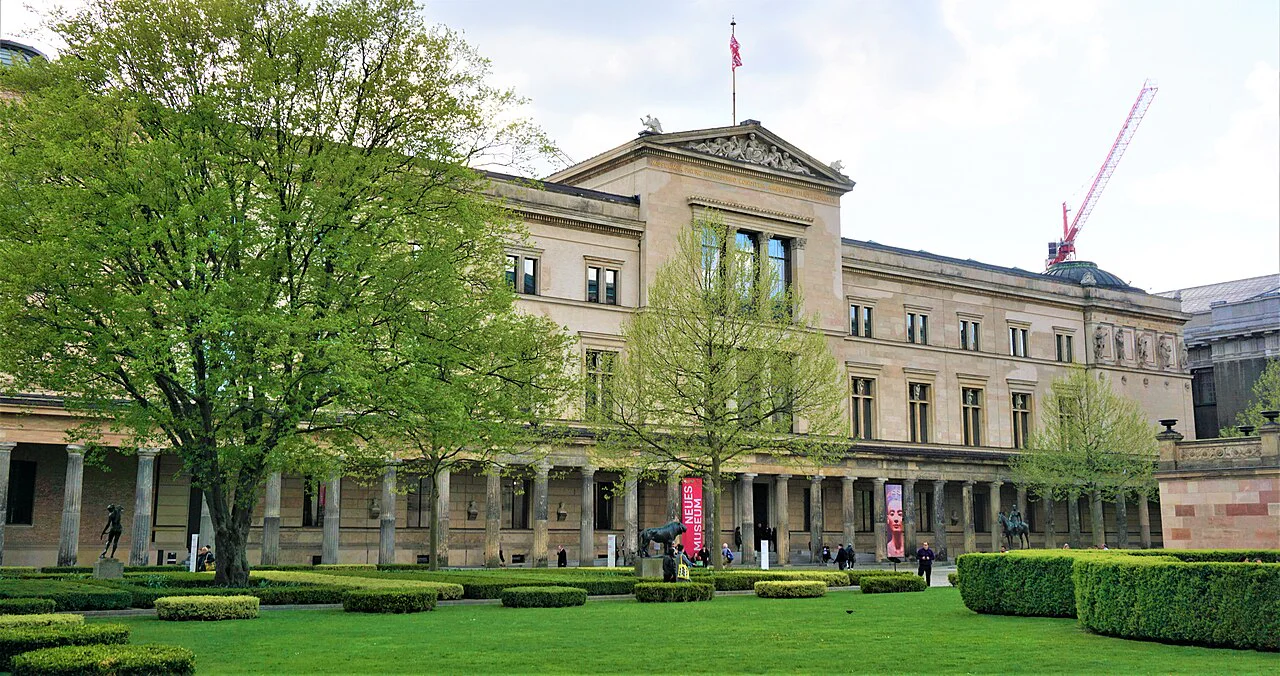
Berlin · 34 artworks
Neues Museum
Content & sources
Photo: Joyofmuseums · CC BY-SA 4.0
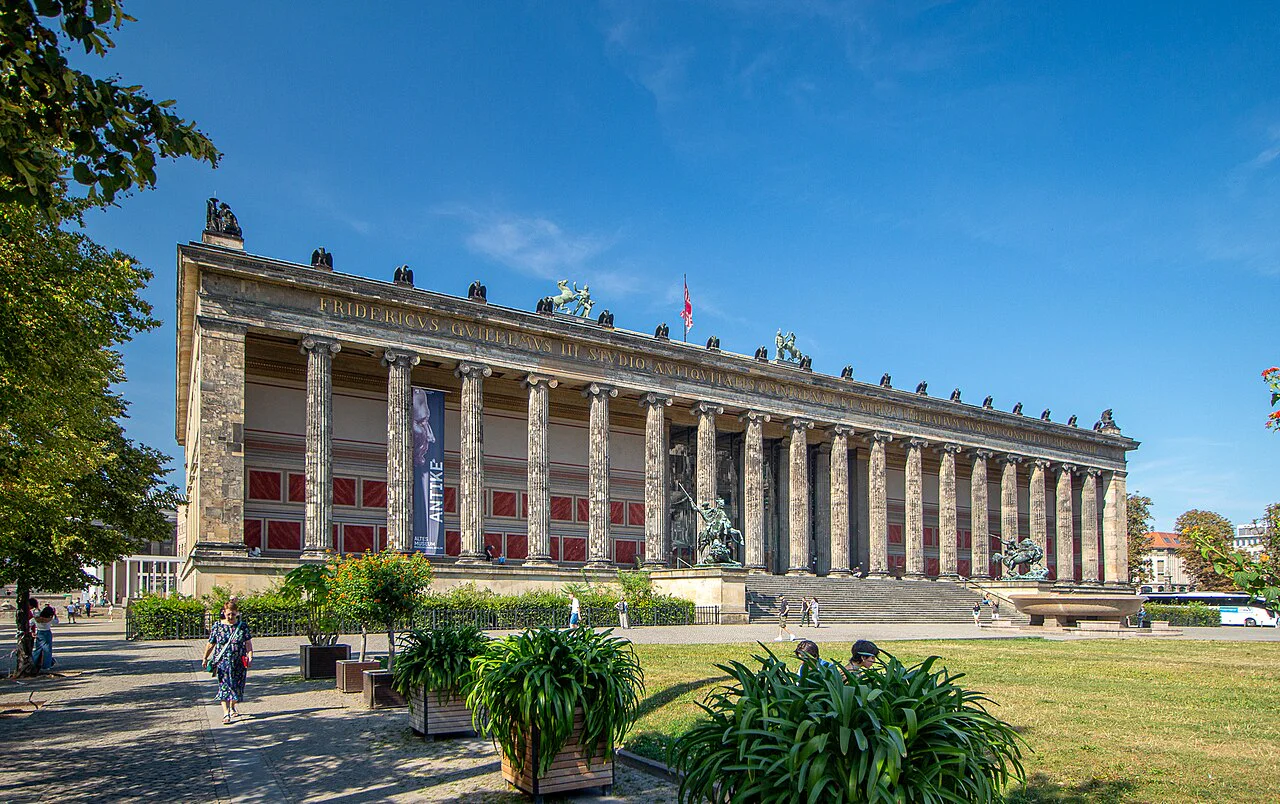
Berlin · 47 artworks
Altes Museum
Content & sources
Vit · CC BY-SA 4.0
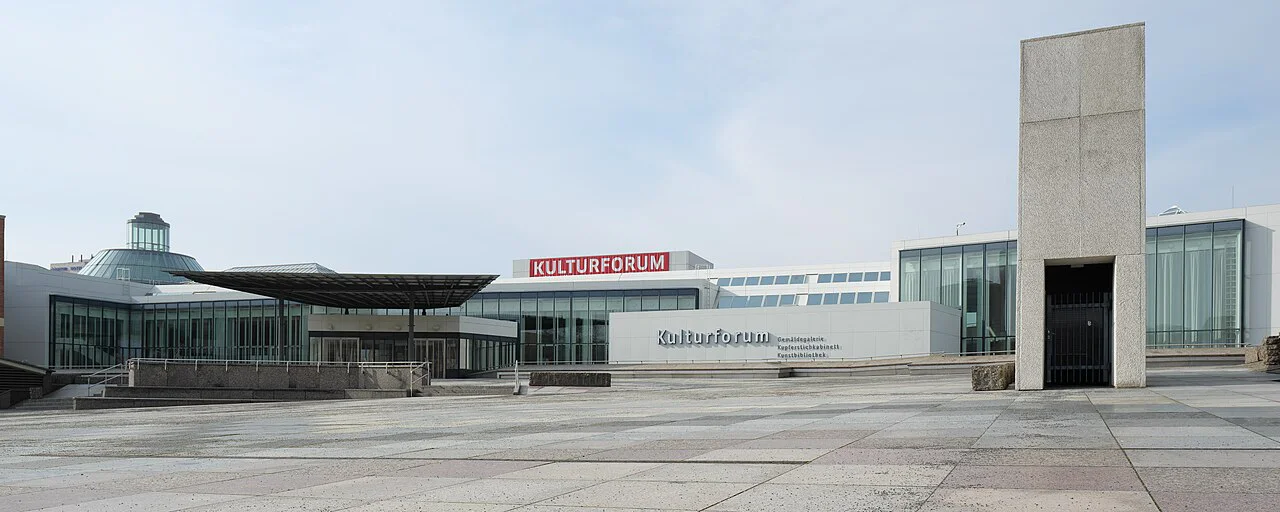
Berlin · 218 artworks
Gemäldegalerie, Berlin
Content & sources
Photo: Membeth · CC0
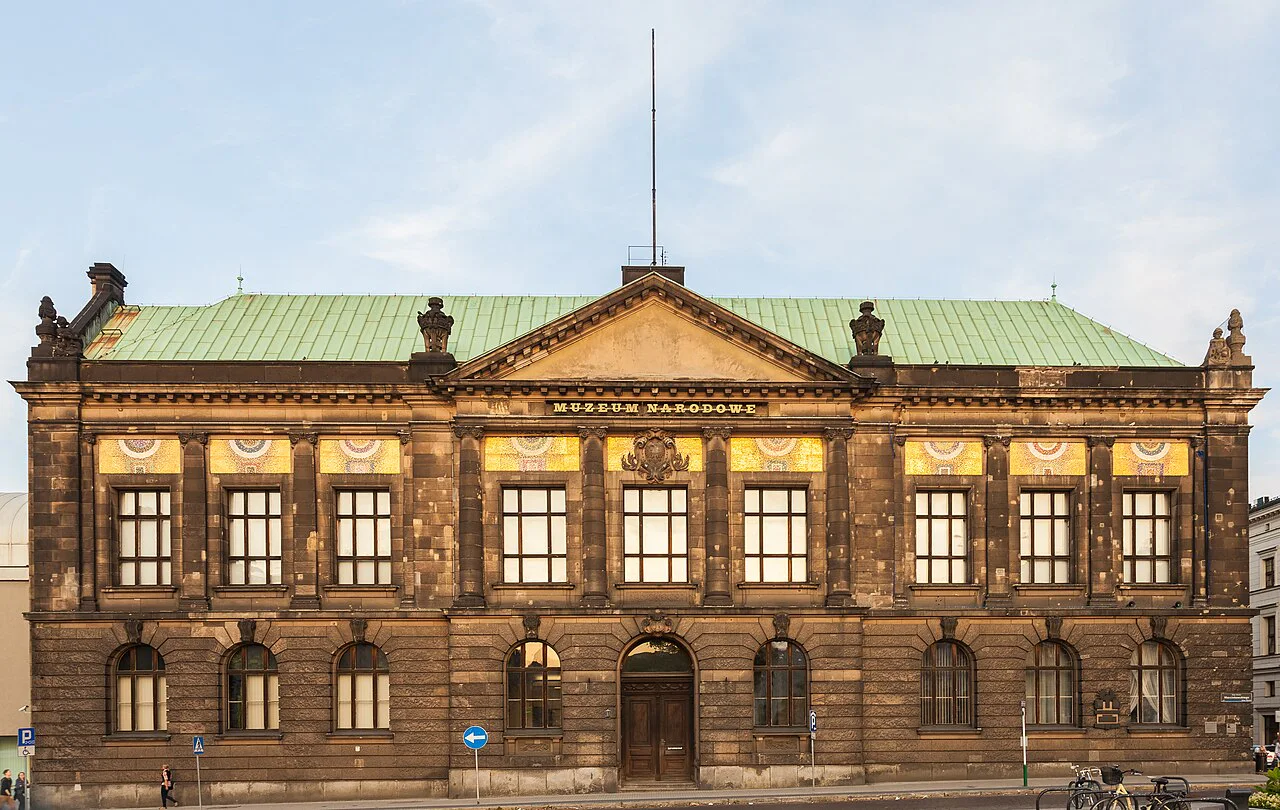
Poznań · 28 artworks
Muzeum Narodowe w Poznaniu
Content & sources
Diego Delso · CC BY-SA 4.0