Stanza · Audio guide
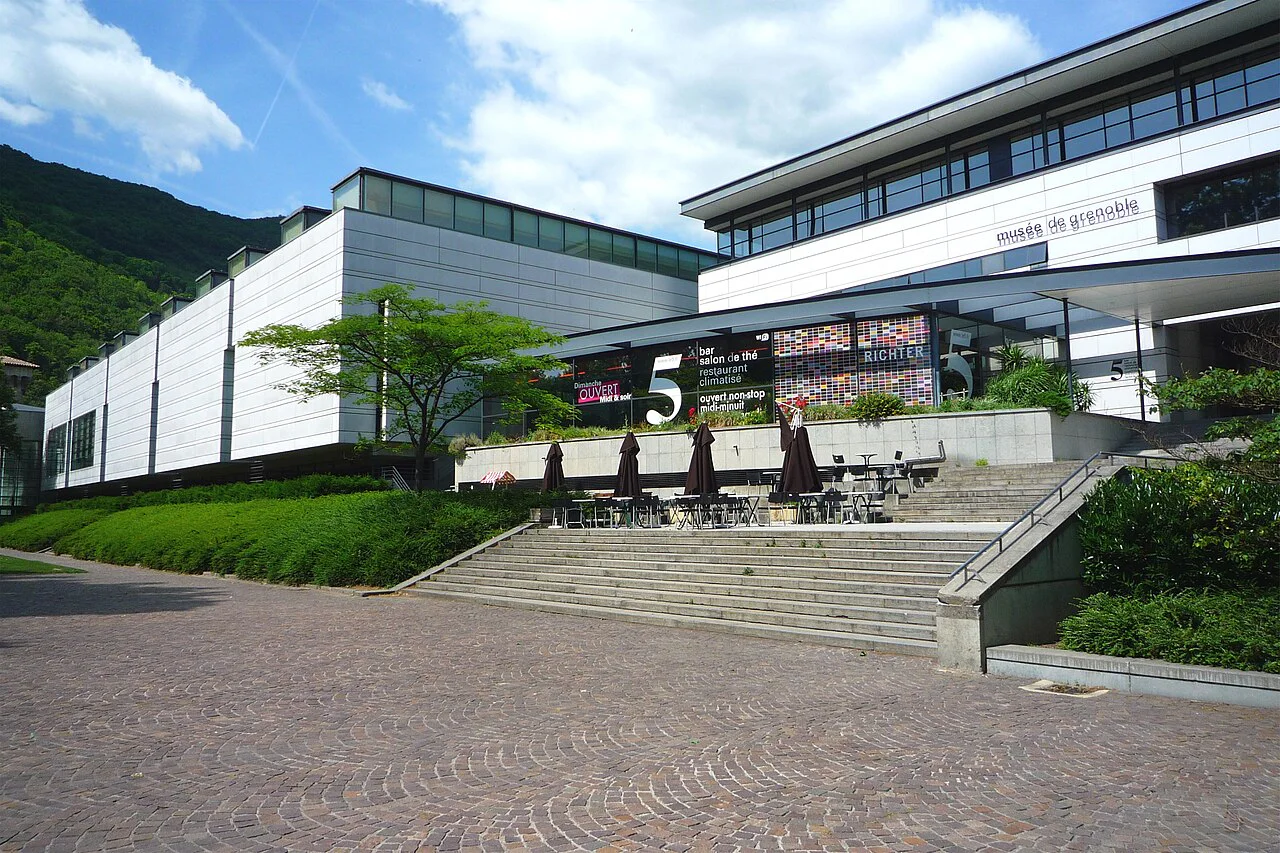
Musée de Grenoble Audio Guide
A place to remember. A story to take with you.
The Museum of Grenoble is a municipal museum of Fine Arts and antiquities. It is located in the city of Grenoble in the Isère region of France.
Download Stanza, then search for “Musée de Grenoble”.
About the tour
One guide. Your kind of visit.
The Museum of Grenoble is a municipal museum of Fine Arts and antiquities. It is located in the city of Grenoble in the Isère region of France.
The Musée de Grenoble guide tells the stories of 53 artworks, including The Seine in Argenteuil (Claude Monet), The White River (Paul Gauguin), Flora Caressed by Zephyr (François Gérard), The Madonna of Vallicella adored by St. Gregory with St. Maurus, and St. Papianus; St. Domitilla, with St. Nereus and St. Achilleus, 1607 (Peter Paul Rubens), Portrait of Madeleine Bernard (Paul Gauguin), The Red Carpets (Henri Matisse), Interior with Aubergines (Henri Matisse), and Young Woman Lying on a White Fur (Henri Matisse). Every artwork is free to hear in the Stanza app until 1 January.
Ready when you are.
- 01Get the free Stanza app.
iOS & Android
- 02Find your guide.
“Musée de Grenoble”
- 03Download before you go.
Works offline
Audio guide / 53 artworks
Inside the guide
Get to know a few of the stories before you go. Open a stop to read more.
01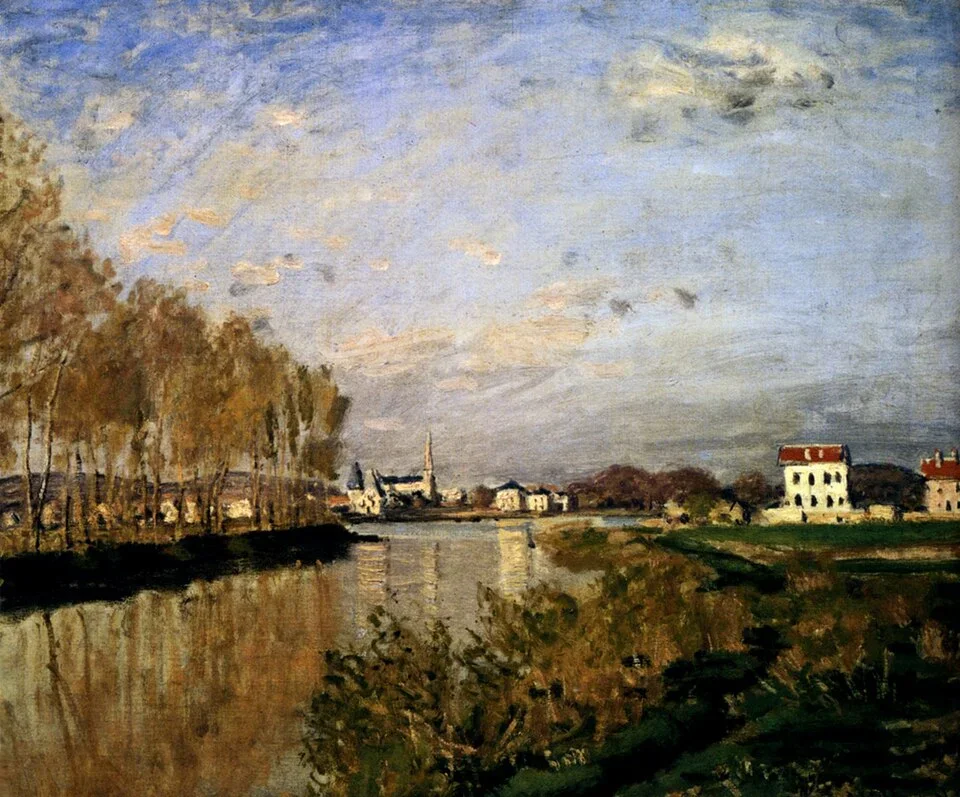
The Seine in Argenteuil
Claude Monet settled in Argenteuil at the end of 1871 and stayed seven years. He painted some of his best known pictures there. This view of the Seine comes from 1873, one of many he made here. The river stretches across the picture, and above it is the sky. In 2001, this painting appeared in a film called Vanilla Sky. The title means sky of vanilla, and it came from the color of the sky in this painting.
Listen in the appClaude Monet · Public domain
02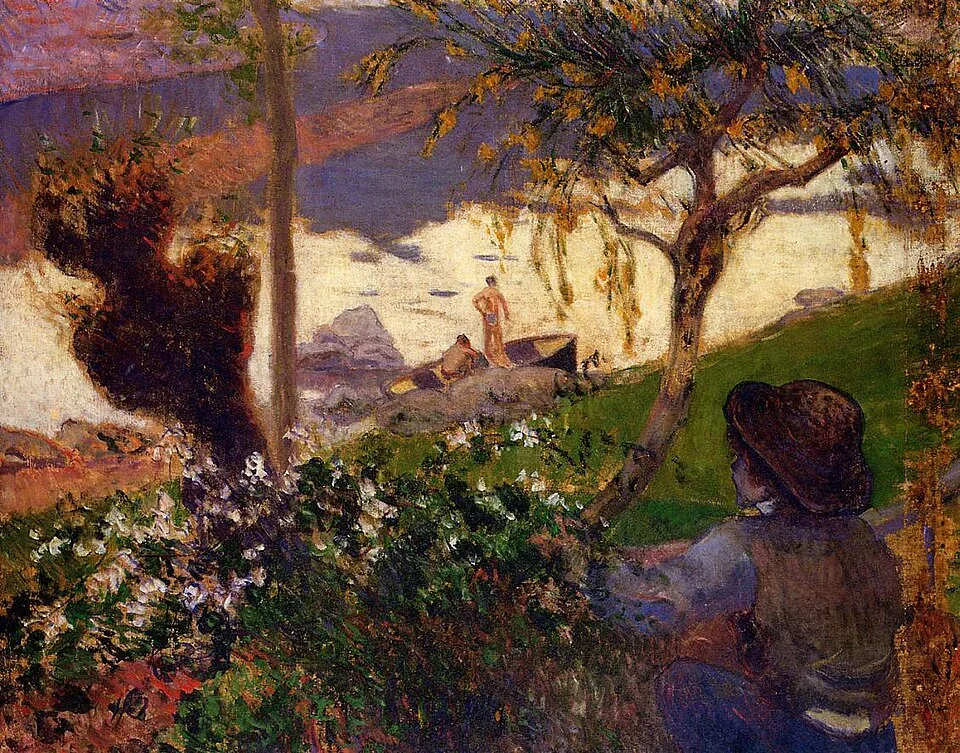
The White River
Two paintings, one on each side of a single piece of canvas, and this is the river landscape. Gauguin seems to have used one canvas for both pictures, short of money, or unable to find canvas in Pont-Aven. He painted the river in June 1888, and the portrait of Madeleine Bernard on the other side in August. Madeleine only came to visit him around the middle of that month. The landscape shows the River Aven near Pont-Aven in Brittany. In the foreground, a young man is seen from behind. Far below, two other young men are in a boat, so distant that the man in front seems to be in another space. The view is cropped so tightly that the sky disappears, and the river seems to rise. Stolen in June 1978 returning from a show in Marseille, it was found the next year in poor shape, then restored and reframed.
Listen in the appPaul Gauguin · Public domain
03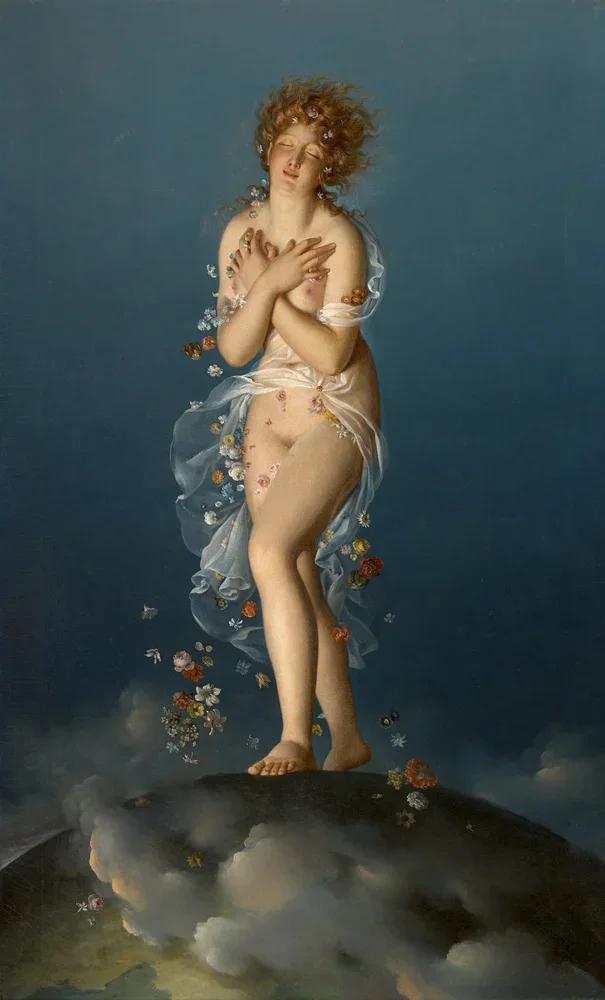
Flora Caressed by Zephyr
Tucked under the young woman's feet is a globe, the earth, and she seems to stand on it. The flowers drifting down around her are not there simply to be pretty. They are being born. Out of the caresses of this couple come countless blooms, and they rain across the whole earth. That is the old story Ovid tells, of Chloris and Zephyr, whose love filled the world with flowers. She is Flora, the Roman goddess of spring. Around her swirls a light mist, and that mist is her lover Zephyr, the West Wind. The flowers were painted with the botanical drawings of Pierre-Joseph Redouté in mind, and every one is precise. François Gérard made this in 1802 for the private mansion of Charles Gaudin, France's minister of finance. By then Napoleon and his circle had made him their favourite painter. It was part of a series and probably had a companion, a Danaë by Girodet. And she keeps her eyes closed, her arms crossed over her chest, turned in on herself, as if in ecstasy.
Listen in the appFrançois Gérard · Public domain
04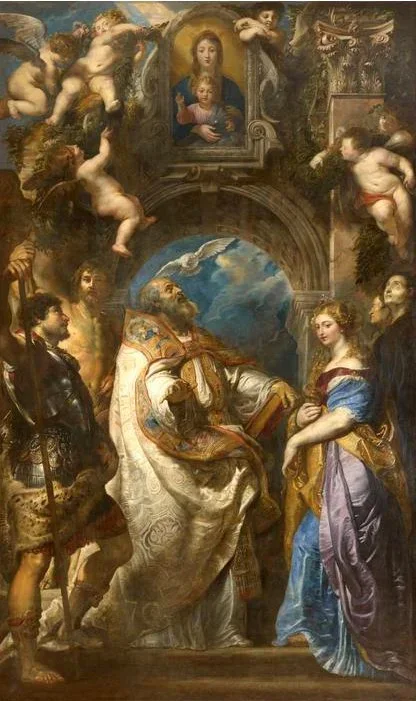
The Madonna of Vallicella adored by St. Gregory with St. Maurus, and St. Papianus; St. Domitilla, with St. Nereus and St. Achilleus, 1607
This was painted for the high altar of a church in Rome, and it never hung on that altar. Gregory the Great stands at the centre, eyes raised, with the dove of the Holy Spirit coming down to him. Five saints stand around him. Behind them, a ruined triumphal arch rises, with a framed picture of the Virgin and Child above it, surrounded by six angels holding garlands. Domitilla, in purple silk, seems to listen. The church was Santa Maria in Vallicella. The light coming into it reflected off the canvas too strongly. Rubens painted a second version on slate, in three panels, and that one is still there. He brought this canvas back to Antwerp and put it above the tomb of his mother, who had died on the way home. French troops seized it around 1800, and it reached Grenoble in 1811. Gregory was that church's traditional founder, and the relics of the five saints around him lie beneath the altar it was painted for.
Listen in the appPeter Paul Rubens · Public domain
05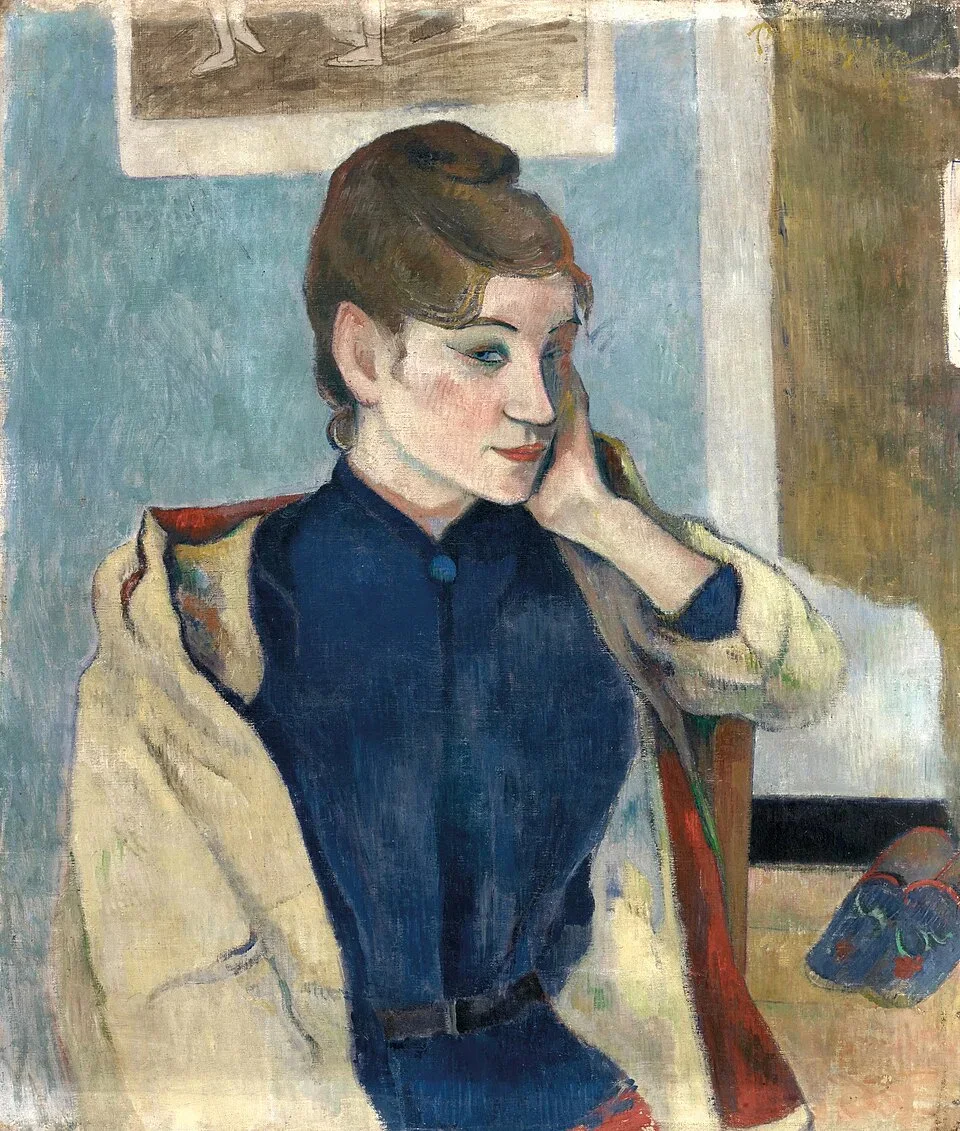
Portrait of Madeleine Bernard
The portrait in front of you shares its canvas with another painting. Money was short, or else canvas was nowhere to be found in Pont-Aven, so one piece was used for both sides. On the other face is a view of the river Aven, painted in June 1888. Around the middle of August, the painter Émile Bernard came to visit with his sister Madeleine. Gauguin then painted her. She was seventeen, and he had fallen in love with her. Here she is from the waist up against a plain background. Two clogs with Breton patterns are in the picture with her. Broad areas of blue carry the image, the brushstrokes left showing in varied tones. Her face and arm run in curving lines, sometimes traced with an outline, against the straight edges behind her. In June 1978 the double canvas was stolen on its way back from an exhibition in Marseille. It was recovered the next year in poor condition, then restored and framed again.
Listen in the appPaul Gauguin · Public domain
06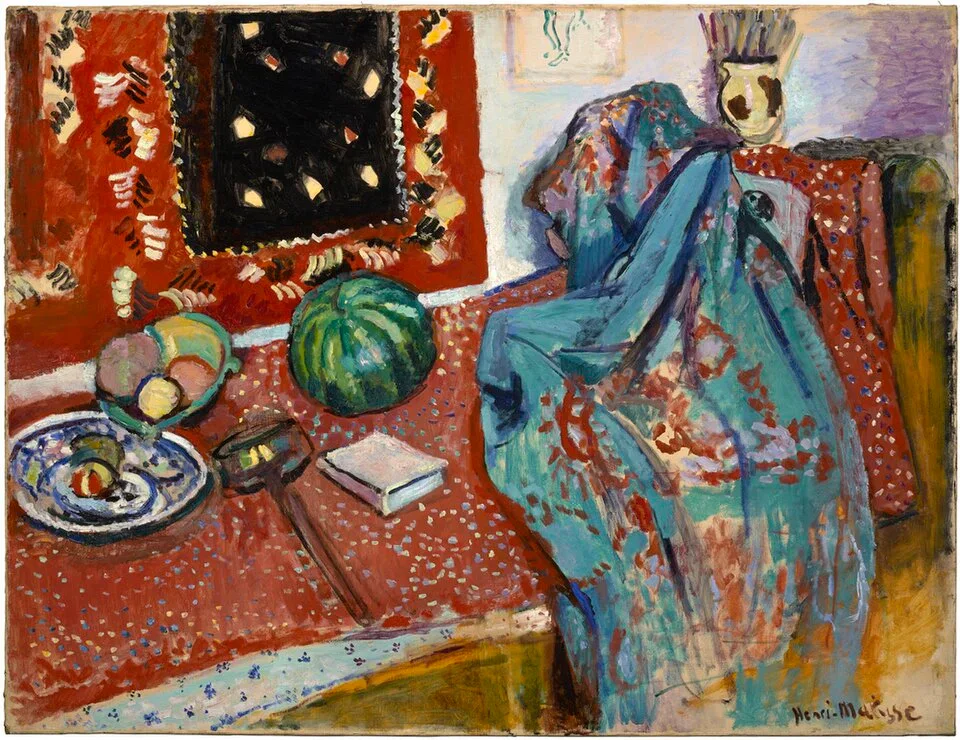
The Red Carpets
Red is everywhere in this still life. It fills the carpets, runs through the pottery and spreads across the fruit, until nearly everything here is red. It has an oriental feel as well. In 1906 Matisse went to Biskra, an oasis in Algeria. Back in Collioure, the fishing village on the French Mediterranean coast where he sometimes lived, he painted this. In 1908 a French politician named Marcel Sembat bought it from the Bernheim Jeune gallery. He and his wife Georgette Agutte, an artist, collected art together. On the fifth of September 1922, Sembat died. Agutte took her own life that same day. The next year their collection came to Grenoble, and this painting with it.
Listen in the appHenri Matisse · Public domain
07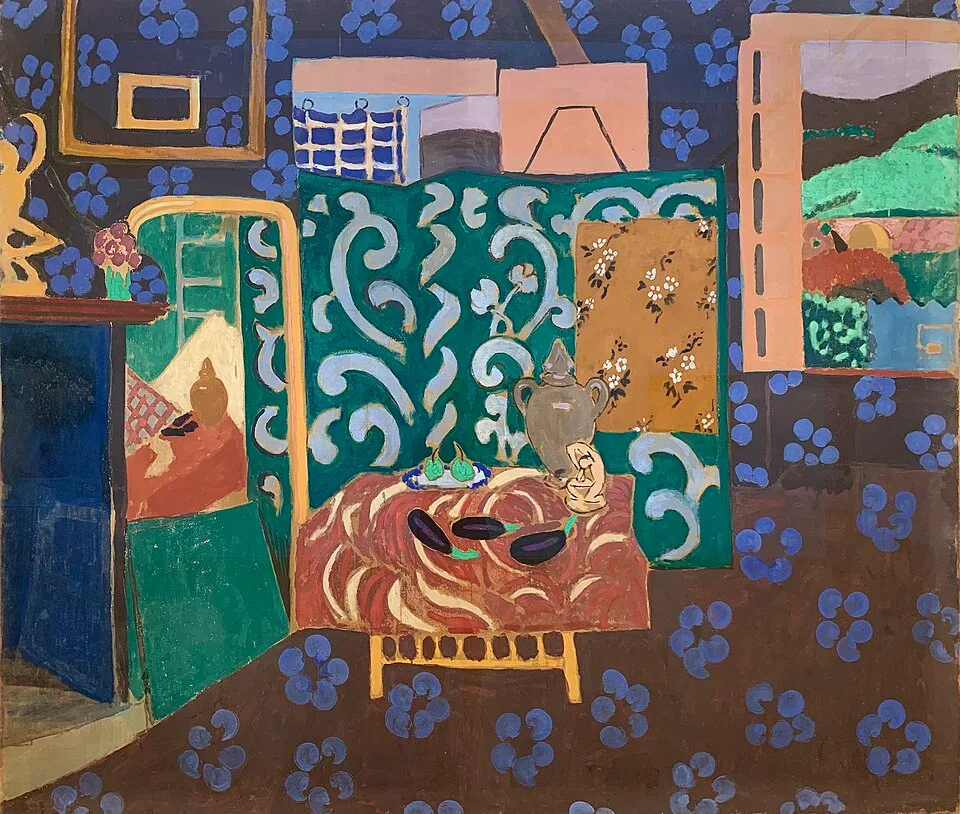
Interior with Aubergines
Is this a room, or a pattern made to look like one? At first glance, everything behaves. A cloth lies on a table with aubergines, pears and a sculpture that was his own work. Then there is the mirror. The things on the table appear in it only in part, never as a real mirror would show them. Frames sit inside frames, each with its own pattern, each complete on its own, yet all held in one decorative whole. A flower with five petals runs through the whole painting and ties it together. The cloth and the screen carry arabesque patterns. Matisse was not trying to give you a room to walk into. He wanted a decorative picture, to change how a flat surface shows space and set ordinary perspective aside. He drew on Japanese, Byzantine and Islamic art for that. He painted it at the end of summer in a rented studio in Collioure, one of four interiors sharing their motifs and colours. And the aubergines came first. From that still life, he built the room around them.
Listen in the appmuseedegrenoble.fr (Samari Prismade) · Public domain
08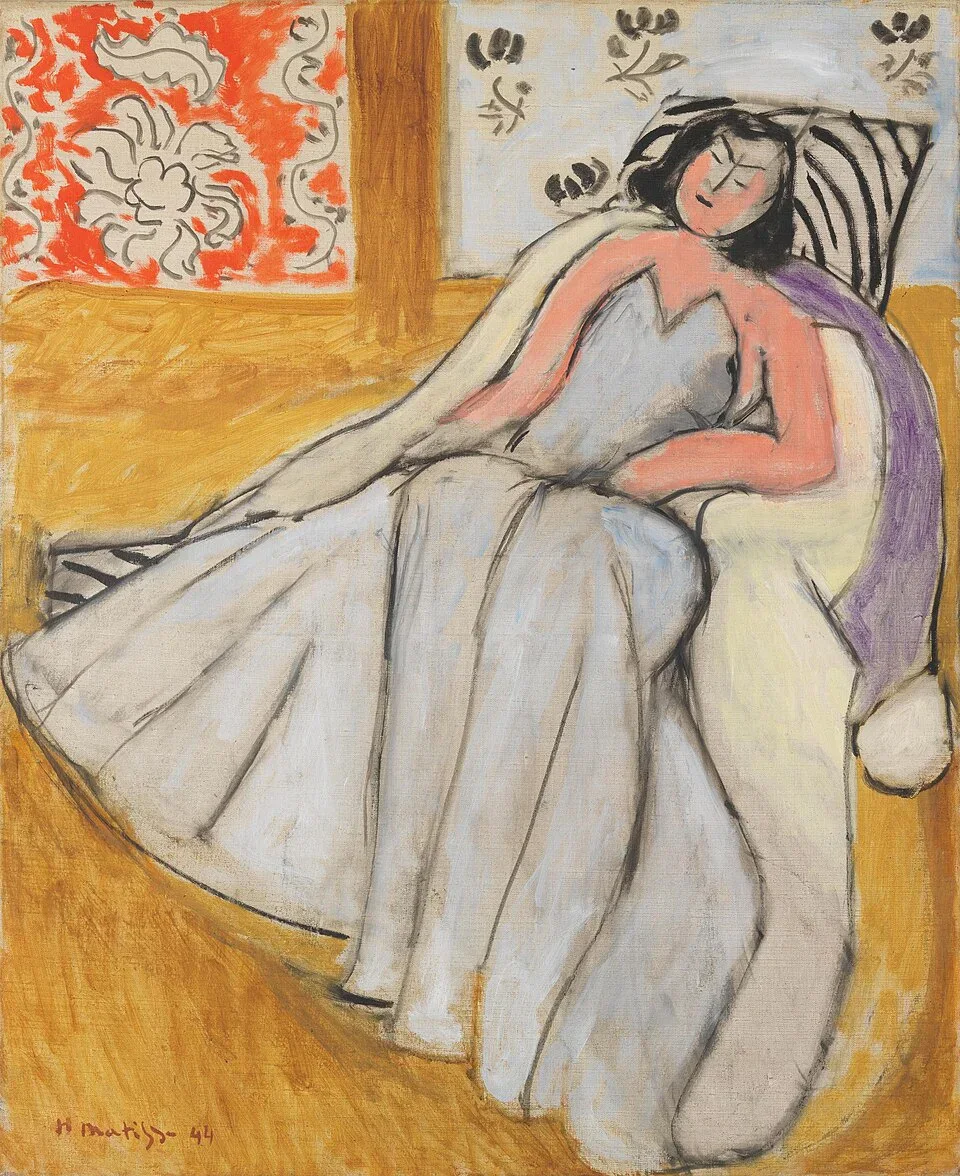
Young Woman Lying on a White Fur
The fur she lies on is the very same white as her dress. Matisse painted this in 1944, and for decades it never came to Grenoble. In 2001 it was handed over to the national modern art museum in Paris, given in place of a tax payment. It reached this city only in 2004, and then on deposit. It came here because of what was already here. Grenoble had gathered an important group of Matisse's works from the 1920s, under its curator Andry-Farcy. This painting came to complete that collection.
Listen in the appHenri Matisse · Public domain
09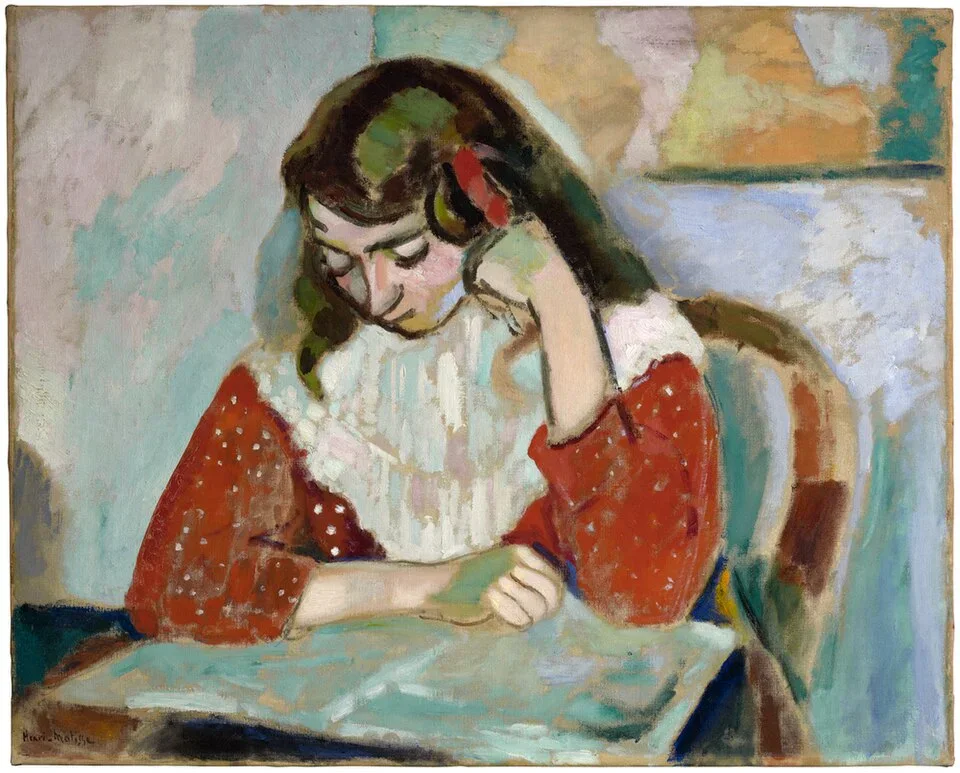
Marguerite Reading
Marcel Sembat saw the light of Velasquez in this picture of a girl reading, and he bought it. The girl is Marguerite, daughter of Henri Matisse. He painted her in 1906, when she was twelve, and showed the picture at the autumn salon that year. Sembat kept it. In 1923 he and his wife, Georgette Agutte, left their collections to Grenoble, and this picture came here.
Listen in the appHenri Matisse · Public domain
10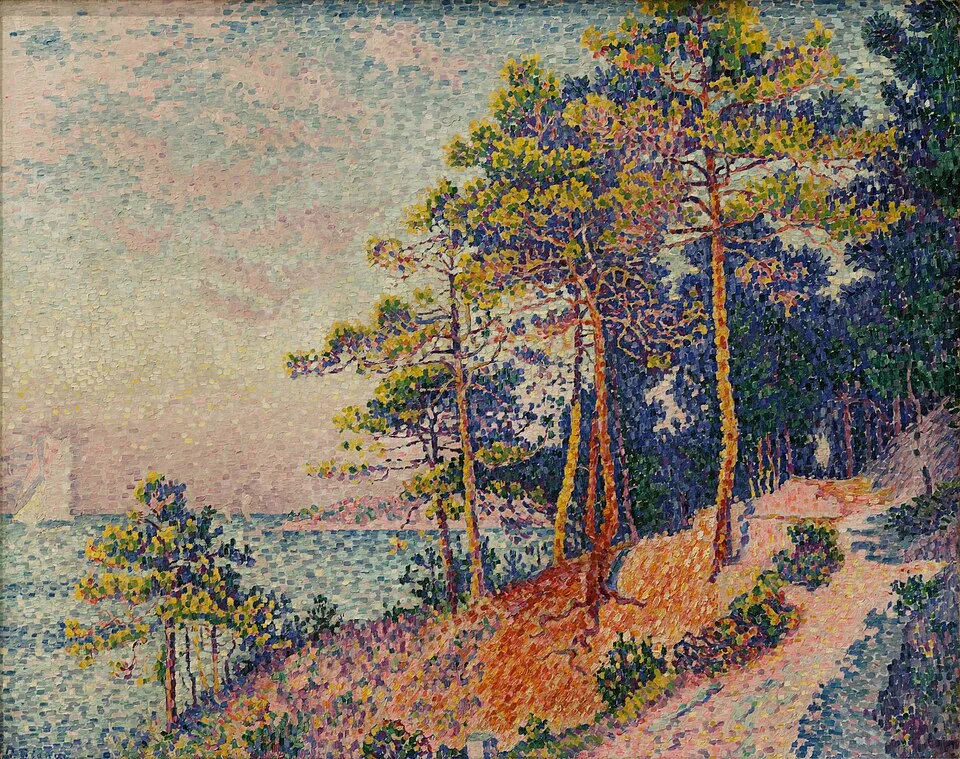
Le Sentier des Douanes
Why does this seaside path seem to stir? The marks themselves move. Across the hill they slant, in the trees they stand upright, and over the sky and the sea they lie flat. Signac gave each space its own direction, so every part of it feels alive. It is sunset at Saint-Tropez. He set blue and violet in the sea and the shadows against pink and orange in the earth and the tree trunks. He wanted the path faithful to the real place, so he worked from studies in crayon, ink and watercolour. He painted a first version in 1902. In the summer of 1904 he went to Saint-Tropez and worked with Matisse. He made the finished picture in his studio in 1905, the year Fauvism began.
Listen in the appPhoto: Jvillafruela · Public domain
- 11
Portrait of d'Anne-Jules de Noailles
Hyacinthe Rigaud · 1691
- 12
The Annunciation
Francisco de Zurbarán · 1638–1639
- 13
Supper at Emmaus
Matthias Stom · 1620–1640
- 14
Seated Nude, by Henri Matisse
Henri Matisse · 1909
- 15
The Arrest of Charlotte Corday
Hendrik Scheffer · 1830
- 16
View of Montmartre from the Cité des Fleurs
Alfred Sisley · 1869
- 17
Les Odalisques
Jacqueline Marval · 1902–1903
- 18
The Tug
Fernand Léger · 1920
- 19
Self-portrait.
Henri Fantin-Latour · 1859
- 20
Gabrielle au chapeau
Pierre-Auguste Renoir · 1909–1916
- 21
The Martyrdom of Saint Peter
Mattia Preti · 1630
- 22
Nativity
Jean-Charles Frontier · 1743
- 23
Assumption of the Virgin
Philippe de Champaigne · 1638
- 24
The Raising of Lazarus
Philippe de Champaigne · 1633
- 25
The Death of Masaccio
Auguste Couder · 1817
- 26
Picasso. Au cœur des ténèbres 1939-1945
Unknown Artist
- 27
Adoration of the Magi
Francisco de Zurbarán · 1638–1639
- 28
Saint Sebastian and Saint Apollonia
Pietro Perugino · 1512–1523
- 29
Adoration of the Shepherds
Francisco de Zurbarán · 1638–1639
- 30
Gratianopolis
Henri Ding · 1884
- 31
Circumcision
Francisco de Zurbarán · 1638–1640
- 32
God punished Adam and Eve for their disobedience
Domenichino · 1623–1625
- 33
Cape Layet
Henri-Edmond Cross · 1904
- 34
Vasari - Holy Family, circa 1545
Giorgio Vasari · 1544–1545
- 35
The Death of Messalina
Victor-François-Eloi Biennourry · 1850
- 36
The Bal Bullier
Jules Flandrin · 1931
- 37
Portrait of Louis XIII
Philippe de Champaigne · c. 1639
- 38
Seated Female Nude
Félix Vallotton · 1897
- 39
Jeanne d'Arc pleurant à la vue d'un Anglais blessé
Princess Marie of France · 1834
- 40
Christ meeting the wife and the sons of Zebedee
Paolo Veronese · c. 1565
- 41
Adoration of the shepherds
Jacob Jordaens · c. 1617
- 42
Portrait of a Woman with a white Collar
Amedeo Modigliani · 1917
- 43
Flowers
Frédéric Bazille · 1868
- 44
Servir les dieux d'Égypte
Unknown Artist
- 45
Christ at Emmaus
Bernardo Strozzi · 1630
- 46
Adoration of the Magi
Abraham Bloemaert · 1623–1624
- 47
Stag at bay reached by the pack, also known as Stag Hallali
Alexandre-François Desportes · 1742
- 48
Apparition of Christ to Mary Magdalene
Eustache Le Sueur · 17th century
- 49
Adam and Eve Mourning the Death of Abel
Alessandro Turchi · 17th century
- 50
Martyrdom of Saint Catherine
Gaspar de Crayer · 17th century
- 51
Champaigne Louis XIV and Anjou Grenoble
Philippe de Champaigne · 1665
- 52
At Musée de Grenoble 2025 354
Gaspar de Crayer · 17th century
- 53
Portrait of Michelangelo
Unknown Artist · 16th century
Musée de Grenoble
Frequently asked questions
How much does the guide cost?
Free app download. Free until 1 January. Listed guide price: $0.99. Audio guide only. Venue admission is separate.
Can I listen without internet?
Yes. Download the guide’s audio, images, and maps in the app before your visit. Your downloaded content is then available offline.
Can I listen in my language?
In English for now. More languages soon.
Do I need to follow a schedule?
No. This is a self-guided experience. Choose your stops, pause whenever you like, and return to a story at your own pace.
Which artworks are in the Musée de Grenoble audio guide?
53 artworks, including The Seine in Argenteuil (Claude Monet), The White River (Paul Gauguin), Flora Caressed by Zephyr (François Gérard), The Madonna of Vallicella adored by St. Gregory with St. Maurus, and St. Papianus; St. Domitilla, with St. Nereus and St. Achilleus, 1607 (Peter Paul Rubens), Portrait of Madeleine Bernard (Paul Gauguin), The Red Carpets (Henri Matisse), Interior with Aubergines (Henri Matisse), and Young Woman Lying on a White Fur (Henri Matisse). The full list is on this page.
Is this the museum’s official audio guide?
No. Stanza is an independent audio guide app and is not affiliated with Musée de Grenoble. Museum admission is separate.
At your own pace
Explore Musée de Grenoble.
Download Stanza, then search for “Musée de Grenoble”.
Free app download · Guide price shown in the app
Keep exploring
Audio guides — France
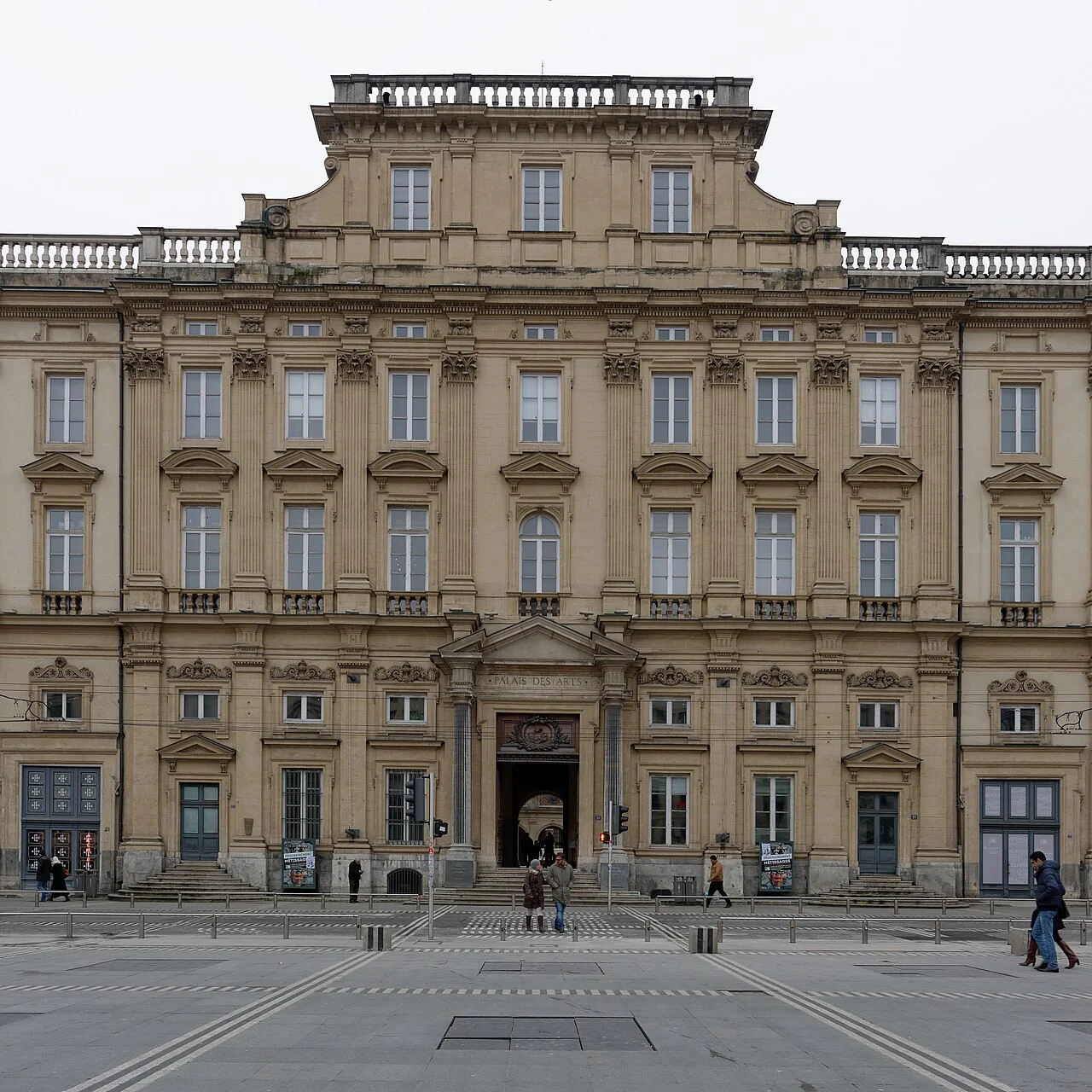
Lyon · 95 km
Museum of Fine Arts of Lyon
Content & sources
Photo: Jastrow · CC BY 2.5
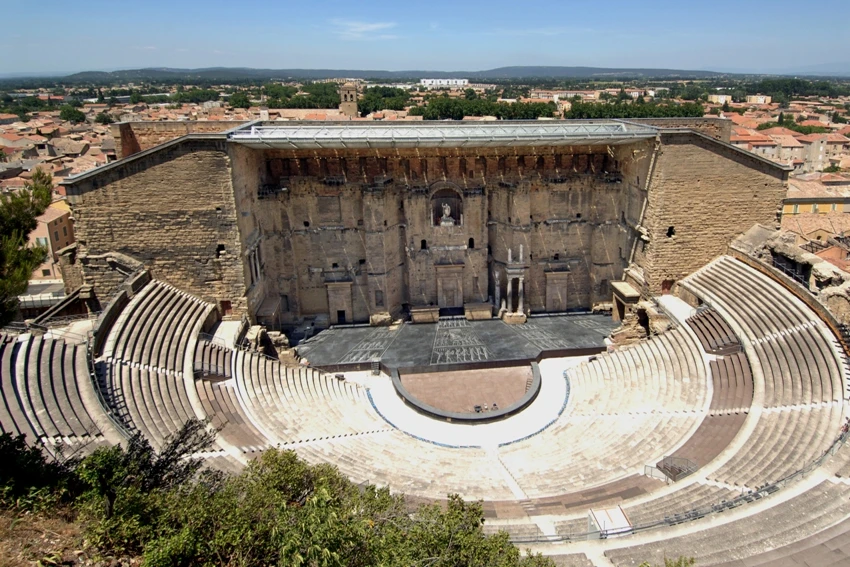
Orange · 139 km
Roman Theatre of Orange
Content & sources
Gromelle Grand Angle · CC BY-SA 3.0
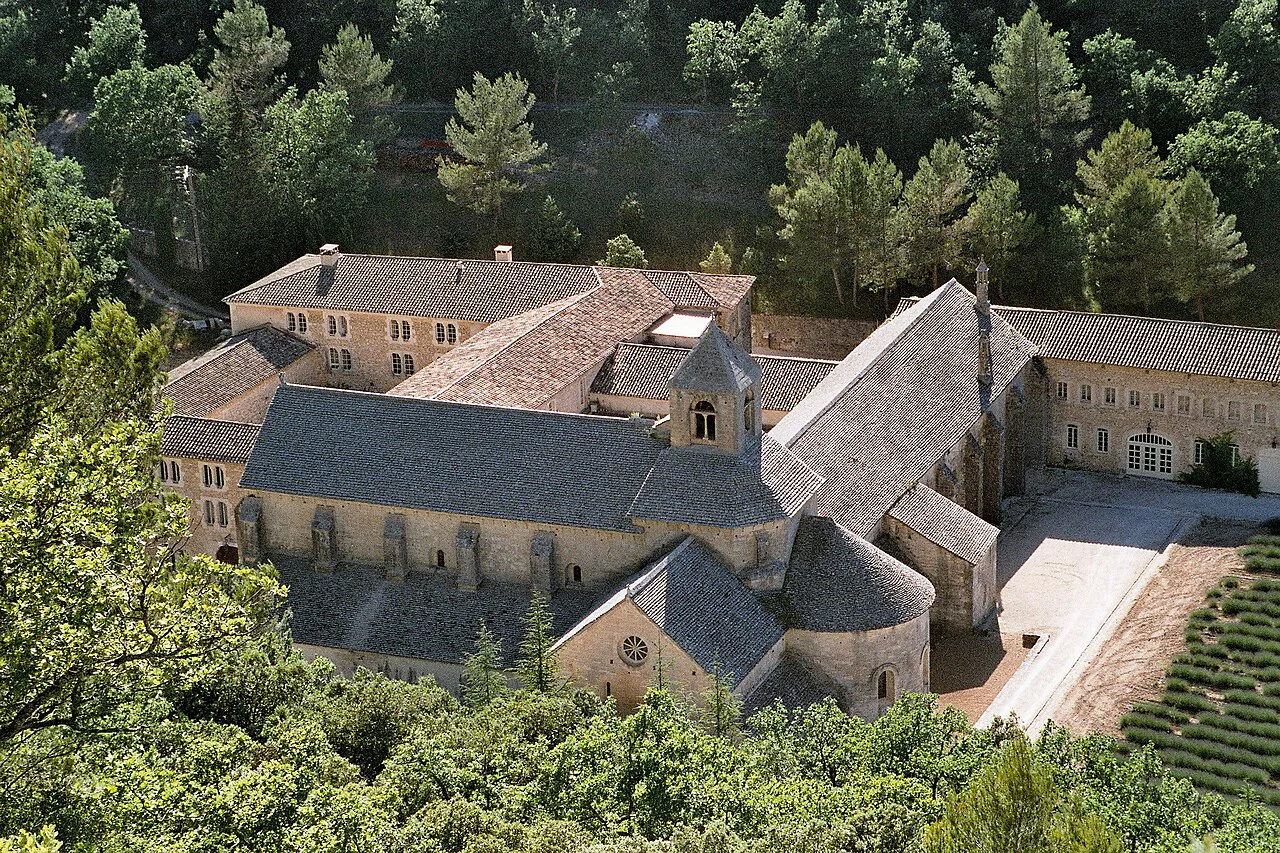
Gordes · 147 km
Abbaye Notre-Dame de Sénanque
Content & sources
Photo: Greudin · Public domain
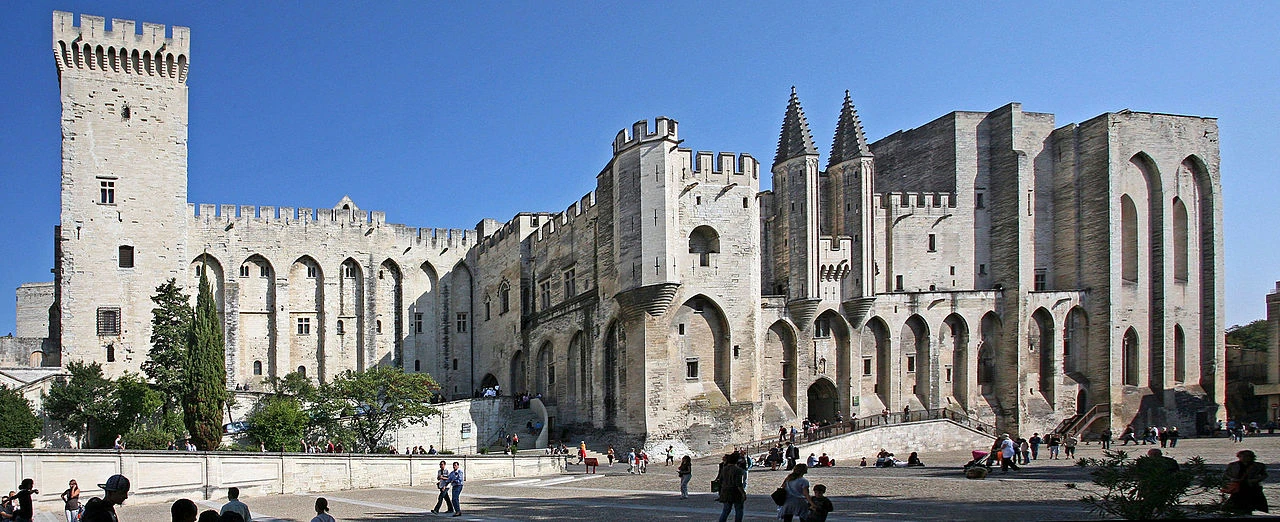
Avignon
Palace of the Popes
Content & sources
Jean-Marc Rosier (de/from http://www.cjrosier.com + http://www.gordes-immobilier.com) · CC BY-SA 3.0
Art museums
More art museum audio guides
Lyon · 159 artworks
Museum of Fine Arts of Lyon
Content & sources
Photo: Jastrow · CC BY 2.5
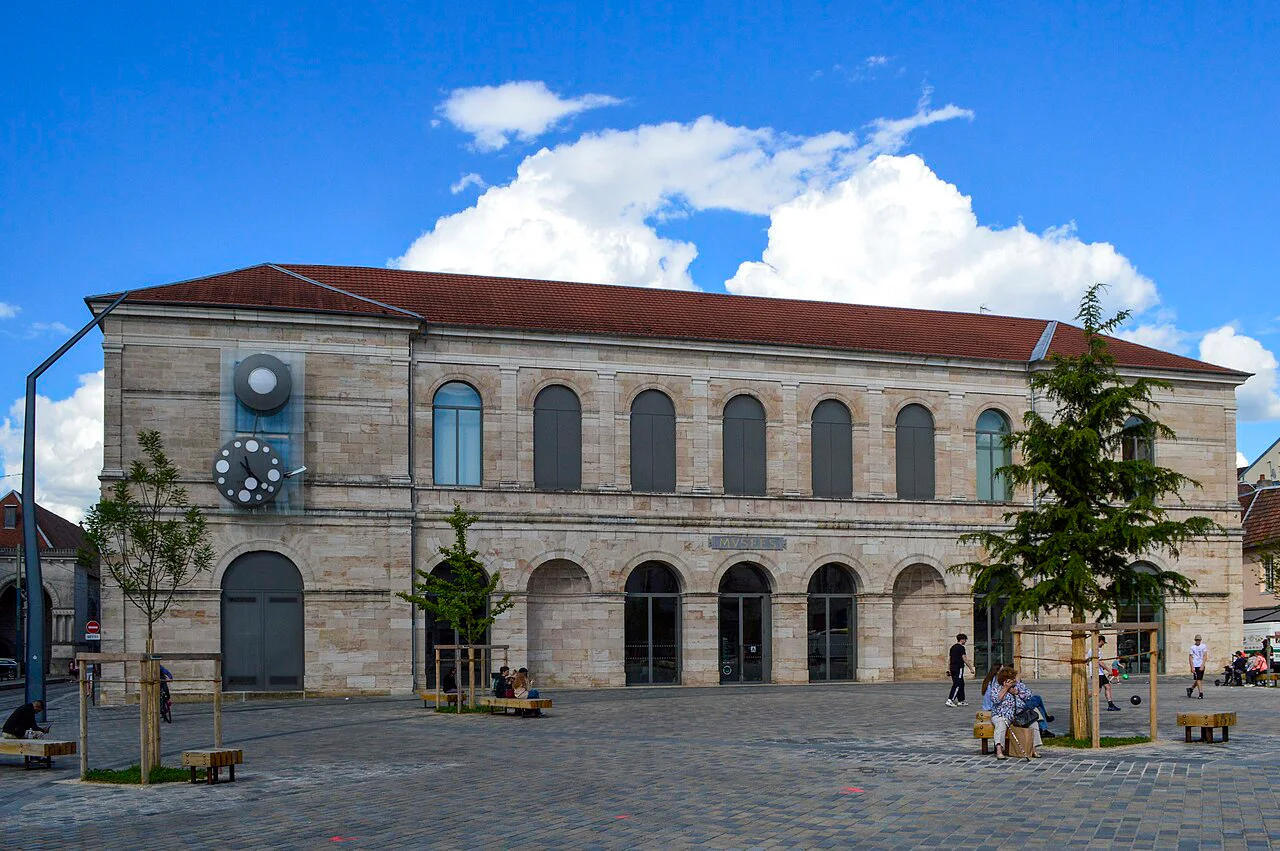
Besançon · 63 artworks
Musée des Beaux-Arts et d'Archéologie de Besançon
Content & sources
Photo: Wikipedro · CC BY-SA 4.0
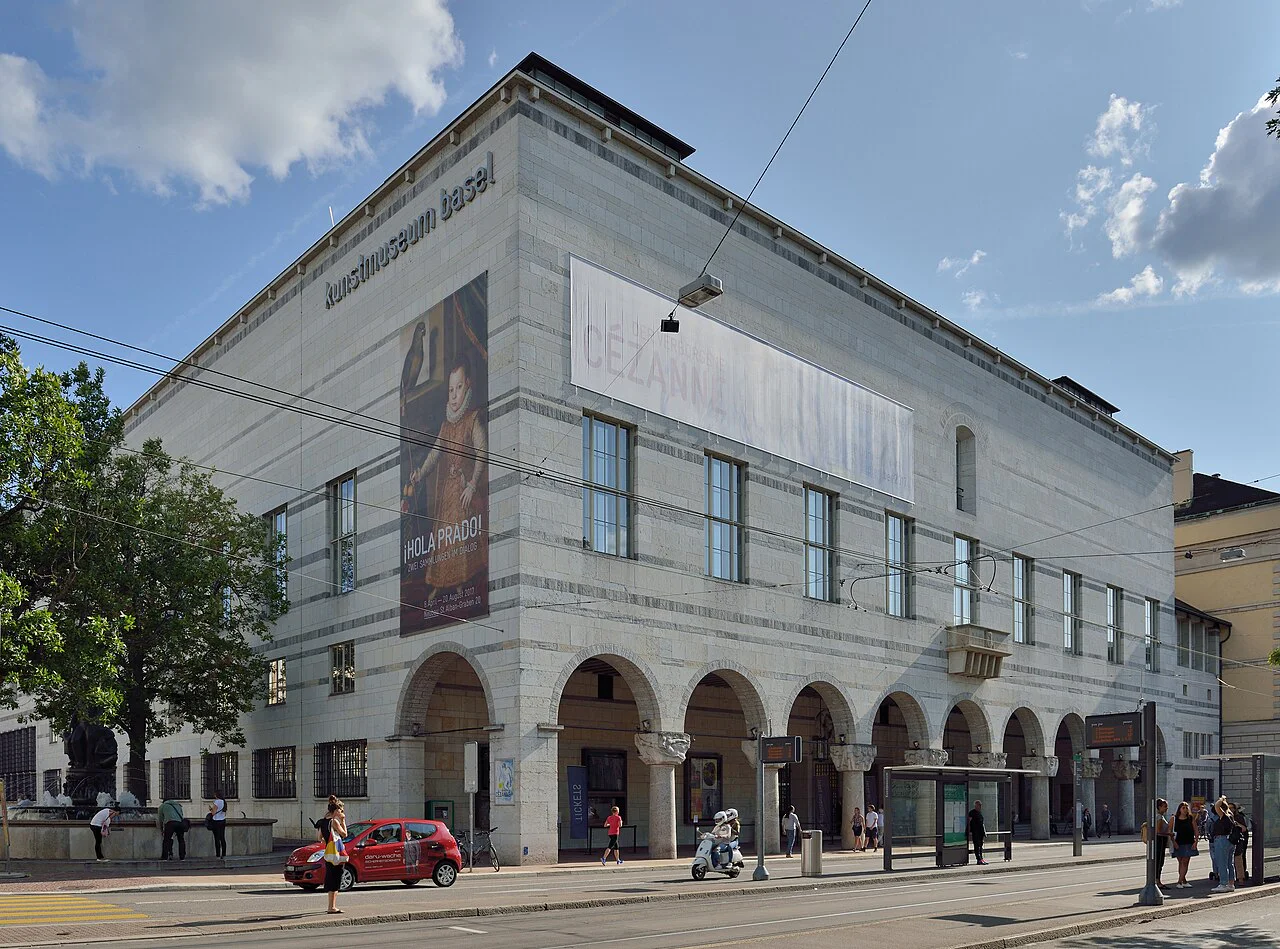
Basel · 61 artworks
Kunstmuseum Basel
Content & sources
Wladyslaw Sojka · FAL
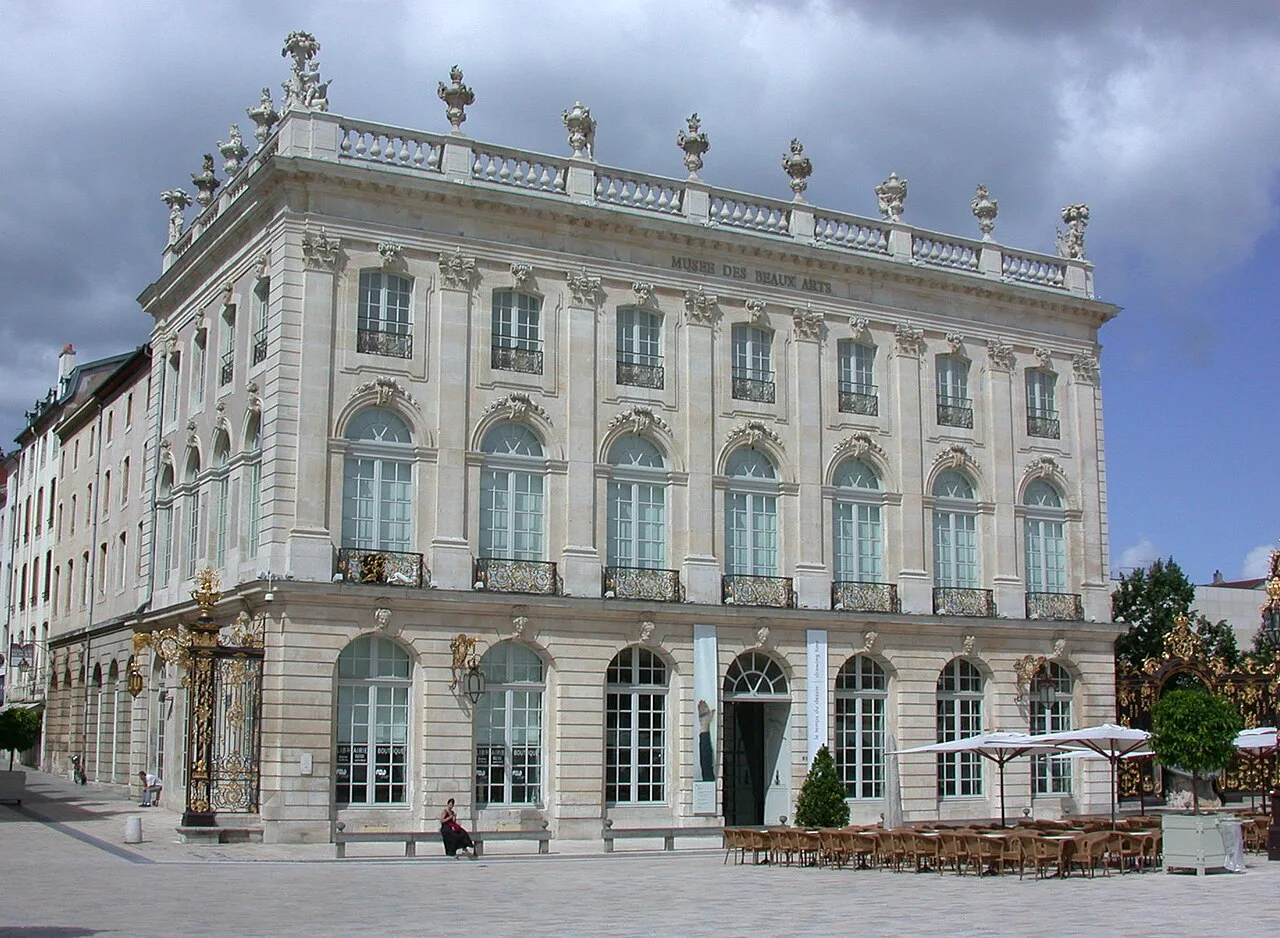
Nancy · 46 artworks
Musée des Beaux-Arts de Nancy
Content & sources
photo uploaded by User:RicciSpeziari. Photographer: Riccardo Speziari · CC BY-SA 3.0
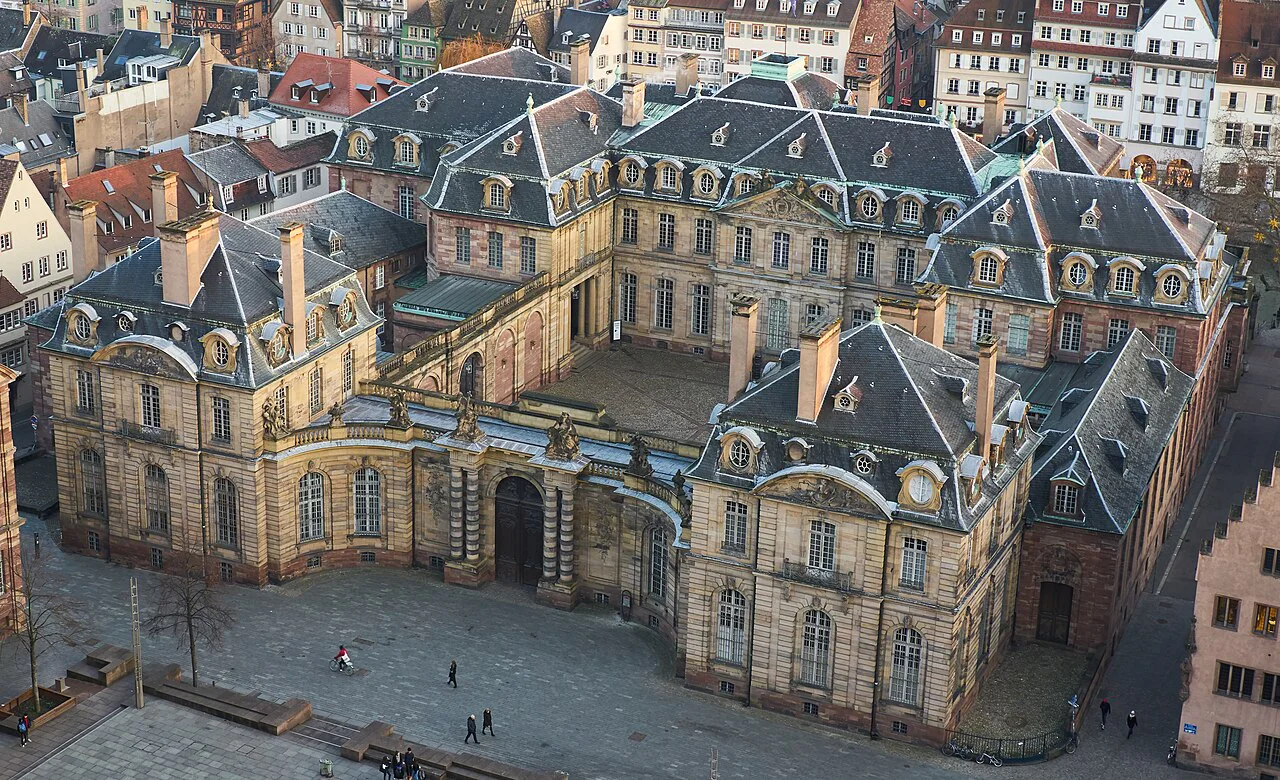
Strasbourg · 92 artworks
Musée des Beaux-Arts de Strasbourg
Content & sources
Radek Kucharski · CC BY 2.0
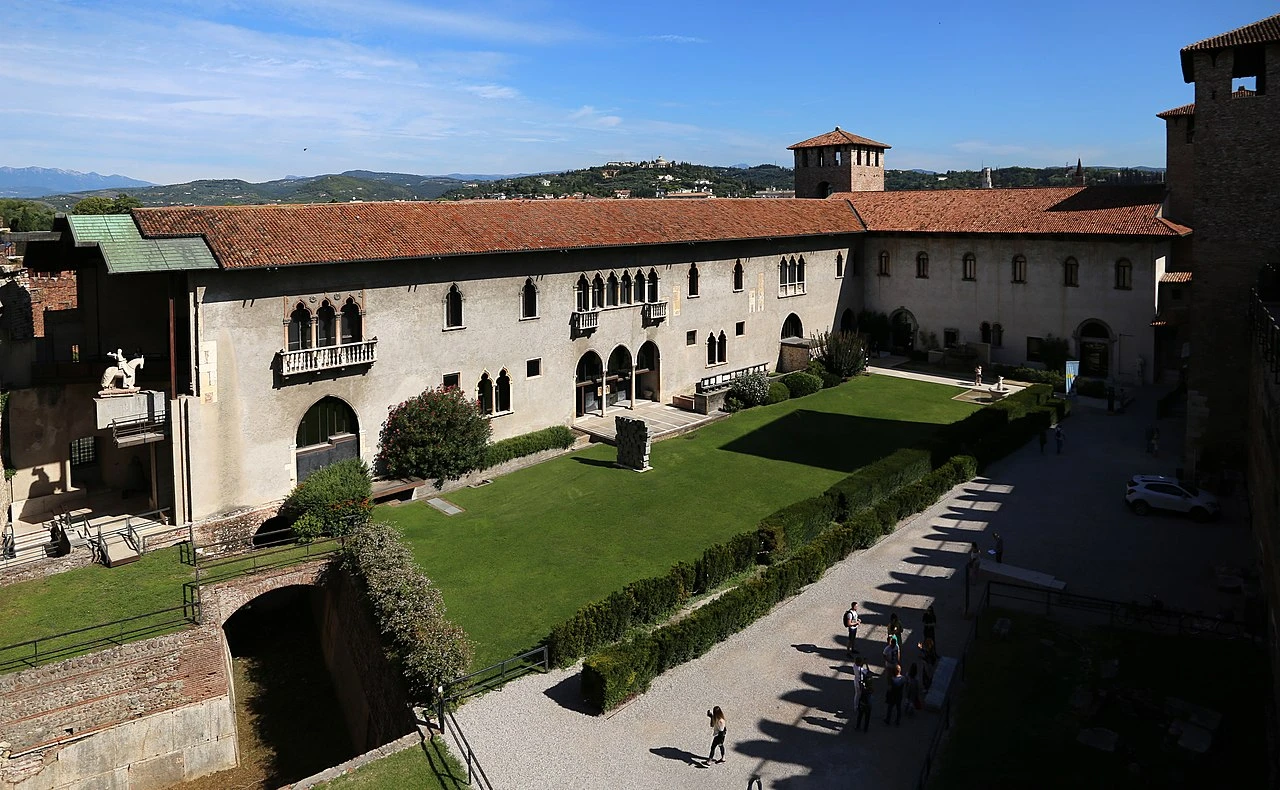
Verona · 65 artworks
Castelvecchio Museum
Content & sources
Photo: Sailko · CC BY-SA 4.0