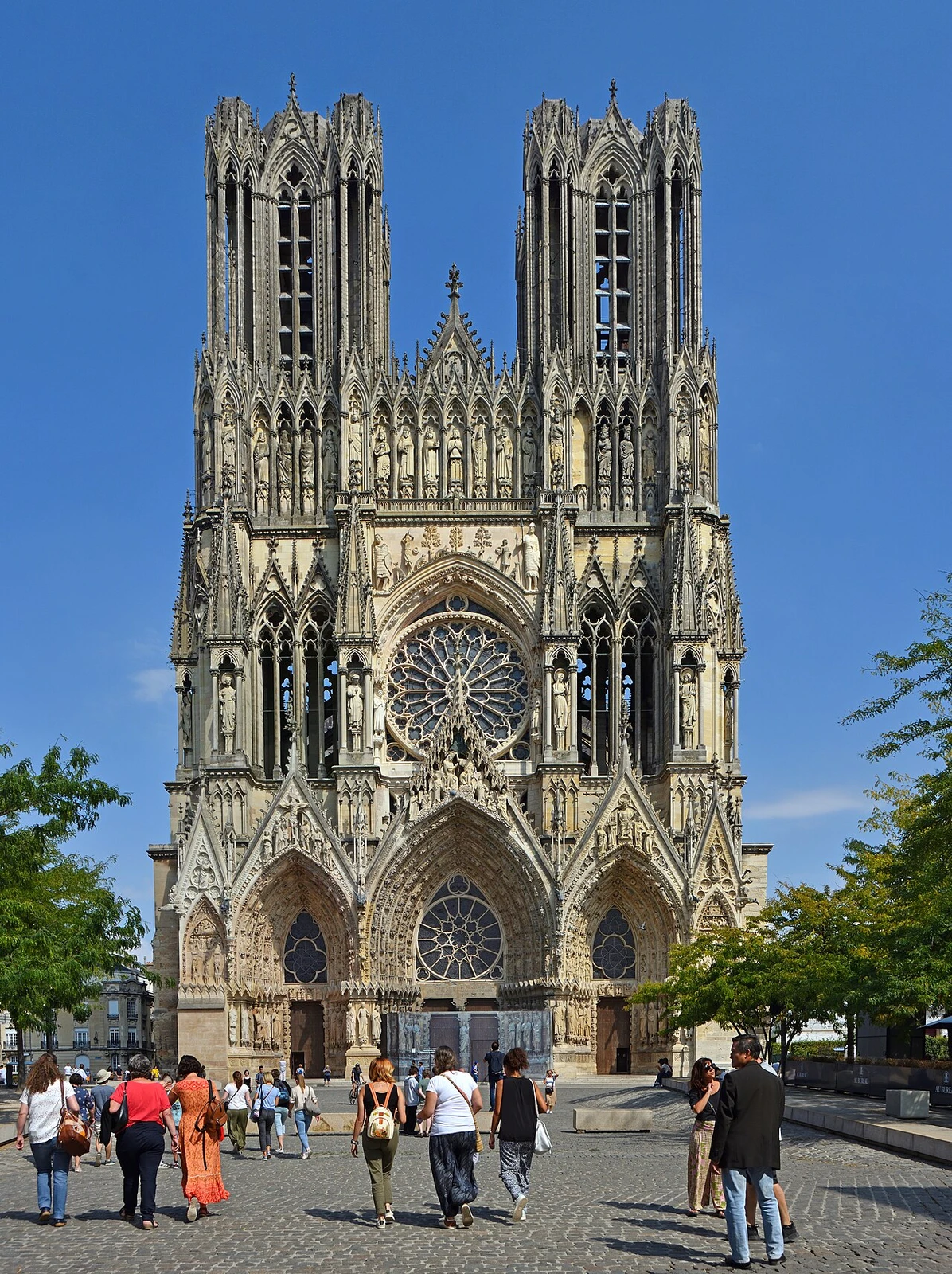
Stanza · Audio guide
Cathédrale Notre-Dame de ReimsAudio guide
A place to remember. A story to take with you.
Reims Cathedral is a renowned Gothic cathedral where the kings of France were historically crowned. It is a UNESCO World Heritage site celebrated for its exceptional architecture and expansive stained glass…
Download Stanza, then search for “Cathédrale Notre-Dame de Reims”.
About the tour
One guide. Your kind of visit.
Reims Cathedral is a renowned Gothic cathedral where the kings of France were historically crowned. It is a UNESCO World Heritage site celebrated for its exceptional architecture and expansive stained glass windows.
Ready when you are.
- 01Get the free Stanza app.
iOS & Android
- 02Find your guide.
“Cathédrale Notre-Dame de Reims”
- 03Download before you go.
Works offline
Audio guide / 15 narrated stops
Inside the guide
Get to know a few of the stories before you go. Open a stop to read more.
01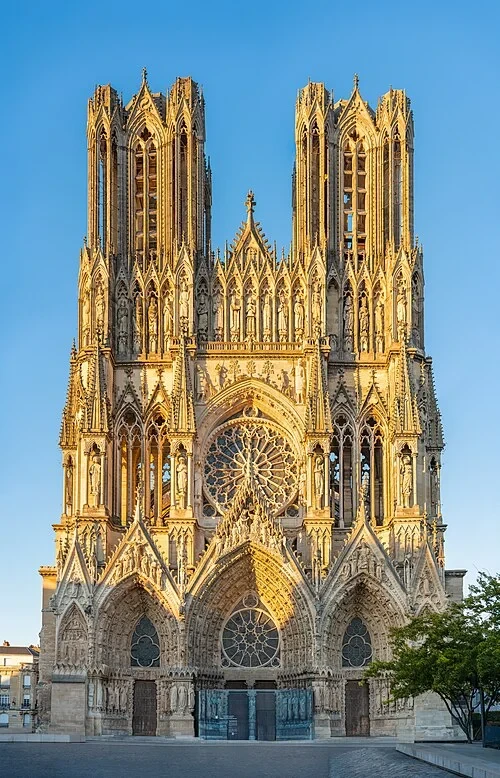 West Facade and the Gallery of KingsThe West Facade
Welcome to one of the most significant architectural achievements of the High Gothic style. Before you rises the grand west facade, dominated by twin towers that climb to a height of eighty-one point five meters. The exterior of this vast structure measures one hundred forty-nine point seventeen meters in length, covering a total surface area of six thousand six hundred fifty square meters. Construction of the current building began in 1211, initiated after a devastating fire consumed the previous Romanesque cathedral. By 1275, the main body of the church was complete. Four master architects led the design over successive decades: Jean d'Orbais, Jean-le-Loup, Gaucher of Reims, and Bernard de Soissons. Together, they created a harmonious space often called the "Cathedral of Kings." Over more than eight centuries, this site hosted the coronations of thirty-one French monarchs, establishing a powerful link between the French crown and the spiritual authority of the church.
Photo: Gennadii Saus i Segura · CC BY-SA 4.0
02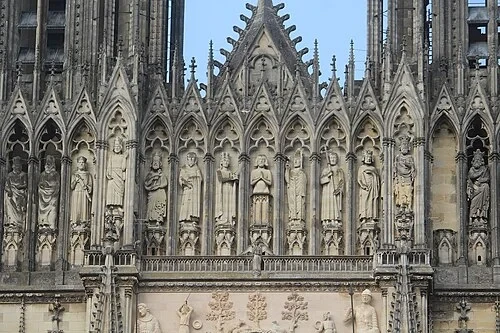 West Facade and the Gallery of KingsThe Gallery of Kings
Gaze upward to the upper tier of the facade, where a line of colossal statues stands framed by intricate gothic arches. Positioned at the very center of this row, you can see the depicted baptism of Clovis I, the first King of the Franks. Royal descendants flank Clovis, stretching across the high horizontal gallery in a display of dynastic continuity. Created to serve as a giant public billboard, the gallery visually asserted the divine right of the French monarchs to the medieval crowds below. It visually bound the authority of the crown to the blessing of the church, reminding everyone who entered that the kings of France ruled with heavenly approval. The sheer scale of these figures ensures they remain visible even from the far edges of the square below.
Photo: Dguendel · CC BY 4.0
03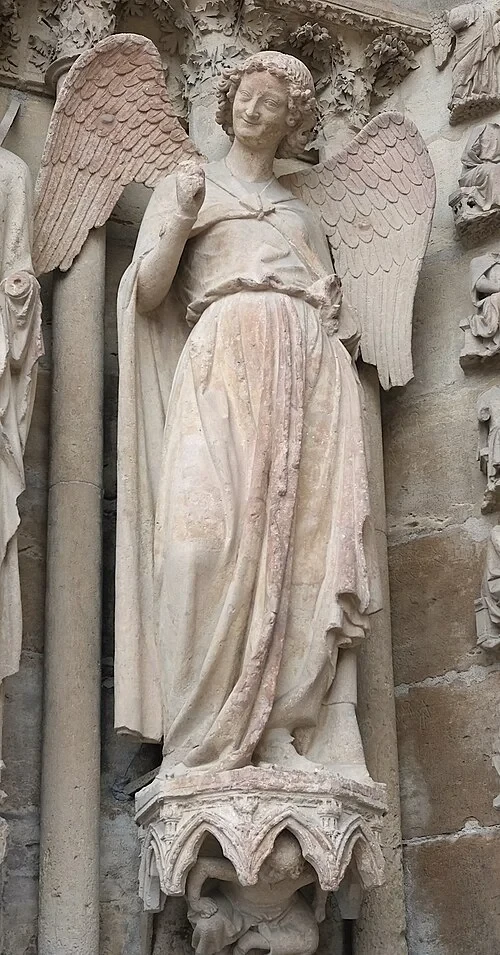 Portals of the West FacadeThe Smiling Angel
Sculpted between 1236 and 1245, the figure of the angel Gabriel on the north portal of the west facade presents a distinctive, gentle smile. This facial expression marked a significant departure from the rigid, solemn features typical of earlier Romanesque stone carvings, introducing a new level of naturalism to medieval art. In September 1914, German artillery shells struck the cathedral during the First World War, decapitating the angel. A local priest carefully gathered the fallen stone fragments, storing them in the cathedral cellars until they could be meticulously reassembled. Following a careful restoration, the sculpture became widely recognized as a sign of French cultural survival in the face of wartime destruction. You can still admire the soft curving of the lips and the detailed wings that frame the figure's head.
Listen in the appPhoto: Mbzt · CC BY-SA 4.0
04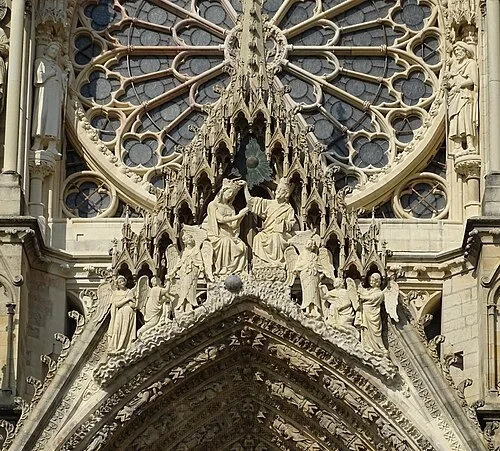 Portals of the West FacadeCoronation of the Virgin
Look up at the triangular gable positioned directly above the central portal of the west facade. Here, a high-relief stone carving depicts Christ crowning his mother, the Virgin Mary, who bows her head in acceptance. Reims Cathedral was formally dedicated to Mary, making this prominent central scene highly significant to the building's identity. By placing this celestial coronation at the primary entrance, the builders established a visual parallel to the earthly coronations of French kings occurring directly inside the doors. The scene reinforced the legitimacy of the crown by linking royal ceremonies to the heavenly reign of the queen of heaven. Fine drapery and expressive poses distinguish these figures, which catch the changing daylight throughout the afternoon.
Listen in the appAd Meskens You are free to use this picture for any purpose as long as you credit its author, Ad Meskens. Example: © Ad Meskens / Wikimedia Commons If you use this work outside of the Wikimedia projects, a message or a copy is very much appreciated. This image is not in the public domain. A statement such as "From Wikimedia Commons" or similar is not by itself sufficient. If you do not provide clear attribution to the author you do not comply with the terms of the file's license and you may not use this file. If you are unable or unwilling to provide attribution you should contact Ad Meskens to negotiate a different license. · CC BY-SA 4.0
05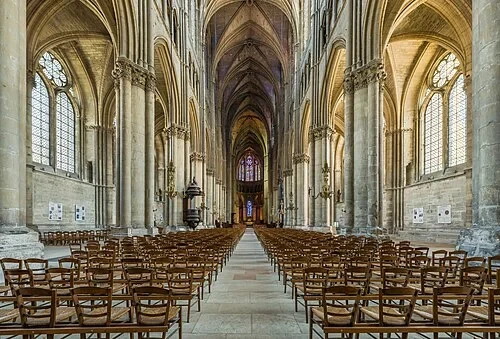 The Grand Nave and Architect's LegacyThe Grand Nave
Inside the cathedral, a dramatic sense of verticality defines the one hundred fifteen-meter-long nave. Gothic builders utilized soaring clustered columns and pointed ribbed vaults to guide the eye upward, creating an expansive, airy interior. This layout was deliberately engineered with vast open spaces and exceptionally wide side aisles to manage the immense crowds of nobles, foreign dignitaries, guards, and clergy who packed the cathedral during royal coronation ceremonies. The absence of a large choir screen further improved sightlines, ensuring that those gathered in the nave could witness the sacred rituals taking place at the far eastern end of the building. Light filtering through high clerestory windows illuminates the stone pillars, highlighting the scale of this medieval hall.
Listen in the appPhoto: Diliff · CC BY-SA 3.0
06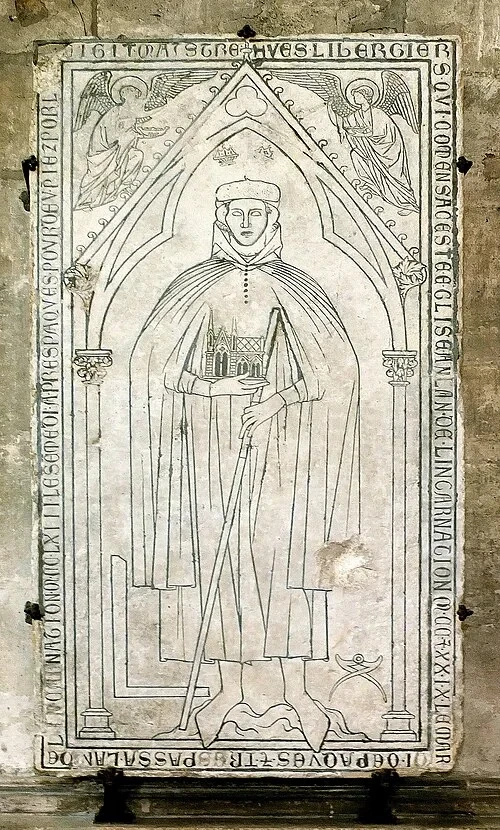 The Grand Nave and Architect's LegacyTomb of Hugues Libergier
Carved into this gravestone slab is the figure of Hugues Libergier, a thirteenth-century master mason who designed the nearby church of Saint-Nicaise. Unlike the vast majority of medieval builders who worked in anonymity, Libergier achieved a level of social status that earned him this prominent monument. He is depicted holding a highly detailed model of his church, accompanied by the primary tools of his trade: a measuring rod, a square, and a compass. An elegant gothic architectural frame surrounds his figure, mirroring the pointed arches and trefoils characteristic of the cathedral's own design. The inscription running along the border records his death in the year 1263, ensuring his contribution to gothic engineering was preserved for future generations.
Listen in the appPhoto: Palauenc05 · CC BY-SA 4.0
07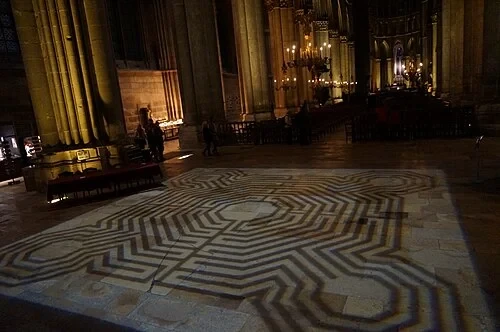 The Grand Nave and Architect's LegacyThe Floor Labyrinth
In the year 1779, the cathedral canons ordered the destruction of the original floor labyrinth because they were repeatedly annoyed by children playing on the patterns during church services. Today, the historic design is occasionally celebrated and remembered through light projections on the stone floor. The original layout formed a large square with cut corners, featuring octagonal sections that honored the master builders of the cathedral. Beyond its decorative purpose, the labyrinth served a practical spiritual function for medieval believers, who would slowly walk the winding path on their knees. This physical act functioned as a symbolic pilgrimage to Jerusalem for those who lacked the financial means or physical ability to undertake the actual, dangerous journey to the Holy Land.
Listen in the appG.Garitan · CC BY-SA 3.0
08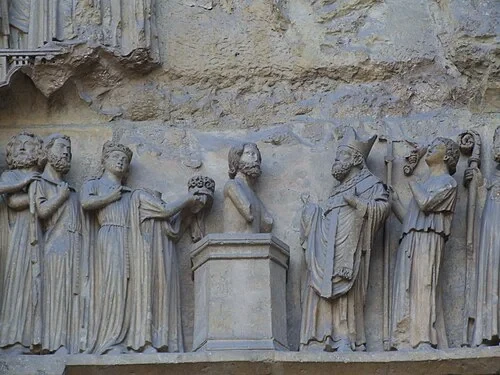 North Transept and the Astronomical ClockThe Baptism of Clovis
Positioned on the exterior wall is a stone relief depicting a bearded man submerged within a baptismal font, surrounded by attending religious figures. This carving represents the baptism of Clovis I, King of the Franks, by Saint Remigius on Christmas Day around the year 496 AD. This single historical event fundamentally shaped the destiny of Reims Cathedral. Because Clovis received his baptism here, the city of Reims became recognized as the spiritual birthplace of the French monarchy. This legacy legally bound future French kings to receive their crowns in this specific cathedral, ensuring that every coronation ceremony was anchored to the historic site where the nation's first king embraced the Christian faith.
Listen in the appMattana · Public domain
09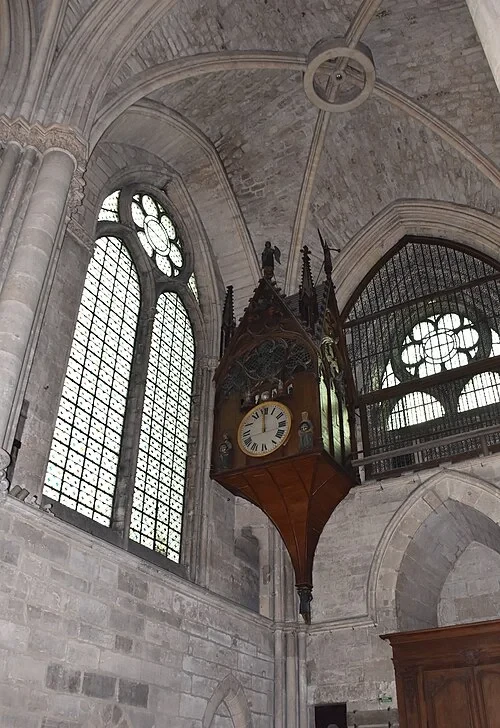 North Transept and the Astronomical ClockThe Astronomical Clock
Suspended on the wall of the north transept is a rare fifteenth-century astronomical clock enclosed within a tall, wooden gothic casing. Carved figures of saints and angels surround the circular dial, which features complex mechanical indicators. This intricate device was designed to do far more than simply tell the hours of the day. It tracked the phases of the moon, recorded religious holiday calendars, and mapped planetary alignments. For medieval churchgoers, the clock served as a visual representation of the divine order believed to govern the universe, merging scientific observation with theological belief. The wooden cabinet features pointed spires and delicate openwork panels that harmonize with the surrounding stone architecture of the transept.
Listen in the appPhoto: Renhour48 · CC0
10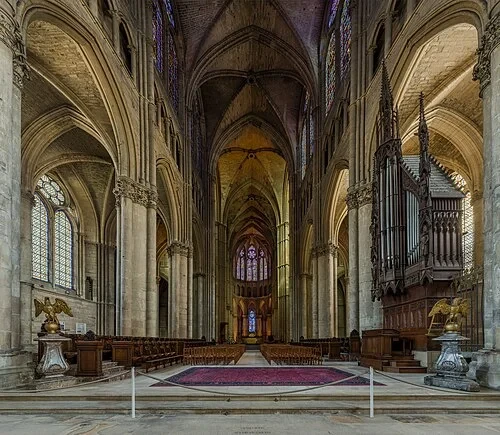 The Choir and Coronation AltarThe Choir and Sanctuary
At the eastern end of the cathedral lies the choir and sanctuary, the historic stage where French kings were crowned. During the elaborate coronation ritual, the monarch knelt before the high altar to be anointed with holy oil from the sacred ampulla, which tradition held was brought by a dove for the baptism of Clovis. Following the anointing, the king received the crown of Charlemagne. To support these elaborate ceremonies, the space features grand wooden stalls for the clergy and a historic organ. The acoustics of the high, vaulted ceiling were carefully optimized by medieval builders to ensure that liturgical chants and organ notes echoed clearly throughout the entire length of the building, enhancing the solemnity of the state events.
Listen in the appPhoto: Diliff · CC BY-SA 3.0
Cathédrale Notre-Dame de Reims
Frequently asked questions
How much does the guide cost?
Free app download. Listed guide price: $3.99. Guide price shown in the app. Audio guide only. Venue admission is separate.
Can I listen without internet?
Yes. Download the guide’s audio, images, and maps in the app before your visit. Your downloaded content is then available offline.
Can I listen in my language?
Stanza supports 15 languages. Check the app for the languages available for this guide.
Do I need to follow a schedule?
No. This is a self-guided experience. Choose your stops, pause whenever you like, and return to a story at your own pace.
At your own pace
Explore Cathédrale Notre-Dame de Reims.
Download Stanza, then search for “Cathédrale Notre-Dame de Reims”.
Free app download · Guide price shown in the app
Keep exploring
Nearby audio guides
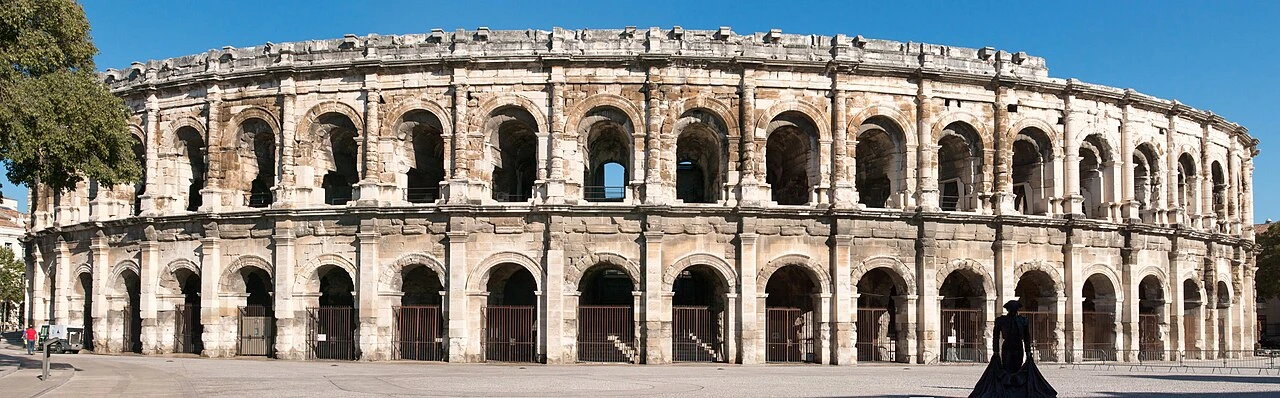
Nîmes
Amphitheater of Nîmes
Content & sources
Daniel VILLAFRUELA. · CC BY-SA 3.0
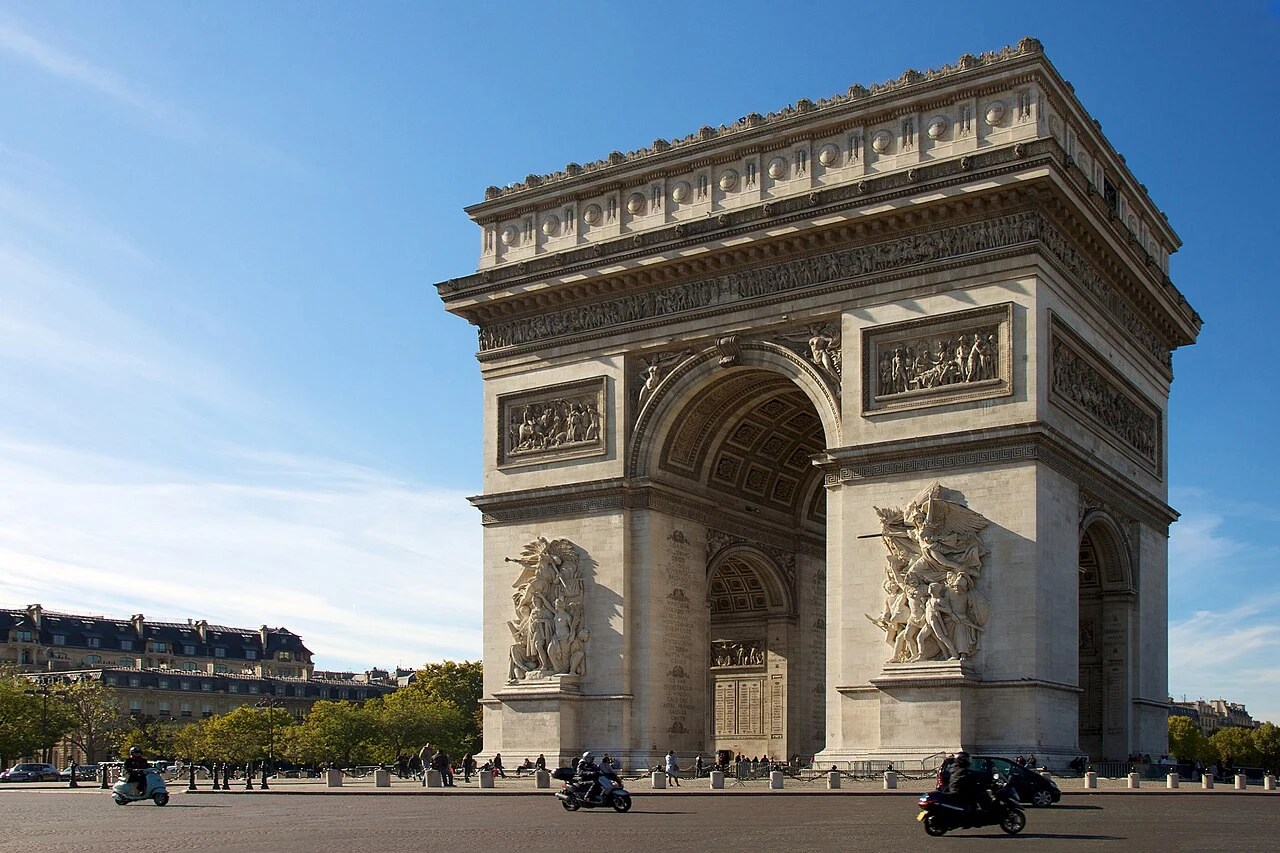
Paris
Arc de Triomphe de l'Étoile
Content & sources
Jiuguang Wang · CC BY-SA 2.0
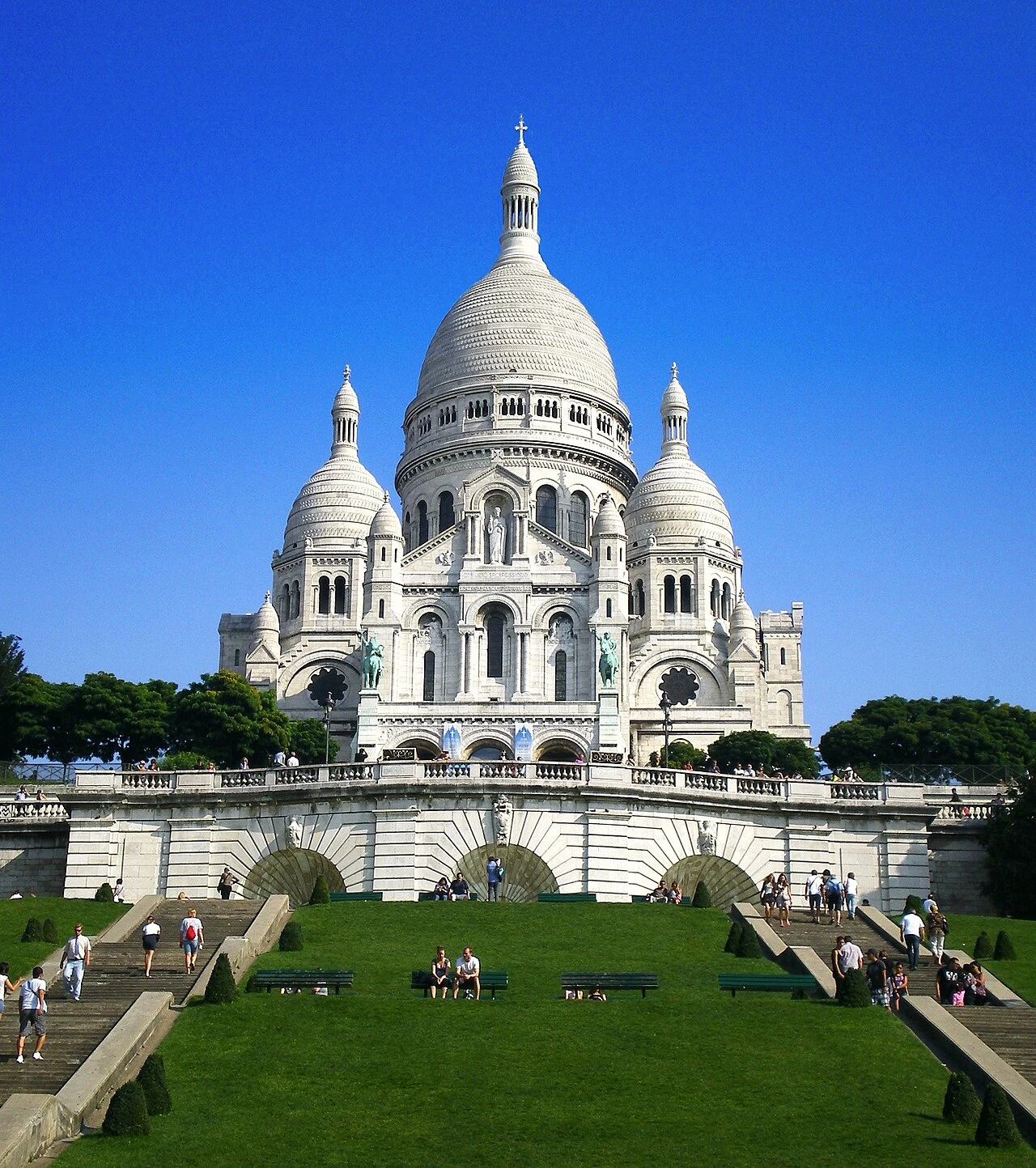
Paris
Basilique du Sacré-Cœur de Montmartre
Content & sources
Tonchino · CC BY-SA 3.0
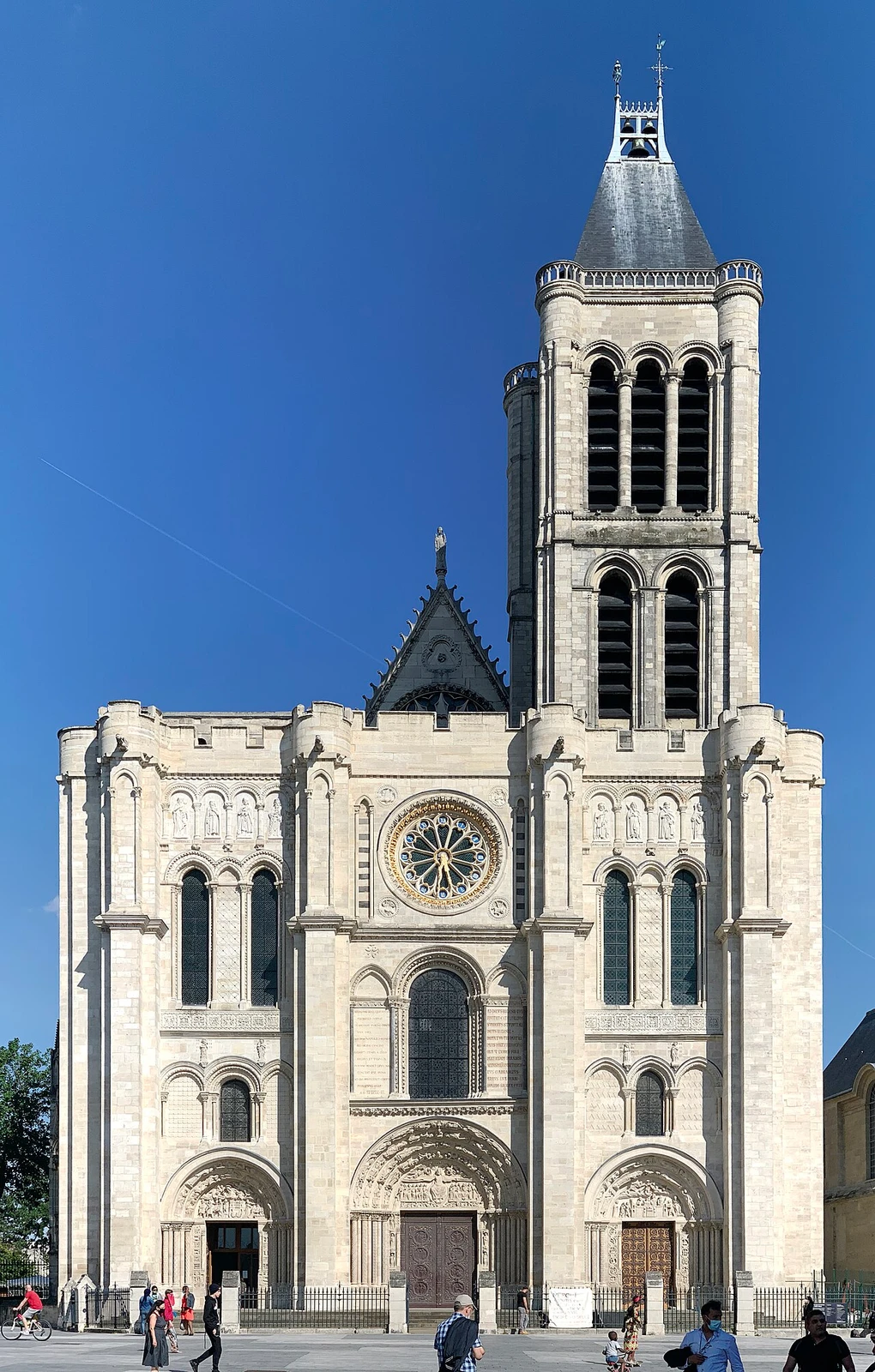
Saint-Denis
Basilique royale de Saint-Denis
Content & sources
Photo: Chabe01 · CC BY-SA 4.0