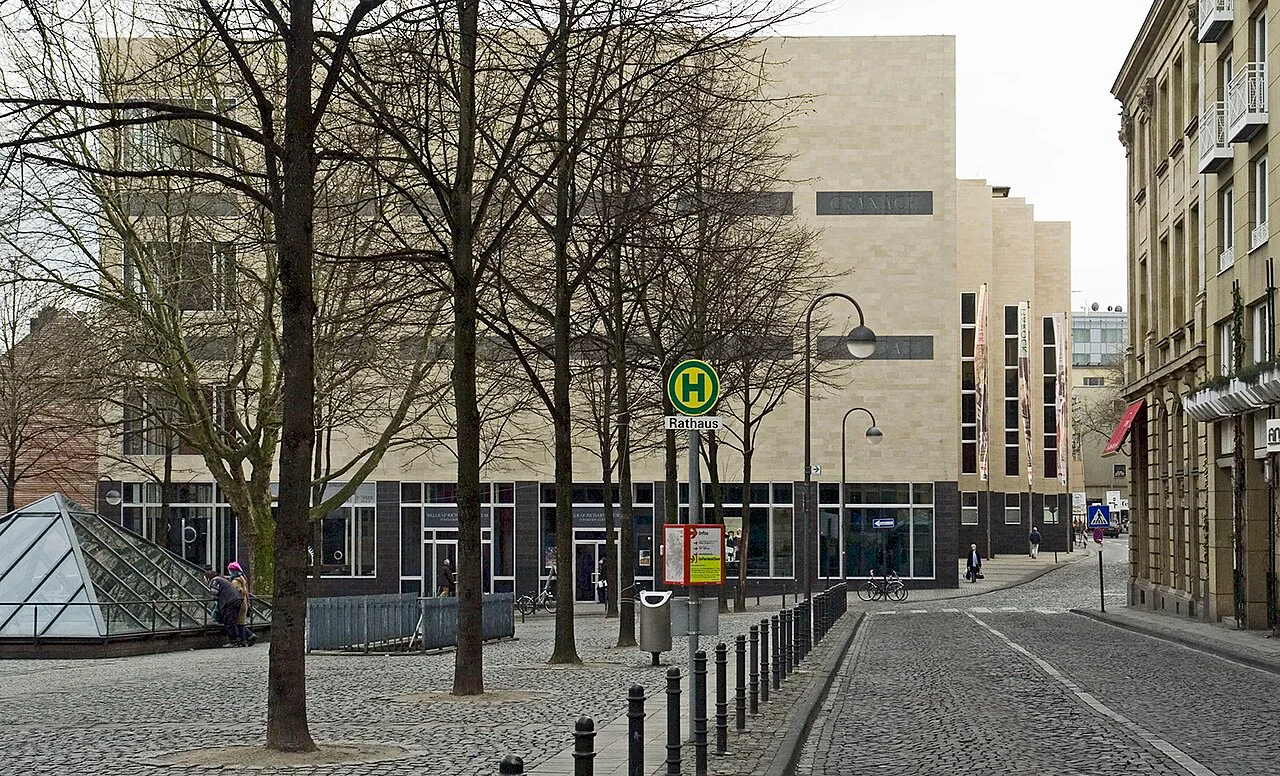
 Stanza / Audio guide
Content & sources
Stanza · Audio guide
Wallraf-Richartz-Museum & Fondation Corboud Audio Guide
A place to remember. A story to take with you.
The Wallraf–Richartz Museum is an art museum in Cologne, Germany. It houses a collection of fine art ranging from the medieval period to the early twentieth century.
Download Stanza, then search for “Wallraf-Richartz-Museum & Fondation Corboud”.
About the tour
One guide. Your kind of visit.
The Wallraf–Richartz Museum is an art museum in Cologne, Germany. It houses a collection of fine art ranging from the medieval period to the early twentieth century.
The Wallraf-Richartz-Museum & Fondation Corboud guide tells the stories of 87 artworks, including Marriage of Sisley (Pierre-Auguste Renoir), The Age of Bronze (Auguste Rodin), Self-portrait as Zeuxis Laughing (Rembrandt), A Bundle of Asparagus (Édouard Manet), Magdalene with the Smoking Flame (Georges de La Tour), Self-Portrait in a Circle of Friends in Mantua (Peter Paul Rubens), The Three Crosses (Rembrandt), and Jabach Altarpiece (Albrecht Durer). Every artwork is free to hear in the Stanza app until 1 January.
Ready when you are.
- 01Get the free Stanza app.
iOS & Android
- 02Find your guide.
“Wallraf-Richartz-Museum & Fondation Corboud”
- 03Download before you go.
Works offline
Audio guide / 87 artworks
Inside the guide
Get to know a few of the stories before you go. Open a stop to read more.
01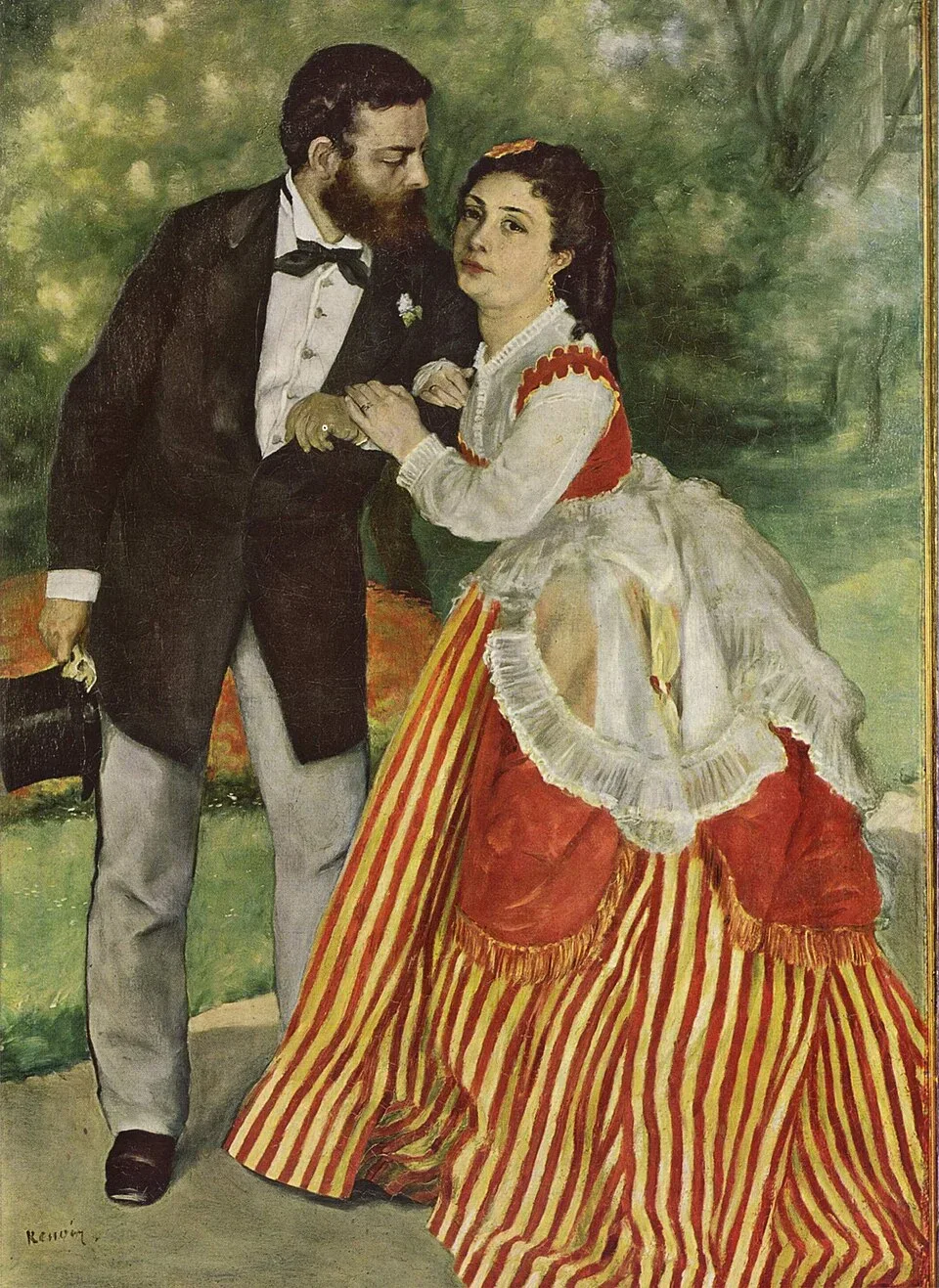
Marriage of Sisley
A man has just offered a woman his arm, and she has taken it. In a moment they will walk off together, and you would take them for a couple about to be married. That is what the title promises. But the woman is probably not the man's partner at all. In a letter written in September 1869, Renoir names her as Lise Tréhot, his own model and lover. The man is Alfred Sisley, a friend Renoir had known since their teacher's studio. Sisley was involved with another woman, Eugénie Lescouézec. So Renoir put his own lover at his friend's side and gave them the air of an engagement. The garden behind them is painted in a loose, sunlit way, while the two figures are finished with care. That difference points to a scene Renoir arranged in his studio, not a moment caught as it happened. He needed money. In that same letter he says he has shown Lise and Sisley at a dealer's, and hopes to get about a hundred francs for the pair.
Listen in the appPierre-Auguste Renoir · Public domain
02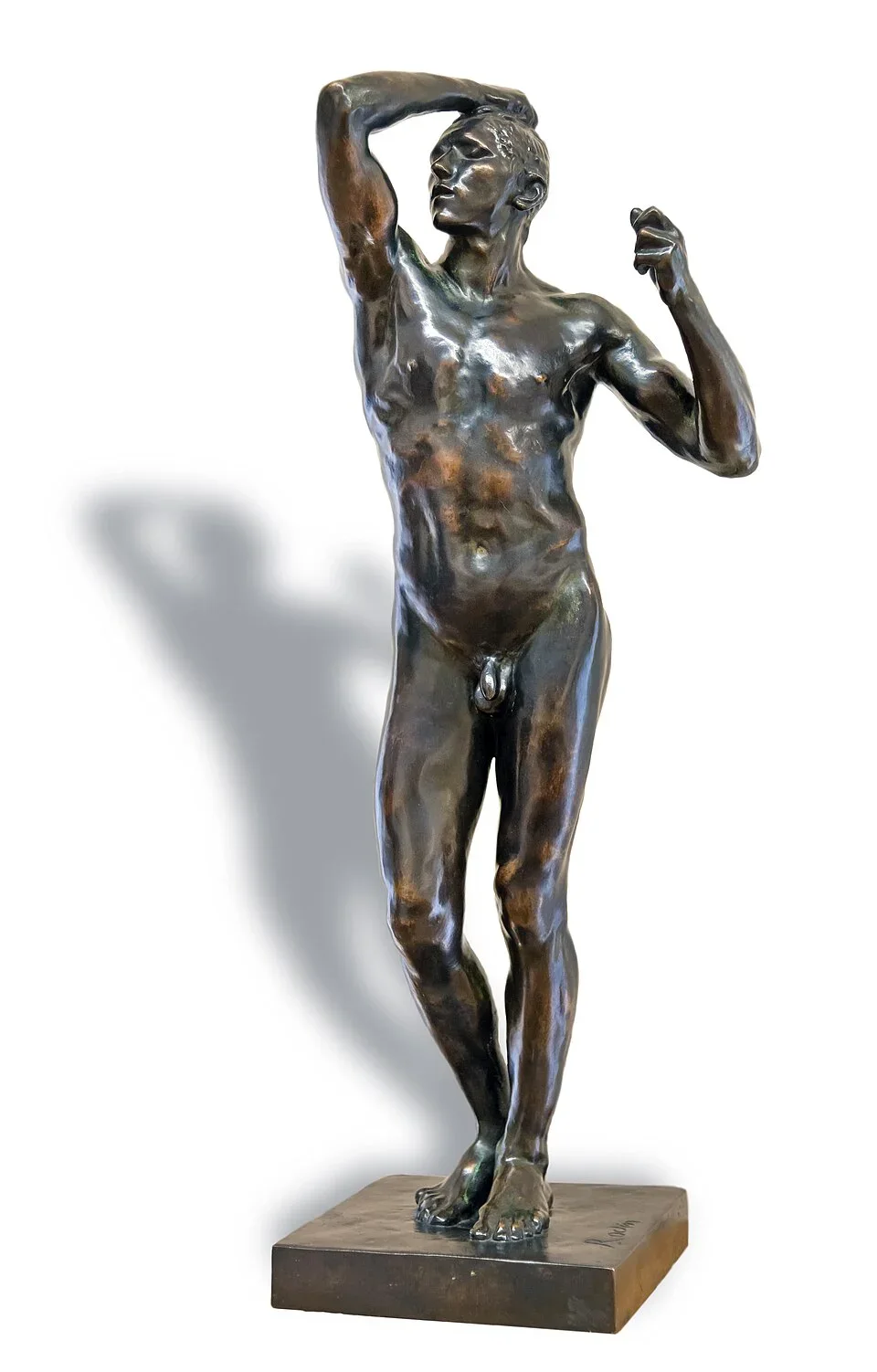
The Age of Bronze
Who is this man, and what has happened to him? His weight shifts to the right, his lips relax, and his head rests on his shoulders. Together they suggest a man in suffering, but they never name him. One elbow rises above his head, as in Michelangelo's Dying Slave. Rodin had studied Michelangelo in Italy in 1876. He first gave the figure a spear, making him a warrior on the verge of defeat. He removed it before showing the work, so that no object would say who he was. His body and face had to carry the meaning. When it was first shown in Brussels in January 1877, it was called The Conquered Man, and critics were puzzled. One critic said it was missing just one thing, a subject. At the Paris Salon, under its present title, puzzlement became an accusation. The body looked so real that people said it had been cast from a living man. And a living man had posed for it. He was Auguste Neyt, a twenty two year old Belgian soldier, chosen because professional models could not manage the natural poses Rodin wanted. The accusation only brought people in, curious to know whether it was true. His right hand lies against his head, where a wound might be. With the spear gone, that is all that remains of the warrior.
Listen in the appDidier Descouens · Public domain
03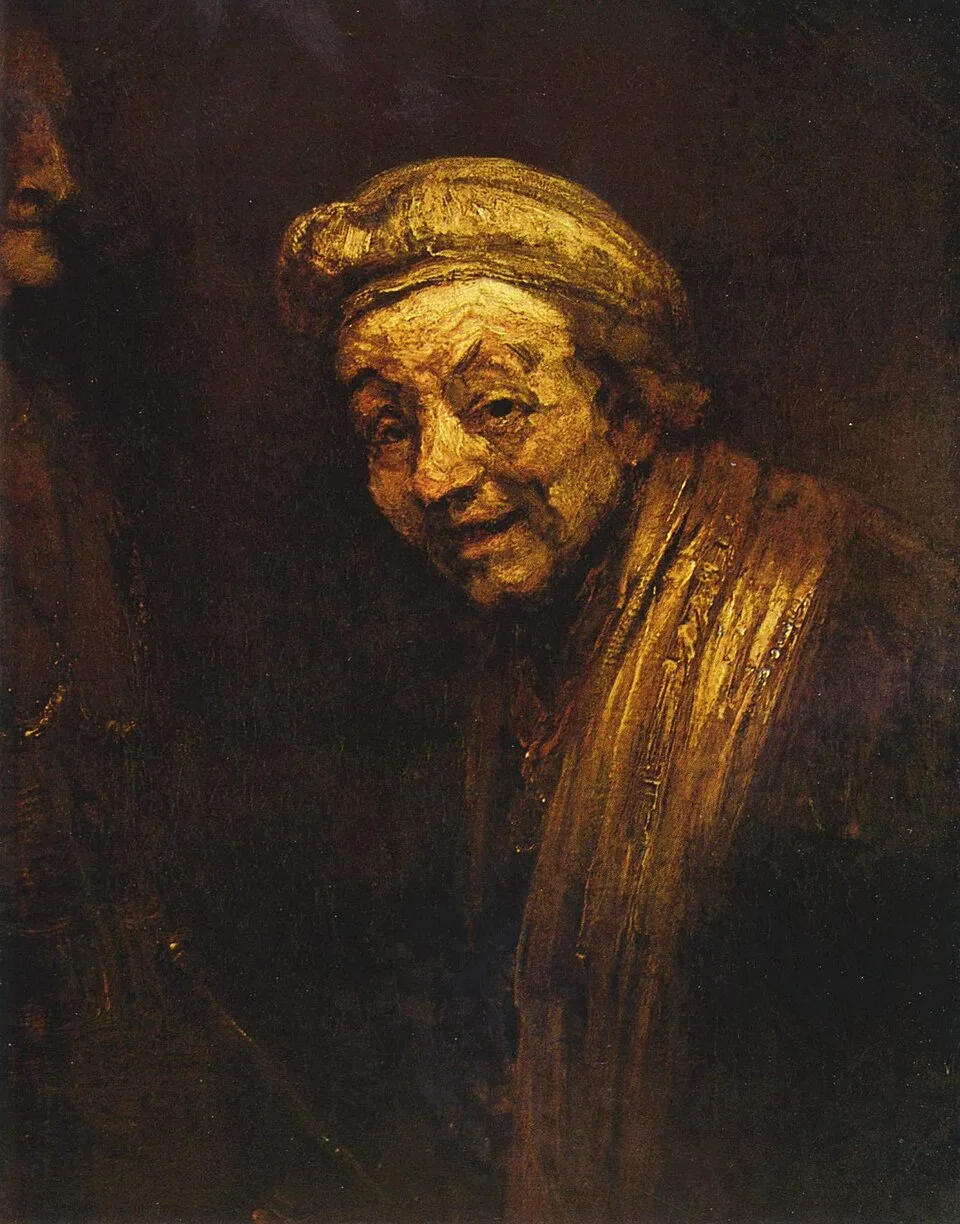
Self-portrait as Zeuxis Laughing
Rembrandt laid the highlights on this collar with a palette knife, a flat tool, in straight vertical strokes. He blurred part of one eyebrow with his finger. There is a dab of paint over the nostril, where the stroke ignores the shape. The paint sits thick on the face and white cap, rougher than most of his work. At first he showed himself smiling, not laughing. He seems to have decided to be Zeuxis only as he worked. The brows are raised unevenly, the folds around the eyes drawn tight, the mouth half open. He turns toward you, holding a maulstick, one of a painter's tools, with the background dark behind him. This is one of the last self-portraits, and he shows himself as Zeuxis, the Greek painter famous for the feeling in faces. That was a gift he was praised for too. A pupil of his said that showing what people feel was what he did best. At the left edge, almost lost in the dark, is an old woman. A big nose, a sharp chin, two dark ribbons at her neck and a gold chain. She is the woman in the story, posed as Venus. Zeuxis was painting her when the laughing fit came on, and it killed him.
Listen in the appRembrandt · Public domain
04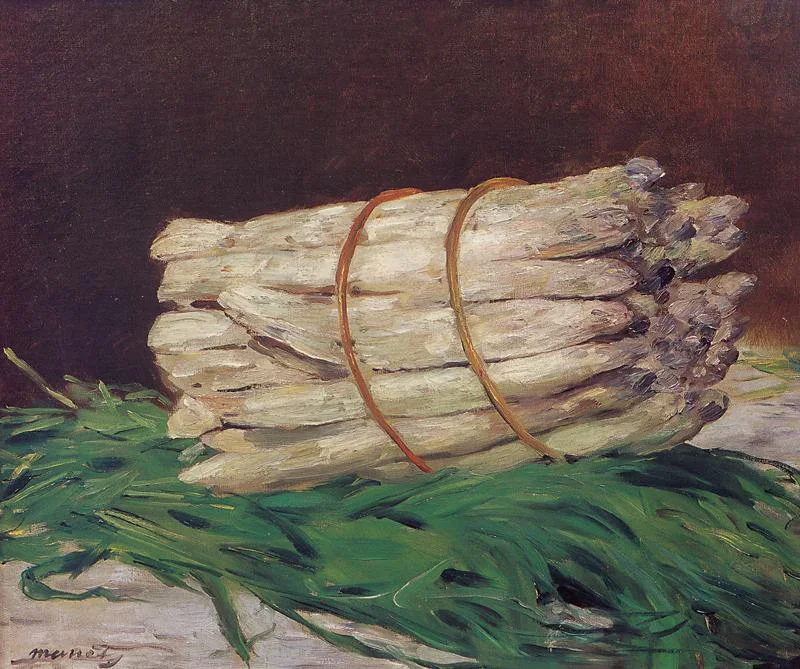
A Bundle of Asparagus
Charles Ephrussi wanted this bundle of asparagus for his collection. In 1880 he agreed to pay eight hundred francs for it. And there it lies, in the center, in bright light, seen from the side, with the violet tips pointing to the right edge. Two thin willow rods hold the stalks together, the kind used to carry vegetables. Underneath, a bed of green leaves runs from the left side to the lower right corner. The bundle is laid out the way a greengrocer would lay out his goods. When the painting reached Ephrussi, he sent one thousand francs instead of the eight hundred he had promised. So Manet painted a second, smaller picture of a single asparagus stalk and sent it to him. With it went a note saying one was missing from his bundle.
Listen in the appÉdouard Manet · Public domain
05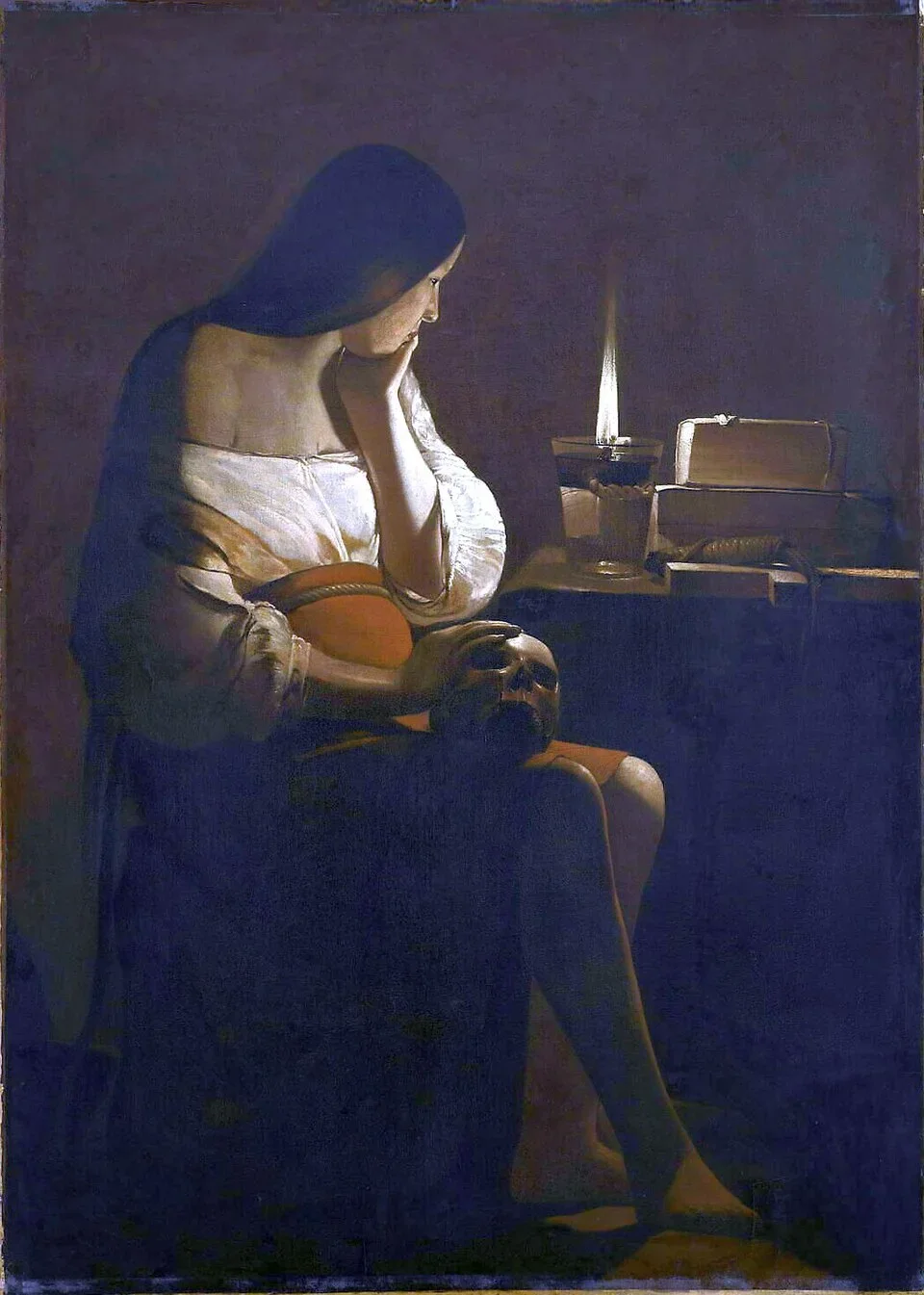
Magdalene with the Smoking Flame
During the Second World War this picture was taken from the man who owned it. Around 1914 it belonged to Camille Terff. He gave it up against his will. In 1941 it was handed over to the museum in Cologne, and in 1944 French customs seized it. It was acquired in 1949, and it still carries his name, the Madeleine Terff. Her head rests on one hand, a gesture of melancholy. The other hand lies on a skull in her lap, a reminder of death. Her face turns toward the small flame of an oil lamp. That flame is human life, trembling, ready to go out at the least breath. She is Mary Magdalene, a follower of Jesus, thinking about the vanity of human life and her past as a sinner. In the seventeenth century she was a figure of deep devotion, a symbol of penance and contemplation. Georges de La Tour painted five known versions of this subject. Here he lets nearly all the room fall dark. On the table beside her are two books and a crucifix. She seems to have just read from Scripture, and now she is thinking it over.
Listen in the appGeorges de La Tour · Public domain
06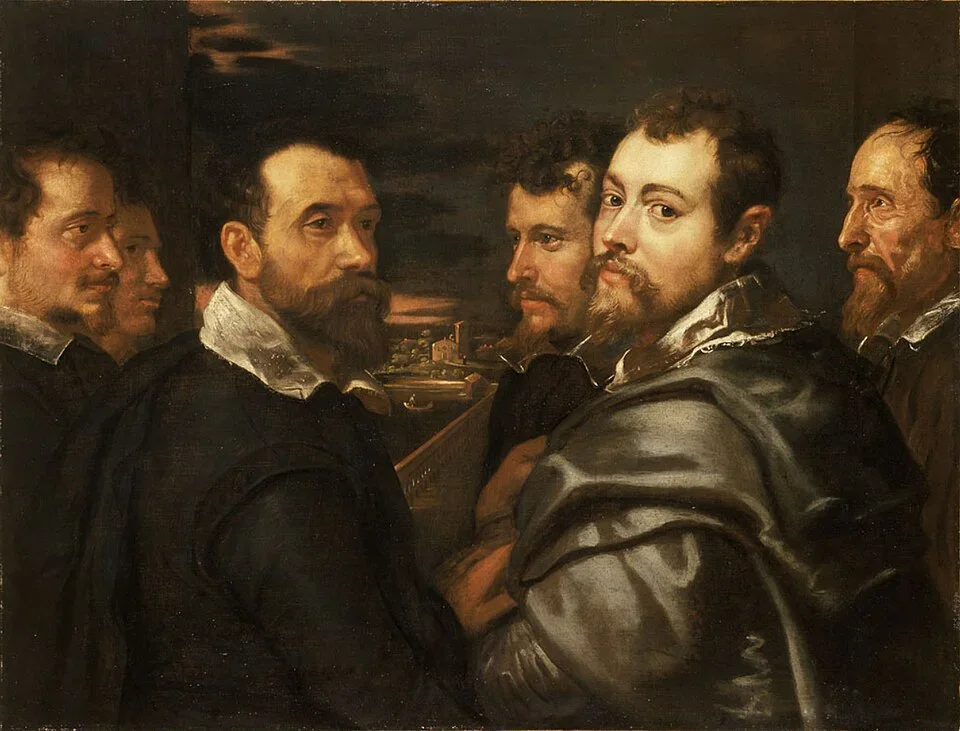
Self-Portrait in a Circle of Friends in Mantua
Six men fill the picture, most of them in profile. They are gathered in front of a stretch of water under a strange light, with a small boat out on the lake. One is set a little above the rest, turned half away from you but looking straight back. That is Rubens, in satin and lace, dressed more richly than anyone else here. This is no meeting that ever happened. He brought these men together as the circle of Stoic thinkers who mattered to him in Mantua. Just behind him is his brother Philip, who had studied with Justus Lipsius. At the right-hand edge is Lipsius himself, shown almost as a bust, looking over the others as their mentor. The man with a hand on Rubens' arm was long taken for a fellow painter. Then X-rays found a small round mark beneath his left eye, in the spot where other portraits of Galileo show a wart. He is probably Galileo, whom Rubens likely met in Mantua. They were lifelong friends. Both men wrote about optics. A reddish glow fills the sky around this man, perhaps an aurora, a phenomenon barely understood then. Rubens placed himself among these thinkers because he wanted to be taken for a learned painter, and felt their friendship raised him.
Listen in the appPeter Paul Rubens · Public domain
07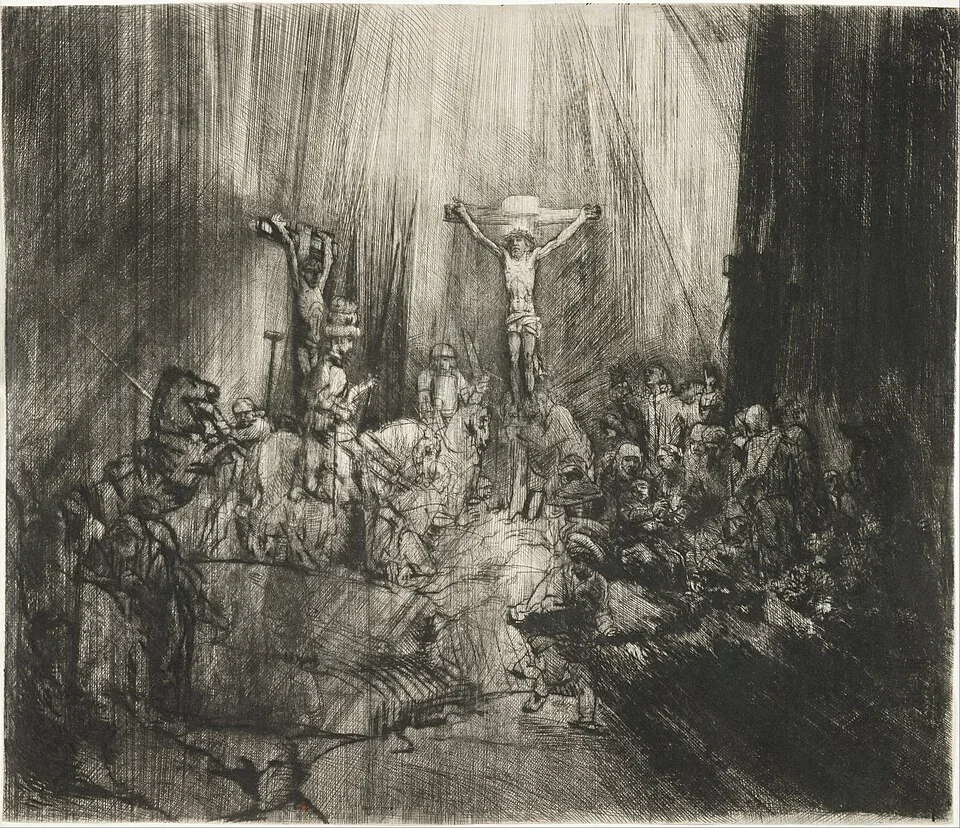
The Three Crosses
The whole scene began as lines drawn into a plate and printed. Then Rembrandt drew into that same plate again, and again. He began in 1653 and kept returning for about ten years, changing what was there each time. He was often short of money, and sold other prints so he could afford this one. Mary, the mother of Jesus, was first shown weeping, with the Evangelist supporting her and people gathered around. In the end she is almost just a head in darkness, and those people are gone. Some of the soldiers on horseback disappeared too, and a man in a large hat was added. The light changed most of all. At first a beam of God's light cut through the dark sky and came to rest on Christ. In the last version Rembrandt darkened that beam, most heavily on the right. Each change brought Christ more into focus. Whether he darkened the light to tell the good thief from the bad one is still not known.
Listen in the appRembrandt · Public domain
08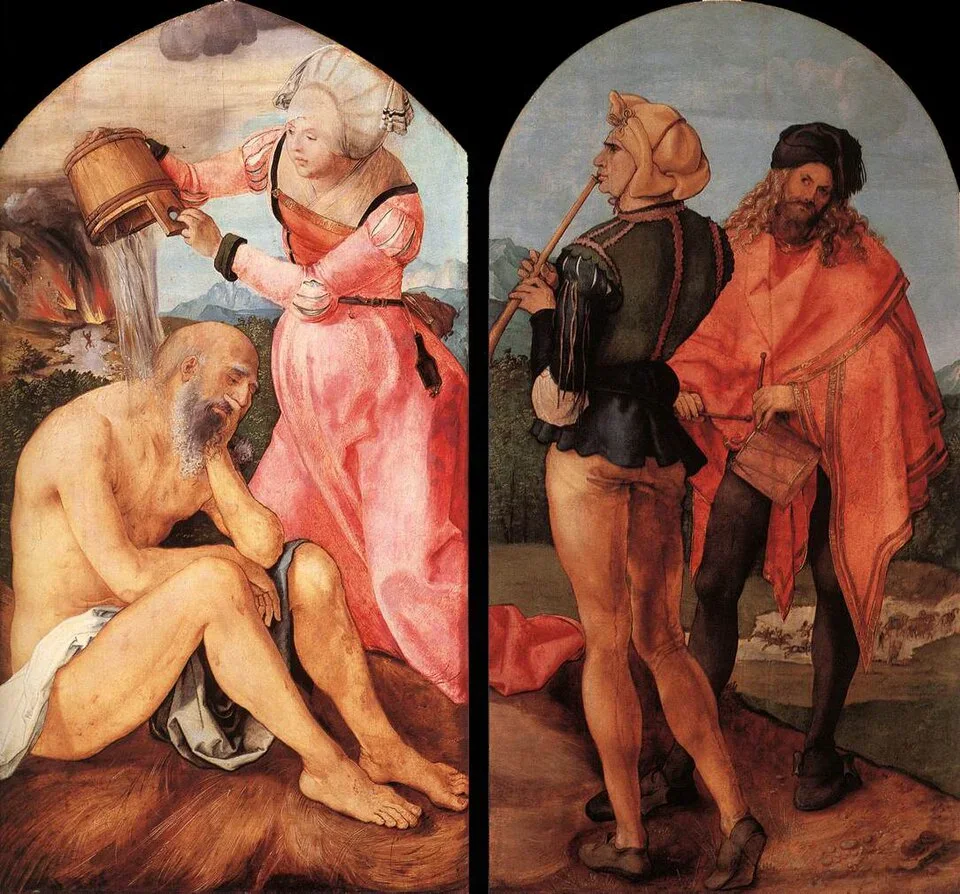
Jabach Altarpiece
No one knows why the piper and drummer are here. The outer panels once closed together as one picture. They share one background, and Job's wife's dress continues onto this panel from the other wing. That puts the musicians in Job's story. Albrecht Dürer probably gave the drummer his own face. Frederick, Elector of Saxony, probably had the panels made for his castle chapel at Wittenberg, to mark the end of the plague in 1503. Job, covered in boils, suited a picture made for that reason. Later the wings were sawn apart and the panels went to three German museums. The central panel is lost, and what it showed is unknown. But behind the drummer, far off, Job's stolen flock is being led away. Even here, among the musicians, one of Job's losses is still happening.
Listen in the appAlbrecht Dürer · Public domain
09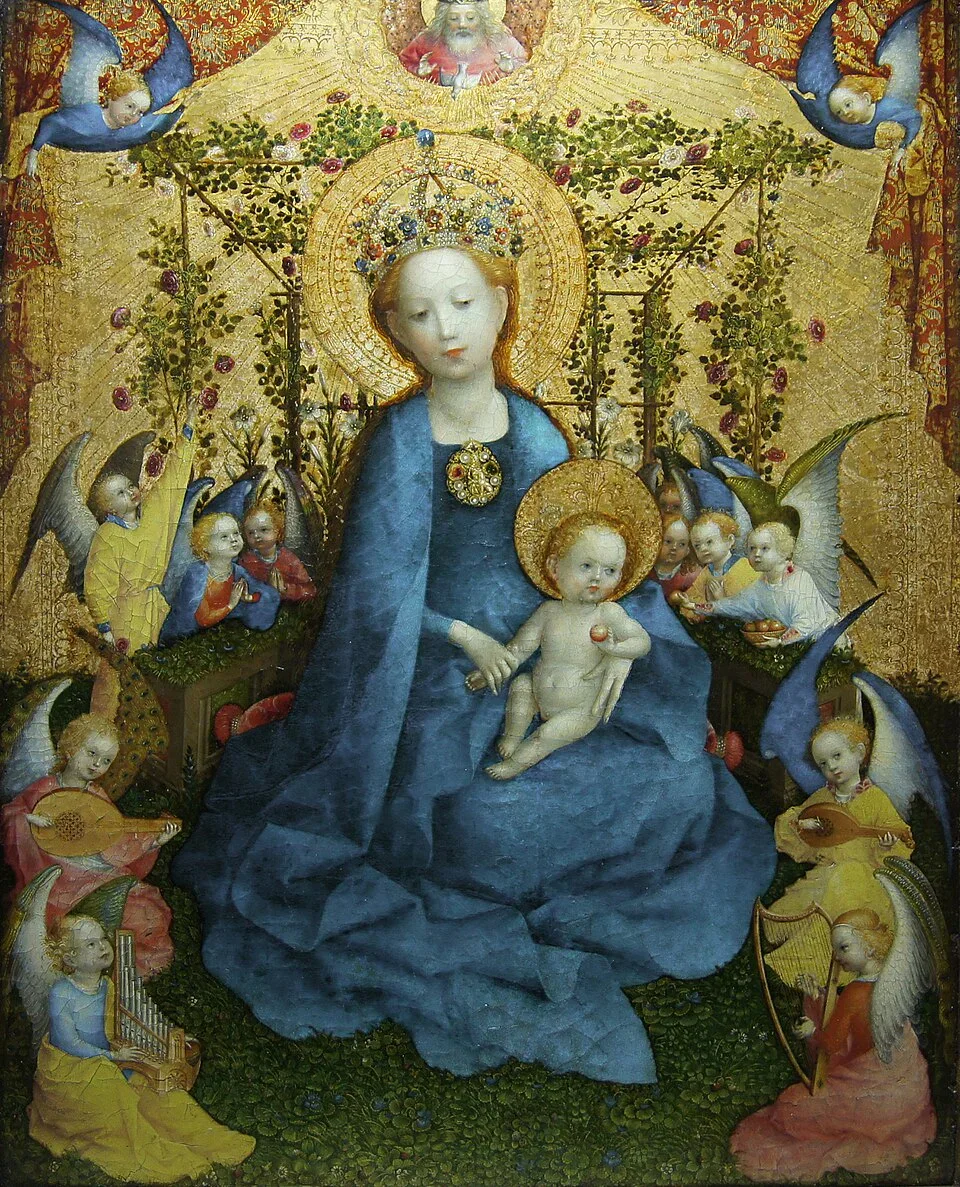
Madonna of the Rose Bower
On Mary's blue dress is a small brooch, easy to miss. It shows a young woman seated with a unicorn. It probably marks the moment Mary became pregnant, with Christ inside her. And the garden around her is full of the same kind of sign. A low stone wall closes it in, an enclosed space that stands for her purity. The white lilies growing near her say the same thing. Her crown carries a sapphire reflecting a window, a doorway into the picture. The strawberries and red roses point to the suffering waiting for her son. Angels bring the child flowers and fruit, while others sit playing their instruments. Above, God the Father and the dove of the Holy Spirit watch, and the baby on her lap completes the Trinity. Lochner painted her gown with tiny dark dots, so a body seems to show beneath the cloth.
Listen in the appStefan Lochner · Public domain
10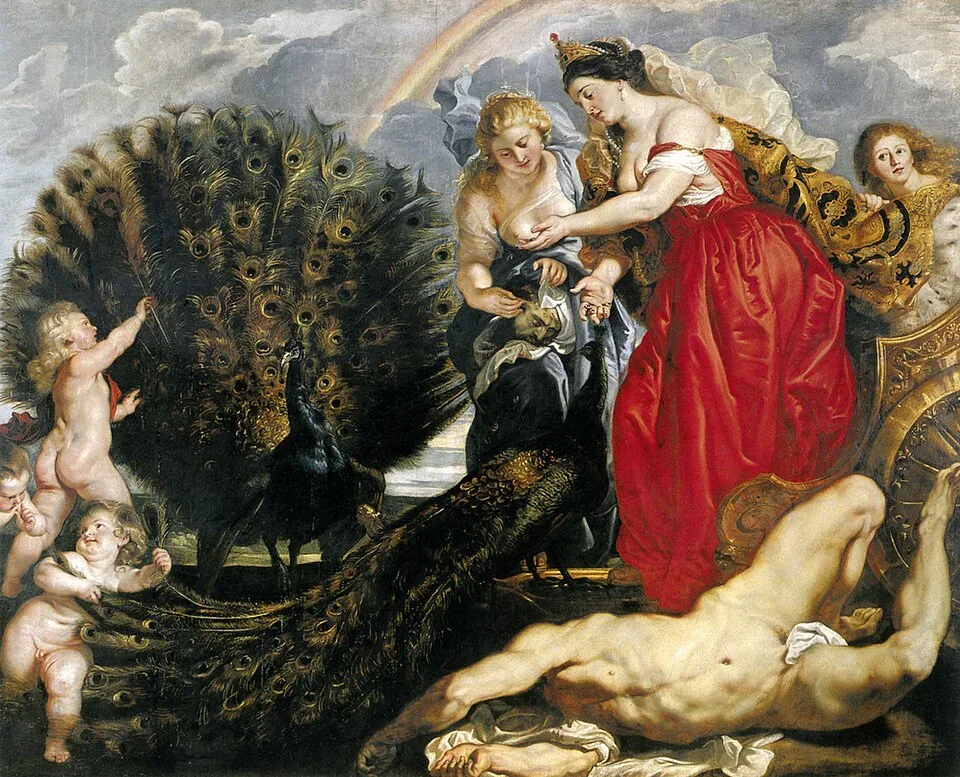
Juno and Argus
Juno is working with a pair of tweezers. She is lifting the eyes from a giant's severed head on the ground before her. She will set those hundred eyes into her peacock's tail, so the guard lives on in it. Jupiter had turned Io into a white cow just in time. Juno praised the cow's beauty, then asked to be given it. Jupiter could hardly refuse without giving himself away. But Juno feared it might be stolen, so she put it in Argus's care. Only two of his hundred eyes closed at once. Jupiter sent Mercury, who talked and played his flute until every eye fell asleep, then cut off Argus's head. Most painters chose the moment before the killing. Rubens chose what came after, a kind of memorial, Argus's eyes living on in the peacock's feathers. He brought in Iris, who has no part in Ovid's story. Iris is the Greek word for rainbow. She stands under one, a link between heaven and earth, and the word also names the part of the eye around the pupil. The story itself ends in darkness, a hundred eyes closed by one night. Yellow, red and blue run through the picture and return in the rainbow. They were the primary colors in a book of optics by the Antwerp Jesuit Franciscus Aguilonius, printed around the time of this painting. Rubens designed its title page.
Listen in the appPeter Paul Rubens · Public domain
- 11
Last Judgement
Stefan Lochner · 1435
- 12
Adoration of the Child
Manner of Hieronymus Bosch · 1568
- 13
The Hunt Breakfast
Gustave Courbet · 1858
- 14
Capo di Noli, near Genoa
Paul Signac · 1898
- 15
The Bleaching Ground
Max Liebermann · 1882–1883
- 16
Ship in the early morning fog
Caspar David Friedrich · c. 1821
- 17
Corsica, the Old Mill
Henri Matisse · 1898
- 18
Ecce Homo
Bernardino Luini · c. 1500–1532
- 19
Prometheus Bound
Jacob Jordaens · 1640–1642
- 20
Herodias with the Head of St. John the Baptist
Paul Delaroche · 1843
- 21
Mountain Scene with Bridges
Joos de Momper the Younger · c. 1600
- 22
Triptych
Master of the Holy Kinship the Elder · 1410–1440
- 23
Jews Mourning in Exile
Eduard Bendemann · 1832
- 24
Seated Venus with her Mirror held by Cupid
Unknown Artist · 1555–1560
- 25
Triptych of the Life of Job and Peter
Master of the Legend of Saint Catherine, Master of the Legend of Saint Barbara · 1466–1500
- 26
Monastery Courtyard in the Snow
Karl Friedrich Lessing · 1830
- 27
Sippenaltar, Central Panel: The Mystic Marriage of Saint Catherine with the Infant Jesus
Master of the Holy Kinship the Younger · 1500–1510
- 28
Peerdt-Park
Ernst te Peerdt · 1873
- 29
Young woman playing a virginal
Catarina van Hemessen · 1548
- 30
The Abduction on a Unicorn
Albrecht Durer · 1516
- 31
The Düsseldorf Harbor
Johann Velten · 1832
- 32
Spring Flowers in a Goblet
Lovis Corinth · 1924
- 33
Child among the Hollyhocks
Berthe Morisot · 1881
- 34
View of Pont-Aven
Émile Bernard · 1888
- 35
Portrait of a lady, seated in a parc (La dame de Francfort)
Gustave Courbet · 1858
- 36
The Angora Cat
Marguerite Gérard, Jean-Honoré Fragonard · 1783–1785
- 37
Stigmata of Saint Francis
Master of the Lindau Lamentation · 1410–1420
- 38
Venus and Cupid
Lucas Cranach the Elder · 1531
- 39
Self-portrait of Hans von Aachen
Hans von Aachen · c. 1574
- 40
Beach near Trouville
Gustave Courbet · 1865
- 41
Oak in the Snow
Caspar David Friedrich · 1820s
- 42
Portrait of Doge Girolamo Priuli
Jacopo Tintoretto · 1559
- 43
Bathsheba Bathing
Paris Bordone · c. 1549
- 44
Old Woman with a Candle
Gerrit Dou · 1661
- 45
Adoration of the Shepherds
Gerard van Honthorst · 1622
- 46
Mount Calvary of the Wasservass Family
Master of the Wasservass Crucifixion · 1420–1430
- 47
Alexander and Diogenes
Gaspar de Crayer · 1627
- 48
Altarpiece of the Descent from the Cross ; left shutter, Donor with St. Jerome ; right shutter, The Resurrection; Closed: The Annunciation in grisaille
Master of the Legend of Saint Catherine · 1470–1499
- 49
Vision of John the Evangelist
Master of the Vision of Saint John · c. 1450
- 50
Sts Anne, Christopher, Gereon and Peter
Master of the Glorification of the Virgin · c. 1480
- 51
The crucifixion
Master of the Life of the Virgin, Master of the Lyversberger Passion · 1465–1470
- 52
Still Life with Stag Beetle
Georg Flegel · 1635
- 53
Winged Altarpiece
Raimond Spekking · c. 1330
- 54
Trinity Pietà
Master of Saint Veronica, Master of Saint Lawrence · 1415–1430
- 55
Saint Paul the Hermit
Jusepe de Ribera · 1647
- 56
Nanna
Anselm Feuerbach · c. 1861
- 57
Portrait of Barbara Schellenberger, née Ehem
Hans Burgkmair the Elder · 1505–1507
- 58
The Temptation of Saint Anthony
David Teniers the Younger · 1647
- 59
Crucixion with Saints
Anton Woensam · 1535
- 60
Slaughtered Pig
Joachim Beuckelaer · 1563
- 61
Old Woman and Boy
Bartolomé Esteban Murillo · 1650s
- 62
Party Scene with Music
Anthonie Palamedesz. · 1635–1640
- 63
Couple with Parrot
Pieter de Hooch · 1668
- 64
Samson Mocked by the Philistines
Jan Steen · 1667–1670
- 65
Farmhouse Interior
Isaac van Ostade · 1642
- 66
Still-Life with a Basket of Fruit, a Squirrel, and a Cat
Frans Snyders · 1635–1640
- 67
Neptune and Amphitrite
Jacob de Gheyn II · 1610
- 68
The death of the Virgin
Joos van Cleve · 1515
- 69
Adoration of the magi
Master of Saint Severin · c. 1505
- 70
Kitchen interior with a table with an abundance of game and a window scene, showing a gentleman handing over a letter to a lady
Frans Snyders · 1614
- 71
Scenes from the Life of Job (recto); Mary Magdalene and Job (verso)
Master of the Legend of Saint Catherine, Master of the Legend of Saint Barbara · 1480–1490
- 72
The Begas Family Cologne
Carl Joseph Begas · 1821
- 73
Scenes from the Small Ursula Cycle
Master of 1456 · 1440s
- 74
Madonna of the flowering sweetpea
Master of Saint Veronica · 1400–1415
- 75
Cefalù
Carl Rottmann · 1830
- 76
Mountain Scene
Joseph Anton Koch · 1796
- 77
Departure from the Port in the Cool of the Morning
Joseph Vernet · 1749
- 78
Martyrdom of St Ursula before the City of Cologne
Master of the Small Passion · c. 1411
- 79
Anbetung der Könige
Jacob van Utrecht · 1513–1520
- 80
Market scene
Pieter Aertsen · 1562
- 81
Lyversberg Passion: Last Supper
Master of the Lyversberger Passion · 15th century
- 82
St George Altarpiece
Master of the Georgslegende · c. 1460
- 83
St Elizabeth Clothes the Poor and Tends the Sick
Unknown Artist · 1390s
- 84
Winter landscape
Hendrick Avercamp · 1605–1610
- 85
The Defence of Saragossa
Lucas Velázquez · 1850–1855
- 86
Head of a Prophet
Unknown Artist · 1360–1370
- 87
Scenes from the Passion
Unknown Artist · 1370s
Wallraf-Richartz-Museum & Fondation Corboud
Frequently asked questions
How much does the guide cost?
Free app download. Free until 1 January. Listed guide price: $1.99. Audio guide only. Venue admission is separate.
Can I listen without internet?
Yes. Download the guide’s audio, images, and maps in the app before your visit. Your downloaded content is then available offline.
Can I listen in my language?
In English for now. More languages soon.
Do I need to follow a schedule?
No. This is a self-guided experience. Choose your stops, pause whenever you like, and return to a story at your own pace.
Which artworks are in the Wallraf-Richartz-Museum & Fondation Corboud audio guide?
87 artworks, including Marriage of Sisley (Pierre-Auguste Renoir), The Age of Bronze (Auguste Rodin), Self-portrait as Zeuxis Laughing (Rembrandt), A Bundle of Asparagus (Édouard Manet), Magdalene with the Smoking Flame (Georges de La Tour), Self-Portrait in a Circle of Friends in Mantua (Peter Paul Rubens), The Three Crosses (Rembrandt), and Jabach Altarpiece (Albrecht Durer). The full list is on this page.
Is this the museum’s official audio guide?
No. Stanza is an independent audio guide app and is not affiliated with Wallraf-Richartz-Museum & Fondation Corboud. Museum admission is separate.
At your own pace
Explore Wallraf-Richartz-Museum & Fondation Corboud.
Download Stanza, then search for “Wallraf-Richartz-Museum & Fondation Corboud”.
Free app download · Guide price shown in the app
Keep exploring
Nearby audio guides
Cologne · 1 km
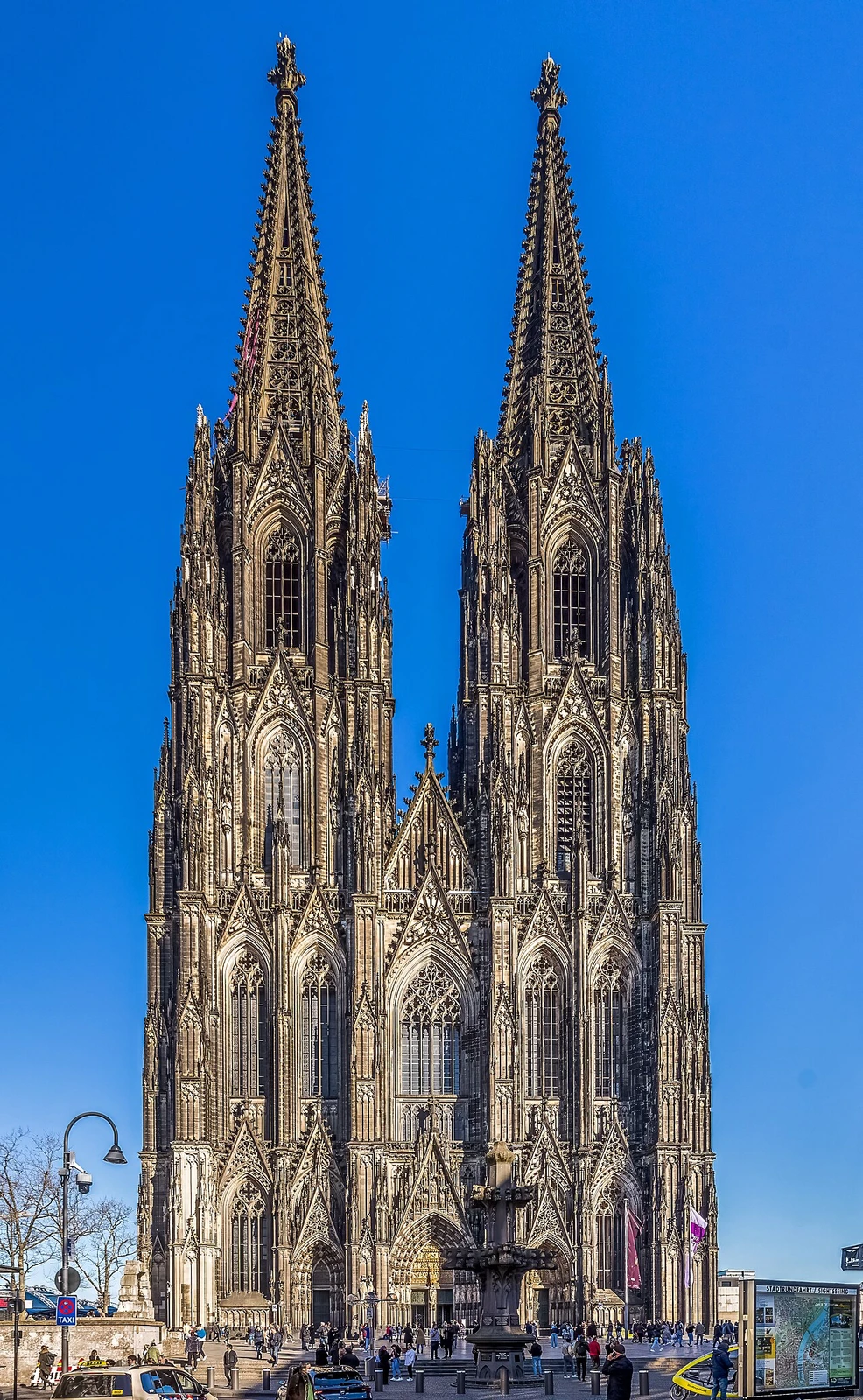
Cologne Cathedral
Content & sources
Raimond Spekking · CC BY-SA 4.0
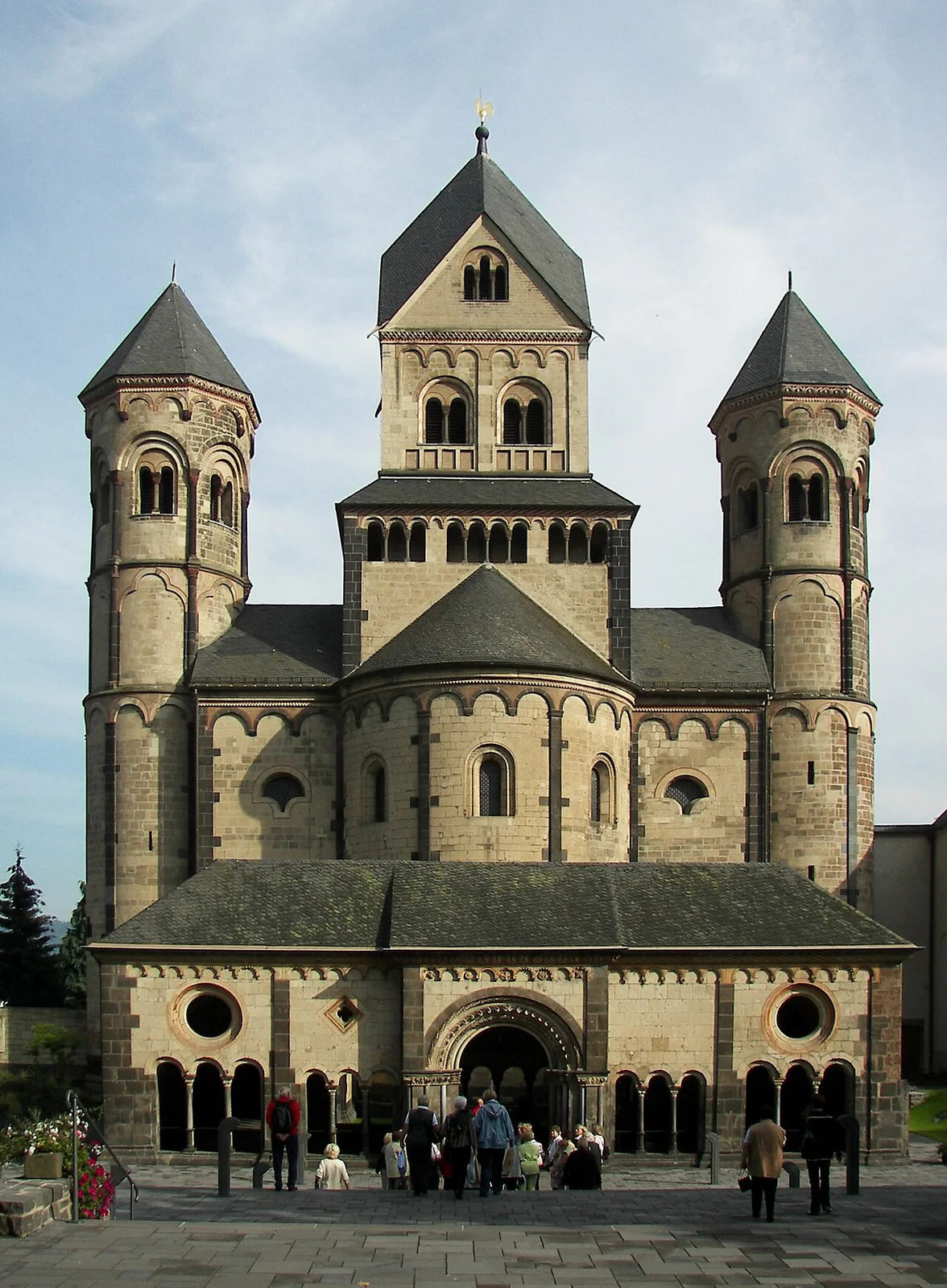
Maria Laach · 63 km
Abtei Maria Laach
Content & sources
Nikanos · CC BY-SA 2.5
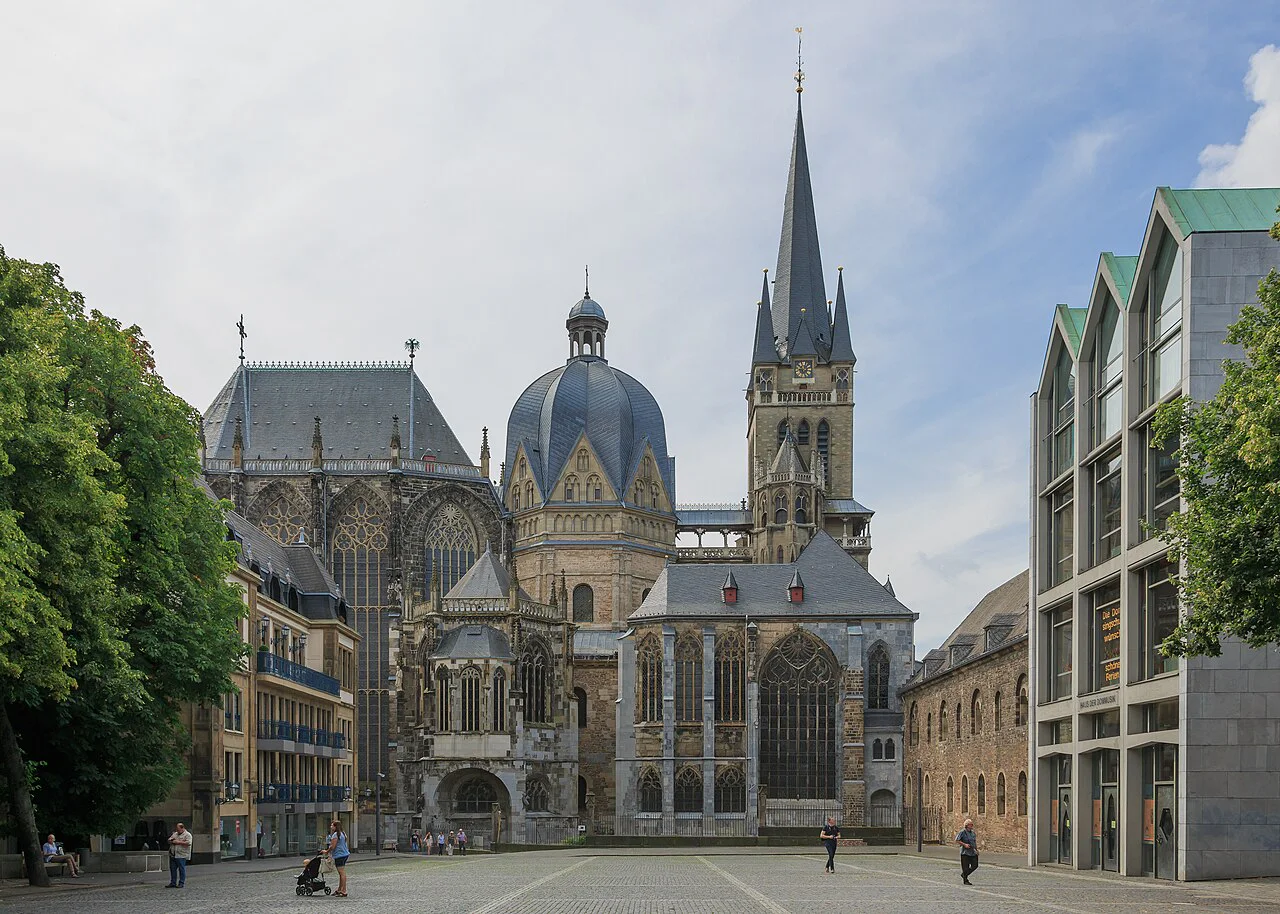
Aachen · 64 km
Aachener Dom
Content & sources
CEphoto, Uwe Aranas · CC BY-SA 3.0
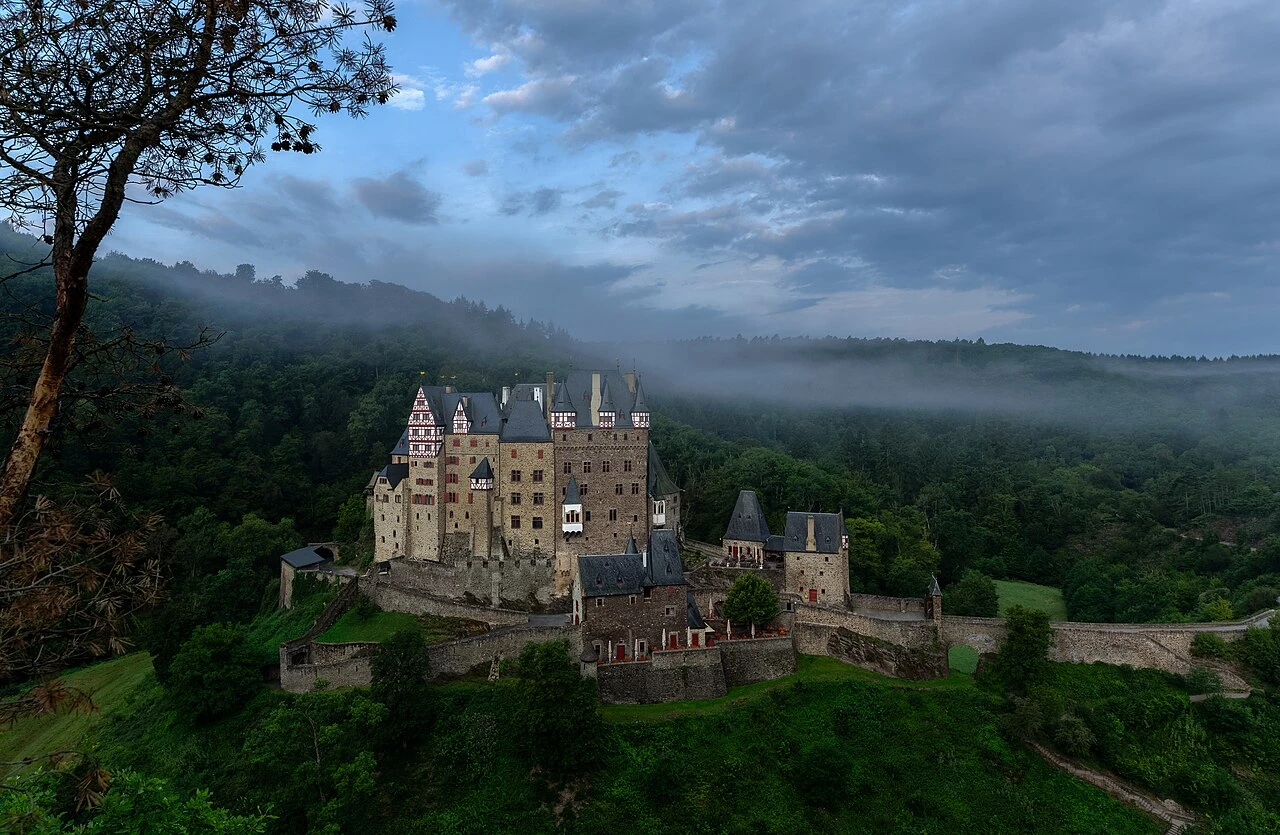
Wierschem · 86 km
Eltz Castle
Content & sources
Johannes Dörrstock · CC BY-SA 4.0
Art museums
More art museum audio guides
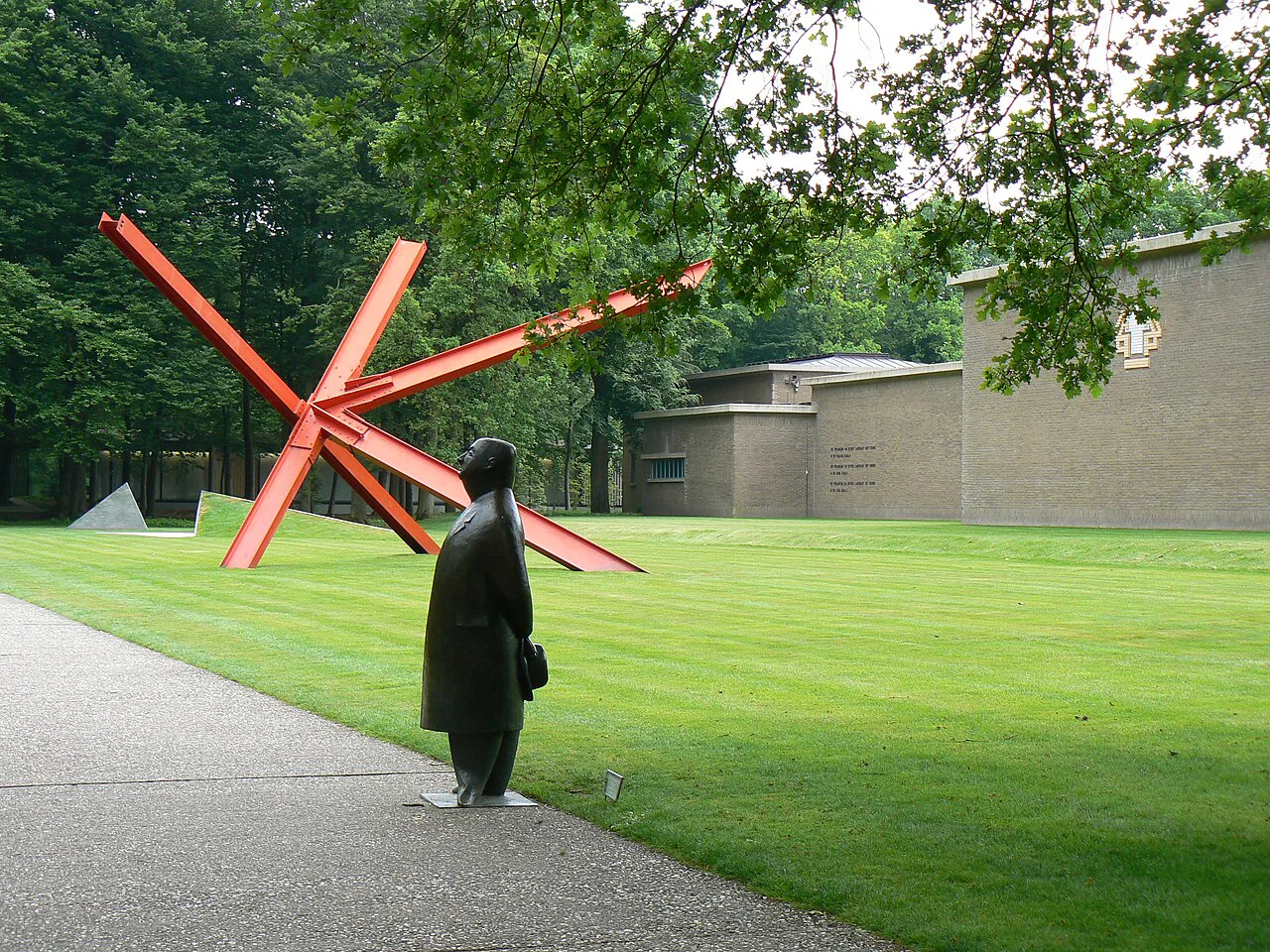
Otterlo · 60 artworks
Kröller-Müller Museum
Content & sources
Photo: Gerardus · Public domain
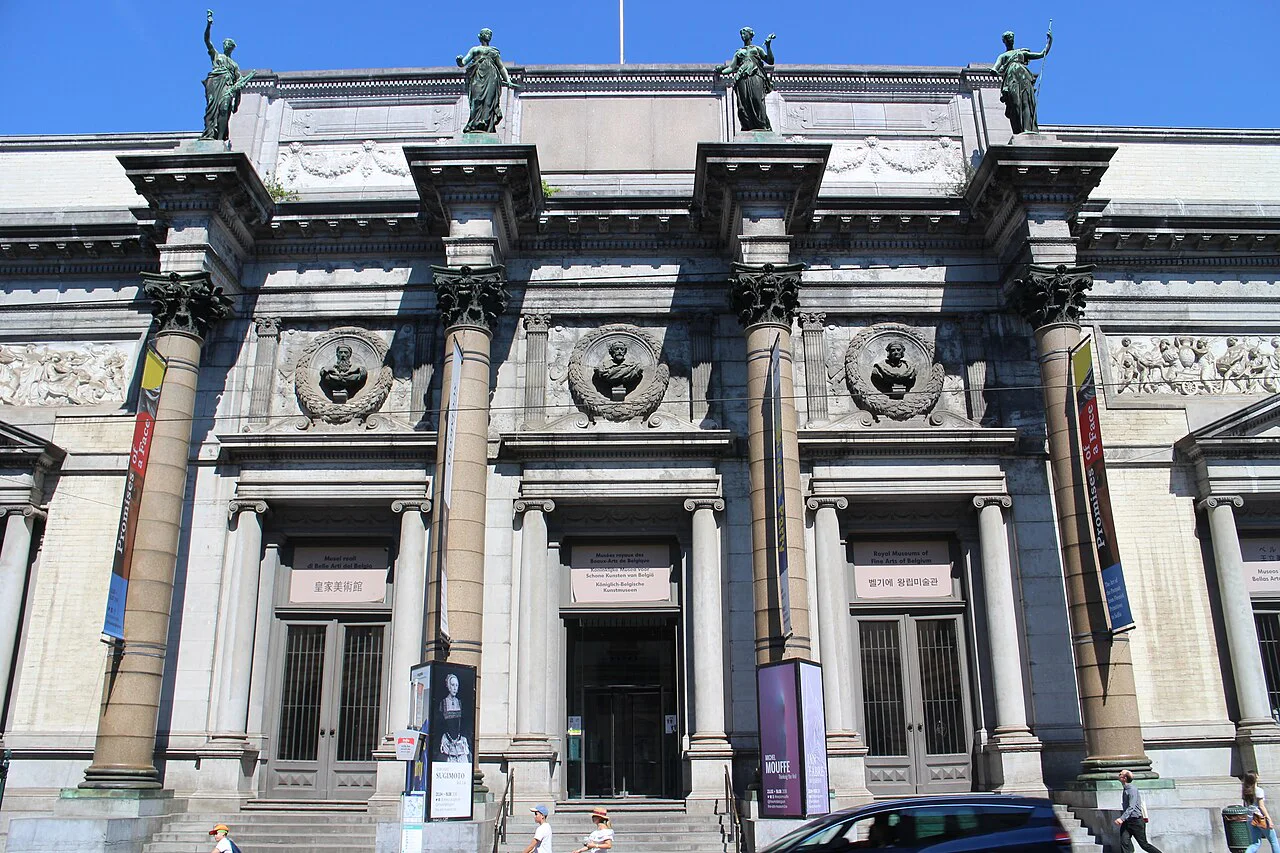
Brussels · 127 artworks
Royal Museums of Fine Arts of Belgium
Content & sources
Photo: Suicasmo · CC BY-SA 4.0
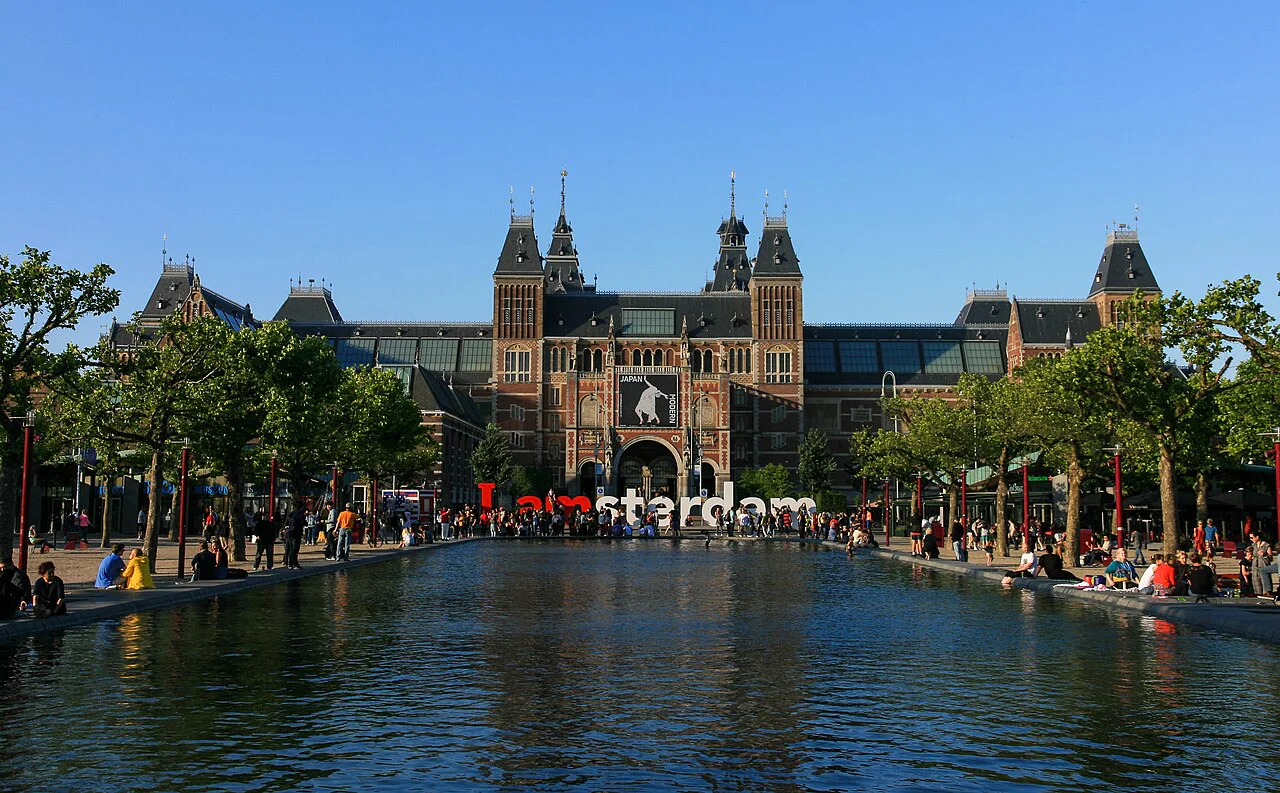
Amsterdam · 387 artworks
Rijksmuseum
Content & sources
Marco Almbauer · CC BY-SA 3.0
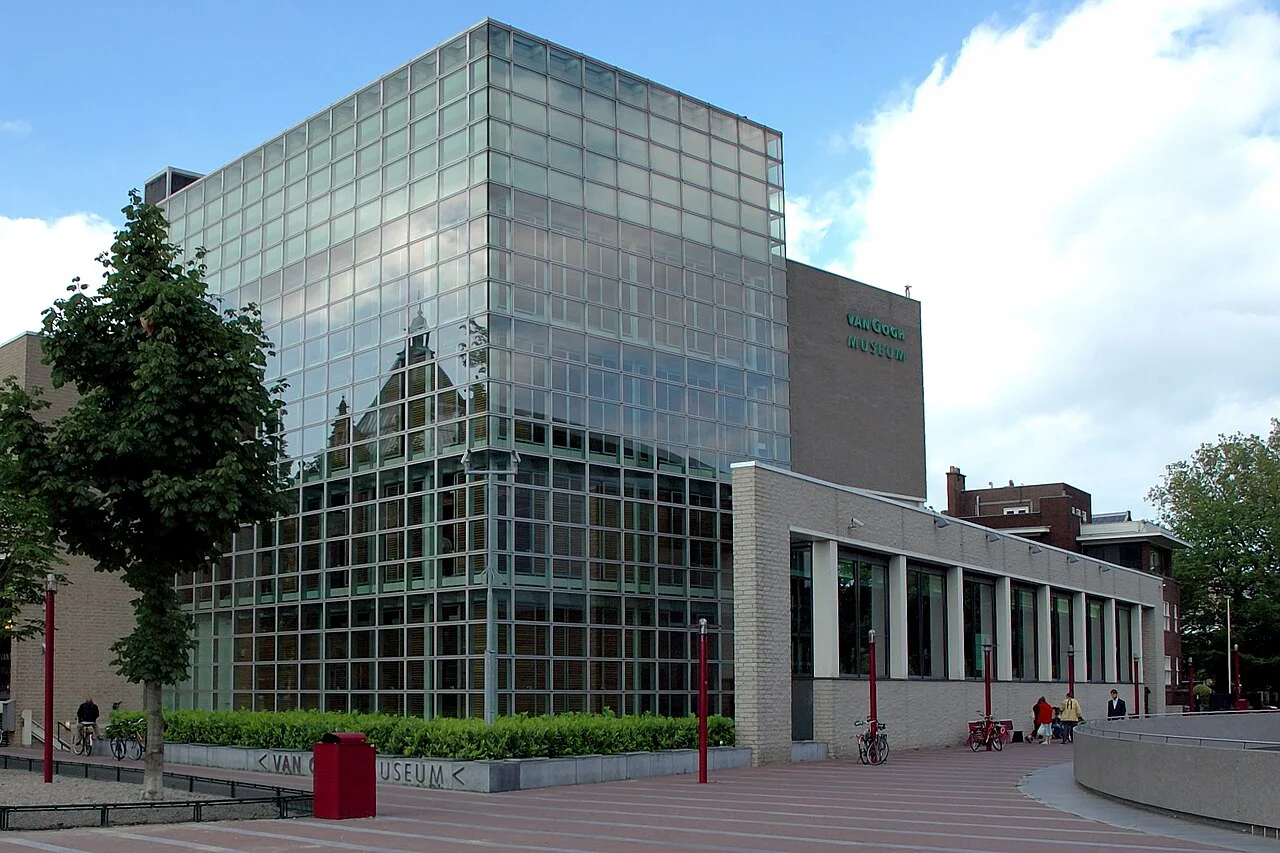
Amsterdam · 73 artworks
Van Gogh Museum
Content & sources
Warrox · CC BY 2.5
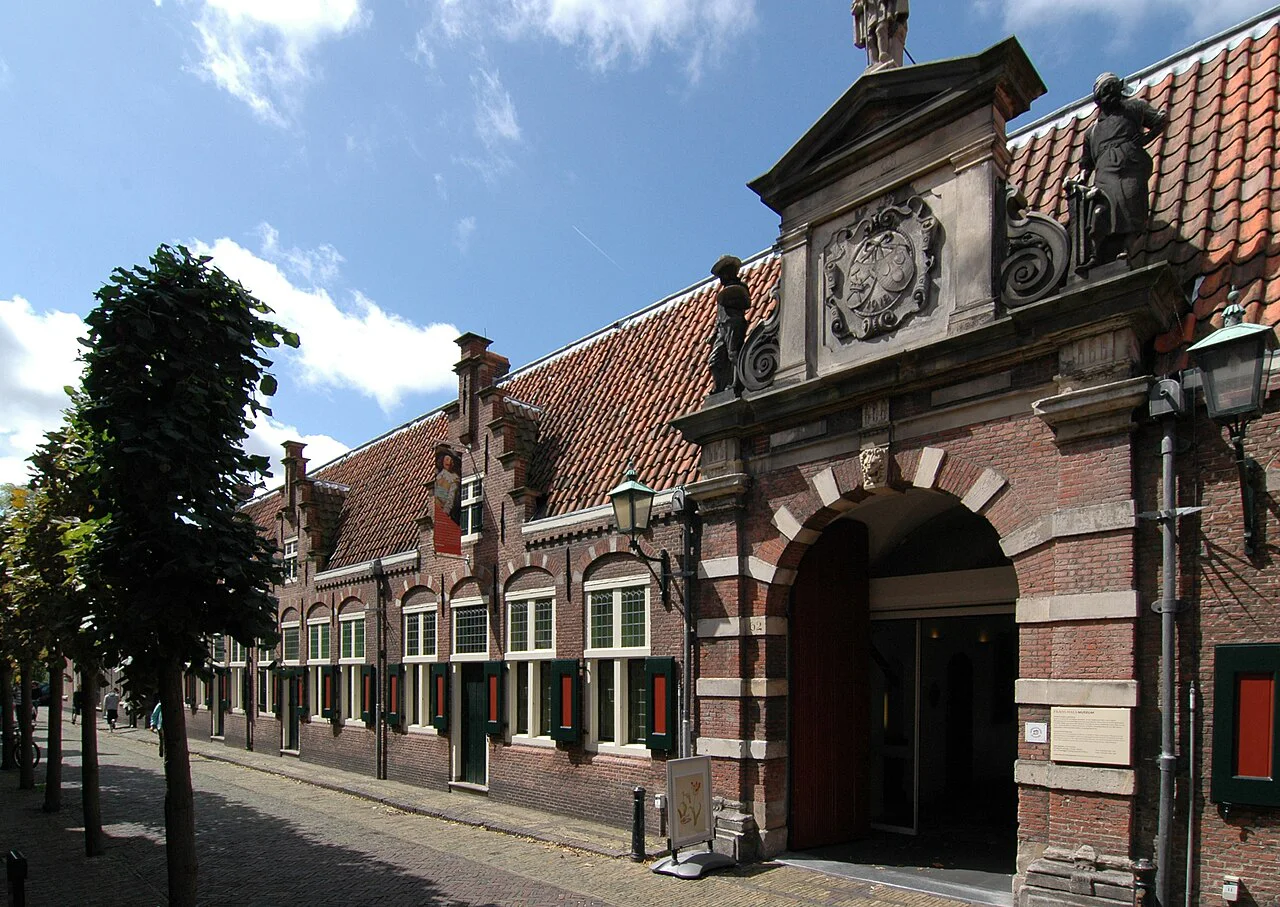
Haarlem · 45 artworks
Frans Hals Museum
Content & sources
Mcke · CC BY-SA 3.0
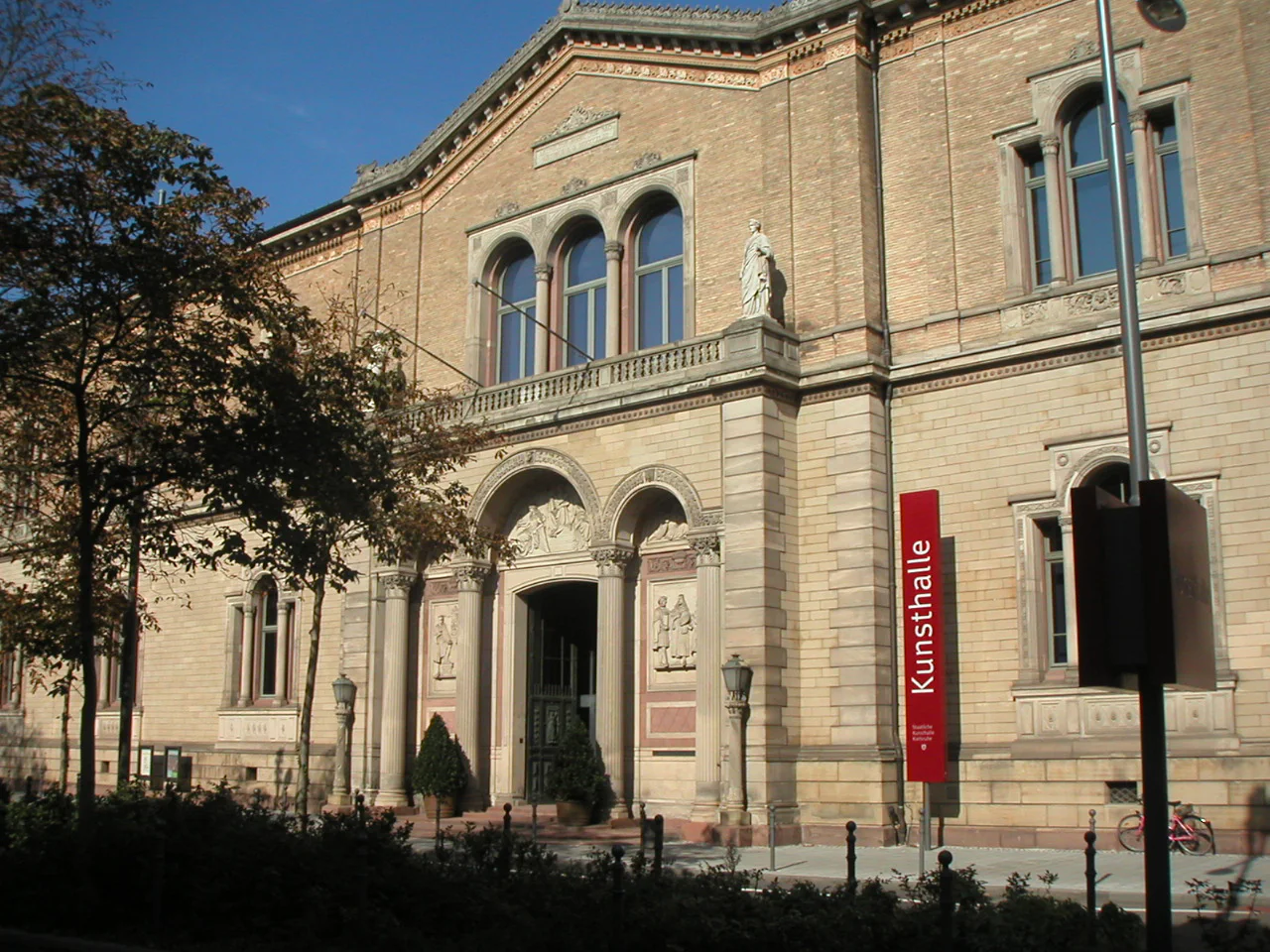
Karlsruhe · 71 artworks
Staatliche Kunsthalle Karlsruhe
Content & sources
Armerdietrich · Public domain