Stanza · Audio guide
Museo del Greco Audio Guide
A place to remember. A story to take with you.
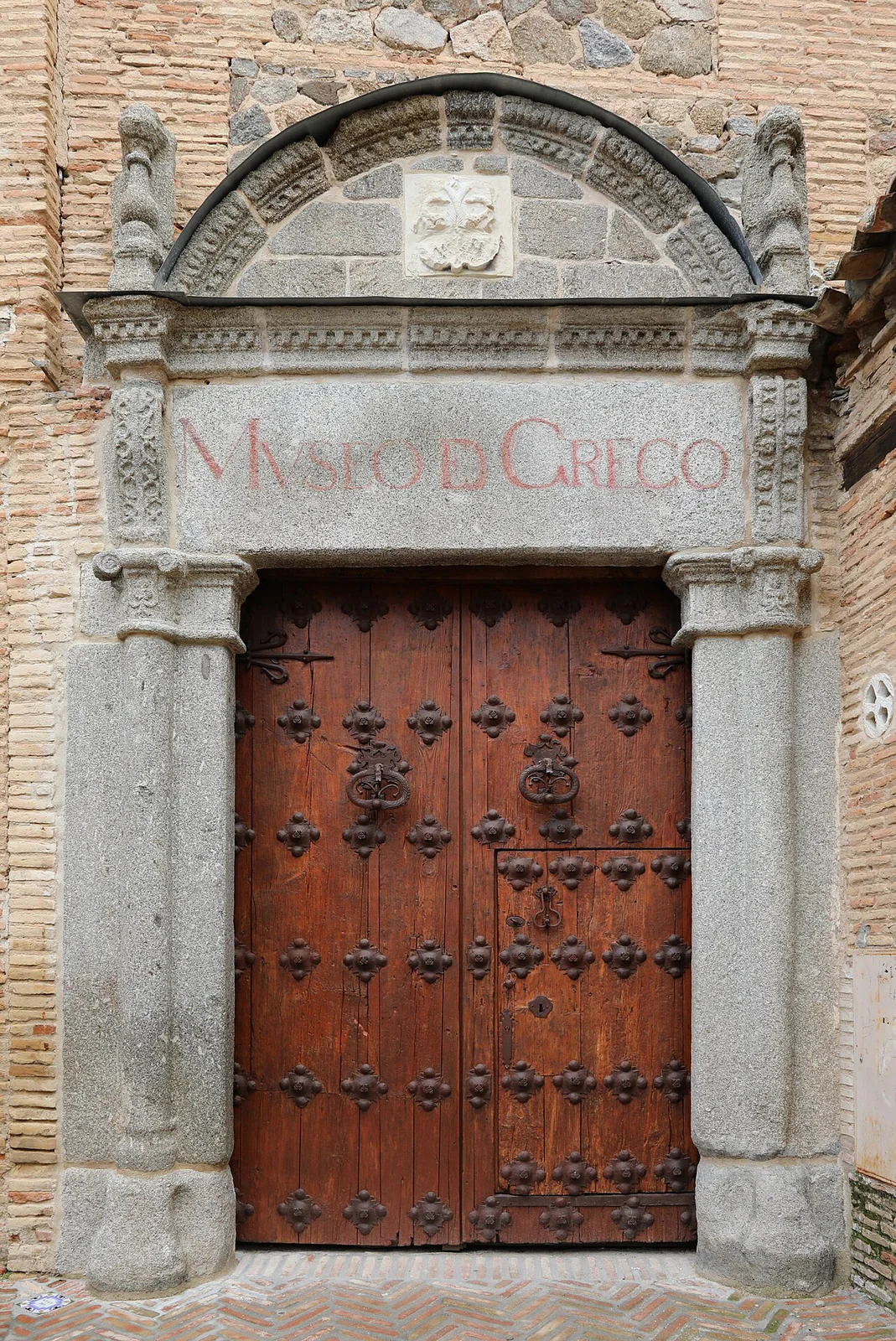
The El Greco Museum is a single-artist museum in Toledo, Spain, devoted to the work and life of El Greco, who spent much of his life in Toledo. It is one of the National Museums of Spain and is attached to…
Download Stanza, then search for “Museo del Greco”.
About the tour
One guide. Your kind of visit.
The El Greco Museum is a single-artist museum in Toledo, Spain, devoted to the work and life of El Greco, who spent much of his life in Toledo. It is one of the National Museums of Spain and is attached to the Ministry of Culture.
The Museo del Greco guide tells the stories of 23 artworks, including View and Plan of Toledo (El Greco), San Bernardino de Siena (El Greco), Portrait of Diego de Covarrubias y Leiva (El Greco), Tears of Saint Peter (El Greco), Saint Bartholomew (El Greco), Saint John the Evangelist (El Greco), Apostle St Thomas (El Greco), and Christ Blessing, The Saviour of the World (El Greco). Every artwork is free to hear in the Stanza app until 1 January.
Ready when you are.
- 01Get the free Stanza app.
iOS & Android
- 02Find your guide.
“Museo del Greco”
- 03Download before you go.
Works offline
Audio guide / 23 artworks
Inside the guide
Get to know a few of the stories before you go. Open a stop to read more.
01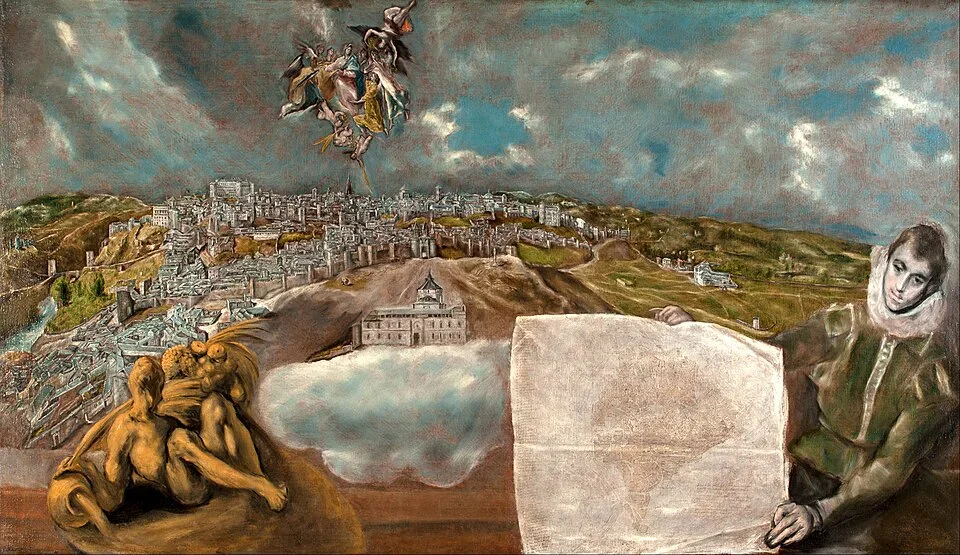
View and Plan of Toledo
Why is a hospital floating on a cloud? There it hangs above Toledo, facing you. At the right, a young man holds up a map of the city. Its main buildings are numbered. In its real place, the hospital covers the Bisagra Gate, and its dome rises above the whole city. El Greco wrote an inscription on the map to explain what he did. He moved the building aside to show its front. The man who probably ordered it, Pedro Salazar de Mendoza, ran that hospital and collected maps and city views. The same note explains the Virgin above, giving Saint Ildefonsus his chasuble. Heavenly bodies look large even from far away, he says, and that is why he made those two figures big. Where it actually stands, he leaves to the numbered map.
Listen in the appEl Greco · Public domain
02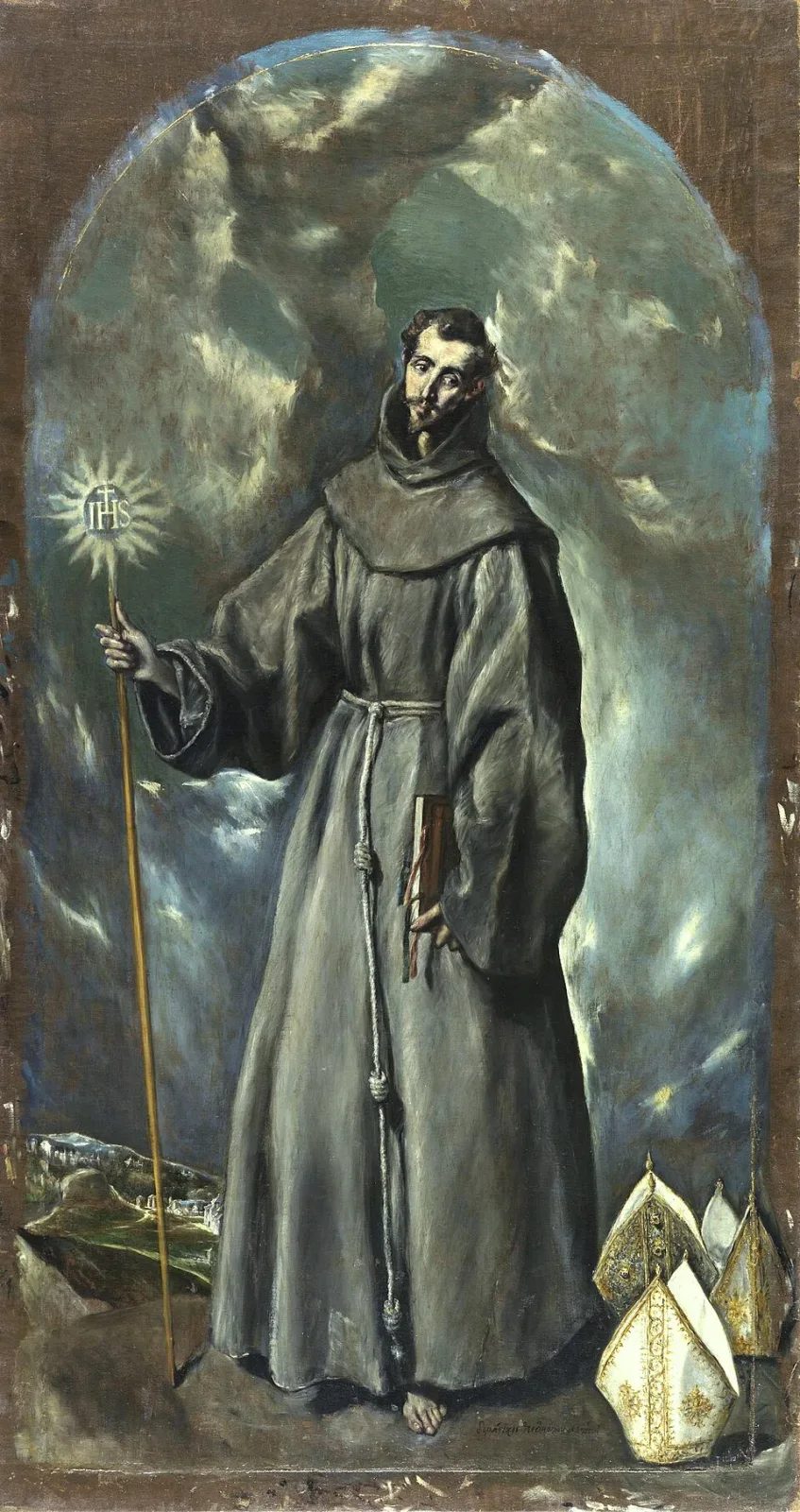
San Bernardino de Siena
A Franciscan friar turns his face slightly to his left. In the lower right of the picture lie three bishop's mitres. They stand for Siena, Urbino and Ferrara, three bishoprics he refused so he could go on preaching and caring for the sick. He gave himself to the sick above all during the plague that struck his city in 1400. In his right hand he carries a cane topped with the letters IHS and a radiant sun. He showed crowds that same sign on a panel when he preached. A book rests under his left arm. El Greco painted it for the high altar of the college of San Bernardino here in Toledo. The saint stands in a landscape that recalls Toledo, not the Tuscany and Abruzzo where Bernardino preached. Two buildings in that landscape have since disappeared, the monastery of San Bartolomé de la Vega and the Montero Chapel. When the college closed, the canvas and the wooden frame were separated, and they did not come back together until 1962.
Listen in the appEl Greco · Public domain
03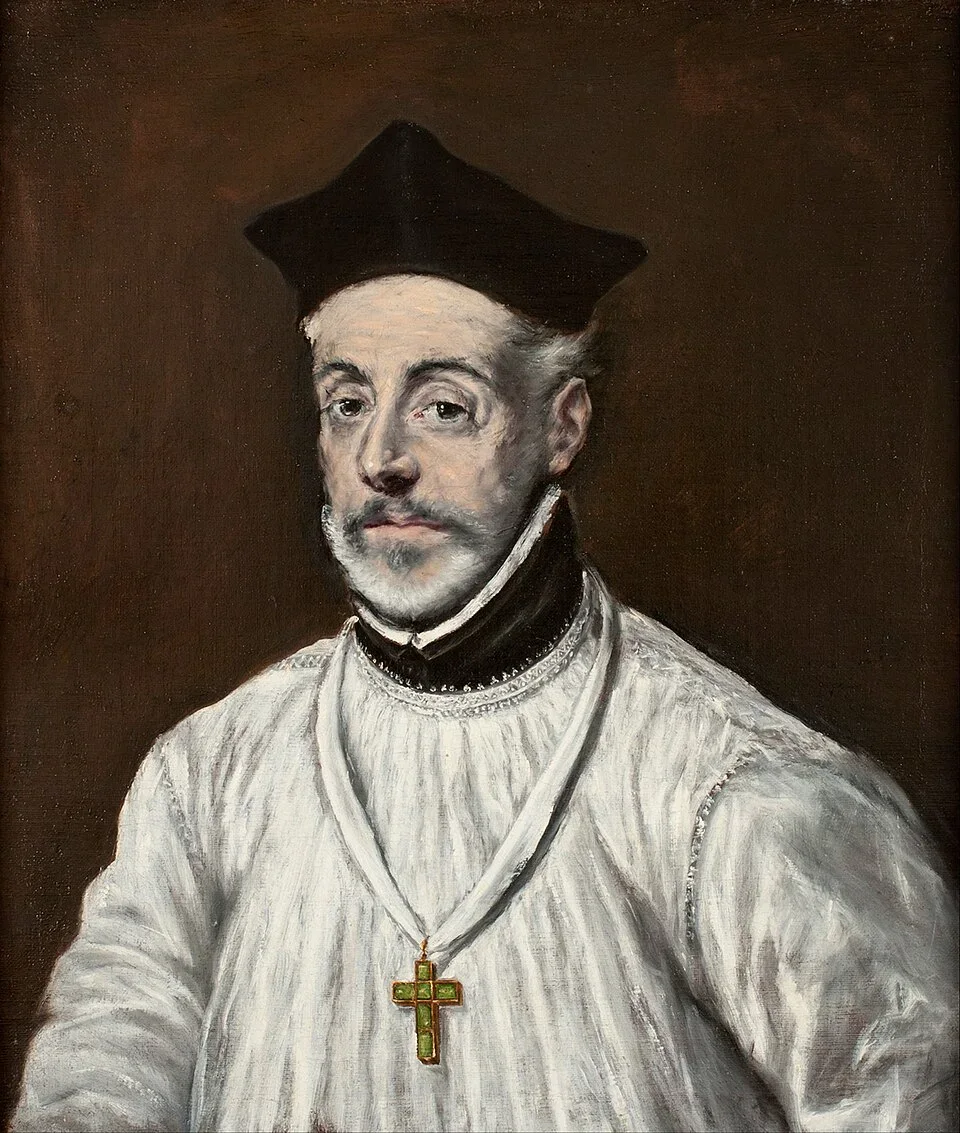
Portrait of Diego de Covarrubias y Leiva
A churchman wears a white surplice and a bonnet. Low in the middle of the picture, a cross of gold and emeralds hangs on a white ribbon. It is a Latin cross, the sign of a bishop's rank. But El Greco never met this man. He reached Toledo in 1577, the year Diego died. The lively face comes from a portrait painted from life in 1574 by Alonso Sánchez Coello, when Diego was sixty-two. The head seems to be the only part the painter did himself, and the rest came from his workshop. A trace of a signature survives on the right shoulder. A companion portrait shows Diego's younger brother Antonio, and both were probably together in one collection by 1629. This canvas may itself be a copy of an original that is now lost.
Listen in the appEl Greco · Public domain
04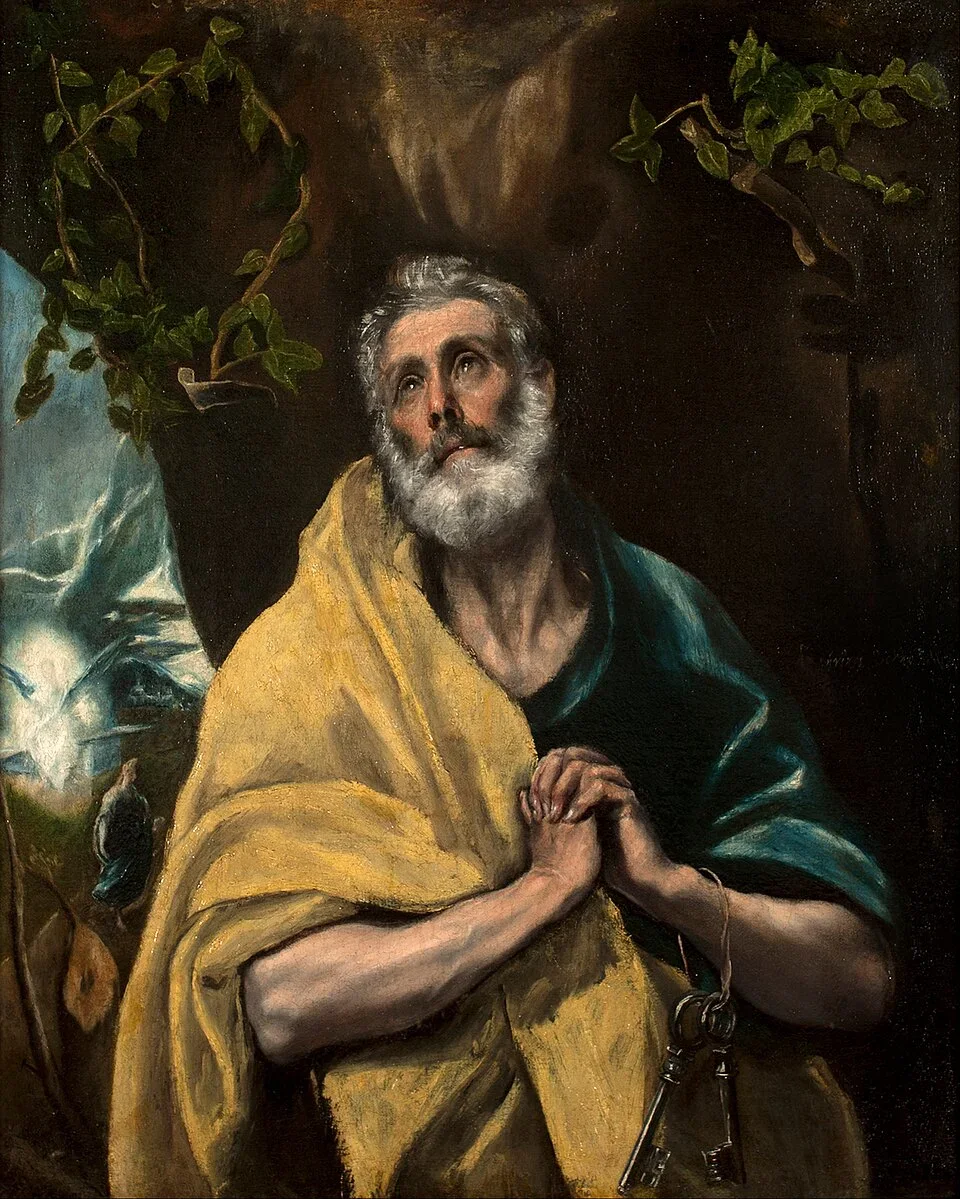
Tears of Saint Peter
A name is written on this canvas in Greek letters. Doménikos Theotokópoulos. That was the birth name of the painter known as El Greco. El Greco was a nickname, meaning the Greek, and he signed his paintings with his birth name instead. So the signature looks like it settles who painted this. It does not. The canvas may have been made in his studio, rather than by his own hand. Saint Peter in tears was a subject he came back to again and again, with versions in Oslo, Washington, San Diego and Mexico City. And this particular canvas was painted over at some point. It is no longer in good condition.
Listen in the appEl Greco · Public domain
05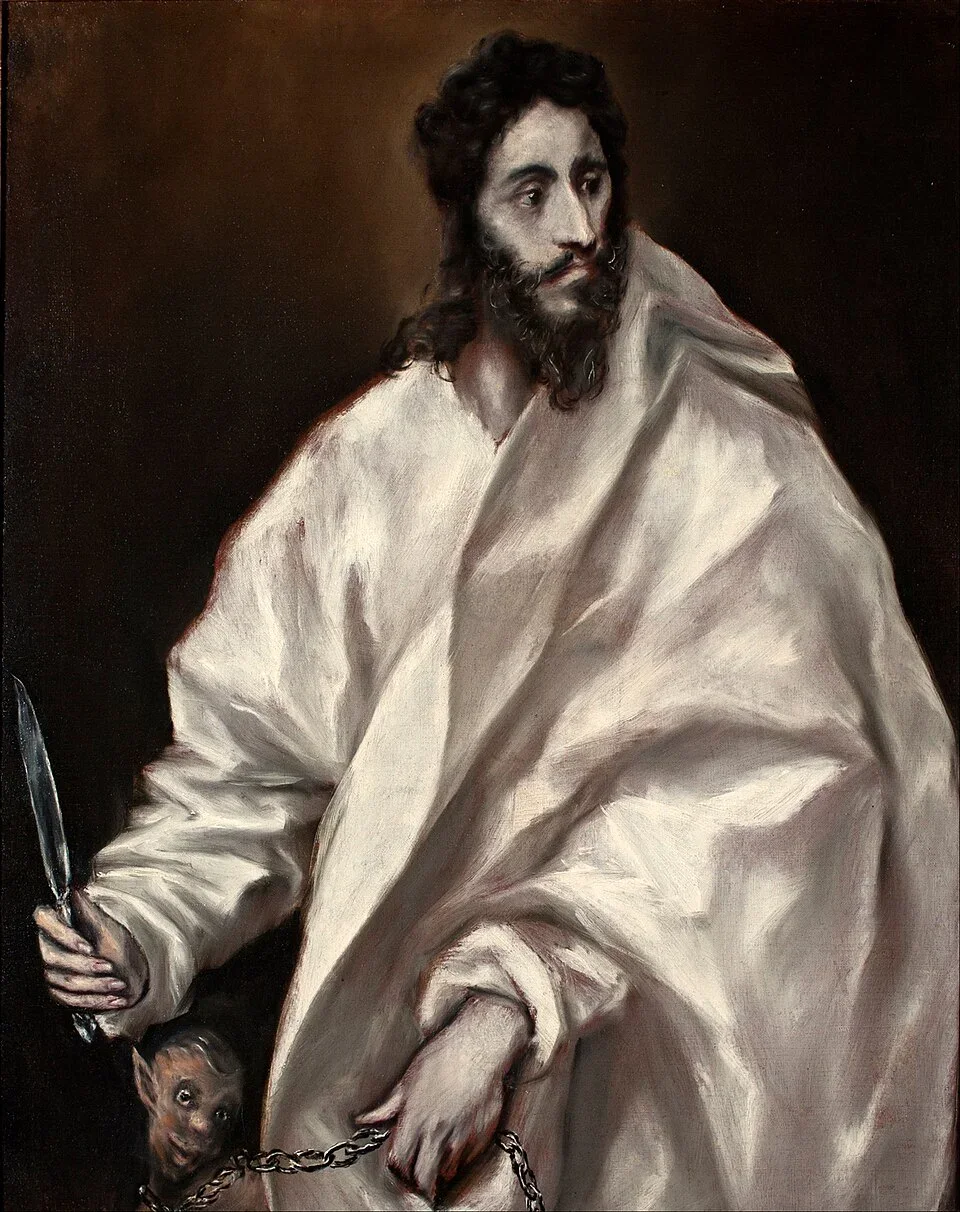
Saint Bartholomew
He holds a knife in one hand and a chain in the other. The knife is simple enough. Bartholomew was flayed alive, and this is the blade that did it. The chain is what makes you stop. Few painters gave him one. It comes from a story about India. Bartholomew went there to preach and exposed a false god called Astaroth. A demon named Berith spoke up. Your god is tied in fiery chains, he said. Ever since Bartholomew came into the temple, it can neither speak nor breathe. And Bartholomew is a friend of almighty God. Those are the words that guided El Greco. He found them in the Golden Legend, a book about the lives of the saints written between 1260 and 1270. He put the chain in the apostle's hand. And when he came to paint the demon from that story, he gave it the look of a monkey. Missionaries were bringing monkeys home from India in his own day. He painted this as one of a set of portraits of the apostles, with Christ at the center.
Listen in the appEl Greco · Public domain
06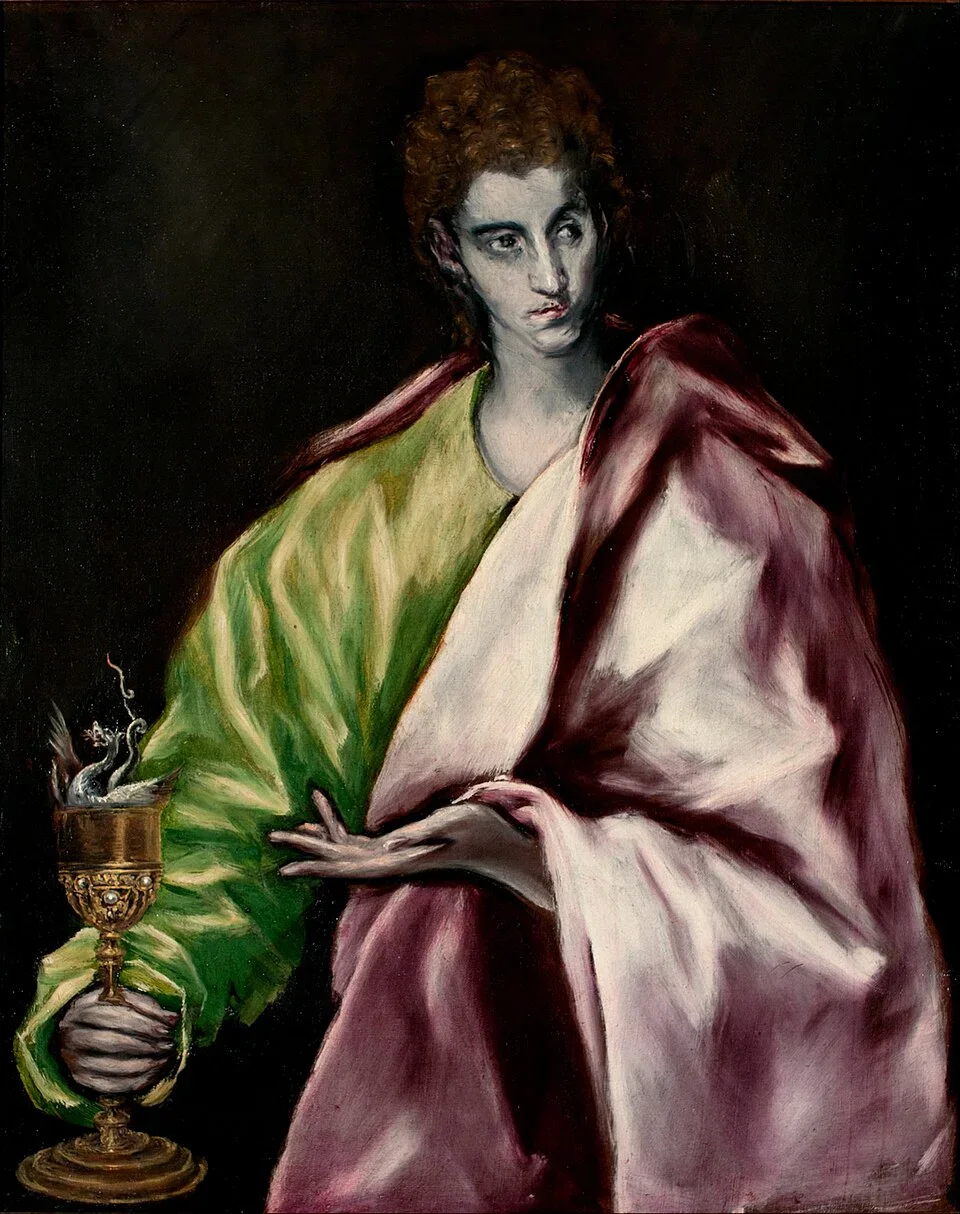
Saint John the Evangelist
Nobody can see who this man is speaking to. He turns to the left and waits for an answer. The question has already been asked, and his left hand tells you so, with its long, unnatural fingers. El Greco put a cup in his right hand, with a snake coming out of it. The cup and the snake go back to what happened to John in Ephesus. A priest of Diana there forced him to drink a cup of poison. Before he drank, John made the sign of the cross, and it saved his life. The priest saw the miracle and became a Christian. From then on, the cup and the snake stood for poison.
Listen in the appEl Greco · Public domain
07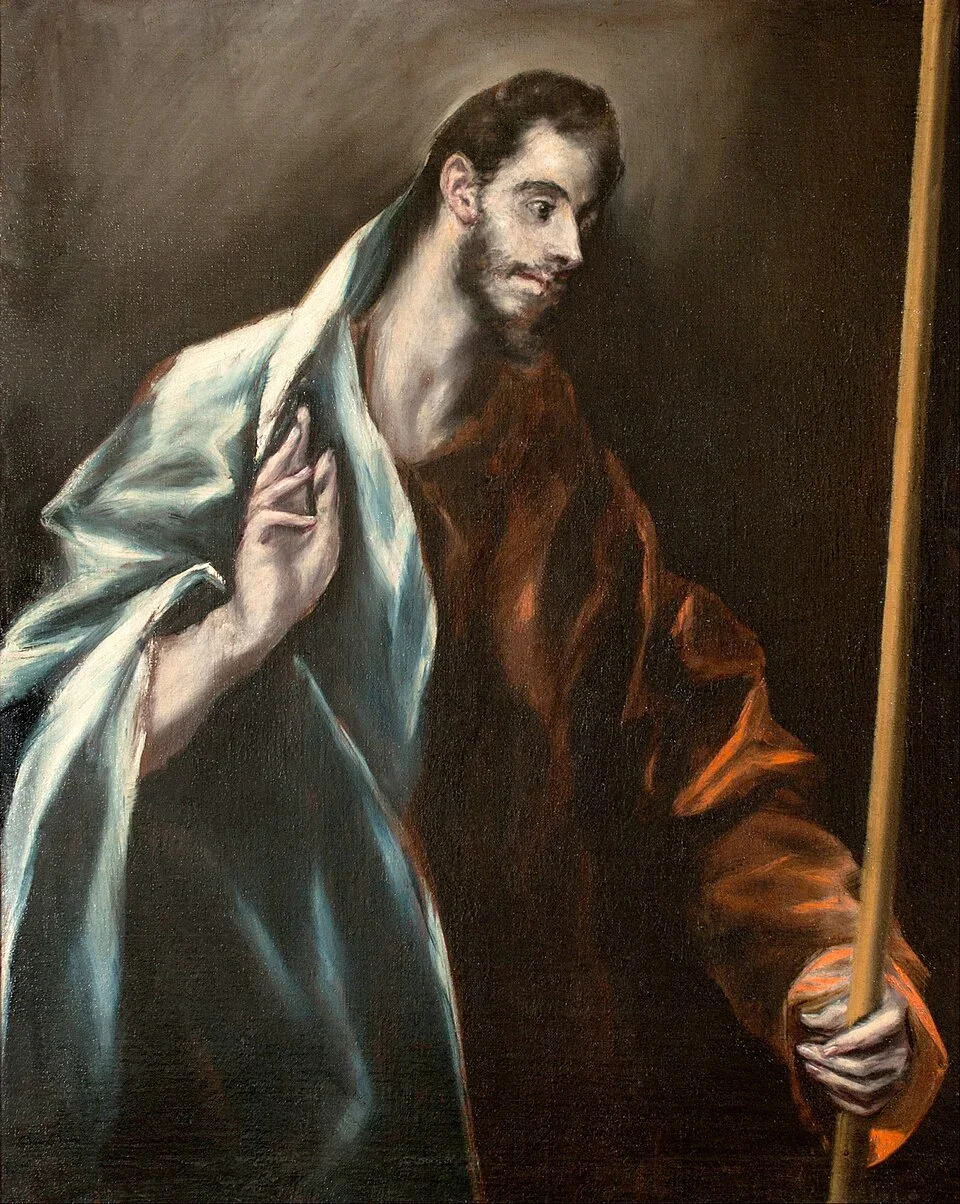
Apostle St Thomas
El Greco kept returning to the same plan. He wanted the twelve apostles and Christ painted as one set. This Thomas is part of such a set. He turns his head to one side. In the full group, six faces turn one way, six the other, with Christ in the middle. He is young, with a short beard, and he raises his right hand in blessing. In his left he holds a long lance, the weapon that killed him. He was called Didymus, the twin, and the world remembers him as the apostle who doubted that Christ had risen. Toledo cathedral has another complete set from the same hand. Its Thomas is the same man, with the same blessing and the same turned head. The only difference is what he holds. There it is a set square, here the lance. Every other detail matches. A priest gave this set to a poorhouse named for Saint Sebastian. In 1909 the paintings came to this museum, and they have been here ever since. Where the series first came from is still not fully clear.
Listen in the appEl Greco · Public domain
08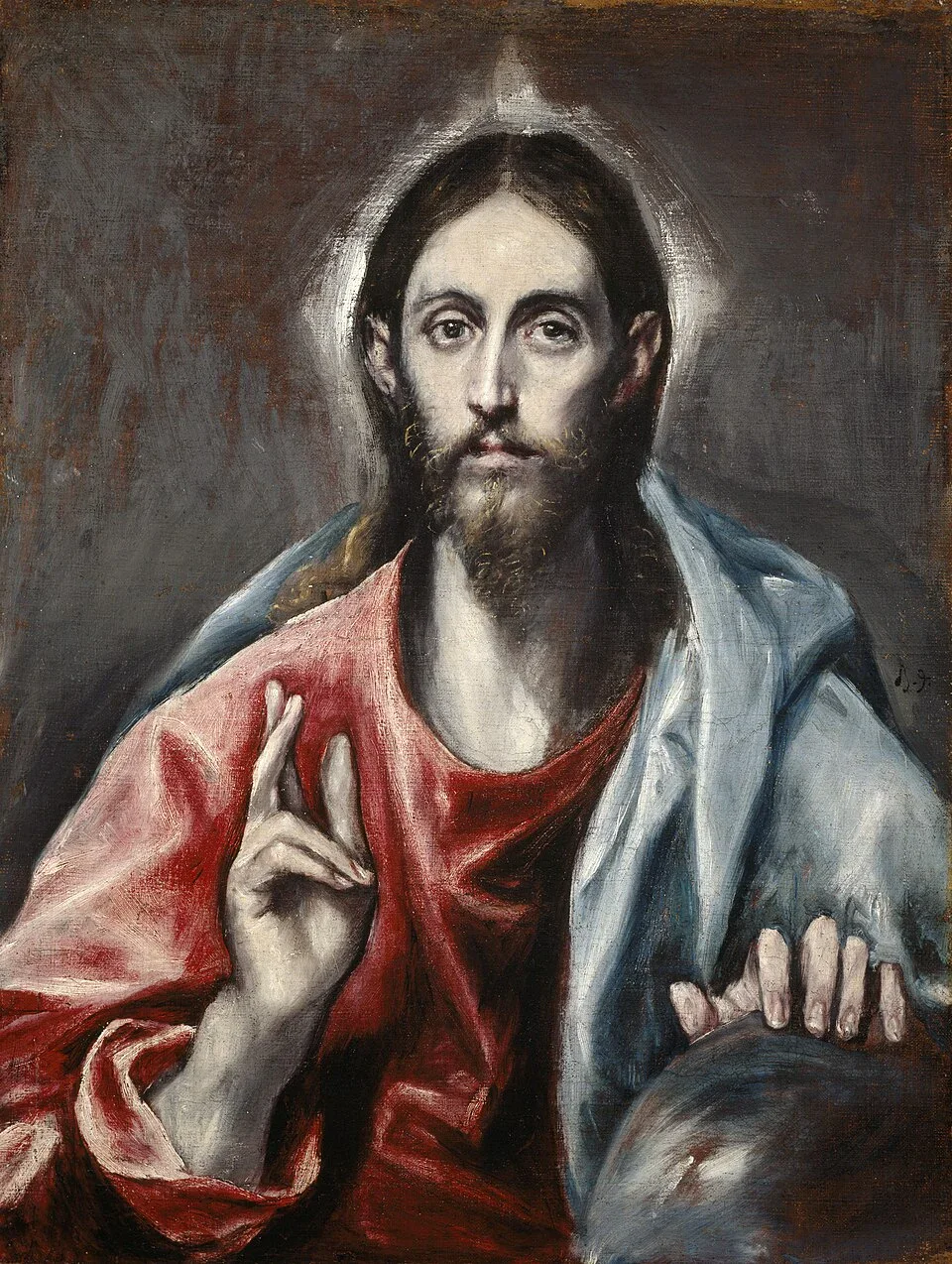
Christ Blessing, The Saviour of the World
In his left hand he holds a small ball, and the ball is the world. That is why this Christ is called the Saviour of the World. On its own, the subject is rare. Christ is usually shown with the apostles, not alone as he is here, with his right hand raised in blessing. The face is long and narrow, and it looks straight out at you, very still. It recalls a far older way of picturing Christ, the Byzantine image of him as ruler of all things, the Pantocrator. El Greco learned that manner of painting in Crete, his Greek homeland, before he came to Toledo. The usual dress for the Saviour is a red tunic and a blue mantle, though here the tunic is pink.
Listen in the appEl Greco · Public domain
09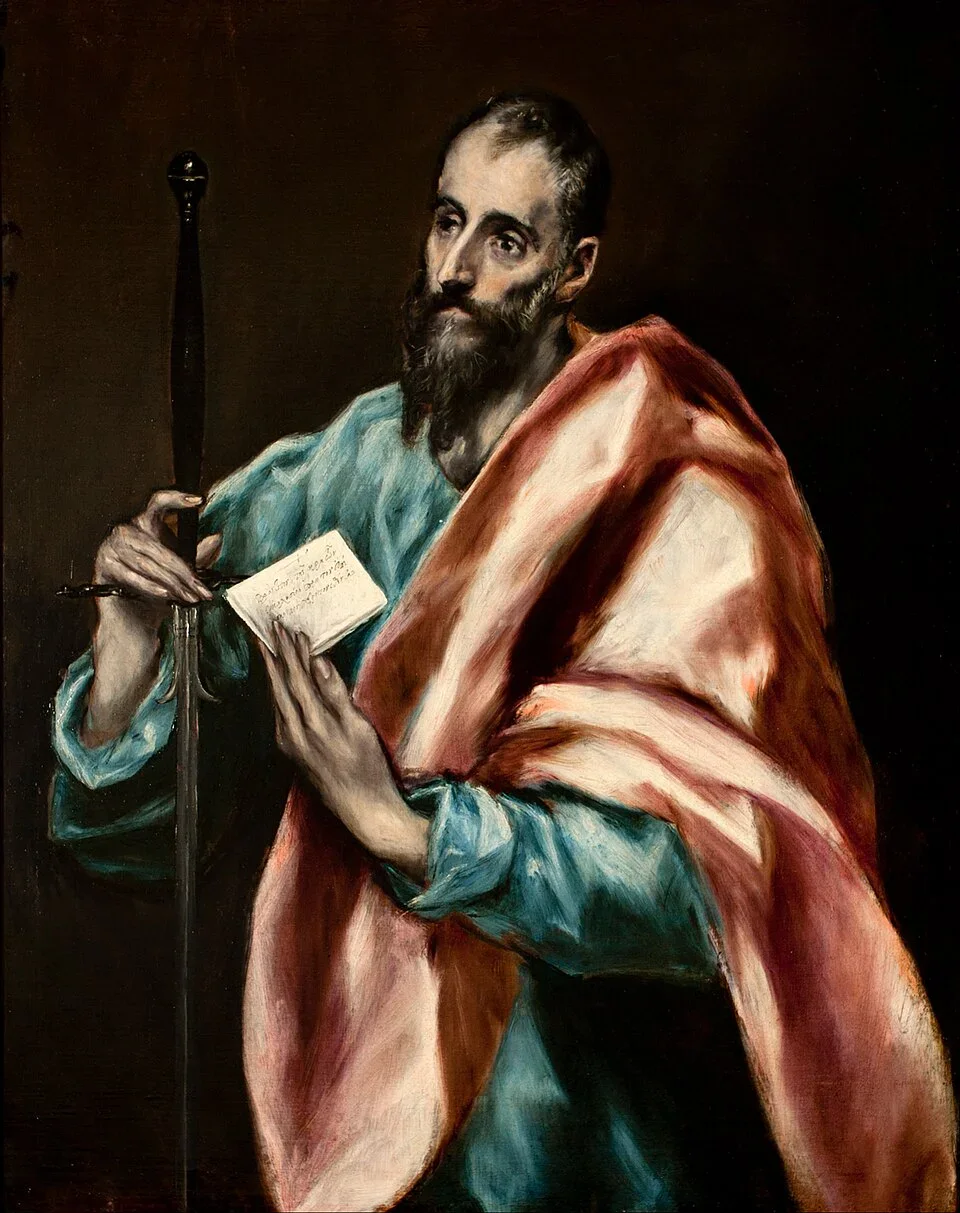
Apostle Saint Paul
Paul is holding a letter out toward you, its Greek writing facing you. It is addressed to Titus, the first bishop of the church of Crete, and it recalls the letter Paul wrote to him. Paul was not among the twelve Christ chose as his closest followers. Still, he appears in every set of apostles El Greco painted, in the place of one of the twelve. Crete mattered to both men, in different ways. Paul founded Christian communities there, and El Greco came from there himself. He painted this just after his brother Manussa died. The sword, the sign of how Paul died, is barely there. The long face and the large, sad eyes hold his grief, and the longing for Crete he felt then.
Listen in the appEl Greco · Public domain
10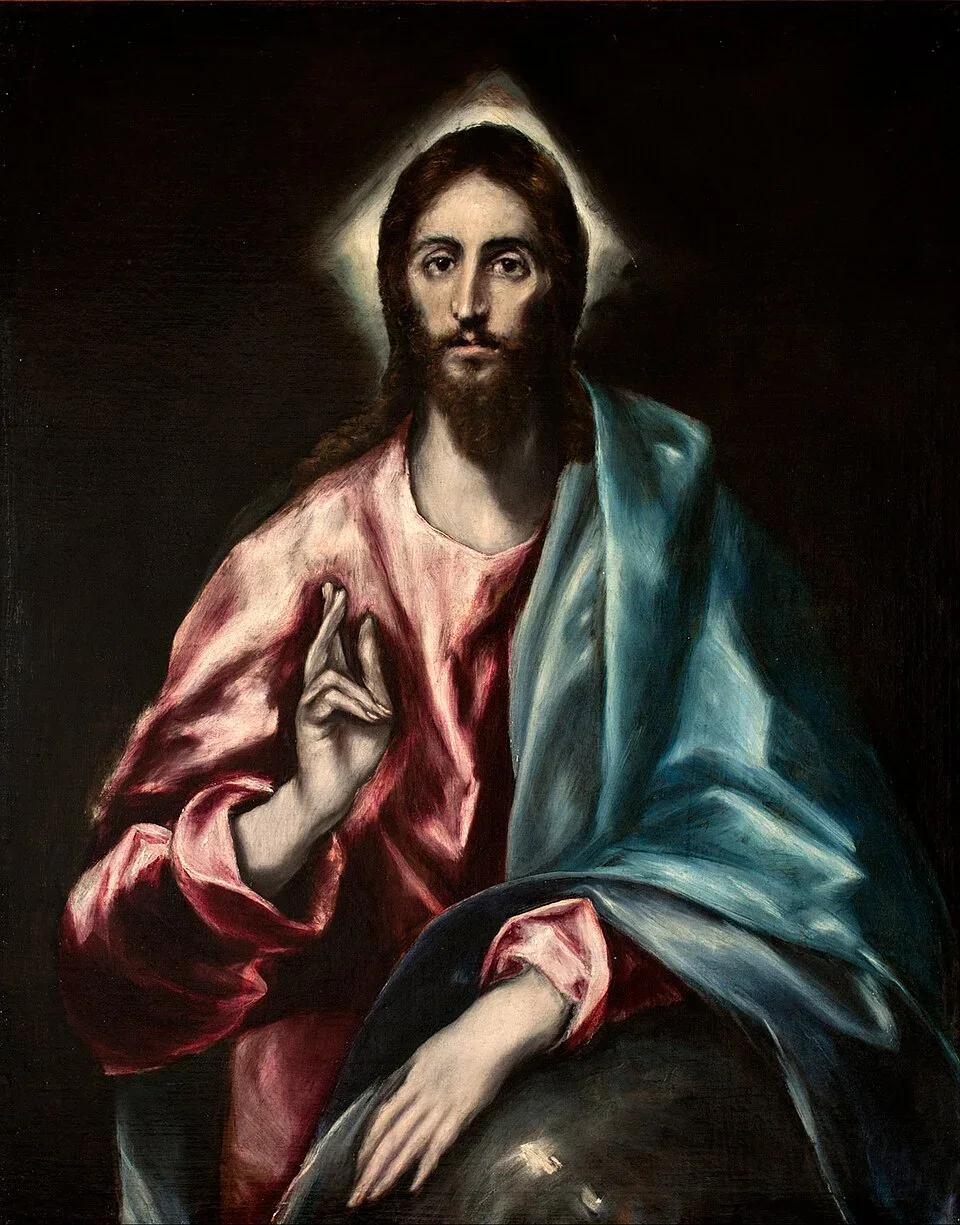
Christ as Savior
Christ faces straight out toward you. One hand is raised in blessing. The other rests on a globe, and the folds of his cloak wrap around it. Light radiates from him. The still, frontal way he holds himself and the blessing hand reach back to old Byzantine pictures of Christ as ruler of all. El Greco carried that tradition with him from his Greek homeland. The globe beneath his hand is Western. It is the world, and he is its Saviour and its light. He painted this to be the center of a set of thirteen pictures, all the same size. Twelve showed the apostles, six turned to the right and six to the left. Christ himself faces forward and blesses. The whole set was made for one room. Only two complete sets have survived. One is in the sacristy of Toledo cathedral. This is the other.
Listen in the appEl Greco · Public domain
- 11
Apostle Saint Peter
El Greco · 1610–1614
- 12
Apostle Saint Andrew
El Greco · 1610–1614
- 13
Apostle Saint Philip
El Greco · 1610–1614
- 14
Saint James the Greater
El Greco · 1610–1614
- 15
Apostle St Thaddeus (Jude)
El Greco · 1610–1614
- 16
Apostle Saint Matthew
El Greco · 1610–1614
- 17
Apostle Saint Simon
El Greco · 1610–1614
- 18
St. James the Less
El Greco · 1605–1614
- 19
Apostle series, El Greco Museum
El Greco · c. 1610–1614
- 20
Portrait of doña Mariana de Austria
Juan Bautista Martínez del Mazo · 1666
- 21
Altarpiece of San Bernardino
El Greco · 1603
- 22
Christ gathering his robes
Jerónimo Jacinto de Espinosa · 17th century
- 23
St Francis and Brother Leo Meditating on Death
El Greco · 1600–1606
Museo del Greco
Frequently asked questions
How much does the guide cost?
Free app download. Free until 1 January. Listed guide price: $0.99. Audio guide only. Venue admission is separate.
Can I listen without internet?
Yes. Download the guide’s audio, images, and maps in the app before your visit. Your downloaded content is then available offline.
Can I listen in my language?
In English for now. More languages soon.
Do I need to follow a schedule?
No. This is a self-guided experience. Choose your stops, pause whenever you like, and return to a story at your own pace.
Which artworks are in the Museo del Greco audio guide?
23 artworks, including View and Plan of Toledo (El Greco), San Bernardino de Siena (El Greco), Portrait of Diego de Covarrubias y Leiva (El Greco), Tears of Saint Peter (El Greco), Saint Bartholomew (El Greco), Saint John the Evangelist (El Greco), Apostle St Thomas (El Greco), and Christ Blessing, The Saviour of the World (El Greco). The full list is on this page.
Is this the museum’s official audio guide?
No. Stanza is an independent audio guide app and is not affiliated with Museo del Greco. Museum admission is separate.
At your own pace
Explore Museo del Greco.
Download Stanza, then search for “Museo del Greco”.
Free app download · Guide price shown in the app
Keep exploring
Nearby audio guides
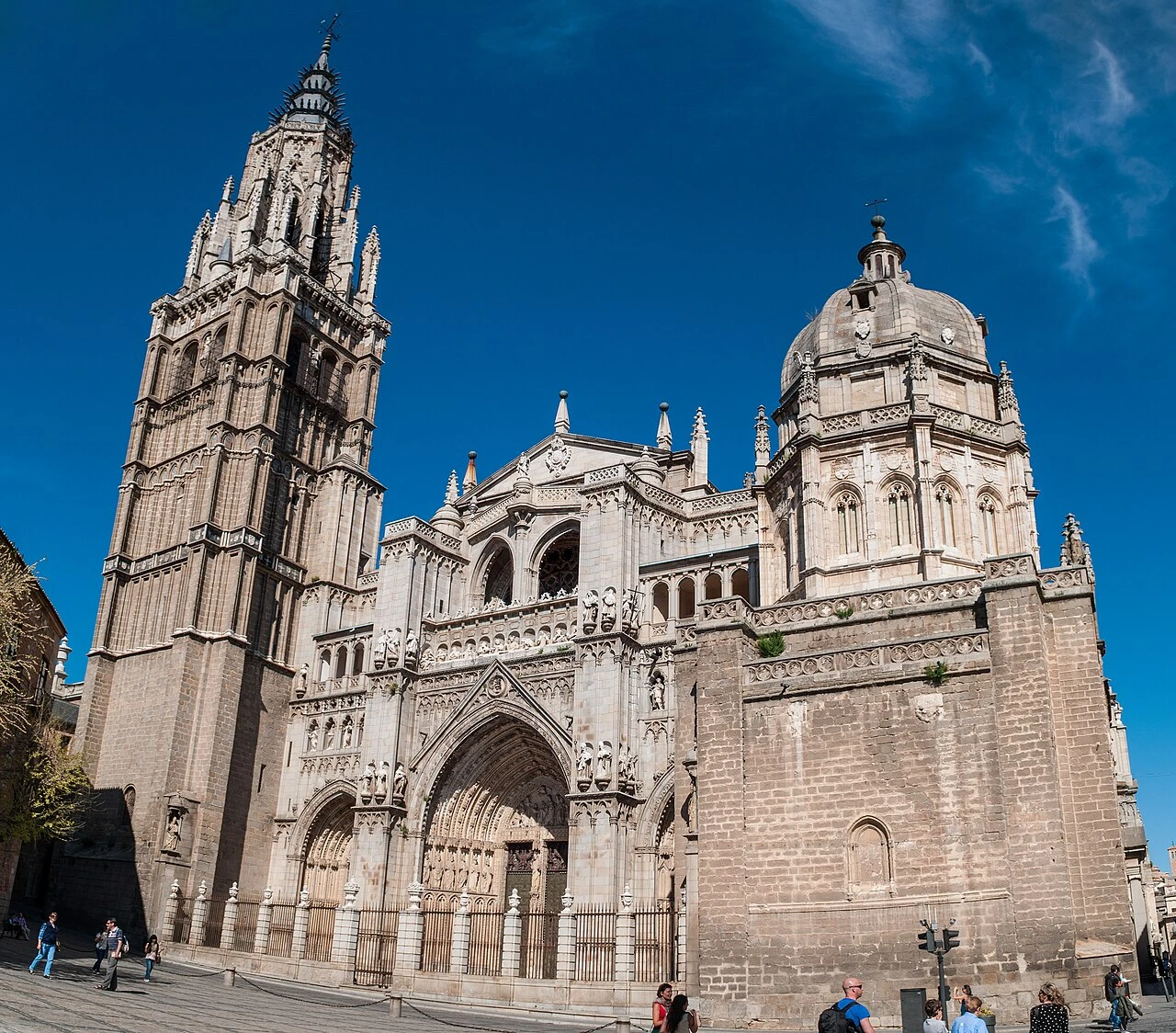
Toledo · 1 km
Toledo Cathedral
Content & sources
Michal Osmenda from Brussels, Belgium · CC BY 2.0
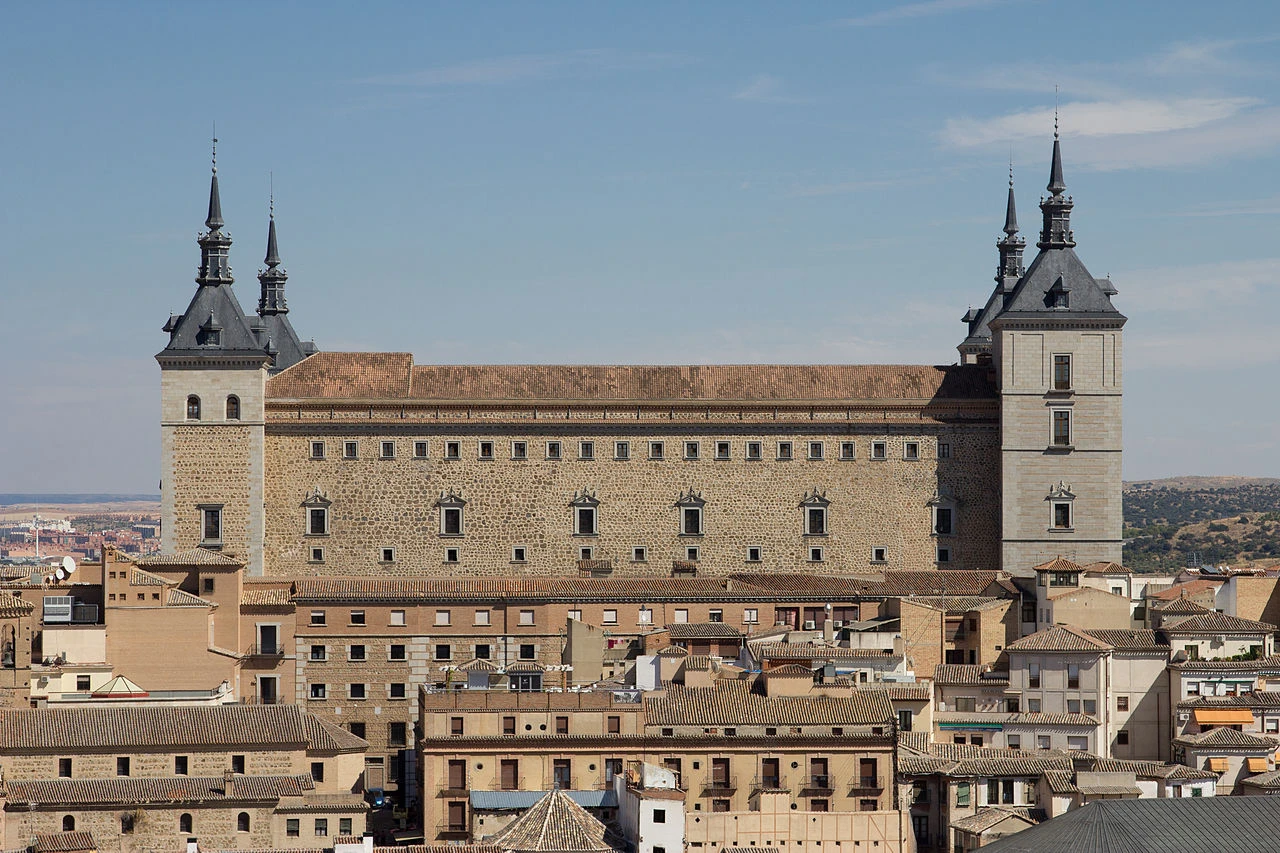
Toledo · 1 km
Alcázar of Toledo
Content & sources
Carlos Delgado · CC BY-SA 3.0 es
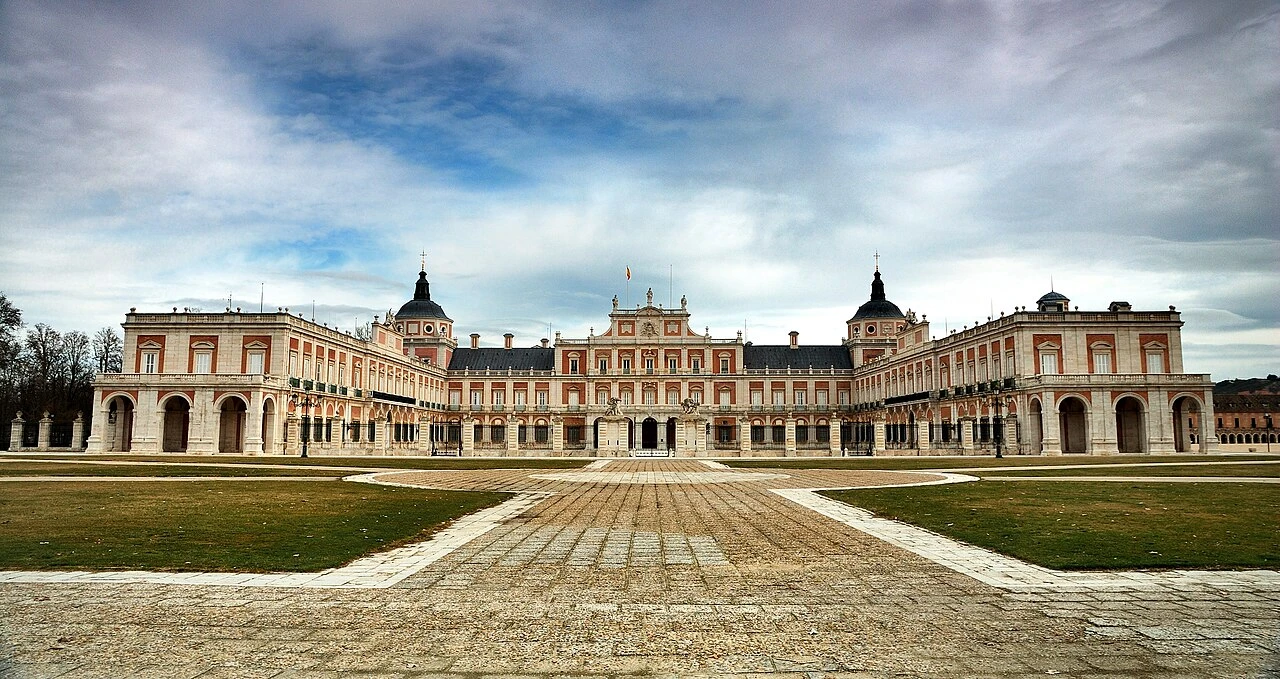
Aranjuez · 41 km
Royal Palace of Aranjuez
Content & sources
Fernando García from Madrid, España · CC BY 2.0
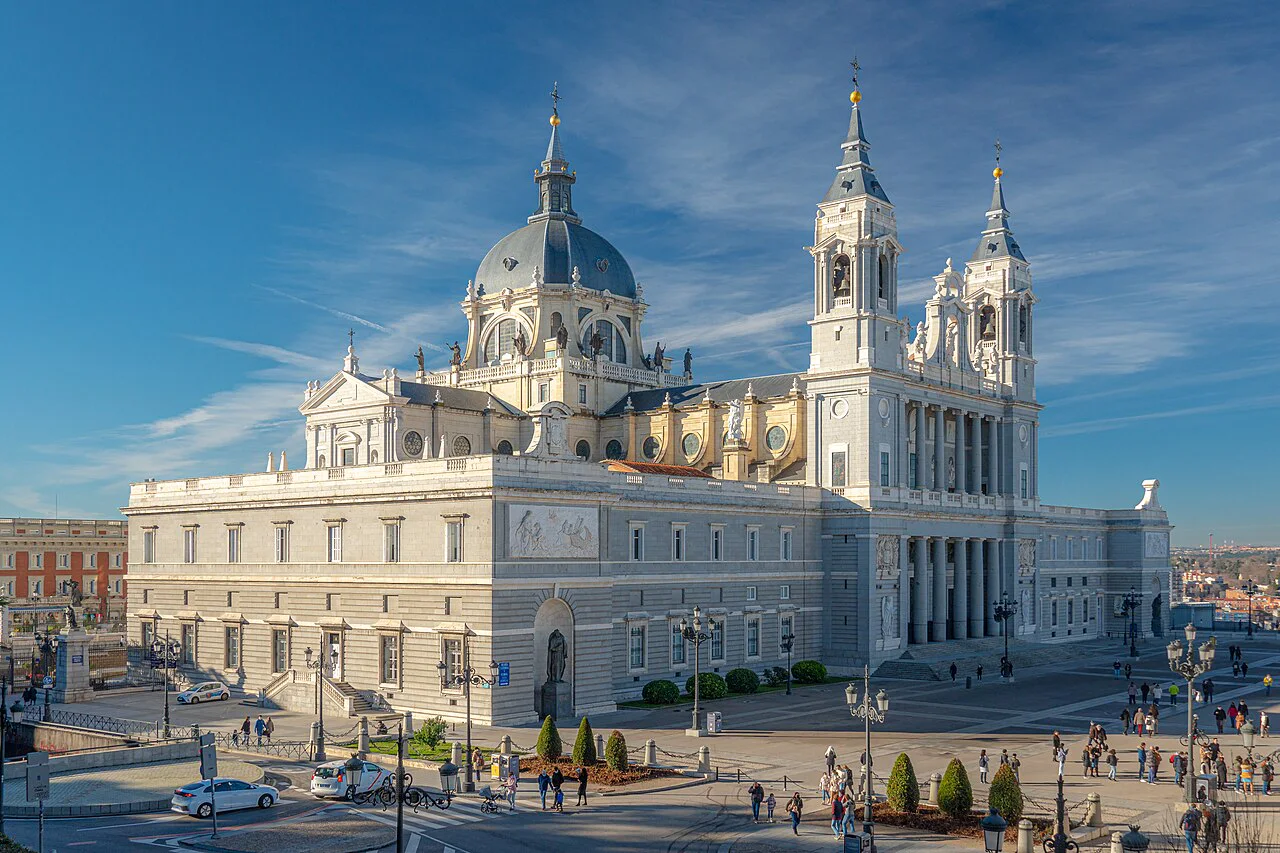
Madrid · 68 km
Catedral de la Almudena
Content & sources
Photo: Fernando · CC BY-SA 4.0
Art museums
More art museum audio guides
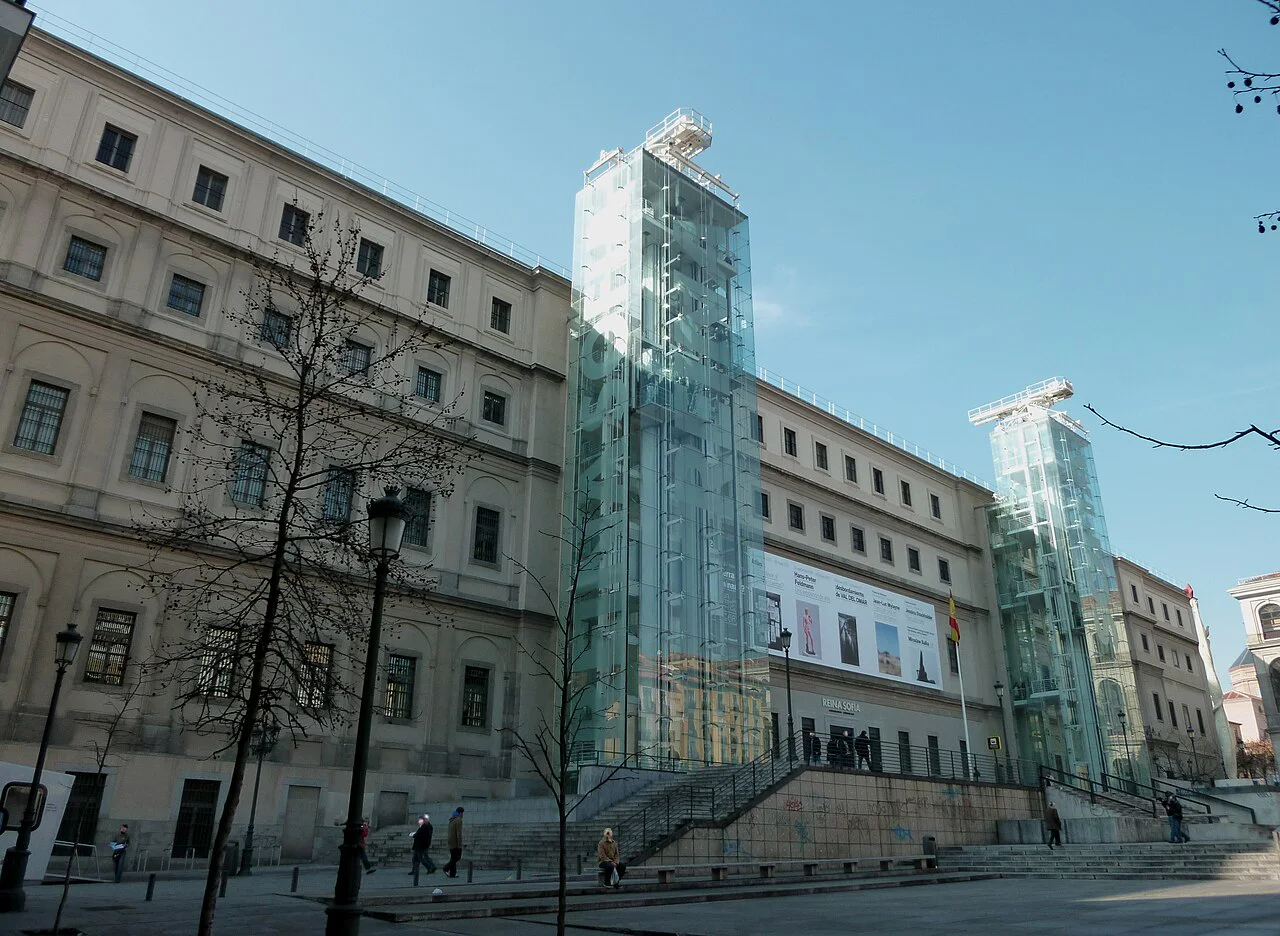
Madrid · 19 artworks
Museo Nacional Centro de Arte Reina Sofía
Content & sources
Luis García (Zaqarbal) · CC BY-SA 3.0
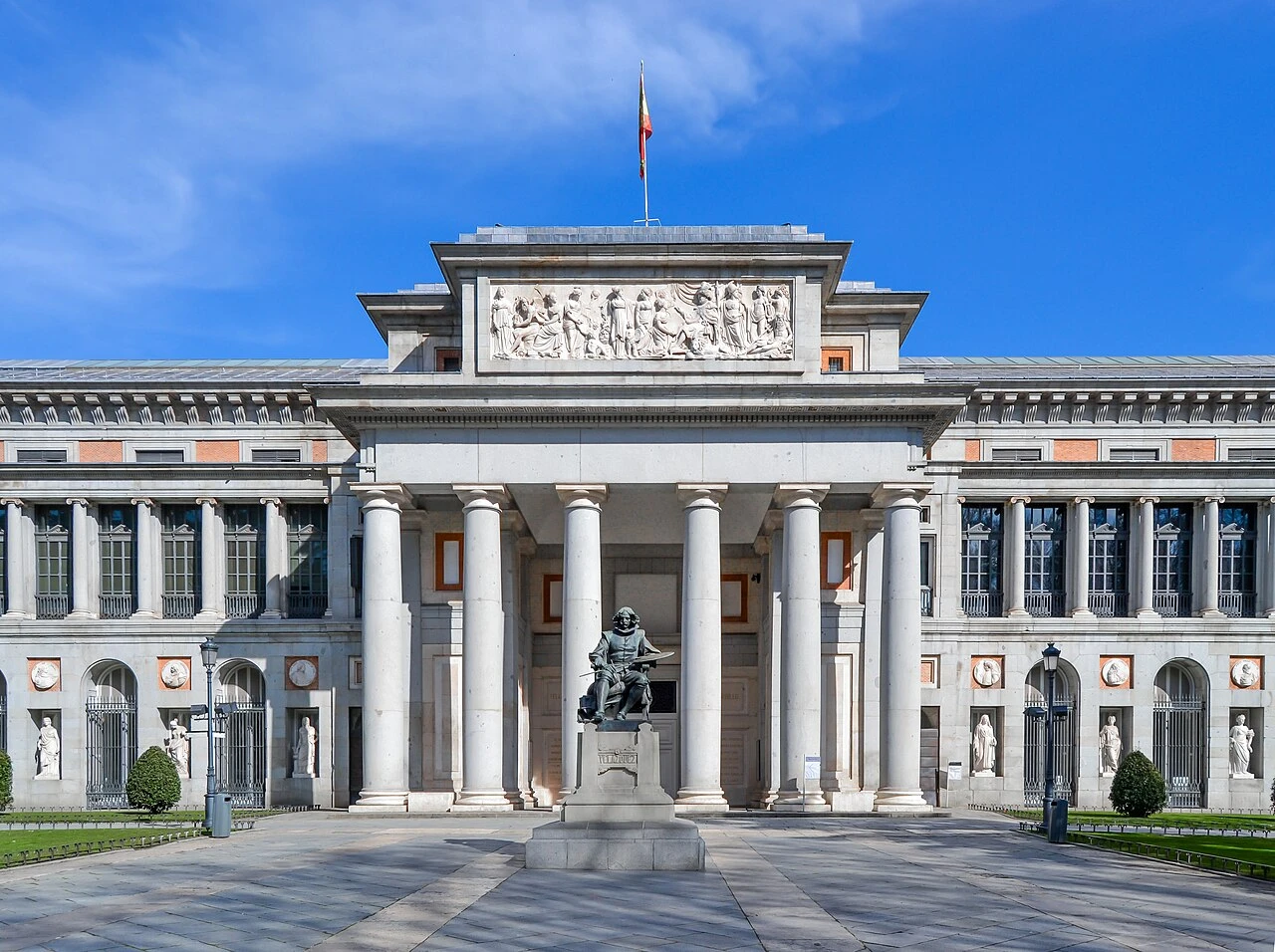
Madrid · 737 artworks
Prado Museum
Content & sources
Emilio J. Rodríguez Posada · CC BY-SA 2.0
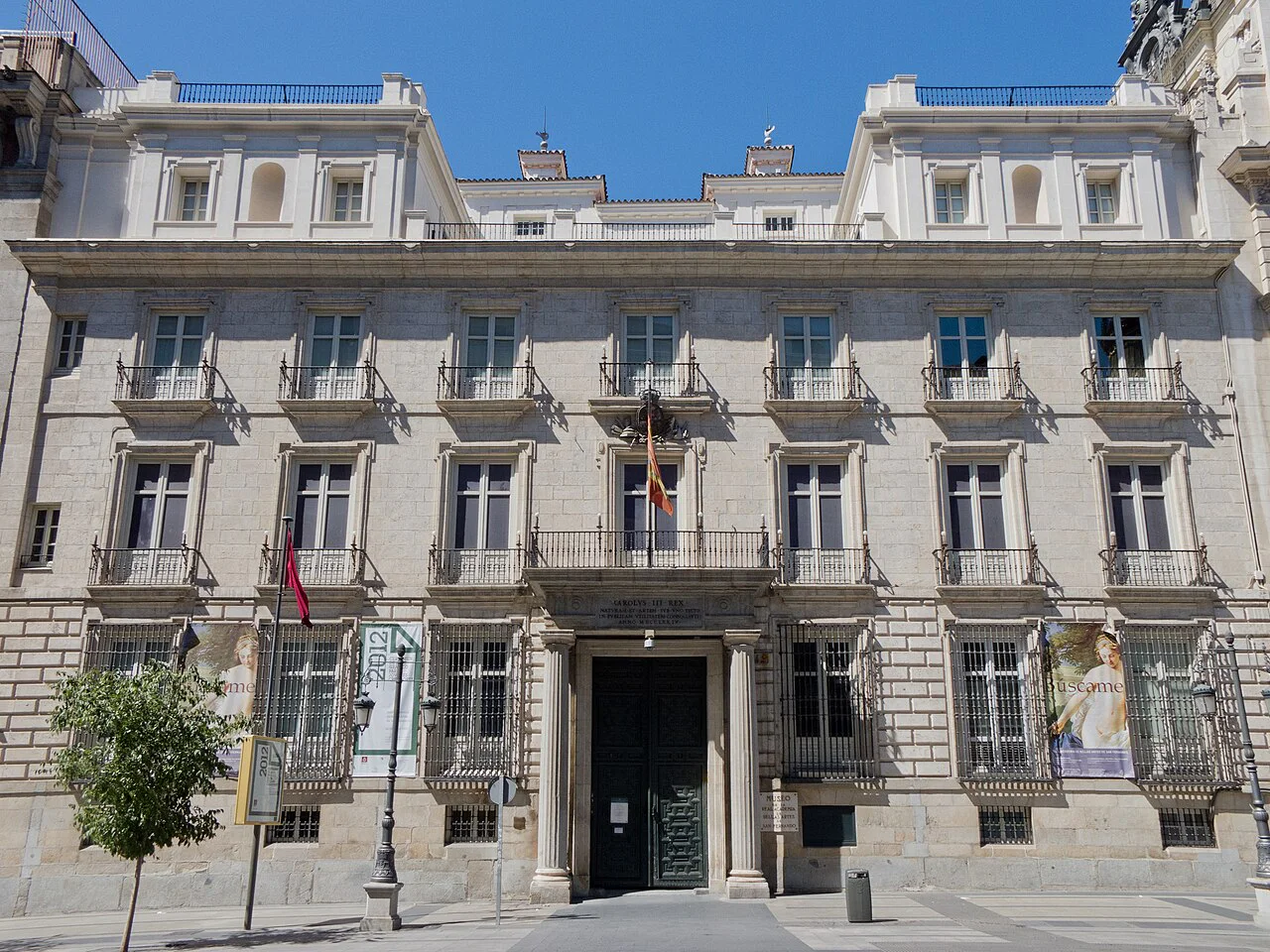
Madrid · 23 artworks
Real Academia de Bellas Artes de San Fernando
Content & sources
Carlos Delgado · CC BY-SA 3.0
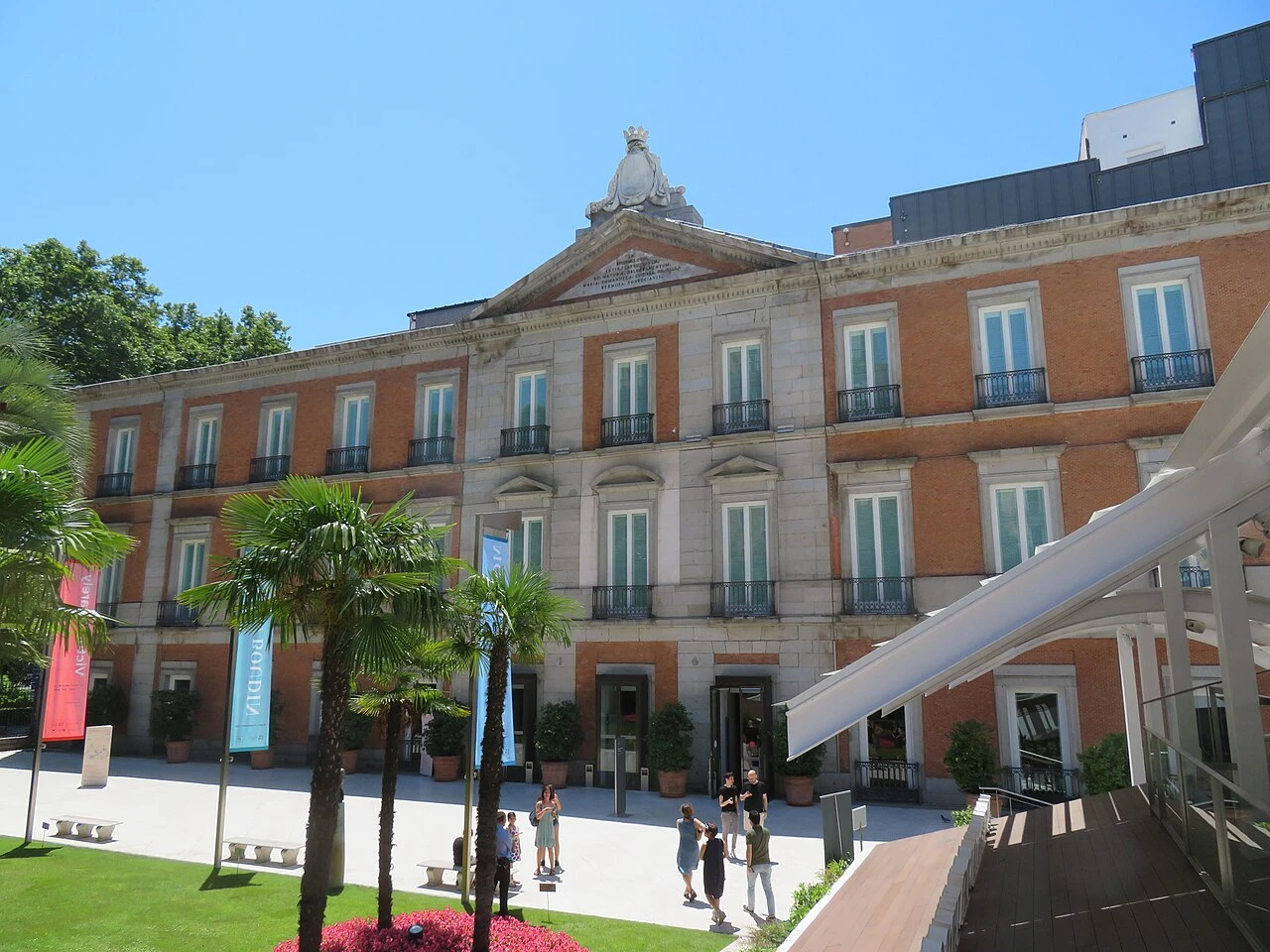
Madrid · 223 artworks
Thyssen-Bornemisza Museum
Content & sources
Kyle Magnuson from Los Angeles, United States · CC BY 2.0
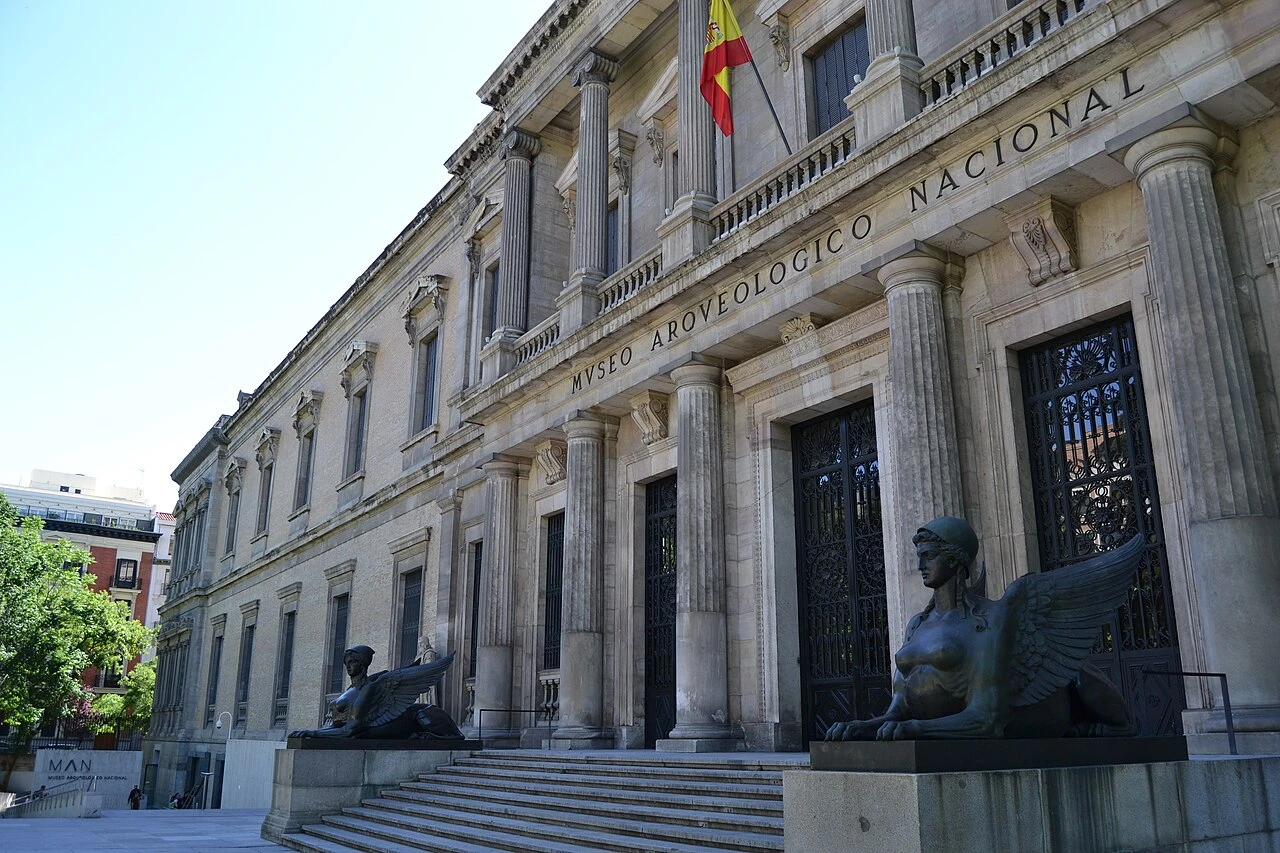
Madrid · 96 artworks
National Archaeological Museum of Spain
Content & sources
Emilio J. Rodríguez Posada · CC BY-SA 2.0
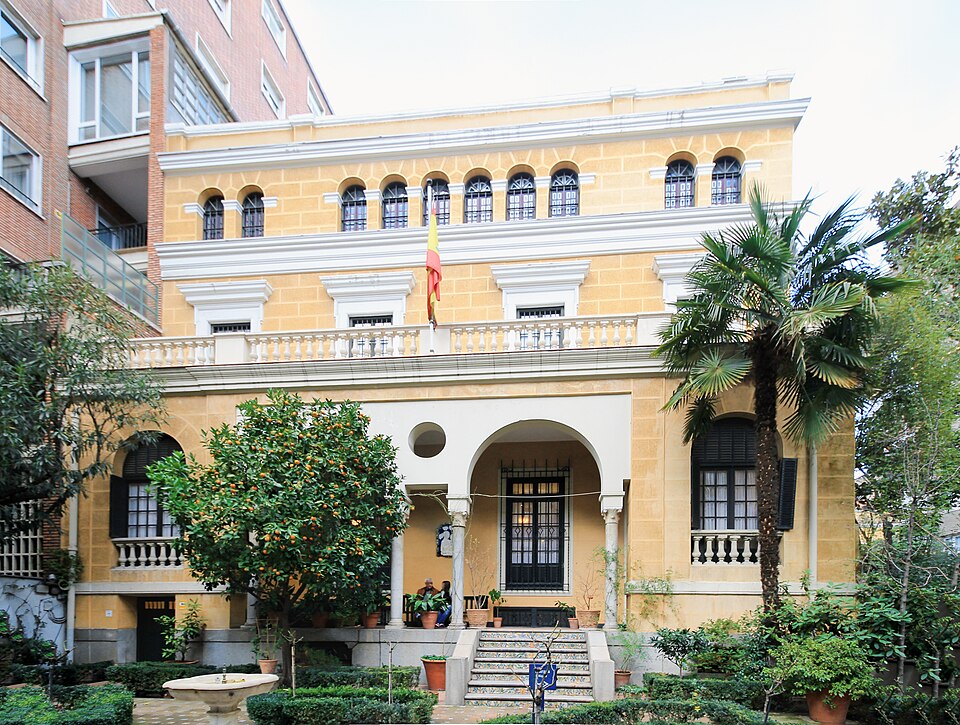
Madrid · 35 artworks
Sorolla Museum
Content & sources
Luis García (Zaqarbal) · CC BY-SA 3.0 es