Stanza · Audio guide
Bardo National Museum Audio Guide
A place to remember. A story to take with you.
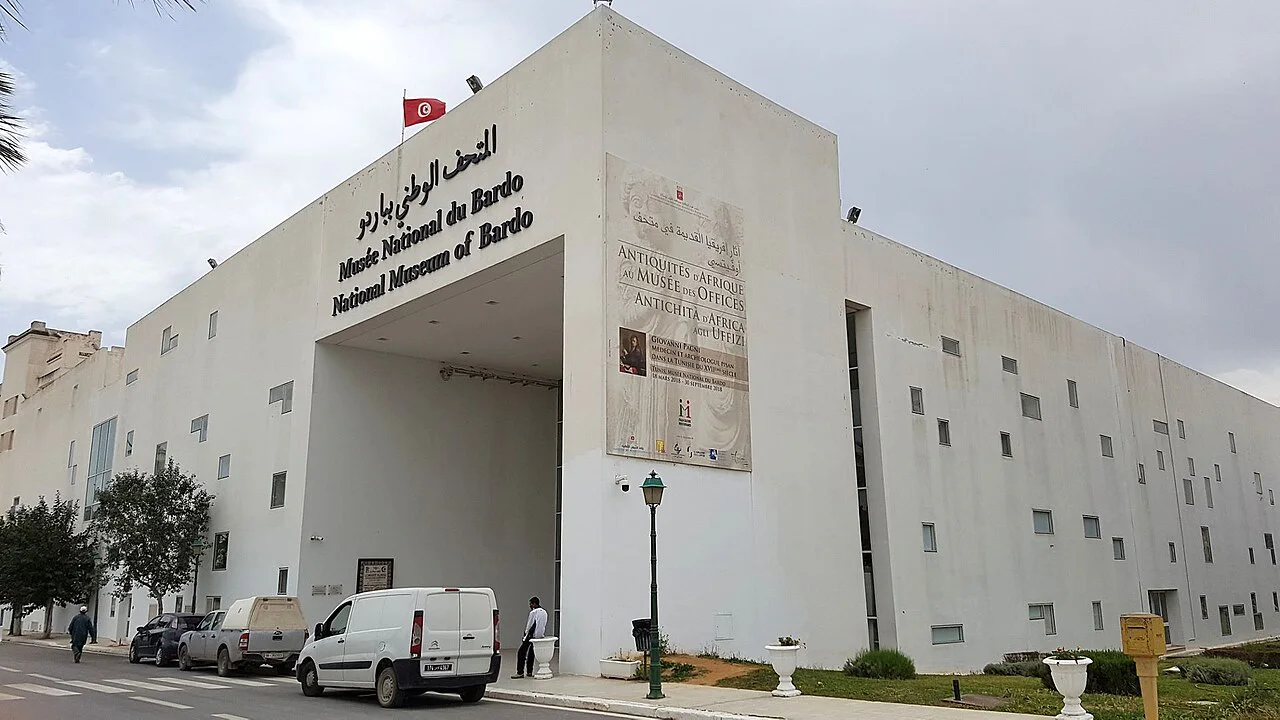
The Bardo National Museum is an arts and North African history museum in Le Bardo, Tunis, Tunisia. It traces the history of Tunisia over several millennia and across several civilizations through a wide…
Download Stanza, then search for “Bardo National Museum”.
About the tour
One guide. Your kind of visit.
The Bardo National Museum is an arts and North African history museum in Le Bardo, Tunis, Tunisia. It traces the history of Tunisia over several millennia and across several civilizations through a wide variety of archaeological pieces.
The Bardo National Museum guide tells the stories of 28 artworks, including Bardo National Museum attack (Unknown Artist), Blue Qur'an (Unknown Artist), Ksour Essef cuirass (Unknown Artist), Dominus Julius mosaic (Unknown Artist), Altar of the Gens Augusta (Unknown Artist), Neptune Triumph and the House of Sorothus mosaic (Pradère), Circus of Carthage mosaic (University of Chicago), and Stele of the Priest (Unknown Artist). Every artwork is free to hear in the Stanza app until 1 January.
Ready when you are.
- 01Get the free Stanza app.
iOS & Android
- 02Find your guide.
“Bardo National Museum”
- 03Download before you go.
Works offline
Audio guide / 28 artworks
Inside the guide
Get to know a few of the stories before you go. Open a stop to read more.
01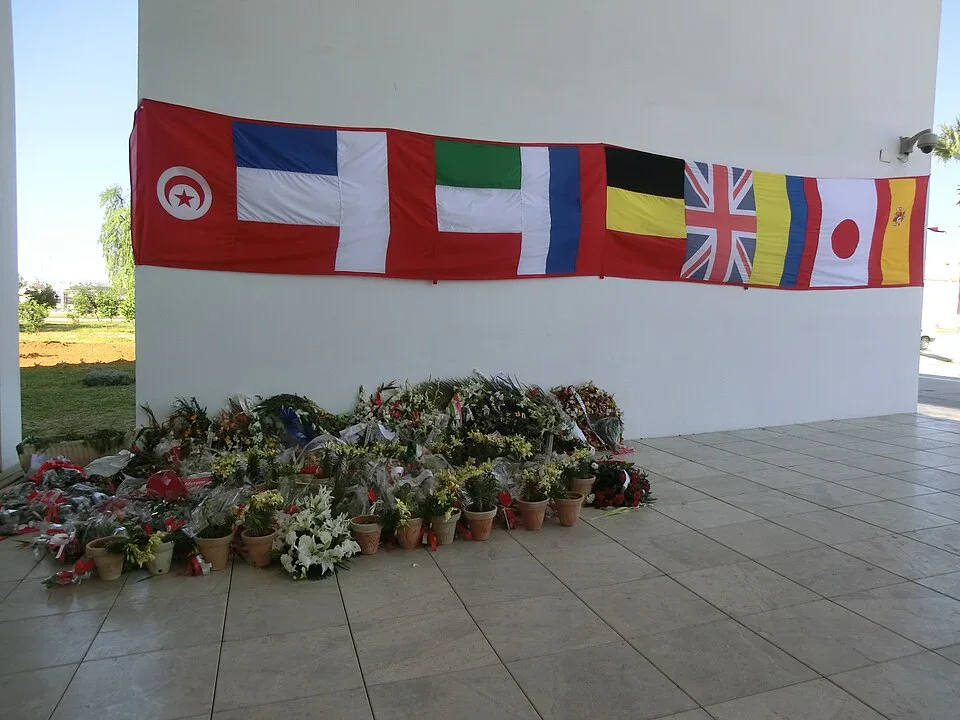
Bardo National Museum attack
Visitors are stepping off a bus outside the museum, about to enter, when shooting starts. They run for the entrance to get away from it. But two gunmen chase them inside and take them hostage. It is just after midday on the eighteenth of March, 2015. That morning, cruise ships docked at La Goulette, and some passengers came here. More than two hundred tourists were nearby. Since the 2011 revolution, attacks had been occasional, mostly in remote areas. Tourism had become important to the economy since the transition to democracy. The guards responsible for the museum and the nearby Parliament building were on a coffee break when the shooting began. The siege lasted three hours. Security forces breached the building and killed the two attackers, and a policeman was shot dead during the rescue. In the Parliament building, members had been discussing counter-terrorist laws. At the sound of gunfire they were told to evacuate, then made to lie on the ground during the rescue. The Islamic State claimed responsibility and promised more attacks. The Tunisian government blamed a local al-Qaeda splinter group instead. Ten days later, a police raid killed nine of its members. On the twenty-fourth of March the museum held a ceremonial reopening. Five days later, tens of thousands marched through Tunis, joined by the French and Italian leaders, under the words The World Is Bardo.
Listen in the appPhoto: Thylacin · CC BY-SA 4.0
02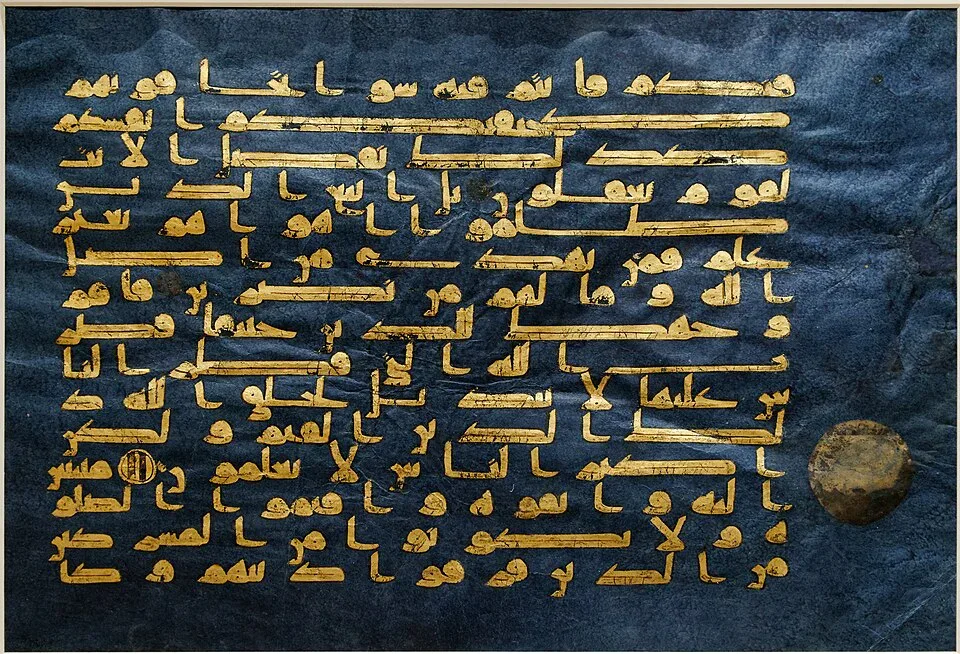
Blue Qur'an
Nobody knows where this book was made. Not the city, not even the century for certain, and not who paid for it. The letters are gold on parchment dyed a deep blue. The dye came from an indigo plant, probably brushed on before the skin was stretched and dried. The pages are wide rather than tall, and that wide shape resembles Qurans made in early Abbasid Iraq, which points east. The Swedish dealer who first made the book known said it came from Mashhad in Persia. He said it was made for the tomb of the caliph Harun al-Rashid. One page carries a Persian customs stamp. But the blue points west. The same deep blue appears in a Bible made in Umayyad Spain in 812. And the book is listed in the inventory of the Great Mosque of Kairouan around 1300. Spain is closer to Tunisia than Persia is. Then the book came apart. During the Ottoman Empire its pages were scattered. Most stayed in Kairouan until the 1950s. Today about a hundred folios survive in museums and private collections.
Listen in the appUnknown author · CC BY 2.5
03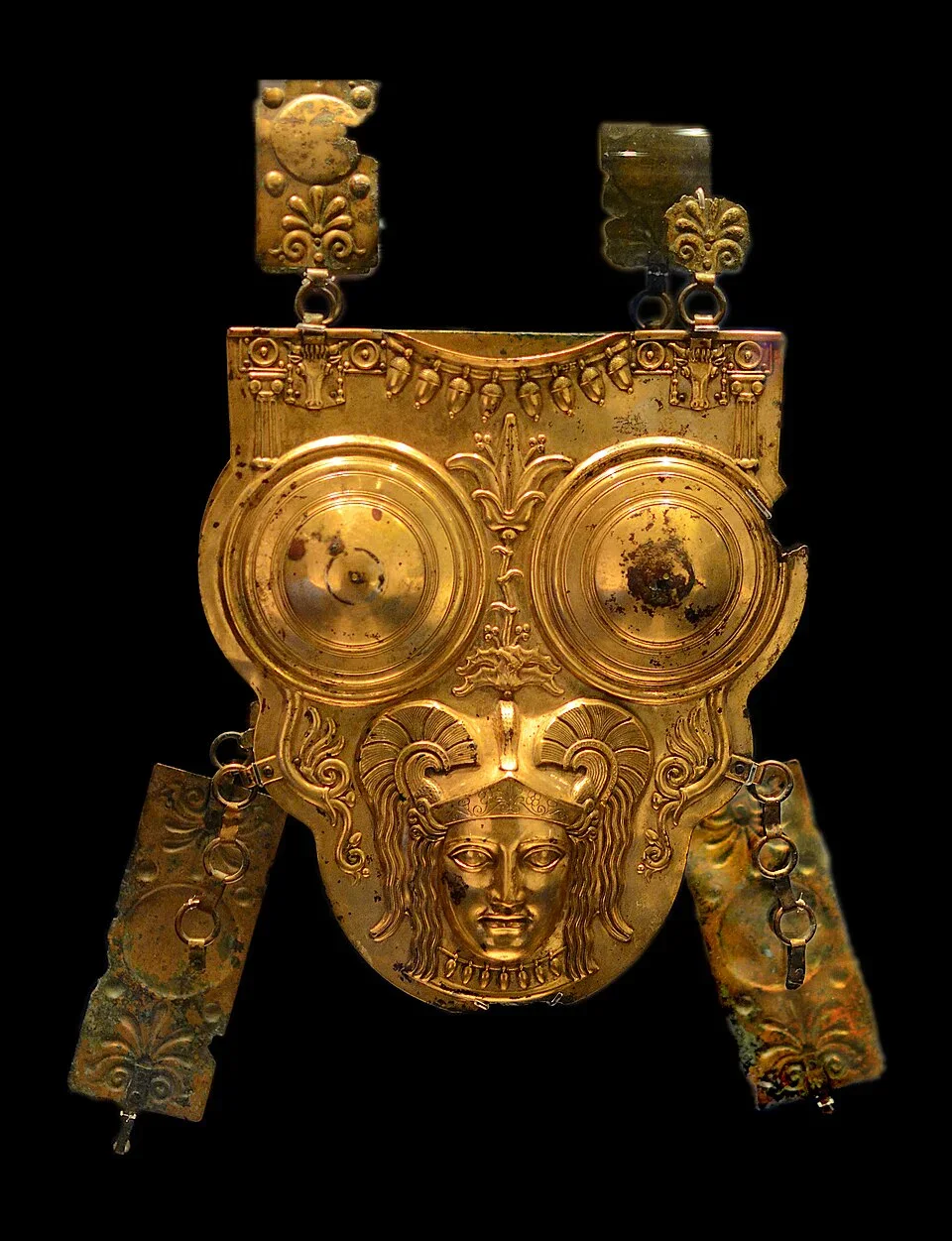
Ksour Essef cuirass
One of the raised circles on the back plate of this armour holds a helmeted goddess. Her eyes are large, her lips thick, and strands of hair are visible. She wears a necklace of acorns, and a similar necklace of acorns runs along the top of the breastplate. This is Minerva. She was shown this way in Campania. This is a soldier's heart guard, made in three discs. It comes from Southern Italy or Campania, not from here in Tunisia. But in 1909 Tunisian workers found it in a niche of a Punic tomb near Ksour Essef, beside a glazed lamp. Here was Italian armour in a Carthaginian grave. The easy reading was that a soldier carried it home from Hannibal's war in Italy. That put it in the third century BC. But the other things in the tomb tell a different story. One amphora was made as early as the fourth century BC, and the lamp belongs to that century too. The grave is older than the war, and a soldier returning with Hannibal no longer fits. So when this armour was really made is still not known.
Listen in the appPhoto: Dyolf77 · CC BY-SA 4.0
04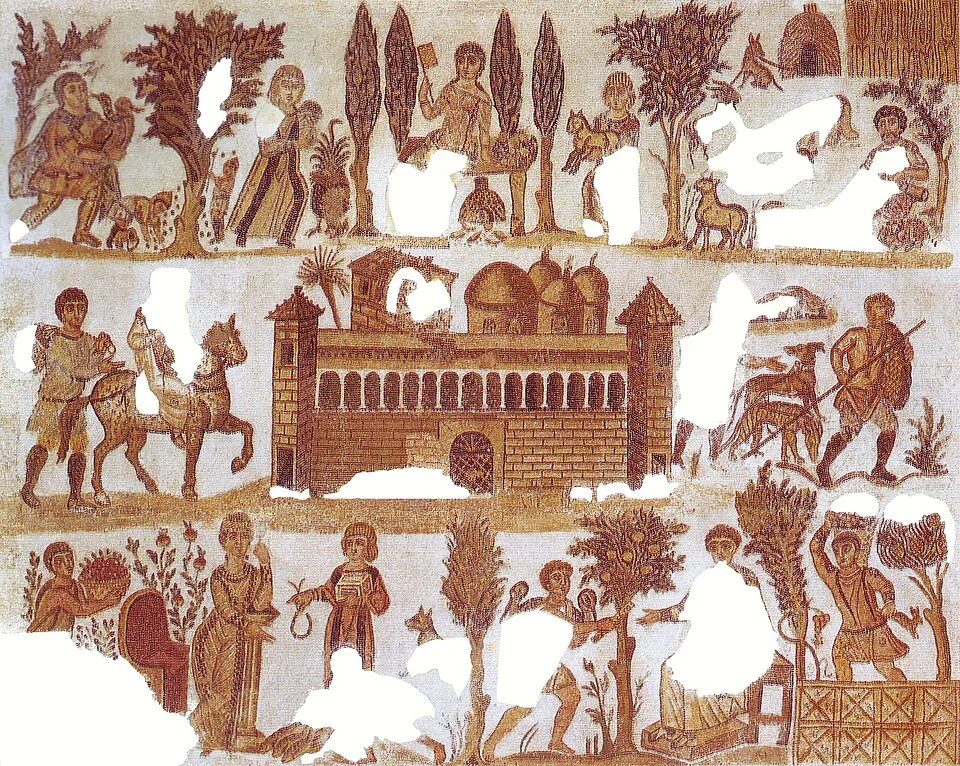
Dominus Julius mosaic
A servant holds out a note. Its first words say, to lord Julius. Dominus means master, the owner of this estate. The whole floor was made to announce him. It paved the reception hall of his villa at Carthage, a room built with a curved end for benches. The master, his guests and the people who served him all saw it. At its centre stands the house, with strong walls, an arcade and four domes for the baths. It is a luxurious country house. A woman sits fanning herself while a servant brings her olives, a duck and a lamb. Julius lounges on a backless chair, and a servant brings him grapes and a rabbit. In the corners, roses, olives, wheat and grapes stand for the four seasons. The estate produced all of it, year round. This is the life the owner wanted everyone there to see. We do not know who made the floor. It dates to the end of the fourth century or the start of the fifth, while Carthage was still Roman. The villa was found in ruins, and no one even drew its plan. The floor was uncovered in 1920 on the north slope of Byrsa hill, taken to the Bardo and partly restored. The note to lord Julius outlasted the house that held it.
Listen in the appopera propria. Jose Antonio at Italian Wikipedia · CC BY-SA 3.0
05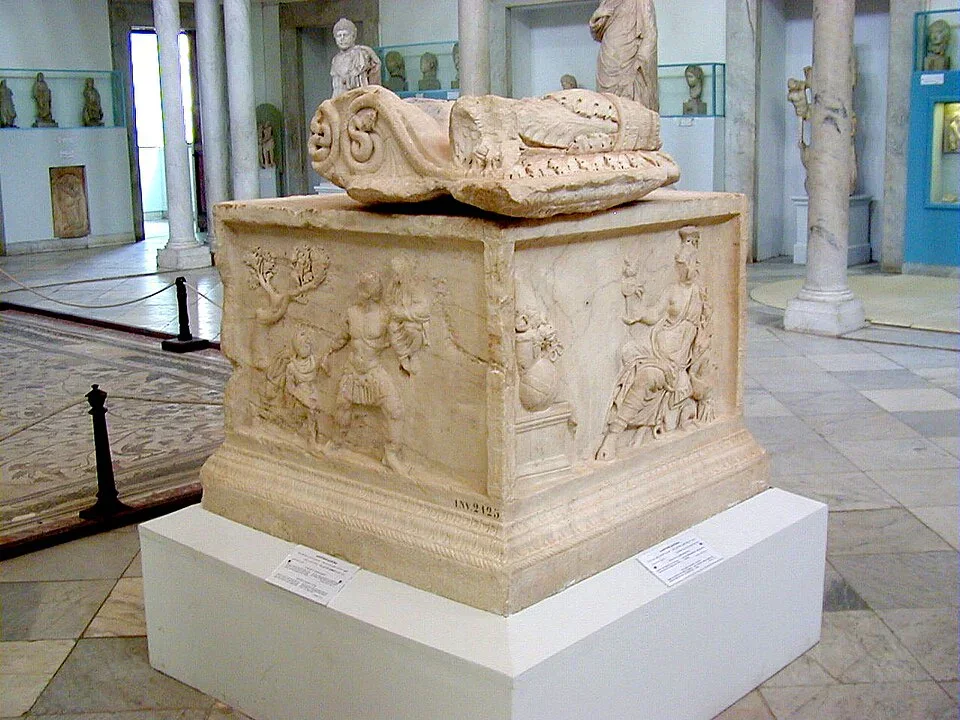
Altar of the Gens Augusta
Publius Perelius Hedulus paid for this altar and the temple to Augustus's family beside it, on his own land and at his own expense. He was an African, probably a Roman citizen and a wealthy freedman. When Augustus refounded Carthage as a Roman colony in 29 BC, he named it partly after his adopted family. Hedulus became the first here to hold that priesthood. On one side of the altar, Aeneas flees Troy. His father Anchises is in his left arm, and in his right hand he leads his son. That son is Iulus, and the family of Augustus claimed descent from him. Aeneas's journey brought him to Carthage, where he visited Dido, the city's founder. So the altar shows the family's claimed ancestor in the very city his story reached. On another side is Apollo with a cithara, a god closely tied to Augustus.
Listen in the appPascal Radigue · CC BY-SA 3.0
06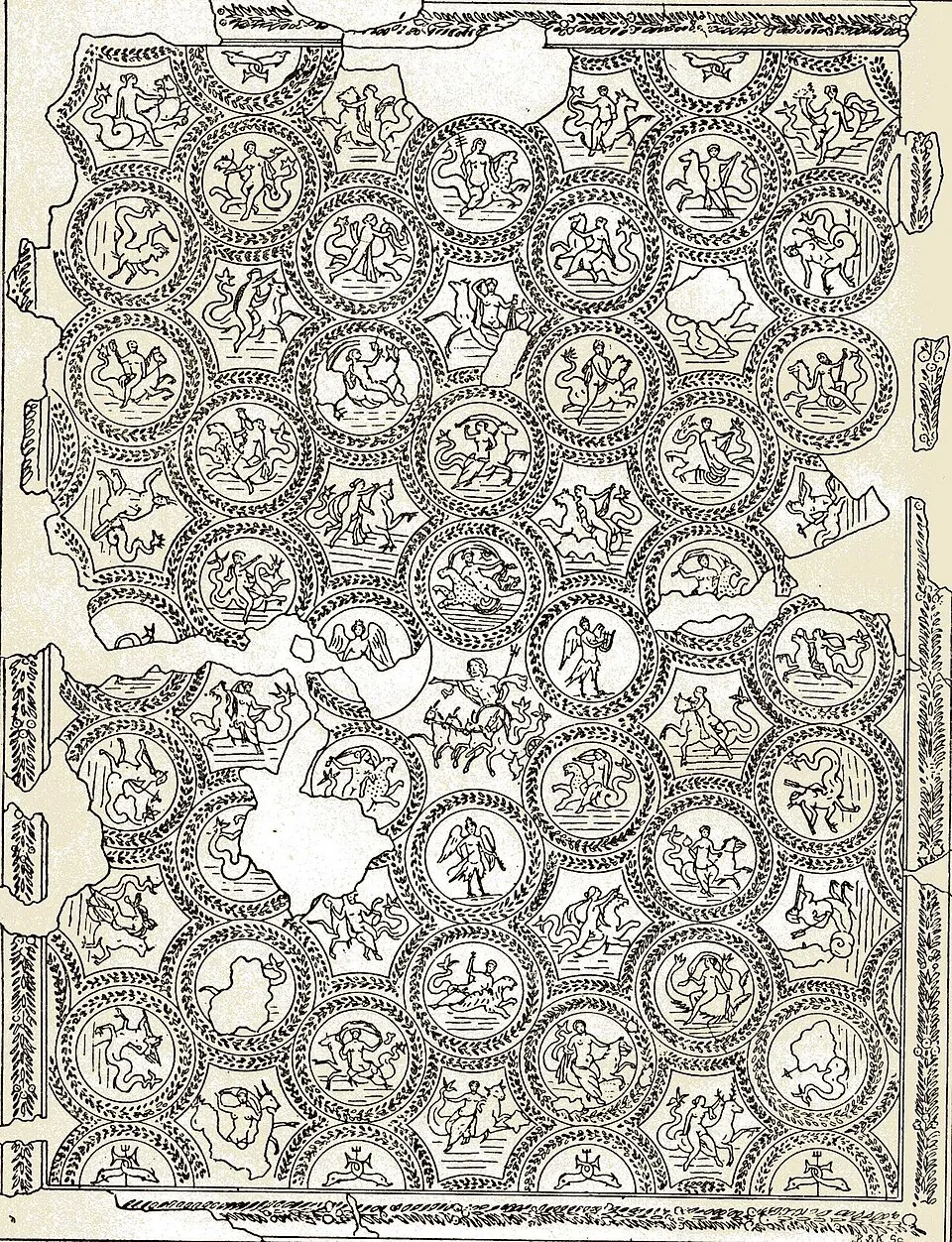
Neptune Triumph and the House of Sorothus mosaic
Neptune in triumph, with the Nereids, standing upright on a wall. Once, this was a floor, walked across in the main room of a rich man's house in Sousse. The owner was a shipowner or a horse breeder. The house was abandoned, then collapsed, and the site became an olive grove. Between 1886 and 1887, soldiers of the local regiment dug a sump in their garden, that olive grove, and came on the mosaic. They found no coins and no inscriptions. The find was pure chance. It lay between one and nearly two metres down, and some walls still stood almost two metres high. The floor was taken apart piece by piece, each medallion lifted out and made into a slab. The slabs went into crates, which a small railway carried to the port. There they were loaded onto the French cruiser D'Estrées. They reached Bardo by train, and the mosaic was restored and set up in the largest room of the new museum. For years it lay on the floor of the Sousse room, where visitors could hardly see it. Around 2010 the museum was extended, and it was moved into a new space and raised onto the wall. When exactly it was made, no one can say for sure.
Listen in the appPradère · Public domain
07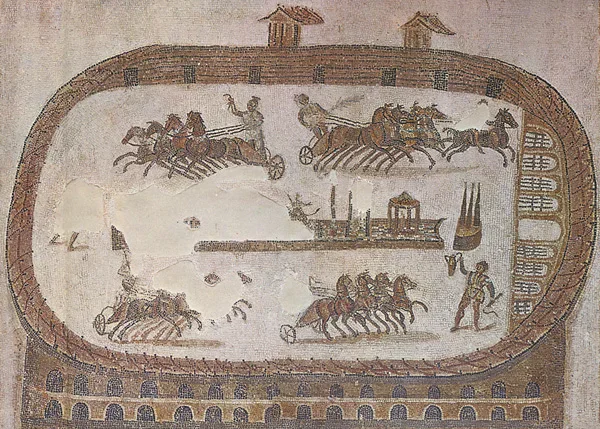
Circus of Carthage mosaic
In March of 1915, this mosaic was found in a small room on the Odéon hill. The room was poorly cleared, and the building around it is barely known. Almost at once the mosaic went to the Bardo, where it still is. What was printed the following year gave no more details of the find, and nobody knows who made it. So we are left with the picture. It holds two things at once, the building seen from outside and the race going on inside, something no other ancient mosaic does. Three sides of the building are shown, from above and at an angle, the way spectators saw the interior. The moment caught is the very end of the race, the instant the Blues win. Down the middle of the track is the spina, the strip that splits the racing space in two. In Rome such a strip carried an obelisk. Here it carries Cybele, seated on a lion, the goddess who watches over chariot races. Her place in the middle of the track tells you how much she mattered in Africa. The circus of Carthage itself left only faint traces on the ground.
Listen in the appUniversity of Chicago · Public domain
08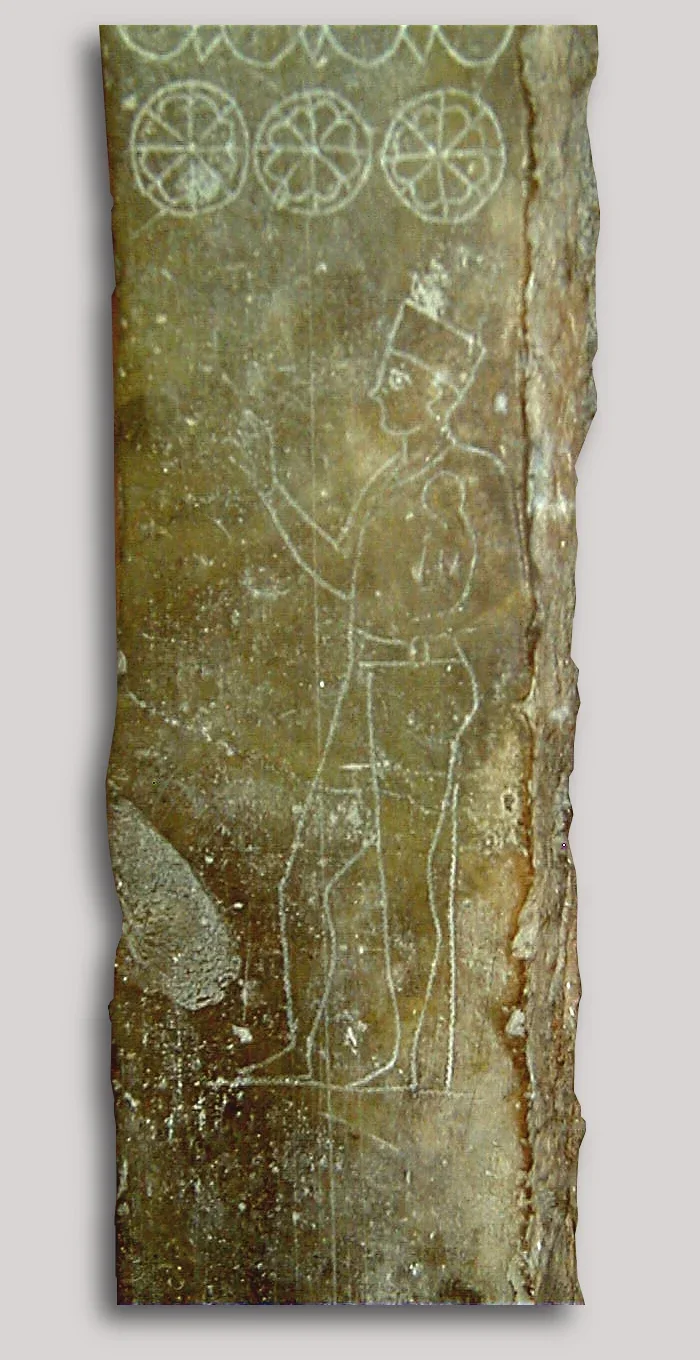
Stele of the Priest
A priest holds a small child in his left arm, about two or three years old, drawn in only a few lines. He raises his right hand in prayer, or in blessing. A flat tiara marks him as a priest. This stone was found at Carthage, in the tophet. That was a sacred enclosure where urns held the burned remains of infants, and a stone stood over each to mark the place. This stone, with a priest holding a child, was pulled into an argument still not settled. Had the people of Carthage sacrificed their children to the gods? Human figures are rare on these stones, which is why this one drew such attention. It was dug up in December 1921 by a stonedigger working illegally. No one knows which urn it marked, exactly where it stood, or who carved it. The two figures are set off centre, towards the right, and probably face Tanit and the altar.
Listen in the appPascal Radigue · CC BY-SA 3.0
09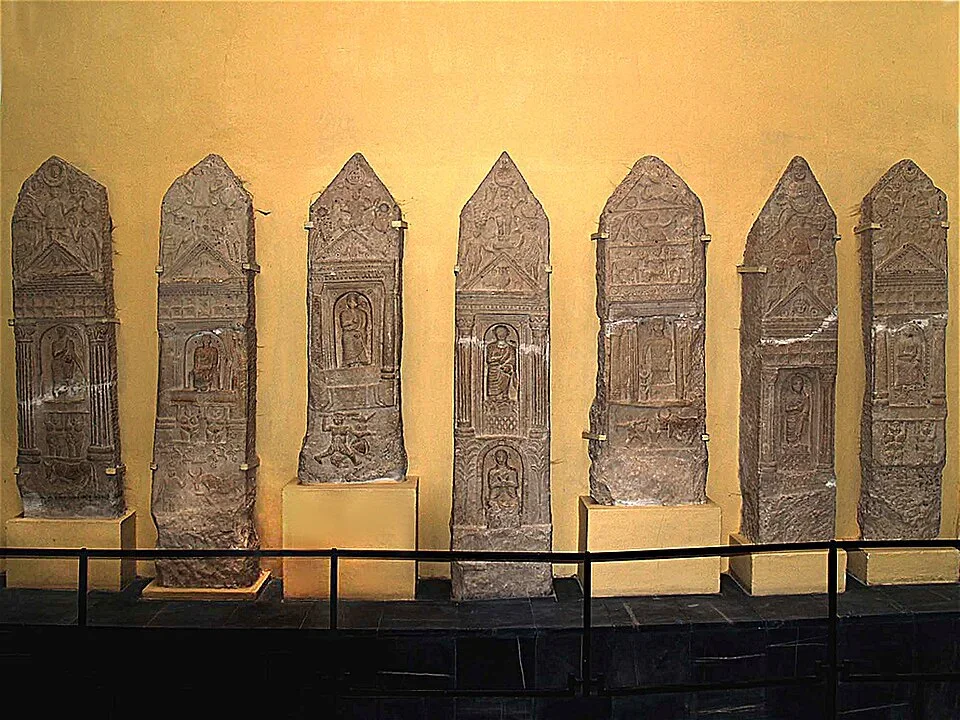
La Ghorfa stelae
For a long time no one knew where these stones had come from. They are upright slabs with pointed tops, and some carry writing. Some of it is Latin, some Neo-Punic. That mixture tells you the people who set them up lived where Phoenician and Roman ways had grown together. It does not tell you where. The first came to light in 1842, gathered by a German architect working for the British consul in Tunis. More surfaced between 1860 and 1873, about forty pieces in all. Little was written down about the exact spot, and the collection was quickly scattered. Some went to London, some to Vienna, some to Paris. A dozen came here to the Bardo. They were named for a doubtful line in an old inventory, which pointed to a place called La Ghorfa, between Makthar and Dougga. The name stuck for decades. Then a Tunisian historian, Ahmed M'Charek, traced them instead to Maghrawa, near Makthar, late in the 1980s. Four more had been found there in 1967, by workers from the water service. But the shrine where they were first laid down has never been found.
Listen in the appProfburp · CC BY-SA 3.0
10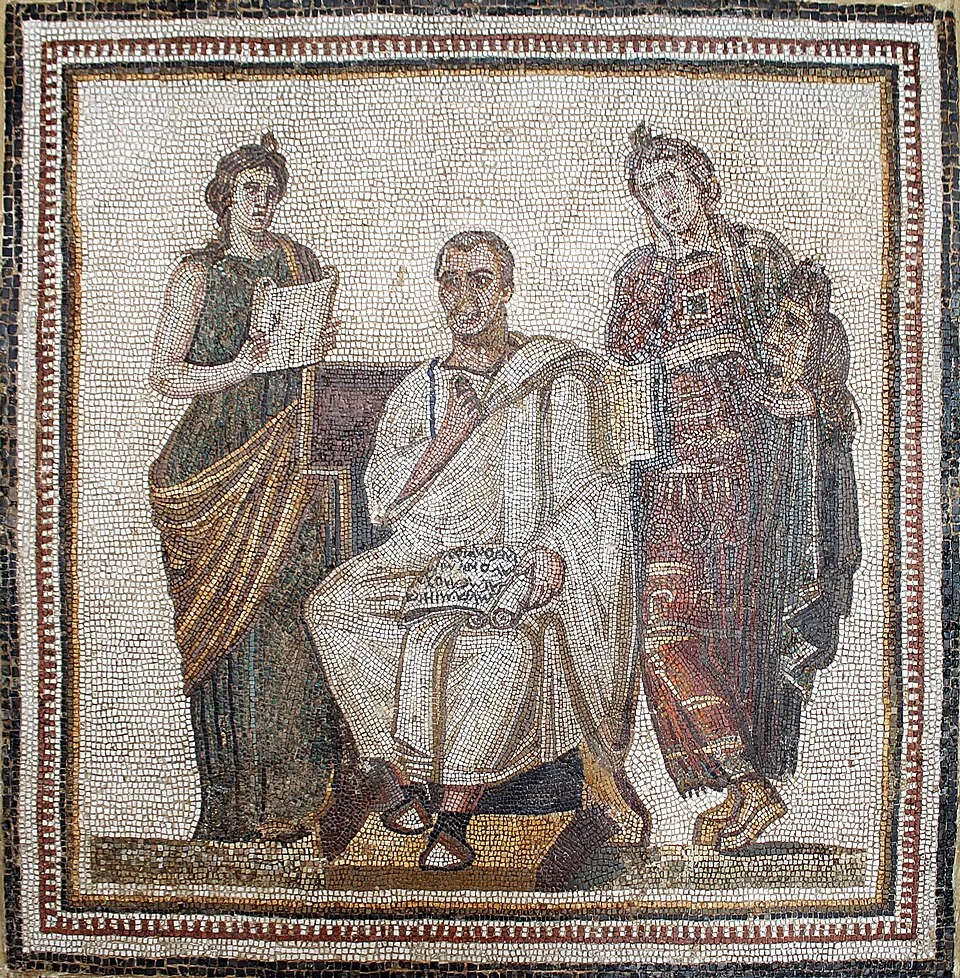
Virgil mosaic
Across a man's knees lies a scroll, and on it a line of poetry is written out. It comes from the Aeneid, the moment the poet asks the Muse to tell him why. Two muses surround him. The one who reads, on his left, is Clio, muse of history. The other holds a tragic mask. She is Melpomene, muse of tragedy. He wears a white toga with embroidery on it. Put together, they tell us this is Virgil, the oldest portrait of him we know of. Nobody knows who made it. The mosaic was found in 1896 in a garden in Sousse, on the site of ancient Hadrumetum, and it formed the center of a larger mosaic. Whose face it really is, we still do not know. It may be the man who owned the house, a lover of the poet.
Listen in the appBoyd Dwyer · Public domain
- 11
Ecclesia Mater mosaic in the Bardo National Museum
opera propria · 500
- 12
Catalogue of Althiburos ships
Paul Gauckler (+ 1911) · 201
- 13
Mosaic of cyclops forging the lightning of Jupiter
Giorces · 201
- 14
Boglio stele
Unknown Artist · 201
- 15
Triumph of Neptune
Unknown Artist · 101
- 16
Bardo National Museum (Tunis) 28
Unknown Artist · 301
- 17
El Kantara baptistry
Unknown Artist · 500
- 18
mosaic of the costumed banquet from El Jem
Unknown Artist · 300
- 19
Circus of Gafsa mosaic
Unknown Artist · 501
- 20
Winning auriga of Dougga mosaic
Unknown Artist · 4th century
- 21
Coronation of Venus
Unknown Artist · 4th century AD
- 22
Ulixes mosaic in the Bardo National Museum
Dennis G. Jarvis · 250
- 23
Cup-bearers of Dougga mosaic
Dennis G. Jarvis · 250
- 24
Hercules of Massicault Bardo Museum
Unknown Artist · -201
- 25
Bizerte Lanx
Unknown Artist · 200
- 26
Daniel in the lions' den mosaic in the Bardo National Museum
Unknown Artist · 350
- 27
mosaic of the islands and cities of the Mediterranean
Unknown Artist
- 28
Omnia tibi felicia mosaic
Unknown Artist · 4th century
Bardo National Museum
Frequently asked questions
How much does the guide cost?
Free app download. Free until 1 January. Listed guide price: $1.99. Audio guide only. Venue admission is separate.
Can I listen without internet?
Yes. Download the guide’s audio, images, and maps in the app before your visit. Your downloaded content is then available offline.
Can I listen in my language?
In English for now. More languages soon.
Do I need to follow a schedule?
No. This is a self-guided experience. Choose your stops, pause whenever you like, and return to a story at your own pace.
Which artworks are in the Bardo National Museum audio guide?
28 artworks, including Bardo National Museum attack (Unknown Artist), Blue Qur'an (Unknown Artist), Ksour Essef cuirass (Unknown Artist), Dominus Julius mosaic (Unknown Artist), Altar of the Gens Augusta (Unknown Artist), Neptune Triumph and the House of Sorothus mosaic (Pradère), Circus of Carthage mosaic (University of Chicago), and Stele of the Priest (Unknown Artist). The full list is on this page.
Is this the museum’s official audio guide?
No. Stanza is an independent audio guide app and is not affiliated with Bardo National Museum. Museum admission is separate.
At your own pace
Explore Bardo National Museum.
Download Stanza, then search for “Bardo National Museum”.
Free app download · Guide price shown in the app
Keep exploring
Nearby audio guides
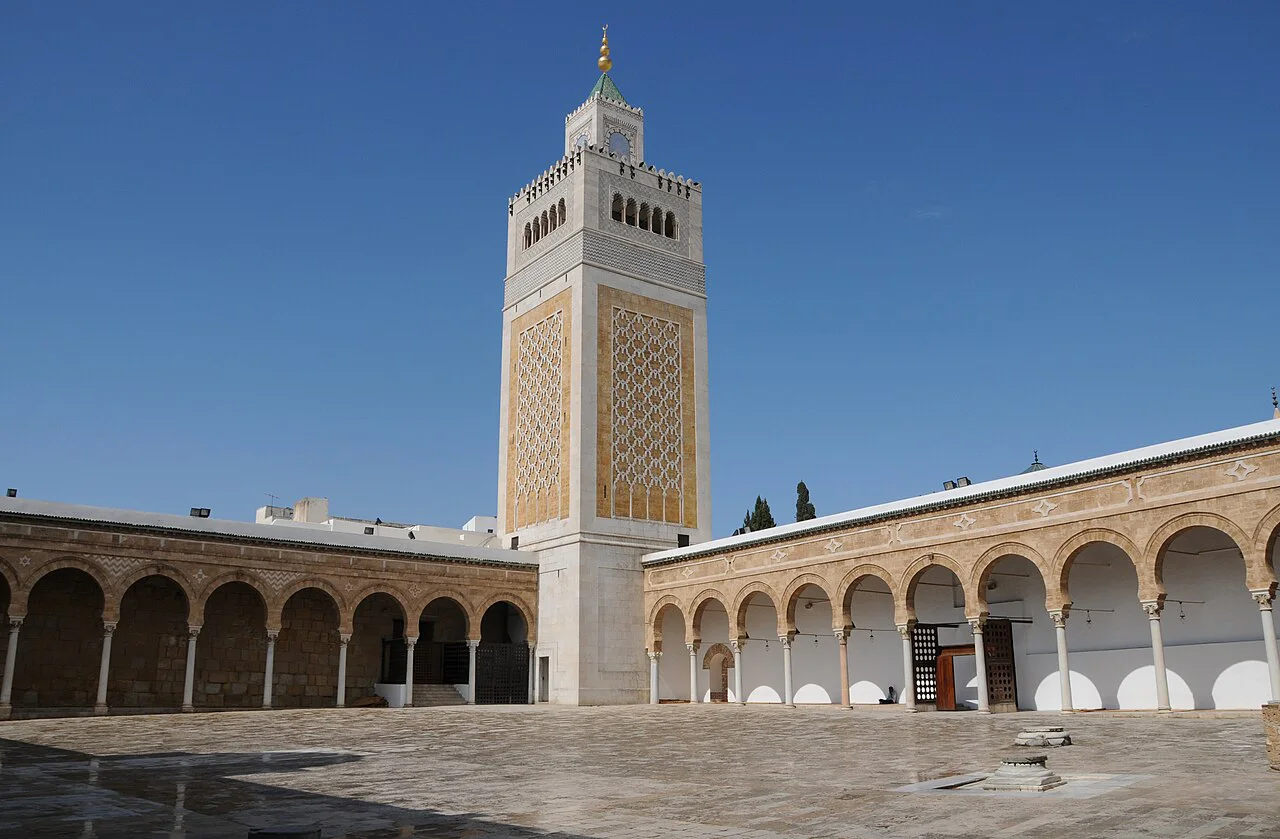
Tunis · 4 km
Al-Zaytuna Mosque
Content & sources
Photo: Citizen59 · CC BY-SA 3.0
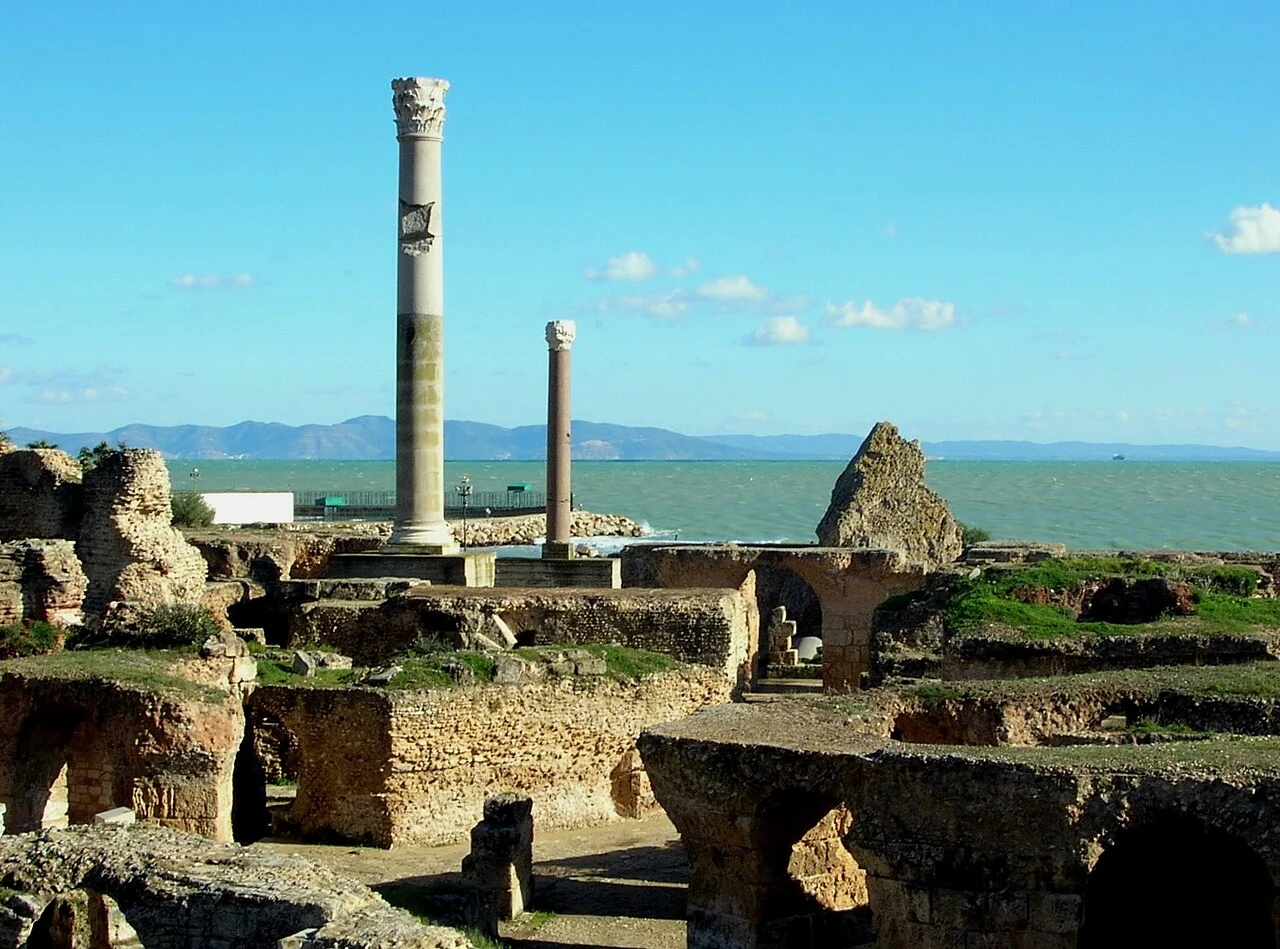
Tunis · 19 km
Thermes d'Antonin
Content & sources
Bernard Gagnon · CC BY-SA 3.0
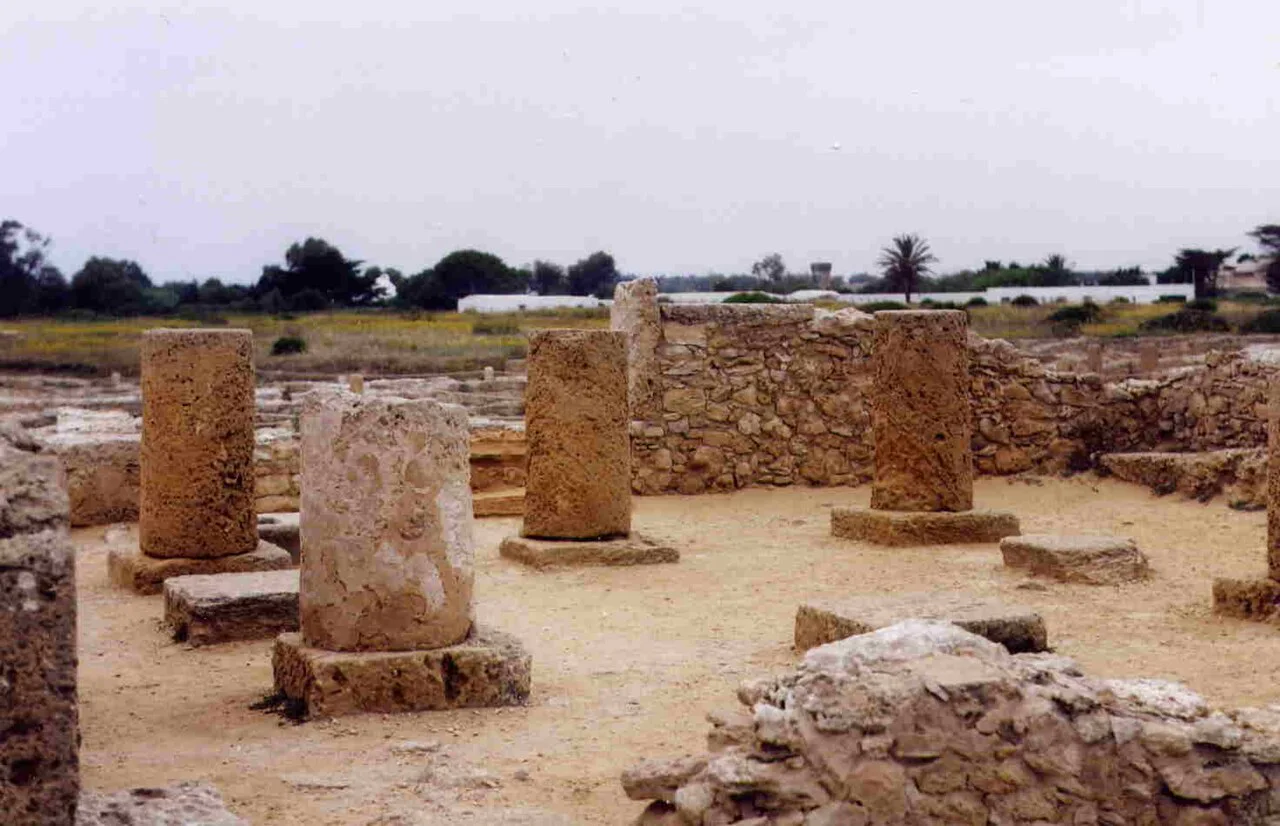
Dar Allouch · 87 km
Kerkouane
Content & sources
No machine-readable author provided. Udimu assumed (based on copyright claims). · CC BY-SA 3.0
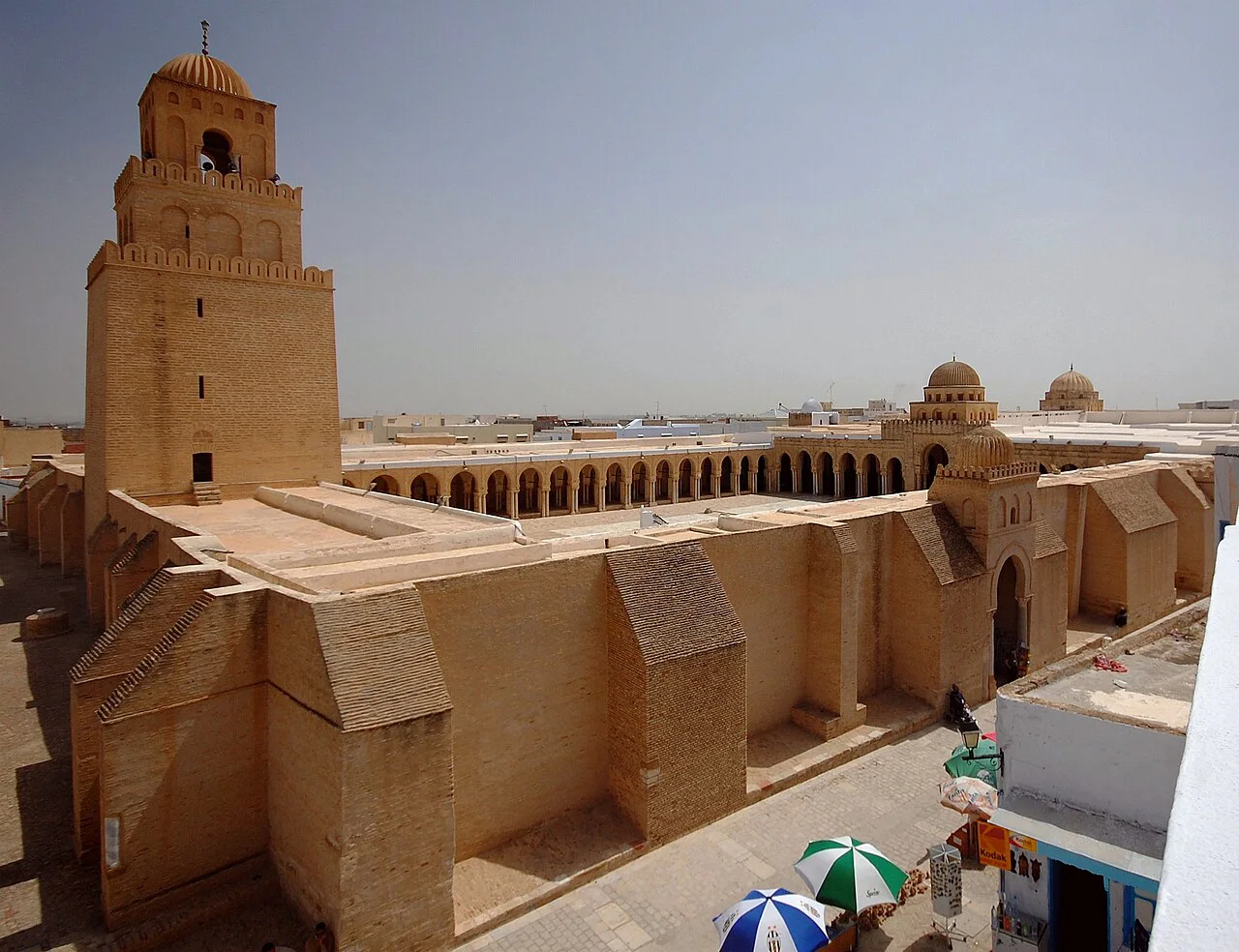
Kairouan · 125 km
Great Mosque of Kairouan
Content & sources
weetoon66 · CC BY-SA 2.0
Art museums
More art museum audio guides
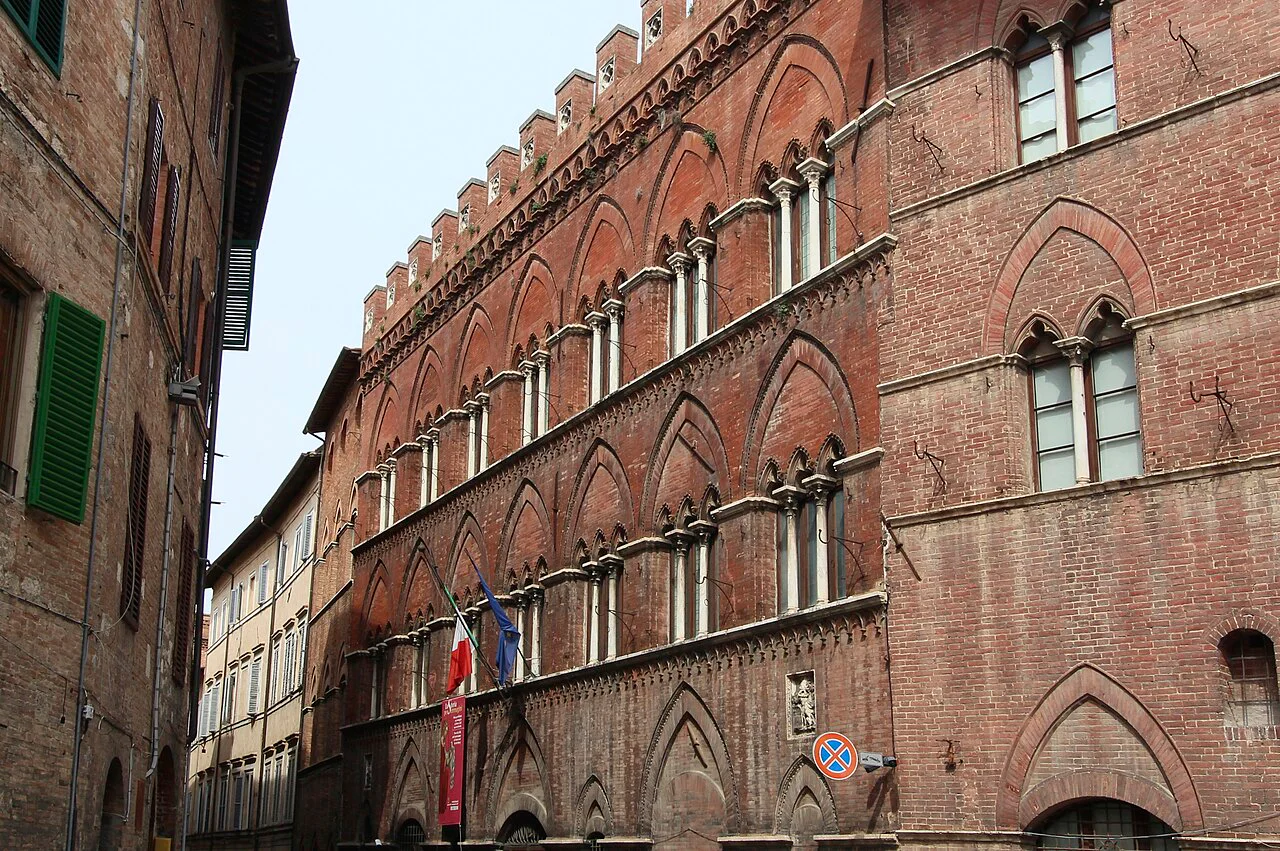
Siena · 37 artworks
Pinacoteca nazionale
Content & sources
Photo: LigaDue · CC BY-SA 4.0
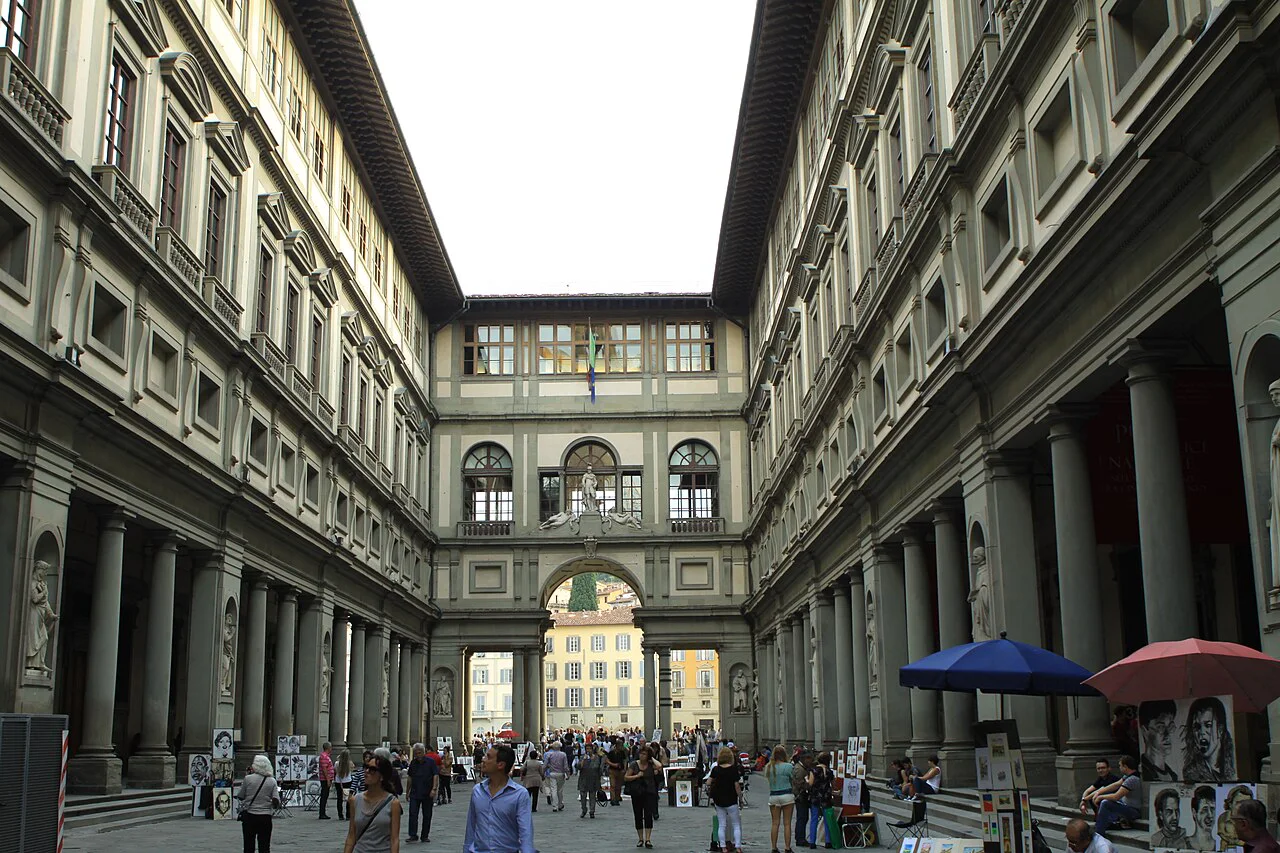
Florence · 70 artworks
Uffizi Gallery
Content & sources
Arek N. · CC BY-SA 3.0
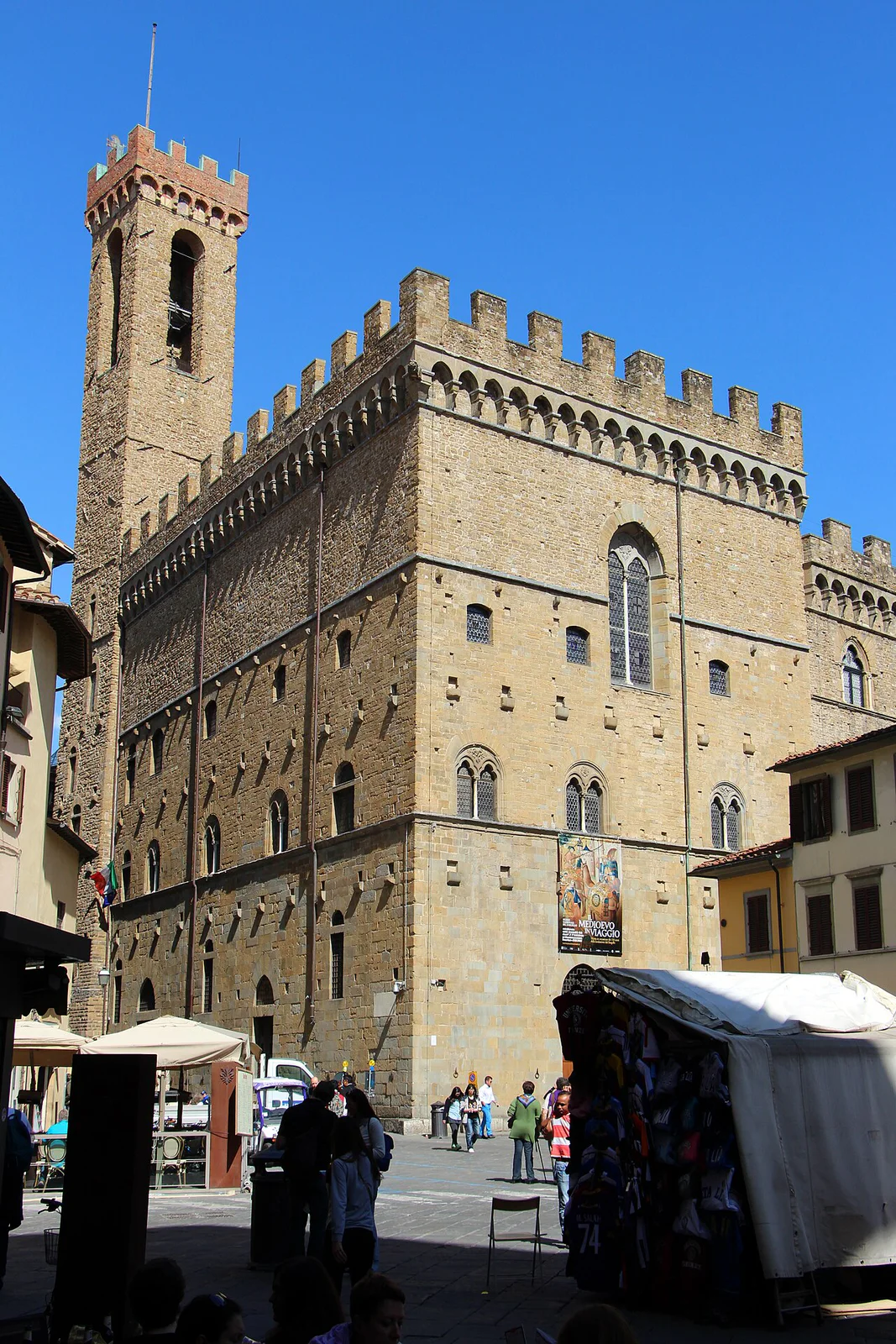
Florence · 37 artworks
Museo nazionale del Bargello
Content & sources
Photo: Sailko · CC BY 3.0
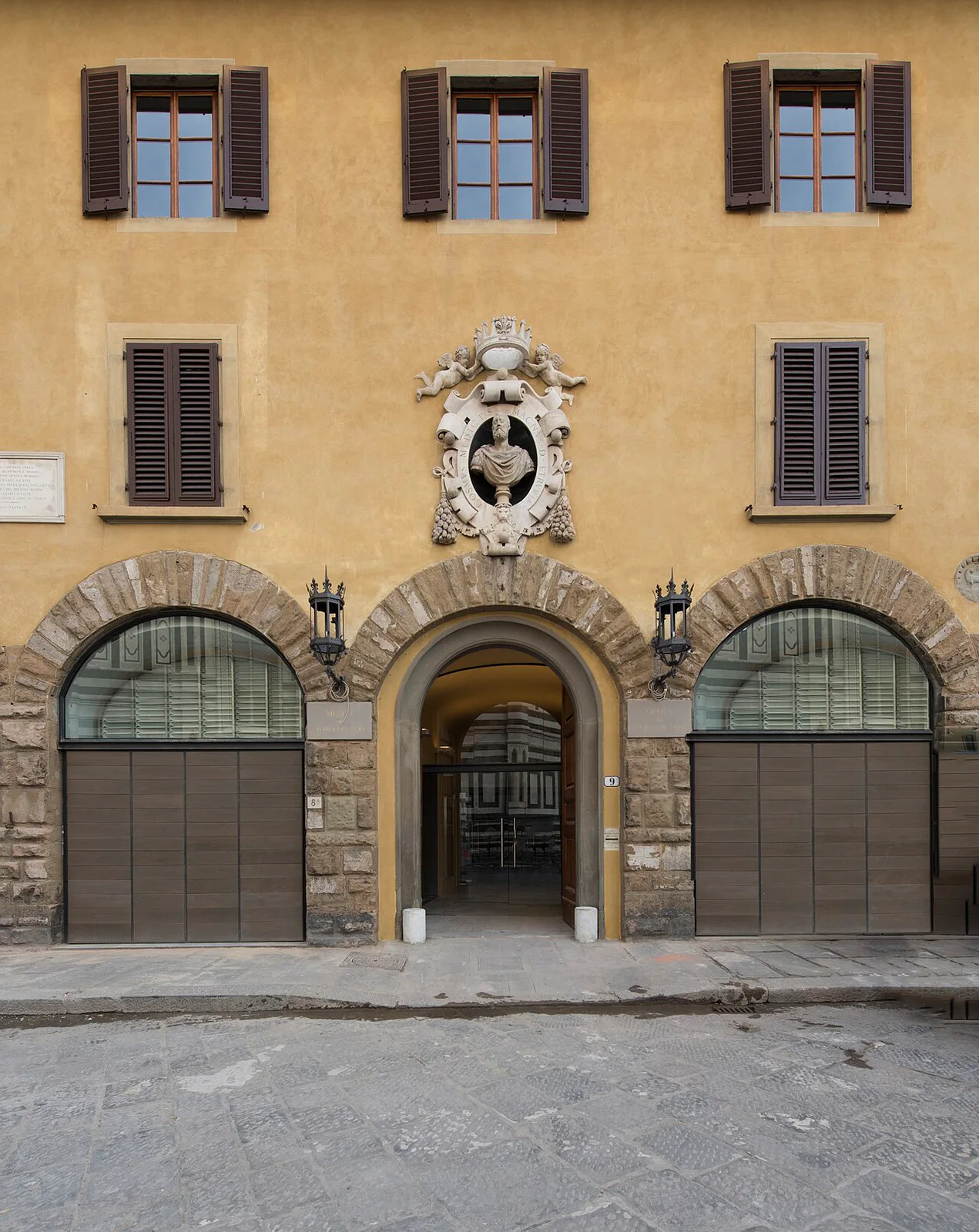
Florence · 27 artworks
Museo dell'Opera del Duomo
Content & sources
Photo: Giovanni Serafini · CC0
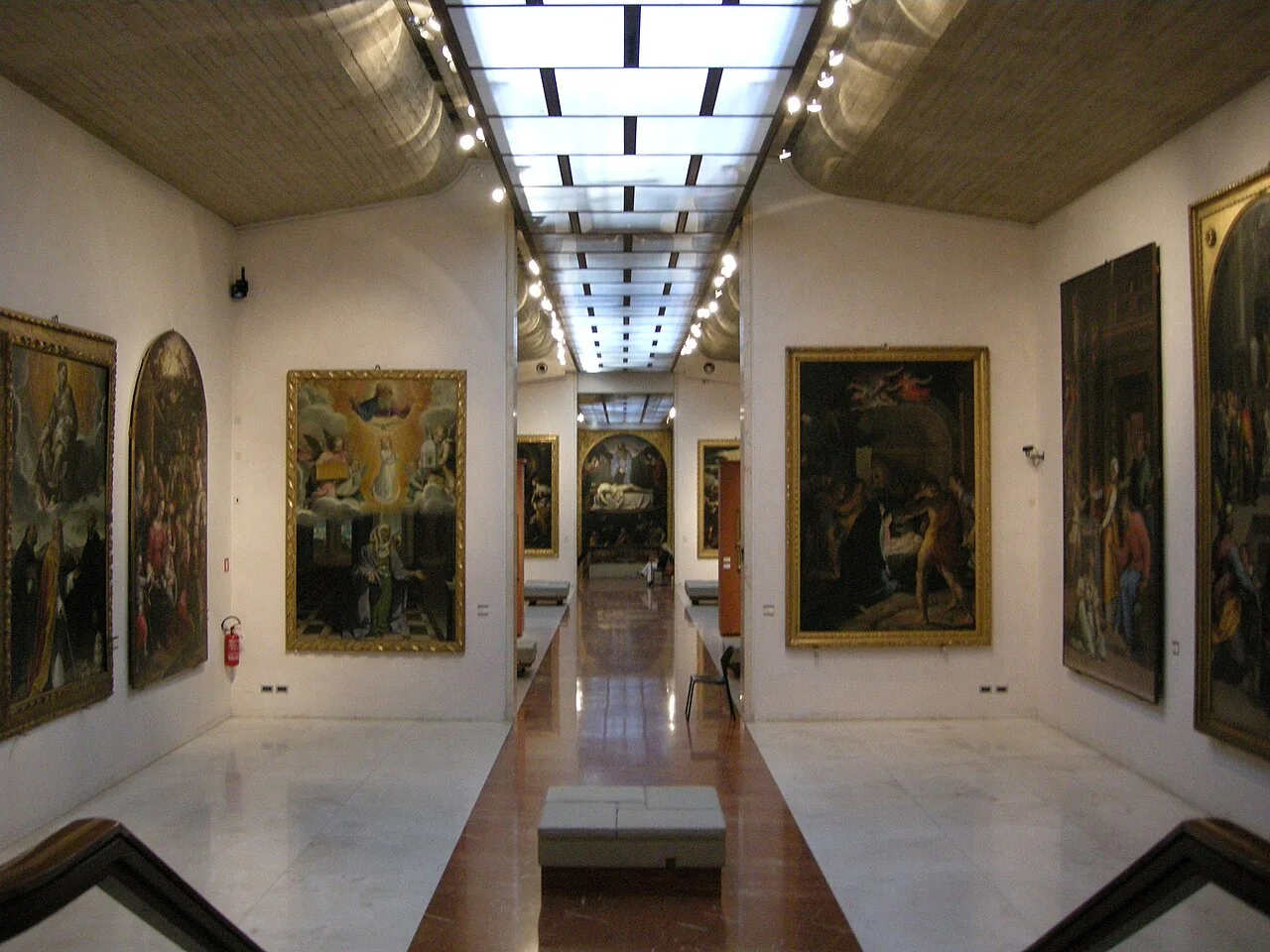
Bologna · 38 artworks
Pinacoteca nazionale di Bologna
Content & sources
Photo: Sailko · CC BY-SA 3.0
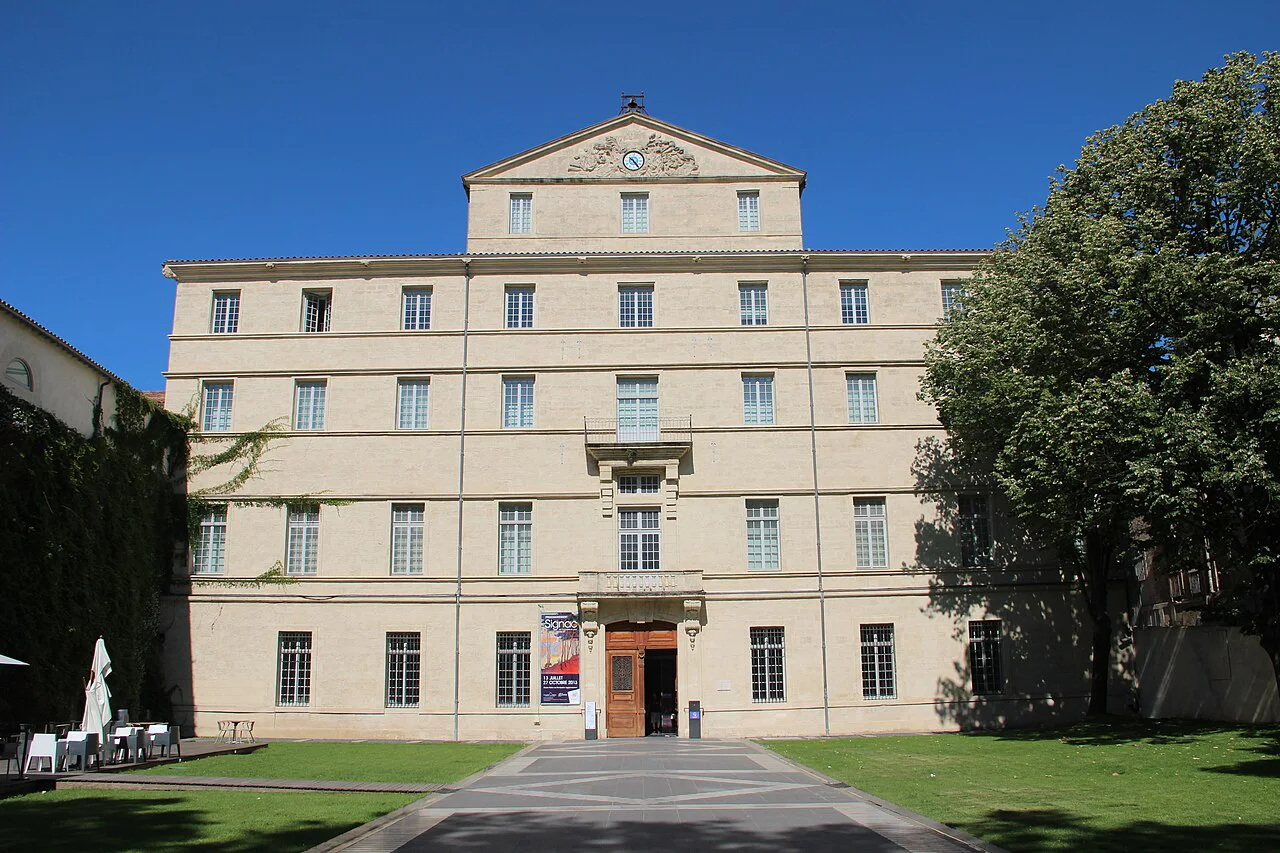
Montpellier · 84 artworks
Musée Fabre
Content & sources
Björn S. · CC BY-SA 3.0