Stanza · Audio guide
Musée Fabre Audio Guide
A place to remember. A story to take with you.
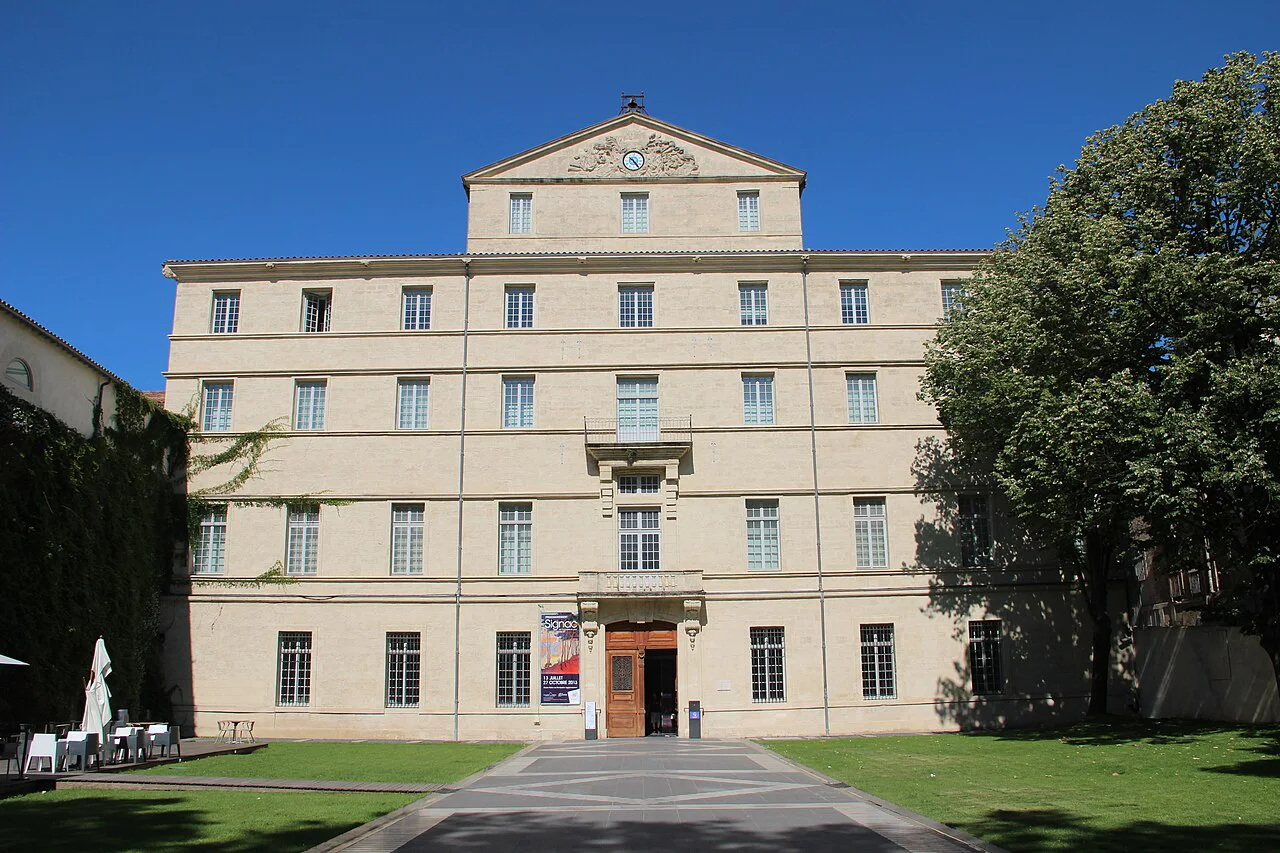
The Musée Fabre is a museum located in the southern French city of Montpellier. It serves as the municipal museum of the Montpellier Urban Community.
Download Stanza, then search for “Musée Fabre”.
About the tour
One guide. Your kind of visit.
The Musée Fabre is a museum located in the southern French city of Montpellier. It serves as the municipal museum of the Montpellier Urban Community.
The Musée Fabre guide tells the stories of 84 artworks, including The Meeting, or Bonjour, Monsieur Courbet! (Gustave Courbet), Portrait of Frédéric Bazille Painting (Pierre-Auguste Renoir), The Fallen Angel (Alexandre Cabanel), Phaedra (Alexandre Cabanel), The Bathers (Gustave Courbet), La Toilette (Frédéric Bazille), View of the Village (Frédéric Bazille), and The Beach at Palavas (Gustave Courbet). Every artwork is free to hear in the Stanza app until 1 January.
Ready when you are.
- 01Get the free Stanza app.
iOS & Android
- 02Find your guide.
“Musée Fabre”
- 03Download before you go.
Works offline
Audio guide / 84 artworks
Inside the guide
Get to know a few of the stories before you go. Open a stop to read more.
01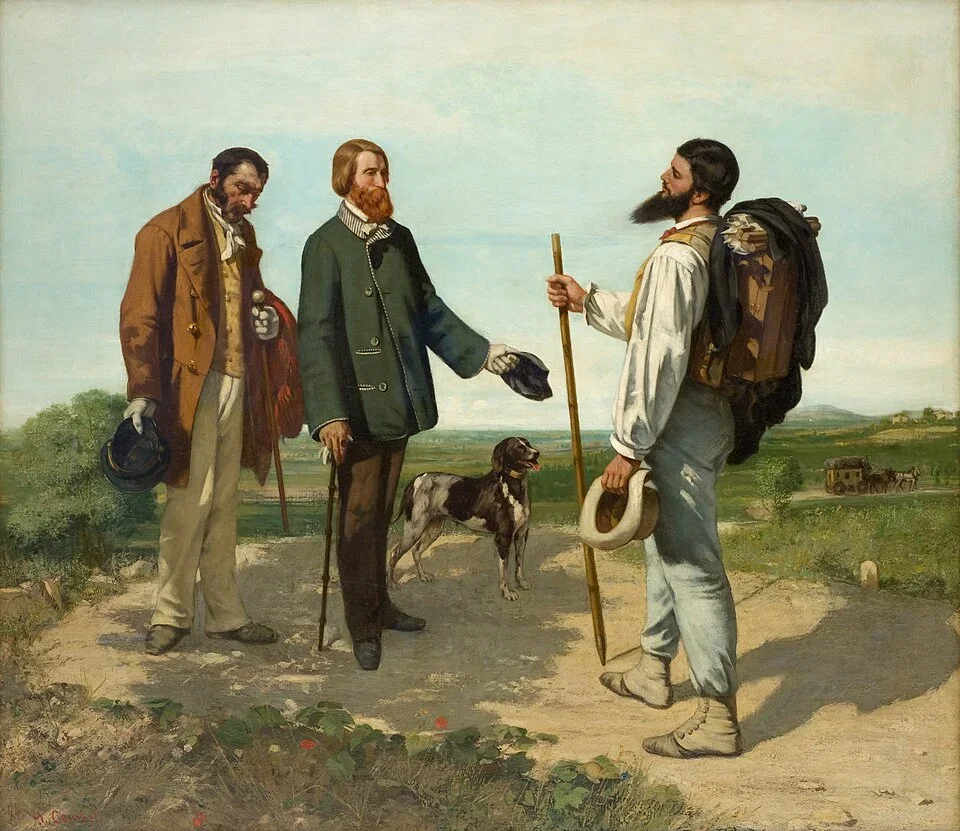
The Meeting, or Bonjour, Monsieur Courbet!
When this was painted, the daring thing was the place the painter gave himself. Nearer to you, taller, more sure of himself, he fills as much of the picture as the patron, his servant and his dog together. Alfred Bruyas, a collector from Montpellier, commissioned the scene of their meeting. He had sent the artist a photograph of a painting with the patron at the center. He seems to have hoped for the same prominence here. Courbet wrote back that he would not paint so much as a hand's breadth to please anyone, or to sell. Bruyas looks stiff in his green jacket and older than the painter, though the two were much the same age. Calas, the servant, on the left, holds his head a little bowed. Fine strokes keep the three men apart, their edges sharp against the light blue sky. Shown in Paris in 1855, it was met with mockery. One caricature put Bruyas, Calas and the dog on their knees before the painter. Bruyas took the bad reviews as an insult to his name as a collector. He did not show it again until 1868, when he gave his collection to the Musée Fabre. There he set it at the center, among the other works he had commissioned. He wanted to be seen as an influential patron of the arts.
Listen in the appGustave Courbet · Public domain
02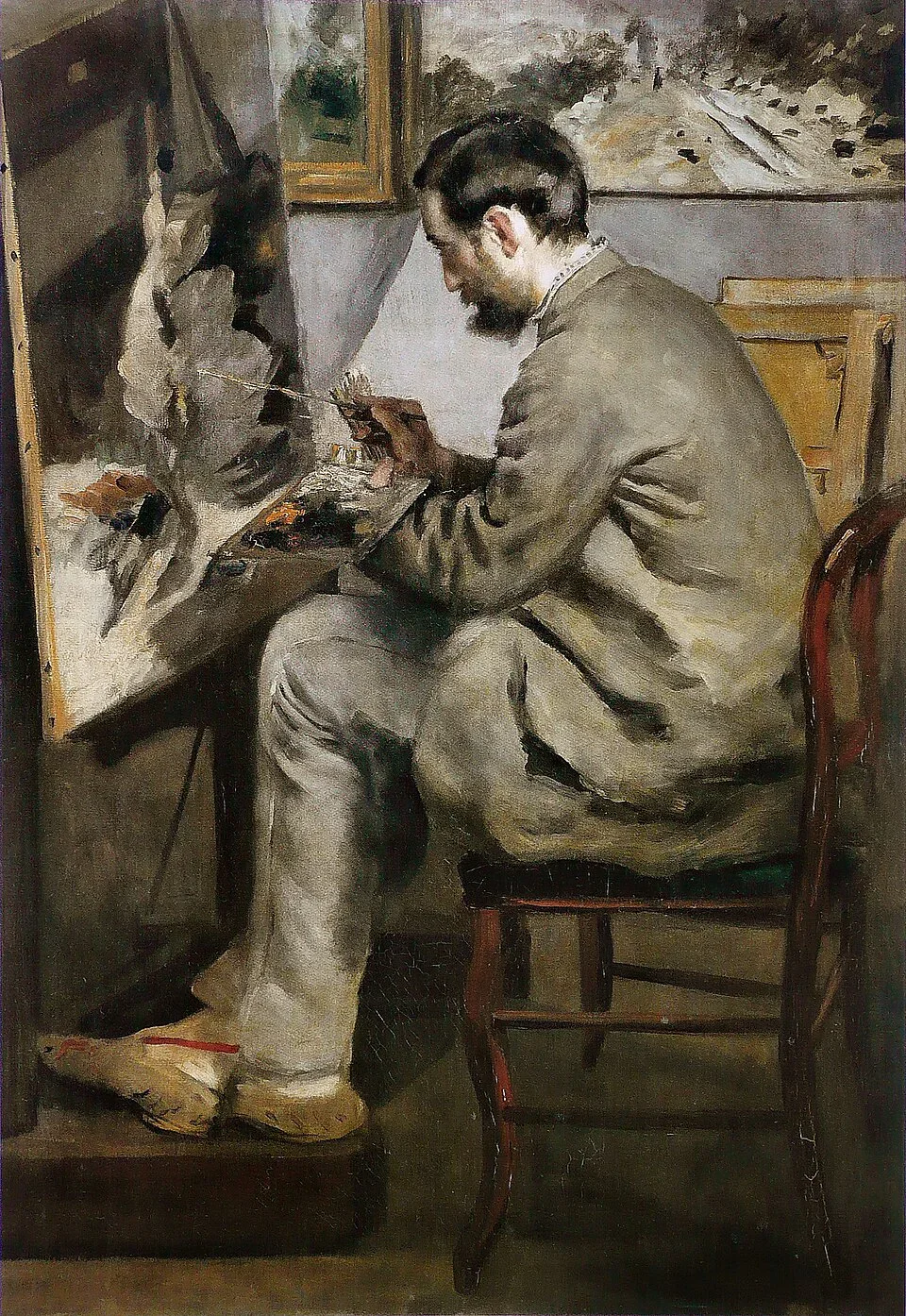
Portrait of Frédéric Bazille Painting
Renoir came to paint the friend who had taken him in. There is Bazille, in profile and almost from behind, working at his easel on a heron. The still life he is painting hangs here too. In 1866 the Salon turned down one of Renoir's paintings, and he was badly short of money. Bazille's parents sent him money regularly, and he had a large studio on the rue Visconti. He took Renoir in. He wrote to his father about a hardworking friend who had no studio, used Bazille's models and even helped pay for them. Later they painted each other. The portrait Bazille made of Renoir stayed with Renoir until his death. Bazille wears a gray suit spotted with paint. His crossed feet, in espadrilles, rest on the left side of the easel base. On the wall behind him hangs a snowy landscape by Monet. At the start of 1867 Bazille took in Monet too, and he told his mother he was putting up two painters with money troubles.
Listen in the appPhoto: Oxxo · Public domain
03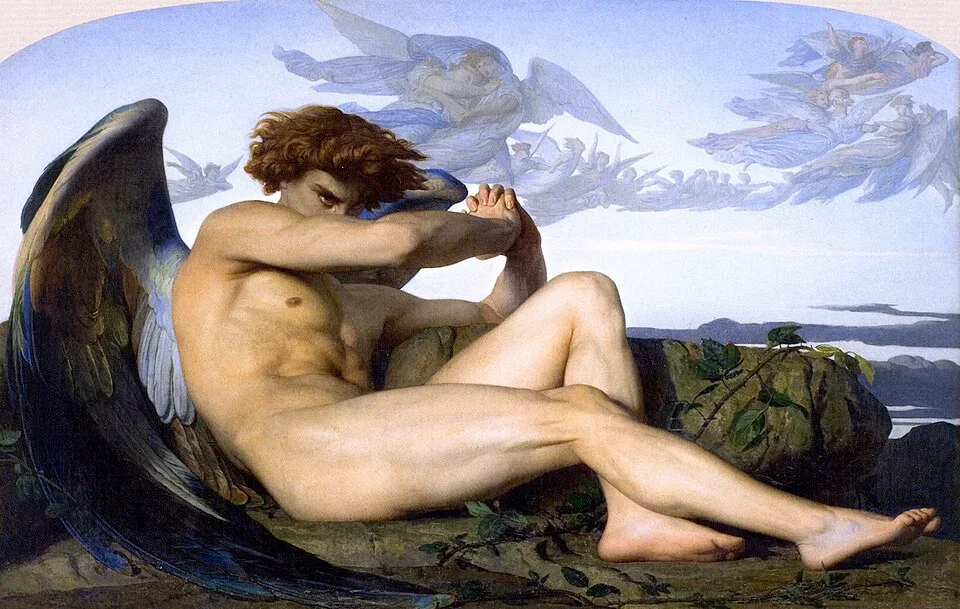
The Fallen Angel
A young man lies stretched out on the ground, naked, his hands clasped and his face half hidden behind one arm. Tears stand in his eyes, and he glares out from behind it. His wings are white at the shoulders, dappled with blue and gold. The long feathers are deep navy, blending into the dark foreground, and at the tips they darken, as if rotting before they fall. This is Lucifer, thrown out of Heaven, and his rage and defiance are aimed at the one who banished him. Above him angels fly, all heading the way his face turns. They are there for the glory of God. The Devil has the perfect body of a Greek hero. Such a subject was rarely painted in France then. Cabanel chose it at twenty-four, after the second Grand Prix de Rome in 1845 took him to Italy. In Rome he thought about the fallen angel for a long time. He worked at the Villa Médicis. This was the second picture he had to send back to Paris, to show how he was getting on.
Listen in the appAlexandre Cabanel · Public domain
04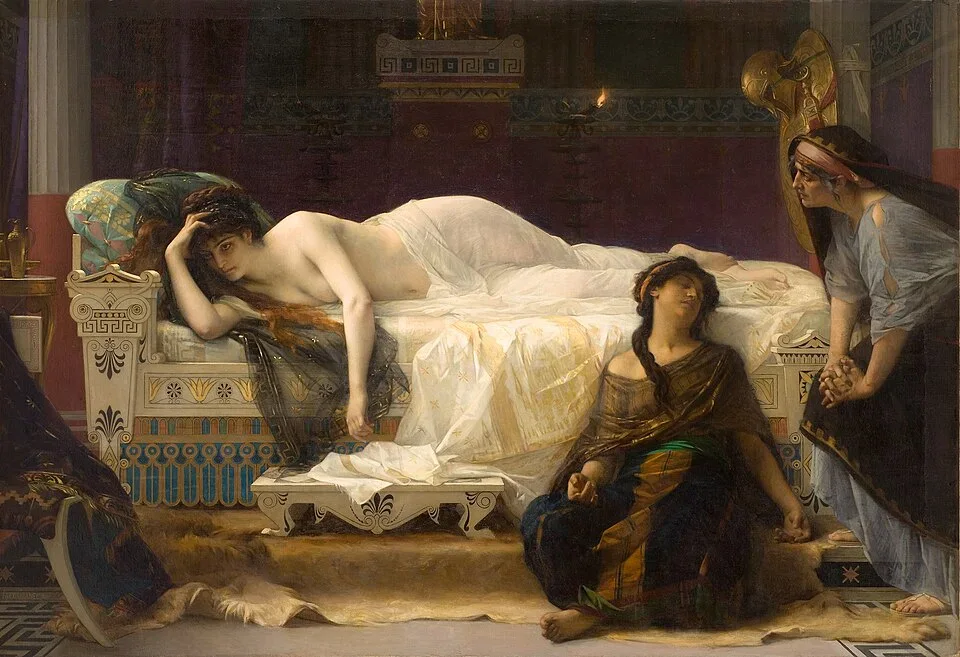
Phaedra
She has not eaten for three days. She has shut herself in the palace, and now she means to end her life. Phaedra lies on her side in a lavish bed. One arm holds up her head, the other hangs over the edge, her fingers on the drapery. Beneath a thin white sheet her body is pale, her hair loose on the pillow, her face dark and set as she looks left. The furnishings are rich with oriental designs. She is a woman brought low by love, shown not as a heroine but at her weakest. Two ladies wait on the right. One stands crouched over, half out of the picture, hands clasped, silently pleading with her to move. The other sleeps at the bedside, head leaned back, as though worn out by some heavy feeling. The fabrics are slipping away. On the floor a fur rug glows gold, and the gold answers the shield, helmet and sword tied to a column before the bed. Cabanel took the subject from a play by Euripides. Phaedra loved her stepson Hippolytus, and he refused her. In her grief she hanged herself, but left a note calling him her seducer. Theseus, her husband, banished his son and in the end killed him. The truth came out, and father and son were reconciled before Hippolytus died.
Listen in the appAlexandre Cabanel · Public domain
05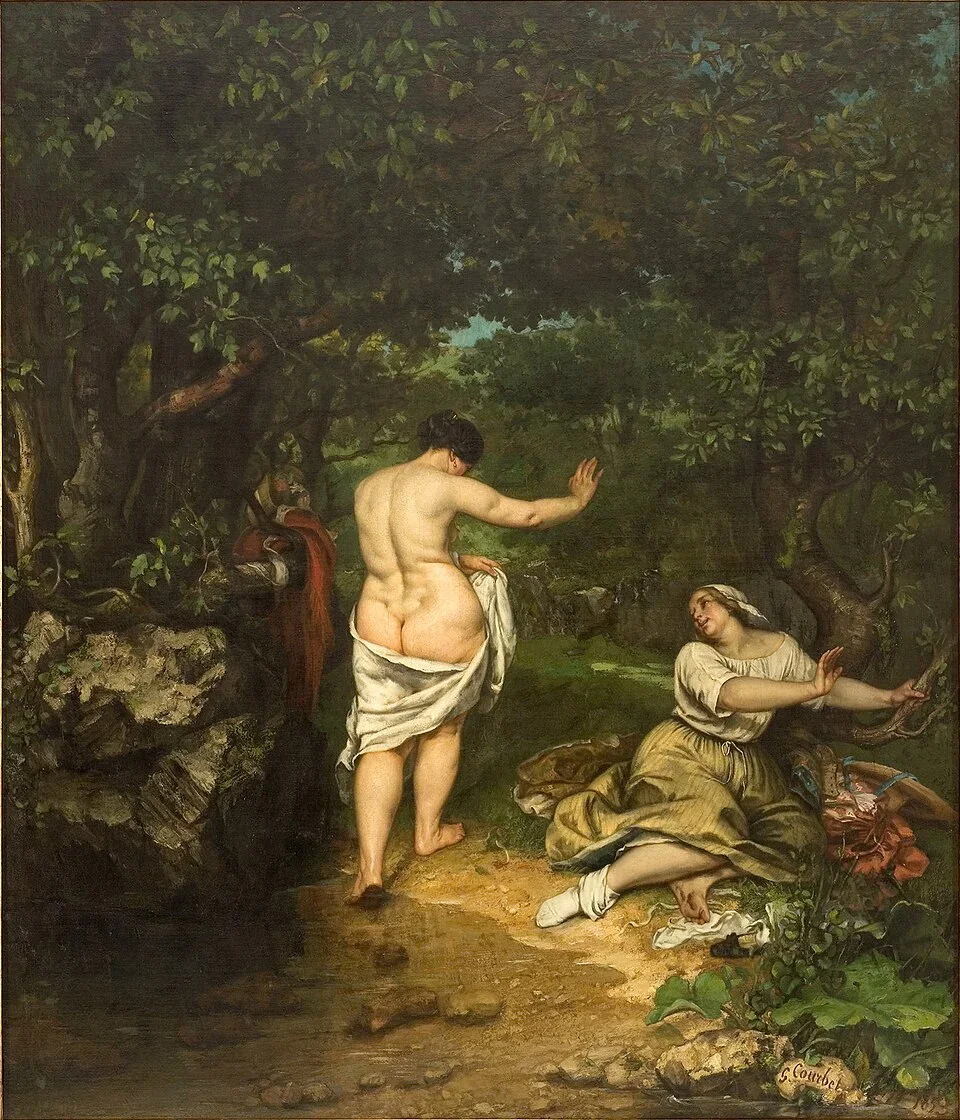
The Bathers
At almost thirty-four, Courbet wanted all Paris talking about him. He wrote to his parents that he was annexing ground every day. The whole city, he said, was waiting to see his paintings and hear the noise they would make. Then he added a white cloth over the woman's buttocks, to keep his parents calm, and told them the landscape was a success. That woman fills the centre of the picture. She has stepped out of the water, her back to you, one hand holding the cloth across her. Her clothes hang from a tree branch on the left. A gold earring hangs at her ear, and her black hair is tied in a bun. She seems to greet a second woman who sits nearby, one foot bare and dirty, cheeks pink, holding a branch. These are country women cooling off in the heat, painted at a size usually kept for religious scenes and princes. When it went on show in Paris in 1853, it was attacked on all sides, for the huge nude and for the landscape. He had been hoping for exactly this noise. Alfred Bruyas, a collector who became his friend, bought it for three thousand francs. The money made him financially and artistically independent.
Listen in the appGustave Courbet · Public domain
06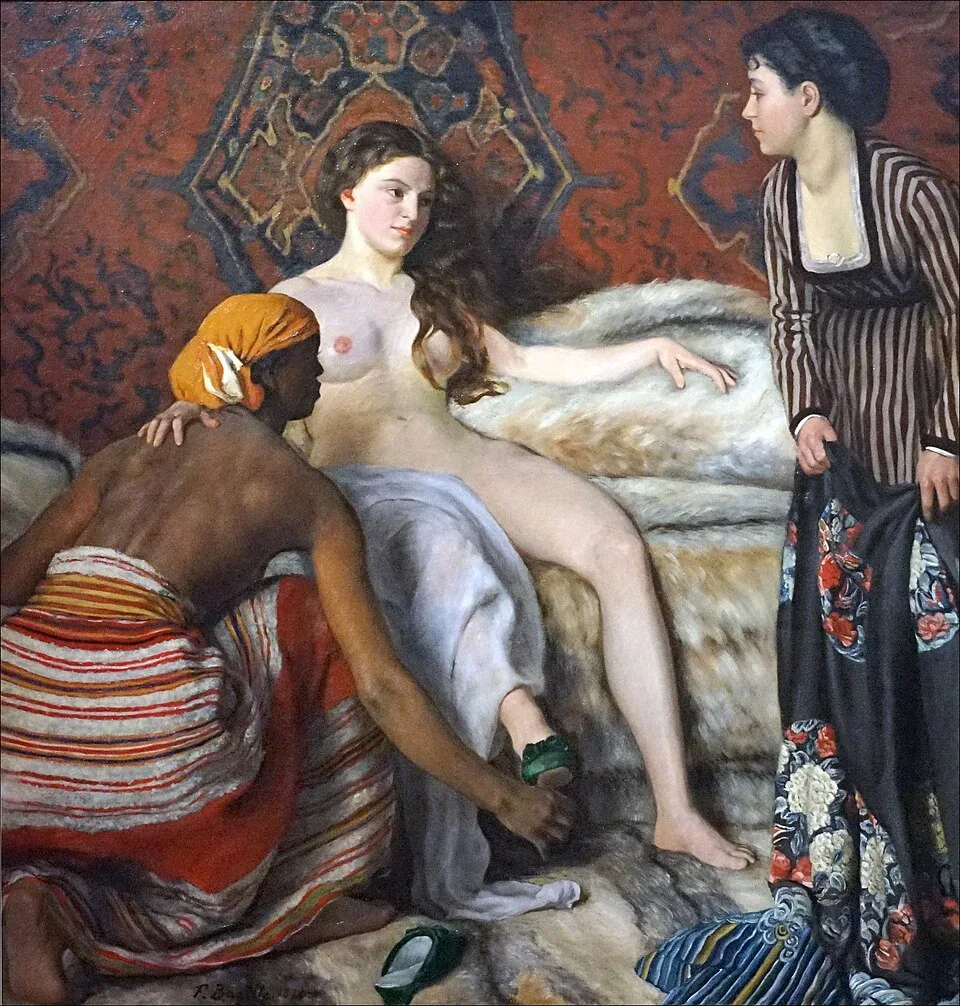
La Toilette
A nude woman sits on a fur in a decorated room, and two servants are getting her dressed after her bath. One holds a dress with an oriental pattern, and an oriental rug hangs on the wall behind them. Another figure, on the right, is fully clothed in a modern striped dress. That striped dress belongs to contemporary Paris. Bazille painted all this in the studio he shared with Renoir on the rue de la Condamine. The woman in stripes is probably Lise Tréhot, a model who worked for Renoir. The harem setting was deliberate. He wanted into the Paris Salon, where acceptance could make his career. The head judge was Gérôme, known for scenes like this. So he hung the rug and put the patterned dress in a servant's hands, hoping to win him over. He even wrote to his mother about the model he had found, and what she cost him. He finished it in March 1870 and sent it in with a landscape. The jury turned it down, and he never showed it in public again. In August 1870 he volunteered for a regiment. That November, his commanding officer was hurt, so he took command and led an assault. He was hit twice and killed.
Listen in the appFrédéric Bazille · CC BY 2.0
07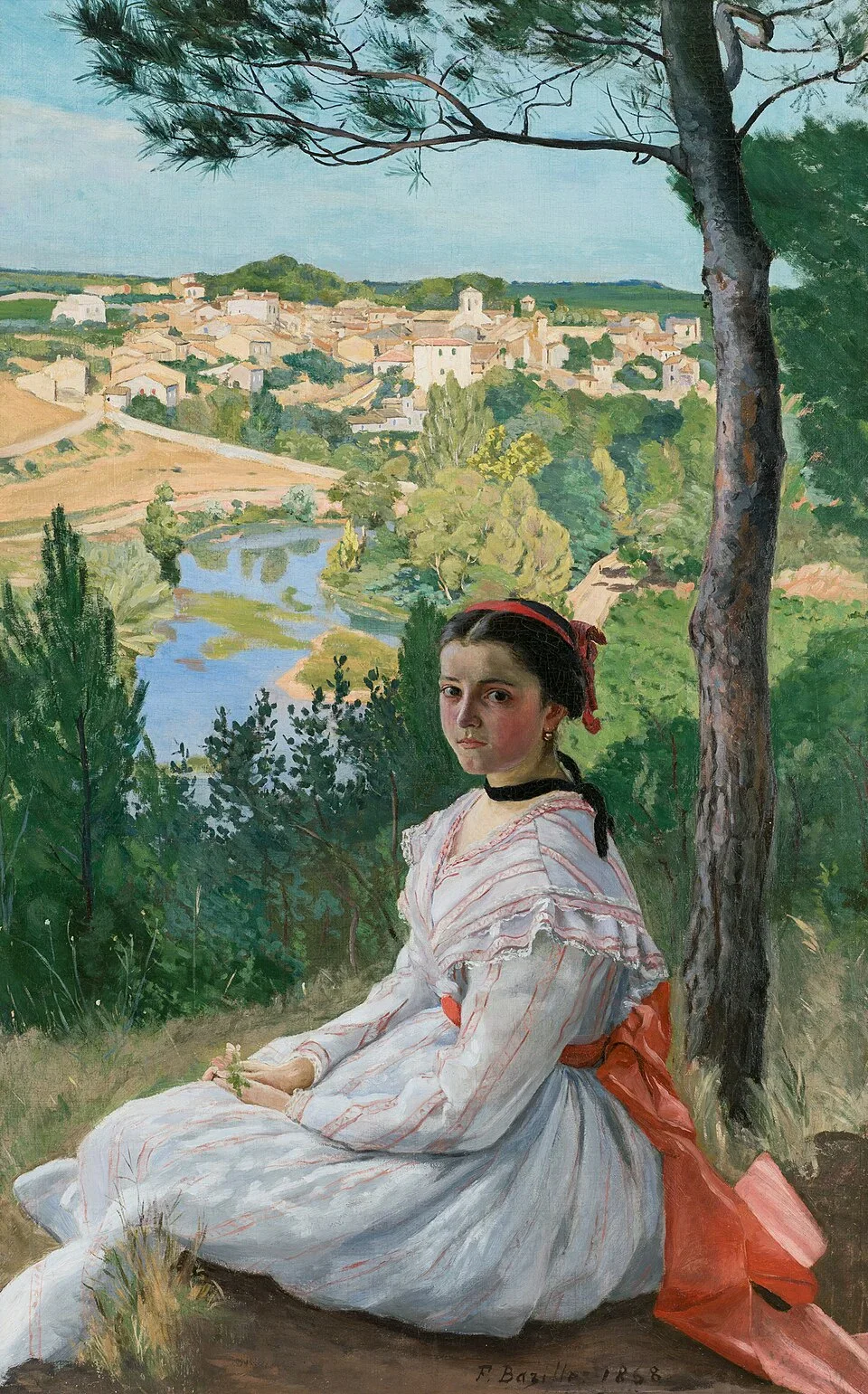
View of the Village
Bazille wanted to paint figures out in the sun, and he had wanted it since 1863, five years before this picture. Here he drew the scene outdoors, then carried the drawing onto canvas with a grid. That was his middle path. The painters around him worked entirely in the open. And there she is, in the shade at the front, the daughter of his parents' gardener, in her Sunday best. She is built with care, given weight and volume, not just the look of a thing. Behind her the village of Castelnau lies in dazzling sun, with the river Lez beside it, where his parents spent their summers. Dark trees close around the village and pull your eye toward it. The title promises a view of the village. Yet Castelnau is the loose, lively part, and she is worked over in unusual detail. And the girl looks straight back at you. Her face is sweet, but the gaze she turns on you is steady and severe. There is a fragility in that gaze, an ambivalence Morisot wanted to catch in her own painting.
Listen in the appFrédéric Bazille · Public domain
08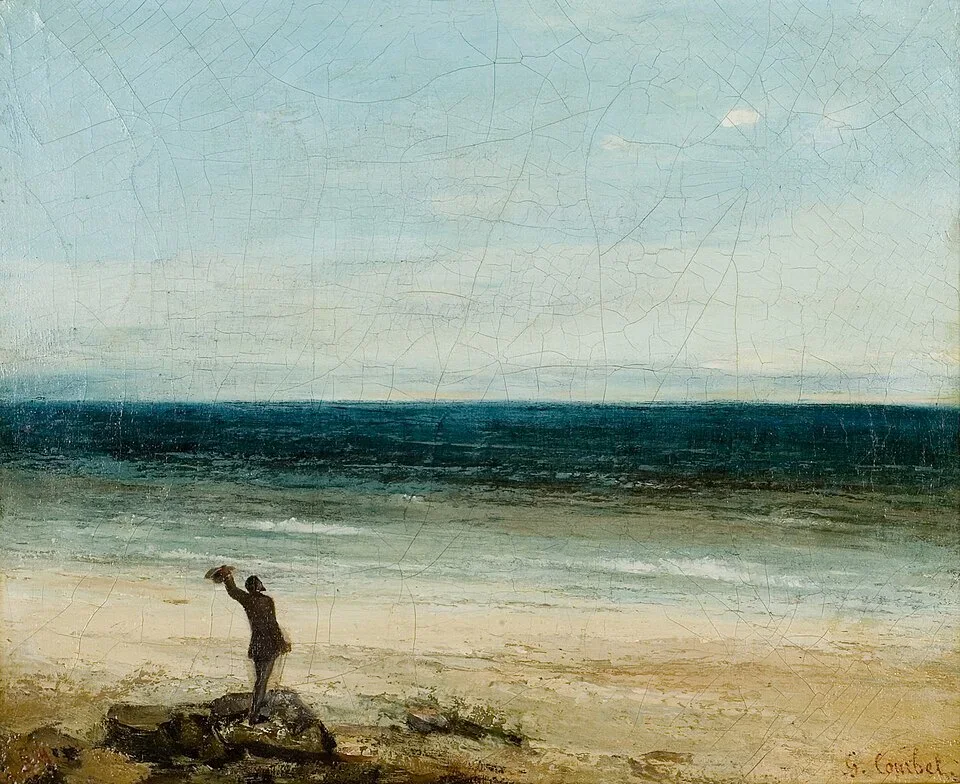
The Beach at Palavas
A lone figure has reached the edge of the sea and now stands facing the open water. The horizon cuts this picture in two, sky above, beach and sea below, and almost everything in it runs level. Out toward the far distance the water is dark, growing lighter as it comes toward the shore. Only one thing stands upright against all those lines, and it is the painter himself, Courbet, saluting the sea. He came from Franche-Comté, and the Mediterranean was a revelation to him. His friend and patron Alfred Bruyas asked for the painting, during Courbet's first stay in Montpellier. The canvas is small, yet the sea in it seems to have no end. He worked with a palette knife, laying on thick horizontal bands of paint.
Listen in the appGustave Courbet · Public domain
09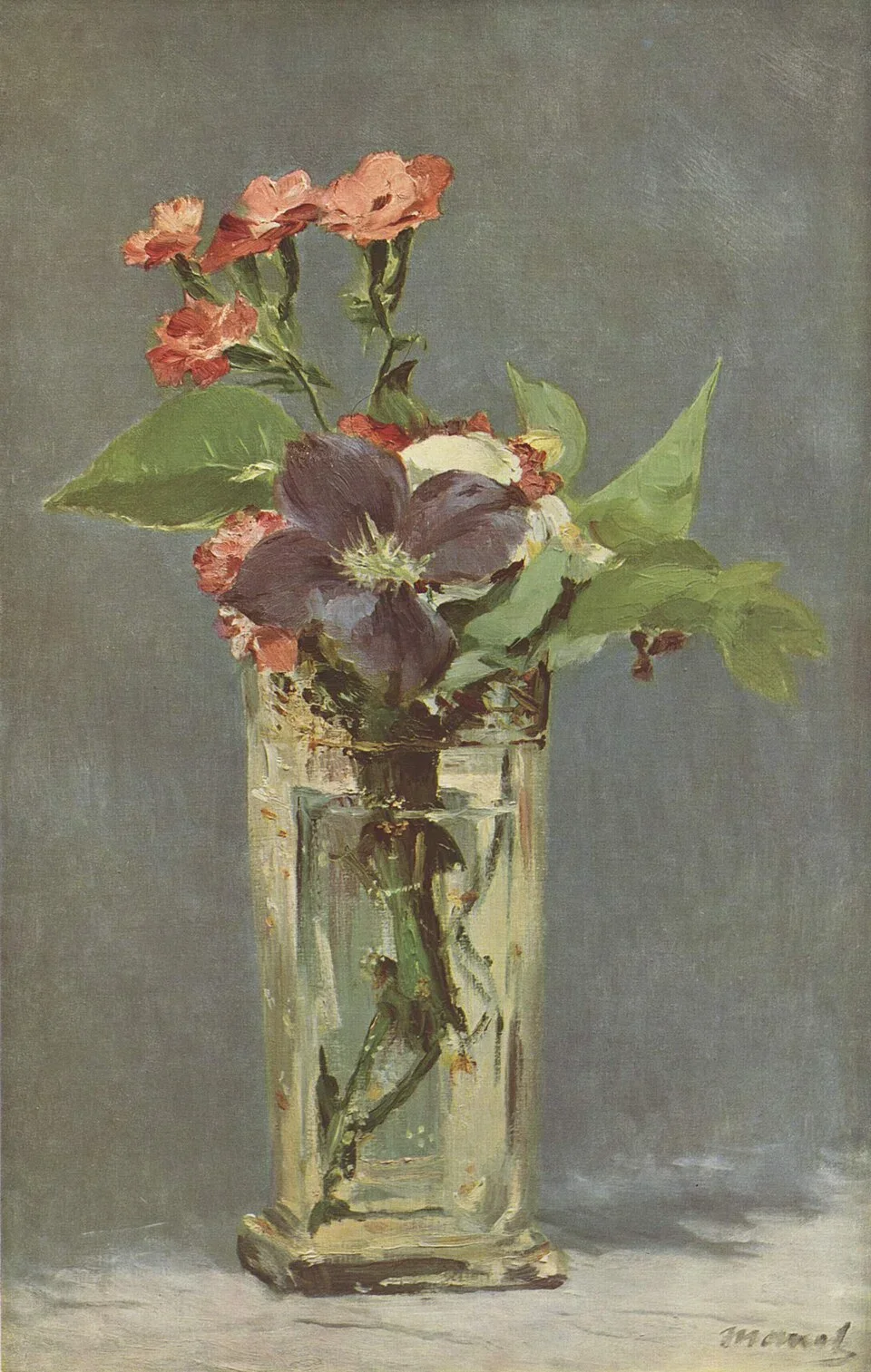
Flowers in a Crystal Vase
In 1941 this painting of flowers was bought for fifty thousand Reichsmarks. The buyer was Adolf Wüster, acting for the German foreign minister, Joachim von Ribbentrop. Nothing in these flowers tells you that. There are only carnations and clematis in a crystal vase. Manet works on the smallest details with a care sharpened by the illness that would take him. He probably painted it in July 1882 at Rueil, one of the flower paintings from the end of his life. In the years before the war, the picture changes hands. It goes to a collection in Switzerland, then to owners in Paris, Milan and Zurich. After the war, it turns up in a warehouse in Hamburg. On the twenty-second of October 1948 it is sent back to France, treated as a recovered work. It goes to the Louvre, then the Jeu de Paume, and from 1986 the Musée d'Orsay. In 2023 it was entrusted to the Musée Fabre.
Listen in the appÉdouard Manet · Public domain
10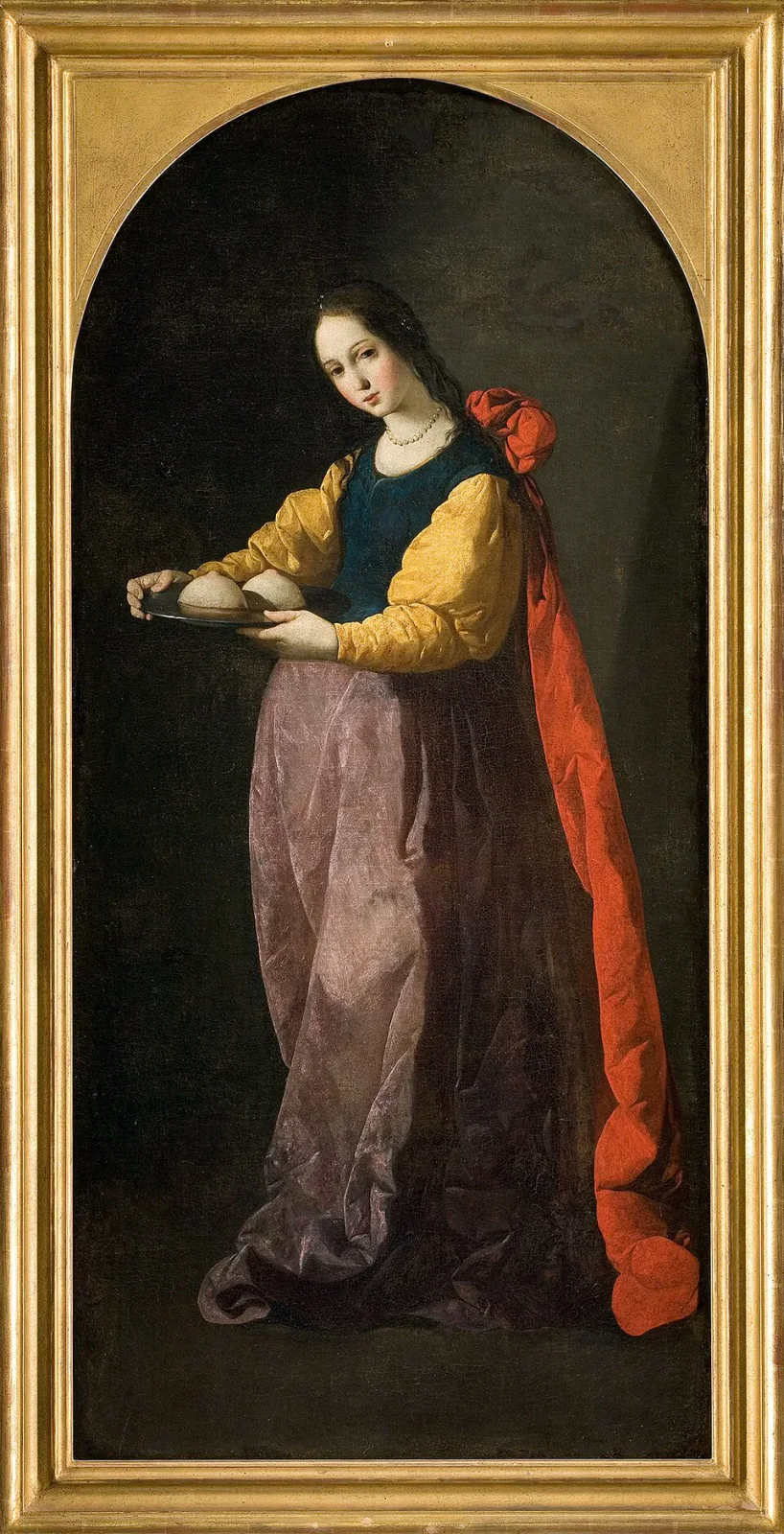
Saint Agatha
Agatha meant to give her life to Christ and keep her body for him alone. Here she seems to walk, head tipped toward her right shoulder, her black hair in simple bands. The prefect of Sicily wanted her for himself. She refused, so he sent her to a brothel. Even there she stayed a virgin. He had her breasts cut off. Saint Peter came to her in prison and healed her, and she died in Catania, giving thanks to God. Because of that torture, painters in Counter Reformation Spain almost never showed her. Yet the hospital convents and the Order of Mercy wanted her image. She was the patron of nursing mothers, the saint who could bring sustenance to the weakest and the poorest. And when Zurbarán painted her, he gave her the stance of the Madonnas of fourteenth century France. In her hands she holds out a platter. On it lies what was cut from her, offered without display, like a gift.
Listen in the appFrancisco de Zurbarán · Public domain
- 11
Studio in the Rue de Furstemberg
Frédéric Bazille · 1866
- 12
Black Woman with Peonies
Frédéric Bazille · 1870
- 13
Ruth and Boaz
Frédéric Bazille · 1870
- 14
Vénus et Adonis. Paysage de Grottaferrata (right half of Venus and Adonis)
Nicolas Poussin · c. 1626
- 15
Portrait of Alphonse Leroy
Jacques-Louis David · 1783
- 16
Portrait of Baudelaire
Gustave Courbet · 1848–1850
- 17
Saint Mary of Egypt
Jusepe de Ribera · 1641
- 18
The Sleeping Spinner
Gustave Courbet · 1853
- 19
The Archangel Gabriel
Francisco de Zurbarán · 1631
- 20
Portrait of Antonin Proust
Édouard Manet · c. 1877
- 21
Albaydé
Alexandre Cabanel · 1848
- 22
Exercices militaires des marocains
Eugène Delacroix · 1832
- 23
Philippe-Laurent de Joubert
Jacques-Louis David · 1786–1792
- 24
Alcibiades Receiving the Lessons of Socrates
François-André Vincent · 1777
- 25
Étude d'après le modèle Aspasie
Eugène Delacroix · 1824–1826
- 26
Self-Portrait with Pipe
Gustave Courbet · 1848–1849
- 27
Académie d´homme, Hector
Jacques-Louis David · 1778
- 28
Montaigne Visiting Torquato Tasso in Prison
François Marius Granet · 1820
- 29
Woman Holding a Herring
Gabriel Metsu · c. 1660
- 30
La Bascule
Jean-Honoré Fragonard · c. 1761–1765
- 31
Around a Fair
Joseph Vernet · 1774
- 32
The Kings' Tart
Jean-Baptiste Greuze · 1774
- 33
The Lazy Boy
Jean-Baptiste Greuze · 1755
- 34
Le Jeu de la palette
Jean-Honoré Fragonard · c. 1761–1765
- 35
Belisarius Begging
François-André Vincent · 1776
- 36
The Glorification of St. Louis
Alexandre Cabanel · 1853
- 37
Young Woman threading Pearls
Frans van Mieris the Elder · 1658
- 38
Nyssia
James Pradier · 1848
- 39
Saint-Jean-Baptiste
Guercino · 1661
- 40
Portrait d'homme
José Antolínez · c. 1665
- 41
Wrestling
Émile Friant · 1889
- 42
Orpheus, by Odilon Redon
Odilon Redon · c. 1910
- 43
Jeune martyre mort (Sainte Mustiole?)
Guido Cagnacci · 1640
- 44
Grey Heron with Wings Spread
Alfred Sisley · 1867
- 45
A Man with Pen in Hand and a Maid-Servant
Gabriel Metsu · c. 1659
- 46
The Death of Moses
Alexandre Cabanel · 1850
- 47
Saint François d'Assise en méditation
Guercino · 1618–1620
- 48
Moïse sur le mont Sinaï
Mattia Preti · c. 1637
- 49
La Carcasse ou Le Stregozzo
Agostino Veneziano · c. 1517–1520
- 50
On a Terrace, a Feast Day in Bou-Saada 1906 by Dinet
Nasreddine Dinet · 1906
- 51
Corrida course de taureaux
Raoul Dufy · 1949
- 52
Death of Hippolytus
Joseph-Désiré Court · 1825
- 53
The Infant Samuel
Joshua Reynolds · 1776–1777
- 54
self-portrait with Striped Collar
Gustave Courbet · 1854
- 55
Landscape of Aigues-Mortes
Frédéric Bazille · 1867
- 56
Young Girl from the Back
Jean-Baptiste Greuze · c. 1770–1780
- 57
The Morning Prayer
Jean-Baptiste Greuze · c. 1780
- 58
La jeune fille au panier
Jean-Baptiste Greuze · c. 1770–1780
- 59
Petite fille de quatre à cinq ans
Jean-Baptiste Greuze · c. 1770–1780
- 60
Pierre peignant des fleurs
Marie Bracquemond · 1887
- 61
Allegory of Poetry
Élisabeth Louise Vigée Le Brun · 1774
- 62
The Mont Saint-Michel in the Storm, by Théodore Gudin
Théodore Gudin · 1830
- 63
Nature morte au héron
Frédéric Bazille · 1867
- 64
l'Été
Berthe Morisot · 1879
- 65
Le Petit Mathématicien
Jean-Baptiste Greuze · c. 1780–1800
- 66
Study of Feet and Hands
Théodore Géricault · 1817–1819
- 67
Portrait of Alfred Bruyas
Gustave Courbet · 1853
- 68
Michel-Ange dans son atelier
Eugène Delacroix · 1849–1850
- 69
Venus Demanding Arms from Vulcan for Aeneas
Charles-Joseph Natoire · 1732
- 70
Portrait of a Man wearing Black Ribbons
Sébastien Bourdon · 17th century
- 71
Vertumne and Pomona
Jean Ranc · 1710s
- 72
Madonna of the Magnificat
Master of the Gothic Buildings · 1485
- 73
Landscape with bathers
Hans de Jode · 17th century
- 74
Ulysses and Neoptolemos deprive Philoctète bow and arrows of Hercules
François-Xavier Fabre · 1800
- 75
Virgin with child
Giovanni di ser Giovanni Guidi · 1506
- 76
Still Life of Fruits
Cornelis de Heem · 1659
- 77
Portrait de jeune homme
Workshop of Domenico Ghirlandaio / School of Bastiano Mainardi · c. 1490
- 78
Portrait de jeune femme
Domenico Ghirlandaio · 1490
- 79
Énée, dans l'embrasement de Troie, voulant retourner au combat, est arrêté par sa femme Créuse
Joseph-Benoît Suvée · 1785
- 80
The Flight into Egypt
Cigoli · c. 1608
- 81
Vue des souterrains de San-Martino ai Monti, à Rome
François Marius Granet · 1806
- 82
Madame Crozat
Joseph Aved · 1741
- 83
Enée et Achate apparaissant à Didon
Antoine Coypel · 17th century
- 84
The Nativity
Pietro da Rimini · 1325–1330
Musée Fabre
Frequently asked questions
How much does the guide cost?
Free app download. Free until 1 January. Listed guide price: $1.99. Audio guide only. Venue admission is separate.
Can I listen without internet?
Yes. Download the guide’s audio, images, and maps in the app before your visit. Your downloaded content is then available offline.
Can I listen in my language?
In English for now. More languages soon.
Do I need to follow a schedule?
No. This is a self-guided experience. Choose your stops, pause whenever you like, and return to a story at your own pace.
Which artworks are in the Musée Fabre audio guide?
84 artworks, including The Meeting, or Bonjour, Monsieur Courbet! (Gustave Courbet), Portrait of Frédéric Bazille Painting (Pierre-Auguste Renoir), The Fallen Angel (Alexandre Cabanel), Phaedra (Alexandre Cabanel), The Bathers (Gustave Courbet), La Toilette (Frédéric Bazille), View of the Village (Frédéric Bazille), and The Beach at Palavas (Gustave Courbet). The full list is on this page.
Is this the museum’s official audio guide?
No. Stanza is an independent audio guide app and is not affiliated with Musée Fabre. Museum admission is separate.
At your own pace
Explore Musée Fabre.
Download Stanza, then search for “Musée Fabre”.
Free app download · Guide price shown in the app
Keep exploring
Nearby audio guides
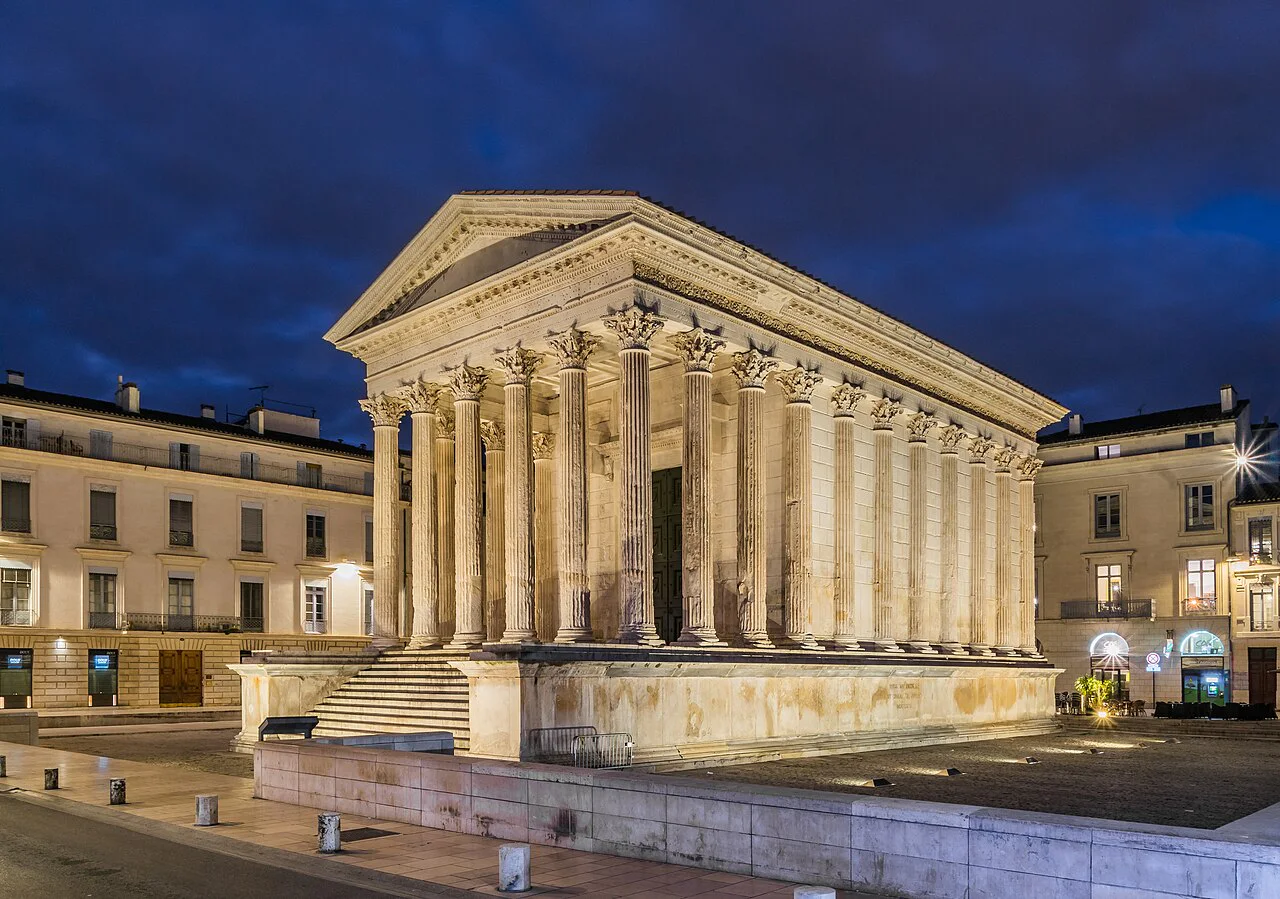
Nîmes · 46 km
Maison carrée
Content & sources
Krzysztof Golik · CC BY-SA 4.0
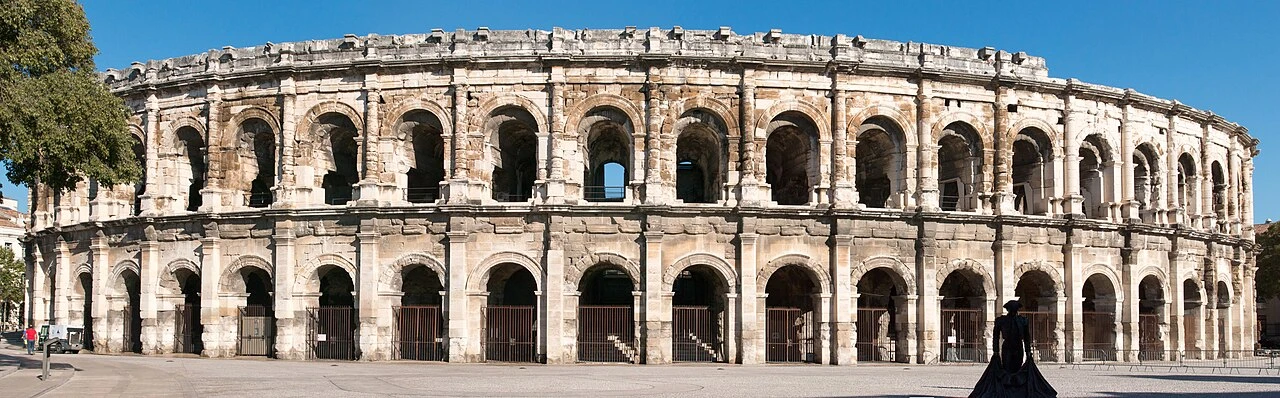
Nîmes · 46 km
Amphitheater of Nîmes
Content & sources
Daniel VILLAFRUELA. · CC BY-SA 3.0
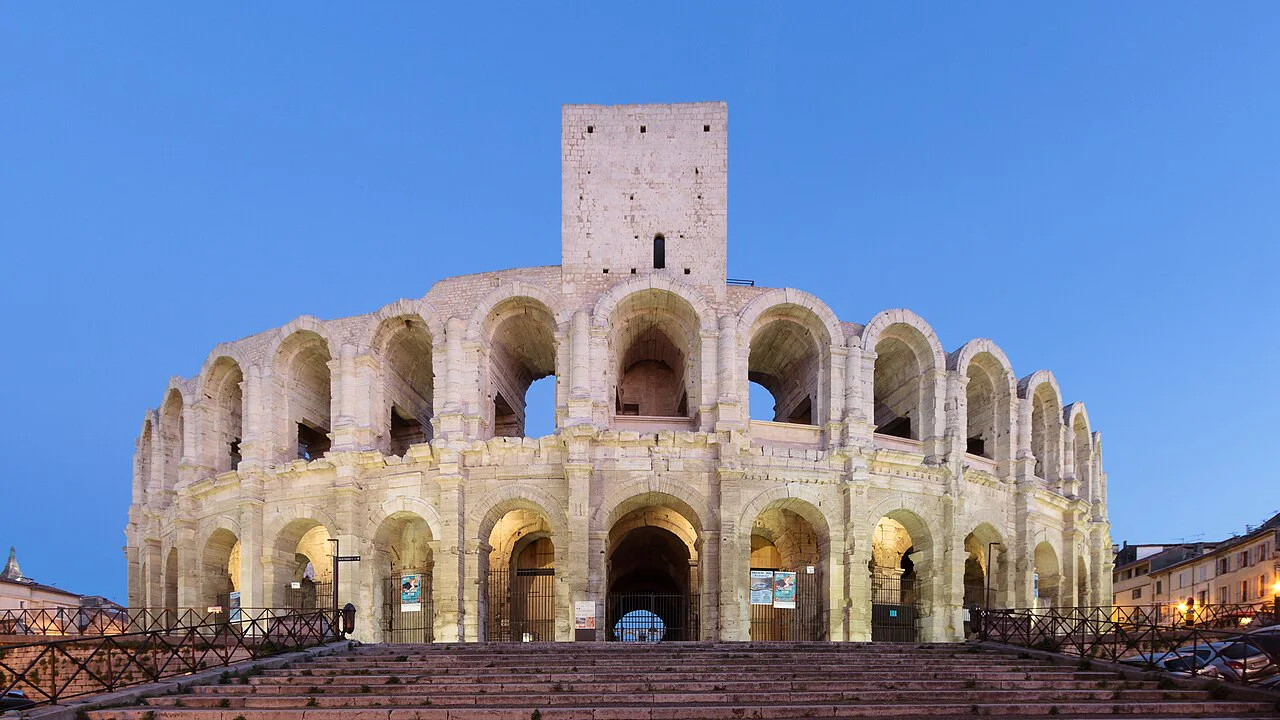
Arles · 61 km
Arènes d'Arles
Content & sources
Photo: PierreSelim · CC BY 3.0
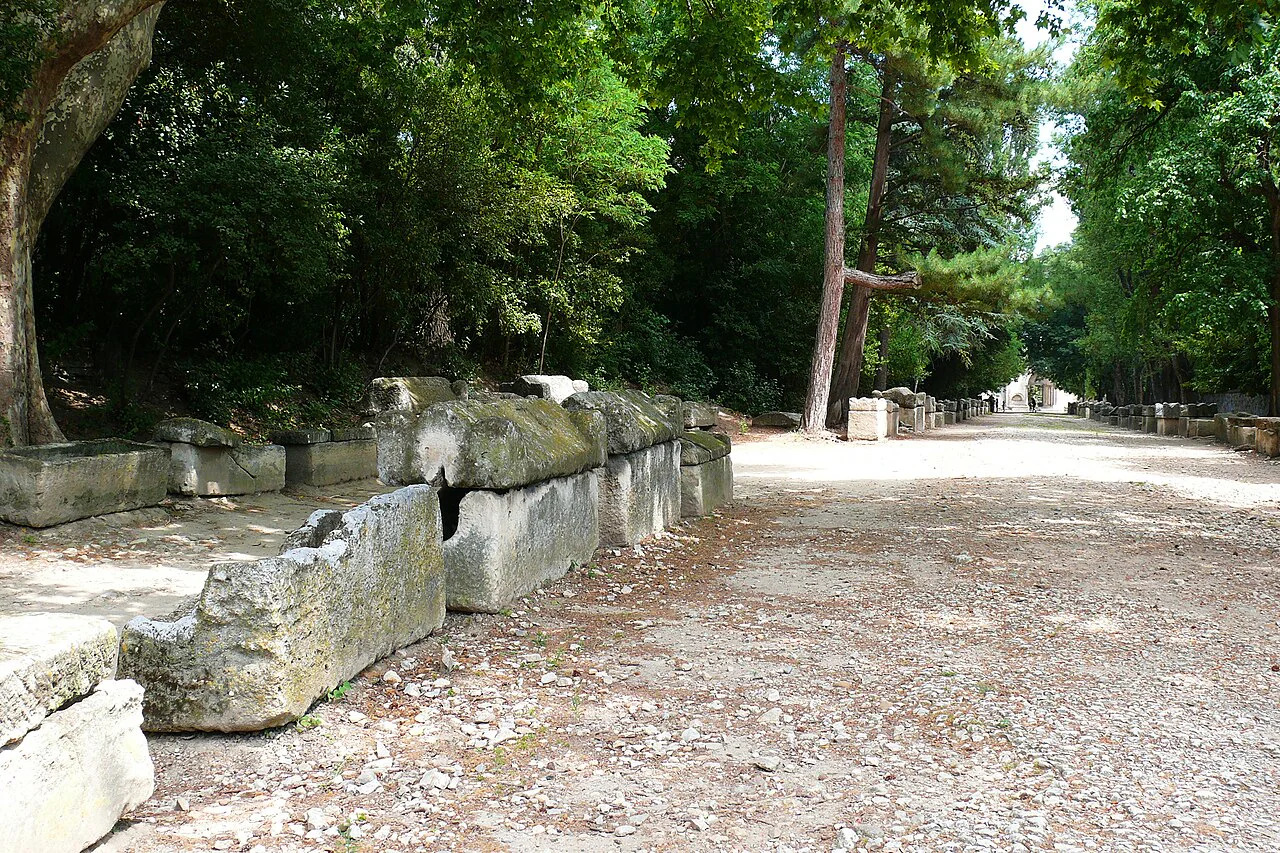
Arles · 61 km
Alyscamps
Content & sources
Hawobo at German Wikipedia · CC BY-SA 2.0 de
Art museums
More art museum audio guides
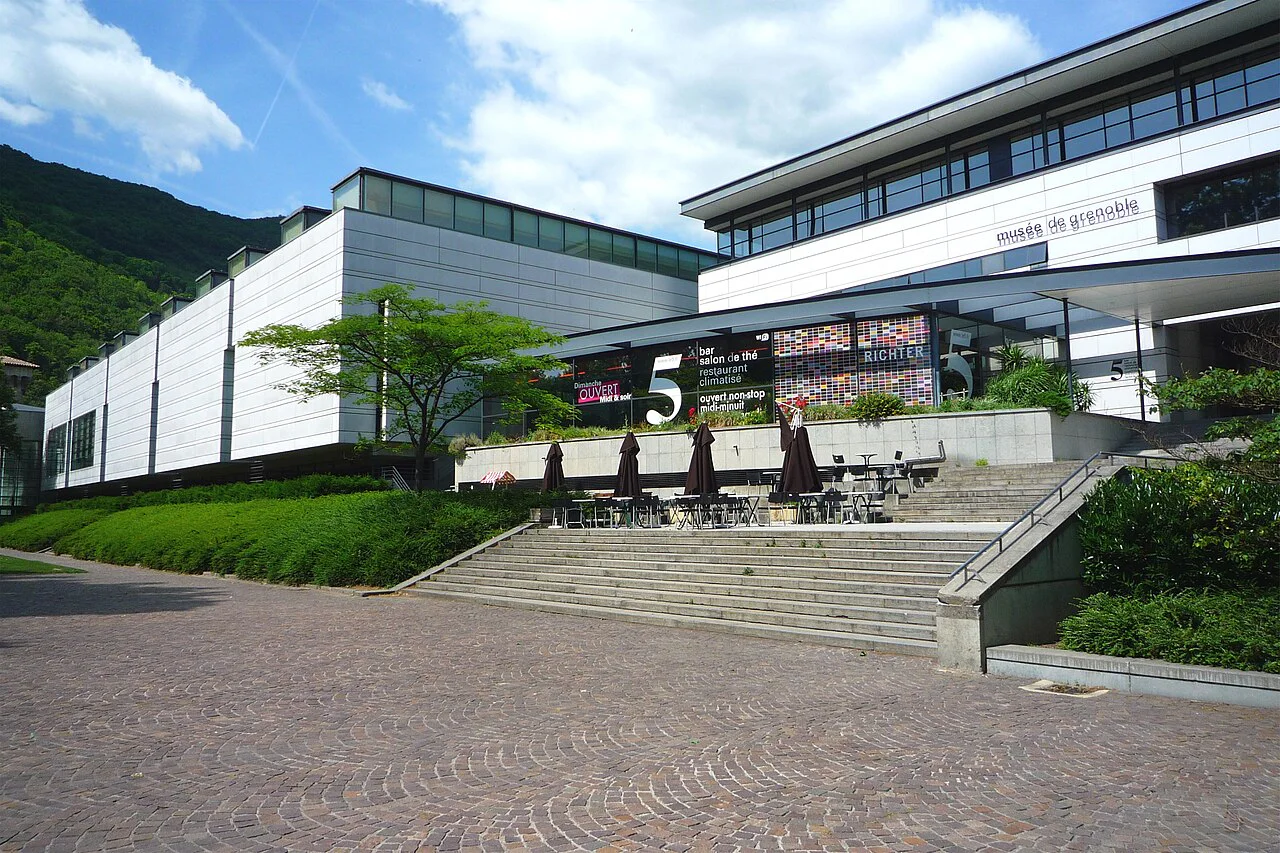
Grenoble · 53 artworks
Musée de Grenoble
Content & sources
Photo: Milky · CC BY-SA 3.0
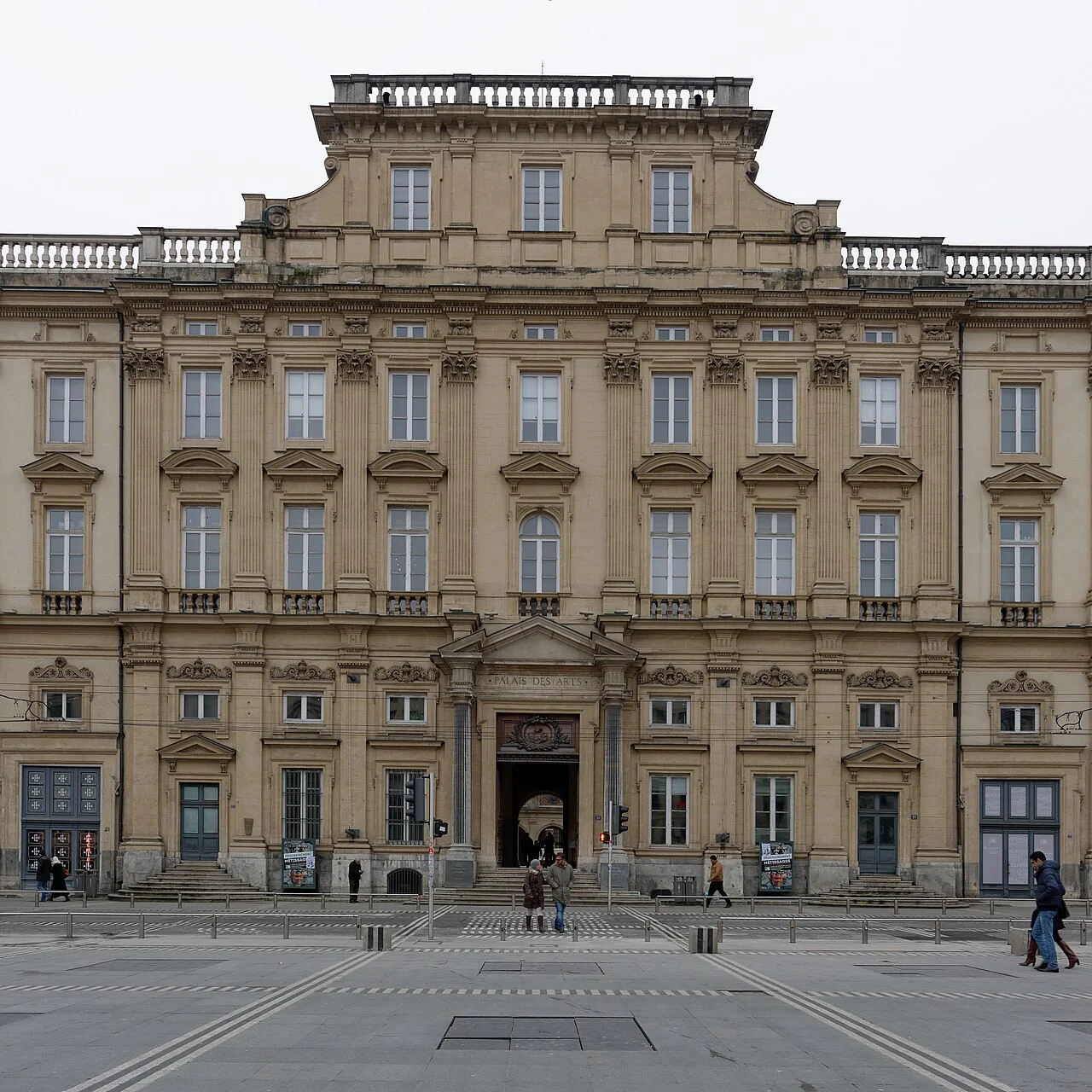
Lyon · 159 artworks
Museum of Fine Arts of Lyon
Content & sources
Photo: Jastrow · CC BY 2.5
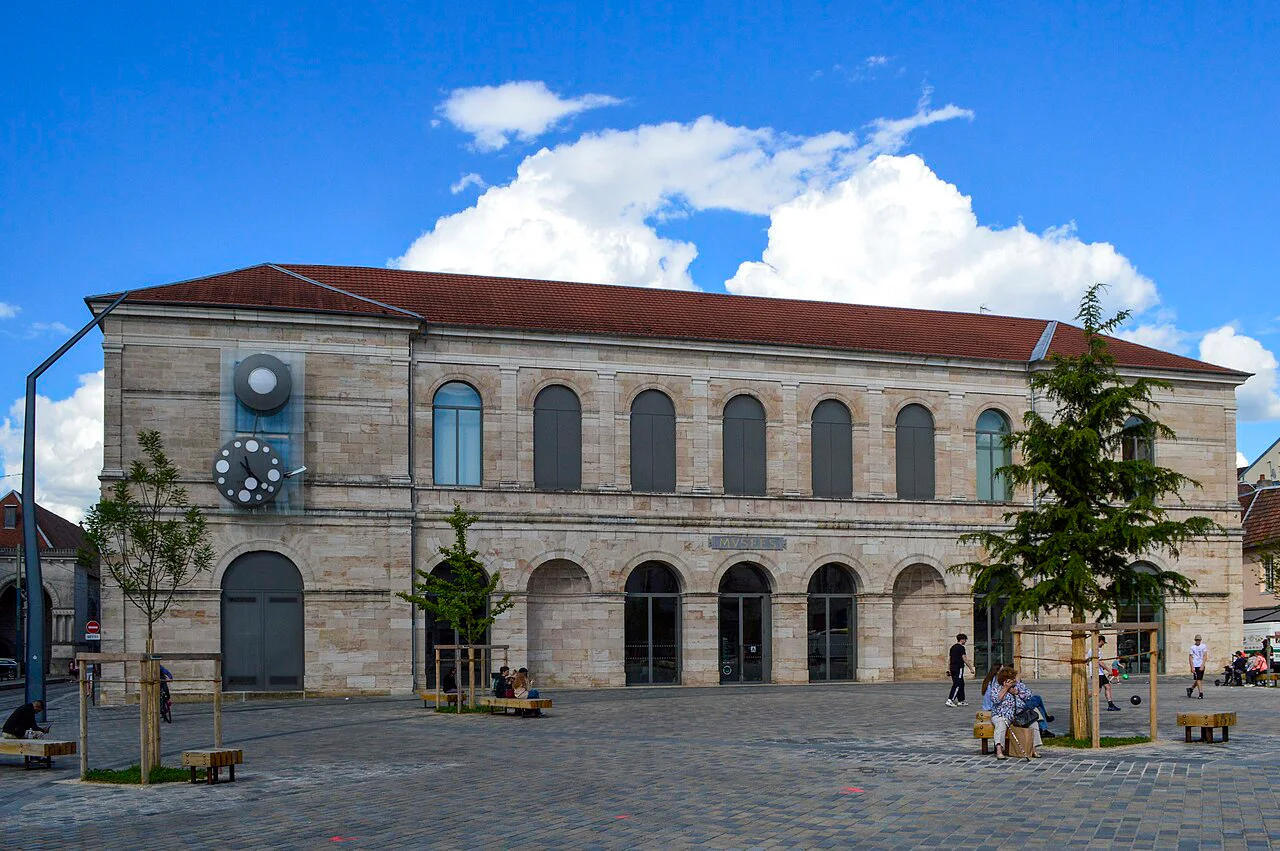
Besançon · 63 artworks
Musée des Beaux-Arts et d'Archéologie de Besançon
Content & sources
Photo: Wikipedro · CC BY-SA 4.0
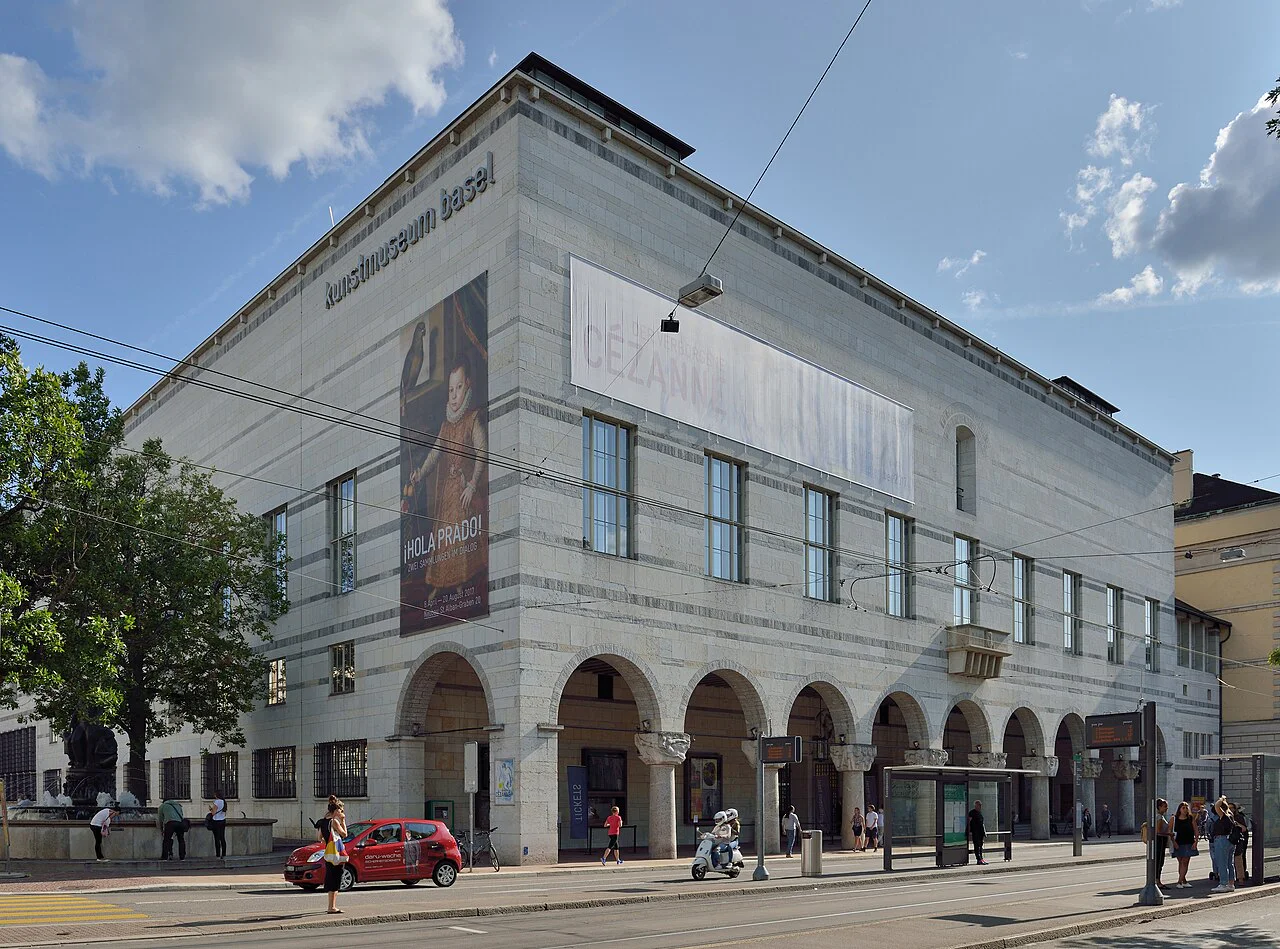
Basel · 61 artworks
Kunstmuseum Basel
Content & sources
Wladyslaw Sojka · FAL
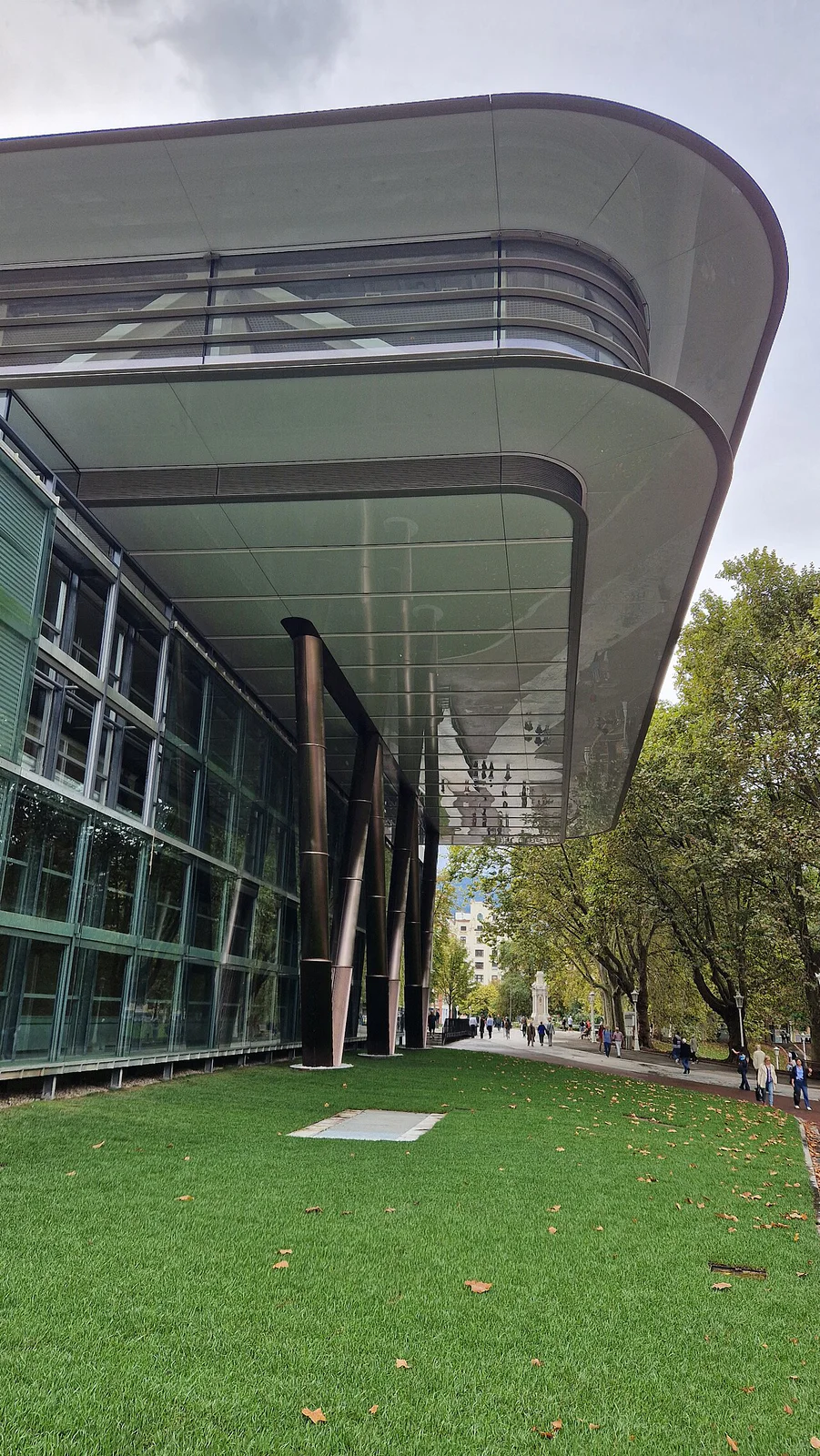
Bilbao · 43 artworks
Museo de Bellas Artes de Bilbao
Content & sources
Photo: Xabier · CC0
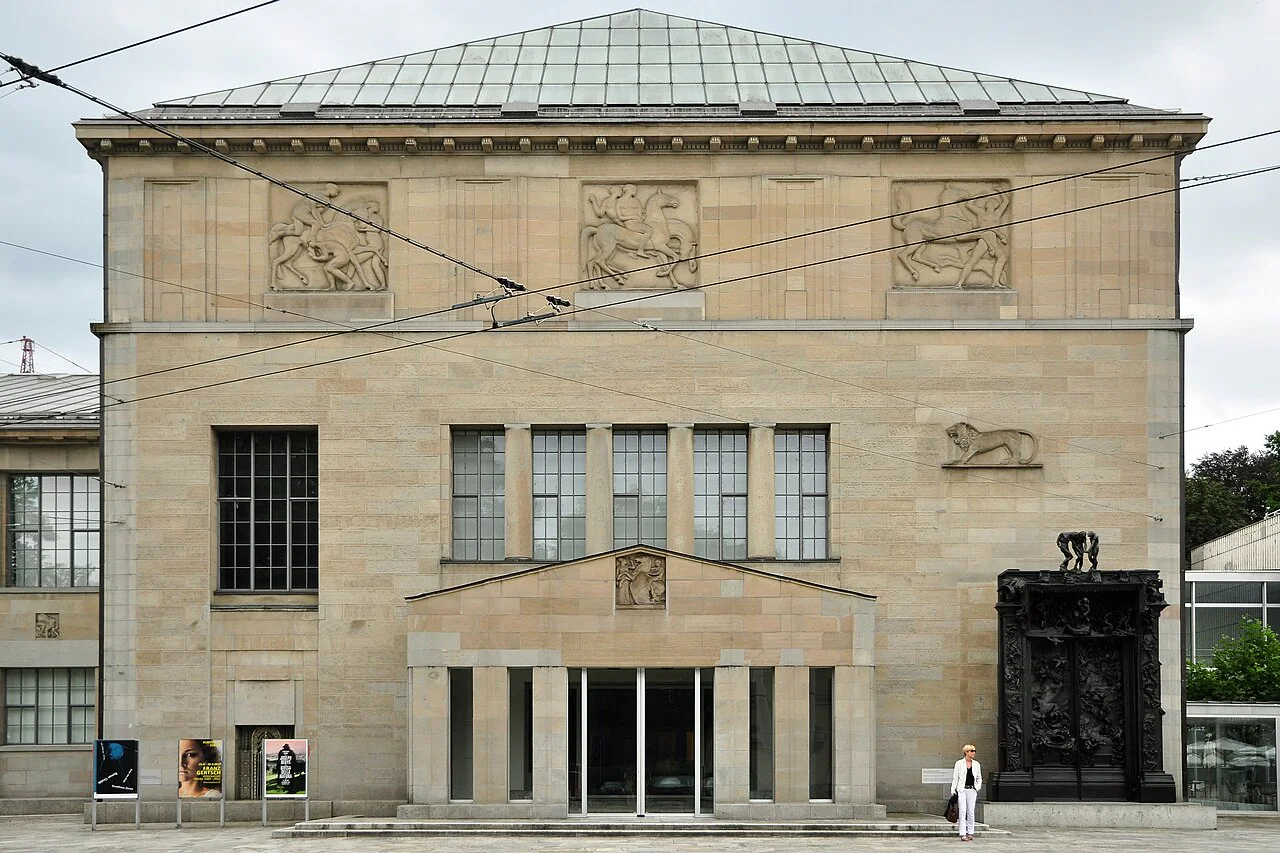
Zurich · 44 artworks
Kunsthaus Zürich
Content & sources
Photo: Roland zh · CC BY-SA 3.0