Stanza · Audio guide
İstanbul Arkeoloji Müzeleri Audio Guide
A place to remember. A story to take with you.
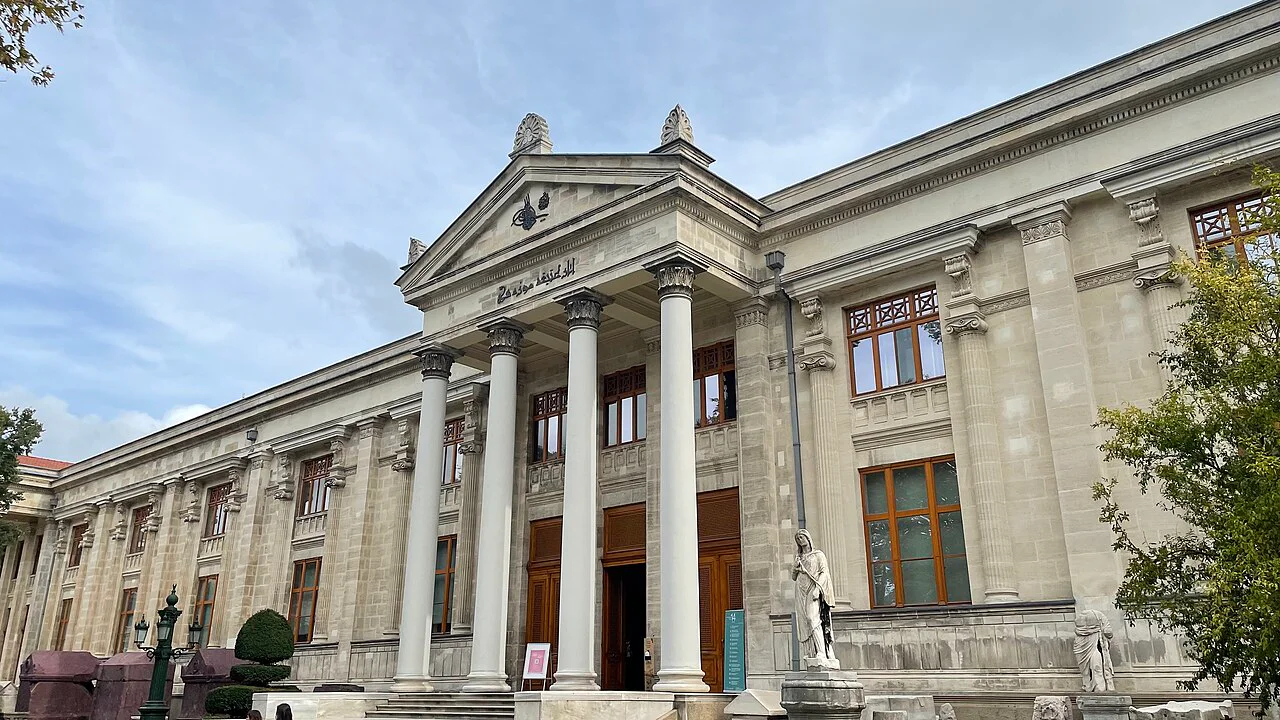
The Istanbul Archaeology Museums are a group of three archaeological museums located in the Eminönü quarter of Istanbul, Turkey, near Gülhane Park and Topkapı Palace. These museums house over one million…
Download Stanza, then search for “İstanbul Arkeoloji Müzeleri”.
About the tour
One guide. Your kind of visit.
The Istanbul Archaeology Museums are a group of three archaeological museums located in the Eminönü quarter of Istanbul, Turkey, near Gülhane Park and Topkapı Palace. These museums house over one million objects from nearly all periods and civilizations in world history.
The İstanbul Arkeoloji Müzeleri guide tells the stories of 16 artworks, including Code of Ur-Nammu (Istanbul Archaeology Museums), Alexander Sarcophagus (Unknown Artist), Siloam inscription (Unknown Artist), Gezer calendar (Unknown Artist), The Shu-Sin Love Song Tablet (Andriy Makukha (Amakuha)), Tabnit sarcophagus (Unknown Artist), Samaria Ostraca (Unknown Artist), and Sidamara Sarcophagus (Unknown Artist). Every artwork is free to hear in the Stanza app until 1 January.
Ready when you are.
- 01Get the free Stanza app.
iOS & Android
- 02Find your guide.
“İstanbul Arkeoloji Müzeleri”
- 03Download before you go.
Works offline
Audio guide / 16 artworks
Inside the guide
Get to know a few of the stories before you go. Open a stop to read more.
01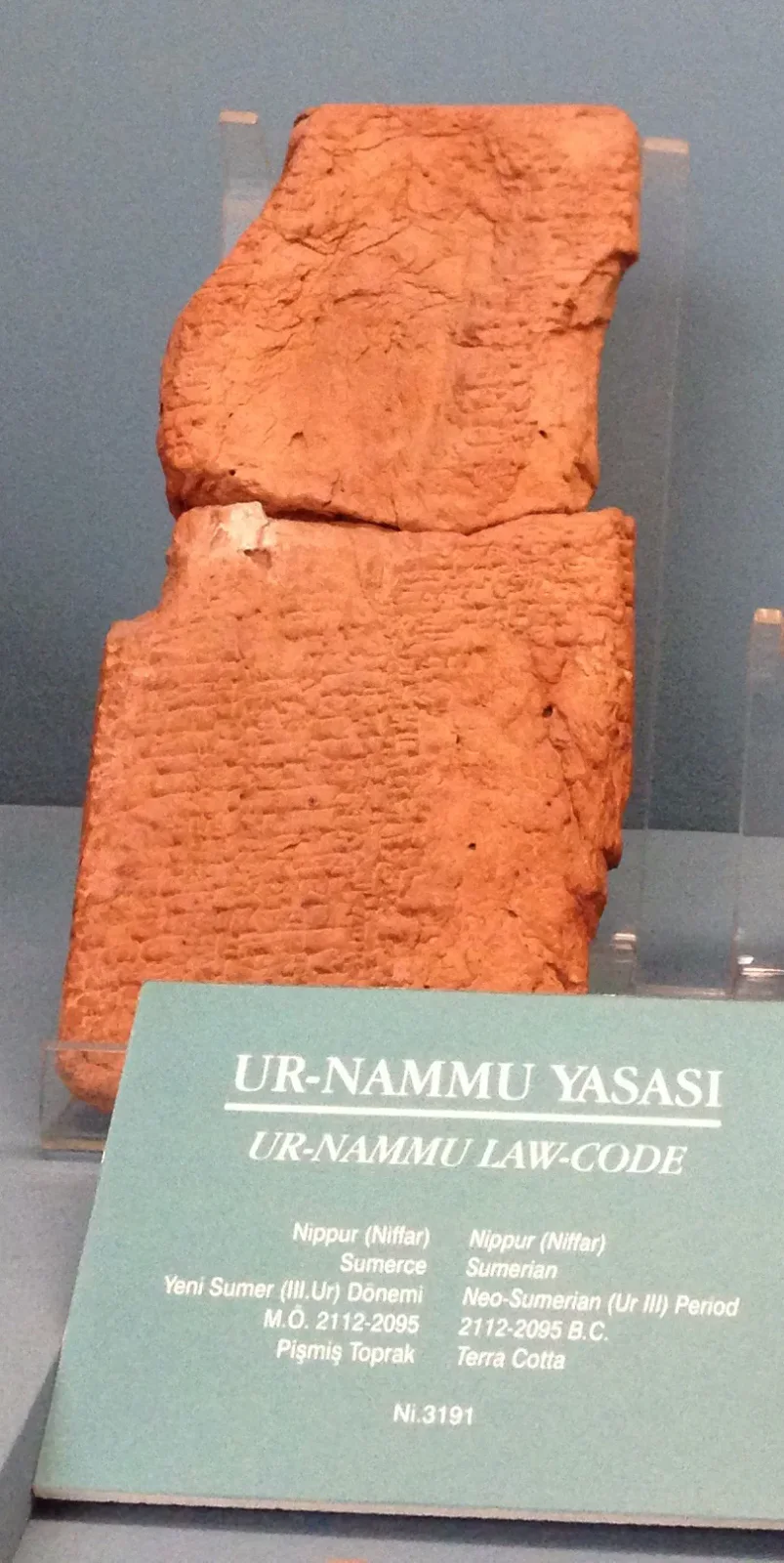
Code of Ur-Nammu
The question nobody can settle is who gave the order for these laws. The words speak as a king, Ur-Nammu, taking credit for ending the violence in the land. But his son Shulgi may be the one who had the laws written down. The tablet in front of you cannot answer that. It is a copy from the Old Babylonian period. It came from Nippur in two broken pieces that were joined. Only the long opening and five of the laws came through. And the opening is exactly the part that carries the king's name. It says he made things fair across the land. The orphan was not handed over to the rich man. The widow was not handed over to the mighty man. The man of one shekel was not handed over to the man of one mina. Kramer might have missed it altogether. A curator at this museum came upon the two pieces, joined them, and wrote to him. Kramer had the tablet brought to his desk. More than half the writing was destroyed, and what survived seemed hopelessly hard to read. After several days of study, he understood that he held a copy of the oldest law code known. It is three centuries older than the Code of Hammurabi.
Listen in the appIstanbul Archaeology Museums · CC0
02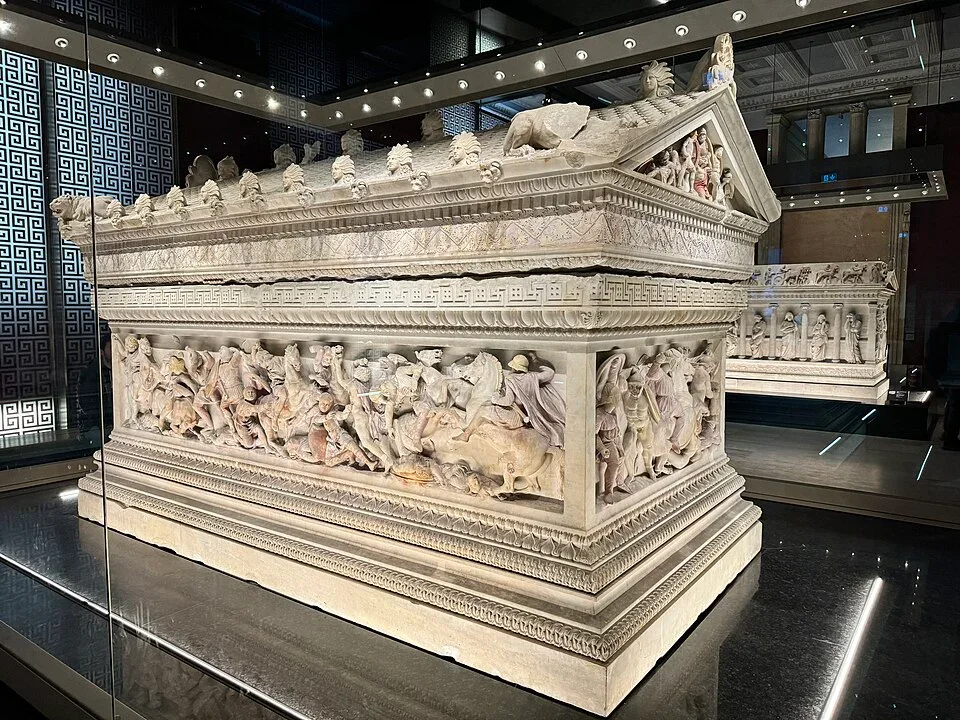
Alexander Sarcophagus
The figures on this coffin were once bright with colour. Painting carved figures like this was common in the ancient world, and this coffin has kept more of those colours than most. On one long side, Alexander rides into battle against the Persians. The Macedonian fighters are naked, the Greek way. Yet their skin, their hair, their helmets and shields were painted. The Persians facing them had bright armour, patterns on their clothes and designs on their shields. When the coffin came out of the ground in 1887, traces of that paint were still there. In the early nineteen eighties, ultraviolet light and chemical tests proved the paint was original. A reconstruction in the original colours then took twenty-five years to make. That coloured version has since travelled to museums around the world.
Listen in the appPhoto: Bjelica · CC BY-SA 4.0
03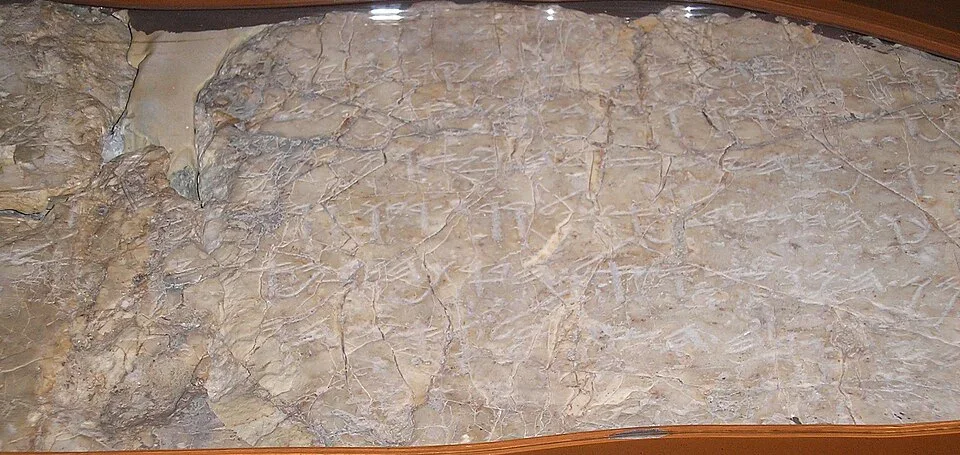
Siloam inscription
How did two teams of stonecutters, digging toward each other under a city, know the moment they met? The answer is cut into this stone. Six lines of Hebrew survive, the words marked off with dots, the first line damaged. Jerusalem sat on a mountain, but its spring lay outside the city, on the cliff overlooking the valley. King Hezekiah feared the Assyrians would surround the city and find that water, so he had a channel cut to bring it inside. Both crews dug at once, one from each end. With three cubits of rock still between them, a stonecutter called out. His voice carried through to the man on the other side. Then their axes struck toward one another, and water ran twelve hundred cubits into the pool. The last line gives a height, a hundred cubits of rock above the workers' heads. The engineers knew how far the surface was above the tunnel.
Listen in the appPicture taken by deror avi on July 2005. · Attribution
04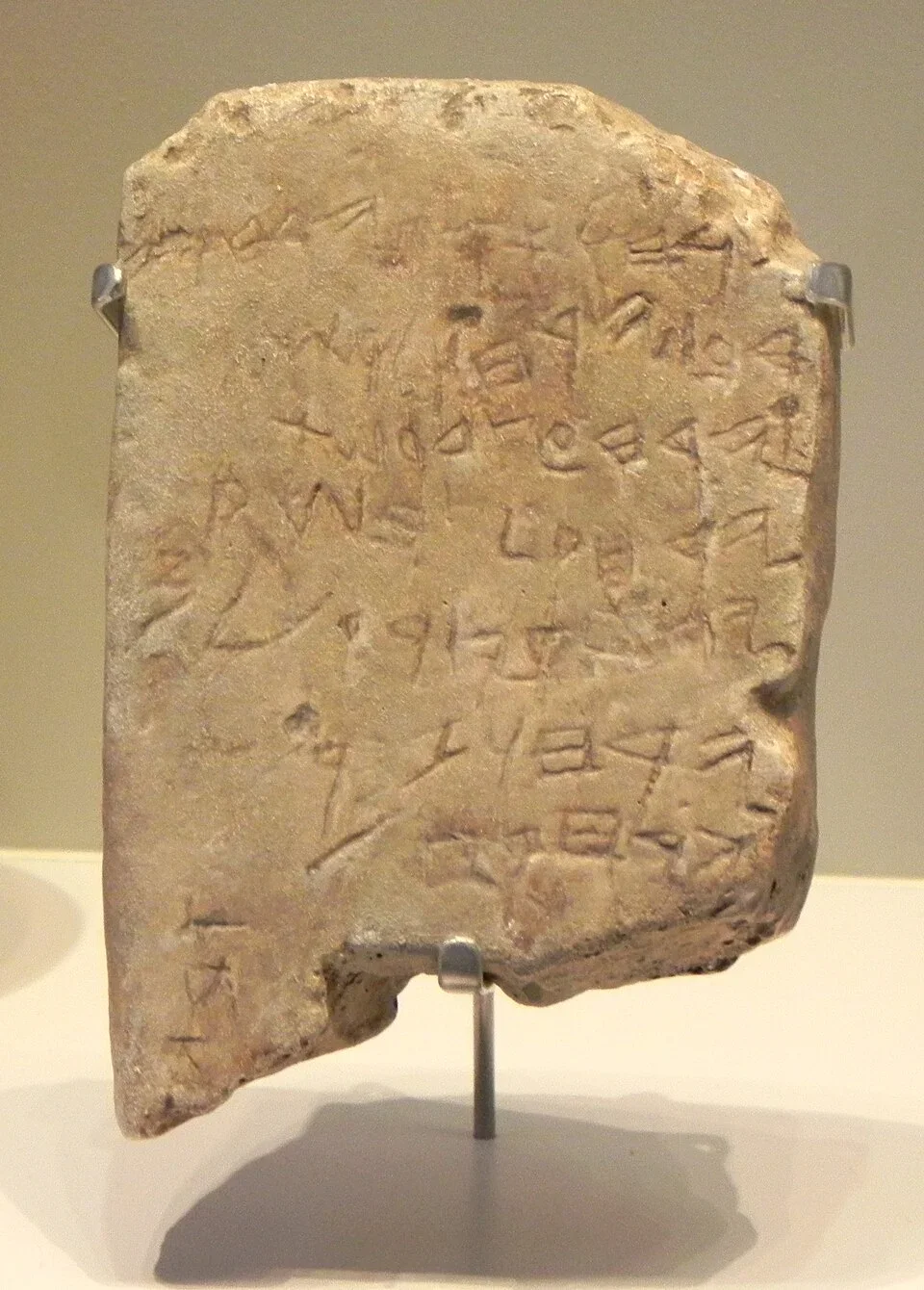
Gezer calendar
At the bottom of this tablet, below the rows of writing, there is a single small word. Abijah. It may be the name of the person who carved the whole thing, but we cannot be sure. The name means Jah is my father. If that is really the carver signing his work, it could be one of the earliest written appearances of God's name. It may even be older than the Mesha Stele. Above that word, the writing runs through the farming year, each with its own task. Two months of gathering, two of sowing. A single month for the barley harvest, another for summer fruit. Those rows are why it is called a calendar. But it is not a calendar in the true sense. The dates are loose, some stretches run to two months, and no month is ever named. It was found at Gezer, west of Jerusalem, in 1908, and is usually dated to the tenth century BCE. The dig there was not done in careful layers, so the date is not certain. It could have been a schoolboy's memory exercise, or the words of a children's song, or notes for collecting taxes from farmers. What it was actually for is still not known.
Listen in the appUser:Yoavd · GFDL
05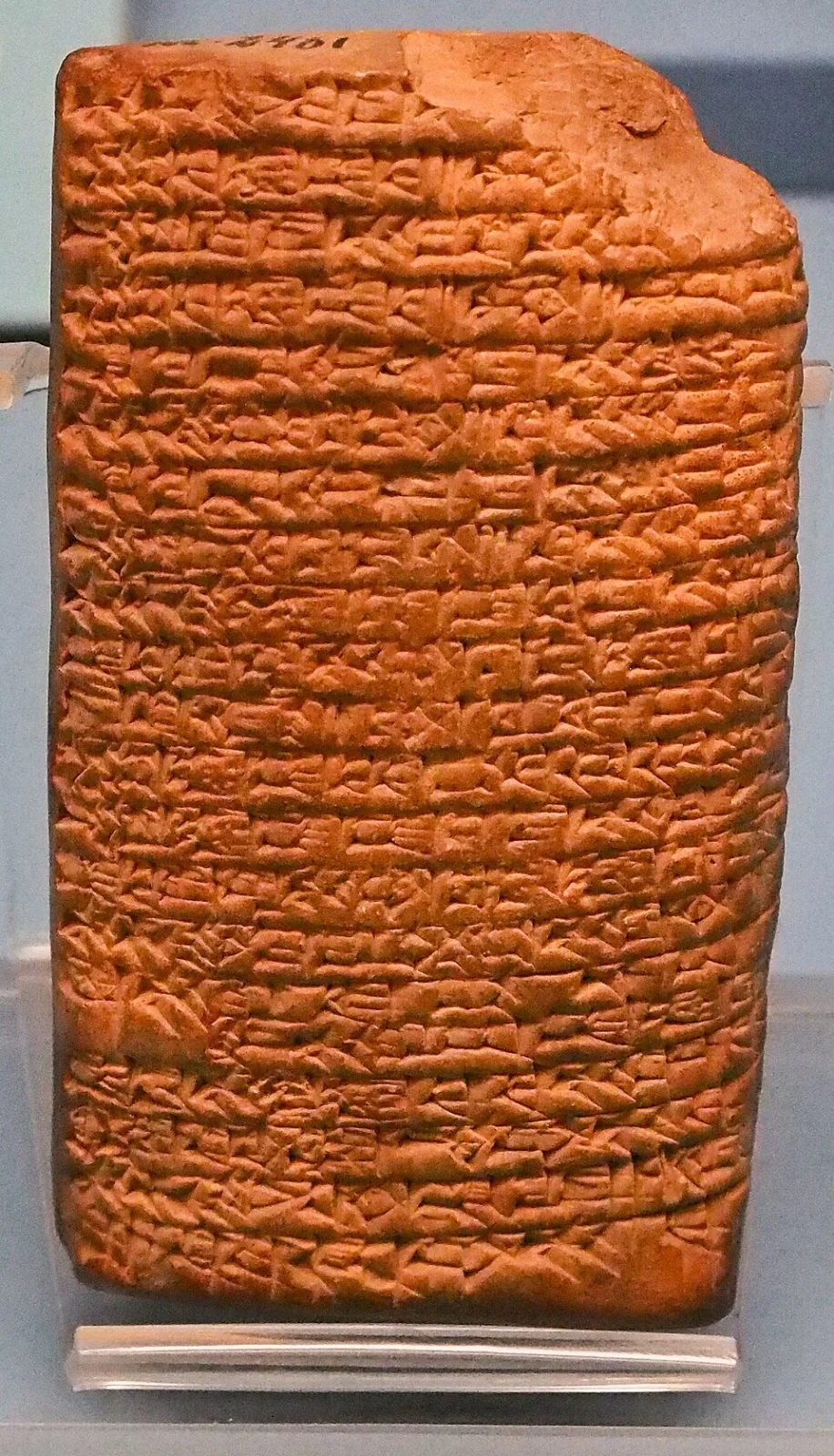
The Shu-Sin Love Song Tablet
She has no name, this woman speaking from ancient Sumer, and what she wants is the king's caresses. Her words are written on this small clay tablet. Again and again she tells him his beauty is sweet, and reaches for the same image, honey. Her own touch, she says, is sweeter still. She imagines a bedchamber full of honey, and asks to caress him there. The tablet was found at Nippur, in ancient Mesopotamia, in what is now Iraq. It came out of the ground with thousands of other tablets, dug up between 1889 and 1900. For years it lay in a drawer in Istanbul, one among seventy-four thousand pieces. Then Samuel Kramer, deciding what to translate next, picked it up in 1951. What first caught his eye was how well it had survived. Reading it again and again, he saw a poem of stanzas, celebrating beauty and love, a bride, and a king named Shu-Sin. He was holding one of the oldest love songs anyone had written down.
Listen in the appAndriy Makukha (Amakuha) · CC0
06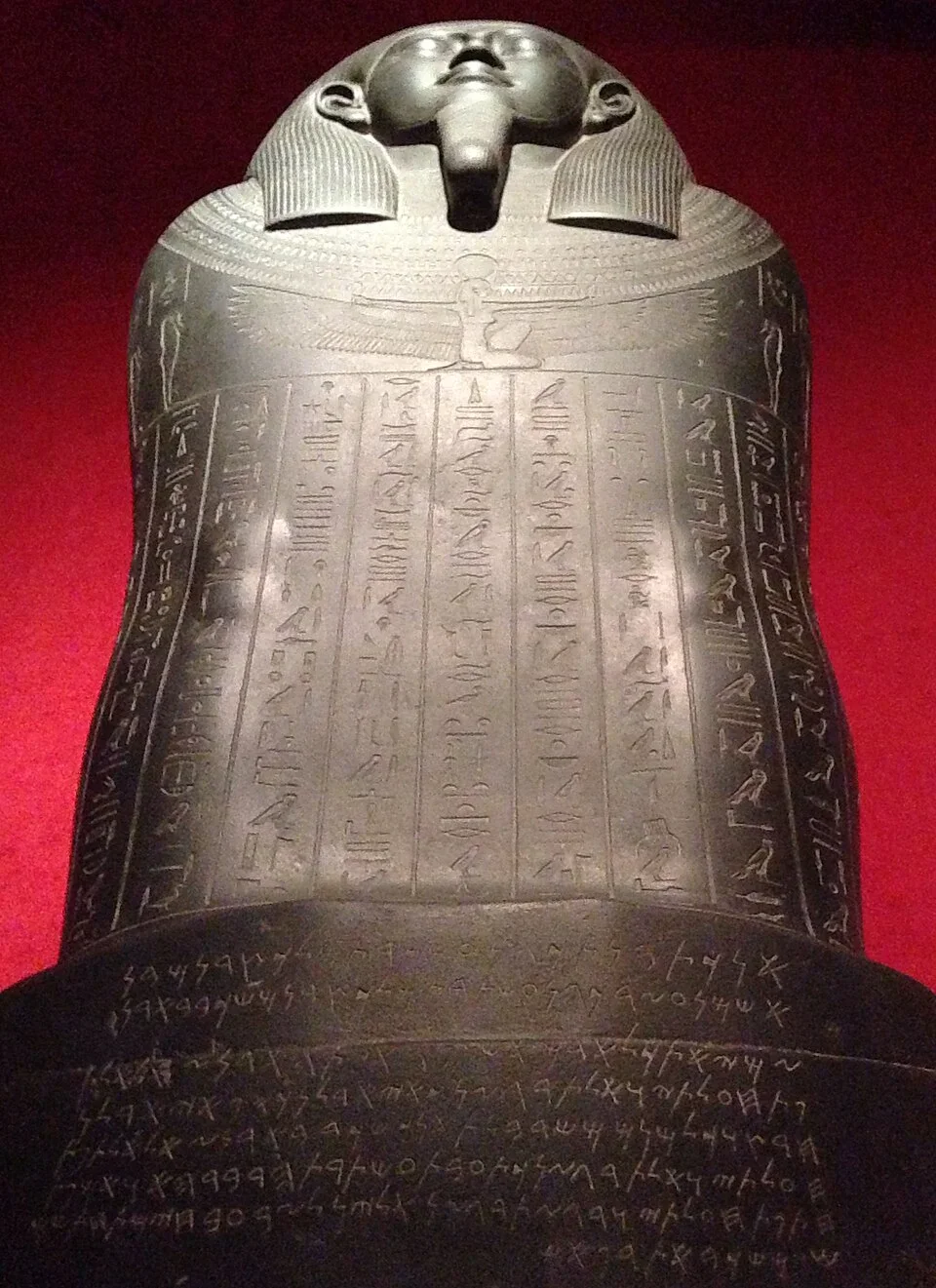
Tabnit sarcophagus
The lid is a broad figure wrapped in a shroud. The head is very large, sunk between the shoulders, and the face is Egyptian in style. A wide necklace covers the chest and shoulders. Two inscriptions sit on it, and they have nothing to do with each other. The hieroglyphs name an Egyptian general, Penephtah, the man this coffin was first made for. The Phoenician words belong to the man actually buried here, Tabnit, king of Sidon. His message is a warning. Whoever finds his tomb, he writes, must not open it. He has no silver, no gold, no treasure with him. He is only lying there. But anyone who opens it and disturbs his peace will have no children among the living and no resting place among the dead. In 1887 the coffin was opened. Workmen found a body floating in a strange fluid, still perfectly preserved. While Osman Hamdi Bey was at lunch, they tipped the coffin over and poured the fluid out into the sand. Once the fluid was gone, the body began to break down. Perhaps the Sidonians put their curse at the foot, the only space left, because they feared the older Egyptian one.
Listen in the apponcenawhile · CC BY-SA 3.0
07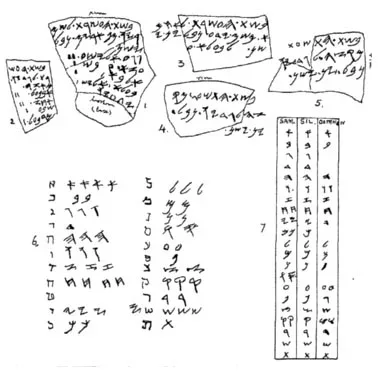
Samaria Ostraca
They were swept under a floor. In a house in Samaria, broken pottery was spread over the ground to level it before the floor was laid. These pieces went down with the rubble. There they lay until 1910. The proper accounts were probably written on papyrus, which would not survive there. The throwaway scraps did. That is why you can read them now. What survives on each fragment is flowing Hebrew writing in ink, set down by professional scribes. Every one is a delivery note. It gives a year in a king's reign, the place the goods came from, and the person bringing them. The delivery itself was usually a jar of aged wine or fine oil. These were probably tax payments from villages around Samaria, most within a day's walk of the city. There seems to have been a method to the choice of pottery. Oil was usually written on gray jar fragments, wine on reddish pieces of bowls. One note records wine accepted in place of fine oil. What a village owed could be settled with something else.
Listen in the appPhoto: ישראל קרול · Public domain
08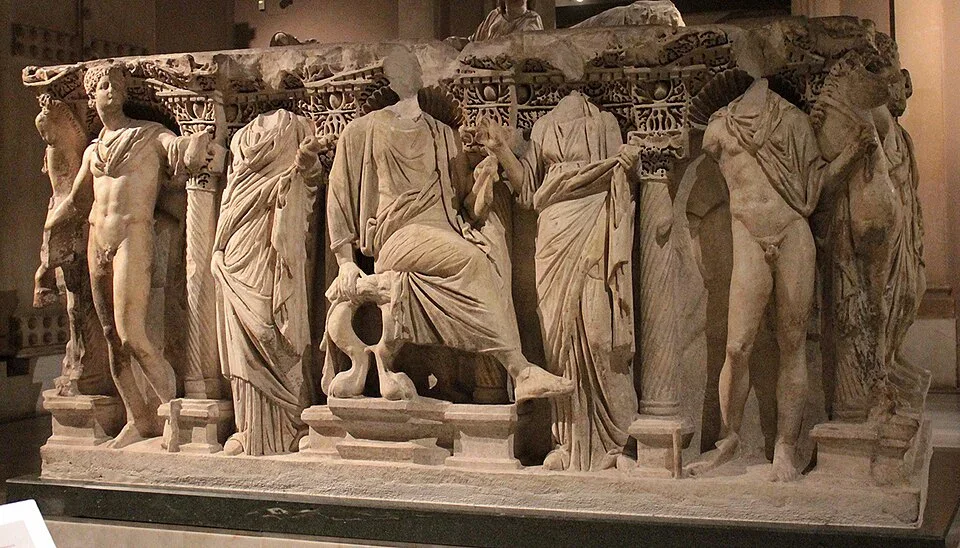
Sidamara Sarcophagus
A man sits at the center of the carving, reading the last lines of a manuscript roll. A veiled woman stands facing him. At each end, two figures hold the bridles of horses. They are Castor and Pollux. The woman is taken to be their sister Helen. All three were guardians of the dead. The reader is a poet. An old tale has Helen ordering Homer to write the story of Troy. Castor and Pollux protected poets as well. On a narrow side, she holds out grapes and pomegranates at a doorway that stands for a tomb's entrance. Such fruit had a place in the worship of the dead at Sparta. By tradition, Helen raised her brothers from death to be gods. The man buried here was meant to have that same destiny. On the lid, the owner and his wife lie as if on a couch. He holds a roll too, which suggests the man buried here was a poet. The carver is unknown. When the tomb was first found, a head of Eros was in place. It went to London and ended up in the Victoria and Albert Museum. In 1934 Britain offered to send the original back. The director pointed out it might stir arguments like the Elgin Marbles, so only a plaster copy was sent. Decades later the original was lent back and set in its place.
Listen in the appPhoto: MM · CC BY-SA 4.0
09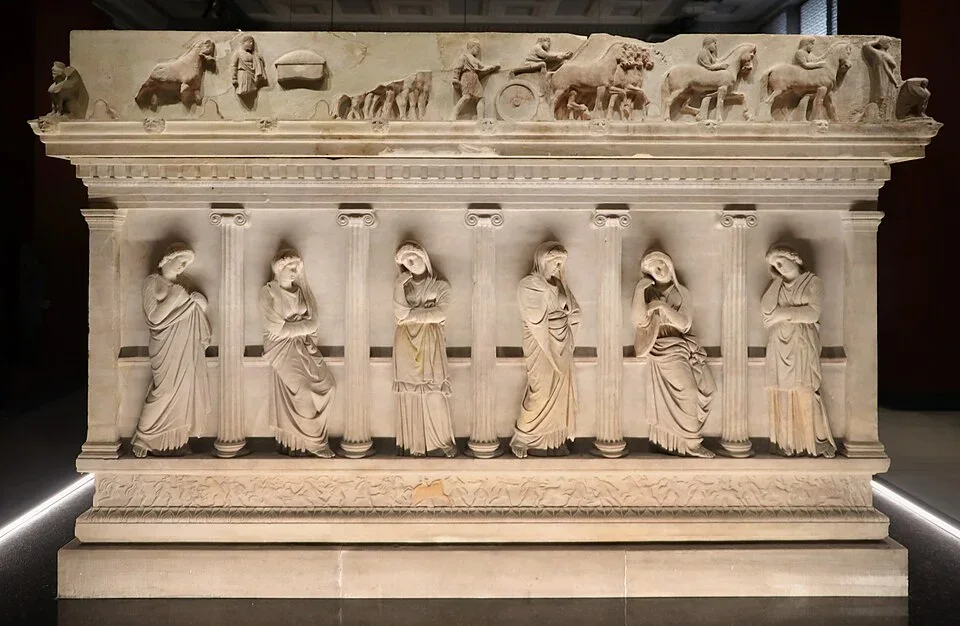
Sarcophagus of the mourning women
Nobody can say for certain who was buried here. When this sarcophagus was found in 1887 among the royal graves near Sidon, robbers had already been inside. Only the dead person's bones remained, and a bronze belt buckle. It may be the tomb of Strato, king of Sidon, who died in 360 BC. It may have been made for another wealthy citizen of Sidon instead. Eighteen women carved around it keep that question open. Some stand, some sit between the columns. Their heads are shaved, their feet bare, their clothes torn, the way grief showed itself among the Semitic peoples. They are probably not professional mourners. They may be the dead man's own wives, or women of his harem. And though all of them grieve, no two move in the same way, which brings the whole group to life. When the sarcophagi reached Istanbul, there was nowhere to keep them. The Ottoman archaeologist who found this one, Osman Hamdi Bey, had a new museum built, and its front was modelled on this very tomb. This is one reason the museum was first called the Museum of Sarcophagi.
Listen in the appFrancesco Bini · CC BY-SA 4.0
10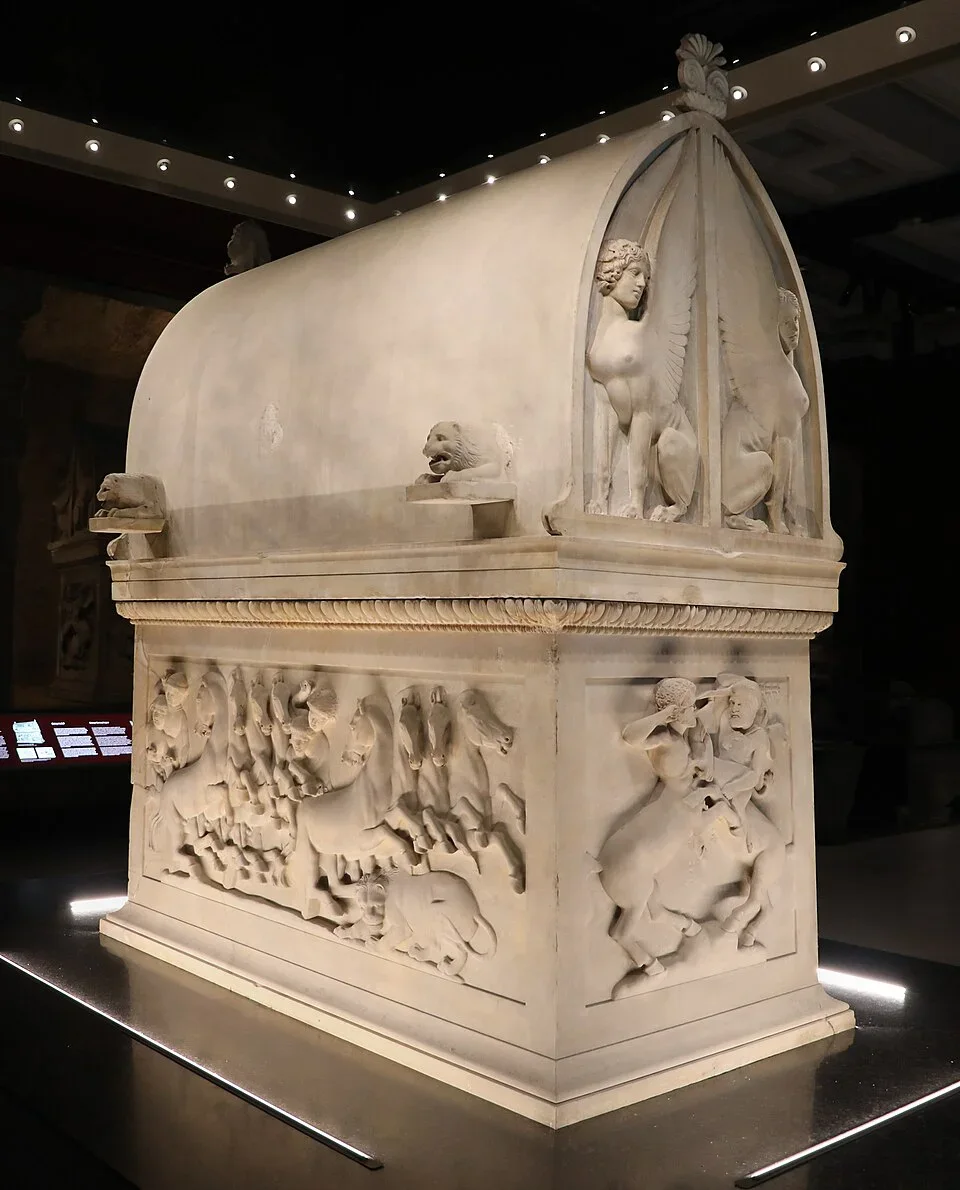
Lycian sarcophagus of Sidon
Greek sculptors from Ionia carved these reliefs in the Greek style. But the shape they gave the stone is Lycian. The lid curves like a boat turned over. This one was found near Sidon, on the Phoenician coast. The long sides carry two hunts. Five hunters raise their spears at a boar. On the other side, chariots drawn by four horses charge a lion. The horses leap so high that almost none of them touches the ground. Sphinxes with women's faces sit on the lid, placed there to guard the tomb. About 1887 a man digging stone on his land found a deep well. At the bottom lay a royal burial ground with many sarcophagi. The sultan sent Osman Hamdi Bey to record the finds and bring the coffins to Istanbul. Each weighed tons, and getting them out was the hard part. A new museum was built to hold them. Who this one was made for is not known.
Listen in the appFrancesco Bini · CC BY-SA 4.0
- 11
Temple Warning inscription
Unknown Artist
- 12
Saba'a Stele
Unknown Artist
- 13
Maraş lion
Unknown Artist · -850
- 14
Si.427
Unknown Artist · 1900–1600 BC
- 15
Sarcophagus of the Satrap
Unknown Artist · mid-5th century BC
- 16
Statue of Tyche (Prusias ad Hypium,)
Unknown Artist · 2nd century AD
İstanbul Arkeoloji Müzeleri
Frequently asked questions
How much does the guide cost?
Free app download. Free until 1 January. Listed guide price: $0.99. Audio guide only. Venue admission is separate.
Can I listen without internet?
Yes. Download the guide’s audio, images, and maps in the app before your visit. Your downloaded content is then available offline.
Can I listen in my language?
In English for now. More languages soon.
Do I need to follow a schedule?
No. This is a self-guided experience. Choose your stops, pause whenever you like, and return to a story at your own pace.
Which artworks are in the İstanbul Arkeoloji Müzeleri audio guide?
16 artworks, including Code of Ur-Nammu (Istanbul Archaeology Museums), Alexander Sarcophagus (Unknown Artist), Siloam inscription (Unknown Artist), Gezer calendar (Unknown Artist), The Shu-Sin Love Song Tablet (Andriy Makukha (Amakuha)), Tabnit sarcophagus (Unknown Artist), Samaria Ostraca (Unknown Artist), and Sidamara Sarcophagus (Unknown Artist). The full list is on this page.
Is this the museum’s official audio guide?
No. Stanza is an independent audio guide app and is not affiliated with İstanbul Arkeoloji Müzeleri. Museum admission is separate.
At your own pace
Explore İstanbul Arkeoloji Müzeleri.
Download Stanza, then search for “İstanbul Arkeoloji Müzeleri”.
Free app download · Guide price shown in the app
Keep exploring
Nearby audio guides
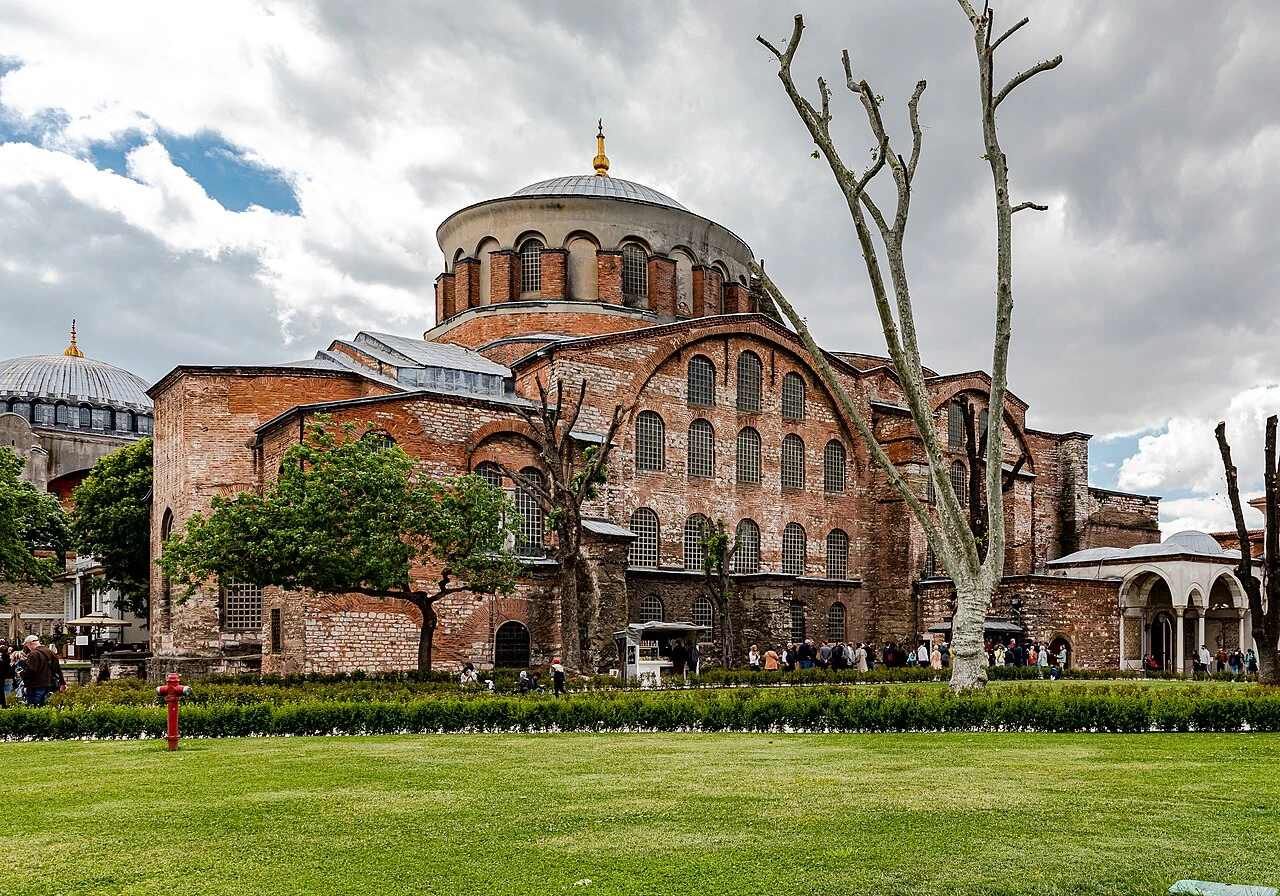
Istanbul · 1 km
Hagia Irene
Content & sources
Ninara · CC BY 2.0
Istanbul · 1 km
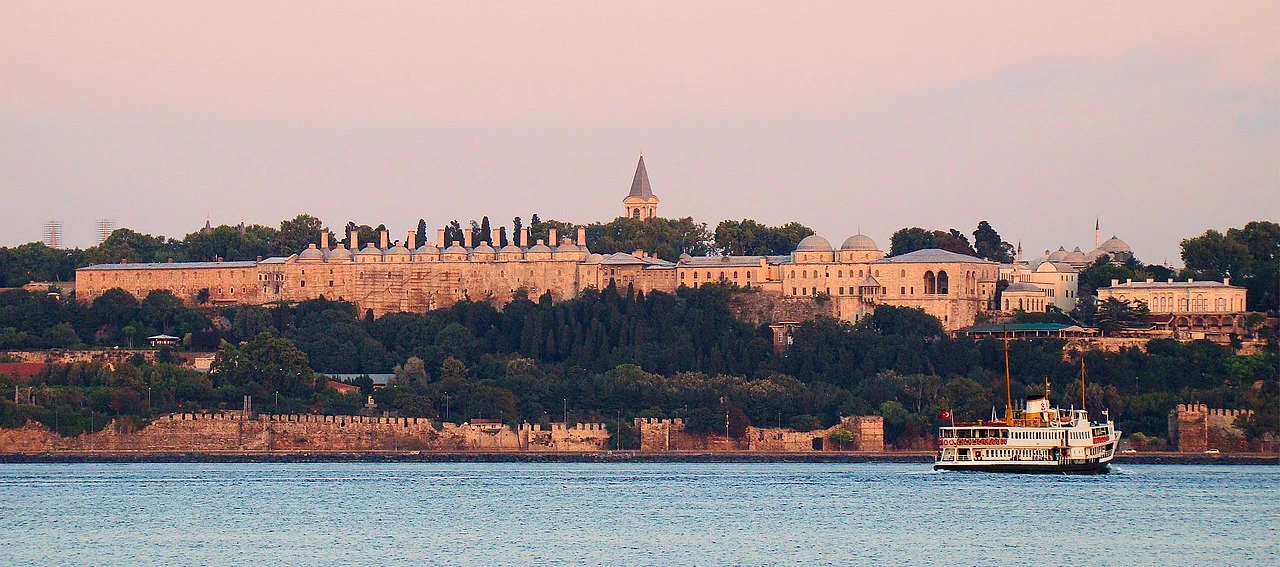
Topkapı Palace
Content & sources
Bjørn Christian Tørrissen · CC BY-SA 3.0
Istanbul · 1 km
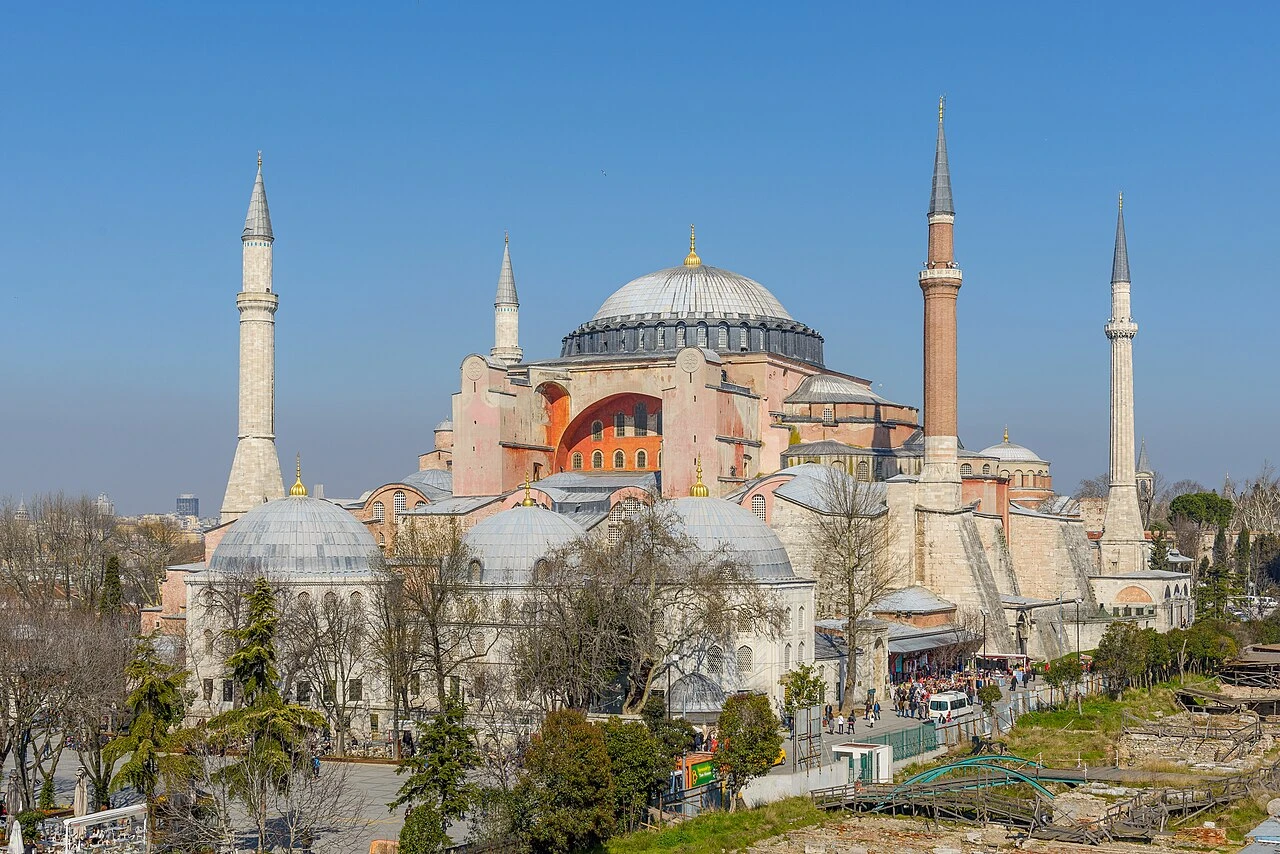
Hagia Sophia
Content & sources
Arild Vågen · CC BY-SA 3.0
Istanbul · 1 km
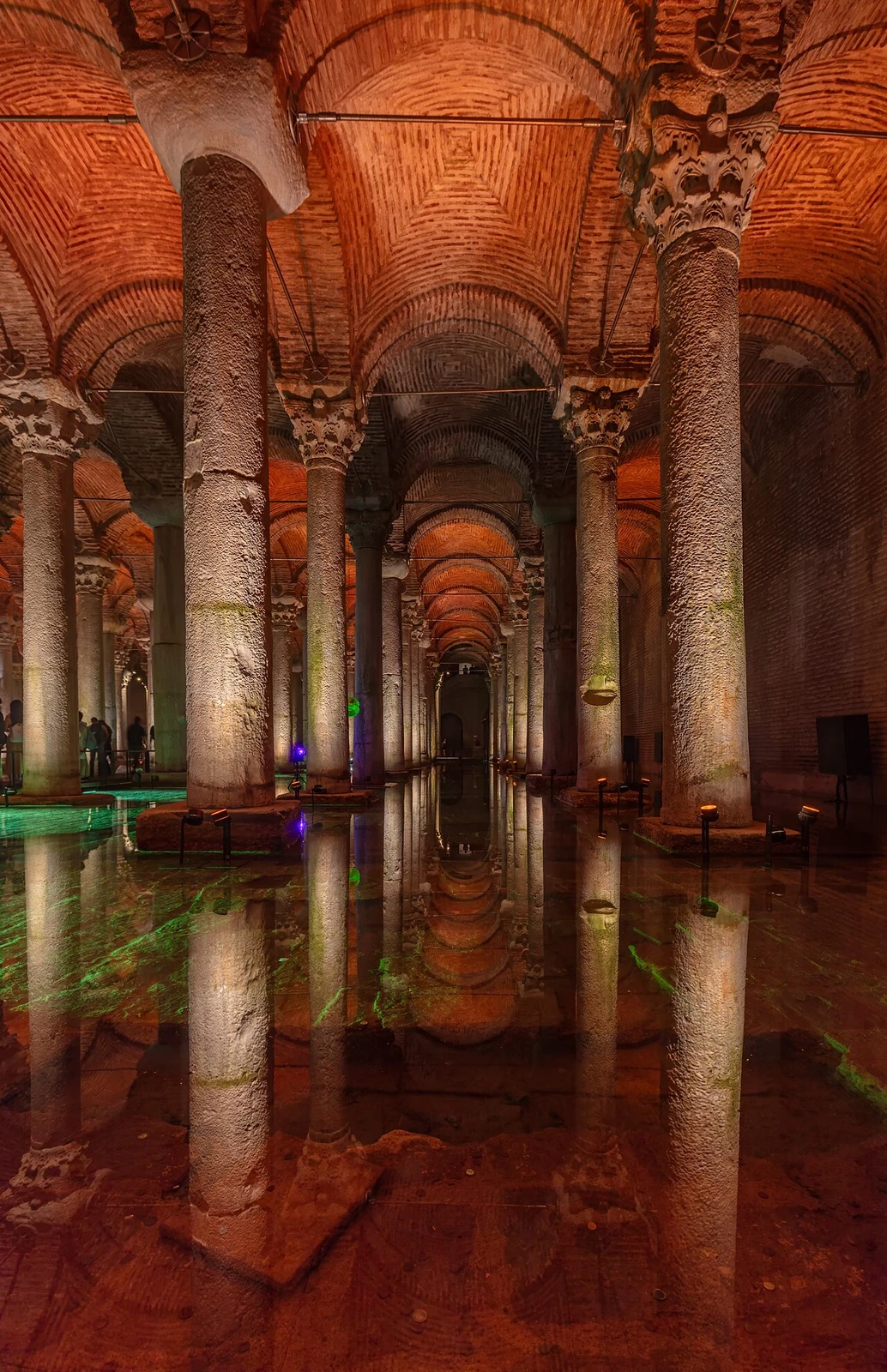
Basilica Cistern
Content & sources
Diego Delso · CC BY-SA 4.0
Art museums
More art museum audio guides
Bucharest · 28 artworks
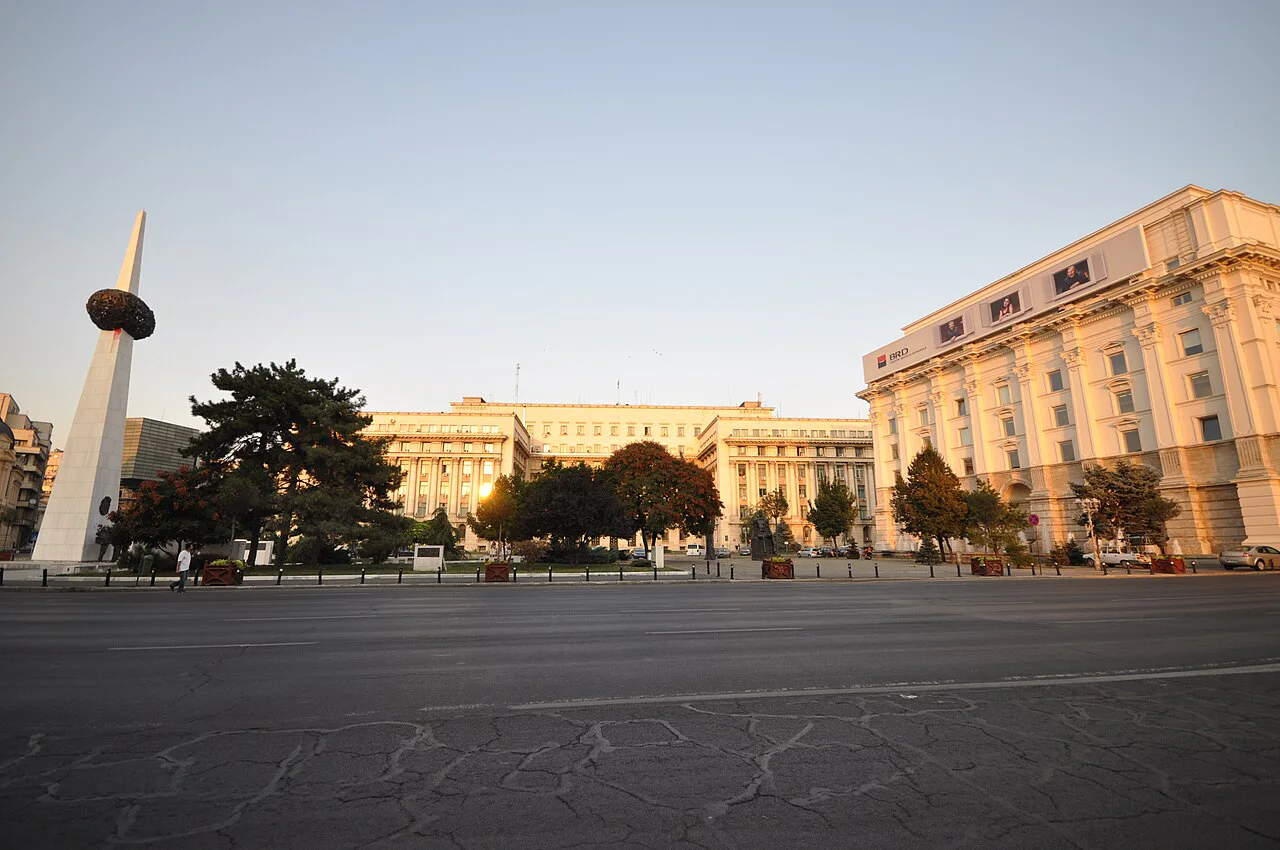
National Museum of Art of Romania
Content & sources
Jorge Láscar from Australia · CC BY 2.0

Athens · 25 artworks
Εθνική Πινακοθήκη-Μουσείο Αλεξάνδρου Σούτζου
Content & sources
Photo: Leeturtle · CC BY-SA 4.0
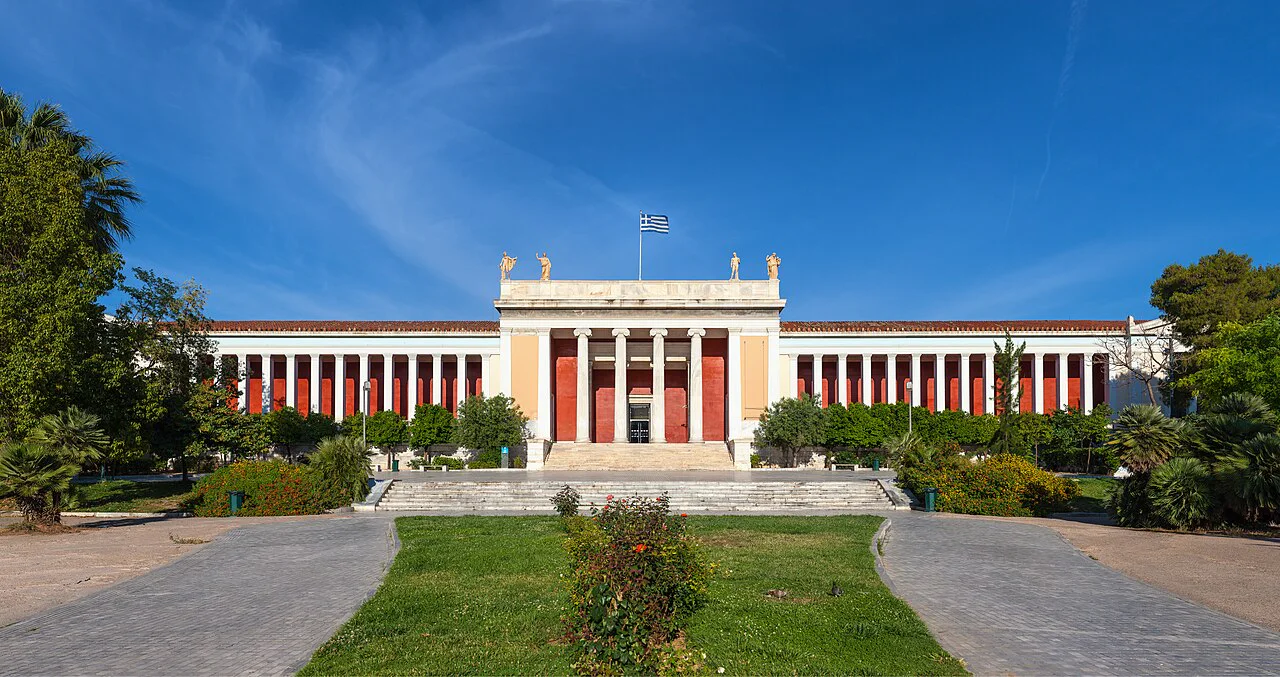
Athens · 91 artworks
Εθνικό Αρχαιολογικό Μουσείο
Content & sources
Thomas Wolf, www.foto-tw.de · CC BY-SA 3.0 de
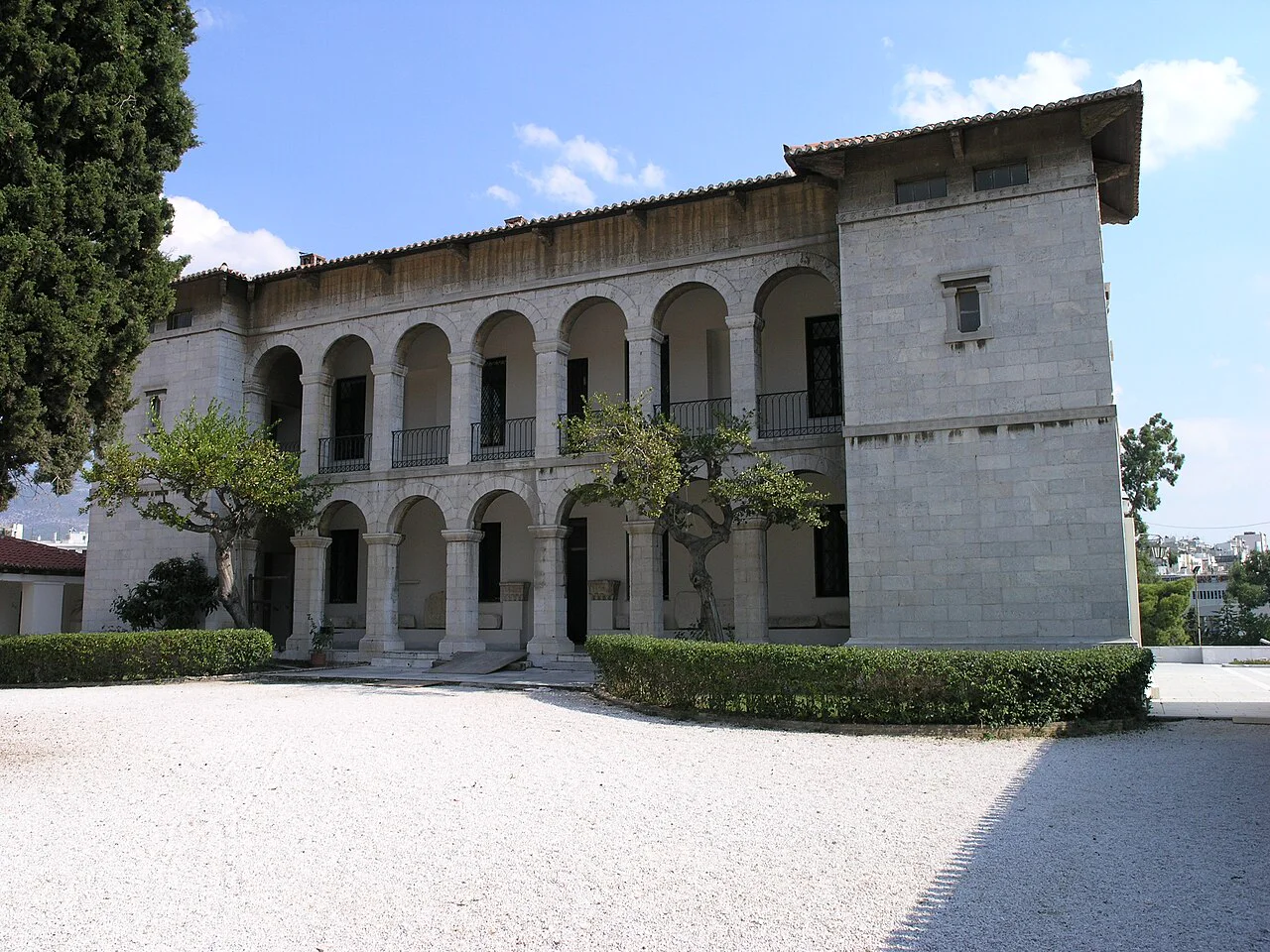
Athens · 19 artworks
Βυζαντινό και Χριστιανικό Μουσείο
Content & sources
Photo: Marsyas · CC BY-SA 3.0
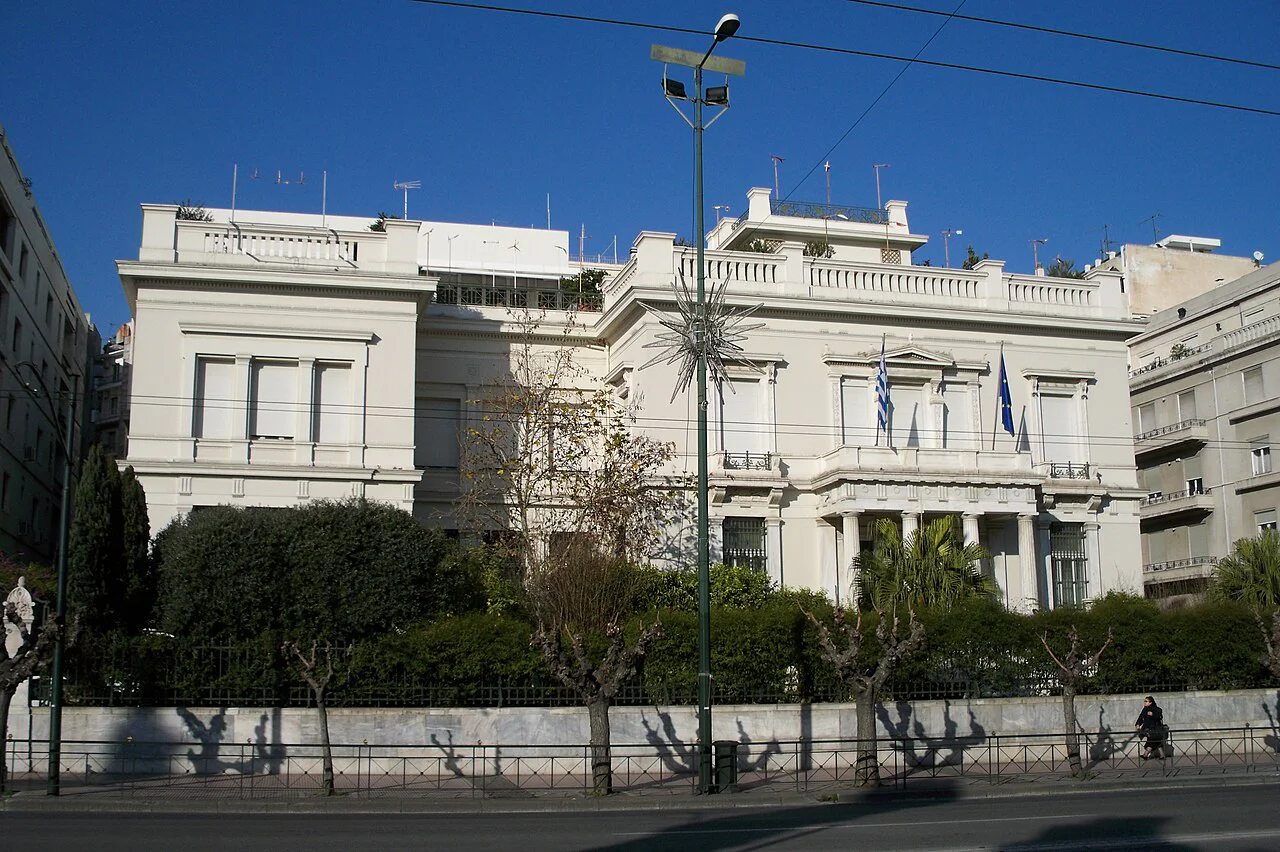
Athens · 17 artworks
Μουσείο Μπενάκη
Content & sources
Photo: Dimboukas · CC BY-SA 3.0
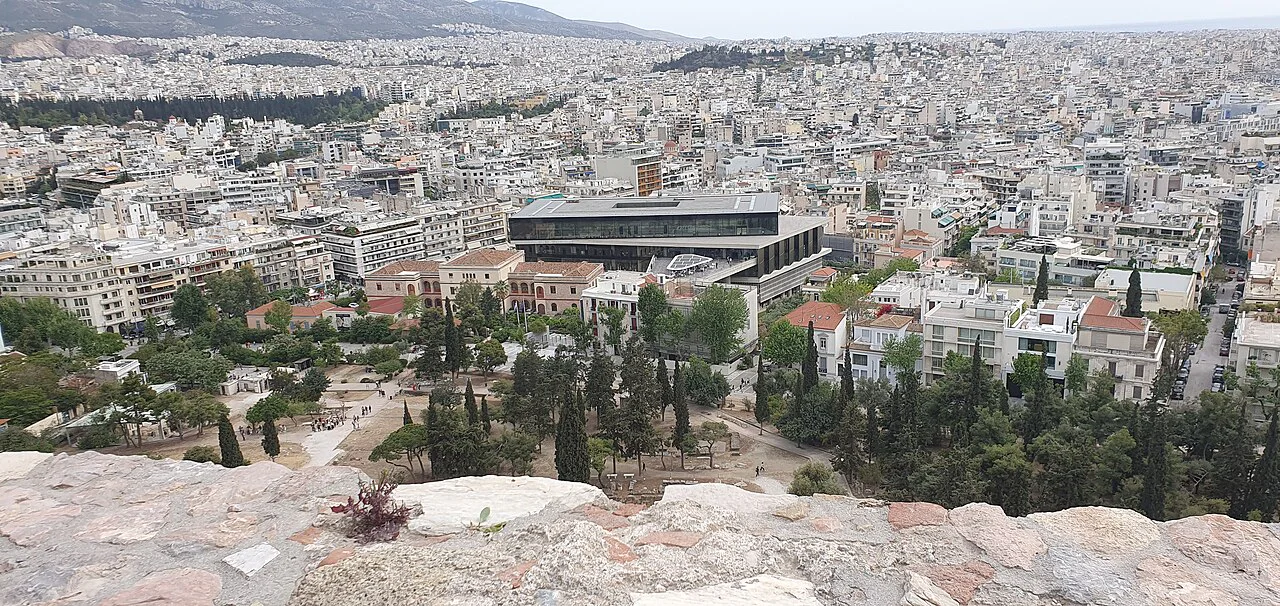
Athens · 35 artworks
Μουσείο Ακρόπολης
Content & sources
Photo: Yair-haklai · CC BY-SA 4.0